Industry Briefing
A single destination for timely, editor-curated robotics news from around the world.

Zhangjiang AI Innovation Town Develops City Forecasting Model Using 20,000 Data Categories
A new city forecasting model has been launched by a Chinese AI company, utilizing over 20,000 categories of multimodal data sourced from Zhangjiang AI Innovation Town. This model aims to enhance urban planning and management by providing predictive insights based on diverse datasets. The significance of this development lies in its potential to transform urban analytics, allowing city planners to make data-driven decisions. By leveraging such a vast array of data, the model can offer nuanced forecasts that address various urban challenges, from traffic management to resource allocation. Looking ahead, the next steps for this initiative remain unclear, as no further timeline was disclosed at the time of publication. Stakeholders will be keen to observe how this model is integrated into existing urban frameworks and its impact on city management practices.
Artificial Intelligence News Robotics shanghai spatiotemporal foundation model Wiz Technology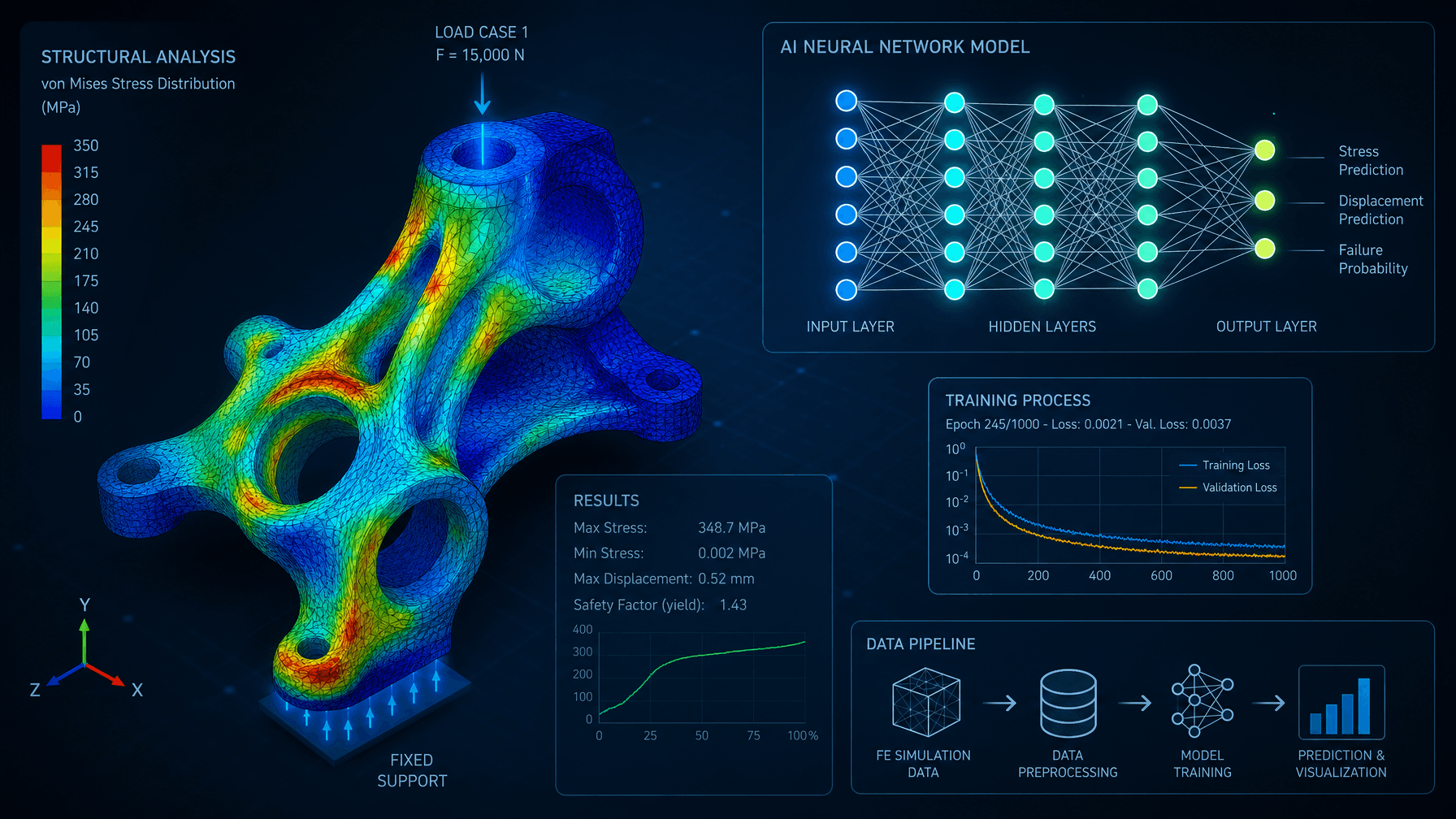
Jiying Technology Launches First Zero-Shot Generalizable Physics Model for Engineering Simulations
Jiying Technology has unveiled its Jiying 2.0 physics foundation model, which is capable of zero-shot generalization across various geometries, materials, and boundary conditions. This model represents a significant advancement in physics AI, particularly for engineering simulations, and was announced in October 2023. The introduction of the Jiying 2.0 model is crucial as it allows engineers to simulate complex physical scenarios without the need for extensive retraining on specific datasets. This capability can enhance efficiency and reduce the time required for simulations, making it a valuable tool in engineering design and analysis. Looking ahead, industry professionals will be keen to observe how the adoption of the Jiying 2.0 model influences engineering practices and simulation accuracy. No further timeline was disclosed at the time of publication regarding additional features or updates to the model.
Technology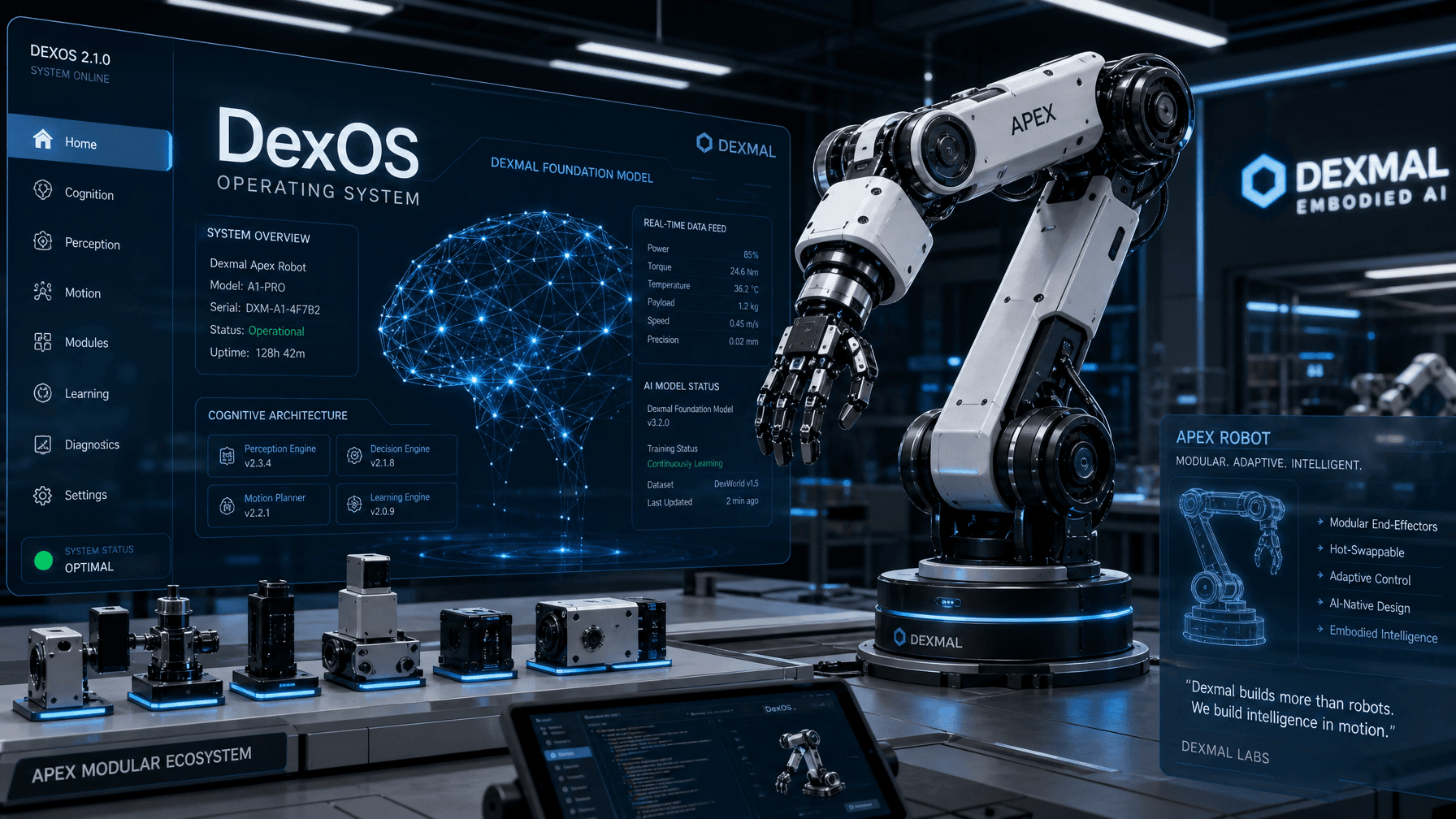
Dexmal Launches DM0.5 Model and DexOS to Enhance Embodied AI Productivity
Dexmal has introduced its DM0.5 foundation model, Apex universal robot, DexOS operating system, and MaaS platform, aiming to bridge the engineering gap between embodied AI models and practical productivity. This launch marks a significant step in the company's strategy to enhance the application of AI in real-world scenarios, with a focus on improving operational efficiency. The introduction of these products is crucial as they represent a comprehensive approach to integrating AI into various sectors. By addressing the final engineering challenges, Dexmal seeks to enable more seamless interactions between AI systems and physical environments, potentially transforming workflows across industries. The DM0.5 model is designed to optimize performance, while DexOS provides a robust operating framework for managing AI tasks. Looking ahead, Dexmal's three-stage strategy will be pivotal in determining the success of these innovations. The company has not disclosed specific timelines for the rollout of these products, but the focus on enhancing productivity through embodied AI suggests a proactive approach to market demands and technological advancements.
Technology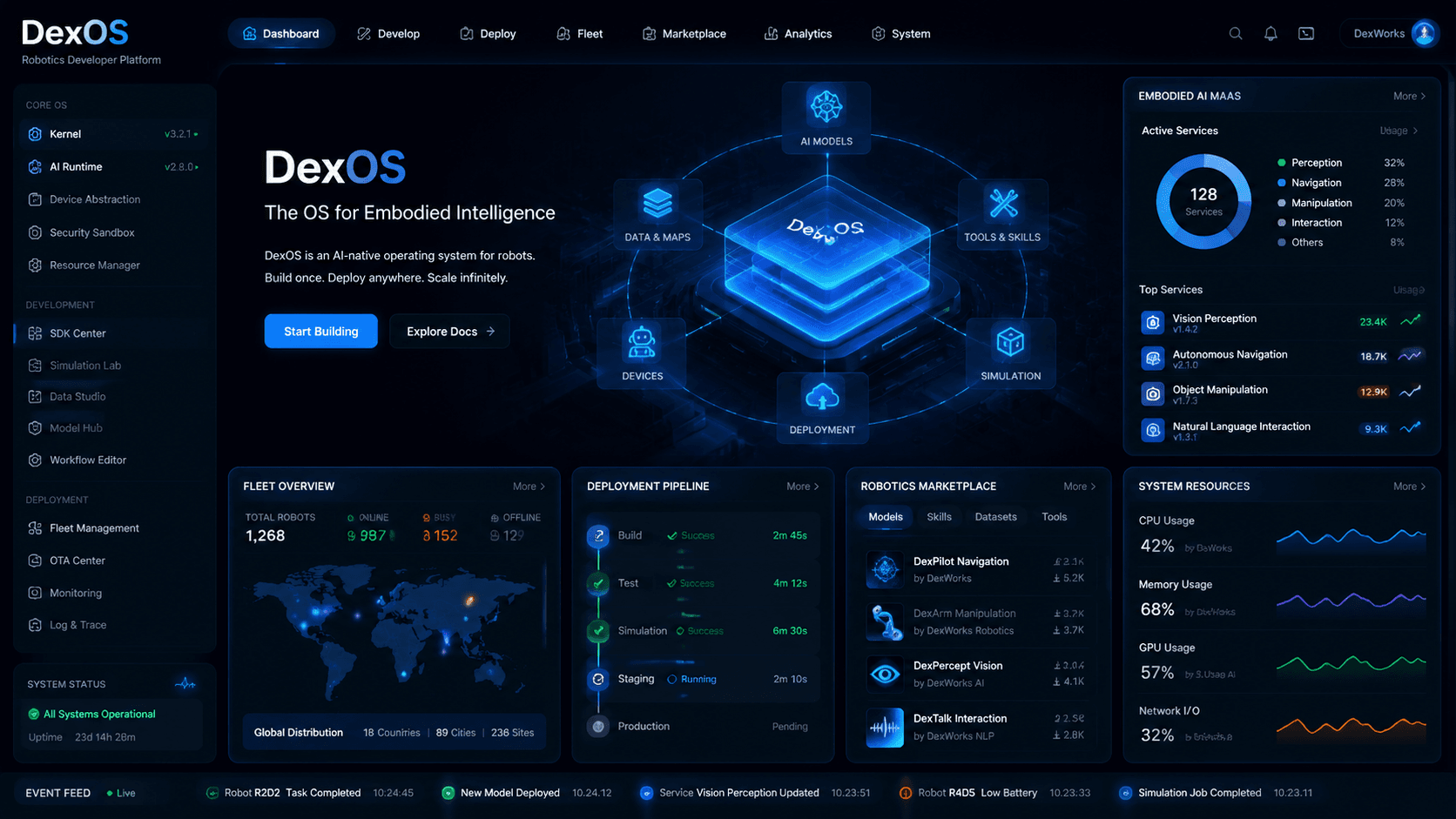
Dexmal Introduces DM0.5 Model and DexOS at Action Developer Conference
Dexmal has launched its DM0.5 foundation model, DexOS operating system, and an embodied Mobility-as-a-Service (MaaS) platform during the Action developer conference. This event took place recently and aims to position Dexmal as a key player in the robotics industry by creating a versatile platform akin to Android for robotics applications. The introduction of the DM0.5 model and DexOS is significant as it seeks to address the challenges of scaling robotic models into practical, real-world scenarios. By providing a unified operating system and a robust foundation model, Dexmal aims to enhance interoperability and functionality across various robotic applications, potentially transforming how developers approach robotics solutions. Looking ahead, Dexmal's next steps involve further development of its MaaS platform and expanding the capabilities of the DM0.5 model. No further timeline was disclosed at the time of publication, but industry watchers will be keen to see how these innovations influence the robotics landscape and attract developer interest.
Robotics
X Square Robot Secures Four Consecutive Financing Rounds, Surpasses US$2.8 Billion Valuation in Push for Physical AI Foundation Models
A new funding initiative has been launched to advance the development of embodied AI foundation models, enhance commercial deployments, and establish integrated robotics infrastructure. This initiative marks a significant collaboration as it is the only embodied AI company supported by all four major Chinese internet technology leaders. The funding aims to accelerate innovation in the field of artificial intelligence and robotics, reflecting a growing interest in integrating AI into practical applications. The initiative is expected to facilitate the creation of advanced AI systems that can interact with the physical world, thereby transforming various industries.
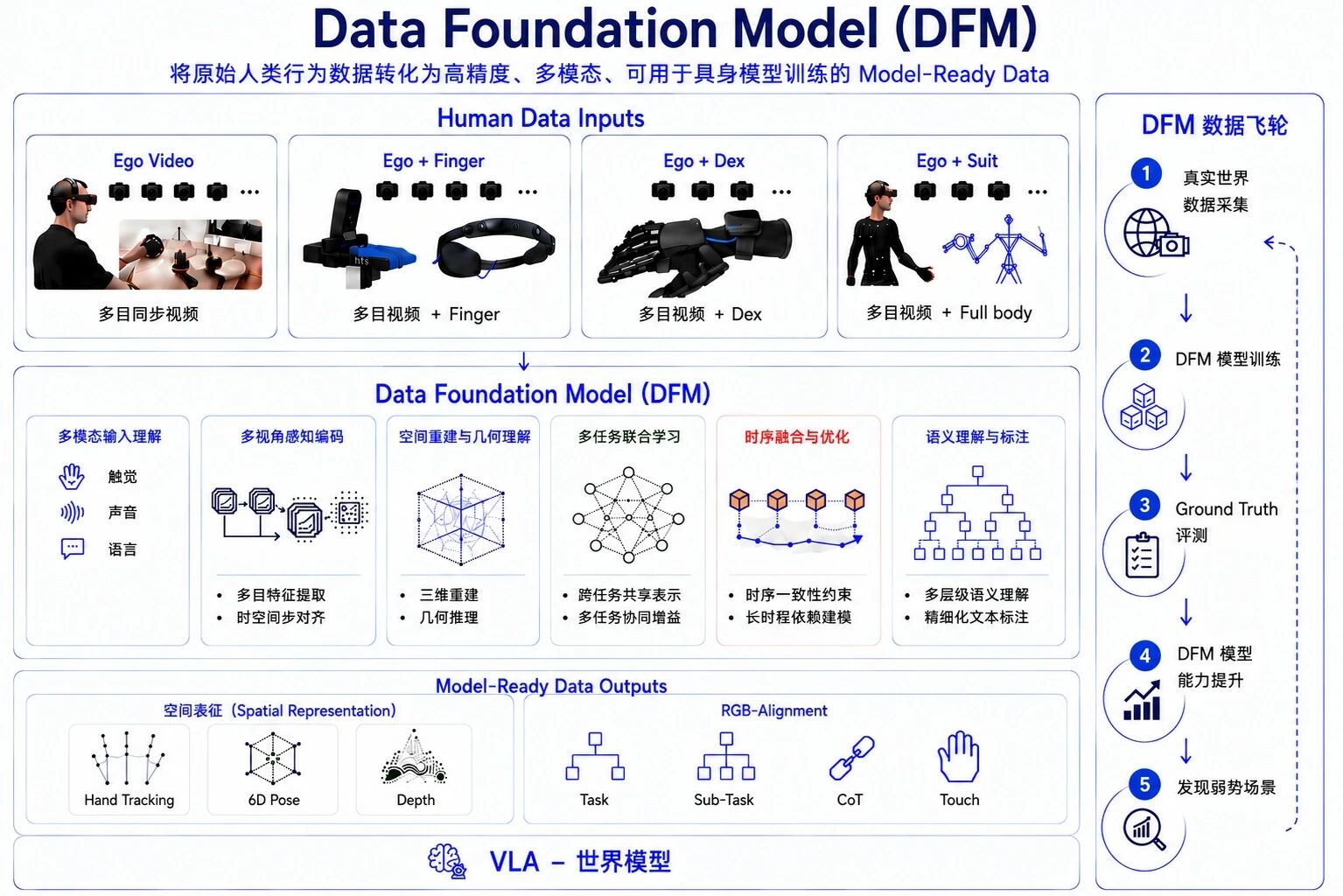
Why Human Data Requires a Data Foundation Model
Human Data is confronting significant challenges in effectively embodying intelligence, prompting the development of a Data Foundation Model (DFM). This innovative framework aims to convert raw human data into high-quality, multi-modal, and task-ready formats, thereby enhancing data accuracy, efficiency, and scalability for training embodied models. The DFM is designed to provide a robust infrastructure that facilitates data integration and understanding while allowing for continuous evolution. By addressing these critical issues, the DFM seeks to improve the overall effectiveness of data utilization in various applications.
Human Data Data Foundation Model Embodied Intelligence Multi-modal Data Data Processing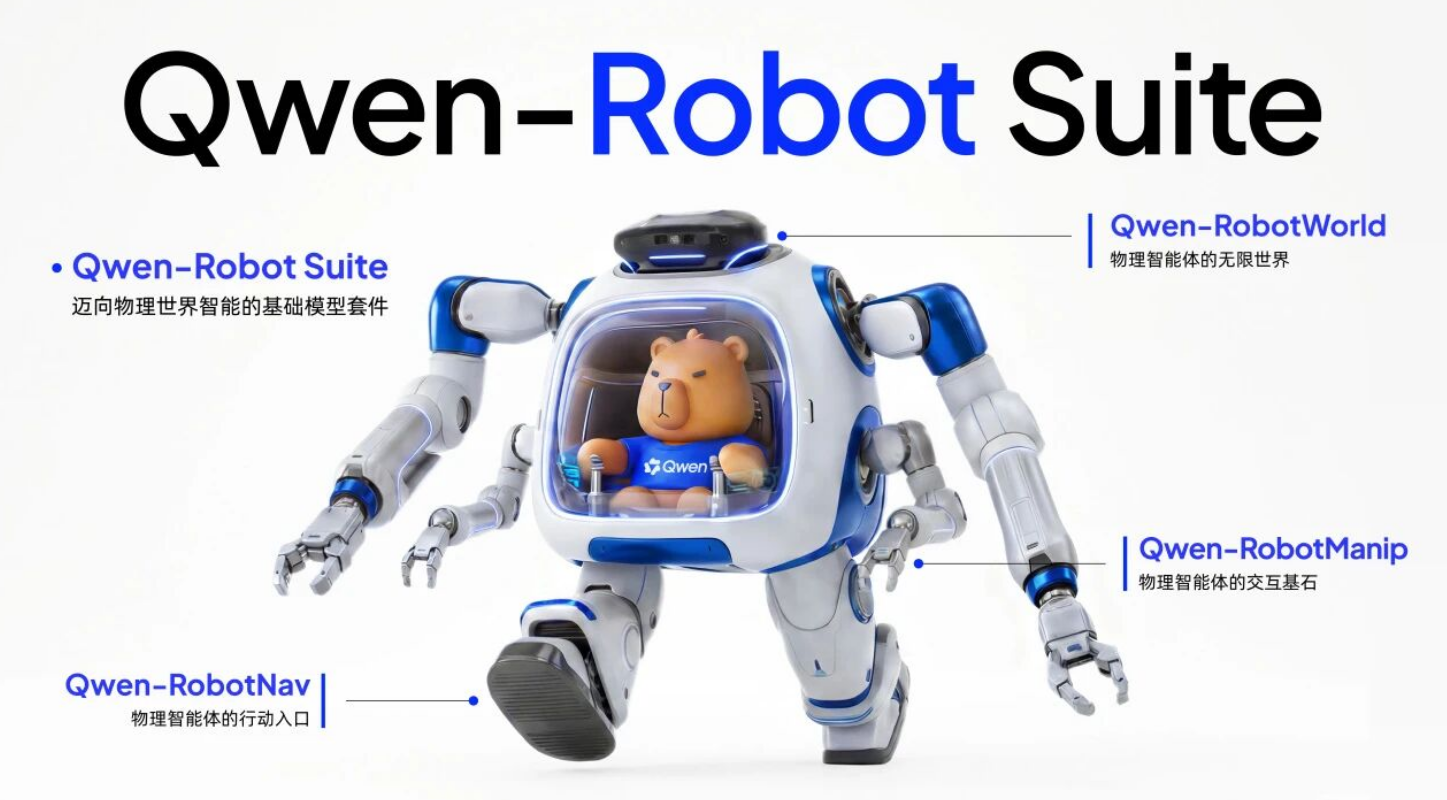
Alibaba unveils Qwen-Robot series with three foundation models for embodied AI
On Tuesday, the Qwen team unveiled a new robotics suite that includes three foundational models: Qwen-RobotNav, Qwen-RobotManip, and Qwen-RobotWorld. These models are designed to integrate language processing with various physical actions, enhancing the capabilities of mobile robotics. Qwen-RobotNav, in particular, advances vision-language integration by employing controllable observation encoding and tool-based interfaces. This innovative model consolidates four essential tasks into a single framework, which includes instruction following and goal-directed navigation. The release aims to improve the interaction between language and robotics, paving the way for more sophisticated and versatile robotic applications.
News Feed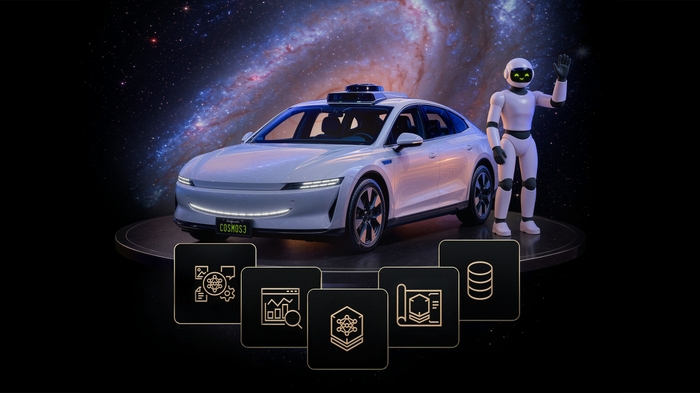
NVIDIA Launches Cosmos 3, the Open Frontier Foundation Model for Physical AI
NVIDIA has unveiled its latest innovation, the NVIDIA Cosmos™ 3, a groundbreaking open world foundation model designed for physical AI. This advanced system integrates a mixture-of-transformers architecture that seamlessly combines vision reasoning, world generation, and action prediction into one cohesive platform. The launch, which took place today, marks a significant step forward in the development of artificial intelligence, aiming to enhance the capabilities of AI in understanding and interacting with the physical world. By leveraging this sophisticated technology, NVIDIA seeks to push the boundaries of AI applications across various industries, paving the way for more intelligent and responsive systems.

Chef Robotics Advances Bi-Manual Physical AI System for Prep Table Food Assembly Powered by a Food Foundation Model
Chef Robotics has announced the development of a bi-manual physical AI system aimed at enhancing food assembly tasks on prep tables, such as burger and burrito preparation. This innovative system, which is set to launch on May 19, 2026, will cater to various sectors including ghost kitchens, fast-casual restaurants, and catering services, focusing on lower-volume yet more complex meal assembly compared to traditional food manufacturing processes. The new AI system utilizes two robotic arms for coordinated and dexterous manipulation, mimicking human-like capabilities to handle a variety of food items and utensils. It is powered by Chef's Food Foundation Model (FFM), which employs imitation learning to adapt quickly to diverse tasks and environments, overcoming the limitations of existing robotic systems that struggle with the variability of food materials. Chef Robotics aims to automate manual prep table assembly, a critical area in the food industry that has remained largely reliant on human labor. By leveraging the FFM, the system is designed to learn from demonstrations, allowing it to generalize across different tasks and robotic platforms. This advancement is expected to improve operational efficiency, yield, and consistency in food preparation, ultimately transforming how food assembly is approached in various culinary settings.
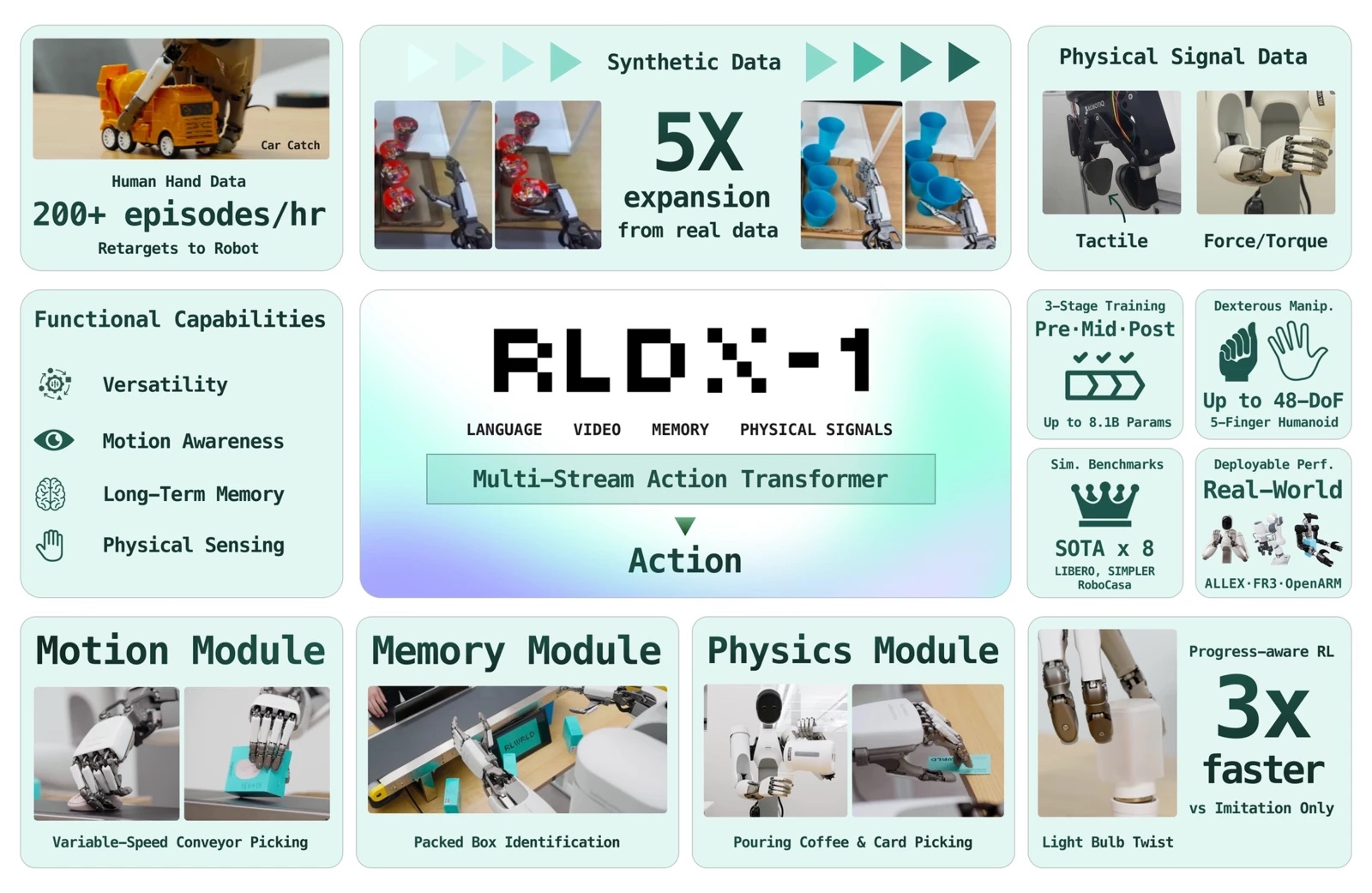
RLWRLD releases RLDX-1, a dexterity-first foundation model for robot hands
RLWRLD has unveiled its latest innovation, the RLDX-1, a foundation model designed specifically for robotic hands. This new model aims to enhance dexterity by incorporating features such as context memorization and force sensing, which are often absent in current robotic models. The release of RLDX-1 marks a significant advancement in the field of robotics, addressing critical limitations that have hindered the performance of robotic hands.
Artificial Intelligence Artificial Intelligence / Cognition Design / Development Development Tools / SDKs / Libraries Grippers Human Robot Interaction / Haptics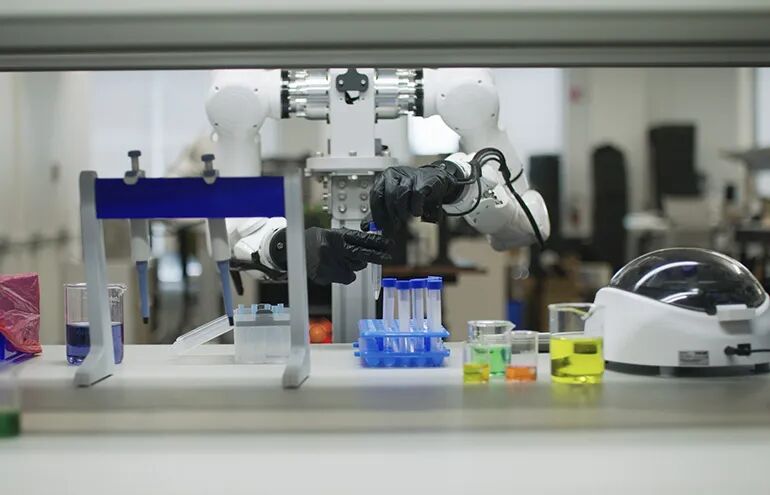
Genesis AI Unveils GENE-26.5 Robot Foundation Model: Achieving Human-Level Tasks from Cooking to Piano Playing
Genesis AI has unveiled its inaugural robot foundation model, GENE-26.5, which demonstrates advanced capabilities in performing intricate tasks such as cooking, lab pipetting, and playing the piano with remarkable human-like dexterity. This launch, occurring in October 2023, aims to address the 'embodiment gap' in robotics by closely mimicking the structure of the human hand. The model employs cutting-edge data collection techniques to enhance its functionality and adaptability, marking a significant advancement in the field of robotics.
Robotics AI Human-Robot Interaction Data Collection Simulation Systems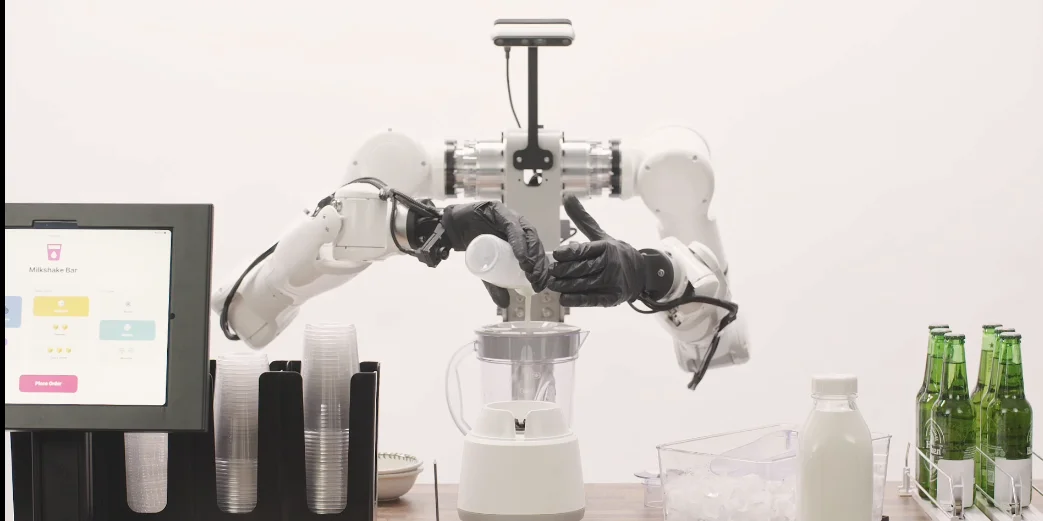
Genesis AI Unveils Foundation Model, Hand & Data Collection System to Develop Human-Level Physical Manipulation for Robotics
Genesis AI has introduced a groundbreaking robotics foundation model named GENE-26.5, accompanied by a proprietary robotic hand and a data collection system aimed at enhancing the ability of robots to learn complex physical tasks by observing human behavior. This innovative system seeks to tackle the challenges associated with gathering substantial amounts of usable training data necessary for teaching robots to perform intricate tasks effectively. The unveiling of GENE-26.5 marks a significant advancement in the field of robotics, as it promises to streamline the learning process for robots, making them more adept at mimicking human actions.
AI AI Use Cases Robotics Eclipse Eric Schmidt Foundation AI Model for Robotics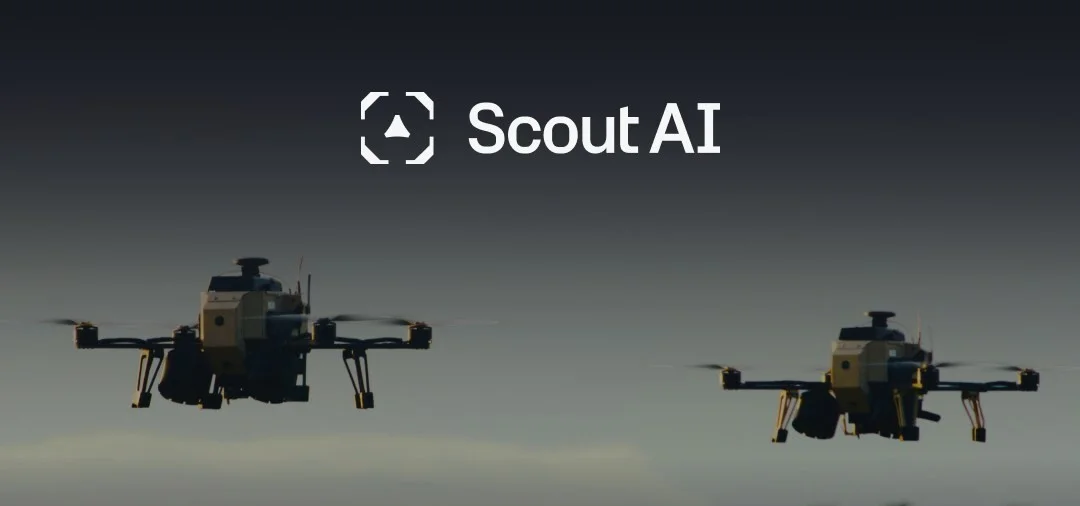
Autonomous Defense Startup Scout AI Raises $100M Series A to Build Foundation Model for Unmanned Warfare
Scout AI, a defense-focused artificial intelligence startup, has successfully secured $100 million in an oversubscribed Series A funding round aimed at advancing its foundation model for autonomous military operations. The funding, which was co-led by Align Ventures and Draper Associates, attracted investments from several notable firms including Decisive Point, Booz Allen Ventures, BVVC, Neman Ventures, Evolution VC Partners, and Heraclitus Capital Management, among others. This significant financial backing will enable Scout AI to enhance its technological capabilities and accelerate the development of solutions designed to improve military efficiency and effectiveness. The funding round reflects growing interest and investment in AI technologies within the defense sector, highlighting the increasing reliance on advanced technology for national security operations.
AI AI Funding & Investment Robotics Align Ventures autonomous autonomous uncrewed surface vessel technology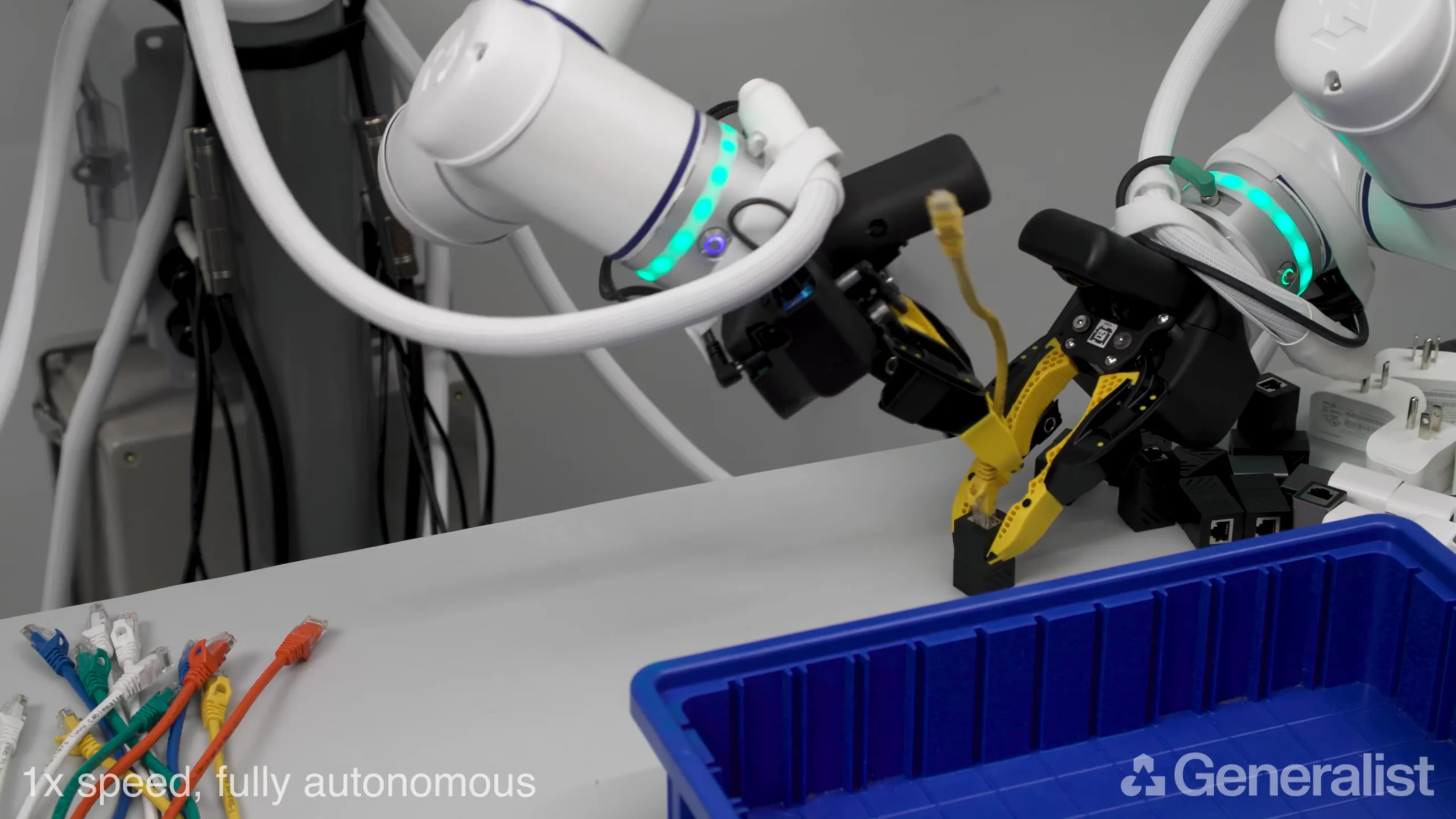
The Death of the Label: Generalist AI Rejects 'World Models' in Favor of First-Class Physical Foundation
Pete Florence, CEO of Generalist AI, has expressed his views on the evolving terminology within the artificial intelligence sector, specifically criticizing terms such as 'VLA' and 'World Model' as mere temporary solutions. During a recent discussion, he emphasized that the architecture of GEN-1, which boasts a 99% scratch-trained framework, represents a strategic investment in the future reliance on purely robotic data. Florence's insights reflect a broader industry trend towards embracing more advanced and foundational approaches to AI development, suggesting a shift away from conventional terminologies as the field matures. This commentary comes as the AI landscape continues to evolve rapidly, with companies seeking to establish more robust and effective models for the future.
US GEN-1 World-Models Generalist AI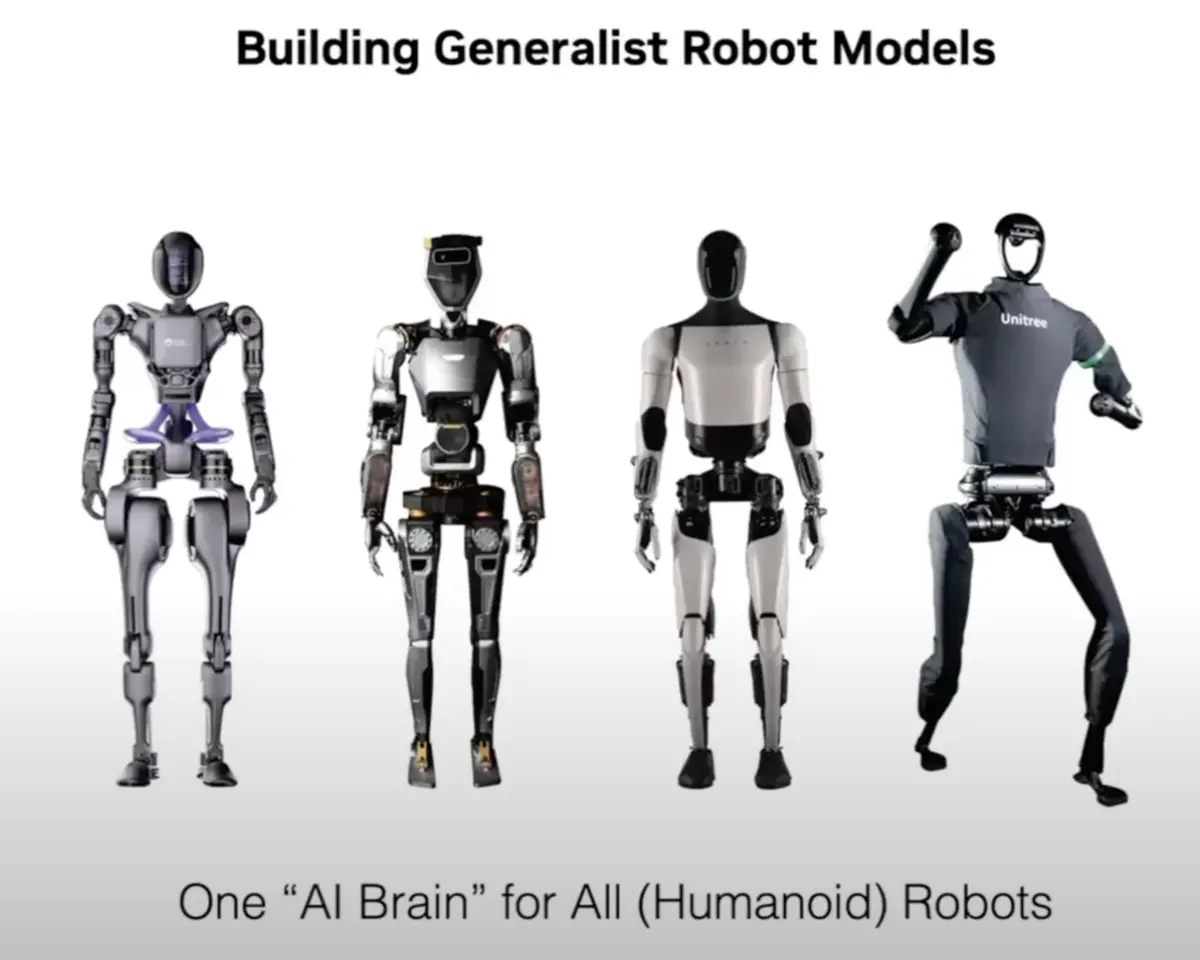
NVIDIA Details Open-Source GR00T N1 Foundation Model and Hover Controller for Humanoids
At the Marktechpost miniCON Open Source AI 2025, NVIDIA Research Scientist Yuke Zhu unveiled Project GR00T, which focuses on a simulation-first strategy for developing generalist foundation models tailored for humanoid robots. The initiative includes the launch of the open-source GR00T N1 multimodal model and the Hover whole-body controller. These innovations aim to enhance cross-embodiment capabilities and expedite development processes for NVIDIA's robotics partners. This presentation highlights NVIDIA's commitment to advancing robotics technology through collaborative and open-source efforts.
NVIDIA open-source hover GR00T
From vision to reality: how to deploy foundation models across industries
The recent deployment of foundation models across various industries marks a significant transformation in the application of artificial intelligence. This shift is not merely about introducing a singular, powerful solution to replace existing workflows; rather, it emphasizes a complex and iterative process of aligning advanced technology with engineering practices and market demands. On Thursday, the founders of two prominent Chinese AI unicorns discussed these developments, highlighting the importance of adapting AI agents to meet specific industry needs. Their insights reflect a broader trend in the tech landscape, where the focus is on integrating AI solutions that enhance rather than disrupt current operational frameworks. This evolution is expected to drive innovation and efficiency, as businesses seek to leverage AI in a way that complements their existing systems.
Events AI Ant Group
Why Financial Institutions Are Converging on Transaction Foundation Models to Build Their Own Intelligence
Financial institutions have invested significant time and resources in developing artificial intelligence applications, including fraud detection models, credit assessment tools, recommendation systems, and risk management frameworks. However, despite the effectiveness of these specialized models, the industry faces challenges due to the prevalence of siloed systems. These isolated systems hinder the ability to share data and insights across different departments, limiting the overall potential of AI in enhancing operational efficiency and decision-making. As the financial sector seeks to leverage AI more effectively, there is a growing need to integrate these disparate systems to foster collaboration and innovation. This shift is crucial for maximizing the benefits of AI technologies and addressing the evolving demands of the market.

Ai2 Releases ‘MolmoAct 2’ Open-Source Foundation Model for Robots
The Allen Institute for AI (Ai2) has unveiled a new open-source robotics model and an extensive training dataset, aimed at enhancing the ability of robots to execute physical tasks in real-world settings. Named MolmoAct 2, this updated system is specifically designed to improve robots' comprehension of spatial environments and their responsiveness to instructions. The initiative reflects Ai2's commitment to advancing robotics technology and making it more accessible for developers and researchers. By providing this resource, Ai2 hopes to facilitate innovations in robotic applications across various industries.
AI AI Research & Advances Robotics Ai2 Allen Institute for AI Cortex AI
SpaceX Launches Starmind Project for 1 Million AI Satellites by 2028
SpaceX has officially named its orbital AI infrastructure project 'Starmind,' which aims to deploy a constellation of up to 1 million satellites. This initiative, confirmed by Elon Musk on June 22, 2026, will enable AI inference directly in space, utilizing solar energy rather than terrestrial power sources. The first satellite, designated AI1, was unveiled on June 8, 2026, and is designed to operate in sun-synchronous orbits. The significance of Starmind lies in its potential to overcome the limitations faced by ground-based data centers, such as land, power, and water constraints. By running AI computations in orbit, Starmind can provide a more efficient solution to the growing demand for AI computing power. The project leverages the existing Starlink infrastructure for data transmission, distinguishing its function from Starlink's internet relay capabilities. Looking ahead, SpaceX plans to begin hardware deployment with the AI1 satellite, while full-scale production and deployment of the satellite constellation are targeted for 2028. As of now, no Starmind satellites have been launched, and further engineering challenges remain to be addressed, particularly regarding the scalability of the satellite design.
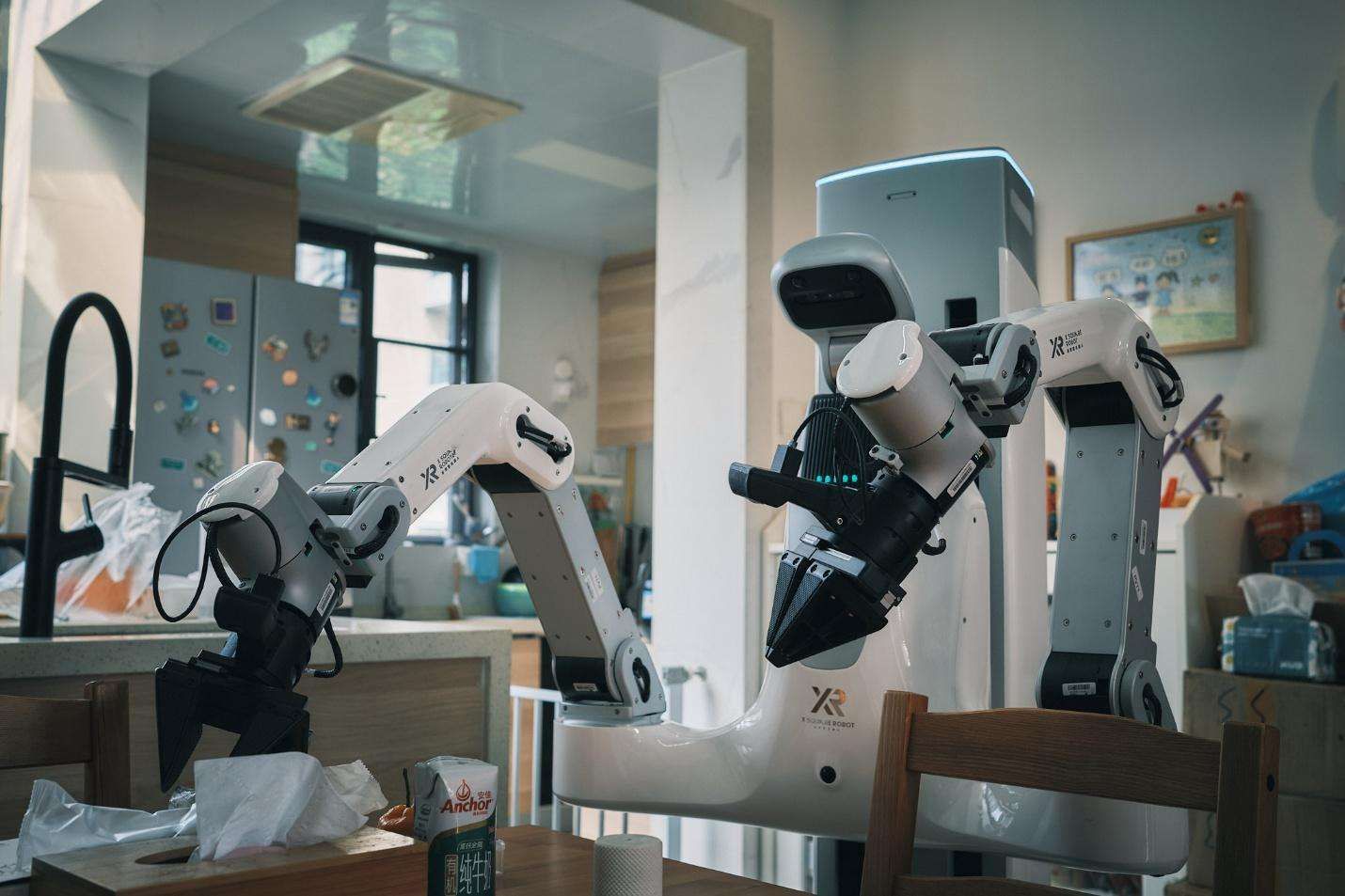
X Square Robot Closes Four Consecutive Rounds, Hits $2.8B Valuation as It Powers Physical-AI Foundation Models
X Square Robot has successfully completed four consecutive funding rounds, culminating in a Series C that has propelled its valuation to $2.8 billion. This achievement marks the company as the sole embodied AI firm in China to receive backing from all four of the country's major internet giants. The funding rounds reflect a growing interest and investment in artificial intelligence technologies, particularly in the realm of embodied AI, which integrates physical presence with intelligent systems. The significant financial support from these leading tech companies underscores the potential they see in X Square Robot's innovative approach and technology.
Startups
Visual 3D Spatiotemporal Fields‐Driven Obstacle Avoidance Using Model Predictive Control for Nursing Robots in Unstructured Environments
A recent study published in the Journal of Field Robotics highlights advancements in robotic technology aimed at enhancing agricultural efficiency. Researchers from various institutions collaborated to develop a new autonomous robot capable of performing tasks such as planting, weeding, and harvesting crops. This innovative technology was tested in fields across California during the summer of 2023, showcasing its potential to significantly reduce labor costs and increase productivity for farmers. The motivation behind this development stems from the growing demand for sustainable farming practices and the need to address labor shortages in the agricultural sector. By integrating advanced sensors and machine learning algorithms, the robot can navigate complex field environments and make real-time decisions, improving its operational effectiveness. The study emphasizes the importance of robotics in modern agriculture, particularly as the industry faces challenges related to climate change and food security. The researchers believe that widespread adoption of such technology could lead to more efficient resource use and a reduction in the environmental impact of farming practices. As the agricultural landscape continues to evolve, this breakthrough represents a significant step toward the future of farming, where robotics play a crucial role in meeting global food demands.
RESEARCH ARTICLE
Foundation Model‐Driven Grasping of Unknown Objects via Center of Gravity Estimation
A recent study published in the Journal of Field Robotics highlights advancements in autonomous robotic systems designed for agricultural applications. Conducted by a team of researchers from various universities, the study was released in early October 2023. The research focuses on enhancing the efficiency and precision of farming practices through the integration of robotics and artificial intelligence. The study addresses the growing need for sustainable agricultural solutions amid increasing global food demand and labor shortages. By employing advanced algorithms and machine learning techniques, the researchers developed a prototype robotic system capable of performing tasks such as planting, monitoring crop health, and harvesting with minimal human intervention. Field tests were conducted in diverse agricultural settings, demonstrating the robot's ability to navigate complex terrains and adapt to varying environmental conditions. The findings suggest that these robotic systems could significantly reduce labor costs and improve crop yields, ultimately contributing to more sustainable farming practices. This innovative approach not only aims to alleviate some of the pressures faced by the agricultural sector but also seeks to pave the way for future developments in the field of robotics, emphasizing the importance of technology in addressing global challenges.
RESEARCH ARTICLE
Interview: ‘AI delivers clear advantages over generic foundational models’
Hamid Montazeri is advancing the field of “physical AI,” a specialized form of artificial intelligence aimed at functioning effectively in unpredictable and rapidly changing environments. This innovative approach seeks to enhance the capabilities of AI systems, enabling them to adapt and respond to real-world challenges more efficiently. Montazeri's work is particularly relevant in sectors where quick decision-making and adaptability are crucial, such as robotics and autonomous systems. By focusing on domain-specific applications, he aims to bridge the gap between theoretical AI concepts and practical implementations, ultimately improving the performance and reliability of AI technologies in various industries.
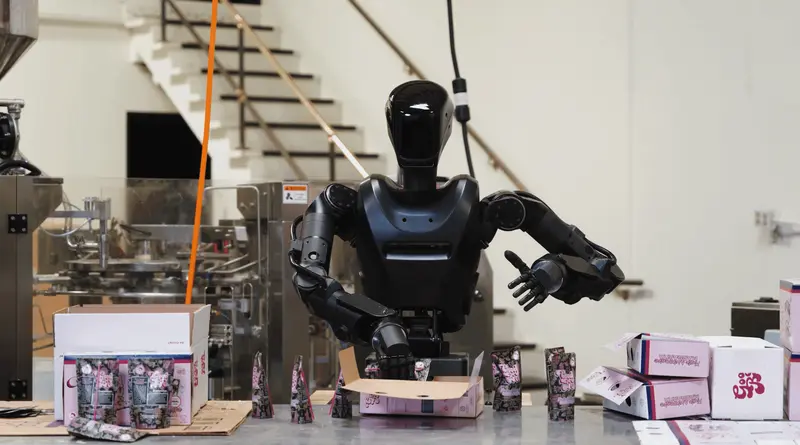
Foundation Emerges With 'Phantom' Humanoid, Betting on Novel Actuators and Hybrid AI
Foundation Robotics, a new company founded in May 2023 and led by former Synapse CEO Sankaet Pathak, has unveiled its humanoid robot, 'Phantom,' aimed at revolutionizing industrial automation. The company is focusing on developing proprietary high-efficiency actuators and employing a hybrid AI methodology that integrates state-based models with imitation learning. With plans for initial deliveries set for mid-2025, Foundation Robotics seeks to distinguish itself from competitors such as Figure and Tesla by prioritizing superior hardware performance and expedited AI training processes. This strategic approach is designed to meet the growing demand for advanced automation solutions in various industries.
sankaet-pathak phantom foundation
Robbyant Unveils LingBot-Depth 2.0 with Enhanced Spatial Perception for Robotics
Chinese AI company Robbyant has launched LingBot-Depth 2.0, a next-generation spatial perception model designed to enhance robotic navigation in complex environments. This model builds on the previous LingBot-Depth, utilizing the Masked Depth Modeling technique and trained on 150 million samples, achieving top results in 12 out of 16 depth completion benchmarks. Notably, it reduces depth error by over 50%, improving accuracy in challenging indoor settings. The significance of LingBot-Depth 2.0 lies in its ability to accurately perceive transparent and reflective surfaces, areas where traditional depth cameras often struggle. The model's advancements are attributed to LingBot-Vision, a visual foundation model that employs a unique “boundary structure” pre-training objective, enabling sub-pixel-level boundary localization. Despite being trained on a smaller dataset of 160 million images, it demonstrates robust performance across various robotic vision applications, enhancing object boundary detection and tracking. Looking ahead, Robbyant's collaboration with Orbbec aims to integrate LingBot-Depth 2.0 into new hardware solutions for robotics data collection. The RGB-D EGO device, part of Orbbec’s Robot-Free Data Collection Hardware Platform, will feature a customized version of the model. Future updates are expected to further enhance depth completion and spatial structure understanding, providing a solid foundation for training embodied AI systems in real-world scenarios. No further timeline was disclosed at the time of publication.
AI and Robotics
First in the Industry: Dual Model Compliance for Huisi Kaiwu's Intelligent Robotics Platform
On June 26, 2026, the Huisi Kaiwu platform, part of the Beijing Humanoid Robot Innovation Center, marked a significant achievement by successfully completing compliance registration for two foundational models, Pelican-VL and WoW. This milestone represents the first instance of dual model registration in China's humanoid robotics sector. The accomplishment underscores the platform's preparedness for commercial deployment and signals a broader shift towards practical applications and technological advancements within the industry.
Humanoid Robots AI Robotics Compliance Simulation Models
Open Models, Closed Environments: Palantir Brings Secure AI to US Agencies With NVIDIA Nemotron
Palantir Technologies unveiled its latest intelligent engine today, emphasizing the significance of open source innovation in the development of artificial intelligence for U.S. government agencies. This new engine leverages NVIDIA's Nemotron open models, highlighting a commitment to utilizing open source software, which has been a foundational element in the evolution of technology. The introduction of this engine aims to enhance the capabilities of government operations by providing advanced AI solutions tailored to meet their specific needs. By integrating open source resources, Palantir seeks to foster collaboration and drive innovation within the AI sector, ultimately benefiting public sector initiatives.

RoboScience launches Visics, a versatile embodied model for cross-ontology, cross-object, and cross-task applications.
On June 24, RoboScience, a company specializing in embodied intelligence, unveiled its self-developed Visics large model, introducing the innovative VLOA (Vision-Language-Object-Action) architecture. This announcement marks a significant advancement in the field, demonstrating the model's applications in real-world scenarios such as furniture assembly, dexterous grasping, and dynamic assembly lines. The current landscape of embodied intelligence lacks a universally accepted foundational representation unit, which hampers data collection, model learning, and the transfer of knowledge to new contexts. Traditionally, models have focused on replicating specific robotic movements tied to particular tasks, limiting their adaptability to new robots, objects, or environments. Founder and CEO Tian Ye highlighted three major challenges in robotic operations: poor generalization, difficulty in precise manipulation, and cumulative errors in long-range tasks. To address these issues, RoboScience has developed a new foundational representation unit from the ground up. The Visics model employs a dual-engine architecture, consisting of an embodied world model and a universal operation model, each operating independently. The embodied world model utilizes vast amounts of internet video data to learn the physical dynamics of objects, while the operation model translates object trajectories into actionable commands for robots. This layered design enhances the model's generalization capabilities across various robotic platforms and tasks. RoboScience's innovative approach also includes a high-precision simulation engine, RoboMirage, which, combined with automated video data annotation, significantly reduces data acquisition costs. The company aims to build a comprehensive dataset of over 1 terabyte of high-quality manipulation trajectories by 2026. Since its inception, RoboScience has garnered support from multiple investors and established research and production centers in major Chinese cities. The company plans to collaborate with various sectors, including retail and logistics, to standardize robotic products for industrial and commercial applications by the end of this year.

Interview with Wang Zhongyuan: VLA will survive, but world models are the future.
In recent months, the concept of "World Model" has gained significant traction within the AI and robotics sectors, driven by underlying industry anxieties. As AI technology has rapidly evolved over the past two years, limitations in embodied intelligence have become apparent, revealing that while robots can recognize objects, they struggle to understand physical interactions and causal relationships. The World Model aims to bridge this gap by enabling robots to learn the laws of the physical world. At the forefront of this exploration is Wang Zhongyuan, the director of the Beijing Academy of Artificial Intelligence, who identifies four distinct paths in the development of World Models. These include language-centered models, pixel-centered models, 3D structure-centered models, and visual representation-centered models. The Beijing Academy is pioneering a fifth approach that integrates language and visual data into a unified latent space representation, allowing for more complex interactions and predictions. Wang emphasizes that the World Model's potential lies in its ability to enhance embodied intelligence, enabling robots to understand and predict physical interactions over time. He envisions a future where World Models serve as the foundational brain for robots, capable of complex reasoning and decision-making in real-world scenarios. However, he cautions that achieving this goal will require significant advancements in data collection and model training, with a timeline of three to five years anticipated for substantial progress. As the field continues to evolve, the competition will focus on the ability to create models that accurately reflect the complexities of the physical world.

1X Launches World Model Lab to Advance Humanoid Robot Autonomy
1X, a Norwegian-American company specializing in humanoid robotics, has unveiled its new facility, the 1X World Model Lab, aimed at advancing artificial intelligence. This initiative is designed to develop large-scale foundation models that will enable robots to better understand, predict, and interact with their environments. The lab's focus is on pretraining these models using essential data from the outset, enhancing the robots' capabilities in various applications. The launch reflects 1X's commitment to pushing the boundaries of robotics and AI technology.
AI AI Funding & Investment AI Research & Advances Robotics Uncategorized 1X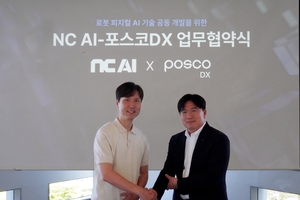
NC AI, Posco DX join hands in robot AI model development
NC AI announced on Sunday that it has entered into a strategic business agreement with Posco DX to collaborate on the development of a robot foundation model and to foster broader technical cooperation. The signing ceremony, which took place recently, featured key figures including Kim Min-jae, the chief technology officer at NC AI, and Yoon Suk-june, the head of the robot automation center at Posco DX, along with senior officials from both organizations. This partnership aims to explore long-term cooperation strategies that will enhance their competitiveness in the fields of robotic intelligence technologies and industrial artificial intelligence.
All News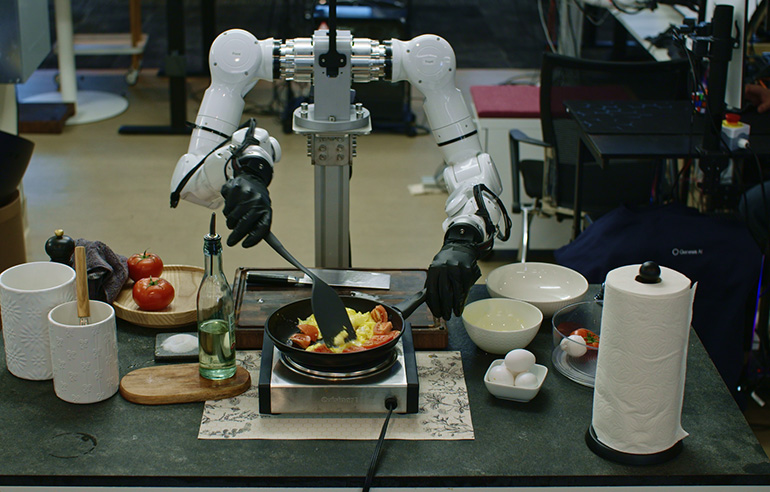
Genesis AI introduces GENE-26.5 model for more dexterous robot manipulation
Genesis AI has unveiled its latest innovation, the GENE-26.5 foundation model, which incorporates an advanced data engine alongside a proprietary robotic hand designed to enhance dexterity in robotic manipulation. This development aims to push the boundaries of robotic capabilities, enabling more precise and versatile movements. The introduction of the GENE-26.5 model marks a significant advancement in the field of robotics, reflecting the company's commitment to leveraging cutting-edge technology to improve robotic functionality. The announcement was made recently, highlighting the potential applications of this model in various industries where enhanced manipulation is crucial.
Arms / Manipulators Artificial Intelligence Artificial Intelligence / Cognition End Effectors / Grippers Grippers Humanoids
The Era of Eka: New Startup Unveils Vision-Force-Action Model to Crack Dexterity
A team of former researchers from MIT and DeepMind has established Eka Robotics, unveiling a groundbreaking "Vision-Force-Action" (VFA) foundation model. This innovative technology harnesses the power of simulation and tactile sensing to enable robots to perform tasks with superhuman speed and remarkable physical intelligence. The launch marks a significant advancement in robotics, aiming to enhance the capabilities of machines in various applications. By integrating advanced sensory data with real-time decision-making, Eka Robotics seeks to revolutionize how robots interact with their environments. The initiative reflects a growing trend in the tech industry to develop more sophisticated and responsive robotic systems, addressing the increasing demand for automation across multiple sectors.
US Eka Robotics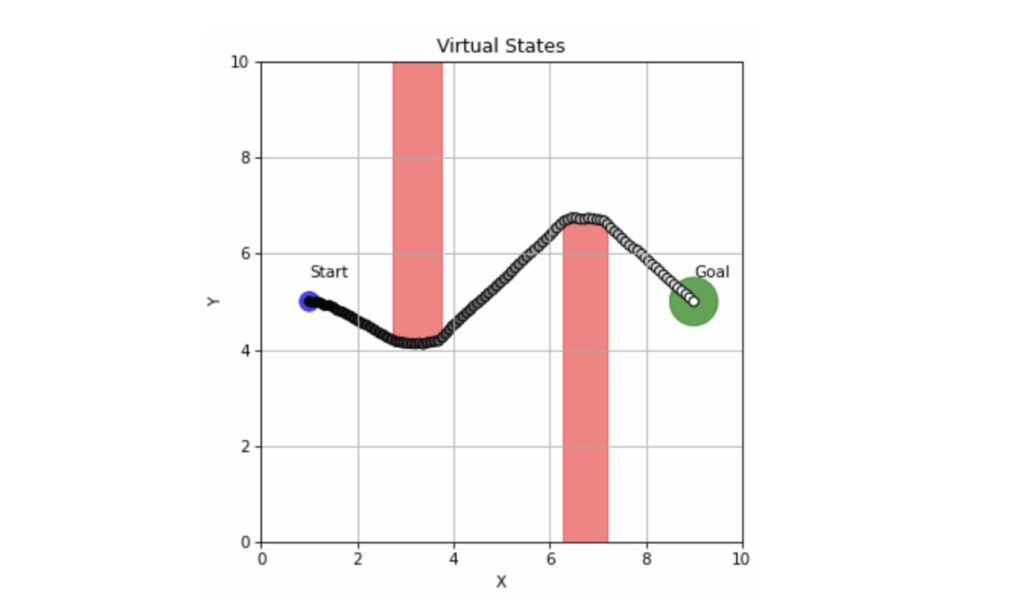
Gradient-based planning for world models at longer horizons
A team of researchers, including Mike Rabbat, Aditi Krishnapriyan, Yann LeCun, and Amir Bar, has introduced GRASP, a new gradient-based planning method designed for learned dynamics in world models. This innovative approach addresses the challenges of long-horizon planning, which has proven to be fragile and inefficient with existing models. GRASP enhances planning by lifting trajectories into virtual states, allowing for parallel optimization across time, and incorporating stochastic elements to facilitate exploration. The development of GRASP comes in response to the limitations of current world models, which, despite their ability to predict complex sequences in high-dimensional spaces, struggle with optimization and can easily fall into local minima. The researchers emphasize that while powerful predictive models exist, effective control and planning remain significant hurdles. By utilizing a collocation-based approach, GRASP optimizes both actions and states, improving computational efficiency and robustness against adversarial vulnerabilities inherent in state gradients. The method also introduces exploration through Gaussian noise in state updates, enhancing the ability to navigate complex planning landscapes. Preliminary results indicate that GRASP significantly outperforms traditional methods in success rates and time efficiency for long-horizon planning tasks. The researchers view GRASP as a foundational step towards more advanced world model planners, with future work aimed at integrating the method into reinforcement learning systems and exploring diffusion-based world models. The full details of the study can be found in their published paper.

X Square Robot Unveils New Embodied AI Model, Says Robots Will Arrive in Homes in 35 Days
X Square Robot has announced the launch of its next-generation embodied AI foundation model for home robots, with significant backing from major tech companies including Alibaba, ByteDance, Xiaomi, and Meituan. The company revealed that it plans to begin deploying these advanced home robots in everyday households within the next 35 days. This initiative aims to enhance domestic automation and improve the efficiency of household tasks, reflecting a growing trend in the integration of AI technology into daily life. The collaboration with prominent industry players underscores the potential impact and innovation of X Square Robot's offerings in the rapidly evolving robotics market.

Deployment Year One: AGIBOT Unveils Massive Fleet and AI Model Stack at APC 2026
At the 2026 AGIBOT Partner Conference, a prominent robotics company based in Shanghai unveiled five innovative robotic platforms alongside eight foundational AI models. This announcement marks a significant transition for the company, moving from showcasing technical demonstrations to focusing on scalable solutions aimed at enhancing industrial productivity. The event, which gathered industry leaders and partners, highlighted the company's commitment to advancing automation technologies and addressing the growing demand for efficient industrial processes. By integrating these new platforms and AI models, AGIBOT aims to empower businesses to optimize their operations and drive growth in an increasingly competitive market.
China AGIBOT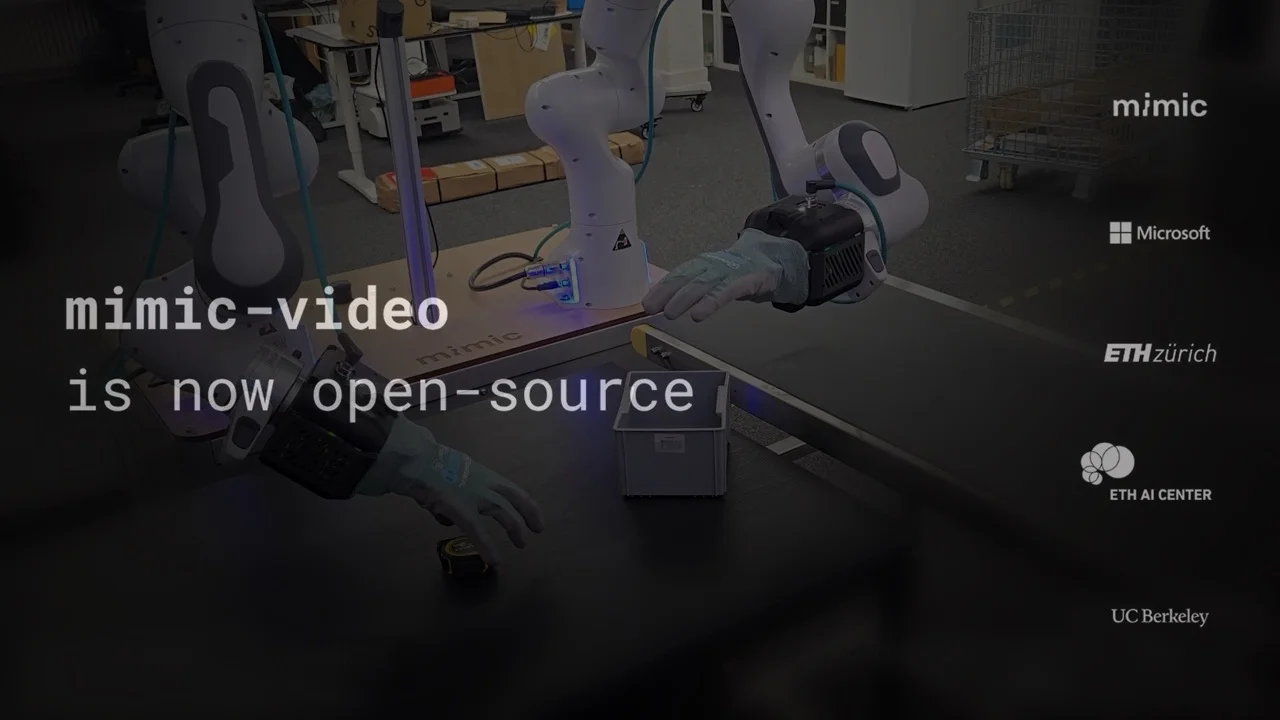
Mimic Robotics Open-Sources "mimic-video" Recipe to Accelerate Video-Action Models
Mimic Robotics, a company based in Zurich, has unveiled its innovative "pixel-to-action" architecture, which is designed to transform the current landscape of artificial intelligence by moving away from traditional static vision-language models. This release, which includes both the code and accompanying research, marks a significant shift towards utilizing dynamic video-based foundations. The initiative aims to enhance the capabilities of AI systems, enabling them to better interpret and respond to visual information in real-time. By sharing this technology, Mimic Robotics seeks to foster advancements in the field and encourage further exploration of video-based AI applications.
Mimic Robotics Europe open-source ETH Zurich
Boston Dynamics' Atlas Behavior Model Open-Sourced by Independent Developer
In a noteworthy advancement for the field of robotics, Bryson K. Jones has unveiled an open-source version of the Large Behavior Model (LBM) developed by the Toyota Research Institute. This model, which serves as the driving force behind Boston Dynamics' Atlas robot, offers a streamlined solution that delivers high performance without requiring extensive computational power. By making this technology accessible to developers, Jones aims to democratize robotics innovation, allowing a broader range of creators to experiment and build upon this foundational model. The release marks a significant step forward in making advanced robotic capabilities more attainable for various applications.
Robotics Behavior Models Open Source AI Machine Learning
The World Model Rebellion: Yann LeCun Launches AMI Labs to Challenge the 'LLM-Pilled' Consensus
Meta's former AI chief, Yann LeCun, has launched AMI Labs in Paris, aiming to develop non-generative world models as a counterpoint to prevailing trends in artificial intelligence. This initiative comes amid speculation of a valuation reaching $3.5 billion and follows LeCun's notable disagreements with tech mogul Elon Musk. LeCun's approach challenges the conventional focus on language as the foundation for achieving true robotic intelligence, suggesting that a different path may be necessary to advance the field. The establishment of AMI Labs marks a significant step in LeCun's vision for the future of AI, emphasizing the importance of alternative methodologies in the pursuit of intelligent systems.
Uma AMI Yann-LeCun embodied-ai
RAPTOR: A foundation policy for quadrotor control
In May 2026, a groundbreaking study published in Science Robotics highlights advancements in robotic technology that could revolutionize various industries. Researchers from leading universities and tech companies collaborated to develop a new generation of robots capable of performing complex tasks with enhanced precision and efficiency. This innovation aims to address labor shortages and improve productivity in sectors such as manufacturing, healthcare, and logistics. The study showcases robots equipped with advanced artificial intelligence and machine learning algorithms, enabling them to adapt to dynamic environments and learn from their experiences. The research team conducted extensive testing in real-world scenarios to demonstrate the robots' capabilities, revealing significant improvements in operational speed and accuracy compared to previous models. The motivation behind this development stems from the increasing demand for automation in response to global economic challenges and the need for more efficient workflows. By integrating these sophisticated robots into various industries, the researchers believe they can not only alleviate workforce pressures but also enhance safety and reduce operational costs. As industries continue to evolve, the findings from this study could pave the way for widespread adoption of robotic solutions, ultimately transforming how businesses operate and interact with technology. The implications of this research extend beyond mere automation, suggesting a future where humans and robots work collaboratively to achieve greater outcomes.
Research Article
Moore Threads and Guangyun Intelligence Partner to Build Domestic Physical AI Foundation with Sovereign Compute and Simulation
Moore Threads and Guangyun Intelligence have announced a strategic partnership aimed at developing a high-confidence synthetic data solution tailored for embodied artificial intelligence. This collaboration will leverage Moore Threads' advanced domestic GPU computing capabilities alongside Guangyun's proprietary simulation platform. The initiative is expected to enhance the effectiveness and reliability of AI systems by providing robust synthetic data, which is crucial for training and improving AI models. The partnership marks a significant step in the evolution of AI technology, reflecting the growing importance of synthetic data in the field.
AI
Wujie Power and Shenshu Technology Collaborate to Build a Comprehensive Technology Foundation for Embodied Intelligence
Wujie Power and Shenshu Technology have formed a strategic partnership focused on advancing embodied intelligence technologies. This collaboration, announced recently, seeks to integrate multimodal models with robotics, thereby enhancing robotic capabilities in complex environments. The partnership aims to accelerate the commercialization of advanced artificial intelligence solutions, positioning both companies at the forefront of innovation in this rapidly evolving field.
Embodied Intelligence Multimodal AI Robotics AI Technology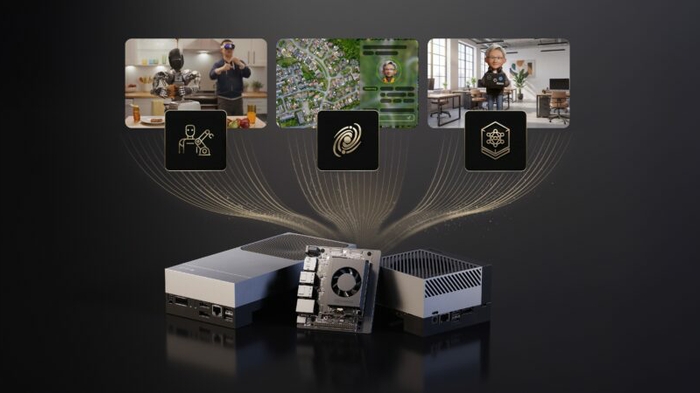
As Open Models Spark AI Boom, NVIDIA Jetson Brings It to Life at the Edge
Caterpillar has introduced the Cat 306 CR mini-excavator, a compact machine weighing just under eight tons, designed for tight job sites such as utility trenches near foundations and basement digs in densely populated areas. This innovative excavator can easily fit inside a standard shipping container, making it a practical choice for contractors facing space constraints. The launch of the Cat 306 CR aims to provide a versatile solution for construction professionals who require efficient equipment to navigate challenging environments. With its compact size and powerful capabilities, the mini-excavator is expected to enhance productivity on various projects, allowing for greater maneuverability in restricted spaces.
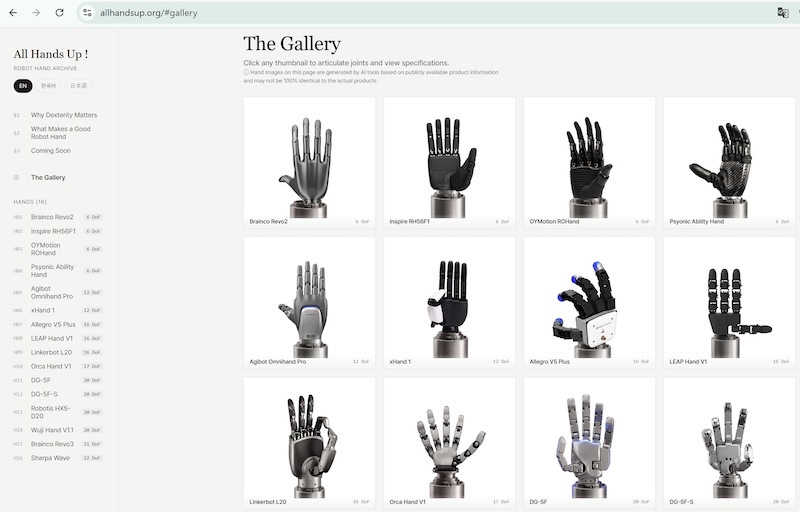
RLWRLD launches open platform to benchmark dexterous robotic hands
RLWRLD, a physical AI company with a proprietary robotics foundation model, RLDX-1, has announced the launch of “All Hands Up!”, an open web platform that provides technical reports and visualization tools based on the company’s firsthand experience operating a wide range of commercially available dexterous robot hands. All Hands Up! is designed to analyze and […]
Computing Robot simulation All Hands Up DexBench dexterous hands dexterous manipulation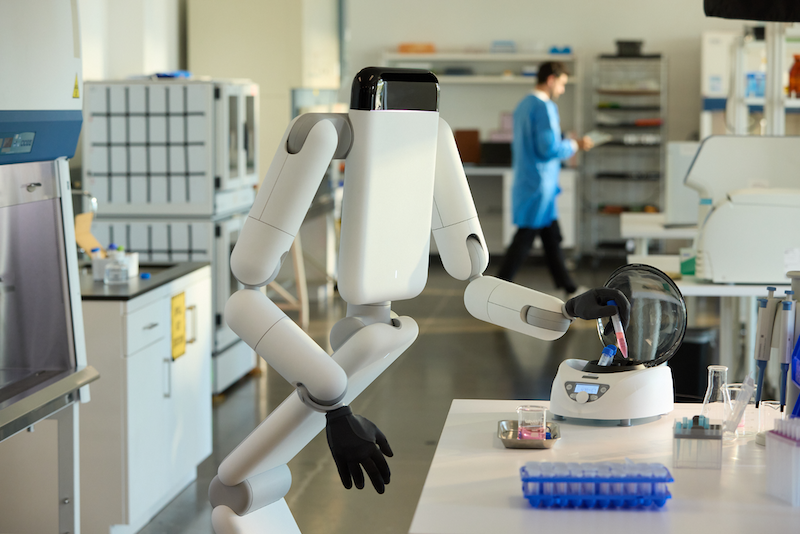
Genesis AI launches first general-purpose humanoid robot
Genesis AI, a global leader in robotics, has introduced Eno, its inaugural general-purpose robot. Launched recently, Eno is characterized by its minimalist design, which sets it apart from conventional robotic forms. Powered by GENE, the company's advanced foundation model, Eno is designed to function as a true physical agent, capable of reasoning and performing tasks autonomously. This innovation aims to redefine the capabilities of robots in various applications, reflecting Genesis AI's commitment to pushing the boundaries of technology in the robotics sector.
Humanoids News agentic ai ai robotics automation news Autonomous robots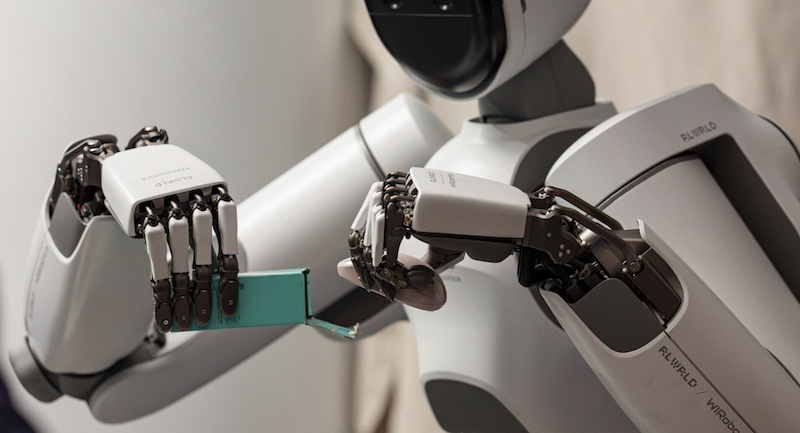
RLWRLD named World Economic Forum Technology Pioneer for advancing physical AI infrastructure
RLWRLD, a company specializing in physical artificial intelligence, has been recognized as a World Economic Forum Technology Pioneer for 2026 due to its development of the Robotics Foundation Model RLDX-1. This prestigious designation is awarded annually to 100 innovative technology firms that are expected to create significant, transformative impacts on industries and society at large. The World Economic Forum's analysis highlights RLWRLD's potential to lead advancements in technology, underscoring the company's role in shaping the future of robotics and AI.
Artificial Intelligence News Technology AI infrastructure artificial intelligence automation news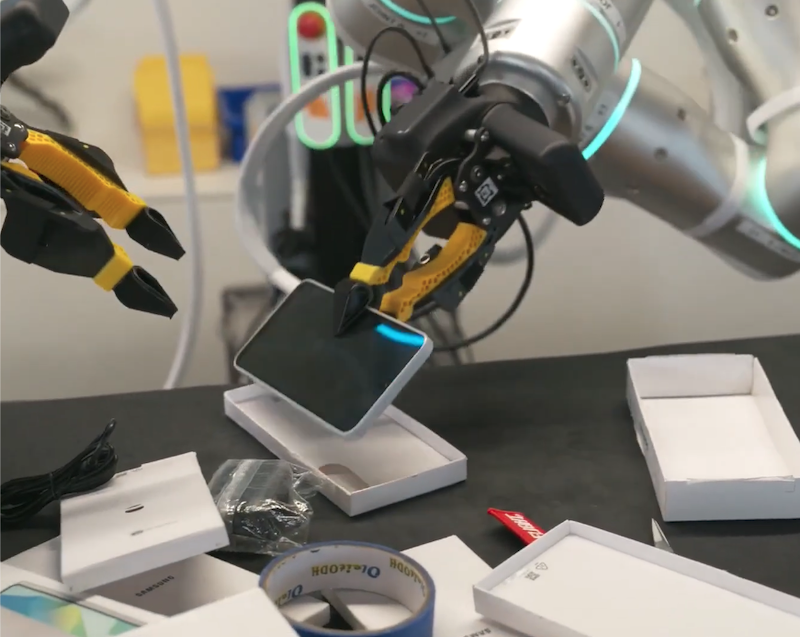
Generalist AI raises $400 million to scale robot intelligence platform
Generalist AI, a startup focused on creating foundation models for robotics, has successfully secured $400 million in a recent funding round. This investment aims to expedite the development of what the company refers to as “physical AGI,” or artificial general intelligence that can function in the physical world through robotic systems. Following this funding, Generalist AI's valuation has reached approximately $2 billion. The influx of capital will enable the company to enhance its research and development efforts, positioning it at the forefront of advancements in robotics and AI technology.
Computing News Software 8VC ai funding AI models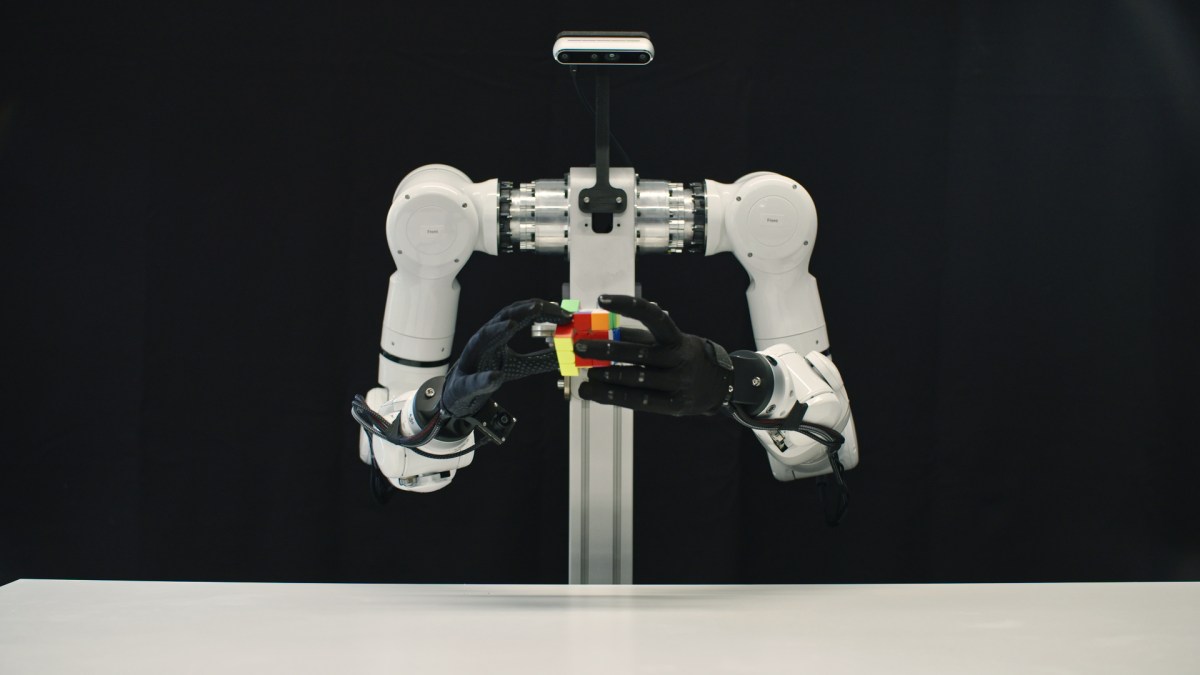
Khosla-backed robotics startup Genesis AI has gone full-stack, demo shows
Genesis AI, a startup that recently secured $105 million in seed funding to develop foundational AI technologies for robotics, has introduced its inaugural model, GENE-26.5. Alongside this launch, the company presented a demonstration featuring a set of robotic hands capable of executing intricate tasks. This unveiling marks a significant step in the company's mission to advance robotic capabilities and enhance automation across various industries. The event took place shortly after the funding announcement, highlighting the rapid progress Genesis AI is making in the field of robotics and artificial intelligence.
AI Robotics foundational models genesis robotics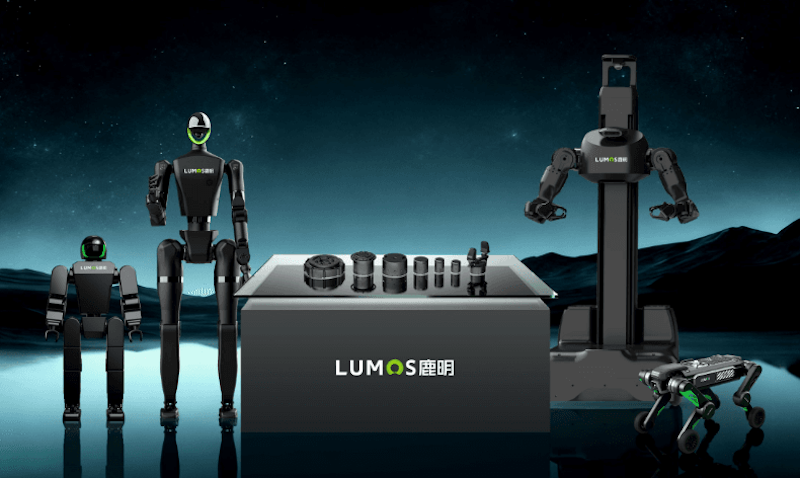
Lumos Robotics tops global benchmark test for zero-shot embodied AI
Lumos Robotics says its Prime R0 industrial embodied AI model has achieved the highest overall score on the latest MolmoSpaces leaderboard, outperforming larger models from competitors including Nvidia and research teams from the United States. The Chinese robotics company said its 2.8-billion-parameter model ranked first across both single-arm fine manipulation and dual-arm collaboration tasks in […]
Artificial Intelligence Computing News Robotics AI models embodied ai
Inside Momenta: Elon Musk-style CEO, AI obsession, and mass production machines.
Momenta, a Chinese autonomous driving company, has made significant strides in the industry, achieving a market capitalization of HKD 70 billion on its IPO debut on July 8. Founded by Cao Xudong, who frequently travels to the U.S. to experience Tesla's Full Self-Driving (FSD) technology, the company boasts over 50% market share in designated vehicle models and over 60% in mass-produced vehicles. Cao's strategic decision to focus on L2-level mass production, rather than the more commonly pursued L4 direction, has been pivotal in establishing Momenta's competitive edge. Despite initial skepticism and funding challenges, his commitment to engineering efficiency has driven the company to achieve a gross margin increase from 17.5% to 71.6% over three years, alongside a doubling of revenue and narrowing losses. As the market for L2 technology becomes increasingly crowded with competitors like Huawei and Horizon Robotics, Momenta faces mounting pressure. The company is also navigating rapid advancements in AI technology, with a focus on world models and robotics as future growth areas. Cao's vision includes integrating hardware and software to enhance cost-effectiveness and maintain a competitive advantage. Despite the challenges, Cao remains optimistic about Momenta's potential, emphasizing the importance of a passionate team dedicated to AI innovation. As the industry evolves, the company's past successes may serve as a foundation for navigating future uncertainties.
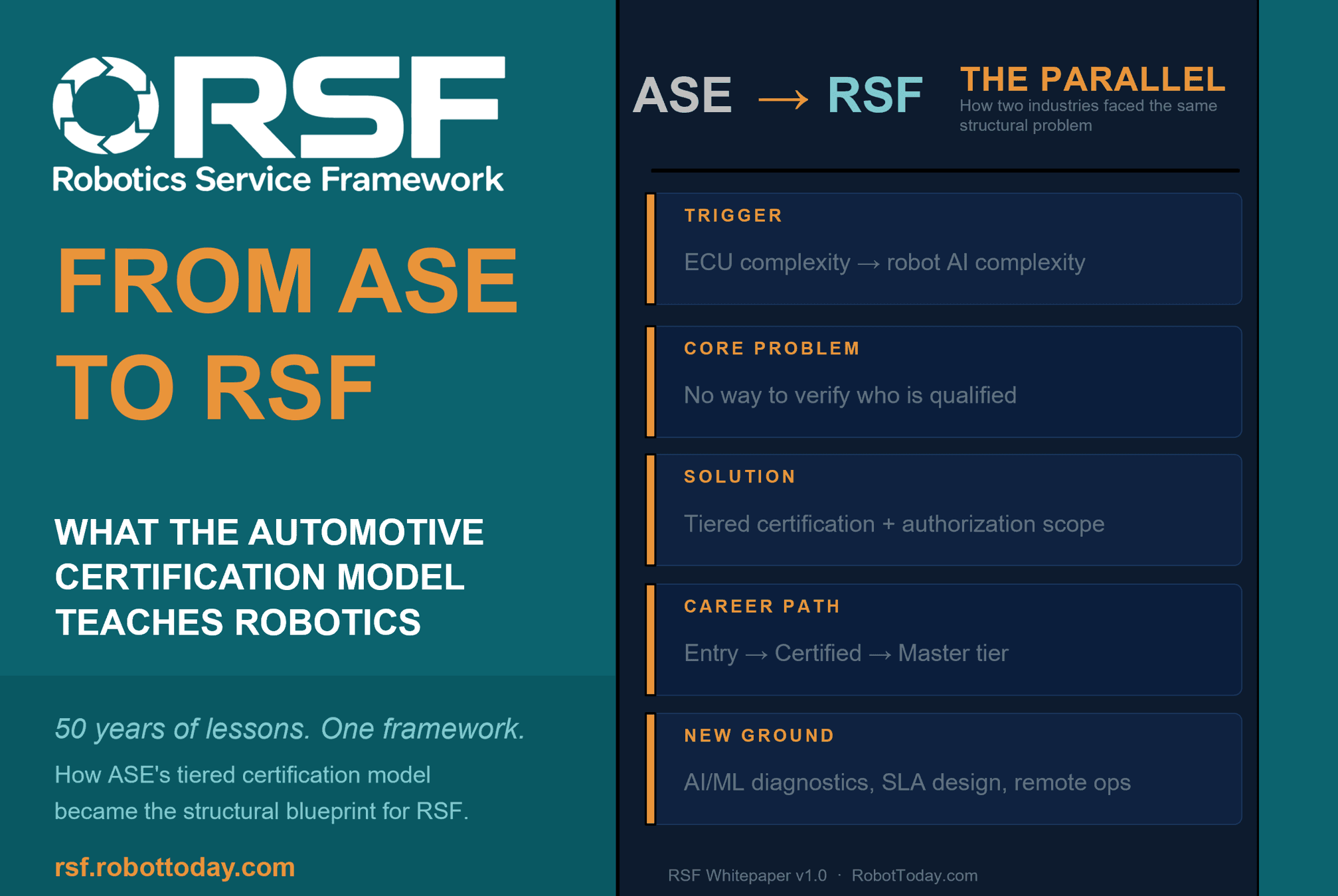
Robotics needs a service framework.
RSF defines a common language for robot service capability, lifecycle operations, certification pathways, and service-provider networks.