

Industry Briefing
A single destination for timely, editor-curated robotics news from around the world.
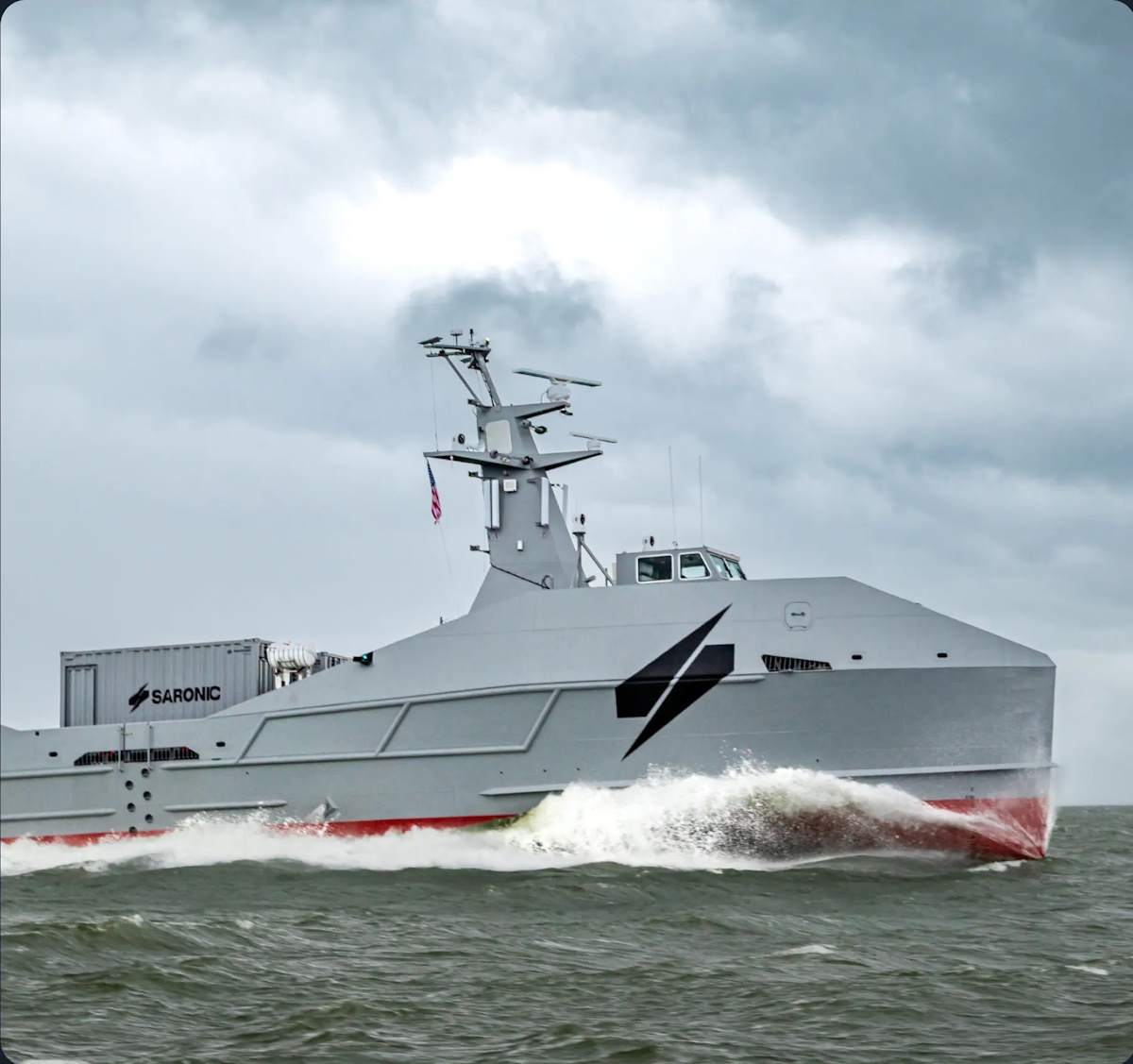
Saronic Establishes On-Water Testing Site for Marauder in Gulfport, Mississippi
Saronic has expanded its operations to Gulfport, Mississippi, where it has set up a site for on-water testing of its Medium Unmanned Surface Vessel (MUSV), Marauder, at the Port of Gulfport. This facility will support the testing and commissioning of the 180 ft. autonomous ships as they transition from production to delivery. The establishment of this site is significant as it reflects Saronic's commitment to scaling production and enhancing the capabilities of unmanned maritime systems. The Port of Gulfport provides a robust ecosystem of partners from industry, academia, and government, which is essential for advancing maritime technology. Looking ahead, Saronic's first Marauder has already begun extensive testing, logging hundreds of hours of trials. Additional units are under construction in Franklin, Louisiana, indicating a ramp-up in production. No further timeline was disclosed at the time of publication.
saronic expansion on-water testing marauder usv
Starmind's Satellite Technology Achieves 880 Billion Liters in Annual Water Savings
Starmind has announced that its satellite technology can save approximately 880 billion liters of cooling water annually at full scale. This figure is equivalent to the annual household water use of around 6.5 million Americans. The technology operates by utilizing a closed-loop liquid cooling system that eliminates the need for water during its operational life, contrasting sharply with traditional ground data centers that consume vast amounts of water for cooling. The significance of this achievement lies in the growing water consumption crisis faced by data centers, particularly as AI expansion drives demand. In 2025, U.S. data centers consumed nearly one trillion liters of water, highlighting the urgent need for sustainable solutions. Starmind's approach not only addresses direct water usage but also avoids indirect water consumption associated with electricity generation, marking a substantial shift in how computing can be conducted in a resource-efficient manner. Looking ahead, Starmind's deployment strategy includes a projected buildout of 100 GW of orbital compute per year, which could displace an additional 735 billion liters of ground water demand annually. The first tranche of 10,000 satellites is already operational, offsetting approximately 8.8 billion liters of water per year. No further timeline was disclosed at the time of publication.

SpaceX's Starmind Project: Supplier Strategy and Chip Manufacturing Plans for 2026
SpaceX's Starmind project, aimed at deploying up to 1 million AI satellites, was filed with the FCC on January 30, 2026. The initiative is designed to minimize reliance on external suppliers, with CEO Elon Musk stating that current chip production capabilities only meet 2% of the projected needs. The first satellite, AI1, is set for prototype launches in early 2027, featuring a 70-meter wingspan and a modular payload system that allows for interchangeable chips from various suppliers. The significance of Starmind lies in its ambitious supply chain strategy, which seeks to transition from external hardware suppliers to a fully integrated Musk-owned facility by 2028. The Gigasat manufacturing site in Bastrop, Texas, is expected to be operational by the end of 2027, with plans for high-volume production of the D3 chip, specifically designed for space applications. This approach aims to consolidate chip manufacturing processes under the Terafab joint venture, which has an estimated initial investment of $55 billion. Looking ahead, the next milestone for Starmind is the launch of AI1 prototypes in early 2027, while the full-scale chip production at Terafab is projected to ramp up significantly thereafter. However, analysts express skepticism regarding the feasibility of achieving Musk's ambitious compute goals, which may require substantial investment and time to establish the necessary manufacturing capabilities.
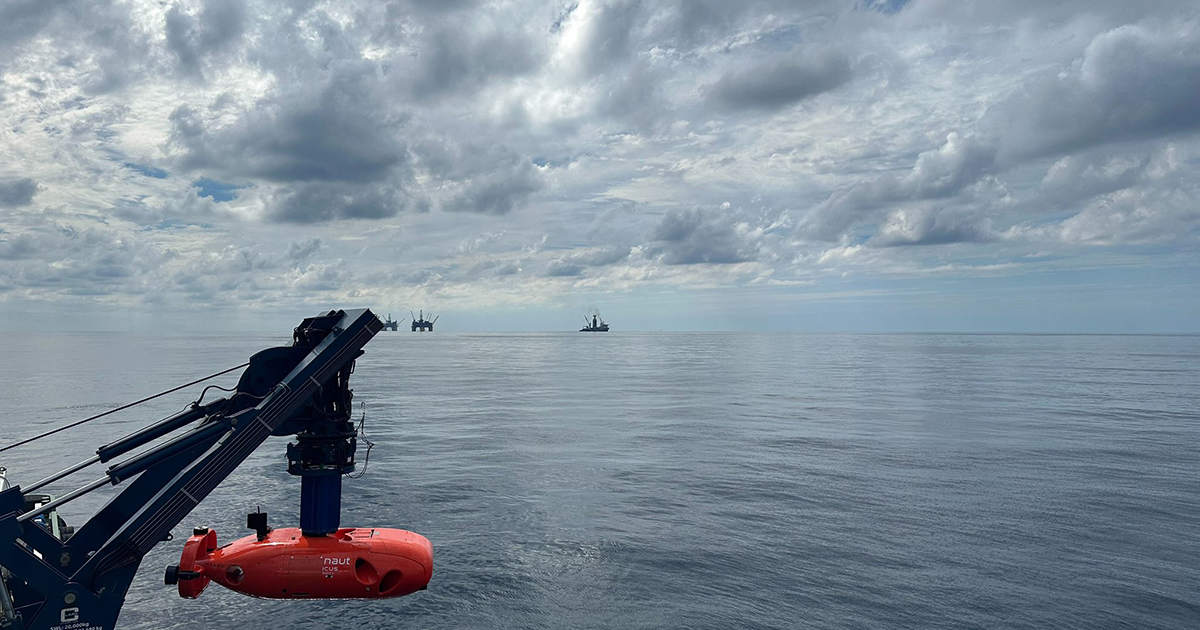
Nauticus Robotics Announces Movement of Second Aquanaut Vehicle into the Acceptance Testing Phase
Nauticus Robotics, a prominent player in the field of autonomous subsea robotics and software, has successfully completed the assembly of its second flagship underwater vehicle, the Aquanaut Mark 2. This significant milestone marks a key advancement in the company's efforts to enhance underwater exploration and operations. The announcement comes as Nauticus continues to push the boundaries of technology in the subsea sector, aiming to provide innovative solutions for various industries, including oil and gas, environmental monitoring, and underwater infrastructure maintenance. The Aquanaut Mark 2 is expected to play a crucial role in expanding the capabilities of autonomous underwater vehicles, further solidifying Nauticus's position as a leader in this emerging field.
nauticus robotics second aquanaut vehicle acceptance testing phaseRobotics needs a service framework.
RSF defines a common language for robot service capability, lifecycle operations, certification pathways, and service-provider networks.
Join the RobotToday community on LinkedIn
Daily robotics news, in-depth analysis, conference highlights, and discussions with professionals worldwide.







