

Industry Briefing
A single destination for timely, editor-curated robotics news from around the world.

Eureka Robotics and Shelley Automation Collaborate to Enhance North American Manufacturing with AI Solutions
Eureka Robotics and Shelley Automation have formed a partnership to integrate Eureka's AI Vision System into Shelley's automation solutions. This collaboration aims to introduce AI-powered bin picking capabilities to North American manufacturers, enhancing the efficiency and reliability of automation on the shop floor. The integration of Eureka's AI Vision System with Shelley's expertise in automation systems signifies a significant advancement in the application of physical AI in manufacturing. This partnership is expected to streamline operations, reduce downtime, and improve overall productivity for manufacturers adopting these innovative solutions. As the manufacturing sector increasingly embraces automation, the focus will be on the effectiveness of AI-powered solutions in real-world applications. No further timeline was disclosed at the time of publication.

NestGen 2026: Shell and LA Metro Showcase Scaling of Drone AI Technology
NestGen ’26, the largest online summit for drone autonomy, will take place on September 29, featuring over 50 speakers from more than 70 countries. The event will highlight the deployment of autonomous drone systems across various industries, including oil and gas, public safety, and transportation. This year's focus is on practical applications rather than future concepts, with Shell presenting its autonomous drone program for offshore facility inspections. LA Metro will discuss using drones for rail corridor monitoring, while SQM will share insights on increasing iodine production in Chile through drone technology. As industries face challenges like securing BVLOS approvals and ROI, experts like FlytBase's Nitin Gupta emphasize the importance of real-world operational knowledge. No further timeline was disclosed at the time of publication.
News
JPMorgan Projects $320 Billion in Tesla Robotaxi Revenue by 2035, Mostly for Tesla Fleet
JPMorgan has projected that Tesla's robotaxi revenue could reach approximately $320 billion by 2035, with around $314 billion generated from a Tesla-owned fleet rather than individual vehicle owners. This shift in revenue expectations indicates a significant change in the business model, moving away from the idea of passive income for owners participating in a shared ride network. This analysis is crucial as it reframes the robotaxi opportunity for Tesla (NASDAQ:TSLA) as a capital-intensive mobility operator, similar to Waymo, rather than an asset-light software platform. The report highlights that Tesla is expected to retain most of the ride revenue, which could impact the financial outlook for individual vehicle owners who anticipated earning from the Tesla Network. Looking ahead, the success of this model will depend on Tesla's ability to scale Cybercab production, reduce operating costs, and secure widespread regulatory approvals. No further timeline was disclosed at the time of publication.

Tiberius Aerospace Partners with US Army to Develop Mach 3 Sceptre Artillery Munition
Tiberius Aerospace has entered into a Cooperative Research and Development Agreement with the U.S. Army to enhance the Sceptre, a ramjet-powered 155mm artillery munition. This collaboration aims to improve the precision and range of existing artillery systems without necessitating new launcher purchases, allowing for strikes beyond Mach 3 and up to 93 miles away. The significance of this partnership lies in its potential to transform artillery capabilities, particularly in environments where GPS signals may be compromised. Sceptre's design enables it to reach altitudes above 65,000 feet and maintain propulsion throughout its flight, distinguishing it from traditional projectiles. This advancement could provide a strategic advantage in contested battlefields. Looking ahead, the focus will be on validating and refining the technologies essential for transitioning Sceptre from an experimental round to a fully operational artillery capability. No further timeline was disclosed at the time of publication.
Military
U.S. Army Constructs 78,000 Sq Ft of 3D-Printed Barracks in Just 58 Days
The U.S. Army has successfully completed the construction of ten 3D-printed military barracks at Fort Bliss in just 58 days. This project, which encompasses a total of 78,000 square feet, marks the largest deployment of automated construction technology by the military to date, officially entering the era of 3D-printed military housing. This innovative approach to construction not only enhances soldier well-being and operational readiness but also significantly reduces costs and construction time. According to Maj. Gen. Curtis Taylor, the project emphasizes the Army's commitment to valuing its personnel and improving their living conditions, particularly for those serving in demanding roles such as Task Force Bastogne under Operation Ardent Vanguard. Looking ahead, the rapid deployment of these energy-efficient barracks sets a new standard for military logistics and construction practices. The U.S. Army's use of 3D printing technology has demonstrated a 9.3% cost reduction compared to traditional methods, achieving construction speeds four times faster than conventional techniques. No further timeline was disclosed at the time of publication.
Innovation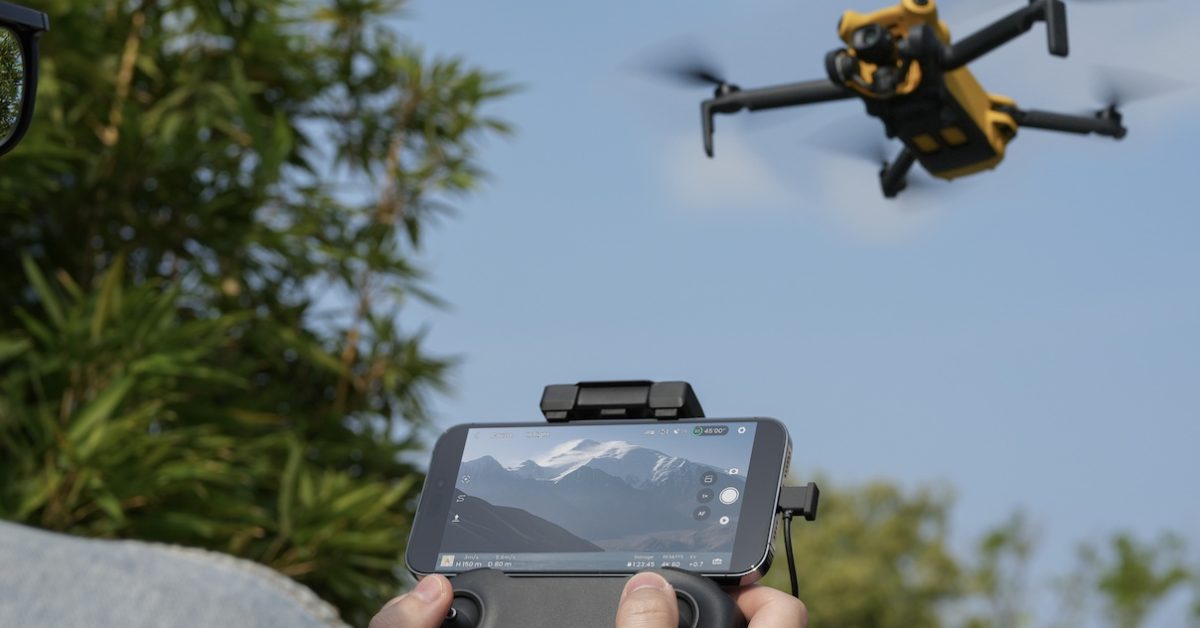
FCC Intensifies Efforts Against Alleged DJI Intermediaries in Drone Market
The Federal Communications Commission (FCC) has announced a Notice of Proposed Rulemaking aimed at prohibiting the importation and marketing of products from nine companies linked to restricted drone manufacturers. This move is part of the FCC's ongoing efforts to prevent foreign drone products from entering the U.S. market under different company names. This initiative is significant as it represents the FCC's most substantial escalation in addressing national security concerns related to drone imports. The agency previously proposed fines against several of these companies for failing to respond to inquiries about their marketing practices. The FCC asserts that these firms have continued to import products associated with manufacturers deemed a risk to U.S. national security. Looking ahead, if the proposal is finalized, it could significantly impact how these companies operate in the U.S. market. However, it does not impose a ban on DJI products themselves, meaning existing DJI drones remain legal to own and purchase. The focus is on closing loopholes that allow restricted manufacturers to circumvent regulations through affiliates and subsidiaries.
News
SpaceX's Starmind Plans 1 Million AI Satellites Amid Collision Risks
SpaceX has announced its ambitious Starmind project, which aims to deploy 1 million AI satellites in orbits between 500 and 2,000 km. This initiative, confirmed by Elon Musk on June 23, 2026, follows a merger with xAI, valuing the combined entity at $1.25 trillion. The satellites will function as orbital data centers, processing AI workloads powered by solar arrays and linked by optical lasers. The significance of Starmind lies in its potential to add 100 gigawatts of AI compute capacity annually, contingent on the successful operation of the Starship launch system. However, the project raises concerns regarding space debris, as the current orbital environment is already congested, with a 20% increase in collision risk reported since 2024. The European Space Agency has highlighted that the density of debris in low Earth orbit is now comparable to that of active satellites, complicating the operational landscape for new entrants like Starmind. Looking ahead, the first operational orbital AI deployments are targeted for 2028, with test launches expected in early 2027. However, the project faces scrutiny regarding its impact on space debris, as even a 1% failure rate could significantly increase the number of uncontrollable objects in orbit, exacerbating existing risks. No further timeline was disclosed at the time of publication.
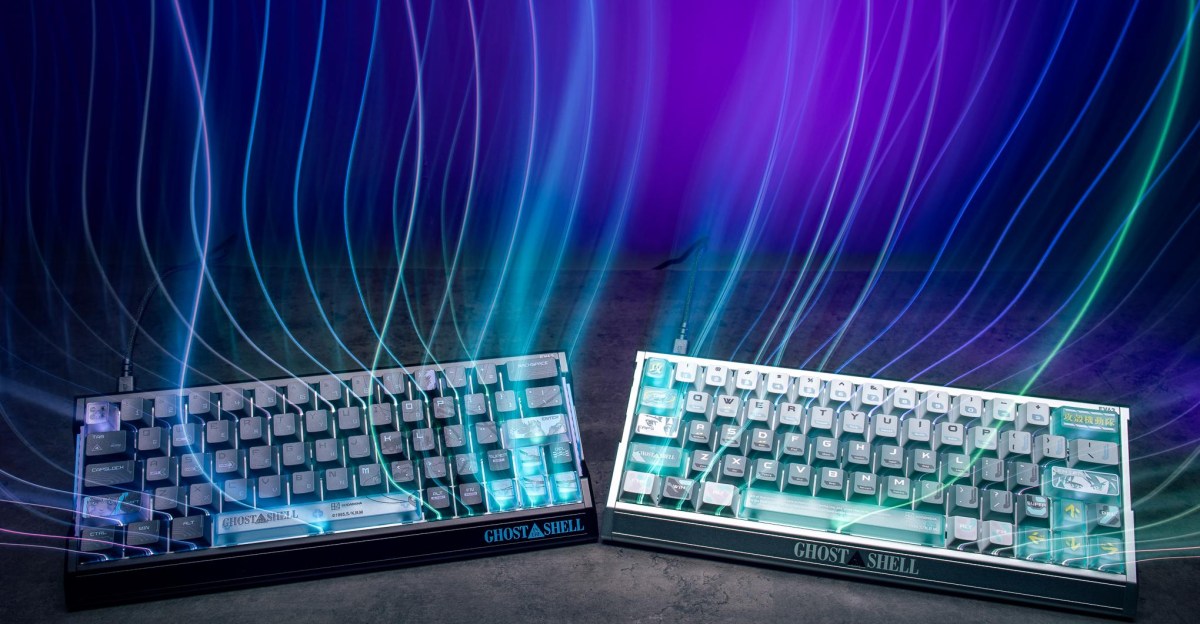
This Ghost in the Shell keyboard makes me want to activate the hundred spidery robot fingers inside my regular fingers
Iqunix has launched a new line of Ghost in the Shell-themed keyboards, showcasing a unique blend of anime aesthetics and functional technology. These keyboards, priced at $249, stand out in the growing trend of anime collaborations that have permeated various sectors, including merchandise and entertainment events. The keyboards not only feature striking designs inspired by the iconic series but also promise high performance for typing and gaming. This release taps into the increasing popularity of anime culture, appealing to both fans of the genre and tech enthusiasts alike. As anime continues to influence everyday products, Iqunix's offering exemplifies how traditional tech can be reimagined through creative partnerships.
Entertainment Keyboards Reviews Tech
Researchers develop armadillo-inspired protective shell module for soft robotics
In a groundbreaking development, materials scientists have successfully replicated the unique armor of the armadillo, an armored mammal that has evolved over millions of years. This innovative achievement was announced in a study published recently, showcasing the potential applications of the armadillo's natural design in creating advanced protective materials. The research, conducted by a team at a leading university, aims to harness the armadillo's exceptional defensive capabilities to enhance safety in various fields, including personal protective equipment and military gear. By analyzing the structure and composition of the armadillo's armor, the scientists were able to develop synthetic materials that mimic its protective features. This advancement not only highlights the importance of biomimicry in materials science but also opens new avenues for creating lightweight, durable, and effective protective solutions.

Three Weeks Until the Unveiling of Optimus Gen3: Musk Drops Another Bombshell
As Tesla prepares for the official launch of its Optimus Gen3 humanoid robot in less than a month, CEO Elon Musk has stated that this release will be among the company's most significant. Musk highlighted Tesla's goal of advancing artificial general intelligence (AGI) in a humanoid format, which has heightened anticipation surrounding the robot's capabilities and potential impact. The launch is set to showcase Tesla's innovative strides in robotics and AI technology, reflecting the company's ongoing commitment to pushing the boundaries of automation and intelligence.
Humanoid Robots Artificial Intelligence Robotics AGI
How Autonomous AI Agents Become Secure by Design With NVIDIA OpenShell
Recent advancements in artificial intelligence have led to the emergence of autonomous agents, signaling a significant shift in the capabilities of AI systems. Unlike traditional models that primarily generate responses or reason through tasks, these new agents possess the ability to take independent action. They can read files, utilize various tools, write and execute code, and manage workflows across different platforms. This evolution in AI technology, which has been developing up until October 2023, highlights the increasing sophistication of machine learning and its potential applications in various industries. The motivation behind this advancement is to enhance efficiency and automate complex processes, ultimately transforming how tasks are performed in both business and everyday life. As these autonomous agents become more integrated into workflows, they promise to redefine productivity and innovation in the digital landscape.

Shell, Ithaca and Equinor Hire Drone Firm to Tackle North Sea Emissions
Flylogix, a pioneering drone company, has secured contracts with prominent oil and gas operators to address methane emissions within the industry. This initiative comes as part of a broader effort to mitigate environmental impacts associated with fossil fuel extraction and production. The collaboration aims to utilize advanced drone technology for monitoring and managing emissions effectively. By deploying drones equipped with specialized sensors, the company intends to provide real-time data that can help operators identify and reduce methane leaks. This strategic move not only aligns with increasing regulatory pressures but also reflects a growing commitment among energy companies to adopt sustainable practices. The contracts mark a significant step forward in leveraging innovative technology to enhance environmental stewardship in the oil and gas sector.
shell ithaca equinor drones emissionsRobotics needs a service framework.
RSF defines a common language for robot service capability, lifecycle operations, certification pathways, and service-provider networks.
Join the RobotToday community on LinkedIn
Daily robotics news, in-depth analysis, conference highlights, and discussions with professionals worldwide.







