Industry Briefing
A single destination for timely, editor-curated robotics news from around the world.

Deere Reports Q3 2026 Earnings and Partners with Reservoir for AI Development
Deere & Co. announced a Q3 2026 net income of $1.379 billion, or $5.10 per share, exceeding market expectations despite challenges in its Production and Precision Agriculture division. The company raised its full-year net income guidance to between $4.75 billion and $5 billion, indicating a potential bottoming out of the agricultural equipment cycle. The partnership with Reservoir, involving a $10 million investment over three years, aims to enhance the development and commercialization of rugged AI technologies for high-value crop agriculture. This collaboration reflects Deere's strategy to innovate rapidly and address real-world agricultural challenges, particularly as the demand for automation grows amid rising input costs. Looking ahead, Deere anticipates benefiting from the increased adoption of autonomous capabilities and connected fleet software. The partnership with Reservoir is expected to foster innovation in rural communities by connecting tech entrepreneurs with growers and industry partners, particularly in key agricultural regions like California and Arizona. No further timeline was disclosed at the time of publication.
Agriculture Analysis Autonomous Mobile Robots (AMRs) Earnings Investments News
Reservoir Highlights Increased Investability of Agricultural Robotics at Ruggedize Conference
At the Ruggedize conference held at Reservoir Farms in Salinas, industry leaders discussed the evolving landscape of agricultural robotics. According to Reservoir founder Danny Bernstein, advancements in perception technologies, edge computing, AI, and robotics have made the entire system more investable, allowing for machines to be assembled and tested in under six months. The growing availability of off-the-shelf hardware and software has enabled startups to create more flexible agricultural machines. Bernstein emphasized that these machines can now handle multiple crops and tasks, which is crucial for attracting investment. Additionally, Reservoir is fostering innovation through a $10 million R&D partnership with John Deere and is raising $50 million to support early-stage companies in the sector. As the agricultural robotics field becomes increasingly attractive to investors, it is essential to monitor how these developments will impact the speed of commercialization and the overall growth of the industry. No further timeline was disclosed at the time of publication.
Agtech Artificial intelligence Deeptech Investing Startups & funding US & Canada
SEW-EURODRIVE Launches PxG Economy Series for Cost-Effective Servo Gear Units
SEW-EURODRIVE has unveiled the PxG economy series, enhancing its planetary servo gear unit portfolio. This new series introduces three performance classes—P1.G, P2.G, and P3.G—designed for machine builders and OEMs seeking affordable servo solutions for standard industrial automation applications. The introduction of the PxG economy series is significant as it allows customers to align gear unit performance more closely with specific application requirements. This flexibility helps avoid unnecessary specifications for precision, torque capacity, or load capability, as noted by Anecia Hoffield, servo product manager at SEW-EURODRIVE. Looking ahead, the PxG economy series is designed for applications with low to medium technical demands, including packaging equipment and assembly machinery. No further timeline was disclosed at the time of publication.
Actuators / Motors / Servos Assembly Logistics Manufacturing Motion Control News
Understanding When to Choose Custom Servo Drives Over Standard Solutions
This white paper explores scenarios where custom servo drives provide significant advantages over standard options. While standard servo drives are often sufficient for many motion control applications due to their proven performance and ease of integration, certain situations demand customization. These include applications with space constraints, harsh environments, and specific precision requirements that standard drives cannot meet. Customization becomes essential when the operating environment is challenging or when space is limited. For instance, ElectroCraft offers board-only versions of standard products for high-volume OEM customers, allowing for smaller, cost-effective solutions. Additionally, applications requiring motor-mounted drives or non-standard shapes necessitate custom designs to ensure compatibility and performance. Environmental factors also play a crucial role in the decision to opt for custom drives. Standard drives may not withstand extreme conditions, prompting the need for specialized designs. For example, ElectroCraft created an IP69K-rated drive for agricultural applications, ensuring durability against high-pressure washdowns. Another instance includes a custom drive for a joystick system that meets military specifications for various environmental challenges.

3D Potter Enhances SCARA Robot Performance with Teknic ClearPath Servo Motors
3D Potter has upgraded its SCARA HD robotic arm system by integrating Teknic's ClearPath-SD servo motors to enhance load handling capabilities. This transition from closed-loop stepper motors to integrated servo motors allows for improved motion control, particularly when dealing with variable-inertia loads such as wet cement and heavy materials. The upgrade is significant as it addresses the unique challenges of 3D printing with heavy materials, where mechanical leverage and load weight can change dynamically. The ClearPath servos utilize Inertia Matching Technology™ to maintain smooth and accurate motion, ensuring that the robotic arm performs effectively in demanding environments. Looking ahead, 3D Potter's collaboration with Teknic is expected to continue as they develop larger printing systems. The engineering support provided by Teknic has been instrumental in optimizing motion-control decisions, further enhancing the performance of their equipment. No further timeline was disclosed at the time of publication.
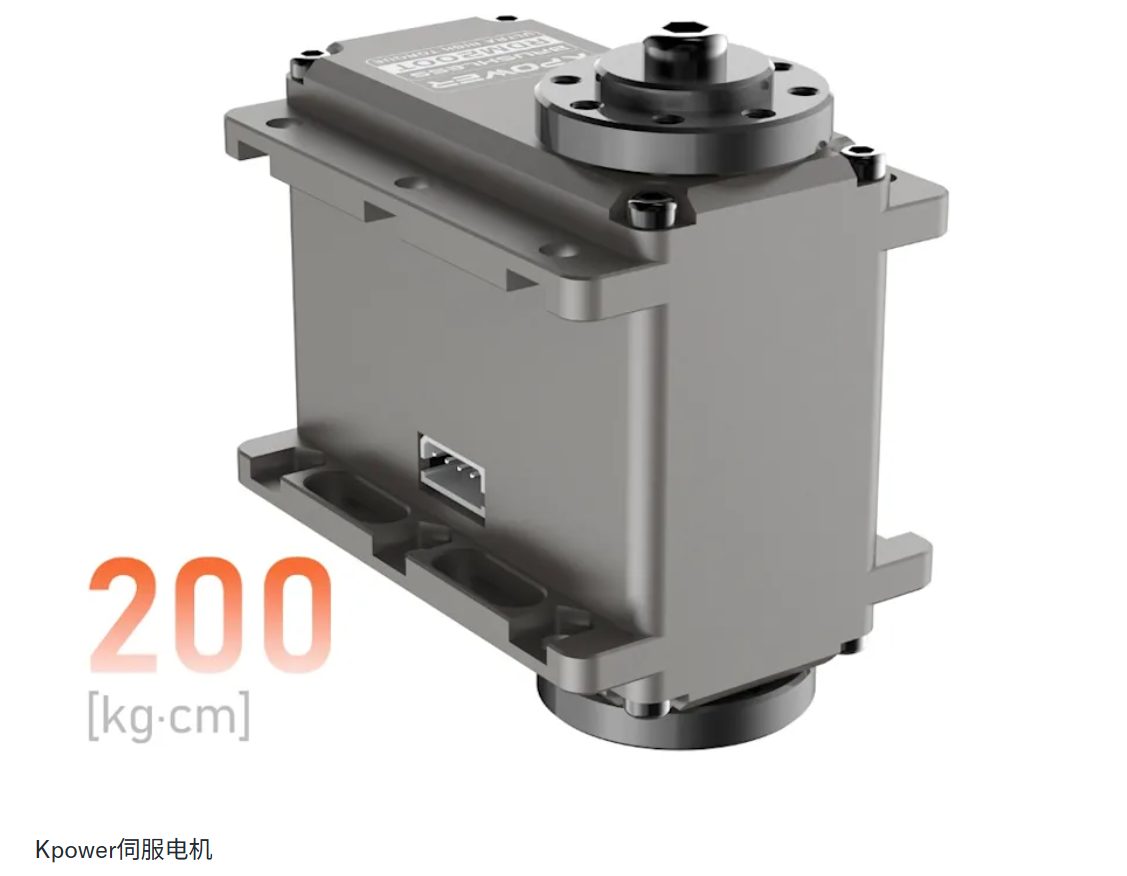
Kpower Secures Patent for Side-Output Robot Servo Motor, Revolutionizing Lightweight Robot Joints
Kpower has secured a patent for its cutting-edge side-output robot servo system, which effectively tackles significant challenges in the robotics industry, including cantilever force defects and intricate assembly processes. This innovative technology not only extends the lifespan of servo motors by more than 60% but also minimizes vertical height, making it particularly suitable for humanoid robot joints. The company aims to offer a reliable and compact solution for the lightweight robotics sector, thereby reinforcing its competitive edge in the precision drive technology market.
Servo Motors Robotics Automation Manufacturing Technology
Reservoir acquires Contain to scale agtech startups
Reservoir has announced its acquisition of the agriculture finance platform Contain, with the aim of enhancing the growth of AI-driven startups in the agtech sector. As part of this strategic move, Nicola Kerslake, the founder of Contain, has been appointed as a general partner. This acquisition, which underscores Reservoir's commitment to advancing agricultural technology, is expected to leverage Contain's expertise in financing to support the scaling of innovative agricultural solutions. The deal was finalized recently, reflecting a growing interest in the intersection of technology and agriculture, particularly in the wake of increasing demands for sustainable farming practices.
Agriculture Investments Mergers & Acquisitions News Startups Reservoir
Design and Testing of a Minimal Configuration Underwater Micro‐Glider: Automating Lake and Reservoir Monitoring
The Journal of Field Robotics has recently published an early view article highlighting advancements in robotic technology and its applications in various fields. This publication, which became available in October 2023, showcases innovative research conducted by a team of engineers and scientists from leading universities and research institutions. The article focuses on the development of autonomous robots designed for complex tasks in environments such as agriculture, disaster response, and exploration. The research aims to address the growing need for efficient and reliable robotic systems capable of operating in challenging conditions, driven by the increasing demand for automation in various industries. Through rigorous testing and experimentation, the authors detail the methodologies employed in creating these advanced robotic systems, emphasizing their potential to enhance productivity and safety. The findings presented in this publication are expected to contribute significantly to the ongoing discourse on the future of robotics and its integration into everyday life. As the field of robotics continues to evolve, this early view article serves as a timely reminder of the transformative impact that innovative technologies can have on society, paving the way for further research and development in the coming years.
RESEARCH ARTICLE
Elmo releases new motion controller and servo drives for industrial applications
Elmo has unveiled its latest motion controller and servo drives, enhancing its existing Platinum product line and launching a new Titanium line. This development aims to set new standards for power density in industrial applications. The announcement highlights Elmo's commitment to innovation and leadership in the automation sector, as the company seeks to meet the growing demands for efficient and high-performance solutions in the market. The new products are expected to provide advanced capabilities for various industrial applications, reinforcing Elmo's position as a key player in the industry.
Actuators / Motors / Servos Events Motion Control News Robot Components servo
New Applications of Magnetic Soft Robots: Random Number Generation and Reservoir Computing
Researchers from Helmholtz-Zentrum Dresden-Rossendorf and the University of Messina have unveiled a groundbreaking application of magnetic soft robots in the fields of random number generation and reservoir computing. This innovative study, conducted recently, highlights how these robots utilize chaotic dynamics to convert their unpredictable movements into effective computational resources. The findings suggest significant potential for enhancing secure communication systems and developing low-cost computing solutions, particularly in resource-limited settings. By harnessing the inherent randomness of the robots' movements, the research opens new avenues for technological advancements in various applications.
Soft Robotics Magnetic Actuators Random Number Generation Reservoir Computing
Reservoir’s Danny Bernstein says we’re ‘entering the golden age of robotics’ in agriculture
Danny Bernstein of Reservoir has highlighted the significant advancements in agricultural robotics, emphasizing the shift towards multi-tasking, multi-crop machines. Speaking at a recent event, he noted that the industry is entering what he describes as the "golden age of robotics" in agriculture. This transformation is largely driven by the increasing involvement of venture capital in the sector, which is fostering innovation and development. Bernstein's insights reflect a growing trend towards automation in farming, aimed at enhancing efficiency and productivity across various crops.
Agtech Artificial intelligence Deeptech Precision agriculture US & Canada ag robotics
Virginia Tech researchers control soft robotics with ‘AI’s cousin’: ‘Reservoir computing’
Researchers at Virginia Tech are advancing the field of soft robotics, which utilizes flexible, muscle-like materials to create machines capable of bending and stretching in ways that surpass traditional rigid robots. This innovative technology enables applications such as harvesting ripe tomatoes and navigating complex search-and-rescue environments. However, the inherent flexibility of these robots presents significant challenges in control and precision. The team at Virginia Tech is focused on addressing these control difficulties to enhance the functionality and reliability of soft robotics, aiming to unlock their full potential in various practical applications.
Computing Features Robotics Science agricultural robotics ai robotics
Elmo Motion Control Talks About Their Newest Servos
The Titanium platform has been unveiled as a cutting-edge solution that integrates multi-axis control, high computing power, and robust functional safety features, all designed to fit within a remarkably compact size. This innovative technology aims to enhance operational efficiency and safety in various applications, making it a significant advancement in the field. The platform's development reflects the growing demand for sophisticated yet space-efficient systems in industries such as robotics, automation, and aerospace. By leveraging advanced engineering techniques, the Titanium platform promises to deliver superior performance while addressing the challenges of modern technological requirements.

Unlocking soft robotics control with AI's cousin: Reservoir computing
Recent advancements in soft robotics, which utilize flexible, muscle-like materials, have revolutionized the field, allowing machines to perform tasks such as picking ripe tomatoes and navigating complex search-and-rescue environments. However, despite their impressive capabilities, these innovative robots face significant challenges in terms of control. The inherent flexibility that enables their fluid movements also complicates their operation, making it difficult for developers to achieve precise control. As researchers continue to explore the potential of soft robotics, the quest for improved control mechanisms remains a critical focus, highlighting the balance between versatility and functionality in this emerging technology.
Robotics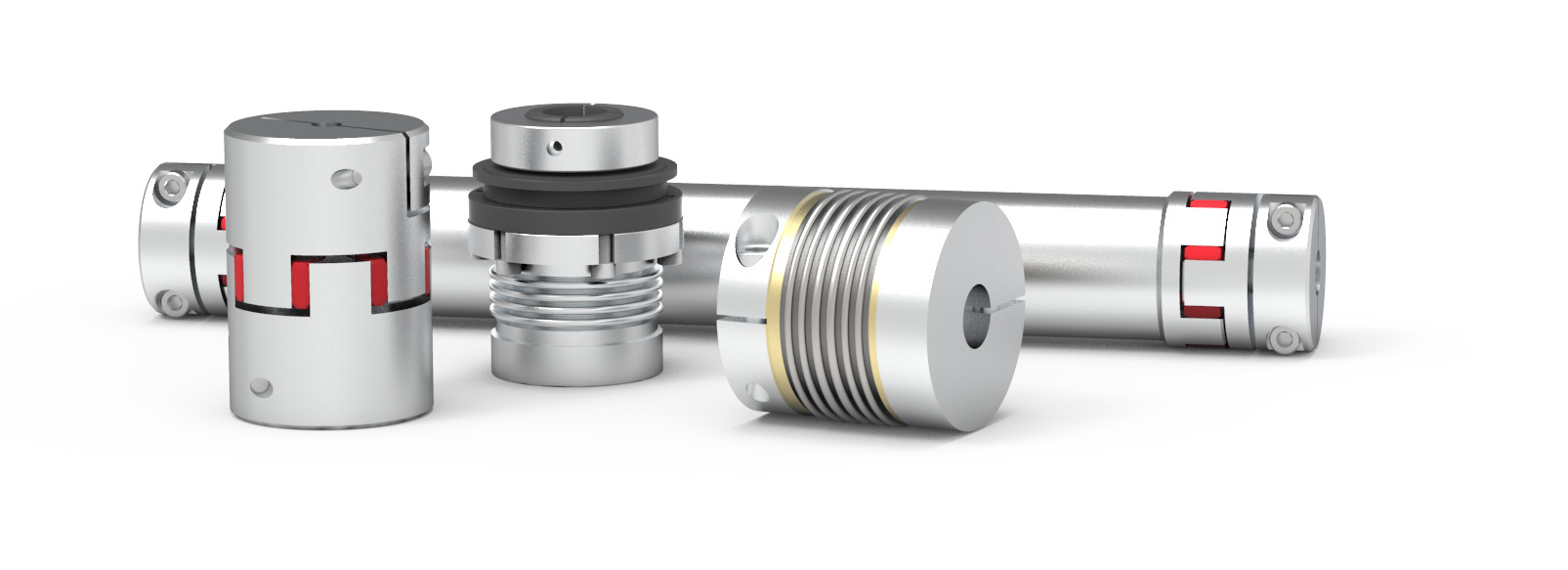
How coupling stiffness and misalignment compensation impact servo performance
Engineers focusing on servo performance often prioritize the motor, drive, and gearbox, but recent insights highlight the critical role of couplings in these systems. Couplings serve as the link between a servo motor's shaft and the gearbox, directly influencing motion accuracy and the overall longevity of the system. This understanding underscores the importance of coupling stiffness and the ability to compensate for misalignment, which can significantly impact performance. The findings emphasize that attention to these components is essential for optimizing servo functionality and ensuring reliable operation in various applications.
Sponsored Content GAM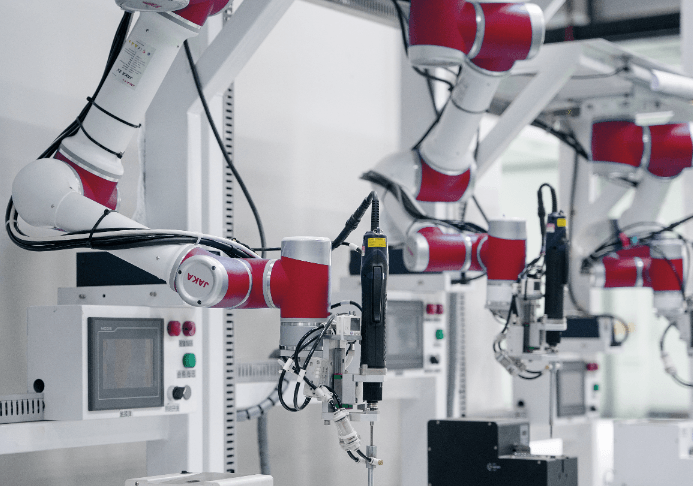
The Core Difference Between Servo Arm Robot and Stepper Motor Arms
JAKA, a leader in modern manufacturing automation, highlights the critical differences between servo arm robot systems and traditional stepper motor arms, emphasizing the importance of understanding these distinctions for optimizing production lines. Many clients struggle with misconceptions about these technologies, particularly regarding their operational capabilities. Unlike stepper motors, which function on fixed increments, servo arm robots utilize feedback control for precise and adaptive motion, making them ideal for high-precision assembly tasks where accuracy is paramount. The JAKA S5 system exemplifies the advantages of servo technology, offering enhanced adaptive assembly that minimizes workpiece loss and boosts productivity. While stepper motor arms are reliable for repetitive tasks, they lack the real-time correction capabilities of servo systems, which adjust continuously to maintain precision under varying load conditions. This is particularly beneficial in applications like polishing, where uniform surface finishes are crucial. Additionally, the S5's lightweight design allows for quick integration into existing production lines, supporting small-batch and multi-variety production—an essential feature in today's fast-paced manufacturing environment. In contrast, stepper motor systems often require more extensive setup and are less adaptable to line changes. Price considerations also play a significant role in system selection. Although stepper systems may seem more affordable initially, servo solutions often prove more cost-effective over time due to their efficiency, reduced downtime, and consistent precision. JAKA aims to educate manufacturers on these factors, advocating for the adoption of servo technology to enhance productivity and quality in automation processes.
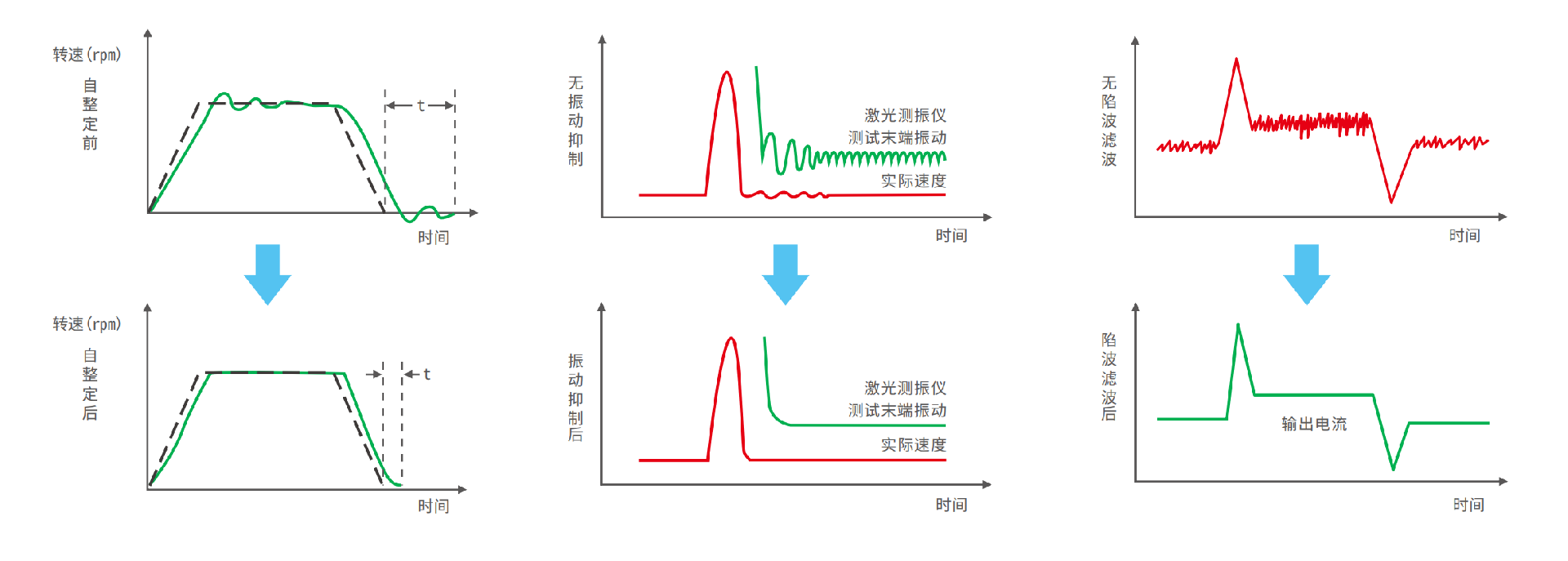
Premium Express | ESTUN 5-Series Bus Servo: Dual Breakthrough in High Performance and Ease of Use
In the context of rapid advancements in intelligent manufacturing and increasing global competition, ESTUN has unveiled its 5-Series Bus Servo System, which marks a significant technological breakthrough in motion control technology. This innovation is poised to enhance the competitiveness of the equipment manufacturing industry. The system's dual technological advancements are expected to streamline operations and improve efficiency, addressing the growing demand for sophisticated manufacturing solutions. As industries strive to stay ahead in a competitive landscape, ESTUN's latest offering represents a critical step forward in the evolution of motion control technology, underscoring its importance in modern manufacturing processes.
ESTUN AUTOMATION ROBOTICS SERVO SYSTEMS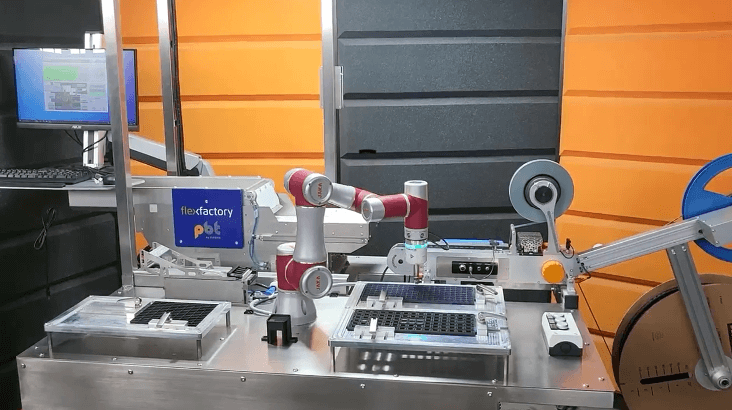
Advanced Calibration for Servo Arm Robot Repeatability and Accuracy
In the realm of high-precision manufacturing, JAKA emphasizes the importance of meticulous calibration for servo arm robots, particularly in tasks requiring exceptional accuracy, such as polishing and assembly. This ongoing calibration process is essential for ensuring repeatability and positional accuracy, which are critical for achieving flawless surface finishes. The calibration begins with the robot's internal model, where advanced techniques are employed to identify and correct minute variations in joint alignment and link dimensions. By moving the arm through programmed sequences and measuring discrepancies with external metrology tools, JAKA enhances the robot's native accuracy, laying the groundwork for high-precision applications. Attention then shifts to the Tool Center Point (TCP), the active contact point of the tool. For polishing robots, precise definition of the TCP is crucial, as even minor errors can lead to uneven material removal. JAKA employs advanced methods, including calibration spheres and laser systems, to accurately define the TCP in six dimensions, ensuring that programmed paths align correctly with real-world locations. Recognizing that mechanical parameters can drift over time, JAKA advocates for a continuous calibration protocol. This involves periodic verification and compensation, utilizing in-line sensors or scheduled re-calibration to maintain precision. For instance, a laser profilometer may be used to scan test pieces and trigger recalibration if tolerances shift. By integrating sophisticated calibration methodologies, JAKA transforms general-purpose servo arm robots into dedicated precision machines, underscoring that such investments are not just technical necessities but essential for maintaining product quality and reducing waste in manufacturing processes.

Elmo Launches New Titanium Product Line and Platinum Servo Drives at SPS 2025, Redefining Limits of Motion Control
A new high-performance technology has been introduced, aimed at enhancing efficiency in demanding industrial and harsh-environment applications. This innovative solution, characterized by its compact design and advanced features, is set to revolutionize operations across various sectors. The launch, which took place in October 2023, highlights the growing need for reliable and robust equipment that can withstand challenging conditions. By integrating cutting-edge technology, the product promises to meet the rigorous demands of industries, ensuring superior performance and reliability.

Great News | Estun Servo Products Selected into CATL's Recommended List of Commonly Used Components, Empowering New Energy Intelligent Manufacturing with Superior Performance!
Estun's servo system products have been recognized for their exceptional performance and reliability, earning a spot in the recommended tier of Contemporary Amperex Technology Co., Limited's (CATL) List of Commonly Used Components. This significant achievement not only highlights Estun's commitment to quality but also signifies a deeper strategic partnership between the two companies. The inclusion in CATL's list reflects Estun's growing influence in the industry and its ability to meet the high standards set by one of the leading battery manufacturers globally. This development is expected to enhance Estun's market presence and foster further collaboration with CATL in the future.
ESTUN AUTOMATION ROBOTICS SERVO SYSTEMSRobotics needs a service framework.
RSF defines a common language for robot service capability, lifecycle operations, certification pathways, and service-provider networks.
Join the RobotToday community on LinkedIn
Daily robotics news, in-depth analysis, conference highlights, and discussions with professionals worldwide.