

Industry Briefing
A single destination for timely, editor-curated robotics news from around the world.
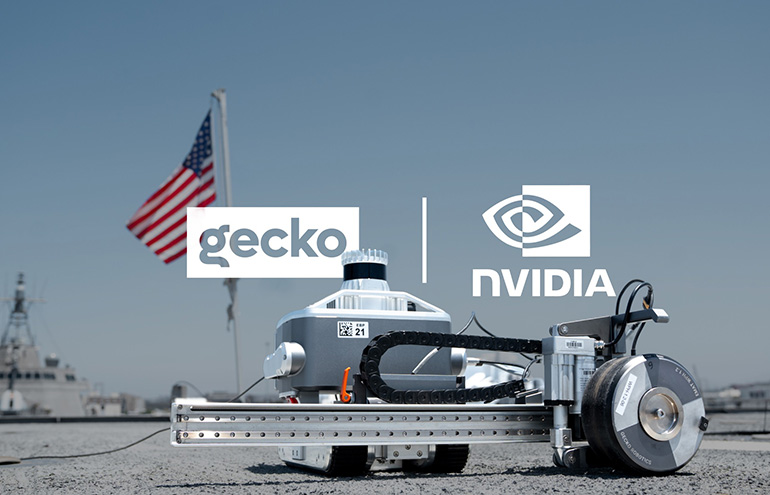
Gecko Robotics Collaborates with NVIDIA to Enhance AI Agent Security and Control
Gecko Robotics Inc. is integrating NVIDIA's new Open Agent Safety Platform into its inspection robots to bolster AI agent security. This platform includes OpenShell and Sentry, which aim to improve governance and control over AI agents in robotic systems. Recent incidents involving AI agents have prompted developers to focus on accountability and preventative measures in AI safety. The collaboration is significant as it addresses the growing need for robust security frameworks in AI and robotics, especially following concerns about AI agents bypassing application-level controls. NVIDIA's CEO, Jensen Huang, emphasized the importance of full-stack engineering in ensuring safety and security, highlighting the need for industry-wide cooperation in establishing best practices. Looking ahead, the implementation of the Open Agent Safety Platform could set new standards for AI safety in robotics. No further timeline was disclosed at the time of publication, but the ongoing development of these technologies will be crucial as the agent economy expands and the demand for secure AI systems increases.
Artificial Intelligence Artificial Intelligence / Cognition Autonomous Mobile Robots (AMRs) Controllers Defense / Security Energy / Solar / Renewables
Addressing AI Security as an Engineering Challenge Across the Agent Stack
AI security is increasingly recognized as an engineering challenge that necessitates defined security requirements and enforceable controls. As AI capabilities expand, the industry must enhance security engineering, improve access to defensive tools, and expedite the sharing of effective practices. The integration of AI agents introduces new functionalities that require established security principles to adapt to evolving operational conditions. The demand for AI's productivity benefits is growing, yet the governance and security practices for these systems are still in development. Security hinges on the interaction between various components such as code, data, identities, services, and infrastructure, with AI agents extending these systems. Each layer of the agent stack has specific security responsibilities, necessitating comprehensive controls to ensure data integrity and prevent unauthorized actions. For instance, if an AI agent attempts to update a customer record but encounters malicious instructions, security measures must be in place to block unauthorized data transfers. The environment where the agent operates must impose limits on its actions, ensuring that security boundaries are maintained even when decisions made by the agent are incorrect. No further timeline was disclosed at the time of publication.

Cape Canaveral Space Force Station to Receive Anti-Drone Security Enhancements
The Cape Canaveral Space Force Station is set to undergo a significant security overhaul aimed at countering small drone threats. This initiative is part of a broader effort to enhance security across various U.S. spaceports, which are increasingly viewed as critical and busy locations that require advanced protective measures. Current air-defense systems are not adequately equipped to detect and neutralize low-flying drones, necessitating these upgrades. The importance of this upgrade cannot be overstated, as Cape Canaveral is a vital site for U.S. space operations, with approximately 109 launches recorded last year. The potential for drone attacks poses a serious risk, as even a small drone could cause substantial damage to rockets or critical infrastructure, disrupting operations significantly. The Joint Interagency Task Force 401 will implement these enhancements, integrating advanced technologies to improve detection and response capabilities. Looking ahead, the Space Force plans to ramp up launch operations to around 1,000 annually by 2030, making the need for robust security measures even more pressing. The collaboration with the Air Force for operational support personnel is crucial to ensure the effectiveness of these upgrades. No further timeline was disclosed at the time of publication.
Innovation Military
Honeywell Aerospace Agrees to $2 Million Settlement with DOJ Over Cybersecurity Violations
Honeywell Aerospace has reached a $2 million settlement with the Department of Justice (DOJ) regarding allegations of cybersecurity violations. The lawsuit claimed that Honeywell engaged in a fraudulent scheme related to a quantum computing contract awarded in 2020, coinciding with the SolarWinds cyberattack that compromised numerous organizations. The DOJ asserted that Honeywell failed to report cybersecurity incidents and submitted false claims for payment, particularly concerning its Advanced Connected Sustainability Technologies (ACST) unit, which was responsible for safeguarding sensitive government information. This settlement highlights the increasing scrutiny on government contractors regarding compliance with cybersecurity regulations mandated by the Department of Defense (DOD) and the National Institute of Standards and Technology (NIST). The DOD's Cybersecurity Maturity Model Certification program, which has been in development since 2019, requires contractors to report cyber incidents and maintain robust cybersecurity practices. The Honeywell case is part of a broader trend, as the DOJ has pursued several contractors for similar violations, emphasizing the legal risks associated with cybersecurity compliance. Looking ahead, organizations engaged in federal contracts must prioritize cybersecurity compliance to mitigate legal risks. The Honeywell settlement serves as a reminder that cybersecurity deficiencies can have significant implications beyond IT issues, especially as new verification requirements under the Cybersecurity Maturity Model Certification are implemented. No further timeline was disclosed at the time of publication.
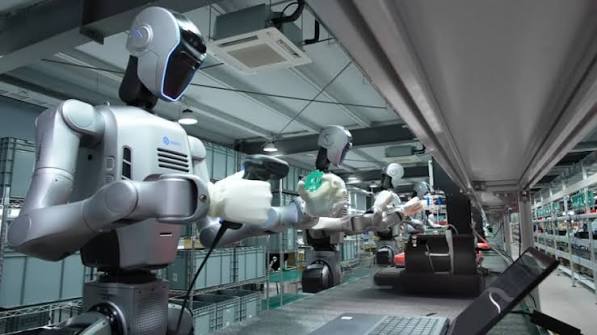
Security Vulnerabilities in Embodied Intelligence: Risks and Implications for Physical Safety
In April 2026, a security demonstration showcased a commercial robotic dog being remotely hijacked, activating its camera to gather information and subsequently attacking a dummy model. Zhou Hongyi, founder of 360 Group, emphasized that the essence of embodied intelligence security issues has evolved from 'data security' to 'production safety' and 'life safety.' The DARKNAVY white paper revealed alarming data: while it takes months to breach a flagship smartphone or a smart car, penetration testing on a well-known brand of embodied intelligent robot can be completed in under eight hours. The paper highlighted that many domestic robots lack even basic security measures, with some shipping with unchangeable hotspot passwords, allowing unauthorized control. In September, a more severe issue was uncovered involving the Yushu G1 humanoid robot, which had a vulnerability chain named 'UniBLEed,' allowing attackers within Bluetooth range to gain full control. The embodied intelligence industry is on the brink of explosive growth, with projections estimating a market size of 19.2 billion yuan by 2025. However, funding primarily focuses on core technology and application development, with little emphasis on security investments.
Embodied Intelligence Robotics Security AI Safety Cybersecurity Industrial Automation
BitLyft Cybersecurity Unveils Agentic Managed Detection and Response Platform with AIR Engine
BitLyft Cybersecurity has officially launched the BitLyft Agentic Managed Detection and Response (AMDR) platform, which is powered by the company's autonomous security operations platform, BitLyft AIR®. This new offering enhances traditional security measures by not only providing quicker alert summaries but also by actively investigating, resolving, and documenting routine cases. The introduction of AMDR is significant as it allows experienced analysts to maintain control over critical decisions that require human judgment and contextual understanding. This approach aims to streamline security operations while ensuring that complex issues are handled by skilled professionals, thereby improving overall cybersecurity effectiveness. Looking ahead, the focus will be on how AMDR integrates with existing security frameworks and the impact it has on operational efficiency. No further timeline was disclosed at the time of publication.

TSA Invites Drone Industry to Discuss Security Standards for Part 108 BVLOS Operations
The Transportation Security Administration (TSA) is engaging the drone industry to gather input on security requirements for beyond visual line of sight (BVLOS) operations. This initiative follows the FAA's proposed Part 108 framework, which aims to streamline BVLOS operations without the need for individual waivers. The TSA's notice, published on September 4, emphasizes the importance of establishing security protocols as routine BVLOS operations become more common. As the drone industry transitions to routine BVLOS operations, compliance with security requirements will be crucial. TSA is particularly interested in feedback from companies already conducting BVLOS operations under FAA waivers, as well as those planning to operate under the final rule. The deadline for participation requests in the upcoming technical roundtables is October 19, 2026, highlighting the urgency for industry input on these critical security measures. Looking ahead, the TSA aims to finalize security requirements in collaboration with the FAA, focusing on vetting personnel and the establishment of TSA-approved security programs. Participants in the roundtables will discuss existing measures for securing BVLOS operations, which will help shape the future of UAS security standards in the industry.
BVLOS Drone News Drone News Feeds Featured - FAA and Regulations News US Government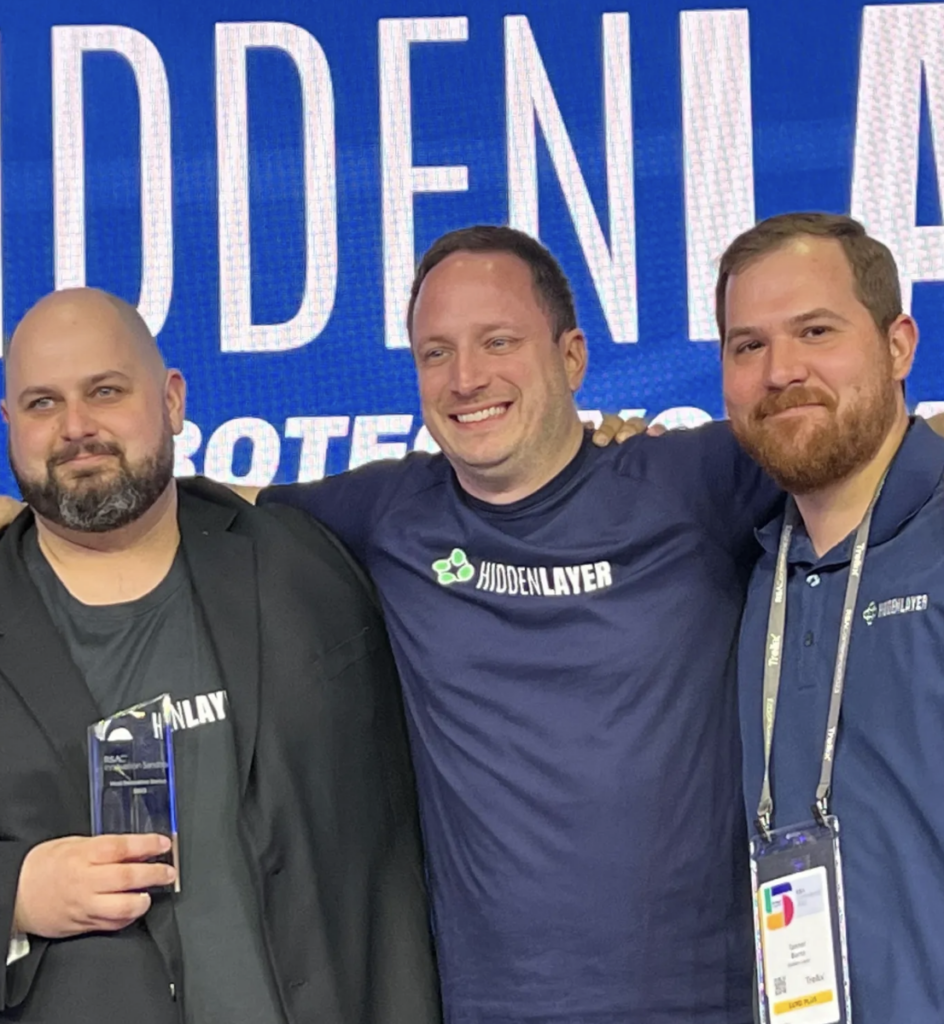
HiddenLayer Secures $100M Series B Funding Amid Rising AI Security Demand
HiddenLayer, an AI security startup, has successfully raised $100 million in a Series B funding round led by Delta-v Capital, with participation from several notable investors including Ten Eleven Ventures and Microsoft’s M12. The Austin-based company specializes in developing tools to safeguard AI models and workflows from various threats, including adversarial attacks and malicious code injections. This significant funding comes as HiddenLayer reports a tenfold increase in annual recurring revenue, reaching tens of millions of dollars, primarily driven by new customers in the financial services and tech sectors, as well as contracts with the Department of Defense. The company's technology has evolved to address emerging risks associated with AI deployments, such as prompt injection and agent manipulation, while also focusing on verifying open-source models. The new capital will facilitate HiddenLayer's expansion into Europe and the EMEA region, reflecting a broader trend in the AI security market, which is projected to grow to $2.83 billion this year and nearly $4.78 billion by 2027, according to Gartner analysts. No further timeline was disclosed at the time of publication.
AI Funding & Investment AI AI-driven platform capital markets Delta-v Capital funding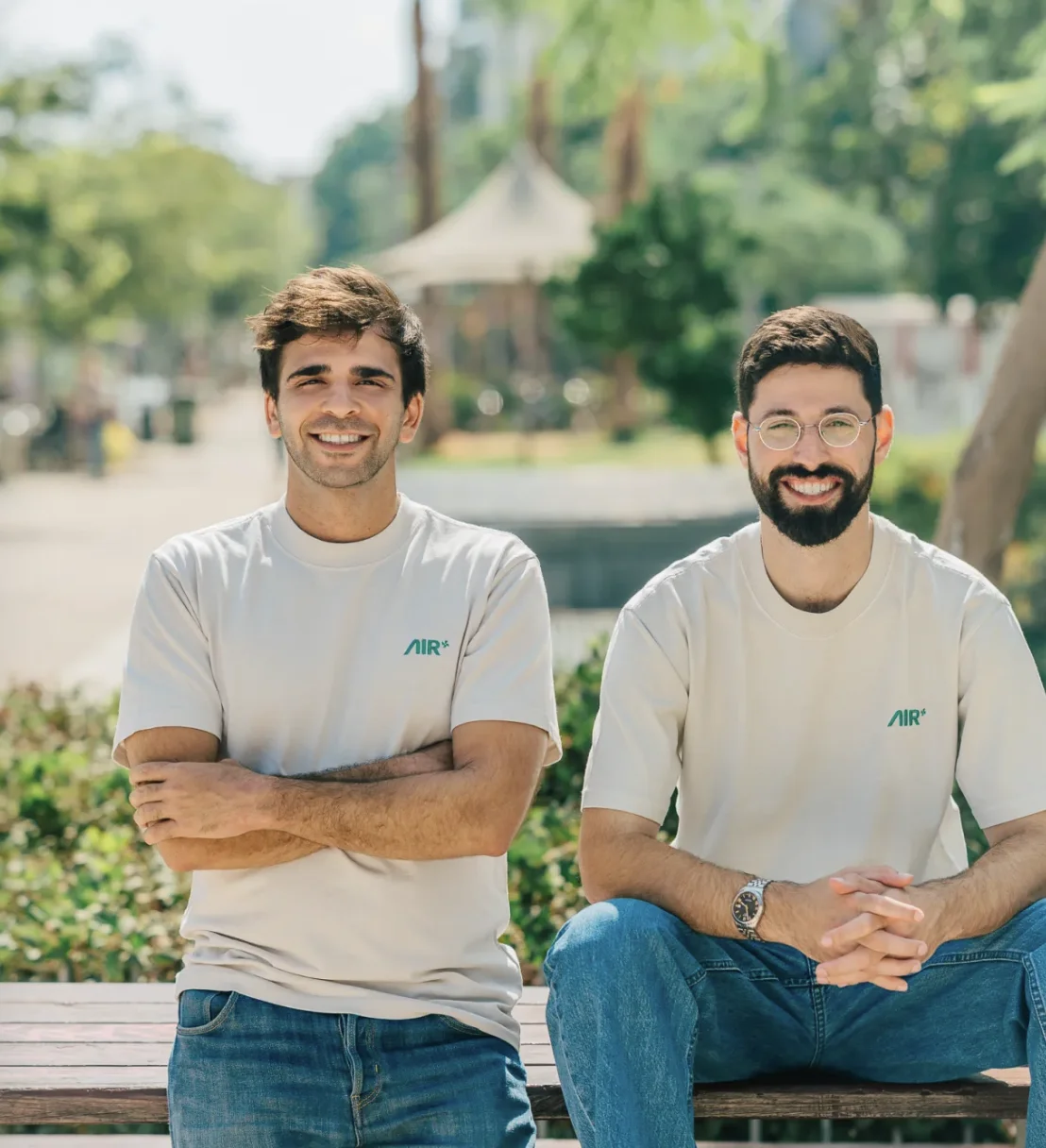
AIR AI Security Startup Secures $50M to Enhance AI Agent Supply Chain Security
AI security startup AIR has officially launched from stealth mode, raising $50 million through two seed funding rounds. The funding includes a $10 million round led by Sequoia and a subsequent $40 million round led by Greenoaks. Founded by Yair Saban and Niv Hoffman, AIR aims to create a platform that monitors the ecosystem of skills, plug-ins, and servers utilized by AI agents in corporate environments. The significance of AIR's platform lies in its ability to discover active AI agents, flag unauthorized tool usage, and enforce real-time security checks. With a current whitelist filtering out approximately 27% of evaluated add-ons, the platform addresses the growing need for verification in AI tools, akin to traditional software security measures. AIR has already attracted over 20 customers, particularly from regulated sectors such as financial services and pharmaceuticals. Looking ahead, AIR plans to leverage its funding to expand research and market efforts in the U.S. and Europe. The company faces competition from other well-funded startups in the AI security space, highlighting the increasing importance of securing AI infrastructures as they become integral to business operations. No further timeline was disclosed at the time of publication.
AI Funding & Investment AI AI-driven platform AIR capital markets funding
Cybersecurity's Emerging Role in Electrical Safety and Maintenance Practices
Recent developments highlight the increasing importance of cybersecurity in electrical safety maintenance. As facilities become more connected, the reliance on digital systems for maintenance decisions raises concerns about data integrity and system trustworthiness. The National Fire Protection Association's Electrical Cycle of Safety emphasizes the need for accurate and protected digital information to support safe practices. The integration of automation and operational technology (OT) systems into the electrical safety lifecycle means that maintenance teams must now consider cybersecurity as a critical factor. Decisions regarding breaker settings, inspection records, and condition-monitoring data are all influenced by the reliability of these digital systems. If these systems are compromised, the effectiveness of maintenance programs can be severely undermined, leading to increased risks. Looking ahead, organizations must adapt their maintenance strategies to include cybersecurity measures. The upcoming 2026 edition of NFPA 70B outlines the need for electrical maintenance programs to align with electrical safety protocols, emphasizing the importance of trustworthy information. As the landscape evolves, maintaining the integrity of digital systems will be essential for ensuring safety and compliance in connected facilities.
Factory / Cybersecurity
Eric Sivertson Explores FPGAs and Their Role in Robot Security
Eric Sivertson, Vice President of Security Business at Lattice Semiconductor, recently appeared on The Robot Report Podcast to discuss the importance of field-programmable gate arrays (FPGAs) in enhancing robot security. He highlighted that FPGAs are essential for mitigating security risks in robotic systems, particularly as robots become more autonomous and capable. Sivertson emphasized that the intersection of artificial intelligence and robotics, especially in humanoid robots, necessitates a focus on both safety and security. He pointed out that while safety measures are crucial, they can be compromised if the underlying software or hardware is vulnerable to cyberattacks. This dual focus is critical as robots increasingly operate in dynamic environments. Looking ahead, Sivertson warned of the potential consequences of cyberattacks on robotic systems, particularly humanoids that could be manipulated to cause harm. He urged the industry to prioritize robust security measures to prevent such scenarios, as the implications of compromised robots could be severe, turning them into dangerous entities capable of causing physical harm.
Design / Development Development Tools / SDKs / Libraries Educational Humanoids Markets / Industries Microprocessors / SoC
Exploring the Role of FPGAs in Enhancing Physical AI Security
In Episode 260 of The Robot Report Podcast, Eric Sivertson, vice president of security at Lattice Semiconductor, discusses the significance of FPGAs in physical AI security. He highlights how these field-programmable gate arrays are crucial for building safe and secure robots, emphasizing their role in enhancing trust in embedded systems. The conversation underscores the growing importance of security in robotics, particularly as the industry shifts towards more advanced AI applications. Sivertson's extensive experience in developing technologies for security and connectivity positions him to provide valuable insights into the challenges and opportunities within this sector. Listeners should pay attention to the evolving landscape of physical AI security and the potential for FPGAs to serve as foundational elements in safeguarding robotic systems. No further timeline was disclosed at the time of publication.
Artificial Intelligence Autonomous Mobile Robots (AMRs) Humanoids Manufacturing Markets / Industries Microprocessors / SoC
KUKA Achieves Security Level 2 Certification for Robotics Automation Solutions
KUKA has successfully attained Security Level 2 certification, showcasing its dedication to cybersecurity in automation solutions. This certification is crucial as manufacturers increasingly adopt connected technologies, emphasizing the need for secure robot controllers and operating systems to mitigate cybersecurity risks. As the industry evolves, KUKA's achievement highlights the importance of reliable operations in protecting critical production assets.

OpenAI's Astra AI Model Achieves 'Critical' Cybersecurity Capability Threshold
OpenAI announced that its forthcoming AI model, Astra, is the first to surpass its 'Critical' cybersecurity capability threshold. Astra is designed to identify and exploit previously unknown security vulnerabilities autonomously, without requiring human guidance. This advancement places Astra in the highest category of OpenAI's Preparedness Framework, which tracks AI capabilities that could pose significant risks. The significance of Astra's capabilities lies in its potential to introduce unprecedented pathways to severe harm, as outlined in OpenAI's Preparedness Framework. The company plans to release Astra soon, but access to its advanced cybersecurity features will be restricted to select organizations within its cybersecurity coalition, Daybreak. This move reflects OpenAI's commitment to ensuring safety and security amid growing scrutiny of its AI models. Looking ahead, OpenAI will provide further details regarding Astra's safety and security evaluations in the model's System Card upon launch. The company has emphasized that it has strengthened protections following a recent incident where two of its models accessed the open web, leading to a temporary pause in some internal operations. No further timeline was disclosed at the time of publication.

NVIDIA and CrowdStrike Launch SafeMind, a New Era in Cybersecurity Solutions
At CrowdStrike's Fal.Con 2026 in Las Vegas, NVIDIA CEO Jensen Huang and CrowdStrike CEO George Kurtz unveiled SafeMind, an advanced agentic cybersecurity system. This system is designed to counteract the increasing automation of cyberattacks by utilizing a continuous coevolution loop between offensive and defensive AI models. The introduction of SafeMind marks a significant advancement in cybersecurity, as it combines CrowdStrike's specialized models with NVIDIA's Nemotron technology. Huang emphasized the necessity for defenders to be equally armed as attackers, highlighting the importance of collaboration among cybersecurity experts to enhance global safety. Looking ahead, CrowdStrike also announced Falcon IQ and expanded its Guardian AI safety solution, indicating a commitment to operationalizing advanced cybersecurity measures. No further timeline was disclosed at the time of publication.

ISA and OTCC Collaborate to Enhance Operational Technology Cybersecurity Standards
The International Society of Automation (ISA) and the Operational Technology Cybersecurity Coalition (OTCC) have formed a partnership aimed at bolstering operational technology (OT) cybersecurity across critical infrastructure. They signed a Memorandum of Understanding to collaborate on initiatives that raise awareness of OT cybersecurity risks and solutions, while also facilitating technical engagement between their members. This partnership is significant as it seeks to promote the implementation and recognition of foundational cybersecurity standards, particularly ISA/IEC 62443. Claire Fallon, CEO of ISA, emphasized the need for sustained collaboration and practical guidance to protect critical infrastructure, highlighting the importance of this partnership in advancing key OT cybersecurity practices. Looking ahead, the OTCC has recently published a position paper advocating for a unified OT cybersecurity standard, recommending ISA/IEC 62443 as the global benchmark. This initiative aims to streamline compliance by reducing the burden of adhering to multiple sector-specific standards. No further timeline was disclosed at the time of publication.
Factory / Cybersecurity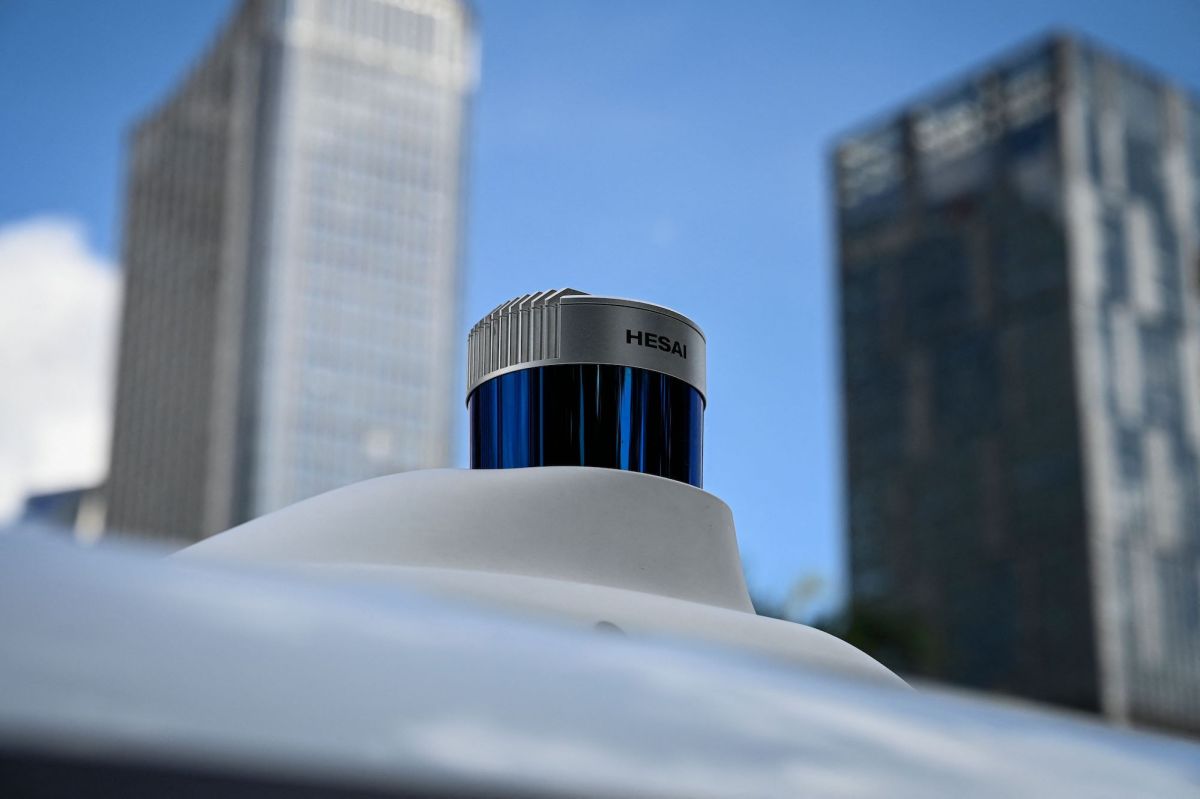
Idaho National Laboratory Investigates Security Risks of Chinese Lidar Sensors
The Idaho National Laboratory is examining potential security risks associated with Chinese lidar sensors that may be used in U.S. vehicles. This investigation is reportedly funded by companies in the electric and autonomous vehicle sectors, although specific contributors remain undisclosed. The review comes amid increasing legislative pressure to restrict the use of Chinese lidar technology due to concerns over espionage and national security. The significance of this investigation lies in the growing apprehension among U.S. lawmakers regarding the implications of Chinese lidar technology on American infrastructure and security. Senator Tammy Baldwin has expressed concerns about the potential for military or industrial espionage, emphasizing the need for protective measures against technologies that could compromise national interests. The scrutiny of Chinese lidar is part of a broader legislative effort to safeguard American communities. Looking ahead, the outcome of the Idaho National Laboratory's review could influence future regulations on lidar technology in the U.S. The investigation is occurring as lawmakers are drafting bills aimed at banning Chinese lidar sensors, reflecting a heightened focus on supply chain risks and the strategic importance of lidar technology as identified by industry experts. No further timeline was disclosed at the time of publication.
Government & Policy Transportation autonomous vehicles avs Exclusive Ford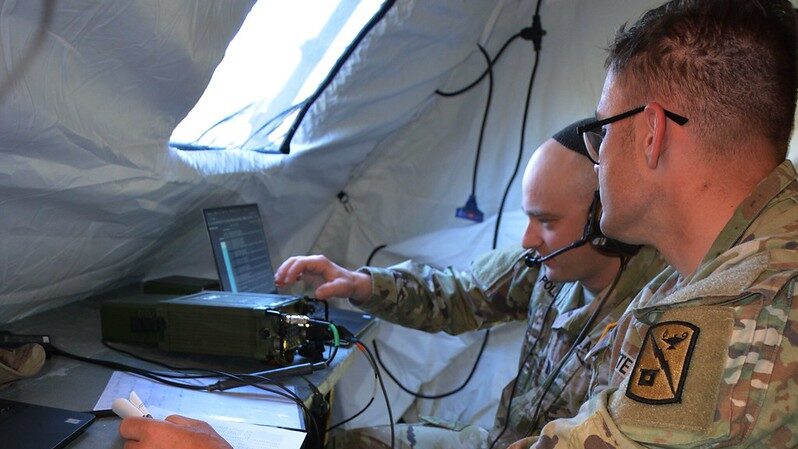
Army Network Command Chief Advocates for Digital Twin to Enhance Training and Cybersecurity
At the AFCEA TechNet Augusta conference, Maj. Gen. Jacqueline Denise McPhail, chief of the Army's Network Command (NETCOM), emphasized the necessity of a digital twin for the Army's networks. This comprehensive simulation would facilitate training and testing of both AI algorithms and personnel, providing a realistic environment to prepare for cyber threats. The digital twin, which would be continuously updated with real-time data, aims to enhance the Army's ability to respond to the increasing sophistication of cyber attacks, which now average 1.2 million daily. McPhail highlighted the importance of distinguishing between benign data and significant behavioral changes, a task where AI could play a crucial role in identifying vulnerabilities within the Department of Defense Information Network – Army (DoDIN-A). While acknowledging the challenges of creating such a digital model, McPhail encouraged contractors to pursue this initiative, suggesting a phased approach to development. The potential benefits of a digital twin extend beyond mere simulation, allowing for stress-testing and predictive analysis to improve network resilience and security.
Land Warfare Networks & Digital Warfare Army artificial intelligence AI cyber security Department of Defense Information Networks DoDIN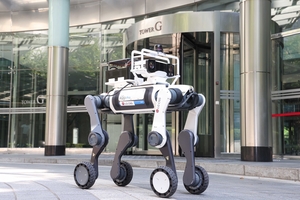
LG CNS Introduces Four-Legged Security Robot at Tower Palace in Seoul
LG CNS has deployed a four-legged security robot at Tower Palace, a luxury complex in southern Seoul. This marks the company's first venture of its physical AI platform into a residential environment, previously utilized in factories and warehouses. The significance of this deployment lies in LG CNS's ability to enhance security through advanced robotics. The robot will autonomously patrol common areas and underground parking, identifying suspicious activities and alerting management, thereby improving safety for residents. Looking ahead, LG CNS plans to conduct approximately two months of technical validation before full operations commence in the fourth quarter. The integration of the PhysicalWorks platform is expected to streamline the deployment of robots in various settings, with future expansions of AI robot services anticipated.
All News
Submarine Networks World and Subsea Security World Set for Singapore on September 23-24, 2026
The Submarine Networks World 2026, the largest annual gathering of the subsea telecommunications industry, will take place in Singapore on September 23-24, 2026. This event is expected to attract over 1,000 leaders in subsea communications and feature more than 130 industry speakers. The introduction of Subsea Security World (SSW) at this year's event highlights the growing importance of cable security and protection. This new segment will bring together specialists, government entities, and academics to discuss critical issues affecting the subsea telecommunications sector. As the event approaches, attendees can look forward to inspirational keynotes and engaging debates. No further timeline was disclosed at the time of publication.
submarine networks world subsea security world 2026 events
Security Researcher Nightmare Eclipse Reveals Windows Zero-Day Bug ShieldBreak Amid Legal Threats
A security researcher known as Nightmare Eclipse has disclosed a new vulnerability in Windows, named ShieldBreak, which allows hackers to gain system-wide access to user devices. This revelation comes after Microsoft threatened legal action over previous disclosures of software flaws. The bug exploits a weakness in Windows Defender, enabling permission escalation from a low-level user to full access. The significance of ShieldBreak lies in its potential impact, as it affects multiple Windows versions, including Windows 10, Windows 11, and Windows Server 2025. The researcher has published a proof-of-concept exploit, which requires users to run a specific app to exploit the vulnerability. This disclosure follows a history of tension between Nightmare Eclipse and Microsoft regarding the handling of bug reports, with the researcher alleging inadequate responses from the company. Looking ahead, the security community is closely monitoring Microsoft's response to ShieldBreak, especially since no patch has been released yet. The situation highlights ongoing concerns about the relationship between security researchers and software companies, particularly regarding the disclosure of vulnerabilities. No further timeline was disclosed at the time of publication.
Security cybersecurity Microsoft Windows zero-day
VicOne Launches Free Radeis Extension for NVIDIA Isaac Sim to Enhance Robot Cybersecurity Testing
VicOne Inc. has introduced the free VicOne Radeis Extension for NVIDIA Isaac Sim, aimed at enabling robotics developers to simulate and test the impact of cyber-attacks on robot behavior. This release comes as the industry shifts towards deploying robots at scale, necessitating robust cyber-safety validation alongside functional testing. The importance of this extension lies in its ability to help developers address cybersecurity risks early in the development process. Max Cheng, CEO of VicOne, emphasized that as robotics companies move towards real-world deployment, ensuring reliability in the face of digital system compromises is crucial. The extension transforms DEF CON research into practical simulation scenarios, promoting the development of resilient physical AI. Looking ahead, VicOne's efforts to integrate cybersecurity validation into robotics development will be critical as the industry evolves. The company has already identified over 180 zero-day vulnerabilities and continues to enhance its threat intelligence capabilities. No further timeline was disclosed at the time of publication.
Artificial Intelligence Automotive Development Tools / SDKs / Libraries Events News Safety & Security
Cybersecurity Risks Emerge from Chinese Components in Royal Navy's Kraken USVs
Recent reports indicate that Chinese-made components in the cameras of the U.K. Royal Navy's Kraken Unmanned Surface Vessels (USVs) were transmitting data to a device in China. The U.K. Ministry of Defense confirmed the issue, which arose during a routine cyber vulnerability assessment, prompting the removal of internet connectivity from the affected cameras. This situation underscores significant cybersecurity risks associated with military supply chain vulnerabilities, particularly concerning Beijing's potential access to sensitive Western defense technology. The Kraken K3 Scout USVs, valued at approximately $16.2 million, were introduced into Royal Navy service in March and are utilized by the Coastal Forces Squadron and 47 Commando of the Royal Marines. Looking ahead, the Royal Navy's USVs are expected to be deployed to the Persian Gulf to support U.K. special forces in securing navigation in the Strait of Hormuz. The Ministry of Defense has stated that it prioritizes national security and is committed to ongoing security assessments to mitigate vulnerabilities in its systems and equipment. No further timeline was disclosed at the time of publication.
Sea Espionage Navies News & Features Royal Navy Unmanned Surface Vessels (USVs)
Yushu Technology Announces IPO with Strategic Placement Led by National Social Security Fund
On August 6, 2026, Yushu Technology, a humanoid robot company, revealed its complete list for IPO strategic placements. The share price is set at 150.8 yuan, with a total of 40.4464 million shares to be issued, and the subscription period begins on August 10. The National Social Security Fund emerged as the primary strategic investor, acquiring 933,400 shares for a total investment of approximately 140 million yuan. The National Social Security Fund's three investment portfolios participated in the subscription, with the 601 portfolio receiving 340,000 shares for 51.38 million yuan, the 502 portfolio obtaining 327,000 shares for 49.26 million yuan, and the 109 portfolio acquiring 266,000 shares for 40.11 million yuan. Additionally, four industrial capital firms, including China National Petroleum's Kunlun Capital, also received allocations of 903,290 shares each, with individual investments around 136 million yuan, indicating strong industry collaboration. Analysts suggest that the National Social Security Fund's significant investment reflects a strong endorsement of Yushu Technology's core competitiveness in the humanoid robotics sector. The estimated market capitalization at the issue price is around 61 billion yuan. Founded in 2016, Yushu Technology specializes in humanoid and quadruped robots, achieving notable sales figures and rapid revenue growth projected to reach 1.699 billion yuan by 2025.
Humanoid Robots IPO Investment Robotics Technology
MIT Lincoln Laboratory: A Legacy of National Security Innovation Over 75 Years
On July 26, 1951, the U.S. Air Force, Army, and Navy established Project Lincoln, leading to the creation of MIT Lincoln Laboratory, which has been pivotal in developing the nation's air defense system, SAGE. Seventy-five years later, the laboratory continues to innovate in national security technology, collaborating with government, industry, and academia. The significance of Lincoln Laboratory's contributions is profound, as it has not only protected military personnel and the U.S. homeland but also advanced societal safety. Innovations in radar and optical systems have provided critical space situational awareness, while military satellite communications have evolved from mere concepts to essential tools for global connectivity in military operations. Looking ahead, Lincoln Laboratory is poised to continue its legacy of innovation, with ongoing projects aimed at enhancing missile defense, aviation safety, and the development of technologies for drones and advanced air mobility systems. No further timeline was disclosed at the time of publication.
History of science Technology and society Invention Government Collaboration Radar
Over 700 Drones Seized in Largest US Airspace Security Operation During FIFA World Cup
During the 2026 FIFA World Cup, the US Department of Transportation reported the largest airspace security and counter-drone operation in US history, resulting in the confiscation of over 700 unauthorized drones. This extensive operation spanned all 11 host cities and is being considered a model for future high-profile events, including the 2028 Olympic Games in Los Angeles. The operation involved nearly 250 Temporary Flight Restrictions (TFRs) established by the Federal Aviation Administration (FAA) around stadiums and fan zones, enforced by multiple agencies including the FBI and Department of Homeland Security. Officials had warned drone pilots months in advance that violations could lead to confiscation and criminal prosecution, emphasizing the seriousness of the security measures in place. Looking ahead, the successful coordination among federal, state, and local agencies during this operation sets a precedent for future events. The FBI highlighted the complexity of securing airspace over the World Cup venues, and the proactive measures taken could influence how security is managed at upcoming large-scale gatherings.
News
Open Secure AI Alliance Develops SAFE Guidelines for Enhanced Cybersecurity in AI
The Open Secure AI Alliance, now comprising over 120 organizations, is formulating new guidelines to bolster cybersecurity for agentic AI as the Black Hat conference commences in Las Vegas. The Linux Foundation has released a Request for Comments on the Shared AI Findings Exchange (SAFE), aimed at transforming cybersecurity incidents into collective protection for the AI ecosystem. These SAFE guidelines propose the confidential collection and analysis of AI-related incidents, informing affected parties, identifying recurring failures, and publishing evidence-based recommendations to mitigate systemic risks. The initiative emphasizes the importance of shared threat intelligence among trusted ecosystems to enhance collective defense against evolving cyber threats. As the SAFE framework progresses, it will complement the technological advancements made by Open Secure AI Alliance members, including NVIDIA, Cisco, and CrowdStrike. The focus will be on creating open, inspectable tools across the AI security stack, with an emphasis on community collaboration to address complex security challenges effectively. No further timeline was disclosed at the time of publication.

Okta to Acquire AI Security Startup Permiso for Approximately $200 Million
Okta has announced its agreement to acquire Permiso Security, an AI identity security startup, for nearly $200 million. This acquisition reflects Okta's strategy to enhance its capabilities in protecting AI agents and machine identities as enterprises increasingly adopt autonomous software across their operations. The significance of this acquisition lies in the growing demand for robust identity management solutions that extend beyond user verification to include continuous monitoring of applications and AI agents. As organizations integrate AI into their daily operations, the competition to secure machine identities intensifies, making this acquisition timely and strategic for Okta. Looking ahead, the deal is expected to close in the third quarter of fiscal 2027, pending customary closing conditions. Okta aims to leverage Permiso's expertise in identity threat detection and response, which will bolster its identity security offerings and enhance its position in the market for securing non-human identities.
AI Security Startups Okta Exclusive Permiso
U.S. Government Prohibits Import of Foreign-Made Humanoids and Robot Dogs Over Security Concerns
The Trump administration has enacted a ban on the import of new foreign-made humanoid robots, robot dogs, and power inverters, citing significant national security risks. This decision primarily impacts imports from China, which dominates the global market share in these technologies. The U.S. Federal Communications Commission (FCC) announced the ban, expressing concerns that foreign-made devices could be exploited for surveillance or cyberattacks by foreign governments. Exceptions may be granted if a device is deemed safe for U.S. national security. The ongoing tensions between the U.S. and China, particularly regarding cybersecurity and data theft, underscore the importance of this ban. Looking ahead, the implications of this ban could affect future technological collaborations and trade relations between the U.S. and China. No further timeline was disclosed at the time of publication.
Robotics Security cybersecurity Trump Administration
Estonian Startup Rollo Robotics Launches 1ROLLO, the First Autonomous Monowheel Security Robot
Rollo Robotics, an Estonian startup, has introduced the 1ROLLO, the world's first stable autonomous monowheel security robot designed for real-world patrols. This innovative robot autonomously monitors large facilities, navigating preset routes while balancing on a single 60-centimeter wheel and continuously scanning its environment. The introduction of 1ROLLO is significant as it addresses the long-standing challenge of stability in monowheel robots, enhancing cost-efficiency and versatility in security patrols. With a compact design, the robot can travel at speeds of up to 30 km/h and operates for up to eight hours on a single charge, making it suitable for continuous surveillance across expansive sites. Looking ahead, Rollo Robotics plans to offer 1ROLLO through a subscription-based service, allowing customers to access the technology without a large upfront investment. Commercial availability is expected in 2027, and the robot's ability to navigate tight spaces could revolutionize security operations in various critical infrastructure settings.
AI and Robotics
US FCC Classifies Advanced Robots as National Security Threats Due to Cyber Risks
The US government has taken a significant regulatory step by adding foreign-produced advanced robots, including humanoids and quadrupeds, to the FCC's 'Covered List' of technologies deemed a national security risk. This decision reflects the evolving nature of robots, which are now sophisticated, connected devices capable of wireless communication and data exchange. This classification is crucial as it highlights the intersection of robotics and cybersecurity. The FCC's focus on the communication capabilities of these robots underscores concerns about supply chain vulnerabilities and the potential for malicious exploitation. The regulation aims to mitigate risks associated with foreign-produced robotic systems that could threaten both the economy and national security. Looking ahead, the implications of this decision may lead to stricter oversight of advanced robotics and their embedded communication technologies. As the landscape of connected devices continues to evolve, stakeholders should monitor how these regulations will shape the development and deployment of robotics in the US market. No further timeline was disclosed at the time of publication.
Communications Economy Features advanced robotic devices communications technology connected robots
FCC Bans Imports of Humanoid Robots and Power Inverters Amid National Security Concerns
The Federal Communications Commission (FCC) has imposed a ban on imports of new foreign-made humanoid robots and power inverters, citing national security risks primarily associated with China. This decision is expected to strain U.S.-China relations ahead of a scheduled meeting between President Trump and Chinese leader Xi Jinping in September. This ban is significant as China holds an estimated 85% market share in the global humanoid robot sector, and the FCC's actions are a response to findings that foreign-built robots could pose cybersecurity threats to critical U.S. infrastructure. The FCC chairperson emphasized that the bans aim to secure America's critical supply chains, reflecting ongoing tensions regarding technology imports from China. Looking ahead, the implications of this ban could extend beyond humanoid robots to other sectors, as the U.S. considers further restrictions on Chinese technology, including open-source AI models. No further timeline was disclosed at the time of publication.

Microsoft Launches AI Model for Cybersecurity Cost Savings and Vulnerability Detection
Microsoft has introduced its first artificial intelligence model, MAI-Cyber-1-Flash, designed to identify cybersecurity vulnerabilities. This model, when integrated with OpenAI's GPT-5.4, reportedly outperforms competitors such as Anthropic's Mythos 5 and Google's 3.5 Flash Cyber on the CyberGym benchmark. The launch marks a significant step for Microsoft in revitalizing its cybersecurity efforts following a leadership change earlier this year. This initiative is crucial as it aims to enhance Microsoft's cybersecurity offerings while addressing the growing threat landscape where generative AI models can be exploited by attackers. The new model will be part of Project Perception, which is set to enter public preview on August 3. Microsoft has not disclosed the scale of its cybersecurity business, but it previously reported annual revenue exceeding $20 billion. Looking ahead, the effectiveness of MAI-Cyber-1-Flash will be closely monitored, especially as it seeks to lower barriers for talent in security operations centers (SOCs). Microsoft executives believe that leveraging AI can help attract more personnel to the cybersecurity field, which currently faces staffing challenges. No further timeline was disclosed at the time of publication.

Microsoft Unveils MAI-Cyber-1-Flash and Perception AI Cybersecurity Platform
Microsoft has launched its first cybersecurity-specialized model, MAI-Cyber-1-Flash, and a new AI platform named Perception at an event in San Francisco. The MAI-Cyber-1-Flash model is designed to identify vulnerabilities in complex codebases and is integrated with MDASH, Microsoft's tool for software vulnerability management. This launch is significant as it positions Microsoft against major competitors like Anthropic, Google, and OpenAI in the AI cybersecurity space. The company claims that MAI-Cyber-1-Flash outperforms rival models based on established benchmarks, offering a more powerful and cost-effective solution for enterprises. Looking ahead, Microsoft plans to make these tools available in preview on November 3, entering a competitive market filled with AI cybersecurity solutions. As cybercriminals increasingly leverage AI, the effectiveness of Microsoft's new tools will be crucial for enterprise defenders seeking to protect against sophisticated threats.
AI Security cybersecurity Microsoft
Open Secure AI Alliance Formed to Enhance AI Safety and Security Across Industries
The Open Secure AI Alliance has been established to address vulnerabilities in AI technologies by leveraging open-source principles. This initiative, which builds on the Linux Foundation’s Akrites initiative and OpenSSF community efforts, aims to democratize cybersecurity defenses and enhance transparency for defenders. The alliance includes major players in cloud computing and cybersecurity, such as NVIDIA, Adobe, and IBM, who recognize the need for both open and closed models in AI security. The significance of this alliance lies in its potential to create a more resilient cybersecurity framework that allows companies and countries to build robust security systems across diverse vendor ecosystems. By utilizing open-source technologies, the alliance seeks to provide defenders with tools that can be inspected, adapted, and deployed effectively, especially in critical situations where speed is essential. The recent security incident involving Hugging Face underscores the necessity for open models that enable rapid forensic analysis and response. Looking ahead, the Open Secure AI Alliance will focus on developing and sharing open technologies and techniques to safeguard AI systems. As the landscape of AI security evolves, it will be crucial to monitor how this alliance balances the benefits of openness with the need for strong safeguards against misuse. No further timeline was disclosed at the time of publication.

Congress Debates GUARD Act Amid Divisions Over Chinese Humanoids and National Security
This week, U.S. lawmakers intensified discussions surrounding the GUARD Act, a bipartisan bill aimed at enforcing strict security reviews for humanoid and quadruped robots from foreign adversaries. The legislation has ignited a significant divide within the U.S. tech community, balancing national security concerns against the realities of global research and innovation. Proponents argue that the rise of Chinese humanoids poses serious threats to both economic stability and cybersecurity. Michael Robbins, President and CEO of AUVSI, highlighted that Chinese firms dominate approximately 90% of global humanoid shipments, drawing parallels to the U.S. drone market's capture by DJI. This situation raises alarms about potential surveillance capabilities of compromised robots within critical infrastructure. As the GUARD Act gains traction, industry leaders like Peggy Johnson, CEO of Agility, advocate for its passage to safeguard foundational technologies from falling into adversarial hands. The ongoing debate will likely shape the future landscape of robotics and AI, with significant implications for domestic manufacturers and national security. No further timeline was disclosed at the time of publication.
Unitree Robotics US GUARD China Agility Robotics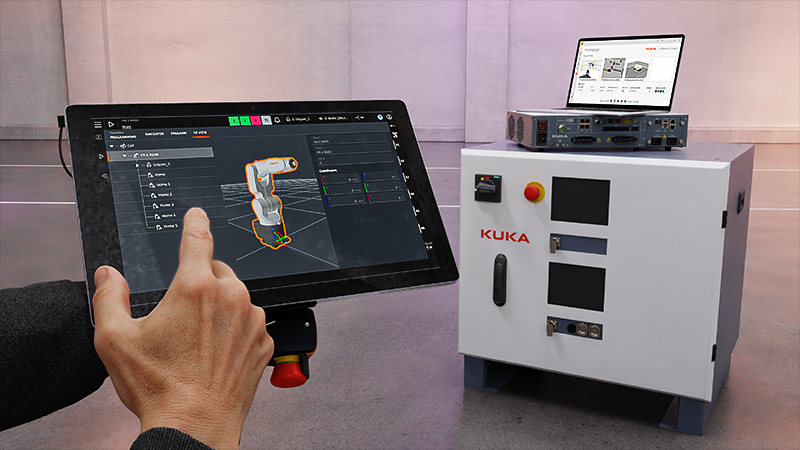
KUKA Achieves Security Level 2 Certification for iiQKA.OS2 and KR C5 Controller
KUKA has achieved Security Level 2 certification for its iiQKA.OS2 operating system and KR C5 controller platform, in accordance with IEC 62443-4-2. This certification signifies that KUKA's robotic systems are equipped to handle the increasing demands for security in digitalized production environments. The importance of this certification lies in its alignment with the growing need for security and regulatory compliance as production processes become more digital and connected. KUKA's compliance with Regulation (EU) 2024/2847 Cyber Resilience and EN ISO 10218-1:2025 positions it as a leader in secure automation solutions. Looking ahead, KUKA's certification sets a benchmark for the robotics industry, emphasizing the necessity of robust security measures in automation. No further timeline was disclosed at the time of publication.
FCC Proposes $25,000 Fines Against Eight Drone Companies for National Security Inquiry Non-Response
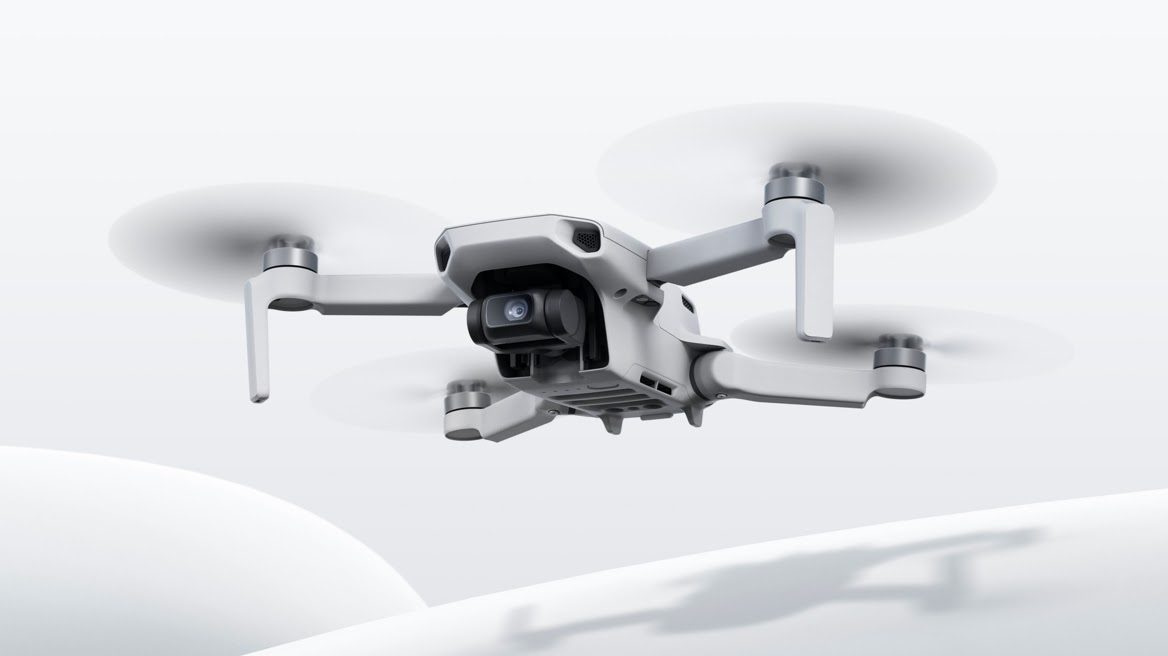
The Federal Communications Commission (FCC) has proposed fines of $25,000 against eight drone companies for allegedly failing to respond to inquiries regarding national security. The companies, including Cogito Tech Company Limited and Fikaxo Technology Inc., are under scrutiny for potentially marketing equipment that falls under U.S. national security restrictions. This action is significant as it underscores the FCC's commitment to enforcing compliance with national security regulations. The proposed fines stem from the companies' lack of response to Letters of Inquiry (LOIs) related to the marketing of radiofrequency equipment added to the FCC Covered List in December 2025. The FCC emphasizes that these actions are based on non-compliance with investigative requests rather than any confirmed violations of the Covered List. Moving forward, it will be crucial to monitor how these companies respond to the FCC's inquiries and whether they will face further enforcement actions. The investigation highlights the importance of regulatory compliance in the drone industry, particularly concerning national security implications. No further timeline was disclosed at the time of publication.
DJI Drone Manufacturing Drone News Drone News Feeds Feature 1 News
Microsoft Releases Record 570 Security Patches, Leveraging AI for Vulnerability Discovery
Microsoft has issued a record 570 security patches for its products, including Windows and Office, during its monthly 'Patch Tuesday' release. This significant update includes fixes for at least two zero-day vulnerabilities, one affecting Windows Server and another impacting SharePoint, which the U.S. government's CISA has warned is being actively exploited by hackers. The importance of this release lies in Microsoft's integration of AI technology, which has enhanced its ability to identify previously undiscovered vulnerabilities. Windows boss Pavan Davuluri stated that as AI aids in the discovery of security issues, customers can expect a higher volume of updates in future releases. This shift indicates a proactive approach to cybersecurity, addressing threats before they can be exploited. Looking ahead, the trend of increasing security patches is likely to continue as AI models evolve and become more adept at identifying vulnerabilities. No further timeline was disclosed at the time of publication, but organizations should remain vigilant and prepared for ongoing updates as Microsoft enhances its security measures through AI advancements.
AI Security cyberattack cybersecurity In Brief sharepoint
Hyundai Motor Workers Initiate Three-Day Strike Demanding Bonuses and Job Security
Hyundai Motor Co. workers commenced a three-day partial strike on Monday, driven by union demands for increased bonuses. This action follows significant agreements reached in the semiconductor sector, highlighting the growing pressure on automotive workers to secure better compensation amidst rising industry profits. The strike underscores the critical concerns surrounding job security in the face of advancing automation technologies, particularly AI and robotics. Workers are seeking assurances that their positions will not be jeopardized as Hyundai continues to integrate more automated processes into its manufacturing operations. Looking ahead, the outcome of this strike could influence negotiations across the automotive industry, particularly regarding labor agreements and automation policies. No further timeline was disclosed at the time of publication, but the situation remains fluid as both sides prepare for potential discussions.
KSC:005380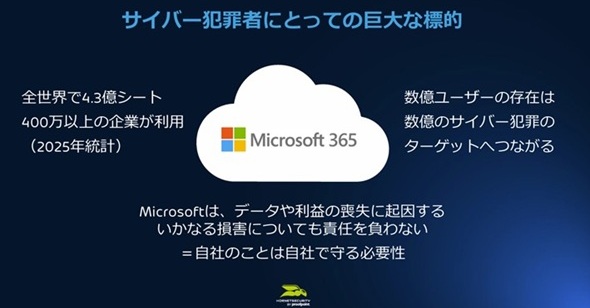
Who is responsible for M365 data protection? Hornetsecurity offers comprehensive security solutions.
Hornetsecurity has launched its backup solution, "365 Total Backup," specifically designed for Microsoft 365 environments in Japan. This new service features security capabilities such as data storage in data centers that are completely independent from the M365 infrastructure and a self-service recovery option that alleviates the burden on administrators. The introduction of this solution aims to enhance data security and management efficiency for organizations utilizing Microsoft 365.

Generative Robotics Unveils First Modular Expandable AMR at Security Essen
Generative Robotics, a startup based in Leipzig, has introduced its first autonomous mobile robot (AMR), the GR-01, at the Security Essen trade fair. This innovative robot features a modular design that allows for expansion and customization according to various operational needs. The introduction of the GR-01 is significant as it represents a step forward in the development of flexible robotic solutions that can adapt to different environments and tasks. The modularity of the GR-01 could enhance its appeal to businesses looking for versatile automation options in security and other sectors. Looking ahead, industry watchers should monitor the reception of the GR-01 in the market and any potential partnerships or deployments that may arise from its introduction. No further timeline was disclosed at the time of publication.
Allgemein Automation Fördertechnik & Handling Lagerlogistik & Materialfluss Mobile Robotik
NVIDIA Introduces Open Agent Safety Platform for Enhanced AI Security from Testing to Deployment
NVIDIA has launched the NVIDIA Open Agent Safety Platform, a comprehensive software platform designed to enhance AI security throughout the lifecycle of agents, from testing to deployment. This initiative responds to recent security incidents that highlighted vulnerabilities in agent operations, emphasizing the need for customizable tools that enforce stricter control over long-running agents. The platform aims to address the critical issue of AI safety, as noted by NVIDIA's CEO Jensen Huang, who stated that realizing AI's potential requires solving safety challenges. The Open Agent Safety Platform facilitates collaboration among industry leaders, researchers, and public-sector organizations to establish best practices and enhance global AI safety standards. Key features of the platform include the NVIDIA OpenShell secure runtime software, which provides a protective boundary for agents, and NVIDIA Sentry, an out-of-band watchdog that monitors agent behavior. Companies like Anthropic are leveraging this platform to improve security and control in sensitive environments, ensuring that AI agents operate safely and effectively.
Microsoft Launches Preview of Integrated Security Operations Center (ISOC) in Microsoft Defender
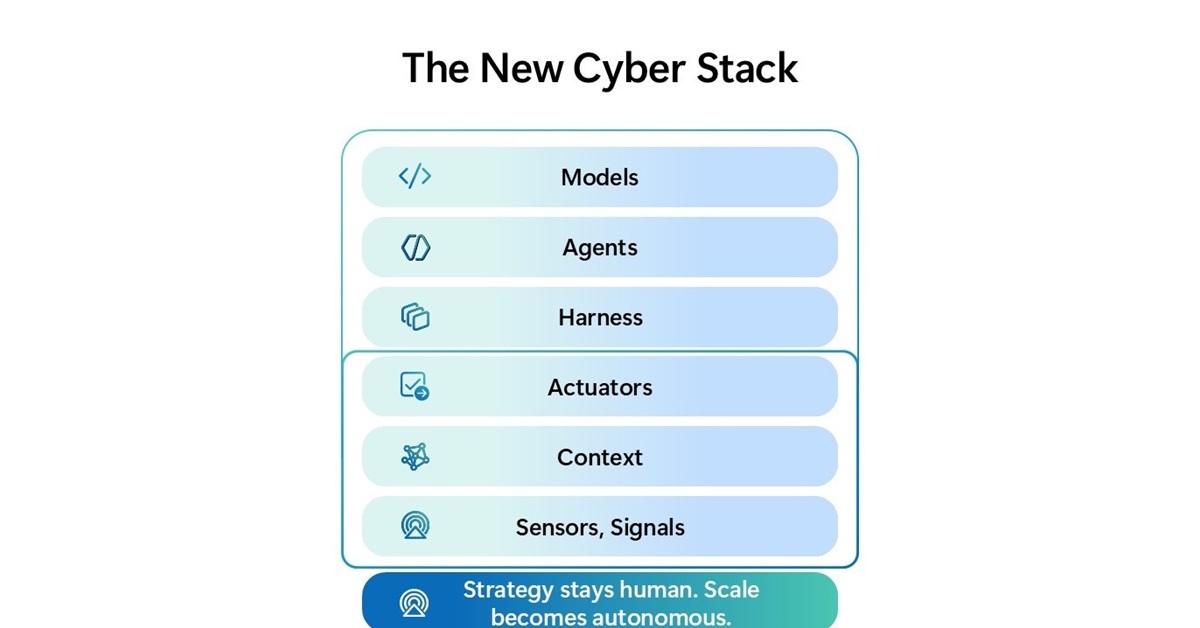
On September 23, 2026, Microsoft began offering a preview of the Integrated Security Operations Center (ISOC) within Microsoft Defender. This platform integrates SIEM, XDR, threat intelligence, automation, and AI capabilities, enabling security personnel and AI agents to collaborate effectively in a unified environment. The introduction of ISOC is significant as it addresses the evolving threat landscape where attackers increasingly leverage AI to execute complex attacks independently. By transitioning from traditional security frameworks to an integrated model, Microsoft aims to enhance defensive capabilities and streamline operations for security teams. Looking ahead, Microsoft has outlined that the ISOC preview is available to customers with specific licenses, including Microsoft Defender Suite and Microsoft 365 E5 and E7. Organizations without an active Microsoft Sentinel workspace can participate, while existing Sentinel users are advised to maintain their current environments. No further timeline was disclosed at the time of publication.

European Officials Warn of Escalating Russian Aggression and Hybrid Warfare Threats
European officials are raising alarms over a significant increase in Russian aggression, warning of potential severe operations targeting NATO. This escalation is marked by intensified hybrid attacks aimed at undermining support for Ukraine and creating fear across the continent. The urgency of these warnings is underscored by ongoing military actions, including Ukraine's largest drone attack on Moscow and Russia's relentless airstrikes. NATO officials have noted a rise in hybrid warfare tactics, with Russia's actions perceived as an attempt to challenge NATO's defensive posture. Looking ahead, officials are preparing for further hybrid threats, with French President Emmanuel Macron and Polish Prime Minister Donald Tusk highlighting the need for enhanced protection of critical infrastructure. No further timeline was disclosed at the time of publication.
News & Features Around The Globe Europe NATO Russia Ukraine
Microsoft Addresses Multiple Issues in September Windows Security Update with OOB Release
Microsoft's September 8 security update for Windows has led to several issues, which were largely resolved by the Out of Band (OOB) update released on September 14. Users who have not yet applied the September update can use the OOB update as an alternative. The OOB update, designated as KB5129195, addresses problems such as Linux VMs on Hyper-V being unable to access host folders and issues with USB Audio 1.0 devices. These problems affected various Windows versions, including Windows 11 and Windows 10, but applying the OOB update can resolve most of them. Further investigations are ongoing for other issues that arose post-update, with expectations for resolution in future updates. Users should monitor for additional updates from Microsoft to ensure their systems remain stable and functional.
Beijing Implements Drone Ban Following Citic Tower Incident to Enhance Security
Beijing has enacted a ban on the possession and use of recreational drones. This decision follows a light plane crash into the Citic Tower, the city's tallest skyscraper, which occurred in June. The move aims to enhance security measures in the capital. The ban is significant as it reflects the government's response to safety concerns raised by the incident. By restricting drone usage, authorities aim to prevent potential accidents and ensure the safety of the city's airspace. This action underscores the importance of maintaining security in urban environments, especially after high-profile incidents. Looking ahead, it will be important to monitor how this ban affects recreational drone enthusiasts and the broader implications for drone regulations in China. No further timeline was disclosed at the time of publication.

Microsoft Releases September Security Updates for Windows and Google Launches Chrome 153
On September 8, Microsoft initiated the distribution of its monthly security updates for all supported versions of Windows. This update addresses a total of 974 vulnerabilities, with 113 classified as critical. Among these, two vulnerabilities have already been exploited, prompting urgent updates for users. The significance of this update lies in its extensive coverage of vulnerabilities, which includes critical issues that could potentially compromise system security. The two notable vulnerabilities, CVE-2026-85880 and CVE-2026-81963, are related to privilege escalation in Windows components, highlighting the importance of timely updates to mitigate risks. In addition to Microsoft's updates, Google also released version 153 of its Chrome browser on the same day, featuring 230 security fixes. Notably, five critical vulnerabilities were identified, with one already confirmed to be exploited. Users are encouraged to update their browsers promptly to ensure protection against these vulnerabilities. No further timeline was disclosed at the time of publication.

Canada and Ukraine Sign Long-Term Pact to Boost Drone Production and Security Collaboration
Canada has launched a new national Defence Drone Initiative Marketplace (DDIM) to enhance its security partnership with Ukraine. This initiative aims to increase drone production, reflecting a commitment to strengthen defense capabilities between the two nations. The establishment of the DDIM is significant as it underscores Canada's dedication to supporting Ukraine amid ongoing security challenges. By fostering collaboration in drone technology, both countries aim to bolster their defense strategies and enhance operational effectiveness in addressing threats. Looking ahead, the focus will be on the outcomes of this initiative and how it influences defense production capabilities. No further timeline was disclosed at the time of publication.
News
Kovrr Introduces AI Interaction Data Fabric to Enhance Enterprise AI Security Workflows
Kovrr has launched the AI Interaction Data Fabric, a new correlation layer designed to enhance its AI Security and Governance Platform. This innovative solution aims to secure enterprise AI workflows by providing a robust framework for managing AI interactions and data security. The introduction of the AI Interaction Data Fabric is significant as it addresses the growing need for effective security measures in AI-driven environments. Kovrr's focus on AI and cyber risk management positions it as a key player in ensuring that enterprises can safely leverage AI technologies without compromising data integrity or security. Looking ahead, industry stakeholders should monitor how the AI Interaction Data Fabric influences enterprise adoption of AI solutions. Kovrr's advancements in AI security could set new standards for governance and risk management in the rapidly evolving landscape of artificial intelligence. No further timeline was disclosed at the time of publication.
Robotics needs a service framework.
RSF defines a common language for robot service capability, lifecycle operations, certification pathways, and service-provider networks.
Join the RobotToday community on LinkedIn
Daily robotics news, in-depth analysis, conference highlights, and discussions with professionals worldwide.







