

Industry Briefing
A single destination for timely, editor-curated robotics news from around the world.
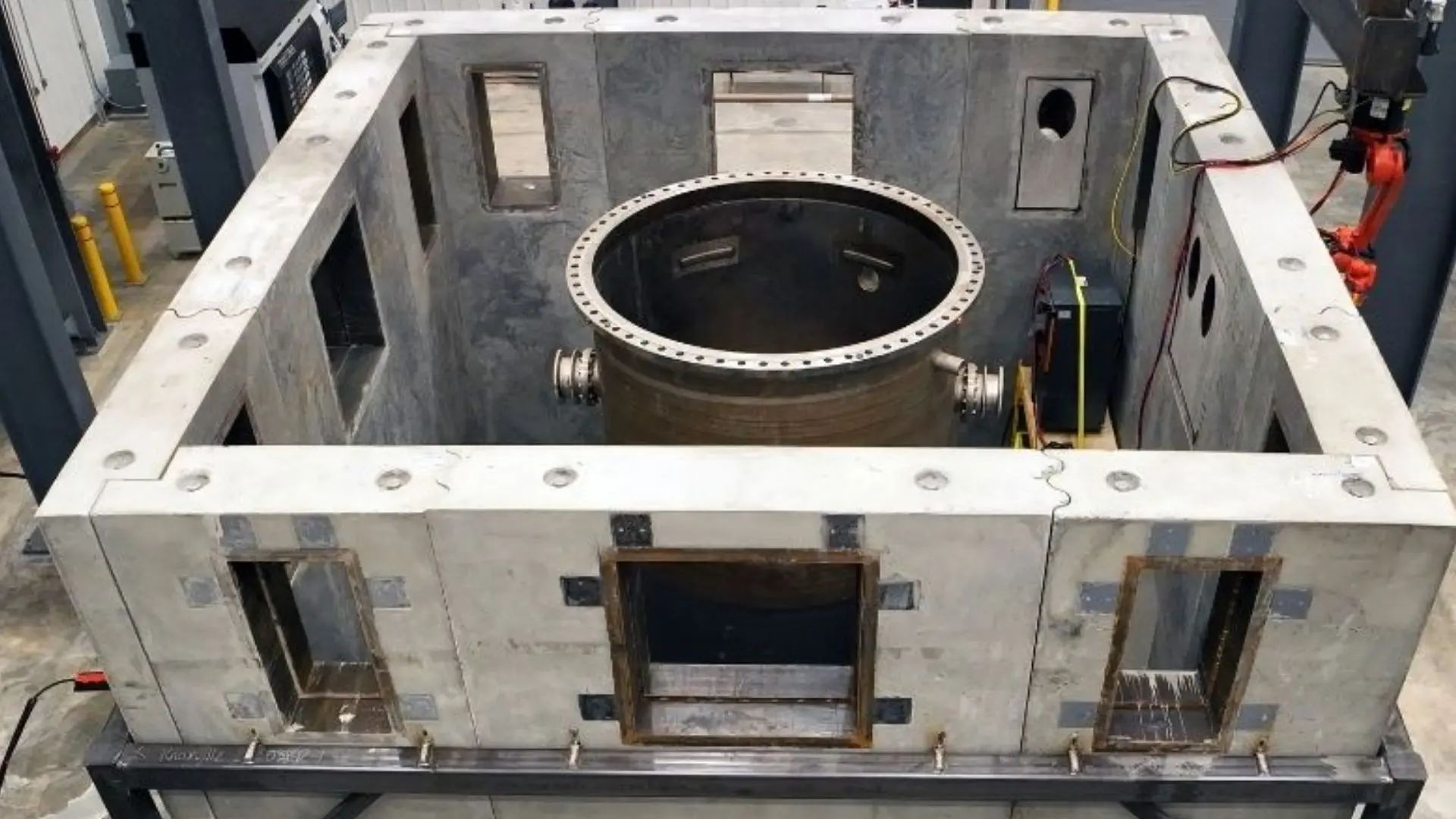
Kairos Power Partners with Samsung to Develop 50-Megawatt Nuclear Reactor for Google
Kairos Power has selected Samsung Construction and Trading to assist in constructing its 50-megawatt nuclear demonstration plant in Oak Ridge, Tennessee. This collaboration, announced on Monday, involves an investment of up to $100 million and aims to launch the Hermes 2 reactor by 2030, supporting Kairos Power's initiative to develop advanced nuclear technology for Google. The partnership is significant as it addresses the increasing electricity demand from AI data centers, with Google previously agreeing to purchase around 500 megawatts of nuclear power from Kairos by 2035. Samsung's investment and engineering services will enhance Kairos Power's capabilities, as the firm has extensive experience in major construction projects, including the development of numerous nuclear reactors globally. Looking ahead, Kairos Power began construction of Hermes 2 in April 2026, following a construction permit from the U.S. Nuclear Regulatory Commission in December 2024. The project will utilize fluoride salt-cooled, high-temperature reactor technology, which is designed to operate at lower pressures, enhancing safety compared to traditional nuclear systems. No further timeline was disclosed at the time of publication.
Energy
Kairos Power Secures Up to $100M from Samsung C&T for Google Nuclear Reactor Project
Kairos Power has partnered with Samsung C&T to develop a 50-megawatt demonstration reactor for Google, with completion targeted by 2030. The collaboration includes an equity investment of $70 million and additional engineering services, totaling up to $100 million, aimed at enhancing nuclear power capabilities. This partnership is significant as it aligns with the increasing demand for power from AI data centers, positioning Kairos Power among a new generation of nuclear startups. The deal builds on a previous agreement with Google, which seeks to generate approximately half a gigawatt of electricity by 2035, highlighting the urgency for innovative nuclear solutions in the energy sector. Looking ahead, Kairos Power is currently constructing two reactors in Oak Ridge, Tennessee, with Hermes 2 expected to begin operations in 2030. The company is utilizing advanced technologies, including fluoride salt cooling and TRISO fuel, to ensure safety and efficiency. The success of this project could pave the way for further developments in nuclear energy, particularly in meeting the growing energy needs of tech giants like Google.
Climate Kairos Power nuclear power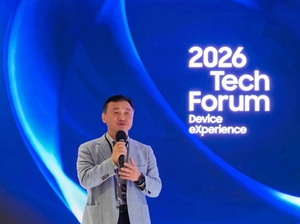
Samsung Electronics Shares AI and Robotics Strategy at Silicon Valley Forum
Samsung Electronics hosted a technology forum in Silicon Valley to present its artificial intelligence and robotics strategy to senior developers from global tech companies. Approximately 80 developers and Samsung executives participated in the eighth annual forum, which took place at Samsung Research America in Mountain View, California. The event focused on Samsung’s vision of “Your Companion to AI Living,” first introduced at CES 2026. Executives discussed the company’s long-term strategy to integrate AI into personalized services and robotics that enhance daily life. Yoon Jang-hyun, president and CTO of the Device eXperience division, emphasized the potential of next-generation AI and robotics to create innovative products and experiences. Looking ahead, Samsung aims to strengthen its connections with global technology talent through more events. Roh Tae-moon, co-CEO of the Device eXperience division, highlighted AI's transformative role in consumer experiences, stating that it will drive innovation and deliver highly personalized interactions in everyday life. No further timeline was disclosed at the time of publication.
All News
Samsung Advances Humanoid Robot Development with RX Unit and AI World Models
Samsung Electronics is accelerating the development of its proprietary humanoid robot by integrating internal manufacturing data, custom hardware, and foundation AI models into a centralized initiative. Reports indicate that this effort operates independently from Rainbow Robotics, where Samsung holds a significant stake, and has reached an advanced development stage, potentially surpassing existing domestic platforms in operational capability. This development is significant as South Korea's major conglomerates, including LG and Hyundai, are competing for leadership in physical AI. Samsung's strategy involves leveraging its extensive industrial capabilities to create a comprehensive robotics ecosystem. The company is pursuing a dual-track approach, focusing on a proprietary humanoid platform designed for high-precision manufacturing, while also investing in advanced actuator technologies to enhance performance. Looking ahead, Samsung is developing a multi-layered AI architecture based on its Gauss AI model, which includes specialized world models for simulating physical actions. To support this, a dedicated Data Factory will be established at its Gumi manufacturing complex to gather sensor and workflow data, enabling effective simulation-to-real pipelines. No further timeline was disclosed at the time of publication.
South Korea Samsung
Samsung Advances Humanoid Robot Development with Cost-Effective Actuator Technology
Samsung Electronics has been developing a humanoid robot internally for several years, distinct from its Robotics eXperience division and Rainbow Robotics subsidiary. Reports indicate that this confidential project has reached an advanced stage, potentially outperforming domestic competitors. The company is leveraging motor technology from its home-appliance sector to create actuators, which represent a significant portion of production costs. This development is crucial as humanoid robots are anticipated to become a major industry, driven by advancements in AI and robotics. Samsung's strategy includes a substantial investment in Rainbow Robotics, enhancing its position in the sector. The in-house humanoid robot is expected to benefit from Samsung's extensive manufacturing capabilities, which could lead to reduced costs and improved efficiency compared to competitors. Looking ahead, Samsung's humanoid robotics initiative encompasses not only hardware but also AI systems aimed at enhancing robot performance. The company is developing advanced models like Gauss and Shallow-π, which optimize decision-making and task execution. No further timeline was disclosed at the time of publication.
AI and Robotics
Samsung Evaluates Acquisition of International Robotics Startups for Humanoid Robot Development
On July 30, Samsung Electronics publicly announced its evaluation of acquiring overseas robotics startups to accelerate its development and commercialization in the humanoid robot and PhysicalAI sectors. This follows the establishment of the RX (RoboticseXperience) robotics division, which reports directly to CEO Kim Tae-joon, and the appointment of Lee Dong-gun, former head of robotics strategy at Hyundai, to lead this initiative. Samsung's strategy includes setting up research and development centers in key robotics markets such as the United States, China, and Japan. The company has increased its stake in South Korea's Rainbow Robotics to 35%, becoming its largest shareholder, and plans to invest in U.S.-based PhysicalAI company Skild AI by 2025. With a total investment of approximately 19 trillion won in the Gyeongnam region, Samsung aims to establish a humanoid robot production base in Gimhae. As the RX division becomes operational, market expectations suggest that Samsung will significantly accelerate its equity investments and acquisitions in high-quality global robotics startups, focusing on core technologies such as dexterous hands, foundational robot models, and autonomous navigation.
Humanoid Robots Robotics Startups Physical AI R&D Centers Investment Strategy
Samsung and Broadcom Forge $200 Billion AI Memory Chip Partnership
Samsung and Broadcom have announced a significant $200 billion deal aimed at enhancing their competitive edge in the AI hardware market. This collaboration is expected to address the growing demand for integrated semiconductor technologies, as highlighted by Young Hyun Jun, Samsung's vice chairman and CEO of the device solutions division. The partnership is poised to deliver greater value to customers while advancing future AI infrastructure. The importance of this deal lies in its potential to position Samsung and Broadcom against competitors like TSMC in the rapidly evolving AI hardware landscape. Both companies have reported record revenues, with Broadcom attributing its success to the surge in AI semiconductor revenue. Similarly, Samsung's quarterly performance has been bolstered by innovations in AI technology and a proactive market response, particularly in its memory business. Looking ahead, the collaboration is expected to drive advancements in AI infrastructure and semiconductor technology. No further timeline was disclosed at the time of publication, but the ongoing partnerships between these tech giants and other industry leaders indicate a robust future for AI-driven semiconductor innovations.

Samsung's Strategic Approach to Next-Generation Robotics Unveiled
Samsung is methodically preparing for its entry into next-generation robotics, focusing on a structured strategy rather than flashy demonstrations. The South Korean conglomerate views robotics as the culmination of decades of investments in electronics, semiconductors, AI, and IoT, positioning itself as a potential leader in the upcoming industrial revolution. The company's extensive background in autonomous mobility, sensors, computer vision, and intelligent assistants highlights its commitment to creating an ecosystem where robots seamlessly integrate into the existing digital environment. Samsung's vertical integration allows it to produce essential components for modern robotics, giving it a strategic advantage in a sector reliant on external suppliers. Samsung's approach emphasizes enhancing user experiences through existing applications rather than developing robots first. The introduction of Ballie, a mobile assistant designed to interact with smart home devices, exemplifies this philosophy. The partnership with Rainbow Robotics further accelerates Samsung's robotics capabilities, leveraging expertise in bipedal locomotion and autonomous mobile robots, signaling a significant shift in the company's technological landscape.
À la une IA Industrie Robotique AMR Ballie
Samsung and SK Group Strengthen Korea's Role in Global AI Supply Chain
Samsung Electronics and SK Group have announced significant AI infrastructure partnerships with major US tech firms, aiming to solidify South Korea's position in the global AI supply chain. This initiative, revealed during the San Francisco AI Summit, is part of a broader strategy under President Lee Jae Myung's 'San Francisco AI Declaration', involving nearly $950 billion in investments across various sectors including semiconductors and robotics. The partnerships include the establishment of AI data centers supported by approximately 5 gigawatts of power capacity and computing infrastructure equivalent to 2 million GPUs. Key figures at the summit included leaders from Samsung, SK Group, Hyundai Motor Group, and top executives from Nvidia and Broadcom, highlighting the collaborative effort to enhance AI capabilities and infrastructure. Looking ahead, Samsung has signed a strategic agreement with Broadcom to expand cooperation in semiconductor manufacturing, targeting over $200 billion in collaboration by 2030. Meanwhile, SK Group plans to invest more than $500 billion in AI infrastructure with Nvidia, focusing on developing Korea's next-generation AI computing ecosystem. No further timeline was disclosed at the time of publication.
All News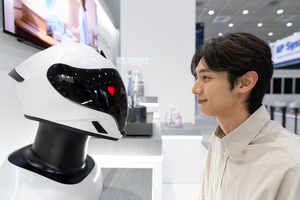
Samsung Display and LG Display Introduce OLED Panels for Humanoid Robot Faces
Samsung Display and LG Display launched OLED panels for humanoid robot faces at K-Display 2026 in Seoul. Samsung showcased a 6.9-inch curved OLED capable of displaying expressions and tracking gaze, alongside a 1.3-inch circular OLED integrated into AI toys. LG Display presented a plastic OLED (P-OLED) with a resolution of 1,080-by-520, designed for extreme temperatures, enhancing its suitability for industrial environments. This development is significant as it opens new applications for OLED technology, traditionally used in smartphones and vehicles. The humanoid panels could enhance user interaction in various settings, particularly in guidance, care, and education, where visual communication is crucial. Samsung Display's existing collaboration with Tesla for the Optimus robot highlights the potential market for these innovations. Looking ahead, neither company has disclosed specific customers, pricing, or production timelines for the humanoid panels. However, the technology's adaptability and the established platforms of both companies suggest a promising future in the robotics sector. No further timeline was disclosed at the time of publication.
All News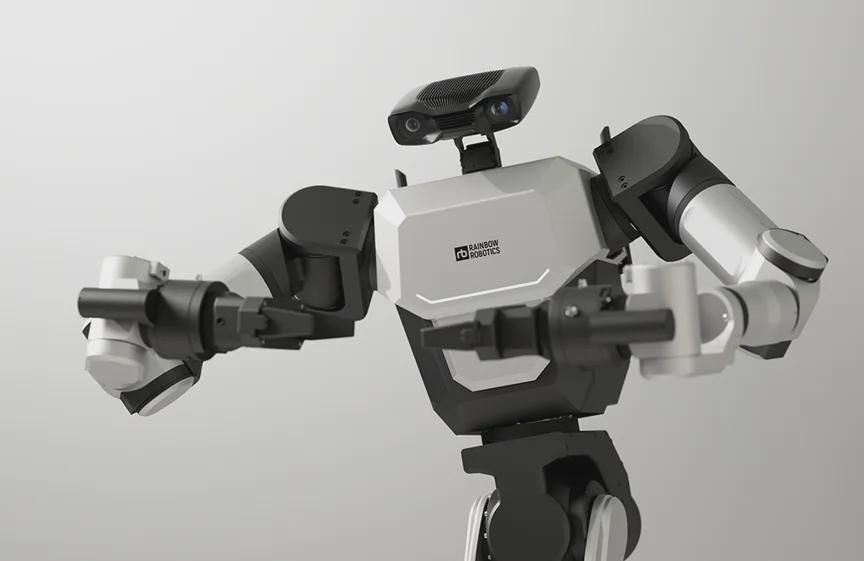
Samsung Plans $127.5 Billion Investment in Humanoid Robots Amid Organizational Restructuring
Samsung is undergoing a significant organizational restructuring to consolidate its robotics-related divisions into a single entity, the 'RX' (Robotics Experience) division. This move comes alongside the announcement of a $127.5 billion investment in a humanoid robot production facility in Gumi, South Korea, which will focus on manufacturing humanoid robots. This restructuring is crucial as Samsung aims to enhance its presence in the robotics sector, an area where it has historically lagged behind competitors like Tesla and Figure AI. By integrating various robotics teams and resources, Samsung seeks to position itself as a leader in the rapidly evolving field of robotics, which is increasingly intertwined with AI and other advanced technologies. Looking ahead, the RX division will be led by Lee Dongkun, a former Hyundai Motor executive, indicating a strategic shift in Samsung's approach to robotics. The humanoid robot production facility will utilize existing infrastructure, allowing for a cost-effective and swift entry into the market. No further timeline was disclosed at the time of publication.
Humanoid Robots Robotics AI Manufacturing Technology Investment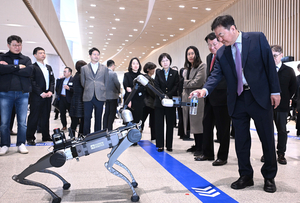
Samsung Launches CEO-Led Robotics Division to Drive Commercialization Efforts
Samsung Electronics announced the establishment of a new robotics business division, RX (Robotics eXperience), led by CEO Roh Tae-moon. This division consolidates various robotics initiatives previously managed separately, focusing on long-term strategy and commercialization. Key hires include Lee Dong-gun, who will lead the robotics strategy team, along with two academic experts in autonomous systems and robotic dexterity. The formation of the RX division is significant as it reflects Samsung's commitment to developing robots as a commercial business amid challenges in other sectors. Analysts suggest that the mobile division may have experienced its first quarterly loss, prompting the company to seek growth opportunities in robotics. The division aims to innovate in areas such as dexterous robotic hands, which are crucial for humanoid functionality and represent a significant cost factor in robotics development. Looking ahead, Samsung plans to invest in its robotics capabilities at its Seoul R&D Campus and establish further research bases in the United States, China, and Japan. The RX division's efforts will build on Samsung's recent investment in Rainbow Robotics, enhancing its position in the humanoid robotics market. No further timeline was disclosed at the time of publication.
All News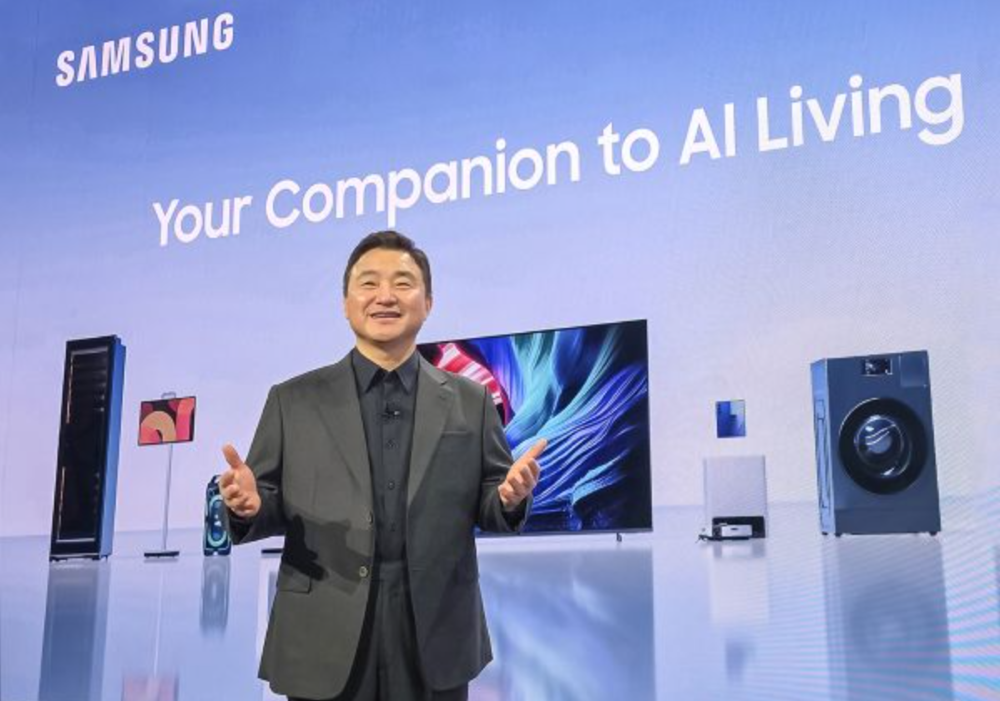
Samsung Launches CEO-Directed Robotics Division to Compete in Humanoid Robotics
Samsung Electronics has officially established the RX (Robotics eXperience) division, reporting directly to CEO Jong-Hee Han, to spearhead its robotics initiatives. This move comes as the company aims to position itself as a key player in the humanoid robotics race, previously dominated by firms like Boston Dynamics. The RX division will consolidate Samsung's scattered robotics technologies and talent, focusing on long-term strategy, core technology development, and commercialization. Leading the robotics strategy team is Executive Vice President Dong-Kyun Lee, who previously directed robotics strategy at Hyundai Motor Group and played a pivotal role in shaping Boston Dynamics' future. Additionally, two prominent scholars, Professor Hyun-Jin Kim from Seoul National University and Professor Eui-Chan Kim from Asia University, have joined Samsung to tackle the technological challenges in robotic dexterity, a critical aspect for the commercialization of humanoid robots. Samsung's pragmatic strategy involves validating manufacturing scenarios before expanding into home and retail sectors. The RX division will be based in Seoul's R&D hub, with plans to invest in infrastructure and establish robotics research centers in the U.S., China, and Japan. The company's goal is to transform all domestic and international production facilities into AI-driven autonomous factories by 2030, marking a significant shift in its robotics approach from decentralized research to centralized advancement.
Humanoid Robots Robotics Technology AI Manufacturing Automation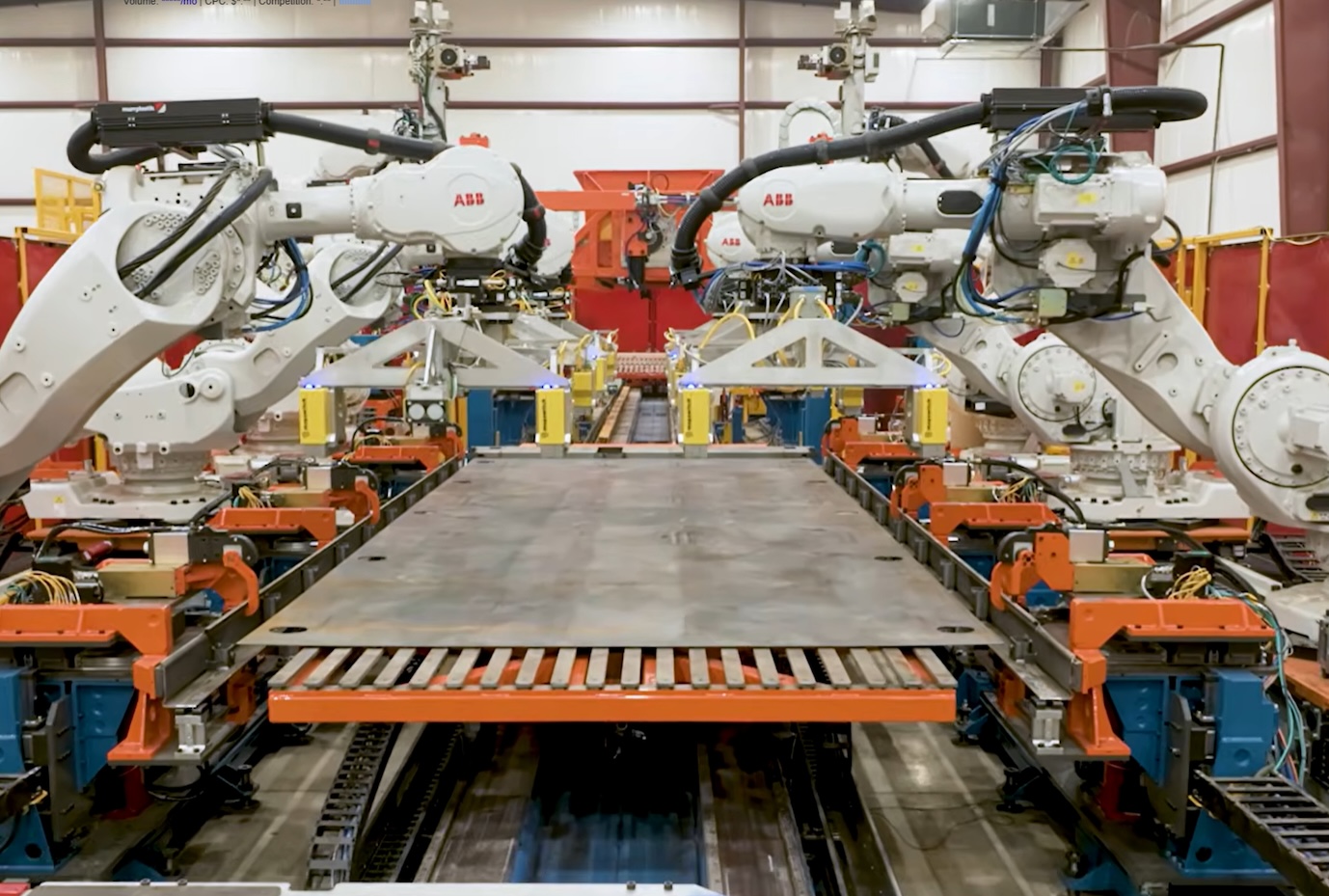
Samsung Electronics Appoints Former Hyundai Executive to Lead New Robotics Division
Samsung Electronics Co. has appointed a prominent robotics executive from Hyundai Motor Group to lead its newly established robotics division. This strategic move highlights Samsung's commitment to enhancing its presence in the robotics sector, which is increasingly viewed as a critical area for competition among global technology firms. The establishment of this new division signifies Samsung's recognition of the growing importance of robotics in technology and manufacturing. By bringing in experienced leadership, Samsung aims to strengthen its capabilities and innovate within this rapidly evolving field, positioning itself against other major players in the industry. Looking ahead, the focus will be on how Samsung's new robotics division develops and what innovations it will bring to the market. No further timeline was disclosed at the time of publication.
Rainbow Robotics Faces US Shipment Delays Amid New Restrictions on Advanced Robots
Rainbow Robotics, a subsidiary of Samsung Electronics, has paused shipments of its RB-Y1 mobile humanoid robot to the US due to new restrictions on foreign-made advanced robots. This halt is expected to impact near-term sales, but the company anticipates securing conditional approval to resume exports. The recent regulations, implemented by the US Federal Communications Commission, require foreign-produced advanced robotic devices to obtain Conditional Approval from the Department of War before being sold in the US. This measure is part of a broader effort to mitigate security risks associated with Chinese technology, affecting not only Chinese manufacturers but also Korean companies like Rainbow Robotics. Looking ahead, Rainbow Robotics is preparing a US manufacturing and investment plan to comply with the approval process. The company believes that if Chinese competitors face increased barriers, it could create opportunities for them in the US market. No further timeline was disclosed at the time of publication.
All News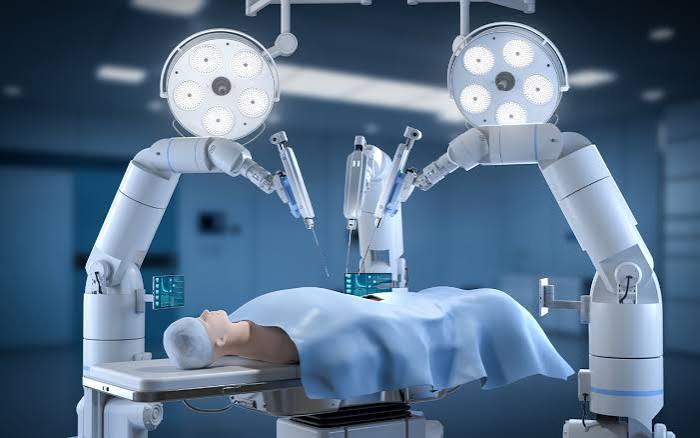
Samsung Medical Center Performs First Surgery with Humanoid Robots Assisting Surgeons
On September 16, Samsung Medical Center in Seoul conducted a simulated surgery with two humanoid robots assisting a surgical team. The robots, dressed in surgical attire, successfully collaborated with the lead surgeon, Professor Woo Nam-ki, by retrieving and delivering surgical instruments upon request. This marks a significant advancement in robotic assistance in surgery, showcasing the potential for robots to work alongside human medical professionals. The importance of this development lies in its potential to address staffing challenges in hospitals, particularly in smaller facilities where skilled surgical assistants may be scarce. Professor Jung Yong-ki emphasized that if a robot can effectively replace a human assistant, it could lead to cost-effective solutions for maintaining surgical operations around the clock. The robots demonstrated a 100% success rate in grasping surgical instruments and a 98.7% success rate in instrument delivery, highlighting their reliability in the operating room. Looking ahead, the project is set to progress with plans for commercialization led by Rainbow Robotics and AIDIN ROBOTICS. The first clinical trials are expected to begin in 2029, starting with low-risk endoscopic tasks before expanding to more complex procedures. The ongoing development of AI capabilities, including tactile feedback and predictive analytics, will further enhance the robots' performance in surgical environments.
Humanoid Robots Surgical Robotics AI in Healthcare Medical Technology
Neuralink's Supply Chain Evolution: Transition to Samsung for N1 Implant Production
Neuralink has transitioned its N1 implant chip production to Samsung Foundry, marking a significant change in its supply chain strategy. This shift comes as Samsung Electronics begins developing the fourth-generation brain implant chip on a 4nm process, with pilot fabrication starting in May 2026 and initial test samples expected in early 2027. This change is crucial as it highlights Neuralink's challenges in scaling production, which are not solely dependent on manufacturing capabilities but also on operating-room hours and biological factors. The fourth-generation chip is designed to be bidirectional, enabling it to write signals back into the nervous system, a significant advancement for applications like vision restoration. Looking ahead, the successful validation of the N1 implant's biocompatibility and laboratory tests will be pivotal for mass production, potentially commencing in late 2027. Neuralink's ongoing expansion in Austin, Texas, reflects its commitment to enhancing internal manufacturing capabilities, particularly in cleanroom processes essential for the implant's production.
Hyundai Motor Group Appoints Kwon Jung-hyun to Lead Autonomous Driving Development
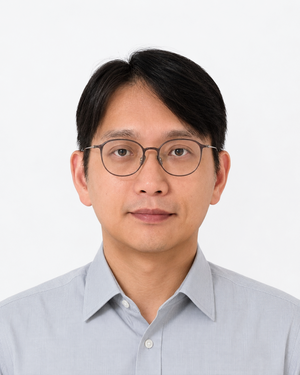
Hyundai Motor Group announced the appointment of Kwon Jung-hyun as the head of its Autonomous Driving Development Center. Kwon, a former executive at Samsung Electronics and Nvidia, brings extensive experience in autonomous driving software and artificial intelligence technologies to the role. This leadership change is significant as Hyundai accelerates its efforts in autonomous driving and software-defined vehicles. Kwon's expertise in perception software, deep learning, and computer vision will be crucial for developing and commercializing the group's core autonomous driving technologies. Looking ahead, Hyundai Motor Group is expected to continue its recruitment of top talent in the autonomous driving sector, following recent appointments of former executives from Apple and Tesla. No further timeline was disclosed at the time of publication.
All News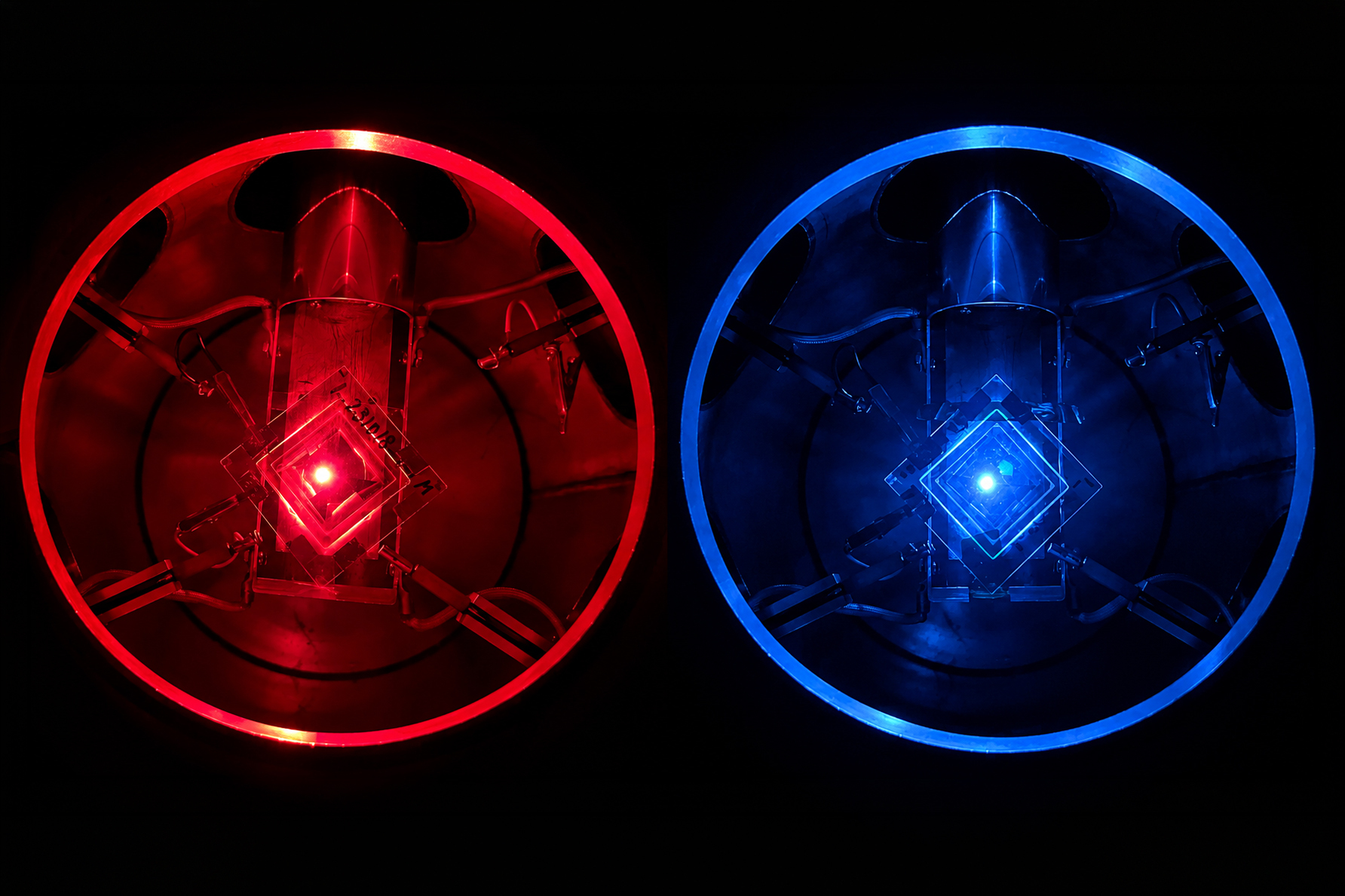
MIT and Samsung Enhance Quantum Dot LED Lifespan for Energy-Efficient Displays
MIT researchers, in collaboration with Samsung, have developed a method to improve the lifespan and efficiency of quantum dot LEDs (QD-LEDs) used in digital displays. By encapsulating QD-LEDs in an acrylate-based resin, the team achieved a remarkable 5,000-fold increase in lifespan, addressing previous limitations that hindered commercial applications. This advancement could significantly impact various devices, including TVs, smartphones, and medical imaging equipment. The significance of this research lies in its potential to transform digital display technology. Quantum dots, known for emitting pure colors, are already utilized in high-quality displays. The new encapsulation technique not only enhances the stability of QD-LEDs but also simplifies their manufacturing process, paving the way for broader adoption in consumer electronics. This could lead to displays that are not only brighter and more energy-efficient but also capable of producing a wider range of colors. Looking ahead, the insights gained from this study may facilitate further innovations in display technology. The researchers aim to address the challenges that have limited the commercialization of QD-LEDs, potentially revolutionizing how displays and ambient lighting are produced. No further timeline was disclosed at the time of publication.
Research Electronics Chemistry Materials science and engineering Nanoscience and nanotechnology Light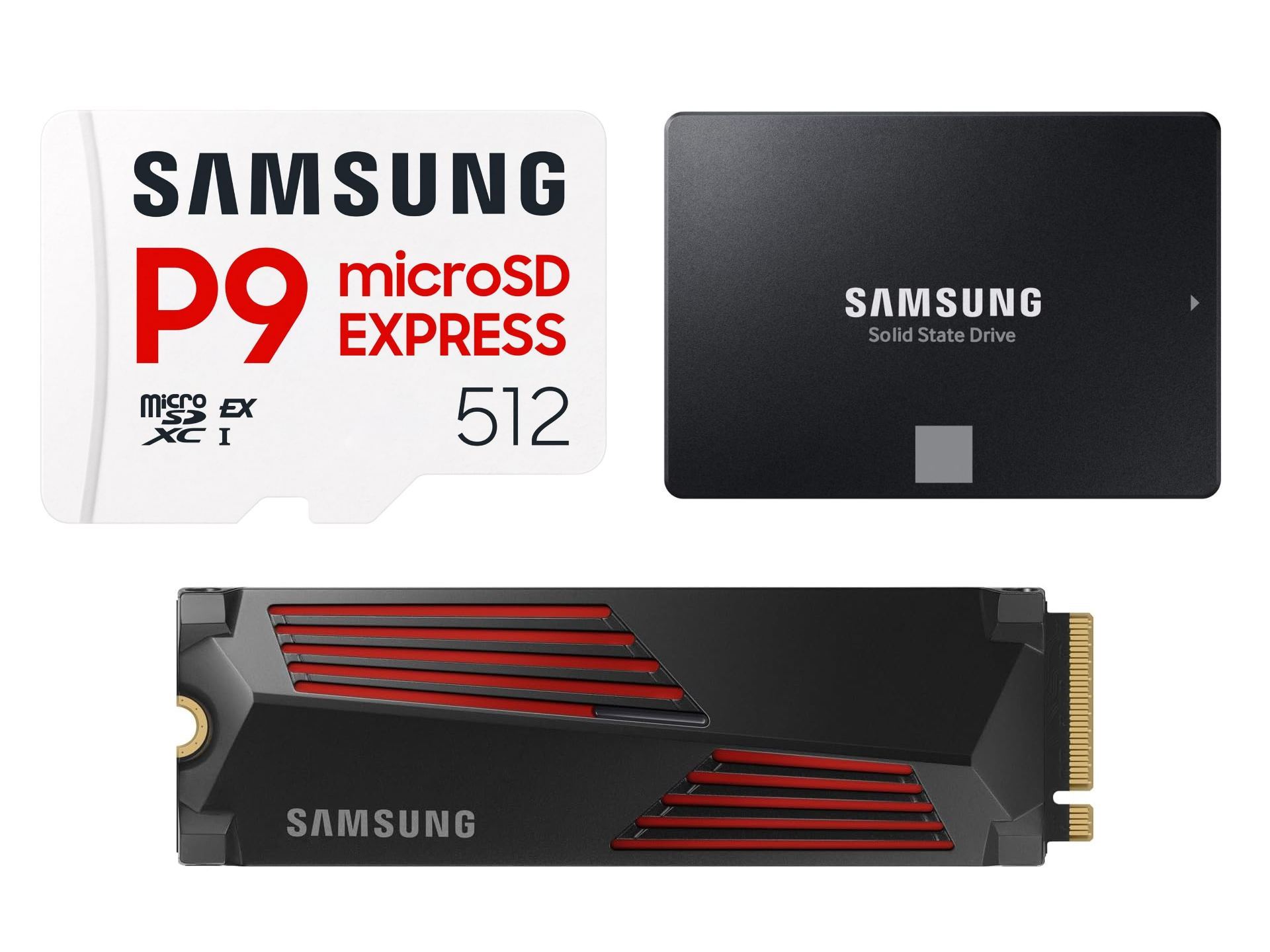
Samsung's Switch 2-compatible microSD and high-speed SSDs for PS5 on sale for Amazon Prime Day.
ITG Marketing is participating in the ongoing Amazon Prime Day with a focus on high-speed storage products, including the popular Samsung microSD Express designed to enhance gaming consoles. This sale offers discounts of up to 22.4%, providing consumers with an opportunity to take advantage of significant savings on these sought-after items.
Samsung and LG's next China battle: Robot vacuums
Robot vacuum cleaners, once considered a niche product, are now pivotal for Samsung Electronics and LG Electronics as they strive to reclaim market share in South Korea, a rapidly evolving landscape increasingly dominated by Chinese competitors. Recent trade data from China's General Administration of Customs highlights this trend, revealing that China exported 11.32 billion yuan (approximately $1.67 billion) worth of robots in the first quarter of the year. Notably, cleaning robots were included in the customs product codes for the first time this year, underscoring their growing significance in the global market. As competition intensifies, both Samsung and LG are focusing on innovation and technology to enhance their offerings and attract consumers in this lucrative segment.
All News
Samsung, SK Ready Decade of Spending to Sustain Korea’s AI Lead
South Korea is preparing to announce a significant initiative to enhance its position as a leader in technology. Major companies, including Samsung Electronics Co. and SK Hynix Inc., are expected to reveal plans for substantial investments over the next ten years. These investments will focus on key sectors such as memory chips, data centers, and robotics. The unveiling of this ambitious strategy is anticipated to take place soon, reflecting the country's commitment to advancing its technological capabilities and fostering innovation in these critical industries. This move is seen as a response to the growing global competition in technology and aims to solidify South Korea's role as a central player in the tech landscape.
KSC:000660 KSC:005930
SpaceX falls below IPO closing price, losing $400 billion; UK PM Starmer resigns; SK Hynix surpasses Samsung in market value.
On June 22, UK Prime Minister Keir Starmer announced his resignation from the leadership of the Labour Party, stating he would continue to serve as Prime Minister until a successor is chosen. Starmer acknowledged the party's concerns about his ability to lead them into the next election and accepted the feedback he received. In South Korea, semiconductor giant SK Hynix surpassed Samsung Electronics in market capitalization for the first time in 25 years, with a total value of approximately 207.97 trillion won, outpacing Samsung by about 18.85 trillion won. This shift marks a significant change in the Korean stock market, where Samsung had held the top position since 1999. Meanwhile, Samsung Electronics has rolled out ChatGPT and Codex to all its employees in South Korea, aiming to enhance AI adoption within the company. This deployment is one of OpenAI's largest enterprise-level initiatives to date, covering various operational areas including research and development, manufacturing, and marketing. In the United States, SpaceX's stock has seen a significant decline, dropping 16% and falling below its initial public offering price. The company is now planning to issue bonds to raise at least $20 billion to repay a transitional loan and support general corporate purposes. Lastly, former U.S. Federal Reserve Chairman Alan Greenspan passed away at the age of 100, leaving behind a legacy of significant influence on U.S. economic policy during his tenure from 1987 to 2006.
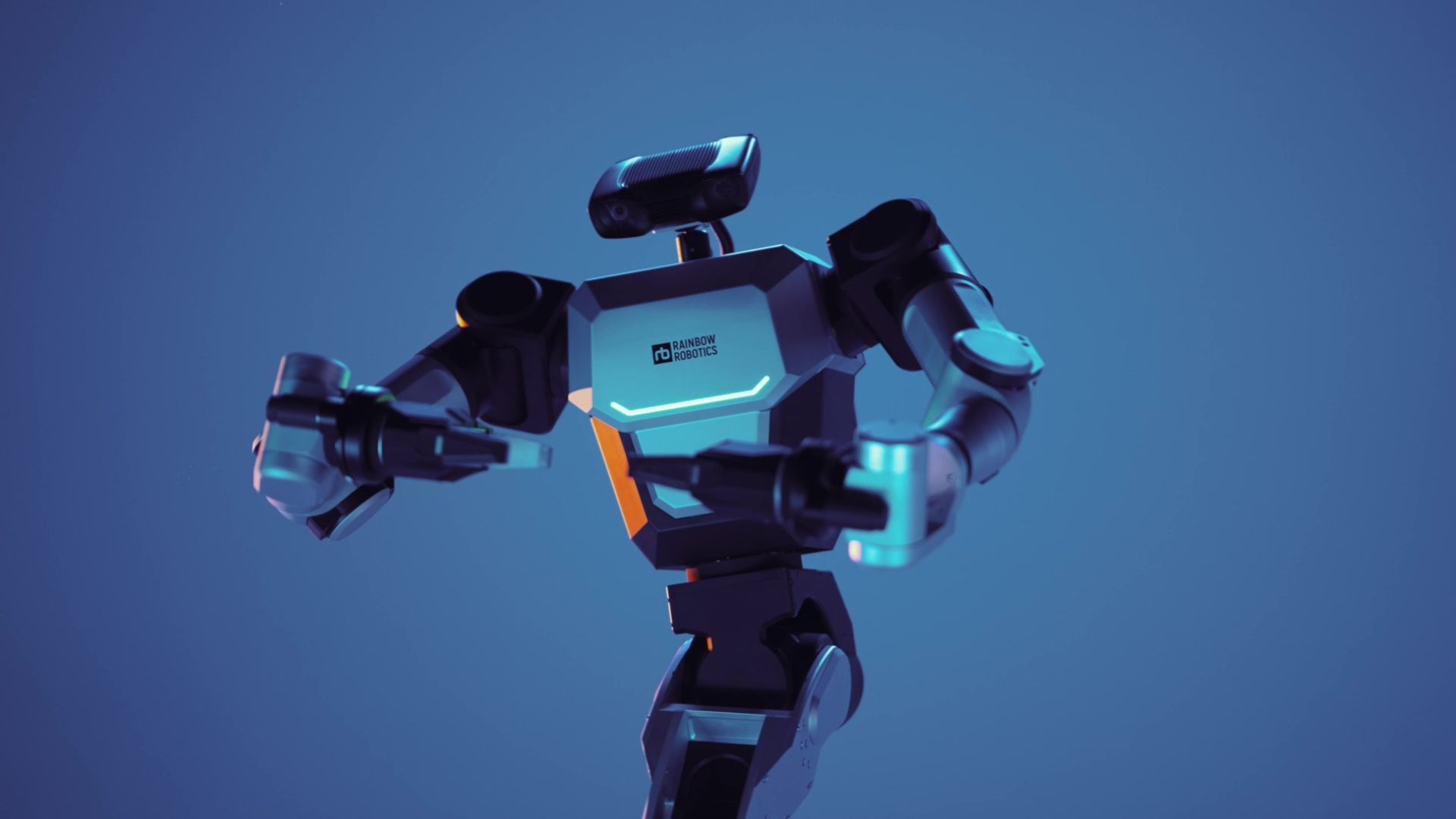
Samsung-backed 7 DOF robot is learning to work inside a giant e-commerce warehouse
A mobile robot created by Rainbow Robotics, a company under Samsung's control, has commenced testing operations within Coupang's facilities. This initiative, which began recently, aims to enhance the efficiency of logistics and delivery processes in the rapidly growing e-commerce sector. The collaboration between Rainbow Robotics and Coupang reflects a broader trend of integrating advanced robotics into supply chain management, driven by the increasing demand for faster and more reliable delivery services. The testing phase will assess the robot's capabilities in navigating the complex environments of Coupang's warehouses, potentially paving the way for wider adoption of robotic solutions in the industry.
AI and Robotics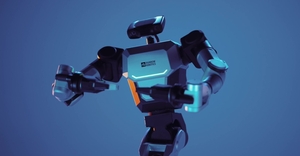
Samsung's Rainbow Robotics pilots warehouse robot at Coupang
Rainbow Robotics, a subsidiary of Samsung Electronics, has deployed its mobile dual-arm robot, RB-Y1, at a Coupang fulfillment center as part of a trial to assess the robot's capabilities in warehouse operations. The testing, reported by ETNews, focuses on the robot's reliability and efficiency in sorting and moving goods. Should the RB-Y1 demonstrate satisfactory performance, it could lead to a significant order from Coupang. The trial is part of ongoing efforts to enhance automation in e-commerce logistics.
All News
Samsung office raided over alleged insider trading tied to takeover of robotics firm
Prosecutors conducted a search-and-seizure operation at Samsung Electronics Co.'s headquarters in Suwon, south of Seoul, on Thursday. This action stems from allegations that employees of a local robotics company profited unfairly by using insider information during its acquisition by the tech giant. The Seoul Southern District Prosecutors Office is leading the investigation, which has already seen financial authorities refer 16 individuals for scrutiny, including the head of the robotics firm. The inquiry aims to uncover potential misconduct related to the acquisition process and ensure accountability within the involved parties.
All News
Samsung Electro-Mechanics, LG Innotek rise on AI demand
Samsung Electro-Mechanics, a prominent South Korean manufacturer of electronic components, experienced a significant surge in its stock price, climbing 15.04% to reach 2.1 million won, equivalent to approximately US$1,400. This notable increase reflects positive market sentiment and investor confidence in the company's performance and future prospects. The rise in stock value occurred amid ongoing developments in the electronics sector, which has seen heightened demand for advanced components. As the company continues to innovate and expand its product offerings, analysts suggest that such growth may be indicative of broader trends within the industry.
Artificial Intelligence News ai LG Innotek Samsung Electro-Mechanics South Korea
Seoul shares rally over 8% on tech gains after Samsung wage deal, Nvidia outlook; won rises
South Korean stocks experienced a significant surge on Thursday, rising over 8 percent, driven by gains in the technology sector. The rally was fueled by Samsung Electronics successfully averting a strike and strong earnings reported by Nvidia, which bolstered investor confidence. Additionally, optimism surrounding the future of the robotics industry contributed to the positive market sentiment. The benchmark Korea Composite Stock Price Index climbed 606.64 points, or 8.42 percent, closing at 7,815.59 after peaking at 7,819.23 during the trading session. The index opened sharply higher, reflecting favorable overnight trends from Wall Street. Concurrently, the South Korean won strengthened against the US dollar, further indicating a robust market response.
All News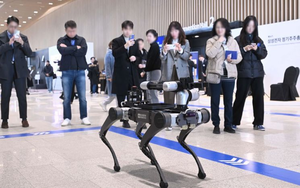
Samsung recruitment drive eyes robotics expansion
Samsung Electronics is bolstering its workforce for its robotics control tower as part of a strategic move to enhance its robot business, according to industry sources. The company’s device experience division is concluding applications today for an internal recruitment initiative aimed at forming a new robotics promotion team. This unit was established late last year following Samsung's acquisition of a majority stake in Rainbow Robotics. Recently, Samsung conducted briefing sessions for employees to outline the team's objectives and functions, signaling a significant commitment to advancing its robotics capabilities in the competitive tech landscape.
All News
Samsung Hits $1T Valuation as AI Chip Demand Drives Eightfold Profit Surge
Samsung achieved a significant milestone on Wednesday by reaching a market valuation of $1 trillion, following a remarkable surge in its shares, which rose over 10%. This achievement positions Samsung as only the second Asian company to surpass this valuation, joining TSMC. The surge in market value comes on the heels of a first-quarter earnings report that revealed profits soaring eightfold compared to the same period last year, largely fueled by a robust demand for AI-related chips. This growth underscores the increasing importance of artificial intelligence in driving technological advancements and economic performance in the semiconductor industry.
AI Funding & Investment Insights AI business capital markets insights
AI boom pushes Samsung to $1T
Samsung has achieved a significant milestone by surpassing a $1 trillion market valuation, driven by a surge in demand for artificial intelligence (AI)-related chips. This remarkable achievement positions Samsung as only the second Asian company to reach this valuation, following Taiwan Semiconductor Manufacturing Company (TSMC). The surge in share prices reflects growing investor confidence in the company's ability to capitalize on the booming AI sector, which has heightened the demand for advanced semiconductor technology. This milestone underscores Samsung's pivotal role in the global technology landscape and its strategic focus on innovation in AI-driven solutions.
AI Enterprise artificialintelligence Samsung Electronics south korea
Samsung crossses $1 trillion valuation as AI frenzy drives historic rally, lifting shares over 15%
A significant rally took place following a recent announcement from the company, which revealed an impressive increase of over eightfold in its first-quarter operating profits. This surge in profitability has sparked enthusiasm among investors and stakeholders, leading to heightened market activity. The event unfolded shortly after the financial report was released last week, drawing attention to the company’s robust performance. The rally reflects growing confidence in the company's future prospects and its ability to sustain such growth. Investors are closely monitoring the situation as the company continues to demonstrate strong financial results, which may influence market trends moving forward.

Strength and Destiny Collide: ‘Samson: A Tyndalston Story’ Arrives in the Cloud
The highly anticipated release of "Samson: A Tyndalston Story" is now available for streaming on GeForce NOW, as of today. Developed by Liquid Swords, this engaging narrative explores themes of grit, faith, and rebellion. Gamers can enjoy the title on a wide range of devices, thanks to GeForce NOW's cloud gaming capabilities, which allow for seamless access and play. This addition to the library reflects the growing trend of making high-quality gaming experiences more accessible to a broader audience.
Samsung Backs Norwegian Motor Specialist Alva Industries in Push for Humanoid Hardware
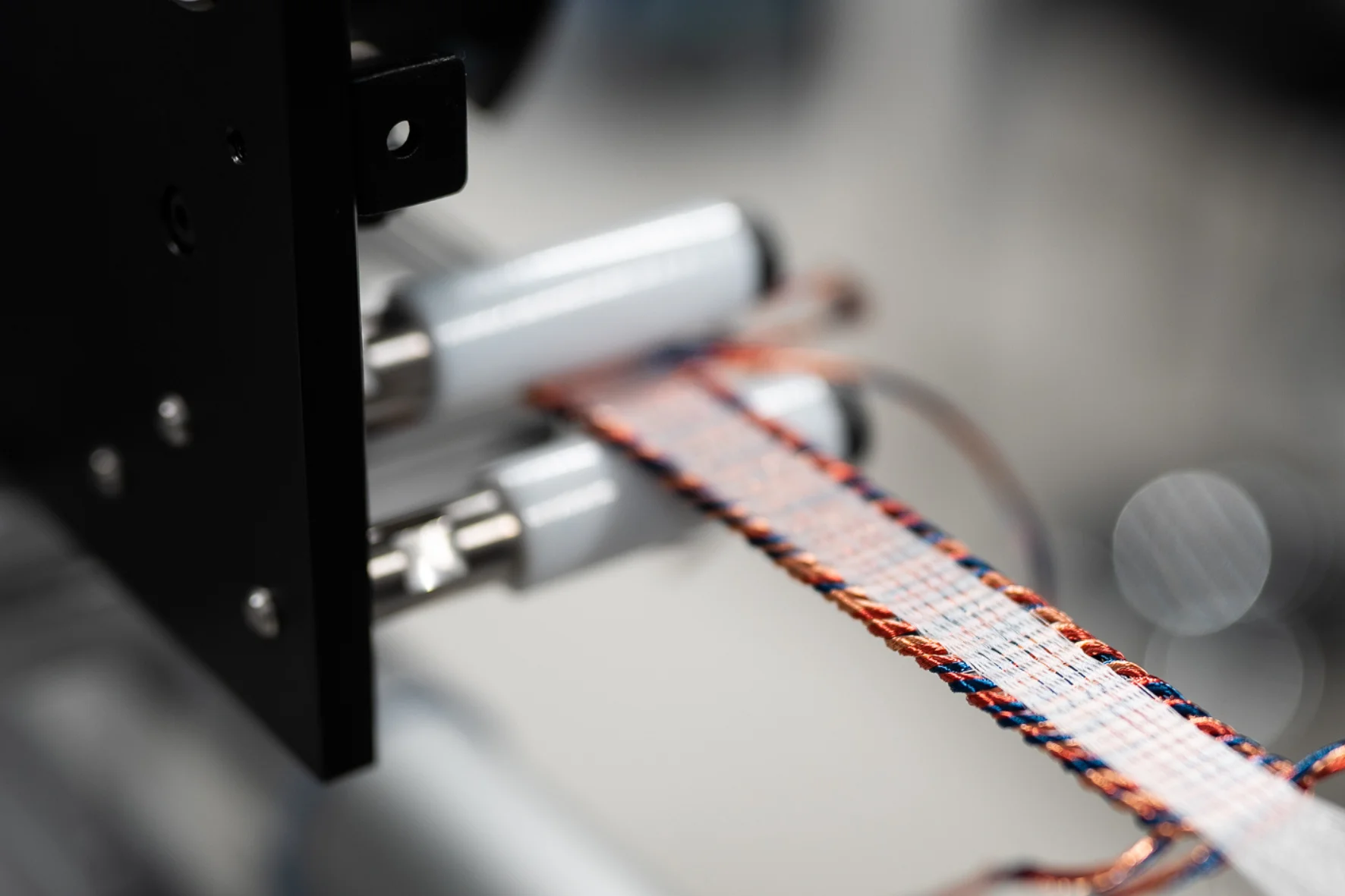
Samsung Electro-Mechanics has made a strategic investment in Alva Industries to acquire its innovative "FiberPrinting" motor technology. This technology is essential for the development of Samsung's forthcoming humanoid robotic hands. The investment underscores Samsung's commitment to advancing its robotics capabilities and enhancing its product offerings in the rapidly evolving field of robotics. By integrating this cutting-edge technology, the company aims to improve the functionality and dexterity of its robotic hands, positioning itself as a leader in the market. The collaboration with Alva Industries is expected to accelerate the development process and bring these advanced robotic solutions to market more efficiently.
South Korea Samsung Europe Business
Samsung Confirms Humanoid Robot Development, Touting "Provider and Customer" Strategy
A senior executive at Samsung Electronics has announced the company's commitment to developing humanoid robots. This initiative aims to integrate essential components internally while utilizing Samsung's extensive manufacturing capabilities. By positioning itself as both a developer and a significant customer in the robotics sector, Samsung seeks to enhance its technological offerings and capitalize on the growing demand for advanced robotics solutions. The announcement underscores the company's strategic focus on innovation and its intent to lead in the emerging field of humanoid robotics.
Samsung
Samsung and SK Hynix saw strong growth in China in 2024 as chip demand rose
Samsung Electronics and SK Hynix experienced significant sales growth in the Chinese market in 2024, largely fueled by China's consumer subsidies and a recovering memory chip sector. Samsung's exports to China surged to KRW 64.93 trillion (approximately $47.59 billion), marking a remarkable 53.9% increase from KRW 42.3 trillion in the previous year. This surge in exports highlights the strong demand for technology products in China and reflects the broader recovery of the semiconductor industry.
News Feed
Jun-Yan Zhu Named Samsung AI Researcher of the Year
Jun-Yan Zhu, an Assistant Professor at Carnegie Mellon University's Robotics Institute, has been honored as the 2024 Samsung AI Researcher of the Year. This prestigious recognition is part of Samsung's initiative to highlight five exceptional researchers under the age of 35 who have significantly advanced the field of artificial intelligence. As a recipient, Zhu will receive a $30,000 award in acknowledgment of his impactful contributions to AI research.
Awards UncategorizedRobotics needs a service framework.
RSF defines a common language for robot service capability, lifecycle operations, certification pathways, and service-provider networks.
Join the RobotToday community on LinkedIn
Daily robotics news, in-depth analysis, conference highlights, and discussions with professionals worldwide.







