Industry Briefing
A single destination for timely, editor-curated robotics news from around the world.
Xiamen Tong'an District Launches Investment Model with 'Scenario Lists' for Robotics Firms
At the 26th China International Investment and Trade Fair, Xiamen's Tong'an district unveiled an innovative investment strategy using 'scenario lists' to highlight specific market demands in robotics and smart technology. This initiative is designed to draw in global companies by tackling key challenges within the hard tech industry. The introduction of 'scenario lists' is significant as it aims to stimulate collaboration and innovation across various sectors, including artificial intelligence and smart construction. By clearly defining market needs, Tong'an district seeks to create a conducive environment for robotics firms to thrive and contribute to technological advancements. Looking ahead, it will be important to monitor how effectively this investment model attracts international enterprises and whether it leads to tangible developments in the robotics sector. No further timeline was disclosed at the time of publication.
Robotics Smart Technology Investment AI Construction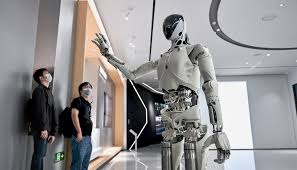
Harbin Engineering University Alumni Drive Significant Investment in Deep-Sea Robotics
In the summer and autumn of 2026, the deep-sea robotics sector experienced a surge in funding, with three major investments announced. Shihang Intelligent secured over 1 billion yuan in Series A funding, achieving a unicorn valuation; Deep-Sea Intelligence raised over 500 million yuan, backed by prominent investors including Guohua Venture Capital and others; and Gongzhi Ocean set a new record with nearly 100 million yuan in angel funding. These investments highlight the influence of alumni from Harbin Engineering University, with key figures such as Professor Guo Chunyu, who founded Gongzhi Ocean, and Ma Yiming, the founder of Deep-Sea Intelligence, both having strong ties to the university. Their companies are positioned to lead in various applications, including offshore oil and gas, underwater communication, and deep-sea mining, with Deep-Sea Intelligence already capturing a significant share of the domestic market. The deep-sea robotics industry is gaining momentum, with the Chinese government recognizing deep-sea technology as a strategic emerging industry. The global underwater service market is projected to reach 1.5 trillion yuan, growing at an annual rate of over 20%. As the industry transitions from research to commercialization, deep-sea robotics startups are poised for unprecedented opportunities.
Deep-Sea Robotics Marine Technology Investment Startups
Lenovo Capital Expands Investment Strategy to Focus on Robotics and AI Agents
Lenovo Capital, the venture capital division of Lenovo Group, is intensifying its investment in artificial intelligence, particularly in robotics and AI agents. This strategic shift aims to capitalize on the upcoming industrial cycle, moving beyond foundational AI models to encompass a broader range of technologies, including computing infrastructure. The significance of this move lies in Lenovo Capital's commitment to long-term investments in over 100 AI companies across various sectors. This includes investments in chips, hardware infrastructure, and AI applications, as highlighted by Song Chunyu, chief investment officer and senior partner at Lenovo Capital. The focus on robotics and AI agents indicates a strategic pivot towards emerging technologies that are expected to play a crucial role in future industrial advancements. Looking ahead, industry observers should monitor Lenovo Capital's ongoing investments and partnerships in the robotics sector, as well as its impact on the broader AI landscape. No further timeline was disclosed at the time of publication.

Robotics Investment Reaches Over $10 Billion in First Half of 2026
In the first half of 2026, the robotics investment landscape saw a significant surge, with 311 financing events totaling over $10 billion. This growth was highlighted by a peak in June, where major unicorns like Galaxy General and Zhi Ping Fang secured substantial funding. The data indicates a clear preference for humanoid robots and embodied intelligence, which accounted for nearly 37% of all investments. The shift in funding dynamics reveals a strong focus on core components, which received 68 financing rounds, surpassing traditional sectors like service and industrial robots. This trend signals a critical need for the localization and cost reduction of essential hardware, emphasizing that advanced AI cannot thrive without robust foundational technologies. Looking ahead, the robotics sector remains in the early stages of a technological paradigm shift, with early-stage companies dominating funding rounds. The landscape is increasingly influenced by corporate venture capital and state-backed funds, reshaping the investment narrative as traditional financial VCs adapt to the evolving market demands. No further timeline was disclosed at the time of publication.
Robotics Investment Embodied Intelligence Corporate Venture Capital Humanoid Robots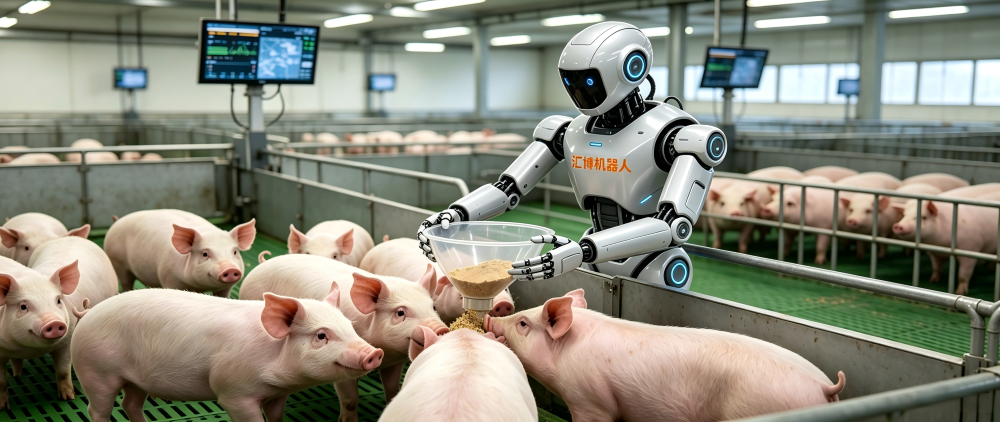
Jinke Smart Agriculture Reduces Robotics Investment from 650 Million to 60 Million Amid Market Challenges
On July 10, Jinke Smart Agriculture's stock surged, prompting speculation about its acquisition of Jiangsu Huibo Robotics. Initially, Jinke planned to invest 650 million yuan to gain control over Huibo, which specializes in humanoid robotics for pig farming. However, by late June, the investment was drastically reduced to 60 million yuan, raising concerns about the viability of the acquisition. This significant cut in investment reflects the broader challenges faced by Jinke, as its revenue is projected to decline by 18.26% in 2025, with a net profit drop of 78.59%. The domestic pig market struggles with prices below 12 yuan per kilogram, while production costs remain high. The shift towards robotics is seen as a potential solution to reduce labor costs and improve efficiency in pig farming. Looking ahead, the feasibility of the investment hinges on whether the robotics can operate effectively in the harsh conditions of pig farming. The debate continues on whether humanoid robots are necessary for the tasks at hand, as their design may offer advantages in precision and flexibility compared to traditional robotic forms. No further timeline was disclosed at the time of publication.
Humanoid Robots Agricultural Robotics Pig Farming AI Technology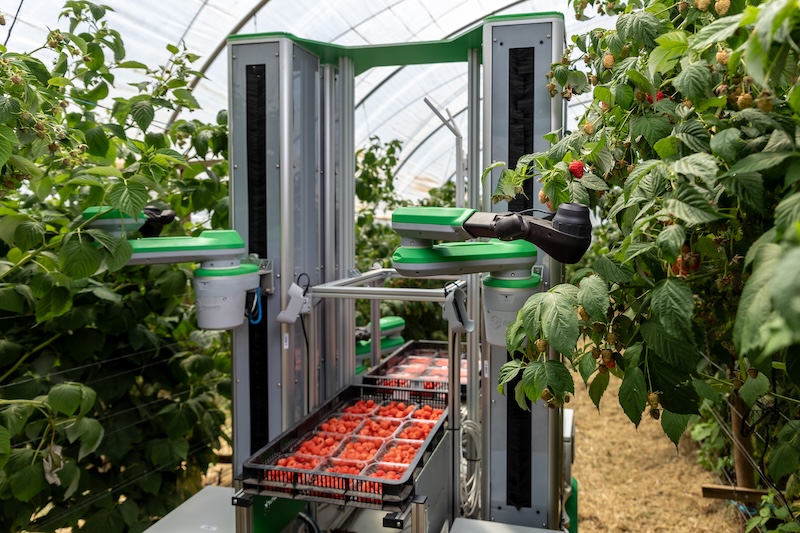
Fieldwork Robotics Receives £2.5 Million Investment for Berry Harvesting Automation
Fieldwork Robotics has secured a £2.5 million investment from SEED Innovations to enhance its selective and modular berry harvesting robots. This funding is part of a Seed+ fundraising initiative announced in April 2026, aimed at addressing labor shortages and rising costs in berry production. The investment will facilitate the transition from technology validation to commercial trials, with production robots already deployed in a two-year program in Norfolk and Stafford. The significance of this investment lies in its potential to alleviate pressing challenges faced by berry growers, including labor shortages and increased harvesting costs. By utilizing autonomous harvesting robots, Fieldwork aims to boost productivity and reduce reliance on seasonal labor, thereby minimizing food waste and stabilizing consumer prices. Jim Mellon, chairman of SEED Innovations, emphasizes the opportunity for robotics and AI to tackle real-world agricultural issues, aligning with Fieldwork's mission to enhance farm efficiency. Looking ahead, Fieldwork Robotics anticipates operating multi-robot fleets on farms by 2027, contingent on the success of ongoing trials. Additionally, the company plans to expand its operations internationally, with trials set to take place in Australia as part of its global growth strategy. No further timeline was disclosed at the time of publication.
Agriculture Financials & Investments agri robotics agricultural robotics agriculture automation
SoftBank Negotiates Acquisition of 1X to Enhance Robotics and AI Investments
SoftBank is in negotiations to acquire a majority stake in humanoid robot startup 1X, which is valued at approximately $6 billion. The deal is not finalized and may still undergo adjustments. 1X focuses on household humanoid robots, with its flagship product being NEO. If the acquisition proceeds, it will fill a crucial gap in SoftBank's robotics portfolio. This move is significant as it aligns with SoftBank's ongoing strategy in the robotics sector, which includes a $5.375 billion agreement to acquire ABB's robotics business in 2024. Earlier this year, SoftBank led a $1.4 billion funding round for Skild AI, a company specializing in general robotic brains, which has a post-investment valuation exceeding $14 billion. SoftBank's investments also extend to warehouse automation firms like AutoStore and Berkshire Grey, alongside its own SoftBank Robotics service. Looking ahead, SoftBank aims to integrate its robotics assets into the Robo HD platform, enhancing internal collaboration within its investment portfolio. By fiscal year 2025, SoftBank plans to invest in over 20 projects in the Physical AI sector, with related holdings expected to exceed $8 billion in fair value. The outcome of the 1X acquisition negotiations remains uncertain, but it reflects SoftBank's strategy to establish a comprehensive AI robotics group ahead of the large-scale commercialization of Physical AI.
Humanoid Robots AI Robotics Investment Automation
The Limitations of Robotics and Automation Without Proper Data Management
Manufacturers are increasingly investing in robotics and automation, yet many fail to address the foundational issue of manual data management. This oversight significantly limits the return on investment (ROI) for new technologies. As automation does not inherently solve workforce challenges, the focus must shift to training and upskilling employees to enhance productivity in the automotive and machine-building sectors. The gap between automation investments and effective data management is critical, as it can stifle the potential benefits of new technologies. Without a robust data foundation, companies may find their automation efforts falling short of expectations, leading to inefficiencies and missed opportunities for growth. This situation highlights the importance of integrating data management strategies alongside automation initiatives. Looking ahead, companies must prioritize the development of comprehensive data management systems to fully leverage their investments in robotics and automation. No further timeline was disclosed at the time of publication, but the ongoing skills gap in the workforce remains a pressing concern for manufacturers aiming to optimize their operations and achieve sustainable growth.

Yushu Technology Debuts on Stock Market, Lei Jun Gains 15.2 Billion in Humanoid Robotics
On August 19, Yushu Technology, recognized as the first publicly traded humanoid robotics company in China, officially listed on the STAR Market. The stock opened at 1,100 CNY per share, surging 629% from its issue price, with a market capitalization briefly exceeding 444.9 billion CNY before closing at 341.8 billion CNY, marking a 460% increase. This significant rise has resulted in a floating profit of over 15.2 billion CNY for Lei Jun, who invested early through Shunwei Capital. Yushu Technology has achieved a remarkable 90% self-research rate for core components within less than a decade and is projected to deliver 5,500 humanoid robots by 2025 with a gross margin of 63.2%. Unlike many competitors relying on financing, Yushu has already turned a profit through robot sales. As Yushu's stock debut revitalizes the humanoid robotics sector, it also highlights the risks involved. The company's valuation is largely supported by its status as the first publicly listed humanoid robotics firm. The next two to three years will be critical for validating performance, as a mismatch between growth and valuation could lead to inevitable corrections. Yushu's projected revenue for 2025 is 1.699 billion CNY, with a net profit of 278 million CNY, resulting in a price-to-sales ratio exceeding 200 times at closing price.
Humanoid Robots Investment Robotics Industry AI Technology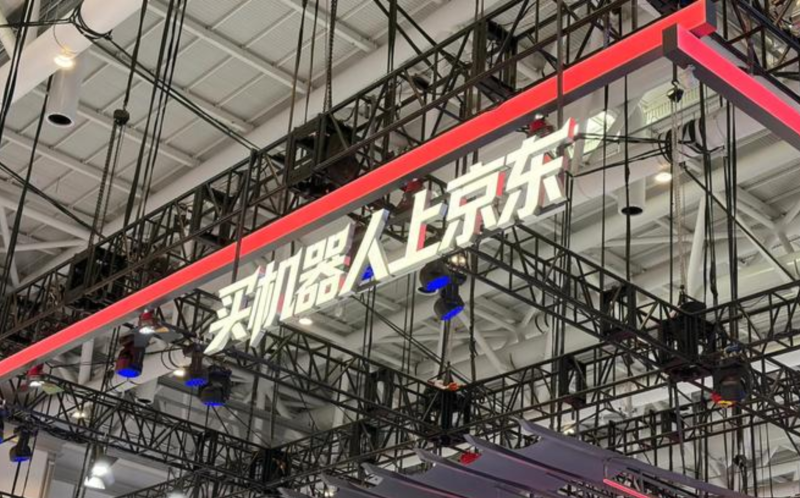
JD.com Unveils Ambitious Robotics Strategy with Billions in Investment by 2028
At the 2026 World Robot Conference, JD.com announced its unique approach to the robotics industry, focusing on infrastructure rather than manufacturing. The company aims to invest over 10 billion yuan in robotics by 2028, establishing a framework that ensures robots are easy to purchase, use, and maintain. This strategy is significant as JD.com plans to assist 100 robot brands in achieving independent sales exceeding 1 billion yuan, while integrating robots into a million end-user scenarios. The company has already partnered with over 200 robot brands and key component manufacturers across various sectors, including retail and logistics. Looking ahead, JD.com will build a global after-sales service network covering over 100 countries and create more than 100,000 service engineer positions. The establishment of 80 RoboBase facilities will connect various stages of robot deployment and maintenance, enhancing the overall ecosystem. No further timeline was disclosed at the time of publication.
Robotics Infrastructure Supply Chain Solutions After-Sales Services Consumer Robotics AI and Data Solutions
Ant Group Leads Strategic Investment in Daimeng Robotics for Tactile Sensor Development
On August 11, Shenzhen's Daimeng Robotics announced the completion of a strategic financing round worth hundreds of millions, led by Ant Group, with existing shareholders participating. This marks Daimeng's second significant funding within two months and represents Ant Group's strategic entry into the embodied intelligence sector through component technology. Daimeng, founded by Wang Yu and Duan Jianghua from the Hong Kong University of Science and Technology, focuses on millimeter-level optical tactile sensing and dexterous manipulation technology. As the demand for humanoid robots in China is projected to reach 61.4% in entertainment and educational sectors by 2025, the shift towards precision operations in industrial applications is becoming crucial, highlighting the importance of tactile sensors in enhancing operational accuracy. Daimeng's core strength lies in miniaturizing tactile sensing units to achieve high-resolution capabilities. The company has developed a humanoid optical tactile five-fingered dexterous hand and the Sparky 1 humanoid robot, integrating tactile data into a visual-tactile-language-action framework. This investment by Ant Group is part of a broader strategy to create a comprehensive ecosystem that spans data generation, component supply, and model training, positioning Daimeng as a key player in the tactile sensor market.
Tactile Sensors Robotics Industrial Automation Embodied Intelligence
July 2026 Sees Significant Investment in Robotics Component Sales
In July 2026, the domestic robotics industry recorded 52 financing events, with seed and angel rounds accounting for 44%. Shanghai led with 14 events, followed by Guangdong and Beijing. Notably, the core components sector saw 13 financing events, a 5.5% increase from June, indicating a growing focus on this area. The rise in investment in core components is significant as it reflects a shift in capital allocation within the robotics industry. With 46% of the 13 component firms in later funding rounds, this suggests that some companies are entering a growth phase, positioning themselves for the next stage of productization and scale delivery. Looking ahead, the demand for upstream components such as sensors and specialized chips is expected to increase as humanoid robot manufacturers continue to secure funding. The financing events in July highlight a robust interest in tactile perception and joint execution technologies, indicating a strategic pivot towards core component autonomy in the robotics supply chain.
Robotics Investment Core Components Humanoid Robots AI Technology
Shifts in Robotics Investment Focus on Core Components Amid Market Changes
Since 2026, the robotics capital market has shifted focus from complete machines to core components such as chips, sensors, and actuators. This change reflects a move from concept validation to mass production, as investors seek more certainty in their investments. In July alone, 13 out of 52 financing events in the robotics sector were in core components, indicating a significant rise in interest. The importance of core components is underscored by the realization that relying solely on imported parts can severely impact profitability for humanoid robots. As domestic supply chains struggle to keep pace, companies with substantial funding may still find themselves at the mercy of foreign manufacturers. This shift highlights that competition in the robotics industry is evolving beyond just complete machines to encompass the entire supply chain. One notable player in this space is Tao Shi Intelligent, established in 2024, which has developed a unique orthogonal drive technology for reducers. With a focus on high precision and compact design, the company has successfully integrated its products into the supply chains of major firms like Foxconn. As demand for dexterous hands rises, Tao Shi Intelligent is poised to capitalize on this trend, having signed agreements for 100,000 joint modules with various robotics companies.
Robotics Core Components Supply Chain Investment Trends
Three Robotics and Automation Stocks to Consider for Investment in August
Recent advancements in artificial intelligence and chip technology are transforming robotics and automation from single-task machines to intelligent systems. This evolution is projected to significantly boost adoption in various sectors, including manufacturing and healthcare. According to Future Market Insights, the industrial robotics market is expected to grow from $65 billion this year to nearly $344 billion by 2036, reflecting an 18% compound annual growth rate. Rockwell Automation, a leader in industrial automation, holds a dominant 50% market share in programmable logic controllers in North America. The company reported $2.2 billion in sales for Q2, a 9% increase, with GAAP earnings per share rising 40% to $3.10. Rockwell's recent selection by Aalo Atomics as the control platform provider for its Aalo-X test reactor positions it for growth in the nuclear energy sector. Ouster and Symbotic are also notable players in the robotics space. Ouster, specializing in digital 3D LiDAR technology, saw a 49% revenue increase in Q1, while Symbotic focuses on AI-powered supply chain automation. Investors should monitor these companies as they navigate growth opportunities and market challenges in the evolving landscape of robotics and automation.
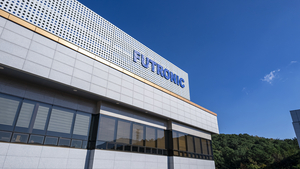
Blackstone Makes Significant Investment in South Korean Robotics Supplier Futronic
Blackstone has announced its investment in Futronic, a South Korean supplier specializing in high-precision actuators for the automotive and industrial robotics sectors. The deal values Futronic at approximately 1 trillion won, equivalent to $676.04 million, as reported by sources familiar with the transaction. This investment is significant as it positions Blackstone, the world's largest alternative asset manager, to enhance Futronic's capabilities and market presence. Futronic's founder, Jin-ho Ko, will continue as chairman and CEO, collaborating with Blackstone to drive global growth and expand into new markets. Looking ahead, the partnership aims to strengthen Futronic's leadership in actuation and motion control solutions. No further timeline was disclosed at the time of publication.
All News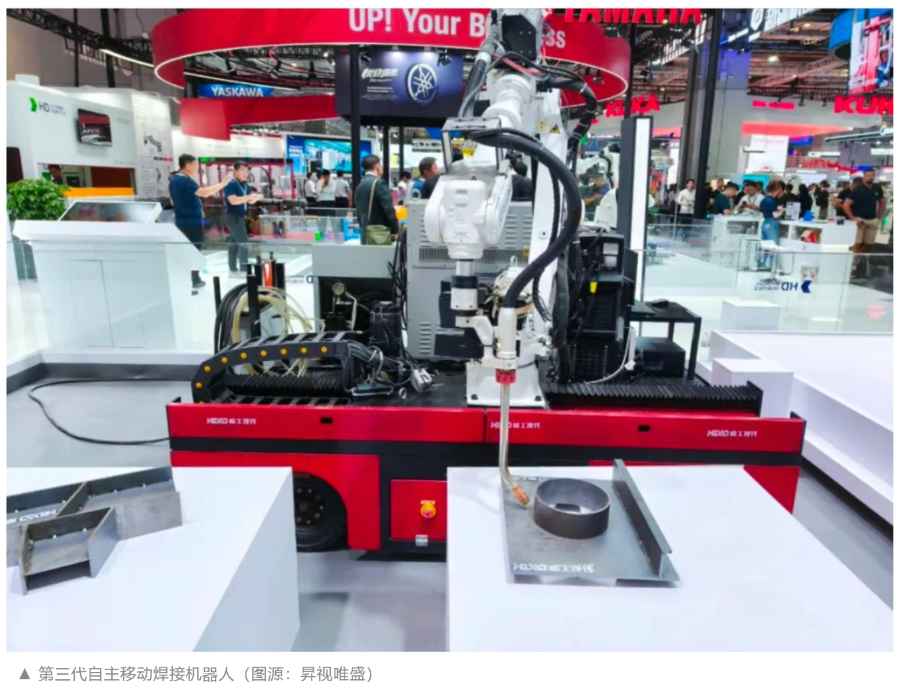
3Srobotics Secures Hundreds of Millions in Series B Funding for Smart Welding Solutions
3Srobotics, a company specializing in embodied intelligent robotics for industrial manufacturing, announced the completion of a Series B funding round on July 9, raising hundreds of millions. The round was led by Shanghai Semiconductor Investment and Jinqiao Fund, with participation from several venture capital firms. The funding aims to enhance their smart welding robotics capabilities and expand production capacity. The significance of this investment lies in addressing the critical shortage of skilled welders in China, where the average age of registered welders exceeds 45. With an estimated shortfall of millions of welding engineers by 2025, 3Srobotics' technology aims to improve welding quality, efficiency, and stability. The smart welding robot market is projected to reach hundreds of billions in the next decade, highlighting the urgent need for automation in this sector. Looking ahead, 3Srobotics plans to leverage its smart welding robots to introduce a range of industrial automation products, including grinding, cutting, assembly, and handling robots. The company aims to penetrate the entire manufacturing process, with a revenue target of several hundred million by 2026. No further timeline was disclosed at the time of publication.
Smart Welding Robots Industrial Automation AI Robotics Manufacturing Technology
Dogtooth Secures £14M Investment for AI Robotics in Agriculture
Cambridge-based AI robotics company Dogtooth has successfully raised £14 million in funding to enhance its agricultural technology solutions. This investment aims to accelerate the development of advanced robotics designed for precision farming, addressing the growing demand for automation in the agtech sector. The funding round highlights the increasing interest in AI-driven solutions within the agricultural industry, particularly in the UK market. The significance of this funding lies in its potential to transform agricultural practices through the integration of AI and robotics. As the global agricultural sector faces challenges such as labor shortages and the need for sustainable practices, innovations like those from Dogtooth are crucial. The investment reflects a broader trend of increasing capital flow into agtech, with investors recognizing the importance of technology in enhancing productivity and sustainability. Looking ahead, Dogtooth's next steps will likely focus on scaling its technology and expanding its market presence. No further timeline was disclosed at the time of publication, but the company’s advancements in AI robotics could set new benchmarks in the agricultural sector, paving the way for future innovations and partnerships in agtech.
Agtech FoodTech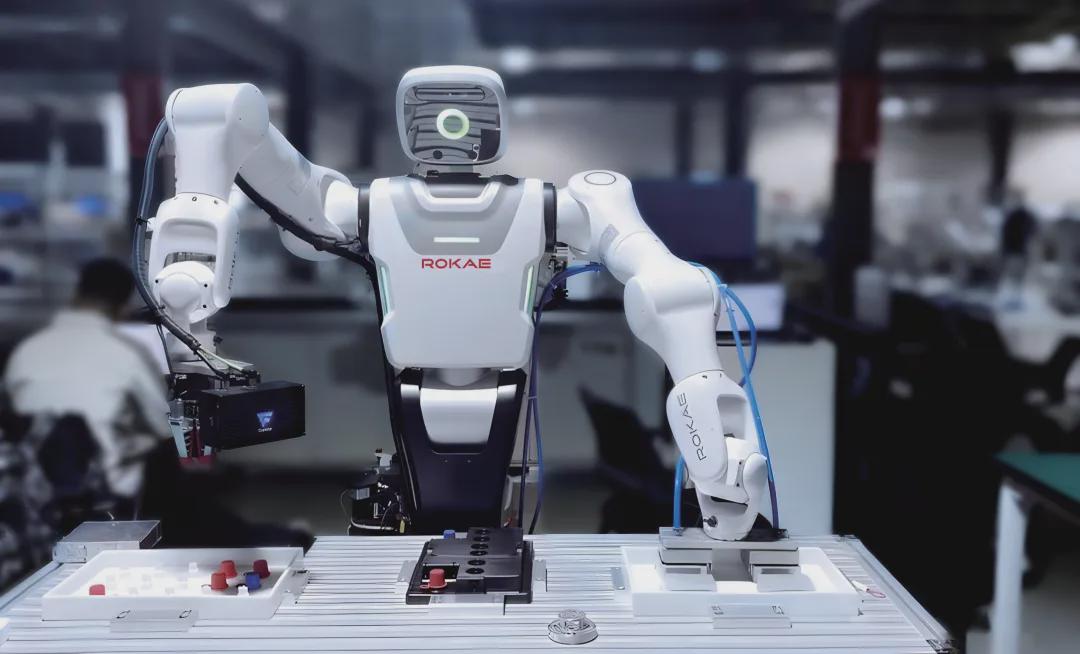
LuoShi's IPO: A New Era for Robotics Investment
LuoShi's recent initial public offering (IPO) has generated significant enthusiasm within the robotics industry, signaling a notable shift in market priorities from conventional manufacturing to advanced intelligent robotics. The company, which boasts a diverse array of products, is dedicated to pioneering foundational technologies that promise to transform the landscape of robotics. By positioning itself at the forefront of AI-driven innovations, LuoShi aims to redefine the future of robotics, emphasizing the integration of artificial intelligence into physical entities. This strategic move reflects the growing demand for smarter, more capable robotic solutions in various sectors.
Robotics AI Technology Industrial Automation Collaborative Robots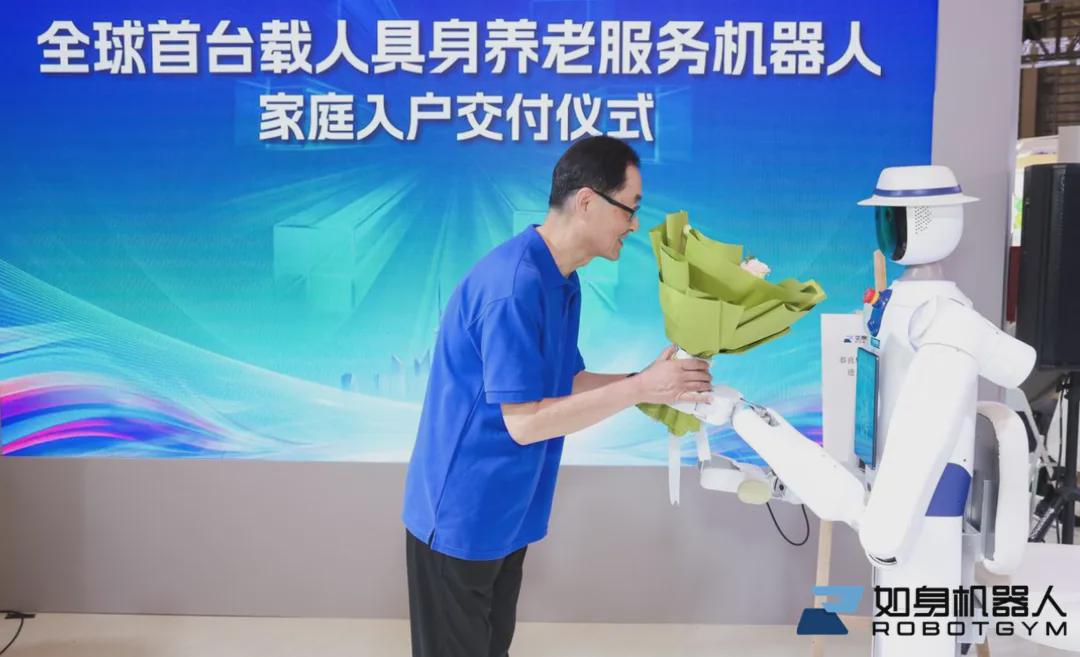
Investment in Embodied Care Robots: How RuShen Robotics is Integrating Robots into Real-World Elderly Care
RuShen Robotics has announced a major funding round aimed at advancing the use of embodied intelligent robots in elderly care facilities. The company specializes in creating robots designed to assist with a range of caregiving tasks, addressing the challenges presented by real-life scenarios. Their newest innovation, the QiCare robot, is engineered to effortlessly switch between mobility and caregiving functions, with the goal of optimizing the elderly care experience. This funding will enable RuShen Robotics to further develop and deploy these advanced robotic solutions, enhancing support for caregivers and improving the quality of life for elderly individuals.
Elderly Care Robots Healthcare Robotics AI Technology Robotics Innovation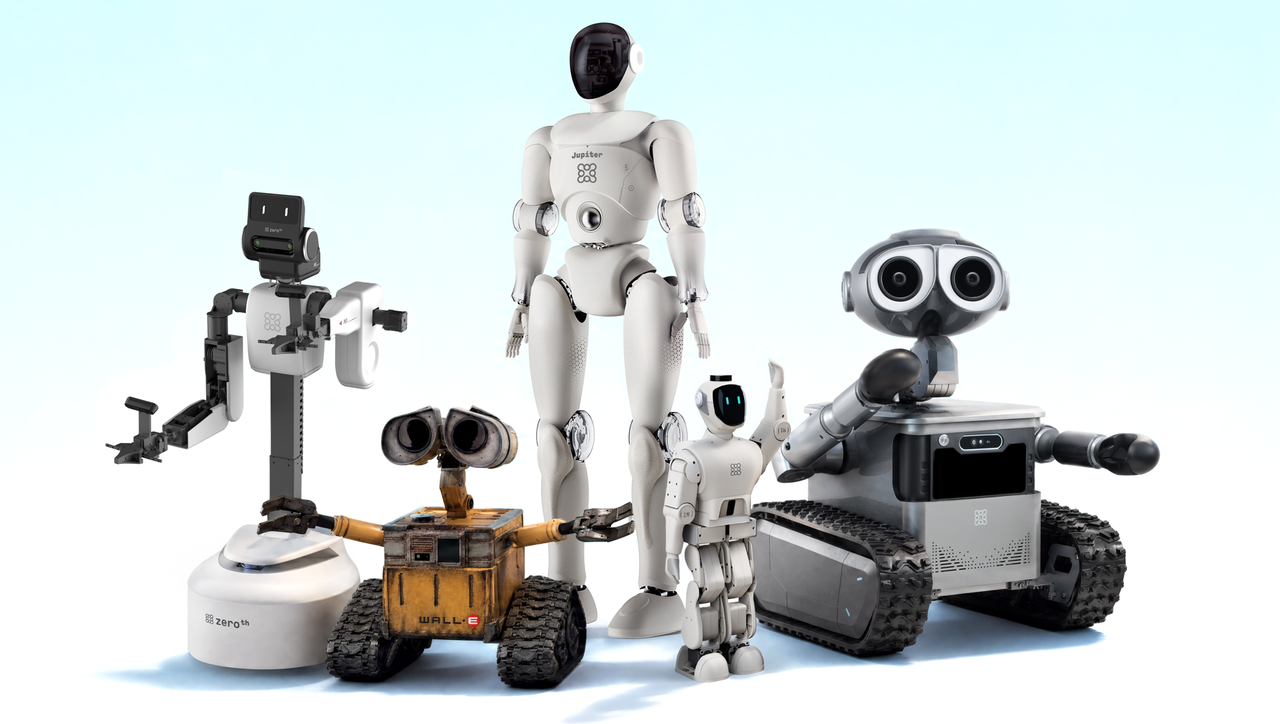
Ant Group Leads $70 Million Investment in Suzhou Lexiang Smart Technology for Home Robotics
Suzhou Lexiang Smart Technology has successfully raised nearly 500 million RMB in a Pre-A funding round, with Ant Group leading the investment. This funding will be utilized to enhance the company's home robotics brand, 'Zeroth'. The company has already received over 30,000 orders for its innovative humanoid robots, which are designed to facilitate family interaction and provide support. With this strong demand, Lexiang anticipates a remarkable 600% revenue growth by mid-2026, reflecting its commitment to advancing technology in the home robotics sector.
Home Robotics AI Technology Investment Smart Home Humanoid Robots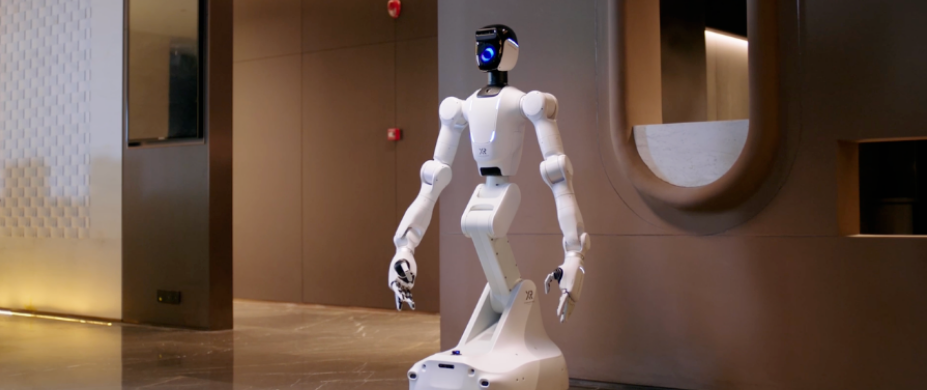
Valuation Exceeds 20 Billion Yuan: Major Investments in Leading Robotics Company
In the first quarter of 2026, Zivariable, a prominent player in the domestic embodied intelligence sector, experienced a remarkable influx of funding, successfully completing four financing rounds within a span of just over two months. This rapid financial growth propelled the company's valuation to exceed 20 billion yuan, making it the sole embodied intelligence firm in the Greater Bay Area to achieve such a milestone. The funding attracted interest from over 30 leading investors, including major internet companies and state-backed funds, underscoring a robust industry consensus regarding Zivariable's technological prowess and potential for future growth.
Embodied Intelligence Robotics Investment AI Technology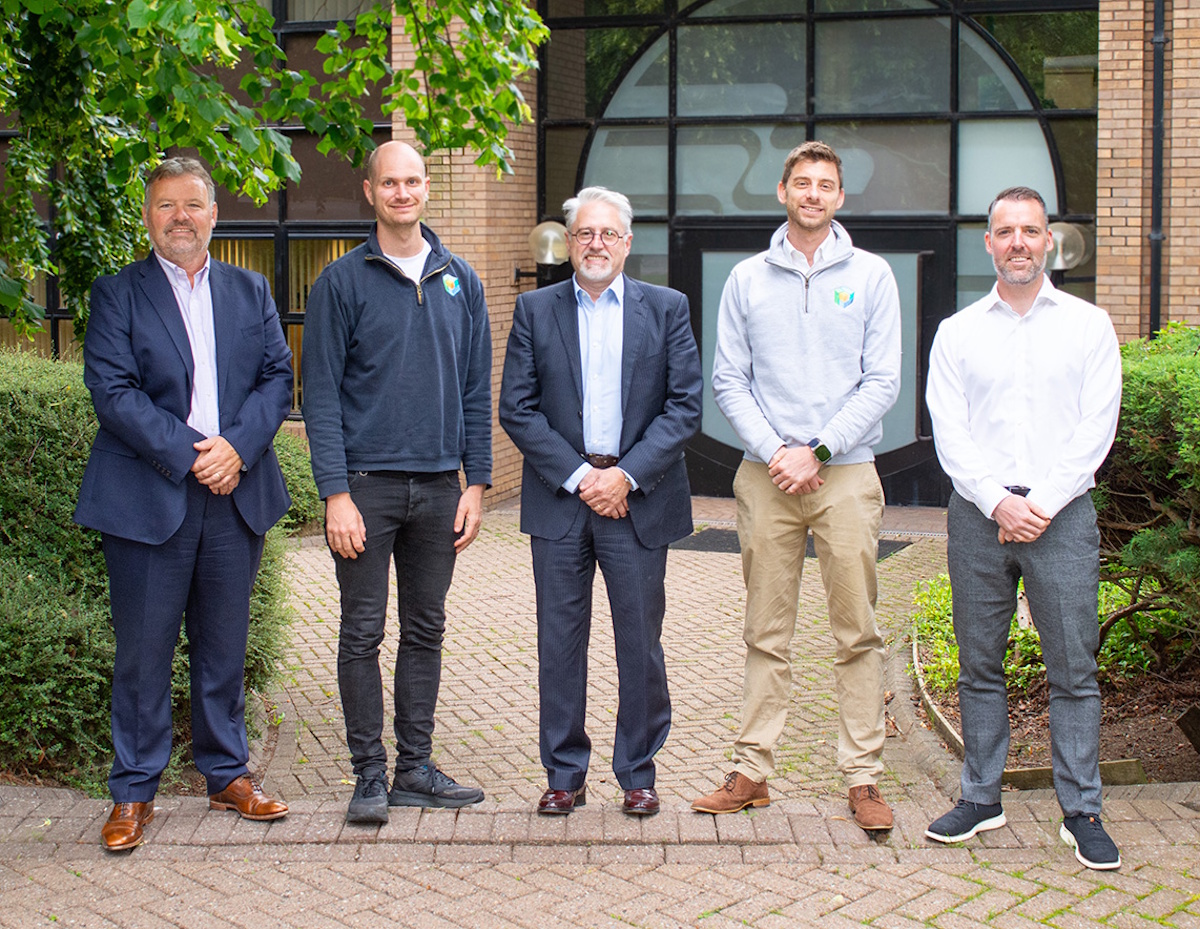
Imenco Future Technologies Makes Strategic Investment in Frontier Robotics
Imenco Future Technologies, a prominent player in remotely operated vehicle (ROV) technology, has announced a strategic investment in Frontier Robotics, a company renowned for its advanced subsea robotics innovations. This investment, revealed today, is part of Imenco's long-term strategy to enhance its innovation and growth in the subsea technology sector. By partnering with Frontier Robotics, Imenco aims to bolster its capabilities and expand its offerings in the rapidly evolving field of underwater robotics.
imenco future technologies strategic investment frontier robotics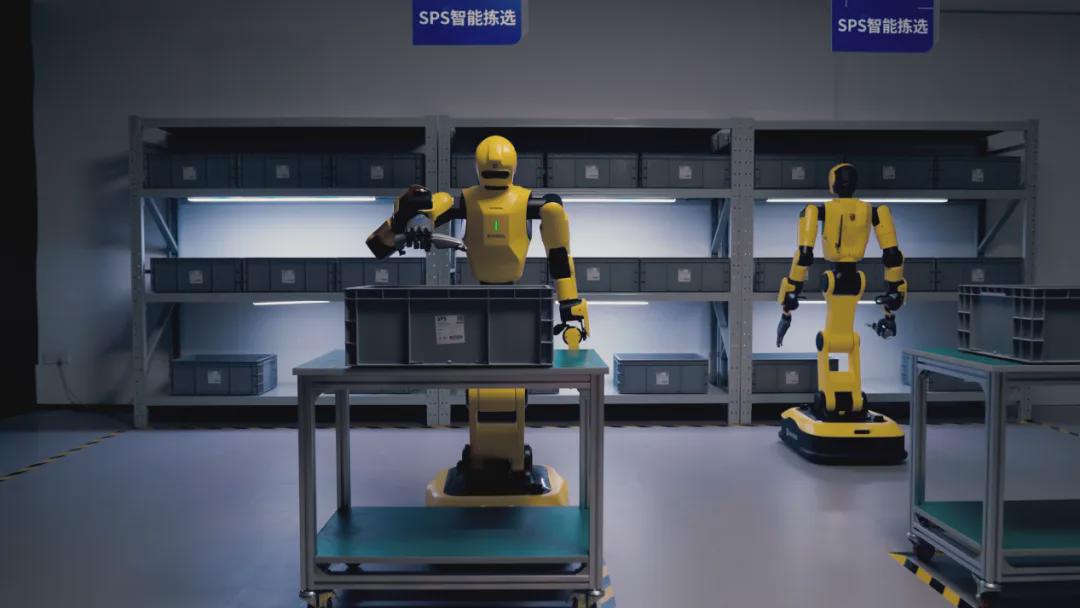
Billionaire Female Tycoon Makes First Major Investment in Shenzhen Robotics Company
Zhou Qunfei, a leading entrepreneur known for her influence in the technology sector, has made a notable investment in Crosswise Intelligence, a company specializing in robotics. This move marks a pivotal moment in the industry, reflecting a growing trend among key players to engage more deeply in the development of embodied intelligence technologies. The investment follows a series of successful funding rounds for Crosswise Intelligence, indicating a shift from traditional procurement practices to a more sustained commitment through long-term capital investment. This strategic decision underscores the increasing importance of innovation in robotics and the potential for transformative advancements in the field.
Embodied Intelligence Robotics Investment AI Technology
Japan promotes Osaka as a gateway for robotics and technology investment
Japan is intensifying its campaign to draw foreign technology firms and investors to Osaka, aiming to establish the city as a viable entry point to the Japanese market and a center for innovation in key industries, including robotics, artificial intelligence, semiconductors, and advanced manufacturing. This initiative, spearheaded by the Japan External Trade Organization (JETRO), seeks to leverage Osaka's strategic location and existing infrastructure to foster a vibrant tech ecosystem. By promoting the city as an attractive destination for international businesses, Japan hopes to enhance its competitive edge in the global technology landscape. The push comes as part of broader economic strategies to stimulate growth and diversify the country's industrial base, particularly in response to increasing global competition in technology sectors.
Business Economy Features advanced manufacturing ai startups artificial intelligence
Investment Surge in Embodied Intelligence Data Providers Amid Robotics Financing Boom
Hexinju Technology, a company based in Suzhou, has successfully raised millions in Series A funding to enhance data infrastructure aimed at training robots. This investment comes at a time when the robotics industry is experiencing significant growth, highlighting the increasing demand for high-quality, multimodal data derived from real-world interactions. In response to this critical challenge, Hexinju plans to develop a comprehensive platform designed for data collection, processing, and evaluation. By doing so, the company seeks to establish itself as a pivotal player in the rapidly expanding field of embodied intelligence.
Embodied Intelligence Data Infrastructure Robotics AI Training Data Services
Robotics Investment Grows Across European Logistics
Warehouse automation is rapidly advancing across Europe as logistics providers enhance their operations through investments in robotics, artificial intelligence, and flexible automation systems. This surge is driven by the growing demand for e-commerce and the need for resilient supply chains. Companies throughout the sector are expanding their automated fulfillment networks, deploying more autonomous mobile robots, and implementing next-generation distribution technologies. This trend reflects a broader commitment to improving efficiency and adaptability in response to evolving market conditions.
AMR and AGV Automation Systems and Shuttles Materials Handling AGV AMR europe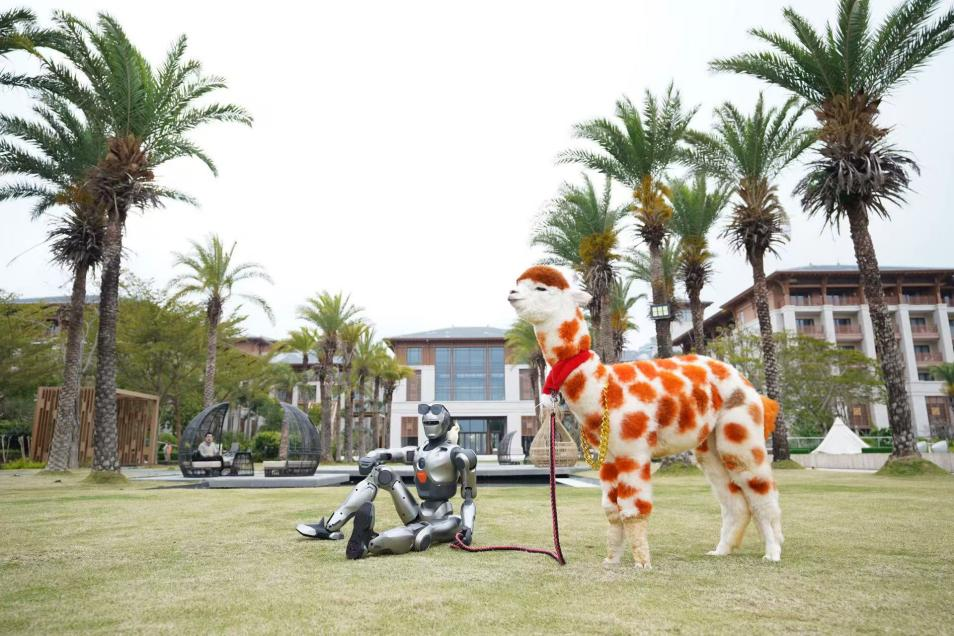
Feikuo Technology Receives Strategic Investment from Zhongqing Robotics to Accelerate Humanoid Robot Implementation
On May 16, Zhongqing Robotics announced the completion of a strategic investment in Hangzhou Feikuo Technology, marking a significant step in their partnership aimed at advancing the integration of humanoid robots across multiple industries. This collaboration seeks to address the challenges of transitioning technology into practical applications, ultimately facilitating the large-scale deployment of humanoid robots in various sectors. By combining resources and expertise, both companies aim to enhance the capabilities and accessibility of robotic solutions, driving innovation in the field.
Humanoid Robots Robotics Investment AI Solutions Industry Applications
XELA Robotics Deepens U.S. Market Commitment with Plug and Play Investment and New Sensor Capabilities to be Introduced at the Robotics Summit and Expo in Boston
XELA Robotics is intensifying its commitment to the U.S. market with the introduction of two significant enhancements to its uSkin® sensor family, designed in response to feedback from its expanding American customer base. The announcement coincides with a strategic investment from Plug and Play, a leading innovation platform based in Silicon Valley, and the company's participation in the Robotics Summit & Expo in Boston on May 27-28, 2026. The first enhancement involves magnetic interference compensation, which effectively eliminates complex magnetic interference, crucial for handling metals in industrial settings. The second improvement introduces CAN FD (Controller Area Network Flexible Data-Rate), a high-speed communication protocol that allows for more sensor modules to operate simultaneously without compromising data transfer rates. These advancements aim to enhance the performance of robotic applications, providing faster and more reliable measurements. Alexander Schmitz, CEO of XELA Robotics, emphasized the importance of the U.S. market and stated that these enhancements directly address customer needs. The new sensors will be available for immediate ordering, with initial deliveries scheduled for May 2026, while the magnetic interference compensation feature is expected to launch in the third quarter of the year. XELA Robotics will showcase these innovations at the upcoming Robotics Summit & Expo and ICRA 2026 in Vienna, Austria, from June 1-5.

Nauticus Robotics Announces Strategic Investment and UAE Expansion with Master Investment Group
Nauticus Robotics, Inc., a company specializing in autonomous subsea robotics and software for offshore energy and industrial applications, has secured a strategic investment agreement with Master Investment Group. This partnership, announced today, could provide Nauticus with up to $50 million in funding. The investment aims to bolster Nauticus's capabilities and enhance its offerings in the subsea robotics sector, reflecting the growing demand for innovative solutions in offshore operations.
nauticus robotics strategic investment
New York Robotics Formally Launches Amid Surge In Robotics Investment, Demand, And Talent
New York has established itself as a burgeoning global hub for robotics, with 160 startups now operating throughout the Tri-State Area. This development positions the region among the world's leading robotics capitals, reflecting a significant growth in innovation and technology. The surge in startups is driven by a combination of factors, including access to top-tier universities, a diverse talent pool, and substantial investment in research and development. As these companies continue to emerge, they are expected to contribute to advancements in automation and artificial intelligence, further solidifying New York's status in the tech landscape. The rise of this sector is not only transforming the local economy but also attracting attention from investors and entrepreneurs worldwide, eager to tap into the region's dynamic ecosystem.
Hyundai Motor Group Details Massive KRW 125.2 Trillion Investment, Targeting Robotics and ''Physical AI'' Infrastructure
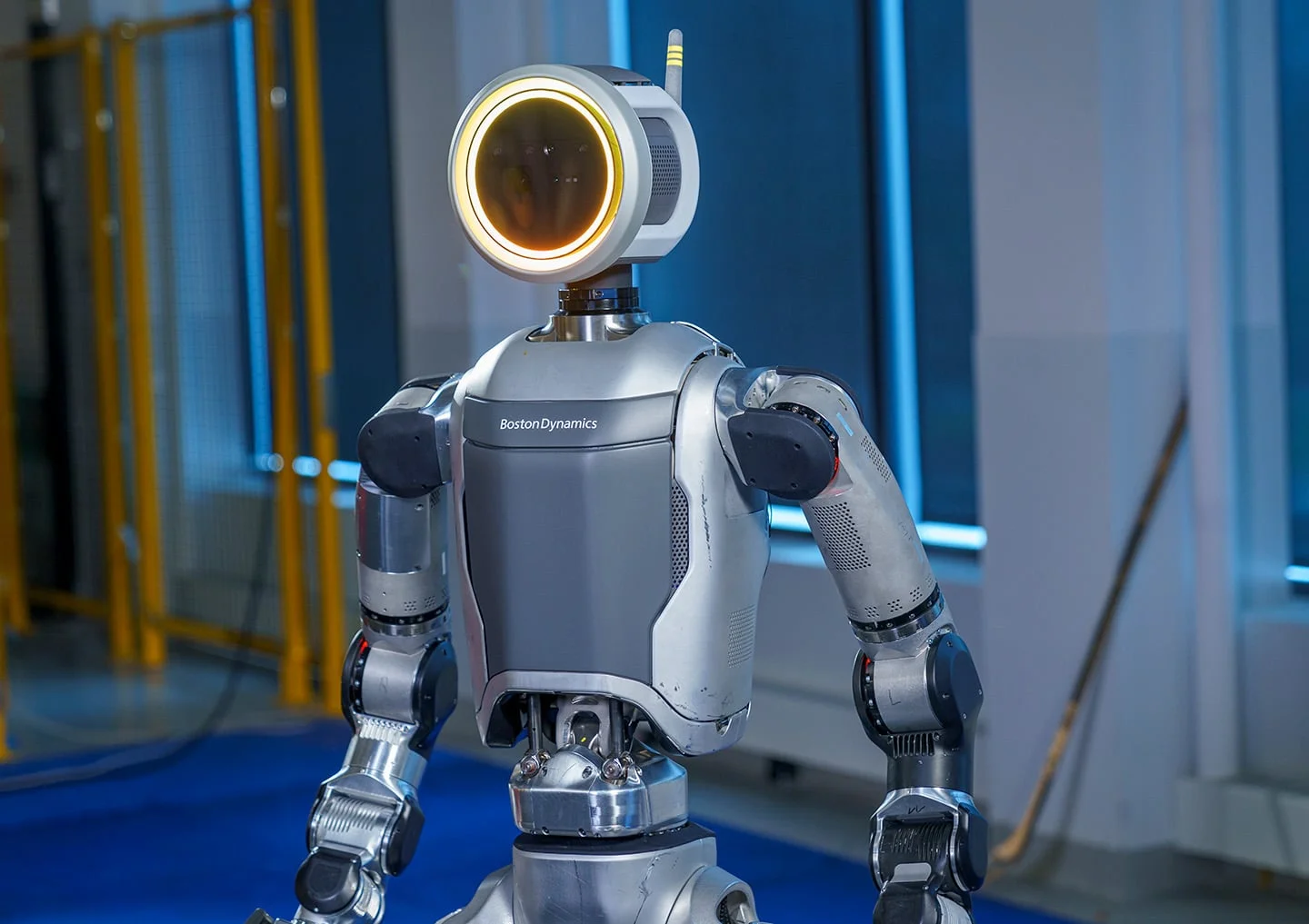
Hyundai Motor Group has announced a substantial investment of KRW 50.5 trillion aimed at advancing future technologies. This ambitious plan includes the establishment of a new artificial intelligence data center, a "Physical AI Application Center," and a specialized facility for robotics manufacturing and foundry operations. The initiative reflects Hyundai's commitment to innovation and positions the company to enhance its capabilities in AI and robotics, crucial areas for the automotive industry’s evolution. The investment is part of a broader strategy to secure a competitive edge in the rapidly changing technological landscape.
hyundai Boston Dynamics
Investment in Humanoid Robotics Heats Up with Dedicated ETFs Launching in South Korea, Proposed in US
New Exchange-Traded Funds (ETFs) targeting humanoid robotics are set to launch in South Korea, with similar proposals emerging in the United States. Major asset managers, including Samsung, KB, Hanwha, and Roundhill Investments, are spearheading this initiative, reflecting a rising investor interest in companies that are pioneering the development of human-like robots and associated technologies. This trend is largely fueled by advancements in artificial intelligence and the evolving demands of the labor market. However, the move comes with recognized technical and market risks that investors must consider. The introduction of these ETFs marks a significant step in the financial sector's response to the growing potential of robotics in various industries.
Tesla Figure Boston DynamicsRobotics needs a service framework.
RSF defines a common language for robot service capability, lifecycle operations, certification pathways, and service-provider networks.
Join the RobotToday community on LinkedIn
Daily robotics news, in-depth analysis, conference highlights, and discussions with professionals worldwide.