Industry Briefing
A single destination for timely, editor-curated robotics news from around the world.

Orchard Robotics CEO Advocates for Simplified Data Use for Growers
At the Ruggedize ag robotics conference, Orchard Robotics CEO Charlie Wu emphasized that growers should not need to act as data analysts. He highlighted the importance of actionable data, stating that it should facilitate decision-making rather than overwhelm users with numbers. Orchard Robotics offers an AI-powered camera system that captures extensive data on fruit health and growth, processed on-site to accommodate farms with limited connectivity. The company's FruitScope platform allows growers to monitor conditions at a granular level, enhancing operational efficiency. Wu noted that the primary value lies in labor and input savings, with the platform predicting yields with over 95% accuracy. This capability aids in supply chain planning, helping growers optimize labor and resources while making informed decisions about production and marketing. Orchard Robotics has expanded its focus from apples to various crops, including grapes and cherries, and is exploring new markets internationally. The company currently operates hundreds of systems across tens of thousands of acres, aiming for broader adoption. Wu stated that growers can expect a return on investment of three to ten times in their first year by leveraging the platform effectively.
Agtech Artificial intelligence Deeptech Precision agriculture Startups & funding US & Canada
The Limitations of Robotics and Automation Without Proper Data Management
Manufacturers are increasingly investing in robotics and automation, yet many fail to address the foundational issue of manual data management. This oversight significantly limits the return on investment (ROI) for new technologies. As automation does not inherently solve workforce challenges, the focus must shift to training and upskilling employees to enhance productivity in the automotive and machine-building sectors. The gap between automation investments and effective data management is critical, as it can stifle the potential benefits of new technologies. Without a robust data foundation, companies may find their automation efforts falling short of expectations, leading to inefficiencies and missed opportunities for growth. This situation highlights the importance of integrating data management strategies alongside automation initiatives. Looking ahead, companies must prioritize the development of comprehensive data management systems to fully leverage their investments in robotics and automation. No further timeline was disclosed at the time of publication, but the ongoing skills gap in the workforce remains a pressing concern for manufacturers aiming to optimize their operations and achieve sustainable growth.
Data Collection Challenges in Robotics: Addressing Physical Limitations and Gaps
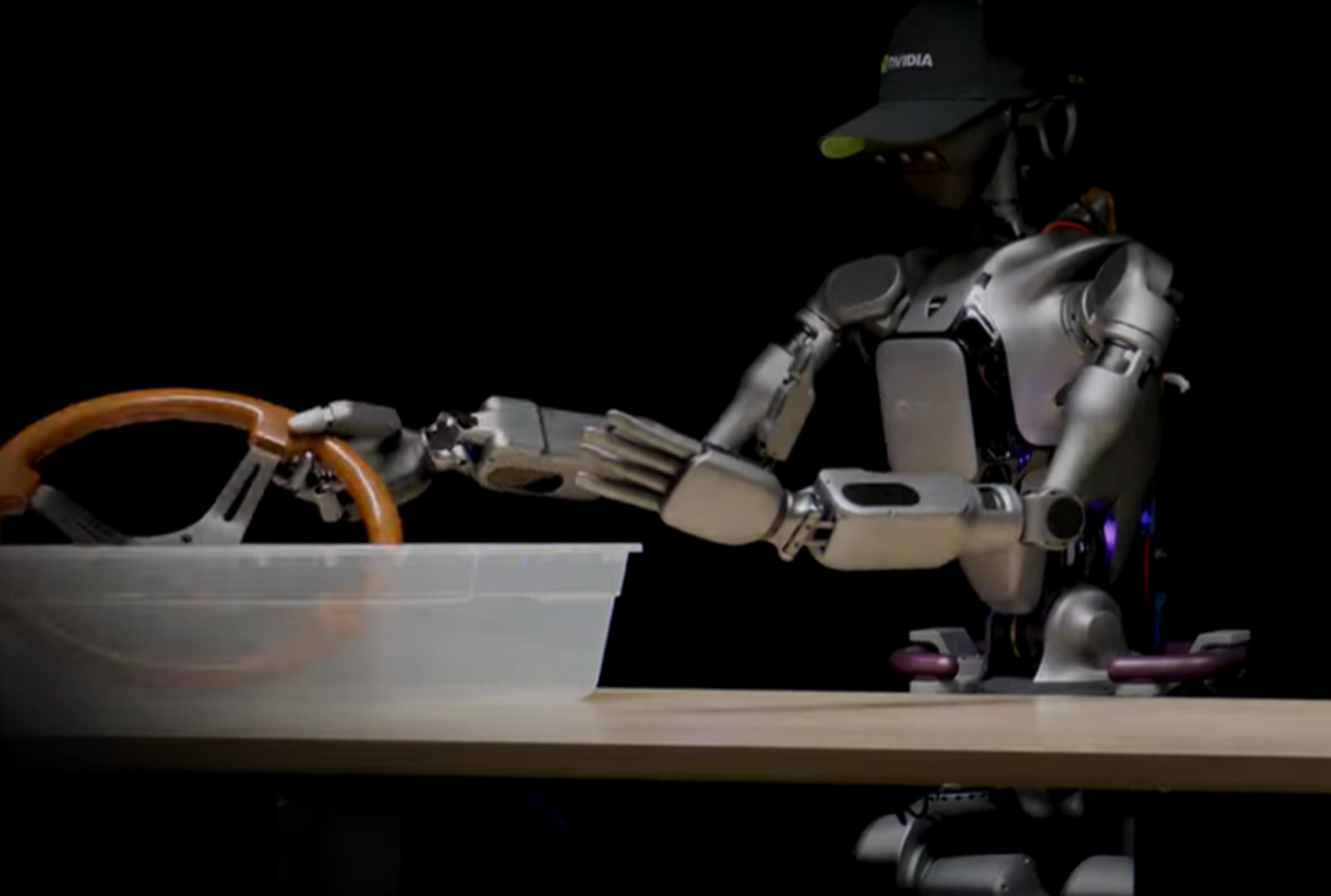
Since the beginning of the year, major companies and startups have significantly increased their investment in data collection. Companies like Qianxun Intelligent, Lingqiao Intelligent, and Lingchu Intelligent have announced ambitious targets for collecting millions of hours of data. Meanwhile, Guanglun Intelligent has completed a financing round of 1 billion yuan, becoming the world's first embodied data unicorn. JD.com has unveiled a comprehensive infrastructure for embodied intelligent data collection, planning to mobilize 600,000 people for crowdsourced data gathering across 64 training sites in 27 cities. This surge in data collection efforts highlights the industry's focus on building data sets, annotation teams, and simulation environments. However, a critical physical limitation is being overlooked: most teams simplify data collection to perception-level image and point cloud gathering, neglecting the essential motion data from the interaction between robots and physical environments. According to the Guizhou Provincial Big Data Bureau, only 500,000 hours of compliant data from real physical interactions currently exist in China, while the China Electromechanical Integration Technology Application Association estimates that commercializing robotics requires at least tens of millions of hours of data support, indicating a gap exceeding 99% based on a conservative estimate of 10 million hours. The current challenges in real-world data collection stem from structural constraints that create a physical ceiling. While virtual environments can generate training data at low cost, the gap between simulation and reality is widening as model complexity increases. The AI Index Report 2026 from Stanford HAI reveals that robot manipulation success rates drop from 89.4% in simulated environments to just 12% in real home settings. This discrepancy underscores the need for real physical interaction data, as many robots struggle in unstructured environments like stairs and uneven surfaces, which are crucial for embodied intelligence applications. Continuous data collection is necessary for iterative algorithm development, yet many data collection vehicles are designed for specific scenarios, leading to high costs and inefficiencies in cross-environment deployments.
Data Collection Embodied Intelligence Robotics Simulation Physical Interaction
Trossen Robotics Collaborates with Stereolabs to Enhance Physical AI Data Collection
Trossen Robotics has announced a partnership with Stereolabs to integrate high-fidelity stereo vision into its Physical AI platforms. The collaboration features the Stereolabs ZED X Mini scene camera and dual ZED X Nano wrist cameras, providing synchronized, training-grade visual data for robot-learning teams. This integration is significant as it enhances Trossen's offerings in the Physical AI sector, allowing for improved data collection and analysis. The inclusion of advanced stereo cameras is expected to elevate the capabilities of Trossen's hardware suite, which includes the Trossen Workbench and Rivet platforms designed for bimanual manipulation. Looking ahead, the collaboration aims to streamline the development of robot learning applications by providing robust visual data. No further timeline was disclosed at the time of publication.

Addressing the Challenge of Tactile Interaction Data in Robotics Development
The global robotics community is facing a significant challenge: the lack of real physical interaction data, particularly tactile data. While visual datasets and first-person videos are becoming increasingly common, the industry struggles to gather the nuanced feedback from tactile interactions with various materials. Current tactile data collection methods either involve expensive laboratory-grade sensors or rely on simulations that do not accurately reflect real-world physics. Recognizing this challenge, Handzhi Innovation has developed a new approach that balances cost and effective data collection. Founded by prominent figures in robotics research, including Academician Liu Sheng and Dr. Li Miao, the company aims to transform high-precision tactile perception technology into scalable infrastructure. Their HANDX series tactile gloves exemplify this effort, integrating up to 800 high-precision tactile points in a lightweight, flexible design that supports dual-mode transmission and offers significant operational capabilities. The industry is at a crossroads, as it lacks standardized, low-cost, scalable tactile data collection infrastructure. Handzhi Innovation's strategy involves democratizing tactile data collection through widespread use of their gloves in real-world scenarios, significantly reducing marginal costs and increasing data diversity. The accompanying software platform provides a comprehensive toolchain for data management, making it easier for users to engage in tactile data collection without extensive development efforts.
Tactile Data Collection Robotics Technology Data Infrastructure AI Machine Learning
Doug Pagnutti Discusses Time Series Databases Enhancing Robotics and Automation
In Episode 254 of The Robot Report Podcast, Doug Pagnutti, a developer advocate at Tiger Data, elaborates on the role of time series databases, particularly TimescaleDB, in advancing industrial automation, robotics, and AI applications. He highlights the integration of these databases with various sensors and the management of data at scale, which is crucial for optimizing performance in both cloud and edge environments. This discussion is significant as it addresses the challenges faced by teams in managing time-series data infrastructure for Industrial Internet of Things (IIoT) deployments. Pagnutti's extensive background in oil and gas, manufacturing automation, and industrial software development positions him uniquely to bridge the operational technology and information technology gap, thereby enhancing the efficiency of automation engineers. Looking ahead, the conversation emphasizes the importance of time series databases in maintaining fast queries and performance as data volumes grow. No further timeline was disclosed at the time of publication.
6-Axis Artificial Intelligence Autonomous Mobile Robots (AMRs) Energy / Solar / Renewables News Opinion
Lan Xiaohuan Discusses China's Data Economy, Robotics, and AI Landscape
Lan Xiaohuan, an economics professor at China Europe International Business School, has authored the bestselling book, How China Works: An Introduction to China’s State-led Economic Development. In his discussions, he highlights the economic factors contributing to China's significant trade surplus and advocates for an enhanced social safety net. Xiaohuan emphasizes the importance of public data infrastructure in shaping the competitive landscape of artificial intelligence, particularly in relation to the United States. His insights reflect the critical role that data plays in driving innovation and economic growth within China. As the conversation around AI and robotics continues to evolve, observers should pay attention to how China's strategies in public data utilization may influence global technological advancements. No further timeline was disclosed at the time of publication.

LG Electronics Enhances Robotics Partnership with NVIDIA at New Data Factory
LG Electronics has announced an acceleration of its robotics collaboration with NVIDIA. This announcement was made during a visit by senior NVIDIA officials to LG's Data Factory, which is currently under construction at the Yangjae R&D Campus in Seoul. The collaboration is significant as it combines LG's extensive manufacturing expertise with NVIDIA's advanced robotics technology. This partnership aims to explore new synergies that could enhance both companies' capabilities in the robotics sector. Looking ahead, the focus will be on how the collaboration can evolve and what new developments may arise from this partnership. No further timeline was disclosed at the time of publication.
XinZhi Embodied and Fudan University Release Reports on 30,000 Hours of Tactile Data for Robotics
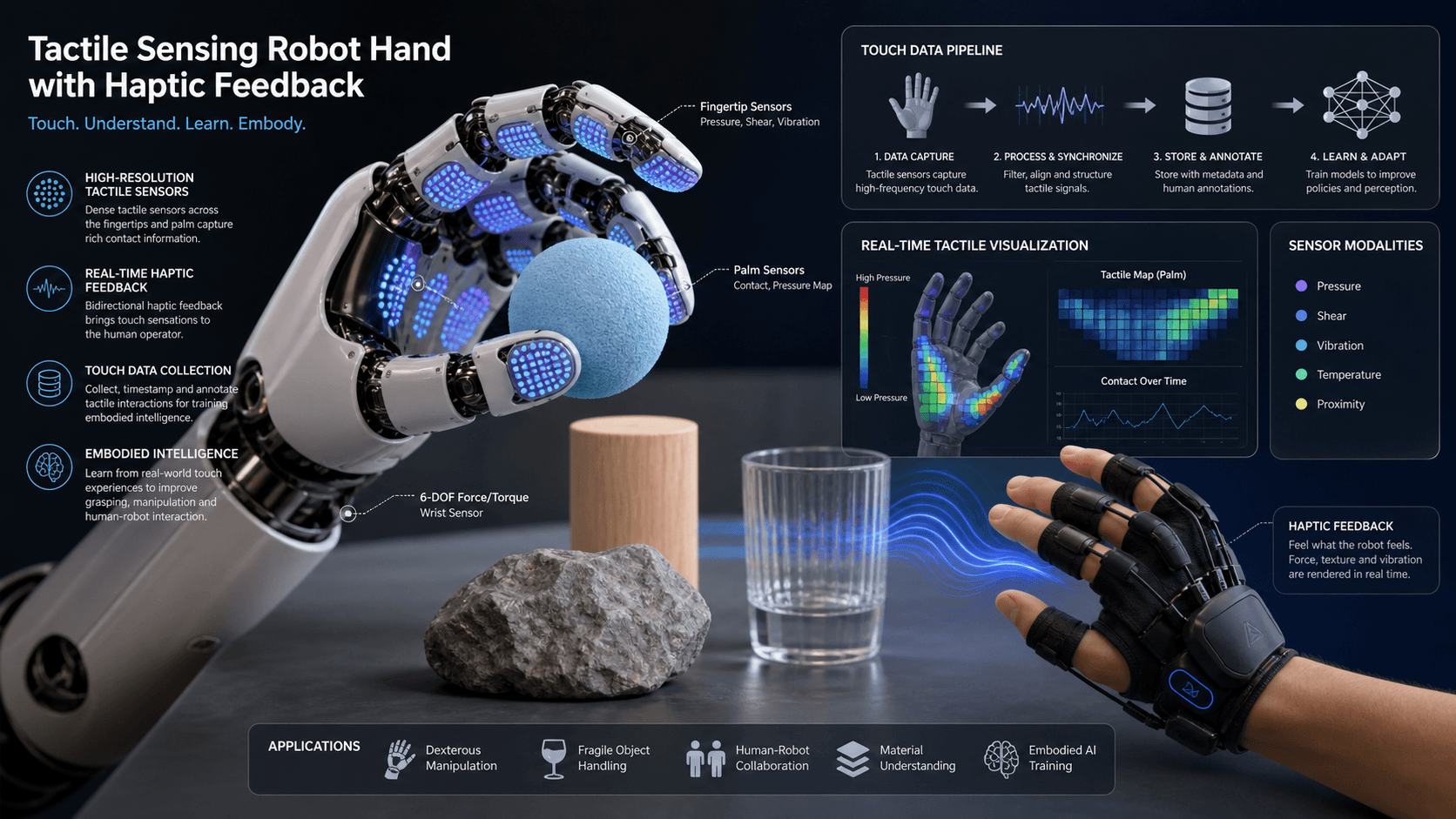
XinZhi Embodied and Fudan University have published three technical reports that detail 30,000 hours of tactile data aimed at enhancing embodied intelligence in robotics. This research addresses the critical gap in touch sensing capabilities that has hindered effective robot manipulation. The significance of this development lies in its potential to improve the interaction between robots and their environments, enabling more sophisticated manipulation tasks. By providing extensive tactile data, the reports contribute to the advancement of haptic sensing technologies, which are essential for robots to perform tasks that require a nuanced understanding of touch. Looking ahead, the industry will be watching how this research influences future robotics applications and the integration of haptic feedback in robotic systems. No further timeline was disclosed at the time of publication.
Technology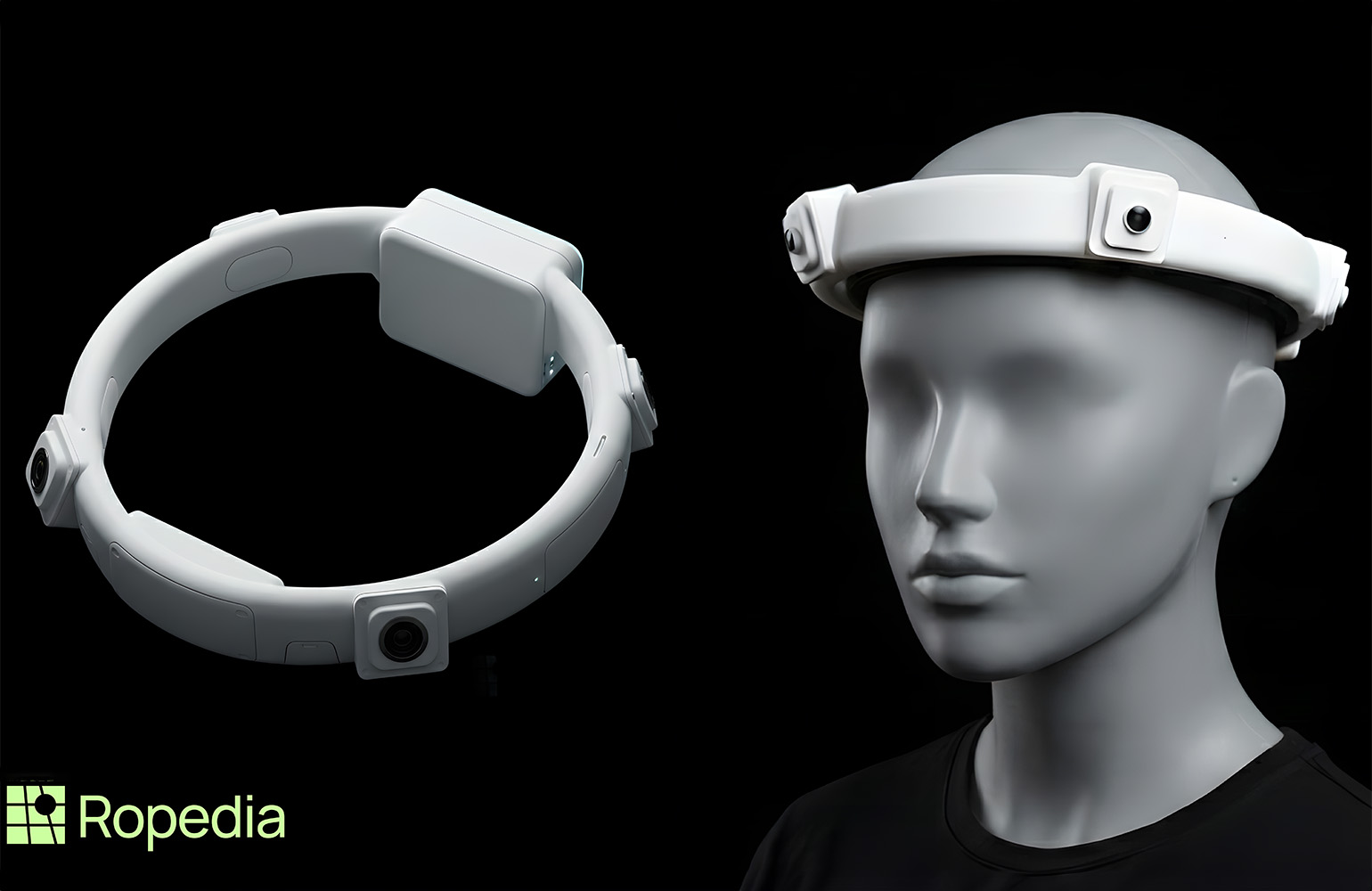
Ropedia Secures $22 Million to Enhance Data Collection for Robotics Training
Ropedia has announced the successful completion of a $22 million pre-Series A funding round, bringing its total funding to $30 million. The investment will be utilized to scale HOMIE, a lightweight, head-mounted device designed to capture first-person human movement and spatial context, which is essential for training robots. This funding is significant as it allows Ropedia to expand its business and technical teams, particularly in hardware, software, and data infrastructure. The company aims to enhance its presence in North America, especially the United States, where most of its clients are located. Ropedia's approach to data collection, which involves generating and structuring data internally, distinguishes it from traditional data-labeling providers. Looking ahead, Ropedia plans to further develop its data platform, incorporating annotation tools and quality analytics. The company is committed to building the necessary data infrastructure for the robotics industry to scale effectively. No further timeline was disclosed at the time of publication.
Artificial Intelligence Artificial Intelligence / Cognition Design / Development Financial Investments News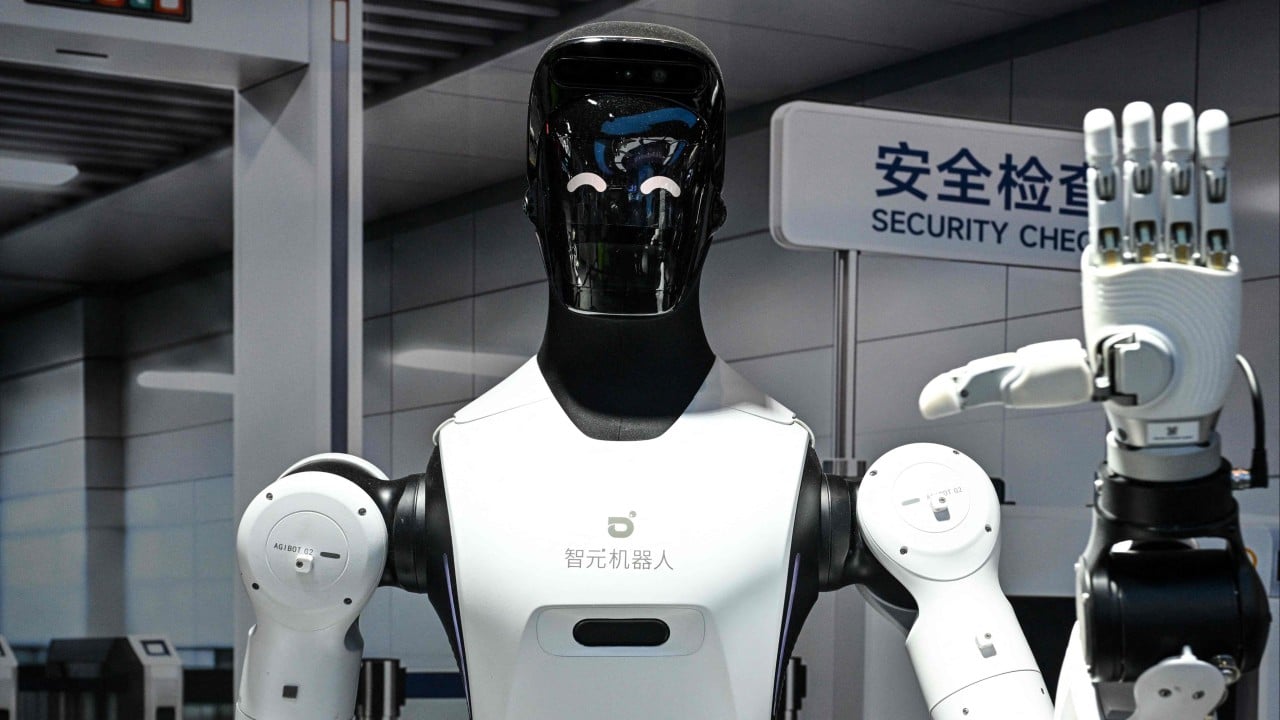
Chinese Robotics Companies Face Challenges with Data and AI Development
At the World Artificial Intelligence Conference (WAIC) in Shanghai, experts highlighted the challenges faced by Chinese robotics companies in enhancing their robots' real-world interactions. Industry insiders noted that a lack of sufficient data and advanced AI capabilities, referred to as a better 'brain', hinder the development of embodied AI systems. Wang Xiaogang, co-founder of SenseTime and chairman of Ace Robotics, emphasized the need for a closed-loop iterative system that integrates hardware, data, models, and real-world scenarios. He pointed out that while training data is collected from human demonstrations, the optimization of hardware design and data-collection methods is essential for improving embodied AI performance. Yao Maoqing from AgiBot also mentioned that the available multi-modal data about the physical world is inadequate compared to that used in large language models. This shortfall presents a significant bottleneck in training world models, which are crucial for the next generation of humanoid robots to effectively navigate their environments. No further timeline was disclosed at the time of publication.

Hyperscale Data Initiates Installation of OPR-R2 Robots at Michigan AI Facility
Hyperscale Data, Inc. has commenced the installation of OPR-R2 robots at its Michigan AI data center. This marks a significant step in the company's efforts to enhance its visual data collection and physical AI training capabilities. The installation of 143 OPR-R2 robots is crucial for Hyperscale Data as it aims to bolster its artificial intelligence initiatives. The first unit was assembled on July 16, 2026, indicating the start of a comprehensive program designed to improve AI training processes. Looking ahead, the deployment of these robots will be pivotal in advancing Hyperscale Data's operational efficiency and data processing capabilities. No further timeline was disclosed at the time of publication.

Kinetix AI Introduces KAI Halo to Enhance Data Infrastructure for Robotics
As the robotics industry enters a phase of large-scale development, a critical question arises: how long does it take for newly collected real-world data to translate into actionable capabilities for robots? The data journey, from collection to deployment, is complex and any delays can hinder progress. Kinetix AI is addressing this challenge by connecting every stage of data production rather than simply expanding data volume. The Kai Ego Dataset has amassed over 100,000 hours of first-person multimodal data, covering more than 2,000 atomic skills across various real-world scenarios such as homes, retail, hotels, and factories. This dataset captures the nuances of continuous tasks, allowing robots to learn complex behaviors rather than isolated actions. It integrates diverse information, including visual data, body posture, and motion semantics, providing a unified data foundation for cross-domain transfer. KAI Halo, a standardized data collection tool developed by Kinetix AI, addresses common issues encountered in real data production, such as occlusion and data quality fluctuations. By employing a four-way fisheye global shutter RGB camera and a 200Hz IMU, KAI Halo synchronizes multiple perspectives, enabling a comprehensive reconstruction of human actions and interactions with the environment. No further timeline was disclosed at the time of publication.
Embodied Intelligence Data Infrastructure Robotics AI Data Processing
Simple AI's HiFi-UMI System Features Open Dataset of 2,000 Hours
Simple AI has developed the HiFi-UMI system, which boasts an extensive open dataset encompassing 2,000 hours of data. This innovative approach aims to enhance the capabilities of robotics and artificial intelligence applications. The significance of the HiFi-UMI system lies in its potential to provide a robust foundation for training AI models, thereby improving performance in various robotics tasks. By utilizing a comprehensive dataset, Simple AI positions itself as a key player in the evolving landscape of robotics technology. Looking ahead, industry observers will be keen to see how Simple AI leverages the HiFi-UMI system to attract partnerships and drive advancements in robotics. No further timeline was disclosed at the time of publication.
Artificial Intelligence News Robotics China Funding robotics
Hebbian Robotics Releases HFlow 0.2.4 for Robotic Data Quality Control
Hebbian Robotics has launched HFlow 0.2.4, a preliminary version of its open-source tool aimed at robotic data quality control. The software organizes videos, joint states, actions, and timestamps used for training models, while tracking transformations applied to each episode. Robotic teams often accumulate recordings from cameras, sensors, and commands that do not share the same clock, which can degrade learning without visible errors. HFlow aims to replace scattered scripts with a reproducible, observable, and queryable pipeline. It uses MCAP as the primary input and output format, which is natively utilized by ROS 2, and can integrate images, states, actions, and other time series. The latest version also adds support for importing datasets in LeRobot v3 format. Each processing step can execute transformations, checks, annotations, or enrichments written in Python, allowing teams to trace the code that produced an episode and compare versions of checks. The project’s success will depend on its adoption by teams already using ROS 2, MCAP, or LeRobot. HFlow addresses a significant issue: a robotic model cannot sustainably compensate for desynchronized, incomplete, or irreproducible data. By making these defects measurable and auditable, HFlow seeks to shift quality control earlier in the learning pipeline.
Robots
2026 WRC Highlights Robotics Industry's Shift Towards Data-Driven Intelligence
The 2026 World Robot Conference (WRC) opened in Beijing on August 19, showcasing over 2,000 exhibits from more than 300 companies, including 150 new products. Notable demonstrations included TianGong Omni's pole walking and Yaskawa's cable assembly robots. However, the event highlighted a critical shortage of high-quality training data for robots, with only 22 types of embodiments and over one million real trajectories available publicly. The significance of this shortage lies in the growing demand for robots to prove their capabilities through real-world experience rather than mere demonstrations. The conference emphasized the importance of data-driven embodied intelligence, marking 2026 as a pivotal year for this sector. Companies are increasingly focusing on gathering extensive human behavior data, with Lightwheel Intelligent and JD.com leading efforts to collect millions of hours of data to enhance robotic training. Looking ahead, the robotics industry is witnessing a shift towards creating a robust data ecosystem to support robotic learning. The emergence of companies like Mifeng Technology, which showcased its MEgo Gripper and MEgo View, reflects a trend towards data collection without traditional robotic embodiments. No further timeline was disclosed at the time of publication.
Robotics Data-Driven Intelligence AI Training Industrial Automation
Exploring the Latest Innovations in Robotics and AI Technologies
Recent advancements in robotics and AI technologies have been highlighted, showcasing a range of applications from industrial robots to service robots. Notably, 1ROLLO's gyroscopic flywheel technology allows for stable movement and handling of delicate items without the need for custom programming. Additionally, the formation of the U.S.-UAE military AI task force aims to enhance intelligence support and cybersecurity. The significance of these developments lies in their potential to transform various sectors, including manufacturing and security. The introduction of humanoid robots and quadrupeds by FCC, alongside the Open Secure AI Alliance formed by major tech firms, underscores the growing focus on safety and efficiency in robotics. Furthermore, the ban on humanoid robots by United and Delta highlights ongoing regulatory challenges in the integration of advanced robotics into everyday life. Looking ahead, the impact of these technologies on industries such as logistics and defense will be crucial to monitor. The collaboration between tech giants and military entities suggests a future where AI and robotics play an integral role in enhancing operational capabilities. No further timeline was disclosed at the time of publication.
AI and Robotics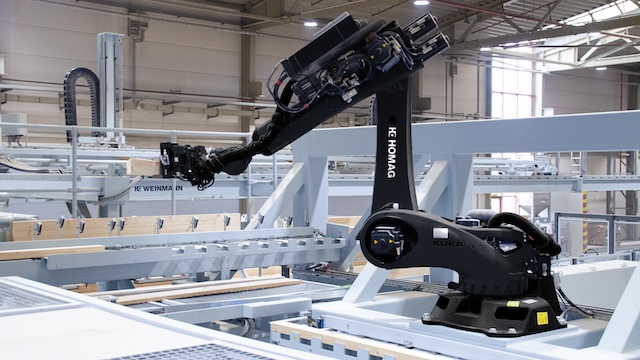
Qingche Intelligent Showcases Comprehensive Data Systems and Robotics at WAIC 2026
From July 17 to 20, 2026, Qingche Intelligent participated in the World Artificial Intelligence Conference (WAIC) in Shanghai, focusing on bridging models and real-world intelligence. The company showcased a complete technology system from real-world data collection to model training and robotic applications, emphasizing the importance of real-world data for embodied intelligence. Qingche's RoboPocket system, a no-body robot data collection platform, allows users to gather data without direct interaction with robots, significantly lowering the barriers for data acquisition. The DM3 data management platform complements this by enabling visual retrieval, quality control, and data asset management, handling up to 10,000 data entries daily and accumulating substantial real-world data assets. The company also presented its new generation of embodied intelligence pre-training models, which do not rely on teleoperation data, demonstrating a viable path for model training using only field-collected data. Qingche's solutions have already been deployed in real-world scenarios, such as retail pharmacies and hotel laundry services, showcasing the practical applications of their technology and the continuous evolution of their data-driven model development.
Embodied Intelligence Data Management Robotics AI Applications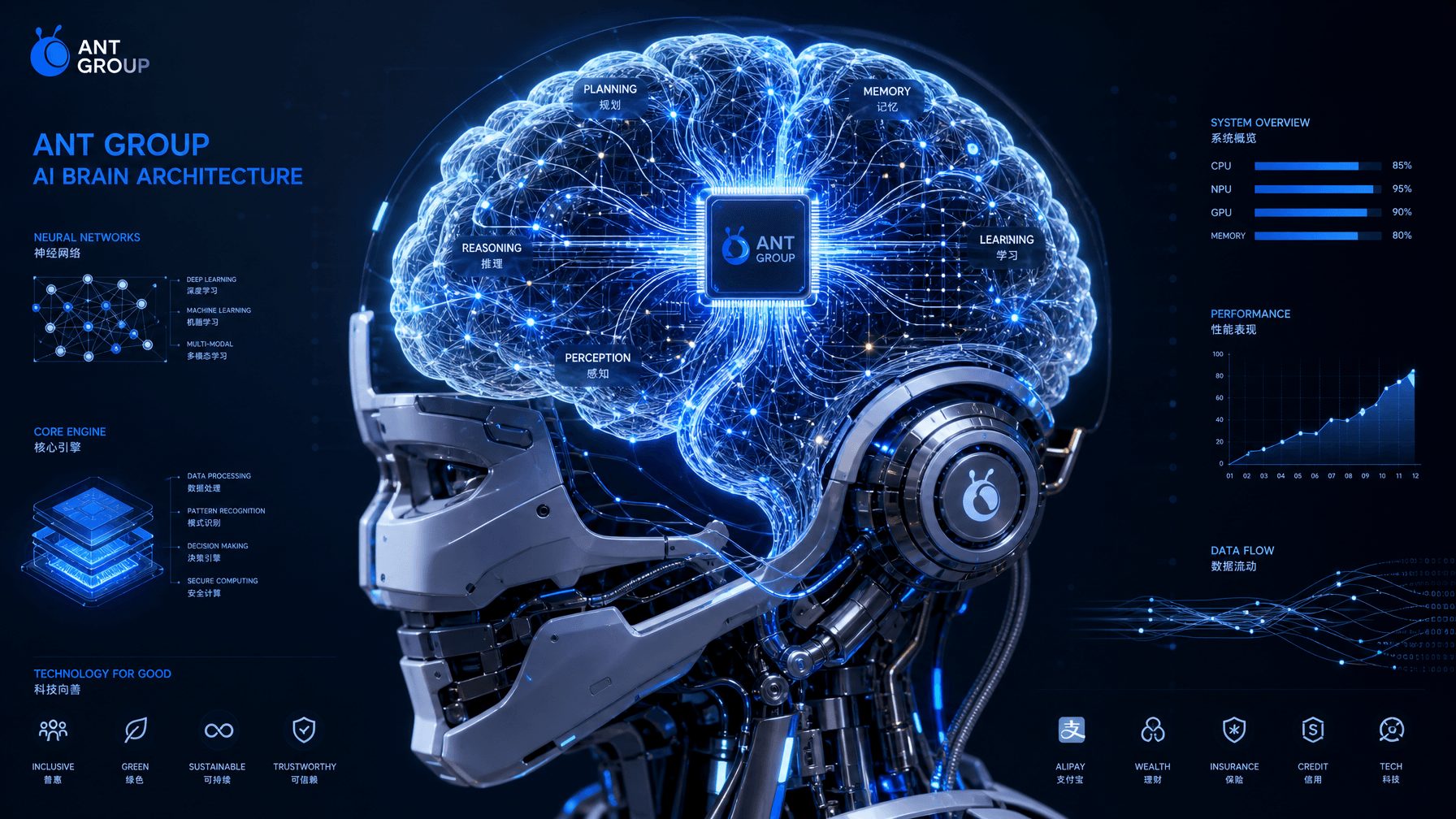
Lingbo Develops Unique Robot Intelligence Platform Using Ant Group's Payment Ecosystem Data
Lingbo, a robotics subsidiary of Ant Group, has announced the development of a novel robot intelligence platform that utilizes data from Ant's extensive payment ecosystem. This initiative aims to enhance embodied AI capabilities and was unveiled recently, marking a significant step in the integration of financial data into robotics technology. The significance of this development lies in its unconventional approach to AI, which leverages real-time transaction data to inform and improve robot decision-making processes. By tapping into Ant Group's vast data resources, Lingbo aims to create more adaptive and intelligent robotic systems that can better understand and respond to human interactions in various environments. Looking ahead, Lingbo's next steps in this project remain unclear, as no further timeline was disclosed at the time of publication. Industry observers will be keen to see how this integration of financial data into robotics will influence the market and the potential applications that may arise from this innovative approach.
Technology
Building Resilient Fulfillment Networks with Robotics and Real-Time Logistics Data
Combining robotics and real-time data will positively impact supply chain management. As logistics becomes more complex, demanding, and international, these technological advances have come at the right time.
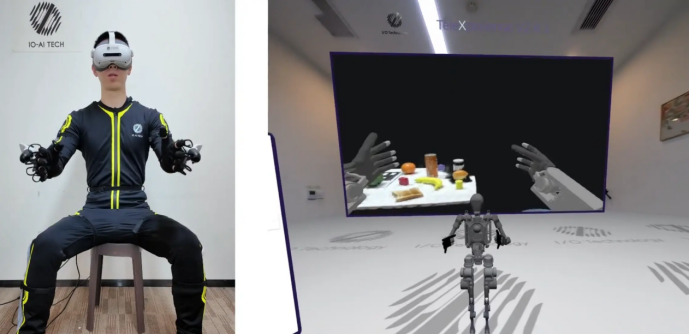
Data-Driven Unicorns: $2 Billion Valuation in Robotics Without Profit
In response to the growing demand for effective robot training, companies in the robotics sector are increasingly prioritizing the generation of high-quality multimodal training data over the mere construction of robots. This shift highlights a significant trend towards recognizing data as a vital resource for enhancing embodied intelligence in robotics. Several firms have successfully secured substantial funding to develop innovative solutions that cater to this emerging need. As the industry evolves, the focus on data-driven approaches is expected to play a crucial role in advancing the capabilities of robotic systems, marking a transformative phase in the field.
Robotics Data Training VR Technology AI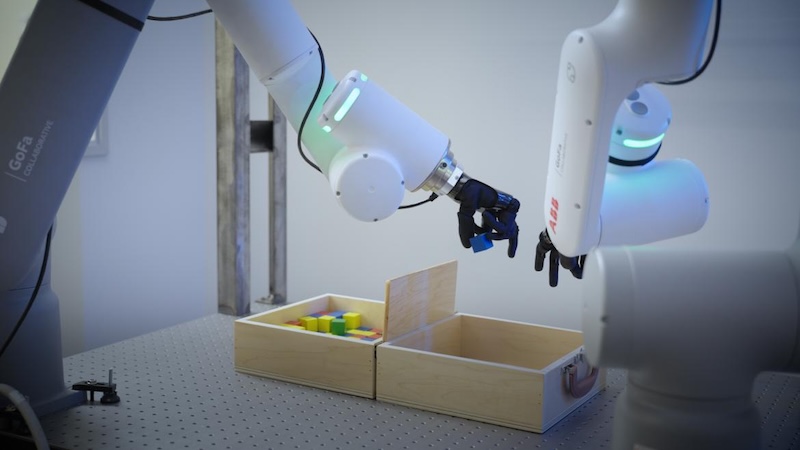
ABB Robotics and Psyonic use human-generated data to advance robotic dexterity
ABB Robotics is partnering with California-based bionics firm Psyonic to enhance robotic gripping and dexterity, addressing a significant challenge in the industry. This collaboration aims to leverage real-world manipulation data derived from human prosthetic use, which could lead to a reduction in engineering time by as much as 30%. The initiative involves integrating the Psyonic Ability Hand with ABB's GoFa robotic arm, creating a more efficient and adaptable solution for various applications. This innovative approach seeks to improve the functionality of robotic systems, making them more effective in handling tasks that require precision and flexibility.
Components Design Engineering abb robotics ai robotics automation news
Doosan, LG CNS link up for data centers, robotics and AI
Doosan Corp. has announced a strategic partnership with LG CNS aimed at enhancing global competitiveness in key technology sectors, including data centers, hydrogen drone logistics, and artificial intelligence. The memorandum of understanding was signed by Doosan Corp. President Yoo Seung-woo and LG CNS President Hyun Shin-gyoon during a ceremony at LG Science Park in western Seoul on Thursday. This collaboration will focus on developing data center and cloud services, positioning both companies to leverage their strengths in these rapidly evolving industries. The partnership reflects a commitment to innovation and technological advancement in response to the growing demand for efficient and sustainable solutions in the digital landscape.
All News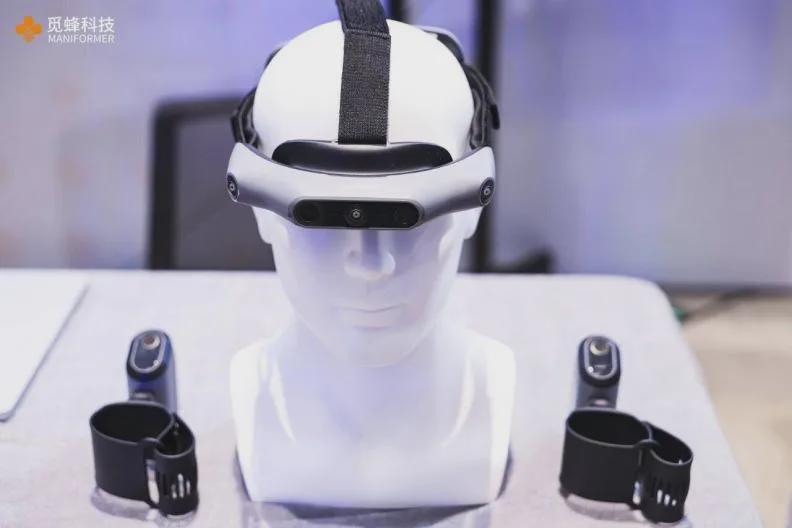
Bee Technology Aims to Solve Robotics Data Challenges Starting with a Cup
Bee Technology is making strides in the robotics sector by tackling the challenges of teaching robots to execute physical tasks, such as picking up objects. The company has recently obtained substantial funding to advance its MEgo series, which encompasses both hardware and data processing technologies. This initiative aims to establish a robust data supply chain essential for developing embodied intelligence in robots. By prioritizing high-quality physical AI data, Bee Technology is positioning itself as a key player in the industry, targeting businesses that depend on reliable data for training and optimizing their robotic models.
Embodied Intelligence Robotics Data Infrastructure AI Data Collection MEgo Hardware Data Processing Technology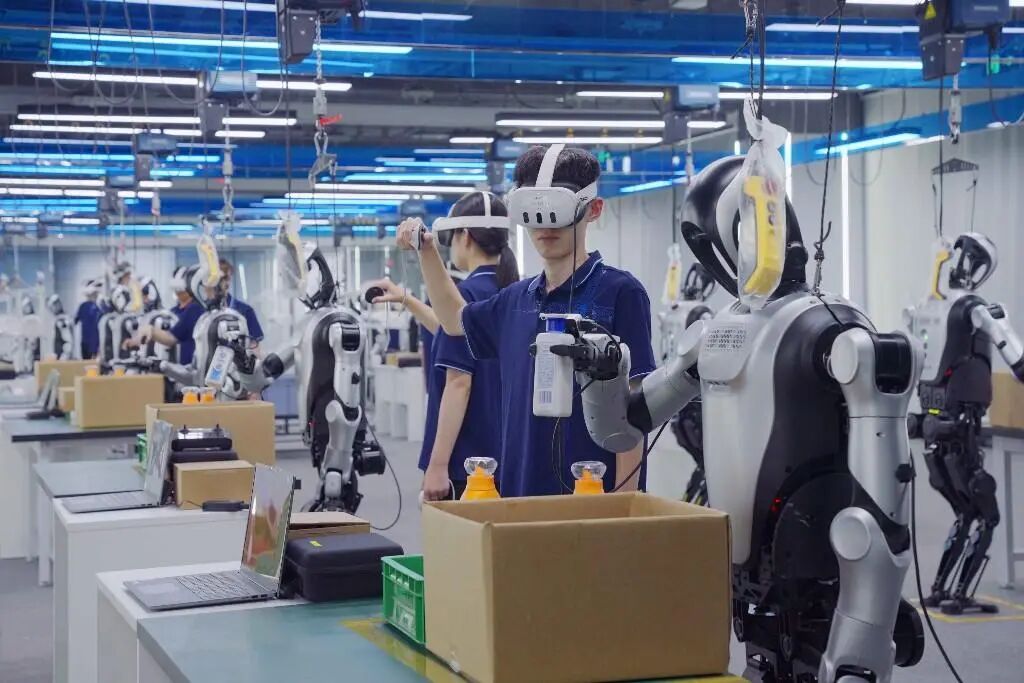
Jiangsu Launches High-Quality Data Consortium for Embodied Intelligence in Robotics
The Jiangsu Industrial Consortium for High-Quality Data in Embodied Intelligence was officially launched in Suzhou, with the goal of tackling data scarcity in the robotics sector. Spearheaded by Suzhou Heshuju Information Technology Co., the consortium brings together universities and technology firms to create standardized, multimodal datasets essential for artificial intelligence training in industrial applications. Additionally, the initiative includes a talent training program designed to align educational outcomes with industry requirements, thereby enhancing the workforce's capabilities in this rapidly evolving field.
Embodied Intelligence Industrial Robotics AI Training Data Standardization Talent Development
ABB Robotics and PSYONIC Use Human-Generated Data to Advance Robotic Dexterity
ABB Robotics has partnered with California-based bionics company PSYONIC to enhance robotic dexterity and grasping capabilities by utilizing human-generated data from prosthetic use. Announced on June 16, 2026, this collaboration aims to address the significant challenge of replicating human-like dexterity in industrial robotics, which is essential for the development of Autonomous Versatile Robotics (AVR™). By integrating the PSYONIC Ability Hand with ABB's GoFa™ collaborative robot, the two companies will explore how real-world manipulation data can train robots to perform delicate tasks that are typically difficult to automate. This initiative is expected to reduce engineering time by up to 30% and improve productivity, flexibility, and workplace safety across various industries, including automotive, aerospace, packaging, logistics, and life sciences. Marc Segura, President of ABB Robotics, emphasized the importance of bridging the gap between human and robotic dexterity to enable robots to learn and interact with their environments more intuitively. Dr. Aadeel Akhtar, Founder and CEO of PSYONIC, highlighted that the collaboration will leverage high-fidelity data on movement and grip force to enhance robotic performance in complex tasks. The GoFa™ robot will provide the precision necessary for industrial applications, ensuring consistent execution of intricate movements, which is crucial for handling fragile or irregular objects. This partnership represents a significant step towards advancing physical AI in robotics, allowing for more effective collaboration between humans and machines.

Hyperscale Data to Produce First 30 Omnipresent Robotics Humanoid Robots
Hyperscale Data has announced that its robotics subsidiary, Omnipresent Robotics, has commenced production of the first 30 humanoid robots intended for use at the company's AI data center campus in Michigan. This initiative marks the beginning of a larger deployment plan, which aims to integrate a total of 143 OPR-R2 humanoid robots into operations. The deployment is part of Hyperscale Data's strategy to enhance efficiency and automation within its facilities. The robots are expected to play a crucial role in supporting various tasks at the data center, reflecting the company's commitment to advancing technology and innovation in the field of artificial intelligence.
AI AI Funding & Investment AI Use Cases Robotics humanoid robotics Hyperscale Data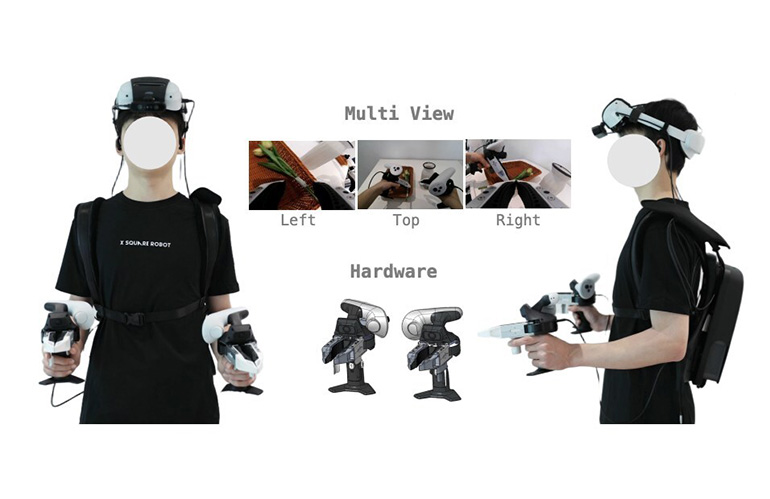
Inside XRZero-G0, a new 2,000-hour open dataset for robotics research
X Square Robot has announced the open-sourcing of XRZero-G0, a groundbreaking framework designed to significantly decrease the amount of real-robot training data needed by as much as 20 times. This initiative aims to enhance robotics research by providing a comprehensive dataset that spans 2,000 hours of robotic training scenarios. The release of XRZero-G0 is expected to facilitate advancements in the field, enabling researchers and developers to optimize their algorithms and improve robotic performance without the extensive data collection traditionally required. This innovative approach is part of X Square Robot's commitment to fostering collaboration and progress within the robotics community.
Academia / Research Artificial Intelligence Artificial Intelligence / Cognition Development Tools / SDKs / Libraries News Research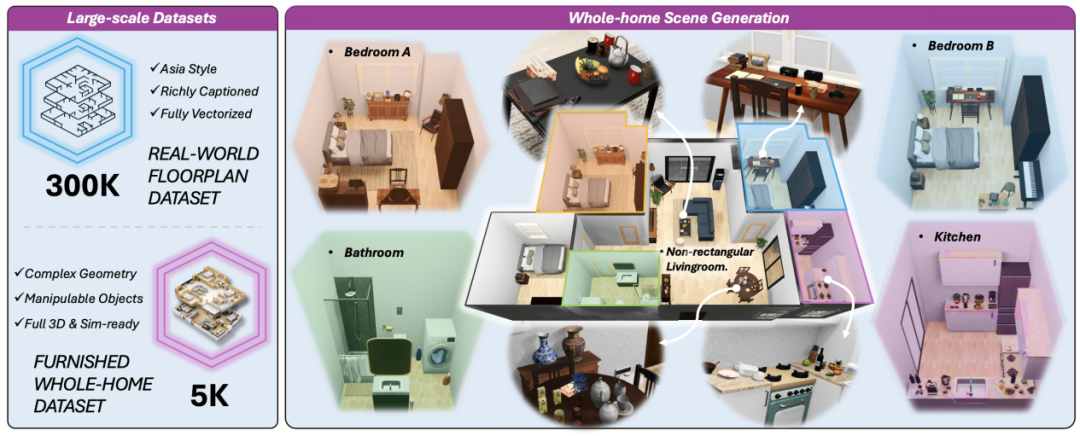
Daxiao Robotics Releases Open Source 3D Dataset for Chinese Home Designs, Challenging Figure AI
Daxiao Robotics, in partnership with the Chinese University of Hong Kong and Shenzhen He Tao College, has unveiled the world's first extensive 3D dataset specifically designed for Chinese households. This groundbreaking resource includes 300,000 authentic floor plans and 5,000 interactive simulation scenes, marking a significant advancement in the field of robotics. Launched recently, the dataset aims to improve the training of robots for various household tasks, thereby contributing to the evolution of embodied AI within the Chinese market. By providing this comprehensive data, the collaboration seeks to enhance the capabilities of robots in domestic environments, ultimately fostering innovation in the sector.
3D Data Sets Embodied AI Home Robotics Simulation Technology
Investment Surge in Embodied Intelligence Data Providers Amid Robotics Financing Boom
Hexinju Technology, a company based in Suzhou, has successfully raised millions in Series A funding to enhance data infrastructure aimed at training robots. This investment comes at a time when the robotics industry is experiencing significant growth, highlighting the increasing demand for high-quality, multimodal data derived from real-world interactions. In response to this critical challenge, Hexinju plans to develop a comprehensive platform designed for data collection, processing, and evaluation. By doing so, the company seeks to establish itself as a pivotal player in the rapidly expanding field of embodied intelligence.
Embodied Intelligence Data Infrastructure Robotics AI Training Data Services
Changingtek Robotics Launches High-Precision Tactile Sensing Data Collection Hand, Uhand
A new compact unit has been developed, featuring a highly sensitive tactile array that boasts a spatial resolution of 2.34 taxels per square centimeter. This advanced technology is capable of detecting forces ranging from 0 to 160 Newtons, with an impressive sensing precision of 0.1 Newtons. The innovation aims to enhance applications in robotics and automation, providing more accurate and responsive interaction with various surfaces and objects. With training data available up to October 2023, this breakthrough represents a significant step forward in tactile sensing technology, potentially transforming how machines perceive and interact with their environments.

Intel bets on comeback with new CPUs for data centers, robotics
Intel is launching a new line of central processing units (CPUs) designed for data center servers as part of its strategy to reclaim its position in a competitive market. The rollout of the U.S.-made Xeon 6+ chips comes amid a supply crunch driven by increasing demand for artificial intelligence technologies. This initiative is taking place at Intel's manufacturing facility in Arizona, with the company aiming to address the growing needs of data centers and robotics sectors. By introducing these advanced chips, Intel seeks to bolster its market presence and respond to the challenges posed by competitors in the semiconductor industry.

First in Industry: JianZhi Robotics and Ant Lingbo Collaborate on Human Data-Driven Intelligent Evolution
On May 26, JianZhi Robotics and Ant Lingbo unveiled a strategic partnership aimed at advancing embodied intelligence by utilizing human data. This collaboration seeks to address existing limitations within the industry by innovating model training and cognitive evolution, setting a new standard for general embodied intelligence. By harnessing high-quality human behavioral data, the partnership intends to enhance model capabilities and promote the practical application of embodied intelligence in various sectors.
Embodied Intelligence Human Data Robotics Collaboration AI Innovation
BridgeDP Robotics Launches Comprehensive Motion Data Factory
BridgeDP Robotics has unveiled its new 'Comprehensive Motion Data Factory,' a facility designed to tackle the existing data gap in motion control. This launch, which took place recently, aims to facilitate the collection of high-quality motion data on a large scale. By establishing a closed-loop system that encompasses data design, collection, processing, training, and feedback, the initiative is crucial for the advancement of the company's universal motion control platform. The facility is expected to enhance the capabilities of motion control technologies, ultimately contributing to more sophisticated applications in various industries.
Motion Control Data Collection Robotics Artificial Intelligence Data Infrastructure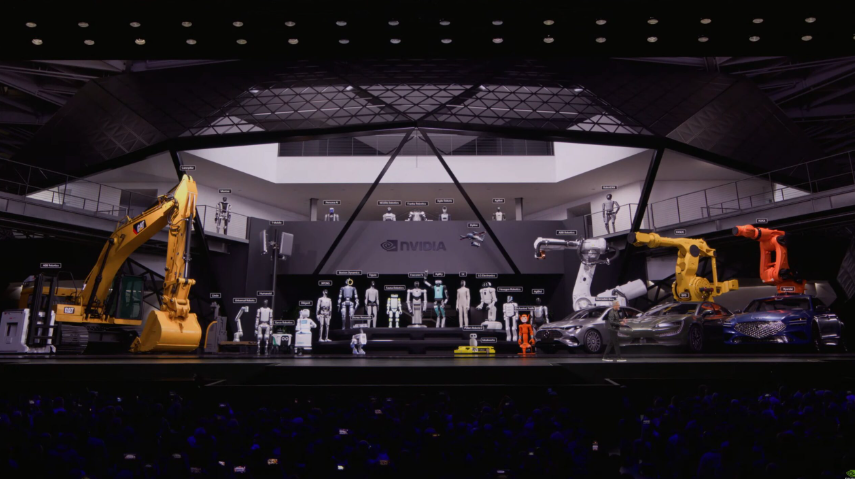
GTC 2026: NVIDIA Aims to Transform Robotics Data Challenges into Computational Solutions
At the GTC 2026 conference, NVIDIA unveiled its latest innovation in robotics, the Olaf robot, highlighting its commitment to 'Physical AI'. This initiative seeks to revolutionize the way data is collected for robotic development by shifting from costly real-world data acquisition to the use of simulation and synthetic data generation. By leveraging these advanced techniques, NVIDIA aims to enhance the creation of intelligent robots that can be applied across multiple industries, thereby streamlining processes and reducing expenses associated with traditional data collection methods.
Robotics Artificial Intelligence Simulation Technology Industrial Automation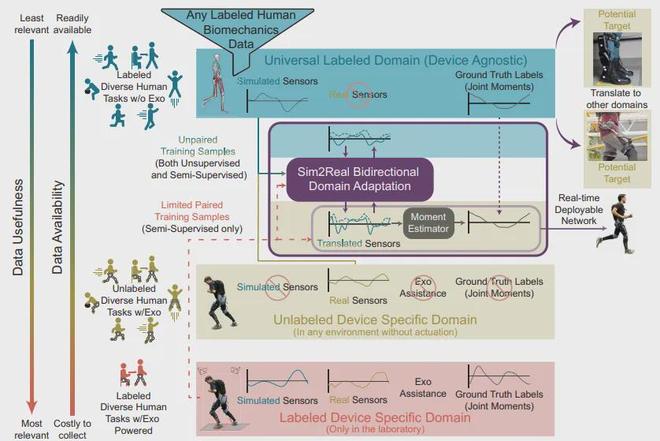
Science Robotics: Deep Domain Adaptation Significantly Reduces Exoskeleton Data Annotation Costs
A research team at Georgia Tech has introduced a groundbreaking deep domain adaptation framework that significantly minimizes the reliance on exoskeleton-specific annotated data, cutting the requirement by 95% while ensuring optimal control performance. This innovative method utilizes open-source biomechanics datasets to convert human motion data into training data for exoskeletons. The development aims to tackle the substantial costs associated with data acquisition in the field, thereby enhancing the efficiency and accessibility of exoskeleton technology.
Exoskeleton Technology Data Annotation Biomechanics Machine Learning Robotics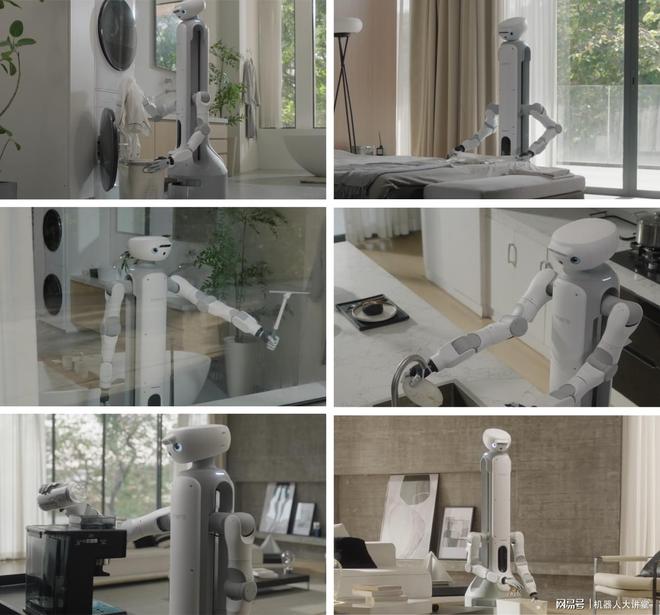
Woan Robotics Wins 45 Million Yuan Smart Data Infrastructure Project to Accelerate Real-World Data Loop Construction
Woan Robotics has announced a significant contract valued at around 45 million yuan for an AI ecological innovation community project in Shenzhen. This initiative aims to establish a robust data infrastructure that supports embodied intelligence, which will improve data collection and management across various real-life applications. The project is expected to enhance the integration of AI technologies into everyday scenarios, fostering innovation and efficiency in the region.
Embodied Intelligence Data Infrastructure Robotics AI Smart Home Solutions
Hyperscale Data's Subsidiary Omnipresent Robotics Enters into an Agreement Providing for the Acquisition of Robots from AGIBOT and Related Developments
Omnipresent Robotics is set to launch the initial deployment of up to 143 AGIBOT intelligent robots in Michigan. This initiative aims to enhance domestic teleoperation capabilities, facilitate VLA data processing, and support embodied AI training. The deployment is also expected to contribute to the expansion of the local workforce. The rollout marks a significant step in integrating advanced robotics into various sectors, reflecting the company's commitment to innovation and workforce development in the region.

Why traditional robotics data collection is obsolete and what replaces it
Eric Chan has highlighted Rhoda AI's groundbreaking strategy in the field of robotics, emphasizing the company's use of video data to enhance the scalability and efficiency of machine learning processes. In a recent discussion, Chan pointed out that traditional methods of data collection in robotics have become outdated, necessitating a shift towards more advanced techniques. This innovative approach not only streamlines the learning process for robots but also addresses the limitations of conventional data gathering methods. The insights shared by Chan underscore the importance of adapting to new technologies in order to improve robotic capabilities and performance.
Artificial Intelligence Business Resources News Opinion Podcast Robots / Platforms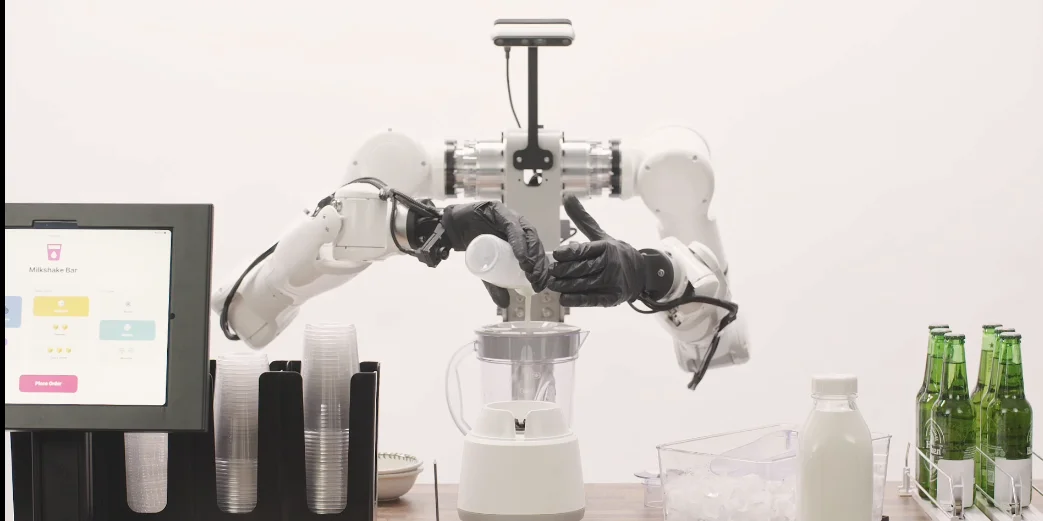
Genesis AI Unveils Foundation Model, Hand & Data Collection System to Develop Human-Level Physical Manipulation for Robotics
Genesis AI has introduced a groundbreaking robotics foundation model named GENE-26.5, accompanied by a proprietary robotic hand and a data collection system aimed at enhancing the ability of robots to learn complex physical tasks by observing human behavior. This innovative system seeks to tackle the challenges associated with gathering substantial amounts of usable training data necessary for teaching robots to perform intricate tasks effectively. The unveiling of GENE-26.5 marks a significant advancement in the field of robotics, as it promises to streamline the learning process for robots, making them more adept at mimicking human actions.
AI AI Use Cases Robotics Eclipse Eric Schmidt Foundation AI Model for Robotics
Reliable Robotics Pursues FAA Certification for Network-Agnostic UAS Datalink System
Reliable Robotics, based in Mountain View, California, is making significant strides in enhancing the certifiability of its safety-critical command-and-control datalink system for uncrewed aircraft. On May 4, 2026, the company announced its efforts to demonstrate the capability of remotely piloted aircraft to operate safely within the National Airspace System and existing airport infrastructure. This initiative involves collaboration with industry partners, adherence to established standards, and active flight testing. The advancements aim to ensure that these aircraft can be integrated into commercial airspace, ultimately enhancing the safety and efficiency of air travel.

SoftBank is creating a robotics company that builds data centers — and already eyeing a $100B IPO
Recent developments in the field of artificial intelligence and robotics highlight a reciprocal relationship between these technologies and infrastructure development. As industries increasingly rely on AI and robotics to enhance efficiency and productivity, the need for robust infrastructure becomes paramount. This interdependence was underscored at a recent conference held in San Francisco, where experts gathered to discuss the future of technology and its implications for urban planning and construction. The event, which took place in early November 2023, showcased innovative projects that utilize AI and robotics to streamline the construction process. Speakers emphasized that while advanced technologies can significantly improve infrastructure projects, the existing frameworks must also evolve to support these innovations. This dual requirement is driven by the growing demand for smart cities and sustainable development, prompting stakeholders to rethink traditional construction methods. Participants explored various strategies to integrate AI and robotics into infrastructure projects, demonstrating how these tools can optimize resource allocation, reduce waste, and enhance safety on construction sites. The discussions revealed a consensus that investment in both technology and infrastructure is essential for future growth and resilience in urban environments. As cities continue to expand and face challenges such as climate change and population growth, the collaboration between AI, robotics, and infrastructure development is expected to play a crucial role in shaping the cities of tomorrow. The insights gained from this conference are likely to influence policy decisions and investment strategies in the coming years.
AI robots Softbank
Hand Tracking Streamer: A Practical Bridge from Quest Hand Tracking to Robotics Teleoperation and Data Collection
In the field of research, the integration of high-fidelity hand-telemetry systems is frequently achieved through the use of specialized coding and tailored interfaces. These solutions are typically designed to function effectively within the confines of a specific laboratory setup, a particular machine, or a singular demonstration. This approach, while effective in isolated environments, raises concerns about scalability and adaptability across different research contexts. As researchers strive for more versatile and universally applicable systems, the reliance on bespoke solutions may hinder collaboration and innovation in the broader scientific community. The ongoing challenge is to develop standardized frameworks that can accommodate diverse setups while maintaining the high fidelity required for accurate telemetry data.
From Prosthetics to Pixels: PSYONIC and NVIDIA Bridge the Robotics "Data Gap" with Real-to-Real Transfer
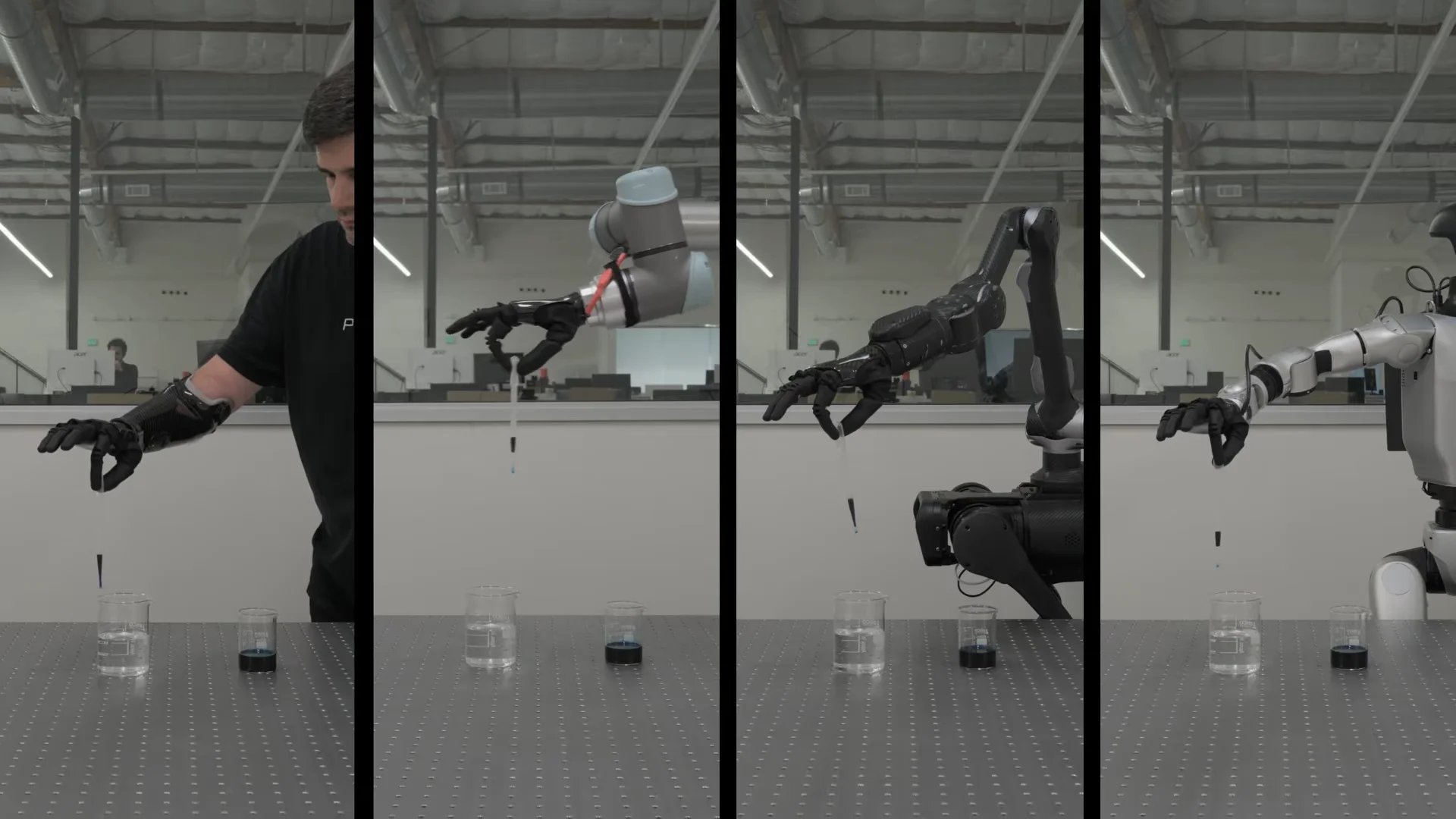
PSYONIC has integrated its Ability Hand into NVIDIA's Isaac Lab, marking a significant advancement in robotic manipulation technology. This collaboration introduces a "real-to-real" transfer pipeline that leverages human-driven data to enhance the training of dexterous robots. By utilizing data collected up to October 2023, the initiative aims to improve the precision and effectiveness of robotic tasks, ultimately bridging the gap between human and robotic capabilities. This innovative approach is expected to accelerate the development of more sophisticated and adaptable robotic systems, paving the way for broader applications in various industries.
NVIDIA US hand PSYONIC Ability Hand
NVIDIA Announces Open Physical AI Data Factory Blueprint to Accelerate Robotics, Vision AI Agents and Autonomous Vehicle Development
NVIDIA has unveiled the NVIDIA Physical AI Data Factory Blueprint, an innovative open reference architecture designed to streamline the generation, augmentation, and evaluation of training data for physical AI applications. Announced today, this blueprint aims to significantly cut costs, time, and complexity associated with training AI models. By providing a unified and automated approach, NVIDIA seeks to enhance the efficiency of AI development processes, making it easier for organizations to implement and scale their AI initiatives. This initiative reflects NVIDIA's commitment to advancing AI technology and supporting developers in overcoming the challenges of data management in AI training.
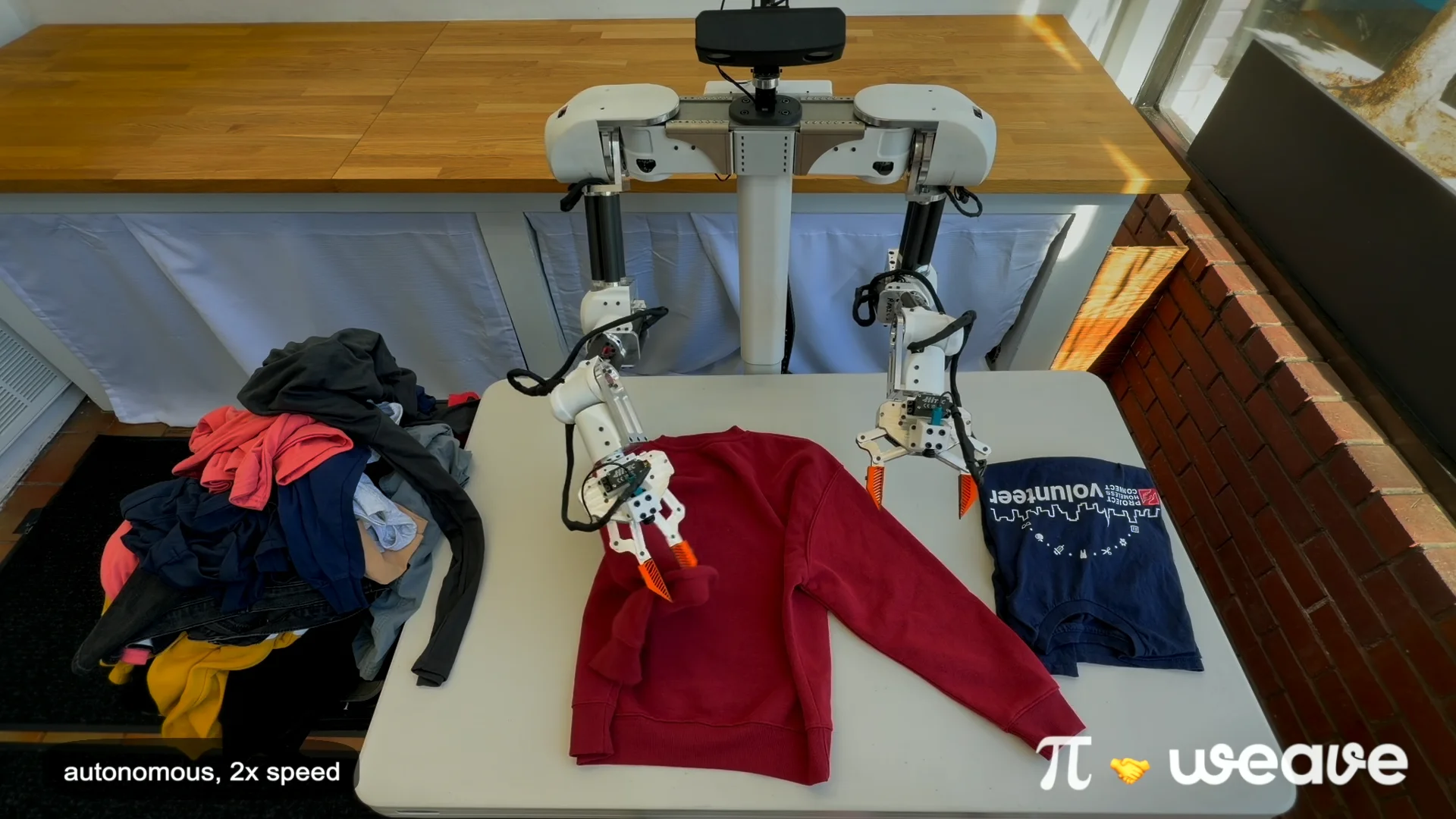
The API-fication of Robotics: Physical Intelligence Unveils Real-World Performance Data with Weave and Ultra
Physical Intelligence (Pi) has announced the launch of its foundation models, which are designed to serve as a universal 'intelligence layer' for various industries. This initiative comes alongside the release of new data demonstrating substantial improvements in the reliability of robots used for laundry folding and industrial packaging. The advancements in these technologies are expected to enhance operational efficiency and effectiveness in sectors that rely heavily on automation. The announcement marks a significant step forward for Pi, as it aims to establish itself as a leader in the development of intelligent robotic solutions.
US Ultra Market Weave Robotics Physical Intelligence Partnership
NVIDIA Open-Sources DreamDojo: A 44,000-Hour "Dream" to Solve the Robotics Data Gap
NVIDIA GEAR Lab has unveiled DreamDojo, an innovative open-source world model that leverages a substantial dataset of 44,000 hours of human egocentric videos. This advanced model employs "latent actions" to effectively connect human movements with robotic actions, enabling it to achieve zero-shot generalization and real-time controllability for applications in teleoperation and planning. The release of DreamDojo marks a significant advancement in the field of robotics, enhancing the potential for seamless interaction between humans and machines.
Dr Jim Fan NVIDIA World-Models open-source world-model
Build AI Scales to 100,000 Hours as Data Scaling Becomes Robotics’ New Frontier
Build AI has secured $15 million in new funding to enhance its efforts in developing universal robot intelligence, focusing on the integration of human video data. This significant investment comes as the company aims to leverage a vast new dataset, which it believes is crucial for advancing the capabilities of robots. By utilizing human video, Build AI intends to improve the learning processes of robots, making them more adaptable and intelligent. The funding will support the company's ongoing research and development initiatives, positioning it at the forefront of innovation in artificial intelligence and robotics.
Data Collection Build AI embodied-ai
Generalist AI Releases "Science of Pretraining" Deep Dive: Why Data Quality Trumps Volume in Robotics
Generalist AI has unveiled new insights into its pretraining methodology in a technical addendum related to its recent GEN-0 launch. The company introduced innovative metrics, including "Reverse KL," designed to evaluate the creativity of its models. Additionally, Generalist AI announced that its infrastructure can process an impressive volume of data, equating to 6.85 years of robotic experience each day. This advancement highlights the company's commitment to enhancing artificial intelligence capabilities and underscores its efforts to push the boundaries of machine learning technology.
Data Collection Generalist AI embodied-ai
Design Around the Data: Sunday Robotics Reveals Why They Built 100 Gloves Before One Robot
In an exclusive interview, Scott Walter, a leader at Sunday Robotics, discussed the company's innovative approach to robotics engineering, emphasizing their "data-first" philosophy that guided the development of their latest robot, Memo. This design strategy prioritizes the training pipeline, ensuring that the robot's capabilities are built around the data it processes rather than adapting the data to fit a pre-existing framework. The insights shared during the interview highlight Sunday Robotics' commitment to leveraging data effectively to enhance robotic functionality and performance. This approach marks a significant shift in how robotics can be developed, aiming to create more efficient and intelligent machines.
Scott Walter Sunday Robotics MemoRobotics needs a service framework.
RSF defines a common language for robot service capability, lifecycle operations, certification pathways, and service-provider networks.
Join the RobotToday community on LinkedIn
Daily robotics news, in-depth analysis, conference highlights, and discussions with professionals worldwide.