

Recent advancements in robotics and AI technologies have been highlighted, showcasing a range of applications from industrial robots to service robots. Notably, 1ROLLO's gyroscopic flywheel technology allows for stable movement and handling of delicate items without the need for custom programming. Additionally, the formation of the U.S.-UAE military AI task force aims to enhance intelligence support and cybersecurity.
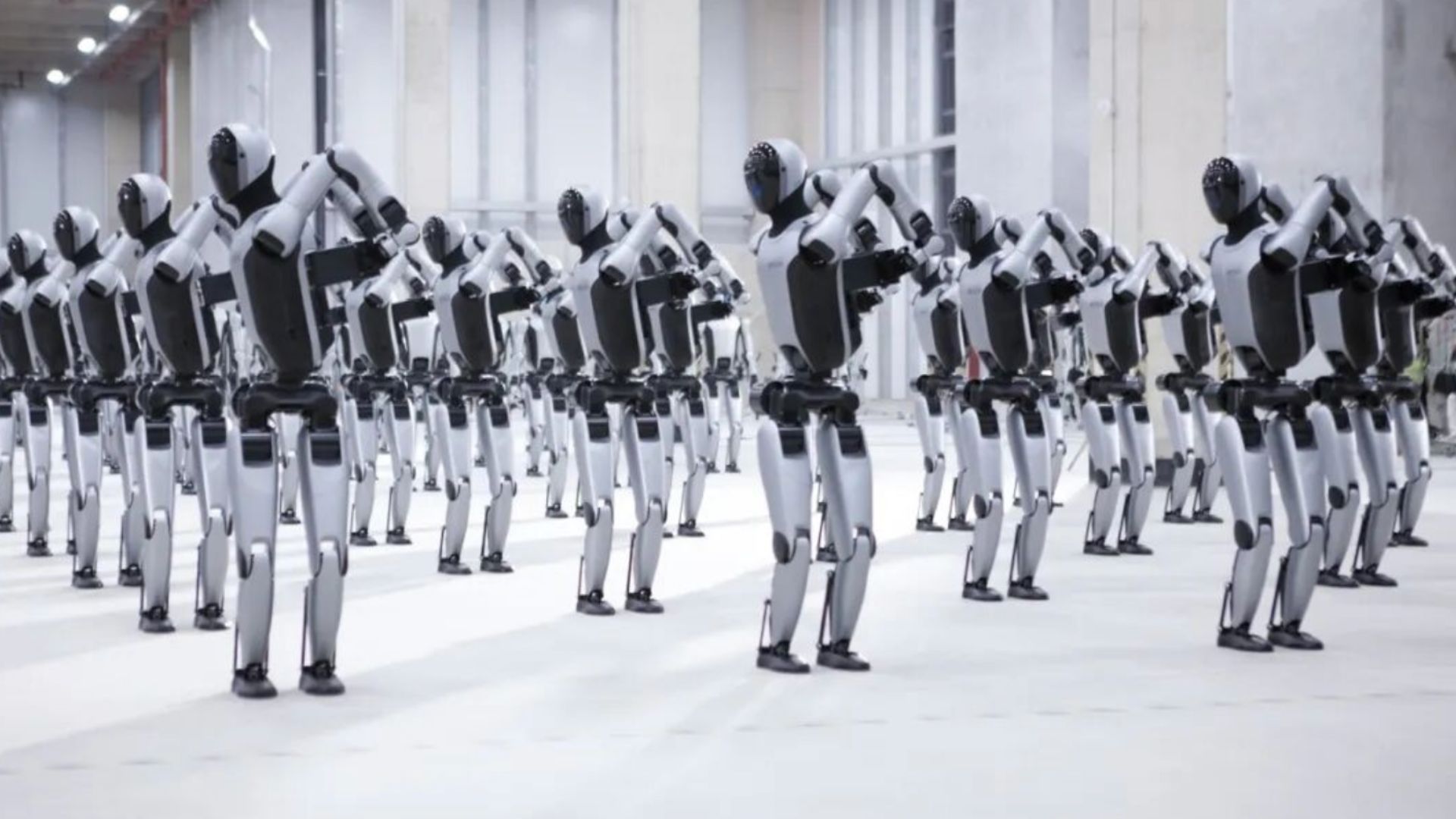
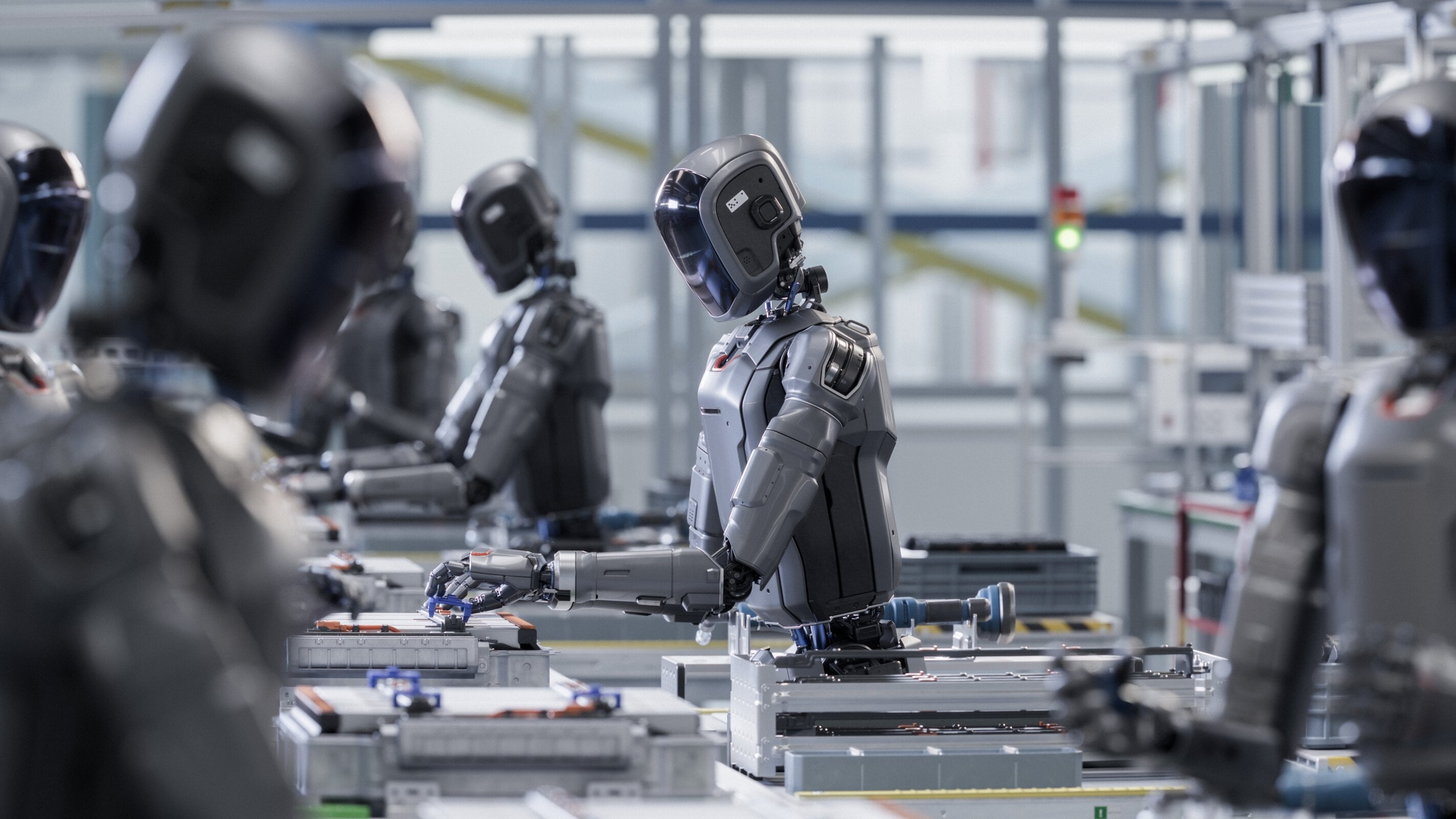
The significance of these developments lies in their potential to transform various sectors, including manufacturing and security. The introduction of humanoid robots and quadrupeds by FCC, alongside the Open Secure AI Alliance formed by major tech firms, underscores the growing focus on safety and efficiency in robotics. Furthermore, the ban on humanoid robots by United and Delta highlights ongoing regulatory challenges in the integration of advanced robotics into everyday life.
Looking ahead, the impact of these technologies on industries such as logistics and defense will be crucial to monitor. The collaboration between tech giants and military entities suggests a future where AI and robotics play an integral role in enhancing operational capabilities. No further timeline was disclosed at the time of publication.
Editor's Note
The robotics and AI landscape is rapidly evolving, with significant implications for supply chain efficiency and security. As companies like FCC and 1ROLLO innovate, the need for regulatory frameworks will become increasingly important. The collaboration among major tech firms to enhance cybersecurity through open tools reflects a proactive approach to addressing emerging threats in the digital age.























Leave a comment