Industry Briefing
A single destination for timely, editor-curated robotics news from around the world.
2026 Bund Conference Showcases Ant Group's Robots Integrating Intelligence into Real-World Applications
At the 2026 Bund Conference, Ant Group showcased robots that perform practical tasks such as accurately retrieving medication from shelves and sorting in logistics. Unlike previous demonstrations focused on flashy movements, these robots are designed to understand their environment and adapt to complex scenarios without human intervention. This shift is significant as it addresses the industry's long-standing challenge of creating versatile robots capable of operating in real-world settings. The demonstration included a 'smart pharmacy' where robots autonomously received orders, identified medications, and delivered them, proving the feasibility of deploying such technology in retail environments without requiring store modifications. Looking ahead, Ant Group's LingBot-VLA 2.0 model is set to support various robot configurations, enhancing the scalability of robotic services in real-world applications. The conference also featured discussions on the evolution of embodied intelligence, with insights from leading scientists and industry leaders, indicating a promising future for robotics in practical scenarios.
Robotics AI Warehouse Automation Pharmacy Automation Intelligent Systems
General Robotics GRID Achieves Milestone as First Auto-Engineering Robot Intelligence Platform
General Robotics has announced a significant advancement for its GRID platform, which now auto-engineers its entire development and deployment lifecycle. This milestone allows GRID to streamline processes from robot onboarding to skill deployment, significantly reducing the time and expertise needed for production. The importance of this development lies in its potential to accelerate the transition from pilot projects to full-scale production for customers. By automating the engineering processes, GRID enhances the efficiency of skill creation, AI training, testing, and evaluation, making it easier for organizations to implement robotic solutions. Looking ahead, the industry will be watching how this innovation impacts the adoption of robotics in various sectors. General Robotics' ability to simplify the integration of robots into production environments could set a new standard for robot intelligence platforms. No further timeline was disclosed at the time of publication.

Former ByteDance and Tencent AI Researcher Sun Peng Joins Stardust Intelligence for Robot Learning
Sun Peng, a former core researcher in AI at ByteDance and Tencent, has joined Stardust Intelligence to improve post-training processes in robot reinforcement learning. This move is expected to enhance the capabilities of robots in learning from their environments more effectively. The significance of this development lies in the growing importance of reinforcement learning in robotics, particularly in the context of embodied intelligence. With Sun Peng's expertise, Stardust Intelligence aims to advance its technology and potentially lead the market in intelligent robotics solutions. Looking ahead, industry observers will be keen to see how Sun Peng's contributions will shape the future of robot reinforcement learning at Stardust Intelligence. No further timeline was disclosed at the time of publication.
Robotics Automation AI
The Launch of Microduck: A $399 Robot Duck Revolutionizes Embodied Intelligence
On August 27, 2026, the AI open-source community Hugging Face partnered with French robotics company Pollen Robotics to launch the Microduck, a robot duck priced at $399. Within 24 hours of opening orders, sales exceeded $2.6 million, equating to over 5,000 units sold, with peak sales reaching one unit every four seconds. The company announced that new orders would have a shipping schedule of four to six months. The Microduck's price is supported by China's hardware supply chain, with the entire unit manufactured by Shenzhen Xidi Technology, significantly reducing the bill of materials costs compared to local production. The software is fully open-source, allowing developers to modify behaviors using Python and train new gaits in just a couple of hours within a simulator. The design intentionally avoids humanoid features, featuring a single-eyed mechanical duck with a 90s retro aesthetic, and each duck generates a unique voice upon startup. The Microduck represents a shift in how robotic failures are perceived, as its lightweight design allows for low-cost learning from mistakes. Unlike humanoid robots that are judged against human standards, the duck's performance is evaluated on an open scale, where unexpected successes are celebrated. This shift in perspective, combined with low entry costs, open-source software, and a vast developer ecosystem, positions the Microduck as a potential catalyst for a new wave of embodied intelligence in robotics.
Robot Duck Embodied Intelligence Open Source Robotics AI Development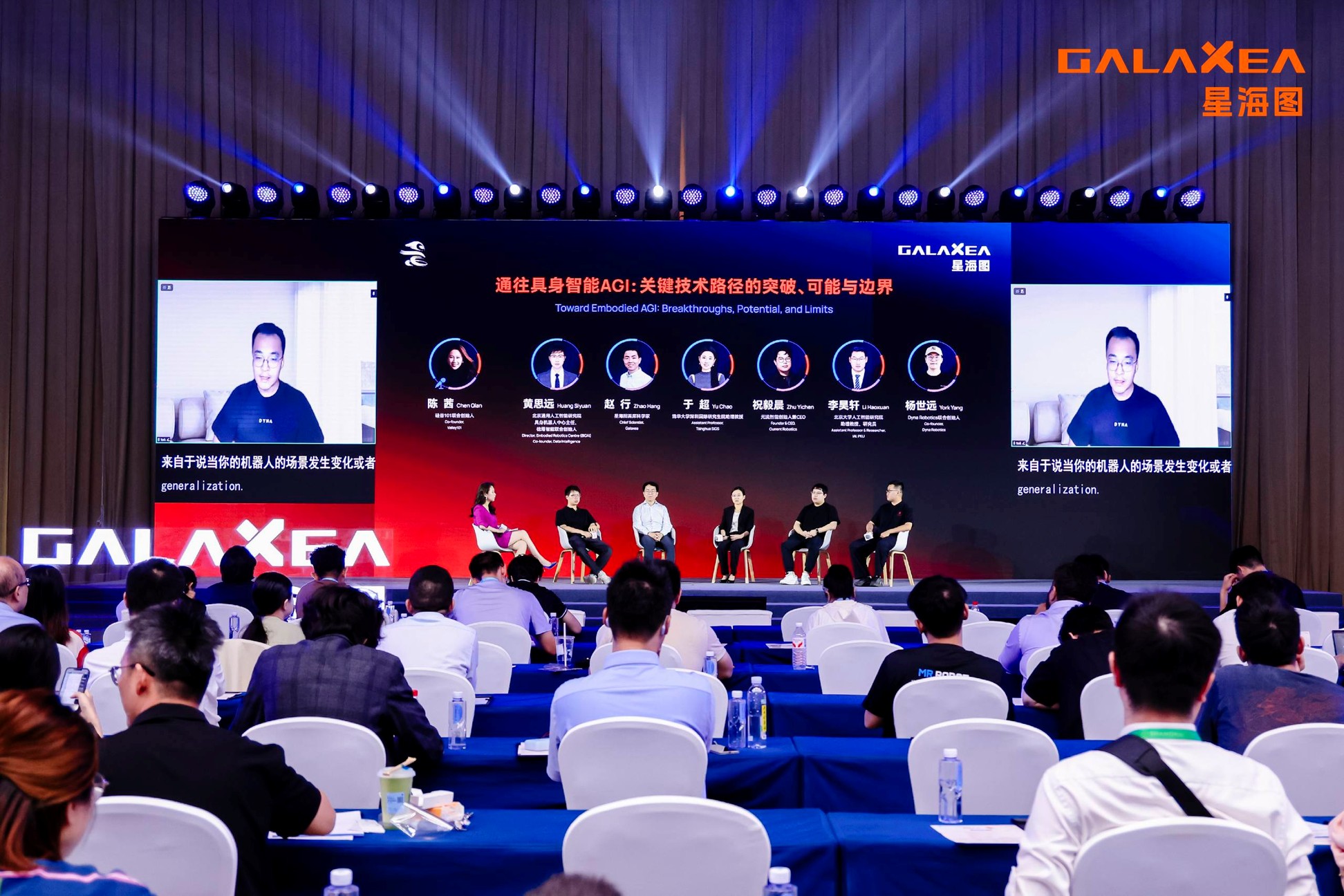
Key Challenges in Embodied Intelligence Discussed at the 2026 World Robot Conference
At the 2026 World Robot Conference, six industry experts addressed critical challenges in embodied intelligence during a technical roundtable. Key topics included full-body coordination in bipedal robots, training paradigms for embodied foundational models, and the integration of reinforcement learning with Agentic Robotics. The discussions highlighted the importance of data for scaling embodied intelligence technologies. Experts emphasized that while the path to scalability is multifaceted, the foundational requirement remains robust data. The conversation also touched on the potential of leveraging one million hours of human video for scaling laws and the efficiency of multimodal and causal signals. Looking ahead, the panelists underscored the need for breakthroughs in real-world applications of reinforcement learning and the establishment of closed-loop systems. No further timeline was disclosed at the time of publication.
Embodied Intelligence Bipedal Robots Reinforcement Learning Robotics Data Scaling
Kingsoft Cloud Advances Robotics Innovation with Embodied Intelligence Solutions
The 2026 World Robot Conference was successfully held in Beijing, focusing on embodied intelligence and humanoid robot technologies. Kingsoft Cloud participated, showcasing its advancements in embodied intelligence and cloud services. Song Ye, General Manager of Internet Solutions at Kingsoft Cloud, emphasized that cloud computing is essential for industrial intelligence, helping manufacturers innovate in core robotics applications. Kingsoft Cloud addresses challenges in the robotics sector, such as high R&D costs and slow deployment, by offering a comprehensive computing cluster platform and simulation services tailored for various robot enterprises. Their robust computing resources support model development and real-time inference, ensuring efficient and stable cloud-based services for robotics. The company is committed to enhancing its presence in the embodied intelligence sector, providing essential support for the high-quality development of the domestic industry. As the field of embodied intelligence and humanoid robots continues to grow, Kingsoft Cloud's contributions are crucial for accelerating innovation and efficiency in this evolving market.
Embodied Intelligence Robotics Innovation Cloud Computing AI Model Development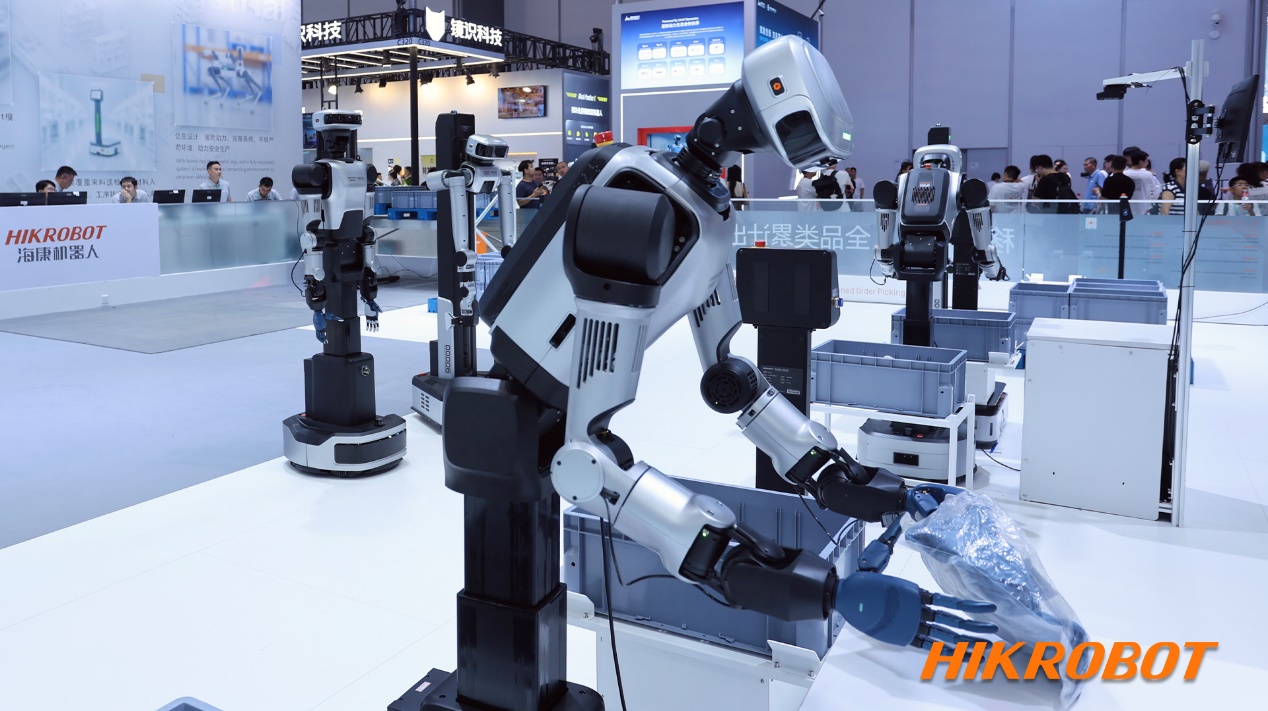
Hikvision Robotics Showcases Advanced Embodied Intelligence Solutions at WRC 2026
Hikvision Robotics has unveiled its latest advancements in embodied intelligence at the World Robot Conference 2026 in Beijing. The company presented three major scene solutions focusing on industrial logistics, commercial services, and intelligent patrolling, showcasing the integration of AI and robotics across various applications. This development is significant as Hikvision Robotics has established itself as a leader in mobile robotics, holding the top global market share with over 200,000 units produced. Their machine vision products have also seen substantial success, with over 10 million units shipped and a market share exceeding 50% in domestic industrial cameras. Looking ahead, Hikvision Robotics continues to emphasize the dual approach of deep technological development and practical application. No further timeline was disclosed at the time of publication.
Mobile Robots Industrial IoT Smart Logistics AI Machine Vision
Zoomlion Highlights Industrial Embodied Intelligence at 2026 World Robot Conference
The 2026 World Robot Conference (WRC) will feature Zoomlion showcasing its advancements in industrial embodied intelligence. This event, which has been held since 2015, aims to unite companies, researchers, and industry stakeholders to demonstrate innovations in robotics and their practical applications. The focus of this year's conference is on enhancing human-robot collaboration and ensuring that technology development aligns more closely with industrial demand. This emphasis is crucial as industries increasingly seek to integrate advanced robotics solutions to improve efficiency and productivity. As the conference approaches, attendees should watch for new insights into how embodied intelligence can transform industrial processes. No further timeline was disclosed at the time of publication.
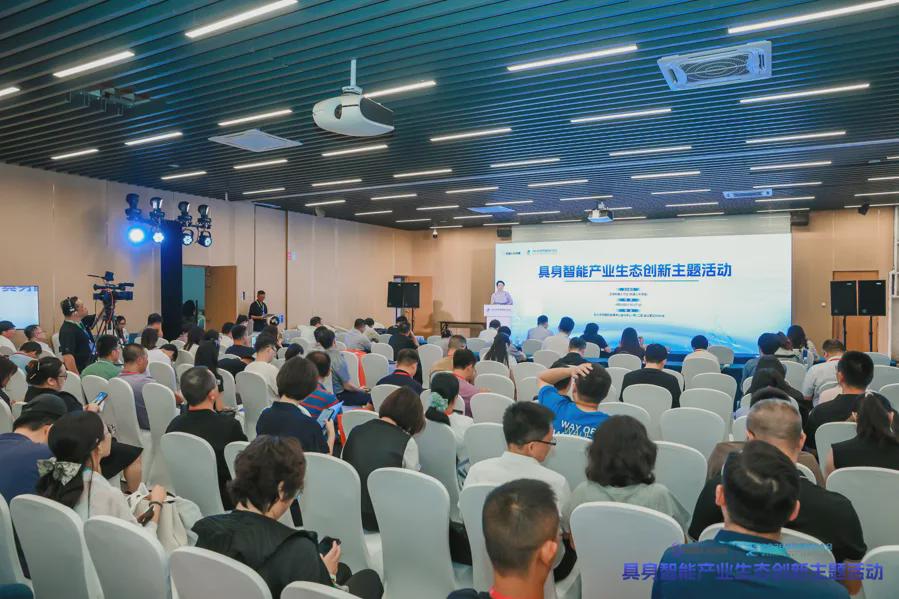
Highlights from the 2026 World Robot Conference on Embodied Intelligence Collaboration
The 2026 World Robot Conference (WRC) held a thematic event on embodied intelligence on August 20 at the Beijing Yichuang International Conference Center. Organized by the Lide Robot Platform, the event brought together experts, entrepreneurs, and investors to discuss various topics including model evaluation, humanoid robot paradigms, and safety boundaries in the industry. This conference is significant as it addresses the urgent need for a unified evaluation standard in embodied intelligence, highlighted by the introduction of the ET Benchmark, a systematic evaluation standard developed by leading Chinese universities. The event also showcased the successful international expansion of Shanghai Sotai Wujie Technology Co., which signed a contract with a major European supermarket chain, demonstrating the practical application of embodied intelligence in real-world scenarios. Looking ahead, the focus will be on overcoming data bottlenecks and enhancing the safety of embodied robots. Companies like Suzhou Tangyuan Technology and Lingdi Technology are working on innovative solutions to improve data collection and simulation capabilities. No further timeline was disclosed at the time of publication.
Embodied Intelligence Humanoid Robots Data Solutions Cloud Computing Industry Collaboration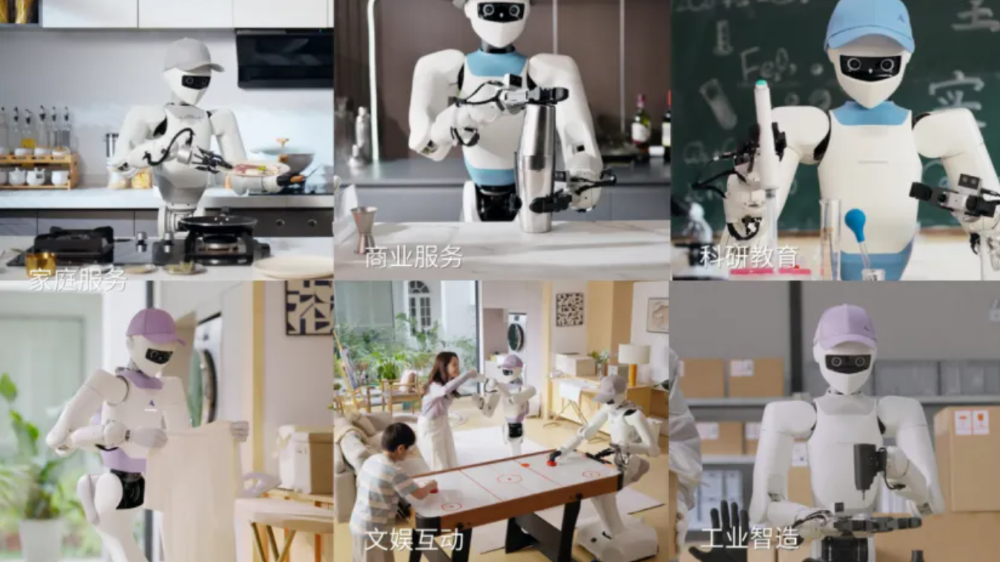
Digua Robotics and Stardust Intelligence Collaborate on T1 AI Robot Integration
On August 20, Digua Robotics announced a strategic partnership with Stardust Intelligence. The T1 AI robot from Stardust has successfully integrated with Digua's Xuri S100 high-performance computing platform, with plans to further adapt the T1 to the Xuri S600. The collaboration focuses on hardware and software synergy in key areas such as robot perception, decision-making, and motion control. This partnership is significant as it aims to enhance the capabilities of the T1 robot, which has already demonstrated its ability to perform complex tasks such as cooking, laundry, and automotive charging. With a height of 1.55 meters and a weight of approximately 66 kilograms, the T1 features 23 degrees of freedom and a payload capacity of 5 kilograms, making it suitable for various applications in home service, commercial operations, and industrial manufacturing. Looking ahead, the collaboration will continue to optimize the integration of the T1 with the Xuri S100, with a full rollout expected within the year. Additionally, efforts will be made to adapt the T1 to the Xuri S600, expanding its capabilities for more complex models and applications in intelligent manufacturing and education sectors.
AI Robotics Robot Integration High-Performance Computing Automation Technology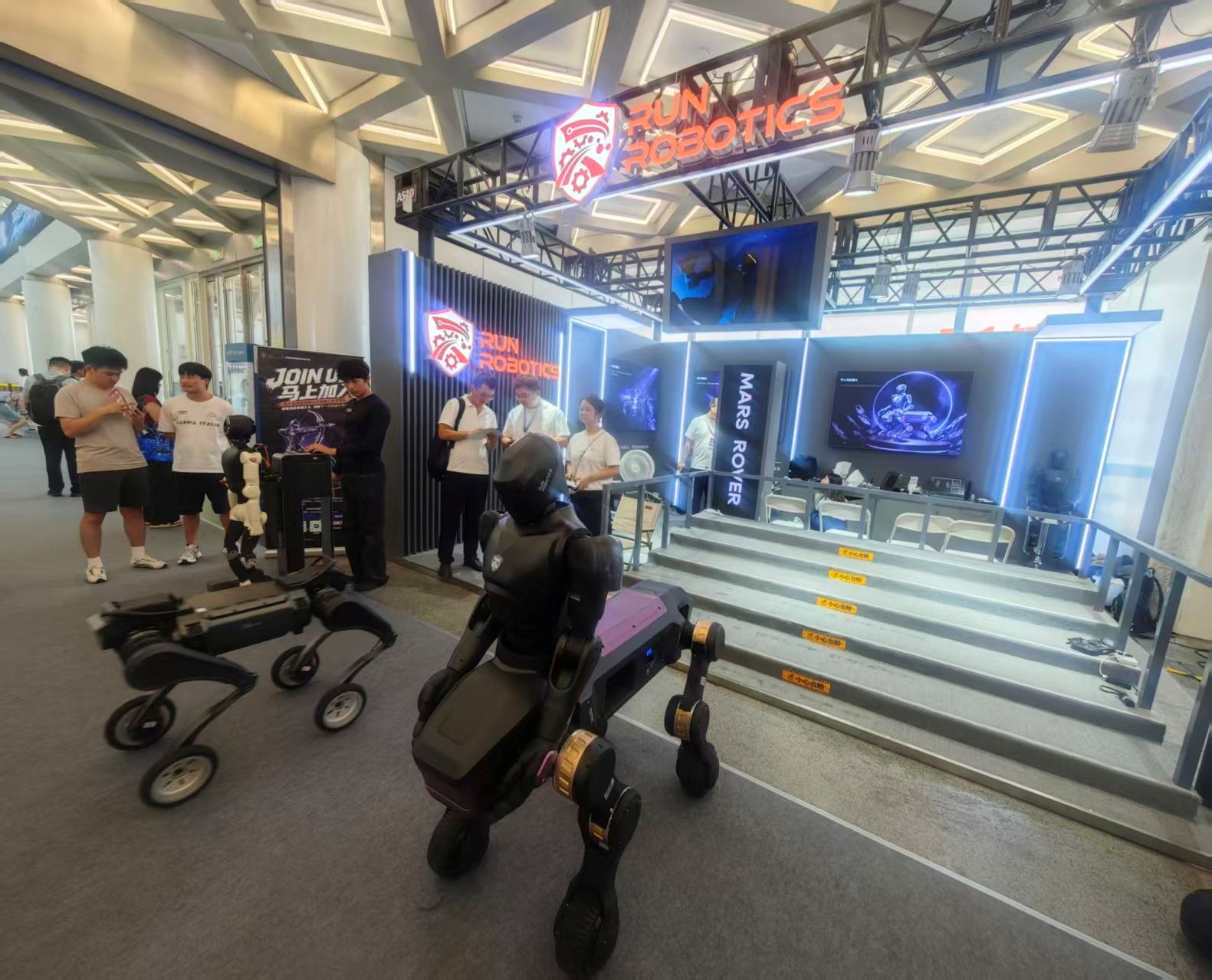
Runke Robotics Unveils Embodied Intelligence 2.0 at the 2026 World Robot Conference
The 2026 World Robot Conference (WRC) took place from August 19 to 23 at the Beijing Yichuang International Exhibition Center. Runke Robotics showcased its full range of embodied intelligence hardware, with CEO Zhou Bin delivering a keynote speech on the core concept of 'Embodied Intelligence 2.0.' The event featured live demonstrations of multiple robot models, including the debut of new robotic products and self-developed tactile perception hardware, highlighting the integrated technology system built around specialized robotic forms, spatial intelligence, and multimodal touch. This exhibition marked a departure from traditional single-unit displays, as Runke Robotics deployed multiple centaur and Mars rover robots for collaborative operation demonstrations. The centaur robot showcased its enhanced capabilities, able to climb obstacles up to 60 cm and carry loads of up to 150 kg, while the Mars rover demonstrated its adaptability to complex terrains. Both models utilize motion control algorithms based on reinforcement learning, allowing for stable operation even with shifting center of gravity. Looking ahead, the centaur robot is positioned for high-risk applications such as underground inspections and disaster rescue, while the Mars rover serves as a versatile mobile platform. Both models have undergone extensive field training and proof-of-concept validation. Runke Robotics also introduced two core new products: a dual-arm robot and self-developed electronic skin tactile gloves, further enhancing the embodied intelligence 2.0 framework. No further timeline was disclosed at the time of publication.
Embodied Intelligence Robotics AI Tactile Sensing Industrial Automation
Bao'an Accelerates Development of Embodied Intelligence in Robotics Industry
In western Shenzhen, an artificial intelligence and robotics industry cluster valued at nearly 60 billion yuan is rapidly emerging. Bao'an, leveraging the Qianhai-Bao'an Embodied Intelligence Port, is establishing a complete ecosystem for embodied intelligence, from 'brain' to 'body'. The region's core advantage lies in a supply chain system that allows entrepreneurs to bring designs and see prototypes within three days. This ecosystem facilitates rapid development for robotics startups, with core components available within five kilometers. The first national AI application pilot base for mobile terminals is located here, along with a global robotics development service center. Companies can seamlessly transition from selection to mass production, significantly reducing time and costs. Bao'an has opened over 500 application scenarios across various industries, providing real-world environments for robotics testing. Companies like Valeo and Xiwangda have reported substantial improvements in production efficiency and defect rates. With over 600 AI and robotics firms, Bao'an is not just chasing trends but transforming the 'robot craze' into industrial capability, focusing on practical applications before expanding further.
Robotics Artificial Intelligence Supply Chain Industrial Automation
Noin Intelligence Raises $70 Million for Advancements in Home Robotics Technology
Noin Intelligence, a company specializing in consumer-grade embodied intelligence, has successfully completed a funding round of 500 million RMB (approximately $70 million). This funding was led by Matrix Partners with participation from Red Dot Ventures, SenseTime, Huaden Technology, and L2F Light Source Entrepreneur Fund. Since its establishment in August 2025, Noin has rapidly completed four funding rounds, highlighting the strong investor interest in its home robotics solutions. The significance of this funding lies in Noin's ambition to address the core challenges of embodied intelligence. As large models transition from the digital to the physical world, the competition will focus on a robot's ability to adapt across various environments and tasks. Noin's approach emphasizes the importance of generalization, which encompasses data, world understanding, task planning, action execution, and real feedback, particularly in the complex home environment. Looking ahead, Noin's GLOW generative embodied model system aims to enhance the robot's generalization capabilities. The system generates first-person embodied data with 3D structure and physical consistency from limited real interactions. This innovative approach allows for the expansion of training distributions, enabling robots to learn from diverse real-world scenarios. No further timeline was disclosed at the time of publication.
Consumer Robotics Embodied AI Home Automation Generative Models
Embodied Intelligence Industry Innovation Event Scheduled for 2026 World Robot Expo
On August 20 at 1:30 PM, the Lide Robot Platform will host the 'Embodied Intelligence Industry Ecosystem Innovation Event' at the 2026 World Robot Expo. This event will gather representatives from research institutions, technology platforms, and various robotics and cloud computing companies to discuss critical topics such as model evaluation, product internationalization, and safety systems. The significance of this event lies in its focus on how embodied intelligence can transition into real-world applications, creating sustainable industrial value. Attendees will witness the latest technological advancements in robotics and explore the evolving product forms and application directions of embodied intelligence. Future discussions will center on the new paradigms of humanoid robots and general-purpose embodied robots aimed at practical applications. The event will also address the challenges of data collection and simulation environments, emphasizing the importance of these elements in scaling the application of embodied intelligence. No further timeline was disclosed at the time of publication.
Embodied Intelligence Robot Technology Industry Collaboration Product Development
NVIDIA Introduces Jetson Thor: Memory Bandwidth Crucial for Robotic Intelligence
NVIDIA has launched the Jetson Thor product line, emphasizing that memory bandwidth is essential for robotic intelligence rather than just processing power. On July 16, NVIDIA announced two mid-range products, the T3000 and T2000, set to release in Q1 2027. Despite the T3000 having only 72% of the GPU power of the T5000, its memory bandwidth remains intact, allowing it to perform close to the T5000 in multimodal tasks. This focus on memory bandwidth is vital as robots require efficient data transfer for inference tasks. The ability to handle visual, language, tactile, and motion data relies on timely data delivery to processing units. NVIDIA's strategy involves reducing memory capacity while maintaining bandwidth to optimize performance for complex applications, addressing the growing size of model weights and context. Additionally, NVIDIA has reduced power consumption significantly, with the T3000 operating at approximately 65 watts, half that of the T5000, making it suitable for lightweight autonomous devices. The introduction of affordable entry-level boards and memory-optimized AI skills aims to make advanced robotic intelligence more accessible, addressing the challenges posed by rising memory prices in the AI landscape.
Robotics AI Memory Optimization Computational Efficiency
Yuejiang's Financial Report Emphasizes Embodied Intelligence for Robotics Industry Advancement
Yuejiang Technology (02432.HK) recently released its half-year financial report, showcasing significant revenue growth in collaborative robots and embodied intelligence-related businesses. This increase reflects not only the company's successful strategic transformation but also the industry's shift from technological accumulation to commercial realization. The growth drivers stem from an optimized product structure, with traditional industrial collaborative robots maintaining steady growth while a new generation of embodied intelligence products emerges as a key growth engine. By integrating perception, decision-making capabilities, and reinforcement learning technologies, Yuejiang is carving out a unique competitive path distinct from traditional industrial robot manufacturers, redefining the value boundaries of robotics. Yuejiang's practices offer valuable insights for similar companies facing homogenization pressures in the robotics sector. The company's integrated model of hardware, software, and services may become the mainstream paradigm in the future. Positive feedback from the capital market, reflected in rising stock performance and investor interest, supports Yuejiang's strategic transformation, paving the way for further R&D investments and market expansion. No further timeline was disclosed at the time of publication.
Collaborative Robots Embodied Intelligence Robot Industry AI Solutions
GMEX Robotics Enters Agreement to Acquire MediaMeta.ai for Enhanced Social Intelligence
GMEX Robotics Corp. has announced a definitive share-purchase agreement with Alpha Meta AI Pte. Ltd. and MetaGen AI Ltd. to acquire MediaMeta.ai. This acquisition aims to integrate artificial intelligence focused on human behavioral modeling into GMEX's automation portfolio. Mark March of MediaMeta.ai emphasized the importance of social intelligence in bridging capable AI systems with meaningful human interaction. The acquisition is significant as it will enable GMEX to enhance its AI-powered robotics across various sectors, including consumer, hospitality, education, healthcare, and retail. MediaMeta's technology is designed to provide AI systems with a foundational data layer that interprets social context, allowing robots to better understand and respond to human behaviors and cultural nuances. GMEX believes this collaboration will define the next generation of intelligent machines. Looking ahead, GMEX Robotics plans to integrate MediaMeta's capabilities into its robotics architecture, pending successful completion of the transaction and subsequent development efforts. The company is also focused on advancing its Terminal + Intelligence platform, with CEO Sam Lu highlighting the importance of technology that understands human interactions in the robotics industry's evolution. No further timeline was disclosed at the time of publication.
Artificial Intelligence Artificial Intelligence / Cognition Human Robot Interaction / Haptics Mergers & Acquisitions Microprocessors / SoC Microprocessors / SoCs
Distributed Intelligence Enables Large-Scale Deployment of Humanoid Robots
At the 2026 Mobile World Congress, Capgemini showcased a humanoid robot that autonomously moved boxes in a factory setting, winning the 'Best Demonstration' award. This achievement is attributed to a distributed intelligence network that offloads cognitive tasks from the robot to edge AI, allowing for real-time decision-making and reduced energy consumption. The deployment of humanoid robots faces a challenge known as the 'impossible triangle,' where increasing computational power on the robot increases weight, costs, and reduces battery life. Capgemini's approach involves a framework called Human-Machine Understanding (HMU), which interprets human behavior to enhance collaboration between robots and human workers, ensuring quick adaptations to changes in human actions. As humanoid robots transition from labs to real-world applications, the effectiveness of their deployment will depend on their ability to understand and work alongside humans. The telecommunications sector stands to benefit from this shift, as distributed intelligence opens new business opportunities, including guaranteed bandwidth for critical tasks and advanced human behavior recognition services.
Humanoid Robots Distributed Intelligence Edge AI Industrial Automation
Delta Intelligence Raises $500 Million for Advancing Humanoid Robot Models
Delta Intelligence, a company focused on foundational models for humanoid robots, has announced the completion of nearly 500 million yuan in funding. This funding round, which is the sixth within six months since the company's establishment in January 2026, involved multiple listed companies and leading financial investors. The significance of this funding lies in its intended use for continuous iteration of humanoid robot foundational models, accelerating the mass production of self-developed data collection equipment, and expanding the core R&D team. Delta Intelligence aims to facilitate the engineering implementation and validation of its technology in real industrial scenarios. Looking ahead, Delta Intelligence's models have already been validated in various applications, including collaboration on the FAW Hongqi production line and inspections at Southern Power Grid substations. No further timeline was disclosed at the time of publication.
Humanoid Robots AI Robotics Research Data Collection Industrial Automation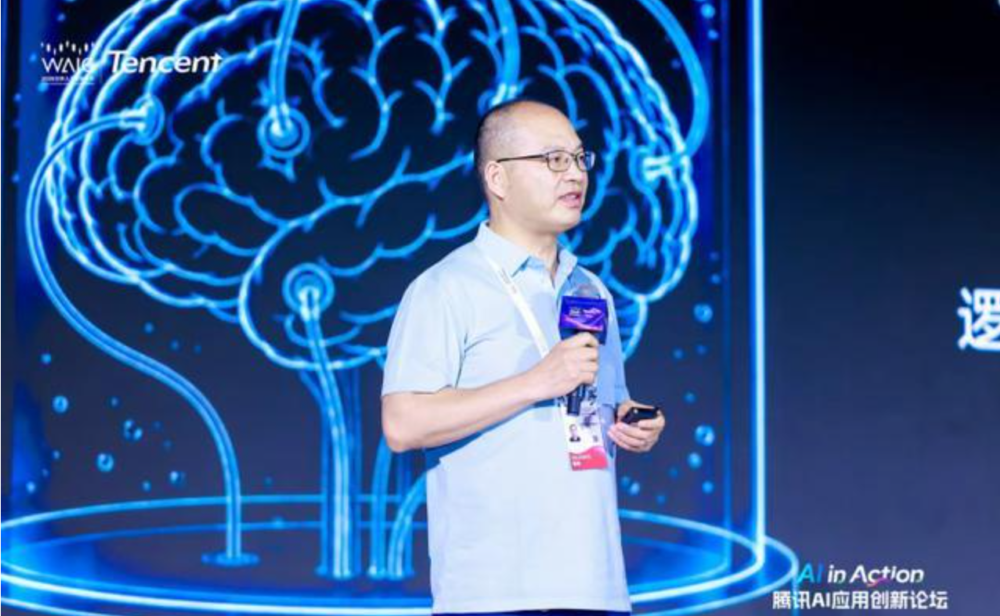
Tencent Introduces Advanced Intelligence for Robots at WAIC 2026, Challenging AI Concepts
At WAIC 2026, Tencent's Chief Scientist Zhang Zhengyou questioned the intelligence of AI that can reason but lacks understanding of the physical world, referring to it as a 'brain in a jar.' He emphasized that true intelligence integrates language, vision, spatial awareness, body control, and environmental feedback in a closed-loop system. Tencent unveiled several models, including Hy-Embodied-VLM-1.0, which interprets images and scenes with significantly reduced computational demands. The Hy-Embodied-RxBrain-1.0 combines text reasoning with visual imagination for continuous cognitive processing, while Hy-Embodied-VLA-0.5 translates high-level goals into actionable steps for various robot forms. These innovations are supported by extensive training data and are already being implemented in real-world applications. The company is also upgrading its Tairos platform for a more open-source approach, facilitating easier development from models to applications. Tencent's Robotics X Lab is collaborating with multiple robotics companies and partners to transition these technologies from theoretical concepts to practical implementations in diverse environments.
Robotics Artificial Intelligence Cognitive Systems Automation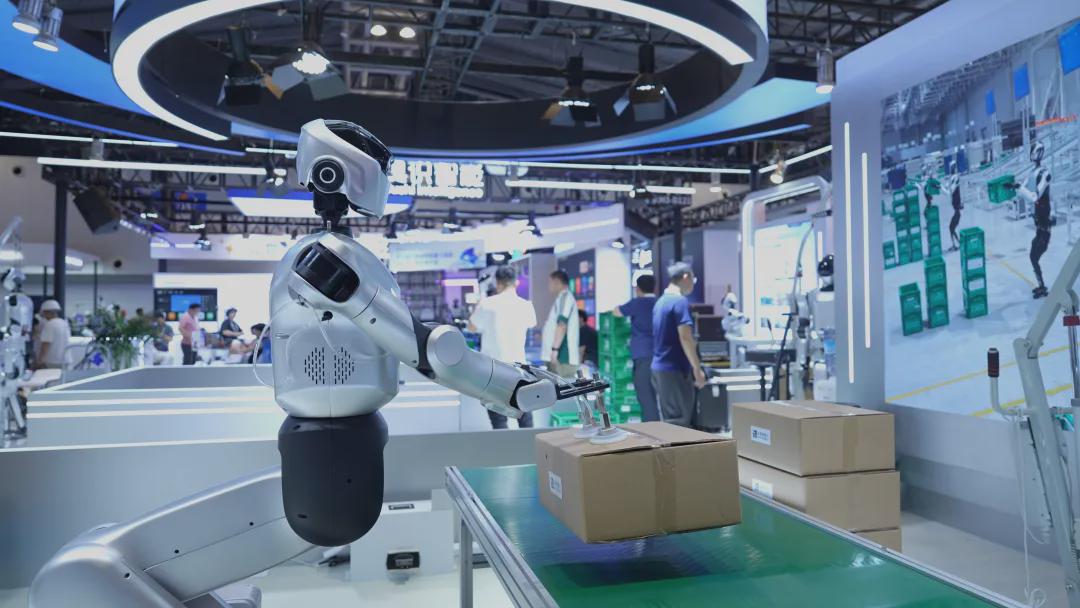
China's Collaborative Efforts in Advancing Embodied Intelligence for Robotics
The development of embodied intelligence is shifting from creating individual robots to establishing collaborative ecosystems. At this year's WAIC, the industry is exploring whether new models and skills can be rapidly integrated into robots for practical applications. A partnership between Leju and Ant Group's Lingbo has led to the release of logistics sorting results, emphasizing the importance of industry collaboration in scaling humanoid robotics. Leju believes that the growth of the humanoid robot industry relies on collective efforts rather than individual companies. The collaboration features Lingbo's general embodied base model, LingBot-VLA, while Leju focuses on post-training and motion control. This partnership has created a comprehensive technological chain that connects models, data, and computational power, marking a significant step in the industry. As embodied intelligence enters a critical phase, the ability to effectively translate models into real-world applications becomes paramount. Leju's advancements in post-training capabilities and the OpenLET community's support for developers are crucial for accelerating the deployment of new skills in various industries. No further timeline was disclosed at the time of publication.
Embodied Intelligence Robotics Logistics Automation AI Development
Robots Face Challenges in Basic Tasks Despite Advances in Embodied Intelligence
Over the past year, the robotics industry has engaged in a competitive race focused on enhancing the computational power, parameters, and algorithms of robotic 'brains.' While advancements in reasoning capabilities are evident, robots still struggle with basic tasks such as grasping objects or performing precise manipulations. This discrepancy raises questions about the effectiveness of current sensory technologies. The core issue lies in the limitations of robotic perception, which relies heavily on either pure vision or multi-sensor fusion approaches. Multi-sensor fusion, favored by many embodied intelligence manufacturers, combines various sensors to improve robustness and accuracy. However, this method introduces challenges related to data synchronization and processing overhead, hindering the scalability of embodied intelligence. Conversely, pure vision systems, exemplified by Tesla's approach, depend on 2D RGB cameras to reconstruct 3D environments. This method lacks depth information and can falter in challenging visual conditions. Both approaches suffer from the loss of information during data transmission and processing, resulting in robots receiving 'second-hand data' rather than real-time, unified information from the physical world. No further timeline was disclosed at the time of publication.
Robotic Vision Embodied Intelligence Sensor Technology AI Automation
Advancements in Embodied Intelligence: Robots Learning Through Experience
A robot in a warehouse near Austin has fallen for the 4,000th time without assistance, showcasing the progress of embodied intelligence. This technology allows machines to physically interact with the world, fundamentally changing how they learn. Instead of merely processing information, these robots learn through experience, such as understanding gravity by knocking over objects. Embodied intelligence is gradually integrating into daily life, with humanoid robots working on assembly lines and assisting police in Hangzhou. In Malaysia, the Prime Minister introduced an AI digital twin to handle citizen inquiries autonomously. However, in Europe, there is growing concern about job displacement, with unions negotiating wage structures in anticipation of humanoid robot deployment. The societal divide is evident: while Asian countries view robots as helpful assistants, Europeans express fears of job loss. The future of embodied intelligence will depend on societal acceptance, highlighting a complex relationship between technology and human values. No further timeline was disclosed at the time of publication.
Embodied Intelligence Robotics AI Technology Human-Robot Interaction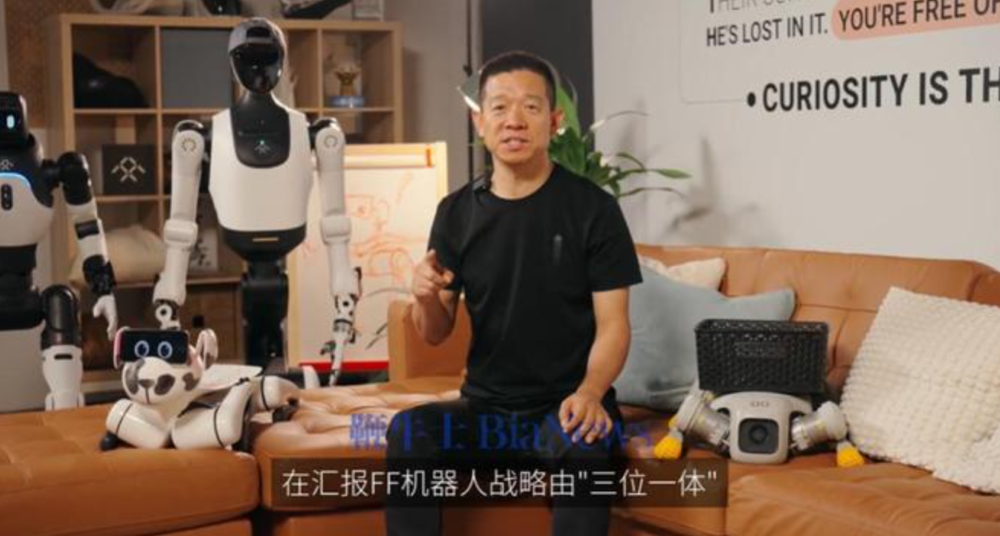
FF Robotics Upgrades Strategy with 'Quad-Core Intelligence' Ecosystem and 2000 Units Target
On July 13, FF founder Jia Yueting announced the upgrade of FF Robotics' strategy from a 'Trinity' model to a 'Quad-Core Intelligence' ecosystem. This strategic iteration follows the launch of four major robot series in February and the completion of the 'Full-Form EAI Robot World' in June, marking a significant advancement in embodied intelligence. The upgrade introduces a new core module focused on industry productivity solutions and a developer platform, targeting four key sectors: education, industrial, security, and inspection. Jia emphasized that this shift aims to transition from standalone capabilities to a comprehensive system that addresses industry-specific pain points, facilitating the practical application of FF robots in real-world scenarios. Looking ahead, FF aims to achieve a sales target of 2000 units by the end of the year, with the Q3 launch of the first FF EAI Robot Productivity Practical League to showcase real-world applications. This initiative, alongside the sales goal, is expected to validate the effectiveness of robots as productivity tools, moving beyond mere demonstrations to practical utility.
Robotics Artificial Intelligence Industry Solutions Productivity Tools
Understanding the Distinction Between Embodied Intelligence and Generalization in Robotics
Recent discussions at technology forums have highlighted the disparity between demonstrations of robotic capabilities and the reality of embodied intelligence. While large models can achieve a 50% task success rate, physical robots struggle to deliver similar results, revealing a fundamental gap between digital and physical realms. Xu Huazhe, founder of Breakthrough Robotics, emphasized two distinct commercialization paths: the post-training route, which offers short-term cash flow but limited generalization, and the large model approach, which aims for broader capabilities but lacks immediate economic returns. The significance of these insights lies in understanding that successful demonstrations in controlled environments do not equate to the commercial viability of general embodied intelligence. The post-training approach can yield high success rates in specific scenarios but requires extensive reconfiguration for new tasks, while the large model route faces challenges in achieving acceptable performance in the unpredictable physical world. This highlights a critical misconception: achieving near-perfect results in closed environments does not guarantee success in open, real-world applications. Moving forward, it is essential to recognize the resource conflicts between these two paths. Companies often find themselves in a dilemma, trying to balance short-term revenue from customized projects with the long-term goal of developing general intelligence. The industry must focus on advancing foundational models to handle diverse, non-predefined tasks, rather than relying solely on tailored solutions for immediate survival. No further timeline was disclosed at the time of publication.
Embodied Intelligence Robotics Automation AI Machine Learning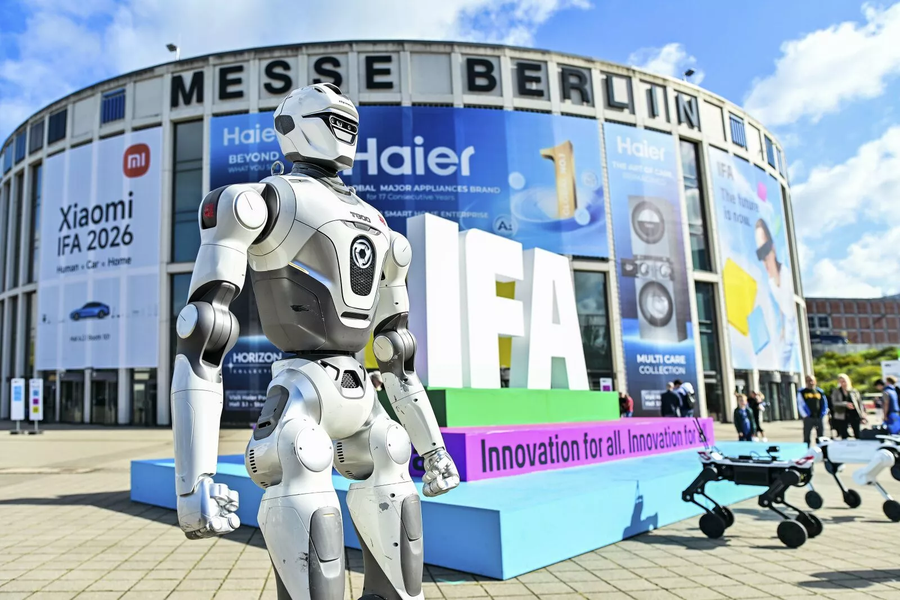
The Shift of Embodied Intelligence at IFA: Chinese Robots Lead the Way
The IFA Next event showcased the largest humanoid robot display to date, with a significant focus on physical AI. Chinese companies dominated the exhibition, with over 1,000 exhibitors from China, marking a historic record. The event featured a runway show for humanoid robots, primarily from Chinese firms, highlighting the industry's shift towards international markets. This transition is crucial as the term 'going overseas' has become a key phrase in the embodied intelligence sector, appearing in funding materials and news releases. However, the actual delivery of products lags behind the narrative hype. While applause is easily seen at the exhibition, the real measure of success lies in tangible business outcomes, such as robots operating in European factories and hospitals. Looking ahead, the focus will be on companies that have successfully delivered products and established verifiable international contracts. Notable examples include Wujie Power, which shipped humanoid robots to France and Korea, and Magic Atom, which has secured local partnerships in Europe. The industry is evolving, and understanding the actual progress of these companies will be essential for evaluating their success in international markets.
Robotics AI Consumer Electronics Global Expansion
Qianxing Intelligence Launches Iron Armor Battle Arena for Real-World Robot Combat
Qianxing Intelligence is redefining embodied intelligence by introducing its Iron Armor Battle Arena, where players engage in real-world mech combat using humanoid boxing robots. Unlike traditional arcade games, this system utilizes motion-sensing controllers to translate player movements into robot actions, achieving millisecond-level synchronization for a seamless experience. This innovative approach not only enhances player engagement but also meets the operational needs of venue operators. With quick match durations of one to two minutes, the design promotes faster turnover in arcades and entertainment venues, boasting a replay rate of 40% to 50%. The modular design allows for customizable exteriors and AI-powered voice interactions, enabling the robots to become integral parts of the venue's branding and IP. Qianxing Intelligence is pursuing a dual business model, collaborating with arcade chains and theme parks through revenue-sharing or rental agreements while also selling complete systems internationally. This strategy has facilitated its expansion beyond China, with overseas clients now representing nearly half of its customer base, including markets in Malaysia, the US, and the UK.
Up and Comers AI Highlight News Robotics
Lumos Robotics Unveils MOS2 as an AI Worker for Industrial Applications
Lumos Robotics has officially launched the Lumos MOS2, a next-generation heavy-duty mobile manipulator aimed at industrial applications. This innovative device is already deployed at Mitsubishi Electric's PLC production lines, where it performs inspection, material handling, and assembly tasks. The introduction of the Lumos MOS2 signifies a significant advancement in embodied intelligence within the robotics sector. By integrating AI capabilities into a mobile manipulator, Lumos Robotics enhances operational efficiency and productivity on the factory floor, addressing the growing demand for intelligent automation solutions. Looking ahead, the performance and adaptability of the Lumos MOS2 in real-world industrial settings will be crucial to its success. As companies increasingly seek to optimize their manufacturing processes, the effectiveness of this new technology will be closely monitored. No further timeline was disclosed at the time of publication.

Momenta Leads $200 Million Series A Funding for GenRobot, an Emerging AI Company
GenRobot has announced the completion of its Series A funding round, led by Momenta, a physical AI company, with continued investment from existing shareholders. Founded just a year ago, GenRobot has raised over $200 million across seven funding rounds. The new capital will focus on building large-scale data infrastructure, upgrading its Data Foundation Model, and expanding global operations. This funding is significant as it highlights the growing importance of data-driven solutions in the robotics sector. GenRobot's approach bypasses traditional methods by using wearable devices to collect human behavior data, which is crucial for training AI models. The company aims to provide essential data and evaluation infrastructure for embodied intelligence, positioning itself as a key player in the market. Looking ahead, GenRobot's innovative solutions and its proprietary Gen DAS wearable device are expected to drive advancements in AI training methodologies. The company has already established a strong presence in the industry, with over a million hours of human skill data accumulated. No further timeline was disclosed at the time of publication.
Embodied Intelligence Data Infrastructure AI Training Wearable Technology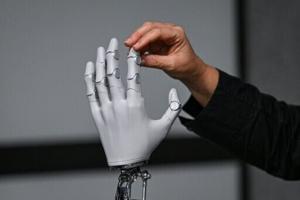
Spirit AI's CEO Predicts Rapid Evolution of Robot Intelligence for Global Expansion
Spirit AI's CEO, Han Fengtao, announced that robots are now capable of performing office tasks that were unimaginable just six months ago, including delivering paper and shredding documents. This significant advancement highlights the rapid evolution of robotic capabilities in the workplace. The CEO emphasized that the development of smarter robot brains is accelerating, forecasting a transformative 'ChatGPT moment' within the next three years. This prediction underscores the potential for robotics to revolutionize various industries through enhanced intelligence and functionality. Currently, Spirit AI has deployed several hundred robots across China, aiming for large-scale adoption and eventual global expansion. Industry watchers should keep an eye on the company's progress and the broader implications of advanced robotic intelligence in the coming years. No further timeline was disclosed at the time of publication.
2026 WRC Highlights Robotics Industry's Shift Towards Data-Driven Intelligence
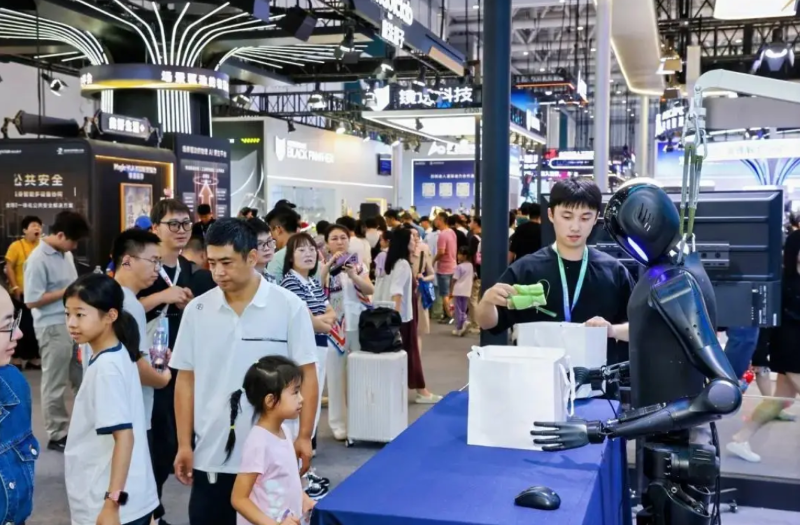
The 2026 World Robot Conference (WRC) opened in Beijing on August 19, showcasing over 2,000 exhibits from more than 300 companies, including 150 new products. Notable demonstrations included TianGong Omni's pole walking and Yaskawa's cable assembly robots. However, the event highlighted a critical shortage of high-quality training data for robots, with only 22 types of embodiments and over one million real trajectories available publicly. The significance of this shortage lies in the growing demand for robots to prove their capabilities through real-world experience rather than mere demonstrations. The conference emphasized the importance of data-driven embodied intelligence, marking 2026 as a pivotal year for this sector. Companies are increasingly focusing on gathering extensive human behavior data, with Lightwheel Intelligent and JD.com leading efforts to collect millions of hours of data to enhance robotic training. Looking ahead, the robotics industry is witnessing a shift towards creating a robust data ecosystem to support robotic learning. The emergence of companies like Mifeng Technology, which showcased its MEgo Gripper and MEgo View, reflects a trend towards data collection without traditional robotic embodiments. No further timeline was disclosed at the time of publication.
Robotics Data-Driven Intelligence AI Training Industrial Automation
Humanoid Robots from China Achieve Faster Speeds and Enhanced Intelligence
At the World Robot Conference, humanoid robots demonstrated impressive capabilities, with athletes completing 100 meters in just 9.32 seconds. This event highlighted advancements in robotics, particularly from companies like Unitree, AgiBot, and Honor, which showcased their faster and more affordable hardware. The significance of these developments lies in the decreasing costs of components such as ball-screws and reducers, which have made it easier for manufacturers to produce competitive humanoid robots. Additionally, the emergence of robot entertainment deals indicates a growing market for these technologies, suggesting a shift in how humanoid robots are perceived and utilized. Looking ahead, the focus will be on how these advancements will influence the robotics industry and the potential for further innovations. No further timeline was disclosed at the time of publication.
Emerging Challenges in Embodied Intelligence: Data Quality vs. Quantity for Robots
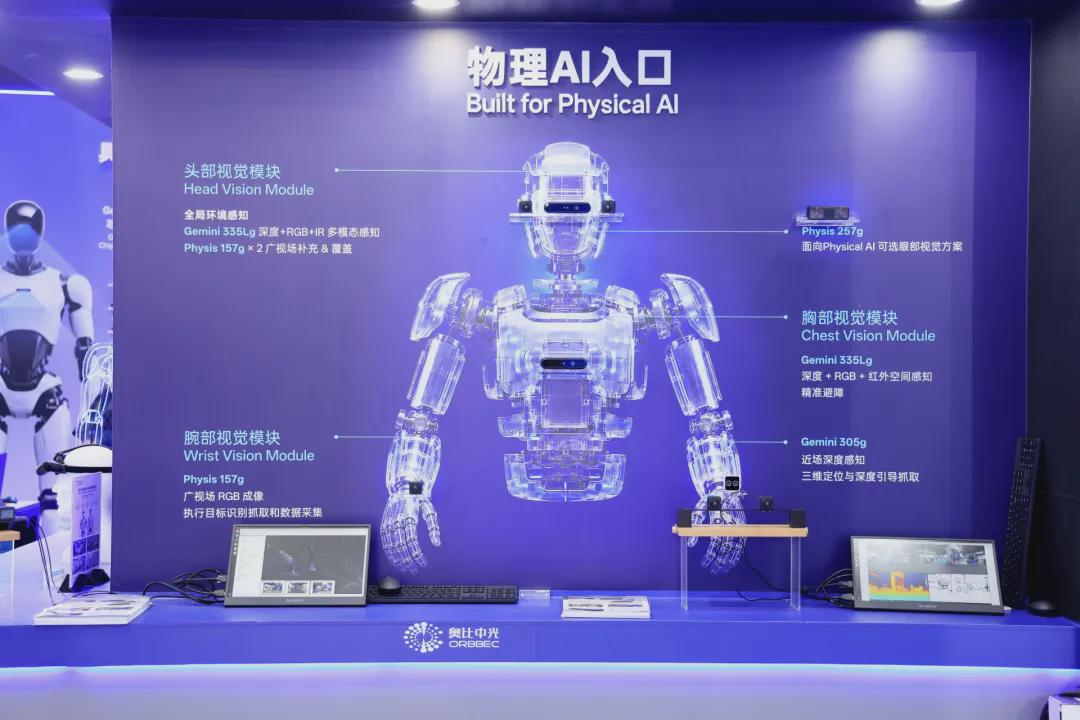
At the WRC, insights revealed that the next phase of embodied intelligence is facing a paradox: the scarcity lies not in data volume but in the physical world representation within that data. Over the past year, numerous training centers have emerged across China, with over 90 expected to be operational by mid-2026, generating millions of data points. However, only a fraction of this data is applicable to real-world tasks, indicating a potential issue as the industry approaches commercialization. This situation is critical because, unlike language models, robots cannot rely on the internet for training; they must navigate real-world complexities such as friction and collisions. The founder of Orbbec, Dr. Huang Yuanhao, emphasized that while digital intelligence thrives on vast amounts of text data, embodied intelligence requires experiential learning from human operators, which is currently lacking. Recent research indicates a shift in focus from merely increasing demonstration data to enhancing 3D spatial understanding for foundational robot training. Innovations like FreeTacMan's wearable devices are also emerging, allowing humans to gather rich interaction data directly. As the industry explores these new avenues, the question remains whether the bottleneck in robot training is due to insufficient data or the high costs and limitations of current data production methods.
Embodied Intelligence Data Collection Robotics Training AI Integration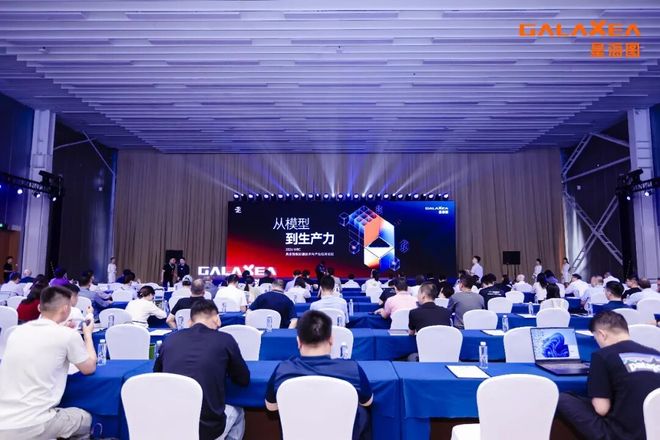
StarSeaTech Advances Embodied Intelligence at World Robotics Conference 2026
During the 2026 World Robotics Conference, StarSeaTech hosted a forum titled 'From Models to Productivity' at the Beiren Yichuang Exhibition Center. The event gathered experts from academia, developers, and corporate executives to discuss innovations in embodied intelligence models, machine evolution, commercialization, and technological boundaries, showcasing the latest thoughts on technology iteration and industrial application. StarSeaTech's Chief Scientist Zhao Xing highlighted the evolution of embodied intelligence technology through instinctive, operational, and evolutionary intelligence levels. The industry is transitioning from isolated technological breakthroughs to systemic competition involving models, data, entities, infrastructure, and applications. StarSeaTech has established a comprehensive productivity flywheel for embodied intelligence, focusing on real machine data, model iteration, and physical task execution supported by infrastructure for continuous optimization. Key announcements included the upgrade of the G0.5 foundational model, the introduction of the Fast-WAM world model pre-training plan, and the launch of the G-Fleet distributed reinforcement learning system. These developments aim to enhance model capabilities, speed up inference times, and support continuous learning in real robot clusters. No further timeline was disclosed at the time of publication.
Embodied Intelligence Robotics AI Technology Model Innovation Industrial Automation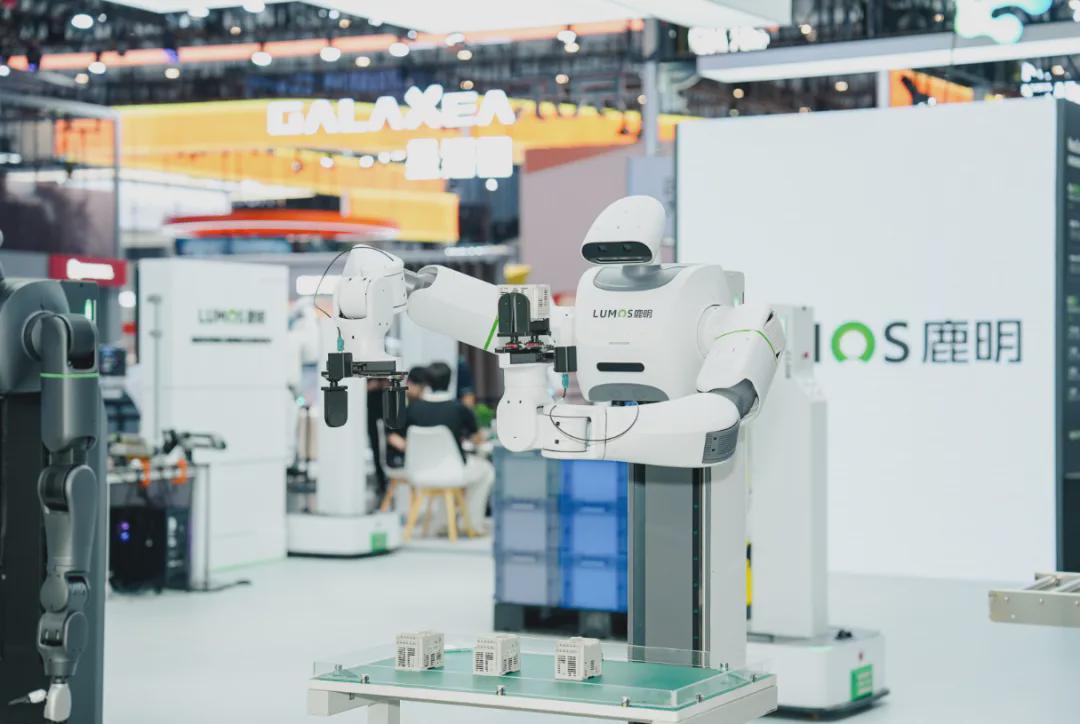
NexCore Aims to Enhance Embodied Intelligence and Task Closure in Robotics
In the first half of 2026, Chinese manufacturers are projected to account for 97% of global humanoid robot shipments, with domestic deliveries expected to reach 62,500 units, a 3.5-fold increase from the previous year. As the number of robots grows, the focus shifts from quantity to their capabilities and learning potential, marking a significant phase for embodied intelligence in the industry. The Chinese robotics sector is experiencing rapid growth, with revenues from major enterprises exceeding 90 billion yuan in the first five months of the year, reflecting a 26.9% year-on-year increase. Notably, the number of financing rounds in the embodied intelligence sector reached 288, totaling 46 billion yuan. The surge in orders, which increased over ninefold compared to 2024, indicates that clients are eager to validate robots in real-world applications, prioritizing ROI over investment timelines. As the industry evolves, key founders emphasize that the next phase will focus on the ability of robots to perform tasks effectively rather than merely demonstrating capabilities. The development of skills through data, training, and real-world validation is crucial for creating a skill closure loop, enabling robots to continuously evolve and improve their performance in practical scenarios.
Humanoid Robots Embodied Intelligence Robotics Development Skill Management Automation Solutions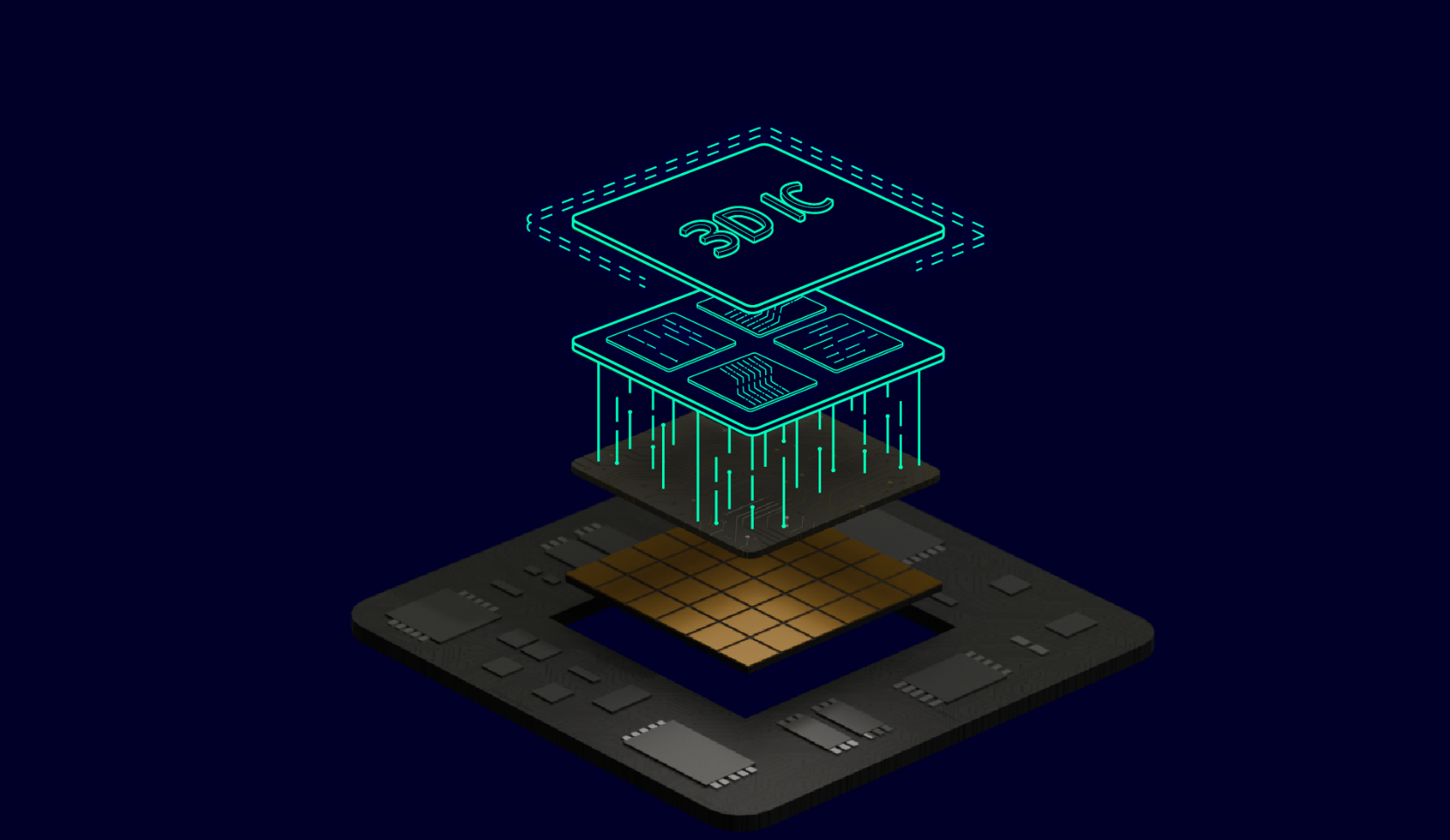
Siemens Executive Highlights Semiconductors as the Core of Humanoid Robot Intelligence
Siemens Semiconductor Vice President Michael Mancy emphasized that the true essence of humanoid robots lies not in their physical appearance but in the semiconductors that enable their functionality. These robots must process real-time sensor data, run AI models, and coordinate joint movements simultaneously, requiring a robust semiconductor computing platform to avoid being mere 'puppets'. Mancy pointed out that humanoid robots are fundamentally software-defined systems, with their capabilities stemming from the integration of software, electronics, and mechanics rather than just mechanical hardware. The intelligence of these robots must extend to safely responding to various situations, necessitating advanced physical AI that coordinates perception, feedback, and actuation, which is significantly more complex than executing a large language model. As AI workloads increase on processors, heat management becomes critical, especially in high-temperature and electrically noisy factory environments. Mancy proposed heterogeneous integrated circuits as a solution, allowing multiple chips to be stacked in one package to optimize thermal performance. He also highlighted the importance of digital twins for modeling and validating humanoid systems before physical construction, enabling engineers to test software and hardware collaboratively and share verified improvements across fleets, ensuring continuous evolution and reliable operation in real-world environments.
Humanoid Robots Semiconductors AI Digital Twins Industrial Automation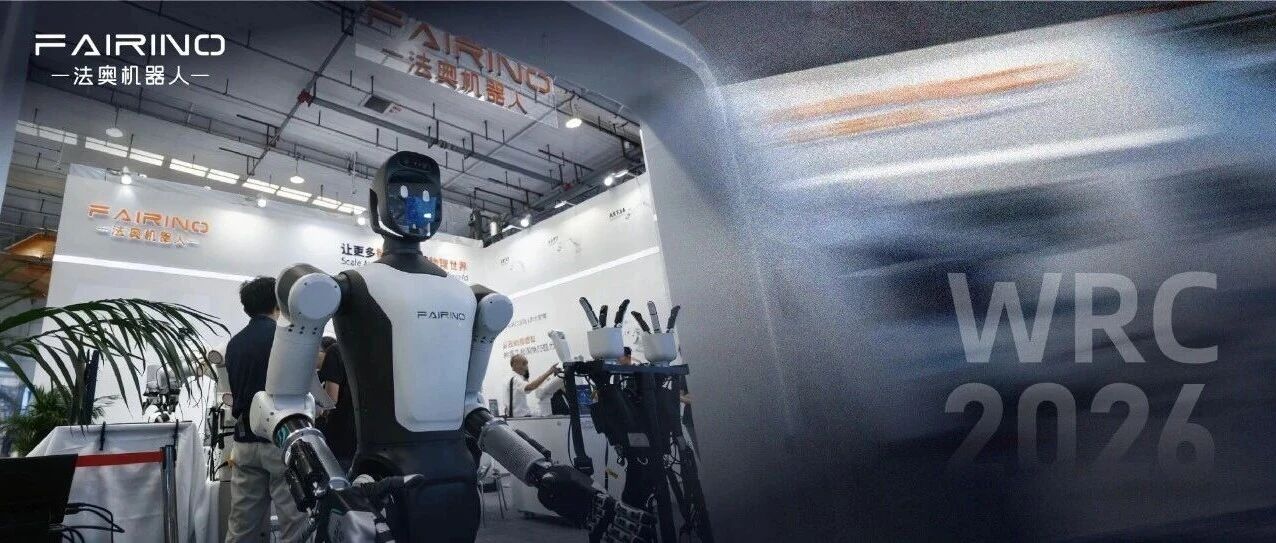
WRC 2026: Fao Showcases Innovations in Embodied Intelligence and Robotics
On August 19, the 2026 World Robotics Conference (WRC) took place in Beijing, showcasing advancements in robotics and embodied intelligence. Fao presented its ART series industrial-grade humanoid force control arms and various applications, highlighting the development path from technical exploration to industrial application. This event is significant as it serves as a key platform for observing industry trends, with Fao's vision of enabling large-scale industrial embodied intelligence. The company aims to provide modular robotic solutions for intelligent manufacturing, demonstrating the capabilities of its wheeled humanoid robots in dynamic environments. Looking ahead, Fao is exploring the construction of a Data Factory system to meet the data needs of embodied intelligence development. The company also showcased its ART series arms, including the ART7 and ART14, which feature impedance control for enhanced safety and adaptability in operations. No further timeline was disclosed at the time of publication.
Industrial Robotics Embodied Intelligence AI Integration Smart Manufacturing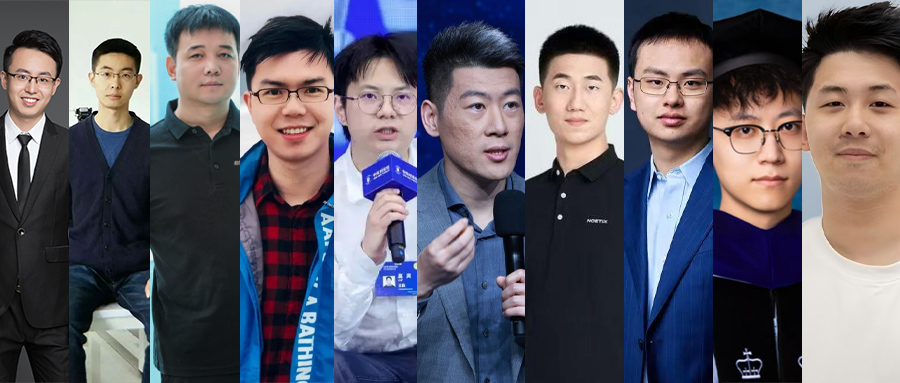
Young Entrepreneurs Drive Growth of Robot Unicorns in China's Embodied Intelligence Sector
From 2023 to 2026, embodied intelligence is set to become a focal point in China's hard tech landscape. A notable trend is the emergence of younger entrepreneurs born between 1990 and 2004, who are stepping into leadership roles in humanoid and quadruped robotics companies. This shift is marked by the rise of ten notable founders, including Chen Jianyu, who established Beijing Xingdong Jiyuan Technology Co., and Wang Xingxing, who founded Yushu Technology. The significance of these developments lies in the innovative contributions of these young leaders, who are leveraging their academic backgrounds and industry experience to push the boundaries of robotics. For instance, Chen Jianyu, a Tsinghua University graduate, founded a company that has already secured over 40 billion yuan in funding, while Wang Xingxing's Yushu Technology has achieved remarkable sales success with its quadruped robots, capturing nearly 70% of the market. Looking ahead, the robotics sector is poised for rapid growth, with significant funding rounds and product launches anticipated. Notably, Beijing Xingdong Jiyuan plans to release several new models, including the L7 humanoid robot and the Q5 wheeled robot, while Yushu Technology is preparing for an IPO that could value the company at approximately 610 billion yuan. No further timeline was disclosed at the time of publication.
Humanoid Robots Quadruped Robots Embodied Intelligence Startup Innovation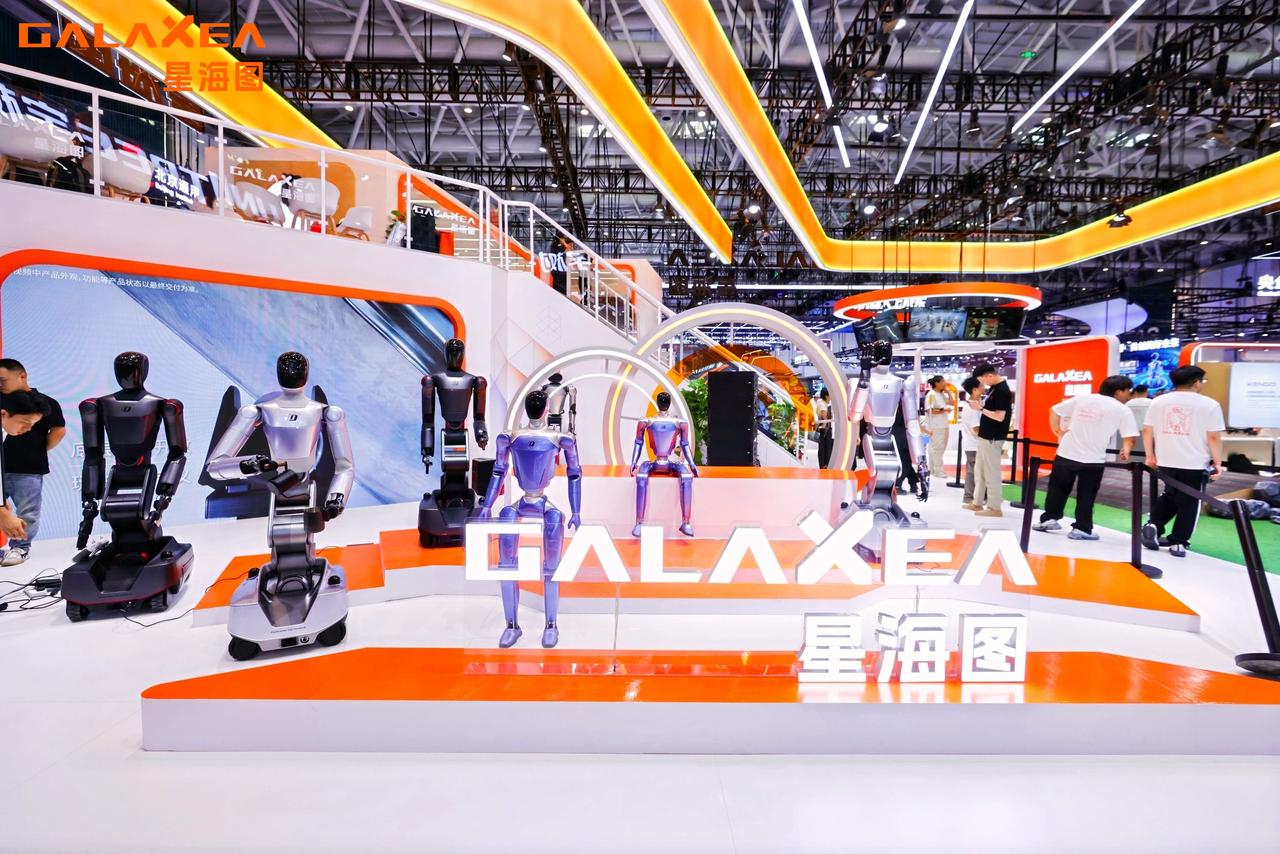
Xinghaitu Showcases Embodied Intelligence Advancements at 2026 World Robot Conference
At the 2026 World Robot Conference in Beijing, Xinghaitu presented over ten technology demonstrations under the theme of 'Awakening Productivity.' Unlike many exhibitors focusing on motion displays, Xinghaitu's demonstrations centered on 'real work,' showcasing the company's foundational technological advancements in both hardware and software. These presentations indicate a significant shift in embodied intelligence from laboratory settings to industrial applications, evolving from 'capable of performing tasks' to 'reliably executing tasks.' A highlight of the exhibition was Xinghaitu's introduction of the world's first fully automated pre-warehouse system, capable of online ordering and closed-loop fulfillment. Users can place random orders through a mini-program, allowing robots to autonomously identify products, plan routes, pick, pack, and complete the entire order-to-delivery process. This system demonstrates breakthroughs in handling a vast array of products without the need for individual programming, showcasing the potential of embodied intelligence in real-world scenarios. Additionally, Xinghaitu unveiled the next-generation humanoid robot, Nexo, featuring 30 degrees of freedom and designed for high-precision tasks. The robot's capabilities, including a 20kg load capacity and adaptability across various production scenarios, signify a move towards a universal productivity platform. As the industry watches these developments, the focus will be on how effectively embodied intelligence can adapt to unpredictable environments and maintain operational stability in real-world applications.
Embodied Intelligence Robot Automation Industrial Robotics Warehouse Solutions
2026 World Robot Conference Highlights Growth in Embodied Intelligence Sector
The 2026 World Robot Conference, themed 'Human-Machine Symbiosis, Integration of Production and Demand', will take place in Beijing from August 19 to 23. Over 300 exhibiting companies and more than 2,000 exhibits are expected, marking a 36% increase in exhibitors and a 27% rise in exhibits compared to last year. The embodied intelligence sector has seen a surge in interest, with numerous cross-industry players, including automotive and mobile manufacturers, entering the field. Notably, Gaode recently announced a full-stack upgrade of its Autobot system, launching five new models and achieving state-of-the-art results in 17 authoritative benchmarks, showcasing the competitive landscape. Despite the influx of new entrants, established vertical players dominate the market, with many newcomers struggling to achieve scalable results. Analysts predict that the Chinese embodied intelligence robot market will reach 6 billion yuan by 2026, with potential growth into a trillion-level market, as major tech companies aim to capitalize on this emerging sector.
Embodied Intelligence Robotics Market Trends AI Technology
Challenges in Real-World Implementation of Embodied Intelligence and Robotics
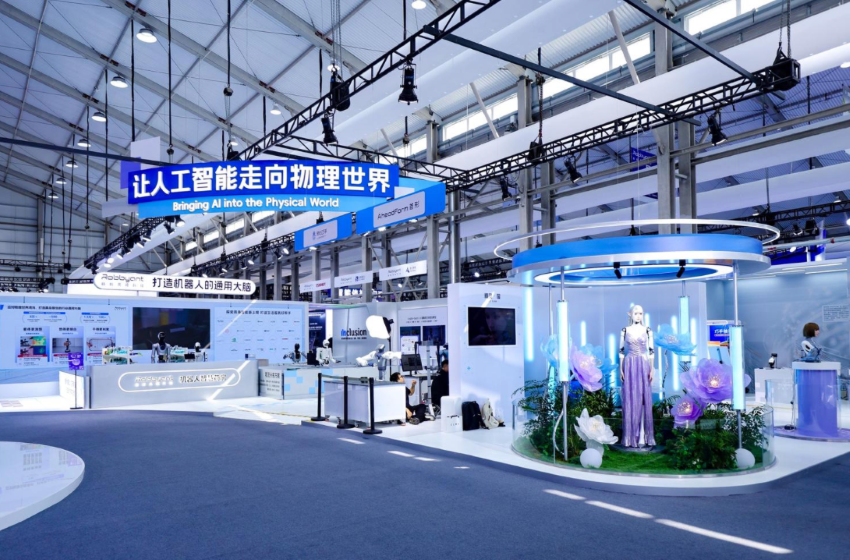
The robotics industry faces significant challenges in transitioning from simulation to real-world applications. While new models and capabilities are frequently demonstrated, many teams struggle with engineering tasks such as kinematics adaptation, sensor calibration, and data synchronization. This gap highlights the need for a unified, stable, and reusable physical validation platform to prevent resource wastage in development. The importance of real-world validation cannot be overstated, as complex factors like collisions and sensor noise cannot be fully modeled in simulations. A reliable physical platform is essential for ensuring consistent kinematic models and control responses, allowing teams to focus on algorithm improvements rather than hardware adjustments. The industry requires a robust platform that is stable, reliable, and open to support various research teams. The TA2 platform from Lingyu Intelligent is a noteworthy example, having demonstrated its capabilities in a competitive setting. It combines remote operation with validated performance in real-world tasks, proving its reliability as a physical base for algorithm testing. This platform could serve as a dependable benchmark for model teams, providing a consistent foundation for performance evaluation and innovation.
Embodied Intelligence Robotics Physical Platforms Data Collection Automation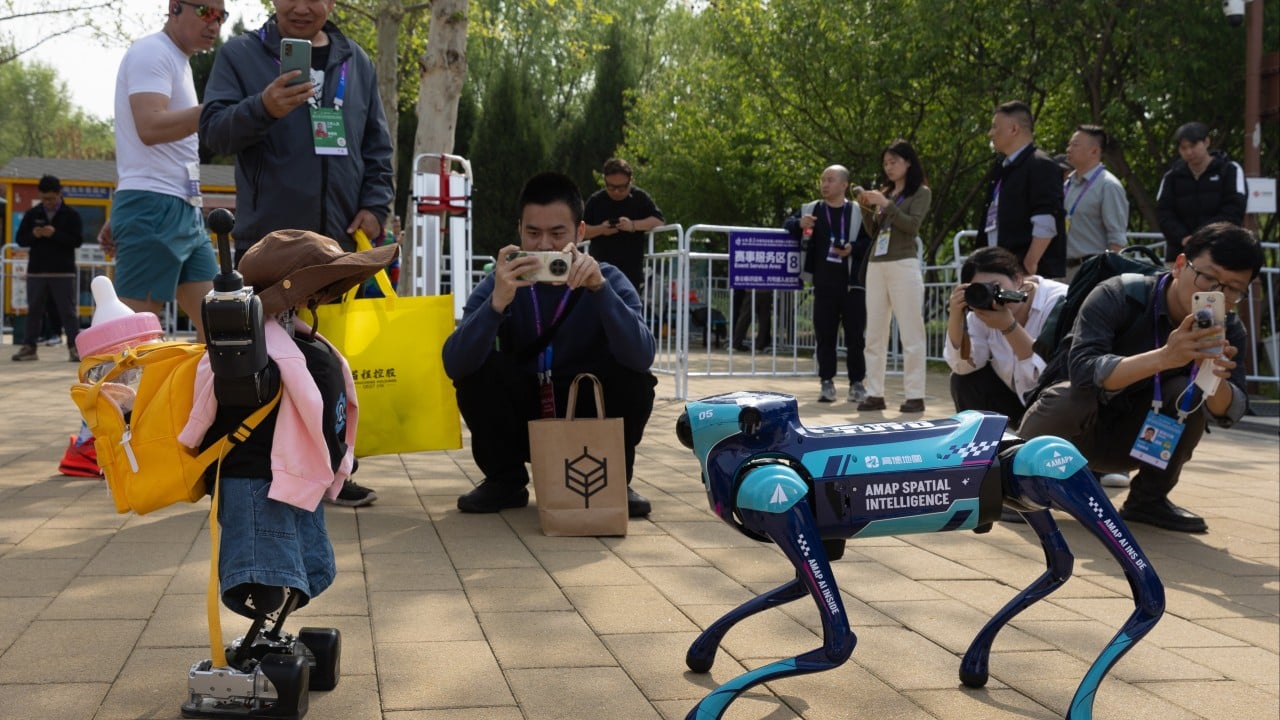
Amap Unveils ABot Framework for Unified Robot Intelligence and Mobility
Amap, a unit of Alibaba Group Holding, has introduced the ABot framework, which integrates a robot's essential functions into a cohesive system. This innovative technology combines five specialized AI models—ABot-N1, ABot-M0.5, ABot-ER, ABot-AgentOS, and ABot-C0—to address the industry's challenge of fragmented robot capabilities. The significance of the ABot framework lies in its ability to enhance robot performance by enabling self-evolving systems that share data and experiences. Amap highlighted that traditional models often operate in isolation, limiting their effectiveness. The ABot-N1 model, for instance, achieves a 92.9% success rate in outdoor navigation using standard cameras, eliminating the need for expensive high-definition maps. Looking ahead, the integration of these models could revolutionize how robots navigate and interact with their environments. Amap's approach to combining movement and manipulation functions through the ABot-M0.5 model is particularly noteworthy, as it allows robots to grasp objects while in motion. No further timeline was disclosed at the time of publication.
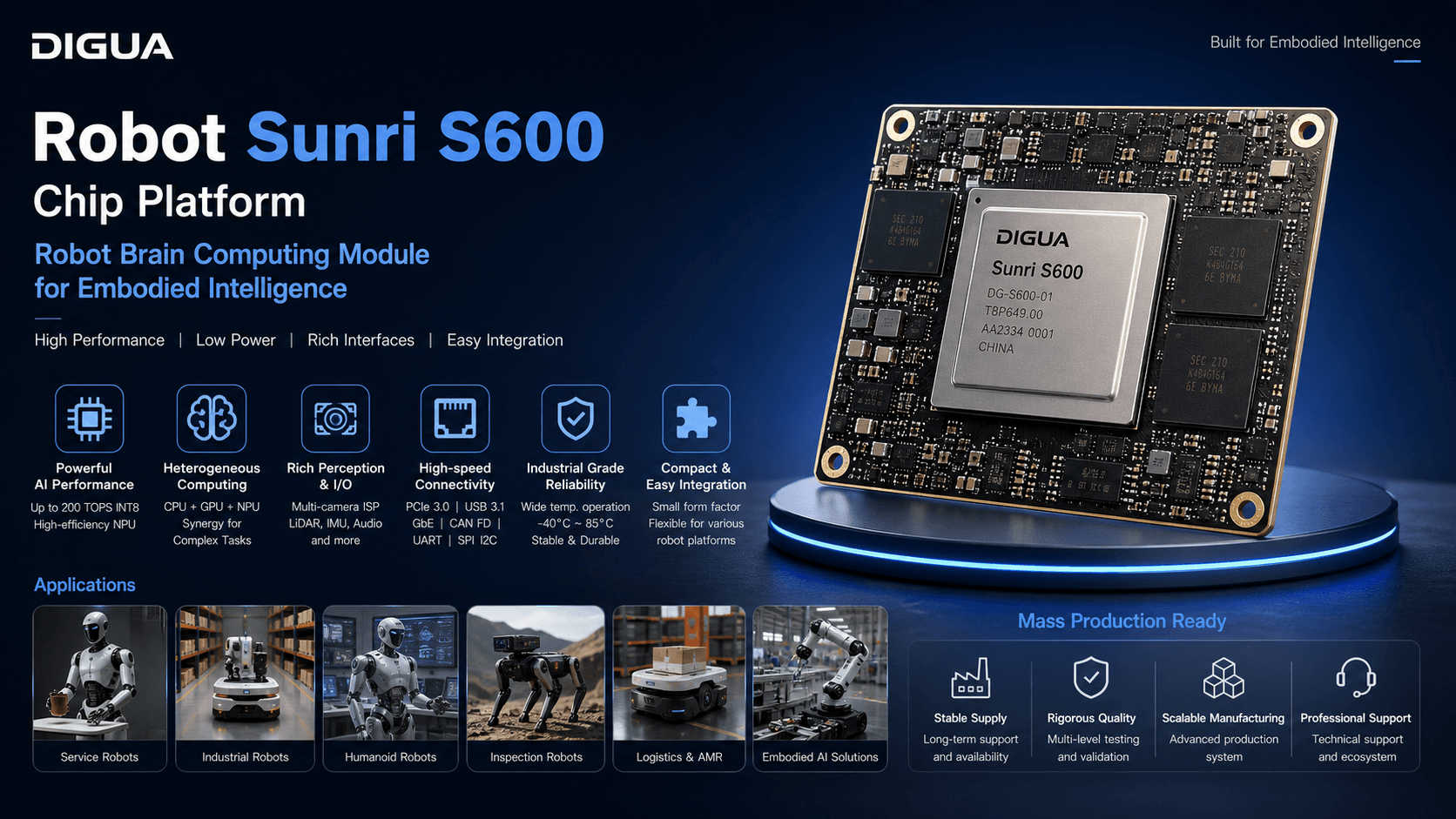
Digua Robot Expands Sunri S600 Production Ecosystem Ahead of 2026 Milestones
Digua Robot, an affiliate of Horizon Robotics, has announced significant milestones for its Sunri S600 platform. As 2026 approaches, the company is positioning itself for mass production in embodied intelligence, aiming to tackle the three critical challenges of deploying models on robots. This development is crucial as it signifies a shift towards the industrialization of embodied intelligence, which is expected to enhance operational efficiencies and broaden the application of robotics across various sectors. The focus on overcoming deployment challenges indicates a strategic move to ensure the successful integration of advanced robotic systems into real-world environments. Looking ahead, stakeholders should monitor the progress of the Sunri S600 platform and its impact on the robotics landscape as 2026 approaches. The emphasis on addressing deployment issues will be key to the platform's success and the broader acceptance of embodied intelligence in industrial applications. No further timeline was disclosed at the time of publication.
Technology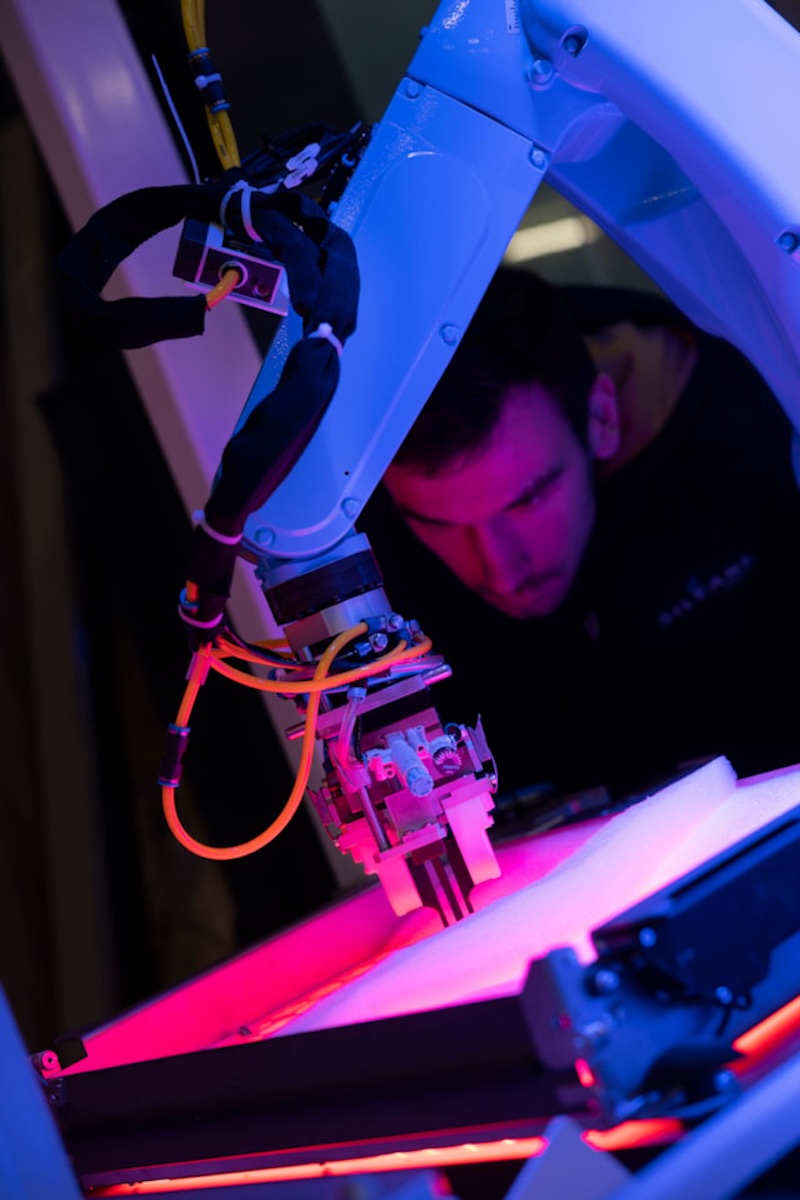
Siléane and HBK Innovate Tactile Intelligence for High-Speed Cosmetics Packaging
Siléane, a France-based advanced robotics specialist, has partnered with Hottinger Brüel & Kjær (HBK) to create an innovative automated gripping solution for a global cosmetics manufacturer. This solution incorporates smart sensing directly into the end-of-arm tooling, allowing for real-time grip quality validation in fast-paced, regulated packaging environments. The significance of this development lies in its ability to address the challenges faced by traditional robotic systems in handling lightweight and flexible components, such as deformable thermoformed trays. By embedding force measurement at the point of interaction, Siléane's approach enhances reliability and precision, reducing the risk of product loss and tray deformation during high-speed operations. Looking ahead, the integration of HBK's PW22i smart load cells into the robotic gripper marks a pivotal advancement in automation technology. This setup not only captures real-time force data but also allows for immediate responses to deviations, ensuring consistent performance. No further timeline was disclosed at the time of publication.
Engineering Features Manufacturing automation cosmetics manufacturing end-of-arm tooling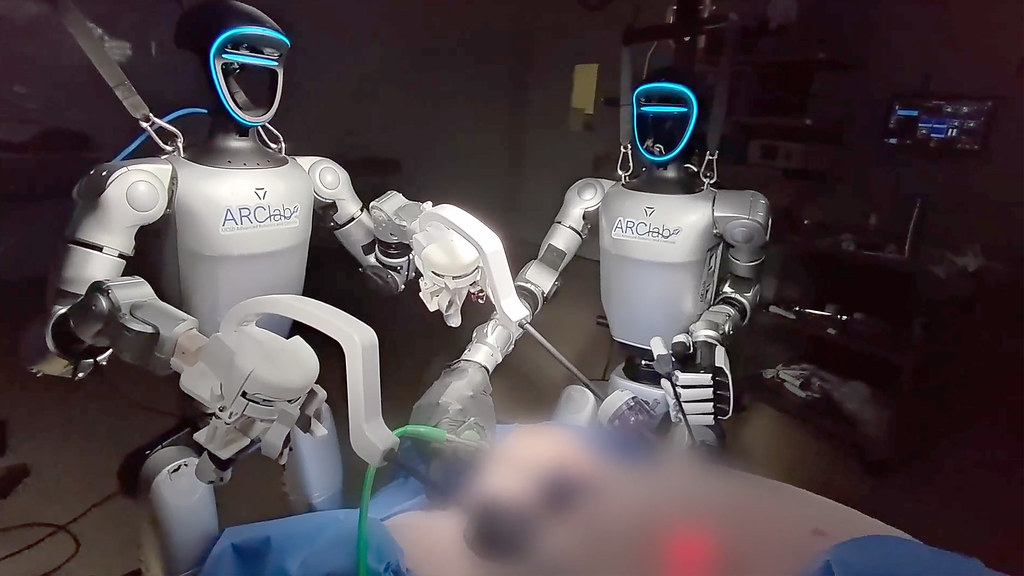
Yushu's Transformation: From Hardware to Intelligent Robotics with G1 Surgery
Yushu Technology has evolved from a hardware company into a model-driven enterprise, achieving significant milestones in robotics. On July 9, 2026, a surgeon at the University of California, San Diego, successfully performed the world's first live animal gallbladder removal using the Yushu G1 humanoid robot, showcasing its advanced capabilities. This operation, which involved a real pig and took under two hours, highlights the robot's precision and understanding of biological tissues. The transformation is underscored by Yushu's rapid registration on the Science and Technology Innovation Board, taking just 104 days, the fastest in its history. The G1 robot has previously demonstrated its ability to perform tasks like screwing, pouring, and sorting, but the surgical procedure required a higher level of precision and real-time feedback. Yushu defines its embodied intelligence model as a technology enabling robots to achieve high stability and complex motion control, akin to a robot's small brain. Investors are taking notice, with the embodied intelligence sector seeing a 4.2% increase from July 10 to 17, and Yushu-related stocks rising by an average of 7.8%. The company plans to allocate 2.022 billion for intelligent robot model research, part of a total fundraising of 42.02 billion. Future developments include the UnifoLM-WMA-0 model, which predicts actions and world states, marking a significant advancement in robotics technology.
Humanoid Robots Robotic Surgery AI Robotics Innovation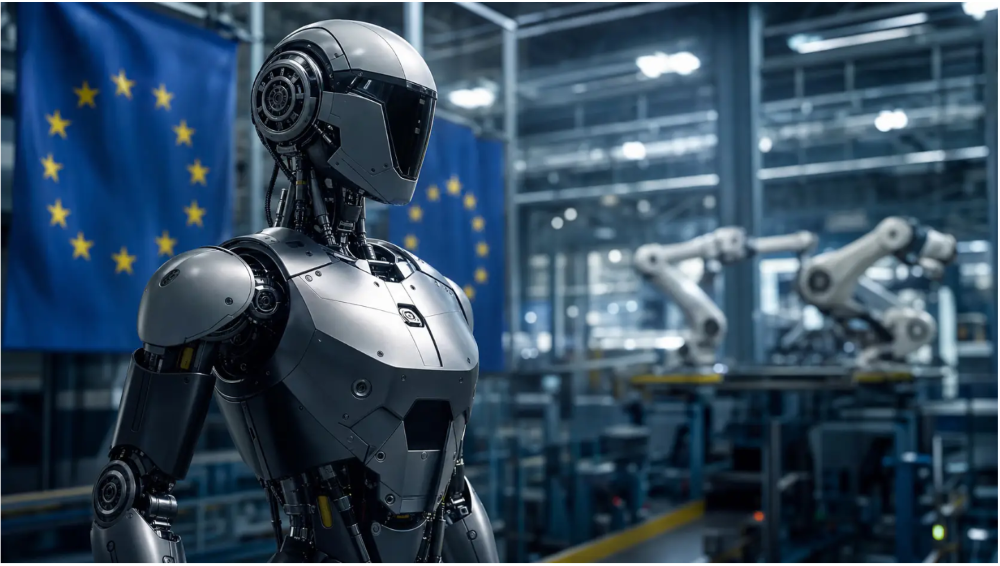
Europe's Critical Moment in Robotics: Facing Competition from China and the US
As humanoid robots from China surge with over 100,000 units produced annually, Europe finds itself at a pivotal crossroads. Despite having a strong foundation in industrial robotics, Europe risks losing its chance to define the next generation of robots. In the past two years, China has advanced humanoid robots from concept to mass production, with over 400 models developed, dominating global shipments with an 80% market share. The implications are significant; while Europe boasts traditional industrial giants like ABB and KUKA, it lacks competitive players in the general humanoid robot sector. Funding remains a critical weakness, with Europe accounting for only 14% of global robotics investment by 2025, compared to 52% for the US and 25% for China. The acquisition of KUKA by China's Midea Group exemplifies the trend of European companies being overshadowed by foreign capital. Looking ahead, the European Union's AI Act and revised Machinery Directive aim to establish a legal framework for autonomous robots, which could both protect and constrain the industry. While companies like Neura Robotics and Franka Emika show promise, the global humanoid robot market is expected to grow significantly in the next decade. Europe must act swiftly to avoid being left behind in defining the future of robotics.
Humanoid Robots Industrial Robotics AI Robotics Investment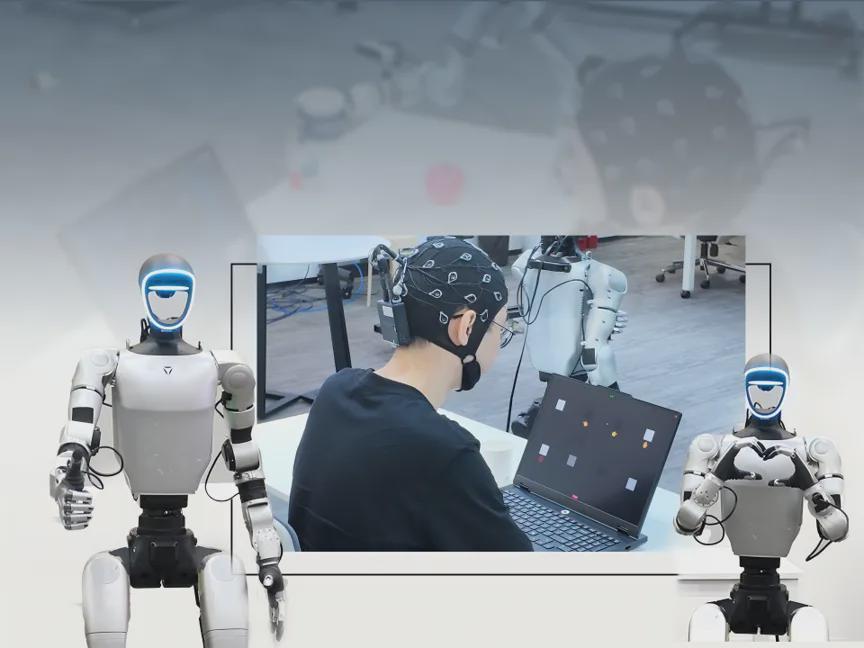
BrainCo Unveils Brain-Controlled Robot Training Platform at WAIC 2026
At the 2026 World Artificial Intelligence Conference (WAIC), BrainCo showcased a brain-controlled robot training platform. This innovative platform allows users to control robotic arms through brainwave signals, enabling actions like pouring water and picking apples without traditional interfaces. The significance of this technology lies in its ability to bridge the gap between human intention and robotic action. By decoding brain signals, the platform facilitates a direct communication pathway, allowing robots to understand and execute tasks based on users' thoughts. This advancement simplifies the integration of brain-machine interfaces with robotics, making it accessible to researchers without specialized backgrounds. Looking ahead, BrainCo's platform supports various robotic types, including humanoid robots and robotic arms, and is adaptable for ongoing developments. Researchers can select robots based on their study focus, whether for grasping tasks or complex human-robot interactions. No further timeline was disclosed at the time of publication.
Brain-Controlled Robots AI Research Neuro-Embodied AI Human-Robot Interaction
Actuate 26 Robotics Developer Conference Reveals Speaker Lineup with Industry Leaders
Foxglove has announced the speaker lineup for Actuate 26, its annual robotics developer conference, featuring leaders from Wayve, Aurora, Physical Intelligence, and more. The event will take place on August 18-19, 2026, at Fort Mason in San Francisco, showcasing technical talks, keynotes, and hands-on programming. This conference is significant as it aims to gather over 1,000 attendees from various sectors deploying robots, including autonomous vehicles, drones, and industrial automation. The participation of industry leaders highlights the growing interest and advancements in robotics and AI technologies. As the event approaches, attendees should look forward to insights from top experts in the field and opportunities for networking and collaboration. No further timeline was disclosed at the time of publication.

WAIC 2026 Preview: Highlights of Embodied Intelligence and Robotics
The WAIC 2026 is set to commence on July 17, featuring embodied intelligence and intelligent computing as its two main themes. Embodied intelligence has emerged as a focal point of the event, attracting significant attention from government, capital, industry, and the public. Over 200 companies are expected to showcase their innovations in this field. This year's exhibition marks a shift from demonstration effects to practical application capabilities, indicating a notable maturity in the industry chain. Attendees can expect to see an increase in complete machine categories, active large model solutions, and accelerated domestic component replacements. The H3 pavilion will highlight key exhibitors and trends, providing insights into the practical applications of embodied intelligence in various sectors. Notable companies such as Zhiyuan and UBTECH will present their latest humanoid robots and technologies, emphasizing production delivery capabilities over technical demonstrations. The event will also feature a demonstration of a robot factory and various innovative robotic solutions, showcasing the potential of embodied intelligence in real-world applications. No further timeline was disclosed at the time of publication.
Embodied Intelligence Humanoid Robots Robotics AI Industrial Automation
NVIDIA Open Sources Embodied Intelligence Toolchain to Enhance Robotics Development
On July 6, NVIDIA integrated three key components into Hugging Face's open-source robotics library, LeRobot: the GR00T N1.7 model, Isaac Teleop framework, and the upcoming Cosmos 3. This collaboration connects NVIDIA's 3 million robot developers with Hugging Face's 16 million AI builders, facilitating access to pre-trained models and data. This initiative is significant as it shifts NVIDIA's focus from merely creating models to building an ecosystem that addresses data bottlenecks in embodied intelligence development. The Isaac Teleop framework standardizes data collection, allowing for easier sharing and reuse within the community, which is crucial for advancing robotics. Looking ahead, the integration of GR00T N1.7 and Isaac Teleop into the LeRobot workflow marks a pivotal moment for robotics developers. No further timeline was disclosed at the time of publication.
Robotics Open Source AI Development Data Collection Machine LearningRobotics needs a service framework.
RSF defines a common language for robot service capability, lifecycle operations, certification pathways, and service-provider networks.
Join the RobotToday community on LinkedIn
Daily robotics news, in-depth analysis, conference highlights, and discussions with professionals worldwide.