Industry Briefing
A single destination for timely, editor-curated robotics news from around the world.
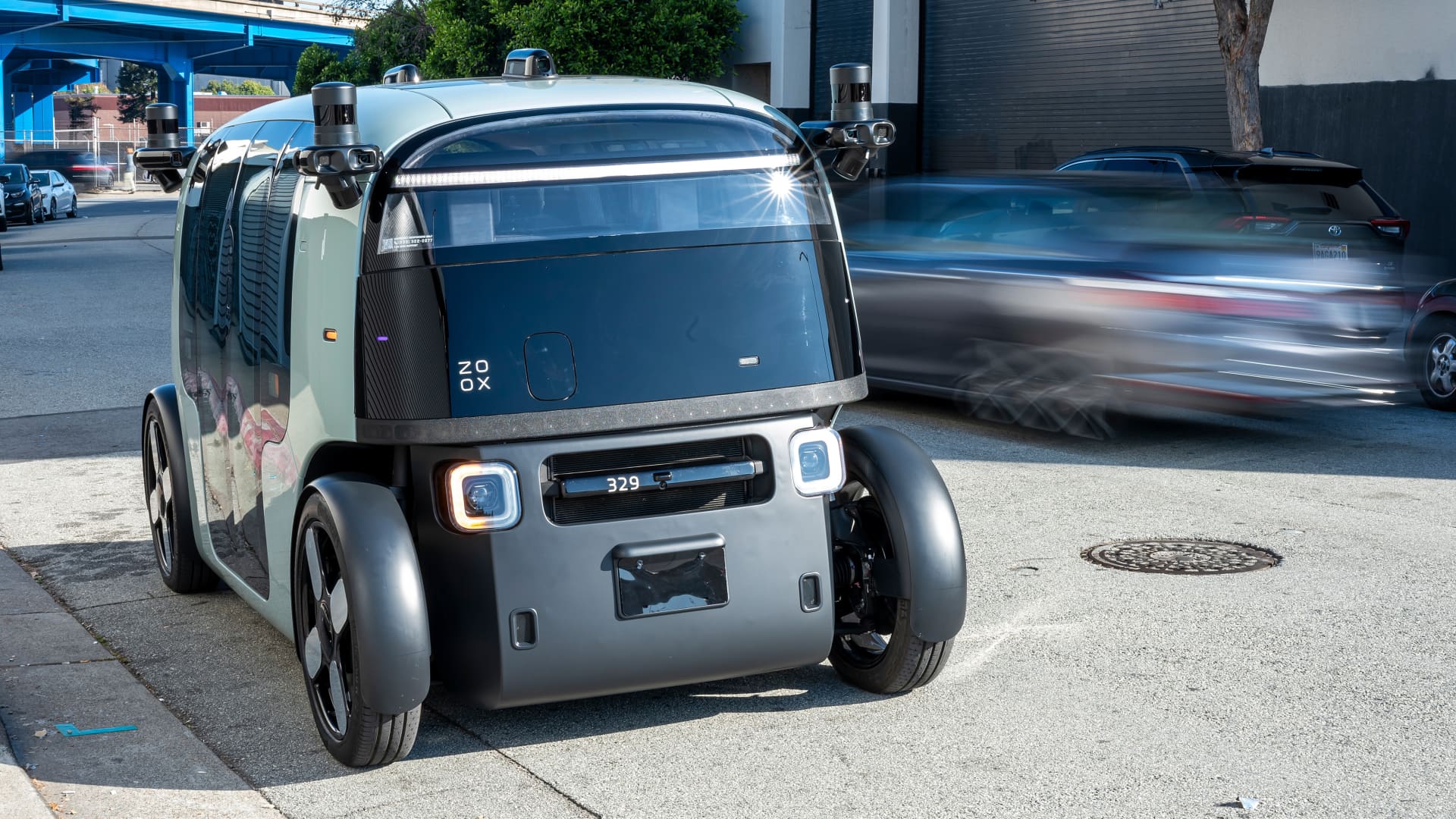
Zoox Recalls 105 Robotaxis Due to Software Issue with Smoke Detection
Amazon's Zoox has voluntarily recalled 105 of its robotaxis to rectify a software issue that caused the vehicles to fail in detecting heavy smoke. This recall follows an incident in Las Vegas where an unoccupied Zoox robotaxi drove into an active emergency fire scene obscured by smoke, prompting the company to notify the National Highway Traffic Safety Administration (NHTSA) on July 8. The significance of this recall lies in the growing scrutiny on autonomous vehicles, particularly regarding their interactions with first responders. NHTSA Administrator Jonathan Morrison has highlighted a pattern of driverless vehicles interfering with emergency operations, urging developers to prioritize solutions to these critical safety concerns. Zoox's incident marks a notable example of the challenges faced by autonomous vehicle technology in real-world scenarios. Looking ahead, Zoox is under pressure to enhance its software capabilities to prevent similar occurrences. The company has previously issued recalls for other software-related issues and is competing with industry leaders like Waymo. No further timeline was disclosed at the time of publication.
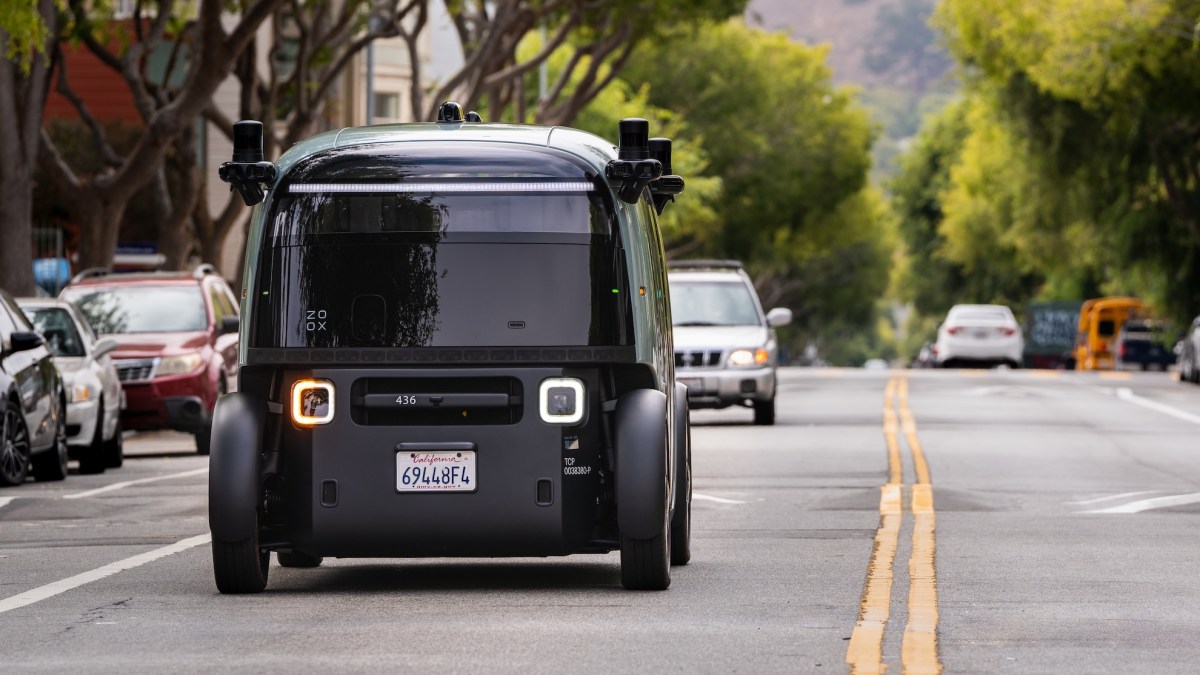
Zoox Issues Software Recall for Robotaxi After Smoke Navigation Incident
Zoox has announced a software recall following an incident in June where one of its robotaxis struggled to navigate a smoke-filled emergency scene. The Amazon-owned company has dispatched a software update to its fleet of 105 vehicles, enhancing the detection and response capabilities for heavy smoke in emergency situations. No injuries were reported during the incident, which involved a Zoox robotaxi encountering heavy smoke that obscured an active fire scene. This recall highlights significant concerns regarding the ability of autonomous vehicles to respond appropriately to emergency situations. The National Highway Traffic Safety Administration (NHTSA) has emphasized the need for self-driving car companies to address functional insufficiencies in their systems. The incident prompted Zoox to conduct an investigation and engage with NHTSA regarding the severity and root causes of the issue, leading to the software update. Looking ahead, Zoox is expanding its testing in cities like Las Vegas and San Francisco, with plans for a commercial launch pending NHTSA approval for exemptions from certain safety standards. The company has faced recalls in the past, indicating ongoing challenges in ensuring the safety and reliability of its autonomous vehicle technology. No further timeline was disclosed at the time of publication.
Transportation autonomous vehicles robotaxis self-driving cars zoox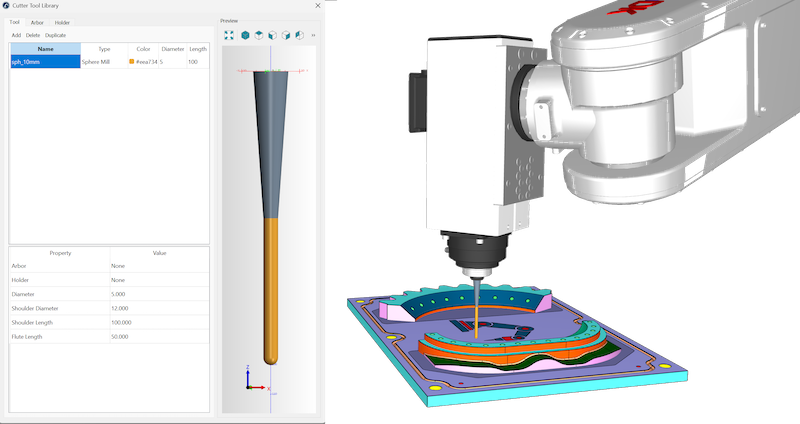
RoboDK Launches CAM Software to Reduce Robotic Machining Deployment Time by 40%
RoboDK has introduced its new CAM software, enabling robotic machining programs to be generated directly from CAD files. This innovation, showcased at the Automate Show, promises to reduce deployment time by up to 40%, allowing users to create toolpaths and collision-free motions without manual coding. The software aims to simplify the robotic machining process for manufacturers and integrators, even those lacking programming expertise. The significance of RoboDK CAM lies in its potential to overcome the traditional complexities associated with robot programming, which have hindered the adoption of robotic machining. By automating the generation of machining programs from CAD designs, RoboDK CAM facilitates rapid integration into production environments, thereby reducing costs and enhancing efficiency. CEO Albert Nubiola emphasized that this approach transforms CAD into the starting point for automation, making deployments faster and more consistent. Looking ahead, RoboDK's recent software update, Version 6.0, enhances performance and simulation capabilities, including support for over 1,400 robot models. The next milestone for RoboDK will be to further expand its software's capabilities and user accessibility. No further timeline was disclosed at the time of publication.
News Robot simulation Software Automate 2026 CAD-to-robot CAM software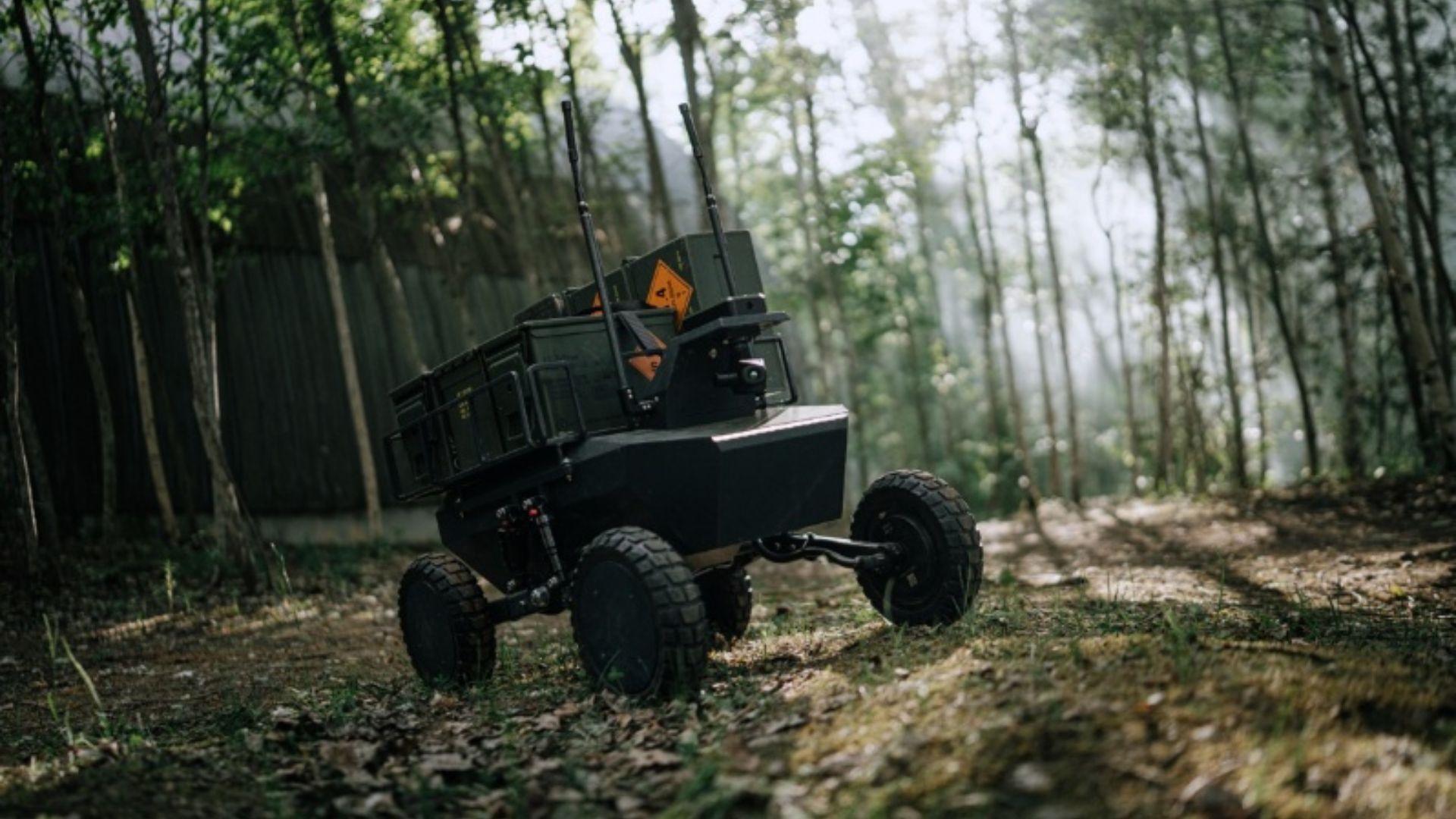
XTEND Expands Robotics Portfolio with AtlasROVER Ground Robot Deployment
Israeli physical AI firm XTEND has launched its AtlasROVER ground robot, marking its first delivery to a customer in the Asia-Pacific region. This deployment integrates XTEND’s XOS operating software, which is designed to unify control across various robotic platforms, including aerial and ground systems. The introduction of the AtlasROVER signifies XTEND's strategic shift to create a cohesive software ecosystem for robots operating in diverse environments. By utilizing XOS, XTEND aims to streamline operator workflows and enhance mission-specific capabilities across its robotic offerings, thereby improving operational efficiency. Looking ahead, XTEND's focus will be on further integrating XOS into its ground robotics portfolio, following the acquisition of Latvia-based Atlas. This move is expected to enhance XTEND's engineering and manufacturing capabilities in Europe, while also expanding the operational roles of its robotic systems. No further timeline was disclosed at the time of publication.
AI and Robotics
BlackBerry Transitions from Phones to Automotive Software and Robotics
BlackBerry, once a leading phone manufacturer, has shifted its focus to critical software for secure communications and automotive applications. CEO John Giamatteo highlighted the company's strategy during a recent interview, noting that BlackBerry's share price has doubled this year due to its emphasis on AI and safety-critical software. The company's QNX division, which provides operating systems for vehicles, is embedded in 275 million cars and is seen as pivotal for future developments in AI, particularly in robotics. Giamatteo indicated that robotics is one of the fastest-growing segments within the QNX portfolio, with a backlog of orders worth $950 million, including a portion from the robotics sector. As BlackBerry continues to evolve from its smartphone roots, it is positioning itself to capitalize on the growing demand for secure, innovative solutions in automotive and industrial robotics. No further timeline was disclosed at the time of publication.
Anthropic Introduces Software Standard for Claude to Enhance Collaboration with Robots and Lab Tools
Anthropic PBC has unveiled a new software standard designed to improve the interaction between AI assistants, such as Claude, and various robotic and scientific lab tools. This development aims to streamline operations in both manufacturing and scientific environments, enhancing the efficiency of AI in these sectors. The introduction of this software standard is significant as it represents a step forward in integrating AI technologies with physical systems. By enabling Claude to better collaborate with robots and lab equipment, Anthropic is addressing a critical need for improved automation and precision in scientific and manufacturing processes. Looking ahead, industry stakeholders will be keen to observe how this new standard impacts the deployment of AI in robotics and lab settings. No further timeline was disclosed at the time of publication.
BlackBerry's CEO Highlights Robotics as a Rapidly Growing Sector in QNX Software
BlackBerry CEO John Giamatteo announced that robotics is among the fastest-growing sectors within the company's QNX software portfolio during an interview with CNBC. QNX, which is embedded in 275 million vehicles, has a significant backlog of approximately $950 million, with a portion attributed to robotics. The importance of robotics in BlackBerry's strategy is underscored by Giamatteo's remarks on the potential for growth in physical AI applications. He emphasized that the company is focusing on industrial robots, such as robotic forklifts and medical instruments, rather than humanoid robots, indicating a strategic pivot towards sectors with substantial growth opportunities. Looking ahead, BlackBerry's partnership with Nvidia aims to enhance its software capabilities in robotics and industrial applications. Giamatteo expressed enthusiasm for the evolving landscape of robotics, suggesting that the company is well-positioned to capitalize on these advancements. No further timeline was disclosed at the time of publication.

Waymo Resumes Freeway Robotaxi Operations After Software Updates in Phoenix
Waymo is gradually reintroducing freeway routes to its robotaxi service, starting in Phoenix, after a two-month pause due to safety concerns near construction zones. The company announced this development on X, indicating that more cities, including Los Angeles and the San Francisco Bay Area, will follow soon. The resumption of freeway operations is significant as it comes amid heightened scrutiny of autonomous vehicle behavior in high-traffic situations. Waymo has implemented software updates to enhance scene recognition and routing, aiming to improve performance around construction zones, which is crucial for maintaining safety standards. Looking ahead, Waymo's expansion into freeway routes is a critical move to attract more riders by offering shorter commute times. However, the company faces ongoing regulatory challenges, including proposed legislation for national safety standards for autonomous vehicles. No further timeline was disclosed at the time of publication.
Transportation robotaxis Waymo
Agency Tool Company Launches ATC Deploy to Simplify Robot Software Updates
Agency Tool Company, co-founded by Jack Morrison and Davis Foster, has introduced ATC Deploy, a solution aimed at streamlining software updates for robots. The launch comes as the robotics industry faces challenges in deploying software effectively, a problem Morrison identified during his tenure at Scythe Robotics. The significance of ATC Deploy lies in its ability to integrate with existing software and architecture, allowing customers to use their preferred operating systems and file structures. Morrison emphasized that while software installation is a common task in other tech sectors, the robotics field lacks dedicated tools to facilitate this process, creating a bottleneck in operational efficiency. Looking ahead, the robotics landscape is evolving, with increased funding and interest in AI-driven solutions. Morrison's insights suggest that as more companies scale their operations, the demand for effective software deployment tools like ATC Deploy will grow. No further timeline was disclosed at the time of publication.
Agriculture Artificial Intelligence Artificial Intelligence / Cognition Design / Development Development Tools / SDKs / Libraries News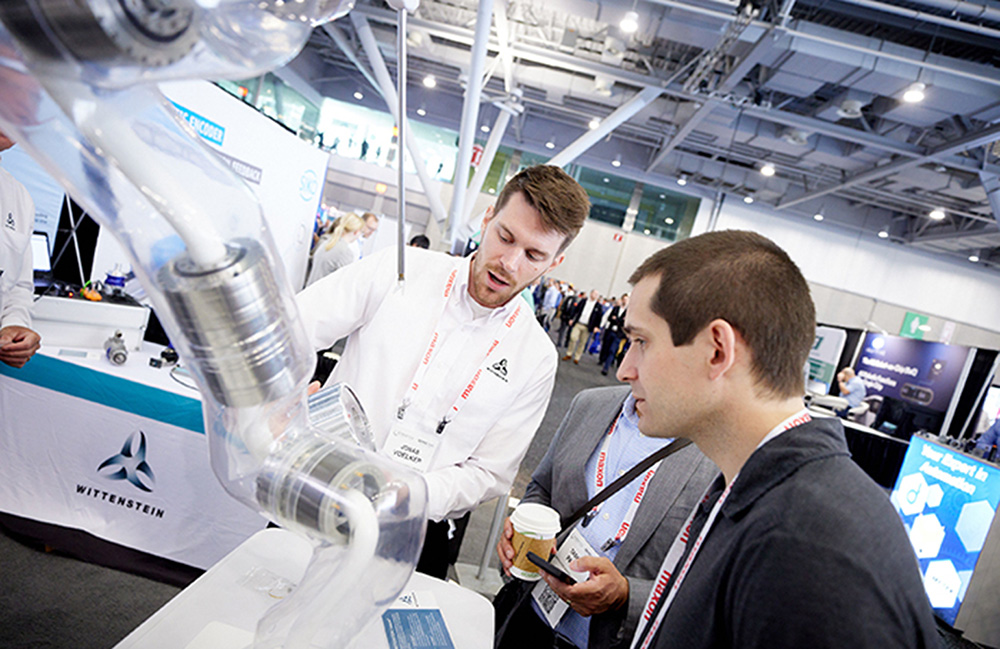
RoboBusiness invites robotics startups to showcase systems and software solutions
RoboBusiness is currently accepting applications from robotics startups interested in presenting their innovations at the upcoming RoboBusiness event. This opportunity is aimed at companies developing complete systems, components, or software solutions in the robotics sector. The event is set to take place in the near future, providing a platform for emerging technologies and ideas. The significance of this initiative lies in its potential to connect startups with industry leaders, investors, and potential partners. By showcasing their work, startups can gain visibility and feedback on their products, which is crucial for growth in a competitive market. This event highlights the increasing importance of innovation in robotics, as companies strive to develop solutions that meet evolving industry demands. Looking ahead, interested startups should prepare their applications promptly, as the deadline for submissions is approaching. No further timeline was disclosed at the time of publication, but participation in this event could lead to valuable networking opportunities and insights into market trends.
Events News Startups robobusiness
Researchers Develop BeanBot: A Motorless Robot Inspired by Jumping Beans
Researchers at the Italian Institute of Technology have created BeanBot, a unique robot that mimics the unpredictable movements of Mexican jumping beans. This innovative device operates without motors, batteries, or electronics, relying solely on its interaction with various surfaces to hop, roll, flip, and slide in unexpected ways. The significance of BeanBot lies in its demonstration of a new movement paradigm driven by simple physical interactions. This approach offers valuable insights into how robots can navigate complex environments without traditional control systems, potentially revolutionizing the design of future robotic devices. Looking ahead, the researchers aim to enhance BeanBot's capabilities by improving the materials used, which currently require high temperatures for activation. No further timeline was disclosed at the time of publication.
AI and Robotics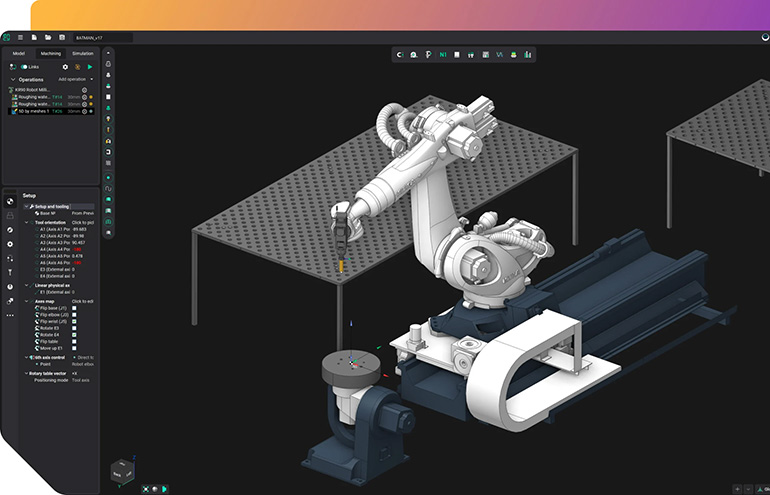
ENCY Software and Stäubli Robotics partner to simplify robot programming
ENCY Software and Stäubli Robotics have entered into a global partnership aimed at enhancing the ease and efficiency of robot programming. This collaboration seeks to make the programming process more intuitive and accessible for users, thereby accelerating the development and deployment of robotic solutions. The agreement was announced recently, highlighting both companies' commitment to innovation in the robotics industry. By leveraging their respective expertise, ENCY Software and Stäubli Robotics aim to streamline workflows and improve user experience in robotic applications, ultimately driving broader adoption of automation technologies across various sectors.
6-Axis Controllers Industrial Robots Logistics Machine Tool & Material Removal Manufacturing
Vention collaborates with FANUC and Universal Robots on software-defined automation
Vention is collaborating with industry leaders FANUC and Universal Robots to simplify the design and deployment processes of industrial and collaborative robots for manufacturers. This partnership aims to enhance software-defined automation, making it more accessible and efficient for companies looking to integrate robotic solutions into their operations. By leveraging the expertise of these prominent partners, Vention seeks to streamline automation workflows, ultimately driving productivity and innovation in manufacturing. The initiative is part of a broader trend to modernize manufacturing practices through advanced technology.
Arms / Manipulators Artificial Intelligence Assembly Cobot Arms Collaborative Robots Events
Vention and FANUC America Join Forces to Bring Industrial Robots to Vention's AI-Driven Hardware and Software Platform
At Automate 2026, live demonstrations showcased the capabilities of FANUC's CRX10iA and LR Mate 200iD robots, which are enhanced by Vention's advanced MachineMotion AI and MachineLogic software. These technologies are designed to optimize machine tending and adaptive robotic motion applications. The event, taking place in 2026, highlights the growing integration of artificial intelligence in automation processes, aiming to improve efficiency and flexibility in manufacturing environments. By leveraging these innovative solutions, companies can streamline operations and adapt to varying production demands, reflecting the industry's shift towards smarter, more responsive automation systems.

RoboDK to Demonstrate New CAM Software That Cuts Robotic Machining Deployment Time by Up to 40% at Automate Chicago 2026
RoboDK is set to demonstrate its advanced capabilities in CAD-to-robot machining and collision-free motion planning at an upcoming event. Utilizing a Mecademic robot, the company will present a production-ready setup that highlights the efficiency and precision of its technology. This showcase aims to illustrate how RoboDK's software can streamline robotic machining processes, enhancing productivity and safety in manufacturing environments. The event is scheduled for later this month, providing an opportunity for industry professionals to witness firsthand the innovations in robotic automation and their practical applications in real-world scenarios.
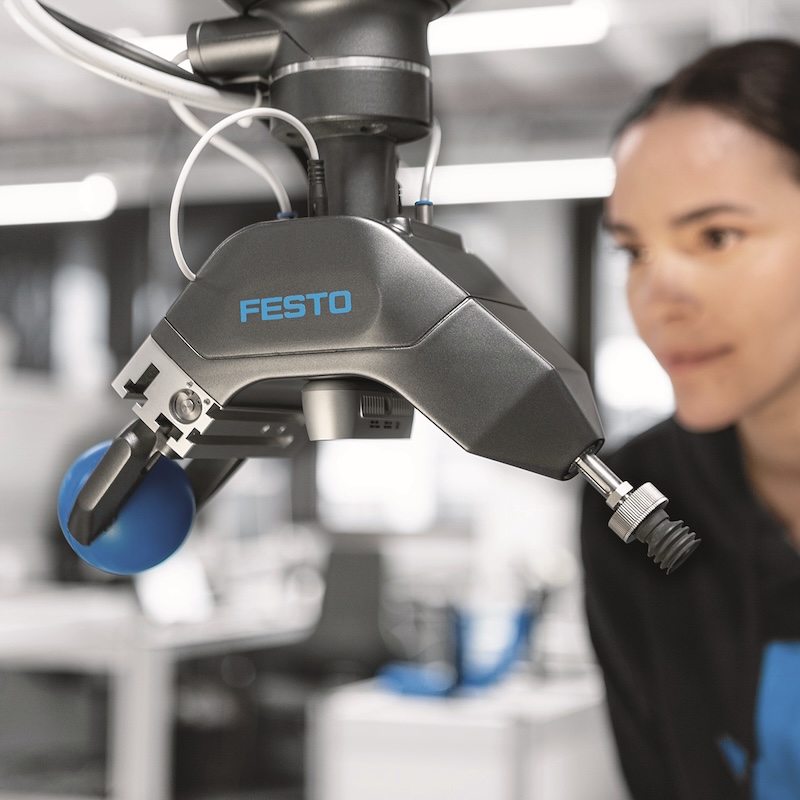
Festo launches GripperAI software to simplify flexible robot handling
Festo has launched GripperAI, an innovative AI-driven software designed to enhance robotic handling capabilities. This solution allows robots to manage a variety of mixed, unfamiliar, and randomly positioned products without requiring extensive programming or specialized vision systems. The introduction of GripperAI aims to provide manufacturers with increased flexibility in their automated handling processes. By automatically determining the best gripping point for each item, the software streamlines operations and improves efficiency in manufacturing environments. This advancement reflects Festo's commitment to integrating cutting-edge technology into automation solutions, catering to the evolving needs of the industry.
Components Industrial robots News AI software automation news cobots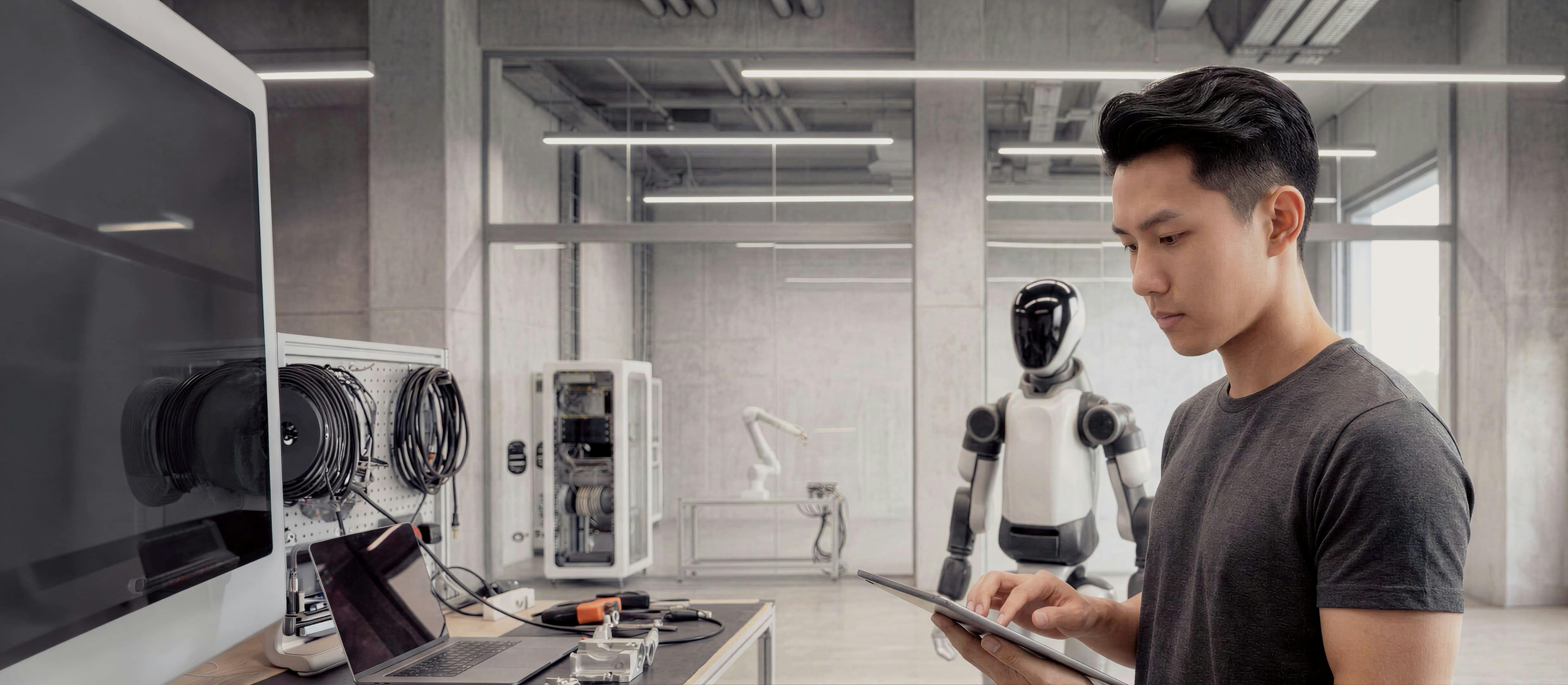
Robotics Developers Focus on AI Software to Address Performance, Study Finds
A recent study has revealed a significant transformation in the field of robotics, highlighting a growing dependence on software and artificial intelligence (AI) technologies. This shift is reshaping how robotic systems are designed and function, indicating a move towards more intelligent and adaptable machines. The findings, based on data collected until October 2023, suggest that the integration of advanced software capabilities is crucial for enhancing the performance and efficiency of robotic systems. As industries increasingly adopt these innovations, the implications for automation and operational processes are profound, potentially leading to greater productivity and new applications across various sectors.
Business Intelligence
Roboteon to Showcase Powerful Robotics Orchestration Software for Warehousing and Manufacturing at Automate 2026
In a groundbreaking event showcasing the future of robotics, multiple original equipment manufacturers (OEMs) demonstrated their latest robotic technologies, all synchronized through a single integrated software platform. This live demonstration took place recently, highlighting the advancements in automation and collaborative robotics. The event aimed to illustrate how diverse robotic systems can work together seamlessly, enhancing efficiency and productivity across various industries. By leveraging a unified software solution, the participating OEMs showcased their capabilities in real-time, allowing attendees to witness the potential of integrated robotic solutions in action. This initiative reflects the growing demand for cohesive automation systems that can adapt to complex operational environments. As industries increasingly seek to optimize their processes, the integration of different robotic technologies through a common platform represents a significant step forward in achieving smarter manufacturing and logistics solutions. The demonstration not only emphasized technological innovation but also underscored the importance of collaboration among manufacturers to drive the robotics industry forward. By showcasing their robots in a coordinated manner, the OEMs aimed to inspire confidence in the future of automated systems and their role in transforming the workforce.

Software is ‘the biggest bottleneck to robotics innovation’, says BlackBerry QNX report
QNX, a division of BlackBerry, has unveiled its latest research study, the Inside the Robot: Architecture Benchmark Report, which explores the evolving landscape of robotics development. The report highlights the shift towards software-driven and AI-enabled systems that are increasingly integrated into workplaces and everyday life. Conducted through a survey of 1,000 developers globally, the research aims to shed light on the current trends and challenges faced in the robotics sector. This initiative reflects QNX's commitment to understanding and advancing the role of robotics in modern society, emphasizing the importance of collaboration between humans and machines. The findings are expected to inform future developments in the field and guide industry stakeholders in adapting to these transformative changes.
Features Robotics Software ai robotics automation news Autonomous robots
Hyundai creates dedicated units for software-defined factory, robot components
Hyundai Motor Group is taking significant steps to enhance its manufacturing capabilities by establishing dedicated units focused on its software-defined factory (SDF) strategy and sourcing robotic components. This initiative aims to integrate Atlas humanoid robots into its auto manufacturing processes. The announcement was made on Monday, with industry sources revealing that the group has appointed Alpesh Patel, currently the chief innovation officer at Hyundai Motor Group Innovation Center Singapore, to oversee the SDF initiative. This move reflects Hyundai's commitment to modernizing its production facilities and improving efficiency through advanced robotics and software integration.
All News
Open-Source Software Is Starting to Help Robots Think
A new wave of open-source robotics is transforming the field, enabling a broader range of individuals to develop advanced robotic systems. This movement, which gained momentum in the last two years, has seen major companies like Hugging Face, Nvidia, and Alibaba invest in tools and models aimed at enhancing robots' cognitive abilities. The initiative builds on the success of the Robot Operating System (ROS), introduced in 2007, which standardized robotics software and significantly reduced the time researchers needed to focus on their core projects. Nvidia has developed a comprehensive open-source robotics stack that includes simulation tools and pre-trained models, making it easier for developers to create sophisticated robots without needing extensive expertise. Hugging Face has furthered this effort with its LeRobot platform, which has rapidly expanded its dataset offerings, now boasting over 58,000 robotics datasets. While the open-source approach democratizes access to robotics technology, concerns arise regarding the influence of commercial interests in shaping the field. Experts warn that as companies drive the movement, there is a risk of duplicating existing solutions rather than innovating. Nevertheless, the growing community of contributors—from industry leaders to hobbyists—signals a promising future for open-source robotics, fostering collaboration and creativity in a field that is becoming increasingly accessible.
Open-robotics Robot-ai Huggingface Ros Nvidia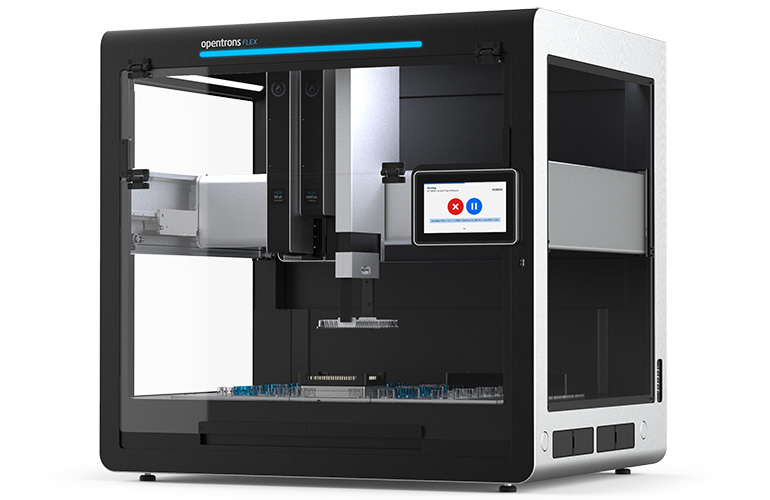
Opentrons launches Compliance Ready Software for Flex lab robots
Opentrons has announced the launch of its Compliance Ready Software, designed specifically for its Flex laboratory robots, which are now deployed in over 10,000 facilities globally. This new software enables these robots to adhere to stringent FDA regulations, enhancing their usability in regulated environments. The introduction of this software is a significant advancement for Opentrons, as it aims to streamline laboratory processes and ensure compliance with industry standards. By integrating this technology, the company seeks to expand the capabilities of its robotic systems, making them more accessible for laboratories that require adherence to strict regulatory frameworks.
Academia / Research Healthcare Robotics Laboratory / Cleanroom News Regulatory & Compliance Laboratory Automation
How remote software updates are keeping Ukraine’s combat robots on the edge
DevDroid, a Ukrainian combat robotics company, is revolutionizing military technology by implementing a software-style update cycle for its ground-based robotic systems. This innovative approach allows for rapid enhancements and adaptations to the robots' capabilities, ensuring they remain effective in dynamic combat environments. The initiative, which began in late 2023, aims to address the evolving challenges faced by Ukrainian forces amid ongoing conflict. By continuously upgrading the software, DevDroid enhances the operational efficiency and responsiveness of its robotic units, ultimately supporting the Ukrainian military's strategic objectives. The company’s commitment to integrating advanced technology into its combat systems reflects a broader trend in modern warfare, where adaptability and speed are crucial for success on the battlefield.

Robotmaster Software Update Speeds Up Programming
A new initiative has been launched to enhance the deployment of robotic plasma cells, aimed at improving efficiency in various applications. This development comes as part of ongoing efforts to advance automation technology and streamline processes across industries. The project, which began in October 2023, is being implemented at multiple research facilities and manufacturing plants worldwide. The motivation behind this initiative is to leverage the capabilities of robotic systems to optimize production and reduce operational costs. By integrating advanced plasma technology with robotics, the initiative seeks to address challenges faced in traditional manufacturing and service sectors, enhancing precision and speed. The deployment process involves a series of pilot programs designed to test the effectiveness of robotic plasma cells in real-world scenarios. These trials will assess their performance in tasks such as material processing, surface treatment, and other applications where plasma technology can provide significant benefits. As this project unfolds, stakeholders anticipate that the successful integration of robotic plasma cells will not only revolutionize current practices but also pave the way for future innovations in automation and manufacturing.
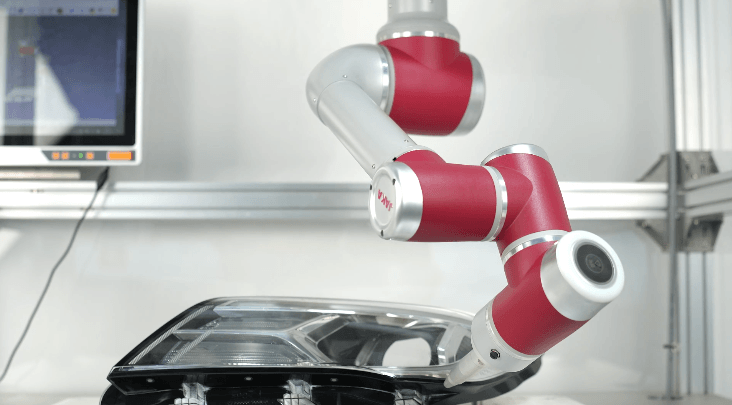
How to Choose the Right Programmable Robotic Arm Software and Control Interface
JAKA, a leader in robotic automation, emphasizes the importance of selecting appropriate software and control interfaces for programmable robotic arms to enhance production efficiency. The company advocates for a thorough understanding of task complexity, operator experience, and the need for process consistency when deploying these systems. For applications such as dispensing and gluing, JAKA highlights the necessity of stable motion paths and precise flow control over complex programming functions. The company prioritizes user-friendly software that supports graphical programming and drag-and-drop logic, enabling operators to optimize processes without extensive programming expertise. This flexibility is crucial for adapting to changes in production layouts or product designs, allowing for adjustments in dispensing paths and speeds without complete reprogramming. JAKA's Zu3 gluing solution exemplifies their approach, offering easy deployment and relocation while ensuring smooth motion control and accurate timing, which are vital for product quality and material efficiency. The control interface allows for rapid adjustments to dispensing parameters, facilitating fine-tuning without halting production. In conclusion, JAKA advises manufacturers to align their software choices with both immediate tasks and long-term production goals. By focusing on usability, motion control clarity, and application-specific design, JAKA aims to support a seamless transition from manual to automated processes, ensuring control, consistency, and adaptability in continuous manufacturing environments.
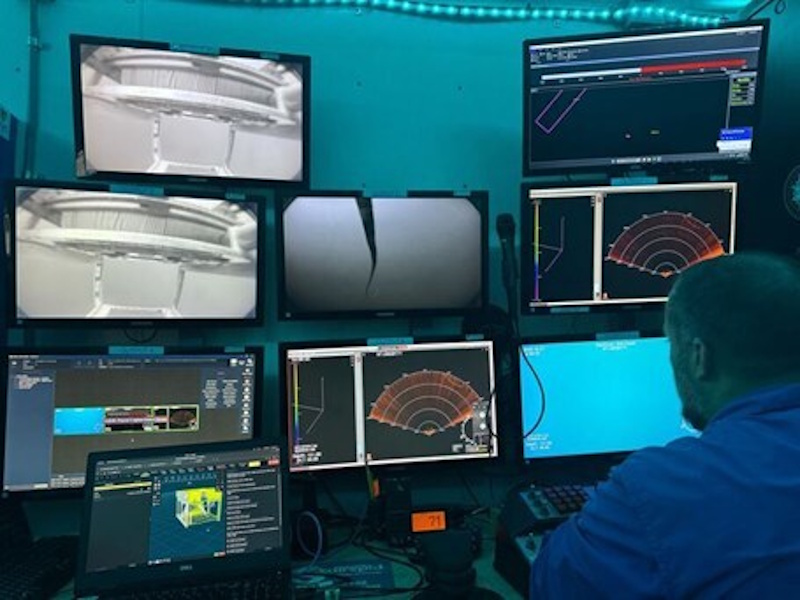
Nauticus Robotics Certifies Nauticus ToolKITT Autonomy Software on Light Work-Class ROVs & Completes First Paid Commercial Operation on a Retrofitted System
Nauticus Robotics, Inc. has successfully certified and deployed its Nauticus ToolKITT™ autonomy software on two light work-class remotely operated vehicles (ROVs) following the acquisition of SeaTrepid International in 2025. This achievement was announced today after the completion of certified pool and open-water testing. The deployment marks a significant milestone for Nauticus, as it represents the company's first paid commercial subsea project utilizing the ToolKITT™ software on a retrofitted ROV platform. This development underscores Nauticus's commitment to advancing its autonomy technology beyond proprietary systems, enhancing its capabilities in the field of autonomous subsea robotics.
nauticus robotics certification nauticus toolkitt autonomy software light work-class rov
Hamid Montazeri, SVP of Software & AI at Locus Robotics – Interview Series
Hamid Montazeri recently addressed the transformative effects of "physical AI" on warehouse operations and productivity. In a discussion held in October 2023, Montazeri highlighted how advancements in artificial intelligence are reshaping the logistics sector. He emphasized that the integration of AI technologies is not only streamlining processes but also enhancing efficiency within warehouses. This evolution is driven by the need for businesses to optimize their operations and reduce costs in an increasingly competitive market. Montazeri explained that the implementation of AI solutions involves automating routine tasks, improving inventory management, and enabling real-time data analysis, which collectively contribute to a more productive work environment. As companies continue to adopt these innovations, the landscape of warehouse management is expected to evolve significantly, paving the way for smarter and more agile operations.
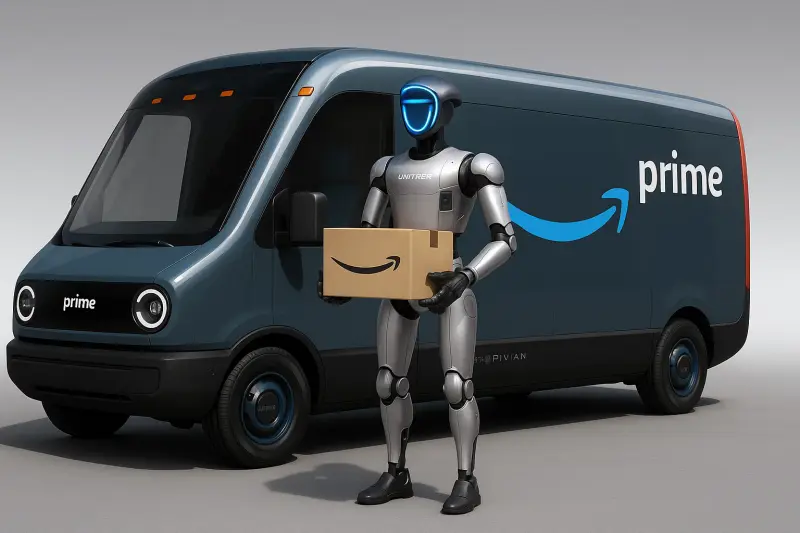
Amazon Reportedly Exploring Humanoid Robots for Deliveries, Focusing on AI Software
Amazon is reportedly in the process of developing artificial intelligence software designed for humanoid robots that would facilitate package deliveries. According to a report from The Information, the tech giant is constructing a specialized testing facility, referred to as a "humanoid park," in San Francisco. This initiative aims to refine the software capabilities while initially relying on third-party hardware for the robots. As of now, these developments have not been confirmed by Reuters, and Amazon has not issued any official comments regarding the project.
logistics Amazon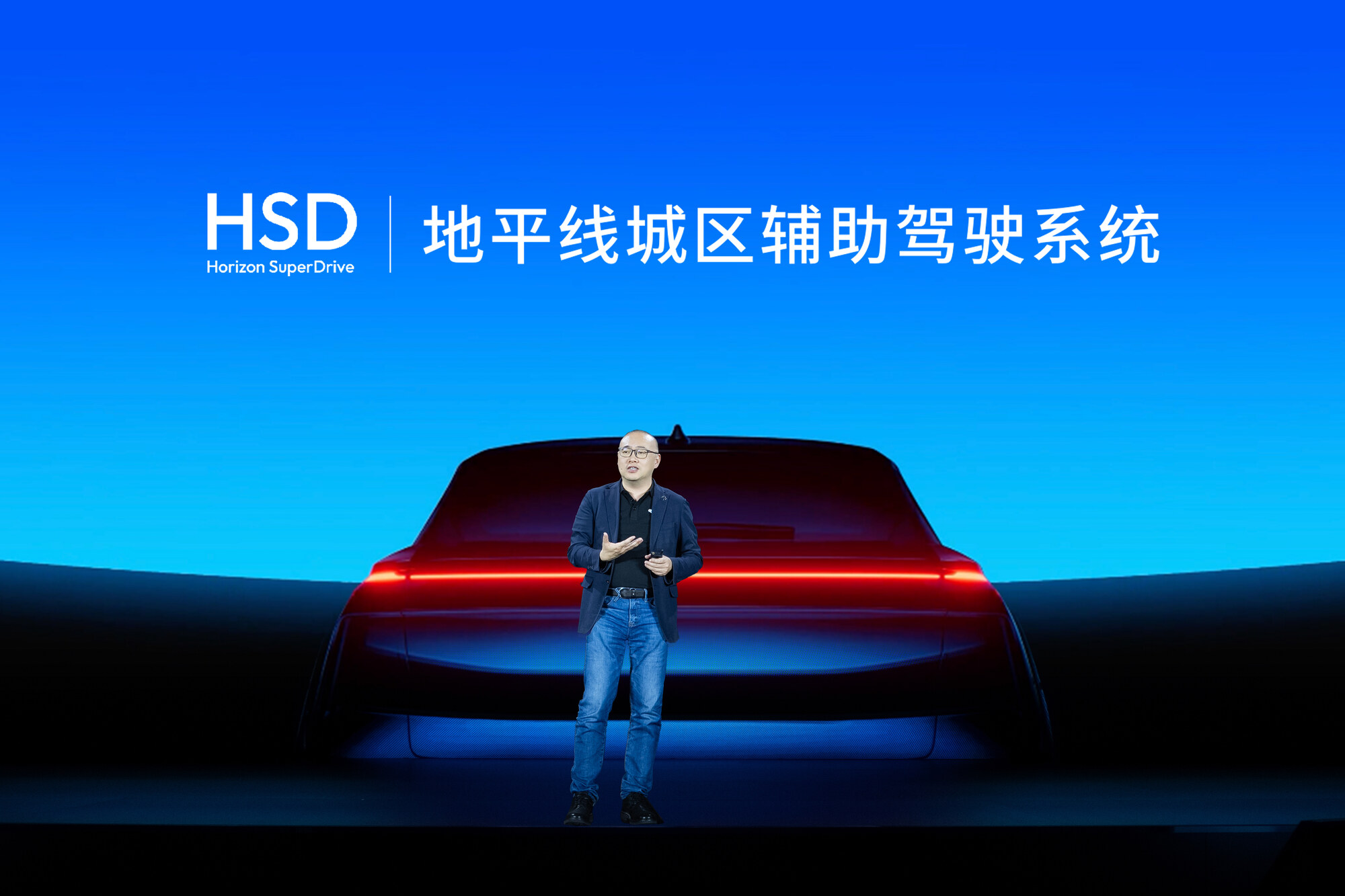
China’s Horizon Robotics offers assisted driving software to Chery
Chinese automaker Chery has announced that its upcoming flagship model will incorporate advanced automated driving assistance features utilizing Horizon Robotics’ “Horizon SuperDrive” (HSD) system. This collaboration was revealed on April 18 during an event in Shanghai, with plans for mass production set to begin in September. The HSD system is powered by Horizon’s Journey 6 processing hardware and employs a deep learning model akin to that used by Tesla, aiming to enhance the driving experience through cutting-edge technology.
News FeedRobotics needs a service framework.
RSF defines a common language for robot service capability, lifecycle operations, certification pathways, and service-provider networks.
Join the RobotToday community on LinkedIn
Daily robotics news, in-depth analysis, conference highlights, and discussions with professionals worldwide.