

Industry Briefing
A single destination for timely, editor-curated robotics news from around the world.

KAIST's RAIBO2 Quadruped Robot Completes Marathon on One Battery Charge
Researchers at KAIST have developed the quadruped robot RAIBO2, which successfully completed a 42.195-kilometer marathon on a single battery charge. The robot finished the Sangju Dried Persimmon Marathon in 4 hours, 19 minutes, and 52 seconds, while collecting valuable data on energy use, thermal performance, and locomotion. This achievement is significant as it showcases the potential for quadruped robots to operate efficiently over extended periods, addressing energy consumption as a whole-system engineering problem. The research, published in Nature, emphasizes the importance of optimizing mechanical and electrical systems together to enhance performance without sacrificing energy efficiency. Looking ahead, KAIST and its faculty startup Raion Robotics aim to translate the RAIBO2's research success into commercially viable quadruped robots. These robots will be designed for reliable operation in industrial environments, meeting various durability and performance standards. No further timeline was disclosed at the time of publication.
AI AI Funding & Investment AI Research & Advances Robotics Energy KAIST
Hypertron-SW01 Makes Global Debut as a Versatile Quadruped Robot at China-ASEAN Expo
At the 23rd China-ASEAN Expo, Shenzhen-based Xuanji Power unveiled the Hypertron-SW01, a medium-sized quadruped robot equipped with advanced detection equipment. The robot demonstrated its capabilities by smoothly traversing a simulated gravel road and climbing a ramp without interruption, capturing the attention of industry attendees. The introduction of the Hypertron-SW01 signifies a shift in the quadruped robotics industry, moving from mere performance comparisons to practical deployment solutions. Users are increasingly interested in the robot's operational readiness and ability to handle complex terrains, with Xuanji Power asserting that the SW01 is designed for immediate deployment and operation. The SW01 features a robust design with an IP67 protection rating, allowing it to function in harsh outdoor conditions. Its dual hot-swappable battery system ensures uninterrupted operation, while its advanced AI systems enhance its environmental awareness and operational efficiency. No further timeline was disclosed at the time of publication.
Quadruped Robots AI Systems Robotics Automation Industrial Technology
Global Shipments of Quadruped Robots Reach 35,000 Units in H1 2026, China Leads Market
According to a report by Counterpoint Research, global shipments of quadruped robots approached 35,000 units in the first half of 2026, with 40% utilized in industrial applications. Chinese companies contributed over 90% of the global market share, reflecting a similar dominance seen in humanoid robots. Yushu Technology ranked first with a 37% market share, leveraging its early advantages in entertainment and educational applications, which accounted for over 70% of its shipments. In the industrial application segment, Zhiyuan Kuituo led with a 16.3% share, followed by Yundongchu with 26%, and Zhishen Technology in third place. The report forecasts that global shipments of quadruped robots will exceed 90,000 units for the first time in 2026, with annual revenue expected to reach $1.5 billion. By 2030, the global market size is projected to surpass $10 billion, driven by industrial inspections and security patrols, which will account for about 60% of the market. This shift indicates a transition in competition from mobility performance to the delivery capabilities of vertical solutions.
Quadruped Robots Industrial Applications Market Trends Robotics Technology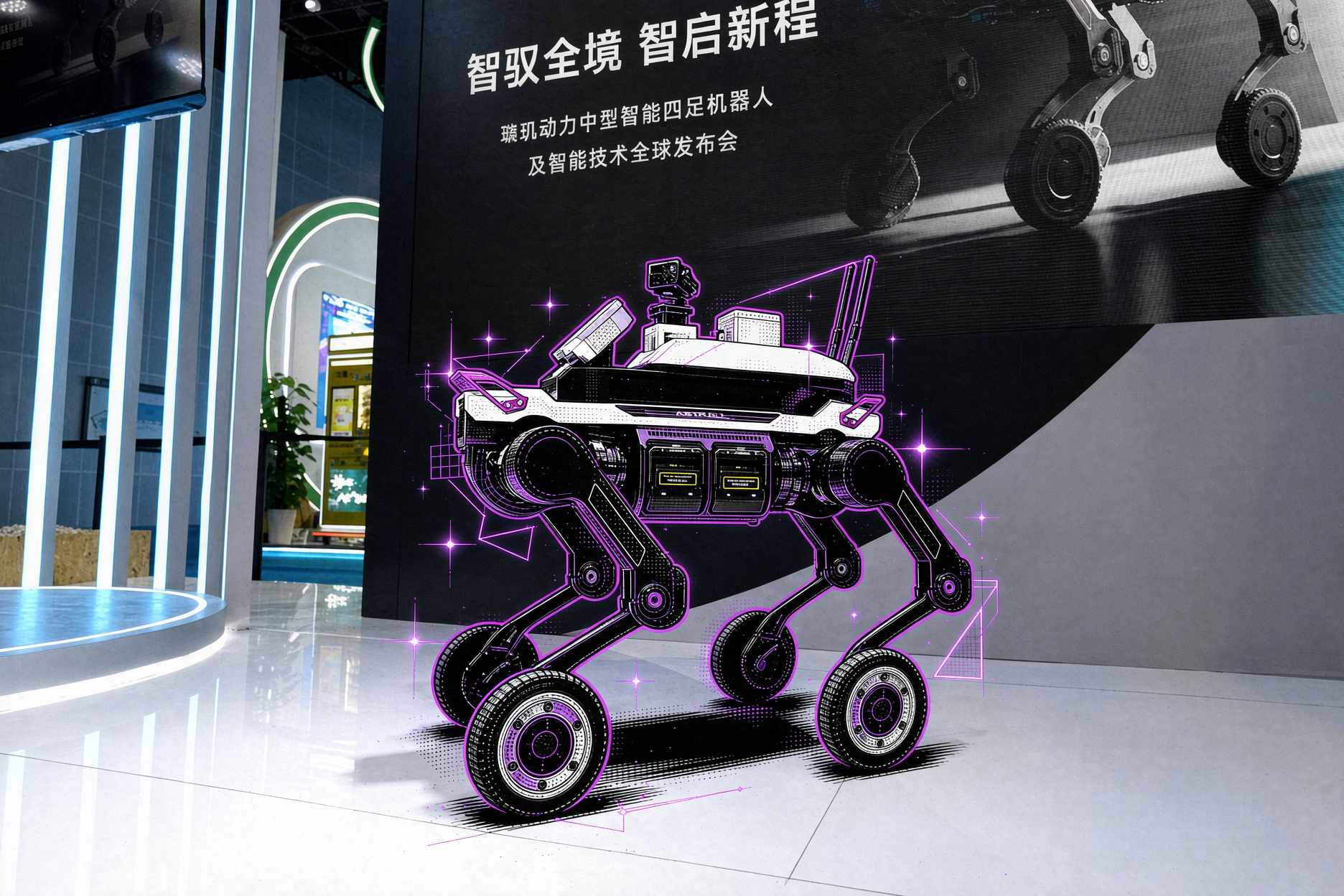
Xuanji Power Unveils Hypertron-SW01 Quadruped Robot at CAEXPO, Enhancing Inspection Solutions for ASEAN
From September 17 to 21, the 23rd China-ASEAN Expo took place in Nanning, featuring over 3,400 companies from more than 70 countries. At this event, Shenzhen-based Xuanji Power launched its new medium-sized quadruped robot, the Hypertron-SW01, alongside upgraded AI inspection management and terrain perception systems. The company claims that its robot can be deployed immediately without extensive localization, addressing a common challenge in international markets. This development is significant as it highlights Xuanji Power's capability to deliver a ready-to-use quadruped robot solution, which can operate in various industries without the need for lengthy adaptations. The Hypertron series has already proven its reliability in domestic power grid substations, showcasing its autonomous navigation and endurance in complex environments. Xuanji Power focuses on sectors such as energy, emergency response, and smart parks, where defined tasks and clear customer payment willingness are prevalent. Looking ahead, it will be crucial to observe how the ASEAN market's power, firefighting, and park scenarios differ from domestic conditions and whether the local service network can keep pace with the product delivery. No further timeline was disclosed at the time of publication.
Quadruped Robots AI Inspection Solutions Smart Robotics Industrial Automation
Understanding Quadruped Robot Specifications: Consumer vs. Industrial Applications
Quadruped robots have increasingly adopted a standardized design, characterized by four legs and a stable gait. This convergence is evident in promotional videos showcasing their ability to navigate various terrains and recover from disturbances. The significance of this trend lies in the implications for both consumer and industrial markets. As these robots become more versatile, they may serve dual purposes, enhancing their appeal to a broader range of applications, from entertainment to security patrols. Looking ahead, industry stakeholders should monitor advancements in quadruped technology and their integration into different sectors. The ongoing development of these robots could lead to innovative solutions that address specific operational needs across various environments. No further timeline was disclosed at the time of publication.
10th ZGC Emerging Fields Quadruped Robot Challenge Set for September 2026
The 10th ZGC Emerging Fields Quadruped Robot Challenge will take place from September to October 2026, focusing on the application of quadruped robots in complex environments. This initiative aims to promote the development of embodied intelligence technologies in line with China's 14th Five-Year Plan, enhancing economic growth through innovation. The challenge will assess quadruped robots on their ability to transport materials and perform tasks in various terrains, including stairs, sand pits, and rubble. It will also evaluate their autonomous capabilities in emergency scenarios, such as navigating confined spaces and conducting search and rescue operations in simulated urban ruins. Participating teams must register before the deadline and will have training opportunities on obstacle courses prior to the competition. Awards will be given to top teams, with opportunities for further support and collaboration in scientific projects and potential partnerships in sectors like emergency response and energy.
Quadruped Robots Emergency Response Robotics Innovation AI Technology
Integrated Lightweight Design of Tubeless Hydraulic Quadruped Robot Utilizing Additive Manufacturing
A new quadruped robot featuring a lightweight and integrated design has been developed, utilizing tubeless hydraulic systems and additive manufacturing techniques. This innovation aims to enhance the robot's mobility and efficiency in various terrains, making it suitable for field applications. The significance of this development lies in its potential to improve robotic performance in challenging environments. By employing additive manufacturing, the design allows for more complex geometries and reduced weight, which can lead to better energy efficiency and operational capabilities in the field. Looking ahead, the focus will be on testing the robot's performance in real-world scenarios to validate its design and functionality. No further timeline was disclosed at the time of publication.
RESEARCH ARTICLE
Quadruped Robots Highlighted at IFA: China's Solution to Global Labor Shortages
At the 2026 IFA in Berlin, quadruped robots emerged as a significant focus, with Shenzhen's Xuanji Power winning the Best in IFA Next & Emerging Technologies award for its Hypertron-T01 heavy-duty quadruped robot. Unlike previous exhibitions showcasing dancing robots, Xuanji Power presented a product already operational in the field, capable of handling dynamic loads up to 80 kg across challenging terrains. The importance of this development lies in addressing labor shortages in specialized industries, as highlighted by Xuanji Power's emphasis on the robot's ability to perform reliably in real-world scenarios. The Hypertron series has been successfully deployed in substations, demonstrating its capability for long-term, unmanned operations. The company aims to transition quadruped robots from demonstration to practical applications, focusing on stable performance in real environments. Looking ahead, Xuanji Power announced the opening of its core SDK interfaces to facilitate rapid development of localized solutions by European integrators and developers. This move underscores the shift of quadruped robots from mere exhibition pieces to essential tools capable of operating in hazardous environments, marking a significant step towards industrialization in response to global labor challenges.
Quadruped Robots Industrial Automation Robotics Technology AI Solutions
Yuejia Dynamics Deploys Quadruped Robots in Shenzhen Metro, Aiming for 10,000 Units Annually
Yuejia Dynamics, a startup based in Shenzhen, has successfully deployed its quadruped inspection robots in the Shenzhen Metro. Founded in 2025, the company is focused on enhancing operational efficiency within urban transit systems. The introduction of these robots is significant as it represents a step forward in the integration of robotics into public infrastructure, potentially improving safety and inspection processes. Yuejia Dynamics aims to achieve an impressive annual production capacity of 10,000 units by the end of October, indicating strong market confidence. Looking ahead, the performance of these quadruped robots in the metro environment will be crucial. Observers should monitor the operational feedback and any adjustments made by Yuejia Dynamics as they scale production and refine their technology. No further timeline was disclosed at the time of publication.
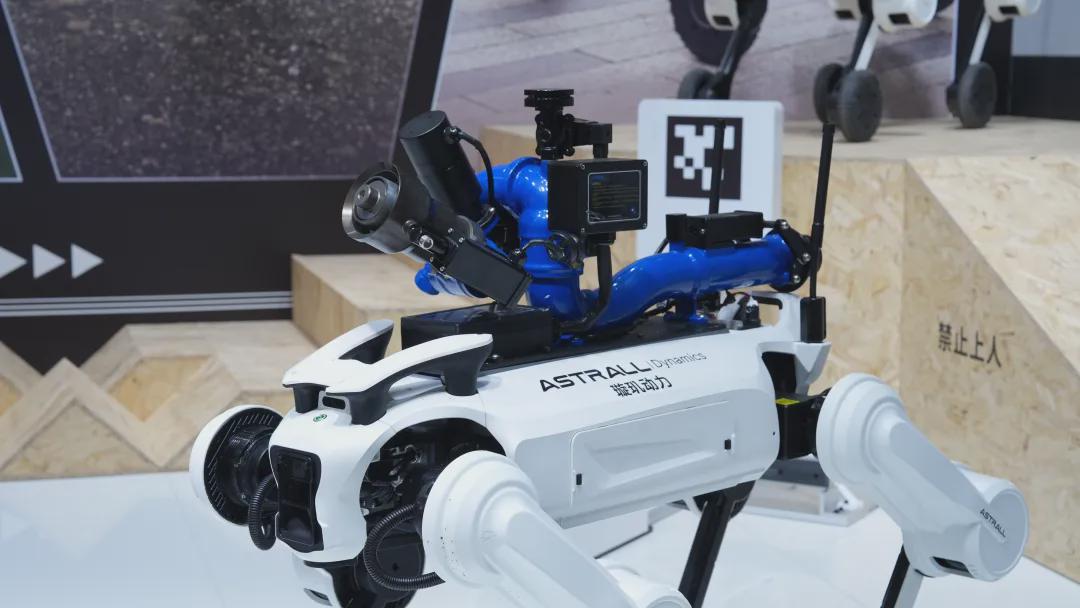
Insights from WRC 2026: Quadruped Robots Transition to Practical Applications with Xuanji Power
The 2026 World Robot Conference (WRC) commenced on August 19 in Beijing, showcasing over 300 exhibitors and more than 2,000 products. A notable shift in the robotics industry was observed, moving from mere demonstrations to practical applications, particularly in quadruped robots. Attendees showed increased interest in the specialized equipment on these robots rather than just their performance. In the past five years, China's quadruped robot sector has transitioned from technology validation to commercial exploration. While there has been significant investment and rapid advancements in gait algorithms and motion control, many companies have struggled with practical deployment in industrial settings. The demand for robots capable of operating in hazardous environments has grown, highlighting the need for reliable and adaptable solutions. At WRC 2026, a clear divide emerged between consumer-grade products and those targeting industrial markets. Xuanji Power has distinguished itself by mastering the design and production of axial flux motors, which offer higher torque and power density. This innovation allows for the development of robust quadruped robots that can meet the rigorous demands of various applications, ensuring product consistency and stability through in-house production of core components.
Quadruped Robots Industrial Automation Robotics Technology AI Energy Sector
Robot.com Introduces R-dog Quadruped Robot for Last-Mile Delivery and Advertising
Robot.com has launched R-dog, a quadruped robot designed for last-mile delivery and interactive advertising. This innovative robot addresses the challenges faced by wheeled robots in navigating obstacles such as stairs and curbs, effectively completing the final 100 meters of delivery. R-dog operates on the REMI fleet management platform, allowing it to manage multiple payloads, including food and e-commerce parcels, without hardware changes. The significance of R-dog lies in its dual functionality. Not only does it facilitate efficient deliveries in complex environments like urban streets and campuses, but it also serves as a dynamic advertising platform through R-ads. Brands can engage consumers by remotely managing campaigns on R-dog's dual video screens, creating an interactive experience that enhances brand visibility and consumer interaction. Looking ahead, Robot.com aims to leverage R-dog's capabilities to transform last-mile logistics and advertising. The integration of R-dog with the existing REMI platform streamlines operations, enabling rapid deployment of this new robot form factor. No further timeline was disclosed at the time of publication.
Logistics Robotics autonomous delivery Autonomous robots delivery robots Field Foundation Models
Diguo Robotics and Zhishen Technology Establish Strategic Partnership for Quadruped Robots
On August 13, Diguo Robotics and Zhishen Technology signed a strategic cooperation framework agreement. The partnership focuses on quadruped robots and embodied intelligence, aiming for deep collaboration in product development, ecosystem building, and marketing. They will leverage real market demands to drive the industrialization of embodied intelligence technology. This collaboration is significant as it marks a shift from traditional hardware cooperation between chip manufacturers and system integrators to a more integrated approach that encompasses product, ecosystem, and marketing dimensions. Diguo Robotics' Xuri S100P intelligent computing chip powers Zhishen's core quadruped robots, enabling efficient data processing and reliable operation in complex scenarios such as power inspections and emergency rescues. Looking ahead, the partnership plans to expand its collaboration beyond the current models to include more of Zhishen's product lines. They aim to develop joint courses, share resources for competitions, and enhance marketing efforts to promote the quadruped robots in various applications, including agriculture and education. No further timeline was disclosed at the time of publication.
Quadruped Robots Smart Computing Robotics Collaboration Industrial Automation
Central China's Largest Order Sees Nearly 100 Quadruped Robots Delivered
On August 6, nearly 100 industrial inspection quadruped robots were delivered at the Wuhan Optics Valley Human-Robot Innovation Center, marking the largest concentrated delivery in Central China's robotics industry. Developed by Chengxin Zhili (Wuhan) Technology Co., these robots will be deployed in cities like Wuhan, Shanghai, and Wuxi for security inspections. The first batch of 30 robots from the Xun1 series, priced over 100,000 yuan each, features advanced LiDAR technology for enhanced environmental perception and obstacle avoidance. Equipped with infrared temperature measurement, gas sensing, and visual recognition modules, these robots autonomously perform inspection tasks, data collection, and alert reporting without the need for remote control. Chengxin Zhili also introduced the Xun3 robot, which boasts improved endurance and climbing capabilities. With a range of up to 20 kilometers and the ability to autonomously intervene in emergencies, the company is poised for large-scale production, having already established a significant presence in the MEMS IMU supply chain. No further timeline was disclosed at the time of publication.
Quadruped Robots Industrial Inspection Robotics Technology Autonomous Navigation
SEOULTECH Develops Porous 3D-Printed Feet to Enhance Quadruped Robot Efficiency
Researchers at Seoul National University of Science and Technology (SEOULTECH) have created porous 3D-printed feet that enable quadruped robots to walk more efficiently, reducing battery power consumption by up to 6.2 percent. These lightweight feet, made from triply periodic minimal surface (TPMS) structures, absorb and release impact energy, easing the burden on the robot's motors. This innovation is significant as quadruped robots are increasingly utilized in various sectors, including inspection, logistics, and search and rescue. Traditional quadruped designs consume more energy than wheeled robots due to the constant motor-driven leg movements required for walking. The new TPMS feet design addresses this issue, enhancing efficiency while maintaining stable locomotion. Looking ahead, the integration of deep reinforcement learning with the TPMS feet presents a promising avenue for further advancements in robotic mobility. The AI controller optimizes the robot's gait to synchronize motor movements with the energy stored in the feet, minimizing unnecessary motor effort. No further timeline was disclosed at the time of publication.
AI and Robotics
China Accounts for 80% of Global Humanoid and Quadruped Robot Production
Recent announcements from China's Ministry of Industry and Information Technology and the National Development and Reform Commission revealed significant data on the country's intelligent robotics industry. In the first half of 2023, China's industrial robot production increased by 28% year-on-year, while service robots saw an 11.9% rise, indicating a robust growth trend in the sector. China's dominance in specific robotics segments is notable, with quadruped robots capturing nearly 70% of global sales. The humanoid robot sector is also accelerating, with over 400 domestic models accounting for more than half of the global total. More than 230 companies are involved in this market, with expectations that humanoid robot production will exceed 100,000 units this year. The application of intelligent robots is deepening across various sectors, including inspections in hazardous environments and medical procedures supported by 5G technology. The National Development and Reform Commission has classified intelligent robotics as one of six emerging pillar industries, highlighting China's commitment to expanding the supply of next-generation intelligent terminal products.
Humanoid Robots Quadruped Robots Industrial Automation Service Robots
Porous 3D-Printed Feet Enhance Energy Efficiency in Quadruped Robots
Quadruped robots, designed to walk on four legs, are gaining traction in various applications including inspection, transportation, and search-and-rescue missions. Despite their versatility, these robots face significant energy consumption challenges due to the repetitive leg movements, which are less efficient compared to the rolling motion of wheeled robots. The development of porous 3D-printed feet aims to address this energy efficiency issue. By optimizing the design of the feet, engineers are working to reduce the overall power usage of quadruped robots, making them more viable for extended operations in demanding environments. Looking ahead, advancements in 3D printing technology and materials could further enhance the performance of quadruped robots. Continued research and development in this area will be crucial for improving energy efficiency and expanding the operational capabilities of these robots in various sectors.
Robotics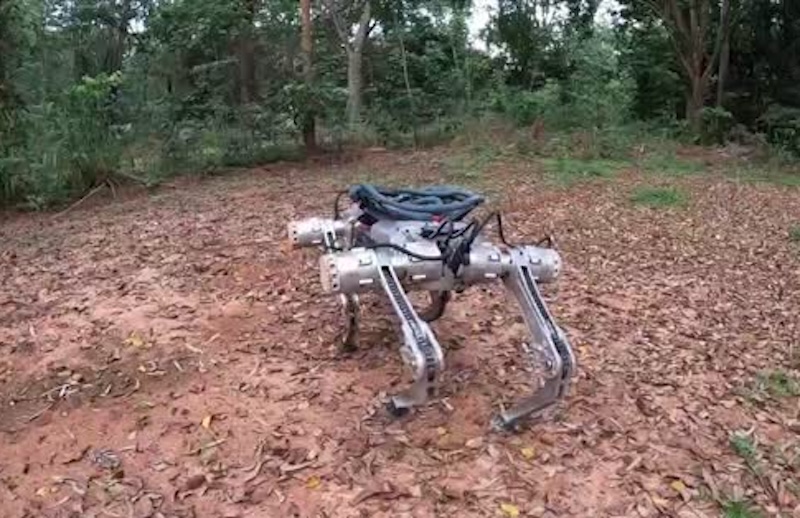
Strider Robotics Unveils 40 kg Payload Quadruped Robot Amid Commercial Deployments
Strider Robotics, an Indian startup, has successfully demonstrated a quadruped robot capable of carrying a 40 kg payload across challenging terrains. This marks a significant step as the Bengaluru-based company transitions from prototype development to commercial deployment, with field pilots currently underway with a major oil and gas company and an automotive manufacturer. The importance of this development lies in Strider's focus on enhancing India's domestic robotics manufacturing capabilities, as over 80 percent of the robot's components are sourced locally. Quadruped robots are gaining traction in industries where traditional wheeled vehicles face limitations, such as energy, mining, and infrastructure inspection, due to their ability to navigate uneven surfaces and carry equipment. Looking ahead, Strider Robotics aims to solidify India's position as a key player in the development of intelligent legged robotic systems for industrial and defense applications. No further timeline was disclosed at the time of publication.
Robotics Robotics and Automation Robotics and Automation News Robotics News AI software artificial intelligence
Agile Multiskill Locomotion Techniques for Quadrupedal Robots in Natural Environments
A recent study published in Science Robotics explores advanced locomotion techniques for quadrupedal robots designed for outdoor environments. The research focuses on developing agile and perceptive multiskill locomotion capabilities that enable these robots to navigate complex terrains effectively. This advancement is significant as it enhances the operational versatility of quadrupedal robots, making them more suitable for various applications in challenging environments. By improving their ability to adapt to different terrains, these robots can be utilized in fields such as search and rescue, environmental monitoring, and exploration. Looking ahead, the implications of this research could lead to further innovations in robotic mobility and autonomy. No further timeline was disclosed at the time of publication.
Research Article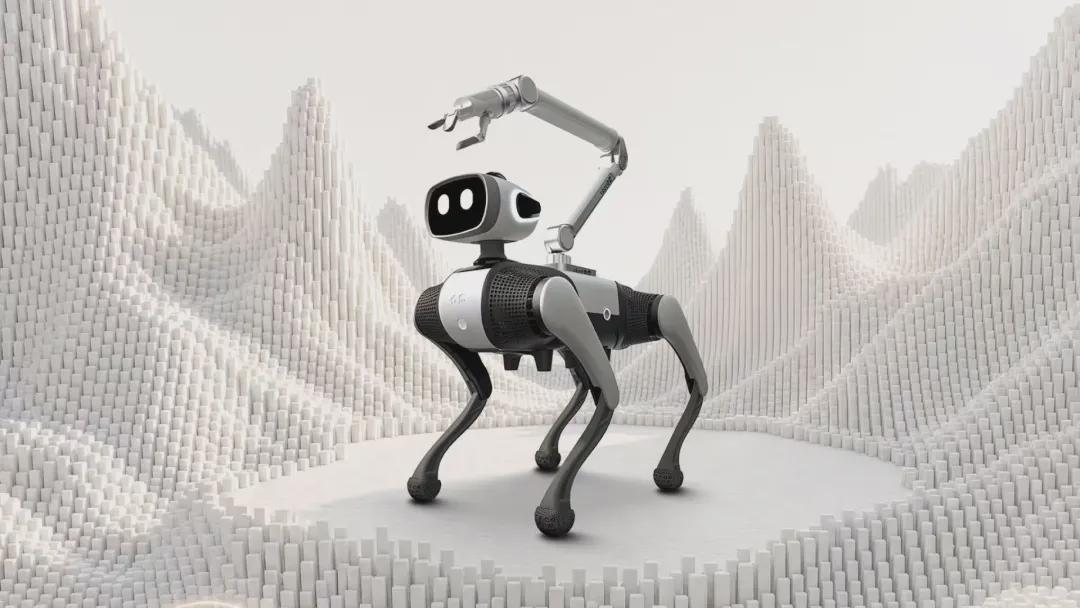
Vbot Launches Daitou EDU: A Versatile Quadruped Robot Development Platform
Vbot has introduced the Daitou EDU, a quadruped robot development platform designed for real-world applications. Unlike traditional robots that focus on speed and agility, the Daitou EDU emphasizes the importance of practical use cases in various sectors, such as property management and healthcare. The significance of the Daitou EDU lies in its advanced capabilities, including 128 TOPS edge computing power, integrated perception hardware, and autonomous mobility features. This platform allows developers to create applications without starting from scratch, addressing the gap between robotic capabilities and practical applications in diverse environments. Looking ahead, the Daitou EDU represents a shift in the robotics industry towards creating adaptable robots that can be redefined for multiple scenarios. As developers begin to leverage its features, the potential for innovative applications in various fields will expand, raising questions about the future roles of robots in everyday life.
Quadruped Robots Robotics Development Embodied Intelligence AI Applications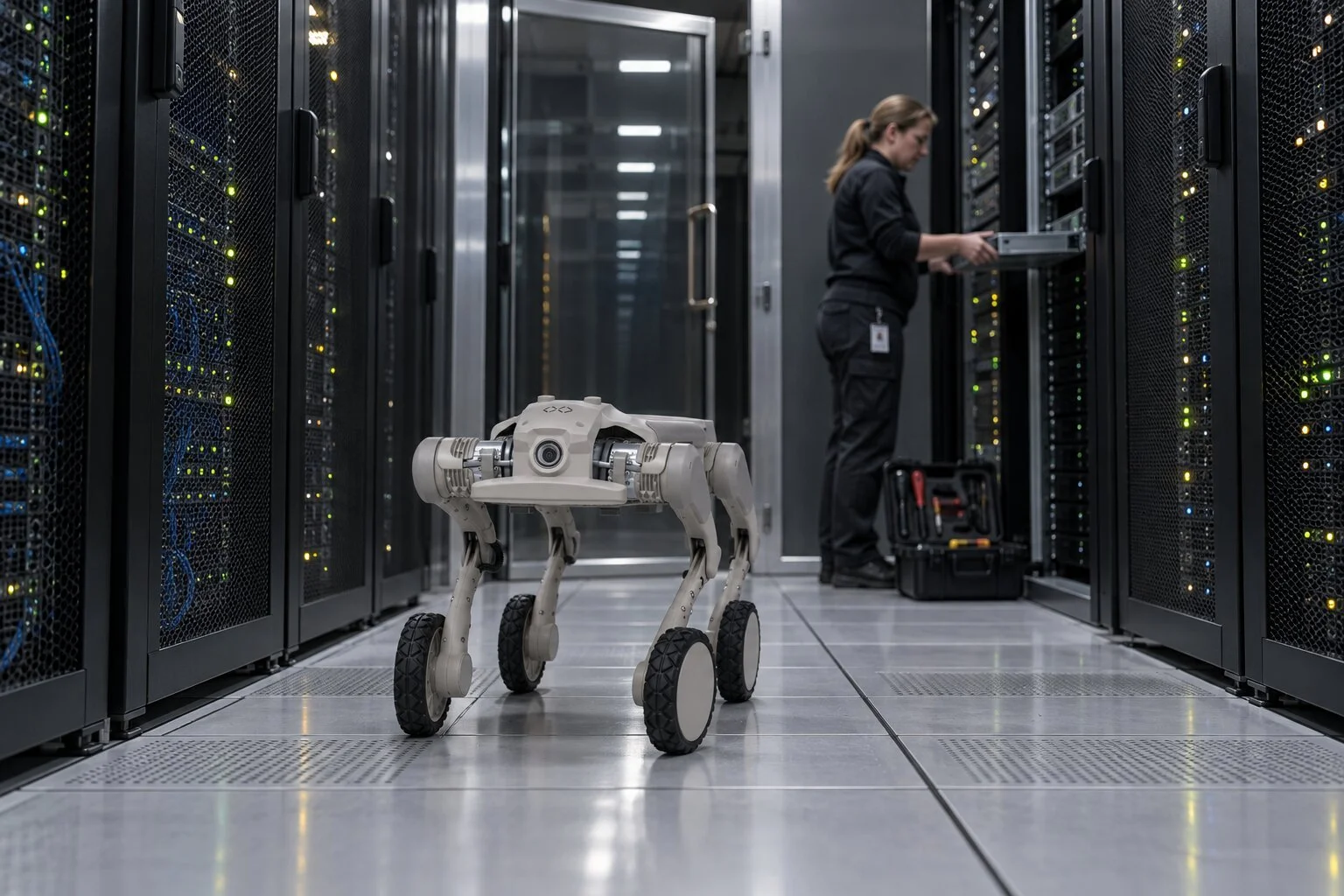
Faraday Future Launches Nine New Robots for Diverse Applications in AI and Robotics
Faraday Future has introduced nine new robot configurations across five models, enhancing its humanoid and quadruped offerings for various applications including research, education, security, inspection, and industrial use. The lineup features the All-New Futurist humanoid starting at $89,900, Master Mini humanoids beginning at $9,990, and Aegis quadruped robots priced between $12,990 and $137,900. This expansion is significant as it aligns with Faraday Future's vision of an integrated AI ecosystem, which combines robotics with advanced data processing capabilities. The company emphasizes the coexistence of multiple robot forms to tackle a wider range of tasks and generate valuable real-world data, thereby enhancing the training and evolution of its AI systems. Looking ahead, Faraday Future's robotics solutions are set to impact K-12 education, research, and industrial inspection sectors. The company has not disclosed any further timeline for upcoming developments, but the availability of these products through various platforms indicates a strategic move to penetrate multiple markets effectively.
AI AI Funding & Investment AI Use Cases Robotics embodied AI Faraday Future
Quadruped Robot Competition Opens for Participants to Showcase Specialized Applications
A new competition has been announced, inviting participants to demonstrate the capabilities of quadruped robots in specialized scenarios. This event is designed to challenge the limits of robotic applications and encourage innovation within the industry. The significance of this competition lies in its potential to advance the development of robotic technologies, particularly in specialized applications. By showcasing the unique abilities of robotic dogs, the event aims to inspire new ideas and solutions in the field of robotics. Looking ahead, participants will have the opportunity to present their innovations, which could lead to breakthroughs in various applications. No further timeline was disclosed at the time of publication.
Quadruped Robots Robotics Competition Specialized Applications Innovation in Robotics
Quadrupedal Robot Learns Agile Jumping Through Narrow Openings Using AI
Researchers at the University of Hong Kong and the Oxford Robotics Institute have developed a learning-based system that enables four-legged robots to navigate through narrow gaps autonomously. This innovative approach allows quadrupedal robots to perform agile movements, inspired by the natural jumping abilities of dogs, without relying on pre-programmed sequences. The technology, demonstrated on the 48-pound Unitree Aliengo robot, utilizes a hierarchical reinforcement learning framework called ConsJump. This system allows the robot to assess obstacles and dynamically decide when to jump, enhancing its ability to traverse confined spaces quickly and efficiently. The robot's onboard Intel D435i RGB-D camera plays a crucial role in identifying obstacles and adjusting its movements accordingly. Future developments may focus on refining the robot's adaptability to various environments and conditions. The researchers believe that the same architecture could be applied to other complex robotic tasks, potentially leading to advancements in robotic agility and autonomy in challenging terrains. No further timeline was disclosed at the time of publication.
AI and Robotics
Quadrupedal Robot Develops Dog-like Agility for Navigating Tight Spaces
Recent advancements in robotics have led to the development of a quadrupedal robot that mimics the agile movements of dogs and other four-legged animals. This robot is designed to leap and maneuver through tight spaces, showcasing improved agility compared to previous models. The ability to replicate such movements is significant as it opens up new possibilities for robotic applications in environments where space is limited. This advancement could enhance the functionality of robots in various sectors, including search and rescue operations, where navigating through confined areas is crucial. Looking ahead, the focus will be on refining these movements further and integrating advanced sensors to improve the robot's adaptability in dynamic environments. No further timeline was disclosed at the time of publication.
Robotics
DEEP Robotics Expands Use of Quadruped and Wheeled Robots in Emergency Response Operations
Chinese startup DEEP Robotics is enhancing firefighting and emergency response capabilities with its X30 quadruped and Lynx M20 wheeled-legged robots. These robots are designed to enter hazardous environments first, gathering real-time data on conditions and relaying it to command teams, thereby keeping human responders safe during initial assessments. The deployment of these robots is significant as they can monitor dangerous situations such as fires, chemical leaks, and collapsed structures without putting human lives at risk. The X30 quadruped is equipped with advanced sensors and can also assist in firefighting efforts, transporting equipment, and maintaining communication links in challenging environments. Looking ahead, DEEP Robotics aims to further integrate its robotic systems into emergency response protocols, enhancing the efficiency and safety of rescue operations. No further timeline was disclosed at the time of publication.
AI and Robotics
China Plans to Use Robot Dogs for Research at 2035 Moon Station
China is preparing to send robot dogs to the Moon as part of its International Lunar Research Station (ILRS) initiative, aiming for completion by 2035. These quadruped robots are envisioned to assist astronauts in research and emotional support, enhancing the human experience in space. The integration of new communication and navigation systems is crucial for this ambitious project, as reported by South China Morning Post. The robot dogs will not only patrol the lunar research station but also aid astronauts in scientific tasks, showcasing a unique partnership between humans and machines in extraterrestrial environments. Looking ahead, the deployment of robot dogs could revolutionize lunar exploration, with their capabilities extending to autonomous operations. As China progresses towards its 2035 goal, the role of these robotic companions in space will be pivotal in ensuring safety and efficiency in lunar research activities. No further timeline was disclosed at the time of publication.
AI and Robotics
DEEP Robotics Integrates Quadruped Robots and AI for Warehouse Inventory Management and Safety Monitoring
DEEP Robotics has launched an innovative warehouse operation solution that combines quadruped robots with advanced AI models. This system, unveiled on July 31, 2026, enables one-click inventory management, significantly enhancing end-to-end operational efficiency in logistics and warehouse management. The technology automates tasks traditionally reliant on human resources, accelerating the digital transformation of warehouses. DEEP Robotics' quadruped robots autonomously navigate the warehouse, performing various tasks such as automatic identification of goods through QR code and RFID tag scanning, thus building accurate inventory data. Additionally, the integration of digital twin technology allows real-time visualization of the entire warehouse environment. This solution not only improves inventory accuracy but also enhances safety through early fire detection and unauthorized entry monitoring. DEEP Robotics is setting new standards in the logistics industry by merging inventory management, safety monitoring, and data-driven decision-making.

US Government Prohibits Import of Humanoid and Quadruped Robots from Abroad
The U.S. government, under President Donald Trump's administration, has officially banned the import of humanoid and quadruped robots. This decision was made on national security grounds and adds these robots to a growing list of restricted products and companies. This ban is significant as it reflects the increasing concerns regarding national security and the potential risks associated with foreign-manufactured robotics. By restricting these imports, the U.S. aims to safeguard its technological integrity and protect sensitive information from potential foreign threats. Looking ahead, it will be important to monitor how this ban affects the robotics industry, particularly in terms of innovation and international trade. No further timeline was disclosed at the time of publication.
Business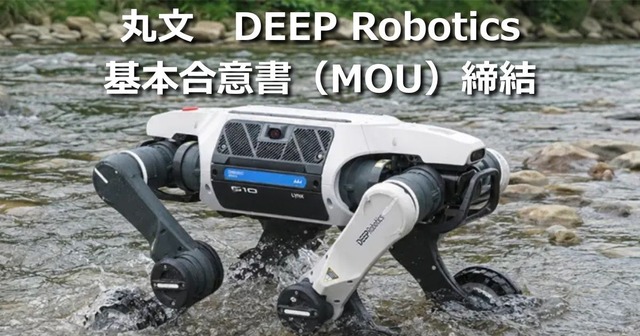
Marubeni and DEEP Robotics Sign MOU to Accelerate Automation with Quadrupedal Robots
On July 23, 2026, Marubeni Corporation announced a memorandum of understanding with DEEP Robotics to expand the sales of quadrupedal robots in the Japanese market. The collaboration aims to address labor shortages and aging infrastructure in Japan's industrial sector, where autonomous robots can operate in hazardous environments. This partnership is significant as it combines Marubeni's extensive customer network and technical support with DEEP Robotics' advanced AI and motion control technologies. The quadrupedal robots are designed to navigate complex terrains and perform tasks autonomously, offering a solution to Japan's pressing labor issues and safety concerns in industrial settings. Looking ahead, Marubeni plans to leverage both companies' strengths to develop new applications for quadrupedal robots in Japan. The focus will be on sectors such as power, construction, and disaster response, where the deployment of these robots could enhance operational efficiency and safety. No further timeline was disclosed at the time of publication.
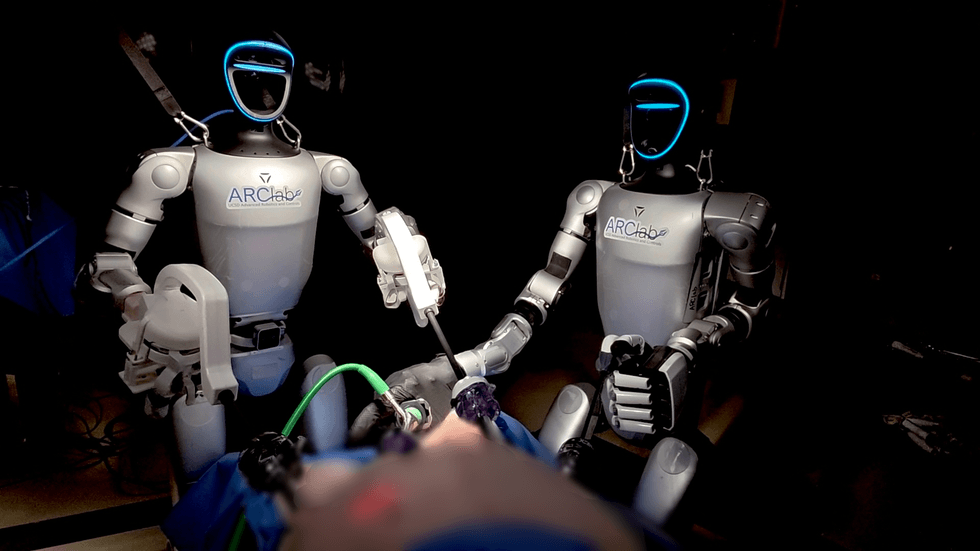
Weekly Robotics Videos Showcase Advances in Humanoid Surgery and Quadrupedal Locomotion
This week's Video Friday highlights significant advancements in robotics, including a systematic evaluation of humanoid technology for laparoscopic surgical tasks. Researchers developed a humanoid-based teleoperation framework and assessed its performance through various studies, revealing both potential and challenges for clinical deployment. The importance of these developments lies in their ability to enhance surgical precision and efficiency, which could transform medical practices. The study provides an evidence-based assessment of humanoid capabilities, emphasizing the need for further technical improvements before widespread clinical use. Looking ahead, the robotics community will continue to explore the integration of advanced technologies in surgical applications and other fields. Upcoming events, such as the Summer School on Multi-Robot Systems and Actuate 2026, will provide platforms for sharing insights and innovations in robotics.
Humanoid-robots Video-friday Quadruped-robots Robot-videos Robot-surgeon Boston-dynamics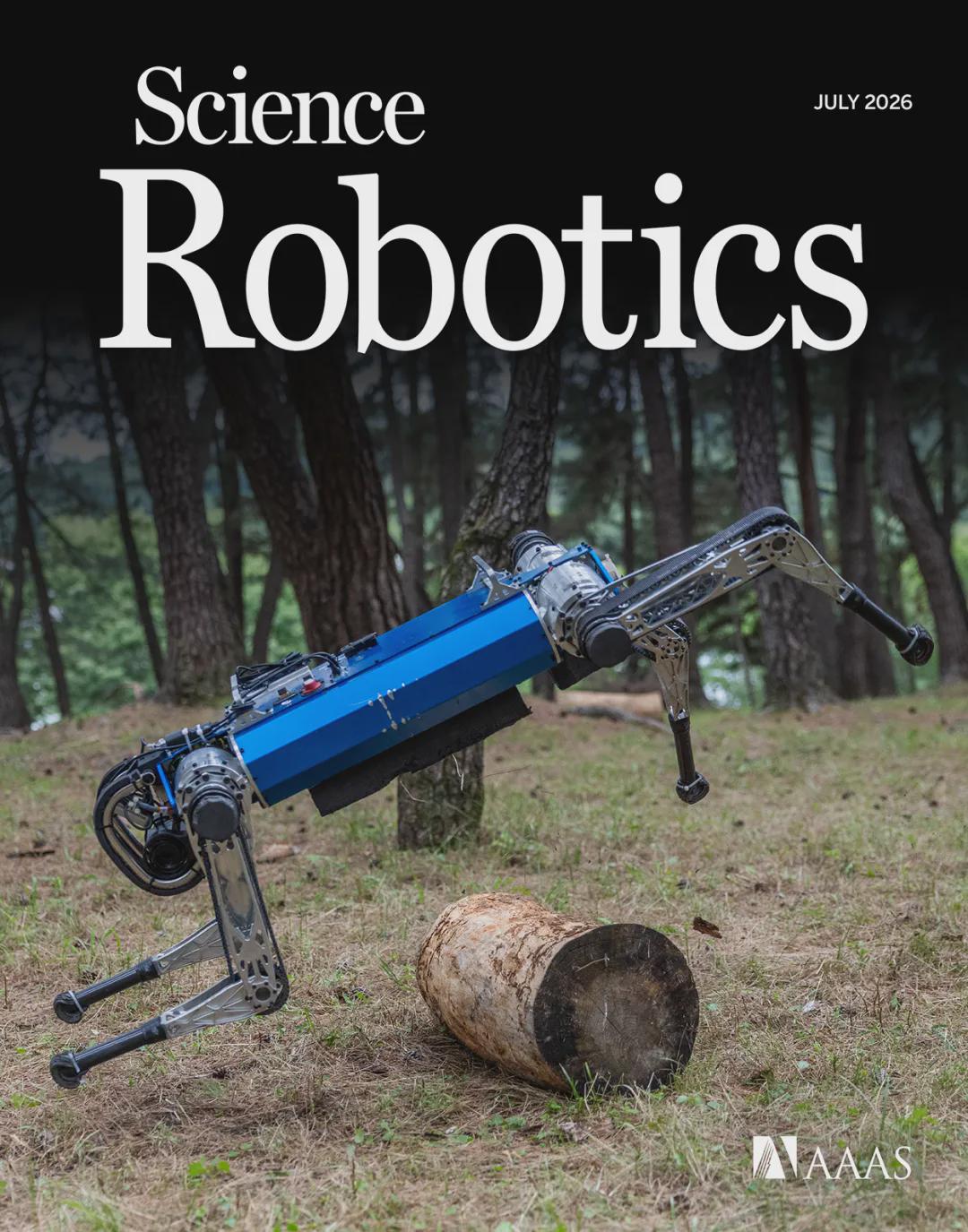
KAIST's HOUND Robot Reaches 6m/s Speed Using 2D Data for Advanced Parkour Skills
KAIST and Korea University researchers have developed the KAIST HOUND robot, achieving a peak speed of 6m/s while autonomously navigating complex terrains. This advancement showcases the robot's ability to seamlessly switch gaits, such as trotting and bounding, based on environmental conditions without external support. The significance of this achievement lies in the innovative APT-RL framework, which utilizes a simplified 2D dynamics model to generate extensive motion data. This approach allows the robot to learn and adapt its movements in real-world 3D environments, overcoming traditional limitations of motion capture and reinforcement learning strategies. Looking ahead, the research team has demonstrated the robot's capability to handle various scenarios, including jumping and maintaining balance under challenging conditions. Future developments may focus on enhancing the perception system to support high-speed operations, as the current sensing technology has limitations in effective range.
Quadrupedal Robots Robotics Research Reinforcement Learning AI Autonomous Systems
From humanoid to quadruped robots
Agibot, a Chinese robotics company specializing in Physical AI, showcased its entire robotics portfolio at a major event in Munich, highlighting its ambitions for the German and European markets. The presentation included a range of innovations, from humanoid robots to quadrupedal designs, demonstrating the company's commitment to advancing robotic technology in these regions.
Allgemein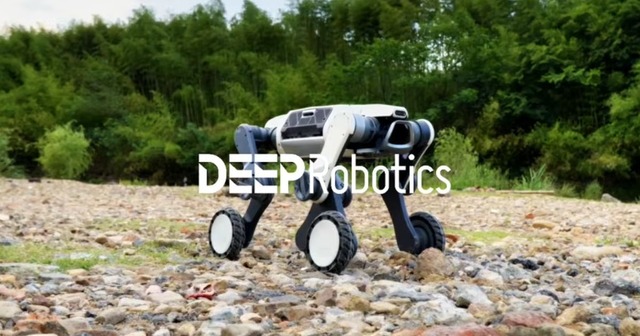
Compact yet powerful, the quadruped robot "Lynx S10" conquers gravel paths and obstacles.
DEEP Robotics, a robotics company, has garnered significant attention with the launch of its quadruped robot, the Lynx S10. Despite its compact frame, the Lynx S10 showcases impressive capabilities that exceed expectations. This innovative robot is designed to navigate various terrains, demonstrating agility and strength that make it suitable for a range of applications. The announcement of the Lynx S10 has sparked interest in the potential of robotic technology in diverse fields, highlighting DEEP Robotics' commitment to advancing robotics solutions.

Unitree Robotics Unveils High-Speed AS2-W Quadruped Robot Capable of 20 km/h
On July 24, Unitree Robotics showcased its latest quadruped robot, the Unitree Super Athlete AS2-W, capable of running over rocky terrain. The robot demonstrated impressive agility by navigating steep cliffs and jumping off ledges, garnering attention on social media for its speed and maneuverability. The AS2-W combines wheeled speed with legged obstacle navigation, achieving a maximum speed of over 20 km/h. It can autonomously adapt to various terrains, including stairs and steep slopes, overcoming obstacles up to 80 cm high and inclines of up to 45 degrees. This capability makes it suitable for diverse applications, including logistics and security. Looking ahead, the AS2-W's advanced features, including a high-definition camera and LiDAR sensors, enhance its utility for tasks like surveillance and equipment inspection. No further timeline was disclosed at the time of publication.

Lumisition Robotics Secures $7 Million in Angel Funding for All-Terrain Quadruped Robot Development
Lumisition Robotics, founded in February 2026 by a team of experts including a former DJI engineer, has raised approximately 50 million yuan (around $7 million) in angel funding led by Zhengxuan Capital. The funds will primarily support product development, algorithm iterations, and preparations for mass production of their consumer-grade quadruped robots aimed at outdoor applications. The company targets homeowners in Europe and North America, outdoor enthusiasts, and the elderly, focusing on practical applications such as transporting goods over challenging terrains. Unlike many consumer robots that emphasize companionship, Lumisition aims to enhance physical labor capabilities, addressing needs like last-mile transportation in large residential areas. Their product line will include various models suited for urban, light urban, and outdoor environments. Lumisition Robotics plans to conduct outdoor testing in October 2027 and officially launch their product at CES 2027, with mass production expected to begin between April and May 2027. The company is also focused on reducing hardware costs through innovative design and optimization strategies, ensuring competitive pricing while maintaining performance.
"ZhiShen Technology's Steel Coin L2 Launches with Great Impact! Redefining Delivery Rules in the Quadruped Robot Industry"
ZhiShen Technology has made a significant advancement in the quadruped robot industry with the launch of its Steel Coin L2, which aims to redefine delivery protocols. This innovative product was unveiled recently, showcasing the company's commitment to enhancing robotic capabilities for logistics and delivery services. The Steel Coin L2 is designed to improve efficiency and reliability in transporting goods, addressing the growing demand for advanced delivery solutions in various sectors. By integrating cutting-edge technology and robust design, ZhiShen Technology seeks to set new standards in the market, positioning itself as a leader in the evolving landscape of robotic delivery systems.
Robotics Automation AI
Dobot showcases humanoid and quadruped robots at "RTJ 2026" as a physical AI platform.
Dobot Japan showcased its latest products and automation solutions at the Robot Technology Japan 2026 (RTJ 2026) exhibition, held from June 11 to June 13, 2026, at the Aichi Sky Expo in Aichi Prefecture. The event focused on industrial robotics and automation, providing a platform for companies to demonstrate advancements in technology and innovation in the field. Dobot's participation aimed to highlight its commitment to enhancing automation capabilities and meeting the growing demand for efficient robotic solutions in various industries.
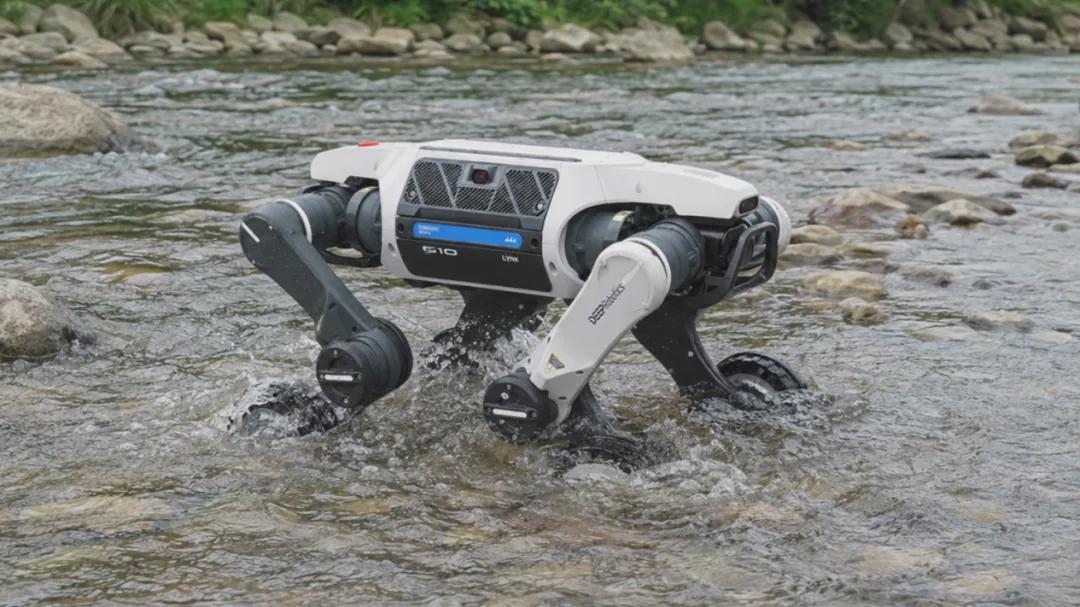
Redefining Quadruped Robots: The Lightweight and Compact Lynx S10
Yunshen Technology has introduced the Lynx S10, a lightweight quadruped robot weighing less than 20 kilograms, tailored for specialized operations in tight environments. Launched recently, the S10 boasts a payload capacity of 120 kilograms and is equipped with advanced perception systems. This innovative robot is designed to address the needs of industries that require efficient solutions for tasks such as power inspections, security patrols, and emergency rescues, effectively filling the market void left by larger robotic models. The Lynx S10 represents a significant advancement in robotic technology, aimed at enhancing operational efficiency in various sectors.
Quadruped Robots Robotics Technology Lightweight Design Industrial Automation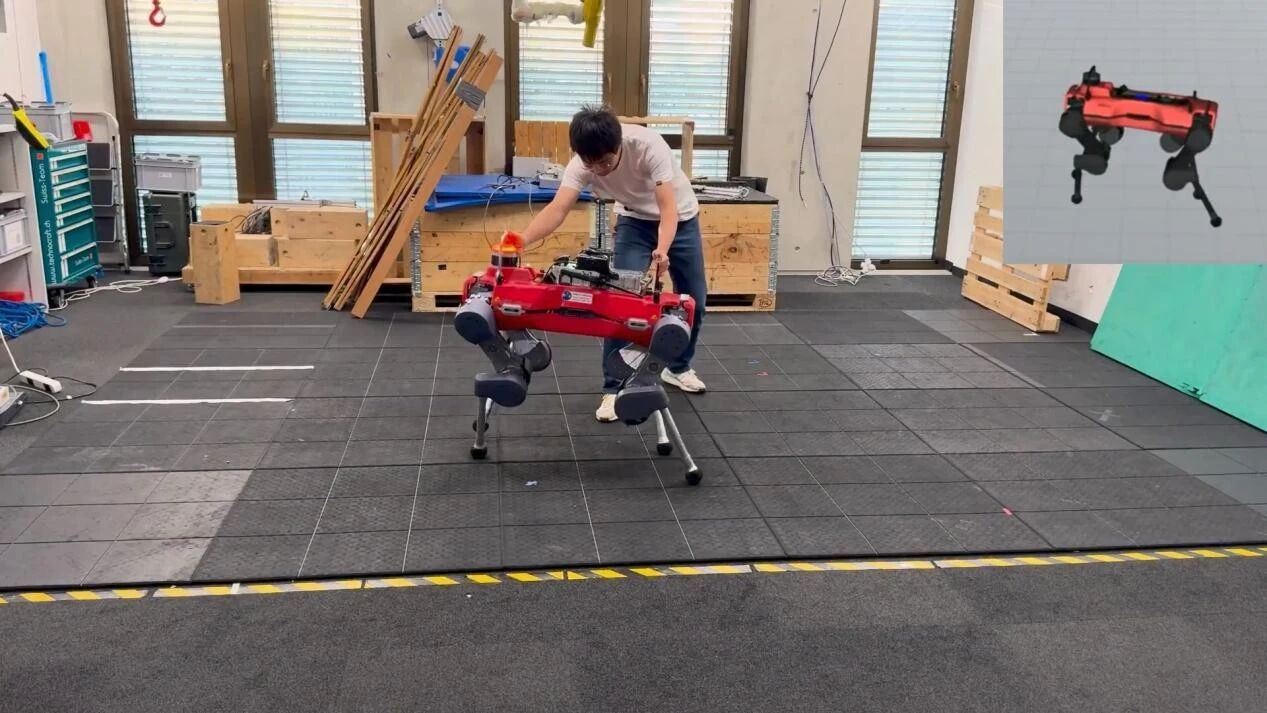
ETH Zurich Enables Robots to 'Imagine': Zero-Shot Deployment for Quadrupedal and Humanoid Robots!
A research team at ETH Zurich has unveiled a groundbreaking neural network simulator designed to enhance robotic capabilities by enabling robots to visualize actions internally before executing them on physical hardware. This innovative framework, known as the Robotic World Model (RWM), facilitates zero-shot transfer for ANYmal D and Unitree G1 robots, significantly improving their ability to predict motion trajectories with remarkable accuracy. The development, which was completed recently, represents a significant advancement in robotics, potentially transforming how robots interact with their environments by allowing for more efficient and precise movements.
Robotic Simulation Neural Networks Quadrupedal Robots Humanoid Robots AI Training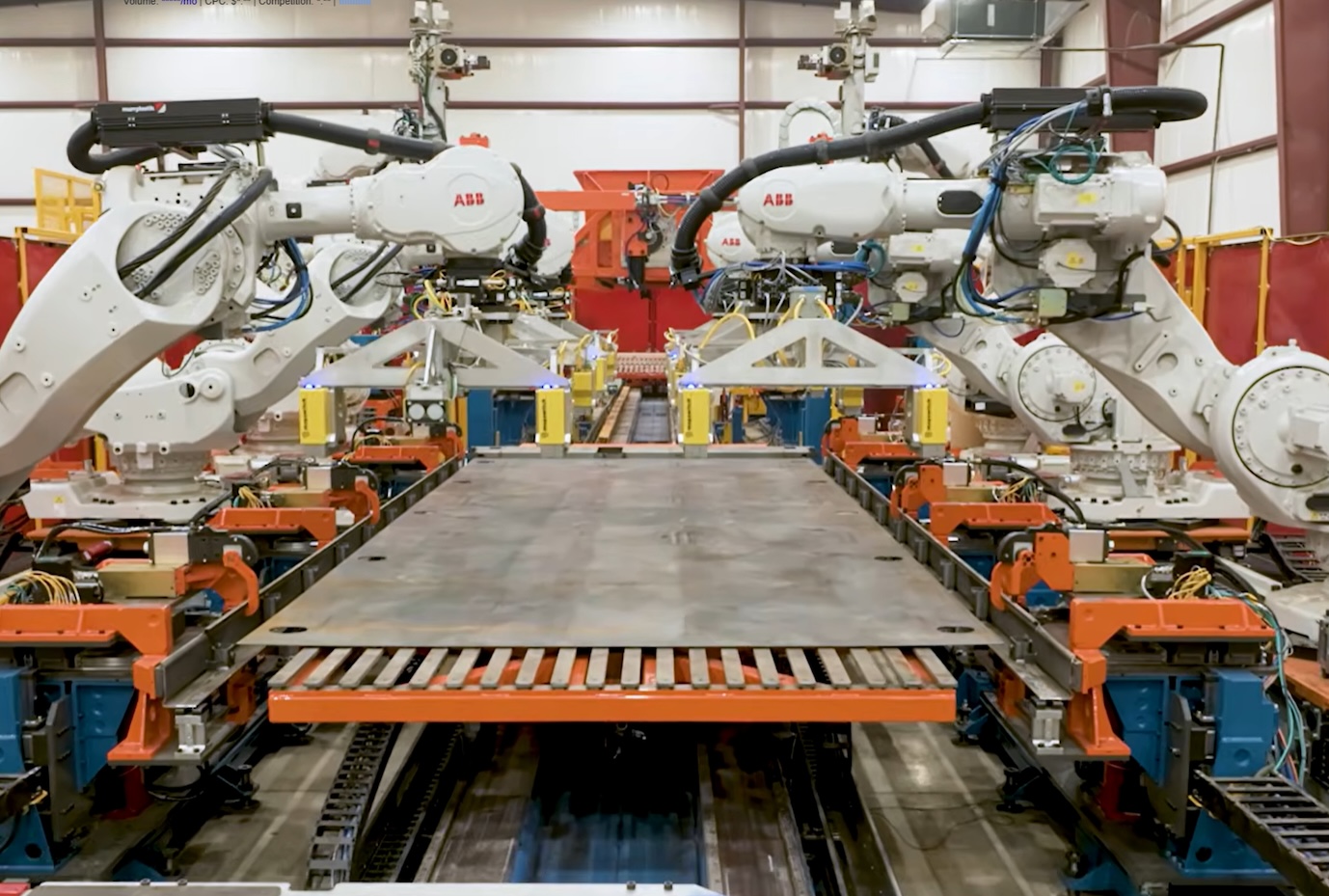
QRIVAS: Quadruped Robot‐Based Intelligent Visual Acquisition System for Bridge Component Inspection
The Journal of Field Robotics has recently published an article in its EarlyView section, highlighting advancements in autonomous robotic technology. Researchers from various institutions have collaborated to explore innovative applications of robotics in field environments, focusing on enhancing efficiency and safety in tasks such as agriculture, search and rescue, and environmental monitoring. The study, released in October 2023, emphasizes the growing importance of robotics in addressing real-world challenges, particularly in remote or hazardous locations where human intervention may be limited. By employing advanced algorithms and machine learning techniques, the team demonstrated how these autonomous systems can navigate complex terrains and perform tasks with minimal human oversight. This research aims to pave the way for more widespread adoption of robotic solutions, ultimately improving productivity and reducing risks in various sectors.
RESEARCH ARTICLE
Chinese Startup Weilan Tech Unveils BabyAlpha A3: A Quadruped Robot That Outpaces Nvidia's Computing Throne
Weilan Tech has unveiled its latest innovation, the BabyAlpha A3, which boasts a cutting-edge 6-chip heterogeneous computing cluster and a high-resolution 66-megapixel vision system. This new technology promises to deliver ten times the computing efficiency compared to industry standards while significantly reducing costs, priced at just one-tenth of Nvidia's Jetson Thor. The launch, which highlights Weilan Tech's commitment to advancing computing capabilities in the tech sector, is set to reshape the landscape of artificial intelligence and machine vision applications.
News
GoLabs Launches Custom Robotics Security Initiative Using Unitree Quadrupeds
GoLabs, a newly established U.S.-based robotics company, has unveiled its innovative robotic security solutions featuring Unitree quadrupeds. Announced on May 8, 2026, these advanced four-legged robots are designed to enhance security measures for businesses by providing 24/7 autonomous surveillance without the burden of international shipping costs. Equipped with high-definition cameras, thermal imaging, and infrared sensors, these robots can operate in complete darkness and navigate challenging environments, including those hazardous to human health. GoLabs aims to streamline security operations by integrating these robots into existing systems, offering programming, setup, and troubleshooting support. Utilizing an integrated 4D LiDAR system and SLAM technology, the robots can create detailed 3D maps of facilities, allowing companies to establish automated patrol paths and checkpoints. This capability enables a wide range of applications, from monitoring AI warehouses to securing large events. GoLabs is committed to bridging innovation with practical applications, providing businesses with efficient and reliable robotic security solutions tailored to meet diverse needs. For more information, visit their website.
Deep Robotics Deploys Quadruped Robots at FAW Plant for Inspection
Deep Robotics has introduced its Jueying X30 quadruped robots at a FAW Group factory, marking a significant step towards automating inspection tasks and enhancing industrial maintenance efficiency. This deployment, which took place in October 2023, aims to streamline operations within the manufacturing environment. By utilizing advanced robotic technology, the initiative seeks to reduce human error and increase productivity in routine inspections. The integration of these robots is expected to not only optimize maintenance processes but also contribute to overall operational effectiveness at the facility.
News
Amap debuts quadruped robot Tutu at Beijing humanoid half-marathon
Amap, the mapping platform under Alibaba, introduced its innovative quadruped robot named Tutu during the 2026 Beijing E-Town Humanoid Robot Half-Marathon. This event showcased Tutu's capabilities in assisting visually impaired individuals by navigating complex environments autonomously, without the need for preset routes or remote control. Demonstrations at the marathon highlighted the robot's ability to maneuver through crowds and avoid obstacles effectively. Amap aims to enhance mobility and independence for visually impaired users with this advanced technology, marking a significant step forward in assistive robotics.
News Feed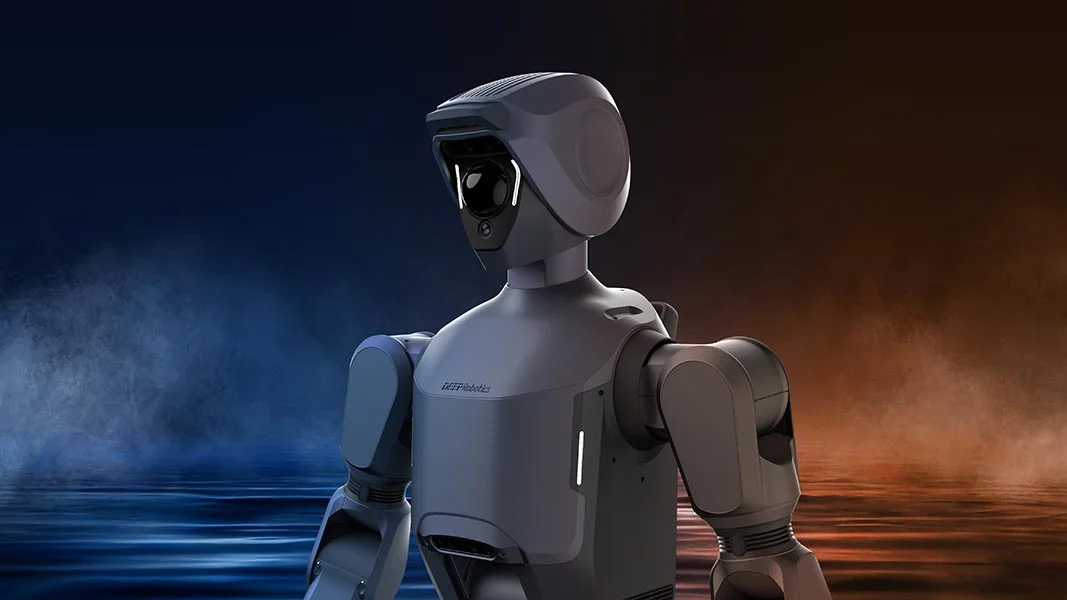
Deep Robotics Joins IPO Rush, Capping Quadruped Success with Humanoid Ambition
A leading Chinese company specializing in quadruped robotics has successfully completed a significant corporate restructuring, positioning itself for a public offering. This strategic move comes as the firm seeks to broaden its market presence by venturing into humanoid robotics. The restructuring reflects a growing trend among major Chinese firms preparing for initial public offerings as they adapt to evolving technological landscapes and consumer demands. The company aims to leverage its expertise in robotics to capitalize on new opportunities in the humanoid sector, indicating a shift in focus that could reshape its future growth trajectory.
Deep Robotics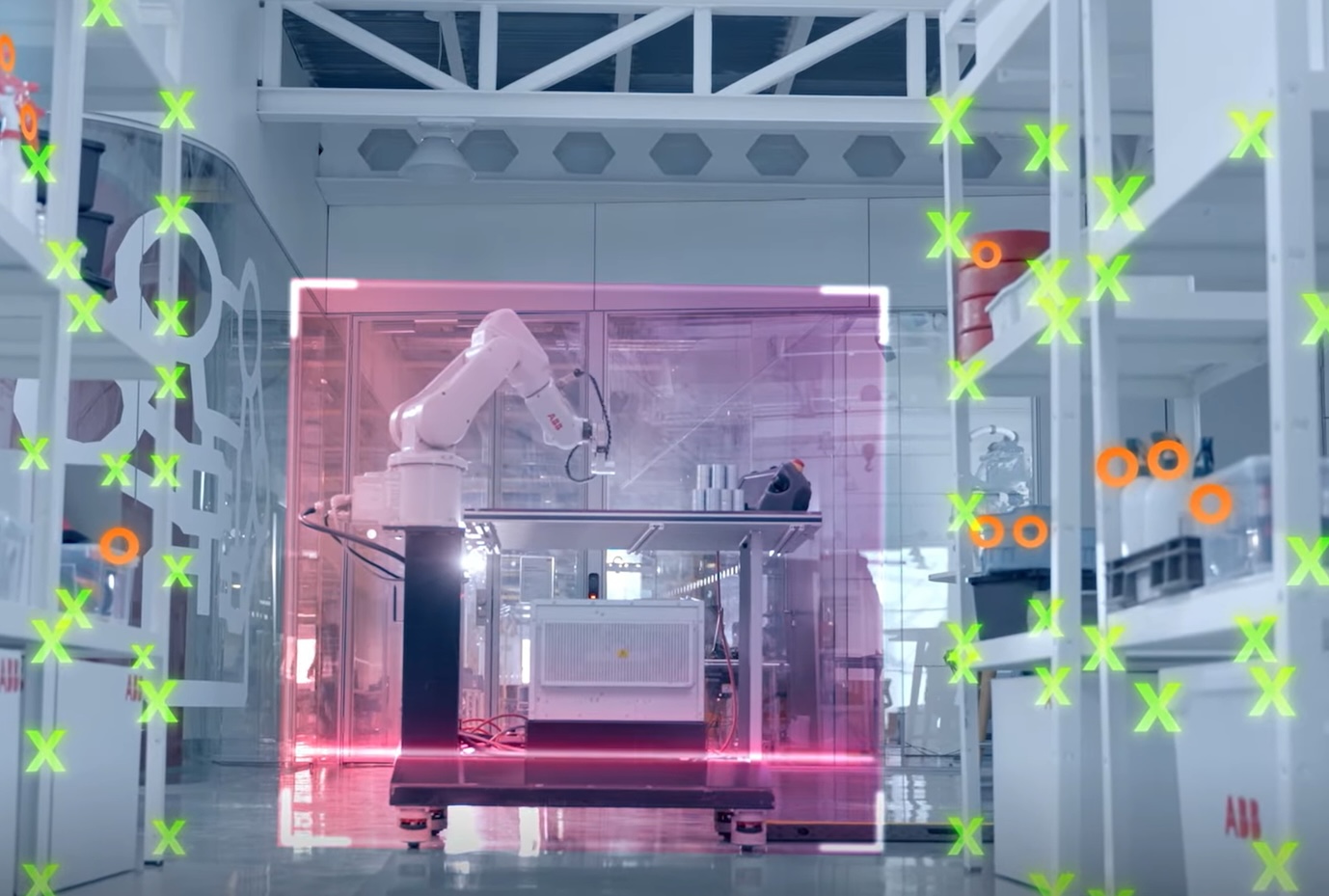
Deep Robotics delivers X30 quadruped robot SPock for Singapore power inspections
Deep Robotics, a Chinese robotics company, has collaborated with Singaporean electrical equipment supplier Eastern Green Power to provide an innovative power tunnel inspection solution to Singapore Power Group (SP Group). This advanced system incorporates Deep Robotics' X30 quadruped robot, marking the first deployment of a Chinese-developed robot dog in an international power infrastructure. The initiative aims to enhance the efficiency and safety of power tunnel inspections through the integration of cutting-edge digital technologies. The delivery of this solution signifies a significant step in the application of robotics within the energy sector, showcasing the potential for improved operational capabilities in challenging environments.
Up and Comers Content and entertainment Highlight News RobotsRobotics needs a service framework.
RSF defines a common language for robot service capability, lifecycle operations, certification pathways, and service-provider networks.
Join the RobotToday community on LinkedIn
Daily robotics news, in-depth analysis, conference highlights, and discussions with professionals worldwide.







