


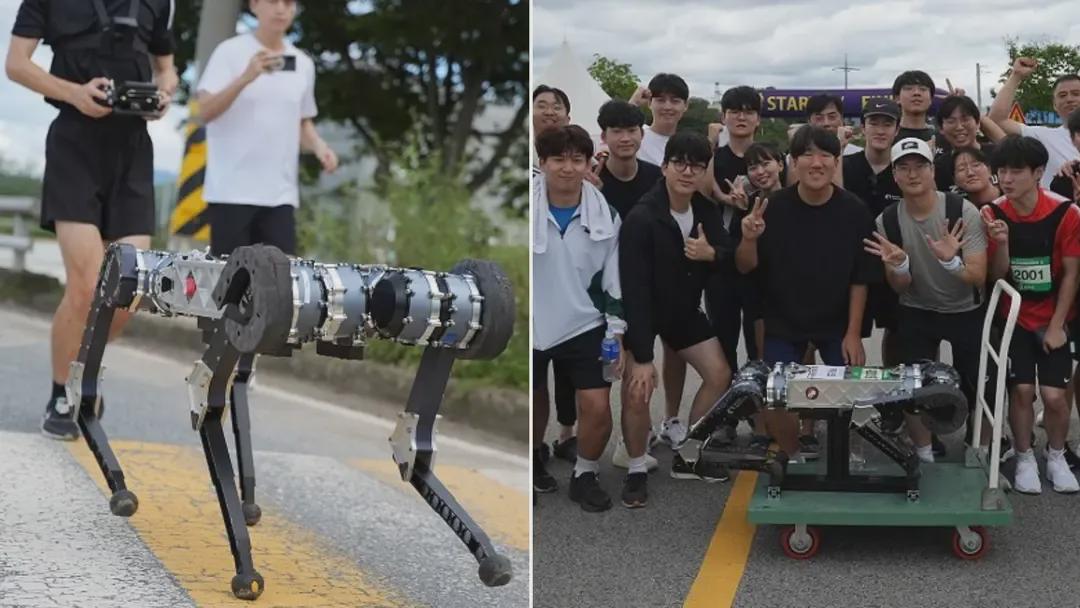
Quadruped robots, designed to walk on four legs, are gaining traction in various applications including inspection, transportation, and search-and-rescue missions. Despite their versatility, these robots face significant energy consumption challenges due to the repetitive leg movements, which are less efficient compared to the rolling motion of wheeled robots.
The development of porous 3D-printed feet aims to address this energy efficiency issue. By optimizing the design of the feet, engineers are working to reduce the overall power usage of quadruped robots, making them more viable for extended operations in demanding environments.
Looking ahead, advancements in 3D printing technology and materials could further enhance the performance of quadruped robots. Continued research and development in this area will be crucial for improving energy efficiency and expanding the operational capabilities of these robots in various sectors.
Editor's Note
The push for energy-efficient designs in quadruped robots reflects a broader trend in robotics where sustainability and operational longevity are prioritized. As industries increasingly adopt robotic solutions for complex tasks, innovations like porous 3D-printed feet will play a critical role in enhancing performance while minimizing energy consumption.



























Leave a comment