Industry Briefing
A single destination for timely, editor-curated robotics news from around the world.
Integrating Industrial Robots with Laser Cleaning Systems Enhances Production Efficiency
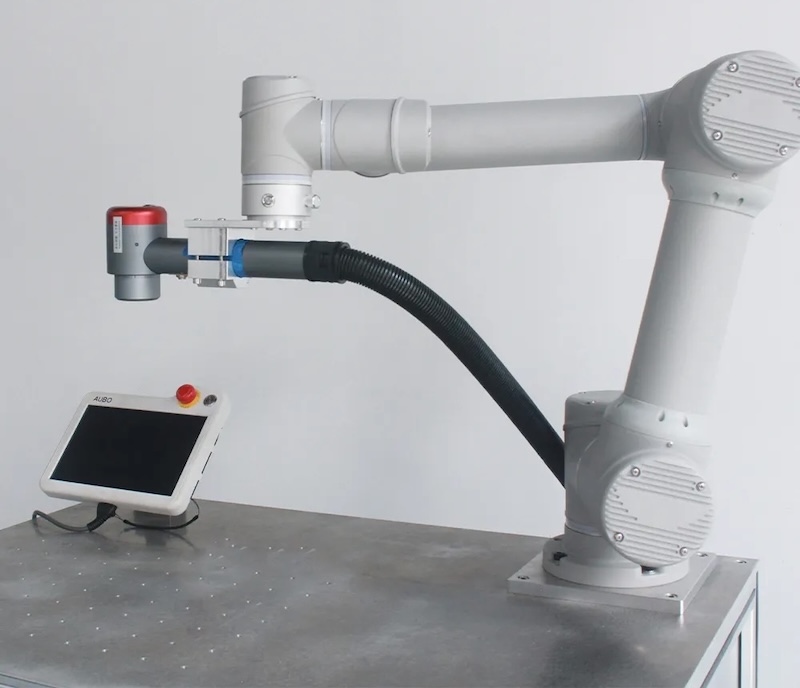
Recent advancements in technology are transforming factory operations, with companies striving to reduce cycle times, cut costs, and ensure quality. The integration of industrial robots with laser cleaning systems is emerging as a solution to automate the removal of burrs from metal components, significantly enhancing productivity and efficiency in production lines. This combination of technologies is crucial as it addresses the need for cleaner surfaces before processes like painting, coating, or welding, which are essential for maintaining product quality. Laser cleaning, a modern technique that utilizes powerful laser beams to eliminate unwanted materials without damaging the underlying metal, offers a more environmentally friendly alternative to traditional cleaning methods that often rely on harsh chemicals. As more companies explore the benefits of industrial laser cleaning machines, the focus will be on how these systems can further optimize production lines. The automation of the cleaning process not only saves time but also improves overall manufacturing efficiency. No further timeline was disclosed at the time of publication.
Engineering Robotics Technology factory automation industrial automation industrial robots
How HGHY Pulp Molding Production Lines Are Reshaping Sustainable Manufacturing
As global manufacturers increasingly prioritize sustainable production, HGHY's pulp molding equipment and automation systems are emerging as essential elements in eco-friendly manufacturing. This shift is driven by stricter environmental regulations, escalating labor costs, and a growing demand for recyclable products. In response, more manufacturers are adopting fully automated molded fiber production lines, positioning HGHY at the forefront of this transformation. The company's innovative solutions are helping businesses meet both regulatory requirements and consumer expectations for sustainability, thereby enhancing operational efficiency and reducing environmental impact.
Environment Manufacturing Technology automated production lines automation news circular economy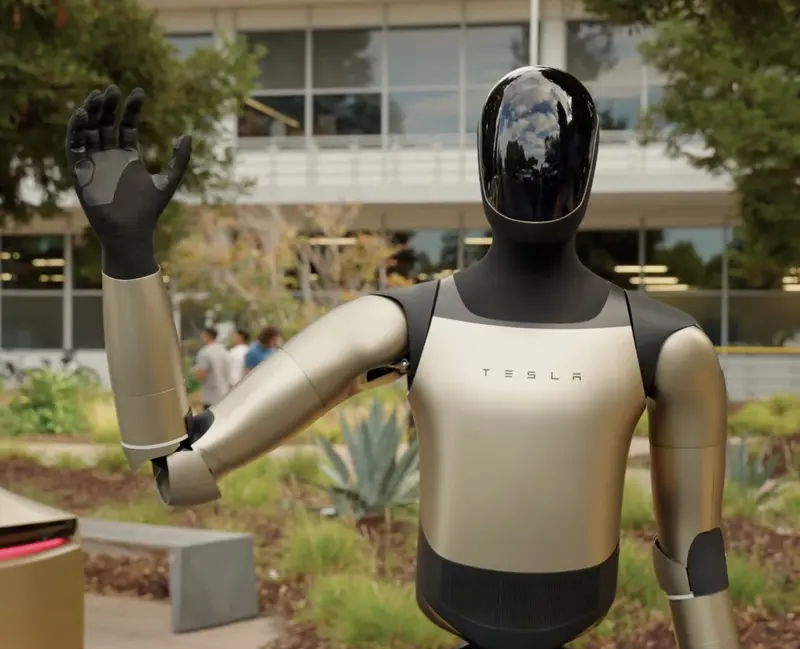
Tesla Confirms Optimus Production Lines Are Being Installed; 'V3' Unveil Eyed for Q1
Tesla has announced that it is in the process of installing the first generation production lines for its humanoid robot, known as Optimus. This update was shared during the company's Q3 2025 report. CEO Elon Musk hinted at an impressive unveiling of the Optimus V3 model, scheduled for the first quarter of 2026. The development of these production lines signifies Tesla's commitment to advancing its robotics technology, aiming to enhance automation and efficiency in various sectors. The upcoming Optimus V3 presentation is anticipated to showcase significant advancements in the robot's capabilities, reflecting Tesla's ongoing innovation in artificial intelligence and robotics.
Optimus Tesla Earnings manufacturing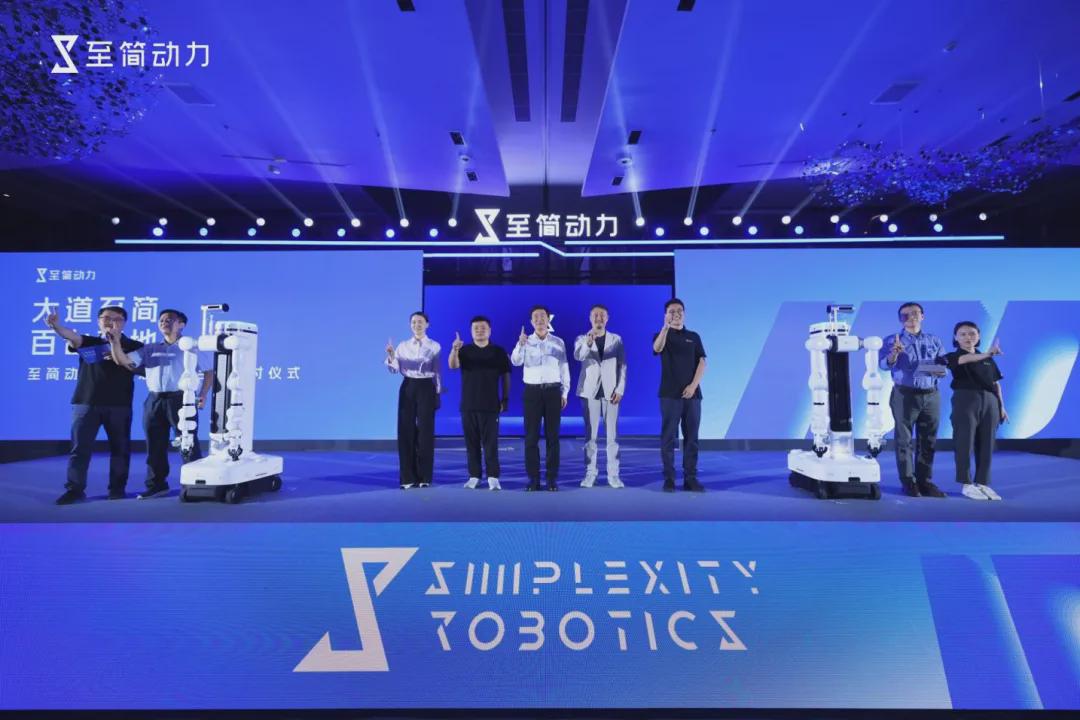
Within a Year, ZhiJian Power Delivers 100 Robots to Production Lines at Record Speed
ZhiJian Power has made headlines by delivering its inaugural batch of 100 i7 Pro robots to a production line in Suzhou, marking a significant milestone as the fastest delivery in the robotics industry. The company, which was established in July 2025, has impressively moved from the technology validation phase to actual deployment in less than a year. This rapid transition highlights ZhiJian Power's innovative strategies and expertise in mass production, particularly within the realm of embodied intelligence. The successful delivery not only underscores the company's commitment to advancing automation but also positions it as a key player in the evolving landscape of robotics.
Embodied Intelligence Robotics Automation Mass Production CNC Systems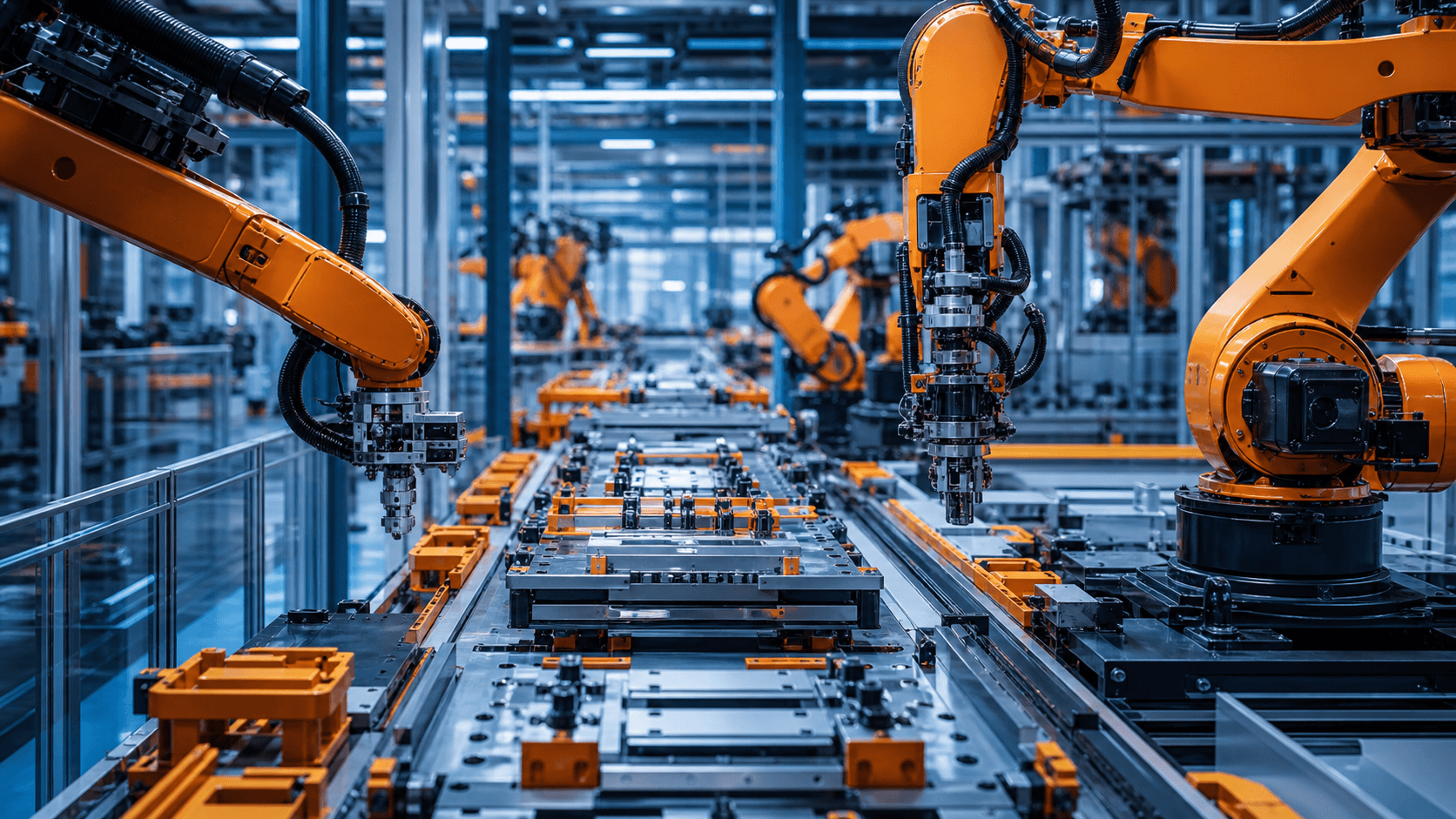
Simplexity Robotics: 11-Month-Old Embodied AI Startup Ships 100 Robots to Production Lines
Simplexity Robotics, an embodied AI robotics startup founded less than a year ago, announced the first batch delivery of 100 units of its all-scenario robot i7 Pro, ...
Startups
Kunda Automation Integrates Humanoid Robots into Production Lines
Kunda Automation has recently obtained substantial funding aimed at advancing its mobile robots and smart assembly systems, reflecting a growing emphasis on the operational stability and adaptability of robots in manufacturing. As industries increasingly integrate robotic technology, particularly in the automotive and aerospace sectors, the focus has shifted from the human-like appearance of robots to their ability to execute complex tasks effectively in real-world environments. This funding will enable Kunda Automation to enhance its offerings, ensuring that their robots can meet the demands of modern manufacturing processes.
Mobile Robots Smart Manufacturing Automation Solutions Industrial Robotics
Yimu Tech Secures Over RMB1 Billion for Tactile Sensing Development and Production
Yimu Tech, a Chinese company specializing in tactile sensing hardware and software, has successfully raised over RMB1 billion in a Series E financing round. This funding elevates the company's valuation to over RMB10 billion and was supported by various leading RMB and USD funds, along with industrial investors. The significance of this financing lies in Yimu Tech's focus on developing tactile sensing materials, chips, algorithms, and models specifically for robotic applications. The newly acquired capital will facilitate further research and development efforts, as well as enhance the mass production capabilities and order fulfillment for its production lines. Looking ahead, stakeholders should monitor Yimu Tech's advancements in tactile sensing technology and its impact on the robotics industry. The company's commitment to innovation and production scalability will be crucial as it aims to meet growing demand in the market. No further timeline was disclosed at the time of publication.
News Feed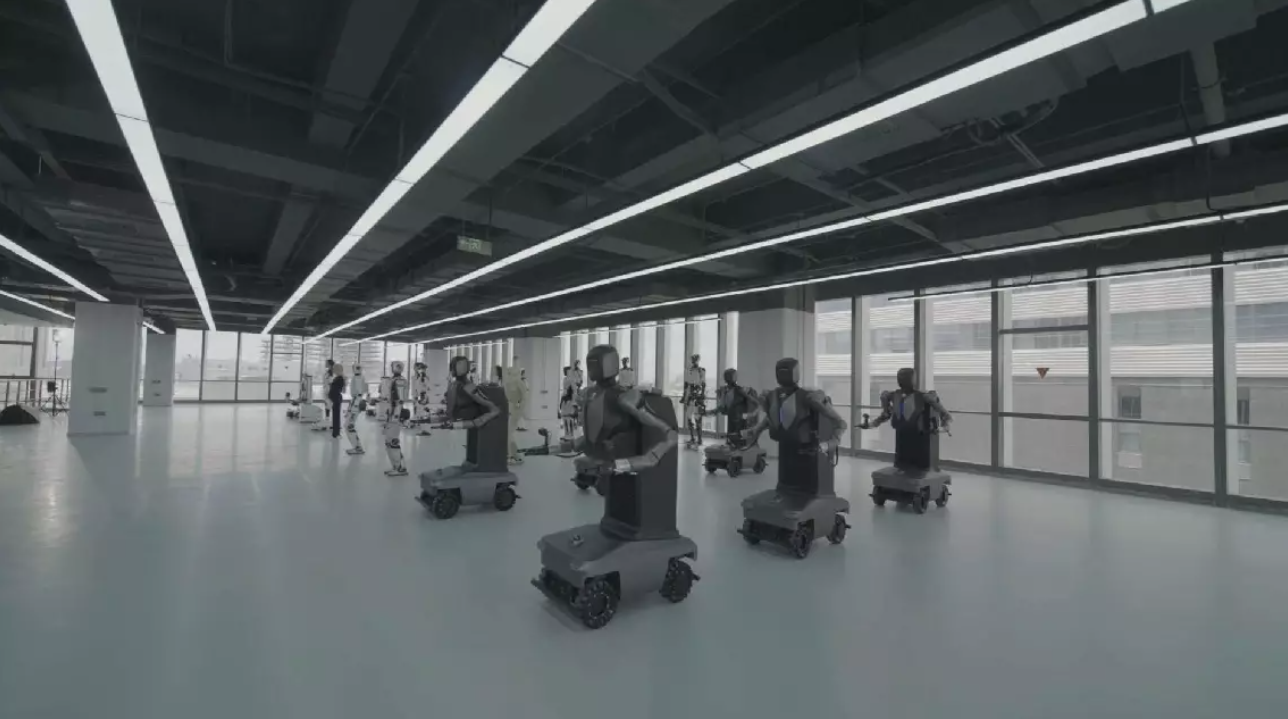
Shanghai Unveils Testing Platform for Humanoid Robot Mass Production
On July 18, during the 2026 World Artificial Intelligence Conference (WAIC), Shanghai launched a humanoid robot testing platform in the Zhangjiang Robot Valley of Pudong. This 6,800 square meter facility aims to bridge the gap between research and mass production, addressing the challenges faced by humanoid robots transitioning from lab to market. The platform features two modular flexible production lines capable of accommodating various robot configurations, with an annual production capacity of 2,000 units. Additionally, it includes a precision component assembly line and a dedicated testing area equipped with advanced testing equipment, enabling comprehensive performance validation of over 400 components and complete robots. Operated by a collaborative humanoid robot innovation center, the platform supports small and medium-sized enterprises with process transformation and production line optimization. It also offers financial incentives and collaborates with over 480 suppliers to develop industry standards, facilitating the rapid integration of humanoid robots into various sectors, including homes and supermarkets.
Humanoid Robots Mass Production Robotics Testing AI Development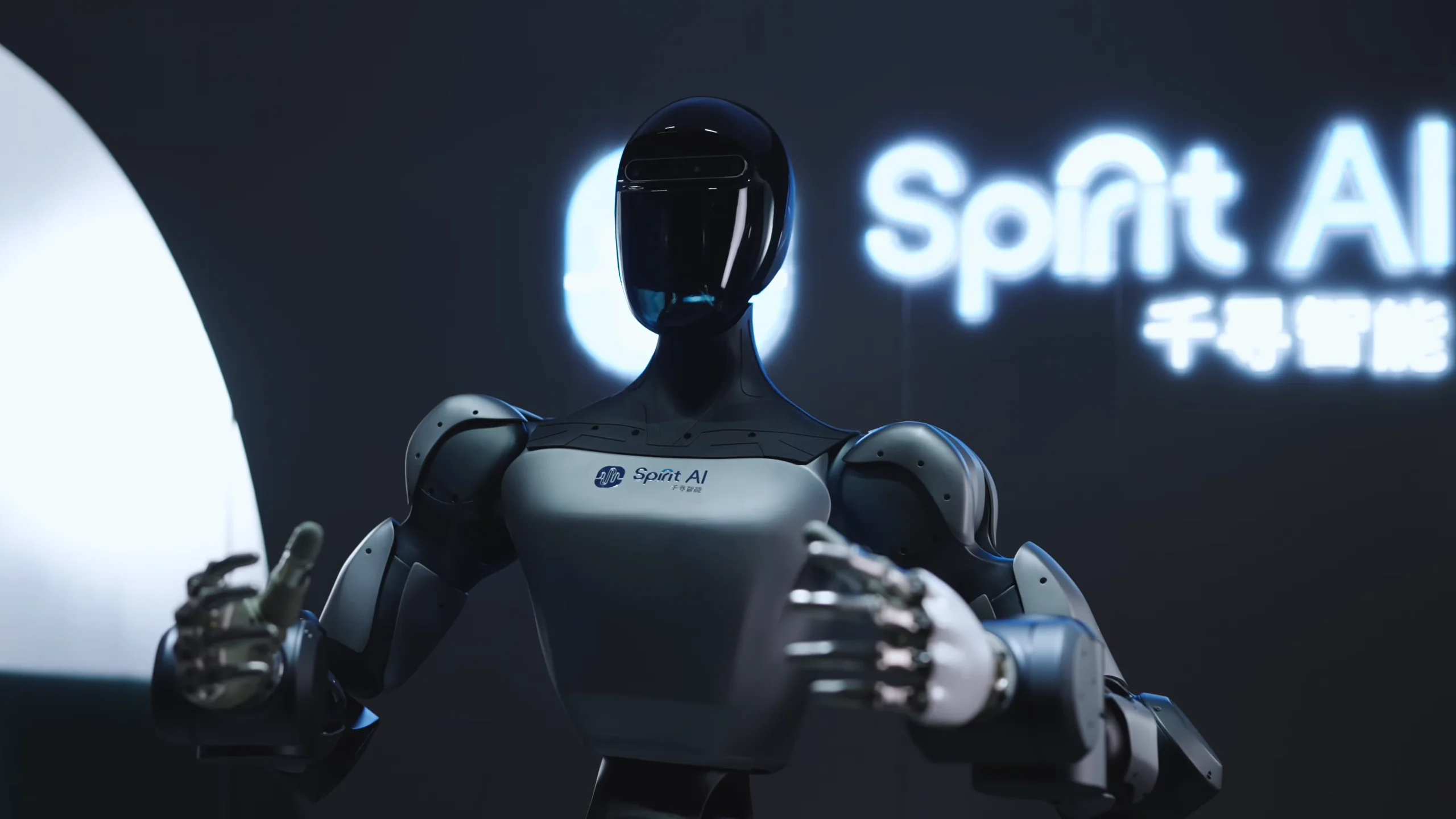
CATL Deploys Humanoid Fleet to High-Voltage Lines, Claims Production Breakthrough
A leading battery manufacturer has successfully integrated Spirit AI's "Moz" robots into its live production lines, marking a significant advancement in workplace safety and efficiency. This integration, which took place recently, focuses on automating a high-risk task that involves managing dangerous voltage alongside the complexities of flexible cables. The move aims to reduce the risk of accidents and enhance operational productivity within the facility. By employing these advanced robotic systems, the company seeks to streamline its production processes while ensuring the safety of its workforce.
Business China CATL Spirit AI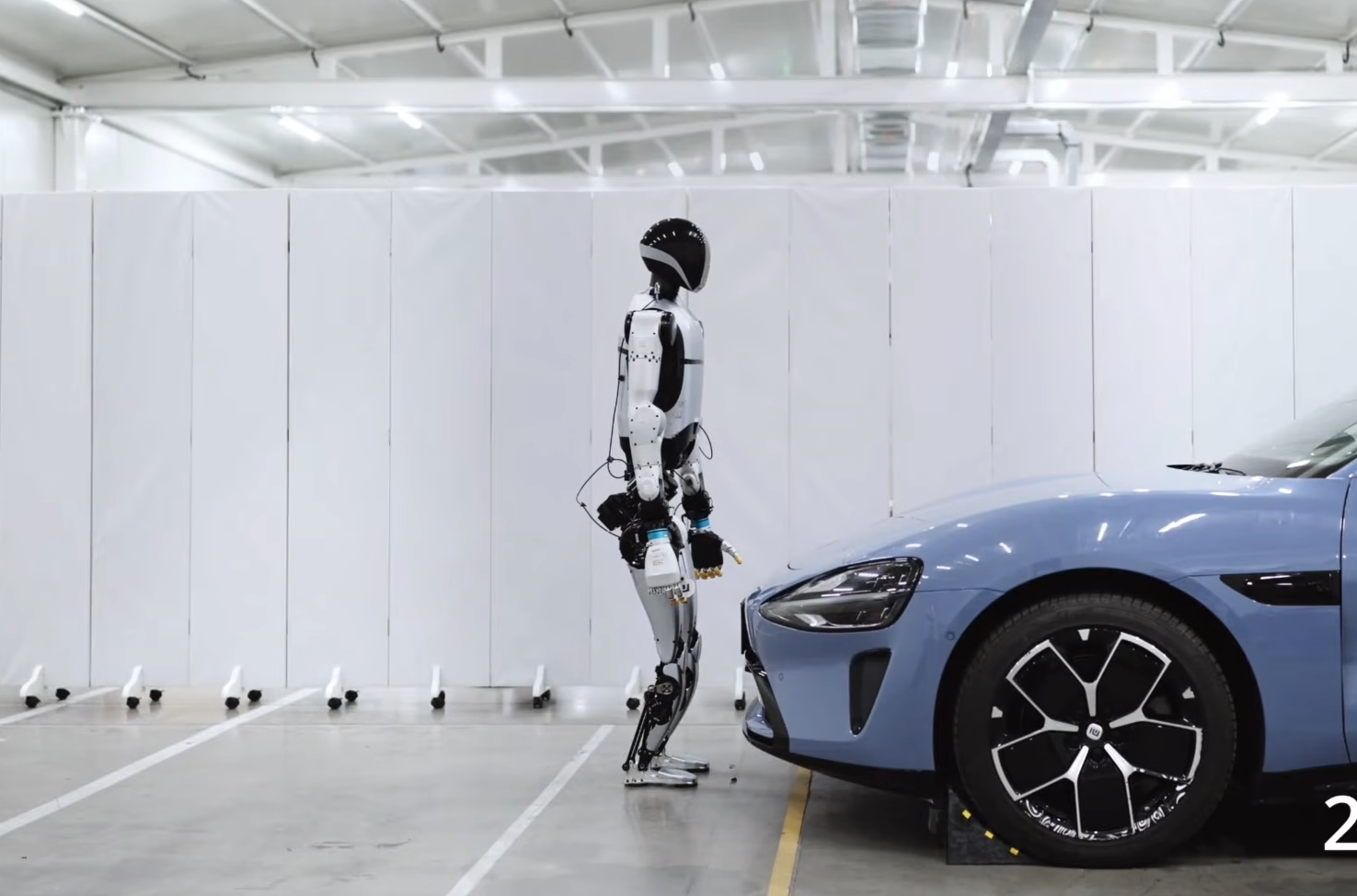
Xiaomi's Humanoid Robot Achieves 98% Success Rate in Automotive Production Tasks
Xiaomi has made significant advancements in deploying its humanoid robot on automotive production lines, achieving a 98% success rate at a self-tapping nut loading station. This improvement narrows the gap to human workers' qualification rates to just one percentage point, showcasing the robot's enhanced capabilities after four months of development. The importance of this development lies in Xiaomi's ability to expand the robot's role in manufacturing, as it has successfully taken on additional tasks such as center console side panel sorting and parts bin folding and recycling, both achieving a 90% success rate. This marks a significant milestone in the robot's operational capabilities, particularly in handling flexible workpieces, which are typically more challenging than rigid components. Looking ahead, Xiaomi's continued focus on refining its humanoid robot's perception and manipulation skills will be crucial for further integration into automotive assembly operations. No further timeline was disclosed at the time of publication.
AI and Robotics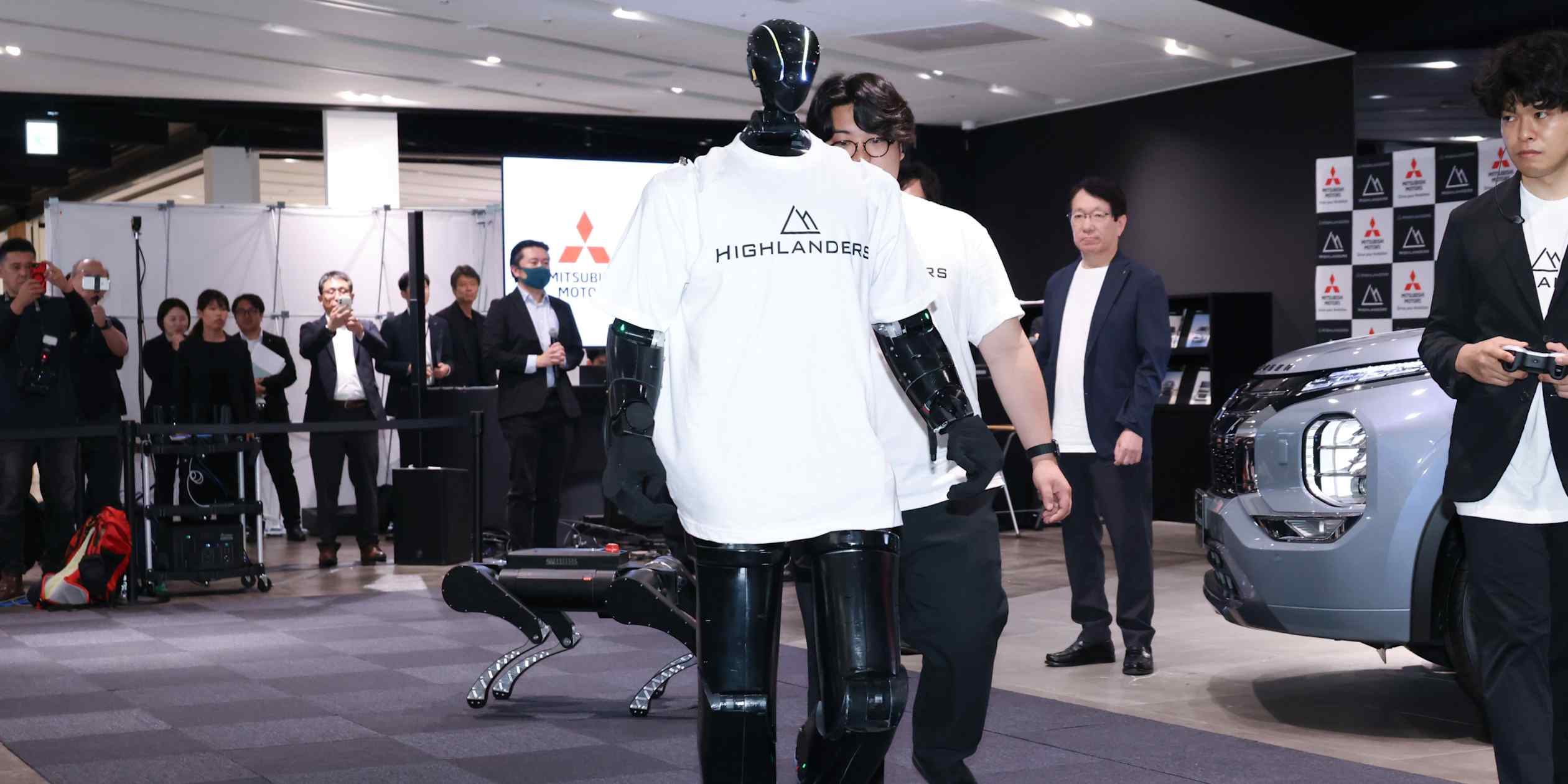
Mitsubishi Motors Partners with Highlanders for Humanoid Robot Production by 2027
Mitsubishi Motors has announced a collaboration with Tokyo-based startup Highlanders to mass-produce humanoid robots for its automotive factories. Production is set to commence as early as 2027, with the partnership aiming to enhance automation within Mitsubishi's manufacturing processes. This initiative was unveiled during a demonstration event in Tokyo on July 9, showcasing the jointly developed humanoid robot. The significance of this collaboration lies in Mitsubishi's strategic move to integrate advanced robotics into its production lines, reflecting a broader trend in the automotive industry towards automation and efficiency. By leveraging Highlanders' expertise in humanoid robotics, Mitsubishi aims to address labor shortages and improve operational productivity, aligning with global shifts towards smart manufacturing technologies. Looking ahead, industry observers will be keen to monitor the development and deployment timeline of these humanoid robots, as well as their impact on Mitsubishi's manufacturing capabilities. No further timeline was disclosed at the time of publication, but the partnership signals a commitment to innovation in the automotive sector.
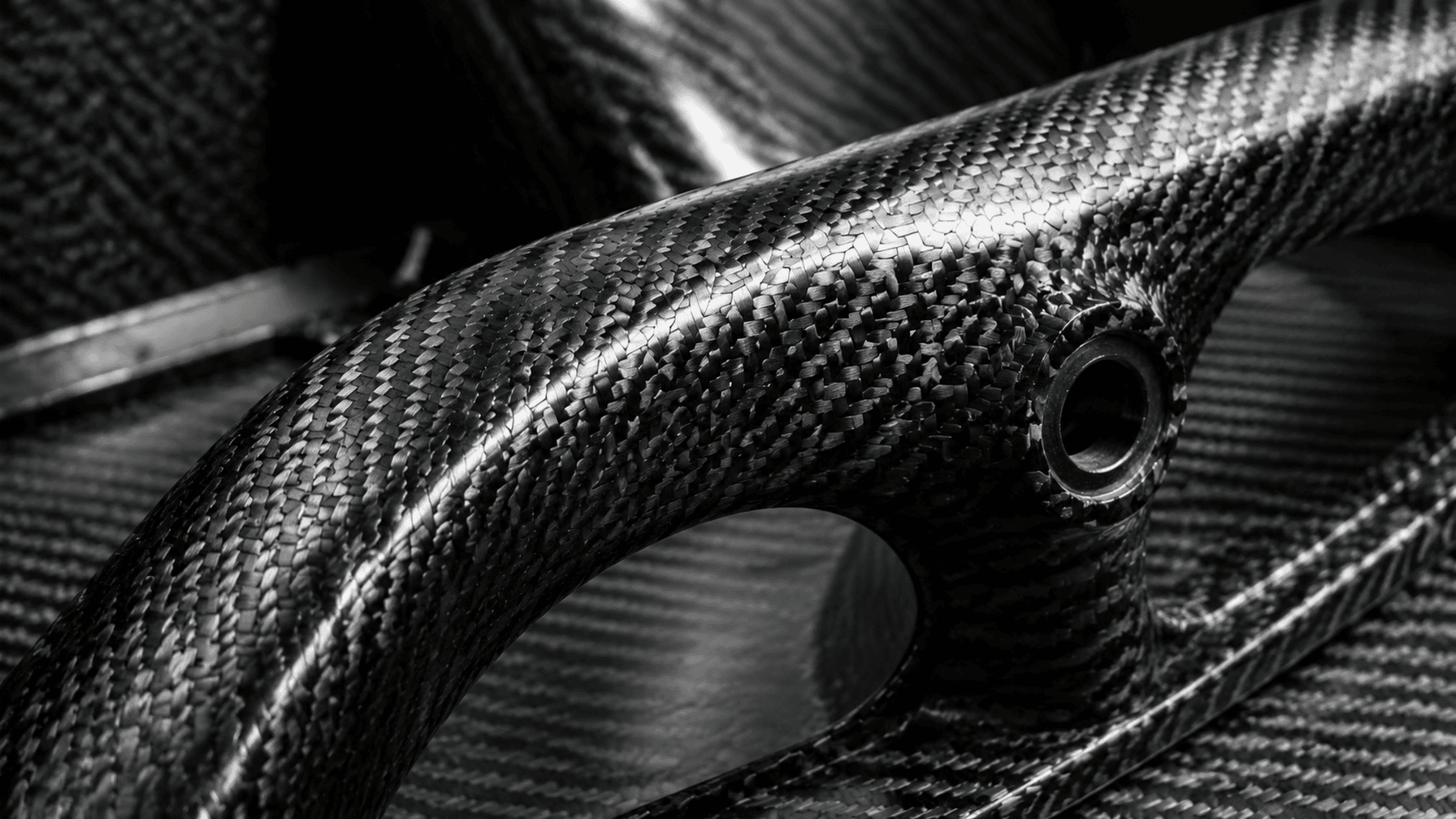
China's Aerospace-Grade Carbon Fiber Breaks Free from Foreign Dependency with Major Production Expansion
Zhongfu Shenying has launched three advanced carbon fiber production lines in Lianyungang, a significant step towards enhancing China's self-sufficiency in aerospace materials. This initiative, unveiled recently, aims to reduce the country's reliance on foreign suppliers, particularly Japan's Toray and various U.S. manufacturers, which have dominated the market for critical aerospace components. By establishing these production lines, Zhongfu Shenying is positioning itself as a key player in the high-performance materials sector, responding to the growing demand for domestic production capabilities in the aerospace industry. This move not only strengthens China's industrial base but also aligns with national objectives to bolster local manufacturing and innovation in strategic sectors.
Technology
How to Use Industrial Cobots Effectively to Maximize Production Throughput?
In a bid to enhance production efficiency, JAKA has introduced the JAKA Pro series, an advanced industrial cobot designed to optimize throughput in demanding manufacturing environments. This innovative robot, capable of operating continuously in harsh conditions, aims to eliminate production bottlenecks by automating time-sensitive tasks that typically slow down human workers. The JAKA Pro12, the flagship model, boasts IP68 protection, making it resistant to dust, oil, and water, ensuring consistent performance even in extreme environments. With a payload capacity of 12kg and a reach of 1327mm, it can handle heavy industrial parts and perform secondary operations simultaneously, such as deburring or pre-sorting, while primary machines are in operation. By aligning the robot's speed with the overall production line tempo, manufacturers can maintain a steady workflow and prevent local bottlenecks. The cobot's ability to function around the clock supports "lights-out" manufacturing, allowing for continuous production without the need for human oversight during breaks or overnight shifts. With features like sub-millimeter precision and rapid deployment capabilities through a user-friendly app, the JAKA Pro series is positioned as a transformative solution for high-volume production lines, promising to double or triple daily output without increasing workforce size. JAKA emphasizes that their robots embody intelligence, becoming integral to the operational heartbeat of modern manufacturing facilities.

What Complex Problems Do 6 Axis Robot Arms Help Solve in Production?
In the evolving landscape of Industry 4.0, manufacturers are increasingly turning to 6-axis robot arms to address complex production challenges. As of now, these advanced collaborative robots are essential for managing diverse product lines, limited workspace, and a shortage of specialized labor. Unlike traditional automation, which often relies on fixed machinery, the 6-axis design allows for greater agility and flexibility in navigating three-dimensional spaces, making it ideal for intricate tasks that require specific angles and movements. The introduction of these robots has transformed assembly processes by eliminating the need for expensive rotating fixtures, as they can approach parts from various angles. This adaptability also enables manufacturers to integrate automation without overhauling entire production lines, allowing for quick responses to localized bottlenecks, such as increased palletizing demands. Moreover, the rise of high-mix, low-volume production has necessitated a shift in automation strategies. The 6-axis robot arms, equipped with advanced features like quick-change grippers and vision systems, can swiftly adapt to different products, reducing changeover times from hours to mere seconds. JAKA, a leader in this field, has developed the JAKA Zu30, a robust 6-axis robot capable of handling heavy-duty tasks with a 30kg payload capacity. This model not only excels in palletizing and machine tending but also ensures safety with high-sensitivity sensors. Controlled via a user-friendly app, the JAKA Zu30 exemplifies the modern manufacturing solutions needed to navigate the complexities of today's production environments.
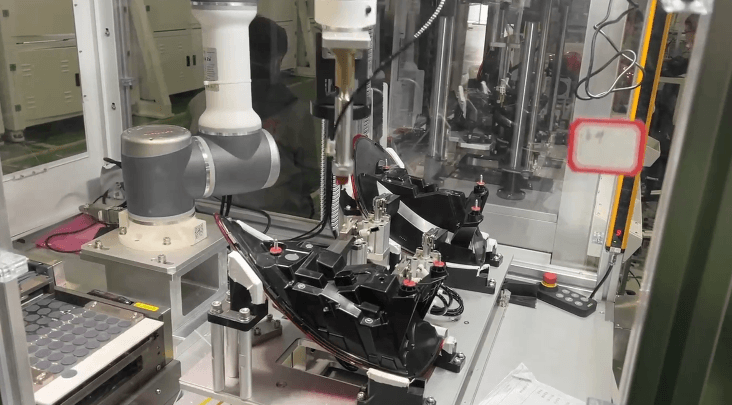
5 Factors to Consider When Selecting Assembly Robots for High-Mix Production
In response to the evolving demands of modern manufacturing, JAKA has introduced advanced assembly robots designed specifically for high-mix, low-volume production environments. This shift, which contrasts sharply with traditional mass production, requires automation systems capable of quickly adapting to various products and tasks. JAKA's S12 robot, featuring a 12kg payload and a 1327mm working radius, exemplifies this adaptability, allowing manufacturers to respond efficiently to changing market needs without incurring excessive operational costs. The S12 robot is engineered for ease of programming, utilizing intuitive graphical interfaces that enable technicians to reprogram it quickly, reducing downtime significantly. Its design incorporates interchangeable end-effectors, allowing it to handle diverse product types, from flat panels to engine components, with precision. Additionally, the robot's advanced safety features, including force-torque sensors, facilitate a collaborative workspace where humans and machines can operate safely in proximity. With a repeatability of ±0.03 mm, the S12 ensures high-quality assembly across various tasks, maintaining accuracy even after multiple re-deployments. Its integration with 2D and 3D vision systems allows it to manage unsorted parts effectively, a crucial capability for high-mix production lines. JAKA's commitment to flexibility is further demonstrated through its wireless software ecosystem, enabling remote management via the JAKA App. By investing in JAKA's technology, manufacturers can enhance their production agility and maintain competitiveness in a rapidly changing market.
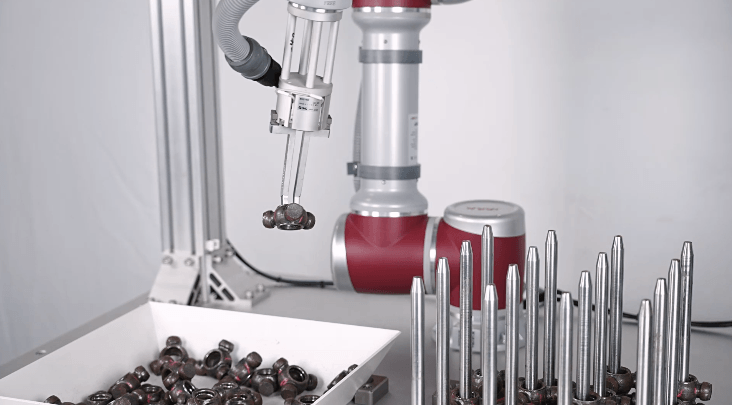
What Complex Problems Do 6 Axis Robot Arms Help Solve in Production?
Manufacturers are increasingly challenged by complex production environments characterized by rising product variety, tighter tolerances, and shorter delivery cycles. JAKA, a leader in automation solutions, is addressing these challenges by collaborating with production teams to implement flexible automation systems, particularly through the use of 6-axis robot arms. These robots enable multi-directional movement and stable positioning, essential for adapting to frequent changeovers while maintaining consistent output quality. One significant issue in production is managing assembly tasks that involve varying component sizes and orientations. Traditional fixed automation often falls short, leading to inefficiencies. JAKA's collaborative robot, the Zu7, enhances process stability by integrating precise motion control with adaptive feedback, allowing it to adjust to minor differences in workpieces. This solution is particularly effective for small-batch, multi-variety production, minimizing positioning errors and reducing material waste. Additionally, many production lines face constraints due to limited floor space and the need for rapid automation deployment. The lightweight design of the 6-axis robot arm facilitates quicker setup and relocation, making it ideal for dynamic environments. The Zu7 operates safely alongside human workers, eliminating the need for extensive safety barriers and enabling flexible station designs. JAKA's approach focuses on practical automation that accommodates complex production challenges, emphasizing adaptability, efficient space usage, and consistent performance. By integrating collaborative robots into flexible assembly scenarios, JAKA aims to help manufacturers build resilient production systems that can swiftly respond to changing demands without disrupting existing workflows.
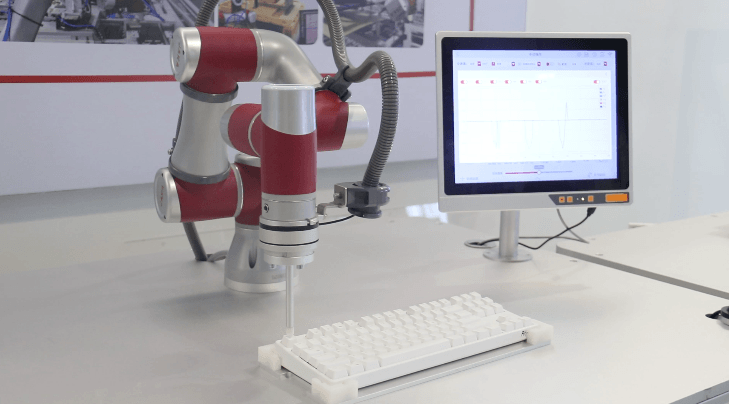
Common Production Problems Industrial Robot Arms Help Solve
In response to recurring production challenges that hinder efficiency and consistency in manufacturing, JAKA has introduced innovative solutions aimed at enhancing output stability. As production complexity rises, issues such as manual handling errors and inconsistent assembly quality have become more pronounced, particularly during frequent product changes. To combat these problems, JAKA advocates for the integration of flexible industrial robot arms into production lines. By deploying these robots at strategic points, manufacturers can minimize variability caused by human fatigue and maintain process continuity across shifts. This approach allows production teams to concentrate on optimizing processes rather than engaging in repetitive corrective measures. Furthermore, JAKA's adaptive assembly strategies significantly improve assembly accuracy, reducing workpiece loss and the need for rework by ensuring stable motion paths and force control during assembly. Recognizing that modern production lines are rarely static, JAKA also emphasizes the importance of lightweight robotic systems that facilitate quick deployment and reconfiguration. Their JAKA Zu7 Flexible Assembly solution is specifically designed for small-batch, multi-variety production, enabling manufacturers to adapt to changing demands without extensive infrastructure modifications. Ultimately, JAKA's commitment to practical automation aims to address real-world manufacturing challenges by providing adaptable robotic solutions that enhance consistency, reduce assembly loss, and support evolving production requirements. Through thoughtful integration, these robots serve as reliable tools in modern manufacturing environments, promoting smoother production flows and operational flexibility.
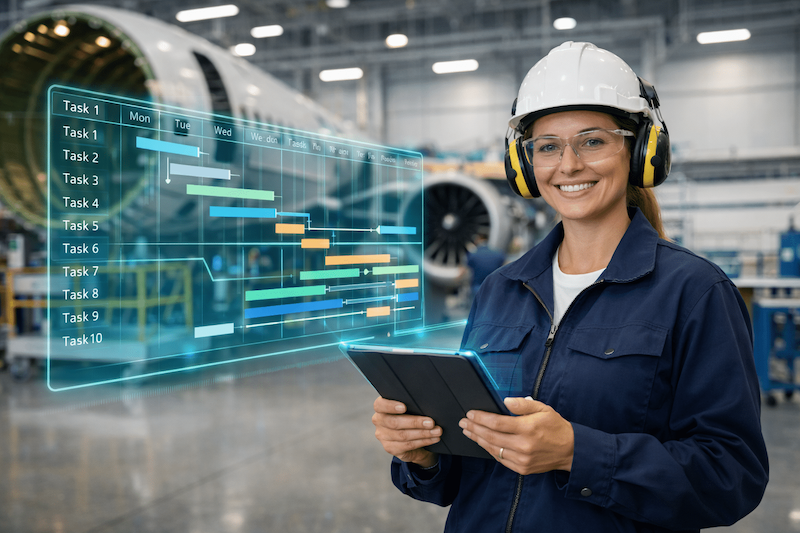
Top 7 AI Agent Platforms for Industrial Manufacturing in 2026
The manufacturing sector is undergoing a significant digital transformation, marked by substantial investments in Internet of Things (IoT) sensors, Manufacturing Execution Systems (MES), industrial analytics, and predictive maintenance solutions over the past decade. This shift has provided manufacturers with unparalleled operational visibility, enabling real-time monitoring of equipment, production lines, quality metrics, and material flows. Despite these advancements, production managers continue to face challenges in optimizing processes and improving efficiency. The integration of these technologies aims to enhance productivity and streamline operations, ultimately driving the industry towards a more data-driven future.
AI agents Manufacturing ai agents autonomous manufacturing digital manufacturing ERP integration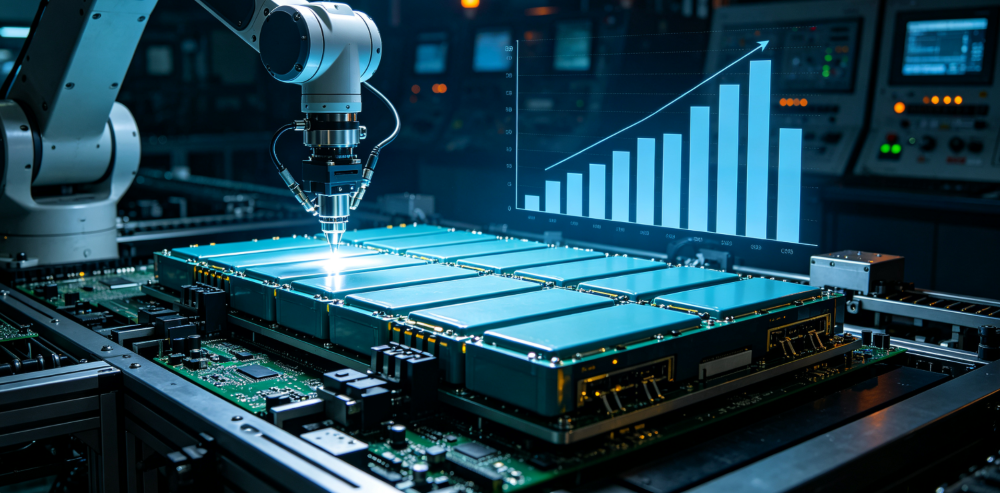
SK On's Solid-State Batteries Could Enable 8-Hour Robot Operation Despite Cost Increase
SK On has announced that solid-state batteries can allow industrial robots to operate for up to 8 hours, addressing a significant limitation of current lithium-ion batteries, which typically provide only 1 to 2 hours of runtime. This advancement could reduce downtime in 24-hour production lines, where frequent battery changes are necessary. However, the cost implications are substantial. Currently, lithium-ion batteries account for less than 2% of the total cost of industrial robots, but switching to solid-state batteries could increase this to approximately 8%, resulting in a fourfold rise in overall costs. For instance, Tesla's Optimus robot has a battery cost of about $300, which is only 0.5% of its total hardware cost. SK On has developed a total cost of ownership (TCO) model that factors in the costs of spare batteries, charging downtime, and additional backup machines, suggesting that solid-state batteries may be more economical in the long run for continuous operation scenarios. The company has completed a solid-state battery pilot plant in Daejeon, South Korea, and plans to commercialize two battery technologies by 2028 and 2029, respectively. No further timeline was disclosed at the time of publication.
Solid-State Batteries Industrial Robots Battery Technology Cost Efficiency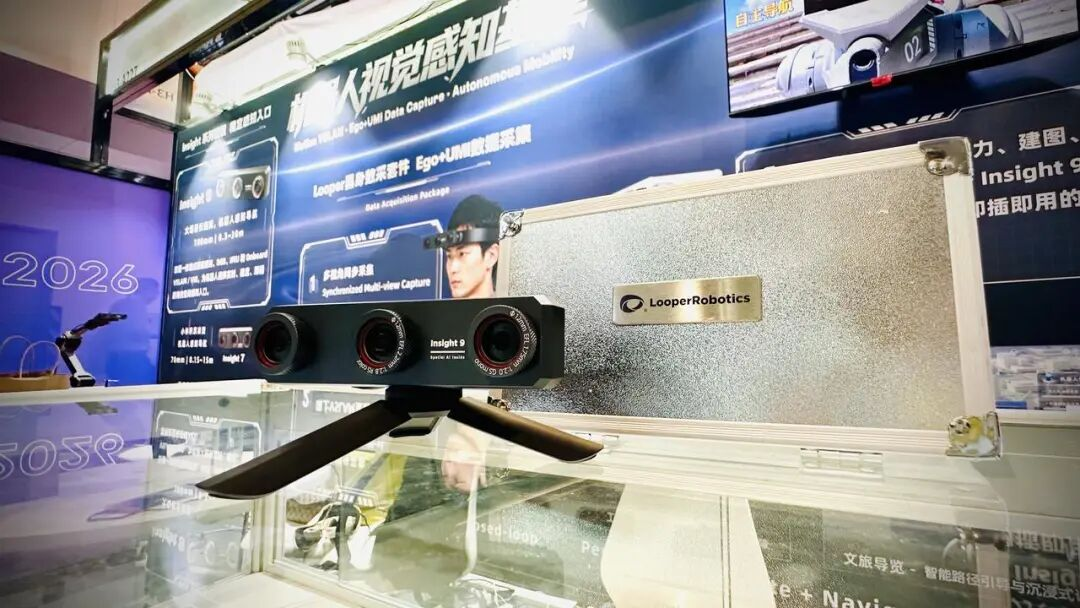
WAIC Highlights Embodied Intelligence with Data-Driven Innovations and New Players
Embodied intelligence emerged as a leading focus at this year's WAIC, attracting significant attention at the Expo Center. Numerous familiar companies showcased their production lines and scenarios, while new entrants like Guanglun Intelligent and Wuwen Zhike displayed data streams and algorithm demonstrations, drawing industry professionals eager to address data challenges. The shift in competition from 'building bodies' to 'establishing foundations' emphasizes the critical role of data in embodied intelligence. However, the industry faces a substantial bottleneck due to a lack of high-quality data. Chen Yilun, founder of Shizhi Hang, highlighted that at least 10 million hours of qualified data is needed for embodied operations, ten times that required for autonomous driving, with only about 500,000 hours available globally by early 2026. Looking ahead, the demand for data is projected to increase dramatically, with companies like Guanglun Intelligent leading the charge. The company, founded in 2023, aims to scale data collection and has already achieved a valuation exceeding 15 billion yuan. As the industry evolves, the need for effective data solutions will continue to create opportunities for innovation and growth.
Data Collection Embodied Intelligence AI Technology Robotics Data Analytics
Humanoid Robots Target Specific Roles in Industrial Settings
JAKA has introduced various humanoid robots designed for specific industrial tasks, such as the JAKA K1-25, which can lift up to 50 kg. These robots are not merely for display but are being integrated into production lines of leading global industrial companies. The focus has shifted from creating a universal robot to addressing practical questions like load capacity, operational continuity, and return on investment. The industry has been exploring the concept of general-purpose robots, but the reality of deploying robots in factories necessitates a more detailed approach. JAKA's strategy emphasizes specialization, enabling robots to learn specific tasks rather than attempting to replicate human capabilities entirely. This shift is crucial as companies prioritize functionality and cost-effectiveness over mere technical prowess. The JAKA K1-25 exemplifies this approach by prioritizing strength and precision, with a rated load capacity of 50 kg and a repeat positioning accuracy of ±0.1 mm. As industries like automotive manufacturing and heavy equipment production require handling of heavy components, the focus is on ensuring robots can perform these tasks effectively, rather than merely showcasing advanced movements.
Humanoid Robots Industrial Automation Robotics AI Manufacturing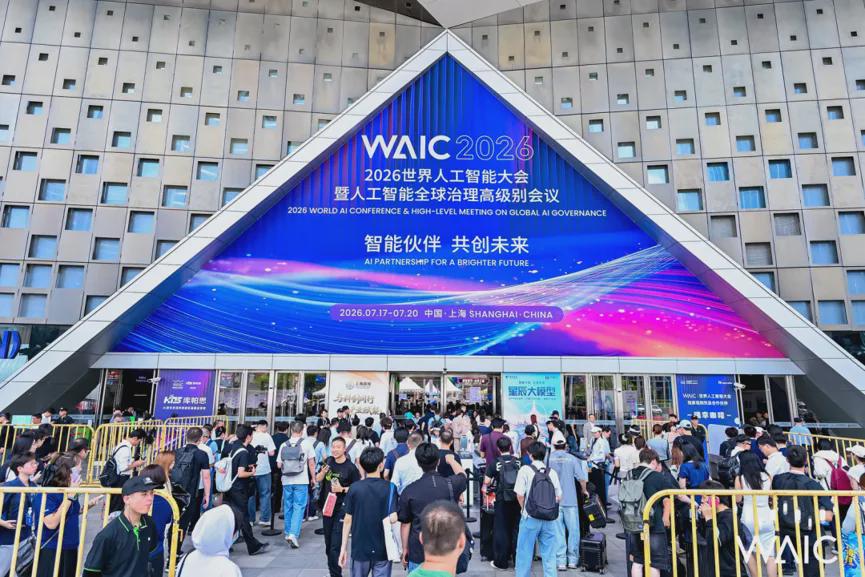
WAIC 2026 Concludes with Key Trends in Embodied Intelligence Development
The 2026 World Artificial Intelligence Conference (WAIC) concluded on July 20, showcasing over 1,100 companies and more than 300 global product launches. Embodied intelligence emerged as a core focus alongside intelligent computing, with over 200 companies presenting 208 embodied intelligence terminals and over 300 real machines. This year's event marked a significant shift from previous years, where robots were primarily showcased for their dexterity to now addressing real industrial needs and continuous operation requirements. The transformation in the exhibition atmosphere reflects a broader industry acceleration, as robots are now expected to perform complex tasks and maintain stability in multi-machine collaborations. The metrics for evaluation have evolved from basic capabilities to more practical measures such as operational duration and recovery rates. This shift indicates a move from a technology narrative to an industry narrative, highlighting the importance of a complete industry chain from perception hardware to deployment. Looking ahead, the advancements in embodied intelligence, particularly in sensor technology and production capabilities, will be crucial for the industry's growth. The introduction of high-precision sensors and the establishment of automated production lines signal a readiness for mass production. No further timeline was disclosed at the time of publication.
Embodied Intelligence Tactile Sensing Robotics AI Technology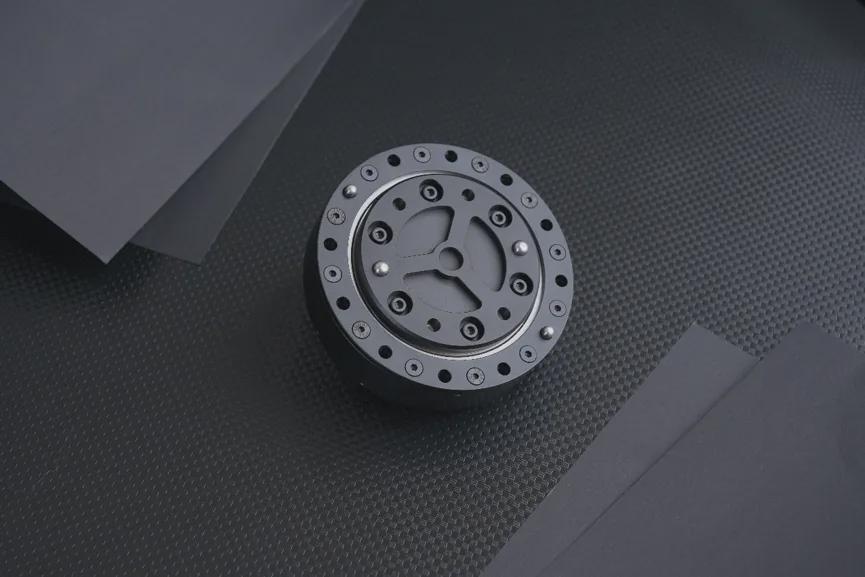
Chinese Humanoid Robots Experience Over 400% Growth in European Market by Mid-2026
The Chinese humanoid robot industry is rapidly reshaping the competitive landscape in Europe, with shipments to the region projected to grow over 400% year-on-year by mid-2026. This surge has positioned Europe as the largest overseas market for Chinese humanoid robots, surpassing North America. This growth is significant as it highlights the systemic advantages Chinese companies have in hardware cost control, mass production capabilities, and product iteration speed. European humanoid robot firms face challenges such as long R&D cycles and high production costs, with prices often exceeding $200,000 per unit. In contrast, Chinese companies leverage a complete supply chain ecosystem to offer similar products at one-third the price or lower, maintaining performance without compromise. The acceptance of Chinese humanoid robots in Europe is expected to continue growing, driven by labor shortages and rising employment costs in the region. Several European automotive and electronics firms are already testing Chinese humanoid robots on production lines, aiming to automate high-risk and repetitive tasks within three years. No further timeline was disclosed at the time of publication.
Humanoid Robots Automation Manufacturing Robotics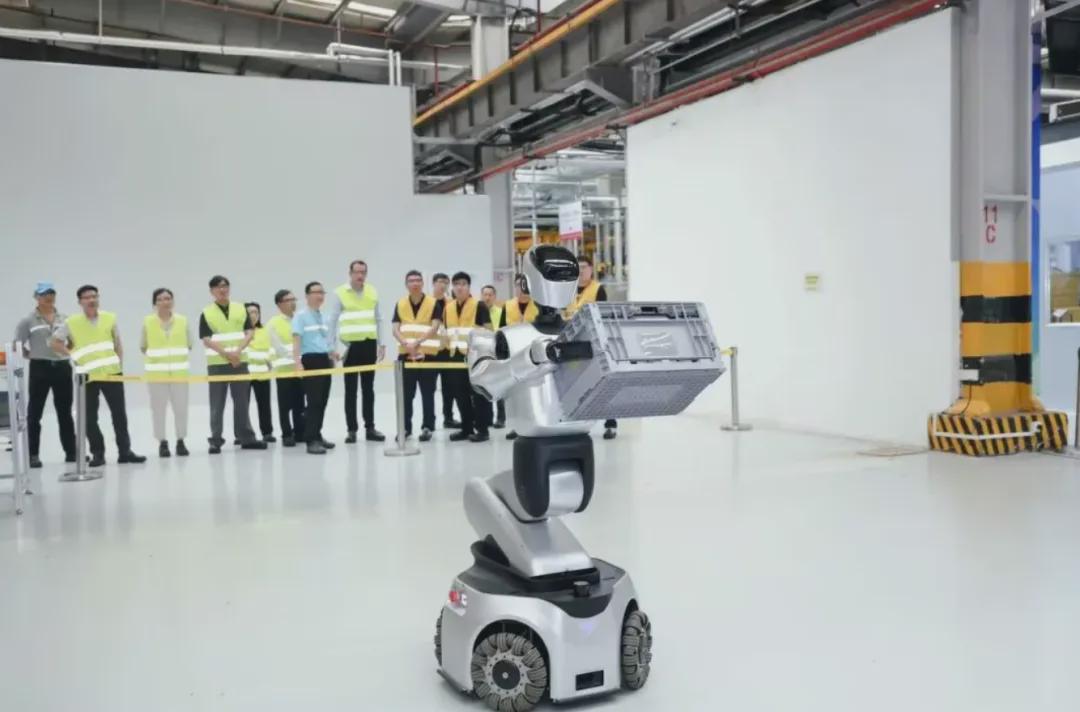
Schaeffler and Hutchinson Forge Partnerships with Robotics Firm Lajuj to Enhance Manufacturing Capabilities
In recent months, French industrial giant Hutchinson has entered into a strategic partnership with Lajuj Robotics, following Schaeffler's similar collaboration. This trend among leading global manufacturers highlights a shift towards embodied intelligence in manufacturing. Despite the proliferation of humanoid prototypes, few have successfully integrated into standard factory operations, making Lajuj's partnerships significant milestones. The importance of these collaborations extends beyond mere agreements; they signify a recognition of humanoid robots as integral to future manufacturing systems. As companies like Schaeffler and Hutchinson align with Lajuj, they are not just validating its technology but also indicating a broader acceptance of humanoid robots in industrial applications. This shift reflects a re-evaluation of production capabilities, moving from traditional automation to more flexible solutions. Looking ahead, the manufacturing sector faces challenges that require adaptability rather than just automation. While traditional robots excel in stable environments, they struggle with the dynamic nature of modern production lines. The ability of humanoid robots to respond to changing conditions will be crucial as manufacturers seek to enhance flexibility and efficiency in their operations. No further timeline was disclosed at the time of publication.
Humanoid Robots Manufacturing Automation Embodied Intelligence Industrial Robotics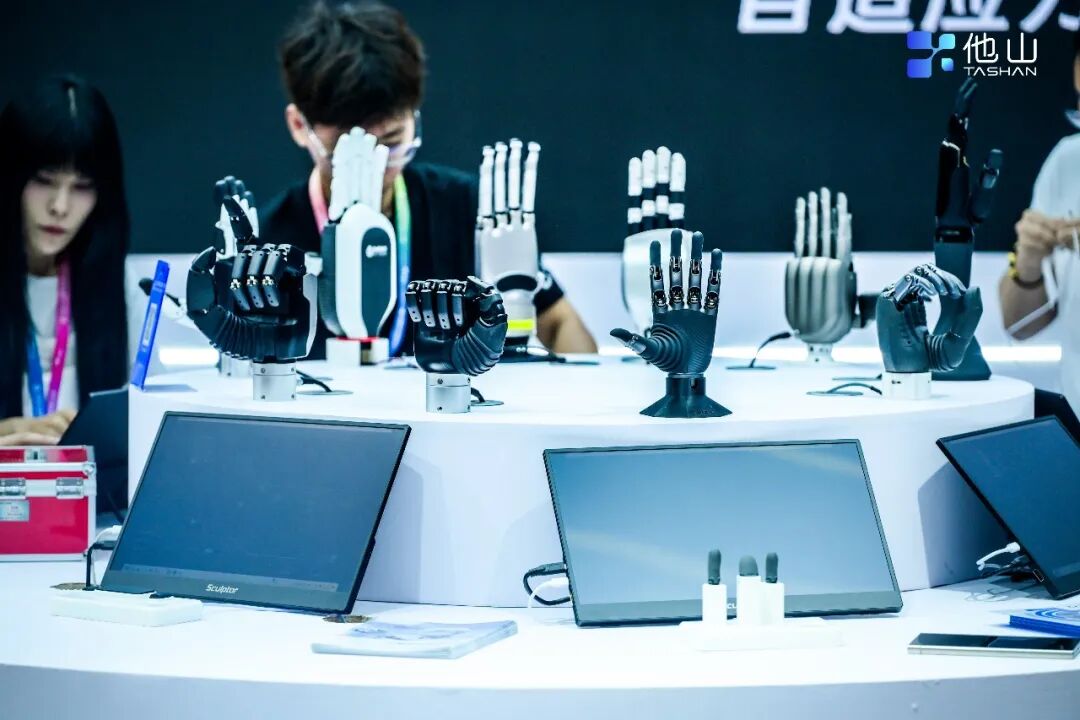
HeShan Technology Raises Hundreds of Millions in Series B Funding Amid Fourfold Order Growth
HeShan Technology, based in Beijing, has successfully completed a Series B funding round, raising hundreds of millions of yuan. The investment comes from a mix of industrial capital and specialized investment firms, including TaiPing Innovation and Junsheng Electronics. This funding marks the third financial boost for the company in six months, with plans for a Series C round already underway. HeShan reported that its total orders in the first half of the year reached four times that of the previous year, with monthly deliveries of tactile sensors stabilizing at tens of thousands. The significance of this funding round lies in the clear investment trends within the robotics sector. Investors like Junsheng Electronics and AUX are focusing on practical technologies that can integrate with existing production lines, moving away from speculative concepts. HeShan has established a comprehensive stack covering chips, sensors, and data simulation, addressing the growing demand for tactile perception in smart healthcare devices, especially as the aging population increases in China. Looking ahead, HeShan Technology's next milestone will be the advancement of its Series C funding efforts. The company is poised to leverage its tactile technology to enhance safety in elderly care scenarios, collaborating with industry partners. No further timeline was disclosed at the time of publication, but the strong order volume and delivery capabilities position HeShan as a leader in the tactile robotics market, addressing the industry's need for mature, scalable solutions.
Tactile Sensors Robotics Industrial Automation AI Technology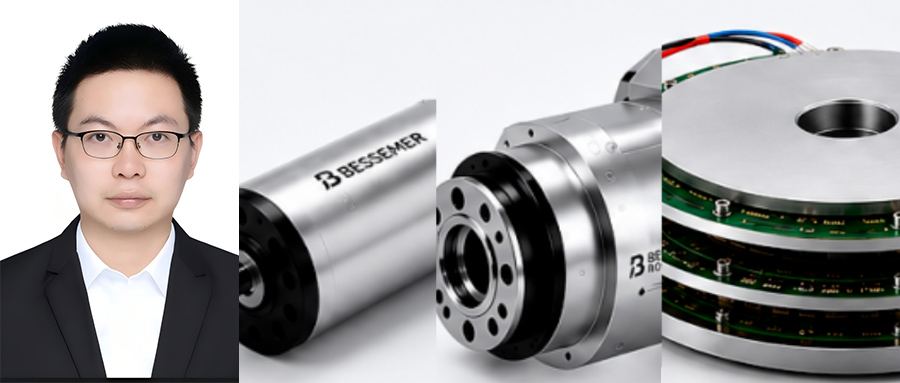
Bessemer Technology Secures Angel Funding for Motor Innovations in Robotics
Bessemer (Shanghai) Technology, founded by Assistant Professor Zhu Wenjun from Xi'an Jiaotong-Liverpool University, has successfully raised millions in angel funding from the Pudong AI Seed Fund. Established in 2025 with a registered capital of 2 million yuan, the company holds two patents and aims to optimize motor technology and establish mass production lines with the new funding. This funding is significant as it marks a shift in investment focus towards core components like joint motors, which have been underdeveloped in China. While many domestic motor technologies remain in the experimental phase, Bessemer is building a complete chain from electromagnetic simulation to standardized hardware, addressing the gap between laboratory innovations and industrial production. Looking ahead, Bessemer's product line includes the E series and S series motors, designed for humanoid robots and medical devices, which could disrupt the market by offering lighter, more efficient alternatives to traditional motors. No further timeline was disclosed at the time of publication for upcoming product launches or additional funding rounds.
Motor Technology Robotics Angel Investment High-Tech Startups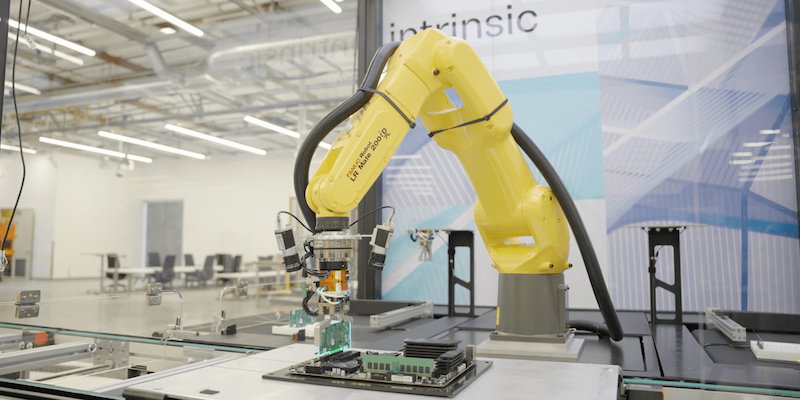
Intrinsic’s vision for physical AI: Building the software-defined factory
For decades, the industrial automation sector has adhered to a consistent model, where production lines have accelerated, robots have gained enhanced capabilities, and software has evolved, yet the fundamental approach has remained unchanged. Automation systems have traditionally been designed for specific tasks, resulting in high costs and lengthy processes for achieving flexibility. However, this conventional model is now facing significant challenges as manufacturers strive to adapt to rapidly changing market demands and consumer preferences. The push for more versatile and efficient automation solutions is prompting a reevaluation of existing practices, signaling a potential shift in the industry towards more adaptable and cost-effective systems. As companies seek to enhance their competitiveness, the evolution of automation technology is becoming increasingly critical in meeting the dynamic needs of the manufacturing landscape.
Artificial Intelligence Factories News ai robotics Automate 2026 electronics assembly
RoboDK Enhances Manufacturing with Digital Twin and OLP Software Features
RoboDK has introduced advanced features in its digital twin and offline programming (OLP) software, enabling manufacturers to simulate robotic cells virtually. This software allows users to model robots, tooling, and surrounding equipment, facilitating pre-installation testing of automation systems. Key functionalities include accurate robot simulation, calibration, and the ability to generate executable robot code seamlessly, thus reducing deployment time and costs. The significance of these features lies in their ability to streamline the programming and commissioning processes, which are often time-consuming in traditional setups. By utilizing digital twins, manufacturers can assess critical factors such as reachability, collision risks, and cycle times before physical implementation. This proactive approach minimizes uncertainties and enhances operational efficiency, making it a vital tool for modern manufacturing environments. Looking ahead, manufacturers should monitor the integration of CAD/CAM workflows with digital twin software, as this will further enhance the flexibility and usability of robotic programming. The ability to compare various robot models and specifications without vendor lock-in is crucial for optimizing production lines. No further timeline was disclosed at the time of publication.

Rockwell Automation, Inc. (ROK): One of the Best Robotics Stocks to Buy, Helping Manufacturers Move from Fragmented Automation
Rockwell Automation, Inc. (NYSE: ROK) has emerged as a leading player in the robotics sector, particularly after the launch of its FactoryTalk Orchestration software on June 22, 2026. This innovative solution is designed to streamline material flow and production processes, addressing the needs of manufacturers seeking to enhance automation and robotics capabilities. By standardizing connectivity across various systems, the software aims to facilitate a shift from fragmented automation to more cohesive and autonomous operations. The introduction of FactoryTalk Orchestration is expected to significantly improve manufacturing efficiency, allowing companies to increase throughput, minimize bottlenecks, and adapt swiftly to market changes. Notably, Cranswick Plc, a prominent British gourmet food manufacturer, has already adopted Rockwell's Autonox robotics for automated packaging, further illustrating the practical applications of this technology in creating interconnected production lines. As the world's largest company focused solely on industrial automation and digital transformation, Rockwell Automation continues to innovate by providing hardware, software, and services that enhance the efficiency and sustainability of manufacturing processes. While there are discussions about the investment potential of ROK, some analysts suggest that other AI stocks may offer higher returns in a shorter timeframe.
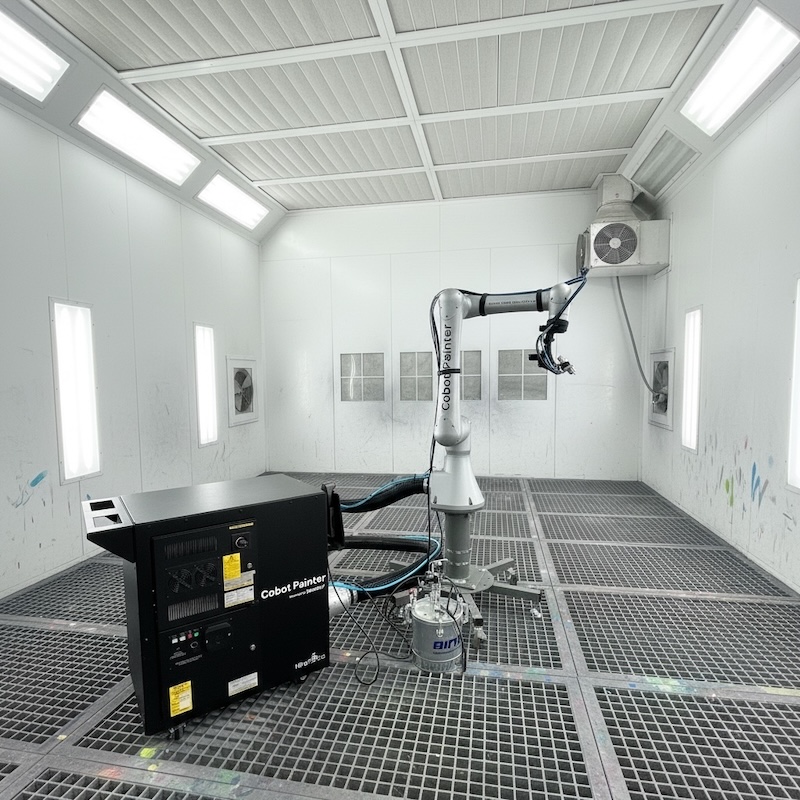
Hirebotics launches ‘no-code explosion-proof’ collaborative robot for industrial painting
Hirebotics has unveiled the Cobot Painter, the first explosion-proof collaborative robot solution designed specifically for metal fabrication. This innovative product, developed using Hirebotics' no-code Beacon platform in conjunction with Fanuc's CRX-10iA/L Paint hardware, is now available for purchase. The Cobot Painter provides metal fabricators and manufacturers with a practical alternative to traditional manual spraying methods and complex automated production lines, catering to high-mix, low-volume production needs. This launch marks a significant advancement in the automation of metal finishing processes, aiming to enhance efficiency and safety in the industry.
Industrial robots News Beacon platform Cobot Painter cobots collaborative robots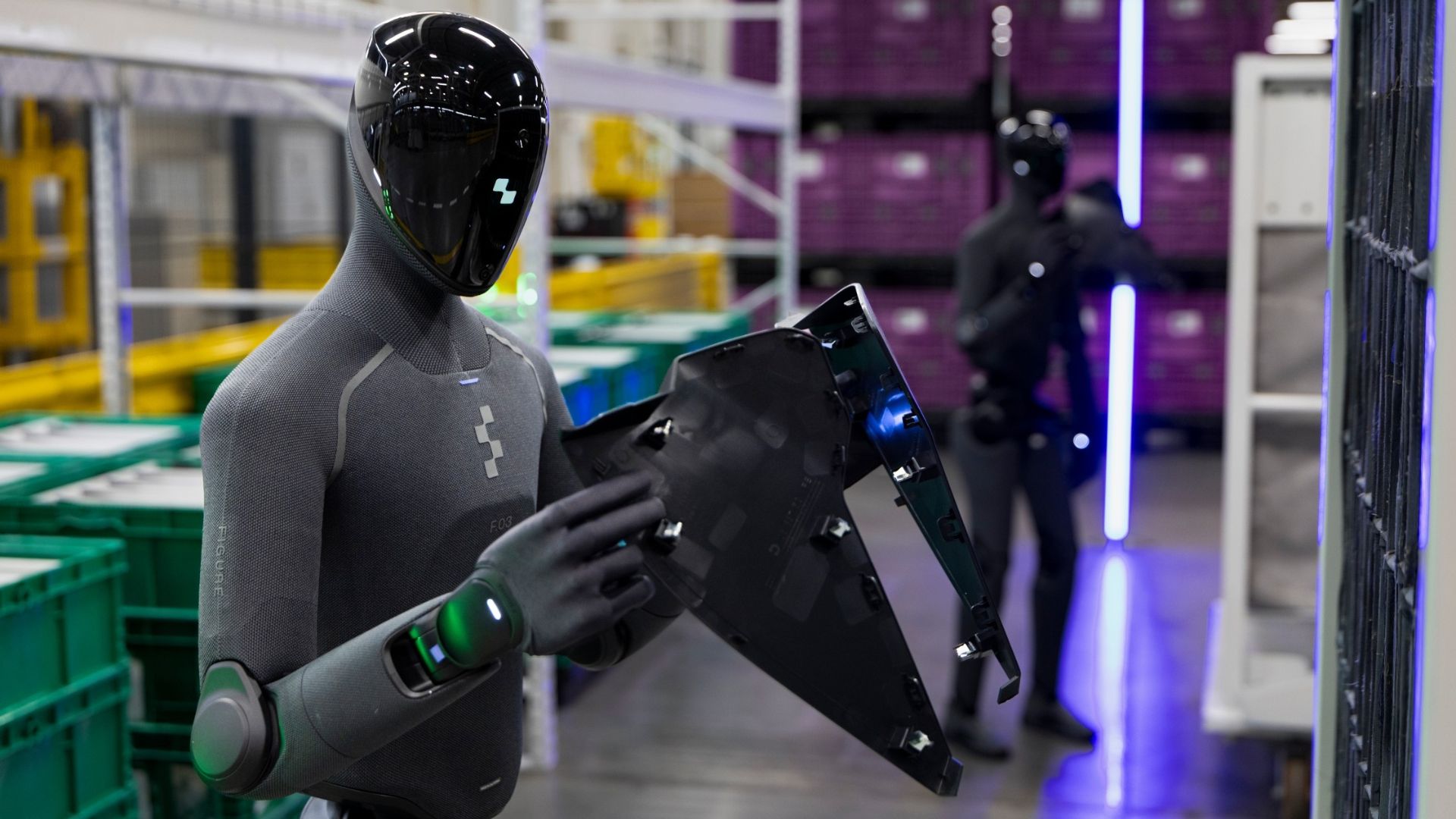
BMW’s smart factory in US gets Figure 03 humanoid robot for advanced logistics work
BMW Group has enhanced its manufacturing processes by integrating next-generation Physical AI technologies. This initiative, announced recently, aims to improve efficiency and precision in production lines. The implementation of these advanced AI systems is taking place at various BMW facilities worldwide, reflecting the company's commitment to innovation and modernization in the automotive industry. By leveraging Physical AI, BMW seeks to streamline operations, reduce costs, and enhance product quality, ultimately responding to the growing demand for smarter manufacturing solutions. The integration process involves upgrading existing machinery and training staff to work alongside AI systems, ensuring a seamless transition into this new era of manufacturing.
AI and Robotics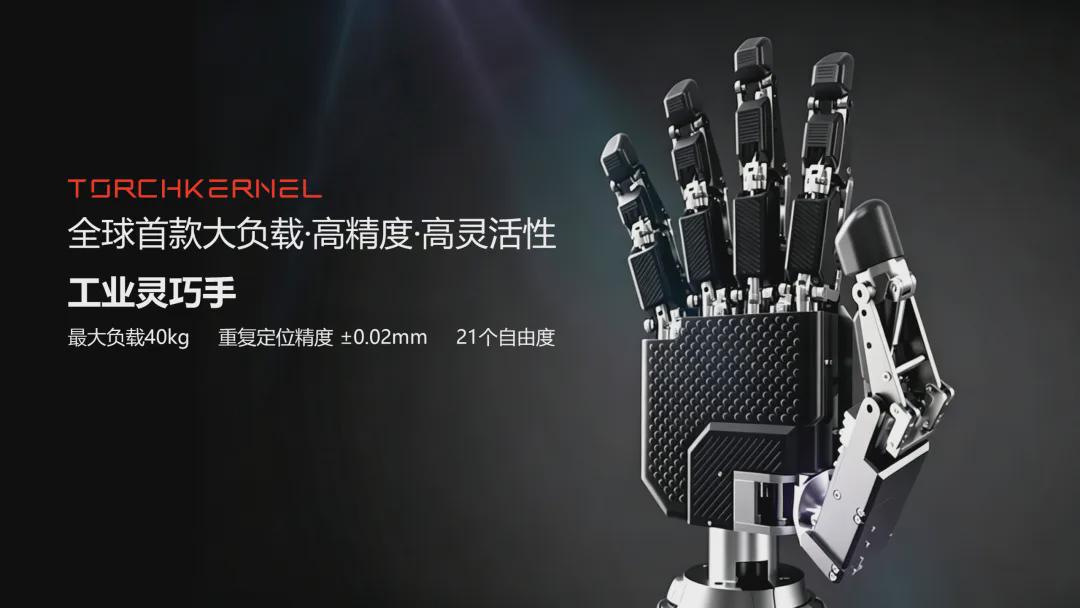
The Industrial Answer Behind the World's First Agile Robot Hand: A Complete Hardware, Data, and Model Loop
Jukun Robotics has unveiled a groundbreaking integrated solution aimed at enhancing the capabilities of agile robotic hands. This innovative design addresses critical challenges such as precision, dexterity, and load capacity, transforming robotic hands from simple demonstrations into essential tools for production lines. The introduction of this technology is expected to significantly improve operational efficiency and minimize downtime in various industrial applications. As the field of embodied intelligence continues to evolve, Jukun Robotics positions itself at the forefront, offering solutions that bridge the gap between hardware, data, and models.
Robotic Hands Industrial Automation AI Sensor Technology
CATL’s cell-making factory gets Galbot’s heavy-load humanoid robot as new worker
Contemporary Amperex Technology Co., Limited (CATL), the leading global manufacturer of power batteries, has introduced its first heavy-load humanoid robot, marking a significant advancement in automation technology. This innovative robot was unveiled during a recent event held at CATL's headquarters in Ningde, China. The deployment of this humanoid robot is part of CATL's ongoing efforts to enhance operational efficiency and reduce labor costs in its manufacturing processes. By integrating advanced robotics into its production lines, CATL aims to streamline workflows and improve productivity. The introduction of this technology reflects the company's commitment to innovation and its strategic focus on automation in response to the growing demand for electric vehicle batteries.
AI and Robotics
Embodied AI: Industrial Manufacturing’s Answer to the Great Margin Squeeze
Companies are increasingly turning to embodied AI-enabled robotics to combat the challenges of the “great margin squeeze” in manufacturing. This innovative technology allows for a transition to high-mix manufacturing, enabling faster changeovers and minimizing disruptions that can halt production lines. By integrating these advanced robotic systems, businesses can enhance operational efficiency without the need to expand their engineering resources. This shift is particularly crucial as manufacturers seek to adapt to changing market demands while maintaining profitability. The adoption of AI-driven robotics is seen as a strategic move to streamline processes and improve overall productivity in a competitive landscape.

How Equipment Asset Management Practices Must Evolve for Industry 4.0 to Deliver on its Promise
Industry 4.0 is poised to revolutionize manufacturing and supply chain management through the integration of connected sensors and intelligent systems. This technological advancement enables machines to predict failures, production lines to self-optimize based on real-time demand, and supply chains to adapt autonomously without human oversight. Despite the substantial investments and credible case studies showcasing its potential, many companies are hesitant to fully embrace these innovations. The reluctance stems from concerns over implementation challenges, workforce adaptation, and the need for a cultural shift within organizations. As the industry continues to evolve, understanding and addressing these barriers will be crucial for harnessing the full benefits of Industry 4.0.
Engineering Industry ai in manufacturing asset reliability automation news condition monitoring
Tactile learning loop: How human touch data teaches robots to handle eggs
Engineers have observed significant advancements in industrial robotics, particularly in the areas of automated welding and pallet stacking. Over the years, these machines have demonstrated remarkable precision and efficiency, transforming manufacturing processes. The ongoing development in robotics technology has been driven by the need for increased productivity and cost-effectiveness in various industries. As companies seek to enhance their operational capabilities, the integration of sophisticated robotic systems has become essential. This evolution in automation is not only streamlining production lines but also addressing labor shortages and improving workplace safety. The continuous innovation in this field suggests a promising future for industrial robots, as they become increasingly capable of handling complex tasks with minimal human intervention.
AI and Robotics
DENSO Exhibits High-Performance Robots at Automate 2026
DENSO, a leading global automotive supplier, is set to showcase its advanced robotics technology at an upcoming industry trade show. The demonstration will feature precision 4-axis and 6-axis robots, as well as collaborative robots designed to enhance manufacturing efficiency. Scheduled for next month in Tokyo, Japan, the event aims to highlight DENSO's commitment to innovation in automation and smart manufacturing solutions. The company seeks to address the growing demand for automation in the automotive sector, driven by the need for increased productivity and reduced labor costs. By integrating cutting-edge robotics into production lines, DENSO aims to streamline operations and improve overall performance in the industry.
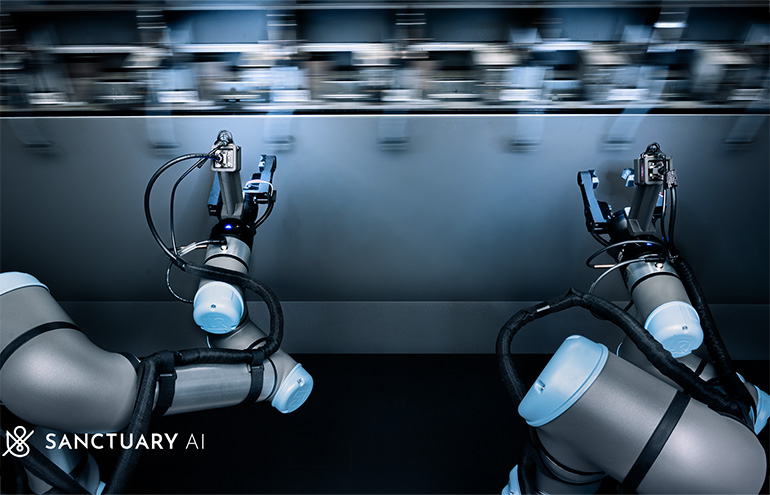
Sanctuary AI validates physical AI performance at Tier 1 automotive supplier
Sanctuary AI has made significant strides in the field of physical artificial intelligence by validating its performance at a Tier 1 automotive supplier. This development showcases the company's commitment to advancing AI technology without waiting for the advent of humanoid robots. The demonstration of production-ready capabilities marks a pivotal moment in the integration of AI within the automotive industry, highlighting Sanctuary AI's innovative approach to enhancing manufacturing processes. The event underscores the growing importance of AI in automating and optimizing production lines, paving the way for more efficient and effective operations in the sector.
Arms / Manipulators Artificial Intelligence Artificial Intelligence / Cognition Automotive End Effectors / Grippers Grippers
How AI APIs are strengthening phishing detection and email security across industrial enterprises
Phishing attacks have evolved beyond traditional IT concerns, posing significant threats to manufacturers, robotics integrators, and logistics operators. A single deceptive email can disrupt production lines, misdirect supplier payments, or jeopardize access to automated warehouse systems. This shift highlights the urgent need for enhanced cybersecurity measures to protect industrial operations from increasingly sophisticated threats. As the attack surface broadens, companies must adapt their defenses to safeguard against these emerging risks in the industrial sector.
Artificial Intelligence Business AI APIs AI phishing detection automation news business email compromise
The Long-Term Value of Robotic Arms for Manufacturing in Small to Medium Enterprises (SMEs)
Small and medium enterprises (SMEs) in the manufacturing sector are increasingly turning to collaborative robots to enhance their operational efficiency and product quality, according to JAKA, a leading provider of robotic solutions. This shift comes as SMEs seek to balance cost control with long-term development, particularly in a competitive market. Historically, many SMEs viewed robotic arms as prohibitively expensive and complex. However, advancements in collaborative robot technology have made these tools more accessible. JAKA's A12L intelligent visual perception robot exemplifies this trend, offering simple programming and quick deployment, which eliminates the need for specialized technicians and extensive workshop modifications. This adaptability allows SMEs to significantly reduce labor costs, which are often their largest expense. The JAKA A12L operates continuously without fatigue, minimizing human error and ensuring consistent production quality. Its intelligent vision system enhances machine tending efficiency, enabling SMEs to maintain stable output and lower defect rates. This capability is particularly valuable as SMEs face challenges related to small-batch and diverse production needs, allowing for rapid reconfiguration of production lines. By adopting JAKA's collaborative robots, SMEs can not only achieve immediate cost savings and efficiency gains but also overcome developmental hurdles, positioning themselves for sustainable growth in the evolving manufacturing landscape. JAKA's commitment to providing cost-effective and user-friendly robotic solutions empowers SMEs to optimize their operations and enhance their competitiveness in the market.

The Benefits of High-Speed Joint Actuation in Modern Articulated Robots
In the rapidly evolving manufacturing sector, JAKA Robotics is at the forefront of intelligent automation, showcasing the transformative capabilities of articulated robots, particularly collaborative robots (cobots). These advanced machines, equipped with high-speed joint actuation, are designed to enhance production efficiency and precision. The JAKA Pro5 articulated robot exemplifies this innovation, enabling accelerated production cycles through quick and precise movements that streamline loading, unloading, and assembly processes. This is particularly beneficial in time-sensitive industries like consumer electronics and automotive assembly, where reduced cycle times can significantly boost throughput. Moreover, the high-speed joint actuation not only increases speed but also enhances precision, ensuring consistent quality control in tasks such as component placement and welding. JAKA's robots maintain high accuracy over time, minimizing errors and reducing scrap rates, which is crucial for industries with stringent quality standards. The Pro5 model's compact design and user-friendly programming interface facilitate easy integration into existing production lines, allowing manufacturers to adapt swiftly to changing demands without extensive downtime. This flexibility empowers companies to optimize resources effectively and respond to market fluctuations. As industries continue to evolve, the role of high-speed joint actuation in articulated robots is becoming increasingly vital. By adopting JAKA's technology, organizations can modernize their production processes, improve workplace safety, and enable skilled workers to focus on higher-value tasks, positioning themselves for success in a competitive landscape.

Flex (FLEX) Expands Partnership with Teradyne Robotics for Intelligent Automation
Flex Ltd. has expanded its partnership with Teradyne Robotics to enhance intelligent automation in global manufacturing. This agreement, announced on April 22, 2026, allows Flex to utilize Teradyne’s automation technologies within its facilities while also producing essential robotics components for Teradyne’s solutions. The collaboration focuses on Teradyne’s brands, Universal Robots and Mobile Industrial Robots, with Flex integrating collaborative robots and autonomous mobile robots into its production lines. This partnership marks a significant evolution from their previous 20-year relationship in semiconductor test equipment, now venturing into robotics and physical AI. By merging Teradyne’s adaptive automation technologies with Flex’s advanced manufacturing capabilities, the two companies aim to assist manufacturers in managing increasing operational complexities. The integration of physical AI is intended to enhance consistency, throughput, and operational resilience across manufacturing facilities worldwide. Flex Ltd. is recognized as a diversified manufacturing partner with a growing emphasis on AI infrastructure, cloud computing, and power solutions. While the company shows promise as an investment, analysts suggest that other AI stocks may present greater potential for growth with lower risks.

The Ultimate Guide to Understanding Polishing Robots
In the high-precision manufacturing sector, the introduction of robotic polishing technology is transforming the finishing stage, which is critical for ensuring quality and consistency. JAKA, a leader in collaborative robotics, has developed the JAKA S series, particularly the JAKA S12, designed to automate the challenging polishing process. Unlike standard industrial robots, the JAKA S12 operates under "force control," allowing it to adapt pressure in real-time to the surface of various workpieces, from delicate smartphone casings to heavy automotive parts. This innovative approach not only enhances uniformity across production runs, eliminating batch variance, but also improves workplace safety by reducing employee exposure to hazardous dust and noise. By delegating polishing tasks to robots, human workers can transition to supervisory roles, overseeing quality and workflow. The JAKA S12 features a 12kg payload and a 1327 mm reach, making it suitable for large-scale finishing tasks. Its IP65 rating ensures durability in dusty environments, while integrated sensors provide real-time pressure monitoring, ensuring precision in every polish. The system can be seamlessly integrated into existing production lines without the need for extensive redesign, allowing manufacturers to enhance productivity and reduce scrap rates, ultimately leading to a rapid return on investment.
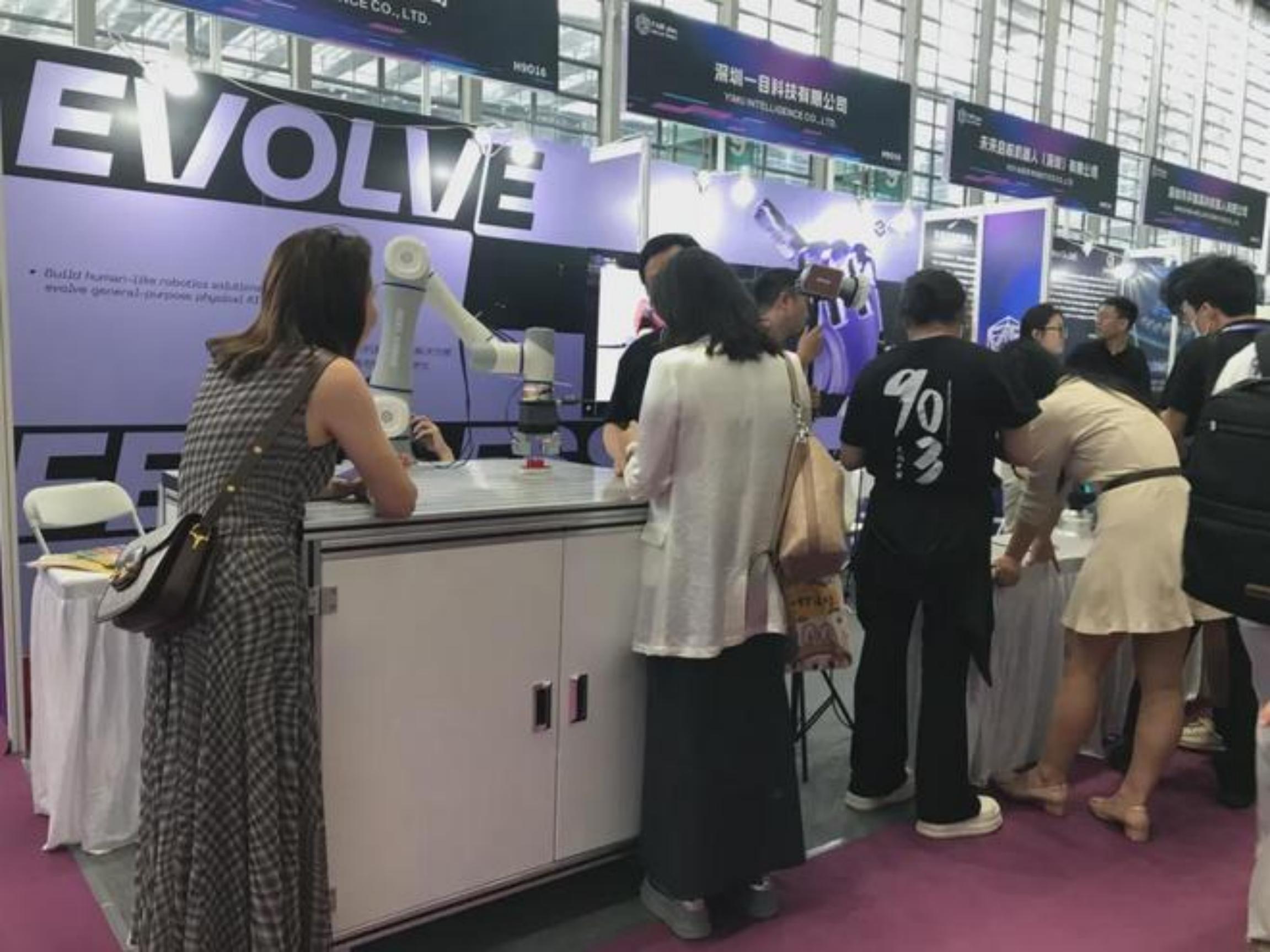
Redefining Flexible Assembly: Fairplus Reveals YIMU Technology's Tactile Innovations
YIMU Technology is revolutionizing the industrial automation sector with its groundbreaking visuotactile sensing technology, which empowers robots to handle flexible assembly tasks more effectively. This innovative approach mimics human tactile feedback, enabling robots to adapt to varying production needs rather than relying solely on absolute precision. By enhancing the adaptability and efficiency of manufacturing processes, YIMU Technology is paving the way for a new era in automation, where flexibility becomes as crucial as accuracy. The development is poised to significantly impact production lines, allowing for a more dynamic response to changing assembly requirements.
Tactile Sensors Flexible Manufacturing Robotics Industrial Automation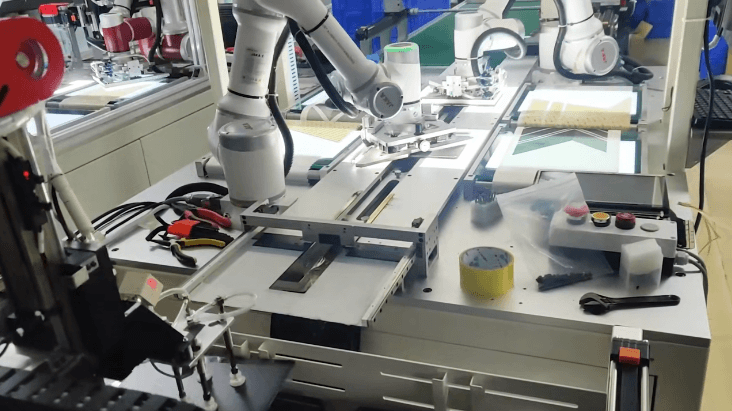
Collaborative Robot Arm vs. Traditional Arm: Safety, Speed, and Footprint
Manufacturers are increasingly weighing the benefits of collaborative robots (cobots) against traditional industrial 6-axis robot arms as they seek to automate production processes. This evaluation often hinges on which option offers a quicker return on investment. While traditional robots have dominated heavy manufacturing due to their high-speed capabilities, cobots present a more flexible and safer alternative, designed for close human-robot collaboration. The key distinction lies in safety measures. Traditional robots require extensive safety infrastructure, including cages and barriers, to protect workers from high-speed operations. In contrast, cobots, such as the JAKA Zu series, feature integrated sensors that allow them to stop immediately upon detecting an obstruction, enabling a workspace free of physical barriers. Speed is another critical factor. Traditional robots excel in mass production due to their ability to operate continuously at high speeds, while cobots prioritize safety, often running at slower speeds when humans are present. However, cobots can enhance efficiency and reduce downtime, making them suitable for high-mix applications where rapid setup is essential. Additionally, the physical footprint of robotic systems plays a significant role in decision-making. Traditional robots require substantial space due to safety cages, complicating integration into existing production lines. Conversely, cobots have a minimal footprint, allowing them to be mounted on workbenches or mobile carts, making automation feasible in tighter spaces. The JAKA Zu5 exemplifies this balance of performance and safety, offering industrial-grade capabilities in a compact design. With features like wireless programming and high precision, the JAKA Zu series aims to eliminate barriers to automation, providing manufacturers with adaptable solutions that enhance both efficiency and worker safety.
6 Axis Cobot Arms vs. Traditional 6 Axis Robot Arms: Which is Better?
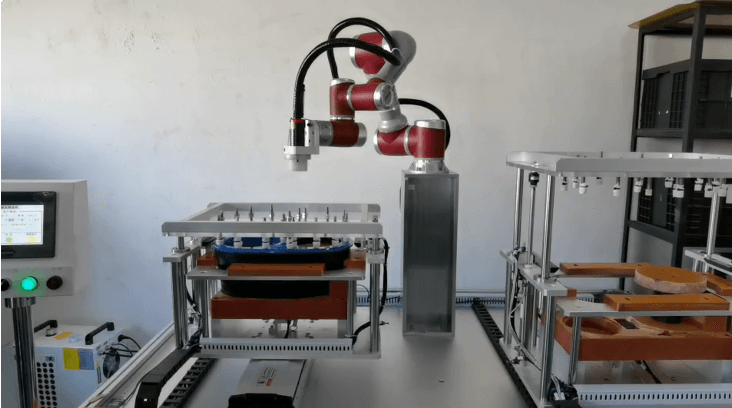
Manufacturers face a critical decision when expanding production lines: whether to invest in modern collaborative robots (cobots) or traditional industrial 6-axis robot arms. This choice, which can significantly impact operational efficiency, safety, and costs, requires careful consideration beyond just the initial price. Traditional 6-axis robots, designed for high-speed operations, necessitate extensive safety measures such as cages and interlocking doors, which can inflate costs and require more floor space. In contrast, cobots feature integrated sensors that allow them to work alongside human operators without the need for safety barriers, making them suitable for facilities with limited space. Programming also presents a challenge; traditional robots often require specialized engineers for reprogramming, leading to increased downtime and operational costs. Cobots, however, are designed for ease of use with intuitive interfaces that enable floor technicians to manage them without extensive coding knowledge. While traditional robots may have lower upfront costs, their total cost of ownership is often higher due to hidden expenses related to safety and maintenance. Cobots, with their flexible design, offer a quicker return on investment, particularly in environments with changing production needs. JAKA has introduced the JAKA Zu series, which combines the precision of industrial robots with the user-friendly features of cobots. This series eliminates the need for complex programming and bulky equipment, allowing users to manage robots via a mobile app. JAKA's solution aims to provide manufacturers with a scalable and adaptable automation option that can grow with their business needs.
What Are 6 Axis Robot Arms, and How Does Their Versatility Work?
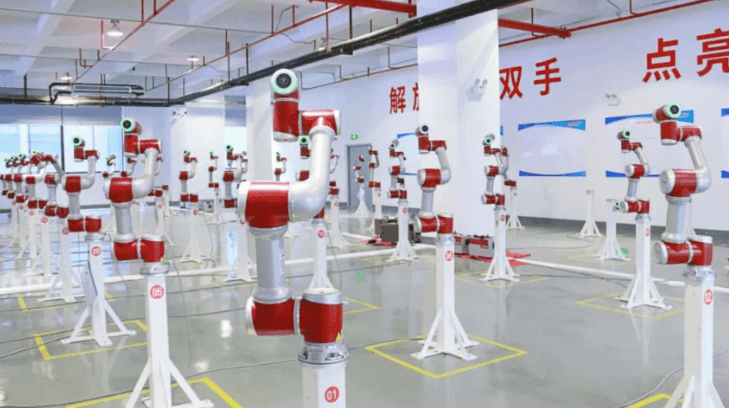
In the realm of industrial automation, the 6-axis robot arm has emerged as a pivotal innovation, offering unparalleled flexibility in manufacturing processes. These advanced machines, designed to mimic human arm movements, have transformed factory operations by enabling complex tasks with ease. The versatility of these robots stems from their unique kinematic structure, which features a series of rotating joints that allow them to access virtually any point in their workspace from various angles. The term "6-axis" signifies the six independent joints that provide the robot with multiple degrees of freedom. The major axes facilitate overall reach, while the minor axes function as a mechanical wrist, granting the robot the ability to pitch, roll, and yaw. This capability allows for diverse applications, from precision medical assembly to heavy-duty palletizing, setting them apart from traditional 4-axis robots. The adaptability of 6-axis robots is particularly beneficial in high-mix production environments, where they can seamlessly switch between tasks throughout the day, such as CNC machine tending and complex surface finishing. This flexibility minimizes the need for specialized machinery, optimizing floor space and reducing capital costs. JAKA has capitalized on this versatility with its Zu series of collaborative robots, which are lightweight and easily redeployable across production lines. The JAKA Zu18 model, capable of handling an 18kg payload with a reach of 1073mm, exemplifies strength combined with agility. Enhanced by user-friendly wireless control through the JAKA App, these robots are positioned to meet the evolving demands of both small workshops and large assembly plants, ensuring efficiency and adaptability in modern manufacturing.
The Step-by-Step Guide to Programming a Handling Robot for Machine Tending
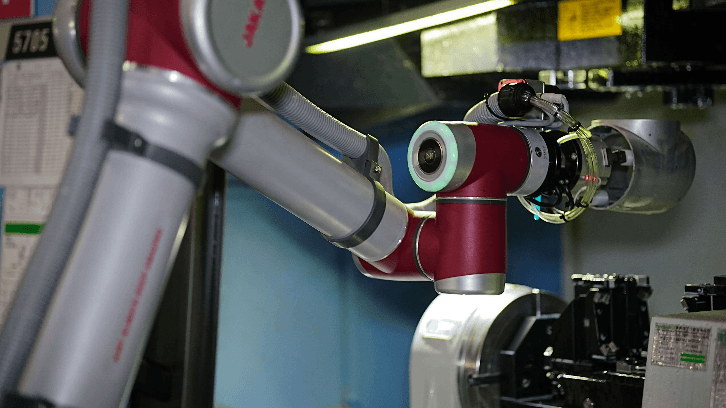
In a significant advancement for modern manufacturing, JAKA has introduced its JAKA Zu series, a line of handling robots designed to enhance machine tending processes in smart factories. This innovation allows for the automation of loading and unloading raw materials into CNC machines and injection molders, thereby increasing operational efficiency and safeguarding human workers from hazardous environments. The JAKA Zu12, capable of handling heavy metal parts with a payload of 12kg and a reach of 1327mm, streamlines the programming process through a user-friendly graphical interface accessible via a tablet or smartphone, eliminating the need for cumbersome teach pendants. This low-code approach simplifies the traditionally complex task of programming a 6-axis robot arm, enabling operators to set up a machine tending station in minutes. The setup involves defining the robot's workspace and safety zones, teaching waypoints for efficient path planning, integrating end-of-arm tooling for precise interaction with machines, and establishing logic loops for error handling. These features ensure that the robot can operate autonomously, significantly reducing the need for constant supervision. By offering a solution that combines industrial speed with consumer-friendly simplicity, JAKA aims to support manufacturers in automating their processes confidently, whether in small machine shops or large-scale production lines. This development marks a pivotal step towards more efficient and safer manufacturing environments.
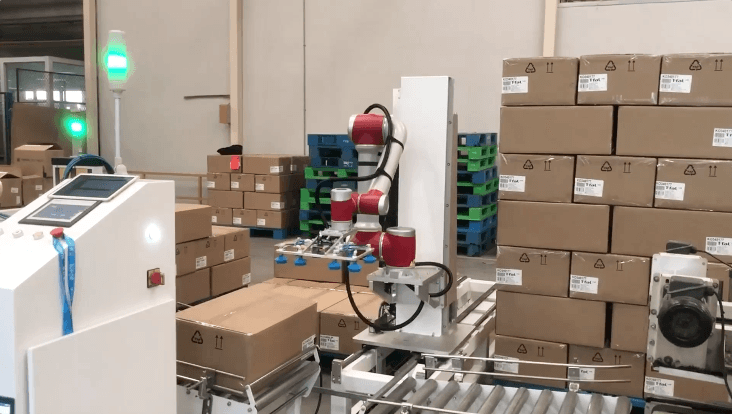
Cobot Palletizing vs. Traditional Palletizers: Speed, Footprint, and Cost Analysis
The palletizing process at the end of production lines is undergoing a significant transformation as manufacturers evaluate the shift from traditional palletizers to collaborative robot (cobot) systems. This change is driven by the need for greater flexibility and efficiency in supply chain operations. Traditional palletizers, known for their high-speed capabilities and suitability for single-SKU production, dominate high-output environments like food and beverage processing. However, cobots, equipped with 6-axis robotic arms, offer a more adaptable solution, particularly for facilities handling diverse product mixes. The transition is taking place as manufacturers seek to optimize space and reduce costs. Traditional systems require extensive floor space and safety barriers, often leading to operational bottlenecks. In contrast, cobots can operate safely alongside human workers, fitting into tighter spaces and allowing for more efficient warehouse layouts. Cost considerations also play a crucial role in this shift. While traditional palletizers may have similar initial costs, their total cost of ownership is significantly higher due to installation and maintenance expenses. Cobots, like those developed by JAKA, provide a more economical option, with easier installation and lower energy consumption. JAKA's Zu series exemplifies this innovation, offering advanced palletizing solutions that enhance productivity while minimizing product damage. As the industry adapts to these technological advancements, the choice between traditional and cobot palletizing systems will ultimately hinge on manufacturers' specific needs for speed, space, and cost efficiency.

MVTec showcases cutting-edge AI technologies and highly flexible machine vision software at Automate 2026
MVTec Software GmbH will showcase its advanced AI technologies and flexible machine vision software at the Automate trade show, taking place from June 22 to 25, 2026, in Munich. With a strong presence in the North American market, the company aims to demonstrate how its hardware-independent software can enhance efficiency across various industries, including semiconductor manufacturing and food and beverage. Dr. Olaf Munkelt, Managing Director and co-founder, emphasized the significance of the event, stating that their products facilitate sustainable digital transformation through cutting-edge AI. Attendees can experience live demonstrations of MVTec's software, including HALCON and MERLIC, which feature innovations like Deep 3D Matching for robust object detection and Global Context Anomaly Detection for comprehensive inspection tasks. MVTec's commitment to hardware independence allows users to select any compatible camera or sensor, ensuring optimal performance in demanding applications. Heiko Eisele, President of MVTec LLC, highlighted the flexibility this offers to companies seeking to optimize production lines. Additionally, MVTec experts will participate in the conference program, with Agnes Weiershaeuser presenting on practical deep learning for industrial vision on June 22. This event underscores MVTec's ongoing dedication to advancing industrial automation through innovative machine vision solutions.
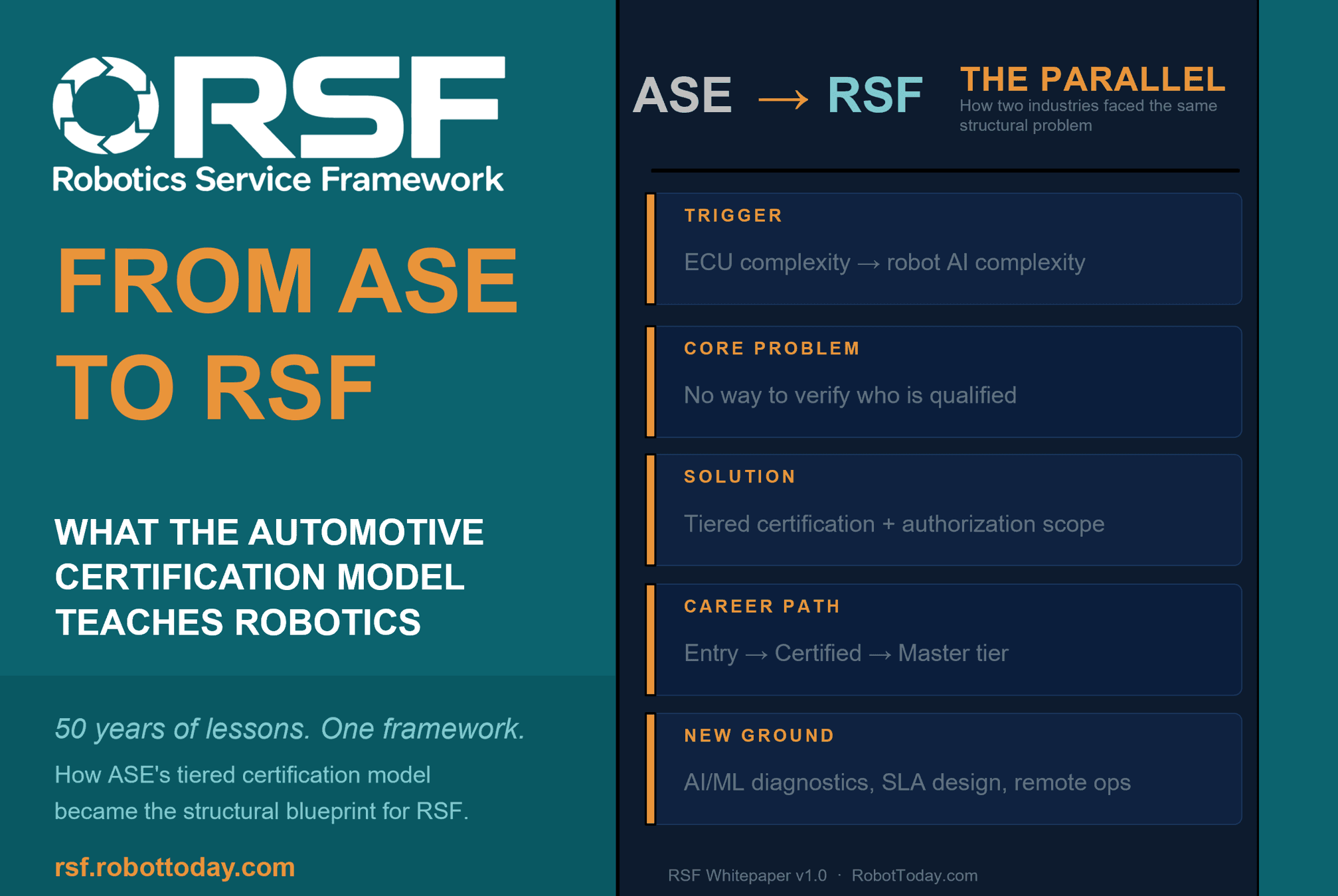
Robotics needs a service framework.
RSF defines a common language for robot service capability, lifecycle operations, certification pathways, and service-provider networks.