Industry Briefing
A single destination for timely, editor-curated robotics news from around the world.

Osaka Prefecture and i-RooBO Network Forum to Host ROBOYA Market Trends Seminar on October 7, 2026
Osaka Prefecture, in collaboration with the Robot Innovation Lab Osaka consortium, will hold the ROBOYA market trends seminar on October 7, 2026, at the Grand Green Osaka. The seminar, titled 'Physical AI Unlocking the Next Business: Insights from Foundational Models, Manufacturing Data, and Humanoids,' will also be streamed online via Zoom. This seminar is significant as it addresses the evolving relationship between robots and AI across various industries, including manufacturing, logistics, and services. Experts will discuss the current state and future market opportunities for the practical application of Physical AI, focusing on foundational robot motion models, manufacturing data, and humanoid robots. Attendees can expect insights from industry leaders, including Hirokazu Ishida from SB Intuitions, who will present on foundational models in Physical AI, and Jun Kuikei from Fairy Devices, who will discuss the importance of 'AI-Readiness' in real-world data for Physical AI. Networking opportunities and a tour of the ROBOYA robot development demonstration site will follow the seminar. No further timeline was disclosed at the time of publication.

Reframe Systems Secures $40 Million to Expand Microfactory Network for Homebuilding
Reframe Systems has successfully raised $40 million in venture-backed equity financing aimed at scaling its microfactory network throughout North America. This funding will enable the company to enhance its capacity to deliver homes to customers more efficiently. The significance of this financing lies in Reframe Systems' mission to industrialize home construction, leveraging physical AI technology to streamline the building process. The investment, led by Energy Impact Partners, with contributions from various venture firms, underscores the growing interest in innovative solutions for the housing sector. Looking ahead, Reframe Systems is poised to make substantial advancements in homebuilding efficiency and accessibility. No further timeline was disclosed at the time of publication.
Construction News automated construction construction robotics construction technology energy impact partners
Thales and Kelly Hills Unveil BVLOS Drone Network for Kansas Agriculture
Thales and Kelly Hills Unmanned Systems have announced a partnership to deploy a beyond visual line of sight (BVLOS) drone network in Kansas, aimed at enhancing agricultural operations such as crop spraying, scouting, fertilizing, and seeding. This initiative follows the successful model of Thales’s Vantis deployment in North Dakota, which has set a precedent for integrating uncrewed aircraft systems into national airspace. The Kansas Department of Agriculture will collaborate with the two companies to implement this network, leveraging Thales’s TopSky air traffic control automation platform, which currently manages about 40 percent of global airspace. The partnership aims to improve precision, productivity, and sustainability in farming while adhering to FAA regulatory standards for airspace integration. Looking ahead, the program is designed for scalability, with potential applications extending beyond Kansas to other agricultural operations across the U.S. The focus on detect-and-avoid systems will enhance safety for people and property, while precision application techniques promise to reduce environmental impact and increase efficiency in farming practices. No further timeline was disclosed at the time of publication.
Agriculture BVLOS Drone News Drone News Feeds Farming Drones News
Enhancing Urban Traffic Management Efficiency with IoT-Aided Robotics and Graph Neural Networks
Recent advancements in IoT-aided robotics have shown significant potential for improving urban traffic management. By utilizing a multi-component attention graph convolutional neural network, these systems can enhance real-time traffic monitoring capabilities, leading to more efficient traffic flow and reduced congestion. This development is crucial as urban areas continue to face increasing traffic challenges. The integration of advanced robotics and IoT technologies can provide city planners and traffic management authorities with the tools needed to optimize traffic patterns and improve overall urban mobility. Looking ahead, the focus will be on the implementation of these technologies in real-world scenarios. Continued research and development in this area will be essential to fully realize the benefits of IoT-aided robotics in urban traffic systems. No further timeline was disclosed at the time of publication.
RESEARCH ARTICLE
Powerus Secures $22.3 Million Contract for Counter-Drone Network in Middle East Oil Fields
Powerus, a U.S.-based company, has been officially commissioned to establish a counter-drone detection network for oil and gas fields in the Middle East. The contract, valued at $22.3 million, encompasses hardware, software, installation, and 24-hour maintenance to protect critical infrastructure from drone threats. The significance of this initiative lies in the vulnerability of oil and gas facilities, which are attractive targets due to their large, fixed nature and the presence of flammable materials. Drone attacks can disrupt operations and impact market prices, making effective detection systems crucial for safeguarding these economically vital assets. Looking ahead, the system will initially focus on detection and warning capabilities, with potential future integration of Powerus's Guardian-1 interceptor for active defense. However, details regarding the specific facilities covered, the types of sensors to be deployed, and the timeline for implementation remain undisclosed at this time.
Energy Innovation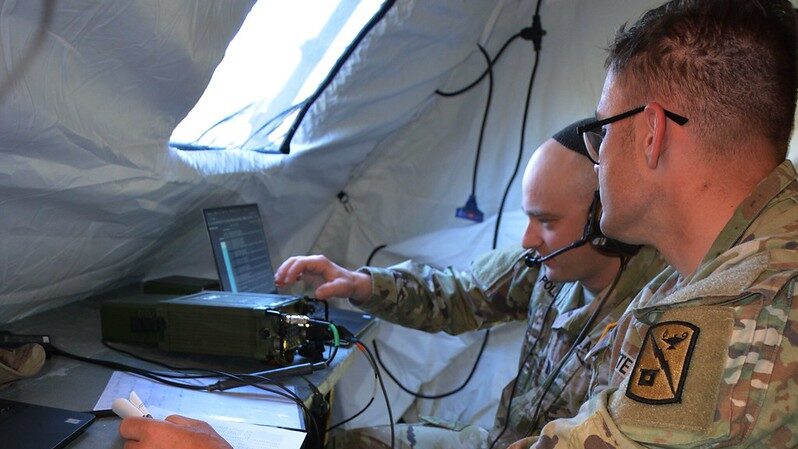
Army Network Command Chief Advocates for Digital Twin to Enhance Training and Cybersecurity
At the AFCEA TechNet Augusta conference, Maj. Gen. Jacqueline Denise McPhail, chief of the Army's Network Command (NETCOM), emphasized the necessity of a digital twin for the Army's networks. This comprehensive simulation would facilitate training and testing of both AI algorithms and personnel, providing a realistic environment to prepare for cyber threats. The digital twin, which would be continuously updated with real-time data, aims to enhance the Army's ability to respond to the increasing sophistication of cyber attacks, which now average 1.2 million daily. McPhail highlighted the importance of distinguishing between benign data and significant behavioral changes, a task where AI could play a crucial role in identifying vulnerabilities within the Department of Defense Information Network – Army (DoDIN-A). While acknowledging the challenges of creating such a digital model, McPhail encouraged contractors to pursue this initiative, suggesting a phased approach to development. The potential benefits of a digital twin extend beyond mere simulation, allowing for stress-testing and predictive analysis to improve network resilience and security.
Land Warfare Networks & Digital Warfare Army artificial intelligence AI cyber security Department of Defense Information Networks DoDIN
Submarine Networks World and Subsea Security World Set for Singapore on September 23-24, 2026
The Submarine Networks World 2026, the largest annual gathering of the subsea telecommunications industry, will take place in Singapore on September 23-24, 2026. This event is expected to attract over 1,000 leaders in subsea communications and feature more than 130 industry speakers. The introduction of Subsea Security World (SSW) at this year's event highlights the growing importance of cable security and protection. This new segment will bring together specialists, government entities, and academics to discuss critical issues affecting the subsea telecommunications sector. As the event approaches, attendees can look forward to inspirational keynotes and engaging debates. No further timeline was disclosed at the time of publication.
submarine networks world subsea security world 2026 events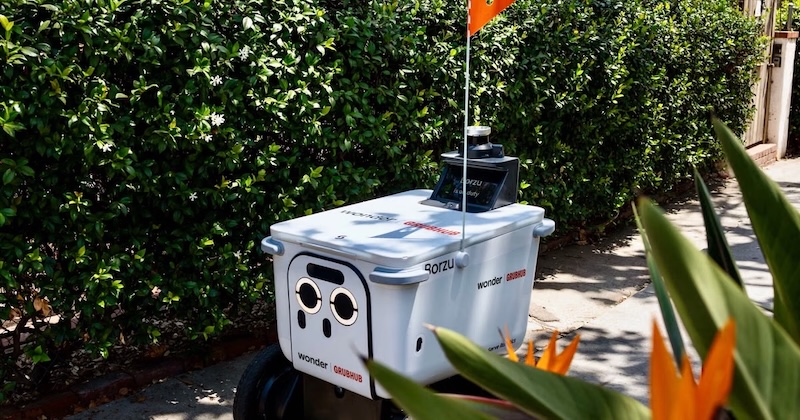
Serve Robotics Partners with Grubhub to Expand Autonomous Delivery Network
Serve Robotics is enhancing its autonomous delivery network by partnering with Grubhub, adding a third major platform to its service alongside Uber Eats and DoorDash. This collaboration will initially launch in Chicago, Los Angeles, and Alexandria, Virginia, with over 100 Grubhub merchants in Chicago and nearly 200 in Los Angeles participating. The significance of this partnership lies in its potential to increase the number of restaurants and orders available to Serve's autonomous sidewalk delivery fleet. According to Ali Kashani, co-founder and CEO of Serve Robotics, this expansion demonstrates the company's growth trajectory and the increasing intelligence of its fleet with each new delivery. Looking ahead, Serve Robotics is also expanding its geographical reach with new launches in Washington, DC, and San Jose, California, in collaboration with DoorDash. These expansions mark Serve's seventh and eighth major US markets, indicating a robust growth strategy in the autonomous delivery sector. No further timeline was disclosed at the time of publication.
Logistics News autonomous delivery delivery robots diligent robotics doordash
Evolving Industrial Networks to Support Modern Automation Demands
Industrial networks are undergoing significant changes as production floors integrate various technologies such as collaborative robots, machine-vision cameras, and automated guided vehicles. This shift transforms network planning into a critical operational task, as interruptions can disrupt production and hinder decision-making for robotics and automation teams. The importance of this evolution lies in the need for networks that can adapt to increasing data volumes and changing production requirements. It is essential to understand the distinct demands of different devices, such as machine-vision cameras versus temperature sensors, to ensure that latency-sensitive applications are prioritized and that the network can accommodate future growth without frequent redesigns. Looking ahead, organizations must focus on the access layer of their networks, ensuring adequate port density, fiber capacity, and redundancy. By planning with technologies like Juniper EX4400 access switching, companies can create robust networks that align with their evolving production systems and avoid bottlenecks as they expand their operations.
Automation Computing Internet access switching automation ethernet
Serve Expands Robot Delivery Network with Grubhub and New Innovations
Serve has announced its expansion into San Jose and Washington, DC, enhancing its delivery network by partnering with Grubhub. This move is part of a broader strategy that includes the introduction of an innovative micro-depot in Miami and a new hardware product aimed at merchants, which collectively aim to drive fleet utilization. The significance of this expansion lies in Serve's commitment to improving delivery efficiency and service offerings. By integrating Grubhub into its network, Serve enhances its operational capabilities, allowing for faster and more reliable delivery services. The introduction of Moxi 2.0, a hospital robot with 15 times faster processing power, further exemplifies Serve's focus on technological advancement and operational excellence. Looking ahead, industry observers should monitor how these developments impact Serve's market position and fleet utilization rates. The new advertising service and hardware product for merchants may also play a crucial role in shaping the competitive landscape. No further timeline was disclosed at the time of publication.

U.S. Navy Exercise Demonstrates Sonar Network Tracking for Various UUVs
The U.S. Navy's Exercise Lanternfish 26 showcased the capabilities of ThayerMahan's ShorePicket and Outpost systems in detecting unmanned underwater vehicles (UUVs). These systems successfully tracked UUVs ranging from six inches to extra-large sizes, highlighting the importance of distributed acoustic sensors in maritime security. This exercise, involving U.S., British, and Australian personnel, aimed to evaluate emerging undersea technologies in realistic environments. With 50 technologies from 26 industry partners, the event focused on enhancing interoperability under AUKUS Pillar II, emphasizing the need for effective detection methods in the challenging underwater environment. Looking ahead, the integration of ThayerMahan's TransparenSea software with acoustic data processing and AI-assisted analysis will be crucial for real-time maritime situational awareness. No further timeline was disclosed at the time of publication.
Military
Qianjue Technology and Tsinghua University Introduce New Neural Network Complexity Metric
Qianjue Technology, in collaboration with Tsinghua University, has proposed a new metric for assessing neural network complexity called Effective Degree (ED). This metric aims to quantify the complexity of learned models and enhance their ability to generalize in new environments, addressing a core challenge in robotics: the ability to make correct judgments in unfamiliar settings. The significance of this development lies in its potential to improve the selection of models for robotic brains, diagnose overfitting during training, and enhance generalization capabilities when facing new tasks and environments. The research has been validated across various tasks, including vision, language, and reinforcement learning, providing a new technical pathway for advancing robotics. Looking ahead, the research aligns with recent theories in world modeling, notably those discussed by Turing Award winner Yann LeCun. The methodologies employed by the Qianjue-Tsinghua team, which focus on the recovery of hidden variables in data generation, echo similar inquiries in the field. No further timeline was disclosed at the time of publication.
Neural Networks Machine Learning Robotics AI Research
Kuehne+Nagel Expands Cool Corridor Network for Temperature-Sensitive Healthcare Logistics
Kuehne+Nagel has announced the expansion of its Cool Corridor network, adding four new airfreight routes between key cities including Frankfurt and Atlanta, and Chicago and São Paulo. This expansion enhances the network's global reach to 12 dedicated lanes, facilitating the transport of temperature-sensitive healthcare products across major hubs in Europe, North America, Asia-Pacific, and Latin America. The significance of this expansion lies in its ability to improve the efficiency and sustainability of healthcare logistics. By utilizing dedicated routes that adhere to GDP-compliant handling, Kuehne+Nagel aims to minimize Time Out of Range (ToR) for sensitive shipments. This approach allows healthcare customers to maintain product integrity while potentially reducing logistics costs and transport emissions through the use of lighter passive packaging. Looking ahead, Kuehne+Nagel's strategic focus on healthcare logistics is expected to drive further enhancements in their Cool Corridor network. The company continues to collaborate with airlines and ground handlers to meet customer demand for reliable, temperature-controlled transportation solutions. No further timeline was disclosed at the time of publication.
Air Cargo Cold Chain Logistics Transport and Distribution air cargo cold chain Freight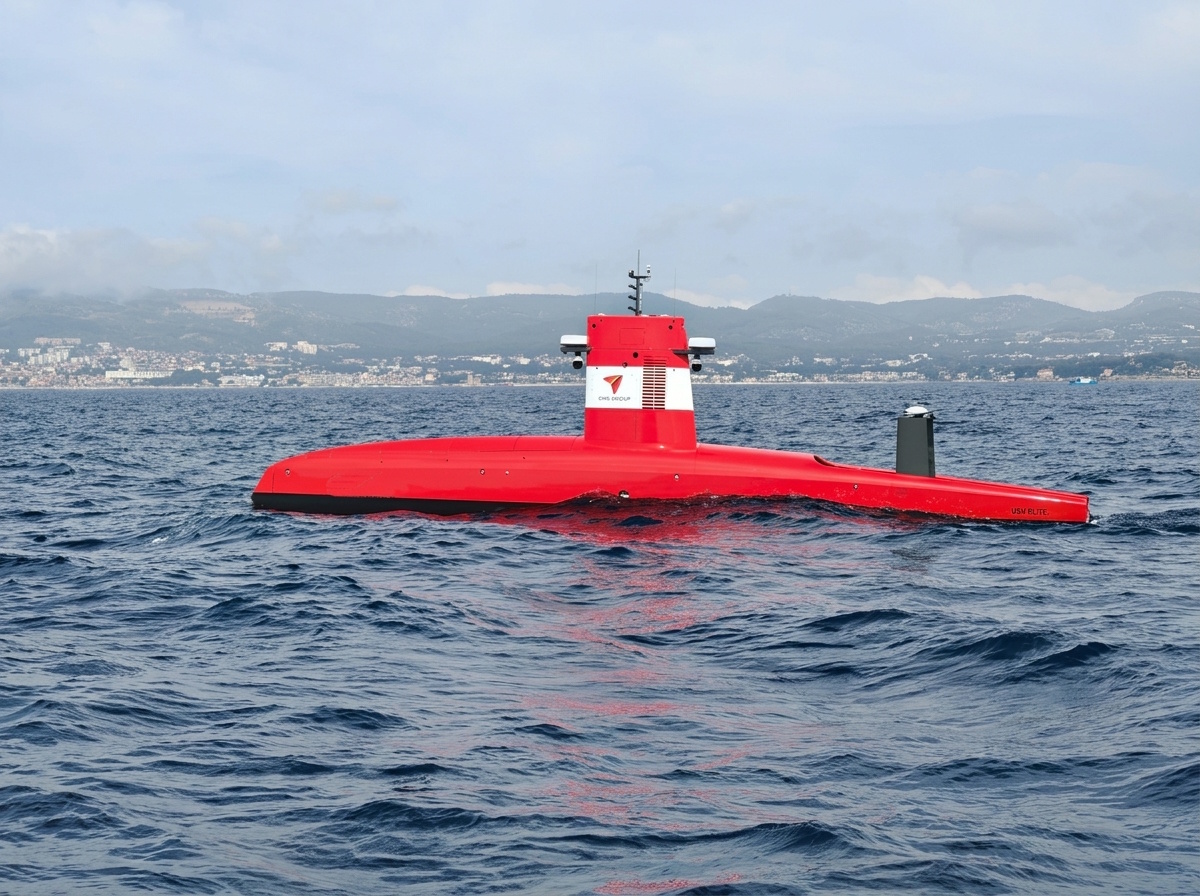
Datagrid Partners with ASN and OMS Group for Tasman Ring Network in New Zealand
Datagrid New Zealand has signed a contract with Alcatel Submarine Networks and OMS Group to establish the Tasman Ring Network. This new optical submarine cable system will connect Invercargill, located in New Zealand's South Island, to Melbourne, Australia. The Tasman Ring Network is significant as it aims to enhance connectivity and improve the resilience of New Zealand's internet infrastructure. By linking the South Island directly to Australia, the project is expected to bolster data transmission capabilities and provide a more reliable internet service for users in the region. As the project progresses, stakeholders will be keen to monitor the installation timeline and the impact of the new cable system on local internet services. No further timeline was disclosed at the time of publication.
oms group exail drix tasman ring network
Advanced 4D Radar Odometry Utilizing Heatmap Feature Encoding and Spatiotemporal Attention Network
A new method for 4D radar odometry has been introduced, focusing on heatmap feature encoding and a spatiotemporal attention network. This innovative approach aims to enhance the accuracy and reliability of radar-based navigation systems. The significance of this development lies in its potential to improve autonomous navigation in complex environments. By integrating heatmap features and attention mechanisms, the method addresses challenges faced by traditional radar odometry techniques, making it a crucial advancement in the field. Looking ahead, researchers and industry professionals should monitor the implementation of this technology in real-world applications. Its effectiveness in various scenarios will be key to determining its impact on future radar navigation systems. No further timeline was disclosed at the time of publication.
RESEARCH ARTICLE
Reviewing Intelligent Operation and Maintenance Robots for Urban Water Supply Networks
The Journal of Field Robotics published a review focusing on intelligent operation and maintenance robots designed for urban water supply networks. This review highlights the current advancements in robotic technologies that enhance the efficiency and reliability of water supply systems. The significance of this review lies in its potential to improve urban infrastructure management. By integrating intelligent robotic solutions, cities can address challenges such as aging infrastructure, maintenance costs, and service interruptions, ultimately leading to more sustainable water supply systems. Looking ahead, stakeholders should monitor the ongoing development of these robotic technologies and their implementation in urban settings. No further timeline was disclosed at the time of publication.
SURVEY ARTICLE
BF-GNet: A Network for RGB-D Fusion in Grasp Pose Estimation
The article discusses BF-GNet, a novel RGB-D fusion network designed for grasp pose estimation in complex background environments. This technology aims to enhance robotic manipulation capabilities by accurately determining grasp poses despite challenging visual conditions. The significance of BF-GNet lies in its potential to improve the efficiency and reliability of robotic systems in real-world applications. By effectively integrating RGB and depth data, the network addresses common challenges faced in environments with clutter and varying textures, making it a valuable tool for advancing robotic perception. Looking ahead, the adoption of BF-GNet could lead to more sophisticated robotic applications in various sectors, including logistics and manufacturing. As the technology matures, further developments and potential collaborations may emerge to enhance its capabilities and deployment in practical scenarios. No further timeline was disclosed at the time of publication.
RESEARCH ARTICLE
SWLP Expands Drone Delivery Network for Pathology Samples in Southwest London
South West London Pathology (SWLP) is broadening its drone delivery program after a successful pilot that transported thousands of pathology samples. This initiative, developed with Apian and Wing, is now integral to SWLP's logistics strategy, potentially serving hospitals and primary care sites across southwest London. The significance of this expansion lies in its ability to enhance medical logistics, particularly for time-sensitive deliveries. Drones have proven to be up to 85% faster than traditional ground transport, allowing clinicians to receive test results sooner, which is crucial for patient care. SWLP serves around 1.8 million people and processes approximately 51 million samples annually, making efficient logistics essential. Looking ahead, SWLP plans to extend drone operations to additional hospitals and primary care facilities, further integrating this technology into healthcare logistics. No further timeline was disclosed at the time of publication.
Applications Delivery Drone News Drone News Feeds News Apian
São Paulo Becomes First City to Implement Citywide Drone Detection as a Service Network
R2 Wireless and Ôguen Tecnologias have partnered to launch a managed drone detection service in São Paulo, Brazil, making it the first city to implement a municipal-scale Drone Detection as a Service (DDaaS) network. This initiative aims to address rising concerns over the use of drones by criminal organizations, offering a cost-effective alternative to traditional counter-drone systems. The DDaaS network will provide continuous monitoring of urban airspace through a subscription model, allowing public agencies and private organizations to access drone detection, geolocation, and real-time airspace awareness without the need for hardware purchases. R2 Wireless's technology operates at the physical RF layer, enabling it to detect and geolocate various types of drones, including modified and spoofed systems. As commercial drones evolve, the demand for adaptable counter-drone solutions grows. The partnership aims to support a wide range of users, including critical infrastructure operators and government sites, and reflects a broader trend towards service-based approaches in airspace security. No further timeline was disclosed at the time of publication.
Anti-drone technology C-UAS Drones in the News News ADaaS airspace monitoring
BayCare Partners with Zipline for Drone Delivery Network in Tampa Bay by 2027
BayCare, the largest not-for-profit academic health-care system in West-Central Florida, has announced a partnership with Zipline to establish a drone delivery network. This system is expected to be operational by late 2027, initially focusing on high-volume hospital and laboratory locations in the St. Petersburg/Clearwater area. The network will facilitate the delivery of medical supplies and equipment between BayCare facilities, with plans to expand to patient homes in the future. The collaboration aims to enhance the speed and efficiency of transporting critical health-care items, addressing the needs of BayCare's extensive network of 16 hospitals and numerous other facilities. Zipline's drones are designed to operate autonomously, making precise deliveries even in adverse weather conditions. This initiative is expected to reduce delivery-related emissions and traffic congestion while providing a reliable service for time-sensitive items. Looking ahead, the project will begin with select BayCare facilities in Pinellas County, where the concentration of patient activity is highest. Future expansions across the entire Tampa Bay area are planned, although no further timeline was disclosed at the time of publication. The partnership leverages Zipline's FAA Part 135 air carrier certification, enabling BVLOS flights for commercial deliveries.
Applications Delivery Drone News Drone News Feeds News autonomous delivery
Atlas Core of Engineers Enhances Semiconductor Resiliency with PROFINET Networking Solutions
Atlas Core of Engineers, an industrial-controls firm, is collaborating with semiconductor companies to improve operational resiliency through advanced automation. By retrofitting existing facilities and establishing new ones, Atlas aims to minimize downtime in a sector where interruptions are intolerable. Ahmad Jodeh, the firm's owner, emphasizes the importance of PROFINET technology in overcoming the limitations of traditional PROFIBUS systems, particularly in terms of bandwidth and troubleshooting. The semiconductor industry is undergoing significant changes, driven by global competition and technological advancements. U.S. manufacturers are investing heavily in domestic chip production, spurred by incentives from the CHIPS and Science Act. This shift is prompting companies to enhance their automation capabilities to maintain competitiveness, with PROFINET playing a crucial role in achieving higher efficiency and reliability in operations. As semiconductor firms transition to PROFINET, they are leveraging its network redundancy features to ensure continuous operation. This capability allows for the establishment of multiple communication routes, which is vital in preventing downtime. The ongoing evolution in the semiconductor landscape highlights the need for innovative solutions that can adapt to rapid changes while ensuring operational integrity.
Factory / Digital Transformation
JPMorgan Projects $320 Billion in Tesla Robotaxi Revenue by 2035, Mostly for Tesla Fleet
JPMorgan has projected that Tesla's robotaxi revenue could reach approximately $320 billion by 2035, with around $314 billion generated from a Tesla-owned fleet rather than individual vehicle owners. This shift in revenue expectations indicates a significant change in the business model, moving away from the idea of passive income for owners participating in a shared ride network. This analysis is crucial as it reframes the robotaxi opportunity for Tesla (NASDAQ:TSLA) as a capital-intensive mobility operator, similar to Waymo, rather than an asset-light software platform. The report highlights that Tesla is expected to retain most of the ride revenue, which could impact the financial outlook for individual vehicle owners who anticipated earning from the Tesla Network. Looking ahead, the success of this model will depend on Tesla's ability to scale Cybercab production, reduce operating costs, and secure widespread regulatory approvals. No further timeline was disclosed at the time of publication.

Tesla Invites Entrepreneurs to Support Cybercab Robotaxi Network Expansion
Tesla is exploring partnerships with entrepreneurs to support its nationwide robotaxi ambitions, particularly for its recently launched driverless Cybercab. The company is seeking independent partners to help with financing, parking, charging, cleaning, and maintaining a fleet of self-driving taxis, indicating a shift from its traditional do-it-yourself approach. This initiative is significant as it mirrors successful models like Amazon's Delivery Service Partner program, which utilizes independent businesses to manage logistics and delivery. By inviting entrepreneurs to invest in Cybercab fleets and infrastructure, Tesla aims to expand its robotaxi network without bearing all operational costs and risks. Looking ahead, Tesla's strategy could reshape the landscape of autonomous vehicle deployment, leveraging local entrepreneurs to enhance service availability and efficiency. No further timeline was disclosed at the time of publication.
JD.com Plans to Deploy 3 Million Robots to Automate Logistics Network in China
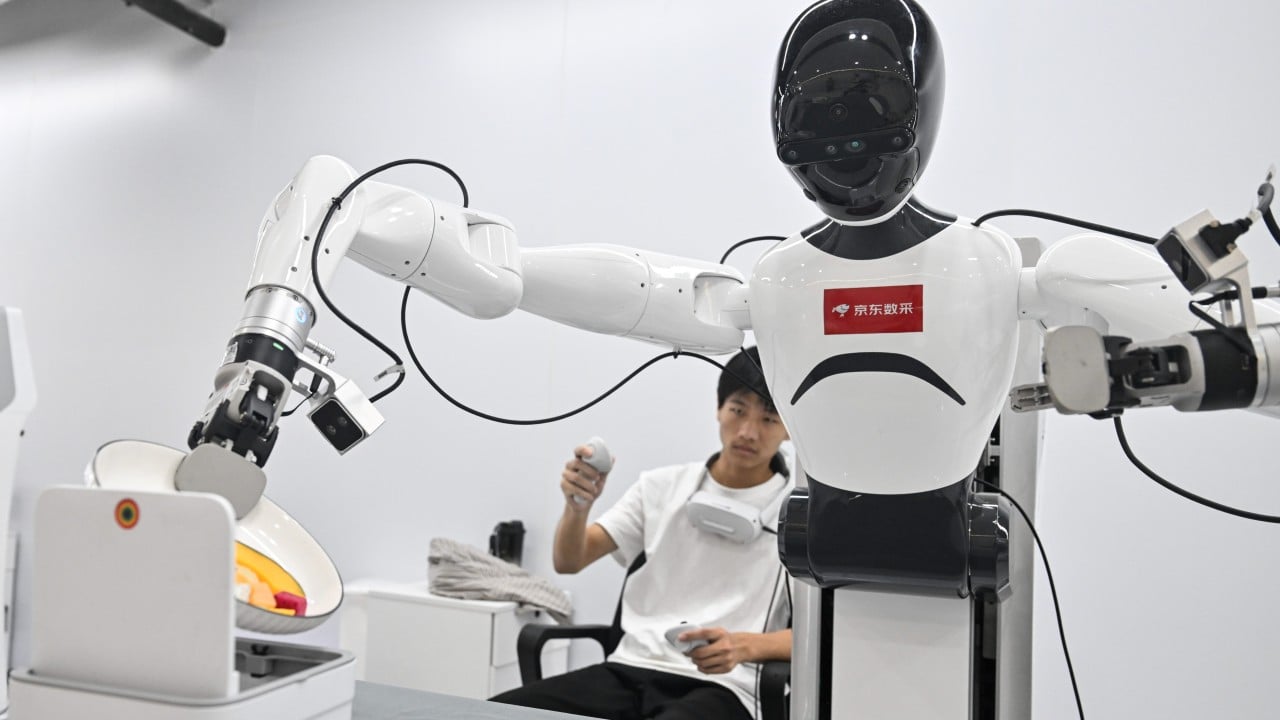
JD.com is intensifying its automation efforts by planning to deploy 3 million robots across its logistics network over the next five years. This initiative includes the introduction of the Wolf Robot series, which is designed to handle repetitive tasks and operate in challenging environments, as confirmed by Liu Lige, head of embodied intelligence robots at JD Logistics. The move is significant as it aims to create a fully automated supply chain while addressing potential job displacement among its workforce of 700,000 delivery and logistics personnel. JD.com is committed to retraining its couriers for technical roles, such as robot maintenance, under its Nirvana Plan, which was outlined by founder Liu Qiangdong earlier this year. Looking ahead, JD.com’s ambitious plan to integrate 1 million unstaffed vehicles and 100,000 delivery drones alongside the robots will be crucial in shaping the future of logistics in China. No further timeline was disclosed at the time of publication.

Tesla Launches Exclusive Cybercab in Austin, Advancing Robotaxi Network Vision
Tesla (TSLA) held an exclusive launch event for its Cybercab in Austin on September 3, marking a pivotal move towards scalable robotaxi networks. The two-seat Cybercab, which lacks a steering wheel and pedals, is now part of Tesla's Robotaxi app, allowing limited rides in select areas of Austin, Texas, and Florida. This launch is significant as it represents Tesla's shift from electric vehicle manufacturing to autonomous mobility solutions. The Cybercab's introduction has attracted regulatory attention, with the National Highway Traffic Safety Administration (NHTSA) evaluating its deployment due to the absence of a steering wheel. Investors reacted positively, with Tesla's stock rising 5.4% on the launch day, although gains were reduced the following day. Looking ahead, the financial impact of the Cybercab initiative may take time to materialize, and investors should be prepared for volatility. The launch underscores Tesla's broader ambitions beyond traditional automotive markets, as it continues to innovate in clean energy and technology sectors. No further timeline was disclosed at the time of publication.

Trucking Industry Faces Rising Costs Amid Structural Freight Inefficiencies
The American Transportation Research Institute recently reported that the average cost of operating a truck in 2025 is projected to reach $2.336 per mile, marking a historical high. While volatile diesel prices and shifting trade policies contribute to this increase, a more persistent issue lies in the structural inefficiencies of freight planning and execution. These inefficiencies lead to empty miles, where trucks complete deliveries but often move without cargo due to disconnected planning across shippers and carriers. This situation is critical as it highlights the interconnected nature of freight movements, where decisions made in isolation can lead to increased costs for all stakeholders involved. Empty miles not only reduce asset productivity but also inflate freight rates, ultimately impacting the entire supply chain. The industry has made strides in optimizing individual components, such as transportation management systems and load matching, but these improvements are limited when waste occurs between different participants. Looking ahead, the challenge remains in creating a cohesive network that allows for more efficient freight movements. The potential for continuous movements, where loads are strategically planned to minimize empty miles, is significant but complex. As the industry continues to evolve, addressing these structural inefficiencies will be crucial for reducing costs and improving overall productivity in freight transportation. No further timeline was disclosed at the time of publication.

Mibee Achieves Milestone with 20,000th MEgo Device and One Million Hours of Data Collected
On August 31, Mibee Technology officially launched its 20,000th MEgo device, marking the first large-scale production of non-body data collection devices in the industry. This milestone is complemented by the announcement that Mibee has accumulated over one million hours of high-quality non-body data, establishing itself as the first data service provider in the industry to offer such extensive data for sale. The significance of this achievement lies in the establishment of a foundational infrastructure for data collection, akin to the creation of an electrical grid that transformed the world. Mibee's MEgo devices are designed to facilitate large-scale learning for robots in complex environments, enabling them to understand their surroundings, predict changes, and make decisions based on real-world data. Looking ahead, Mibee's MEgo devices have already been deployed in various real-world scenarios, including homes, offices, and retail environments, contributing to the collection of effective data. No further timeline was disclosed at the time of publication.
Data Collection Physical AI Robotics Machine Learning AI Training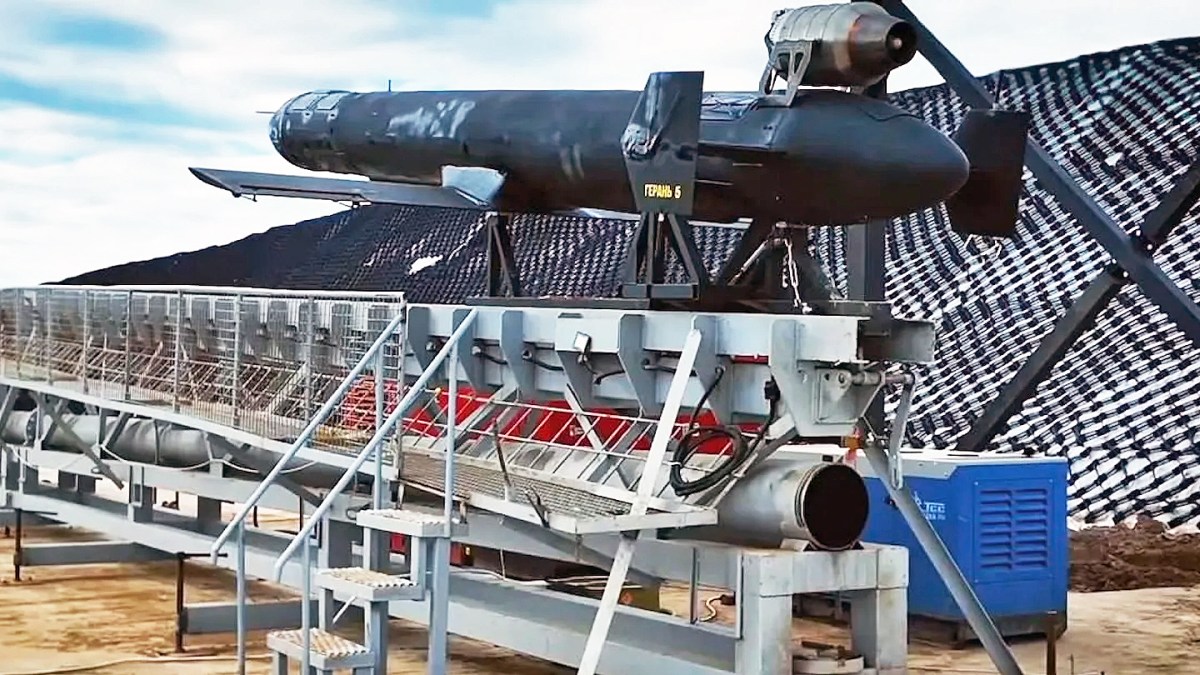
Russia Expands Infrastructure for Long-Range Strike Drones Near Ukraine and NATO
Russia is enhancing its long-range strike drone capabilities by constructing new launch infrastructure, including extended rails for larger Geran variants. This development indicates an increase in Russia's ability to deploy drones from various locations, posing a potential threat to NATO territories. The expansion includes at least 10 bases with 59 launch rails, some already utilized in attacks on Ukraine. The significance of this expansion lies in its implications for regional security, as the new launch sites increase the range of Russian drones, potentially allowing them to target NATO countries. The construction of these facilities, some converted from military bases and civilian airfields, demonstrates Russia's commitment to enhancing its military capabilities amid ongoing tensions in the region. Looking ahead, the focus will be on the operational deployment of these drones and their impact on the conflict in Ukraine and NATO's response. No further timeline was disclosed at the time of publication.
News & Features Around The Globe Drones Europe NATO Russia
Taiwan's Counter-Drone Network Faces Challenges Amid Testing Failures and Evolving Threats
Taiwan's counter-drone network is under scrutiny following an audit revealing technical deficiencies in a $111 million defense program. The system, designed to safeguard military facilities, struggles to detect and jam frequencies utilized by advanced Chinese drones, highlighting vulnerabilities in Taiwan's defense strategy. The findings coincide with the termination of a procurement for 26 fixed-site systems due to repeated testing failures, raising concerns about Taiwan's ability to adapt to rapidly evolving drone technology. The significance of these issues extends beyond Taiwan, as they reflect a global challenge for military forces adapting to the fast-paced advancements in drone capabilities. Analysts emphasize the need for a layered defense approach that integrates electronic warfare, radar, and lower-cost interceptors, rather than relying solely on expensive missile systems. Taiwan's defense ministry acknowledges the need for upgrades to address the identified gaps, but questions remain regarding the speed of these developments. Looking ahead, Taiwan's defense officials are working on enhancements to counter emerging threats, including fiber-optic and AI-guided drones. However, the effectiveness of these upgrades and the overall adaptability of Taiwan's defense systems will be critical in addressing the evolving landscape of drone warfare. No further timeline was disclosed at the time of publication.
Military
New 5G-Based System Enables Real-Time Drone Tracking Using Existing Infrastructure
The United States is testing an innovative method to detect drones by utilizing its existing 5G networks. Lockheed Martin, along with its partners, showcased this technology near Miami in July, demonstrating how commercial wireless infrastructure can effectively support drone detection in busy environments. The system, named NetSense Airspace Awareness-as-a-Service, analyzes radio-frequency disturbances to identify and track unmanned aircraft. This development is significant as it provides airports, hospitals, power plants, and government facilities with an additional layer of airspace protection. The technology not only helps monitor drone activity around sensitive locations but also leverages existing cellular networks, making large-scale deployment more feasible for infrastructure operators. The collaboration of Verizon, ODC, NVIDIA, and Keysight Technologies highlights the potential of integrating various commercial technologies to enhance drone detection capabilities. Looking ahead, the open architecture of the NetSense system allows for future expansions as new technologies emerge. During the Miami demonstration, the system successfully detected a drone and maintained tracking custody, underscoring its effectiveness as the prevalence of drones in populated areas continues to rise. No further timeline was disclosed at the time of publication.
Innovation
Microsoft Warns of Microsoft 365 Account Threats on Hotel Wi-Fi Networks
Recent reports indicate that Microsoft 365 accounts are being targeted through hotel Wi-Fi networks, raising concerns about public Wi-Fi security. Attackers are employing DNS poisoning tactics to redirect users to fake login pages, compromising their credentials. This shift in threat landscape necessitates a reevaluation of public Wi-Fi usage and security measures. The evolution of public Wi-Fi security perceptions has changed over the past decade, with HTTPS making connections seem safer. However, the emergence of sophisticated attacks like those reported by ReliaQuest highlights vulnerabilities that could undermine this sense of security. Users must now consider the risks associated with public Wi-Fi, particularly in hospitality settings. Looking ahead, organizations and individuals should adopt stricter security protocols, such as using full-tunnel VPNs and verifying sites before entering credentials. As the threat landscape evolves, continuous updates and awareness of security practices are essential for safeguarding sensitive information against emerging threats.
Accelerating Software and Agentic AI to Enhance Mission Success in Classified Networks
The article discusses the critical role of software and agentic AI in achieving mission success, particularly in classified environments. It emphasizes that while commercial prototypes may function well in controlled settings, the real challenge lies in effectively deploying these technologies across secure networks. This distinction is crucial for military and defense operations, where reliability and security are paramount. Understanding the difference between sandbox testing and real-world application is essential for organizations aiming to leverage AI in sensitive operations. The deployment of advanced AI solutions can significantly enhance operational efficiency and decision-making capabilities, making it imperative for stakeholders to prioritize these technologies. The article highlights the need for a strategic approach to integrate AI into existing frameworks, ensuring that mission objectives are met without compromising security. Looking ahead, organizations must focus on overcoming the challenges associated with deploying AI in classified networks. Continuous innovation and adaptation will be key to ensuring that software and agentic AI remain at the forefront of mission-critical operations. No further timeline was disclosed at the time of publication.
Networks & Digital Warfare Sponsored Post accenture Accenture Federal Services AI cyber security
Enhanced Outdoor Robot Localization and Landmark Detection Using Dual-Discriminator Conditional GANs
A recent study published in the Journal of Field Robotics introduces a novel approach for outdoor robot localization and landmark detection. This method employs a Dual-Discriminator Conditional Generative Adversarial Network (GAN) alongside optimized binarized spiking neural networks to improve accuracy in challenging outdoor environments. The significance of this research lies in its potential to enhance robotic navigation and perception in real-world settings. By integrating advanced machine learning techniques, the proposed system aims to overcome common challenges faced by outdoor robots, such as variable lighting and complex terrain, thereby improving operational efficiency and reliability. Looking ahead, the implementation of this technology could lead to significant advancements in autonomous navigation systems. Researchers and developers in the field should monitor the progress of this approach and its applications in various outdoor scenarios, as it may set a new standard for robotic localization and landmark detection. No further timeline was disclosed at the time of publication.
RESEARCH ARTICLE
Sift Launches Sift Edge for Zero-Loss Telemetry in Aerospace Hardware Testing
Sift has unveiled Sift Edge, a software platform designed to capture engineering test data directly at test sites, ensuring data collection continues despite network or power disruptions. This innovation addresses a significant challenge in aerospace and defense hardware development, where tests often occur in remote or secure locations with unreliable connectivity. The ability to maintain telemetry during critical tests is crucial, as losing data can hinder development efforts. Sift Edge operates locally with test equipment, storing data on-site and syncing with the cloud when connectivity is restored. This streamlined approach eliminates the need for separate infrastructure, allowing engineers to focus on data collection without the complexities of managing multiple systems. Looking ahead, Sift anticipates that the demand for robust data preservation will grow as the industry increasingly adopts data-driven methodologies and AI for performance analysis. No further timeline was disclosed at the time of publication.
Innovation
Town & Country Living Engages JLL for Logistics Network Analysis and Consolidation
Town & Country Living has partnered with JLL to analyze its logistics network in an effort to reduce inefficiencies within its fragmented distribution system. This comprehensive analysis aims to identify potential opportunities for consolidating operations, which could lead to improved efficiency and cost savings. The collaboration with JLL is significant as it highlights the importance of optimizing supply chain strategies in today's competitive market. By addressing inefficiencies in its logistics network, Town & Country Living can enhance its operational performance and better meet customer demands, ultimately strengthening its market position. Looking ahead, stakeholders will be keen to see the outcomes of this analysis and the specific strategies that will be implemented as a result. No further timeline was disclosed at the time of publication.

Neura Robotics Partners with RWTH Aachen University to Launch Neura Gym in Germany
Neura Robotics has announced a partnership with RWTH Aachen University to create a new Neura Gym in Germany, set to open by the end of 2026. This facility will be part of a global network of Physical AI training centers aimed at addressing the shortage of real-world training data for robots. The establishment of Neura Gym RWTH Aachen is significant as it will facilitate the training of robots in real-world environments, enhancing their learning capabilities. Neura Robotics is developing ten such gyms worldwide, with five expected to be operational across Europe, the United States, and China by the end of 2026, thereby contributing to the advancement of Physical AI. Looking ahead, the Neura Gym will cover approximately 3,000 square meters and will support research, AI training, and industrial validation of intelligent and humanoid robots. No further timeline was disclosed at the time of publication.
Humanoids News Research Robotics ai training infrastructure cognitive robotics
SAIRA Establishes Collaborative Network for Space AI Robotics Across Industries and Academia
The Space AI Robotics Association (SAIRA) aims to create a collaborative network that integrates diverse technologies such as AI, robotics, data science, and space engineering to advance space exploration and infrastructure. The organization promotes research exchanges and joint studies in areas like physical AI and digital twins, connecting universities, research institutions, companies, and government agencies. This initiative is significant as it fosters partnerships across various sectors, enhancing innovation in space AI robotics. SAIRA's activities include hosting symposiums, conducting research and demonstrations, and organizing the RoboCup@Space robotics competition, which is set to expand the field of robotics through collaborative efforts. Looking ahead, SAIRA is actively inviting researchers, companies, and students to participate as members or partners. The organization is focused on promoting research exchanges and collaboration in space AI robotics, with plans for future events and initiatives to further its mission. No further timeline was disclosed at the time of publication.
Matternet Partners with Beeline to Enhance US Drone Delivery Network Expansion
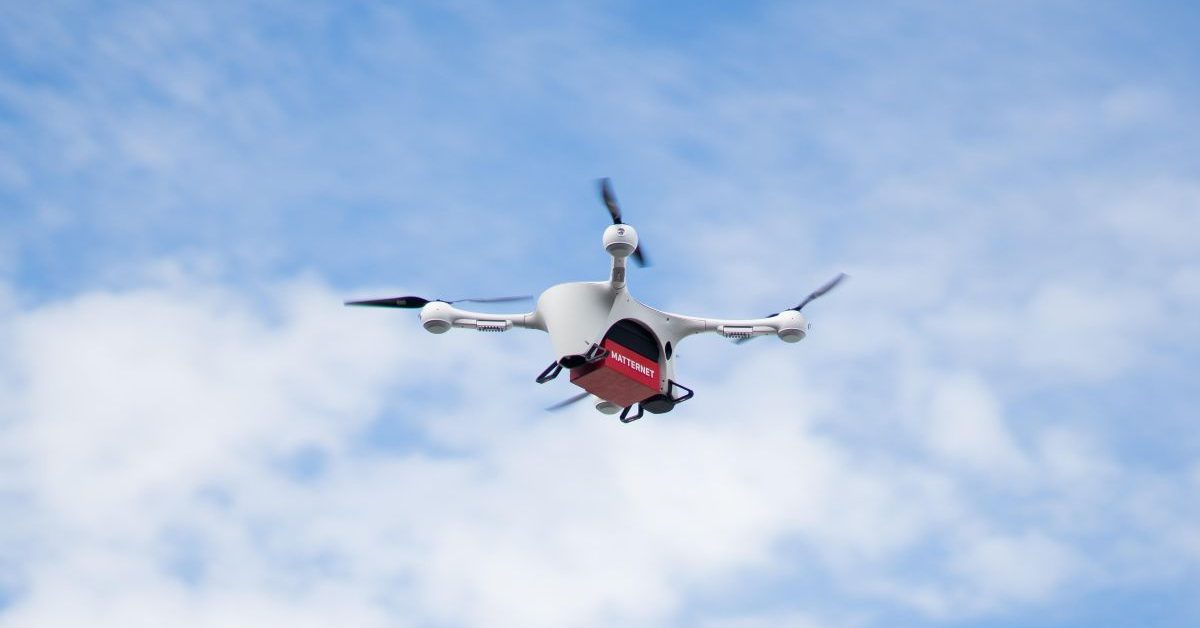
Matternet has announced a partnership with Beeline UAS to enhance its drone delivery operations across the United States. This collaboration adds another FAA Part 135 operator to Matternet's network, which already includes UPS Flight Forward and Ameriflight. The focus will be on expanding beyond visual line of sight (BVLOS) operations in California's San Francisco Bay Area and Los Angeles metropolitan area, known for their high delivery costs and traffic congestion. The partnership is significant as it aims to address the growing demand for drone delivery services in sectors like food, retail, and healthcare. Matternet's CEO, Andreas Raptopoulos, emphasizes the importance of a network of certified operators to scale operations efficiently. Beeline's expertise in regulatory compliance and flight operations will enable Matternet to expand its services without the need to develop its own extensive operational workforce. Looking ahead, this partnership represents Matternet's strategy to diversify its delivery network through multiple certified operators, enhancing flexibility and compliance. As Matternet has already conducted over 60,000 commercial drone flights, the collaboration with Beeline is expected to further solidify its position in the drone delivery market. No further timeline was disclosed at the time of publication.
News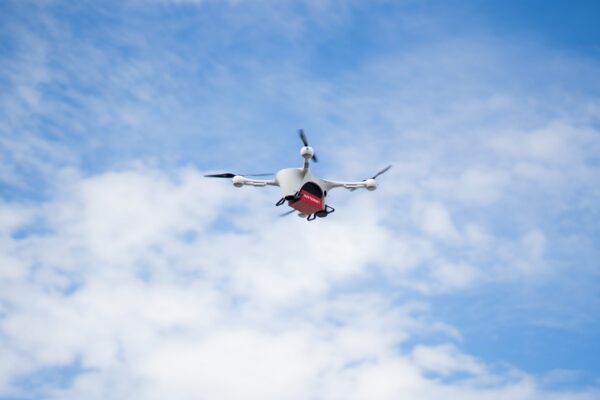
Matternet Partners with Beeline UAS to Enhance Drone Delivery Operations in California
Matternet, based in Mountain View, has announced a partnership with Beeline UAS to expand its drone delivery network under FAA Part 135 regulations. This collaboration, effective from July 15, 2026, aims to enhance beyond visual line of sight (BVLOS) operations in the San Francisco Bay Area and Los Angeles. Beeline will utilize Matternet's technology to support delivery services for sectors including food, retail, and healthcare. This partnership is significant as it allows Matternet to leverage Beeline's operational capabilities to address the challenges of traffic congestion and high labor costs in urban areas. The integration of Beeline into Matternet's network, which already includes Ameriflight and UPS Flight Forward, is expected to increase operational capacity and facilitate efficient market expansion. Matternet's focus on autonomous aerial delivery positions it as a leader in the evolving drone delivery landscape. Looking ahead, Matternet's multi-operator model is designed to ensure rapid commercial growth while adhering to safety and regulatory standards. No further timeline was disclosed at the time of publication, but the partnership is poised to enhance drone delivery services across more communities in the United States.
Delivery Drone News Drone News Feeds News Ameriflight Andreas Raptopoulos
Study on Offshore Wind Turbine Blade Repair Using Particle Swarm Optimization and Advanced Control Techniques
A recent study published in the Journal of Field Robotics explores innovative methods for repairing offshore wind turbine blades. The research focuses on utilizing a Particle Swarm Optimization-Backpropagation Neural Network combined with Improved Active Disturbance Rejection Control to enhance repair efficiency. This research is significant as it addresses the growing need for effective maintenance strategies in offshore wind energy, which is crucial for maximizing energy output and minimizing downtime. The integration of advanced algorithms aims to improve the precision and reliability of repair processes, ultimately contributing to the sustainability of wind energy. Looking ahead, the implications of this study could influence future developments in wind turbine maintenance technologies. No further timeline was disclosed at the time of publication.
RESEARCH ARTICLE
MIT and York University Study Visual Learning in the Brain Using Neural Networks
Researchers at MIT’s McGovern Institute for Brain Research and York University in Toronto have investigated how visual learning occurs in the brain. By analyzing neural activity and utilizing computational modeling, they compared the learning processes of animals and an artificial neural network designed to mimic brain architecture. Their findings, published on July 8 in Nature Communications, reveal that changes in visual processing are crucial for learning to discriminate new objects. This research is significant as it enhances our understanding of the brain's adaptability and the mechanisms behind visual learning. The study suggests that while the overall activity patterns in the inferior temporal cortex remain stable, subtle changes occur in response to learned object recognition. These insights could inform educational strategies and improve learning outcomes across various contexts. Looking ahead, the researchers aim to further explore how these modest changes in neural activity contribute to learning. They believe that artificial neural networks can provide valuable insights into biological learning processes, potentially leading to new experimental approaches and predictions that extend beyond current understanding. No further timeline was disclosed at the time of publication.
Research Neuroscience Learning Brain and cognitive sciences Computer modeling Vision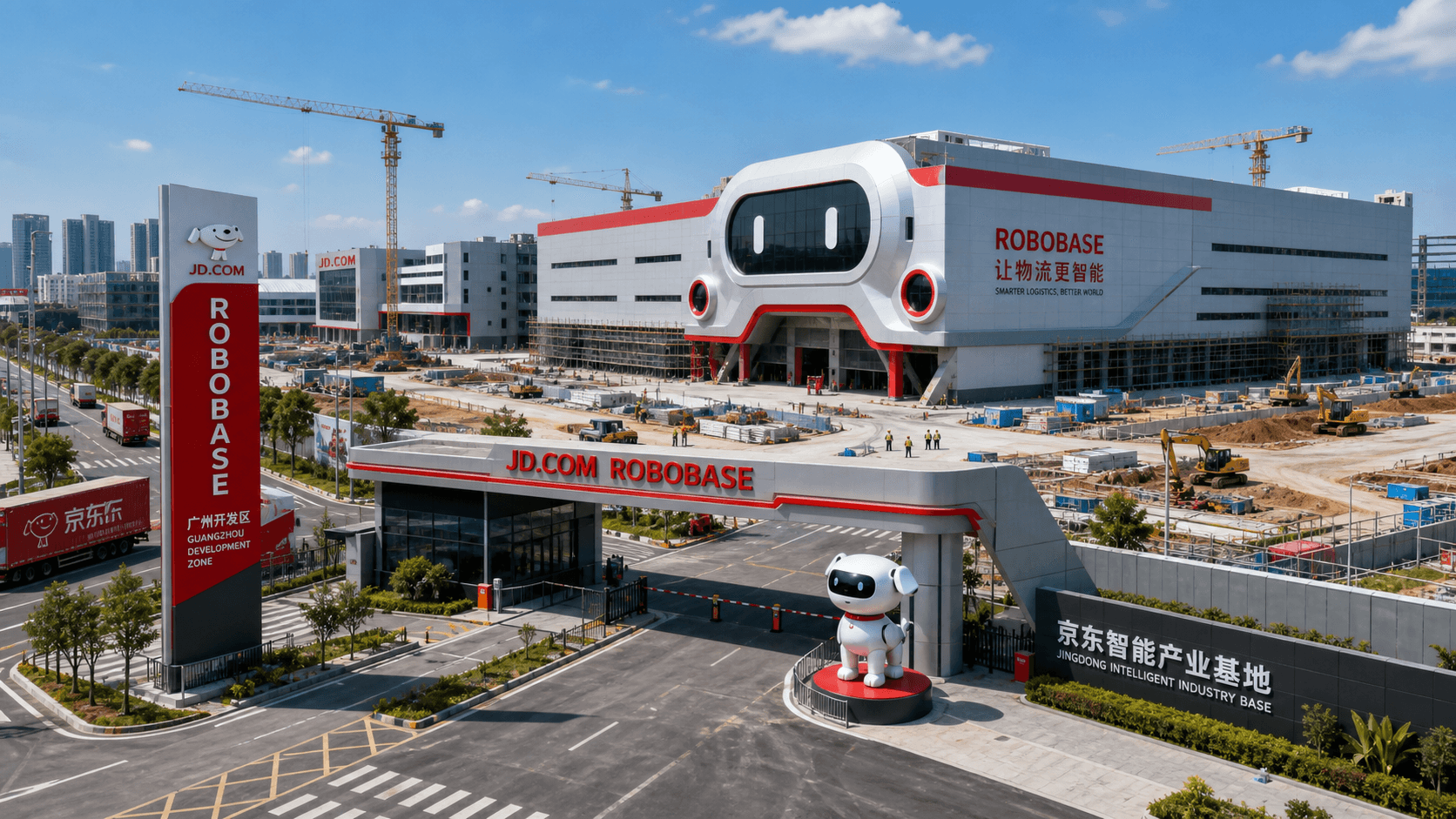
JD.com Invests $1.4B in RoboBase Network, Launches First Facility in Guangzhou
JD.com has announced a significant investment of $1.4 billion to establish a nationwide RoboBase network, marking its transition from a logistics giant to an embodied AI platform. The initiative includes plans for the procurement of 300 million robots and the construction of over 80 bases throughout China. This strategic move is crucial as JD.com aims to enhance its technological capabilities and expand its operational reach in the rapidly evolving field of embodied AI. The establishment of the first RoboBase facility in Guangzhou signifies the company's commitment to integrating advanced robotics into its logistics and supply chain operations. Looking ahead, industry observers will be keen to see how JD.com executes its ambitious plans for robot procurement and the development of its RoboBase network. No further timeline was disclosed at the time of publication.
Technology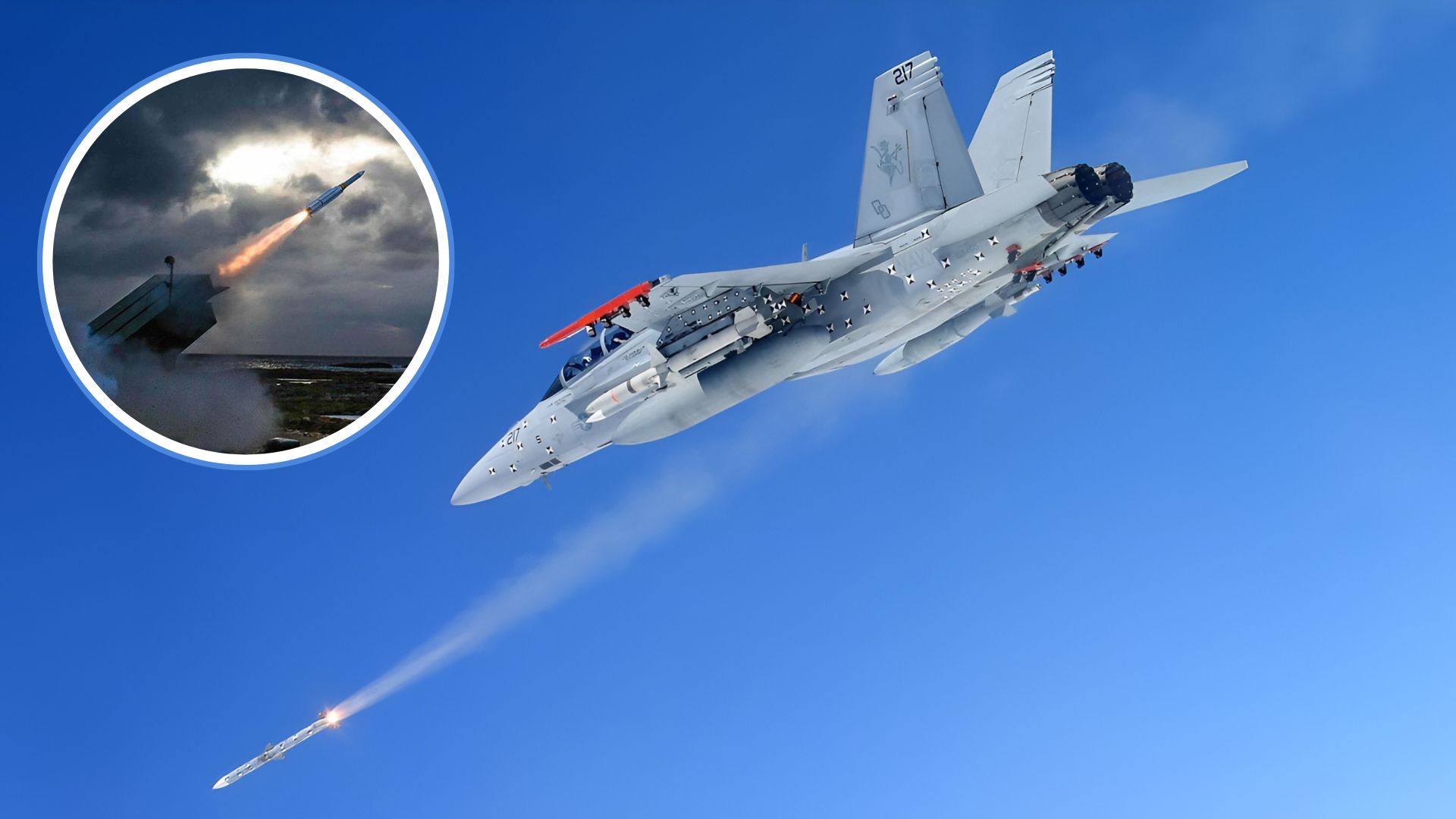
Raytheon expands Mach 4 AMRAAM missile network to co-develop parts with NATO partners
Raytheon plans to expand production of its AIM-120 AMRAAM missile through a new multinational effort...
Military
AIxCrypto launches RoboShare robot rental platform and autonomous asset network
AIxCrypto has unveiled a robot rental marketplace and a new infrastructure platform for autonomous assets as it seeks to extend the commercial life of robots beyond their initial sale. The Nasdaq-listed company introduced RoboShare and AIXC01 during the recent Automate Show in Chicago, outlining a strategy it says will allow robots, AI agents and other […]
Automation Financials & Investments ai agents AIXC01 AIxCrypto Automate 2026
Building Resilient Fulfillment Networks with Robotics and Real-Time Logistics Data
Combining robotics and real-time data will positively impact supply chain management. As logistics becomes more complex, demanding, and international, these technological advances have come at the right time.

YPF Sociedad Anónima (YPF) to Collaborate With Tesla on Energy Storage Infrastructure and Fast-Charging Networks
YPF Sociedad Anónima, the Argentine national energy provider, has entered into a letter of intent with Tesla Inc. to collaborate on developing energy storage infrastructure and fast-charging networks. This partnership was announced on June 16, 2026, following a visit by YPF CEO Horacio Marin to Tesla's Gigafactory in Texas, where discussions focused on technological advancements and electric mobility. The collaboration aims to enhance YPF's capabilities in energy infrastructure development, aligning with the growing demand for electric vehicle support. In related news, YPF's stock has garnered positive attention from analysts, with UBS analyst Tasso Vasconcellos recently raising the target price from $45 to $48, while maintaining a Neutral rating. The overall market sentiment remains bullish, with three out of four analysts recommending a Buy, contributing to a median one-year target price of $57.38, indicating a potential upside of nearly 27%. YPF is recognized for its extensive operations in oil and gas, including exploration, production, and power generation, positioning itself as a significant player in the evolving energy landscape.

The brain’s language network is more extensive than previously thought
A recent study has uncovered that regions of the brain traditionally not associated with language processing play a significant role in language comprehension. Conducted by a team of researchers, the study highlights the complexity of language understanding and suggests that various brain areas contribute to this cognitive function. The findings, published in October 2023, challenge existing notions about the localization of language processing, emphasizing the brain's interconnectedness. This research could have implications for understanding language disorders and developing new therapeutic approaches. By employing advanced imaging techniques, the researchers were able to identify these previously overlooked brain regions, shedding light on the intricate mechanisms underlying language comprehension.
Research Brain and cognitive sciences Neuroscience Learning McGovern Institute School of Science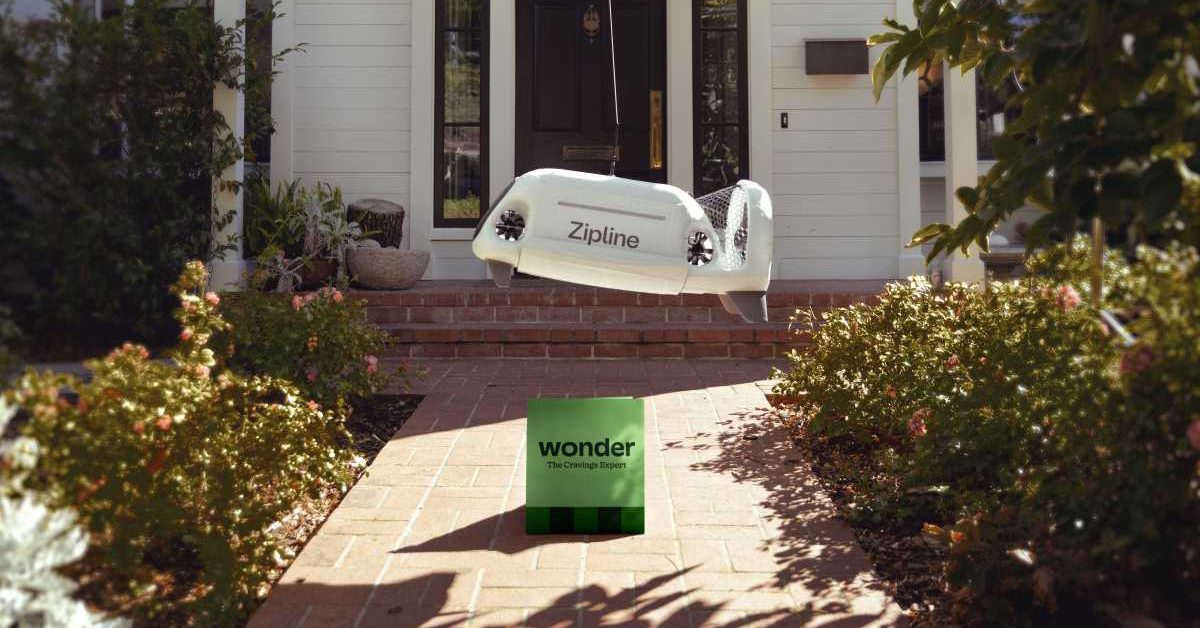
Zipline adds Wonder to its growing drone delivery network
Texas is set to enhance its reputation as a leading hub for drone delivery services with the announcement of a new partnership between food technology company Wonder and Zipline. This collaboration will introduce on-demand drone meal deliveries across the state, starting in January 2027. The initiative aims to revolutionize the food delivery landscape by leveraging drone technology to provide quick and efficient service, catering to the growing demand for convenience in meal options. As one of the largest proving grounds for drone operations in the United States, Texas continues to attract innovative companies looking to expand their delivery capabilities.
News
Order Picking Network for Optimisation
WITRON is set to transform intralogistics with the introduction of its Order Picking Network (OPN), which emphasizes the integration of warehouse, transport, store, and enterprise operations rather than focusing solely on automation performance. This initiative represents a significant shift in strategy for the company, as highlighted by managing directors Helmut Prieschenk and Karl Högen. By prioritizing overall value creation through enhanced interaction across various logistics levels, WITRON aims to optimize processes and improve efficiency in supply chain management. The OPN initiative reflects the company's commitment to evolving industry standards and meeting the dynamic needs of modern logistics.
Automation Systems and Shuttles Conveying and Sortation eFulfilment Materials Handling Robotic Picking WMS & SCM Software
How Storm Season Disrupts Trailer Availability Across Freight Networks
Recent shifts in weather patterns are causing severe weather events to occur in regions that have traditionally been less affected, leading to increased unpredictability in storm behavior. This change is attributed to climate change, which is altering atmospheric conditions and contributing to more extreme weather phenomena. As a result, areas that were once considered safe from such events are now facing challenges that require new preparedness strategies. Meteorologists are emphasizing the need for updated forecasting models to better predict these unpredictable storms and mitigate their impacts on communities.
Robotics needs a service framework.
RSF defines a common language for robot service capability, lifecycle operations, certification pathways, and service-provider networks.
Join the RobotToday community on LinkedIn
Daily robotics news, in-depth analysis, conference highlights, and discussions with professionals worldwide.