Industry Briefing
A single destination for timely, editor-curated robotics news from around the world.

Yushu Technology Announces IPO with Strategic Placement Led by National Social Security Fund
On August 6, 2026, Yushu Technology, a humanoid robot company, revealed its complete list for IPO strategic placements. The share price is set at 150.8 yuan, with a total of 40.4464 million shares to be issued, and the subscription period begins on August 10. The National Social Security Fund emerged as the primary strategic investor, acquiring 933,400 shares for a total investment of approximately 140 million yuan. The National Social Security Fund's three investment portfolios participated in the subscription, with the 601 portfolio receiving 340,000 shares for 51.38 million yuan, the 502 portfolio obtaining 327,000 shares for 49.26 million yuan, and the 109 portfolio acquiring 266,000 shares for 40.11 million yuan. Additionally, four industrial capital firms, including China National Petroleum's Kunlun Capital, also received allocations of 903,290 shares each, with individual investments around 136 million yuan, indicating strong industry collaboration. Analysts suggest that the National Social Security Fund's significant investment reflects a strong endorsement of Yushu Technology's core competitiveness in the humanoid robotics sector. The estimated market capitalization at the issue price is around 61 billion yuan. Founded in 2016, Yushu Technology specializes in humanoid and quadruped robots, achieving notable sales figures and rapid revenue growth projected to reach 1.699 billion yuan by 2025.
Humanoid Robots IPO Investment Robotics Technology
MIT Lincoln Laboratory: A Legacy of National Security Innovation Over 75 Years
On July 26, 1951, the U.S. Air Force, Army, and Navy established Project Lincoln, leading to the creation of MIT Lincoln Laboratory, which has been pivotal in developing the nation's air defense system, SAGE. Seventy-five years later, the laboratory continues to innovate in national security technology, collaborating with government, industry, and academia. The significance of Lincoln Laboratory's contributions is profound, as it has not only protected military personnel and the U.S. homeland but also advanced societal safety. Innovations in radar and optical systems have provided critical space situational awareness, while military satellite communications have evolved from mere concepts to essential tools for global connectivity in military operations. Looking ahead, Lincoln Laboratory is poised to continue its legacy of innovation, with ongoing projects aimed at enhancing missile defense, aviation safety, and the development of technologies for drones and advanced air mobility systems. No further timeline was disclosed at the time of publication.
History of science Technology and society Invention Government Collaboration Radar
US FCC Classifies Advanced Robots as National Security Threats Due to Cyber Risks
The US government has taken a significant regulatory step by adding foreign-produced advanced robots, including humanoids and quadrupeds, to the FCC's 'Covered List' of technologies deemed a national security risk. This decision reflects the evolving nature of robots, which are now sophisticated, connected devices capable of wireless communication and data exchange. This classification is crucial as it highlights the intersection of robotics and cybersecurity. The FCC's focus on the communication capabilities of these robots underscores concerns about supply chain vulnerabilities and the potential for malicious exploitation. The regulation aims to mitigate risks associated with foreign-produced robotic systems that could threaten both the economy and national security. Looking ahead, the implications of this decision may lead to stricter oversight of advanced robotics and their embedded communication technologies. As the landscape of connected devices continues to evolve, stakeholders should monitor how these regulations will shape the development and deployment of robotics in the US market. No further timeline was disclosed at the time of publication.
Communications Economy Features advanced robotic devices communications technology connected robots
FCC Bans Imports of Humanoid Robots and Power Inverters Amid National Security Concerns
The Federal Communications Commission (FCC) has imposed a ban on imports of new foreign-made humanoid robots and power inverters, citing national security risks primarily associated with China. This decision is expected to strain U.S.-China relations ahead of a scheduled meeting between President Trump and Chinese leader Xi Jinping in September. This ban is significant as China holds an estimated 85% market share in the global humanoid robot sector, and the FCC's actions are a response to findings that foreign-built robots could pose cybersecurity threats to critical U.S. infrastructure. The FCC chairperson emphasized that the bans aim to secure America's critical supply chains, reflecting ongoing tensions regarding technology imports from China. Looking ahead, the implications of this ban could extend beyond humanoid robots to other sectors, as the U.S. considers further restrictions on Chinese technology, including open-source AI models. No further timeline was disclosed at the time of publication.

Congress Debates GUARD Act Amid Divisions Over Chinese Humanoids and National Security
This week, U.S. lawmakers intensified discussions surrounding the GUARD Act, a bipartisan bill aimed at enforcing strict security reviews for humanoid and quadruped robots from foreign adversaries. The legislation has ignited a significant divide within the U.S. tech community, balancing national security concerns against the realities of global research and innovation. Proponents argue that the rise of Chinese humanoids poses serious threats to both economic stability and cybersecurity. Michael Robbins, President and CEO of AUVSI, highlighted that Chinese firms dominate approximately 90% of global humanoid shipments, drawing parallels to the U.S. drone market's capture by DJI. This situation raises alarms about potential surveillance capabilities of compromised robots within critical infrastructure. As the GUARD Act gains traction, industry leaders like Peggy Johnson, CEO of Agility, advocate for its passage to safeguard foundational technologies from falling into adversarial hands. The ongoing debate will likely shape the future landscape of robotics and AI, with significant implications for domestic manufacturers and national security. No further timeline was disclosed at the time of publication.
Unitree Robotics US GUARD China Agility Robotics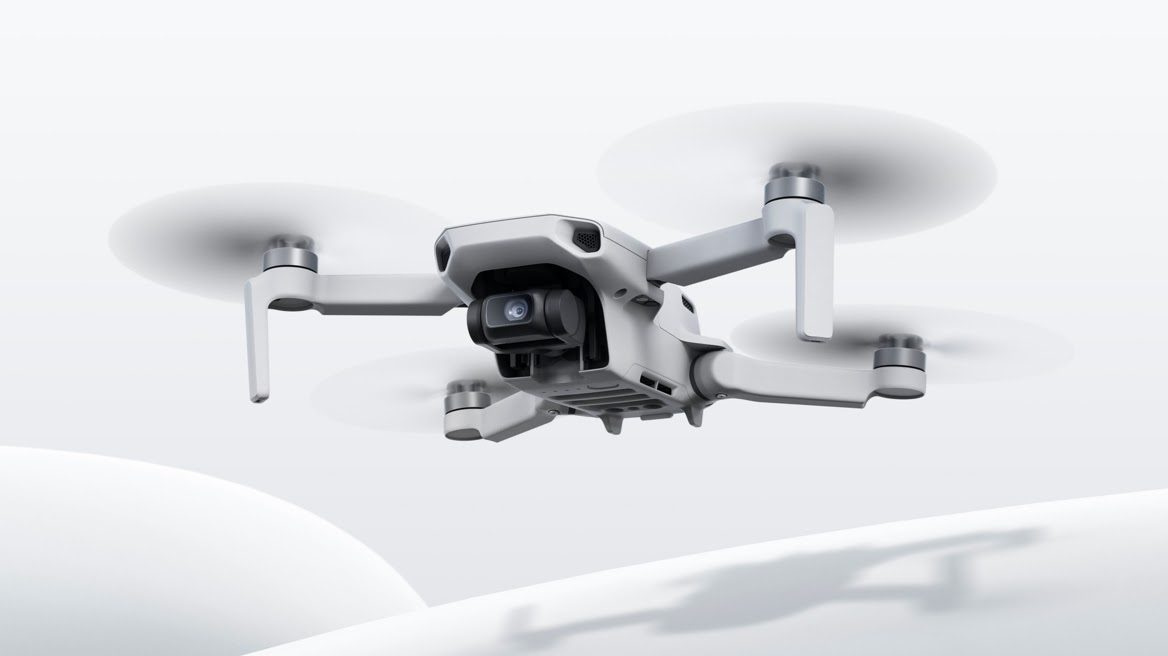
FCC Proposes $25,000 Fines Against Eight Drone Companies for National Security Inquiry Non-Response
The Federal Communications Commission (FCC) has proposed fines of $25,000 against eight drone companies for allegedly failing to respond to inquiries regarding national security. The companies, including Cogito Tech Company Limited and Fikaxo Technology Inc., are under scrutiny for potentially marketing equipment that falls under U.S. national security restrictions. This action is significant as it underscores the FCC's commitment to enforcing compliance with national security regulations. The proposed fines stem from the companies' lack of response to Letters of Inquiry (LOIs) related to the marketing of radiofrequency equipment added to the FCC Covered List in December 2025. The FCC emphasizes that these actions are based on non-compliance with investigative requests rather than any confirmed violations of the Covered List. Moving forward, it will be crucial to monitor how these companies respond to the FCC's inquiries and whether they will face further enforcement actions. The investigation highlights the importance of regulatory compliance in the drone industry, particularly concerning national security implications. No further timeline was disclosed at the time of publication.
DJI Drone Manufacturing Drone News Drone News Feeds Feature 1 News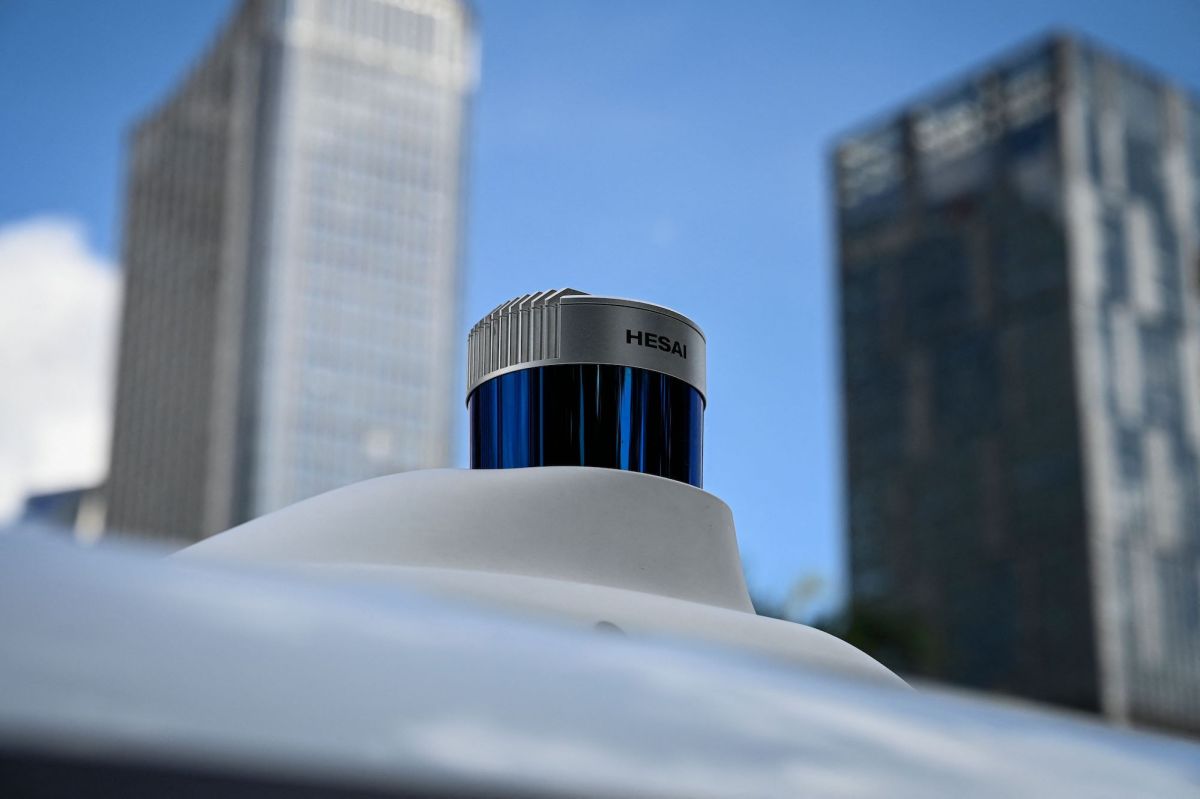
Idaho National Laboratory Investigates Security Risks of Chinese Lidar Sensors
The Idaho National Laboratory is examining potential security risks associated with Chinese lidar sensors that may be used in U.S. vehicles. This investigation is reportedly funded by companies in the electric and autonomous vehicle sectors, although specific contributors remain undisclosed. The review comes amid increasing legislative pressure to restrict the use of Chinese lidar technology due to concerns over espionage and national security. The significance of this investigation lies in the growing apprehension among U.S. lawmakers regarding the implications of Chinese lidar technology on American infrastructure and security. Senator Tammy Baldwin has expressed concerns about the potential for military or industrial espionage, emphasizing the need for protective measures against technologies that could compromise national interests. The scrutiny of Chinese lidar is part of a broader legislative effort to safeguard American communities. Looking ahead, the outcome of the Idaho National Laboratory's review could influence future regulations on lidar technology in the U.S. The investigation is occurring as lawmakers are drafting bills aimed at banning Chinese lidar sensors, reflecting a heightened focus on supply chain risks and the strategic importance of lidar technology as identified by industry experts. No further timeline was disclosed at the time of publication.
Government & Policy Transportation autonomous vehicles avs Exclusive Ford
U.S. Government Prohibits Import of Foreign-Made Humanoids and Robot Dogs Over Security Concerns
The Trump administration has enacted a ban on the import of new foreign-made humanoid robots, robot dogs, and power inverters, citing significant national security risks. This decision primarily impacts imports from China, which dominates the global market share in these technologies. The U.S. Federal Communications Commission (FCC) announced the ban, expressing concerns that foreign-made devices could be exploited for surveillance or cyberattacks by foreign governments. Exceptions may be granted if a device is deemed safe for U.S. national security. The ongoing tensions between the U.S. and China, particularly regarding cybersecurity and data theft, underscore the importance of this ban. Looking ahead, the implications of this ban could affect future technological collaborations and trade relations between the U.S. and China. No further timeline was disclosed at the time of publication.
Robotics Security cybersecurity Trump Administration
Japan to Revise National Security Documents Amid Drone and AI Threats
The Japanese government is set to revise its three main national security documents by the end of 2026. This decision is driven by significant changes in the battlefield landscape, particularly due to advancements in technologies such as drones and artificial intelligence. The revision of these documents is crucial as it reflects Japan's response to emerging threats that have transformed the nature of conflict since the last updates in 2022. The integration of new technologies into military strategy is essential for maintaining national security and adapting to evolving geopolitical dynamics. Looking ahead, the focus will be on how Japan implements these strategic changes and the potential implications for its defense posture in the region. No further timeline was disclosed at the time of publication.

FCC to Impose Ban on Chinese Humanoids Amid National Security Concerns
The Trump administration is set to announce new bans on the importation of Chinese-made humanoid and quadruped robots, as reported by U.S. officials. The Federal Communications Commission (FCC) will implement these restrictions to safeguard U.S. AI development from potential national security threats, including data breaches and cyber sabotage. This move is significant as it reflects a growing geopolitical divide impacting the robotics industry, with domestic manufacturers supporting protective measures against heavily subsidized Chinese imports. The impending ban particularly targets Unitree Robotics, a leading player in the humanoid sector, which controls nearly 20% of the global market share. Looking ahead, the FCC's new regulations will affect models not yet released, but the agency can also revoke existing sales authorizations. This situation poses challenges for American AI labs, which may struggle to find domestic hardware alternatives. No further timeline was disclosed at the time of publication.
1X Technologies Unitree Robotics US GUARD China Geo political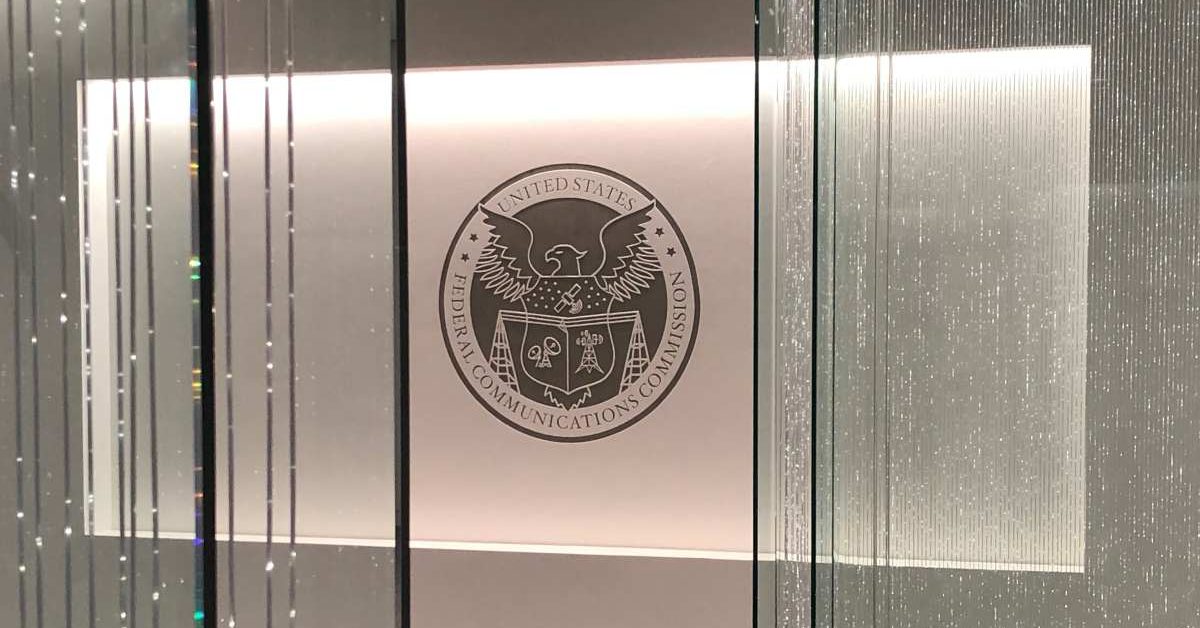
FCC Proposes Stricter Restrictions on Foreign Drone Sales to Enhance National Security
The Federal Communications Commission (FCC) is proposing its most extensive restrictions on foreign drone sales to date, which includes a potential ban on the commercial import and sale of specific foreign-made drones. This initiative aims to strengthen the US drone supply chain by extending exemptions for drones that have passed government security reviews. This move is significant as it builds on the FCC's previous actions to address national security risks associated with foreign-produced drones. The agency has already blocked new equipment authorizations for certain drones deemed a threat, while also providing exceptions for trusted manufacturers, which could lead to increased domestic investment in drone manufacturing. Looking ahead, the FCC is seeking public input on whether to prohibit the import and sale of certain military-grade foreign drones, which could have a substantial impact on the drone industry. No further timeline was disclosed at the time of publication.
News
Anthropic blocks international users as US labels top models a national security risk
Anthropic, a leading artificial intelligence company, has announced the suspension of access to its most advanced AI model due to unforeseen technical issues. The decision, made on October 10, 2023, comes as the company aims to address concerns regarding the model's performance and reliability. This move reflects Anthropic's commitment to ensuring the safety and effectiveness of its technology before it is made widely available. The suspension affects users and developers who rely on the AI for various applications, highlighting the challenges faced by AI companies in balancing innovation with responsible deployment. Anthropic is currently working on resolving the issues and has not provided a timeline for when access will be restored.
AI and Robotics
Lawmakers Urge Expanded National Guard Role for Drone Security at 2026 FIFA World Cup
U.S. lawmakers are advocating for a more robust federal strategy to enhance drone security in preparation for the 2026 FIFA World Cup. In a letter dated April 28, Representatives Michael McCaul and Eli Crane called on federal agencies to bolster the capabilities of the National Guard in counter-unmanned aerial system (UAS) operations. This initiative aims to ensure the safety and security of host cities across the United States as they prepare to welcome international visitors for the prestigious tournament. The lawmakers emphasize the importance of a unified approach to address potential drone-related threats during the event, highlighting the need for coordinated efforts among various federal entities.
Anti-drone technology C-UAS Drone News Drone News Feeds drone security Feature 1
EVENT: Maritime Security Summit - National Harbor, MD, USA - July 23-24, 2025
The Maritime Security Summit, organized by DSI, is set to convene key stakeholders from the Department of Homeland Security (DHS), Department of Defense (DoD), state and local partners, as well as marine engineering and technical solutions providers. Scheduled for an upcoming date, the summit will take place in a location yet to be announced. The primary focus will be on discussing current and future initiatives aimed at enhancing the nation’s coastlines, ports, and vessels to ensure maritime dominance. Participants will explore innovative capabilities, tools, and technologies essential for strengthening maritime security. Additionally, the summit will highlight ongoing efforts and partnerships designed to improve situational awareness and address various threats to critical maritime infrastructure.
events maritime security summitRobotics needs a service framework.
RSF defines a common language for robot service capability, lifecycle operations, certification pathways, and service-provider networks.
Join the RobotToday community on LinkedIn
Daily robotics news, in-depth analysis, conference highlights, and discussions with professionals worldwide.