

Industry Briefing
A single destination for timely, editor-curated robotics news from around the world.
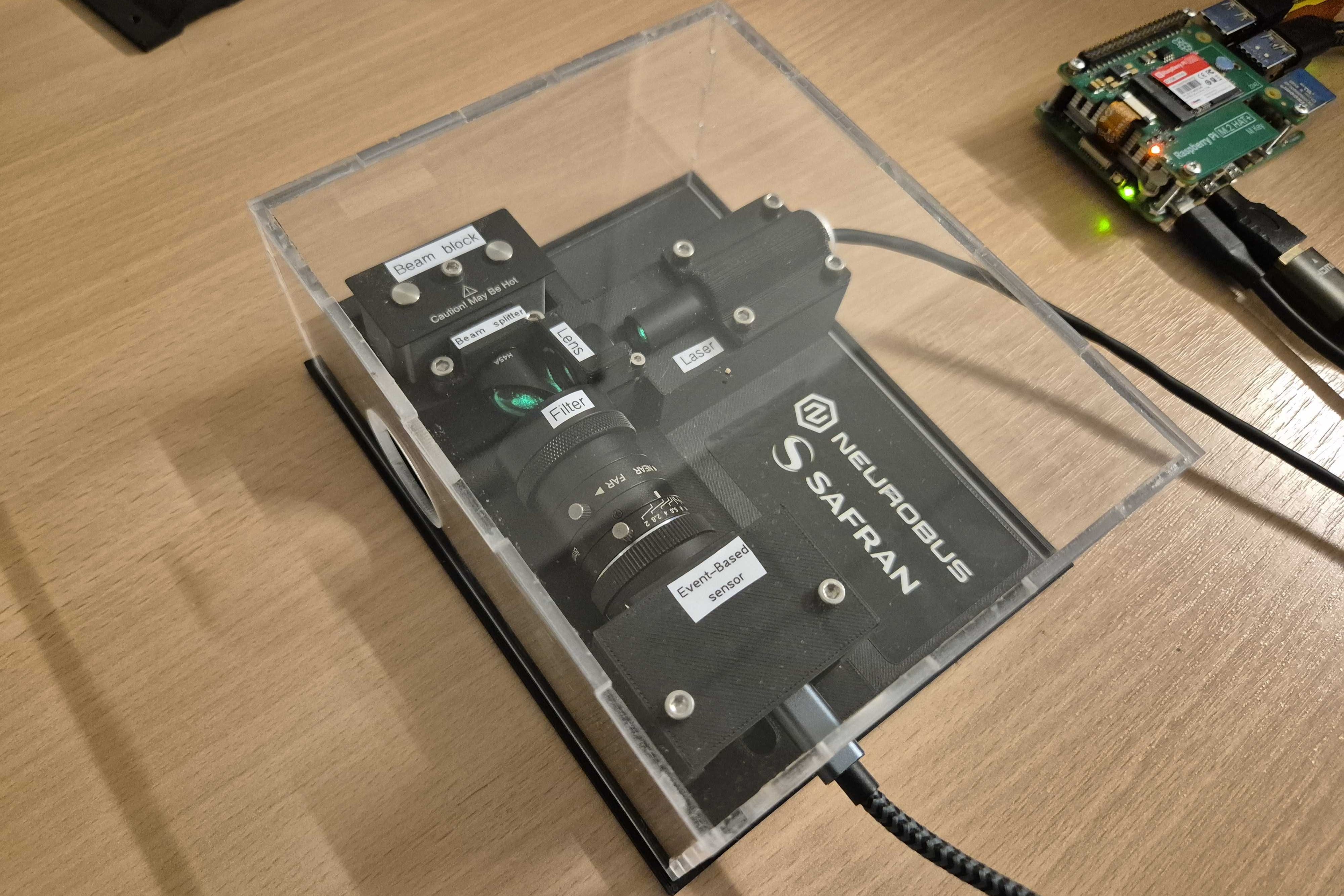
Safran and Neurobus Develop Neuromorphic Camera for Enhanced Drone Threat Detection
Safran has partnered with the startup Neurobus to develop a neuromorphic camera that enhances drone detection capabilities. This innovative technology not only identifies enemy drones but also determines their direction of movement, providing critical information for threat assessment. The collaboration between Safran and Neurobus is significant as it represents a shift in drone detection technology. By focusing on the movement patterns of drones, this approach allows for a more comprehensive understanding of potential threats, which is essential for defense and security applications. Looking ahead, the implications of this technology could reshape how military and security forces respond to drone threats. No further timeline was disclosed at the time of publication.
Défense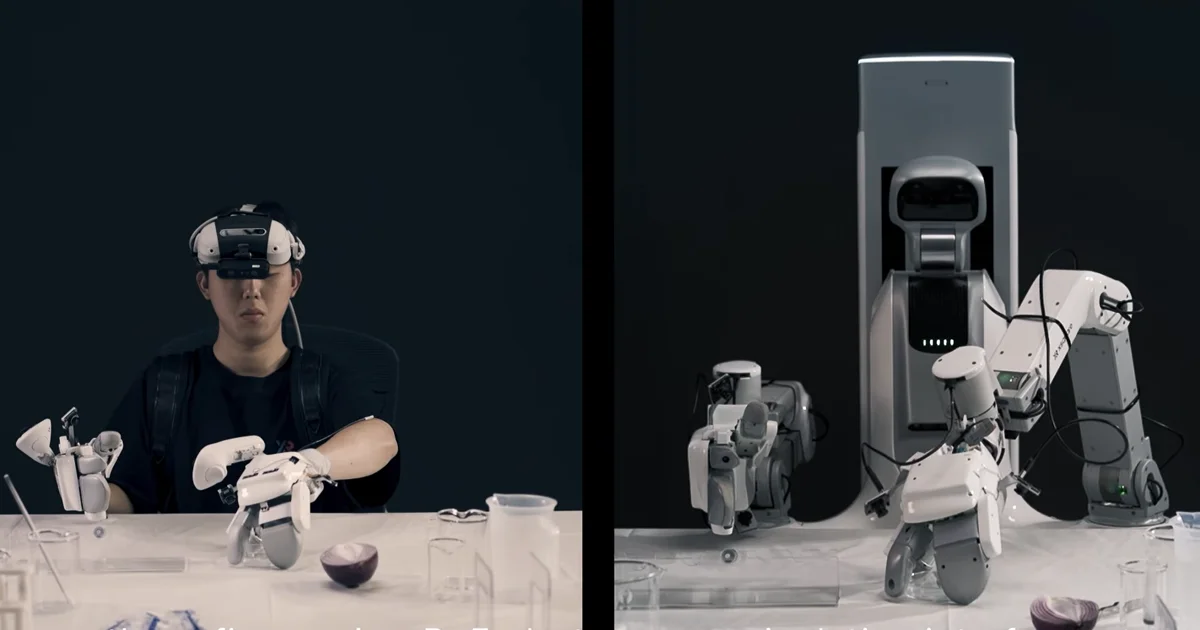
X Square Launches TwinDEX to Address Data Challenges in Embodied AI Robotics
X Square Robot, based in Shenzhen, has unveiled TwinDEX, a new manipulation platform designed to bridge the data gap in embodied artificial intelligence. This innovative system connects a wearable exoskeleton to a robotic end effector, ensuring identical geometry and functionality, which enhances data fidelity and collection efficiency. The introduction of TwinDEX is significant as it addresses the limitations of traditional data collection methods, which often struggle with the embodiment gap. By utilizing a three-finger, nine-degree-of-freedom architecture, TwinDEX allows for versatile manipulation capabilities while maintaining mechanical reliability and cost-effectiveness. Looking ahead, X Square's approach could redefine how data is gathered for robotic applications, particularly in complex tasks requiring precision. The company has demonstrated TwinDEX's capabilities through a continuous chemistry experiment, showcasing its potential to operate effectively without relying on conventional teleoperation data. No further timeline was disclosed at the time of publication.
Data Collection China XSquare
MIT Develops Bifur-Circuits for Shape-Shifting Smart Devices and Furniture
MIT has introduced a groundbreaking system known as 'bifur-circuits,' which enables physical objects to change shape seamlessly. These 3D-printed modular metamaterials maintain continuous electrical conductivity despite bending, twisting, or reconfiguring. Unlike traditional metamaterials that are limited to rigid forms, MIT's innovation allows objects to snap into various stable configurations without losing power or signal, having been tested through over 10,000 compressions with no conductivity loss. This advancement is significant as it opens up new possibilities for interactive applications, including rehabilitation tools, adaptive soft-robotics grippers, and reconfigurable emergency shelters that can adapt to changing environments after disasters. Marwa AlAlawi, the lead author and mechanical engineering graduate student, emphasized that this technology could simplify the manufacturing of complex mechanical assemblies by utilizing repeating units, thereby embedding intrinsic intelligence into hardware. Looking ahead, the potential applications of these sensing metamaterials are vast, with examples like a chair that transforms into a storage table while providing real-time configuration data. No further timeline was disclosed at the time of publication.
AI and Robotics
Former Huawei Executive Leads Morphi in Embodied Intelligence with Over $1.4 Billion in Funding
Morphi, a rising company in the field of embodied intelligence, has successfully secured over 1 billion yuan in angel funding, achieving a post-investment valuation of over 7 billion yuan. The startup, which counts tech giants Alibaba and Tencent among its backers, is focused on creating a versatile, multimodal robotic brain. Initially, Morphi will concentrate on commercial applications, with plans to later venture into the household robotics sector. Founded by former leaders from Huawei, the company is preparing to launch its first consumer service robot in July.
Embodied Intelligence Robotics AI Funding Startups
Alibaba and Tencent Invest Over 1 Billion Yuan in Morphi: What's Behind Their Bet?
Morphi, a company focused on embodied intelligence, has successfully raised over 1 billion yuan in angel funding, resulting in a post-investment valuation that surpasses 7 billion yuan. This funding round sets a new record for first-round financing within China's embodied intelligence sector. Notably, tech giants Alibaba and Tencent have made their fourth joint investment in this area, indicating a strategic pivot towards early-stage investments as they aim to leverage emerging technologies and talent.
Embodied Intelligence Investment AI Robotics Technology
Soft, robotic cells from morph embed physical AI into hardware
Morph has introduced an innovative soft robotics platform that focuses on the design and manufacturing of what it terms “soft robotic cells.” This new technology integrates physical artificial intelligence into hardware, enhancing the capabilities of robotic systems. The launch marks a significant advancement in the field of robotics, aiming to improve the functionality and adaptability of robots in various applications. The announcement was made recently, highlighting Morph's commitment to pushing the boundaries of robotics and AI integration. The development of these soft robotic cells is expected to open new avenues for automation and intelligent systems across multiple industries.
Artificial Intelligence Artificial Intelligence / Cognition Design / Development Financial Grippers Investments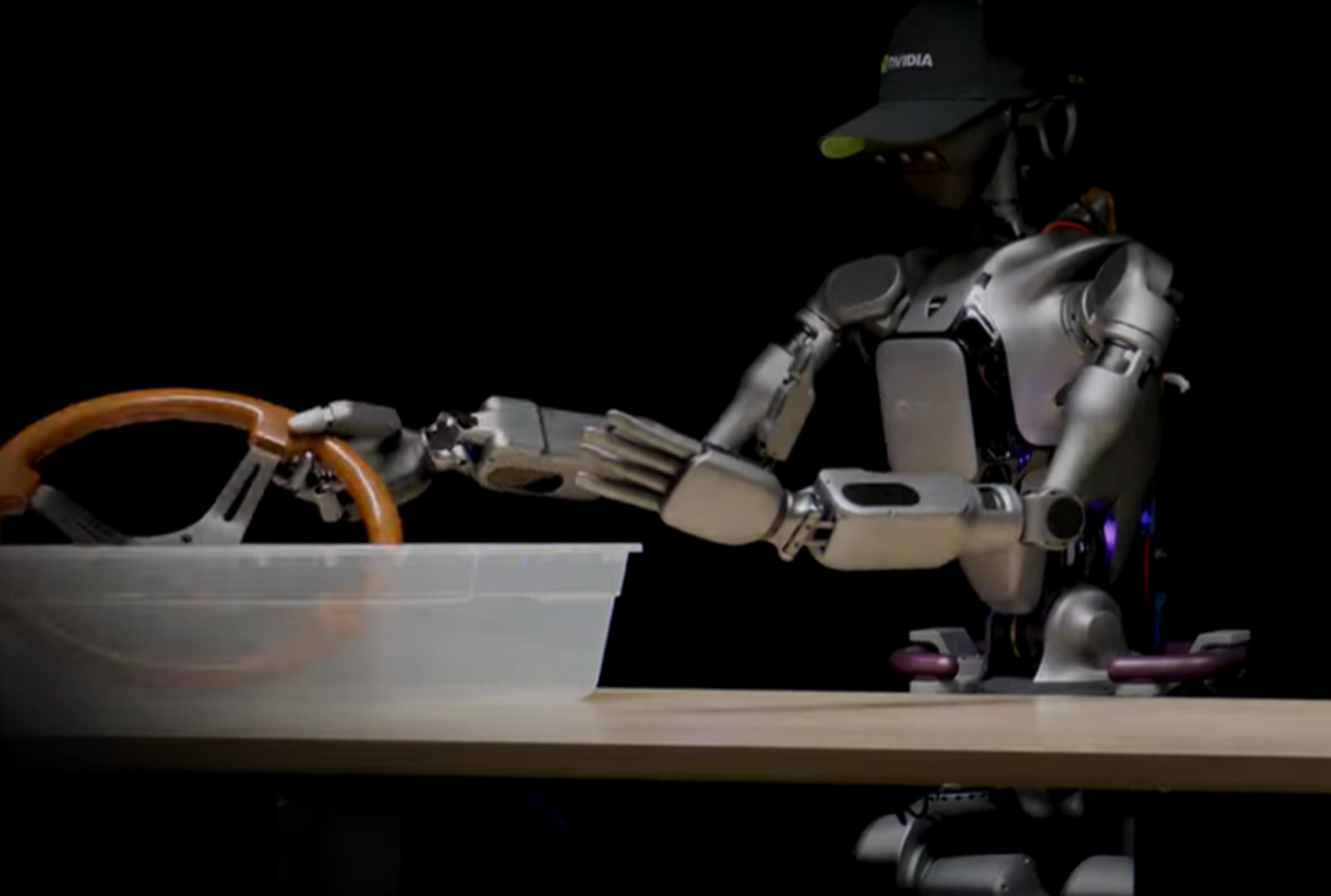
Shape-morphing metamaterials with continuous relearning
In a groundbreaking study published in the May 2026 issue of Science Robotics, researchers from a leading robotics institute have unveiled a new autonomous robotic system designed to assist in disaster response efforts. The innovative technology aims to enhance the efficiency and effectiveness of rescue operations in the aftermath of natural disasters, such as earthquakes and floods. The research team, comprised of experts in robotics and emergency management, conducted extensive field tests in various simulated disaster scenarios to evaluate the robot's capabilities. These tests demonstrated the system's ability to navigate challenging terrains, locate survivors, and deliver essential supplies, significantly reducing response times. The motivation behind this development stems from the increasing frequency and severity of natural disasters worldwide, which necessitate improved response strategies. By integrating advanced artificial intelligence and machine learning algorithms, the robotic system can adapt to dynamic environments and make real-time decisions, ultimately saving lives. The study highlights the potential for collaboration between technology and emergency services, showcasing how robotics can play a crucial role in humanitarian efforts. As the world grapples with the impacts of climate change, this innovation represents a significant step forward in preparing for and responding to future crises.
Editors' Choice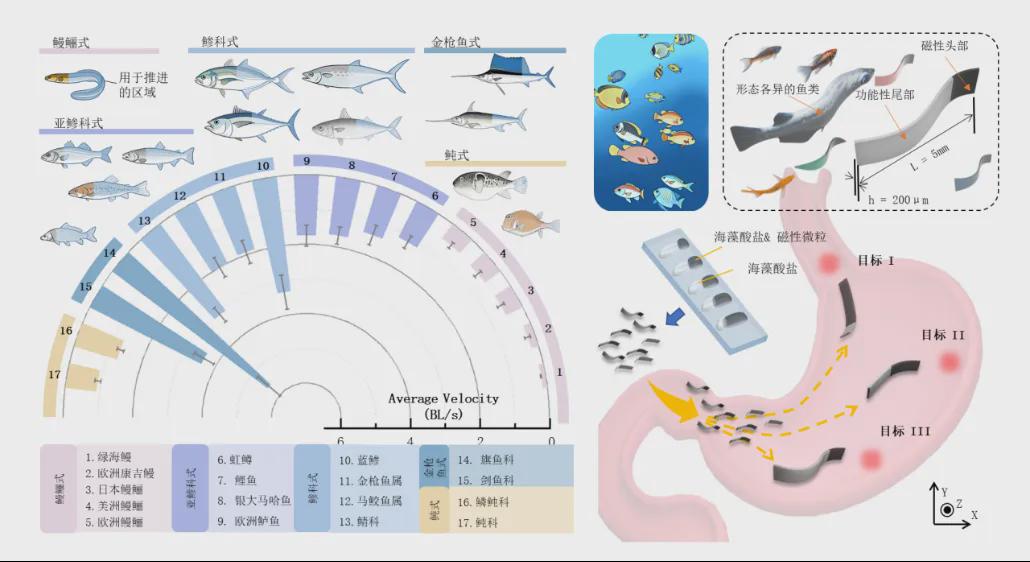
Inspired by Fish Diversity: Beijing Institute of Technology Team Develops Morphology-Encoded Soft Microrobots
A research team at the Beijing Institute of Technology has unveiled a groundbreaking system of soft microrobots that mimic the various swimming styles of fish. This innovative development allows for the selective control of the robots by adjusting their body proportions within a uniform magnetic field. The advancements in this technology hold significant promise for future applications in the biomedical field, potentially enhancing medical procedures and therapies.
Soft Robotics Biomedical Engineering Microrobots Control Systems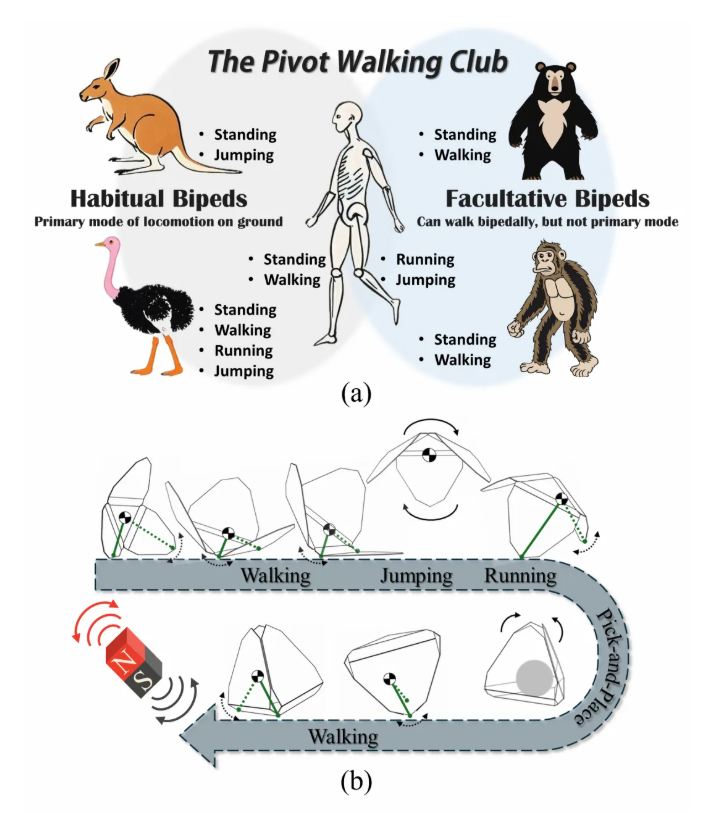
Micro Grippers with Parkour Abilities? BIT Team Proposes New Mechanism for Magnetic-Driven Microrobots Integrating Morphology and Function!
A research team at the Beijing Institute of Technology has unveiled an innovative magnetic-driven microrobot that demonstrates autonomous decision-making and adaptive movement capabilities in challenging environments. Drawing inspiration from natural organisms, this microrobot can seamlessly transition between various movement modes, allowing it to navigate efficiently and execute tasks effectively. The development of this technology aims to enhance robotic performance in complex terrains, potentially expanding its applications in fields such as search and rescue, environmental monitoring, and medical assistance. The team's work represents a significant advancement in robotics, showcasing how nature-inspired designs can lead to improved functionality and versatility in robotic systems.
Magnetic Microrobots Autonomous Robotics Soft Robotics Biomedical ApplicationsRobotics needs a service framework.
RSF defines a common language for robot service capability, lifecycle operations, certification pathways, and service-provider networks.
Join the RobotToday community on LinkedIn
Daily robotics news, in-depth analysis, conference highlights, and discussions with professionals worldwide.







