Industry Briefing
A single destination for timely, editor-curated robotics news from around the world.
Current Disturbances Impacting Online Localization for Autonomous Underwater Vehicles
The Journal of Field Robotics has published an early view article discussing the challenges of online localization for autonomous underwater vehicles (AUVs) in the presence of current disturbances. This research highlights the difficulties faced by AUVs when global references are not available, which is crucial for their navigation and operational efficiency. Understanding how current disturbances affect AUV localization is significant as it directly impacts the effectiveness of underwater missions. Accurate localization is essential for various applications, including environmental monitoring, underwater exploration, and military operations. The findings from this study could lead to improved algorithms and technologies that enhance the reliability of AUVs in challenging underwater environments. Future research should focus on developing advanced localization techniques that can mitigate the effects of current disturbances on AUVs. As underwater exploration continues to grow, the demand for reliable AUV navigation systems will increase. No further timeline was disclosed at the time of publication.
RESEARCH ARTICLE
Global Localization Framework for Planetary Rovers Utilizing Interest Region Perception
A new global localization framework for planetary rovers has been introduced, focusing on interest region perception. This innovative approach enhances the rover's ability to navigate and understand its environment more effectively, which is crucial for successful planetary exploration missions. The significance of this framework lies in its potential to improve the autonomy and efficiency of planetary rovers. By leveraging interest region perception, the framework allows for better decision-making and adaptability in unknown terrains, which is essential for conducting scientific research on other planets. Looking ahead, the implementation of this global localization framework could lead to advancements in rover technology and exploration strategies. No further timeline was disclosed at the time of publication.
RESEARCH ARTICLE
Developing Reliable Monocular Visual SLAM for Underwater Bionic Robotic Fish Using Image Enhancement and Deep Feature Matching
Recent advancements in monocular visual simultaneous localization and mapping (SLAM) have been applied to underwater bionic robotic fish. This approach integrates image enhancement techniques with deep feature matching to improve the robustness of navigation and mapping in aquatic environments. The significance of this development lies in its potential to enhance the operational capabilities of underwater robotic systems. By leveraging advanced image processing and machine learning techniques, the integration aims to address challenges faced in underwater navigation, such as low visibility and dynamic environments. Looking ahead, further research and testing will be crucial to refine these techniques and ensure their effectiveness in real-world underwater applications. No further timeline was disclosed at the time of publication.
RESEARCH ARTICLE
LIO‐RRTNav for Cattle Yard Inspection Robots: Prior Map Aided Relocalization and Goal‐Oriented, Smooth RRT Path Planning
A recent study published in the Journal of Field Robotics highlights advancements in autonomous robotic systems designed for agricultural applications. Researchers from a leading university conducted the study to address the growing need for efficient farming solutions amid increasing global food demands. The research, which took place over the past year, focused on developing robots capable of performing tasks such as planting, weeding, and harvesting with minimal human intervention. The team utilized cutting-edge technologies, including machine learning and computer vision, to enhance the robots' ability to navigate complex agricultural environments. By integrating these technologies, the robots can adapt to varying crop conditions and optimize their performance. The findings indicate that these autonomous systems could significantly reduce labor costs and improve productivity in the agricultural sector. The study's implications are particularly relevant as farmers face challenges related to labor shortages and the need for sustainable practices. By demonstrating the effectiveness of robotic solutions, the researchers aim to encourage wider adoption of automation in farming, ultimately contributing to food security and sustainability efforts worldwide. The research underscores the potential for robotics to transform traditional agricultural practices, paving the way for a more efficient and resilient food production system.
RESEARCH ARTICLE
A Season‐Robust Long‐Term Localization Method Using Trunk Semantic Features in Dynamic Orchard Environments
In a recent study published in the Journal of Field Robotics, researchers explored advancements in robotic navigation systems, highlighting significant developments in autonomous technology. The findings, released in June 2026, reveal innovative algorithms that enhance the ability of robots to navigate complex environments without human intervention. This research was conducted by a team of engineers and computer scientists at a leading robotics institute, aiming to address challenges faced in real-world applications such as disaster response and exploration. The study emphasizes the importance of improving robotic autonomy to increase efficiency and safety in various fields, including search and rescue operations, agricultural automation, and urban planning. By employing cutting-edge machine learning techniques, the researchers demonstrated how robots can better interpret sensory data and adapt to dynamic surroundings. The implications of this research are profound, as it paves the way for more reliable and versatile robotic systems capable of operating in unpredictable conditions. As industries increasingly turn to automation, these advancements could significantly impact the future of robotics, making them indispensable tools in both everyday tasks and critical missions.
RESEARCH ARTICLE
BM3D‐Based Optical Flow Tracking for Enhanced Visual Simultaneous Localization and Mapping Systems in Mobile Robotics
The Journal of Field Robotics has recently published an early view article highlighting advancements in robotic technology. This publication, released in October 2023, showcases innovative research that aims to enhance the capabilities of field robots in various applications, including agriculture, search and rescue, and environmental monitoring. The research is driven by the growing need for automation and efficiency in these sectors, as well as the increasing complexity of tasks that robots are expected to perform. The findings suggest that integrating advanced algorithms and machine learning techniques can significantly improve the performance and adaptability of robotic systems in real-world scenarios. This research not only contributes to the academic field but also has practical implications for industries looking to leverage robotics for improved operational efficiency and safety.
RESEARCH ARTICLE
GFT‐VINS: Robust Visual–Inertial Localization via Geometric Feature Track Selection
A recent study published in the Journal of Field Robotics highlights advancements in autonomous navigation systems for drones, showcasing their potential applications in various industries. Conducted by a team of researchers from leading universities, the study was released in early October 2023. The research took place in multiple test environments, including urban areas and rural landscapes, to evaluate the drones' performance in diverse conditions. The motivation behind this study stems from the increasing demand for efficient and reliable drone technology in sectors such as agriculture, logistics, and disaster response. By improving navigation systems, the researchers aim to enhance the operational capabilities of drones, allowing them to perform complex tasks with greater accuracy and safety. The study utilized a combination of machine learning algorithms and real-time data processing to enable drones to navigate autonomously, avoiding obstacles and adapting to changing environments. The findings suggest that these advancements could significantly reduce the need for human intervention, leading to more efficient operations and expanded use cases for drones in the future.
RESEARCH ARTICLE
Biomimetic Multifinger Tactile Sensing and Contact‐Regulated Palpation for Autonomous Breast Tumor Localization
A recent study published in the Journal of Field Robotics highlights advancements in autonomous robotic systems designed for agricultural applications. Researchers from a leading university conducted experiments to evaluate the effectiveness of these robots in optimizing crop management and enhancing productivity. The study took place over the summer of 2023 on various farms across the Midwest, where the robots were deployed to monitor crop health, assess soil conditions, and automate harvesting processes. The motivation behind this research stems from the increasing demand for sustainable farming practices and the need to address labor shortages in the agricultural sector. By integrating advanced robotics and artificial intelligence, the team aimed to demonstrate how these technologies can improve efficiency and reduce the environmental impact of farming. Through a series of field tests, the researchers collected data on the robots' performance, analyzing their ability to navigate complex terrains and make real-time decisions based on environmental inputs. The findings indicate that these autonomous systems not only enhance productivity but also contribute to more precise resource management, ultimately supporting the goal of sustainable agriculture. This study represents a significant step forward in the application of robotics in farming, showcasing the potential for technology to transform traditional agricultural practices and meet the challenges posed by a growing global population.
RESEARCH ARTICLE
Vision‐Based Runway Detection and Localization for Aircraft Landing in Global Navigation Satellite System‐Denied Environments
In the May 2026 issue of the Journal of Field Robotics, researchers have published a groundbreaking study that explores advancements in autonomous robotic systems. The study, conducted by a team of engineers and scientists, focuses on enhancing the navigation capabilities of robots in complex environments. This research aims to address the growing demand for efficient and reliable robotic solutions in various industries, including agriculture, logistics, and disaster response. The findings reveal innovative algorithms that enable robots to better interpret their surroundings and make real-time decisions, significantly improving their operational efficiency. The team conducted extensive field tests to validate their models, demonstrating the robots' ability to navigate challenging terrains while avoiding obstacles and adapting to dynamic conditions. This research is particularly timely as industries increasingly rely on automation to boost productivity and safety. By advancing the technology behind autonomous navigation, the study contributes to the broader goal of integrating robots into everyday tasks, ultimately transforming how businesses operate and respond to emergencies. The implications of this work could lead to more widespread adoption of robotic systems, paving the way for a future where robots play a crucial role in enhancing human capabilities.
RESEARCH ARTICLE
DURAL: Degradation‐Resistant Robust Adaptive Localization by LiDAR‐Inertial‐UWB‐Wheel Fusion for Coal Mine Robots
A recent study published in the Journal of Field Robotics highlights advancements in autonomous robotic systems designed for agricultural applications. Conducted by a team of researchers from various universities, the study was released in early October 2023. The research focuses on enhancing the efficiency of crop monitoring and management through the integration of advanced sensors and machine learning algorithms. The motivation behind this study stems from the growing need for sustainable agricultural practices amid increasing global food demands. By employing autonomous robots equipped with state-of-the-art technology, farmers can optimize resource use, reduce labor costs, and improve crop yields. The researchers conducted field tests in diverse agricultural settings to evaluate the robots' performance in real-world conditions. Through rigorous testing and data analysis, the team demonstrated that these robotic systems could significantly improve the accuracy of crop assessments and facilitate timely interventions. The findings suggest that the implementation of such technology could revolutionize traditional farming methods, making them more efficient and environmentally friendly. This innovative approach not only addresses current agricultural challenges but also paves the way for future developments in the field of robotics and sustainable farming practices.
RESEARCH ARTICLE
Research on ORB–SLAM2 Deep‐Sea Visual Localization Technique Based on Image Enhancement
A recent study published in the Journal of Field Robotics highlights advancements in autonomous robotic systems designed for agricultural applications. Conducted by a team of researchers from various universities, the study was released in early October 2023. The research focuses on the development of innovative robotic technologies aimed at improving efficiency and sustainability in farming practices. The motivation behind this initiative stems from the growing need for sustainable agricultural solutions in response to increasing global food demands and environmental concerns. The researchers employed a combination of machine learning algorithms and sensor technologies to enhance the robots' capabilities in tasks such as planting, harvesting, and monitoring crop health. Field tests were conducted in diverse agricultural settings, demonstrating the robots' ability to adapt to varying conditions and perform complex tasks autonomously. The findings suggest that these robotic systems could significantly reduce labor costs and increase productivity while minimizing the environmental impact of farming. The study underscores the potential of robotics to transform the agricultural sector, paving the way for more efficient and eco-friendly farming practices. As the agricultural industry faces challenges from climate change and population growth, the integration of advanced robotic technologies may offer viable solutions for future food production.
RESEARCH ARTICLE
AI is driving new content strategies and powering localization, but cultural understanding still depends on humans
The Intelligent Futures: AI’s Global Ecosystems event took place in Hangzhou on Thursday, organized by TechNode in collaboration with TECOM and Founders Breakfast. The second panel of the event focused on the role of artificial intelligence and content design in enhancing success within cross-border e-commerce. Three speakers from leading multinational technology companies shared insights on emerging trends in global digital content strategies, highlighting how businesses are evolving to meet the demands of an increasingly interconnected market. The discussions aimed to explore innovative approaches that leverage AI to optimize content delivery and engagement in the competitive landscape of international trade.
Events Content and entertainment E-commerce and New Retail Highlight News
Om AI Launches VLX Series for Physical AI with Unique Streamlined Architecture
Om AI has introduced the VLX series, the world's first edge-based streaming multimodal model for physical AI, designed to integrate continuous perception, precise localization, and decision-making. This innovative architecture, which emerged from years of focused development, positions Om AI at the forefront of the physical AI sector, which has seen over $6.4 billion in funding in the first quarter of 2026 alone. The significance of the VLX series lies in its ability to provide a cohesive framework that allows various physical devices, such as robots, drones, and security cameras, to transition from passive execution to active scene adaptation. This shift is crucial as the industry moves from digital AI to physical AI, with a growing emphasis on real-world applications and the need for robust, responsive systems. Looking ahead, the industry is expected to witness further advancements in physical AI, particularly as the demand for edge-based intelligent systems increases. Om AI's commitment to developing the VLX series reflects a strategic response to the evolving landscape, with no further timeline disclosed at the time of publication for upcoming milestones or product releases.
Robbyant Unveils LingBot-Depth 2.0 with Enhanced Spatial Perception for Robotics
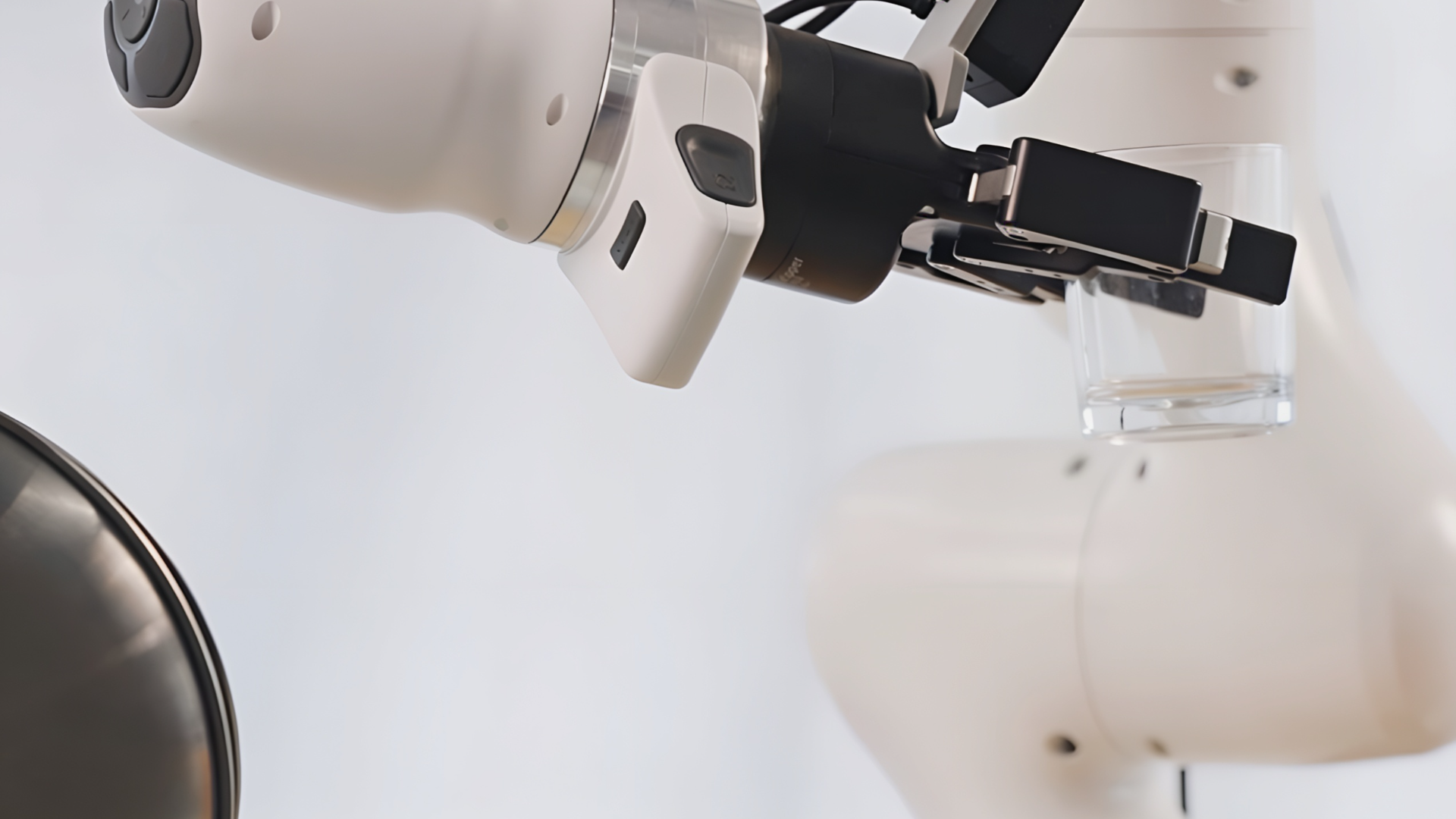
Chinese AI company Robbyant has launched LingBot-Depth 2.0, a next-generation spatial perception model designed to enhance robotic navigation in complex environments. This model builds on the previous LingBot-Depth, utilizing the Masked Depth Modeling technique and trained on 150 million samples, achieving top results in 12 out of 16 depth completion benchmarks. Notably, it reduces depth error by over 50%, improving accuracy in challenging indoor settings. The significance of LingBot-Depth 2.0 lies in its ability to accurately perceive transparent and reflective surfaces, areas where traditional depth cameras often struggle. The model's advancements are attributed to LingBot-Vision, a visual foundation model that employs a unique “boundary structure” pre-training objective, enabling sub-pixel-level boundary localization. Despite being trained on a smaller dataset of 160 million images, it demonstrates robust performance across various robotic vision applications, enhancing object boundary detection and tracking. Looking ahead, Robbyant's collaboration with Orbbec aims to integrate LingBot-Depth 2.0 into new hardware solutions for robotics data collection. The RGB-D EGO device, part of Orbbec’s Robot-Free Data Collection Hardware Platform, will feature a customized version of the model. Future updates are expected to further enhance depth completion and spatial structure understanding, providing a solid foundation for training embodied AI systems in real-world scenarios. No further timeline was disclosed at the time of publication.
AI and Robotics
The brain’s language network is more extensive than previously thought
A recent study has uncovered that regions of the brain traditionally not associated with language processing play a significant role in language comprehension. Conducted by a team of researchers, the study highlights the complexity of language understanding and suggests that various brain areas contribute to this cognitive function. The findings, published in October 2023, challenge existing notions about the localization of language processing, emphasizing the brain's interconnectedness. This research could have implications for understanding language disorders and developing new therapeutic approaches. By employing advanced imaging techniques, the researchers were able to identify these previously overlooked brain regions, shedding light on the intricate mechanisms underlying language comprehension.
Research Brain and cognitive sciences Neuroscience Learning McGovern Institute School of Science
Robotic Assistance in Natural Disasters and Human-Caused Crises
The Synergise research and development consortium is conducting its first integrated system field test to evaluate new technological solutions, including robots, drones, sensors, localization systems, wearables, and communication platforms. This test is taking place at a training ground in Botkyrka, Sweden, where the consortium aims to assess the effectiveness of these technologies in realistic operational environments. The initiative is driven by the need to enhance response capabilities for natural disasters and human-made crises, showcasing how advanced technology can aid in emergency situations.
Allgemein Newsarchiv Servicerobotik
How agentic AI can enable general-purpose robotic navigation
Researchers are exploring the capabilities of agentic AI to enhance robotic navigation by integrating perception, simultaneous localization and mapping (SLAM), reasoning, and planning. This innovative approach aims to improve the performance of robots operating in dynamic environments. The findings were discussed in a recent article published by The Robot Report, highlighting the potential of agentic AI to transform how robots navigate and interact with their surroundings. By leveraging advanced algorithms and technologies, this method seeks to address the challenges faced by robots in real-world scenarios, ultimately paving the way for more versatile and efficient robotic systems.
Artificial Intelligence Artificial Intelligence / Cognition Autonomous Mobile Robots (AMRs) Cameras / Imaging / Vision Mobility / Navigation Motion Control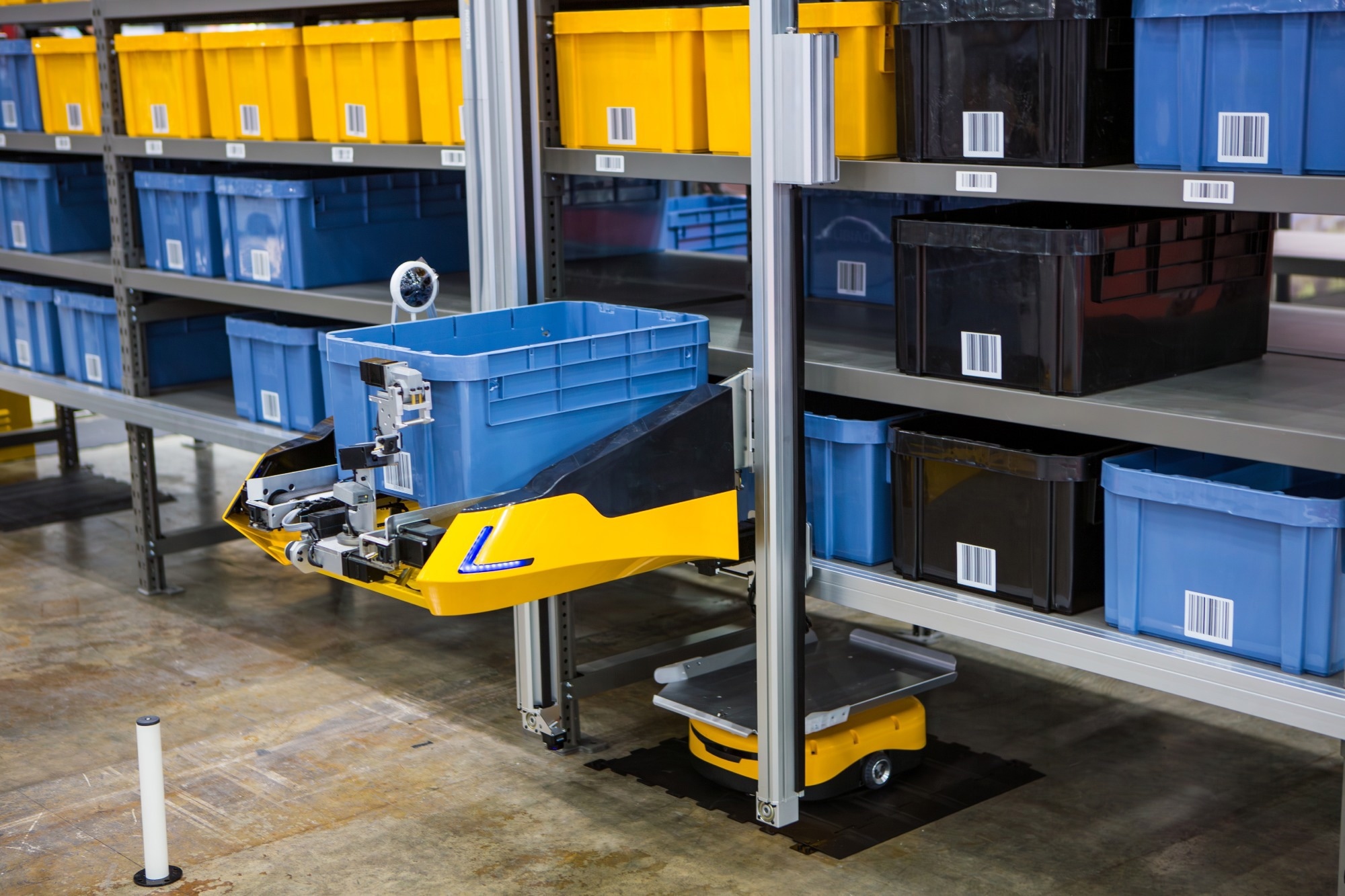
VSLAM Navigation Improves Indoor Logistics Robot Efficiency
A new research initiative has unveiled a VSLAM (Visual Simultaneous Localization and Mapping) framework designed to enhance obstacle avoidance in indoor logistics. This innovative approach utilizes advanced algorithms and integrates multiple sensors to improve navigation efficiency within complex environments. Conducted by a team of researchers, the study aims to address the growing challenges faced in warehouse and distribution center operations. By optimizing the movement of automated systems, the framework seeks to minimize accidents and increase productivity. The findings, which were developed using data collected up to October 2023, promise to significantly advance the capabilities of indoor logistics technology.

Video Friday: Humanoid Robots Celebrate Spring
In the latest edition of Video Friday, IEEE Spectrum robotics highlights significant advancements in robotics and upcoming events. Among the featured developments, NASA's Perseverance rover has gained the ability to autonomously determine its location on Mars using a new technology called Mars global localization, which enhances its exploration capabilities. The rover utilizes an algorithm that compares panoramic images with orbital terrain maps, achieving location accuracy within 10 inches. Additionally, various robotics projects are showcased, including the progress of the Shiva robot in strawberry picking and the Corvus One for Cold Chain, designed to operate in extreme cold environments. The video series also includes insights into the rapid development of humanoid robots by the U.K.-based company Humanoid, which aims to create reliable and safe robots in increasingly shorter timeframes. Experts from institutions like Microsoft and Carnegie Mellon University discuss the future of human-robot collaboration and the challenges of scaling robot learning. As billions of dollars are invested in robotics, the potential for general-purpose humanoid robots appears closer than ever, promising to revolutionize interactions in both physical and digital realms. The weekly calendar of upcoming robotics events, including ICRA 2026 in Vienna, is also available for enthusiasts and professionals in the field.
Humanoid-robots Video-friday Agility-robotics Perseverance-rover Insect-robots Industrial-robotics
POp-GS: Next best view in 3D-Gaussian splatting with P-Optimality
Researchers have developed a new algorithm aimed at enhancing the capabilities of 3D Gaussian Splatting (3D-GS) by quantifying uncertainty and information gain through a method known as P-Optimality. This advancement addresses a significant limitation of 3D-GS, which, despite its effectiveness in producing high-quality rasterizations, lacks the ability to measure uncertainty and information. This deficiency presents challenges for practical applications, particularly in the field of 3D-GS Simultaneous Localization and Mapping (SLAM). The team’s innovative approach seeks to improve the reliability and applicability of 3D-GS in real-world scenarios by providing a systematic way to assess information gain, thereby enhancing its utility in various technological applications. The findings were detailed in a recent paper, contributing to the ongoing development of more sophisticated modeling techniques in three-dimensional environments.
Computer vision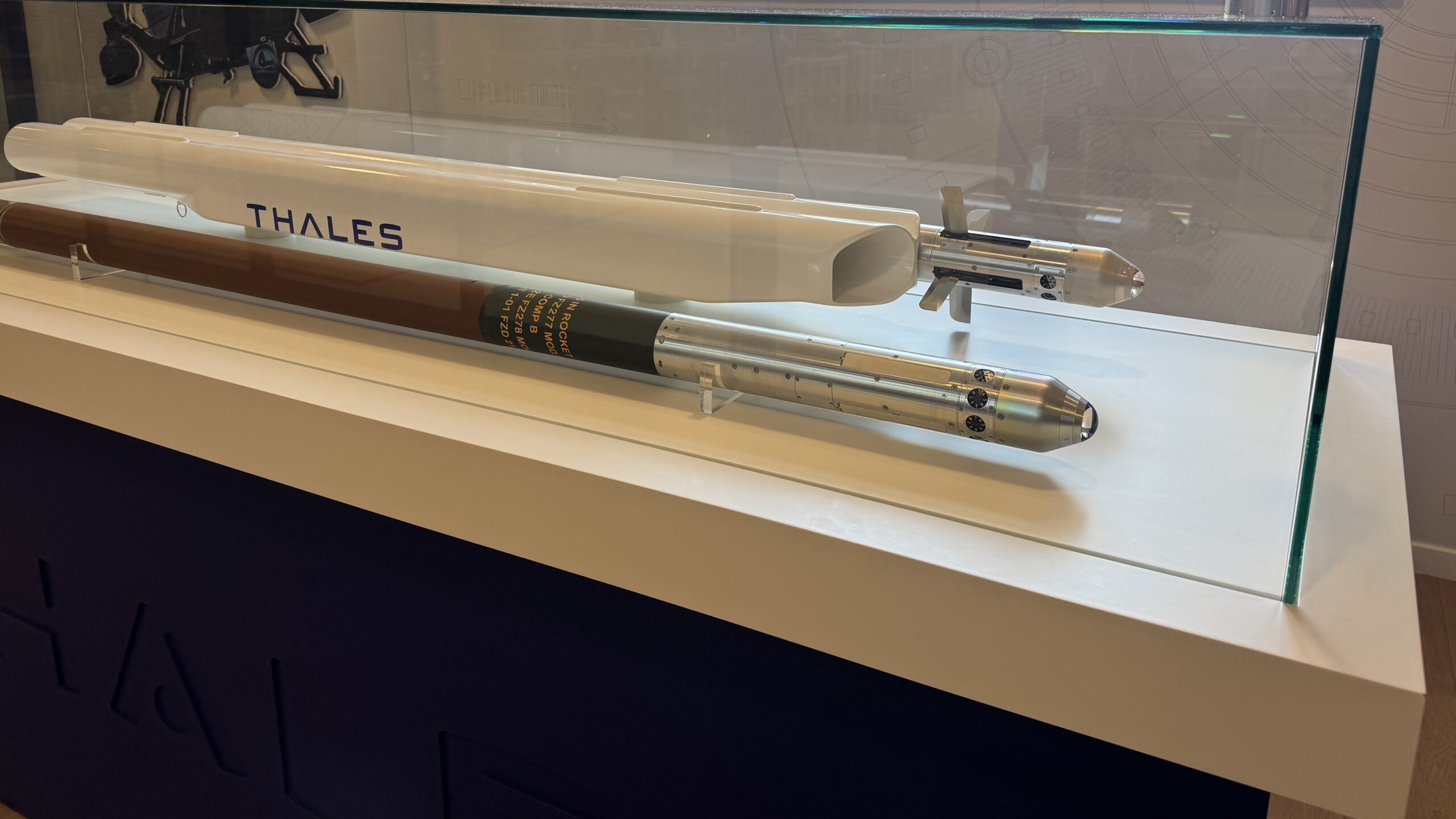
Thales ramps up guided rocket production to address increased ME demand
In response to the escalating situation in the Middle East, a company executive announced that their production numbers have more than doubled. This significant increase reflects the company's commitment to addressing heightened demand amid ongoing regional tensions. The announcement was made during an interview with Breaking Defense, highlighting the company's proactive approach to adapt to the current geopolitical landscape. The executive emphasized that the decision to ramp up production is a strategic move to ensure they can meet the needs of their clients during these uncertain times.
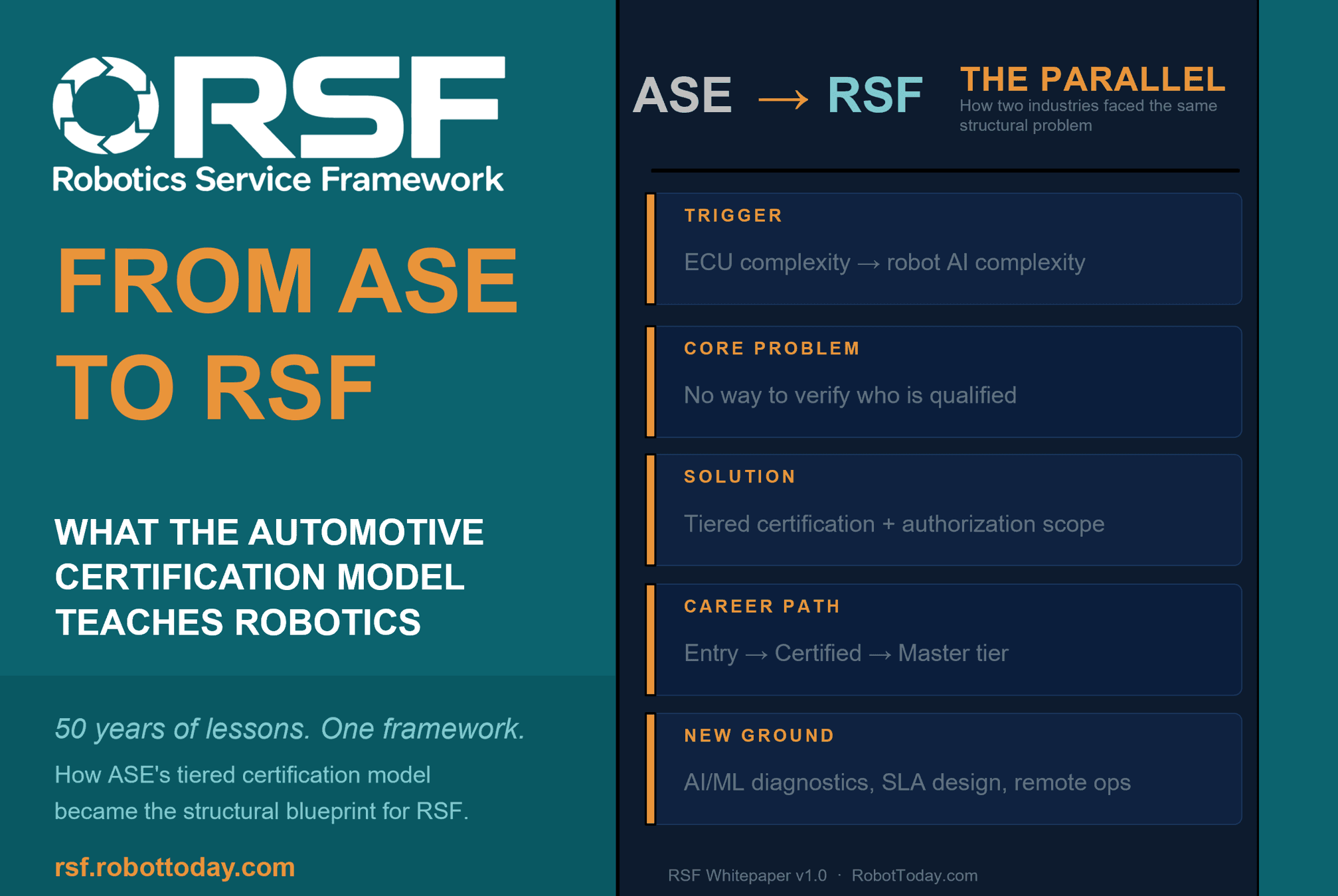
Global Business & Industry Counter UAS cUAS Drones Europe guided rocketRobotics needs a service framework.
RSF defines a common language for robot service capability, lifecycle operations, certification pathways, and service-provider networks.