

Industry Briefing
A single destination for timely, editor-curated robotics news from around the world.

Successful Launch of Zhuque-3 Y-2 Marks China's First Controlled Rocket Stage Recovery
On August 19, the Zhuque-3 Y-2 rocket was launched from the Dongfeng Commercial Aerospace Innovation Pilot Zone, achieving a significant milestone in China's space endeavors. The rocket's first stage successfully landed on the recovery pad located in Minqin County, Gansu, marking China's first controlled recovery of an orbital-class rocket stage. This achievement is pivotal for LandSpace as it transitions from validating recovery technologies to implementing reusable rocket systems. The successful landing demonstrates advancements in engineering and recovery techniques, which are essential for the future of space exploration and satellite deployment. Looking ahead, the focus will be on how this success influences further developments in reusable rocket technology and its potential applications in commercial space missions. No further timeline was disclosed at the time of publication.

JD Group Launches First RoboBase Project in Guangzhou to Foster Robotics Ecosystem
On July 11, JD Group signed a comprehensive strategic cooperation agreement with the Guangdong provincial government, focusing on nine key areas including digital economy and modern logistics. The first physical benchmark of this agreement, the RoboBase project, commenced construction in the Huangpu Science City, Guangzhou. This marks JD's first RoboBase globally, covering approximately 190,000 square meters, with completion expected by the end of 2028 and an anticipated annual output value of about 1.75 billion yuan. The RoboBase project aims to integrate high-end manufacturing, technological innovation, and ecological services, concentrating on core robotic components, complete machine manufacturing, and high-end intelligent equipment. JD's approach is unique as it positions itself as an 'industrial infrastructure operator' rather than directly engaging in robot manufacturing. This strategy is designed to support robotics companies by providing a conducive environment for their operations. Looking ahead, JD's RoboBase will facilitate long-term testing for robots across various real-world scenarios, including JD MALL and logistics parks. The project also emphasizes talent development through partnerships with vocational schools in Guangdong. No further timeline was disclosed at the time of publication.
Robotics Ecosystem High-End Manufacturing Technological Innovation Supply Chain Solutions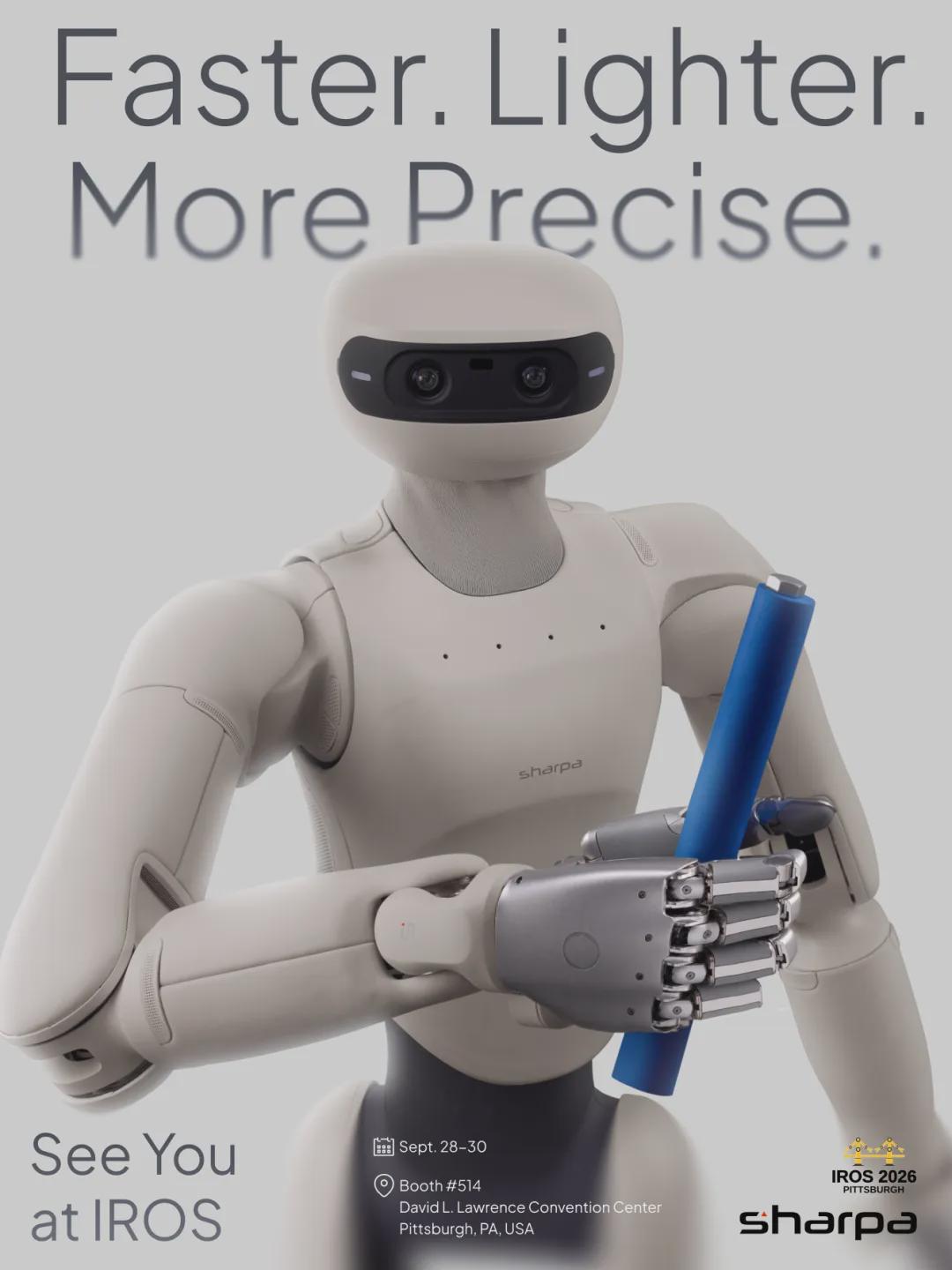
Sharpa Unveils Comprehensive Robotics System for Dexterous Manipulation at IROS 2023
On September 28, at the IROS conference in Pittsburgh, Sharpa showcased a complete robotics system featuring a humanoid robot, a dexterous hand, and an exoskeleton glove. Unlike many exhibitors presenting single modules, Sharpa's offering represents a cohesive system aimed at creating an end-to-end operational loop, enhancing tactile perception, and addressing challenges in real-world applications. This development is significant as it responds to the industry's need for solutions in real-world environments like retail and dining, where maintaining control precision during high-speed movements and interacting with complex objects are critical. Sharpa's approach integrates the robot body, end effector, and human-machine data input devices, positioning itself as a leader in the dexterous manipulation space. Looking ahead, the focus will be on the engineering validation of this system, including the performance of its components in real-world scenarios. The D01 humanoid robot, W02 dexterous hand, and AE01 exoskeleton glove are designed to work together seamlessly, with the D01 aiming to achieve high-speed movement and precision control, addressing long-standing challenges in humanoid robotics.
Humanoid Robots Dexterous Manipulation Robotics Systems Tactile Feedback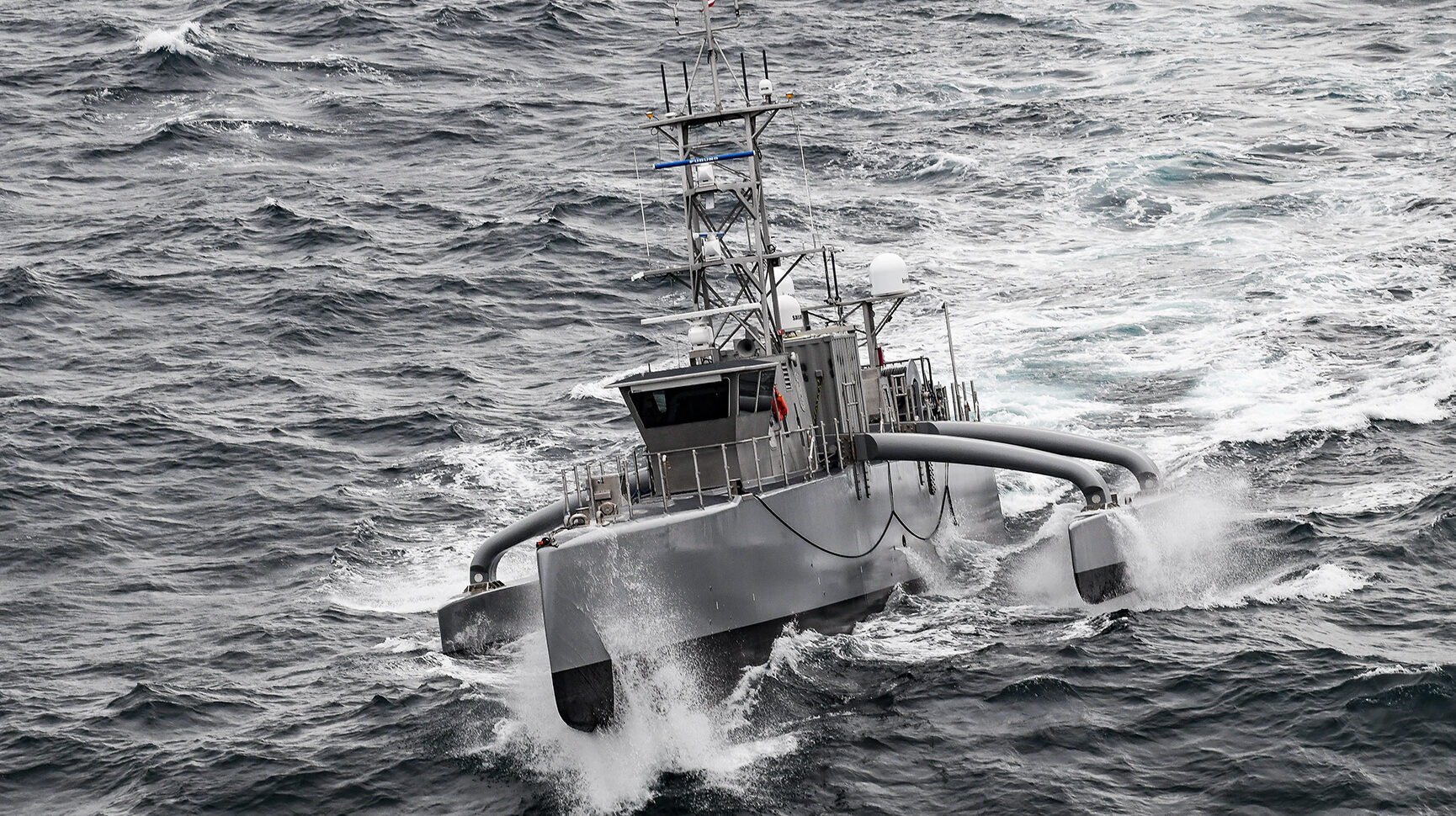
Navy Establishes Robotics and Autonomous Systems Warfighting Development Center in Virginia
The Navy has launched the Robotics and Autonomous Systems Warfighting Development Center (RASWDC) to develop tactics and procedures for unmanned systems. Headquartered at Joint Expeditionary Base Little Creek-Fort Story in Virginia, RASWDC aims to unify efforts across the Navy to enhance operational coherence in unmanned capabilities. This initiative is significant as it aligns with the Navy's broader strategy to integrate robotic and autonomous systems into its operations, as emphasized by Chief of Naval Operations Adm. Daryl Caudle. The RASWDC will work closely with the Direct Reporting Portfolio Manager for Robotic and Autonomous Systems to facilitate the acquisition and deployment of these technologies. Looking ahead, the RASWDC is expected to play a crucial role in ensuring that sailors are equipped with the necessary training and doctrine to effectively utilize unmanned systems. No further timeline was disclosed at the time of publication.
Naval Warfare Adm. Daryl Caudle Drones Navy robotics Unmanned
TrinaTracker Introduces BUILDEX and AURORA Robots to Enhance Smart PV Ecosystem
TrinaTracker, a subsidiary of Trina Solar Co., Ltd., has unveiled two new robotic products: the BUILDEX PV Module Installation Robot and the AURORA PV Cleaning Robot. These innovations aim to enhance the company's Smart PV Ecosystem. The introduction of these robots signifies TrinaTracker's commitment to advancing solar technology and improving operational efficiency in photovoltaic systems. The BUILDEX robot is designed for the installation of PV modules, while the AURORA robot focuses on cleaning, both contributing to the overall performance of solar energy systems. Industry stakeholders should monitor the impact of these robots on the solar market and their potential to streamline installation and maintenance processes. No further timeline was disclosed at the time of publication.
GeoCue Introduces TrueView 550 Aerial LiDAR System at INTERGEO 2026
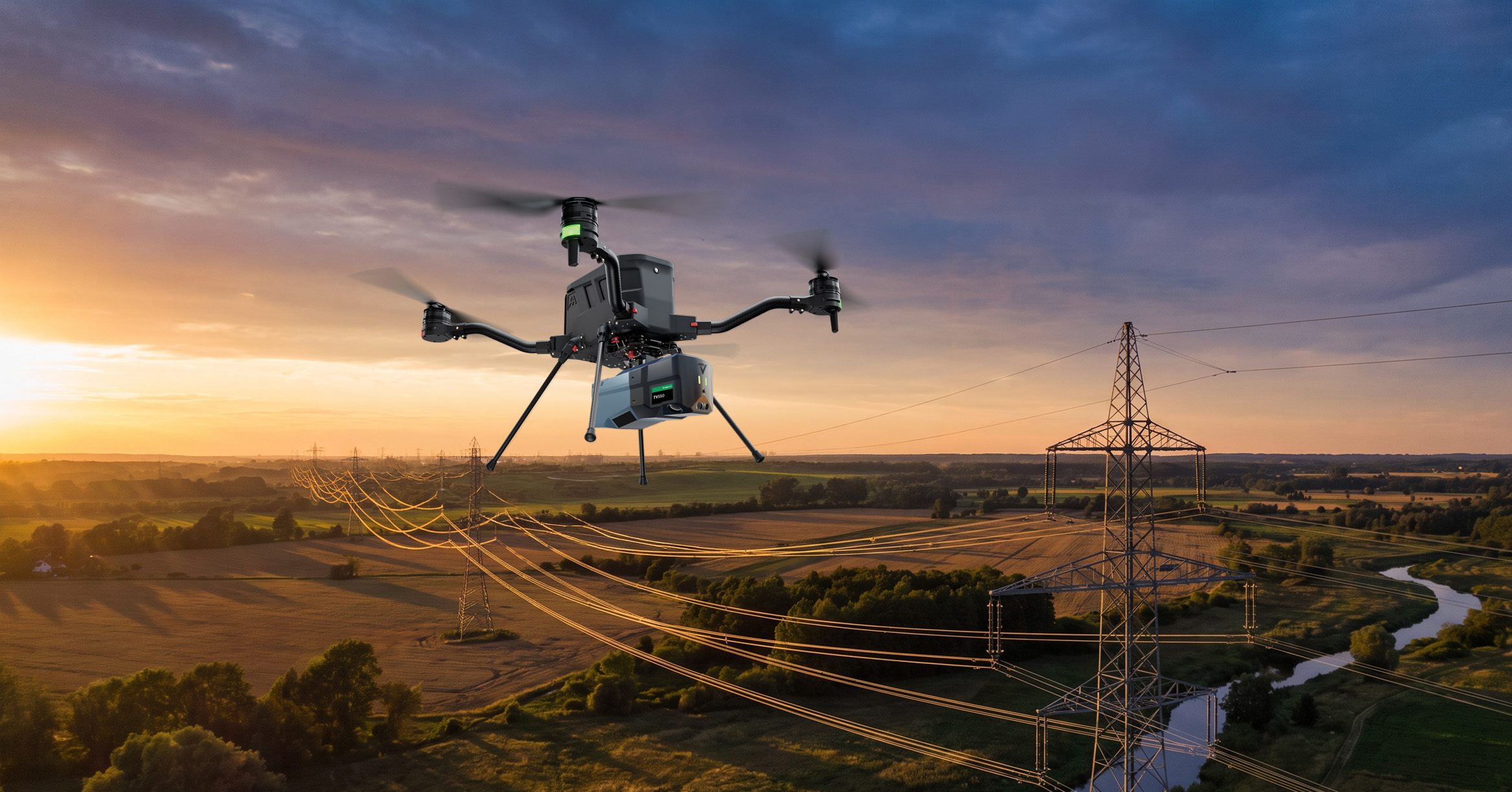
GeoCue has unveiled the TrueView 550 aerial LiDAR system at INTERGEO 2026 in Munich, Germany. This new mapping system enhances GeoCue's existing TrueView 539 and TrueView 540 systems by integrating high-performance LiDAR with dual 20-megapixel mapping cameras, designed for surveying and geospatial applications. The TrueView 550 aims to deliver performance comparable to higher-end aerial LiDAR systems while maintaining a more accessible price point. It supports ranging distances of up to 2,100 meters and can collect up to one million points per second at a flight altitude of 120 meters. This capability allows operators to efficiently map larger areas and navigate challenging terrains. Looking ahead, the TrueView 550 offers customers flexibility with options for GNSS-inertial navigation systems, including GeoCue's TrueNav and the Applanix APX-20. This adaptability, along with advanced data processing features, positions the TrueView 550 as a leading choice for various applications, including topographic surveys and infrastructure mapping. No further timeline was disclosed at the time of publication.
Applications Cameras Construction Drone News Drone News Feeds Mapping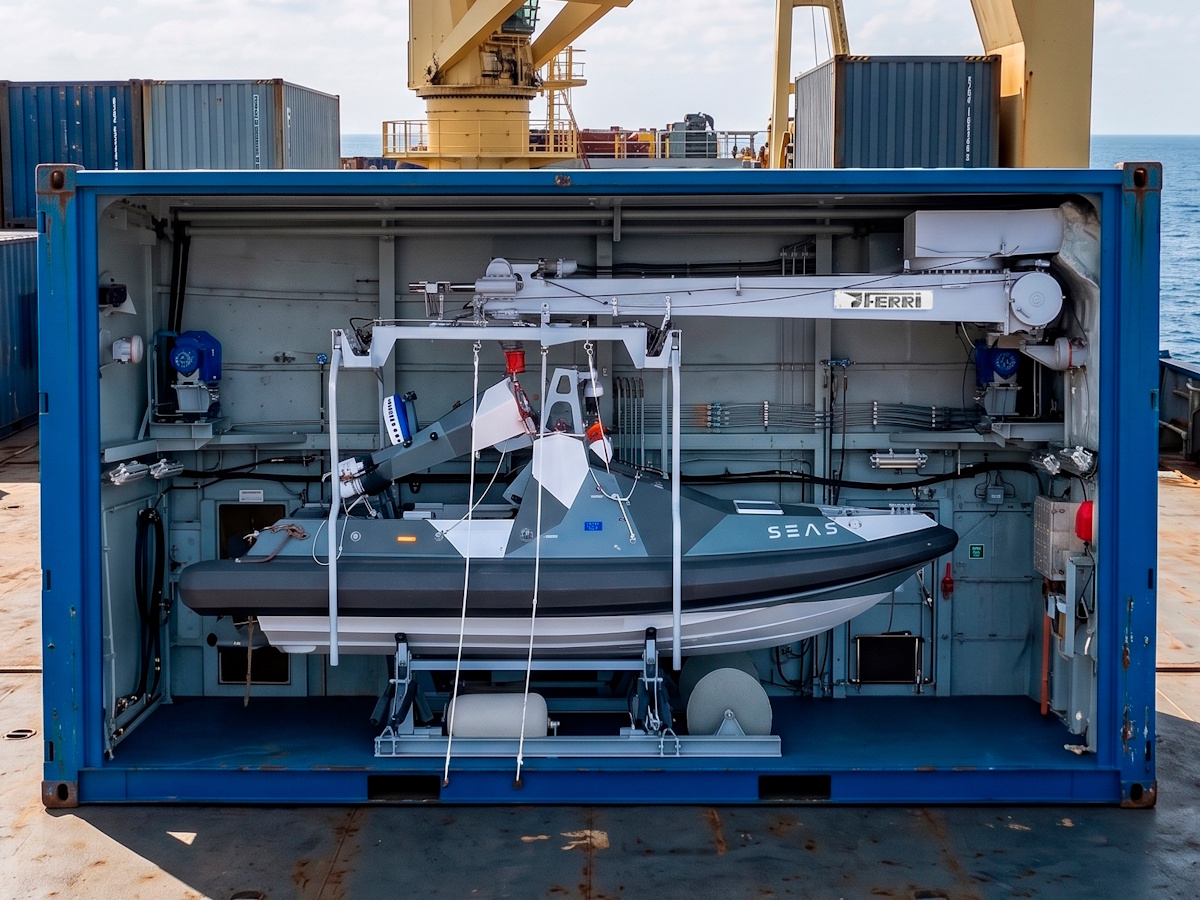
Cellula Robotics and FERRI Establish Nautical Reach Systems for Autonomous Marine Handling
Cellula Robotics Ltd. and Industrias FERRI S.A. have launched Nautical Reach Systems Ltd., a joint venture based in East Coast Canada. This new entity will focus on designing and manufacturing marine motion, lift, and handling systems tailored for autonomous maritime operations, including smart launch and recovery solutions for uncrewed vehicles. The collaboration aims to enhance the safety and reliability of autonomous platforms operating in challenging maritime environments, such as remote and Arctic conditions. Neil Manning, CEO of Cellula Robotics, emphasized the importance of integrating vehicle design with handling equipment to optimize performance at sea, highlighting the joint venture's potential to revolutionize marine operations. Looking ahead, Nautical Reach Systems plans to leverage the combined expertise of both companies to create innovative solutions for naval and coast guard operators. FERRI's significant investment in the venture will foster job creation and intellectual property development in Canada, while Cellula contributes its autonomous handling technology. No further timeline was disclosed at the time of publication.
cellula robotics ferri nautical reach systems autonomous marine handling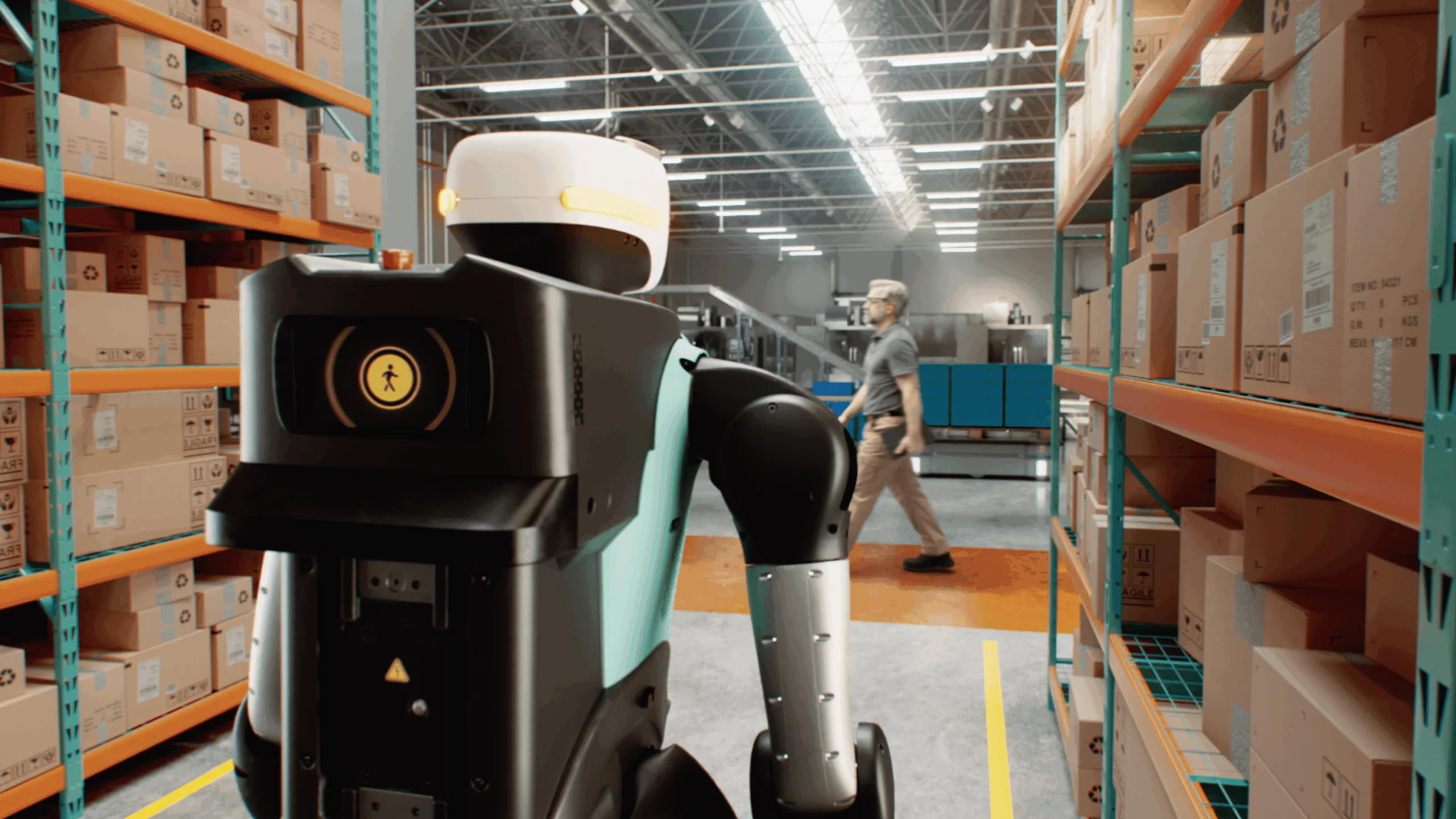
Agility Robotics Launches Digit 5 Featuring Enhanced Payload, Rapid Charging, and Advanced Safety Systems
Agility Robotics has introduced Digit 5, a humanoid robot capable of lifting up to 50 pounds and recharging in just nine minutes. This new model includes advanced safety features that allow it to operate closer to humans in industrial settings, reducing the need for physical barriers. The company plans to make Digit 5 commercially available in the EU and UK starting in 2027, marking its first expansion outside North America. The significance of Digit 5 lies in its enhanced capabilities and safety architecture, which were developed based on customer feedback from the previous model, Digit 4. With features such as human detection, safety cues, and independent motion control, Digit 5 is designed to improve collaboration between robots and human workers in factories and warehouses. Agility's CEO, Peggy Johnson, emphasized that this model addresses key barriers to the adoption of humanoid robots in industrial environments. Looking ahead, Agility Robotics anticipates early access to Digit 5 in the first half of 2027, followed by broader availability by the end of that year. The company is also collaborating with Nvidia to integrate advanced safety systems, which could further enhance the robot's functionality in various industrial applications. No further timeline was disclosed at the time of publication.
AI AI Funding & Investment AI Use Cases Robotics Agility Robotics Amazon
Sidel Launches Cermex RoboSelex, a Bottle Grouping System for Carton Packers
Sidel has introduced the Cermex RoboSelex, a new bottle grouping system designed specifically for carton packers. This innovative system aims to enhance the efficiency of packaging processes in the beverage industry. The launch of the Cermex RoboSelex is significant as it addresses the growing demand for automation in packaging, allowing manufacturers to streamline operations and improve productivity. By integrating advanced technology, Sidel aims to provide solutions that meet the evolving needs of the market. Looking ahead, industry professionals should monitor the adoption of the Cermex RoboSelex among beverage manufacturers and its impact on packaging efficiency. No further timeline was disclosed at the time of publication.
Allgemein Lebensmittel & Verpackung Lösungen
YeeGooAI Unveils EgoEasy: A Data Collection System Priced from 1499 Yuan
On September 10, 2026, at the GEIA GBA 2026 exhibition in Shenzhen, YeeGooAI publicly launched EgoEasy, a lightweight data collection system designed for producing billions of hours of real-world data for embodied intelligence. The lightweight version is priced at 1499 Yuan, while the complete version is available for 2499 Yuan. EgoEasy aims to address the industry's need for low-cost, sustainable, and manageable production of real-world data, moving beyond merely capturing more video. With current compliance data in China at approximately 500,000 hours, the demand for foundational data for commercializing embodied intelligence has escalated to tens of millions of hours, as highlighted by industry leaders. The system features a split architecture with a camera cap and a waist-mounted collection box, allowing for over 10 hours of continuous data capture. This design minimizes the burden on users and integrates seamlessly into existing workflows, transforming data collection from a one-time task into a sustainable production process. No further timeline was disclosed at the time of publication.
Data Collection AI Robotics Cloud Management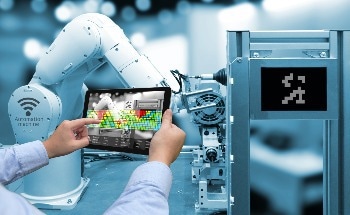
Atomica Launches Physical AI Sensor Platform for Diverse Intelligent Systems Applications
Atomica, a microfabrication foundry based in the U.S., has introduced its Physical AI Sensor Platform. This platform is designed to assist customers in creating sensors tailored for various applications, including robotics, autonomy, industrial automation, medical systems, defense, smart infrastructure, and edge intelligence. The launch of the Physical AI Sensor Platform is significant as it addresses the growing demand for advanced sensor technologies across multiple sectors. By providing a streamlined solution for sensor fabrication, Atomica aims to enhance the development of intelligent systems that rely on accurate and efficient sensor data. Looking ahead, industry stakeholders should monitor how Atomica's platform influences sensor development in key sectors. The effectiveness of this platform in facilitating the creation of sophisticated sensors will be crucial for advancements in robotics and other intelligent systems. No further timeline was disclosed at the time of publication.

Productive Robotics Launches Tregaskiss Tough Gun I.C.E. Torch for Blaze Welding Systems
Productive Robotics has unveiled the Tregaskiss Tough Gun I.C.E. (Integrated Cooling Enhancer) torch, designed specifically for its 7-axis Blaze robotic welding systems. This new option aims to mitigate heat-related consumable failures that can occur during automated welding processes with high duty cycles. The introduction of the I.C.E. torch is significant as it addresses a common challenge in robotic welding—overheating of consumables. By enhancing cooling capabilities, Productive Robotics aims to improve the reliability and efficiency of its Blaze systems, which are increasingly utilized in demanding industrial applications. Looking ahead, the adoption of the Tregaskiss Tough Gun I.C.E. torch could lead to broader implementation of Productive Robotics' solutions in sectors requiring robust welding capabilities. No further timeline was disclosed at the time of publication.
NASA's Voyager 1 Launches on September 5, 1977, for Interstellar Exploration
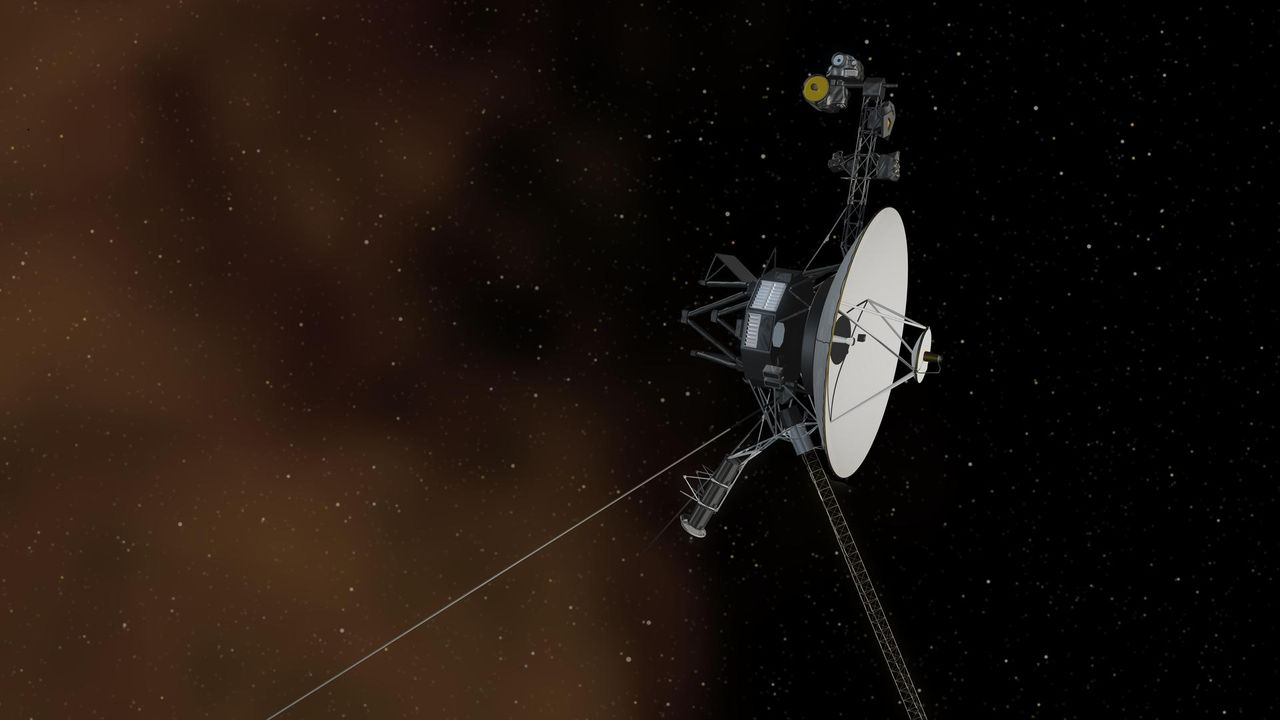
On September 5, 1977, NASA launched Voyager 1 from Cape Canaveral, Florida, marking the beginning of its journey through deep space. Initially tasked with exploring the outer planets, Voyager 1 flew by Jupiter and Saturn in 1979 and 1980 before heading out of the solar system, ultimately becoming the first spacecraft to reach interstellar space in 2012. The significance of Voyager 1 lies in its role as a pioneering mission in space exploration, carrying a golden record intended for any potential intelligent life it may encounter. This spacecraft is not only an icon of NASA's long-lasting missions but also holds the record as the farthest human-made object from Earth, currently located 15.9 billion miles away. Looking ahead, Voyager 1 is expected to encounter another star system in approximately 40,000 years. Despite its distance, the spacecraft continues to collect data, although power limitations have led to the shutdown of some instruments, including its low-energy charged particles experiment earlier this year to conserve energy.
Space Exploration
Mehler Protection to Launch SCILT NAVAL Counter-Drone System for Naval Vessels
German company Mehler Protection is preparing to introduce its new ship-mounted counter-drone system, SCILT NAVAL, at SMM 2026. This system is specifically designed to protect naval vessels from threats posed by FPV drones, loitering munitions, and other unmanned aircraft that can bypass conventional air defenses. SCILT NAVAL aims to serve as a last line of defense, particularly in high-risk areas such as ports and confined waters where response time is critical. The increasing prevalence of low-cost drones presents significant challenges for naval forces, as even well-equipped ships can be vulnerable to simultaneous drone attacks. Traditional long-range air defense systems may struggle to engage targets that approach closely or operate in restricted environments. SCILT NAVAL addresses this gap by providing a comprehensive onboard solution that can engage both individual and multiple drone threats effectively. Looking ahead, SCILT NAVAL's capabilities include a three-stage response process: detection, warning, and engagement. The system utilizes commercially available shotgun calibers for close-range strikes and offers various ammunition types for different operational needs. While human operators will initially make engagement decisions, Mehler Protection indicates that future automation may be possible as regulations evolve. No further timeline was disclosed at the time of publication.
Military
Cognizant Introduces Physical AI Platform to Integrate Agentic and Physical Systems
Cognizant has launched a physical AI platform-as-a-service called Intelligence Spine, designed to unify physical systems and agentic AI in manufacturing environments. This platform aims to connect various physical elements, such as sensors and robots, with an agentic layer that can reason and act, creating a cohesive system for ownership and governance. The significance of this launch lies in its potential to overcome the challenge of fragmented intelligence in manufacturing settings, where different AI agents operate independently. By providing a central nervous system-like framework, Cognizant's platform enables manufacturers to scale their AI capabilities across multiple plants and assembly lines, thereby enhancing operational efficiency and data sharing. Looking ahead, Cognizant's platform can be deployed across eight industries, including utilities, manufacturing, and healthcare. As manufacturers increasingly adopt AI technologies, the effectiveness of Cognizant's solution in fostering integration and collaboration among diverse AI systems will be crucial for its success in the market. No further timeline was disclosed at the time of publication.
Factory / Analytics
Quantum-Systems Inc. Launches Engineering Office in Huntsville, Alabama
Quantum-Systems Inc. has inaugurated a 3,200-square-foot engineering and R&D office in Huntsville, Alabama, on August 24, 2026. This strategic location in Upland Park, adjacent to Cummings Research Park, aims to enhance collaboration with U.S. defense customers and partners, positioning the company closer to key stakeholders in the defense sector. The establishment of this office is significant as it aligns with Quantum-Systems' mission to develop unmanned systems for tactical intelligence, surveillance, reconnaissance, and target acquisition. Huntsville, known as 'Rocket City' for its aerospace heritage, is home to various Army program offices and defense technology firms, making it an ideal hub for innovation in defense and aerospace. Looking ahead, the Huntsville office will support engineering growth and customer collaboration while advancing the development of next-generation unmanned intelligence capabilities. No further timeline was disclosed at the time of publication.
Business and Finance Drone News Drone News Feeds News Aerospace Innovation Alabama drone company
Fao Launches ART Series to Enhance Intelligent Manufacturing Systems
Fao Robotics has introduced the ART series of industrial-grade humanoid force control arms, addressing key engineering challenges in intelligent manufacturing. As robots transition from laboratories to real production lines, issues such as core component costs, supply chain stability, and assembly efficiency become critical. This shift signifies a competitive focus on manufacturing systems that determine the capabilities of robots in practical applications. The ART series leverages Fao's expertise in collaborative robotics, incorporating standardized humanoid joint modules and reference designs for dual-arm and upper body platforms. Starting in 2024, Fao will offer customized humanoid force control arm services tailored to specific industrial scenarios, aiming to explore the application of embodied intelligence in real-world settings. This move reflects a broader trend where companies are integrating advanced robotics into various sectors, including flexible manufacturing and intelligent sewing. As the humanoid robotics industry evolves, the focus is shifting from technological advancements to practical implementation in manufacturing. Key questions regarding component supply, product consistency, and assembly efficiency will determine the pace of industrial adoption. Fao's initiative to connect more intelligent agents with the physical world could redefine how industrial-grade robots are manufactured and deployed, paving the way for successful real-world applications.
Humanoid Robots Industrial Automation Robotics Manufacturing Cost Reduction Standardization
Tacta Systems Launches TactaBot to Enhance High-Skilled Manufacturing with Advanced Robotics
Tacta Systems recently introduced the TactaBot, integrating the Tacta Hand, Skill Capture system, and Dexterous Intelligence AI model. This innovative combination aims to create adaptable robotic hands capable of performing high-value tasks in manufacturing, addressing the global shortage of skilled labor. CEO Vikram Pavate emphasized the need for robots to replicate human-like touch and feel, which is essential for complex manufacturing processes. The Tacta Hand features a dexterous design with three and five-finger configurations, offering 15 degrees of freedom and the ability to lift up to 25 newtons per fingertip. Utilizing Tacta's Fluidic Tendon actuation technology, the robotic hand maintains stability and precision while minimizing heat generation. This technology enhances reliability compared to traditional cable-driven systems, with a lifespan of up to 30 million cycles. As Tacta Systems continues to innovate, the focus will be on further developing the capabilities of the TactaBot and its components. The integration of advanced tactile sensors, capable of measuring a wide range of forces and temperatures, positions Tacta to play a significant role in the future of high-skilled manufacturing automation. No further timeline was disclosed at the time of publication.
Actuators / Motors / Servos Arms / Manipulators Artificial Intelligence Artificial Intelligence / Cognition Collaborative Robots Design / Development
Leju Unveils Dual Ecosystem Engine for Trillion-Yuan Robotics Industry at National Competition
On August 1, 2026, at the Shougang Ice Curling Center in Beijing, 213 humanoid robot teams competed for top honors at the 28th China Robotics and Artificial Intelligence Competition (CRAIC). This event is significant not only for showcasing robotics but also for establishing standards and ecosystems in the industry. Leju is transforming the competition into a platform that elevates the focus from individual robots to broader industry standards. The year 2026 is recognized as a pivotal moment for the commercialization of humanoid robots, yet the industry faces a critical talent shortage, particularly in robotics, with a gap of 4.5 million skilled workers. Leju's approach emphasizes practical training through real-world scenarios, moving beyond simulations to create authentic industrial environments for competitors. This shift allows participants to conduct pressure tests on their robots in realistic settings, preparing them for future production lines. Leju's strategy is supported by the OpenLET community, which fosters an ecosystem encompassing training, data sharing, and talent development. With over 70 member organizations and 10,000 developers, the community aims to address the fragmented nature of the humanoid and embodied intelligence industries. The CRAIC 2026 features various competitions that reflect real industrial needs, pushing technology from demonstration to reliable operation, ultimately shaping the future of the robotics sector.
Humanoid Robots AI Robotics Competitions Talent Development Industrial Automation
Tacta Systems Launches AI-Driven Robotic Hand for Advanced Manufacturing Applications
Tacta Systems has introduced a new robotics platform aimed at enhancing industrial automation with human-like dexterity. The TactaBot, the company's inaugural product, integrates a robotic hand, a wearable skill capture system, and an AI engine to perform intricate manufacturing tasks that demand precision and tactile feedback. This innovation is significant as it addresses critical challenges in robotics, such as creating a robotic hand for industrial performance and enabling robots to possess a sense of touch. Tacta's platform, featuring the proprietary Fluidic Tendon actuation technology, is designed to automate complex tasks in sectors like electronics and automotive manufacturing, with initial deployments expected in early 2027. Looking ahead, Tacta plans to expand its technology into additional industries, including medical devices and aerospace. The company aims to revolutionize the way robots interact with their environment, potentially transforming manufacturing processes across various sectors. No further timeline was disclosed at the time of publication.
Components News ai robotics Dexterous Intelligence dexterous robotics industrial robotics
Highstar Launches Innovative Battery System to Enhance Data Center Resilience Against Outages
Highstar, a China-based energy storage firm, introduced a comprehensive battery cell portfolio at the 2026 GGII Energy Storage Industry Summit to address the increasing power demands of AI Data Centers (AIDCs). This innovative system utilizes tailored chemistries for different layers of data center operations, ensuring reliable power backup and thermal management. The significance of Highstar's solution lies in its ability to meet the unique challenges posed by AI workloads, which require rapid response and dependable backup. The battery portfolio includes specialized products designed for server-rack battery backup units, facility-wide UPS, and grid-side storage, effectively insulating servers from power spikes and dropouts. Looking ahead, the integration of Highstar's battery systems could alleviate pressure on global power grids, which are currently facing transformer shortages and capacity limits. By providing on-site battery storage, data center operators can safely manage power demands and avoid disruptions to local substations. No further timeline was disclosed at the time of publication.
AI and Robotics
China's CZ-10B Rocket Recovery Achieves 60-70% Cost Reduction, Ushering in Reusable Era
China's CZ-10B rocket has successfully demonstrated net-based recovery, marking a significant shift towards reusable rocket technology. This achievement is expected to reduce launch costs by 60-70%, transforming the landscape of the space economy. The move from disposable to reusable rockets is crucial as it aligns with the growing demand for cost-effective space access in both commercial and government sectors. This paradigm shift indicates a maturation of the space economy, which is approaching a trillion-yuan valuation. Looking ahead, the implications of this technology could reshape future space missions and investments. No further timeline was disclosed at the time of publication.
Industry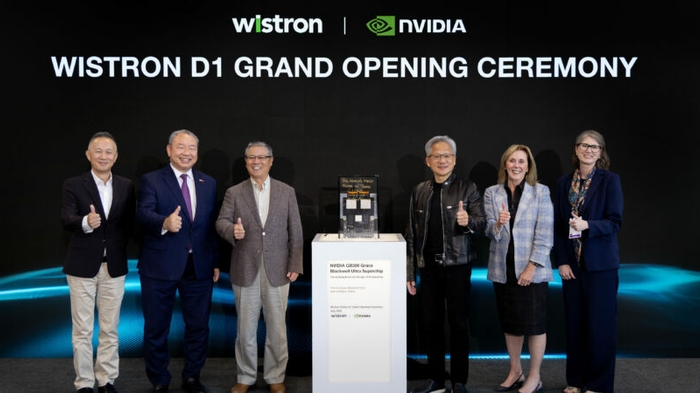
Wistron Launches Advanced Manufacturing Plant in Fort Worth for NVIDIA AI Systems
Wistron has inaugurated its first U.S. manufacturing facility in Fort Worth, Texas, covering 324,000 square feet. This plant will produce superchips integral to advanced AI systems, including the NVIDIA GB300 Grace Blackwell Ultra Superchip and the upcoming NVIDIA Vera Rubin Superchip. The opening ceremony featured NVIDIA CEO Jensen Huang and Wistron Chairman Simon Lin, emphasizing the importance of manufacturing in the AI era. The establishment of the Fort Worth plant represents a significant $700 million investment in U.S. advanced manufacturing, creating over 500 jobs with plans to expand to 1,000 by year-end. Huang highlighted the diverse job opportunities generated in various sectors, including plumbing, construction, and manufacturing. This facility aims to support the growing demand for AI infrastructure and enhance the domestic manufacturing base. Looking ahead, Wistron’s D1 facility is set to scale production to tens of thousands of boards per month, reinforcing the U.S. commitment to reindustrialization. NVIDIA's pledge to manufacture up to $500 billion in advanced AI platforms underscores the strategic importance of this facility in the broader AI landscape. No further timeline was disclosed at the time of publication.

AMD Introduces Helios, Its First AI Rack System, Securing Microsoft as a Key Customer
AMD has launched Helios, its inaugural rack-scale system for artificial intelligence, with Microsoft announcing its deployment in Azure data centers. This move positions AMD as a competitor to Nvidia's established AI systems, including Grace Blackwell and Vera Rubin, as it aims to capture a larger share of the AI computing market. The significance of Helios lies in its potential to disrupt Nvidia's dominance in the data center GPU market, where it currently holds over 95%. With Microsoft, Meta, OpenAI, and Oracle among its early adopters, AMD is poised to enhance its market presence, which currently stands at approximately 4.5%. The system is designed to support advanced AI applications and improve overall performance and cost efficiency. Looking ahead, AMD plans to begin shipping Helios later this year, with customizable configurations available for various applications. As major companies increasingly turn to AMD for AI acceleration, the success of Helios could significantly impact AMD's market share and revenue potential in the competitive landscape of AI technologies. No further timeline was disclosed at the time of publication.

WAIC 2026: Insight AI Unveils First Embodied Semantic Intelligence System, insightOS Semantic
At the 2026 World Artificial Intelligence Conference in Shanghai, Insight AI launched the world's first embodied semantic intelligence system, insightOS Semantic. This system represents a pivotal shift in the embodied intelligence industry, moving from mere demonstration capabilities to practical applications in real-world scenarios. The significance of this development lies in its comprehensive approach to embodied intelligence, which now requires not only technical prowess but also a robust operating system, scenario validation, and a thriving developer ecosystem. Insight AI aims to address the critical challenges of understanding, adaptability, and evolution in robotics, which have hindered the large-scale deployment of embodied systems. Looking ahead, Insight AI's insightOS Semantic is designed to facilitate seamless communication between humans and robots, enabling task execution through natural language. The system's architecture integrates semantic understanding with physical operation capabilities, promising to enhance the efficiency and intelligence of robots in dynamic environments. No further timeline was disclosed at the time of publication.
Embodied Intelligence Robotic Systems AI Technology Natural Language Processing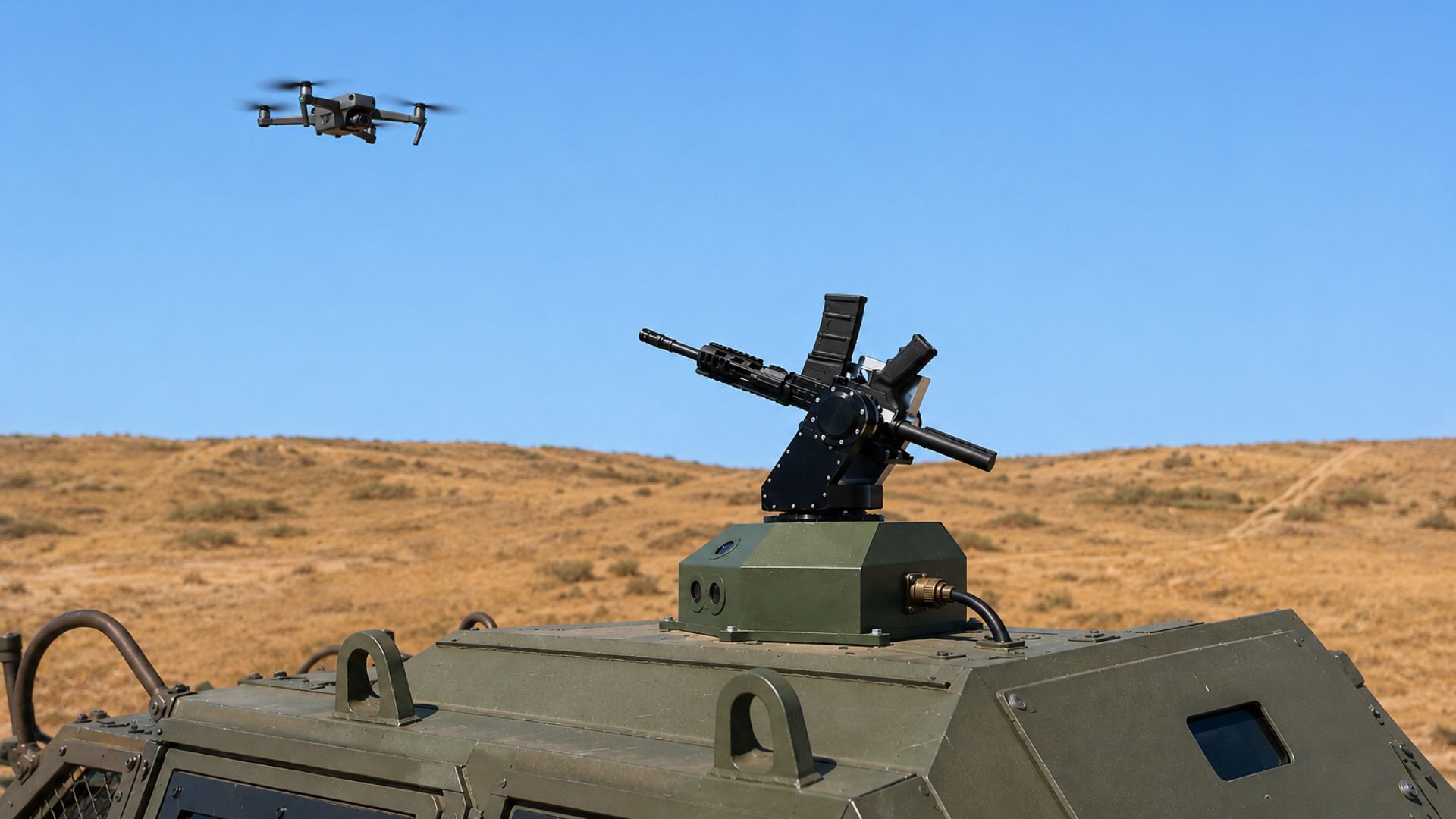
Axon Vision Launches ForceField Counter-Drone System to Combat FPV Drone Threats
Israeli defense technology firm Axon Vision has unveiled ForceField, a counter-drone system designed to neutralize first-person view (FPV) drones, including those controlled via fiber optics. The system's development followed successful live-fire evaluations, demonstrating its capability to detect and engage FPV drone threats in real time, thereby enhancing protection for military forces against evolving battlefield risks. The significance of ForceField lies in its ability to address the growing challenge posed by FPV drones, which are increasingly utilized for precision strikes at low costs. Traditional electronic warfare measures often fail against fiber-optic-controlled drones, making ForceField's passive sensor technology crucial. By employing Edge AI software, the system allows operators to assess threats without relying on external networks, streamlining the engagement process and reducing the need for extensive modifications to existing military platforms. Looking ahead, Axon Vision is actively engaging with military customers and partners to evaluate ForceField's capabilities. The system's modular design offers flexibility for integration with current weapon systems, potentially simplifying deployment across various military fleets. No further timeline was disclosed at the time of publication.
Military
Nvidia Launches Cosmos 3 Edge AI Model and Expands Physical AI Ecosystem in Japan
Nvidia has introduced its new AI model, Cosmos 3 Edge, aimed at enhancing physical AI applications in Japan. This model is designed to help systems perceive and navigate real-world environments, marking a significant step in Nvidia's strategy to penetrate the physical AI market. The expansion is part of CEO Jensen Huang's visit to Japan, where Nvidia is forming partnerships with local industrial leaders such as Fujitsu, Hitachi, and Kawasaki Heavy Industries. Huang emphasized the potential for Japan to reinvent its manufacturing sector for intelligent industries, highlighting the country's historical significance in modern manufacturing. Looking ahead, Nvidia is also targeting Japan's healthcare and biotechnology sectors, collaborating on initiatives like the Tokyo-1 AI drug discovery consortium. With Japan's AI market projected to reach $27.9 billion by 2029, Nvidia's efforts could significantly influence the landscape of AI adoption in the region. No further timeline was disclosed at the time of publication.
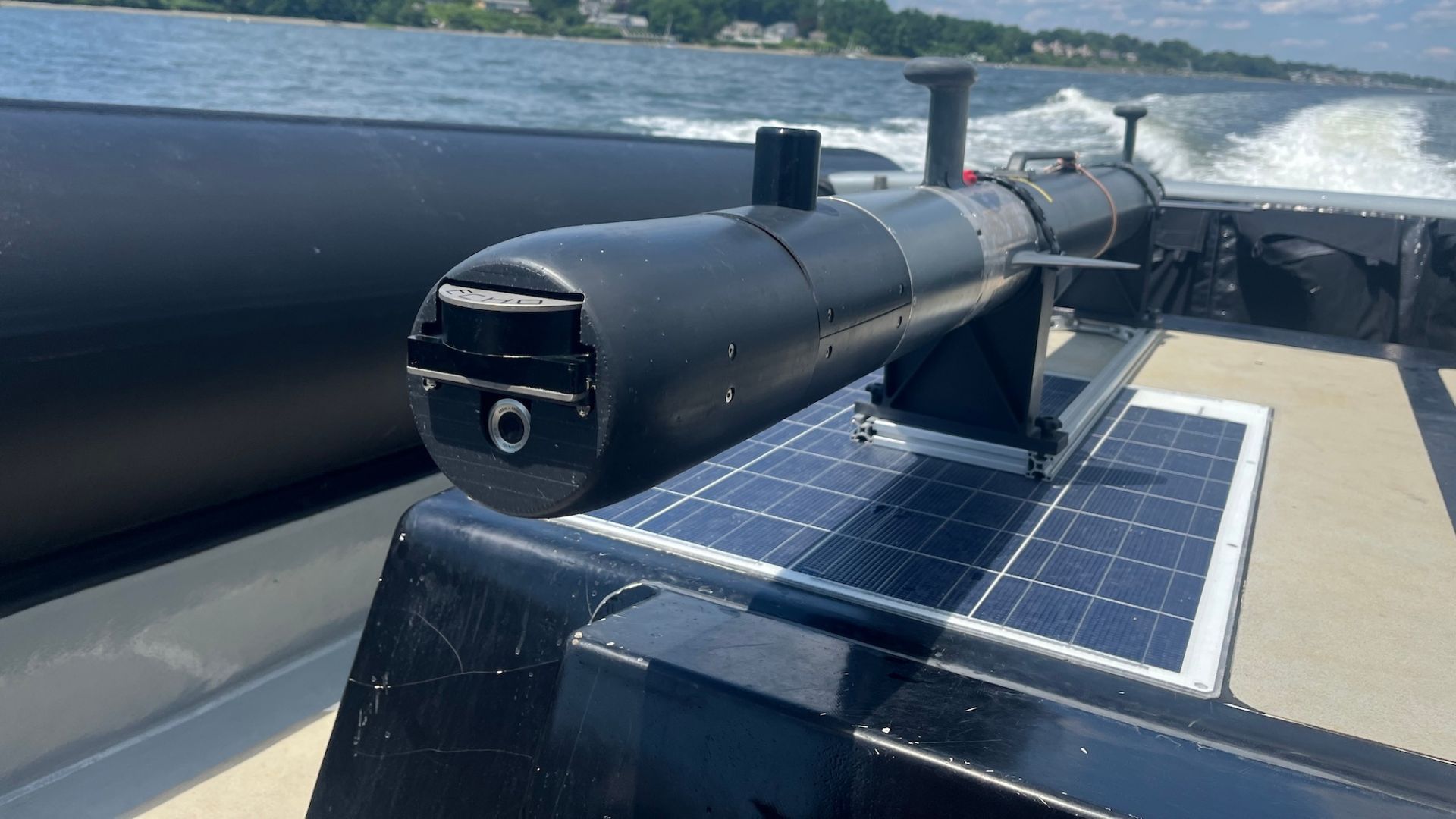
Vatn Systems Launches SIGURD Autonomous System for Naval Mine Detection and Neutralization
U.S. defense startup Vatn Systems has unveiled SIGURD, a compact autonomous system designed to detect and neutralize naval mines. This innovative platform allows military operators to locate underwater mines without the need for large mine warfare vessels, addressing a critical challenge in naval operations. SIGURD is currently being tested by government customers, with deployment expected later this year. The introduction of SIGURD is significant as naval mines remain a cost-effective threat in maritime conflict, capable of disrupting shipping and delaying naval operations. Traditional mine countermeasure missions are resource-intensive, often requiring specialized ships and trained personnel. Vatn's autonomous underwater vehicle aims to streamline this process, enabling quicker responses to mine threats in contested waters. Looking ahead, Vatn Systems is preparing to support U.S. military and allied nations in expanding their autonomous mine warfare capabilities. The demand for such systems is rising, particularly in light of increasing tensions in strategic maritime regions. The successful testing of SIGURD against inert naval mines suggests a promising future for autonomous solutions in mine countermeasures.
Military
FF Robotics Upgrades Strategy with 'Quad-Core Intelligence' Ecosystem and 2000 Units Target
On July 13, FF founder Jia Yueting announced the upgrade of FF Robotics' strategy from a 'Trinity' model to a 'Quad-Core Intelligence' ecosystem. This strategic iteration follows the launch of four major robot series in February and the completion of the 'Full-Form EAI Robot World' in June, marking a significant advancement in embodied intelligence. The upgrade introduces a new core module focused on industry productivity solutions and a developer platform, targeting four key sectors: education, industrial, security, and inspection. Jia emphasized that this shift aims to transition from standalone capabilities to a comprehensive system that addresses industry-specific pain points, facilitating the practical application of FF robots in real-world scenarios. Looking ahead, FF aims to achieve a sales target of 2000 units by the end of the year, with the Q3 launch of the first FF EAI Robot Productivity Practical League to showcase real-world applications. This initiative, alongside the sales goal, is expected to validate the effectiveness of robots as productivity tools, moving beyond mere demonstrations to practical utility.
Robotics Artificial Intelligence Industry Solutions Productivity Tools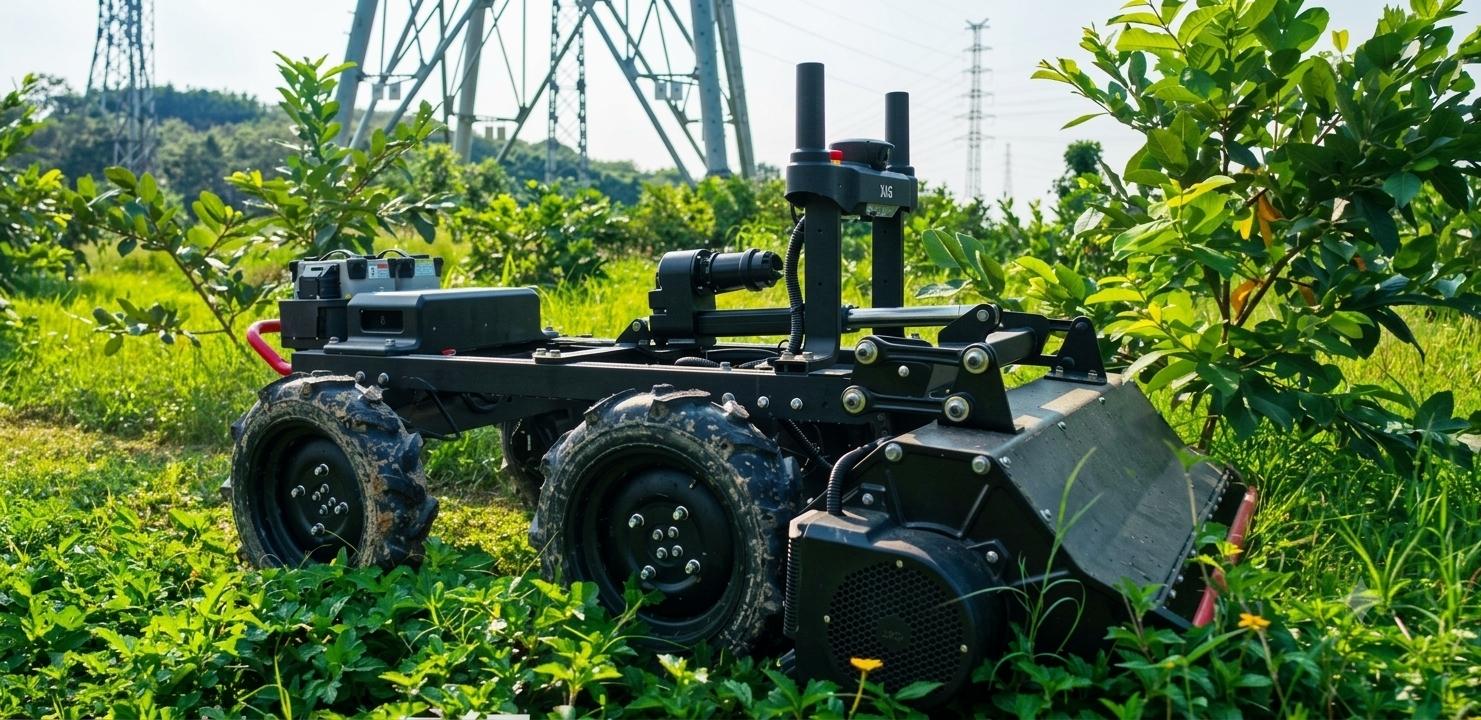
XAG Introduces RM80 Electric Mower and X Series Drone System for Autonomous Farming
XAG has launched the RM80, a 143 kg all-electric unmanned mower, at the Agricultural Robot Conference in Guangzhou, China. Designed for orchard management and land reclamation, the RM80 operates for up to 40 minutes per charge and can autonomously cover 0.33 to 0.53 hectares per hour. It features advanced navigation through the SuperX 5 Ultra control system and can also perform stubble removal for effective weed control. The introduction of the RM80 coincides with the unveiling of XAG's new X Series drone system, aimed at creating a fully autonomous farming workflow. This system includes the X Series drone, XA1 docking station, and LM1 chemical mixing unit, enhancing automation in tasks like charging and chemical refilling. The drone boasts improved computing power and perception capabilities, allowing it to survey up to 300 hectares in a single mission, while the docking station ensures precise automatic charging and refilling. XAG has not disclosed pricing details for the RM80 or the X Series system, with market packages expected to vary based on local dealer offerings. The company's strategy emphasizes integrating various robotic functions into a coordinated workflow, positioning its equipment as essential components of modern smart farming rather than standalone tools. No further timeline was disclosed at the time of publication.
Smart farming agricultural robots autonomous technology drone technology electric tractors robotic harvesting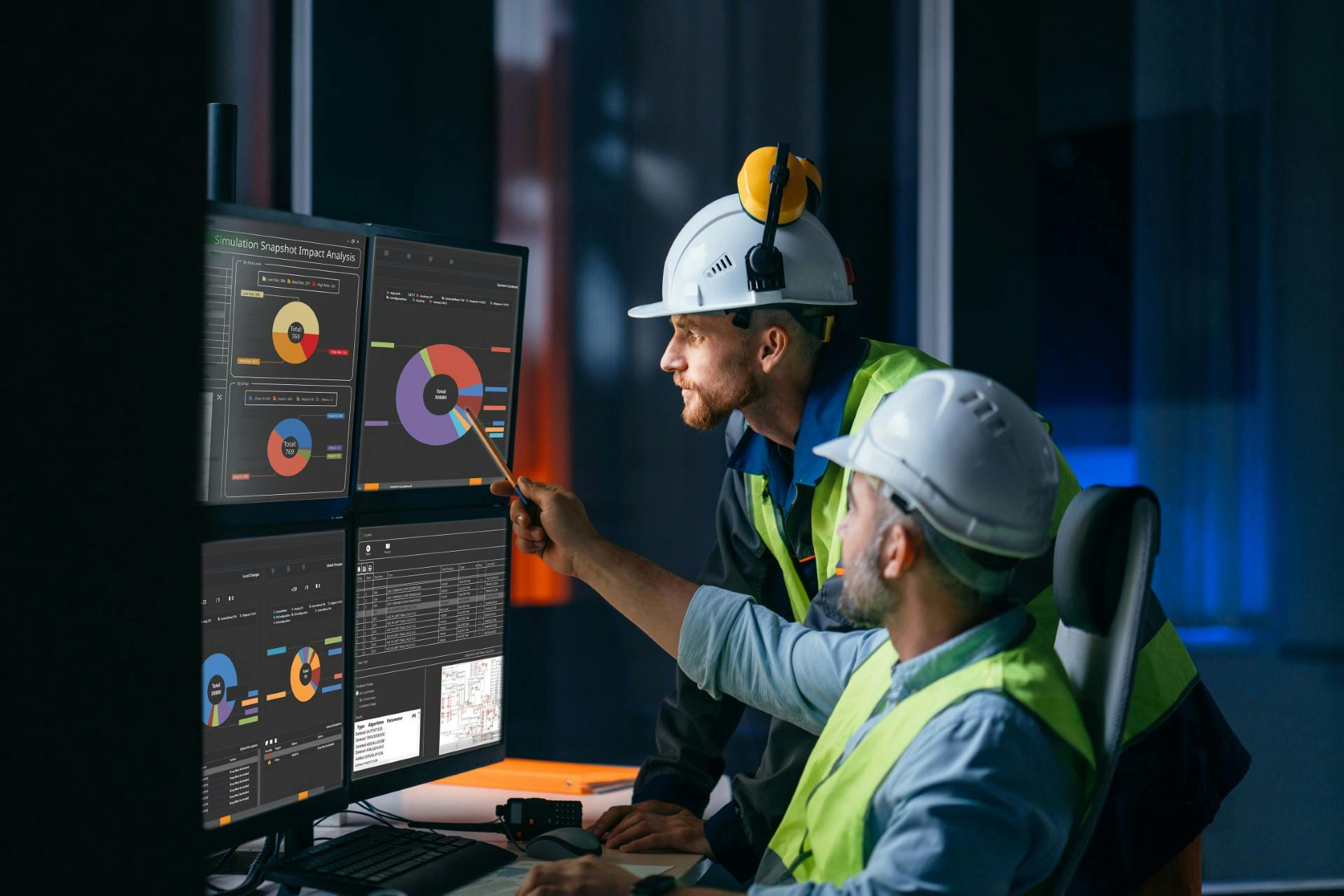
Emerson Introduces Ovation Curation Tool for Enhanced Control Systems Management
Emerson has launched the Ovation Curation Tool, a synchronization software designed for power and water control systems. This tool aims to maintain version control and change history across multiple Ovation systems and simulators, automating the management of changes between production systems and their digital twins. The introduction of the Ovation Curation Tool is significant as it addresses the challenges of keeping digital twins synchronized with live systems, especially amid workforce shortages. By improving testing and training accuracy, the tool is expected to save engineering time and facilitate faster troubleshooting, enhancing overall operational efficiency. Looking ahead, the software's ability to automatically track changes and provide an intuitive dashboard for users will be crucial for organizations seeking to optimize their control systems. No further timeline was disclosed at the time of publication.
Factory / Digital Transformation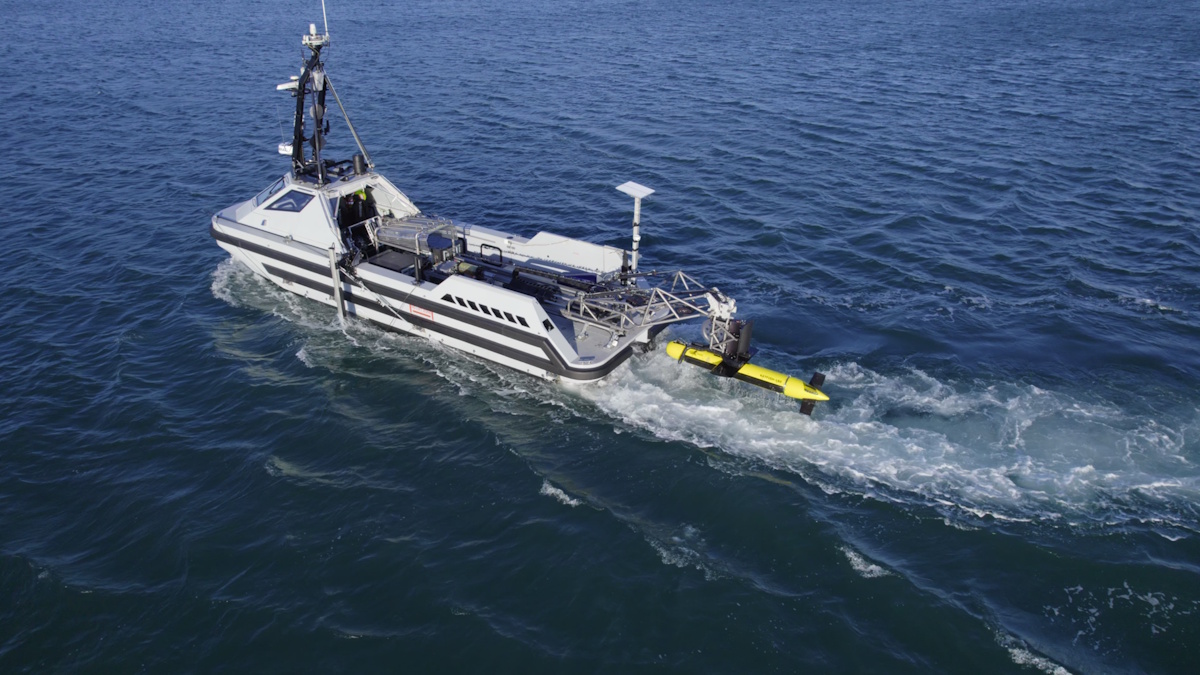
Kraken Robotics and TKMS ATLAS UK Demonstrate KATFISH USV Launch and Recovery System on an in-service UK Royal Navy ARCIMS USV
Kraken Robotics has successfully demonstrated its KATFISH Unmanned Surface Vessel Launch and Recovery System (USV-LARS) aboard TKMS ATLAS UK's 11-meter ARCIMS Unmanned Surface Vehicle (USV). This demonstration highlights a significant advancement in maritime security technology, as the integrated systems deliver a comprehensive autonomous survey solution tailored for mine countermeasure operations and the inspection of critical underwater infrastructure. Notably, the collaboration between ARCIMS and KATFISH USV-LARS marks the introduction of the industry's first air-deployable, 300-meter depth-rated autonomous towed Synthetic Aperture Sonar (SAS) survey system. This innovation aims to enhance operational efficiency and safety in maritime missions.
kraken robotics tkms atlas uk katfish usv launch and recovery system uk royal navy arcims usv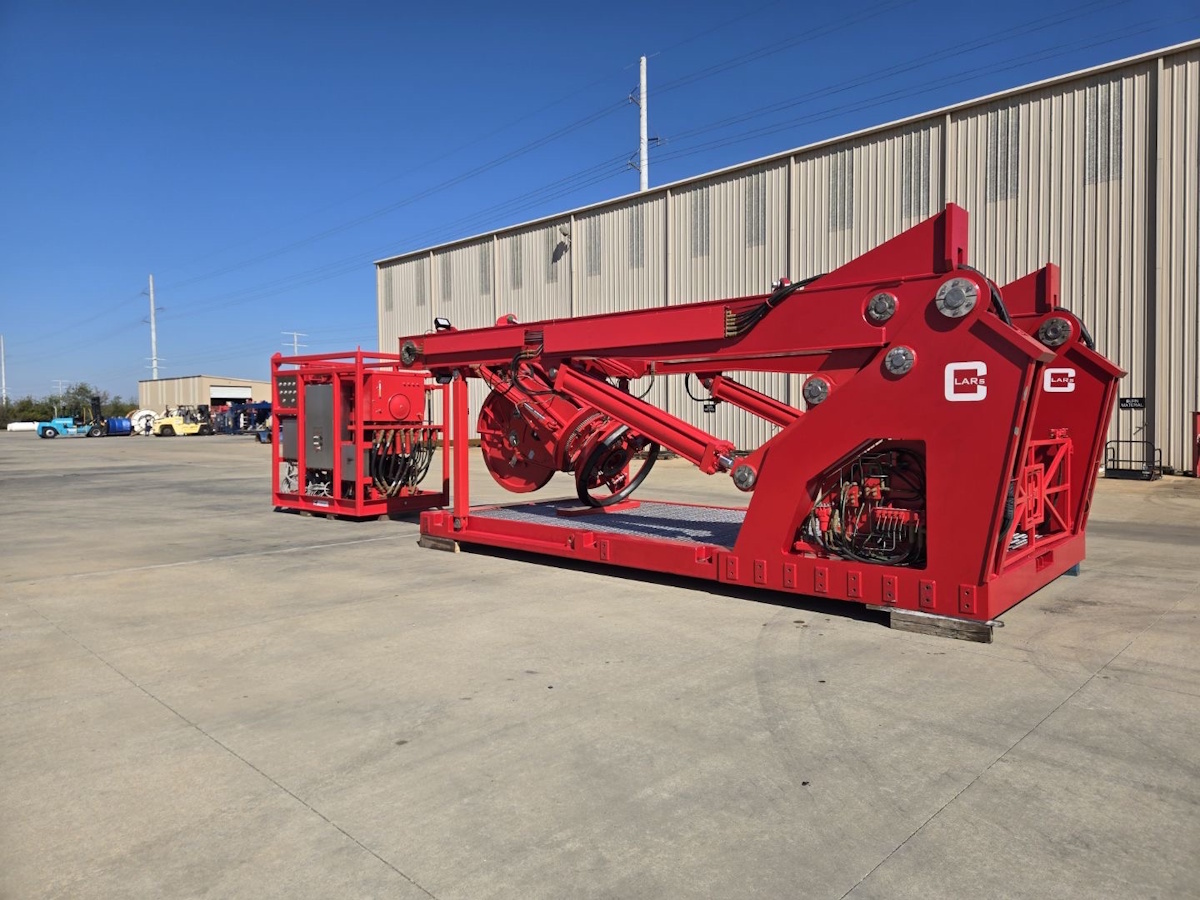
C-LARS Delivers New State of the Art Launch and Recovery System
C-LARS has successfully delivered its advanced Launch and Recovery System to Helix Robotics Solutions in the United States, enhancing the capabilities of their existing fleet. This cutting-edge hydraulic system includes a multiple drive winch system (CTW513) equipped with a Scantrol mTrack Active Heave Package, a powerful 300 horsepower electro-hydraulic power unit (CTH2300), and a self-erecting LARS (CTA620). The delivery marks a significant upgrade for Helix Robotics, aimed at improving operational efficiency and performance in underwater robotics applications.
c-lars launch and recovery system
MARTAC and Sealartec Introduce Fully Autonomous Launch and Recovery System for USV
Maritime Tactical Systems (MARTAC) and Sealartec have announced the launch of a groundbreaking Autonomous Launch & Recovery System designed for unmanned surface vessels (USVs). This innovative system enables the autonomous deployment and retrieval of MARTAC’s MANTAS T8 and T12 models from the Devil Ray T38 platform. The unveiling took place recently, highlighting the importance of such technology in enhancing swarming missions and maximizing the capabilities of unmanned marine systems. The development aims to operate effectively in various sea conditions with minimal human intervention, ensuring both speed and reliability in operations. This advancement is expected to significantly impact maritime operations, paving the way for more efficient and effective use of USVs in the field.
martac sealartec fully autonomous launch and recovery system usv
Kuka Systems and Magdeburg-Stendal University Launch Friction Stir Welding Research Cell
Kuka Systems, in collaboration with Magdeburg-Stendal University, has introduced a new research cell focused on Friction Stir Welding (FSW). This initiative aims to enhance the development and testing of innovative manufacturing processes. The establishment of this research cell is significant as it expands the capabilities of both Kuka Systems and the university in exploring advanced welding techniques. Friction Stir Welding is known for its efficiency and effectiveness in joining materials, making it a valuable area of research in manufacturing. Looking ahead, stakeholders in the manufacturing and robotics sectors should monitor the outcomes of this collaboration. The advancements in FSW technology could lead to improved production methods and applications across various industries. No further timeline was disclosed at the time of publication.
Allgemein Lösungen Metallbearbeitung & Schweißen Robotersteuerung & Digital Twin
U.S. Navy Establishes RASWDC to Enhance Robotic Warfare Capabilities
The U.S. Navy has launched the Robotic and Autonomous Systems Warfighting Development Center (RASWDC) on September 24, aimed at integrating robotic and autonomous systems into naval operations. Led by Rear Admiral Melvin Smith, the center is headquartered at Joint Expeditionary Base Little Creek-Fort Story in Virginia and will serve as the Navy's primary hub for operational integration of these technologies. This initiative is crucial for maintaining the Navy's maritime advantage, as emphasized by Chief of Naval Operations Adm. Daryl Caudle. The RASWDC will provide sailors with advanced training and specialized doctrine necessary for high-end combat scenarios, reflecting the Navy's commitment to modernizing its operational capabilities through technology. Looking ahead, the RASWDC will focus on developing warfighting concepts, training personnel, and testing new technologies under realistic conditions. The Navy's approach includes evaluating unmanned aerial systems, uncrewed surface vessels, and unmanned underwater vehicles, with a clear intent to advance systems that prove effective while reassessing those that do not meet operational standards. No further timeline was disclosed at the time of publication.
Military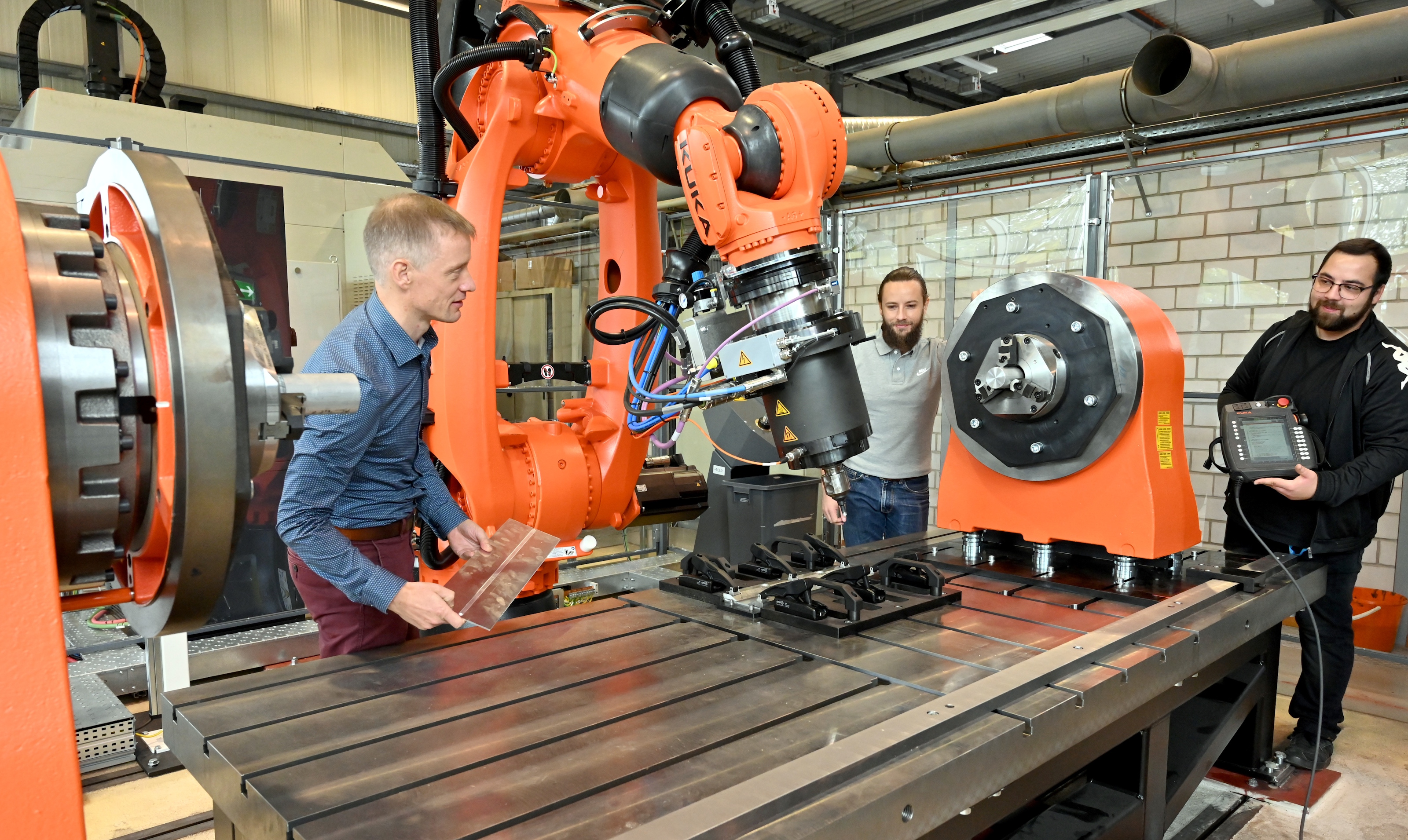
University of Applied Sciences Magdeburg-Stendal and KUKA Systems AWS Launch FSW Research Platform
The University of Applied Sciences in Magdeburg-Stendal, in collaboration with KUKA Systems AWS, has introduced a new research cell dedicated to friction stir welding (FSW). This initiative aims to enhance the development and testing of innovative manufacturing processes, leveraging advanced robotics and digital technologies. The centerpiece of this research platform is the KR FORTEC ultra MT, engineered specifically for high-load FSW and machining tasks. This integration of industrial robotics with scientific research is expected to streamline the transition of new applications from the development phase to full-scale production. Looking ahead, the collaboration between the University of Applied Sciences and KUKA Systems AWS signifies a significant step in advancing manufacturing technologies. No further timeline was disclosed at the time of publication.

Toborlife AI Introduces Full-Body Teleoperation Software for Unitree G1 Humanoid Robot
Toborlife AI has launched its full-body teleoperation software for the Unitree G1 Edu humanoid robot, marking a significant advancement for US research labs and universities. This software provides a domestic solution for data collection, training, and support, ensuring that training data remains on customer hardware within the United States. The introduction of this teleoperation system is crucial as it addresses the gap in software and support for humanoid robotics in the US, where teams have struggled to integrate various open-source libraries. With the ability to control the G1 Edu in real time using a PICO VR headset, operators can perform tasks with high precision, capturing data that is immediately usable for training and model validation. Looking ahead, Toborlife AI's commitment to providing US-based technical support and training will be essential for labs aiming to leverage humanoid robots effectively. No further timeline was disclosed at the time of publication.
Humanoids News Software artificial intelligence dexterous hands dexterous manipulation
Zeroth Launches Bridge, the First AI-Native Humanoid Robot with OpenBridge Ecosystem
Zeroth, a Chinese robotics company, has unveiled Bridge, touted as the world's first AI-native embodied robot, along with the OpenBridge open-source ecosystem. This platform aims to facilitate real-world robot development through its compact humanoid design and developer-friendly interfaces, with the first Bridge Geek Edition units now available for purchase. The introduction of Bridge is significant as it represents a shift towards more adaptable and interactive robotics, moving away from traditional fixed-motion robots. With features like bipedal walking and obstacle avoidance, Bridge is designed to support developers in creating innovative capabilities, making physical AI development more accessible and collaborative. Looking ahead, Zeroth's Bridge Builder Program will engage developers globally, with the first phase selecting 500 participants for a co-creation challenge. This initiative aims to foster community-driven development within the OpenBridge ecosystem, enhancing the robot's capabilities and encouraging shared contributions among developers. No further timeline was disclosed at the time of publication.
AI and Robotics
Lucid Bots Introduces Power Tether for Continuous Flight in Cleaning Drones
Lucid Bots has unveiled the Power Tether, a groundbreaking ground-powered continuous flight system for commercial cleaning and spraying drones. This innovation allows the Sherpa drone to receive external power, minimizing the need for battery changes during extended operations. The introduction of the Power Tether is significant as it enhances operational efficiency in the cleaning drone industry, allowing for uninterrupted service during longer tasks. This development comes at a time when Lucid Bots' fleet has achieved over 8,760 cumulative flight hours, demonstrating the practical application and reliability of their technology. Looking ahead, the impact of the Power Tether on operational workflows in commercial cleaning and spraying applications will be closely monitored. No further timeline was disclosed at the time of publication.

Skipper Launches Innovative C8 Safety Barrier System for Enhanced Versatility
Skipper™, a leading manufacturer of safety management products, has unveiled the C8 safety barrier system, designed for versatility and superior safety. This innovative system features injection-moulded reflective panels and dual connectors that articulate 360 degrees, providing enhanced stability on various surfaces. The patented dual locks with magnets ensure greater security compared to standard connectors, while anti-trip feet further improve stability. The C8's adaptability makes it suitable for any job size, as it can be disassembled into 1m x 1m sections for easy transport. It integrates seamlessly with Skipper’s existing range of retractable barriers and waste management products. Additionally, the system includes striking bonded chevrons for reflectivity and unique road lights powered by rechargeable Li-po batteries, all controlled via Skipper’s free app, allowing customization of light features. Looking ahead, the C8's design accommodates tailored messaging and branding, making it ideal for events and industries requiring consistent communication. The reflective chevrons and customizable lights enhance visibility and safety, ensuring the C8 meets diverse operational needs. No further timeline was disclosed at the time of publication.
Safety
DJI Osmo Action 6 Cameras Successfully Document Rocket Launch and Recovery
DJI showcased the resilience of its Osmo Action 6 cameras by sending 12 units aboard LandSpace's Zhuque-3 rocket during China's first successful land-based orbital booster recovery on August 19. Remarkably, one camera captured the entire mission in a single, uninterrupted video, providing a unique first-person perspective from liftoff to landing. This demonstration highlights the durability of the Osmo Action 6, which withstood extreme temperatures of 400°C to 500°C and intense vibrations during the flight. The footage serves as a valuable engineering tool for LandSpace, allowing engineers to analyze the rocket's recovery sequence and performance throughout the mission. The cameras recorded continuously, even during a communications blackout, ensuring that all critical moments were preserved. DJI's advanced stabilization technology contributed to the high-quality video, making it a significant achievement in showcasing the capabilities of consumer-grade action cameras in extreme conditions.
News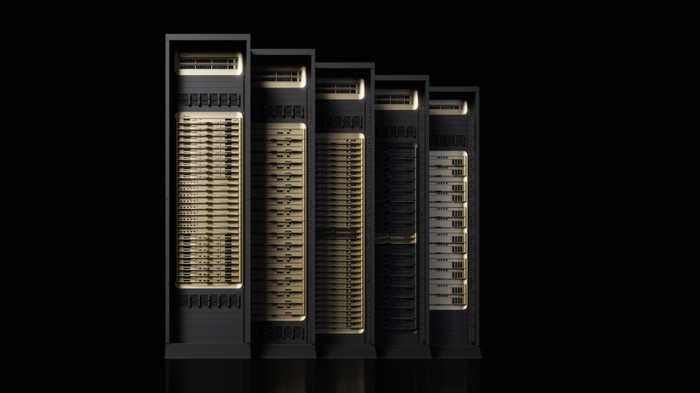
NVIDIA Launches Groq 3 LPX in Full Production, Enhancing Vera Rubin Inference for Agentic Systems
NVIDIA has announced that the Groq 3 LPX is now in full production, enhancing the Vera Rubin NVL72 platform with fast token generation capabilities. This advancement allows for 3,400 output tokens per second in complex agentic systems, significantly outperforming competitors by four times. The introduction of Groq 3 LPX is crucial as AI transitions from training to reasoning, marking inference as a key frontier. With industry partners like SpaceXAI and Nebius adopting these technologies, NVIDIA is positioned to meet the growing demands for high-throughput, low-latency AI applications. Looking ahead, NVIDIA is set to showcase its innovations at the Hot Chips conference, emphasizing the importance of extreme codesign in optimizing AI infrastructure. As the need for efficient long-context inference and multi-agent systems increases, the integration of Groq 3 LPX with Vera Rubin NVL72 will enable developers to create more responsive and interactive AI applications.

Ursa Major Launches Sixth US Facility to Enhance Spacecraft Production Capacity
On August 20, Ursa Major, a US aerospace and defense company, inaugurated a new facility in Longmont dedicated to the production of spacecraft avionics and in-space propulsion systems. This site, which can support over 125 employees, will allow the company to shift production from its Berthoud headquarters, thereby increasing space for manufacturing liquid rocket engines and hypersonic systems. The establishment of the Longmont facility is significant as it consolidates Ursa Major's production capabilities for avionics and integrated propulsion systems, which are crucial for spacecraft maneuverability in orbit. CEO Chris Spagnoletti emphasized the facility's role in meeting current demand, stating that the new site will enhance the company's ability to deliver advanced propulsion solutions faster than traditional suppliers. Looking ahead, Ursa Major plans to utilize the additional space at its Berthoud headquarters for liquid-engine manufacturing and vehicle integration. Programs such as the Hadley and Draper liquid rocket engines and the HAVOC Missile System are expected to benefit from this expansion. No further timeline was disclosed at the time of publication.
Military
Rheinmetall Successfully Demonstrates FV-014 Loitering Munition System with New Launcher
Rheinmetall has successfully demonstrated its FV-014 loitering munition system, which is integrated with a modular Containerised Missile Launcher. This development marks a significant advancement in drone strike technology, showcasing Rheinmetall's commitment to enhancing military capabilities. The integration of the FV-014 with the Containerised Missile Launcher is crucial as it allows for flexible deployment and operational efficiency. This innovation is expected to improve strike capabilities in various combat scenarios, making it a vital asset for modern military operations. Looking ahead, the military applications of the FV-014 system will be closely monitored, particularly how it enhances operational readiness and effectiveness in real-world situations. No further timeline was disclosed at the time of publication.
News
PI Launches Modular Precision Linear Stage Family for High-Precision Positioning Systems
PI (Physik Instrumente) has unveiled its Modular Precision Linear (MPL) stage family, which offers a configurable platform for high-precision linear positioning systems. This new product aims to streamline the specification and integration process for users in various applications. The introduction of the MPL stage family is significant as it provides thousands of possible configurations, allowing for tailored solutions to meet specific precision motion control needs. This flexibility is crucial for industries requiring high accuracy and reliability in their positioning systems. Looking ahead, industry professionals should monitor the adoption of the MPL stage family in various sectors, as its modular design could influence future developments in precision motion control technology. No further timeline was disclosed at the time of publication.

Kapsch TrafficCom Launches Satellite Tolling System in the Netherlands
Kapsch TrafficCom has successfully deployed its Geo Location Platform (GLP) for satellite-based tolling in the Netherlands, expanding its operations in Europe. This platform is already in use in Belgium and is designed to create tolling transactions through advanced map-matching and trip-building capabilities. The significance of this expansion lies in Kapsch TrafficCom's ability to provide accurate and reliable tolling solutions that meet the needs of authorities and service providers. With the GLP operational in multiple countries, including Bulgaria and an upcoming launch in Lithuania, the company is showcasing its capacity to adapt to various regulatory environments and road networks. Looking ahead, Kapsch TrafficCom is poised to enhance its offerings by supporting additional charging types related to external costs, such as noise and air pollution, in line with EU directives. No further timeline was disclosed at the time of publication.
Space Transportation belgium co2 tolling connected vehicles eets
Archer First Response Systems Launches Whole Blood Drone Delivery in Florida
Archer First Response Systems (ArcherFRS) has initiated a drone program to deliver whole blood directly to emergency scenes in Hillsborough County, Florida. This program, a collaboration with several local organizations, aims to provide critical blood supplies to severe hemorrhagic trauma incidents within an average of three minutes, marking a significant advancement in emergency medical services. The importance of this initiative lies in its potential to enhance patient outcomes during critical situations. By utilizing drones for blood delivery, ArcherFRS is addressing the challenges of timely medical intervention in trauma cases. The program operates from two fire stations and covers a service area of approximately 70 square miles, ensuring rapid response capabilities. Looking ahead, the program is part of the ArcherFRS Champion Hospital Partner Program, which aims to integrate advanced medical technologies into emergency response. No further timeline was disclosed at the time of publication, but the collaboration between ArcherFRS and local healthcare providers is expected to evolve, potentially expanding the capabilities of emergency services in the region.
Applications Delivery Drone News Drone News Feeds Drones in the News emergency response
Diguwa Robotics and GigaDevice Introduce Comprehensive Control System for Six-Axis Collaborative Robot
On August 5, 2026, Diguwa Robotics and GigaDevice jointly launched a full-stack control system for six-axis collaborative robots, built on the Sunrise S600 and GD32H77R technologies. This initiative marks a significant milestone in their strategic partnership, providing a standardized solution for various applications including precision industrial assembly and flexible automation. The collaboration addresses critical challenges in the robotics industry, such as hardware-software fragmentation and reliance on imported core components. By integrating high-performance computing with real-time motion control, the system enhances operational efficiency and precision, making it suitable for high-dynamic industrial tasks. Looking ahead, the partnership aims to streamline the development process by offering a unified hardware interface and software architecture, significantly reducing the time from prototype validation to mass production. No further timeline was disclosed at the time of publication.
Collaborative Robots Industrial Automation AI Robotics Motion Control
U.S. Department of War Awards Kaizen $15 Million for Counter-Drone Marketplace
The U.S. Department of War has awarded Kaizen a $15 million contract to create a digital marketplace for validated counter-unmanned aircraft systems (C-UAS) technologies. This platform, developed for the Joint Interagency Task Force 401 (JIATF-401), aims to streamline the procurement process for military and law enforcement agencies by providing a centralized location for evaluating and acquiring counter-drone technologies. This initiative is crucial as the proliferation of low-cost commercial drones poses new challenges to security and military operations. Traditional procurement methods often lag behind the rapid evolution of drone technology, making it essential to have a more efficient system. The marketplace allows authorized users to search for products based on operational needs and access verified performance data, thereby expediting the acquisition process. Looking ahead, the marketplace will feature an AI-based Capability Planner that assists users in creating tailored C-UAS solutions. Kaizen anticipates this tool will be operational soon, enhancing the platform's functionality. No further timeline was disclosed at the time of publication.
Anti-drone technology Applications C-UAS Defense News US GovernmentRobotics needs a service framework.
RSF defines a common language for robot service capability, lifecycle operations, certification pathways, and service-provider networks.
Join the RobotToday community on LinkedIn
Daily robotics news, in-depth analysis, conference highlights, and discussions with professionals worldwide.







