Industry Briefing
A single destination for timely, editor-curated robotics news from around the world.

AgXeed T2 7-SERIES and Carbon Robotics LaserWeeder Showcase Effective Autonomy
Danish farmer Axel Månsson has been utilizing the AgXeed T2 7-SERIES alongside a Carbon Robotics LaserWeeder since April. After several months of practical use, he evaluated the autonomous tractor on nine criteria, including setup, reliability, capacity, costs, and integration into his farm operations. Månsson awarded the system an impressive 4.5-star rating on most aspects, highlighting its potential to reduce labor costs. This collaboration between the AgXeed T2 7-SERIES and the LaserWeeder is significant as it demonstrates the effectiveness of autonomous technology in organic farming. Månsson operates one of Scandinavia's largest organic vegetable farms in Jutland, Denmark, where the integration of these technologies can lead to improved efficiency and sustainability in agricultural practices. Looking ahead, the continued performance of the AgXeed T2 7-SERIES and LaserWeeder will be closely monitored, particularly in terms of labor savings and operational efficiency. No further timeline was disclosed at the time of publication.
Field robots autonomous tractors Laser weeder organic farming Smart Farming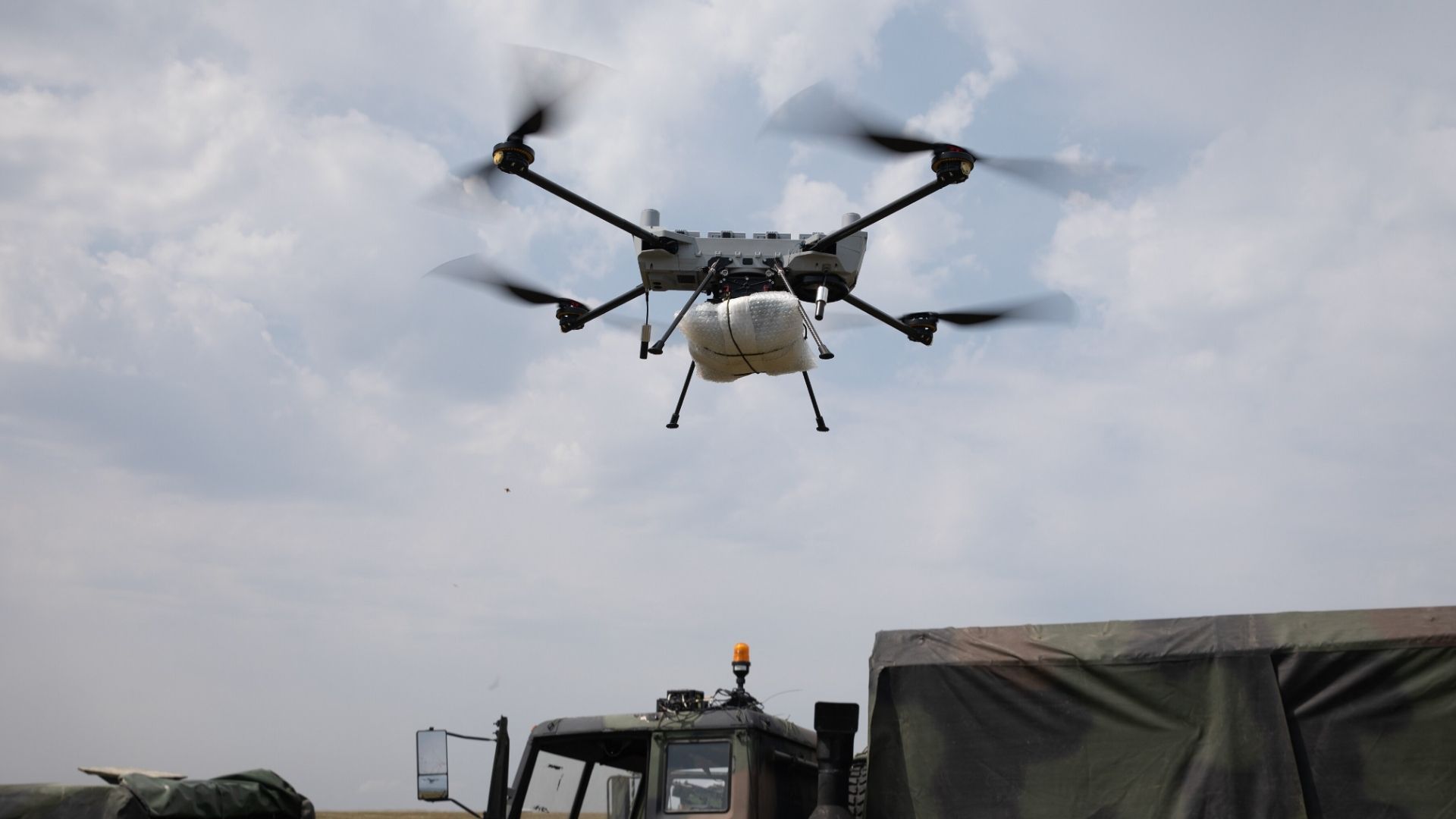
US Army's High-Energy Laser Dismantles Cartel Drones, Achieves 75% Activity Reduction
The US Army has successfully destroyed 11 drones linked to cartels within 10 days using its high-energy laser system, leading to a reported 75% decrease in drone activity in the Rio Grande Valley. This deployment, which began on August 25, enables soldiers to permanently disable drones that may pose a threat to military and law enforcement operations. The significance of this technology lies in its ability to ensure that disabled drones cannot return for further surveillance, unlike traditional jamming methods. Army officials noted that since the start of 2026, US forces have intercepted around 300 cartel-related drones, primarily through electronic jamming, but have shifted to using directed energy for immediate threats. This change has reportedly altered drone activity patterns in the region. Looking ahead, the military's continued use of the high-energy laser system may further impact cartel operations. However, the lack of publicly available detection figures leaves the reported 75% reduction without a clear baseline. No further timeline was disclosed at the time of publication.
Military
Suoteng Juchuang Advances Digital Laser Radar for Mass Production at IFA
Suoteng Juchuang has unveiled multiple digital laser radars at the IFA, signaling a move towards mass production applications. This development highlights the company's commitment to advancing technology in the field of digital laser radar, which is crucial for various industries. The introduction of these digital laser radars is significant as it reflects the growing demand for advanced sensing technologies in automation and robotics. Suoteng Juchuang's innovations could enhance operational efficiency and accuracy in applications ranging from industrial automation to smart vehicles. Looking ahead, industry stakeholders should monitor Suoteng Juchuang's progress in scaling production and the potential adoption of its digital laser radar technology across different sectors. No further timeline was disclosed at the time of publication.
Robotics Automation AI
Exploring the Seven Most Advanced Laser Weapons for Modern Warfare
Laser weapons are transitioning from experimental phases to practical applications for neutralizing airborne threats such as drones and missiles. These systems operate by focusing energy on targets until critical components fail, with their effectiveness influenced by factors like power output and atmospheric conditions. Among the most powerful military lasers is the US YAL-1, which, despite its cancellation in 2011, remains the most potent laser tested on an aircraft. It utilized a megawatt-class Chemical Oxygen Iodine Laser to destroy ballistic missiles during their boost phase, successfully demonstrating its capabilities in 2010. Lockheed Martin is advancing the development of a 500-kilowatt Joint Laser Weapon System, set to enhance defense against unmanned aircraft and cruise missiles. Additionally, China's LY-1, revealed in September 2025, is designed for close-range protection against drones and missiles, showcasing the global shift towards directed-energy weapons.
Innovation Military
U.S. Army Awards $464.8 Million Contract for 30-kW LOCUST Laser Systems
The U.S. Army has awarded AeroVironment a $464.8 million contract for the production of LOCUST laser systems under the Enduring-High Energy Laser (E-HEL) program. This contract marks a significant milestone as it is the first production contract for a directed-energy weapon in U.S. history, indicating a shift from experimental systems to operational capabilities. The LOCUST X3, a 30-kilowatt laser weapon, is designed to counter Group 1–3 unmanned aircraft systems and can be integrated onto various platforms, including the Army's Joint Light Tactical Vehicle. The contract aims to provide a scalable and cost-effective air defense solution against drones, which have become increasingly prevalent on modern battlefields. Looking ahead, AeroVironment is expanding its production capacity with a $30 million investment in its Albuquerque facility to support the ramp-up of LOCUST systems. The E-HEL program is expected to enhance the Army's defenses against drone threats, marking a significant step towards the routine use of laser weapons in military operations. No further timeline was disclosed at the time of publication.
Military
Army Grants $465M Contract to AeroVironment for First High-Energy Laser Production
The Army has awarded AeroVironment (AV) a $464.8 million contract for the Enduring-High Energy Laser (E-HEL) program, marking the first production contract for a high-energy laser weapon. This program aims to enhance the Army's capabilities to counter unmanned systems effectively, as stated by Gen. Christopher LaNeve, the acting chief of staff. The contract will enable the delivery of AV's LOCUST X3 laser counter-drone systems, which are designed to operate in various combat environments. This contract is significant as it introduces production-directed energy systems for the first time in U.S. history, according to AV's vice president of directed-energy systems, John Garrity. The E-HEL system, powered by electric energy, is capable of defeating drones at a lower cost compared to traditional kinetic weapons. AV is expected to deliver initial capabilities within the year and scale production significantly in the coming months. Looking ahead, the Army plans to deploy dozens of LOCUST X3 systems across combatant commands globally. The system is designed to counter drone threats, including those from Group 3 drones weighing up to 1,320 pounds. No further timeline was disclosed at the time of publication.
Land Warfare Aerovironment Army Counter UAS cUAS directed energy Drones
US Army Conducts Laser Counter-Drone Experiments Amid Leadership Changes
This week, Army reporter Carly Welch discusses the US Army's recent experiments with laser-powered counter-drone technology, particularly focused on the US-Mexico border. These developments highlight the Army's ongoing efforts to enhance its capabilities in countering drone threats using advanced laser systems. The significance of these experiments lies in their potential to improve border security and military readiness, especially as the Army navigates leadership changes. The departure of the Army's top civilian leader adds a layer of complexity to the service's strategic direction, particularly with midterm elections approaching in November. Looking ahead, it will be important to monitor how these leadership transitions impact the Army's technology initiatives and operational strategies. No further timeline was disclosed at the time of publication.
Land Warfare Pentagon Aerovironment AMP-HEL Army Army Multipurpose High Energy Laser
U.S. Army Receives Advanced 20kW Laser Weapon Systems for Counter-Drone Operations
The U.S. Army has received two advanced high energy laser systems developed by AeroVironment, known as Laser Weapon Systems (LWS). These systems feature the 20kW-class LOCUST LWS integrated onto the General Motors Defense Infantry Squad Vehicle (ISV) platform, enhancing mobile counter-unmanned aircraft capabilities. This delivery is part of the Army Multi-Purpose High Energy Laser (AMP-HEL) prototyping effort, marking a significant advancement in directed energy capabilities. Mary Clum from AeroVironment emphasized the importance of these systems in providing reliable and operationally ready solutions for counter-unmanned aircraft operations, supporting the Army's modernization goals. Looking ahead, AeroVironment plans to deliver a second increment of the AMP-HEL program next month, which will include additional vehicles equipped with the LOCUST LWS. This ongoing development reflects the Army's commitment to rapidly fielding directed energy solutions to address evolving threats in dynamic environments.
Military
Spark Machinery Enhances Food Packaging with Laser Micro-Perforation and Machine Vision
Spark Machinery has advanced flexible food packaging by integrating machine vision with laser micro-perforation technology. This innovation ensures precise control over material permeability, which is crucial for maintaining food freshness and minimizing waste. The system operates in real-time, conducting up to 28 diagnostic checks per second to ensure quality and consistency in film perforations. The significance of this development lies in its ability to eliminate material waste and enhance supply chain traceability. Traditional mechanical perforation methods often lead to inconsistencies due to wear and physical contact, which can compromise the integrity of the packaging. By utilizing high-resolution cameras and laser configurations, Spark Machinery's solution dynamically adjusts to variations in film thickness and environmental conditions, ensuring optimal performance. Looking ahead, the focus will be on the operational benefits of this technology, particularly its impact on food shelf life and sustainability. As the demand for efficient packaging solutions grows, Spark Machinery's automated, self-diagnosing system positions itself as a leader in the market, promising economic returns for converters and brand owners alike. No further timeline was disclosed at the time of publication.
Engineering Manufacturing Technology flexible packaging food packaging food preservation
Chinese Researchers Develop Laser Technology to Recharge Drones Mid-Flight
Researchers at the Civil Aviation University of China are pioneering a method to recharge drones mid-air using laser beams aimed at receivers beneath their wings. This innovation addresses the critical issue of limited battery life, which has been a significant barrier in drone technology advancement. The lightweight receiver captures energy from a ground-based laser and converts it into electricity, utilizing a perovskite laser cell-thermoelectric tandem device. This technology is crucial as it could revolutionize drone operations, allowing for continuous flight without the need for frequent battery replacements. Senior author Jianhua Han emphasized the potential of this system in applications such as forest inspections, disaster monitoring, and package delivery. However, scaling this technology from concept to practical use will require overcoming numerous engineering challenges. Future developments will focus on integrating this system into actual aircraft while ensuring efficient cooling during operation. The researchers achieved a conversion rate of 38.49% of incoming laser energy into usable electricity during laboratory tests. No further timeline was disclosed at the time of publication.
Innovation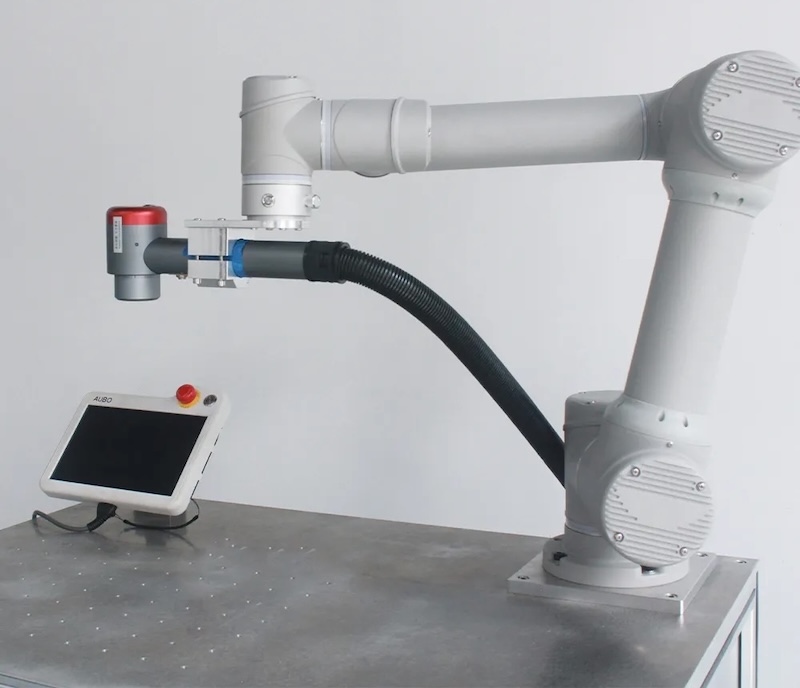
Integrating Industrial Robots with Laser Cleaning Systems Enhances Production Efficiency
Recent advancements in technology are transforming factory operations, with companies striving to reduce cycle times, cut costs, and ensure quality. The integration of industrial robots with laser cleaning systems is emerging as a solution to automate the removal of burrs from metal components, significantly enhancing productivity and efficiency in production lines. This combination of technologies is crucial as it addresses the need for cleaner surfaces before processes like painting, coating, or welding, which are essential for maintaining product quality. Laser cleaning, a modern technique that utilizes powerful laser beams to eliminate unwanted materials without damaging the underlying metal, offers a more environmentally friendly alternative to traditional cleaning methods that often rely on harsh chemicals. As more companies explore the benefits of industrial laser cleaning machines, the focus will be on how these systems can further optimize production lines. The automation of the cleaning process not only saves time but also improves overall manufacturing efficiency. No further timeline was disclosed at the time of publication.
Engineering Robotics Technology factory automation industrial automation industrial robots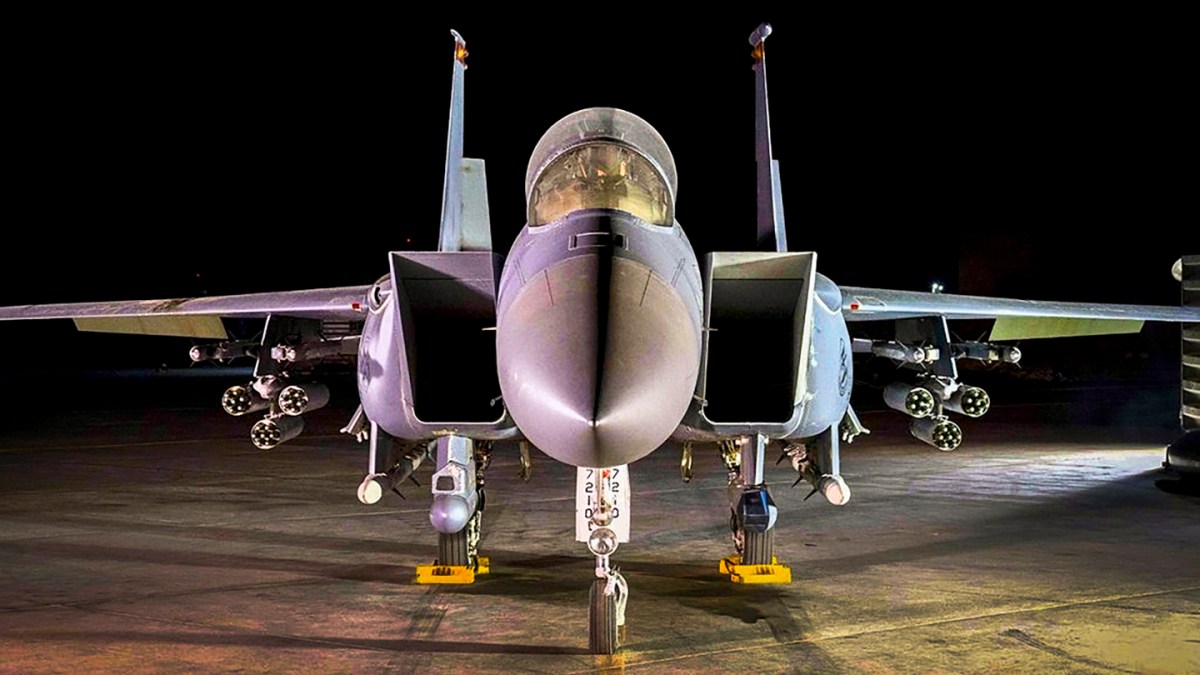
Saudi Arabia Approved to Acquire 20,000 Laser-Guided APKWS II Rockets
The U.S. State Department has authorized a potential $2 billion sale of up to 20,000 Advanced Precision Kill Weapon System (APKWS II) laser guidance kits to Saudi Arabia. This approval comes amid rising tensions in the Middle East, particularly with Iran and Houthi rebels, highlighting the need for enhanced military capabilities. The deal includes 10,000 air-to-air and 10,000 air-to-ground guidance sections, along with various rocket components. The APKWS II system is recognized for its cost-effectiveness in targeting drones and missiles, making it a valuable asset for Saudi Arabia's defense strategy. The Royal Saudi Air Force is expected to deploy these munitions on its Eurofighter Typhoon and F-15SA fighter jets. As regional conflicts escalate, the sale aims to bolster Saudi Arabia's defense capabilities and improve interoperability with U.S. and NATO forces. The State Department emphasized that this proposed sale aligns with U.S. foreign policy objectives and will enhance Saudi Arabia's ability to deter threats. No further timeline was disclosed at the time of publication.
Air Air Force Munitions Air Forces Air-To-Air Air-To-Ground Royal Saudi Air Force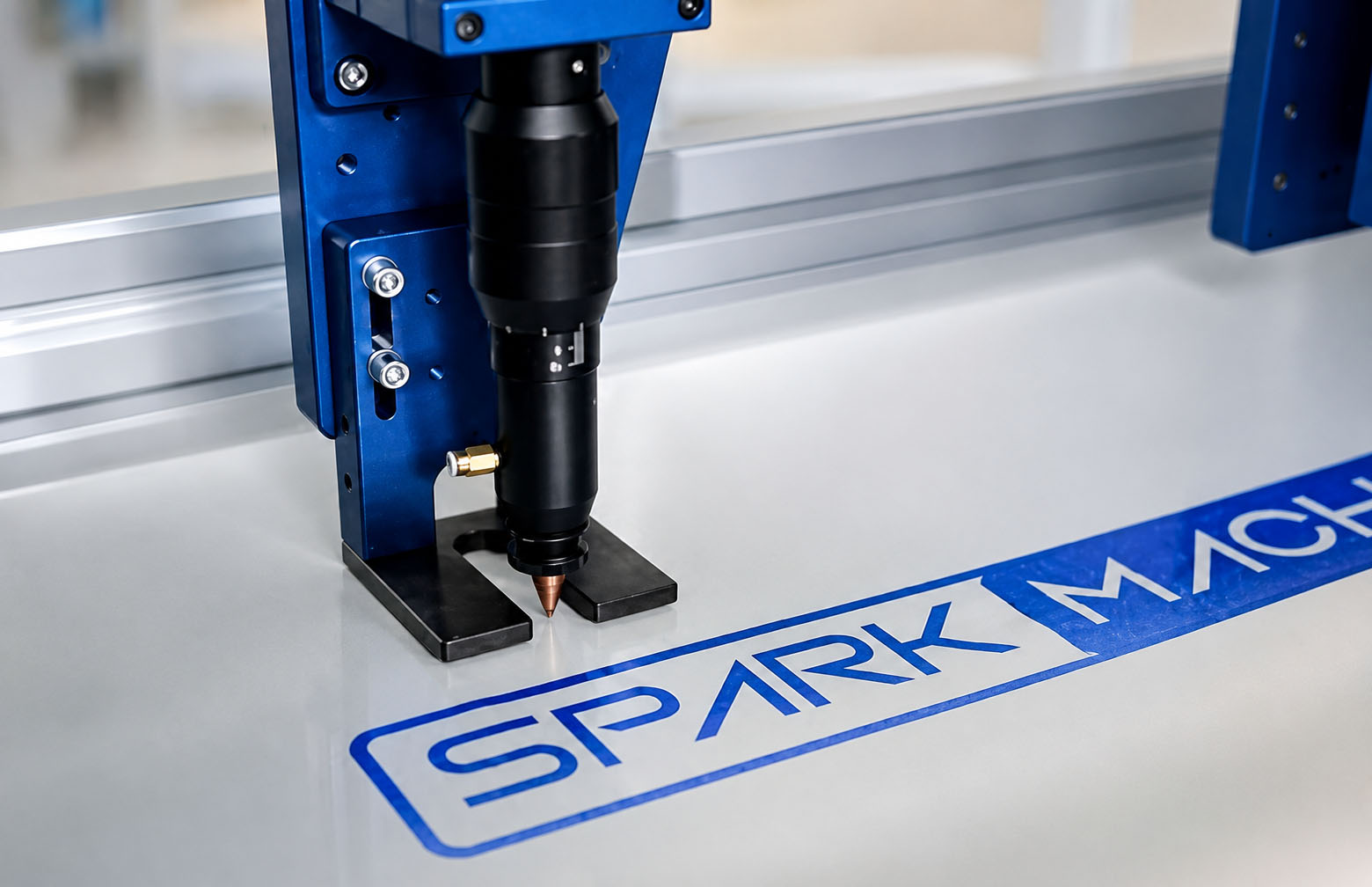
Laser micro-perforation with camera: enhancing reliability in packaging films through industrial vision.
In the contemporary flexible packaging industry, achieving excellence extends beyond aesthetics to become a critical functional requirement. The optimization of permeability has emerged as a fundamental pillar in preserving the freshness of products, where every technical detail plays a vital role in extending shelf life and minimizing food waste. Recent advancements in laser micro-perforation technology, combined with industrial vision systems, are enhancing the reliability of packaging films. This innovative approach not only improves product preservation but also addresses the growing demand for sustainable packaging solutions. The integration of these technologies is transforming how the industry approaches packaging efficiency and effectiveness.
À la une IA Industrie Robotique conservation des aliments contrôle qualité automatisé
Carbon Robotics Enhances Laser Weeding with iMerit for Instant AI Customization
Carbon Robotics has introduced a large plant model that allows farmers to customize their laser weeder for specific crops and weeds in minutes. This innovation replaces traditional crop-specific AI models, enabling instant adjustments without retraining. Farmers can use an iPad app to tag plants, allowing the weeder to adapt to various crops across different regions. The significance of this development lies in its ability to streamline the weeding process, enhancing efficiency and reducing the time needed for farmers to adapt to new crops or weeds. By leveraging a foundation model trained on 150 million labeled plants, Carbon Robotics empowers farmers to optimize their weeding strategies instantly, improving soil health by returning nutrients from removed weeds. Looking ahead, the partnership with iMerit has proven crucial for the data annotation process, enabling Carbon Robotics to scale its model training effectively. No further timeline was disclosed at the time of publication.
Agriculture Artificial Intelligence Autonomous Mobile Robots (AMRs) News Self-Driving Vehicles Sensors / Sensing Systems
Blum-Novotest to Showcase Innovative Measuring Technology for Automation at IMTS 2026
Blum-Novotest, a prominent supplier of advanced measuring and testing technology, will present key innovations at IMTS 2026 in Chicago, IL. The company aims to demonstrate how its products can enhance automation in machining processes, contributing to the concept of lights-out manufacturing. The significance of Blum-Novotest's participation lies in its commitment to advancing automation in the manufacturing sector. By showcasing its innovative solutions, the company emphasizes the importance of precision and efficiency in machining, which are critical for achieving fully automated production environments. As IMTS 2026 approaches, industry professionals should watch for Blum-Novotest's product demonstrations and insights into how their technology can facilitate seamless automation. No further timeline was disclosed at the time of publication.

Homburg Ends Partnership with Escarda After Two-Year Trial of Laser Weeder
Homburg has concluded its partnership with Escarda Technologies, ceasing representation of the AI-controlled Escarda LaserWeeder in the Netherlands and Belgium. This decision follows a two-year testing phase during which the machine failed to meet Homburg's performance, reliability, and usability standards. The termination of this partnership is significant as it highlights the challenges faced by start-ups like Escarda in establishing a foothold in the competitive agricultural technology market. Despite the innovative approach of using AI and laser technology for weed control, the Escarda LaserWeeder did not achieve any sales, as confirmed by Homburg's sales manager. Looking ahead, Homburg plans to concentrate on brands and technologies that provide clear benefits to professional farmers. No further timeline was disclosed at the time of publication.
News ai laser weeding mechanical weeding robotics weed control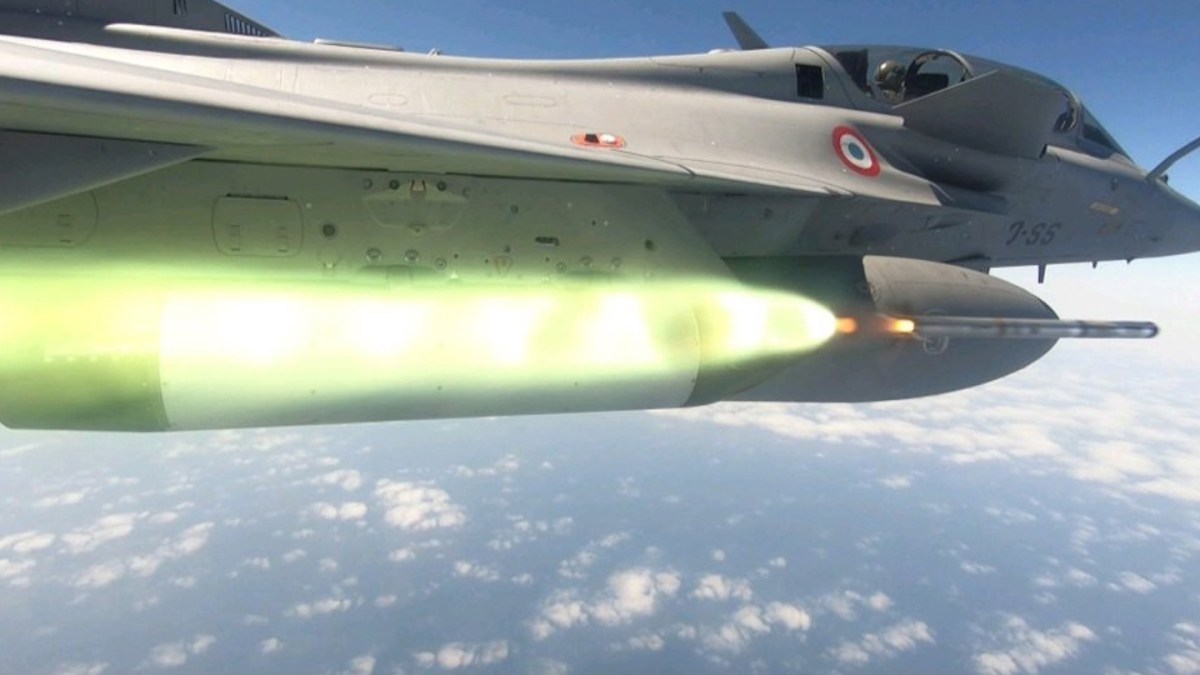
France's Rafale Fighter Integrates Affordable Laser-Guided Rockets for Anti-Drone Operations
France has successfully conducted live-fire tests of 68mm laser-guided rockets from its Rafale fighter, enhancing its anti-drone capabilities. This development follows a trend among air forces to adopt cost-effective solutions for countering drones, rather than relying solely on expensive missiles. The Directorate General of Armaments (DGA) announced the integration of these rockets, which were tested in collaboration with the French Air and Space Force and supported by Dassault Aviation and Thales. The integration program, known as Lutte antidrone sur avion de combat (LADAC), aims to provide French Rafales with a more economical option for countering threats posed by drones like the Iranian Shahed-136. The DGA confirmed that the time from contract award to achieving initial operational capability was under eight months, indicating a swift development process. This capability may also be extended to export customers of the Rafale and potentially other combat aircraft. Looking ahead, the focus will be on the operational deployment of these laser-guided rockets, which are designed to work with the Rafale’s modified RBE2 radar and Talios pod for target tracking. The Aculeus-LG rocket, with a range of 3.7 miles, represents a significant advancement in the cost-effective defense against unmanned aerial systems (UAS). No further timeline was disclosed at the time of publication.
Air Air Forces Drones Fighters French Air Force News & Features
New Autonomous Drone System Maps Volcanic Gases to Predict Eruptions
Researchers at the Technical University of Munich (TUM) have developed an autonomous measurement system that utilizes drones and lasers to map volcanic gas concentrations with a low measurement error of approximately 5%. This innovative system aims to enhance volcanic eruption forecasting by tracking the ratio of carbon dioxide to sulfur dioxide, providing insights into subterranean volcanic processes. The significance of this technology lies in its potential to prevent natural disasters by offering accurate measurements of volcanic gases. Traditional methods have faced challenges due to background emissions and equipment damage from corrosive plumes. TUM's solution involves a ground station that shoots a laser through gas clouds, allowing for precise data collection while keeping equipment safe from harsh conditions. Looking ahead, TUM plans to further automate the measurement and mapping processes, incorporating artificial intelligence to interpret the data. This advancement could lead to safer volcanic forecasting, particularly on the Aeolian island of Vulcano, which remains in an active degassing phase despite not having experienced a major eruption since the late 19th century.
Science
Jake Laser Transforms Unitree Robot Dog into Wheelchair for Father’s Mobility
Jake Laser has ingeniously modified a Unitree industrial robot dog into a wheelchair for his father, who has been affected by multiple sclerosis for over 20 years. This innovative device features a hybrid wheeled and walking design, allowing it to navigate various terrains, including stairs and rocky paths, providing newfound mobility for Jake's father. The significance of this transformation lies in its technical ingenuity and emotional impact. By integrating a racing-style seat and recalibrating the robot's software to accommodate his father's weight, Jake ensured that the robot could maintain balance and stability. The project not only enhances mobility but also restores a sense of independence and pride for his father, who can now control the robot using a wireless joystick. Looking ahead, Jake's creation marks a notable advancement in assistive technology, blending robotics with personal mobility solutions. No further timeline was disclosed at the time of publication, but the successful testing of the robot on challenging terrains indicates potential for broader applications in mobility aids for individuals with disabilities.
Assistive Technology Robotics Mobility Solutions Innovation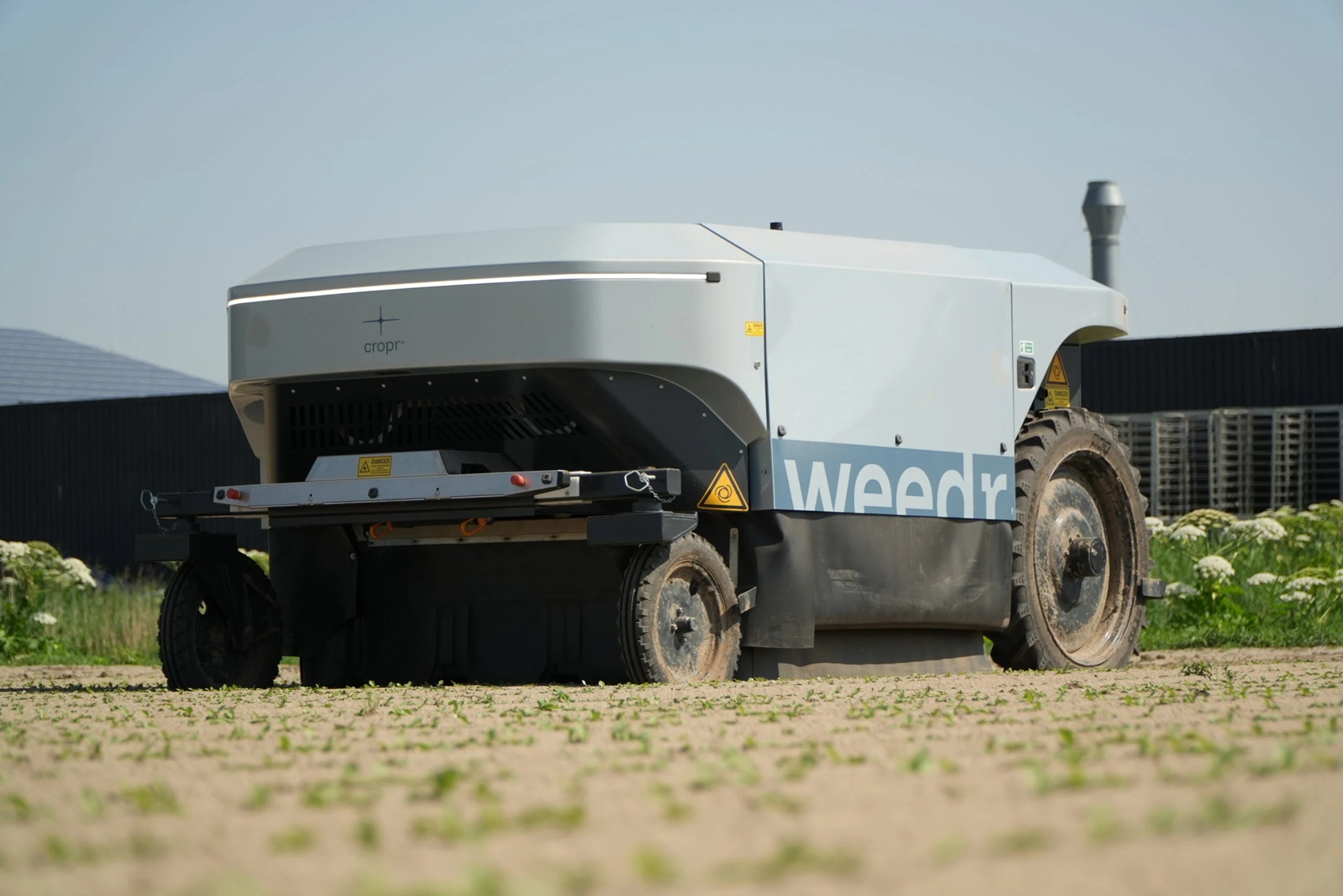
Cropr: laser weeder with potential
A new Dutch manufacturer, Cropr, has launched its innovative laser weeding robots, with five units now actively operating in the fields this season. All of these robots have already been sold to growers, marking a significant step in agricultural technology. Future Farming recently took the opportunity to examine one of these machines in action, noting its distinctive light-blue design as it navigates through a chicory field. This development highlights the growing interest in automated solutions for weed management, reflecting a broader trend towards precision farming aimed at improving crop yields and reducing reliance on chemical herbicides.
Uncategorized
Laser dazzler blinds drone sensors in breakthrough counter-UAS technology trials
NUBURU, a U.S. defense technology company, has announced promising preliminary findings from its recent tests of a laser dazzler system. Conducted in October 2023, these tests aim to evaluate the effectiveness of the laser dazzler in countering potential threats. The system is designed to temporarily blind or disorient adversaries, enhancing the safety of military personnel and operations. The encouraging results indicate that the technology could play a crucial role in modern defense strategies, addressing the increasing need for non-lethal deterrents in various combat scenarios. NUBURU's advancements in laser technology reflect a growing trend in the defense sector to develop innovative solutions for protecting forces while minimizing collateral damage.
Military
A Ground Mobile Robot for Autonomous Terrestrial Laser Scanning‐Based Field Phenotyping
A recent study published in the Journal of Field Robotics highlights advancements in autonomous navigation systems for drones, showcasing their potential applications in various industries. Conducted by a team of researchers from leading universities, the study was released in early October 2023. The research took place in multiple test environments, including urban areas and rural landscapes, to evaluate the drones' performance in diverse conditions. The motivation behind this study stems from the increasing demand for efficient and reliable drone technology in sectors such as agriculture, logistics, and disaster response. By enhancing the drones' ability to navigate complex terrains and avoid obstacles, the researchers aim to improve operational safety and effectiveness. The team employed a combination of machine learning algorithms and real-time data processing to develop a robust navigation framework. This innovative approach allows drones to make autonomous decisions based on their surroundings, significantly reducing the need for human intervention. The findings suggest that these advancements could lead to more widespread adoption of drones, ultimately transforming how various industries operate. As the technology continues to evolve, the researchers emphasize the importance of ongoing testing and refinement to ensure that these autonomous systems can be safely integrated into everyday use. The study not only contributes to the academic field but also sets the stage for practical applications that could enhance efficiency and safety across multiple sectors.
RESEARCH ARTICLE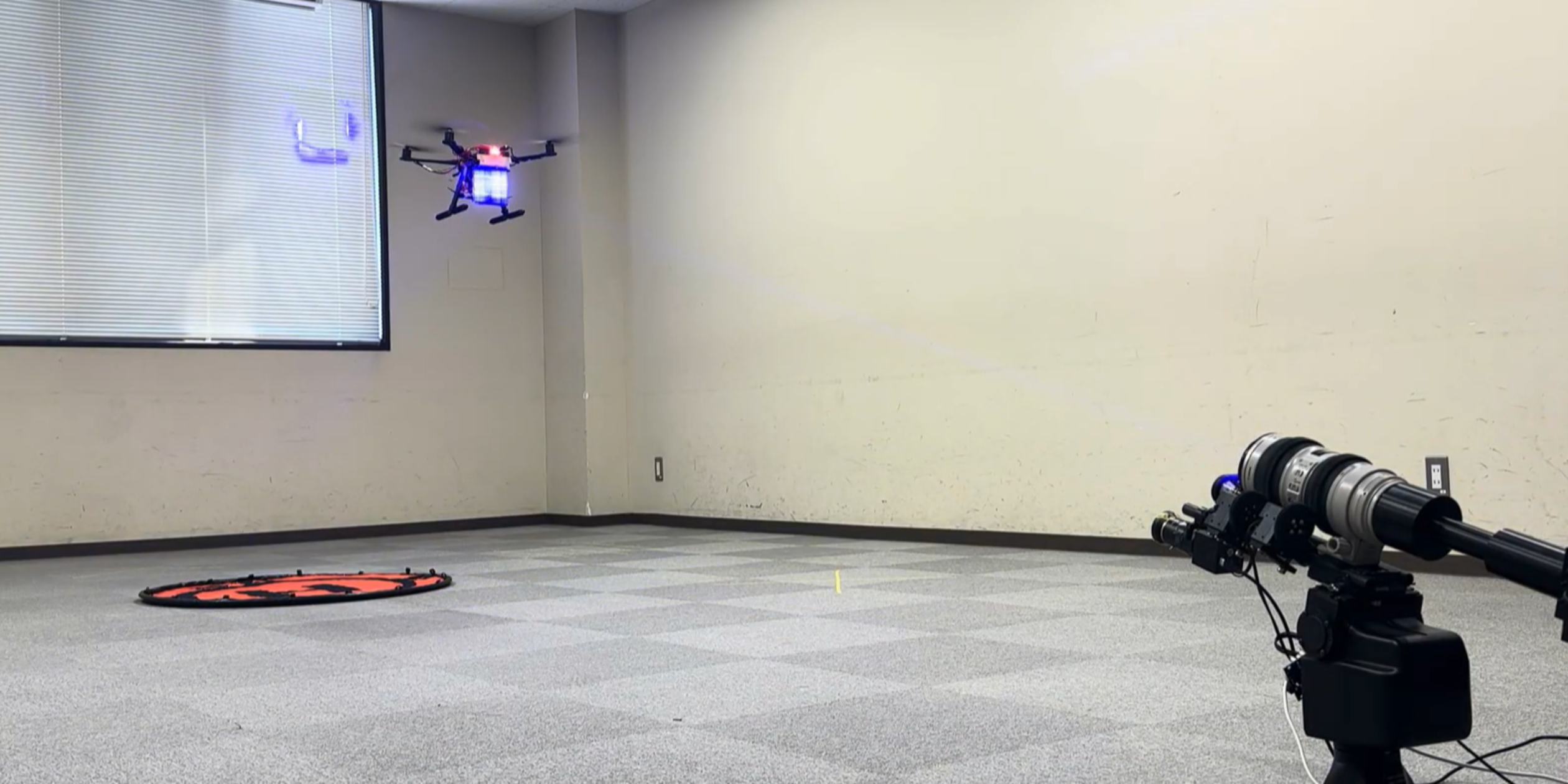
Japan startup SolaNika to test tech for charging drones with lasers
Japanese startup SolaNika is set to commence trials this year for an innovative technology that utilizes lasers to wirelessly charge drones, with the goal of extending flight durations beyond 12 hours. The tests, which will take place indoors, aim to demonstrate the feasibility of power beaming as a means to reduce the size of drone batteries while enhancing their operational capabilities. This development is part of a broader trend in the aerospace and defense industries, where advancements in drone technology are increasingly being explored for various applications.
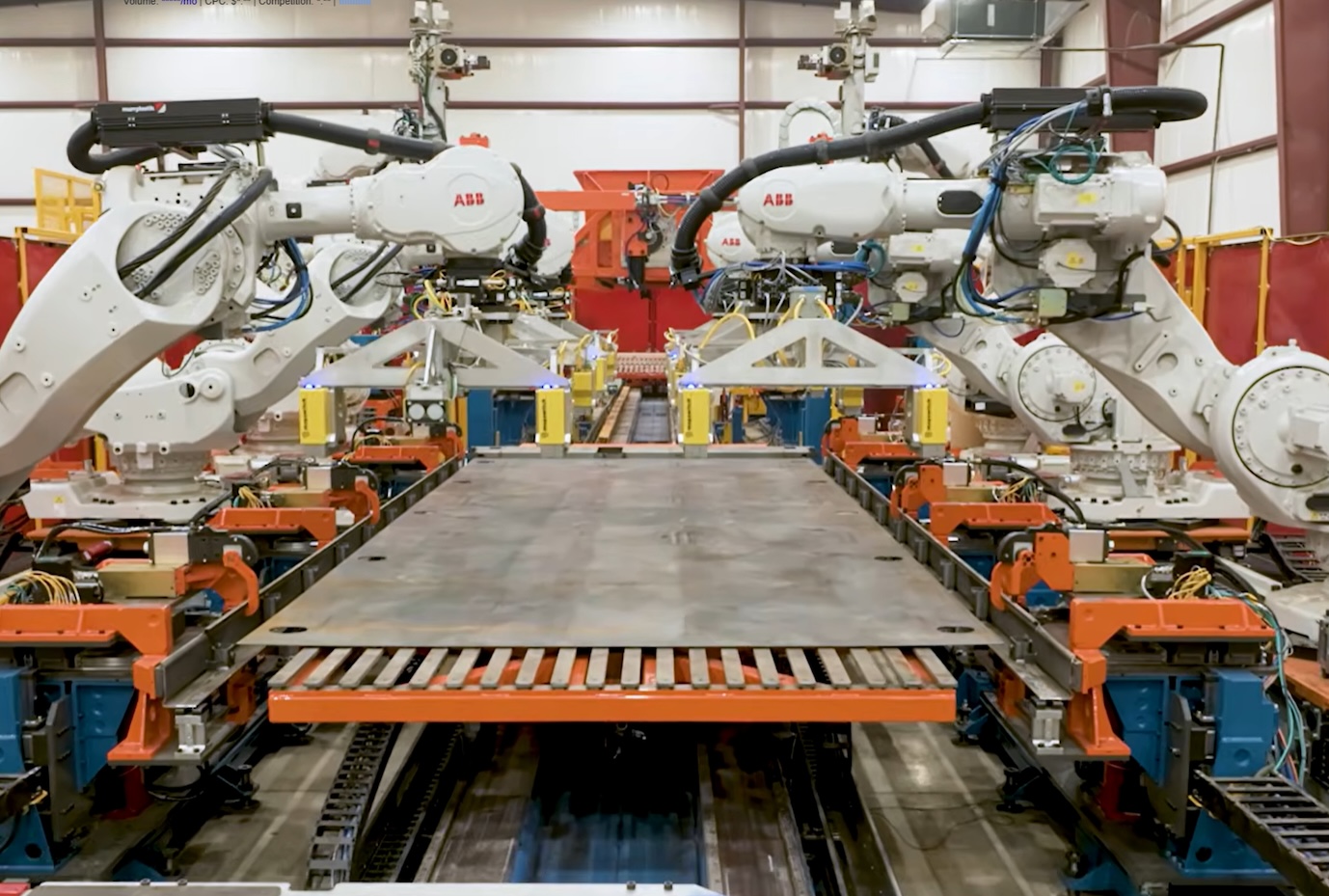
UK industry team looks to miniaturize DragonFire laser for Type 45 destroyer debut
The United Kingdom is poised to become the first European NATO member to operationally deploy advanced laser directed energy technology by 2027. This initiative reflects the UK's commitment to enhancing its defense capabilities in response to evolving security challenges. The deployment aims to provide a cutting-edge solution for military operations, improving efficiency and effectiveness on the battlefield. The move underscores the UK's leadership role within NATO and its dedication to modernizing its armed forces in line with contemporary technological advancements.
Global Naval Warfare Army DragonFire Drones Europe
New laser weapon system uses rapid pulses to defeat drones swarms in seconds
Israeli startup Esh-Tech has unveiled an innovative laser-based air defense system aimed at countering the increasing threat of aerial attacks. The announcement was made during a technology showcase in Tel Aviv on October 15, 2023. This advanced system is designed to provide a cost-effective and efficient solution for intercepting drones and other airborne threats, which have become more prevalent in recent conflicts. Esh-Tech's motivation stems from the urgent need for enhanced security measures in the region, as traditional defense systems often face limitations in terms of cost and effectiveness against modern aerial threats. The laser technology allows for precise targeting and engagement, significantly reducing the expense associated with conventional missile systems. The development process involved extensive research and collaboration with defense experts, ensuring that the system meets the rigorous demands of military applications. Esh-Tech aims to position its product as a vital tool for both national defense and private sector security, potentially transforming the landscape of air defense strategies in Israel and beyond.
Military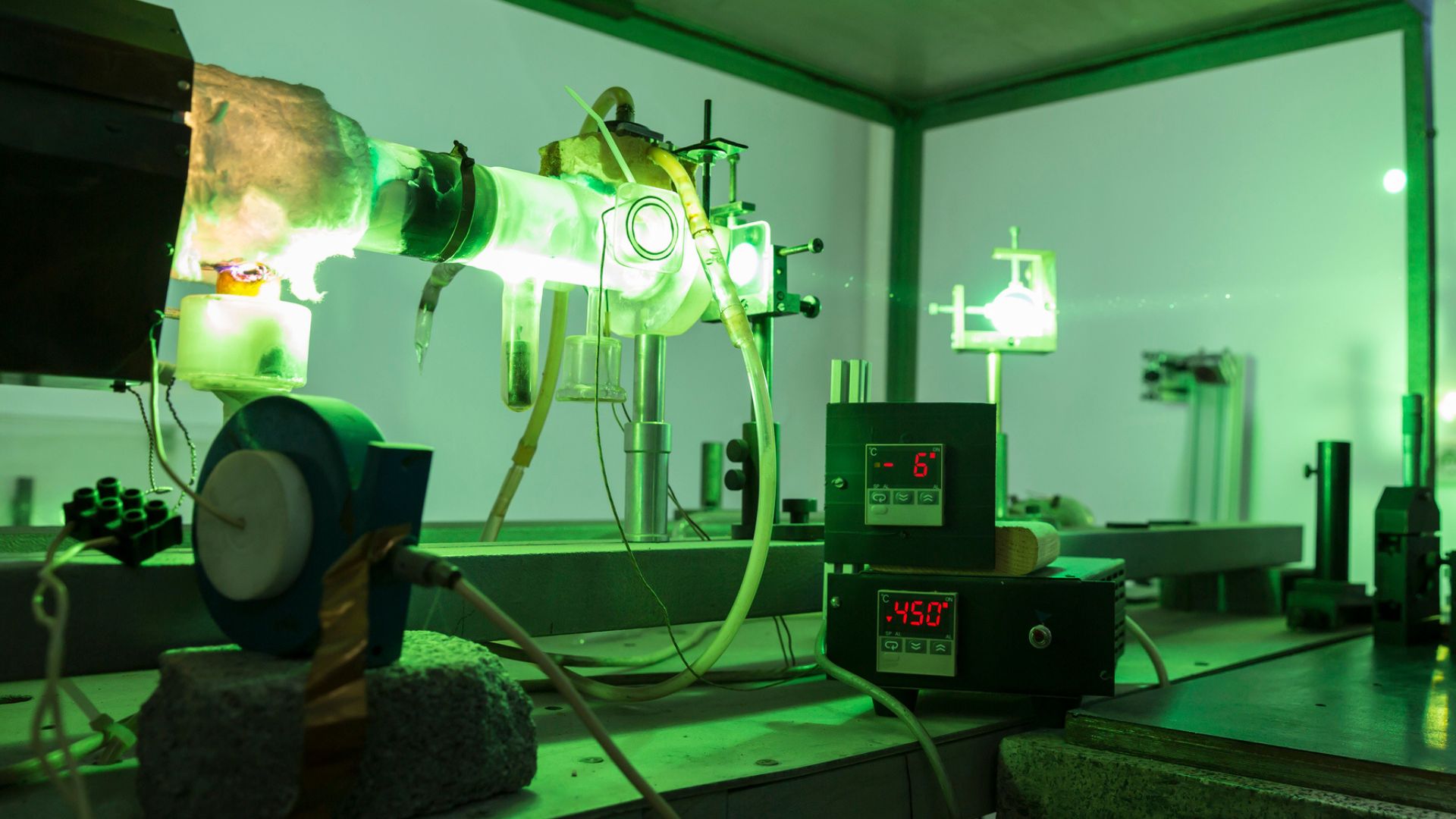
Chinese firm debuts man-portable laser weapon that zaps drones, fits in a backpack
Harbin Xinguang Optic-Electronics Technology, a Chinese defense supplier, has introduced a new man-portable anti-drone laser weapon. The announcement was made recently, highlighting the growing focus on counter-drone technology amid increasing concerns over drone-related threats. This innovative weapon is designed to provide military and security forces with a portable solution to neutralize unauthorized drones effectively. The development reflects a broader trend in defense technology, where nations are investing in advanced systems to safeguard airspace from potential intrusions. The unveiling of this laser weapon underscores the urgency for enhanced security measures in response to the evolving landscape of aerial threats.
Innovation Military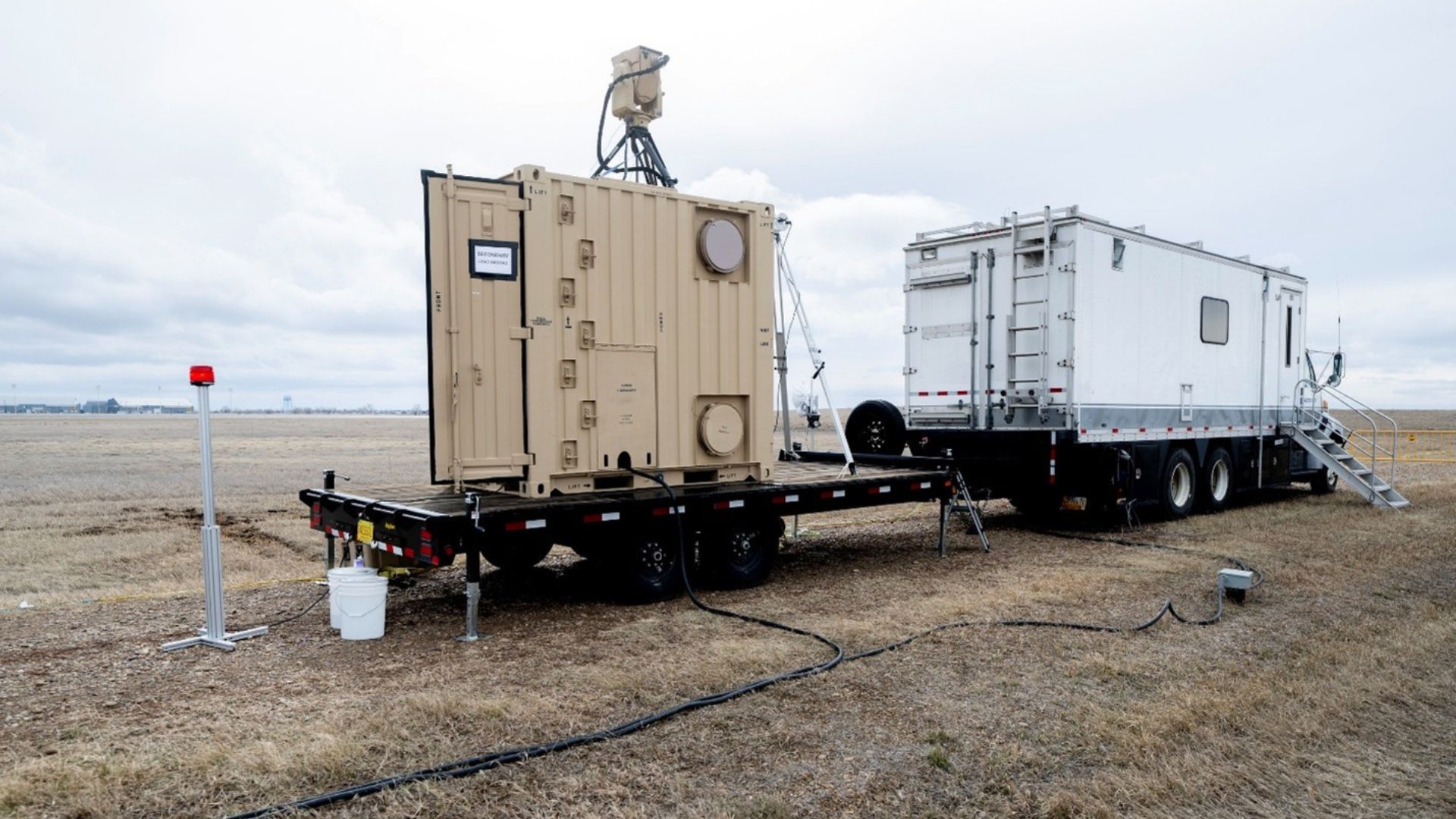
US Navy tests dual-use laser that beams power and counters drone threats in one system
The U.S. Naval Research Laboratory (NRL) has successfully demonstrated a groundbreaking laser system capable of transmitting data at unprecedented speeds. This innovative technology was showcased during a recent test conducted at the laboratory's facilities in Washington, D.C. The demonstration highlights the potential for advanced communication systems that could enhance naval operations and improve data transfer capabilities in various military applications. By utilizing laser technology, the NRL aims to address the growing demand for faster and more secure communication methods in an increasingly digital battlefield. The successful test marks a significant step forward in the development of high-speed data transmission solutions, paving the way for future advancements in military communications.
Military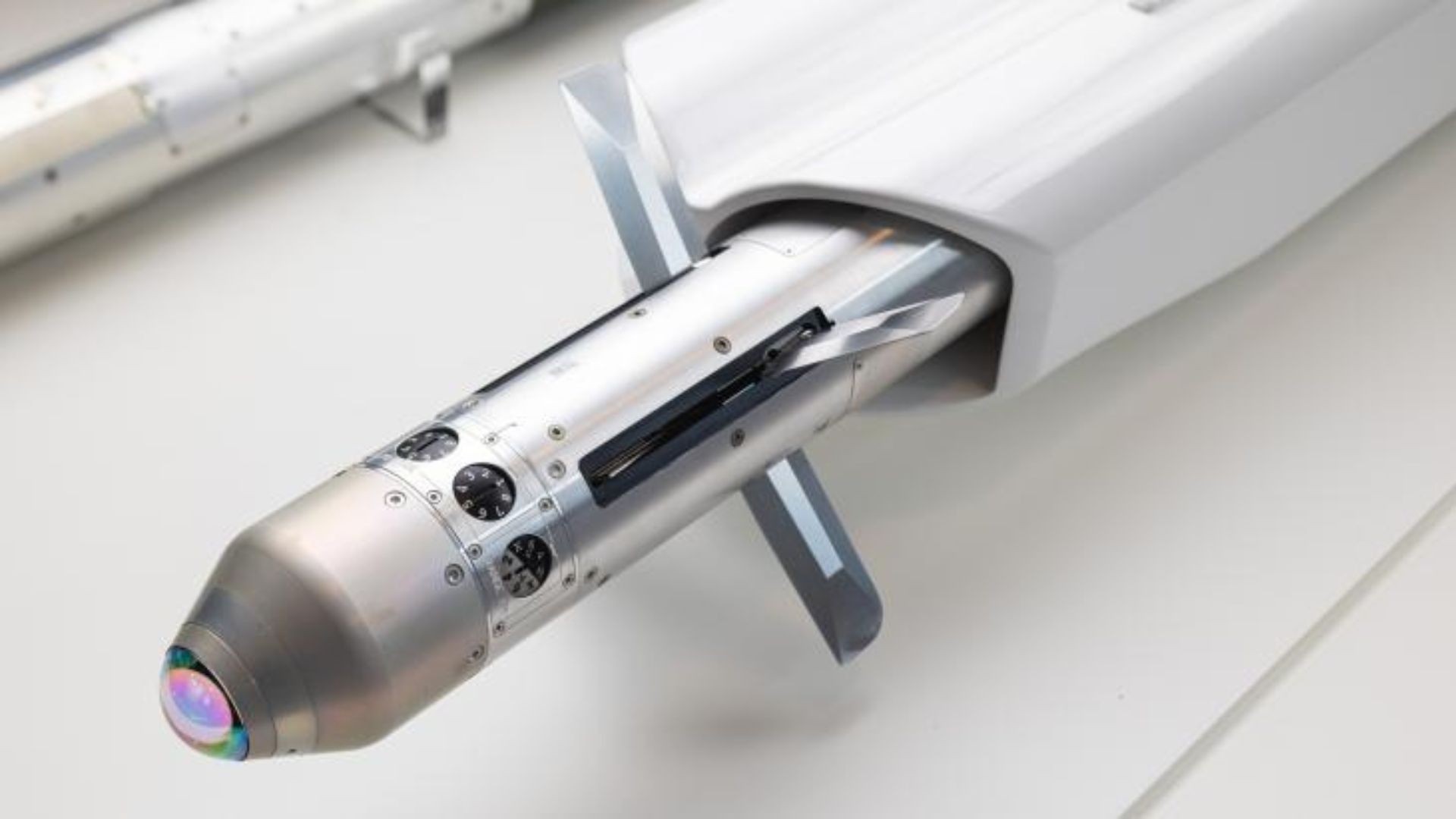
Belgium unveils low-cost laser-guided rocket with proximity sensor for drone hunts
The increasing prevalence of small drones has emerged as a significant challenge for military forces, presenting both operational and financial hurdles. As nations grapple with the threat posed by these unmanned aerial vehicles, the need for effective countermeasures has intensified. This shift in focus comes amid rising concerns about the potential for drones to be used in surveillance, reconnaissance, and even combat scenarios. In response, military organizations are exploring a range of solutions, from advanced technology to innovative tactics, to neutralize the threat posed by small drones. The urgency of this issue has prompted governments to allocate substantial resources towards research and development, aiming to enhance their defensive capabilities. The situation has evolved rapidly, with various countries investing in new systems and strategies to address the growing drone menace. As the landscape of modern warfare continues to change, the ability to effectively counter small drones will be crucial for maintaining national security and operational effectiveness.
Military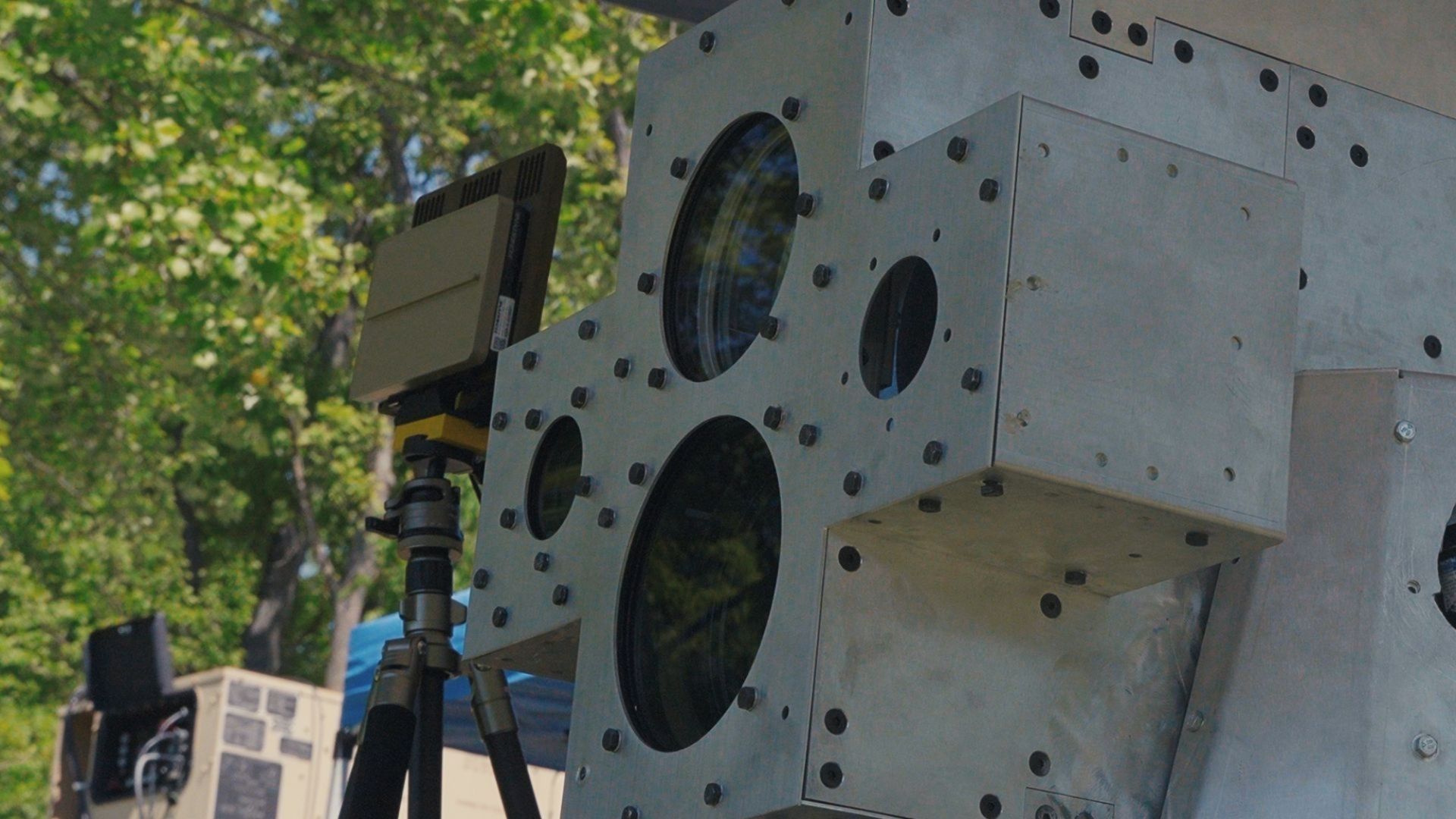
New Archimedes laser weapon system for low-cost drone kill trialed for Pentagon
Aurelius Systems, a US-based technology firm, has successfully completed live testing of its Archimedes autonomous directed-energy system. This significant milestone was achieved recently, showcasing the system's capabilities in real-world scenarios. The testing took place at a designated facility, where the system demonstrated its potential applications in defense and security. The motivation behind developing the Archimedes system is to enhance military operations by providing advanced directed-energy solutions that can effectively neutralize threats. The testing process involved rigorous evaluations to ensure the system's reliability and effectiveness in various conditions, marking a crucial step towards its deployment in operational settings.
Military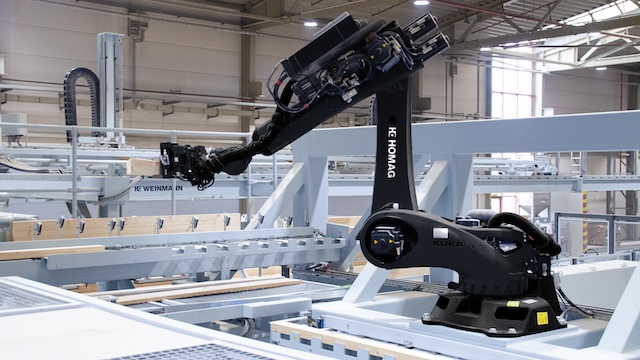
Thales upgrades its laser guided rocket with new LiDAR sensor to target drones
Thales Belgium has announced the integration of an advanced sensor into its guidance kit, enhancing its targeting capabilities. This new technology activates as the kit approaches its target, improving precision and effectiveness. The development was confirmed by a company official in an interview with Breaking Defense, highlighting Thales Belgium's commitment to advancing military technology. This innovation is expected to bolster the operational efficiency of their defense systems, reflecting the company's ongoing efforts to stay at the forefront of the defense industry.
Global Drones Europe EUROSATORY 2026 guided rocket Middle East
Israeli startup unveils laser system it says can kill drones in seconds
Esh-Tech has unveiled a groundbreaking energy system that promises to revolutionize the industry, according to CEO Erex Riahi. The new system, which operates on just 4kWh, is designed to be compact and can be easily connected to vehicles. Riahi emphasized that this innovative technology is priced three to four times lower than existing laser or microwave systems, making it a more accessible option for consumers. The announcement marks a significant advancement in energy solutions, with potential implications for both personal and commercial use.
Air Warfare Global Air Force Counter UAS cUAS Drones EUROSATORY 2026
MBDA showcases hybrid high-energy laser, interceptor counter-drone system
The European missile manufacturer has announced plans for a new hybrid defense platform aimed at countering the increasing threat posed by small, fast, and low-cost unmanned aerial vehicles (UAVs). This innovative system is expected to be operational in Germany by the end of the decade. The initiative reflects a strategic response to evolving aerial threats, highlighting the need for advanced defense solutions in modern warfare. The development of this platform underscores the commitment to enhancing national security and adapting to the changing landscape of military challenges in Europe.
Air Warfare Global Air Force Drones Europe ILA Berlin 2026
The art(s) of laser weeding demystified: laser expert Matthias Lautenschläger explains
Farmers, growers, and contractors worldwide are increasingly turning their attention to laser weeding, a cutting-edge agricultural technique gaining traction in the industry. This innovative method utilizes high-intensity lasers to target and eliminate weeds without harming crops, offering a sustainable alternative to traditional herbicides. As the agricultural sector grapples with rising temperatures and the challenges posed by climate change, the urgency for effective and environmentally friendly solutions has never been greater. Laser weeding not only reduces the reliance on chemical treatments but also minimizes soil disturbance, promoting healthier ecosystems. The growing interest in this technology is evident as more agricultural professionals seek training and information on its implementation. Demonstrations and workshops are being organized globally, showcasing the efficiency and precision of laser weeding systems. As farmers look for ways to enhance productivity while adhering to sustainable practices, laser weeding stands out as a promising solution that addresses both economic and environmental concerns. With the agricultural landscape evolving rapidly, this method could redefine weed management strategies in the years to come.
Smart farming laser weeding machinery precision agriculture weed control
Custom-trained AI locks laser onto mosquitoes, eliminates pests in real time
A computer vision and robotics enthusiast has unveiled an innovative AI-powered laser system designed to detect and identify objects with remarkable precision. This groundbreaking technology, which was introduced during a tech conference in San Francisco on October 15, 2023, aims to enhance automation and safety in various industries, including manufacturing and security. The motivation behind this development stems from the increasing demand for advanced automation solutions that can improve operational efficiency and reduce human error. By integrating artificial intelligence with laser detection, the system can analyze its surroundings in real-time, allowing for swift and accurate responses to potential hazards or operational needs. The creator demonstrated the system's capabilities through a series of live tests, showcasing its ability to recognize different objects and respond accordingly. This innovative approach not only promises to streamline processes but also addresses safety concerns by minimizing the risk of accidents in environments where precision is critical. As industries continue to evolve with technology, this AI-powered laser system represents a significant step forward in the quest for smarter, safer operational tools. The developer hopes that this invention will inspire further advancements in robotics and computer vision, ultimately leading to a more automated and secure future.
Performance Evaluation of Different Laser SLAM Algorithms for Unmanned Mining Vehicles
A recent study published in the Journal of Field Robotics highlights advancements in robotic technology aimed at improving agricultural efficiency. Researchers from a leading university conducted experiments to develop autonomous robots capable of performing tasks such as planting, weeding, and harvesting crops. The study, which took place over the summer of 2023, was conducted on various farms in California, showcasing the robots' adaptability to different agricultural environments. The motivation behind this research stems from the increasing demand for sustainable farming practices and the need to address labor shortages in the agricultural sector. By integrating advanced sensors and artificial intelligence, the robots are designed to optimize crop yields while minimizing resource use. The research team employed a series of field trials to test the robots' performance, collecting data on their effectiveness and efficiency compared to traditional farming methods. Preliminary results indicate that these autonomous systems can significantly reduce labor costs and increase productivity, offering a promising solution for modern agriculture. As the agricultural industry faces challenges such as climate change and population growth, this innovative approach could play a crucial role in ensuring food security and sustainability in the coming years. The findings from this study are expected to pave the way for further developments in agricultural robotics, potentially transforming the way food is produced globally.
SURVEY ARTICLE
Containerized Variant Of Navy’s Drone-Swatting HELIOS Laser Being Pushed By Congress
Congress is advocating for the development of a containerized version of HELIOS, the Navy's advanced laser system capable of disabling drones from an active warship. This initiative aims to enhance the deployment flexibility of the HELIOS laser, which is currently the only system of its kind in operation. By placing the laser in a container, the Navy could potentially expand its use across various platforms and locations, improving operational readiness and response capabilities. The push for this innovation reflects a growing emphasis on modernizing military technology to address evolving aerial threats.
News & Features Directed Energy Lasers Navies Sea U.S. Navy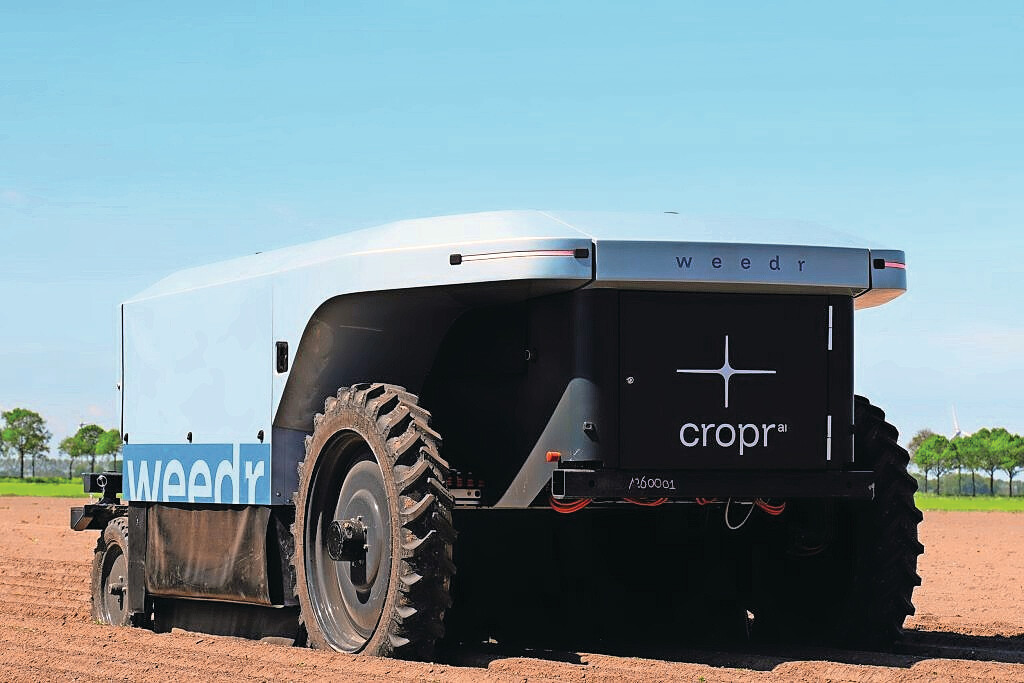
Cropr introduces autonomous laser weeder
Cropr, a robot manufacturer founded in 2025 by the owners of H2L Robotics, has unveiled its latest innovation, the Cropr Weedr, an autonomous laser weeder designed to enhance agricultural efficiency. This cutting-edge technology is set to begin operations at various chicory farms in Flevoland, Netherlands, starting at the end of May. The introduction of the Cropr Weedr aims to address the growing demand for sustainable farming practices by providing an environmentally friendly solution for weed management. By utilizing advanced laser technology, the weeder minimizes the need for chemical herbicides, aligning with the industry’s shift towards more eco-conscious methods.
Smart farming ai autonomous system laser weeding weed control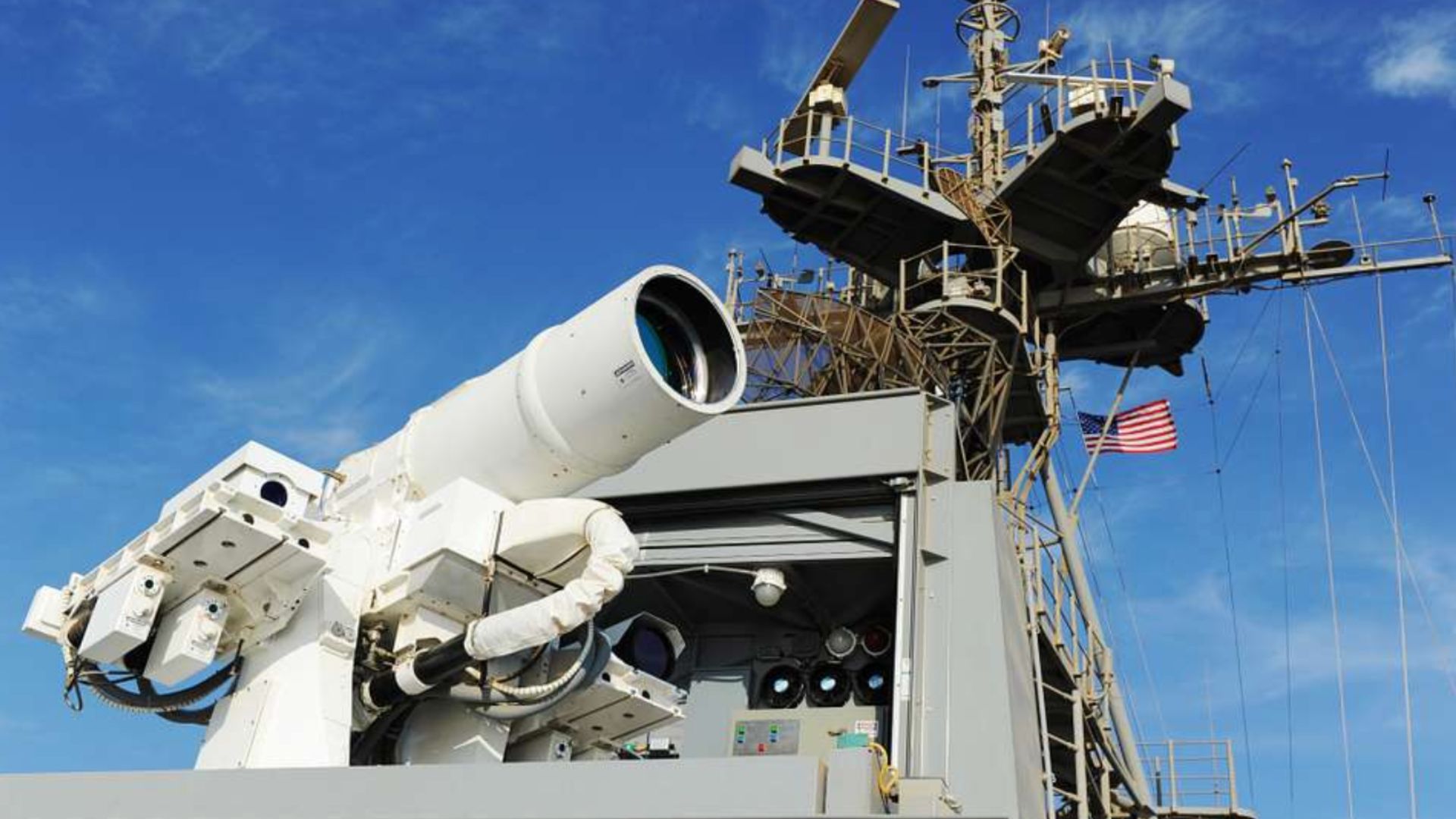
Nine US Navy destroyers that carry laser weapons for drone defense
The U.S. Navy has officially deployed laser weapons aboard its destroyers, marking a significant advancement from previous experimental demonstrations. This deployment, which occurred in October 2023, aims to enhance the Navy's defensive capabilities against various threats, including drones and small boats. The integration of laser technology is part of a broader strategy to modernize military assets and improve operational efficiency. By utilizing directed energy systems, the Navy seeks to provide a cost-effective and precise alternative to traditional munitions, thereby reducing logistical burdens and increasing response times in combat situations. The successful implementation of these systems aboard destroyers underscores the Navy's commitment to innovation and maintaining a technological edge in maritime operations.

UK military deploys low-cost laser-guided rockets to destroy drones with precision defense
The Royal Air Force (RAF) has initiated the deployment of a cost-effective laser-guided counter-drone weapon system on its Eurofighter Typhoon aircraft. This move comes as part of the RAF's ongoing efforts to enhance its capabilities in addressing the growing threat posed by unmanned aerial vehicles (UAVs). The deployment began in October 2023, as the military seeks to bolster its defense strategies amid increasing concerns over drone-related security risks. By integrating this advanced technology into its fleet, the RAF aims to improve its operational effectiveness in neutralizing potential drone threats, ensuring the safety of airspace and ground operations. The laser-guided system is designed to provide precision targeting, allowing for effective engagement of hostile drones while minimizing collateral damage.

High-precision laser spectroscopy confirms proton is smaller than expected, at 0.84 fm
Physicists at the Max Planck Institute of Quantum Optics (MPQ) have successfully reinforced a critical measurement related to quantum mechanics, enhancing our understanding of the fundamental principles governing the behavior of particles at the quantum level. This significant advancement was achieved through a series of precise experiments conducted over the past year at the institute's facilities in Garching, Germany. The researchers aimed to address longstanding questions in the field, specifically focusing on the interactions between light and matter. By employing advanced techniques in quantum optics, they were able to achieve unprecedented accuracy in their measurements, which could have far-reaching implications for future technologies, including quantum computing and secure communication systems. The findings, which were published recently in a leading scientific journal, underscore the importance of continued research in quantum physics and its potential to revolutionize various industries.

These American Destroyers Are Equipped With Laser Weapons
The U.S. Navy has equipped nine of its surface combatants with directed energy systems, including advanced laser weapons, as part of an initiative to enhance naval capabilities. This move, aimed at bolstering defense mechanisms against various threats, reflects the Navy's commitment to integrating cutting-edge technology into its fleet. The expansion of testing and potential deployment of these systems is expected to occur in the near future, signaling a strategic shift towards modern warfare tactics. The initiative underscores the Navy's focus on improving operational effectiveness and readiness in an evolving security landscape.
Sea Destroyers Directed Energy Lasers Naval Directed Energy Weapons Navies
Escarda starts series production of AI laser weeder after acquisition
Berlin-based startup Escarda Technologies is set to enhance its production capabilities for its AI-driven laser weeding system following its complete acquisition by Berlin.Industrial.Group (B.I.G.). This strategic acquisition aims to expedite the commercial deployment of environmentally friendly, chemical-free weed control solutions throughout Europe. The initiative reflects a growing commitment to sustainable agricultural practices and positions Escarda Technologies to meet increasing demand for innovative farming technologies.
Smart farming ai automation laser weeding robotic harvesting weed control systems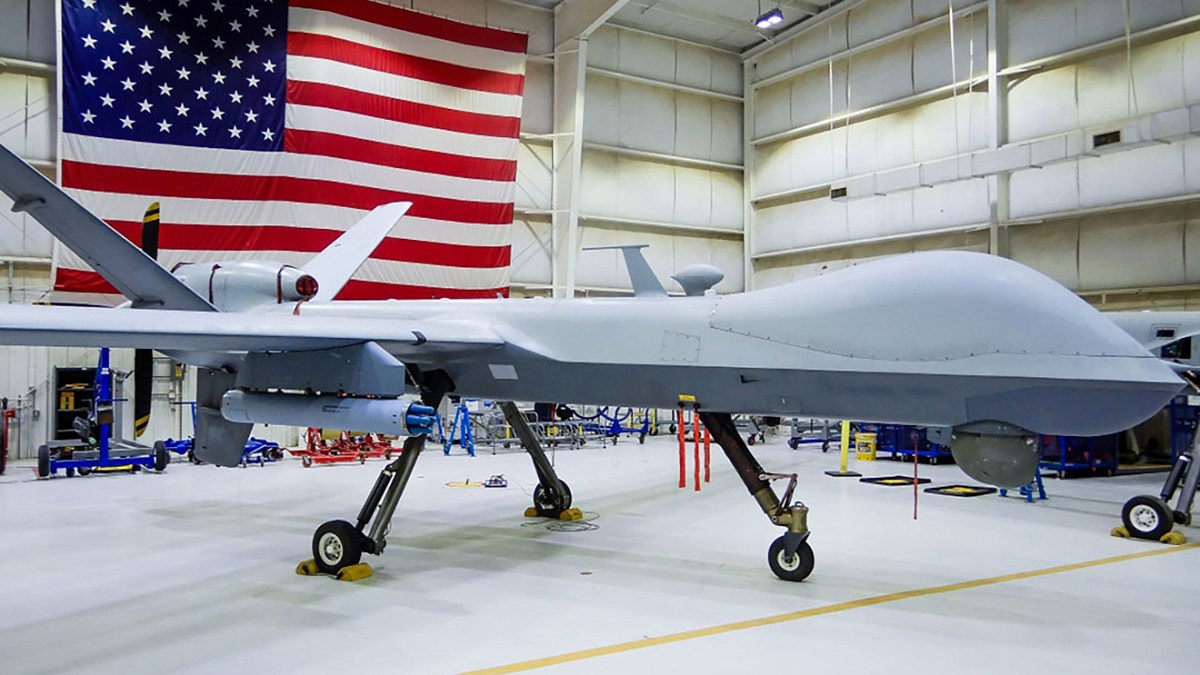
MQ-9 Reaper Fires Laser-Guided Rockets In Tests
The MQ-9 Reaper drone has successfully conducted tests firing Advanced Precision Kill Weapon System (APKWS) rockets at both air and ground targets. This development comes amid a growing demand for cost-effective solutions to counter drone threats. The tests highlight the increasing versatility of the MQ-9 in modern warfare, showcasing its capability to engage various targets with precision. The successful demonstration of these laser-guided rockets marks a significant step in enhancing the drone's operational effectiveness and meeting the evolving needs of military operations.
Air Air Force Munitions Air-To-Ground Drones Laser Guided Rockets News & Features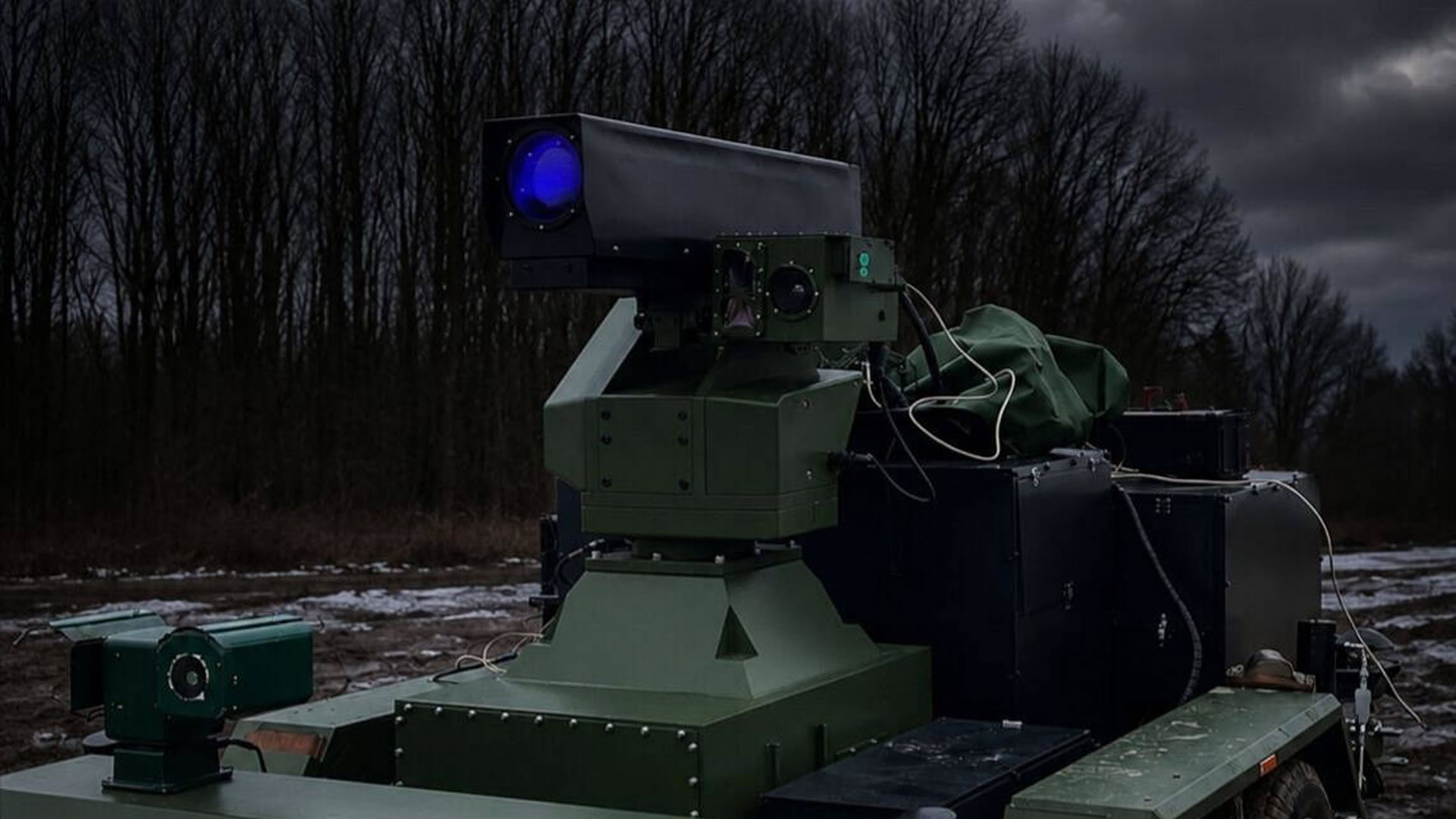
Ukrainian anti-drone laser system with 16400-foot engagement range nears deployment
Ukraine’s Celebra Tech is making significant progress toward the deployment of its Tryzub anti-drone laser weapon, a development that could enhance the country’s defense capabilities amid ongoing conflict. The company has been working diligently to finalize the technology, which aims to counter the increasing threat posed by enemy drones. As tensions continue to escalate, the urgency for effective defense solutions has become paramount. The Tryzub system is designed to target and neutralize drones with precision, potentially shifting the dynamics of aerial warfare in the region. Celebra Tech's advancements are expected to play a crucial role in bolstering Ukraine's military readiness as the nation seeks to protect its airspace from hostile incursions.

Pentagon tests Locust laser that downs drones without harming nearby civilian aircraft
AeroVironment's LOCUST laser weapon successfully completed a significant counter-drone test in collaboration with the Pentagon, showcasing its advanced capabilities in neutralizing aerial threats. This testing took place recently, highlighting the growing emphasis on innovative defense technologies amid rising concerns over drone warfare. The LOCUST system is designed to provide military forces with an effective means to counteract the increasing prevalence of unmanned aerial vehicles (UAVs) on the battlefield. By utilizing cutting-edge laser technology, the weapon aims to enhance the operational effectiveness of U.S. military operations. The successful demonstration of the LOCUST laser weapon underscores the Pentagon's commitment to integrating advanced systems into its defense strategy, ensuring that military forces are equipped to address evolving threats in modern warfare.

From Forklifts to Laser Guided Vehicles — The Operational Shift in High-Volume Manufacturing
In response to the growing demands of manufacturing systems, which require increased efficiency and precision, the use of Automated Guided Vehicles (LGVs) is becoming more prevalent. Unlike traditional forklifts, which rely heavily on operator skill and can be affected by factors such as fatigue and congestion, LGVs offer a consistent and repeatable solution for material handling. This shift is particularly crucial as production volumes rise and tolerances become tighter, necessitating a more reliable flow of materials within facilities. As industries seek to enhance their operational capabilities, the integration of LGVs is seen as a strategic move to improve productivity and reduce the risks associated with human error.

US clears counter-drone laser system for southern border use
Federal regulators have announced a new measure to address the threat of rogue drones entering restricted airspace, particularly along the southern border of the United States. This innovative response involves the use of a high-speed light beam designed to neutralize unauthorized drones without endangering airline passengers. The initiative reflects growing concerns over drone incursions in sensitive areas and aims to enhance security while maintaining safety in the skies. The implementation of this technology marks a significant advancement in aerial defense strategies, as authorities seek to balance the need for airspace security with the safety of commercial aviation.
News
Niche innovation goes global – xTool’s push in consumer laser-engraving equipment
A Shenzhen-based company, xTool, is revolutionizing the consumer laser equipment market with its cutting-edge technology. Founded in 2021 under Maker Works Technology Co., Ltd., the brand focuses on enhancing personal creativity and manufacturing capabilities. Since its inception, xTool has expanded its reach, with its innovative products now available in over 60 countries. The company aims to empower individuals and small businesses by providing accessible tools that facilitate creative expression and efficient production processes.
On the Cusp Content and entertainment E-commerce and New Retail Highlight NewsRobotics needs a service framework.
RSF defines a common language for robot service capability, lifecycle operations, certification pathways, and service-provider networks.
Join the RobotToday community on LinkedIn
Daily robotics news, in-depth analysis, conference highlights, and discussions with professionals worldwide.