Industry Briefing
A single destination for timely, editor-curated robotics news from around the world.

Boyagongdao Unveils BG-5 Biomimetic Robotic Fish for Shallow Water Inspections
Boyagongdao showcased its BG-5 Golden Dragon Fish biomimetic autonomous underwater vehicle (AUV) at the China International Fair for Trade in Services (CIFTIS). This innovative robotic fish weighs approximately 3 kg and measures 640 mm in length, designed specifically for shallow inspections. The BG-5 features a soft multi-joint tail, enabling it to achieve a top speed of 0.6 m/s and a depth rating of 5 meters. This propeller-free design is particularly suited for delicate underwater environments, making it a significant advancement in underwater inspection technology. As the demand for efficient and non-intrusive inspection methods grows, the BG-5's capabilities position it as a valuable tool in various applications. No further timeline was disclosed at the time of publication.
Customized Inspection Robots Enhance Safety in Petrochemical Facilities
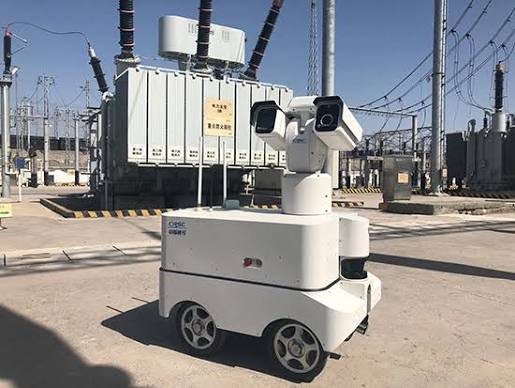
On August 20, 2026, a customized explosion-proof wheeled inspection robot was officially put into operation at the Zhenhai Refining & Chemical's Smart Factory 3.0 project after successful debugging and validation at the polypropylene unit. Utilizing intelligent visual recognition, autonomous navigation, and data collection technologies, the robot replaces manual inspections in high-risk areas, significantly improving safety and efficiency. The deployment of inspection robots across major Chinese energy companies, such as Guangdong Petrochemical and Urumqi Petrochemical, is transforming safety protocols in petrochemical plants. For instance, the robots have reduced response times from an average of 30 minutes to seconds and decreased the missed detection rate from approximately 3% to 0.1%, showcasing their reliability and precision in monitoring hazardous environments. Looking ahead, the integration of robots into routine inspections is expected to redefine roles within the industry, shifting human workers from operators to decision-makers. As these robots become standard in operations, the petrochemical sector is likely to see a significant enhancement in safety measures and operational efficiency, with no further timeline disclosed at the time of publication.
Inspection Robots Petrochemical Industry Automation Technology Safety Monitoring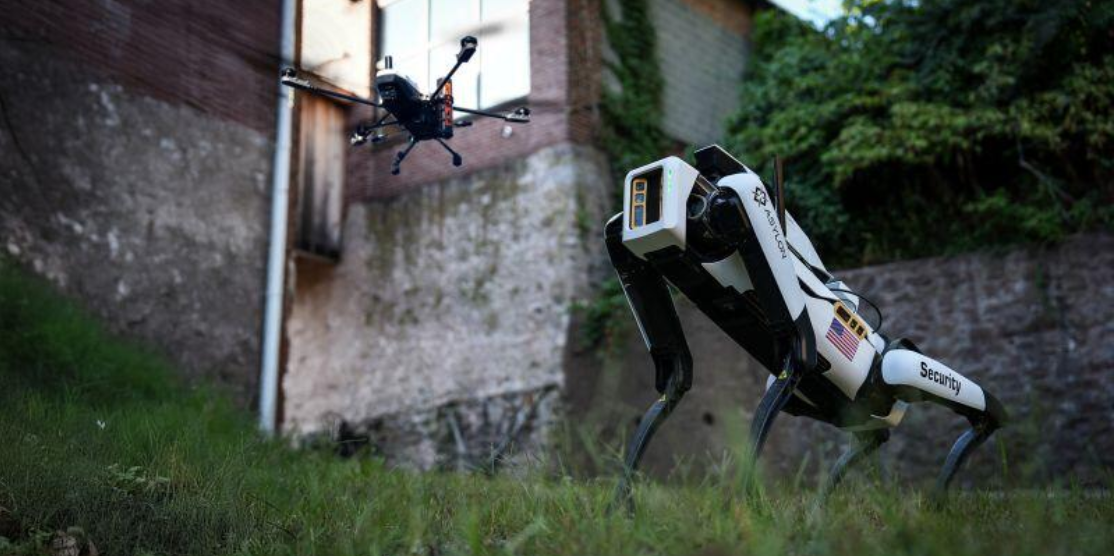
U.S. Air Force Transforms Aircraft Inspections with Asylon's Robot Dog and Drones
The U.S. Air Force's Warner Robins Air Logistics Center has awarded Asylon a Phase III SBIR contract to advance the MARIA system, integrating the Guardian drone and DroneDog robot dog for automated aircraft inspections. This system allows for rapid digital mapping of aircraft, significantly reducing inspection time from days to hours while eliminating the risks associated with manual high-altitude checks. The collaboration between the DroneDog and Guardian drone enables comprehensive inspections, identifying anomalies and defects autonomously. The data is transmitted in real-time to the DroneIQ platform, allowing maintenance personnel to review results through 2D workflows or 3D digital twin views. The system's core value lies in its speed and consistency, ensuring that inspections cover the same points each time, thus minimizing the randomness of manual checks. Currently programmed for the Lockheed C-5 and C-130 aircraft, the long-term goal is to expand the system's capabilities across all Warner Robins aircraft types and the broader Air Force logistics framework. Asylon aims to enhance the MARIA system with advanced AI anomaly detection and explore humanoid fleet management for concurrent maintenance tasks.
Robotic Inspection Aerospace Technology Drone Technology Automation Military Logistics
Two-Stage Planning Method Enhances Continuous Multi-Robot Inspection in Mines
A two-stage robot planning method has been developed to enhance continuous underground mine inspections. This method integrates predictive charging, obstacle avoidance, and road condition assessments to optimize the performance of multiple robots in simulated environments. The significance of this advancement lies in its potential to improve safety and efficiency in mine inspections. By effectively managing the robots' charging needs and navigating obstacles, the method ensures that inspections can be conducted without interruptions, thereby increasing operational productivity. Looking ahead, the implications of this technology could lead to broader applications in various sectors requiring autonomous inspections. No further timeline was disclosed at the time of publication.
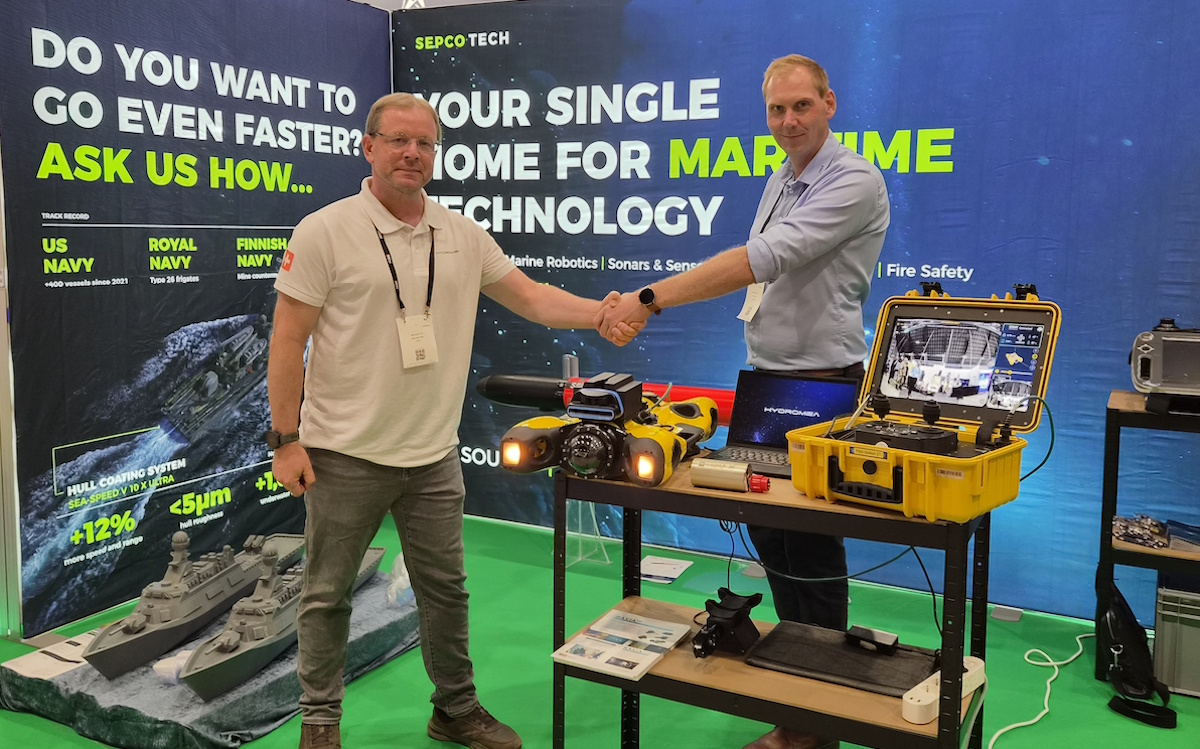
Hydromea and SepcoTech Collaborate to Introduce EXRAY Inspection Robotics in Scandinavia
Hydromea and SepcoTech A/S have formed a commercial partnership to promote Hydromea’s EXRAY™ subsea inspection system in Scandinavia. The focus will be on naval, defense, maritime, and offshore applications, addressing the need for inspections in submerged and confined spaces that are challenging for divers or traditional ROVs. The EXRAY™ system features a dual-vehicle setup, comprising a tethered mothership ROV for open water operations and a wireless flyout vehicle for accessing confined areas. This innovative design allows for safe inspections without the risks associated with divers or tethered ROVs, while also ensuring high-definition video transmission to operators. This partnership is significant as it enhances inspection capabilities for asset owners, aiming to minimize personnel exposure and improve the efficiency of subsea inspections. No further timeline was disclosed at the time of publication.
hydromea sepcotech exray inspection robotics scandinavian naval market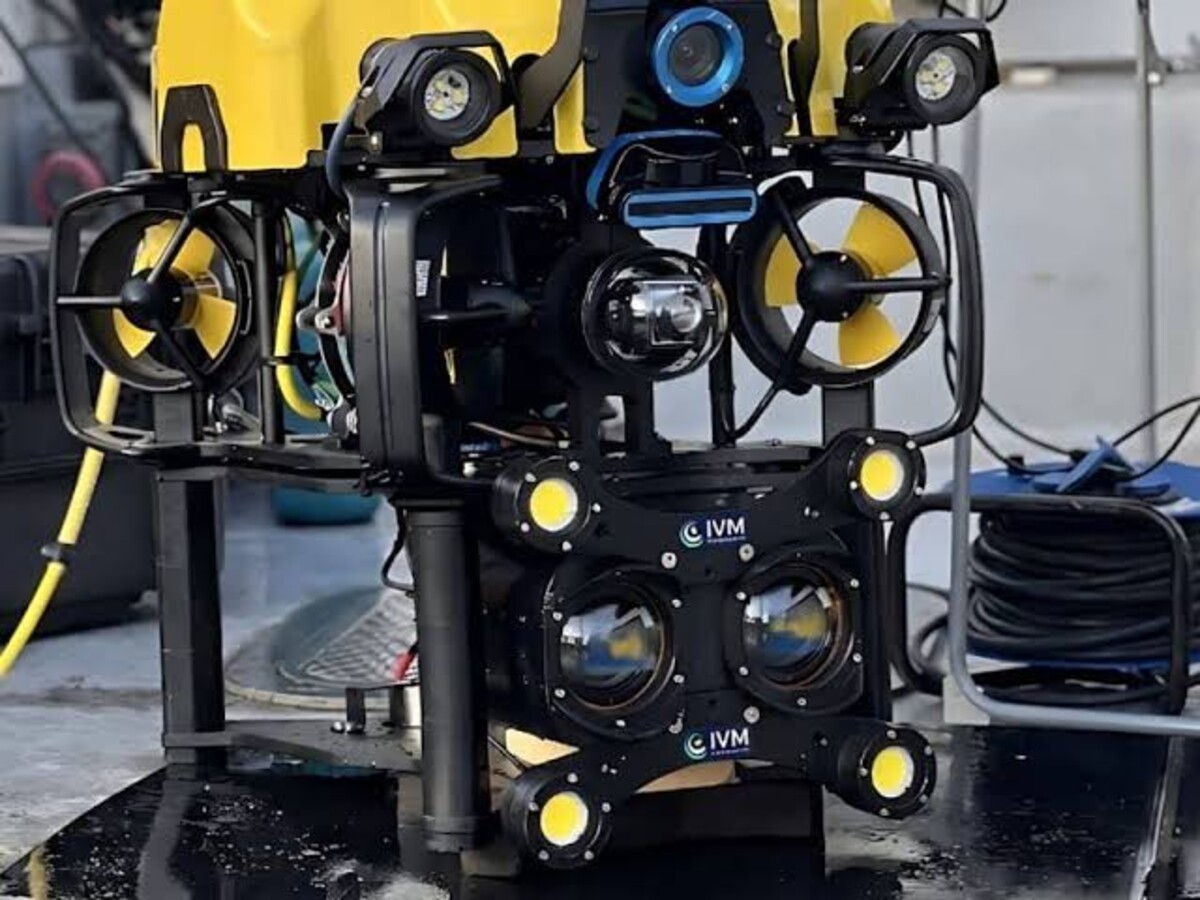
MFE Inspection Solutions Becomes First U.S. Distributor for IVM Technologies' HYDRO Series
MFE Inspection Solutions has entered into a distribution partnership with IVM Technologies, becoming the first authorized U.S. distributor for the HYDRO Series of subsea photogrammetry systems. This collaboration aims to provide U.S. offshore and subsea teams with advanced tools for creating precise 3D models of underwater assets. The partnership is significant as subsea teams increasingly require more than just visual documentation; they need accurate measurements and detailed 3D records for effective inspections and work planning. IVM's HYDRO Series is designed to meet these practical inspection needs, allowing MFE to assist customers in integrating these systems with their ROV platforms and developing tailored workflows. Looking ahead, MFE Offshore's collaboration with IVM Technologies is expected to enhance its offerings in subsea inspection and survey technologies. The HYDRO Series, which includes models capable of operating at various depths, will provide operators with the ability to generate high-resolution, scaled 3D models for monitoring and inspection purposes. No further timeline was disclosed at the time of publication.

Explosion-Proof Inspection Robots Utilize Custom Joint Motors for Hazardous Environments
In petrochemical facilities, an explosion-proof inspection robot extends its mechanical arm to accurately position an infrared thermal imager on a high-temperature pipeline flange, demonstrating smooth movements and precise positioning. In coal mines, another robot's arm performs micron-level rotational operations on valves. The motors driving these joints differ fundamentally from standard industrial robots, providing high torque density in confined spaces. These explosion-proof joint modules can achieve a peak torque of 450 N·m and a rated torque of 110 N·m, supporting continuous operations with a payload exceeding 20 kg. With a dual 17-bit encoder, the modules offer a repeat positioning accuracy of ±40 arc seconds and a backlash of ≤15 arc minutes, with response times in the millisecond range. Designed for flammable and explosive environments, these robots meet IP68 protection and Ex d IIB T4 explosion-proof standards, suitable for various scenarios including chemical, coal mining, and hazardous material warehouses. Jiangsu Huistone has over 20 years of experience in specialized motors, providing customized servo motor solutions for intelligent inspection robot arms. Their products cover a base size range from 40 mm to 400 mm, power from 50 W to 200 kW, and voltage from 24 V to 3000 V, ensuring compatibility with different power supply platforms. The successful application of their 130 mm base explosion-proof AC servo motor in petrochemical inspection robots highlights the precision and safety of these advanced technologies.
Explosion-Proof Robots Joint Motors Industrial Automation Hazardous Environment Technology
Greensea IQ Launches Bayonet Sweep, an Autonomous Robot for Hull Inspections
Greensea IQ has unveiled Bayonet Sweep, an autonomous underwater robot designed for inspecting ship hulls and underwater structures. This innovative solution aims to enhance maritime force protection by allowing navies, security teams, and port authorities to conduct inspections without the need for divers, thereby improving safety and efficiency. The significance of Bayonet Sweep lies in its ability to transform traditional hull inspection methods, which often focus on maintenance, into a proactive security measure. Built on Greensea IQ Core software, the robot not only autonomously inspects hulls but also provides comprehensive data for threat assessment and mitigation, ensuring that operators receive detailed intelligence on potential anomalies. Looking ahead, the Bayonet Sweep is part of Greensea IQ's broader Bayonet mission suite, which includes various autonomous systems for marine operations. As the technology continues to evolve, it will be crucial to monitor its deployment and effectiveness in enhancing port and harbor security. No further timeline was disclosed at the time of publication.
greensea iq bayonet sweep augv autonomous hull inspection robot maritime force protection
Avnet and Weston Robot Collaborate to Launch AI-Powered Autonomous Inspection Platform
Avnet and Weston Robot have partnered to develop an AI-powered autonomous inspection platform designed for complex industrial environments. This platform utilizes quadruped robots equipped with advanced computing architecture to perform real-time inspections, enhancing operational efficiency and safety. The significance of this collaboration lies in its potential to revolutionize inspection processes in industrial settings. By integrating edge AI with robotics, the platform allows for low-latency AI inference and real-time data processing, which can lead to earlier detection of operational issues and reduced inspection costs. Looking ahead, the partnership aims to expand the capabilities of the inspection platform by integrating it with Weston’s fleet management software. This will enable the robot to autonomously patrol and inspect designated areas, further enhancing operational resilience and safety in industrial operations. No further timeline was disclosed at the time of publication.
Artificial Intelligence Artificial Intelligence / Cognition Autonomous Mobile Robots (AMRs) Design / Development News Robots / Platforms
Micro Yi's Paper on FSDC-DETR Selected for ECCV 2026, Advancing Quality Inspection
Micro Yi's collaboration with East China Normal University has resulted in their paper, 'FSDC-DETR: A Frequency-Spatial Domain Collaborative DETR for Small Object Detection,' being accepted at ECCV 2026. This prestigious conference received 10,473 submissions, with only 2,883 accepted, highlighting the significance of their research in the field of computer vision. The FSDC-DETR framework addresses the challenge of detecting tiny defects in precision manufacturing, such as bubbles and micro-cracks, which often occupy only a few dozen pixels in high-resolution images. By integrating CNN's local high-frequency detail extraction with ViT's global low-frequency modeling, the architecture effectively retains edge and texture information, significantly reducing both missed and false detections. Currently, FSDC-DETR is embedded in Micro Yi's industrial embodied intelligent quality inspection robots, achieving a cold start detection rate of 95.55% in complex scenarios like die-casting. With over 23TB of aligned precision data and substantial R&D investment, Micro Yi is positioned to lead the embodied intelligence market, projected to grow significantly by 2026.
Industrial Robotics Quality Inspection Computer Vision AI Technology
Perceptual Robotics Secures Over £4 Million for Wind Turbine Inspection Drone Expansion
Perceptual Robotics, a Bristol-based drone company, has successfully raised over £4 million (approximately $5.3 million) as of July 28, 2026. This funding, which includes investment from Innovate UK, Loggerhead Ventures, One Planet Capital, and new investor Investing for Purpose, will be used to enhance its wind turbine inspection platform. The significance of this funding lies in its potential to bolster the company's capabilities in both onshore and offshore wind turbine inspections. Matthew Jellicoe from One Planet Capital highlighted the strong investor support and the company's momentum, indicating that Perceptual Robotics is well-positioned for expansion into various verticals over the next two years. Looking ahead, Perceptual Robotics aims to accelerate product development and deepen its offshore support. The company plans to leverage this funding to enhance its autonomous drones and AI services, which are crucial for managing wind turbine blade inspections and extending service life for operators. No further timeline was disclosed at the time of publication.
Drone News Drone News Feeds Inspection News UK Drone Industry UK Drone Space
Hummingbird F100 Revolutionizes Wind Turbine Blade Inspection with Wireless Technology
The Hummingbird F100, launched by Schrodinger Industrial Group, marks a significant advancement in wind turbine blade inspection. This device operates wirelessly, enabling stable connections over distances of up to 150 meters, and is designed to navigate complex internal structures of turbine blades, which are typically challenging to inspect due to their confined spaces. The global market for wind turbine blade inspection services is projected to grow from $7.74 billion in 2025 to $8.48 billion in 2026, with a compound annual growth rate of 9.6%. The Hummingbird F100 addresses the industry's need for more efficient inspection methods by automating data collection and analysis, shifting from reactive maintenance to proactive asset management. Looking ahead, the integration of AI with inspection robotics will enhance defect detection and reporting capabilities. The transition from wired to wireless operations will not only streamline deployment but also expand operational ranges and reduce on-site risks. The Hummingbird F100's modular design allows for rapid adaptation to various inspection scenarios, positioning it as a key player in the evolving wind energy sector.
Wind Turbine Inspection Robotics AI Technology Data Management Wireless Solutions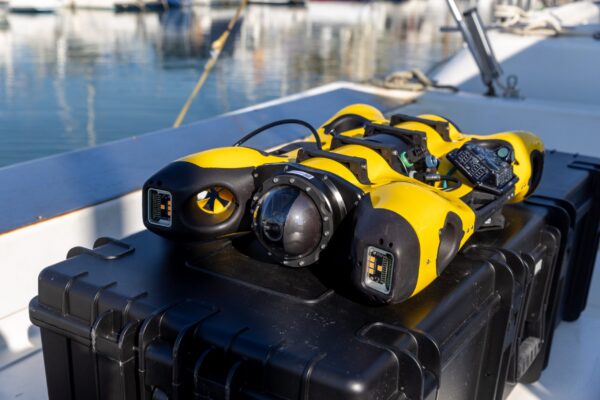
MFE Offshore Partners with Hydromea to Distribute EXRAY Underwater Inspection ROV
MFE Offshore, based in Houston, has announced its partnership with Swiss robotics developer Hydromea to distribute the Hydromea EXRAY underwater inspection ROV. This agreement, made public on July 9, 2026, enhances MFE Offshore's subsea portfolio, which was launched earlier this year. The EXRAY offers a tetherless alternative for underwater inspections, reducing costs and risks associated with traditional methods. The significance of this partnership lies in the EXRAY's ability to provide efficient and safe data collection in challenging underwater environments. As stated by Wendy Post, general manager of MFE Offshore, the demand for advanced inspection technologies is increasing as operators face more complex underwater challenges. The EXRAY's capabilities, including real-time control and live HD video transmission, position it as a valuable tool for energy operators. Looking ahead, MFE Offshore will showcase the EXRAY during a Demo Day on July 16 at its Houston facility, allowing potential customers to see the ROV in action. This event highlights MFE Offshore's commitment to bringing innovative inspection solutions to the energy sector, with no further timeline disclosed at the time of publication.
Drone News Drone News Feeds Inspection News seadrones underwater drones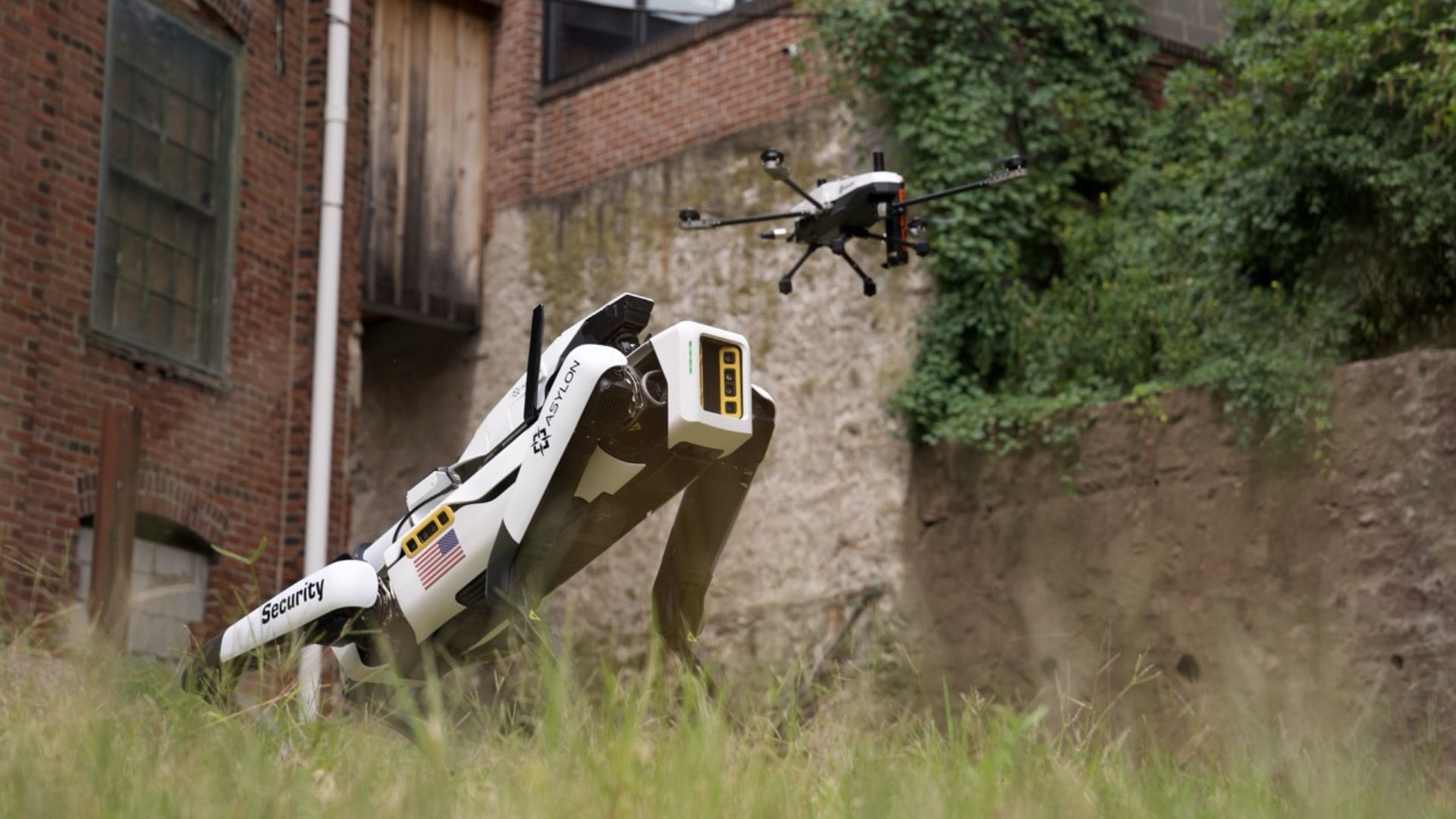
Asylon's MARIA System Enhances Aircraft Inspections for U.S. Air Force
Asylon has secured a Phase Three contract with the U.S. Air Force's Warner Robins Air Logistics Complex to deploy its Multi-modal Autonomous Robotics for Inspection of Aircraft (MARIA) system. This initiative aims to streamline aircraft inspections by integrating air and ground robotic platforms, significantly reducing the time for general visual inspections while enhancing consistency in maintenance tasks. The MARIA system combines Asylon's Guardian unmanned aircraft with the DroneDog Q-UGV, utilizing the Range autonomy software and DroneIQ command-and-control system for efficient inspection management. The significance of this deployment lies in its potential to transform aircraft maintenance operations. By automating inspections, the MARIA system not only improves inspection quality but also mitigates the risks associated with labor-intensive tasks. The integration of imagery, LiDAR data, and telemetry into a single platform allows maintenance personnel to make informed decisions quickly, thereby enhancing aircraft readiness without increasing manpower demands. This project marks a pivotal shift in how the Air Force approaches maintenance, leveraging autonomous technologies to optimize operational efficiency. Looking ahead, the success of the MARIA deployment at Warner Robins could lead to broader adoption of these technologies across military maintenance organizations. No further timeline was disclosed at the time of publication, but the ongoing collaboration between Asylon and the Air Force may pave the way for future advancements in defense sustainment operations, particularly in the realm of autonomous inspections and maintenance support.
Military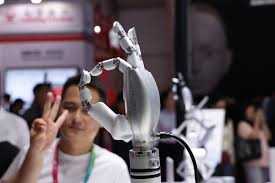
Asylon secures Phase Three contract for MARIA aircraft inspection system development
Asylon has been awarded a Phase Three contract by the Warner Robins Air Logistics Complex (WR-ALC) to advance its Multi-modal Autonomous Robotics for Inspection of Aircraft (MARIA) system. This contract focuses on further development, integration, and demonstration of the MARIA technology at the WR-ALC facility, enhancing aircraft inspection processes. The significance of this contract lies in the increasing demand for automation in aircraft maintenance and inspection. Asylon's MARIA system aims to improve efficiency and accuracy in inspections, which is crucial for maintaining operational readiness in military and commercial aviation sectors. The integration of autonomous robotics is expected to streamline workflows and reduce human error. Looking ahead, stakeholders will be monitoring the progress of the MARIA system's development and its subsequent demonstration at WR-ALC. No further timeline was disclosed at the time of publication, but successful implementation could set a precedent for similar technologies in the aerospace industry.
News
Voyis Launches VSLAM 1.3 for Improved 3D Visualization in Subsea Inspections
Voyis, a prominent player in underwater optical systems, has partnered with EIVA to unveil the latest version of Voyis VSLAM powered by EIVA NaviSuite, now at version 1.3. This significant update enhances real-time subsea mapping capabilities, offering users an innovative 3D visualization experience through advanced voxel-based rendering and stereo vision technologies. The release aims to improve the efficiency and accuracy of underwater exploration and mapping, catering to industries reliant on precise subsea data. This development reflects the ongoing commitment of both companies to push the boundaries of underwater technology and provide cutting-edge solutions for their clients.
voyis vslam 1.3 augmented 3d visualization enhanced subsea inspection
TEPCO to Use Giant Robot Arm for Fukushima Nuclear Debris Inspection After Delay
Tokyo Electric Power Co. Holdings (TEPCO) is set to inspect and remove fuel debris from the Fukushima Daiichi nuclear reactors using a 4.6-ton robot arm. This operation, which has been delayed by five years, is a significant step towards the decommissioning of the damaged plant. The inspection is crucial as it aims to address the highly radioactive fuel debris that has posed challenges since the nuclear disaster. The successful operation of the robot arm could facilitate further progress in the cleanup and decommissioning efforts at Fukushima, which have been ongoing since the 2011 disaster. Looking ahead, TEPCO's use of advanced robotics in this context highlights the increasing reliance on technology for hazardous material handling. No further timeline was disclosed at the time of publication.

YYForce Establishes Facadevision AI to Enhance Drone and AI-Driven Facade Inspection Services
YYForce Inc. has launched Facadevision AI Pte. Ltd., a joint venture aimed at improving integrated facility management (IFM) services in Singapore. This new entity will focus on drone-enabled facade inspection and maintenance, enhancing safety and operational efficiency in the commercial real estate sector. The establishment of Facadevision AI is significant as it marks YYForce's commitment to integrating advanced technologies like drones and AI into its service offerings. This move is expected to streamline facade maintenance processes, reduce risks associated with manual inspections, and ultimately improve service delivery for clients in the region. Looking ahead, YYForce's focus on expanding its IFM capabilities through this joint venture will be crucial in a competitive market. The effectiveness of drone technology in facade inspections will be a key area to monitor, as it could set new standards for safety and efficiency in building maintenance. No further timeline was disclosed at the time of publication.
Ruiguan Robotics Achieves China's First Dual Explosion-Proof Certification for Inspection Robot
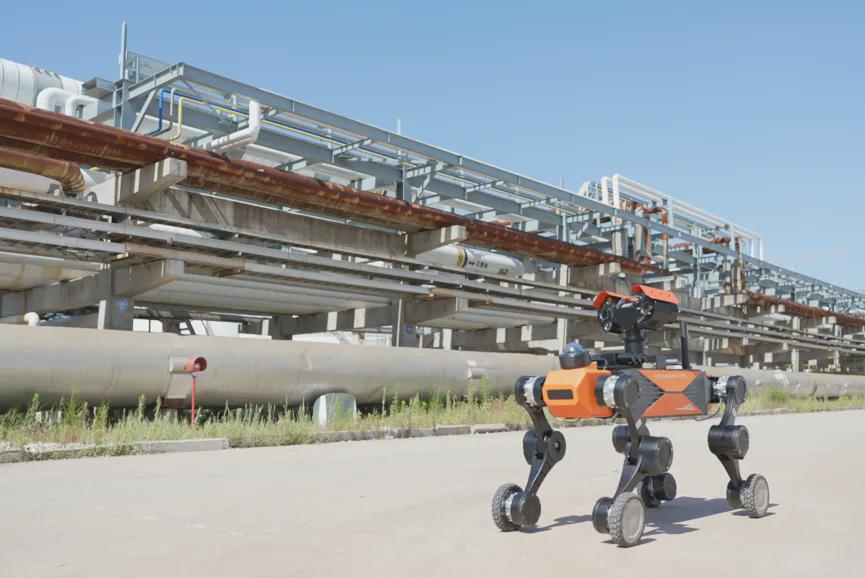
Ruiguan Robotics has successfully obtained China's first dual explosion-proof certification for its Delta four-wheeled inspection robot, which is designed for hazardous environments. This milestone highlights the increasing reliance on robotics in industries such as oil, chemicals, and coal, where human entry poses significant risks due to flammable and explosive conditions. The significance of this achievement lies in addressing safety concerns in high-risk areas, where traditional inspection methods are inadequate. The dual certification, Ex IIC T6 Gb for gas and Ex IIIC T80℃ Db for dust, ensures that the robot can operate safely without becoming a source of ignition in explosive atmospheres. This development marks a critical step in the evolution of industrial safety practices. Looking ahead, the market for explosion-proof inspection robots is projected to grow rapidly, with a compound annual growth rate of 45.0% from 2026 to 2032. As safety regulations tighten and labor costs rise, the demand for robotic solutions in hazardous environments is expected to increase significantly, making robotic replacements a necessity rather than an option.
Explosion-Proof Robots Industrial Safety Robotics Technology Hazardous Environments
Innometry Accelerates Deployment of 1PASS-RING CT System for Battery Inspection
Innometry announced an accelerated deployment of its next-generation 1PASS-RING CT system, designed for contactless scanning of battery cells. This innovative system eliminates the need for physical handling, protecting cells from potential damage during inspection. Unlike traditional CT systems that utilize robotic arms, the 1PASS-RING employs a ring-shaped scanner that rotates around a stationary cell, enhancing operational efficiency. The significance of this advancement lies in its ability to streamline battery inspection processes while meeting critical production-line criteria. The system reduces floor space requirements by 50% and increases inspection speeds by 40%, addressing the battery industry's demand for contactless testing. Innometry's technology not only improves logistics routing and scanning speed but also ensures long-term reliability, making it a vital tool for mass-production lines. Looking ahead, Innometry is also finalizing a next-generation Helical CT system that will allow continuous scanning without halting production lines. This development is expected to enhance the capabilities of battery inspection further. No further timeline was disclosed at the time of publication.
All News
SwissDrones Expands Long-Range Drone Inspection Platform for US Critical Infrastructure
SwissDrones Operating AG and its subsidiary Xplorate Pacific announced on August 7 their expansion of a long-range drone inspection platform into the United States. This initiative aims to support energy, utility, and transportation operators in managing critical infrastructure such as pipelines and powerlines across extensive areas. The significance of this expansion lies in addressing the limitations of small drones, which often lack the necessary range and payload capacity for inspecting long-linear assets. The integrated platform combines SwissDrones’ turbine-powered uncrewed helicopters with Xplorate’s expertise in beyond-visual-line-of-sight (BVLOS) operations, enhancing operational capabilities for industrial customers. Looking ahead, the companies plan to introduce US programs under Federal Aviation Administration approvals as regulations evolve toward more routine BVLOS operations. No further timeline was disclosed at the time of publication.
Innovation
NEDO Launches Contest for Automated Surface Defect Inspection Robots in Automotive Manufacturing
NEDO (New Energy and Industrial Technology Development Organization) has announced a new theme under the 'NEDO Challenge' program, focusing on robot solutions for manufacturing. The initiative invites proposals for automating surface defect inspections in the automotive industry through 'Contest A'. This contest aims to address labor shortages in small and medium-sized manufacturing businesses while promoting the adoption of robotic technologies. The significance of this initiative lies in its potential to enhance efficiency in automotive manufacturing, particularly in automating the inspection of surface defects such as scratches and color inconsistencies. By developing and implementing robotic solutions starting from the automotive sector, NEDO aims to create a ripple effect throughout the entire supply chain, encouraging broader adoption across various manufacturing sectors. Looking ahead, Contest A will be conducted in two phases: Contest A1 will focus on identifying challenges in automating inspection processes, while Contest A2 will involve developing functional robots based on the proposals from A1. The application period for A1 is set from June 30, 2026, to October 16, 2026. Future plans may include Contest B, aimed at promoting robot adoption in a wider range of manufacturing industries.
A-UT Robot: 30 Years of Underwater Inspections in Nuclear Reactors
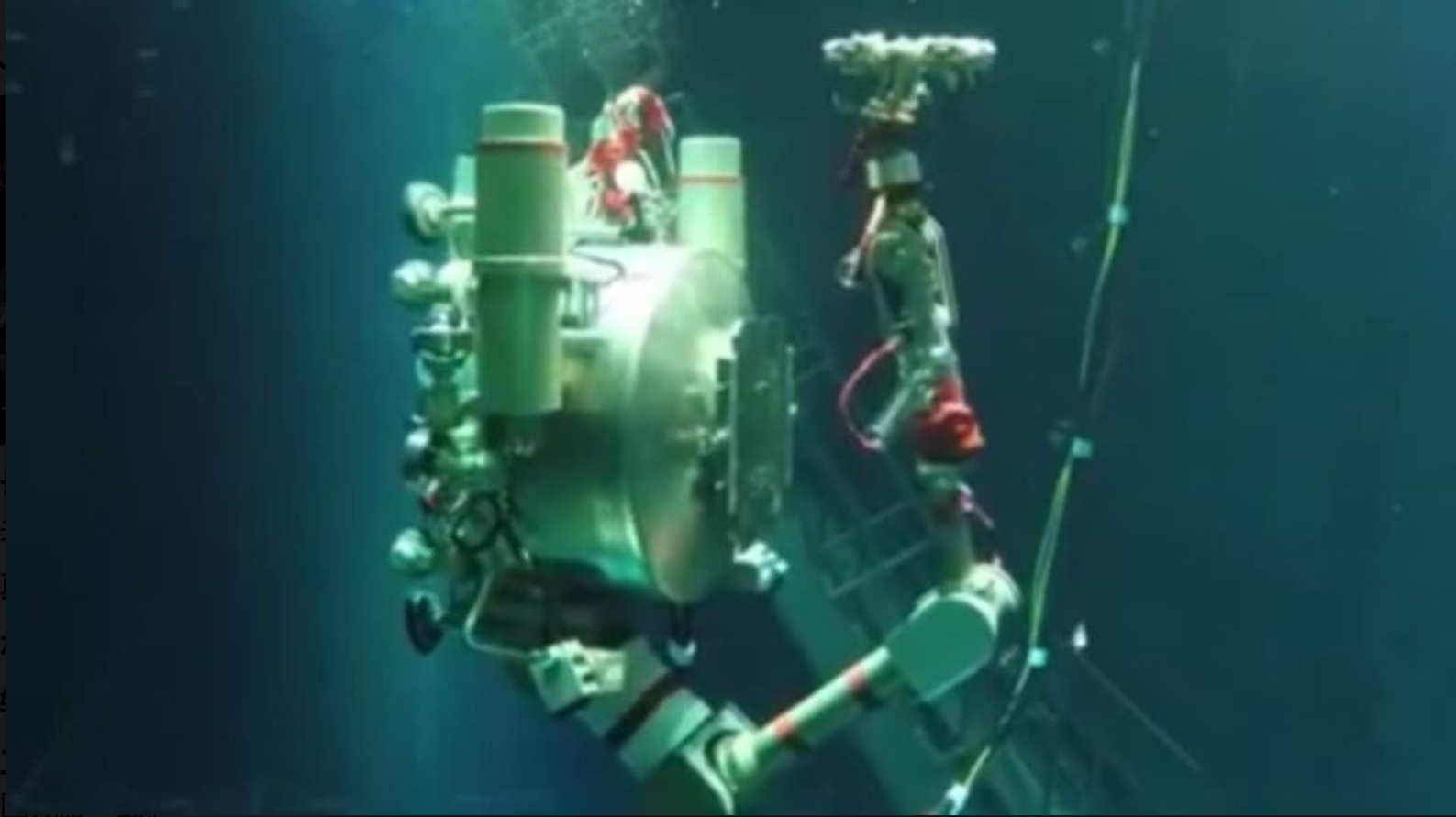
The A-UT robot, resembling a giraffe, has been operational in Japan's nuclear power plants for 30 years. Developed by Mitsubishi Heavy Industries, it performs critical inspections inside reactor pressure vessels using ultrasonic probes, where human access is impossible due to radiation. This robot is essential for ensuring the integrity of reactor components that contain high-pressure, high-temperature water and nuclear fuel. Its ability to operate in hazardous conditions makes it an invaluable tool for maintaining safety in nuclear energy production, especially as Japan's nuclear sector begins to revive. Looking ahead, the A-UT's role is expected to grow as more nuclear reactors restart operations, including the Kashiwazaki-Kariwa Unit 6 in February 2026. The continued use of such robots highlights their importance in energy strategy, ensuring the safety of welds in environments that are too dangerous for humans.
Nuclear Robotics Underwater Inspection Industrial Automation Radiation Protection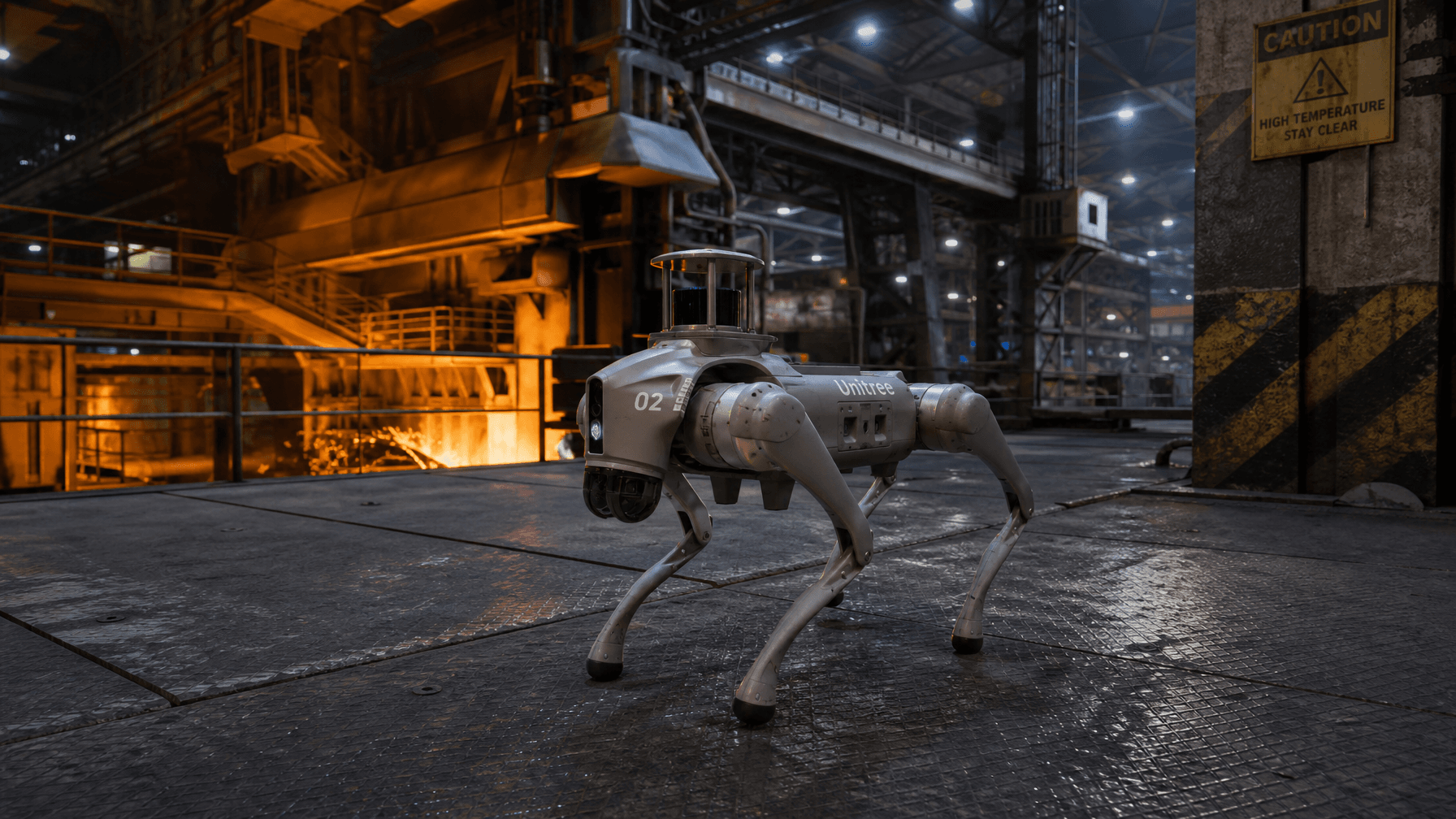
Unitree Robotics, Hunan Steel, and Looper Robotics Form Alliance for Steel Plant Inspections
Unitree Robotics has partnered with Hunan Steel and Looper Robotics to create a tripartite alliance aimed at deploying legged robots for inspections in steel plants. This collaboration signifies a notable entry of embodied AI technology into the heavy industry sector. The partnership is significant as it highlights the increasing integration of advanced robotics and AI in traditional industries such as steel manufacturing. By utilizing legged robots, the alliance aims to enhance inspection processes, improve safety, and increase operational efficiency within the steel plant environment. Looking ahead, the deployment of these legged robots could set a precedent for further advancements in industrial automation. No further timeline was disclosed at the time of publication.
Technology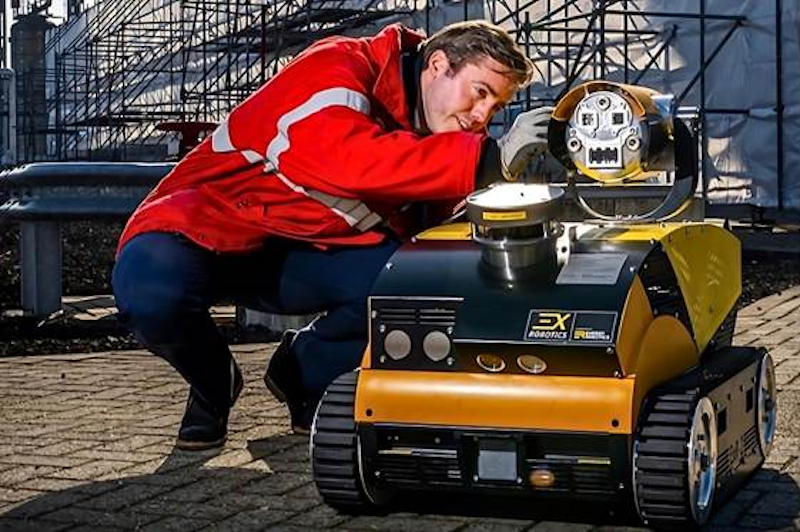
ExRobotics launches UL-certified inspection robot for hazardous industrial sites in North America
ExRobotics has announced the North American launch of its UL Certified ExR-2.5 autonomous inspection robot at the recent Energy Drone & Robotics Summit in Houston. This certification marks another industry first for ExRobotics. The ExR-2.5 is the only UL Certified inspection robot for potentially explosive industrial environments. This provides operators with a recognised pathway to […]
Energy News asset integrity autonomous inspection Autonomous robots bp
Beyond the Drone: Percepto’s New Platform Brings AI to Infrastructure Inspections
Percepto has unveiled its next-generation inspection software at the InnovateEnergy Week conference, which is currently taking place in The Woodlands, Texas. This new platform aims to enhance the capabilities of energy companies, particularly in the oil, gas, and electric utility sectors, by providing actionable data that is crucial for their operations. The launch reflects the industry's growing need for advanced technology to optimize infrastructure inspections and improve efficiency. By integrating artificial intelligence into their inspection processes, Percepto seeks to revolutionize how companies manage and analyze their energy resources, ultimately supporting their production goals.
Applications Drone News Drone News Feeds Drones in the News Energy infrastructure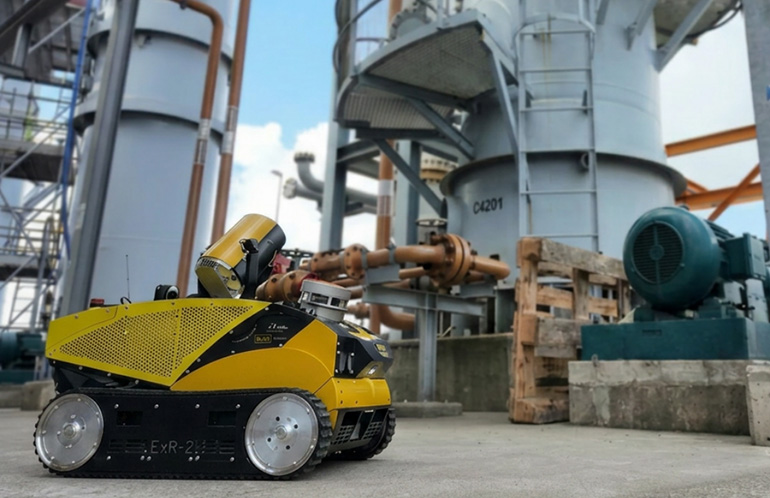
ExRobotics launches UL-certified inspection robot for hazardous environments
ExRobotics has announced that its ExR-2.5 inspection robot has received certification for safe operations in explosive environments across North America. This certification allows the robot to be deployed in hazardous settings, enhancing safety and efficiency in inspections where traditional methods may pose risks. The launch of the UL-certified ExR-2.5 marks a significant advancement in robotics technology, aimed at addressing the challenges faced in environments that are potentially dangerous for human operators.
Autonomous Mobile Robots (AMRs) Cameras / Imaging / Vision Mobility / Navigation News Oil and Gas Safety & Security
ZhiYuan G2 Launches Live Broadcast of Global First 3C Production Line Quality Inspection
Beginning June 23, Longqi Technology will host a six-day live broadcast featuring multiple ZhiYuan G2 robots operating on the production line at its Jiangxi factory. This event aims to provide an unedited and unrehearsed look at the robots as they conduct thorough quality inspections within the 3C electronics manufacturing process. The initiative highlights the practical application of embodied intelligence in a real-world setting, showcasing advancements in automation and robotics in the manufacturing industry.
Robotics Quality Inspection 3C Electronics Manufacturing Automation
Watch: Robot dog completes 33,000 inspections at 150-year-old cement plant safely
Swiss cement producer Vigier Ciment has partnered with ANYbotics to enhance its operational efficiency by deploying the ANYmal quadruped robot for automated inspections. This innovative initiative, which began recently, aims to streamline the inspection process within the company’s facilities. By utilizing the advanced capabilities of the ANYmal robot, Vigier Ciment seeks to improve safety and reduce the time required for routine checks, which are essential for maintaining high standards in production. The integration of robotics in this sector reflects a growing trend towards automation in industrial operations, driven by the need for increased productivity and cost-effectiveness. The deployment of the ANYmal robot is expected to not only optimize inspection routines but also pave the way for further technological advancements within the cement industry.
AI and Robotics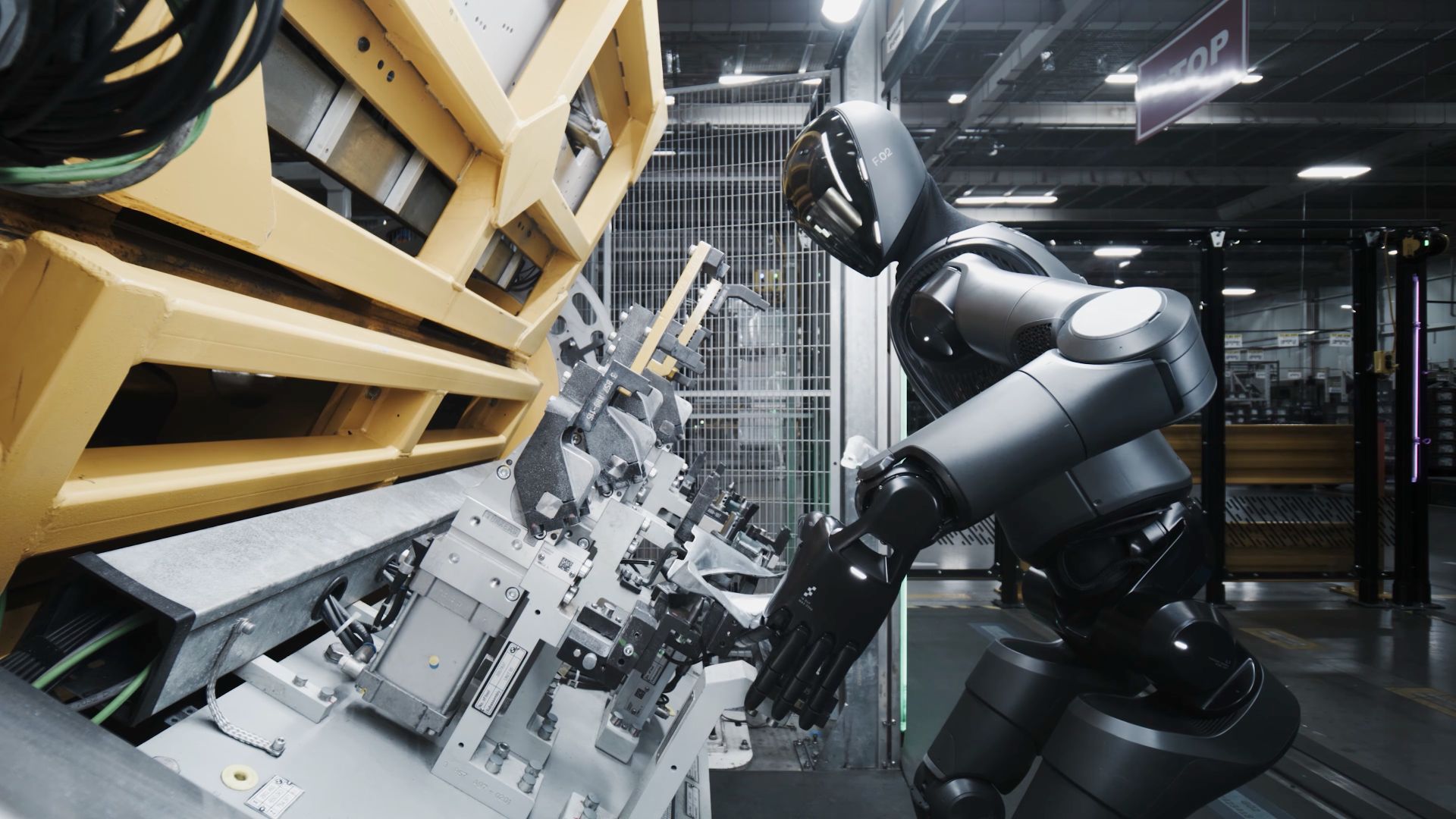
Chinese automaker unveils Xiaosai humanoid robot for inspection and production roles
Chinese automaker Seres has made a significant leap into the robotics sector by unveiling its first humanoid robot, Xiaosai. The announcement took place during a technology showcase event in Beijing, where the company highlighted its commitment to innovation and diversification beyond traditional automotive manufacturing. Xiaosai is designed to assist in various tasks, showcasing advanced artificial intelligence capabilities and a human-like appearance, which aims to enhance user interaction. This move comes as part of Seres' strategy to tap into the growing demand for robotics in both domestic and international markets, reflecting a broader trend among automakers to explore new technological frontiers. The introduction of Xiaosai is expected to position Seres competitively within the rapidly evolving landscape of robotics and automation.
AI and Robotics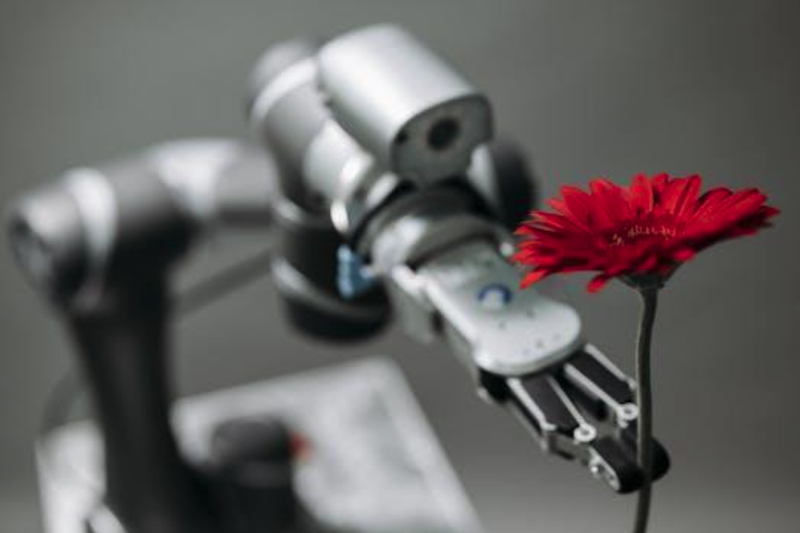
The Role of RF Connectors in Robotic Vision, Sensor Communication, and Automated Inspection Systems
Recent advancements in robotic vision and automated inspection have highlighted the limitations of software solutions in addressing physical challenges. While fast GPUs, sophisticated models, and user-friendly dashboards are often celebrated as technological triumphs, they falter when confronted with the realities of a compromised physical signal path. For instance, a camera's ability to process images is hindered by a noisy clock, and sensors struggle to deliver accurate readings when interfaces become loose after repeated vibrations. This underscores the importance of considering the physical environment in the development and implementation of automated systems, as reliance solely on software capabilities may lead to significant operational failures.
Design Engineering Technology automated inspection automation news factory automation
LIO‐RRTNav for Cattle Yard Inspection Robots: Prior Map Aided Relocalization and Goal‐Oriented, Smooth RRT Path Planning
A recent study published in the Journal of Field Robotics highlights advancements in autonomous robotic systems designed for agricultural applications. Researchers from a leading university conducted the study to address the growing need for efficient farming solutions amid increasing global food demands. The research, which took place over the past year, focused on developing robots capable of performing tasks such as planting, weeding, and harvesting with minimal human intervention. The team utilized cutting-edge technologies, including machine learning and computer vision, to enhance the robots' ability to navigate complex agricultural environments. By integrating these technologies, the robots can adapt to varying crop conditions and optimize their performance. The findings indicate that these autonomous systems could significantly reduce labor costs and improve productivity in the agricultural sector. The study's implications are particularly relevant as farmers face challenges related to labor shortages and the need for sustainable practices. By demonstrating the effectiveness of robotic solutions, the researchers aim to encourage wider adoption of automation in farming, ultimately contributing to food security and sustainability efforts worldwide. The research underscores the potential for robotics to transform traditional agricultural practices, paving the way for a more efficient and resilient food production system.
RESEARCH ARTICLE
AI agents enhance autonomous inspections, revamping manual approval processes for drones and ground robots by DataRobot, Chevron, and NVIDIA.
DataRobot has announced a collaboration with Chevron U.S.A. Inc., a subsidiary of Chevron Corporation, to implement agent-based AI in edge environments. This partnership aims to enhance autonomous patrol and inspection operations at Chevron facilities. By leveraging advanced AI technology, the initiative seeks to improve operational efficiency and safety in the company's infrastructure.
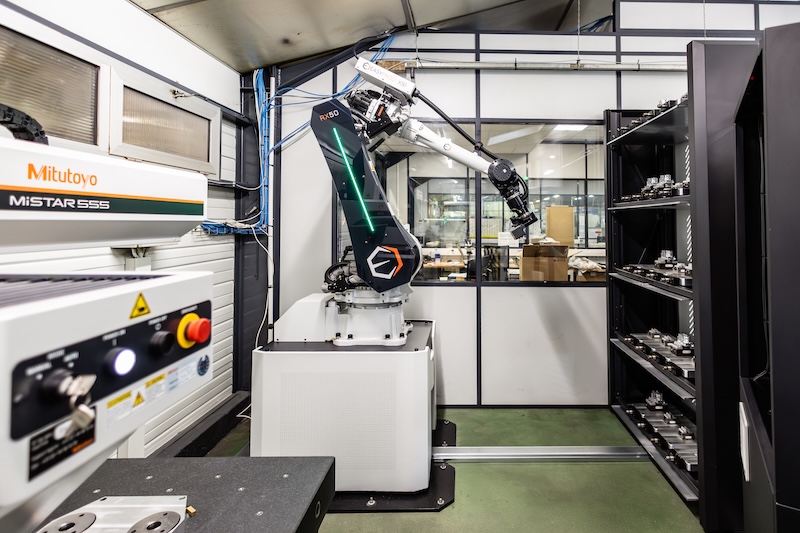
Méca-Précis utilizes robotic measurement cell to eliminate inspection bottlenecks
French precision engineering firm Méca-Précis has implemented an automated part inspection system to enhance efficiency in its operations. The new robotic measurement cell integrates a coordinate measuring machine (CMM) from Mitutoyo with automation technology developed by Engineering Data. This advancement comes in response to growing production volumes, which had turned traditional inspection processes into a bottleneck, particularly for clients in the aerospace and space sectors that demand high precision and reliability. The automation aims to streamline the inspection workflow, ensuring that quality control keeps pace with increased manufacturing demands.
Engineering Robotics advanced manufacturing aerospace components aerospace manufacturing automated inspection
Phoxter to showcase AI inspection, AMR, and warehouse control systems at Robot Technology Japan 2026.
Phoxter Co., Ltd. will showcase its innovations at the upcoming "Robot Technology Japan 2026" exhibition, scheduled to take place from June 11 to June 13, 2026, at the Aichi Sky Expo. This event aims to highlight advancements in robotics technology and foster collaboration within the industry. By participating, Phoxter seeks to demonstrate its commitment to driving innovation and engaging with potential partners and customers in the rapidly evolving robotics sector.
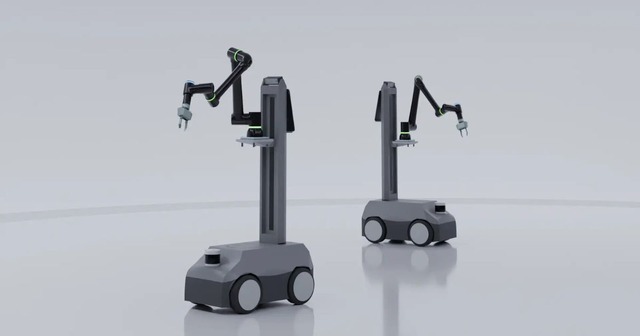
Mobile robot arm "MobiRobo" for railway inspections to debut at JR East startup event on June 4.
Kailas Robotics has announced its participation in the 13th JR East Startup Program DEMO DAY, scheduled for June 4, 2026. This event will showcase innovative startups and provide them with a platform to present their projects to potential investors and industry leaders. The initiative aims to foster entrepreneurship and technological advancement within the region, highlighting the importance of collaboration between startups and established companies. By taking part in this event, Kailas Robotics seeks to gain visibility and support for its cutting-edge solutions in the robotics sector.

AI-powered visual inspection using robots
GFT Technologies has unveiled an innovative AI-driven solution designed for automotive production, which integrates visual inspection with intelligent control of robotic systems. This advancement aims to enhance quality assurance processes within the industry, leveraging artificial intelligence to improve efficiency and accuracy in manufacturing. The announcement highlights GFT's commitment to advancing technology in automotive production, showcasing how AI can transform traditional inspection methods through automation.
Allgemein Künstliche Intelligenz & maschinelles Lernen Lösungen Robot Vision & Inspection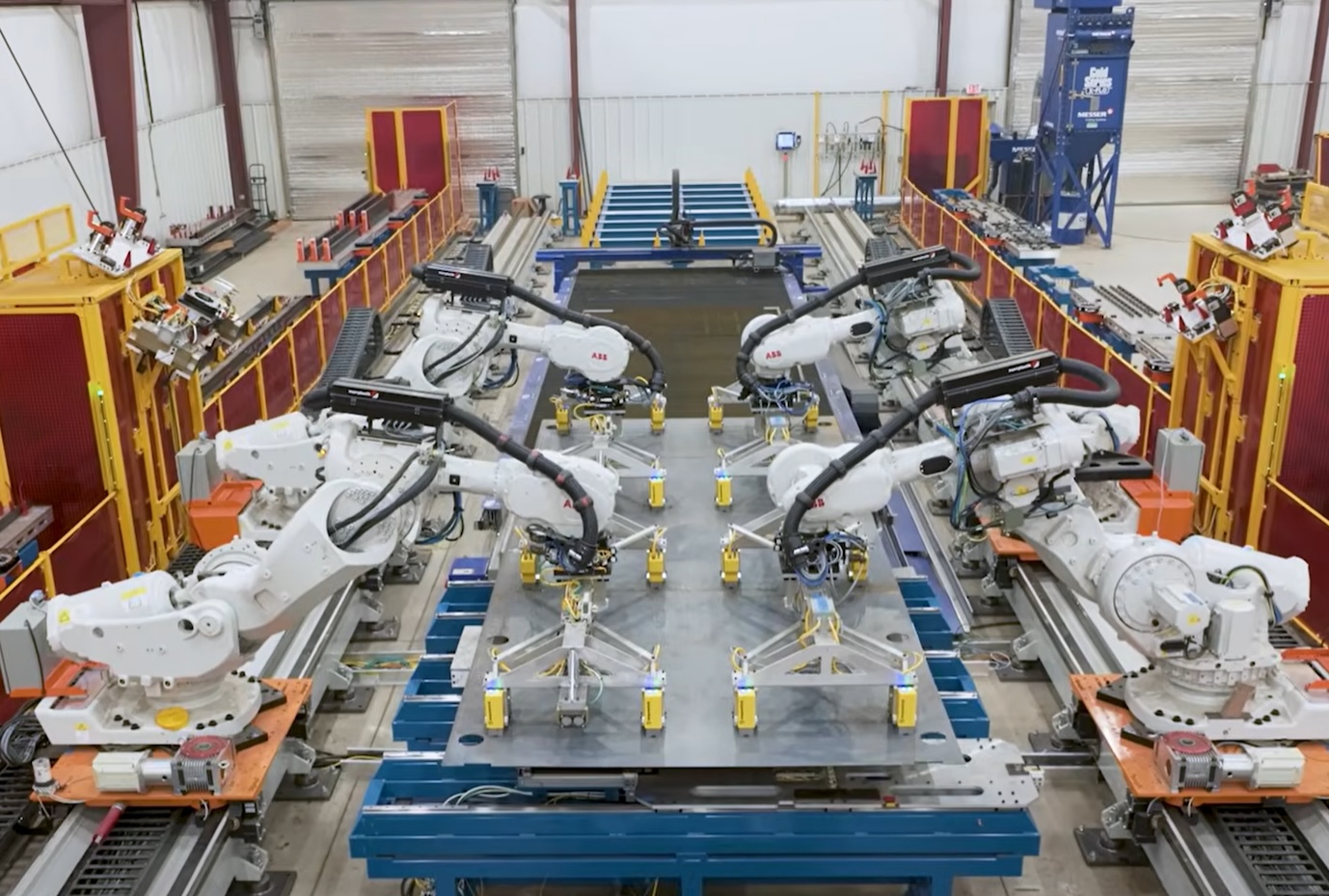
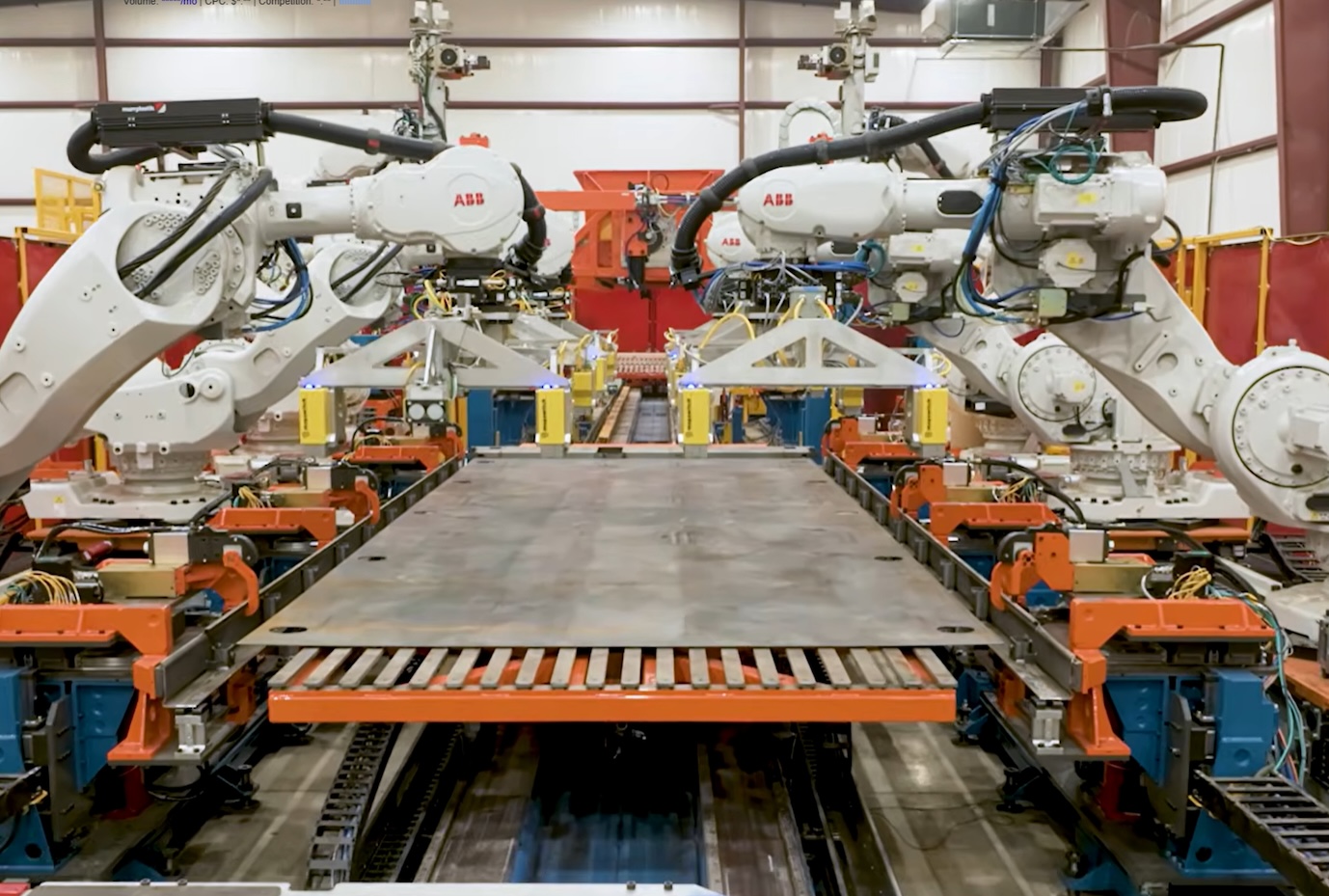
Design of a Multi‐Sensor Integrated Control System for Vehicle‐Mounted Tunnel Lining Inspection With Real‐Time Velocity and Posture Tracking
In June 2026, researchers published a comprehensive study in the Journal of Field Robotics, focusing on advancements in robotic technologies and their applications in various fields. The study highlights innovative methodologies that enhance the efficiency and effectiveness of robotic systems, particularly in challenging environments such as disaster response and exploration. The research team, comprised of experts in robotics and engineering, conducted extensive field tests to evaluate the performance of these advanced robotic systems. Their findings demonstrate significant improvements in navigation, autonomy, and adaptability, which are crucial for tasks that require precision and reliability. This study aims to address the growing demand for sophisticated robotic solutions in sectors like agriculture, search and rescue, and environmental monitoring. By showcasing the potential of these technologies, the researchers hope to inspire further development and investment in robotics, ultimately contributing to safer and more efficient operations in critical situations. The publication serves as a pivotal resource for industry professionals and academics alike, providing insights into the future of robotics and its role in addressing complex challenges faced by society.
RESEARCH ARTICLE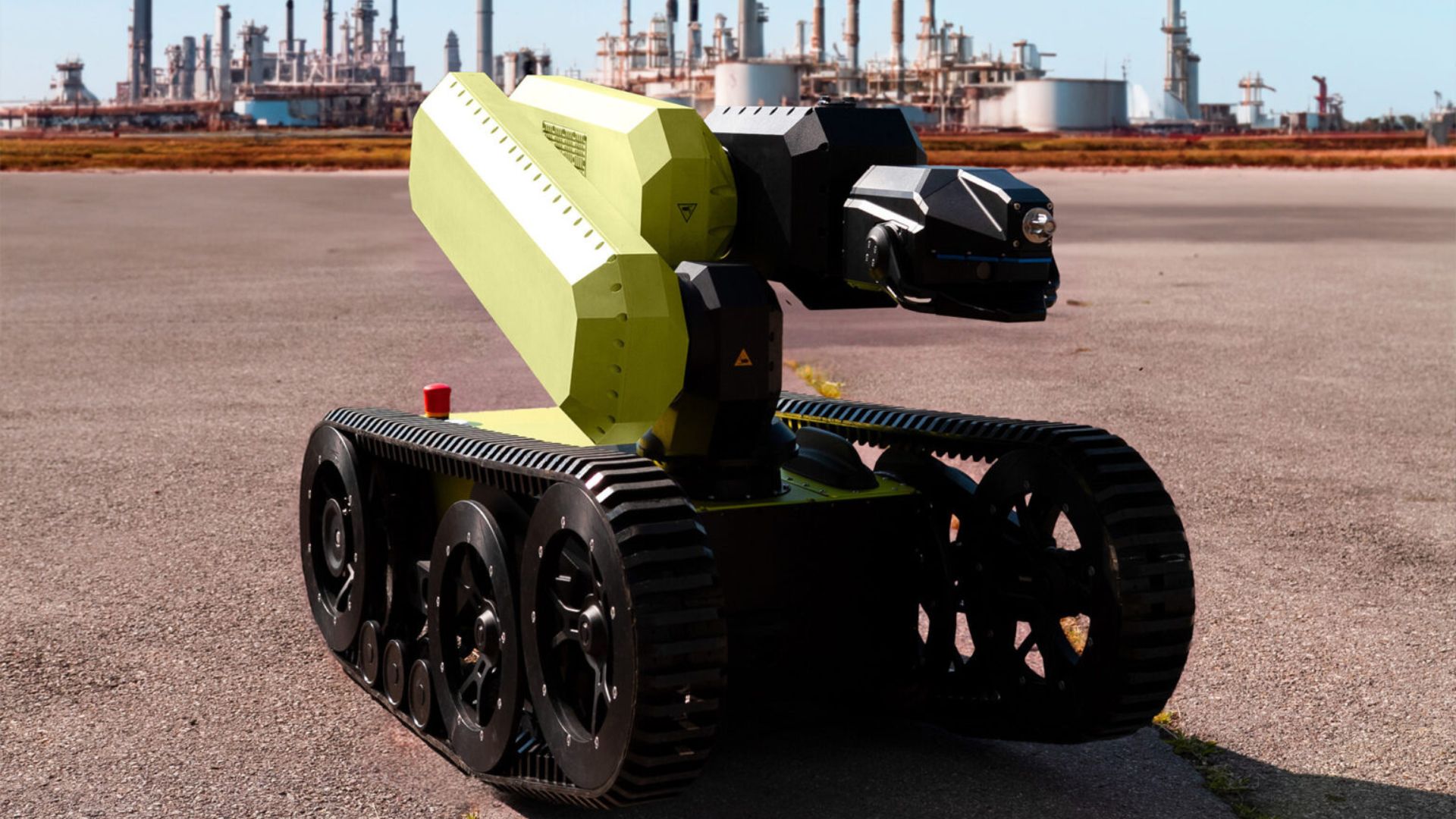
Heavy-duty robot takes over hazardous inspections at UAE gas plant
A heavy-duty inspection robot from Austria has been introduced at a gas compression facility to enhance safety and efficiency in monitoring operations. This deployment, which took place recently, aims to streamline inspections and reduce the need for human intervention in potentially hazardous environments. The robot is equipped with advanced sensors and imaging technology, allowing it to detect leaks, assess structural integrity, and gather data in real-time. By utilizing this innovative technology, the facility seeks to minimize risks associated with gas compression processes and improve overall operational reliability. The initiative reflects a growing trend in the energy sector to incorporate automation and robotics to address safety challenges and optimize maintenance procedures.
QRIVAS: Quadruped Robot‐Based Intelligent Visual Acquisition System for Bridge Component Inspection
The Journal of Field Robotics has recently published an article in its EarlyView section, highlighting advancements in autonomous robotic technology. Researchers from various institutions have collaborated to explore innovative applications of robotics in field environments, focusing on enhancing efficiency and safety in tasks such as agriculture, search and rescue, and environmental monitoring. The study, released in October 2023, emphasizes the growing importance of robotics in addressing real-world challenges, particularly in remote or hazardous locations where human intervention may be limited. By employing advanced algorithms and machine learning techniques, the team demonstrated how these autonomous systems can navigate complex terrains and perform tasks with minimal human oversight. This research aims to pave the way for more widespread adoption of robotic solutions, ultimately improving productivity and reducing risks in various sectors.
RESEARCH ARTICLE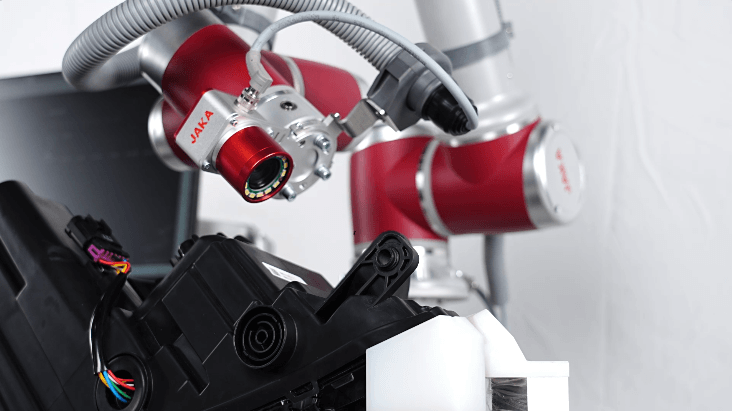
Implementing Automated Quality Inspection with a Pick and Place Robotic Arm
In a significant advancement towards "Zero-Defect Manufacturing," the boundaries between production and quality control are being redefined. Modern manufacturing facilities are now incorporating real-time inspection directly into the material handling process, rather than waiting until products reach the end of the assembly line. This shift is facilitated by the use of a 6-axis robotic arm, which functions as both a pick-and-place device and an inspection station, enabling manufacturers to detect defects immediately and minimize waste. During the automated quality inspection, the robotic arm evaluates components as it lifts them, utilizing a vision tunnel or high-resolution sensors to check for dimensional accuracy, surface integrity, and assembly verification. Parts that meet quality standards proceed to the "Good" bin, while those that fail are diverted to rework or scrap stations, ensuring that only flawless components advance in the production process. To achieve effective robotic inspection, three key technologies are essential: adaptive grippers for versatile handling, advanced vision sensors for precise measurements, and Edge AI processing to enable real-time data analysis. The JAKA Zu series of robots exemplifies this integration, particularly the JAKA Zu7 model, which is designed for high-precision inspection tasks. With a payload capacity of 7kg and a work radius of 819mm, it offers the agility and strength needed for rapid inspection cycles, while its compatibility with various communication protocols allows seamless integration with manufacturing systems. This innovative approach transforms each handling operation into an opportunity for quality assurance, enhancing overall production efficiency.

GameChange Solar Partners with Raptor Maps to Deliver First Integrated Solar Tracker Monitoring + Robotic Inspection System
GeniusVision and Raptor Maps have announced a strategic integration aimed at enhancing the efficiency of solar asset management. This collaboration, revealed in October 2023, seeks to significantly reduce operational costs while simultaneously improving the long-term performance of solar energy systems. By combining their advanced technologies, the two companies aim to provide solar operators with more comprehensive data analytics and insights, enabling better decision-making and optimized asset performance. The integration is expected to streamline operations, making it easier for solar energy providers to monitor and manage their assets effectively. This initiative reflects a growing trend in the renewable energy sector, where innovative partnerships are increasingly seen as essential for driving down costs and maximizing the potential of solar energy.
Perceptual Robotics Raises Funding to Automate Wind Turbine Inspection Drones
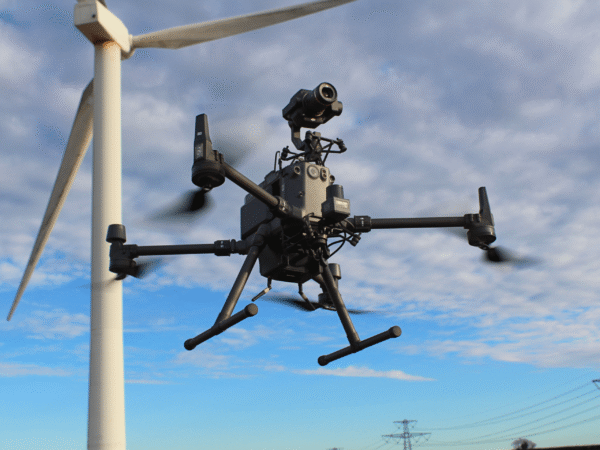
Perceptual Robotics, a Thessaloniki-based company, has successfully secured new funding to enhance its autonomous wind turbine inspection platform. The investment round, announced on May 5, 2026, was led by Loggerhead Ventures, with additional support from One Planet Capital. This financial backing aims to advance the development of AI-powered drones designed for wind farm maintenance, reflecting the growing demand for innovative solutions in renewable energy infrastructure. The funding will enable Perceptual Robotics to scale its operations and improve the efficiency of wind turbine inspections, ultimately contributing to the sustainability of wind energy production.
Drone News Drone News Feeds Europe Drone Industry European Union infrastructure Inspection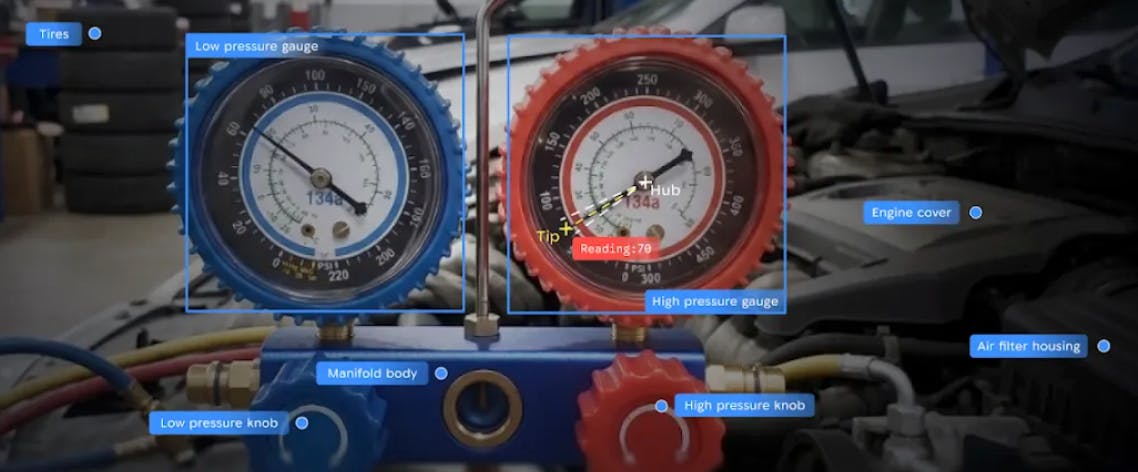
Boston Dynamics and Google Bring Gemini AI to Spot Robot for Smarter Facility Inspections
Boston Dynamics has announced the integration of Google's Gemini Robotics AI into its robotic platform, Spot. This advancement allows Spot to perform automated industrial gauge readings and conduct visual inspections of facilities. The collaboration aims to enhance operational efficiency and accuracy in industrial settings, addressing the growing demand for automation in various sectors. The integration is expected to streamline processes and reduce the need for human intervention in routine inspections, thereby improving safety and productivity. This development comes as part of Boston Dynamics' ongoing efforts to leverage cutting-edge technology to transform the capabilities of its robots, with the integration officially rolling out in late 2023.
Factory / Plant Maintenance
The Silent Stabilizer: Why Gyroscopes Are Essential for Next-Gen Industrial Inspection Robots
A newly developed robot equipped with a gyro-backed stabilization system is revolutionizing workplace safety and efficiency. This innovative technology ensures that cameras remain level and navigation remains precise, allowing for the accurate detection of defects while minimizing risks for workers. By maintaining stability during operation, the robot enhances inspection processes and helps prevent accidents in various industrial settings. As companies increasingly prioritize safety and quality control, this advancement is set to play a crucial role in transforming how inspections are conducted, ultimately leading to safer work environments and improved operational outcomes.
GFT Technologies AI-powered robots move from inspection to action for automakers
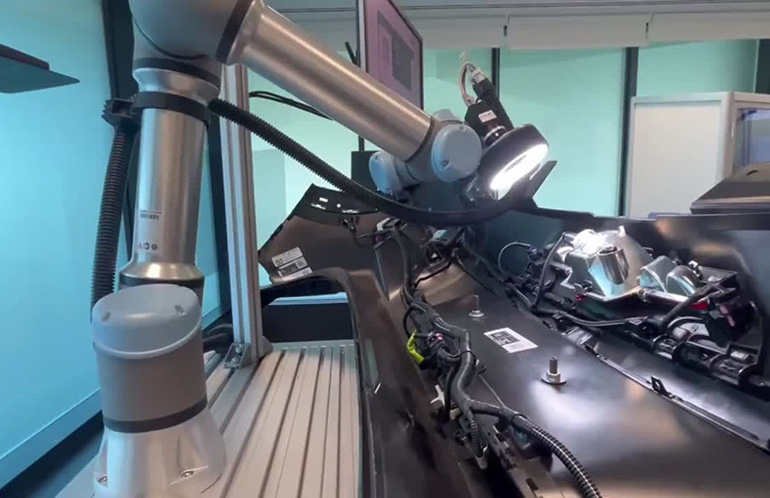
GFT Technologies has expanded its collaboration with Google Cloud by deploying AI-powered robots in automotive factories to enhance quality control processes. These robots are designed to identify and remove defective parts from production lines, transitioning from mere inspection to active intervention. This innovative approach aims to improve manufacturing efficiency and reduce the likelihood of faulty products reaching consumers. The initiative reflects a growing trend in the automotive industry to integrate advanced technology for better operational outcomes.
Arms / Manipulators Artificial Intelligence Artificial Intelligence / Cognition Automotive Cameras / Imaging / Vision Manufacturing
Deep Robotics Deploys Quadruped Robots at FAW Plant for Inspection
Deep Robotics has introduced its Jueying X30 quadruped robots at a FAW Group factory, marking a significant step towards automating inspection tasks and enhancing industrial maintenance efficiency. This deployment, which took place in October 2023, aims to streamline operations within the manufacturing environment. By utilizing advanced robotic technology, the initiative seeks to reduce human error and increase productivity in routine inspections. The integration of these robots is expected to not only optimize maintenance processes but also contribute to overall operational effectiveness at the facility.
News
Subterranean Mine Inspection Using the Prometheus Re‐Configurable Drone
In May 2026, the Journal of Field Robotics published a significant study exploring advancements in autonomous robotic systems. The research, conducted by a team of engineers and scientists, focuses on enhancing the capabilities of robots used in various fields, including agriculture, search and rescue, and environmental monitoring. The study highlights the integration of artificial intelligence and machine learning algorithms, which allow robots to adapt to dynamic environments and perform complex tasks with greater efficiency. This innovation aims to address the increasing demand for automation in sectors that require precision and reliability. The findings were presented at a conference dedicated to robotics and automation, where experts gathered to discuss the future of robotic technology and its implications for society. The research team emphasized the importance of developing robots that can operate safely alongside humans, ensuring that ethical considerations are prioritized in the design and deployment of these systems. By demonstrating the potential of advanced robotic technologies, the study aims to inspire further research and investment in the field, ultimately leading to more effective solutions for pressing global challenges.
RESEARCH ARTICLE
A Wheeled Robot Inspection System for Long‐Term Operation in Large‐Scale Industrial Environments
A recent study published in the Journal of Field Robotics explores advancements in robotic technology aimed at enhancing agricultural productivity. Researchers from various institutions conducted the study to address the growing challenges faced by the agriculture sector, including labor shortages and the need for sustainable farming practices. The research, released in early October 2023, highlights innovative robotic systems designed to automate tasks such as planting, harvesting, and monitoring crop health. The study emphasizes the importance of integrating artificial intelligence and machine learning into these robotic systems to improve efficiency and precision in farming operations. By employing advanced sensors and data analytics, the robots can adapt to varying agricultural conditions, ultimately leading to increased yields and reduced resource consumption. This initiative is part of a broader effort to modernize agriculture and ensure food security in the face of a rising global population and climate change. The findings suggest that widespread adoption of these technologies could significantly transform farming practices, making them more sustainable and less reliant on manual labor. The research team advocates for further investment in robotic solutions to facilitate this transition and support farmers in overcoming contemporary agricultural challenges.
RESEARCH ARTICLE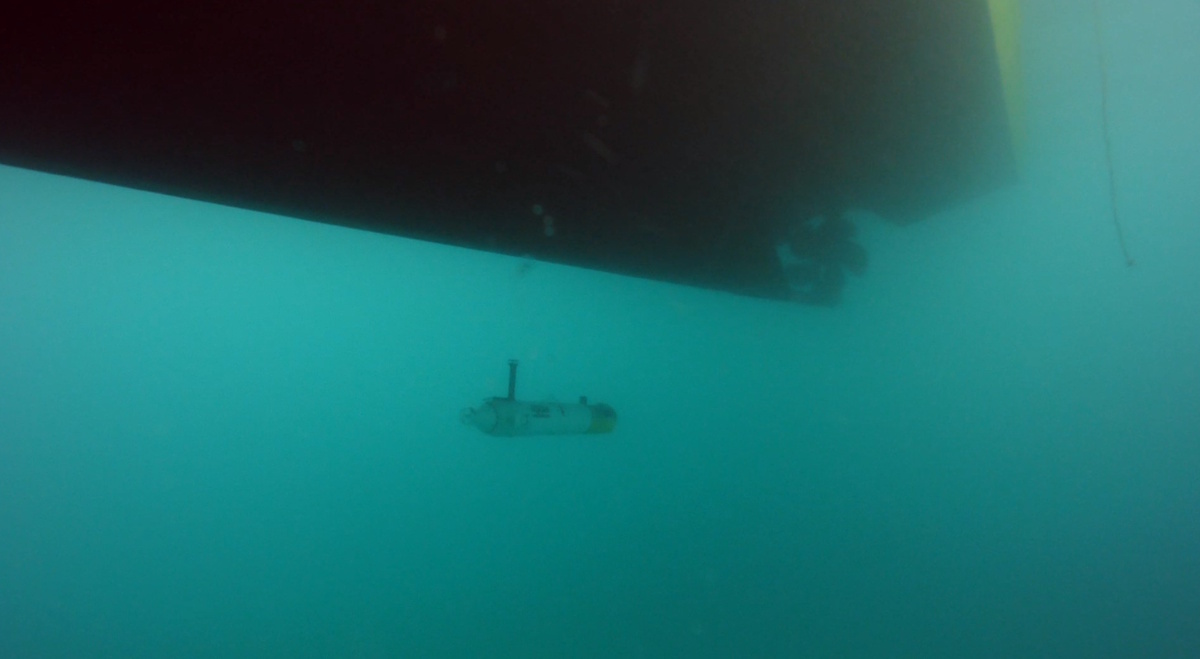
IQUA Robotics Validates the Use of AUVs for Autonomous Ship Hull Inspection
The ESCABVENTS project, a collaboration between IQUA Robotics and Zamakona Yards shipyard, has successfully completed proof of concept tests for the use of Autonomous Underwater Vehicles (AUVs) in naval inspection tasks. This initiative, part of the broader Sail2future project, aims to enhance efficiency and safety in the preventive maintenance of vessels. Funded by the European Union's NextGenerationEU program, the project received support through the PERTENAVAL aid managed by the Spanish Ministry of Industry, Trade and Tourism, as part of the Recovery, Transformation and Resilience Plan. The successful tests mark a significant step forward in modernizing naval inspection processes, potentially leading to safer and more efficient maritime operations.
iqua robotics auv autonomous ship hull inspectionRobotics needs a service framework.
RSF defines a common language for robot service capability, lifecycle operations, certification pathways, and service-provider networks.
Join the RobotToday community on LinkedIn
Daily robotics news, in-depth analysis, conference highlights, and discussions with professionals worldwide.