

Industry Briefing
A single destination for timely, editor-curated robotics news from around the world.

Boston Dynamics' Spot Robot Assists with Inspections at Innocent Drinks Facility
At the Innocent Drinks production facility in Rotterdam, the Spot robot from Boston Dynamics is aiding the team in inspecting production areas. This deployment highlights the growing integration of robotic solutions in manufacturing environments, enhancing operational efficiency and safety. As companies increasingly adopt advanced robotics, the role of robots like Spot in routine inspections will likely expand, paving the way for more automated processes in the industry.
Allgemein Automation Mobile Robotik
Insta360 Introduces Spatial Capture for Creating 3D Worlds from Videos
Insta360 has launched a new feature called Spatial Capture, available on the X6, X5, and X4 Air cameras. This feature allows users to transform 360-degree videos into explorable 3D scenes using 3D Gaussian Splatting technology. Unlike traditional methods that require multiple angles and complex software, Spatial Capture simplifies the process by enabling users to record a single 360-degree video and convert it into a 3D environment. This innovation is significant as it democratizes spatial creation, making it accessible to individuals without specialized equipment or technical skills. Users can capture personal spaces, such as homes or studios, and revisit them virtually, enhancing the emotional connection to these environments. The feature also opens up opportunities for creators and small businesses to showcase their spaces without the need for expensive 3D capture tools. Looking ahead, Insta360 aims to further refine the Spatial Capture process, which currently involves a straightforward recording and cloud processing. Users can expect a notification once their 3D scene is ready for exploration. This development could reshape how we document and interact with our environments, making virtual experiences more immersive and personal.
News
KAIST Develops Venus Flytrap-Inspired Soft Material for Object Sensing and Grasping
KAIST researchers have created a soft material inspired by the Venus flytrap that can sense and grasp objects. This innovative material mimics the plant's ability to close its leaves in response to stimuli, integrating sensory and muscular functions into one system. The material generates an electrical signal when an electrically charged object approaches, enabling it to react accordingly. This development is significant as it combines sensing and actuation in a single material, potentially advancing soft robotics and automation technologies. By mimicking biological mechanisms, the research could lead to more efficient and adaptable robotic systems that can interact with their environment in a more natural way. The integration of these functions may enhance the capabilities of robotic hands and other applications requiring delicate handling. Future developments to watch include potential applications in robotics and automation, where this technology could be utilized for tasks requiring precision and sensitivity. No further timeline was disclosed at the time of publication.
Robotics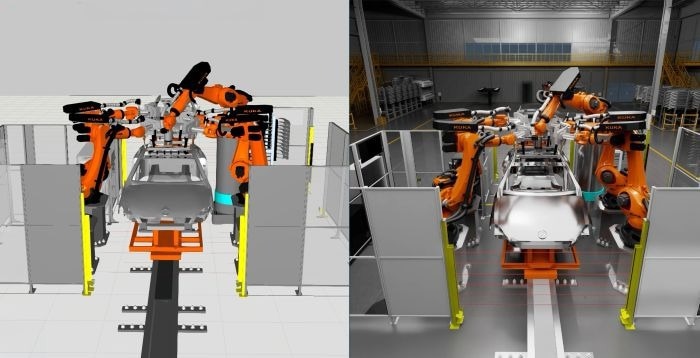
Visual Components Introduces FactoryLens, Enhancing Collaboration with NVIDIA for Digital Twins
Visual Components has launched FactoryLens, a new viewport integrated into its simulation platform, utilizing NVIDIA Omniverse libraries. This innovation aims to enhance the capabilities of 3D manufacturing simulation and robot offline programming. The introduction of FactoryLens is significant as it represents a step forward in the collaboration between Visual Components and NVIDIA, leveraging advanced technologies to improve industrial digital twin applications. This development is expected to streamline processes and enhance productivity in manufacturing environments. Looking ahead, industry professionals should monitor how FactoryLens will impact the adoption of digital twins in manufacturing. No further timeline was disclosed at the time of publication.

Figure Joins NVIDIA's Open Agent Safety Platform to Enhance Humanoid Robot Safety
Figure has officially joined NVIDIA's Open Agent Safety Platform, a collaborative initiative aimed at establishing safety protocols for advanced AI agents. Announced by NVIDIA CEO Jensen Huang on September 28, the platform includes over 100 industry partners, emphasizing the importance of safety as humanoid robots begin to integrate into homes and workplaces. The collaboration is significant as it highlights Figure's commitment to ensuring that humanoid robots are safe and trusted by users. Figure CEO Brett Adcock noted that the presence of humanoid robots in everyday environments necessitates stringent safety measures. While specific contributions from Figure to the initiative remain undisclosed, the partnership underscores the relevance of safety in the development of humanoid robotics. Looking ahead, the focus will be on how Figure and other partners will implement the safety measures outlined by NVIDIA's platform. No further timeline was disclosed at the time of publication, but the initiative aims to create a foundation for trustworthy AI systems, which is crucial for unlocking the economic potential of AI technologies in various applications.
Brett Adcock NVIDIA Jensen Huang Figure cybersecurity
Germany Accounts for 41% of All Industrial Robots Installed in the EU
Germany's economy is at the forefront of robotics automation in Europe, having installed 24,800 new industrial robots in the manufacturing sector. This significant contribution highlights Germany's leadership role in the adoption of advanced automation technologies. The installation of these robots represents 41% of all industrial robots deployed across the European Union, underscoring the importance of Germany in the regional robotics landscape. This trend reflects a growing commitment to enhancing productivity and efficiency within the manufacturing industry. Looking ahead, it will be crucial to monitor how Germany continues to leverage robotics technology to maintain its competitive edge in the EU market. No further timeline was disclosed at the time of publication.
Allgemein Newsarchiv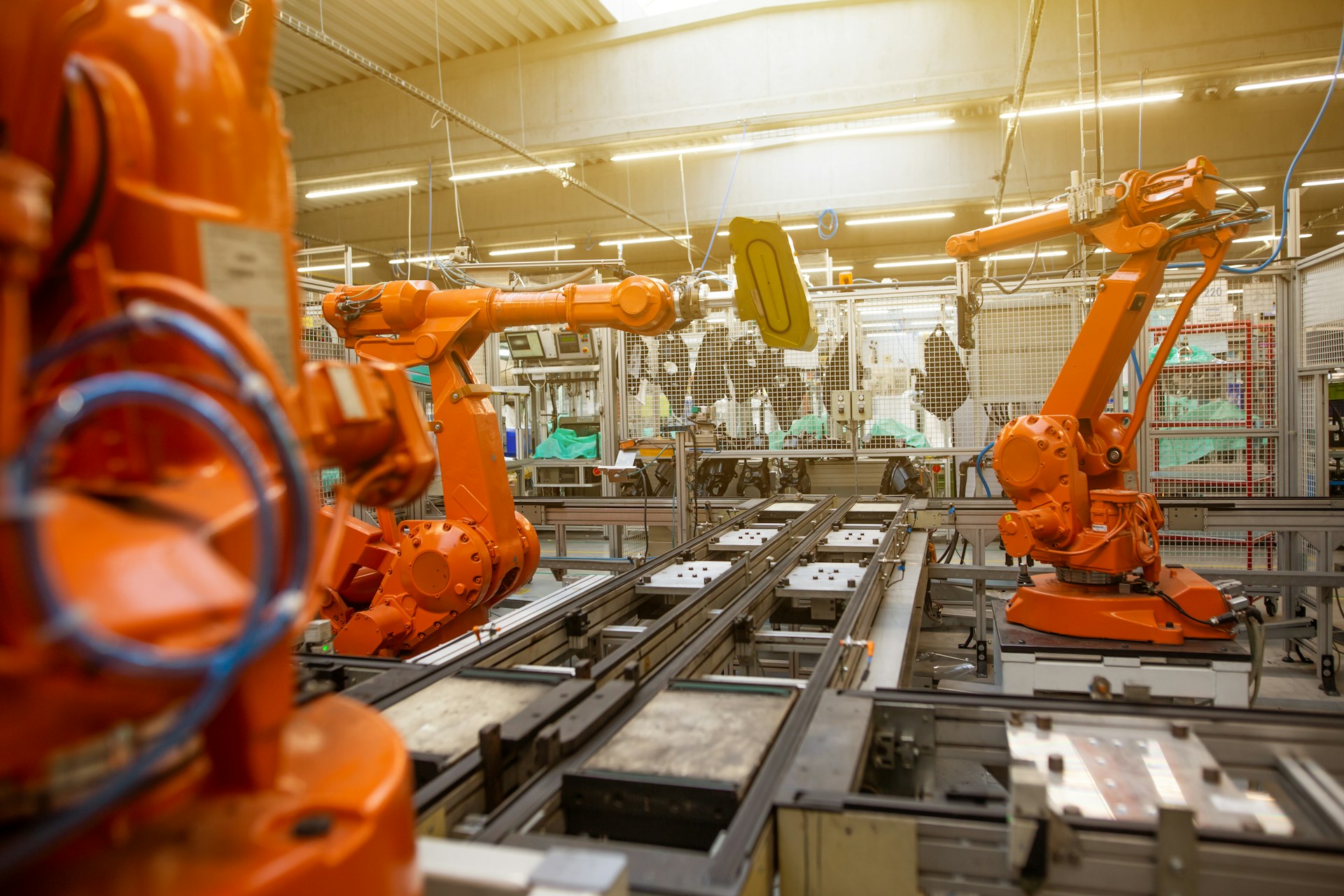
China's Industrial Robot Installations Reached 354,000 in 2025, Dominating Global Market
In 2025, China installed 354,000 industrial robots, marking a 20% increase from the previous year and representing 59% of global installations, as reported by the International Federation of Robotics. This achievement solidifies China's position as the largest industrial-robot market for the second consecutive year. The global operational stock of industrial robots reached 5 million units in 2025, reflecting a 9% growth. Additionally, annual installations surpassed 600,000 units, indicating a robust demand for automation technologies across various industries. The United States has now surpassed Japan, becoming the second-largest market for industrial robots. Looking ahead, the continued growth in China's industrial robot installations suggests a strong commitment to automation and advanced manufacturing. No further timeline was disclosed at the time of publication.
News Feed
Visual Components Introduces FactoryLens Powered by Nvidia for Enhanced Digital Twins
Visual Components has launched FactoryLens, a new viewport integrated into its simulation platform, utilizing Nvidia Omniverse libraries. This innovation allows manufacturers to transition their existing factory layouts into a realistic digital twin environment, enhancing real-time rendering capabilities within the familiar software. The introduction of FactoryLens represents a significant advancement in the collaboration between Visual Components and Nvidia, enabling users to visualize large-scale layouts, control materials, and export configurations seamlessly. The importance of FactoryLens lies in its ability to improve the accuracy of simulations, which are critical in modern manufacturing processes. As manufacturers increasingly rely on simulations to design and test equipment and facilities, the realism provided by FactoryLens ensures that these validations closely reflect real-world conditions. This tool not only enhances existing workflows but also sets the stage for future applications in digital twin technology and physical AI. Looking ahead, Visual Components envisions FactoryLens as a foundational element for various digital twin and AI use cases, including vision-based virtual commissioning and synthetic data generation. No further timeline was disclosed at the time of publication, but the integration of Nvidia technologies is expected to enhance collaboration and interoperability within the Visual Components ecosystem.

Light Origins Unveils Light-O1 Base Model Utilizing Human Movement Data from Online Videos
Light Origins has launched the Light-O1 embodied base model, which is trained on human movements sourced from online videos. This innovative model aims to enhance the capabilities of robotic systems by mimicking human actions, thereby improving interaction and functionality in various applications. The introduction of the Light-O1 model is significant as it represents a step forward in bridging the gap between human-like movement and robotic performance. By leveraging data from online videos, Light Origins is addressing the challenge of creating more intuitive and responsive robots that can operate effectively in real-world environments. Looking ahead, the industry will be watching how the Light-O1 model is adopted across different sectors and its potential impact on the development of more advanced robotic systems. No further timeline was disclosed at the time of publication.
Robotics Automation AI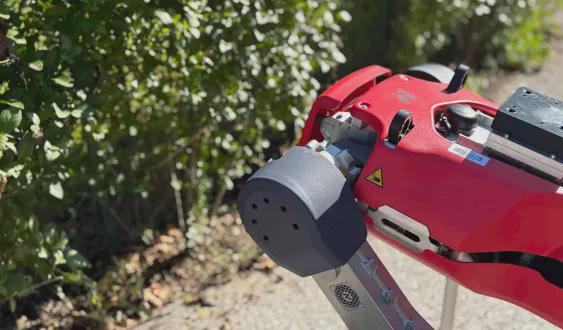
Robot Dogs Use Insect-Inspired Movements to See Through Obstructions in 17 Milliseconds
A collaborative team from Johannes Kepler University Linz, Free University of Bozen-Bolzano, University of Trento, and University of Sussex has developed a method for robot dogs to mimic insect movements to enhance their visual perception. By performing rhythmic lateral movements, akin to the 'peering' behavior observed in insects like locusts, these robots can effectively see through obstructions such as foliage and debris. This innovation is significant as it addresses a common challenge faced by exploration robots in environments cluttered with obstacles that hinder visual sensors. The research establishes a connection between the peering motion and synthetic aperture sensing, allowing the robots to create a virtual aperture that enhances background signals while blurring out obstructions. Future developments to watch include the potential applications of this technology in various environments, including forests and disaster sites. The research indicates that the synthetic aperture technique is most effective at around 50% obstruction density, suggesting a promising avenue for improving robotic vision in complex terrains. No further timeline was disclosed at the time of publication.
Robotics Computer Vision AI Obstacle Detection
Itochu and Aioi Nissay Dowa to Launch Robotaxi Insurance for US Market
Itochu and Aioi Nissay Dowa Insurance are collaborating to create insurance products tailored for self-driving taxis, targeting the U.S. market. They aim to initiate sales as early as fiscal 2027, addressing a growing need in the emerging robotaxi sector. This partnership is significant as it seeks to penetrate an undeveloped market for robotaxi insurance, which is becoming increasingly relevant with the rise of autonomous vehicles. Waymo has already deployed robotaxis in 15 American cities, indicating a demand for specialized insurance solutions in this area. Looking ahead, the focus will be on how these insurance products will be structured and the regulatory challenges they may face in the U.S. No further timeline was disclosed at the time of publication.

Light Origins Unveils Light-O1 Foundation Model to Enhance Robot Learning Capabilities
Light Origins has launched Light-O1, its first general-purpose embodied foundation model, which utilizes human actions extracted from internet videos to provide a reusable framework for robots to learn various tasks. The company trained six versions of the 4-billion-parameter model on multimodal tokens, achieving significant reductions in prediction errors across multiple datasets. This development is significant as it marks a step forward in robot learning by leveraging large-scale human action data, which enhances the adaptability of robots to different environments and tasks. The model's training involved extensive human action data, with the largest run encompassing around 100,000 hours of human behavior, indicating a robust foundation for future applications. Looking ahead, Light Origins plans to expand its physical AI roadmap with initiatives like LightNav-0 for alignment and Light REACT for real-time behavioral adaptation. No further timeline was disclosed at the time of publication.
AI AI Funding & Investment AI Infrastructure & Compute Robotics China foundation model
Advancements in Brain-Computer Interfaces: Insights from Duan Shumin
Recent advancements in brain-computer interfaces (BCIs) were showcased at a competition held on September 21-22, where a team from Tsinghua University, led by doctoral student Li Xiaoyang, demonstrated a brain-controlled wheelchair. The team achieved a time of 4 minutes and 19 seconds, securing second place in the competition. With nearly a decade of research, the accuracy of non-invasive BCIs has significantly improved, allowing even untrained individuals to operate the wheelchair safely. The importance of these developments is underscored by the Chinese government's strategic initiatives, including the implementation of guidelines for BCI industry innovation and the inclusion of BCIs in the national development plan alongside quantum technology and 6G. By September 2025, the National Medical Products Administration plans to release industry standards for medical devices utilizing BCI technology, marking a significant step in the formalization of this emerging field. Challenges remain, particularly in the areas of brain signal decoding and the standardization of BCI products for broader patient use. Despite successful cases in clinical settings, the high costs and limited applicability hinder widespread adoption. As noted by Duan Shumin, the BCI industry in China has yet to experience explosive growth, but breakthroughs in non-invasive technology could lead to substantial benefits for the general public and foster a large-scale industry.
Brain-Computer Interfaces Medical Technology Neuroscience Rehabilitation Devices
The Robot Works Introduces Goose, an Innovative Household Robot Inspired by Geese
The Robot Works has unveiled Goose, a prototype household robot designed to assist with various tasks at home. With a unique design featuring a low, rounded base and a long, flexible neck, Goose is equipped with a camera in its hat and an orange beak that functions as a claw. The robot aims to address specific household needs by providing a playful and engaging presence. This development is significant as it reflects a shift in household robotics, moving away from humanoid designs to more practical forms that can interact effectively with children and elderly family members. The design choices made for Goose, such as its low stance and long neck, allow it to reach items on the floor or high shelves without the complexities of balance that humanoid robots face. Looking ahead, The Robot Works positions Goose as a growing household robot that will learn new skills over time. This adaptability could enhance its utility and acceptance among users, making it a noteworthy innovation in the field of domestic robotics. No further timeline was disclosed at the time of publication.
Household Robots Robot Design AI Technology Home Automation
China's PLA Develops New Strategies for Tank Protection Against Drone Threats
The ongoing conflict in Ukraine has revealed vulnerabilities in modern armored vehicles, particularly to first-person view (FPV) drones. In response, China's People's Liberation Army (PLA) is enhancing tank protection to counteract these aerial threats. Recent tests showcased the GL-6 active protection system (APS), which can neutralize high-angle attacks from drones and other munitions. This development is crucial as it reflects a shift in military strategy, emphasizing a layered defense approach. The PLA is integrating reconnaissance drones, electronic warfare, and counter-drone technologies to create a networked combat system. Studies indicate that effective defense against UAV swarms requires a combination of warning systems, electronic countermeasures, and kinetic defenses, highlighting the need for a comprehensive solution to enhance armored survivability. Looking ahead, the PLA faces the challenge of rapidly implementing these protective measures. Recent training has focused on tactics to minimize exposure to drone attacks, such as using camouflage and terrain for concealment. As military adaptations evolve, the effectiveness of these strategies will be critical in determining the resilience of PLA armored units against increasingly sophisticated aerial threats.
Air Warfare Land Warfare Opinion Air Force armor Army
Intrinsic Announces Open Source Release of Intrinsic Core for Physical AI Development
Intrinsic, a robotics group at Google, has announced the open-source release of parts of its platform, Intrinsic Core™, aimed at enhancing physical AI applications. This platform includes capabilities such as a hardware-agnostic control framework, pose estimation, motion planning, and grasp planning, all designed to facilitate the development of sophisticated robotic applications. The significance of this open-source initiative lies in its potential to democratize access to advanced robotics technologies, allowing developers to customize solutions without starting from scratch. The release includes the Open Machine Tending Solution (OMTS), providing a reference design for real-world applications, which can accelerate innovation in the robotics field. Looking ahead, developers and organizations interested in robotics can leverage these open-source tools to create more adaptable and efficient robotic systems. No further timeline was disclosed at the time of publication.

Noin Introduces GLOW Architecture for Instant Learning in Robotics
Noin has unveiled the GLOW architecture, a generative learning framework aimed at enhancing robot learning capabilities. This new technology allows robots to learn tasks instantly without the need for extensive data collection or predefined processes, addressing the challenges posed by dynamic real-world environments. GLOW's core innovation lies in its ability to enable robots to learn tasks through a single demonstration, transforming visual input and feedback into actionable tasks. The significance of GLOW is underscored by its potential to revolutionize how robots acquire skills, moving away from traditional methods that require separate strategies for each task. Instead, GLOW aims to equip robots with generalized capabilities that can be applied across various objects, environments, and tasks. This shift could lead to more efficient and adaptable robotic systems, as users will no longer need to break down their requirements into machine instructions. Future developments to watch include Noin's ongoing commitment to advancing the GLOW technology, which integrates visual understanding, spatial reasoning, task planning, and action generation within a unified model. The architecture has already shown promising results in various evaluations, indicating its effectiveness in physical scene understanding and task execution, paving the way for enhanced robotic intelligence and adaptability.
Robotics Generative Learning AI Embodied Intelligence
The Importance of a Comprehensive Network for Robotics: Insights from the 2026 Information Communication Expo
The 2026 China International Information Communication Expo highlighted the necessity of a comprehensive network for robotics, showcasing advancements in embodied intelligence. The expo featured technologies essential for robotic tasks, including perception, decision-making, motion control, and human-robot interaction, emphasizing the integration of these elements for effective operation. This focus on connectivity is crucial as robots must adapt to various environments, ensuring safety and efficiency in tasks ranging from industrial applications to healthcare. The expo demonstrated how robots can be integrated into smart factories and homes, where they must understand human needs and operate safely in shared spaces. The success of robotic systems relies not only on their ability to perform complex actions but also on their operational stability and cost-effectiveness. Looking ahead, the 2026 initiative for humanoid robots and embodied intelligence aims to enhance real-world training and application validation. The emphasis on reliable real-time control, stable connectivity, and effective data utilization will be key to advancing robotic capabilities and ensuring their successful deployment in diverse environments. No further timeline was disclosed at the time of publication.
Embodied Intelligence Robotics Technology Smart Factories Healthcare Robotics
Carbon Robotics Introduces Carbon Autonomy Ready Program with Great Plains as Initial Partner
Carbon Robotics has launched its Carbon Autonomy Ready program, with Great Plains Manufacturing as its first partner. This initiative aims to create a technical specification for integrating various implements into the Carbon Autonomy platform, enhancing the capabilities of autonomous farming equipment. The collaboration is significant as it allows for real-time data integration from Great Plains' equipment, enabling autonomous adjustments similar to those made by human operators. This advancement is expected to improve efficiency and reduce costs for farmers by extending working hours and addressing skilled labor shortages. Looking ahead, the integration will be demonstrated at the 2026 Farm Progress Show, showcasing a Great Plains HT1100 Terra-Max equipped with sensors and a Carbon implement kit. This event will highlight the potential of the Carbon Autonomy Ready program to revolutionize farming practices and enhance operational efficiency.
ANYbotics Enhances ANYmal Robots with Automated Door Access for Inspections
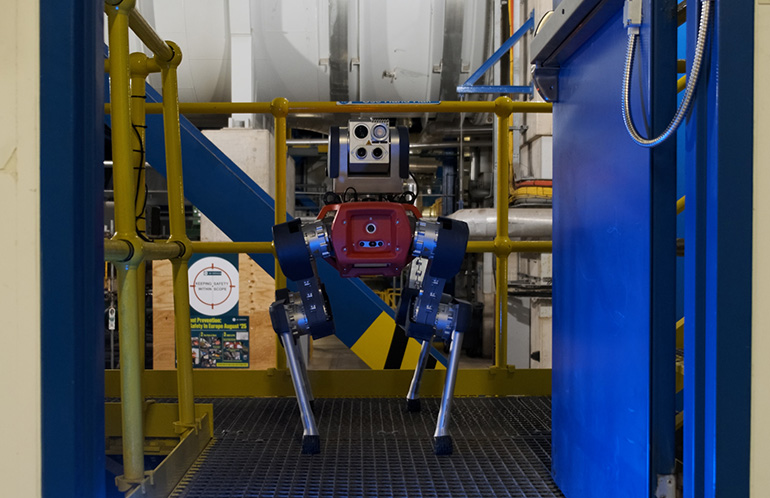
ANYbotics has announced a partnership with dormakaba and LEGIC Identsystems AG to enhance its ANYmal robots with automated door-access capabilities. This development addresses a significant barrier in mobile inspection for processing industries, allowing ANYmal to access critical areas without the need for infrastructure changes. The integration of automated door access is crucial as it enables ANYmal to perform inspections in previously inaccessible areas, thereby increasing operational efficiency and reducing unplanned downtime. According to Jacob Euler-Rolle, product manager at ANYbotics, this advancement allows the robots to navigate through both unlocked and locked doors seamlessly, enhancing their utility in energy, metals, mining, and chemical sectors. Looking ahead, ANYbotics plans to roll out this door access functionality as an add-on across its entire ANYmal fleet. The collaboration with dormakaba and LEGIC not only improves the robots' operational capabilities but also marks a significant step towards integrating physical AI in industrial settings. No further timeline was disclosed at the time of publication.
Arms / Manipulators Autonomous Mobile Robots (AMRs) Energy / Solar / Renewables Manufacturing Mechanical Mining
China Installed 354,000 Industrial Robots in 2025, Representing 59% of Global Total
On September 24, the International Federation of Robotics (IFR) released its report 'World Robotics 2026,' revealing that China deployed 354,000 industrial robots in 2025, marking a 20% increase year-on-year and accounting for 59% of global installations. This figure surpasses the previous record by nearly 60,000 units, reinforcing China's position as the largest industrial robot market worldwide. The demand for industrial robots in China is primarily driven by the electrical and electronics, automotive, and metalworking sectors. In 2025, the electrical and electronics industry installed 96,400 robots, a 16% increase, while the automotive sector saw installations rise to 78,900, a remarkable 38% growth. The metalworking industry also experienced a 44% increase, reaching 78,700 units. The automotive sector's growth is particularly noteworthy as it undergoes a transformation towards electrification and intelligence, leading to heightened demand for robots. Chinese robot manufacturers are expanding their presence in the domestic market, with local suppliers increasing installations by 15% to 195,000 units, representing 55% of the total. The IFR noted that since 2024, over half of the industrial robots installed in China have been supplied by domestic brands. The market is expected to continue growing at an annual rate of 5% to 10% until 2029, driven by demographic changes and labor shortages. Future developments will focus on transforming industrial robots into intelligent equipment capable of adapting to non-standard scenarios.
Industrial Robots Automation Robotics Market AI Technology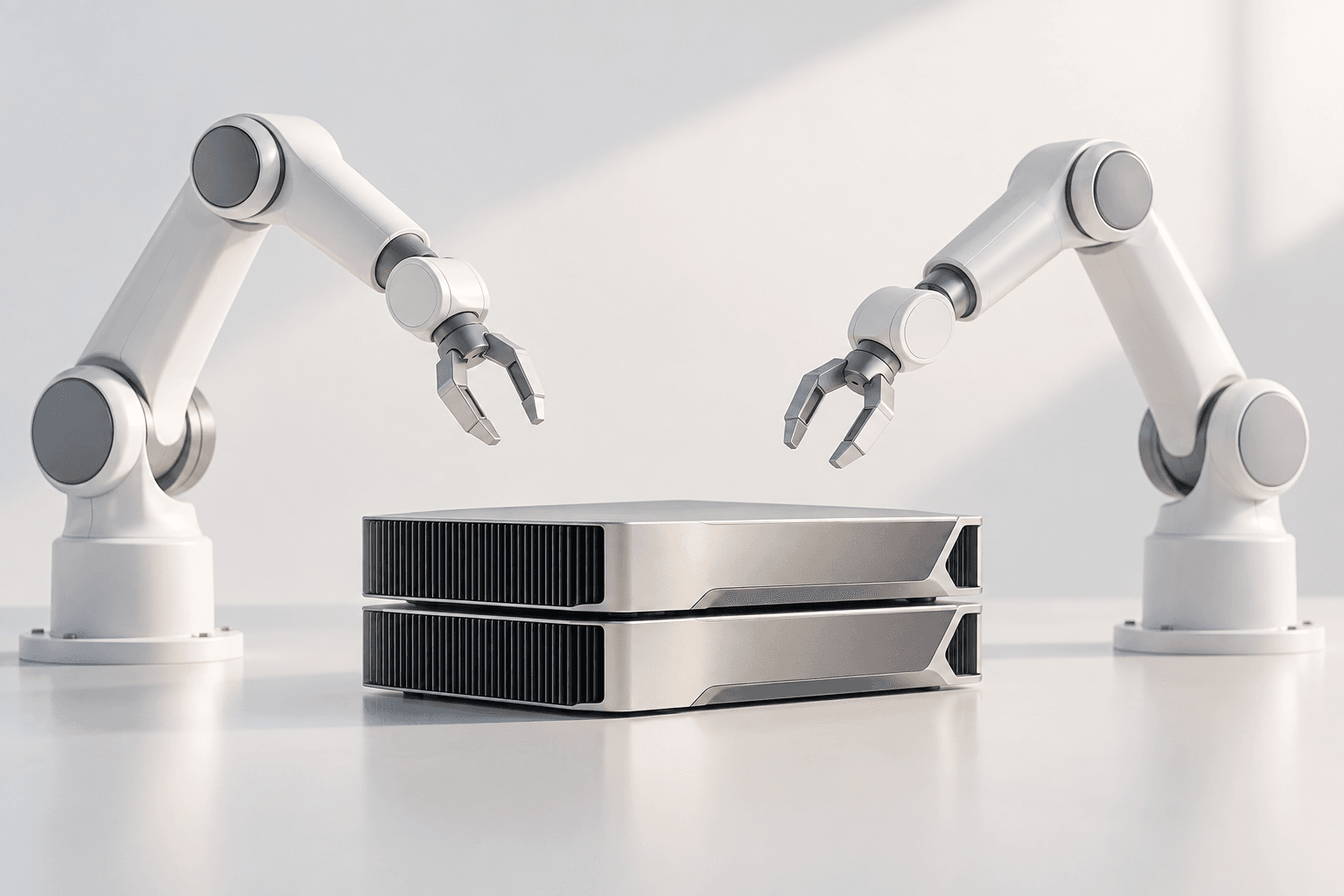
Moore Threads Reports MTT S5000 RL Training Curves Comparable to Mainstream GPUs
Moore Threads has announced that the embodied reinforcement learning (RL) training curves of its MTT S5000 match those of mainstream GPUs, achieving a correlation coefficient of r=0.976. This performance indicates a significant advancement in the capabilities of the MTT S5000 in the realm of RL training. The importance of this development lies in the integration of RLinf CI, which enhances the efficiency and effectiveness of the training process. Additionally, the MTT S5000 has demonstrated approximately 92 percent success in dual-arm real-robot assembly tasks, showcasing its practical applications in robotics. Looking ahead, the industry will be keen to observe how the MTT S5000's performance influences the competitive landscape of GPUs and robotics. No further timeline was disclosed at the time of publication.

ANYbotics Enhances ANYmal Robot Fleet with Automated Door Access for Inspections
ANYbotics has announced a partnership with dormakaba and LEGIC Identsystems AG to integrate automated door access into its ANYmal robot fleet. This development, revealed on September 24, 2026, aims to streamline facility-wide inspections by enabling the robots to navigate through doors autonomously. The addition of automated door access is significant as it enhances the operational efficiency of the ANYmal robots, allowing them to conduct inspections without human intervention. This capability is expected to improve workflow and reduce the time required for thorough facility inspections, making it a valuable advancement in robotic inspection solutions. Looking ahead, the integration of automated door access could lead to broader applications of the ANYmal robot fleet in various industries. No further timeline was disclosed at the time of publication.

Comau Provides Advanced Battery Cell Formation and Testing System to Slovenia’s National Institute of Chemistry
Comau has successfully delivered a laboratory-scale cell formation and testing solution to Slovenia’s National Institute of Chemistry (NIC). This customized system is designed to facilitate material validation, product development, and cycle life testing, integrating industrial processes into a research environment while maintaining necessary flexibility. The significance of this delivery lies in its ability to accommodate various battery cell formats, including pouch, cylindrical, and prismatic cells, on a single platform. This versatility allows researchers and industrial partners to explore a wide range of battery technologies, bridging the gap between academic research and commercial development. Looking ahead, the NIC facility is poised to support both academic and industrial users in battery research and testing across Europe. No further timeline was disclosed at the time of publication.
Industrial robots News Science battery automation battery cell formation battery cell testing
Intrinsic Open Sources Core Robotics Technology for Developers at ROSCon 2026
Intrinsic, Google's industrial robotics and physical AI software company, has announced the open sourcing of foundational components of its robotics platform at ROSCon 2026 in Toronto. This initiative provides developers with access to essential technologies for robot control, motion planning, vision, simulation, and hardware integration, significantly reducing the software and integration workload for robotics teams. The release, known as Intrinsic Core, is designed to enhance the development of industrial robotics and physical AI applications by offering a set of ROS-compatible capabilities. By leveraging the technology used in manufacturing deployments, Intrinsic aims to streamline the development process, allowing developers to utilize components individually or in combination to create new systems or improve existing applications. Key features of the open-source release include a hardware-agnostic real-time control framework, motion planning technology, and pose estimation capabilities. Developers can expect to see advancements in robot behavior adaptability and dynamic part manipulation, making it easier to integrate various hardware configurations without extensive rewrites. No further timeline was disclosed at the time of publication.
Computing News Robot simulation Software cnc automation fanuc
3COINS Launches PlayPod Wireless Earphones Priced at 3080 Yen with microSD Support
3COINS has introduced the PlayPod Wireless Earphones, retailing at 3080 yen. These earphones can connect to smartphones via Bluetooth and also function as a music player when a microSD card is inserted. The charging case features various control buttons for music playback and camera shutter operation, enhancing user convenience. The significance of the PlayPod Wireless Earphones lies in their dual functionality, allowing users to enjoy music without relying solely on their smartphones, thus reducing battery consumption and weight concerns. With a continuous playback time of approximately 6 hours and a quick charging time of about 1.5 hours, these earphones are designed for convenience and portability. Looking ahead, the PlayPod Wireless Earphones are available in multiple colors, including purple, white, and black. No further timeline was disclosed at the time of publication.

DJI and Insta360 Capture 93% of Global Handheld Smart-Camera Shipments in Q2 2026
In the second quarter of 2026, global shipments of handheld smart cameras surged by 57% year over year, exceeding 5.88 million units, as reported by IDC. The market revenue for this segment reached approximately RMB 15.7 billion, highlighting significant growth in consumer demand for these devices. DJI dominated the market with a remarkable 73% share of shipments, while Insta360 followed with a 20% share, resulting in a combined total of 93% for the two companies. The growth in gimbal-camera shipments was particularly notable, increasing by 87%, and detachable action-camera shipments skyrocketed by over 300%, indicating a shift in consumer preferences. Looking ahead, IDC projects that annual shipments of handheld smart cameras will approach 41 million units by 2030. This anticipated growth underscores the expanding market for smart cameras and the ongoing innovation from leading companies like DJI and Insta360. No further timeline was disclosed at the time of publication.
News Feed
Newport Hospital Becomes First in Rhode Island to Install Da Vinci Surgical Robot Funded by Donations
Newport Hospital has become the first facility in Rhode Island to install the Da Vinci Surgical Robot, specifically the Da Vinci 5 model. This advanced robotic-assisted surgical platform, funded entirely by donations after a year of fundraising, will be utilized for minimally invasive surgeries in urology, gynecology, thoracic, and general surgery. The significance of this installation lies in its enhancement of surgical precision and capabilities within a community hospital setting. According to Tenny Thomas, President and Chief Medical Officer of Newport Hospital, this milestone was made possible through the generous support of the donor community. The Da Vinci 5 offers improved force feedback, imaging, and computing power compared to its predecessors, reinforcing the hospital's commitment to providing advanced surgical options. Looking ahead, the integration of the Da Vinci 5 into Newport Hospital's surgical offerings, alongside the Zimmer Biomet ROSA knee system, highlights the ongoing relevance of specialized surgical robots in clinical practice. While humanoid robots like the Yushu G1 are still in early feasibility studies, the successful deployment of the Da Vinci 5 underscores its position as a leading solution in modern surgical procedures.
Surgical Robotics Minimally Invasive Surgery Healthcare Technology Robotic Surgery
National Technology Launches Advanced Joint Motor Control Solution with Shenzhen Institute of Advanced Technology
National Technology has announced a new generation of integrated joint motor control solutions for humanoid robots in collaboration with the Shenzhen Institute of Advanced Technology. This solution utilizes the high-performance dual-core MCU N32H785, which integrates drive control, a frameless torque motor, dual absolute encoders, a communication module, and a reducer, addressing the challenges of compact and modular design in robotic systems. The humanoid robot market is experiencing significant growth, with global shipments expected to exceed 50,000 units this year, reflecting a year-on-year increase of over 700%. However, the complexity of joint control remains a critical challenge, as each robot contains numerous joints that must perform motor control, encoder processing, multi-protocol communication, and safety protection within tight spaces. The new solution aims to enhance the performance of joint control systems by separating motor control and communication tasks across two dedicated cores, ensuring real-time performance and stability. As the industry continues to evolve, the focus will be on the successful implementation of this technology in mass production scenarios.
Humanoid Robots Motor Control Robotics Technology Embedded Systems
The Importance of Infrared Windows for Safe Electrical Equipment Inspections
Infrared windows are becoming essential for safe inspections of electrical equipment in automated production lines. These windows allow maintenance teams to use thermal cameras to inspect internal components without opening cabinets, thus maintaining safety while ensuring operational efficiency. The significance of infrared windows lies in their ability to detect potential electrical issues before they lead to machine failures. By identifying unusual heat patterns through thermal imaging, maintenance teams can address problems proactively, reducing downtime and enhancing productivity in facilities with numerous electrical cabinets. Looking ahead, the adoption of infrared windows may increase as industries seek to improve safety and efficiency in equipment inspections. As maintenance teams face growing demands, these windows provide a practical solution to minimize risks associated with accessing energized components. No further timeline was disclosed at the time of publication.
Engineering Home robots Manufacturing condition monitoring electrical equipment electrical inspections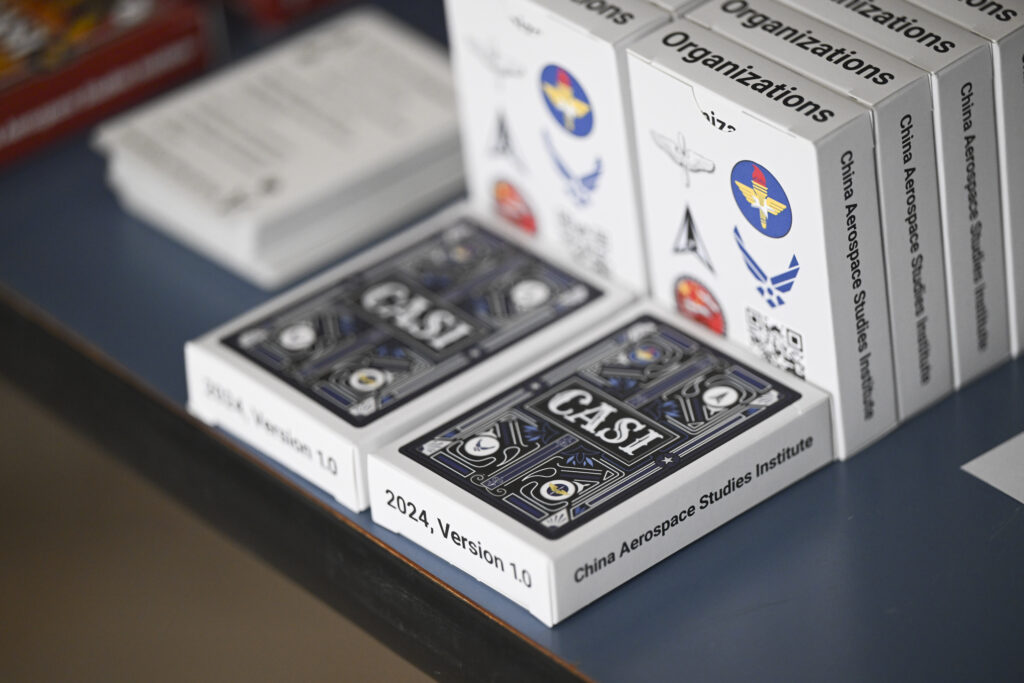
Air Force Confirms Continuation of China Aerospace Studies Institute Amid Civilian Staff Cuts
The Air Force has announced that it will eliminate civilian staff roles at the China Aerospace Studies Institute (CASI) but will not close the organization. An Air Force spokesperson stated that military service members will take over the institute's mission, which focuses on studying Chinese airpower. Affected civilian employees will remain in their positions until further notice and will be considered for reassignment. This decision comes as part of a broader civilian restructure within the Air Force’s Air Education and Training Command. CASI serves as a key think tank that publishes research on China's military capabilities, aiming to inform U.S. military strategy and policy. The institute's latest publication discusses how technologies intended for space exploration may enhance military operations in the Pacific region. As the Air Force navigates these changes, questions arise regarding similar research initiatives within the Army and Navy. While the Naval War College confirmed no anticipated changes at its China Maritime Studies Institute, the status of the Army's China Landpower Studies Center remains unclear. No further timeline was disclosed at the time of publication.
Air Warfare Global Air Education and Training Command Air Force Asia China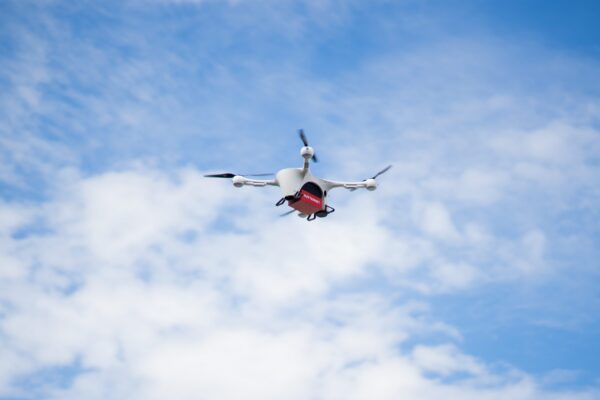
Matternet Begins Trading on OTCQB as First Publicly Traded Drone Delivery Company
Matternet, a Mountain View-based company, commenced trading its common stock on the OTCQB Venture Market on September 21, 2026, under the ticker symbol MTTN. This milestone marks Matternet as the first publicly traded pure-play drone delivery operator, holding standard FAA type certification. The significance of this listing lies in its potential to enhance visibility and access to capital markets for Matternet as it prepares to launch its next-generation delivery platform. CEO Andreas Raptopoulos emphasized that 2026 represents a pivotal moment for drone delivery in the U.S., predicting that it will become a crucial part of everyday logistics infrastructure. Looking ahead, Matternet aims to expand its commercial operations across various sectors, including food, retail, healthcare, and industrial logistics. The company has also formed strategic partnerships and expanded its network of FAA Part 135 operating partners to support this growth. No further timeline was disclosed at the time of publication.
Delivery Drone News Drone News Feeds Logistics News aerospace news 2026
Google's Intrinsic Launches Open-Source Robotics Software for Industrial AI Applications
Intrinsic, a subsidiary of Google, has released Intrinsic Core as open-source robotics software, enabling developers to create AI-enabled industrial robot applications from prototype to production. This software includes features such as real-time robot control, pose estimation, and motion planning, available on GitHub under an Apache 2.0 license. The significance of this release lies in its potential to streamline the development process for robotics applications, reducing the infrastructure developers need to build independently. Intrinsic Core is designed to work seamlessly with existing products like Intrinsic Flowstate and supports various hardware configurations, enhancing its adaptability in manufacturing environments. Looking ahead, Intrinsic plans to introduce additional open reference solutions for industrial automation, further expanding the capabilities of Intrinsic Core. The Open Machine Tending Solution, which runs on Intrinsic Core, serves as a reference design for CNC machine tending, showcasing practical applications of the software in real-world scenarios. No further timeline was disclosed at the time of publication.
AI AI Funding & Investment AI Infrastructure & Compute Robotics Google industrial roboticcs
TikTok USDS Joint Venture Joins Lantern Child Safety Initiative with Major Tech Firms
TikTok's U.S. unit, TikTok USDS Joint Venture, has joined Lantern, a cross-platform child safety initiative launched in 2023. This program aims to facilitate collaboration among social media companies to share signals of harmful behavior and content, thereby identifying bad actors across platforms. Notable members include Google, Meta, and Microsoft. The participation of TikTok USDS in Lantern is significant as it enhances coordinated efforts to combat child sexual exploitation and abuse, aligning with the actions of its competitors already involved in the initiative. Lantern has reported sharing over 2 million signals of potentially harmful behavior through 2025, underscoring the importance of cross-platform cooperation in safeguarding children. In addition to joining Lantern, TikTok USDS is committing $2 million to the National Center for Missing and Exploited Children (NCMEC) to modernize its CyberTipline. This investment aims to improve detection tools and processing times for reports of child safety threats. The NCMEC project is projected to take three years and cost $10 million, with contributions from partners like AWS and Microsoft.
Social child safety CSAM TikTok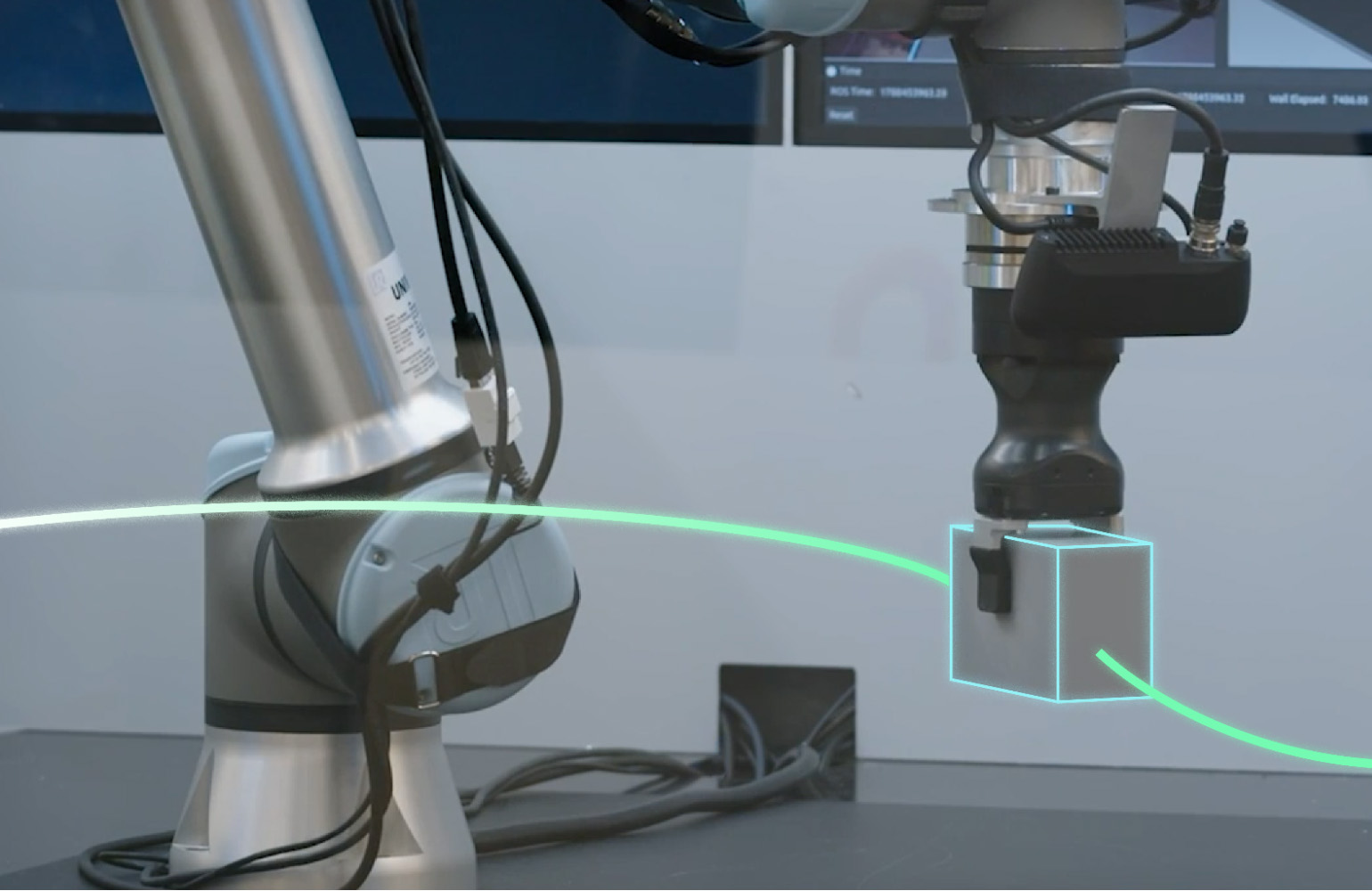
Intrinsic Launches Open-Source Intrinsic Core for Enhanced Robotics Development
Intrinsic has unveiled Intrinsic Core, an open-source set of Robot Operating System-compatible capabilities aimed at simplifying robotic application development. This initiative is designed to reduce the extensive coding time currently required by robotics teams, allowing developers to leverage pre-configured software environments based on real manufacturing deployments. The release of Intrinsic Core is significant as it represents a commitment from Intrinsic to foster community collaboration in robotics. By providing foundational building blocks for robot behavior, the platform enables users to create adaptive AI systems more efficiently. According to Brian Gerkey, CTO of Intrinsic, this move is not just about sharing code but about enhancing the overall robotics ecosystem. Looking ahead, the introduction of Intrinsic Core is expected to accelerate robotics development, making it easier to produce robots. Geoffrey Biggs, CTO of the Open Source Robotics Foundation, emphasized that such platforms will lead to a new era in robotics, where development processes are streamlined and innovation is accelerated. No further timeline was disclosed at the time of publication.
Artificial Intelligence Artificial Intelligence / Cognition Cobot Arms Collaborative Robots Design / Development Industrial Robots
Light Origins Launches Open-Source Light-O1-Preview 6B Whole-Body Model for Robotics
Light Origins has unveiled the Light-O1-Preview, a 6B model licensed under Apache-2.0. This innovative model is designed to convert human-video action priors into comprehensive robot whole-body trajectories, marking a significant advancement in robotic motion capabilities. The introduction of Light-O1-Preview is important as it differentiates itself from the existing LightNav-0 navigation stack, showcasing Light Origins' commitment to enhancing robotic functionalities. By leveraging human-video data, this model aims to improve the adaptability and precision of robotic movements in various applications. Looking ahead, industry observers should monitor how the adoption of the Light-O1-Preview model influences the development of robotics that require sophisticated motion planning. No further timeline was disclosed at the time of publication.

SoftBank Reportedly Set to Acquire Robotics and AI Institute from Hyundai Motor Group
SoftBank has reportedly agreed to acquire the Robotics and AI Institute (RAI) from Hyundai Motor Group, as reported by The Robot Report on September 18. This acquisition could bring Marc Raibert's research organization under SoftBank's ownership, although financial terms and the progress of the review by the Committee on Foreign Investment in the United States (CFIUS) remain undisclosed. The acquisition is significant as RAI focuses on addressing fundamental challenges in robotics and AI, aiming to enhance machine capabilities and usability. Raibert, the executive director, leads the organization, which operates from offices in Cambridge, Massachusetts, and Zurich. The potential acquisition aligns with SoftBank's strategy to leverage RAI's research base for developing diverse robotic applications. No further timeline was disclosed at the time of publication. The reported acquisition adds complexity to Hyundai's ongoing efforts to consolidate its ownership of Boston Dynamics, as SoftBank previously exercised its put option regarding its stake in the company. This move highlights the evolving landscape of robotics and AI, with SoftBank's interests extending to humanoid robotics as well.
Hyundai Motor Group Business Market Research softbank RAI
NASA's Curiosity Rover Provides Insights into Mars' Ancient Habitats
NASA's Curiosity rover continues its exploration of Mars, sending back vital data about the planet's ancient environments. The rover's operations team at the Jet Propulsion Laboratory in Pasadena, California, works diligently to analyze images and measurements collected during its missions. Curiosity's findings suggest that Mars once had conditions suitable for life, with evidence of ancient lakes and organic molecules. The significance of Curiosity's mission lies in its ability to uncover the history of Mars, particularly in Gale Crater, where it has been investigating sedimentary rock layers for over a decade. These layers indicate that Mars had a thicker atmosphere and flowing water billions of years ago, which raises questions about the planet's potential to support life. The rover's ongoing analysis of rock samples is crucial for understanding the planet's past. Looking ahead, Curiosity is set to explore smoother terrain that may reveal further geological insights. The rover's ability to traverse these areas will enhance our understanding of Mars' environmental history. No further timeline was disclosed at the time of publication.

Rosenxt Enhances Subsea Inspection Services for Improved Asset Integrity Management
Rosenxt is expanding its subsea inspection capabilities to enhance the integrity management of subsea assets. This new offering integrates advanced subsea technology with operational expertise, enabling clients to make informed decisions regarding asset conditions and necessary interventions. The importance of this expansion lies in the challenging environments where subsea assets operate, making integrity assessments critical. Operators require precise insights to manage asset integrity effectively throughout their lifecycle, which Rosenxt aims to provide through tailored inspection programs. Looking ahead, Rosenxt's new services will include a range of inspection techniques such as visual inspections and depth-of-burial assessments. By focusing on the specific integrity questions posed by clients, Rosenxt is positioned to deliver actionable data that supports long-term asset management. No further timeline was disclosed at the time of publication.
rosenxt subsea inspection integrity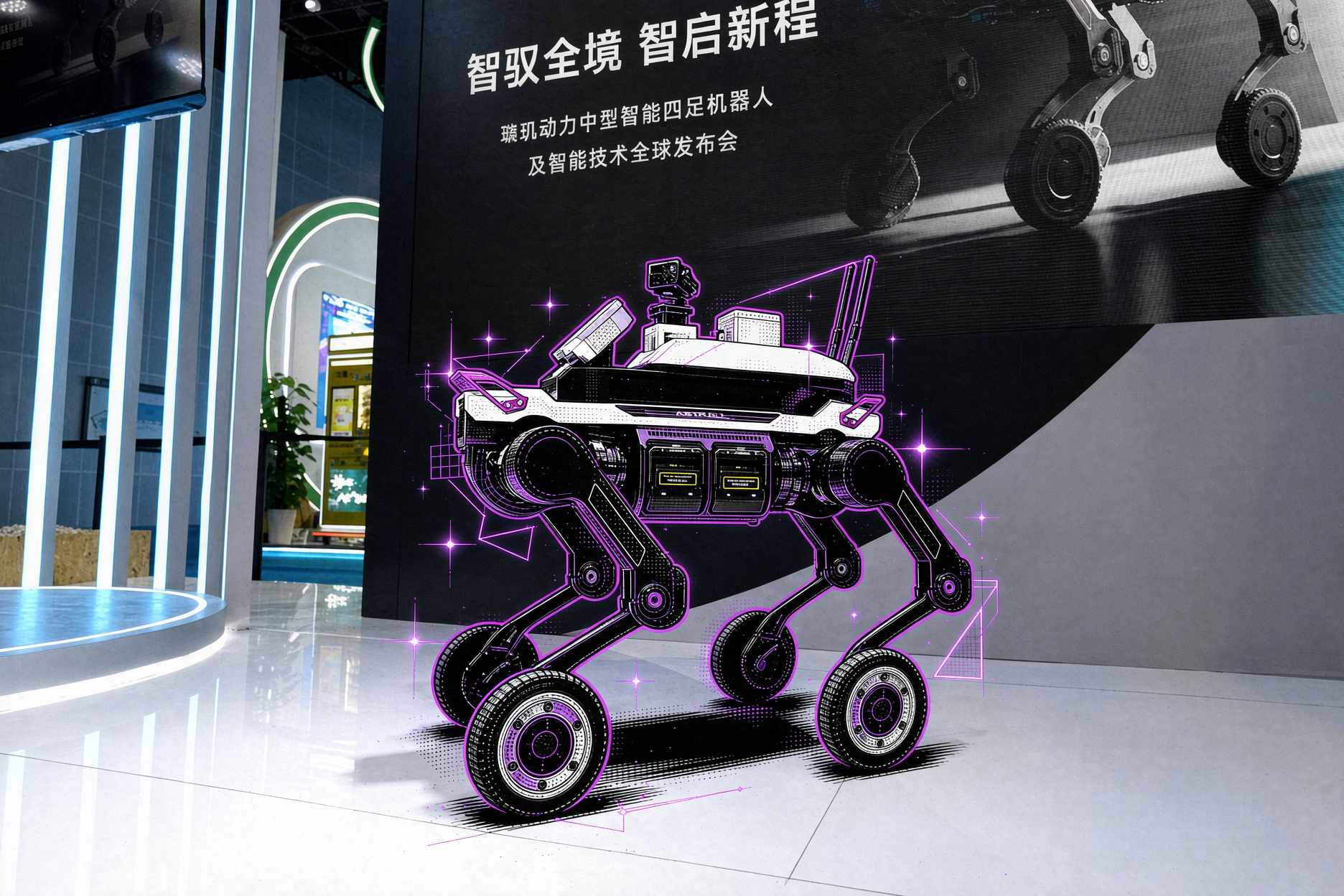
Xuanji Power Unveils Hypertron-SW01 Quadruped Robot at CAEXPO, Enhancing Inspection Solutions for ASEAN
From September 17 to 21, the 23rd China-ASEAN Expo took place in Nanning, featuring over 3,400 companies from more than 70 countries. At this event, Shenzhen-based Xuanji Power launched its new medium-sized quadruped robot, the Hypertron-SW01, alongside upgraded AI inspection management and terrain perception systems. The company claims that its robot can be deployed immediately without extensive localization, addressing a common challenge in international markets. This development is significant as it highlights Xuanji Power's capability to deliver a ready-to-use quadruped robot solution, which can operate in various industries without the need for lengthy adaptations. The Hypertron series has already proven its reliability in domestic power grid substations, showcasing its autonomous navigation and endurance in complex environments. Xuanji Power focuses on sectors such as energy, emergency response, and smart parks, where defined tasks and clear customer payment willingness are prevalent. Looking ahead, it will be crucial to observe how the ASEAN market's power, firefighting, and park scenarios differ from domestic conditions and whether the local service network can keep pace with the product delivery. No further timeline was disclosed at the time of publication.
Quadruped Robots AI Inspection Solutions Smart Robotics Industrial Automation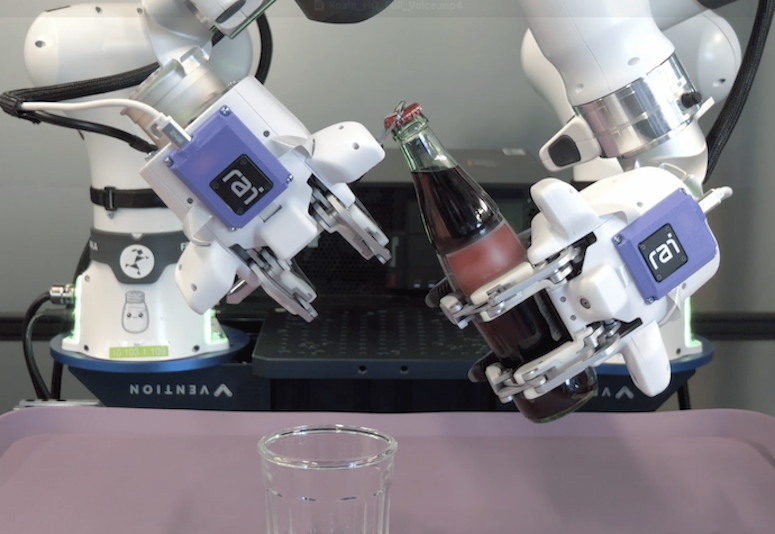
SoftBank to Acquire Robotics and AI Institute from Hyundai Motor Group
SoftBank Group Corp. has reached an agreement to acquire the Robotics and AI Institute (RAI) from Hyundai Motor Group, although financial details remain undisclosed. This acquisition is currently under review by the Committee on Foreign Investment in the United States (CFIUS), which assesses foreign investments for national security implications. The significance of this deal lies in the historical connection between SoftBank and the RAI, as Marc Raibert, the founder of both Boston Dynamics and the RAI, has played a pivotal role in advancing robotics. The RAI, established in 2022 with an initial investment exceeding $400 million, focuses on various aspects of robotics and AI, including robot control and manipulation, which are crucial for enhancing robotic capabilities. Looking ahead, the outcome of the CFIUS review will be crucial for the acquisition's progression. Additionally, SoftBank's ongoing plans to acquire ABB's robotics business for $5.3 billion could create synergies between ABB's industrial automation expertise and RAI's AI research, potentially reshaping the robotics landscape in the coming years. No further timeline was disclosed at the time of publication.
Academia / Research Artificial Intelligence Artificial Intelligence / Cognition Design / Development Humanoids Mergers & Acquisitions
F-Prime Capital to Present Insights on Robotics Investments at RoboBusiness 2026
F-Prime Capital will present its annual State of Robotics Investments report at RoboBusiness 2026, scheduled for October 20-21 in Santa Clara, California. The report will detail the latest funding trends, emerging technology categories, and sectors attracting investor interest, following a significant $4.87 billion raised in August 2026 across 162 financial transactions. This presentation is crucial as it provides a data-driven analysis of the current investment landscape in robotics, offering actionable insights for building and financing successful robotics companies. The insights will be shared by Sanjay Aggarwal and Betsy Mulé, both partners at F-Prime Capital, who bring extensive experience in technology investments and strategy consulting. Attendees of RoboBusiness 2026 can expect to gain valuable knowledge from industry experts on cutting-edge research and innovative applications in various sectors, including manufacturing, healthcare, and logistics. No further timeline was disclosed at the time of publication.
Events Financial Investments News Startups F-Prime Capital
CT-Unite Team Secures ACM MM 2026 Championship with Innovative Brain-Inspired Model
The CT-Unite team has won the ACM MM 2026 championship, marking their second consecutive victory in international AI competitions. This time, they achieved success with a brain-inspired, cross-modal cognitive neural network designed for robotics, which compresses a 100 TFLOPS model to operate at 38.8 TFLOPS using distributed computing technology. This achievement is significant as it addresses the critical challenge of enabling embodied intelligent robots to transition from perception to cognition. The EgoLink challenge, part of the ACM MM conference, focuses on understanding social relationships and event logic from a first-person perspective, showcasing the highest level of AI capabilities in video social interaction and environmental reasoning. Looking ahead, the integration of the CT-2001A IDPU architecture and the CT-HS01 4D spectral sensor represents a major advancement in robotic cognition. The team's approach aligns multi-source information at the feature and neuron levels, allowing robots to infer social dynamics and emotional causality, thus achieving human-like cognitive abilities. No further timeline was disclosed at the time of publication.
Cognitive Robotics Neural Networks Multimodal Integration AI Technology
Northern Plains UAS Test Site Showcases BVLOS Medical and Agricultural Demos on Vantis
On September 16, 2026, the Northern Plains UAS Test Site (NPUASTS) hosted live flight demonstrations at Gorman Field, showcasing medical logistics and agricultural applications using the Vantis UAS system. The event was attended by state aviation officials during the National Association of State Aviation Officials (NASAO) Annual Convention, highlighting the capabilities of beyond-visual-line-of-sight (BVLOS) operations. The demonstrations featured CVS Health's mobile pharmacy concept, which illustrated how BVLOS aircraft can deliver critical medical supplies, emphasizing the potential for unmanned aircraft to enhance healthcare supply chains. Trevor Woods, executive director of NPUASTS, noted the importance of integrating aircraft, infrastructure, and technology to support meaningful community applications. Looking ahead, the event underscored the need for secure communications and scalable infrastructure as BVLOS operations evolve. Thales North America highlighted its role in providing the technology platform necessary for large-scale UAS operations. No further timeline was disclosed at the time of publication.
Advanced Air Mobility Drone News Drone News Feeds News State Government State Legislation
AGIBOT's A3 Ultra Expands Deployment Across Hotels, Retail, and Metro Inspections
AGIBOT announced on September 17 that its humanoid robot, A3 Ultra, is actively deployed in hotels, auto dealerships, supermarkets, and metro inspection scenarios. The company emphasizes the robot's ability to work autonomously, perform various tasks, and collaborate with other robots, although specific deployment numbers and performance metrics were not disclosed. This development is significant as it marks a shift from traditional manufacturing robots to versatile service robots in diverse environments. The A3 Ultra's ability to assist in reception, shopping, and inspection highlights the varying demands placed on robots in different settings, necessitating tailored applications for each environment. Looking ahead, the focus will be on how well the A3 Ultra adapts to these varied applications and the operational data that emerges from its deployments. AGIBOT's claims regarding battery life and autonomous charging capabilities will be critical in assessing the robot's reliability and effectiveness in real-world scenarios. No further timeline was disclosed at the time of publication.
Business Market China AGIBOT
Light Origins Releases Open-Source LightNav-0 Navigation Model for Monocular Systems
Light Origins has announced the open-sourcing of LightNav-0, a navigation model based on Qwen3-VL-4B. This model was trained using the Real2Sim2Real methodology, incorporating over 2,000 scenes and more than 4,000 hours of Visual Language Annotation (VLA) data. It excels in leading 10 monocular navigation benchmarks with zero-shot body transfer capabilities. The significance of this development lies in its potential to enhance navigation systems across various applications. By leveraging extensive training data and advanced methodologies, LightNav-0 aims to provide robust performance in real-world scenarios, making it a valuable resource for researchers and developers in the field of navigation technology. Looking ahead, stakeholders in the robotics and AI sectors should monitor the adoption and performance of LightNav-0 in practical applications. The open-source nature of this model may encourage further innovation and collaboration, potentially leading to advancements in navigation solutions that utilize monocular systems. No further timeline was disclosed at the time of publication.
China Launches First Insurance for Intelligent Robotic Components at 2026 Service Trade Fair
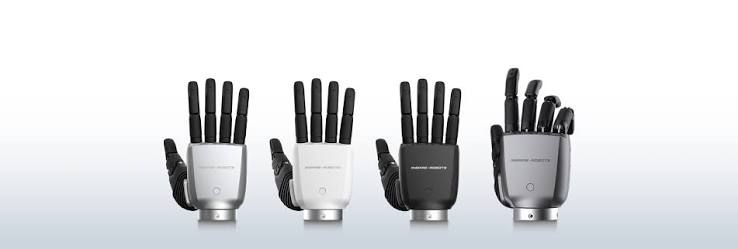
On September 11, China Pacific Insurance and Beijing Daqi Yuequan Biomimetic Technology signed a collaboration for insurance covering intelligent robotic components, marking the first such insurance in the country. The policy protects against accidents, natural disasters, design defects, and operational errors, while also covering third-party injuries and property damage caused by equipment use. This insurance product addresses significant concerns for manufacturers and end-users of dexterous hands, which are costly and require high precision. With this coverage, procurement decisions may become easier as risks associated with equipment loss and third-party liabilities are mitigated. The collaboration aims to bolster confidence in the intelligent robotics sector by establishing a risk barrier for core components. The launch of this insurance indicates a shift in the industry, suggesting that key components have moved beyond experimental phases to a stage where tangible investments are necessary. Future developments to watch include the alignment of insurance rates with actual fault data and the potential introduction of similar insurance products for other critical components like joint modules and sensors.
Robotic Components Insurance Embodied Intelligence Risk Management
Hefei Team Develops All-Weather Forestry Inspection Robot for Enhanced Fire Detection
A team led by Cheng Ziyang has developed a forestry inspection robot designed to address the limitations of traditional fire detection methods. The robot integrates LiDAR and thermal imaging technologies, enabling it to operate effectively in low visibility conditions such as nighttime and smoke. This innovation aims to enhance the efficiency of forest fire monitoring by autonomously navigating complex terrains and detecting temperature anomalies that are often precursors to fires. The significance of this development lies in its potential to improve forest fire prevention efforts. Traditional methods, including fixed sensors and manual patrols, have proven inadequate due to high costs, low efficiency, and limited coverage. The new robot has demonstrated a 27% increase in inspection coverage and significantly improved accuracy in identifying fire sources, thereby reducing the need for human intervention in hazardous areas. Looking ahead, the team plans to further optimize the robot's performance and push for its industrialization. The challenges of cost, reliability, and mass delivery remain, but overcoming these hurdles could lead to a substantial enhancement in the intelligence of forest fire protection systems, ultimately reducing risks and improving response times in emergency situations.
Forestry Robotics Fire Detection Technology Autonomous Systems Environmental Monitoring
15-Year-Old Develops BURT, a Turtle-Inspired Underwater Robot with Flippers
Evan Budz, a 15-year-old innovator, created BURT, the Bionic Underwater Robotic Turtle, inspired by a turtle's silent movement in a pond. Unlike traditional underwater drones that use noisy propellers, BURT employs flippers to glide through water without disturbing the environment, making it ideal for ecological research. This innovation is significant as it addresses the limitations of conventional underwater drones, which can scare away fish and disrupt ecosystems. BURT's design allows for quiet operation while autonomously collecting data on ecological stress signals, such as coral bleaching and plastic pollution, using a Raspberry Pi for machine learning. Looking ahead, BURT has already won the Best Innovation Project award at the 2025 Canada Wide Science Fair and competed internationally at the EU Contest for Young Scientists. The project highlights a critical reevaluation of how we observe nature, emphasizing the need for quieter, less intrusive methods in ecological studies.
Underwater Robotics Bionics Environmental Monitoring STEM Education
CMU Robotics Institute Launches Fourth Year of Pathways Fellowship Program
The Carnegie Mellon University Robotics Institute has officially commenced the fourth year of its Pathways Fellowship Program. This initiative, in collaboration with InnovatePGH, aims to cultivate non-traditional entrepreneurial talent and drive innovation within the robotics sector. The new cohort consists of seven aspiring engineers, designers, and entrepreneurs. This program is significant as it provides a platform for diverse talent to engage in robotics, which is crucial for fostering creativity and innovation in the field. By supporting individuals from various backgrounds, the fellowship seeks to enhance the entrepreneurial landscape in robotics, ultimately contributing to the industry's growth and evolution. Looking ahead, it will be important to monitor the progress of this new cohort and the impact of their contributions to the robotics community. No further timeline was disclosed at the time of publication.
AnnouncementsRobotics needs a service framework.
RSF defines a common language for robot service capability, lifecycle operations, certification pathways, and service-provider networks.
Join the RobotToday community on LinkedIn
Daily robotics news, in-depth analysis, conference highlights, and discussions with professionals worldwide.







