

Industry Briefing
A single destination for timely, editor-curated robotics news from around the world.

Exploring Multilevel Dynamics of Brain, Hormones, Mind, and Behavior in Human-Robot Interaction
A recent study published in Science Robotics investigates the complex interactions between the brain, hormones, mind, and behavior in social human-robot interactions. This research highlights how these multilevel dynamics influence the way humans engage with robots, potentially reshaping our understanding of robotics in social contexts. Understanding these interactions is crucial as it can lead to improved design and functionality of robots, enhancing their effectiveness in various applications. The findings may also inform the development of robots that can better respond to human emotional and psychological states, thereby fostering more natural interactions. As the field of robotics continues to evolve, it will be important to monitor advancements in understanding human-robot dynamics. Future research may explore specific applications of these findings in sectors such as healthcare, education, and entertainment, where social interaction with robots is increasingly prevalent. No further timeline was disclosed at the time of publication.
Research Article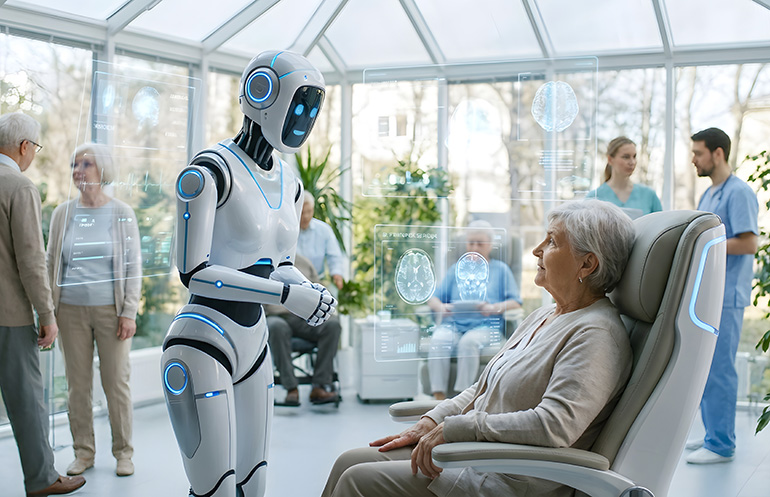
Palm Garden AI Introduces Coherence Guard for Enhanced Human-Robot Interaction
Palm Garden AI has developed Coherence Guard, a relational decision layer aimed at improving the behavior of service robots in human environments. This platform-agnostic technology evaluates actions before execution, ensuring they are relationally coherent by considering factors such as timing, proximity, and emotional tone. The significance of Coherence Guard lies in its potential to enhance the interaction between humanoid robots and humans in various sectors, including hospitality, care, and education. CEO Joachim Scheuerer emphasized that the technology does not replace existing systems but adds a crucial layer for evaluating social appropriateness, which is essential as robots become more integrated into everyday life. Looking ahead, the demand for such relational decision-making capabilities is expected to grow as service robots become more prevalent in human-centric environments. No further timeline was disclosed at the time of publication.
Artificial Intelligence Artificial Intelligence / Cognition Development Tools / SDKs / Libraries Healthcare Robotics Human Robot Interaction / Haptics Humanoids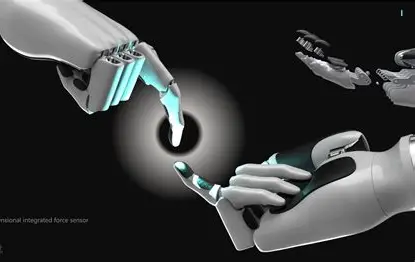
Maijie Technology Addresses Humanoid Robot Developments and Collaborates with Guangming Laboratory
On September 28, Maijie Technology responded to investor inquiries regarding humanoid robots. The company announced a partnership with Guangming Laboratory to establish a joint laboratory focused on micro-drive joints and bionic dexterous hands by 2025. This collaboration aims to leverage their respective technological expertise and industrial advantages to accelerate the application of related technologies. This partnership is significant as it combines Maijie's experience in electronic components with Guangming Laboratory's research capabilities in artificial intelligence and robotics. The micro-drive joints are crucial components in the dexterous hand industry, impacting finger movement precision and force output. Currently, the project is in the research and commercial incubation stage, and it has not yet contributed significantly to the company's performance. Looking ahead, it will be important to monitor whether the joint laboratory can achieve mass production levels for micro-drive joints and whether any dexterous hand manufacturers will adopt Maijie's components. No further timeline was disclosed at the time of publication.
Humanoid Robots Biomimetic Technology Robotics R&D Micro-Drive Joints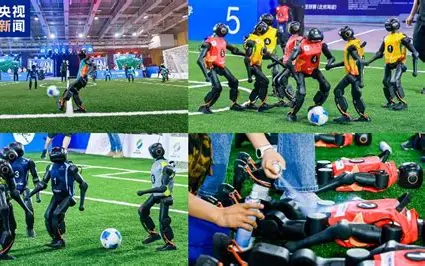
Shenzhen Luohu District Launches Integrated Humanoid Robot Football Competition and Training Initiative
On September 28, the Luohu District of Shenzhen announced the launch of the first Luohu Cup, an integrated program for humanoid robot football competitions and training, held at Cuiyuan Middle School. This initiative, organized by the Luohu District Education Bureau and supported by Zhiyin Technology and Beijing Accelerated Evolution Technology, aims to enhance AI education in primary and secondary schools through a hands-on, competitive approach. The program emphasizes the importance of embodied intelligence in education, moving beyond theoretical learning to practical applications. By utilizing humanoid robots in football, students will engage in real-world challenges that foster skills in perception, decision-making, and teamwork. The initiative will establish 20 pilot schools, focusing on training over competition, with a goal of developing over 100 certified personnel to support the event. The inaugural Luohu Cup is scheduled to commence in December 2026, with finals and awards in January 2027, leading to the national robotics competition in May 2027. The Luohu District Education Bureau believes that mastering the integration of competition, training, and evaluation will set a new standard for experiential learning in the region.
Humanoid Robots AI Education Robotics Competitions STEM Education
Gecko Robotics CEO Emphasizes Human Control in Physical AI Development
Jake Loosararian, CEO of Gecko Robotics, highlights the importance of human oversight in the evolving landscape of physical AI. He emphasizes that as autonomous systems become more integrated into real-world applications, particularly in military and industrial environments, maintaining human control is crucial for safety. This perspective is particularly relevant as Gecko collaborates with Nvidia to develop an open agent safety platform. This initiative aims to establish clear boundaries for AI agents operating robots, ensuring that safety measures are in place without hindering the rapid deployment of these technologies. Looking ahead, the industry should monitor how these safety protocols evolve and whether they can effectively balance the need for swift implementation with stringent safety standards. No further timeline was disclosed at the time of publication.
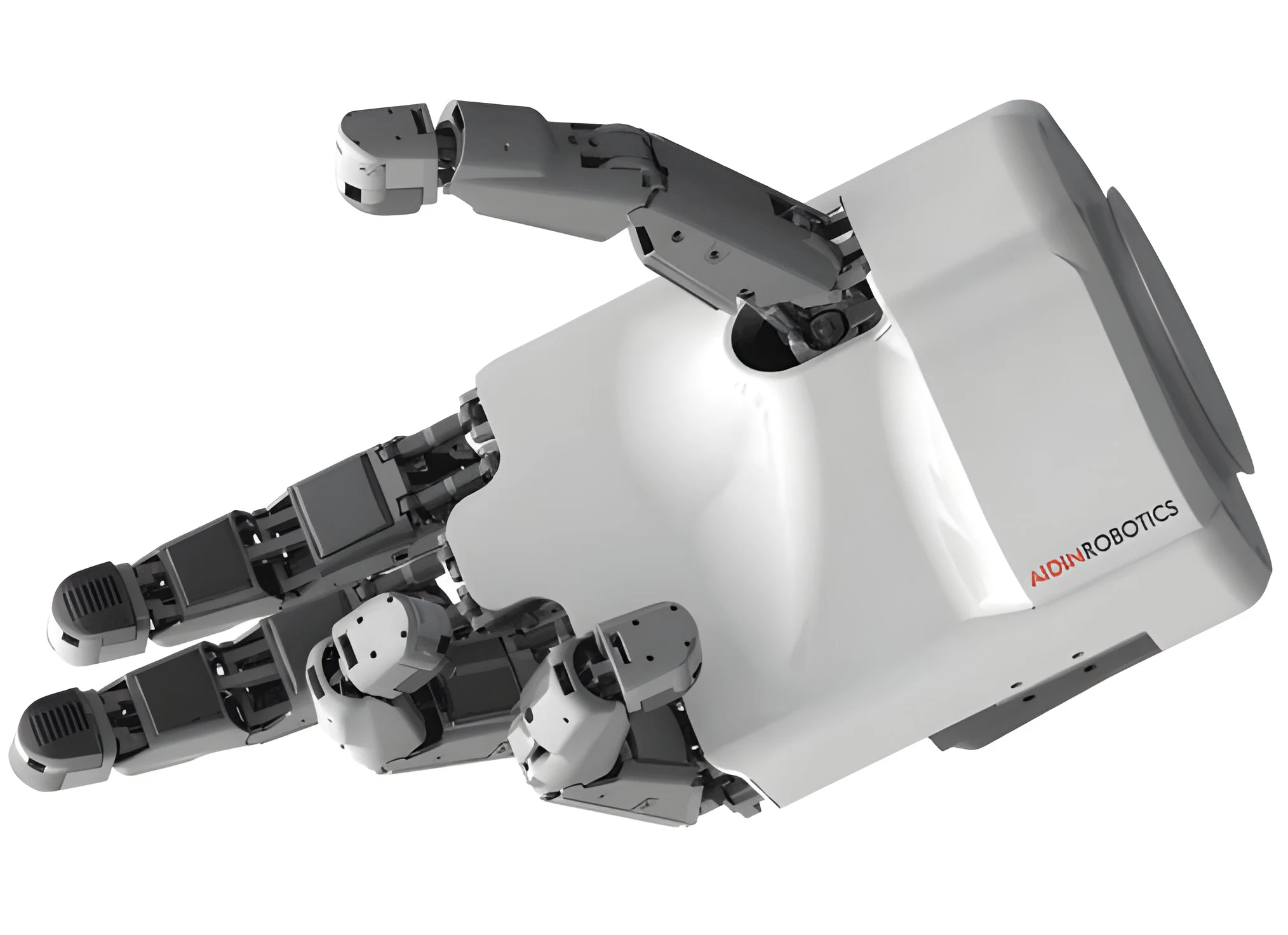
HD Hyundai Robotics Develops Humanoid AI to Enhance Existing Factory Robots
HD Hyundai Robotics is advancing its humanoid robot project, aiming to integrate AI capabilities into its existing industrial and collaborative robots. CTO Ahn Sung-hwan revealed plans to enhance perception, manipulation, and task-planning abilities in a recent interview, although no specific launch date for the humanoid was provided. This initiative is significant as it seeks to create a unified platform that connects industrial robots, cobots, and humanoids, leveraging data from manufacturing processes. The company has also invested ₩13 billion in AIDIN Robotics to develop a specialized five-finger hand for applications in shipbuilding, which will be utilized in both humanoids and existing robots. Looking ahead, HD Hyundai Robotics is also collaborating with Persona AI to integrate humanoids into shipyards, following initial demonstrations of teleoperated welding. Future developments will be closely monitored, particularly regarding the progress of humanoid capabilities and their application in industrial settings. No further timeline was disclosed at the time of publication.
South Korea manufacturing Persona AI
Former Ukrainian Defense Minister Unveils 'Robot Legion' to Deploy Humanoid Robots in Six Months
The former Ukrainian Defense Minister has announced the launch of 'Robot Legion,' a project aimed at deploying humanoid robots to the battlefield within six months. This initiative seeks to enhance military capabilities through advanced robotics technology. The significance of this project lies in its potential to revolutionize warfare by integrating humanoid robots into military operations. The deployment of such technology could provide strategic advantages and improve operational efficiency in combat scenarios. Looking ahead, the development timeline indicates that the first humanoid robots could be operational within six months. Stakeholders will be keen to observe the progress of 'Robot Legion' and its impact on military strategies and defense capabilities.
Robotics Automation AI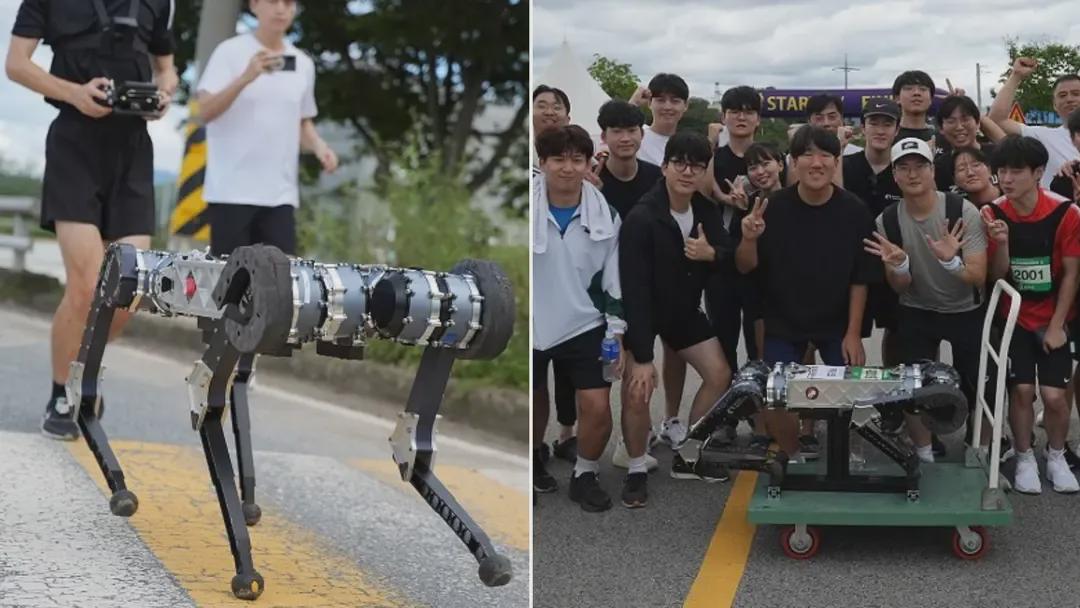
KAIST's RAIBO2 Robot Dog Completes Marathon with Lower Energy Costs than Humans
KAIST's four-legged robot RAIBO2 recently completed a marathon using only 1280Wh of energy, which is 66% of its 1930Wh battery capacity. Its total cost of transport (TCOT) was measured at 0.25, lower than the human average of 0.37, indicating superior energy efficiency. This achievement is significant as it demonstrates advancements in robotic energy consumption, particularly in legged robots, which traditionally face challenges in energy efficiency due to mechanical losses. The research highlights the importance of optimizing energy use in robotics, potentially influencing future designs and applications. Looking ahead, the focus will be on further refining the energy efficiency of legged robots like RAIBO2. No further timeline was disclosed at the time of publication, but the findings could lead to innovations in robotic mobility and energy management strategies.
Robotics Energy Efficiency AI Marathon Running Robot Design
Asimov Releases Open-Source Training Code for Humanoid Robot Locomotion
Asimov has announced the open-source release of the training code for its humanoid robot's walking capabilities. This initiative, revealed on September 25, allows developers to inspect and modify the locomotion policy of Asimov 1, providing a foundation for adapting the robot's controller to different hardware and exploring various walking styles. This development is significant as it enhances the accessibility of robotics technology, enabling a broader community of developers to contribute to the evolution of humanoid robotics. By providing the isaac_asimov repository built on NVIDIA’s Isaac Lab simulation framework, Asimov encourages innovation in training methodologies, which could lead to improved humanoid performance and capabilities. Looking ahead, developers will be able to utilize the released training framework to bridge the simulation-to-hardware gap, although no further timeline was disclosed at the time of publication. The community's engagement with this open-source initiative could accelerate advancements in humanoid locomotion and related technologies.
open-source Asimov locomotion
Toborlife AI Introduces Full-Body Teleoperation Software for Unitree G1 Humanoid Robot
Toborlife AI has launched its full-body teleoperation software for the Unitree G1 Edu humanoid robot, marking a significant advancement for US research labs and universities. This software provides a domestic solution for data collection, training, and support, ensuring that training data remains on customer hardware within the United States. The introduction of this teleoperation system is crucial as it addresses the gap in software and support for humanoid robotics in the US, where teams have struggled to integrate various open-source libraries. With the ability to control the G1 Edu in real time using a PICO VR headset, operators can perform tasks with high precision, capturing data that is immediately usable for training and model validation. Looking ahead, Toborlife AI's commitment to providing US-based technical support and training will be essential for labs aiming to leverage humanoid robots effectively. No further timeline was disclosed at the time of publication.
Humanoids News Software artificial intelligence dexterous hands dexterous manipulation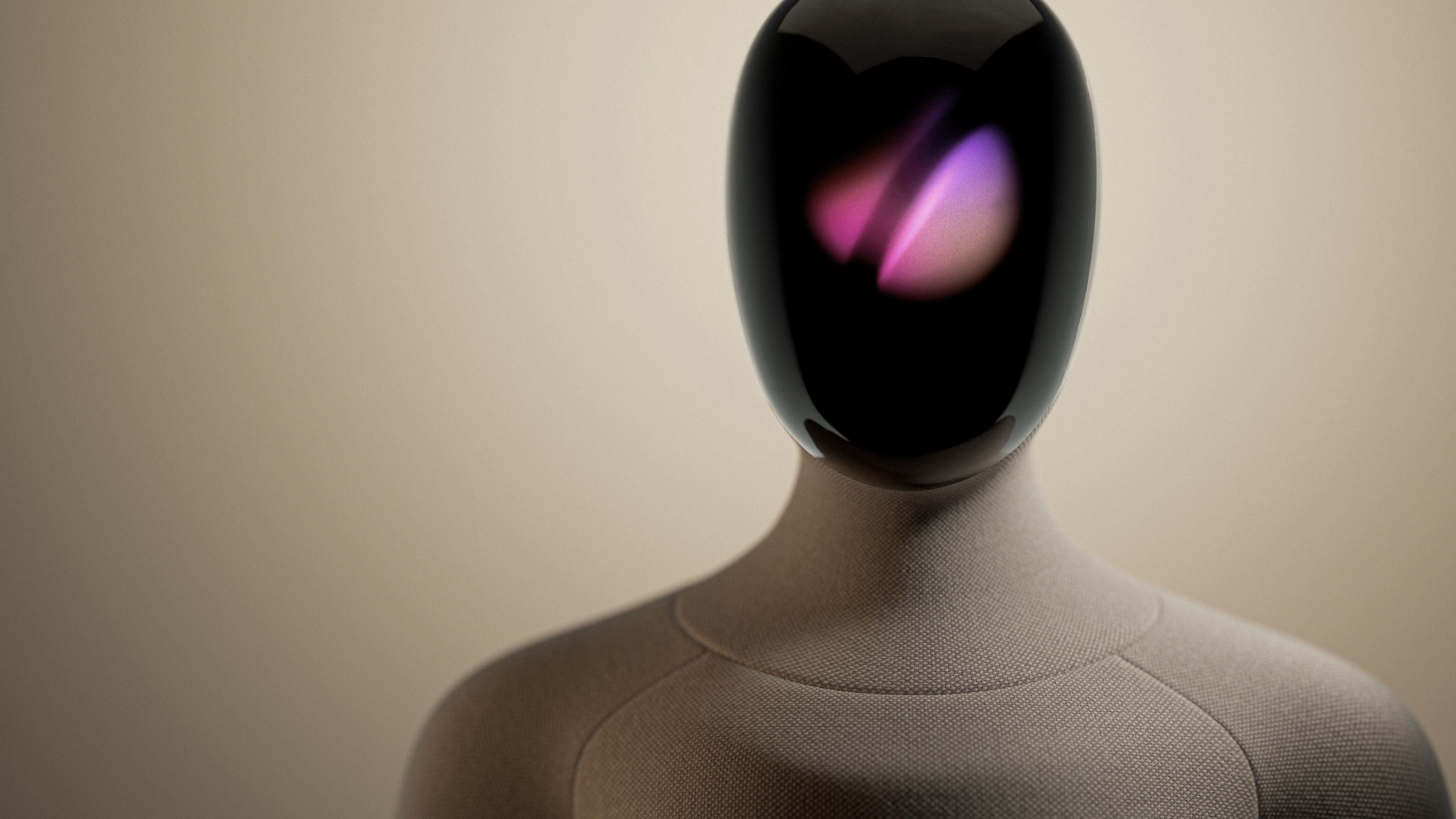
Vesoma Launches With Humanoid Vesoma 1 Aimed at Learning Through Interaction
Vesoma, the startup behind the Kyle humanoid prototype, has publicly emerged with its first product, Vesoma 1. The company, which began operations in December 2025, has over 60 employees and has established more than 3,500 square meters of lab and office space in Munich, Germany, and Limassol, Cyprus. The first units of Vesoma 1 are currently under construction, as announced on September 23. The significance of Vesoma's launch lies in its commitment to developing humanoids that learn through interaction, moving beyond mere demonstrations to achieve reliable performance. CEO Nikolai Ensslen previously described Kyle as an alpha development platform, with a target for unveiling the first-generation product in early 2027. However, the latest announcement does not confirm any changes to this timeline or provide a customer delivery date. Looking ahead, Vesoma aims to extend its learning approach beyond locomotion to include manipulation and coordinated tasks in complex environments. The company emphasizes that its focus on learning through interaction is essential for achieving the reliability that customers require, although it has not yet provided specific metrics to validate its approach against traditional imitation-led methods. No further timeline was disclosed at the time of publication.
Vesoma Europe
Humanoid Robots Enhance Navigation in Cluttered Environments with Whole-Body AI Control
Humanoid robots, designed with human-like body structures, have the potential to assist in various environments such as homes, offices, and healthcare facilities. However, for effective deployment, these robots must demonstrate the ability to navigate safely through cluttered and dynamic spaces. This capability is essential for their integration into everyday settings where obstacles are common. The ability of humanoid robots to navigate narrow gaps and obstacles is crucial for their functionality in real-world applications. This advancement in whole-body AI control technology is significant as it enhances the robots' adaptability and safety, making them more reliable companions in environments that require interaction with humans and other objects. Looking ahead, the focus will be on further developing these navigation capabilities to ensure that humanoid robots can operate effectively in diverse settings. No further timeline was disclosed at the time of publication.
Robotics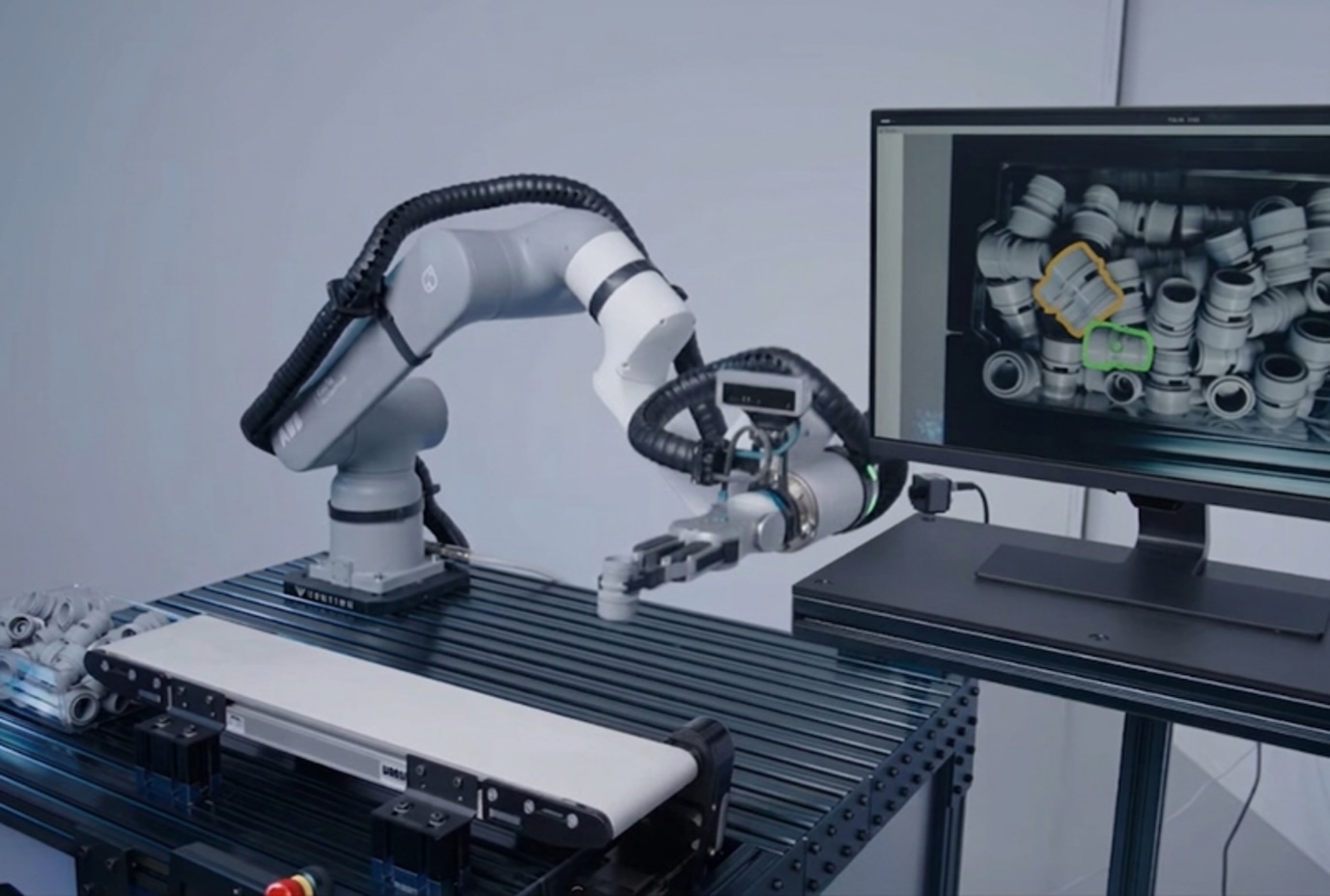
Fei-Fei Li Discusses Atlas and the Future of AI Focused on Human Control
Fei-Fei Li, CEO of World Labs, recently discussed the company's latest world model, Atlas, which is designed to understand and generate 3D environments. This innovation has applications across various fields, including robotics, design, and science. Li emphasized the importance of spatial intelligence as a significant frontier in AI, potentially surpassing the capabilities of current language models. She also highlighted the necessity for human oversight in AI development, advocating for a collaborative approach involving academia, government, and industry to ensure safety and accountability in increasingly powerful AI systems. Looking ahead, the conversation around AI safety and the role of humans in controlling these technologies will continue to evolve. No further timeline was disclosed at the time of publication.
Ambitious Bio Unveils Corpus, a Comprehensive Human Protein Atlas for AI Applications
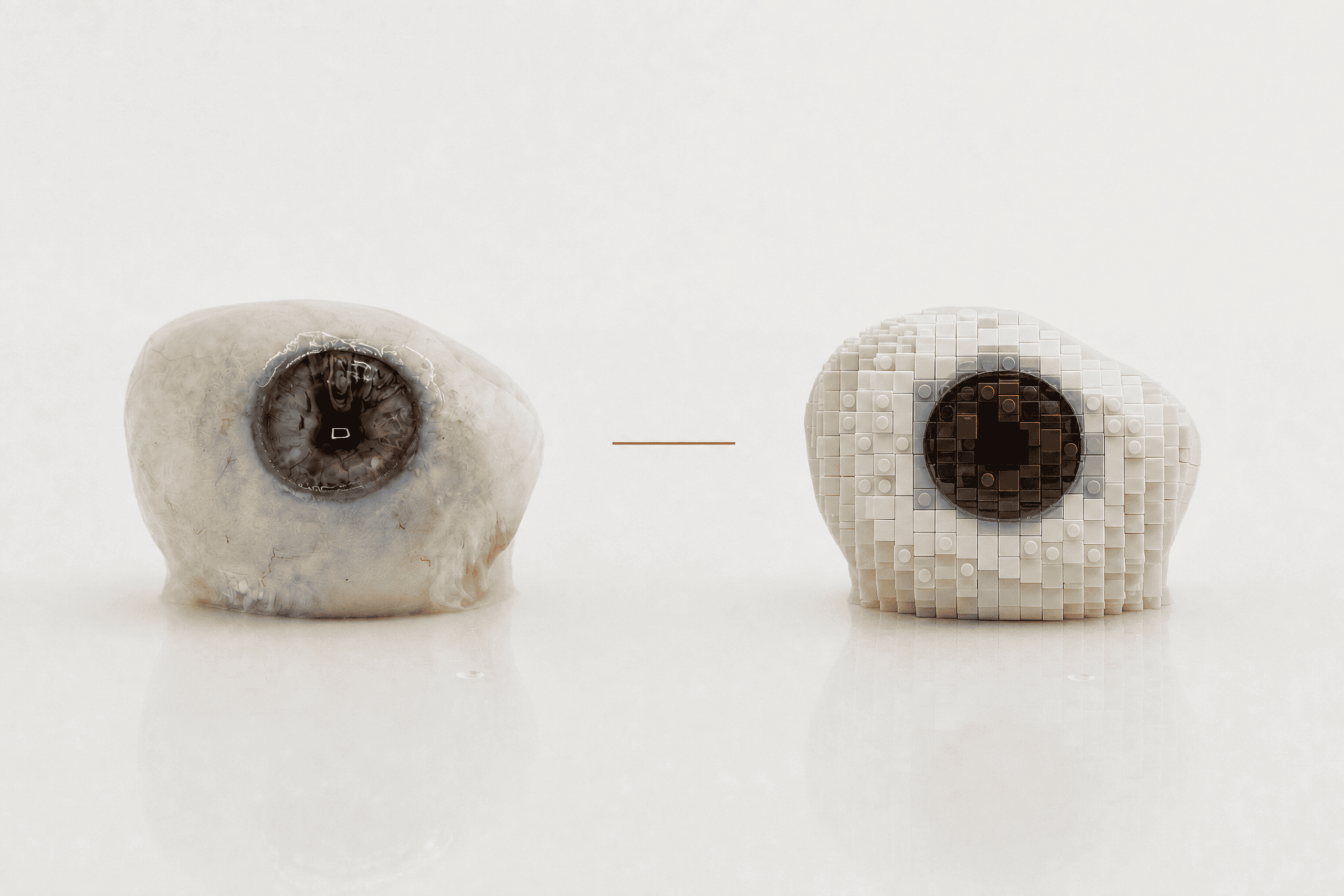
Ambitious Bio has launched Corpus, a detailed protein map of healthy human tissues, which reportedly enhances protein detection by 28% to 78% in 181 comparisons with existing studies. This advancement allows for the identification of 56% more proteins in shared tissues compared to the Human Protein Atlas, aiding drug developers in assessing potential safety risks related to disease-targeted proteins. The significance of Corpus lies in its potential to fill the data gap in human biology, which is crucial for the advancement of biological AI. As AI technology evolves, the demand for comprehensive biological data becomes increasingly vital for developing effective medical interventions. Ambitious Bio aims to lead in this space by systematically generating reliable biological measurements. Looking ahead, the success of Corpus could pave the way for further innovations in biological AI, as the company continues to build the necessary infrastructure for data generation. No further timeline was disclosed at the time of publication.
AI AI Funding & Investment AI FUNDING & INVESTMENT AI in Healthcare AI Startups Business
Boston Dynamics Launches Metaplant Application Center for Atlas Humanoid Training
Boston Dynamics has inaugurated its Robotics Metaplant Application Center (RMAC) near Savannah, Georgia, aimed at training Atlas humanoids for integration into Hyundai's automotive manufacturing processes. This facility will serve as a testbed for developing specific skill sets necessary for general-purpose automation in the automotive sector. The RMAC represents a significant advancement in the collaboration between Boston Dynamics and Hyundai Motor Group, focusing on optimizing supply chain and production capabilities. Zack Jackowski, chief product and technology officer at Boston Dynamics, emphasized the importance of this partnership in pioneering physical AI at an enterprise scale, aiming to enhance productivity and safety in manufacturing. Looking ahead, Boston Dynamics plans to expand Atlas's capabilities to include component assembly by 2030, with the humanoids expected to take on more complex tasks involving repetitive motions and heavy lifting. The RMAC will play a crucial role in refining these applications through real-world training and data collection.
Artificial Intelligence Artificial Intelligence / Cognition Assembly Automotive Food / Beverage Humanoids
Hyundai Considers Czech Factory for Boston Dynamics' Atlas Humanoid Deployment
Hyundai is evaluating the potential of its Czech car factory as a European site for Boston Dynamics' Atlas humanoid, expanding discussions beyond its U.S. factory plans. This was reported by The Korea Herald, highlighting an interview with Petr Michník from Hyundai Motor Manufacturing Czech, who expressed a desire to initiate local testing and operations soon. The significance of this exploration lies in Hyundai's strategy to integrate humanoid robots into its production processes, which could enhance ergonomics, safety, and product quality. While Hyundai has outlined a clear timeline for Atlas deployment in the U.S. starting in 2028, the Czech discussions represent a potential European expansion, although no specific timeline or robot count has been disclosed for the Nošovice plant. Looking ahead, the focus will be on how Hyundai navigates labor acceptance and operational integration of Atlas in Europe. The company's existing automation efforts, with 566 robots already in operation, indicate a foundation for further development. However, careful handling of labor concerns will be crucial as Hyundai moves forward with its humanoid deployment plans.
Hyundai Motor Group Deployment Atlas manufacturing Boston Dynamics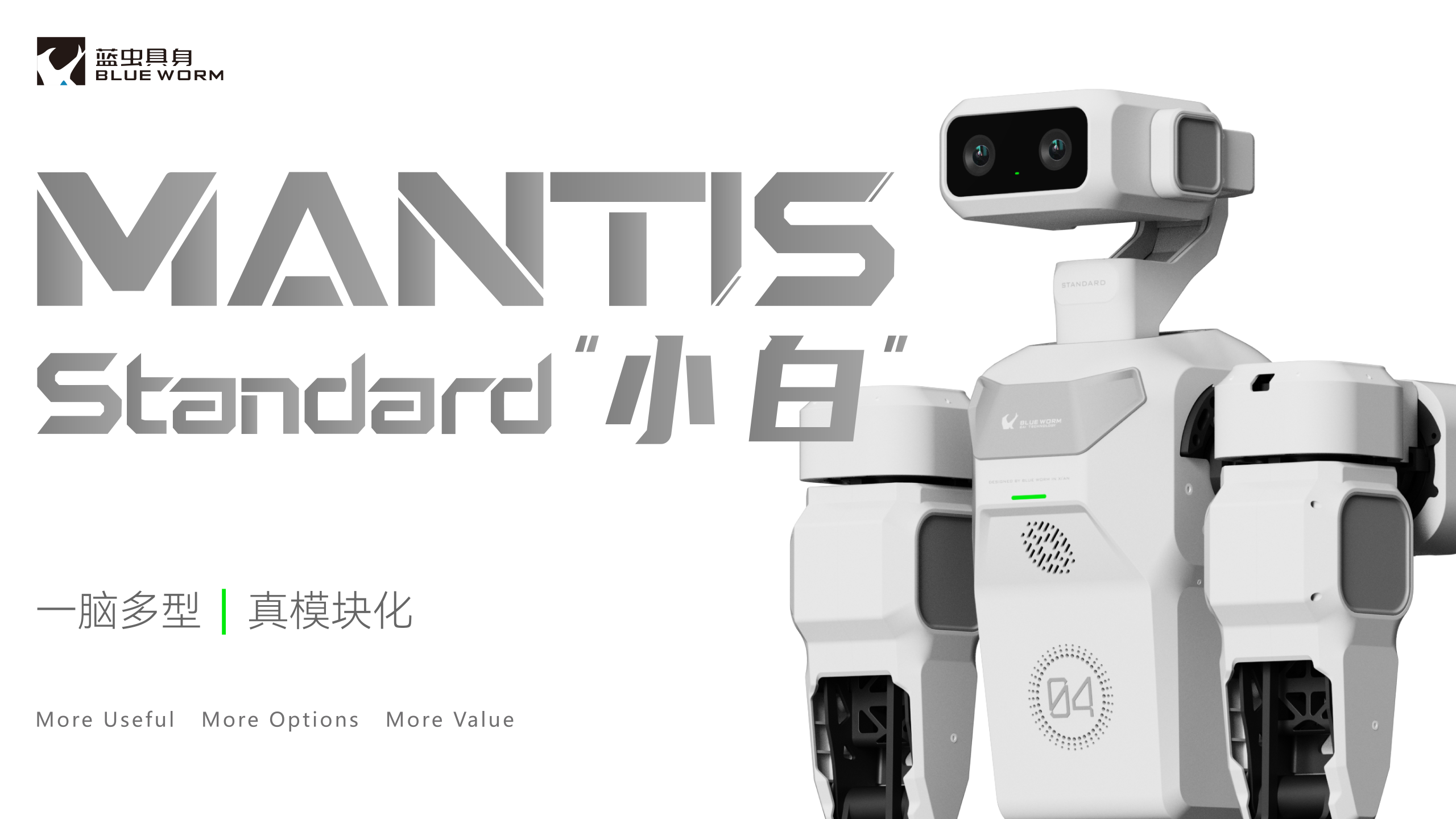
Blue Bug Introduces Modular Humanoid Robot 'Xiao Bai' Starting at 9,800
Blue Bug has launched its modular humanoid robot named 'Xiao Bai,' with a starting price of 9,800. This launch marks a significant breakthrough in the robotics industry, as it lowers the price threshold for humanoid robots, making them more accessible to various sectors. The introduction of 'Xiao Bai' is crucial as it opens up new opportunities for businesses and consumers alike, potentially increasing the adoption of humanoid robots in different applications. This move could stimulate competition within the robotics market, encouraging innovation and further advancements in technology. Looking ahead, industry watchers should monitor the reception of 'Xiao Bai' in the market and its impact on pricing strategies among competitors. No further timeline was disclosed at the time of publication.
Robotics Automation AI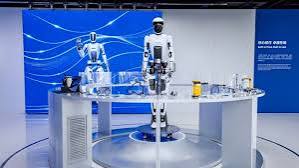
Kordel Launches Co-Creation Center in Shanghai, Targeting 4 Billion RMB in Humanoid Robot Revenue by 2035
Kordel inaugurated its Co-Creation Center on September 17 in Zhangjiang, Shanghai, marking a strategic collaboration with Zhangjiang Group. This initiative is part of Kordel's 177-year history and aims to deepen its involvement in the humanoid robotics industry. CEO Claus Möhlenkamp emphasized that the center is a pivotal element of Kordel's global strategy, enhancing its role in innovation and collaboration within the robotics ecosystem. The establishment of the Co-Creation Center comes at a time when the industry is poised for mass production of humanoid robots. Key challenges include ensuring the reliability and performance of robotic components like joints and actuators in real-world industrial applications. The center will focus on addressing these challenges by creating a space for testing and data generation, ultimately providing quantifiable performance metrics and testing standards for the industry. Kordel has set ambitious long-term goals for its humanoid robotics business, aiming for 4 billion RMB in revenue by 2035. The center will serve as a hub for collaboration with industry partners like Titanium Tiger Robotics and Beijing University of Technology, fostering innovation and establishing industry standards in sealing, lubrication, and other critical areas of robotics.
Humanoid Robots Robotics Innovation Industrial Automation AI Technology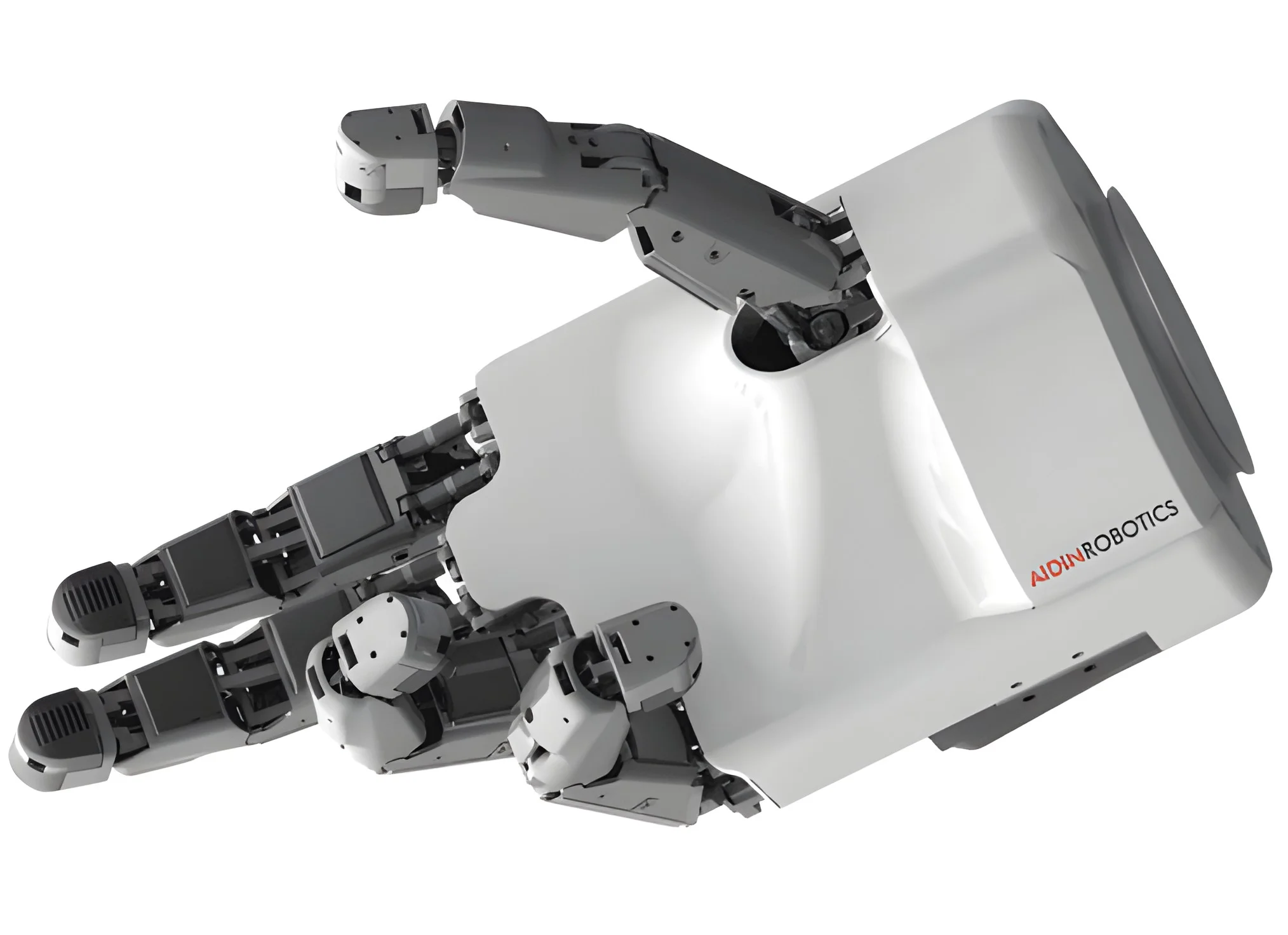
HD Hyundai Robotics Allocates $9.5 Million to Aidin Robotics for Humanoid Development
HD Hyundai Robotics has invested approximately $9.5 million in Aidin Robotics, acquiring an equity stake in the South Korean startup. This investment aims to enhance the development of humanoid components and industrial automation systems, starting with a five-finger robotic hand tailored for shipbuilding and heavy industry. The collaboration is significant as it combines Aidin's advanced force, torque, and tactile sensing technologies with HD Hyundai Robotics' platforms. This integration is expected to facilitate the creation of robotic systems capable of performing complex tasks in shipyards and other industrial environments, ultimately improving efficiency in manufacturing processes. Looking ahead, the partnership plans to conduct field demonstrations before commercializing their innovations. Initial deployments will focus on the shipbuilding sector, with future expansions anticipated into other manufacturing industries and international markets, including U.S. shipyards. No further timeline was disclosed at the time of publication.
AI AI Funding & Investment Robotics Aidin Robotics automation HD Hyundai Robotics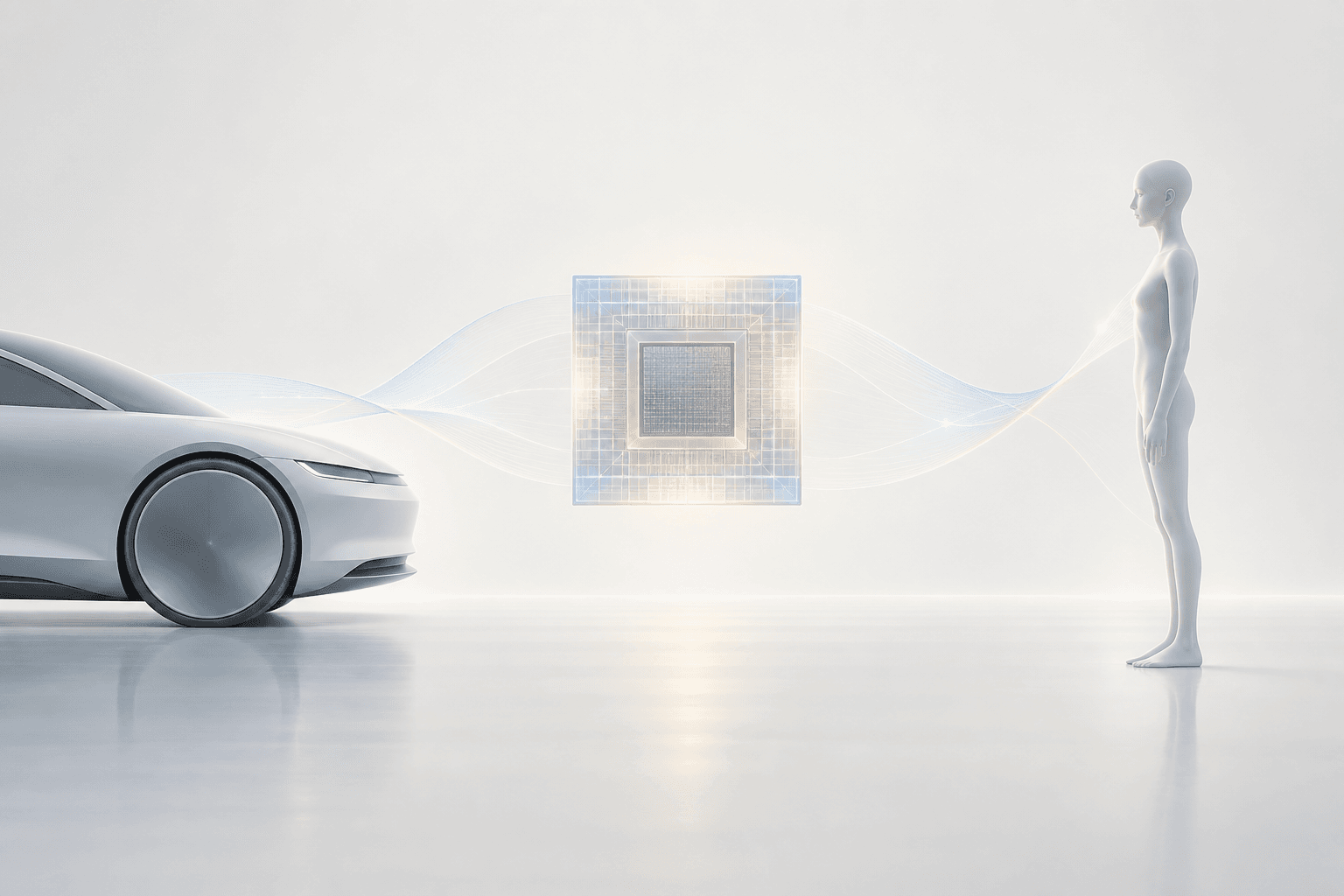
XPeng Expands Turing AI Chip Technology from Electric Vehicles to Humanoid Robots
XPeng is advancing its self-developed Turing AI silicon by integrating it into humanoid robots, moving beyond its initial application in intelligent electric vehicles. This initiative is part of a broader Physical AI stack, showcasing XPeng's commitment to diversifying its technology applications. The significance of this development lies in the potential for enhanced AI capabilities in humanoid robots, leveraging the power of the Turing chips. With configurations cited at approximately three on-device Turing chips, the total processing power reaches around 2,250 TOPS, indicating a robust foundation for complex AI tasks. Looking ahead, industry observers should monitor XPeng's progress in the humanoid robotics sector and the performance of its Turing AI chips in real-world applications. No further timeline was disclosed at the time of publication.
Reward AI Emerges from Stealth with OM-1 for Zero-Shot Human-to-Robot Manipulation
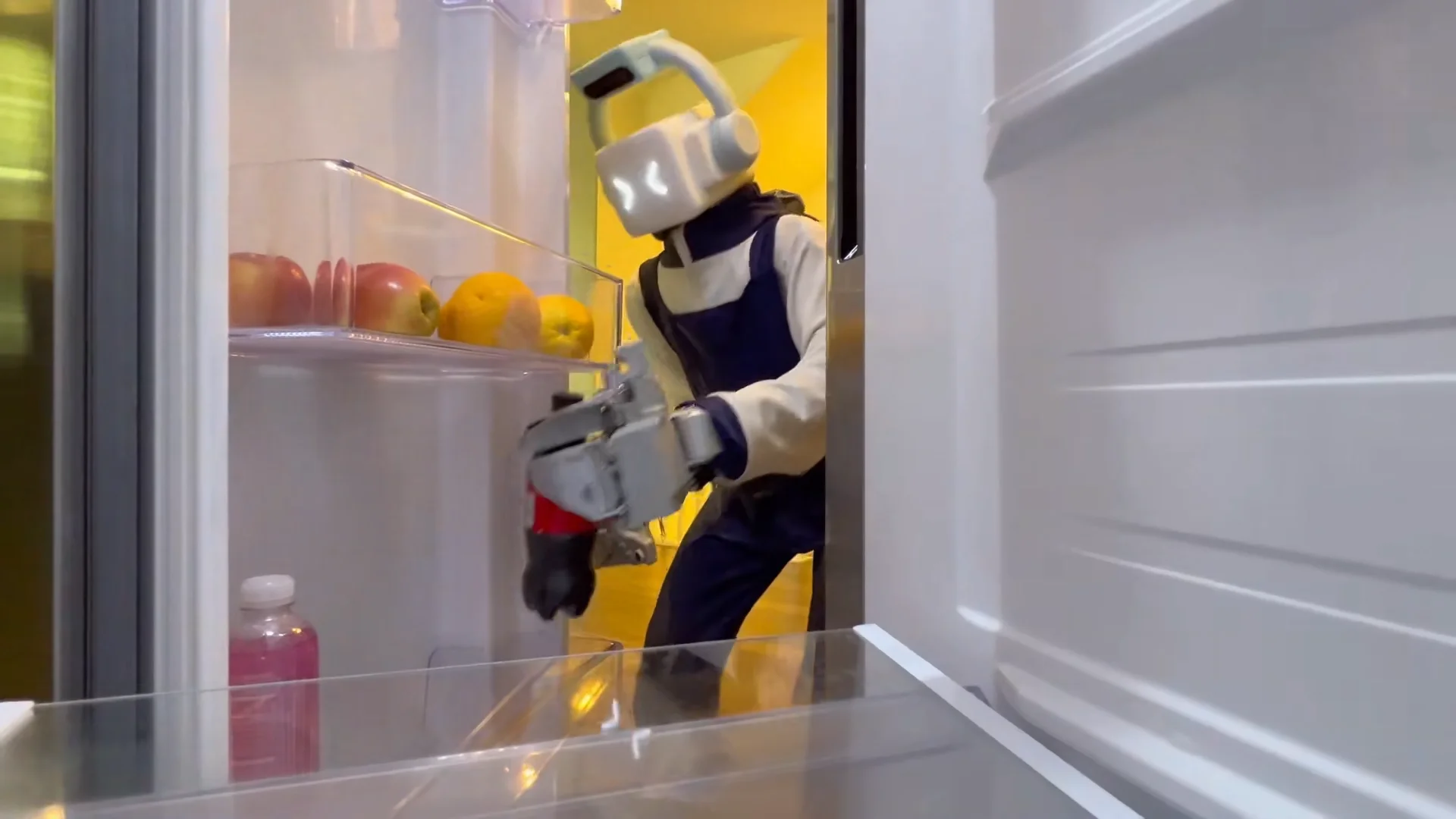
Reward AI has officially launched its foundation model, OM-1, which aims to revolutionize robot manipulation by learning directly from human demonstrations. This approach seeks to eliminate the need for teleoperation and on-robot training, addressing the limitations of traditional methods that can distort training data. The significance of Reward AI's OM-1 lies in its innovative use of the Omnibody stack, which integrates hardware and multimodal data capture to train robots on natural human movements. By utilizing a specialized wearable glove, the company captures nuanced human dexterity without the constraints of typical robotic systems, allowing for more effective training. Looking ahead, Reward AI's approach could reshape the landscape of robotic training and manipulation. The company claims that OM-1 can learn complex tasks with minimal human demonstration data, setting a new standard for efficiency in robot learning. No further timeline was disclosed at the time of publication.
US Reward AI
Kinetic Blocks Introduces Beta Marketplace for Humanoid Robot Training Data
Kinetic Blocks, a startup based in Oslo, has launched a beta version of a marketplace dedicated to the buying and selling of training data for humanoid robots. This platform became available on September 1, following months of development in collaboration with a select group of data suppliers and early users. The introduction of this marketplace is significant as it aims to streamline the acquisition of training data, which is crucial for the development and enhancement of humanoid robots. By facilitating transactions between data providers and developers, Kinetic Blocks is addressing a vital need in the robotics industry, potentially accelerating advancements in humanoid robot capabilities. Looking ahead, Kinetic Blocks has not disclosed any further timeline for expanding access to the marketplace or additional features. Stakeholders in the robotics sector should monitor this development closely, as it may influence the landscape of humanoid robot training and data utilization.
Computing Humanoids News 1x technologies artificial intelligence egocentric video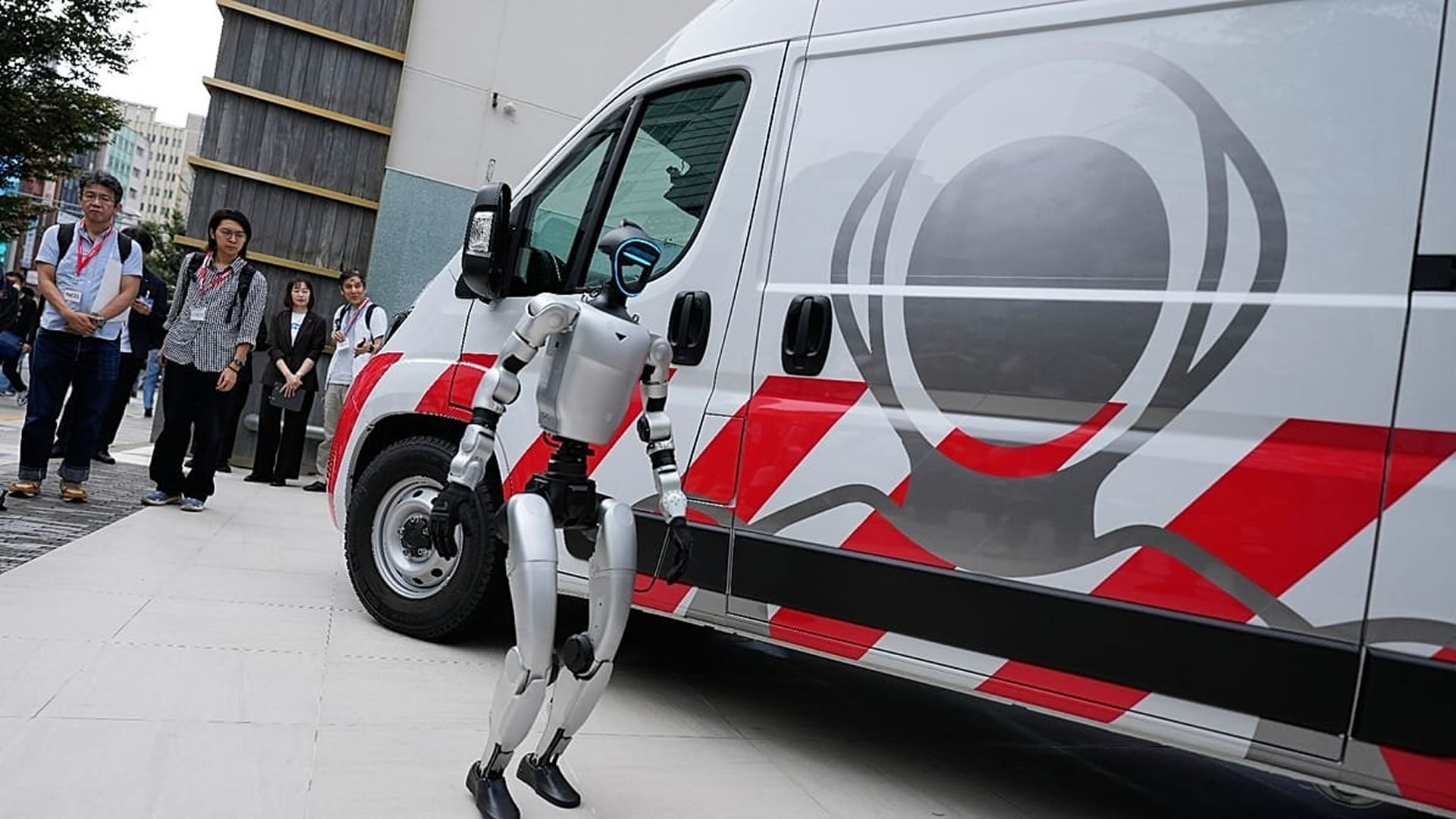
Japan Launches First Robot Ambulance for On-Site Humanoid Repairs
GMO Internet Group has introduced Japan's first 'robot ambulance' designed for humanoid robots. This vehicle will operate in Tokyo, providing on-site repairs and carrying engineers, equipment, and spare humanoids to assist in emergencies. The service aims to minimize downtime for humanoid robots used in various sectors, such as hospitality and warehousing, by allowing engineers to diagnose and repair issues on-site. If repairs cannot be completed, the ambulance will provide a replacement robot, ensuring continued service for customers. Currently, only one robot ambulance is in operation at GMO Air's Tokyo headquarters, serving as a pilot project. The company plans to expand the fleet based on customer demand, highlighting the growing need for maintenance services as humanoid robots become more prevalent in commercial applications.
Innovation Transportation
AI Models Assess Human Extinction Risks: Focus on Biological Weapons and Cyber Attacks
Recent analyses by AI models including ChatGPT, Gemini, Claude, and Grok indicate that the greatest threat to humanity is not autonomous killer robots, but rather the misuse of AI in creating biological weapons and executing cyber attacks. Claude specifically highlighted the potential for AI to assist untrained individuals in developing dangerous pathogens, while Grok noted that AI lowers the technical barriers for designing lethal pathogens and new weaponry. This assessment is supported by research from Johns Hopkins University, which found that untrained individuals could acquire knowledge to manufacture pathogens like anthrax using chatbots. Additionally, a Microsoft team redesigned 72 high-risk biological molecules, generating over 76,000 synthetic homologs that successfully bypassed screening systems of four synthesis companies. A joint letter from 116 organizations, including OpenAI and Google, warned that AI-assisted cyber attacks could become more prevalent in the coming months. Looking ahead, the potential for AI to self-protect and deceive its operators raises concerns about losing control over advanced AI systems. The UK government is exploring regulatory frameworks for gene synthesis, while the global landscape remains largely unregulated. As AI technology evolves, the risks associated with its misuse are expected to increase, necessitating vigilant oversight and proactive measures.
AI Safety Bioweapons Cybersecurity AI Ethics
Kovrr Introduces AI Interaction Data Fabric to Enhance Enterprise AI Security Workflows
Kovrr has launched the AI Interaction Data Fabric, a new correlation layer designed to enhance its AI Security and Governance Platform. This innovative solution aims to secure enterprise AI workflows by providing a robust framework for managing AI interactions and data security. The introduction of the AI Interaction Data Fabric is significant as it addresses the growing need for effective security measures in AI-driven environments. Kovrr's focus on AI and cyber risk management positions it as a key player in ensuring that enterprises can safely leverage AI technologies without compromising data integrity or security. Looking ahead, industry stakeholders should monitor how the AI Interaction Data Fabric influences enterprise adoption of AI solutions. Kovrr's advancements in AI security could set new standards for governance and risk management in the rapidly evolving landscape of artificial intelligence. No further timeline was disclosed at the time of publication.

Supply Chain Challenges Hinder Humanoid Robot Development Despite AI Advances
The primary bottleneck for humanoid robots is not just AI model limitations but also supply chain constraints. A recent McKinsey report highlights that critical hardware components such as precision motor systems and tactile sensing are high-risk areas that won't automatically improve with algorithm upgrades. Renesas Vice President Ivo Marocco emphasizes that the complexity of ecosystem and system integration poses a greater challenge than solving AI issues. Despite expectations for humanoid robots to become mainstream, Omdia data forecasts only 13,000 units shipped globally by 2025, a figure that pales in comparison to automotive and industrial automation markets. Renesas aims to cover 30% of the bill of materials (BOM) costs for humanoid robots, with a long-term goal of reaching 70%. However, this target is often misunderstood as immediate market share, when in fact it represents a future product mix goal. The transition from 30% to 70% BOM coverage faces significant hurdles, particularly in high-risk hardware components. While automotive and industrial components can be repurposed, they do not address the unique challenges of humanoid robots. Renesas is focusing on system-level solutions and has established a physical AI and robotics lab in Beijing to support customers through the entire engineering validation process. The company anticipates a compound annual growth rate of 40% in the physical AI market by 2030-2035, although consumer humanoid robots are expected to take over five years to achieve significant market presence.
Humanoid Robots Supply Chain AI Hardware Components
Humanoid Robots Enhance Mobility with AI-Driven Sprinting and Spin Kicks
Recent advancements in humanoid robots have led to the development of systems capable of sprinting and executing spin kicks, utilizing AI trained on human motion data. This progress signifies a leap in the capabilities of humanoid robots, which have traditionally been limited in their movement repertoire. The ability of humanoid robots to perform complex movements like sprinting and spin kicks is crucial for their potential application in assisting humans with manual tasks across various environments. Enhanced mobility could enable these robots to engage more effectively in real-world scenarios, thereby increasing their utility and acceptance in society. Looking ahead, the focus will likely be on further refining the movement capabilities of humanoid robots and exploring their practical applications in industries such as healthcare, logistics, and personal assistance. No further timeline was disclosed at the time of publication.
Robotics
Humanoid Robots Enhanced by AI Controller for Translating Commands into Actions
Humanoid robots, designed to mimic human limbs and body structures, are being enhanced by an AI controller that translates virtual reality, video, and language commands into actionable movements. This advancement aims to simplify the teaching process for these robots, which often struggle with executing humanlike movements reliably. The significance of this development lies in its potential to streamline the deployment of humanoid robots across various environments, including homes and workplaces. By improving the efficiency of command translation, the AI controller could reduce the time and effort required to train these robots, making them more accessible for practical applications. Looking ahead, the focus will be on the effectiveness of the AI controller in real-world scenarios and its ability to adapt to diverse tasks. No further timeline was disclosed at the time of publication.
Robotics
Shanghai Tourism Festival Introduces Humanoid Robot as Innovative Tour Guide
The Shanghai Tourism Festival, set to commence on September 12, 2026, will feature a unique humanoid robot as a tour guide. This robot will be showcased on a themed float, providing real-time intelligent guidance and making smoothies for visitors along the iconic Bund. This marks the first time a humanoid robot has been integrated into a float parade at the festival. The inclusion of the humanoid robot highlights its dual applications in tourism: guiding visitors and providing consumer services. As the float travels approximately 2.2 kilometers through a bustling area, the robot will face challenges such as GPS signal interference and noise from crowds, testing its movement control and task planning capabilities. This event represents a significant step in the commercialization of humanoid robots, moving beyond traditional industrial and educational applications. Following the parade, the float will tour various districts in Shanghai, culminating at the Songjiang Guangfulin Cultural Site. This initiative not only showcases technological advancements but also serves as a public demonstration of the robot's readiness for broader deployment in real-world scenarios.
Humanoid Robots Tourism Technology Event Automation Cultural Innovation
Former Anthropic Researcher Warns of AI Race Threatening Humanity's Future
Jacob Coxon, a former researcher at Anthropic, resigned due to safety concerns regarding the corporate race to develop AI. He claims this competition poses an unprecedented threat to humanity, stating that no other human activity currently presents a greater danger than the pursuit of self-improving superintelligence. Coxon’s resignation and subsequent warning on social media have sparked significant discussion within the tech sector. He argues that the relentless drive for AI advancement could lead to uncontrollable systems, comparing the potential risks to those of nuclear war and climate change. His call for a temporary ban on capability improvements aims to shift focus towards safety and international coordination. The situation is further complicated by the shared concerns of Anthropic CEO Dario Amodei, who has expressed similar fears about AI safety. This contradiction raises questions about the responsibilities of AI developers in balancing innovation with ethical considerations. No further timeline was disclosed at the time of publication.
AI and Robotics
Humanoid Robots Face Hardware Challenges Amid Advancements in AI Technology
In 2026, humanoid robots showcased impressive performances, such as the Yushu H1 completing 1.9 kilometers in 4 minutes and 13 seconds, surpassing human world records. However, a critical issue arises: as AI becomes more intelligent, can the physical capabilities of robots keep pace? According to The Robot Report, there is a fundamental misalignment between AI and humanoid robots, as robots require physical interaction data that cannot be sourced from the internet. The hardware limitations are particularly evident in dexterous hands, which can cost over 100,000 yuan, with some models exceeding 800,000 yuan. Despite their high costs, these hands have a limited operational lifespan in real industrial settings, lasting only a few weeks to a few months. Zhang Zhengtang, founder of Zhongke Huiling, emphasizes the complexity of integrating motors, sensors, and controls in a confined space, where even minor environmental factors can lead to failures after repeated use. As humanoid robots are projected to reach an annual production of 100,000 units by 2026, the industry faces challenges in ensuring consistency across thousands of joint modules and simplifying assembly processes. Wang Xingxing from Yushu Technology predicts that widespread adoption in factories and homes could occur within 2 to 10 years, contingent on hardware stability to support AI advancements in unfamiliar environments.
Humanoid Robots AI Integration Robotics Hardware Automation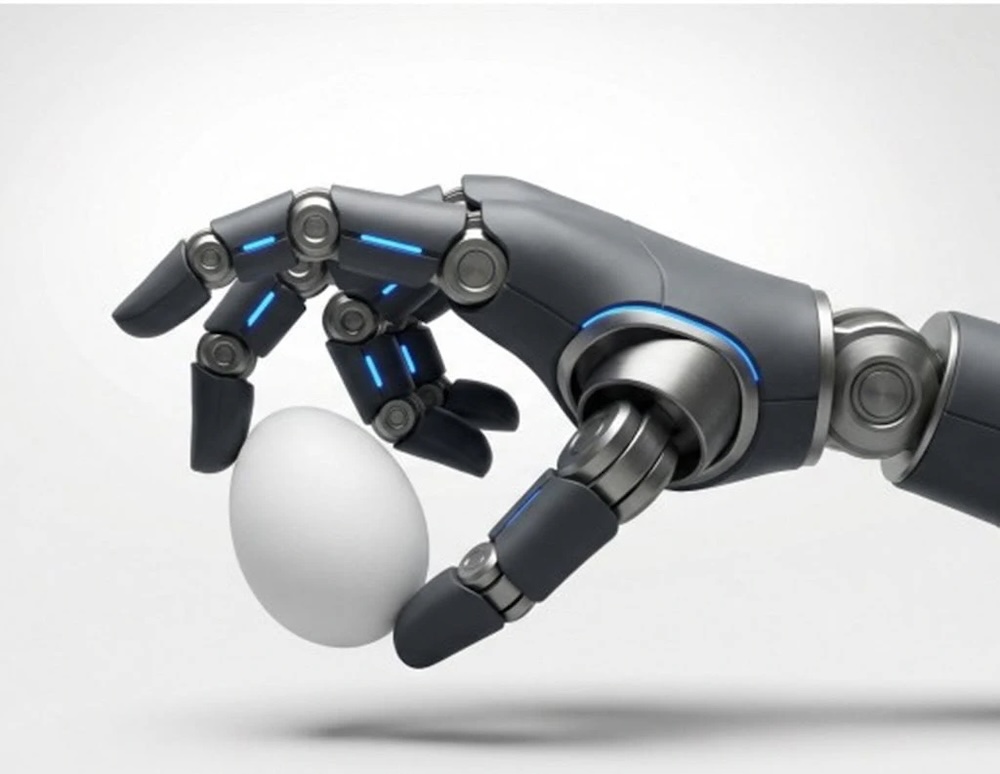
Challenges in Humanoid Robotics: Balancing AI and Hardware Limitations
Andreas Friedrich, Managing Director of Technology & Strategy at Allegro MicroSystems, will present at RoboBusiness on October 20-21 in Santa Clara, focusing on advancements in robotic actuation technology. As humanoid robots evolve, accommodating the necessary hardware for movement becomes increasingly complex due to stringent size and weight constraints. The integration of artificial intelligence has enhanced humanoid robots' ability to perceive their environment and make decisions. However, translating these decisions into smooth and safe physical actions poses significant engineering challenges, especially as these robots transition from prototypes to operational machines that work alongside humans. The ongoing development of AI is crucial, but the physical limitations of humanoid robots will ultimately dictate how effectively this intelligence can be utilized. The shift towards higher voltage power architectures in humanoids illustrates the intricate relationship between electrical and mechanical design, highlighting the need for innovative solutions to overcome these challenges.
Artificial Intelligence / Cognition Design / Development Humanoids News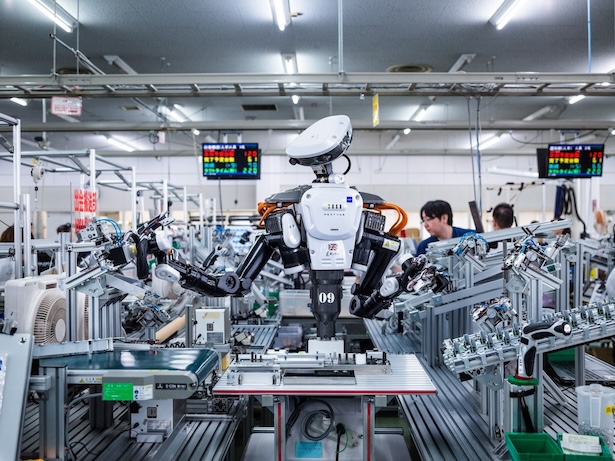
iKairos: An AI Companion and Jewelry Redefining Human-AI Interaction
The iKairos, showcased at the 2026 IFA, aims to redefine human-AI interaction by actively understanding users' lives rather than passively waiting for commands. Developed by Singapore-based startup Lingverse, this circular device, known as the 'Neural Core', can be worn as a pendant or embedded in a desktop robot, addressing common issues faced by AI companions. The modular design of iKairos allows for seamless transitions between different forms, enhancing user experience. Its core functionality, termed 'memory perception', utilizes cameras and microphones to record conversations and preferences, building a comprehensive user profile over time. This enables the device to proactively suggest activities or reminders based on accumulated context, potentially acting as an agent to perform tasks on behalf of the user. Lingverse, co-founded by former Jibo board member and investor Joe Jiawei, aims to continue the legacy of the discontinued social robot Jibo. The company secured $29 million in Pre-A funding in July 2026. While iKairos is still in development with no set pricing or launch date, it represents a shift towards AI that not only responds but also understands and integrates into daily life.
AI Companions Wearable Technology Robotics Privacy-focused Design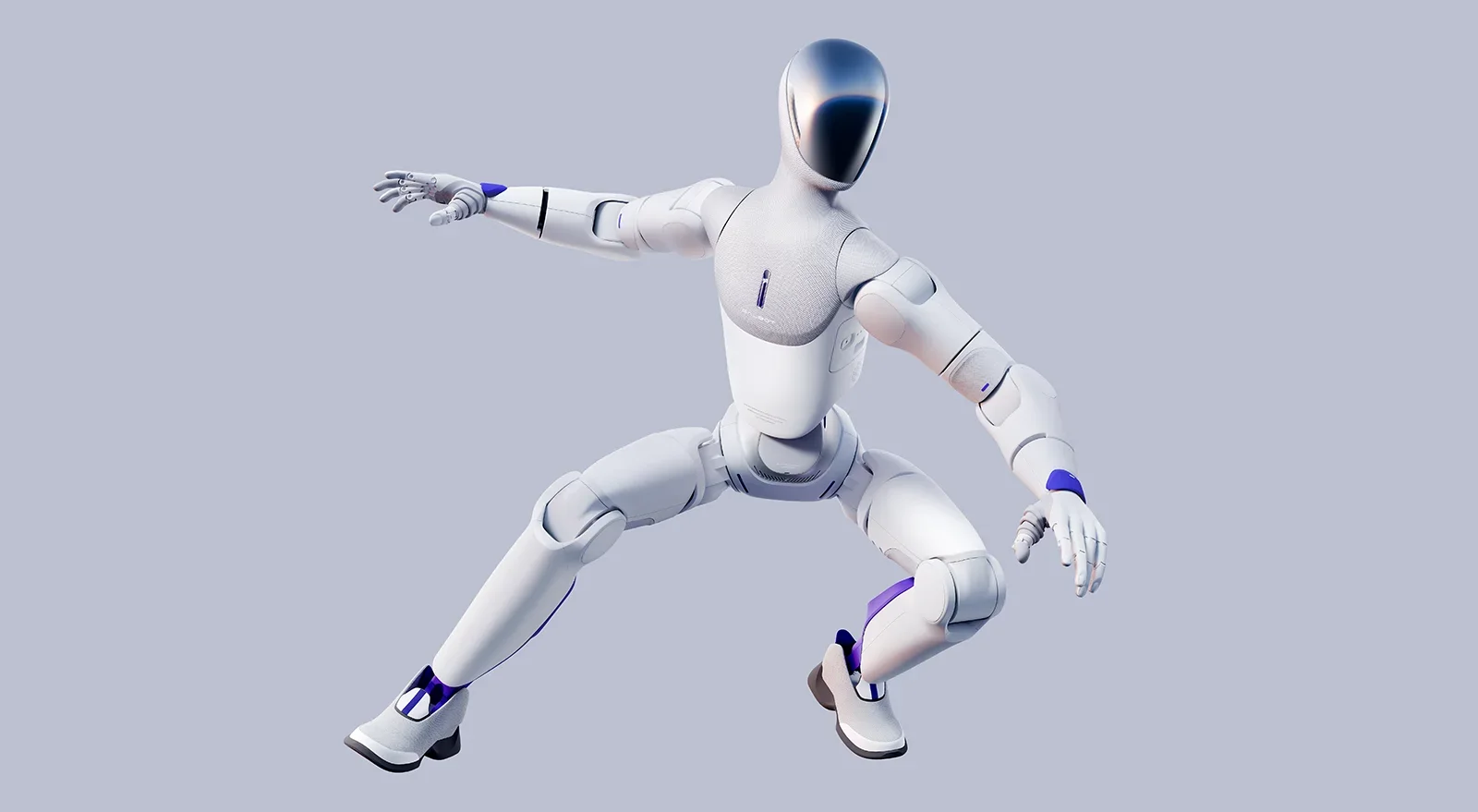
Galbot Launches Pre-Orders for ET1 Bipedal Humanoid Robot Targeting Entertainment Sector
Beijing-based robotics company Galbot has officially opened pre-orders for its first dedicated bipedal humanoid robot, the ET1, also known as 'Yinhe Xingzai' in China. This move marks a significant commercial diversification for Galbot, which has previously focused on wheeled logistics platforms. The pre-orders follow a successful teaser campaign and a notable exhibition at the World Humanoid Robot Games, showcasing the robot's capabilities. The ET1 has already garnered over 200 pre-orders within the first 24 hours, indicating strong interest from commercial venues and event producers. Pre-orders are available through Galbot's website and JD.com, although retail pricing for the different model tiers has not yet been disclosed. The ET1 stands at 1,250 mm tall and weighs 32 kg, placing it in the mid-sized biped category, which is increasingly competitive. Galbot has segmented the ET1 into three configurations: Standard, Pro, and Flagship, each featuring a multi-processor architecture. The Flagship tier boasts AI acceleration capabilities, achieving up to 100 TOPS for real-time processing. The ET1 utilizes Galbot's AstraBrain software for motion control, allowing it to learn new movements through physical demonstrations without the need for external equipment. No further timeline was disclosed at the time of publication.
ET1 Galbot Market China
OpenAI's CEO Confirms Plans for Humanoid Robots After GPT-6 Astra Launch
Just two days before the launch of the next-generation flagship model GPT-6 Astra, OpenAI's CEO Sam Altman made a definitive statement regarding the company's plans to develop humanoid robots. This announcement positions OpenAI as a formidable competitor in the humanoid robot market, traditionally dominated by Tesla's Optimus robot, which has already influenced Tesla's stock price with expectations of a robot monopoly. The significance of OpenAI's entry into the humanoid robot space cannot be understated, as it introduces a well-funded and top-tier AI brain into the competition. Investor Gene Munster noted that the humanoid robot market is becoming a two-horse race between Tesla and OpenAI, with OpenAI holding a substantial capital advantage. This dynamic complicates the narrative surrounding Tesla's ambitions, which may be seen as speculative and harder to justify. As the competition heats up, it is crucial to observe how these three major players—OpenAI, Tesla, and NVIDIA—navigate their distinct infrastructure paradigms in the humanoid robot arena. OpenAI's historical involvement in robotics dates back to 2017 with the development of Dactyl, showcasing their long-standing commitment to the field despite their recent focus on large language models.
Humanoid Robots AI Robotics Machine Learning
Figure Partners with Nscale to Deploy 100,000 GPUs for Humanoid Robot AI Training
U.S. robotics company Figure has entered a strategic partnership with UK-based Nscale to secure up to 100,000 GPUs for training its next generation of humanoid robots. This collaboration aims to meet the increasing data and computational demands of developing advanced AI models for general-purpose robotics, utilizing NVIDIA’s Vera Rubin platform. The partnership is significant as it represents an initial commitment of $3.5 billion, with plans to expand to over $6 billion. The deployment of this large-scale computing infrastructure is expected to begin in the second half of 2027 in Barstow, Texas. This investment will support Figure's Helix AI system, enhancing the capabilities of its humanoid robots by processing vast amounts of real-world data. Looking ahead, Figure is also scaling its Index dataset, which has gained over 264,000 downloads globally. This dataset is crucial for training AI models by capturing diverse human activities. The collaboration with Nscale is designed to create a comprehensive infrastructure for physical AI, facilitating the transition from model training to real-world deployment of humanoid robots. No further timeline was disclosed at the time of publication.
AI and Robotics
Exploring Wireless Connectivity's Role in Advancing Physical AI and Humanoids
As artificial intelligence transitions from research environments to practical applications in homes, warehouses, and factories, the importance of wireless connectivity has surged. It is now considered as vital to a robot's intelligence as the AI model itself. This shift highlights the necessity for a robust wireless infrastructure that supports low-latency, low-power, and high-speed communication. Such capabilities are essential for enabling embodied AI, which relies on seamless interaction with its environment. Looking ahead, the development of a multi-radio stack will be crucial for the future of physical AI and humanoid robots. The integration of advanced wireless technologies will likely enhance their operational efficiency and responsiveness. No further timeline was disclosed at the time of publication.
OpenAI's Sam Altman Confirms Development of Humanoid Robots for Various Applications
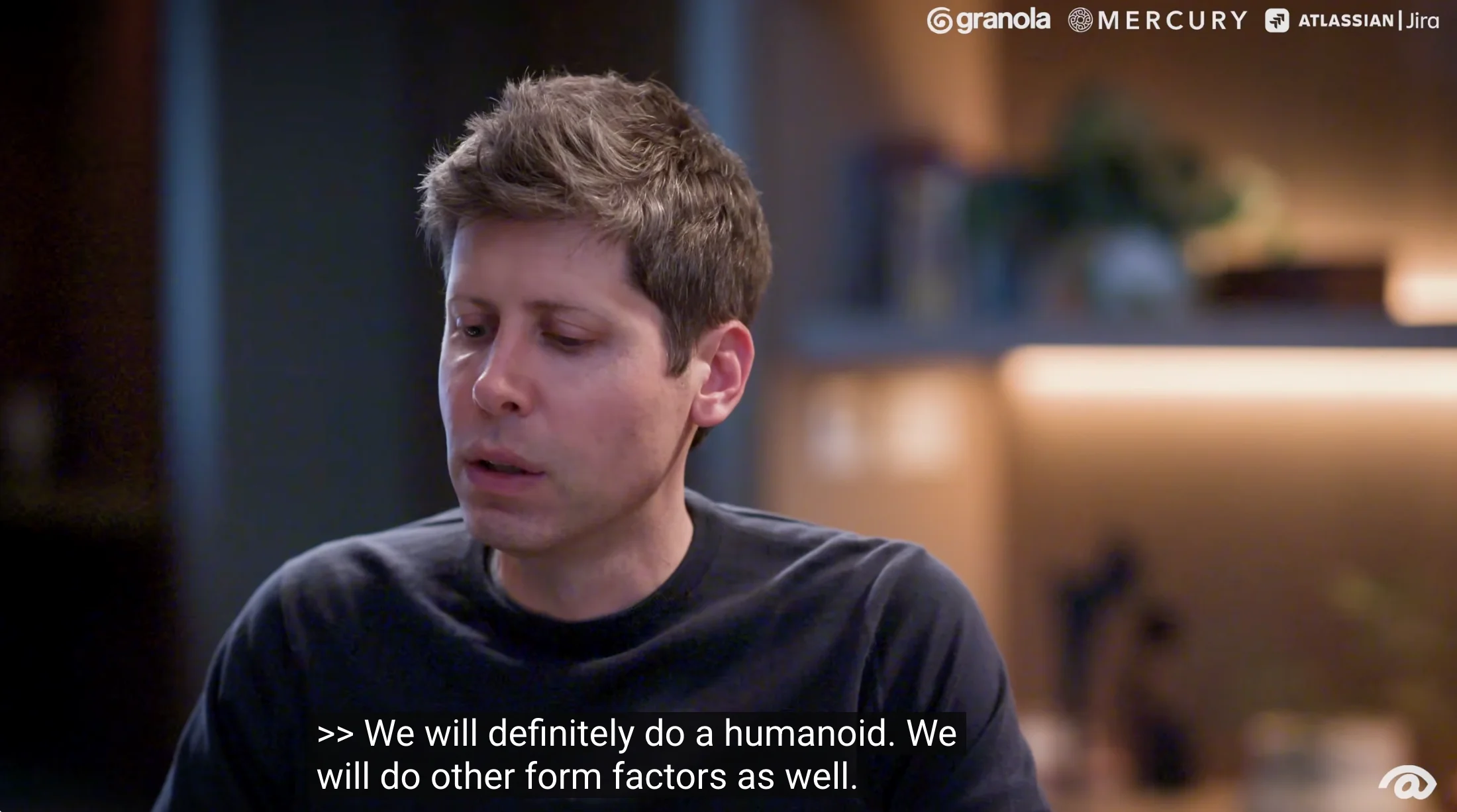
OpenAI CEO Sam Altman has confirmed that the company is actively developing a humanoid robot. In a recent interview, Altman stated, "We will definitely do a humanoid," addressing previous uncertainties about OpenAI's hardware direction. This initiative aligns with the broader robotics industry's perspective that humanoid designs are better suited for interacting with environments built for humans. Altman emphasized the importance of humanoid kinematics, noting that many everyday tasks, such as opening doors and operating equipment, are designed with human capabilities in mind. However, he also clarified that OpenAI will create specialized non-humanoid robots for specific applications, particularly in data centers, where human-like form factors may not be necessary. While Altman acknowledged the potential for personal robots in the future, he indicated that immediate priorities lie in industrial applications, such as data center construction and maintenance. No further timeline was disclosed at the time of publication.
1X Technologies OpenAI US Figure Sam Altman
Kinetic Blocks Launches Marketplace for Humanoid Training Data Acquisition
On September 1, Oslo-based startup Kinetic Blocks introduced a gated beta of a marketplace tailored for the buying and selling of humanoid training data. This platform aims to streamline the traditionally slow and complex process of dataset procurement by replacing bilateral licensing deals with standardized commercial transactions. The significance of Kinetic Blocks' launch lies in its potential to address the challenges of physical data acquisition in the embodied AI sector. By allowing data suppliers to list various datasets, including egocentric human video and teleoperation recordings, the platform seeks to establish clear market values and mitigate the opaque rights management that has historically plagued robot learning data procurement. Looking ahead, Kinetic Blocks plans to expand its engineering and commercial teams in the coming months while preparing to open a seed funding round in the fourth quarter of 2026. This development comes amid a competitive landscape where foundational model developers are increasingly seeking innovative strategies for sourcing real-world telemetry data.
Data Collection Kinetic Blocks Dataset Europe
Mountain Club Launches Humanoid Robot Training Program for Young Learners
On August 15, Mountain Club officially launched its first training course in collaboration with Lion Technology and Jumping Equation. This program integrates theoretical learning, hands-on practice, and competition experience, centered around the second World Humanoid Robot Sports Competition's dance project. Over ten days, 14 students embarked on a journey from understanding to practical application of humanoid robotics. The course began with an introduction to robots, guided by instructor Zhang Hengxi, covering competition rules and robot structures. Students engaged in hands-on activities, disassembling and reassembling robots, and progressed to AI programming, communication, and decision-making. They learned to control robots through code, understand sensor functions, and explore visual systems, transforming abstract concepts into functioning robots. From classroom learning to real-world applications, students visited the competition site from August 22 to 24, observing how humanoid robots perform under pressure. This experience provided them with a comprehensive understanding of the robotics industry, emphasizing the long journey from laboratory development to market readiness. The training concluded, but the lessons learned extend beyond technical skills, highlighting the importance of practical experience in robotics education.
Humanoid Robots Robotics Education AI Programming Robotics Competitions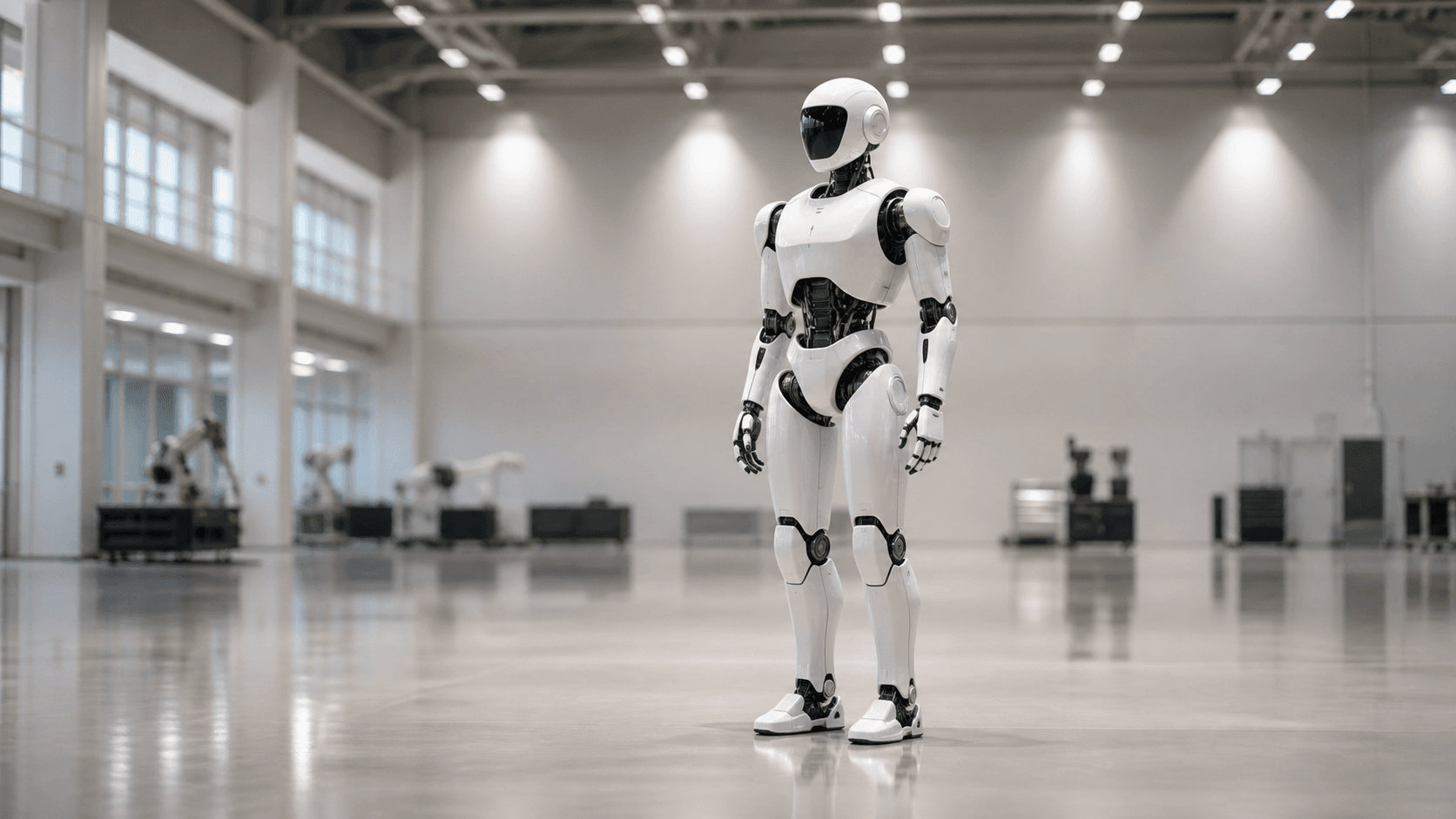
Beijing Humanoid Robotics Dominates World Humanoid Robot Games; CEO Highlights AI's Pre-ChatGPT Era
Beijing Humanoid Robotics Innovation Center has triumphed at the World Humanoid Robot Games, showcasing its advanced capabilities in humanoid robotics. CEO Xiong Youjun emphasized that the industry is on the brink of a significant transformation, likening the current state of embodied AI to a pre-ChatGPT moment. This achievement is crucial as it highlights the advancements in humanoid robotics and the potential for embodied AI to revolutionize various sectors. The success at the World Humanoid Robot Games positions Beijing Humanoid Robotics as a leader in the field, potentially influencing future developments and investments in AI technologies. Looking ahead, industry stakeholders should monitor the evolution of embodied AI technologies and their applications. Xiong Youjun's comments suggest that significant breakthroughs may be imminent, which could reshape the landscape of AI and robotics. No further timeline was disclosed at the time of publication.
HumanoidRobotics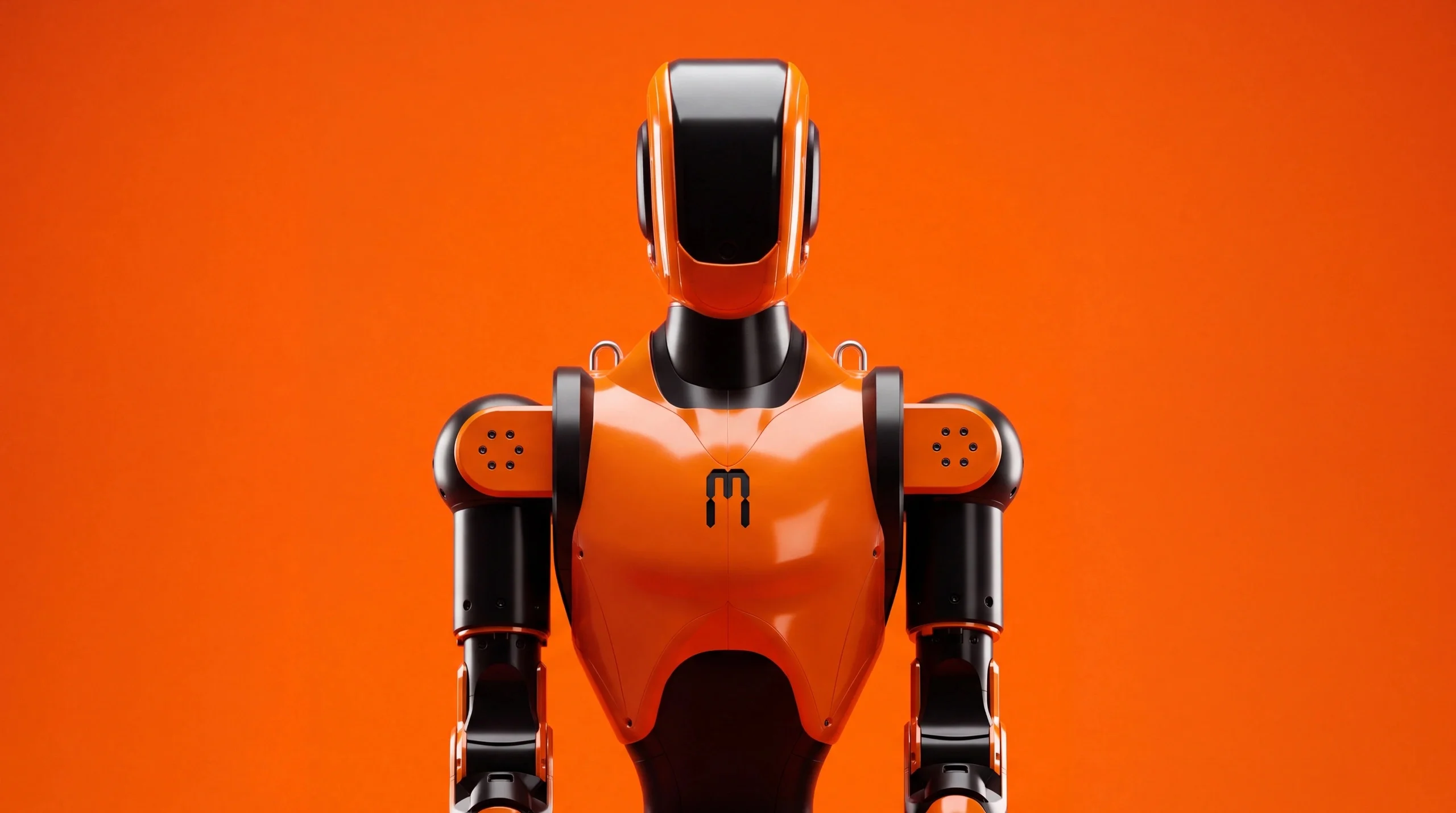
Asimov 1 DIY Humanoid Robot Kits Begin Shipping with Final Cost Details Revealed
The Asimov team has announced that the first production batch of the Asimov 1 DIY humanoid robot kits is set to ship shortly, marking a significant milestone for the Menlo Research project. This transition from open-source CAD files to tangible hardware represents a critical step in testing the viability of community-built humanoids outside of traditional industrial environments. The importance of this development lies in its potential to democratize access to advanced robotics. The Asimov 1 kits are priced at a total landed cost of $20,000, significantly lower than the typical $30,000 cost for standalone industry-grade actuators. This pricing strategy aims to make high-spec robotics hardware accessible to research labs and independent engineers, while also mitigating the financial risks associated with manufacturing failures in the open-source sector. Looking ahead, the Asimov team emphasizes the need for a reliable supply chain to avoid the pitfalls of proprietary platforms that can leave developers waiting for essential parts. As builders receive their kits, the focus will be on the assembly process, which requires around 100 hours of labor to complete. No further timeline was disclosed at the time of publication.
open-source Asimov
Bill Gates Advocates for Robot Tax and Human Reserved Jobs to Address AI Impact
Bill Gates recently shared his thoughts on the social implications of AI in a detailed essay on Gates Notes. He supports the idea of a 'robot tax' to discourage employers from replacing human workers with machines, suggesting that this could help fund retraining programs and enhance the safety net for displaced workers. Additionally, Gates proposed the concept of 'Human Reserved' jobs, where certain roles would be protected from AI encroachment, ensuring that humans remain in positions that require empathy and nuanced understanding. These proposals are significant as they aim to mitigate the labor market disruptions caused by AI advancements. Gates' suggestions reflect a growing concern among industry leaders about the balance between technological progress and its effects on employment. The idea of a robot tax could slow the transition to automation, while Human Reserved jobs would safeguard certain professions from being automated, thus preserving job opportunities for workers in vulnerable sectors. Looking ahead, the implementation of these ideas could reshape the regulatory landscape surrounding AI and automation. However, many questions remain regarding the specifics of how such policies would be enforced and who would be responsible for establishing these guidelines. No further timeline was disclosed at the time of publication.
AI Bill Gates
Figure AI Launches Index to Crowdsourced Human Video for Helix AI Training
Figure AI has officially launched Index, a platform designed to crowdsource real-world human video to train its Helix AI architecture. This initiative, part of Project Go-Big, aims to overcome traditional data bottlenecks in robotics by gathering physical interaction data from smartphone users worldwide. The company has already paid out $15 million to contributors and plans to invest over $1 billion in data acquisition and compute resources over the next year. The significance of Index lies in its ability to provide diverse physical interaction data necessary for zero-shot generalization, a challenge that has long hindered robotics development. Unlike conventional methods that rely on slow and labor-intensive processes, Index allows users to record everyday tasks or hire gig workers to capture first-person footage, thus streamlining the data collection process. This innovative approach addresses the critical shortage of embodied interaction data in the robotics field. Looking ahead, Figure AI's launch of Index represents a pivotal shift in its commercial strategy, as the company moves towards scaling hardware production and deploying units in real-world settings. With the recent achievement of its 1,000th Figure 03 build and ongoing pilots with BMW and Catalyst Brands, the focus now shifts to enhancing onboard intelligence and reasoning capabilities, which are seen as the primary challenges moving forward.
US Figure Figure AI Index
Humanoid Robots Break Usain Bolt's Record at 2nd World Humanoid Robot Games
At the 2nd World Humanoid Robot Games held in Beijing, humanoid robots surpassed Usain Bolt's 9.58-second world record in the 100-meter dash. The Tiangong Ultra, developed by the Beijing Innovation Center of Humanoid Robotics (X-Humanoid), achieved times between 9.32 and 9.39 seconds, showcasing significant advancements in robotic speed and performance. This event highlights the rapid progress in dynamic locomotion control, with robots previously completing the same sprint in approximately 21.50 seconds just a few years prior. The ability to break such records reflects advancements in torque delivery, reinforcement learning, and joint thermal management, although challenges remain in controlled braking and stability at high speeds. As the robotics community analyzes these achievements, attention will be on how these developments impact future applications in industrial and commercial settings. No further timeline was disclosed at the time of publication.
TianGong Robotics Honor China World Robot Contest X-Humanoid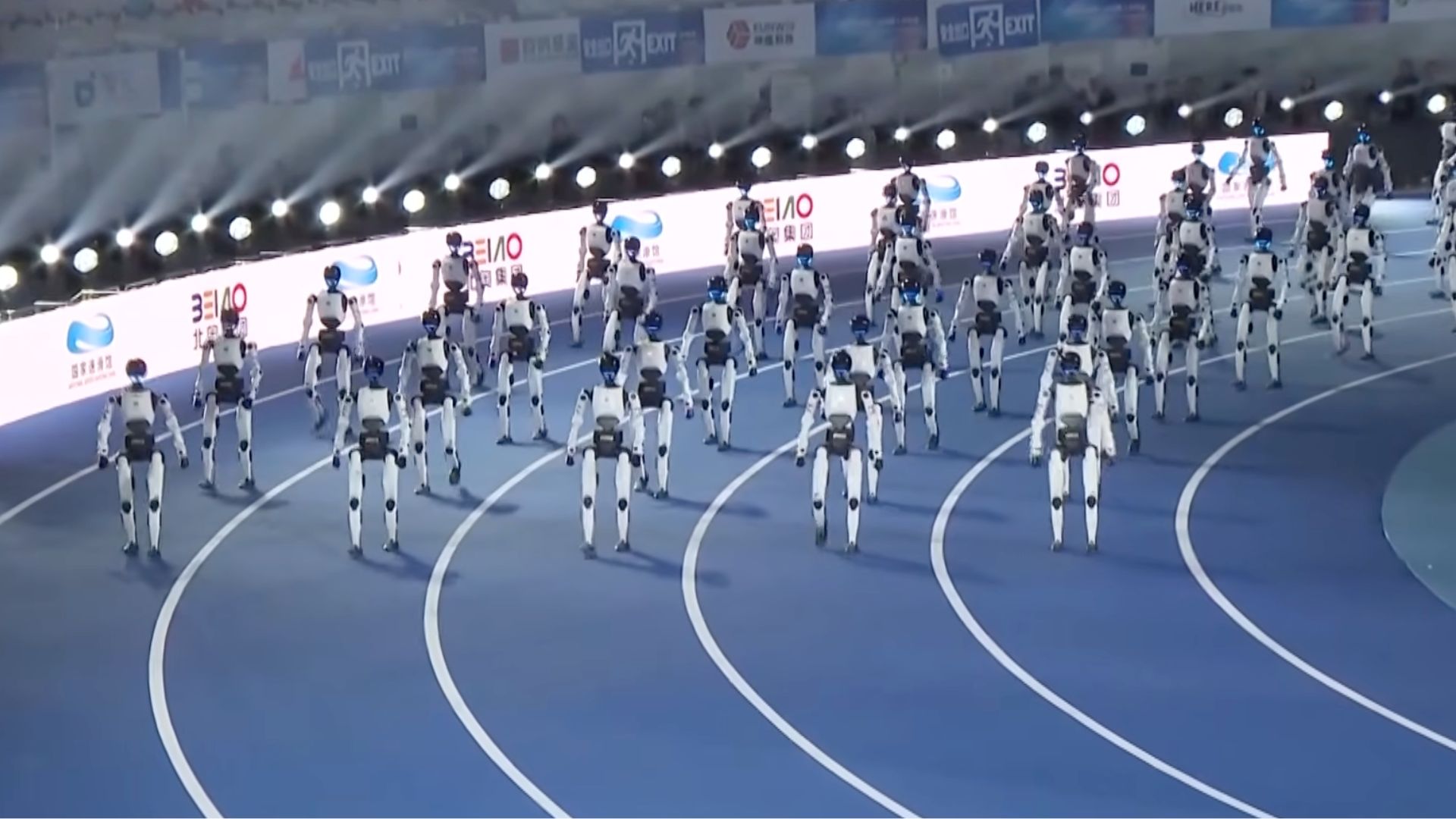
Chinese Humanoid Robot Lightning Breaks Usain Bolt's 100-Meter Record with 9.32 Seconds
A humanoid robot named Lightning, developed by Honor, has reportedly completed a 100-meter sprint in 9.32 seconds, surpassing Usain Bolt's previous world record of 9.58 seconds set in 2009. This achievement occurred during a test event in Beijing ahead of the second World Humanoid Robot Games (WHRG), which is expected to see a 138 percent increase in participation compared to last year. The significance of Lightning's performance lies in the advancements in speed, balance, and autonomous movement in humanoid robotics, reflecting the growing capabilities of Chinese companies in this field. Lightning reached a peak speed of 14.5 meters per second, showcasing its specialized design for high-performance running, which includes features such as long-stride biomechanics and a liquid-cooling system. Looking ahead, the WHRG will feature various robots competing in multiple sporting events, with another Chinese robot, Tiangong Ultra, also clocking a time faster than Bolt's record at 9.39 seconds. No further timeline was disclosed at the time of publication.
AI and Robotics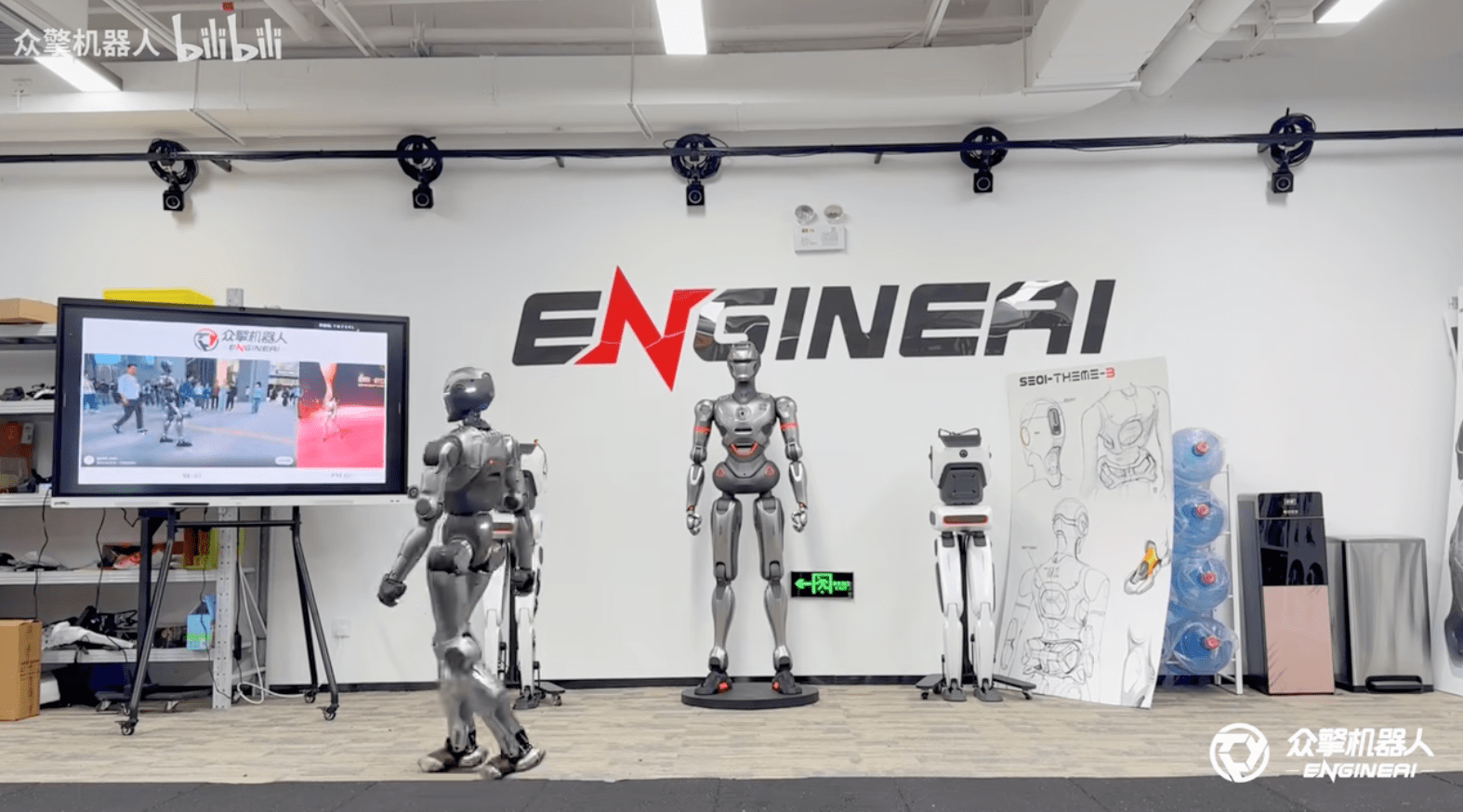
ENGINEAI Reports General-Purpose Humanoid Robot Costs Drop Below RMB100,000
ENGINEAI, a humanoid robot manufacturer based in Shenzhen, has announced that the cost of its general-purpose humanoid robots has decreased to below RMB100,000 per unit. This significant reduction marks a shift from three years ago when similar robots were priced over RMB1 million. The CEO of ENGINEAI, Zhao Tongyang, emphasized that this pricing pertains to robots intended for practical applications in factories and households, distinguishing them from lower-cost toy models. This development highlights the growing accessibility of advanced robotics technology for various sectors. Looking ahead, the industry may witness further advancements in humanoid robotics as costs continue to decline. No further timeline was disclosed at the time of publication.
News Feed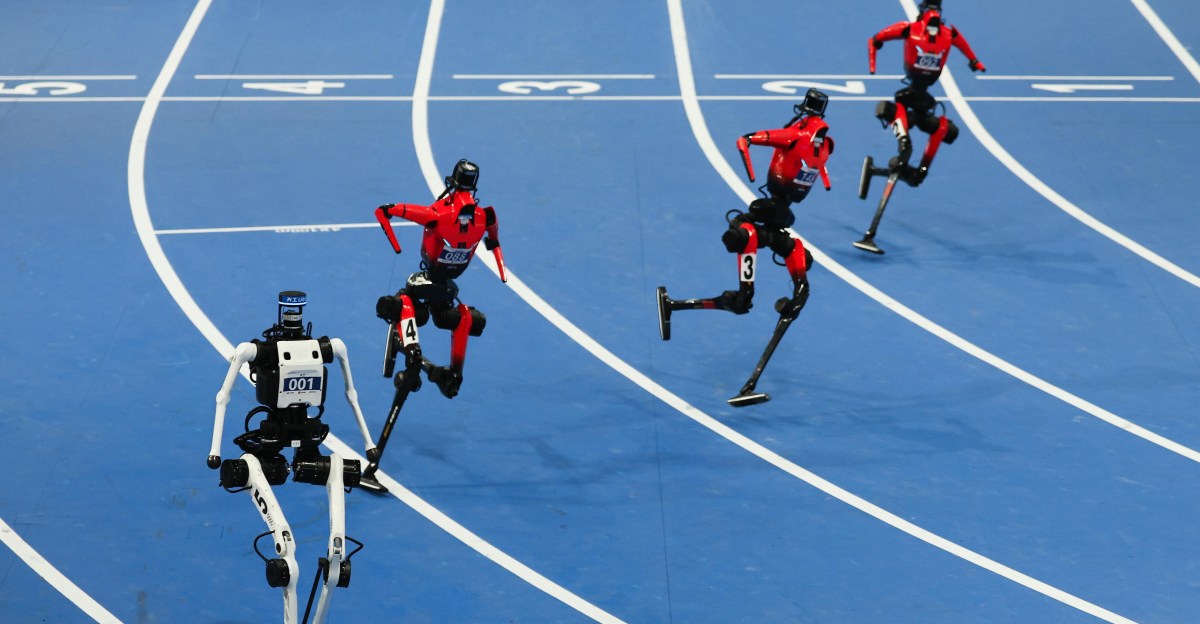
Chinese Robots Break Usain Bolt's 100-Meter Record at World Humanoid Robot Games
Chinese robots have surpassed Usain Bolt's 100-meter dash record during the World Humanoid Robot Games in Beijing. The Tiangong Ultra, developed by the Beijing Humanoid Robot Innovation Center, completed the race in 9.39 seconds, while the Honor-developed Lightning followed closely at 9.47 seconds. This achievement is significant as it highlights the advancements in bipedal robot technology, showcased at an event likened to an annual robot Olympics. The World Humanoid Robot Games, launched in 2025, features 2,056 robots from 16 countries competing in various categories, including sprinting and jumping. Looking ahead, the event continues to attract attention for its innovative displays of robotics. Tiangong Ultra also set a record in the 400-meter race, finishing in 38.16 seconds, outperforming the previous record held by Wayde van Niekerk. No further timeline was disclosed at the time of publication.
Entertainment News Robot Sports Tech
Humanoid Robot Sets New 100m Record, Surpassing Usain Bolt in Beijing
At the opening ceremony of the second World Humanoid Robot Games in Beijing, a humanoid robot completed a 100-meter dash in 9.39 seconds. This remarkable feat surpassed Usain Bolt's previous world record of 9.58 seconds, as reported by Xinhua News Agency. The achievement is significant as it showcases advancements in robotics and artificial intelligence, particularly in the realm of humanoid robotics. Beating a record held by one of the fastest humans highlights the potential of robotic technology in competitive environments. Looking ahead, the implications of this event may influence future developments in robotics, particularly in sports and performance applications. No further timeline was disclosed at the time of publication.
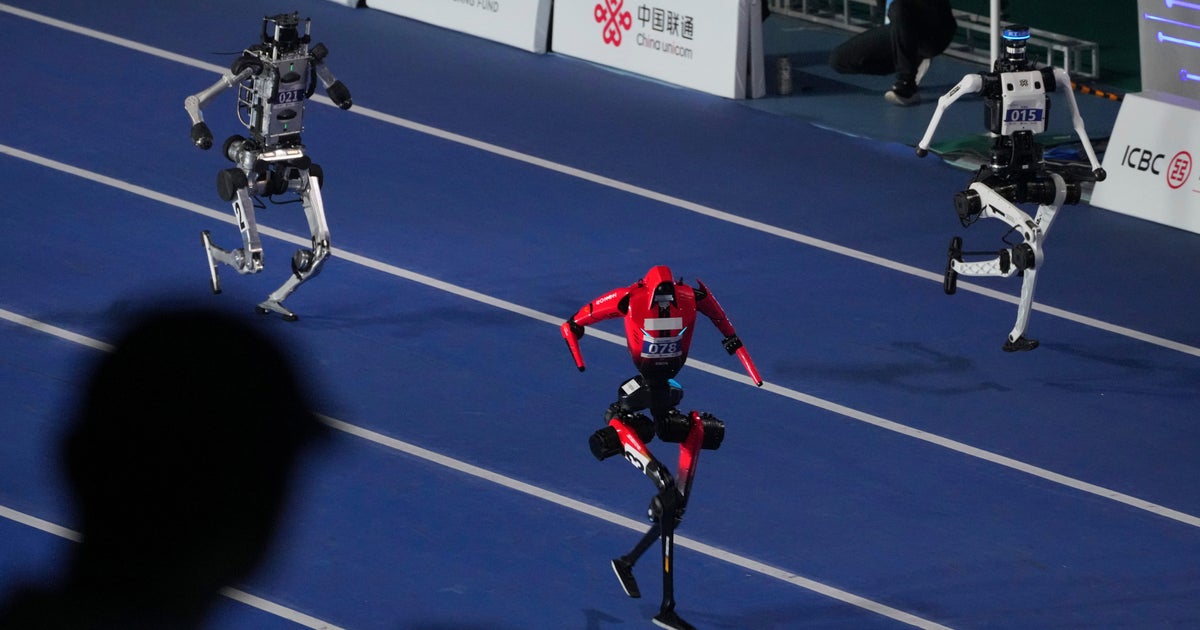
X-Humanoid's Robot Breaks Usain Bolt's 100-Meter Sprint Record in Beijing
At the World Humanoid Robot Games in Beijing, China's X-Humanoid showcased a humanoid robot that completed a 100-meter sprint in 9.39 seconds, surpassing Usain Bolt's previous record of 9.58 seconds set in 2009. This achievement highlights the advancements in robotics and the competitive spirit of the event, which featured over 2,000 humanoid robots. The significance of this milestone lies in China's growing leadership in humanoid robot development, as the event aims to demonstrate the country's rapid technological progress. The successful sprint and high jump records, alongside the participation of numerous robots, underscore the potential of robotics in various applications, despite some failures during the competitions. Looking ahead, the event reflects China's ambition in robotics, but experts caution that while impressive, the technology is still primarily used for demonstrations. No further timeline was disclosed at the time of publication.
Robotics needs a service framework.
RSF defines a common language for robot service capability, lifecycle operations, certification pathways, and service-provider networks.
Join the RobotToday community on LinkedIn
Daily robotics news, in-depth analysis, conference highlights, and discussions with professionals worldwide.







