

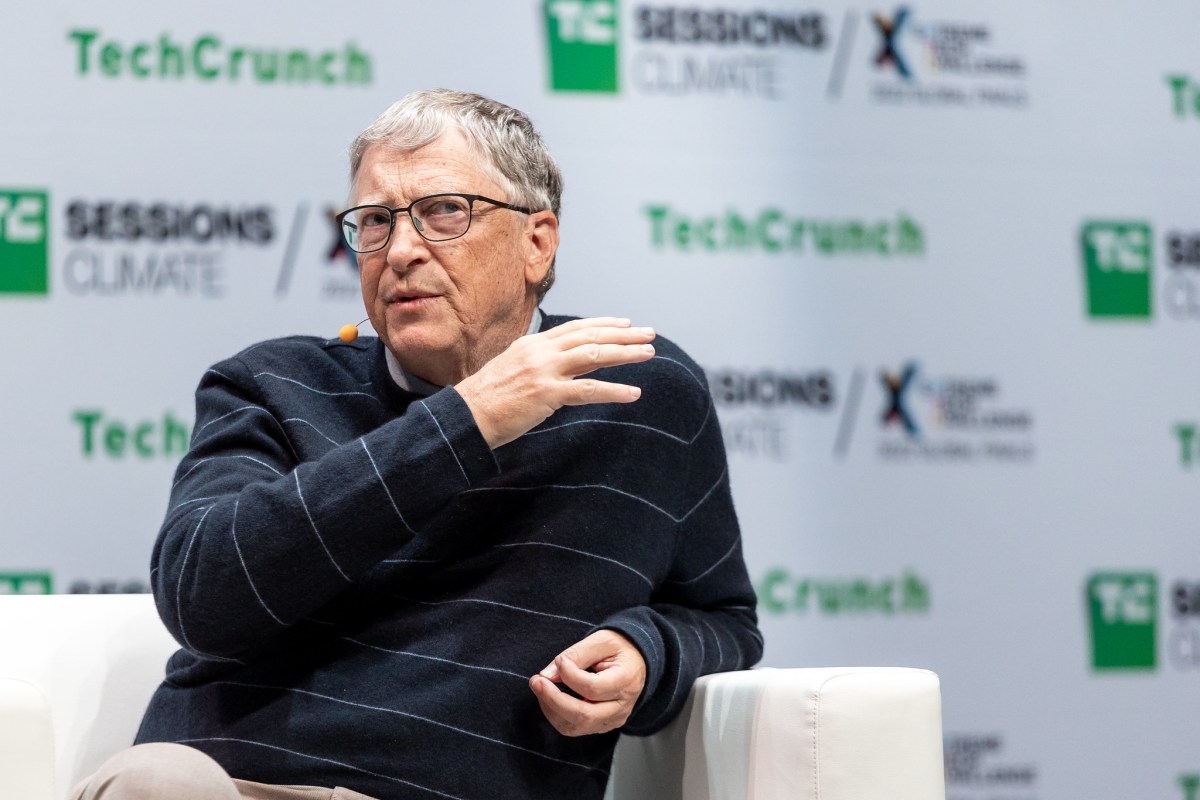
Bill Gates recently shared his thoughts on the social implications of AI in a detailed essay on Gates Notes. He supports the idea of a 'robot tax' to discourage employers from replacing human workers with machines, suggesting that this could help fund retraining programs and enhance the safety net for displaced workers. Additionally, Gates proposed the concept of 'Human Reserved' jobs, where certain roles would be protected from AI encroachment, ensuring that humans remain in positions that require empathy and nuanced understanding.
These proposals are significant as they aim to mitigate the labor market disruptions caused by AI advancements. Gates' suggestions reflect a growing concern among industry leaders about the balance between technological progress and its effects on employment. The idea of a robot tax could slow the transition to automation, while Human Reserved jobs would safeguard certain professions from being automated, thus preserving job opportunities for workers in vulnerable sectors.
Looking ahead, the implementation of these ideas could reshape the regulatory landscape surrounding AI and automation. However, many questions remain regarding the specifics of how such policies would be enforced and who would be responsible for establishing these guidelines. No further timeline was disclosed at the time of publication.
Editor's Note
As the robotics and AI sectors continue to evolve, discussions around the ethical implications of automation are becoming increasingly critical. Bill Gates' proposals highlight the need for a balanced approach that considers both technological advancements and their societal impacts. Stakeholders must engage in dialogue to develop frameworks that protect workers while fostering innovation.





















Leave a comment