Industry Briefing
A single destination for timely, editor-curated robotics news from around the world.
Humanoid Robots Face Hardware Challenges Amid Advancements in AI Technology
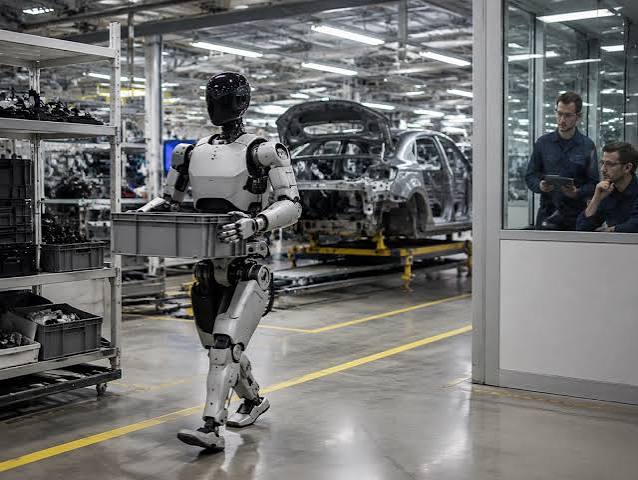
In 2026, humanoid robots showcased impressive performances, such as the Yushu H1 completing 1.9 kilometers in 4 minutes and 13 seconds, surpassing human world records. However, a critical issue arises: as AI becomes more intelligent, can the physical capabilities of robots keep pace? According to The Robot Report, there is a fundamental misalignment between AI and humanoid robots, as robots require physical interaction data that cannot be sourced from the internet. The hardware limitations are particularly evident in dexterous hands, which can cost over 100,000 yuan, with some models exceeding 800,000 yuan. Despite their high costs, these hands have a limited operational lifespan in real industrial settings, lasting only a few weeks to a few months. Zhang Zhengtang, founder of Zhongke Huiling, emphasizes the complexity of integrating motors, sensors, and controls in a confined space, where even minor environmental factors can lead to failures after repeated use. As humanoid robots are projected to reach an annual production of 100,000 units by 2026, the industry faces challenges in ensuring consistency across thousands of joint modules and simplifying assembly processes. Wang Xingxing from Yushu Technology predicts that widespread adoption in factories and homes could occur within 2 to 10 years, contingent on hardware stability to support AI advancements in unfamiliar environments.
Humanoid Robots AI Integration Robotics Hardware Automation
GUSS to Enhance Autonomous Orchard Sprayers with Ouster Rev8 OS0 Lidar Technology
GUSS Automation, a subsidiary of John Deere, is set to integrate Ouster's Rev8 OS0 lidar into its autonomous orchard machines. This advanced 3D sensor enhances navigation and obstacle detection in environments where GPS may be insufficient, particularly in orchards and vineyards. The Rev8 OS0 lidar features a 90-degree vertical field of view and generates up to 10.4 million 3D measurement points per second, with a maximum range of 250 meters. This technology allows for detailed mapping of tree trunks, crop rows, and terrain, improving the machines' operational capabilities in dense vegetation. While the initial application focuses on autonomous spraying, GUSS and Ouster anticipate that this lidar technology could be adapted for other tasks in orchards and vineyards. No timeline for the commercial release of these upgraded machines has been disclosed at this time.
Autonomous/semi-auto steering systems Tech in focus autonomy field robot
Mechanical Hardware Drives the Advancement of Physical AI Technologies
The article discusses the role of mechanical hardware in advancing Physical AI, as detailed in Science Robotics. It highlights how innovations in hardware are crucial for the development of more capable and efficient AI systems. This advancement is significant as it bridges the gap between physical and digital realms, enabling AI to interact more effectively with the physical world. The integration of sophisticated mechanical components enhances the performance and versatility of AI applications. Looking ahead, the focus will be on further innovations in mechanical hardware that can support the evolving needs of Physical AI. No further timeline was disclosed at the time of publication.
Focus
1X Technologies CEO Bernt Børnich Foresees 'Hard Takeoff' for Robotics in Three Years
In a recent interview on the All-In Podcast, Bernt Børnich, Founder and CEO of 1X Technologies, forecasted a 'hard takeoff' for physical artificial intelligence within three years. He emphasized that the timeline for general-purpose robotic labor could be shorter than expected, driven by the capabilities of the $20,000 NEO platform. Børnich's vision extends beyond household applications, highlighting a broader commercial strategy that includes opening NEO as a developer platform. He believes that leveraging internet-scale video training and massive data ingestion will be crucial for achieving early autonomy in robotics, potentially leading to self-sufficient systems capable of building other robots and operating complex facilities. Looking ahead, Børnich's aggressive timeline suggests significant advancements in robotics are imminent. He noted that 1X is transitioning to an open ecosystem, allowing for a diverse range of applications and autonomy levels. This shift aims to enhance the capabilities of NEO, positioning it as a versatile tool for various industries, including automated retail.
1X Technologies US NEO Bernt Børnich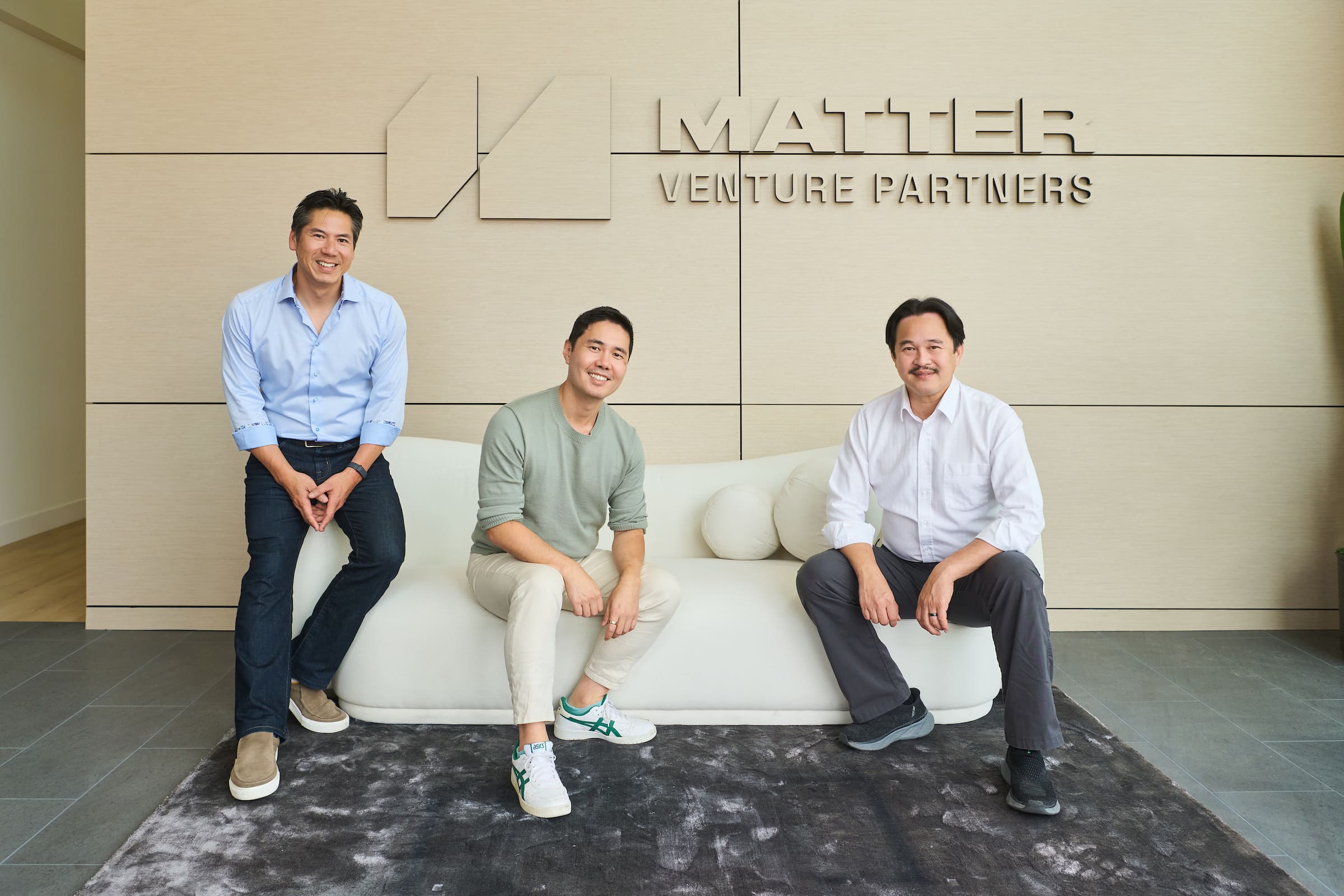
Matter Venture Partners Secures $450 Million for Second Fund Focused on HardTech Startups
Matter Venture Partners has successfully closed its second fund, raising $450 million aimed at early-stage HardTech startups in sectors such as robotics, quantum computing, and advanced manufacturing. This funding will enable the firm to support innovative companies that are essential for the development of efficient computing and intelligent machines. The significance of this fund lies in the growing demand for HardTech solutions driven by advancements in AI, which require not only capital but also extensive industry knowledge and relationships. Matter's strategic partnerships with major industry players like ASML and TSMC will provide portfolio companies with critical resources for manufacturing and commercialization. Looking ahead, Matter Venture Partners is poised to make impactful investments in startups that are shaping the future of HardTech. With a global network and a team experienced in scaling technology companies, the firm is well-equipped to navigate the complexities of the HardTech landscape. No further timeline was disclosed at the time of publication.
AI AI Funding & Investment AI FUNDING & INVESTMENT Business News Fund II
New Underwater Drone Technology Promises Enhanced Stealth and Tracking Challenges
Recent advancements in military technology have led to the development of a missile-armed underwater drone that is expected to be quieter and harder to track than traditional submarines. This innovation aims to enhance naval capabilities and improve operational effectiveness in various combat scenarios. The significance of this underwater drone lies in its potential to revolutionize naval warfare by providing a stealthier alternative to submarines. With the ability to operate undetected, this drone could change the dynamics of maritime defense and offense, making it a critical asset for military forces. Looking ahead, the integration of such advanced technologies into military operations will be crucial. Continuous improvements in stealth technology and autonomous systems will likely shape future naval engagements. No further timeline was disclosed at the time of publication.
Military
Terafab to Produce Edge-Inference and Radiation-Hardened Chips Using ASML Technology
Terafab is set to manufacture two distinct chip families: edge-inference silicon for Tesla vehicles and Optimus robots, and radiation-hardened processors for SpaceX's orbital data centers. Both chip families will utilize Intel's 14A process technology and rely exclusively on ASML's lithography tools, which are crucial for their production. This initiative is significant as Terafab is not competing for customers with TSMC but rather for ASML's lithography machines, which are essential for advanced chip manufacturing. Elon Musk emphasized the importance of producing one chip design per line to maximize yield, aiming for an output of one hundred to two hundred gigawatts of terrestrial chips and approximately one terawatt of chips for space applications. Looking ahead, Terafab's facilities are designed to streamline the entire chip production process, from design to testing, without the need for wafer shipping between sites. The ambitious terawatt target raises questions about the feasibility of such production, especially considering the substantial number of lithography systems required for logic fabrication.

Doup Robotics Selected for JETRO's GSAP 2026 in Manufacturing and Hard Tech Sector
Doup Robotics announced its selection for the Global Startup Acceleration Program 2026 (GSAP) by the Japan External Trade Organization (JETRO) on July 27, 2026. This program aims to support Japanese startups in global expansion by collaborating with top international accelerators. Doup Robotics will focus on developing its autonomous mobile robots (AMRs) and user-friendly control software to address the growing global labor shortage. The significance of this selection lies in Doup Robotics' potential to leverage its advanced technology in hardware, automation systems, and IoT to penetrate the U.S. market. The ManufacturingTech & HardTech course, managed by the Centrepolis Accelerator, targets companies with high technical capabilities and global growth potential. Doup Robotics plans to adapt its offerings to local market needs through mentorship and collaboration with local manufacturers and logistics providers. Looking ahead, Doup Robotics will engage in customer development, needs assessment, and partnerships with local stakeholders as part of its strategy for global expansion. No further timeline was disclosed at the time of publication.
SpaceX's Starmind Faces Feasibility Challenges for 1 Million Satellite Deployment
On January 30, 2026, SpaceX submitted a request to the FCC to launch up to 1 million satellites as part of its Starmind orbital compute constellation. This ambitious plan is unprecedented, as the total number of satellites ever launched globally is in the low tens of thousands. The proposal seeks a waiver from standard deployment milestones, citing reliance on the Starship's full reusability for success. The significance of this request lies in the technical and logistical challenges it presents. Experts warn that low Earth orbit may not support the proposed number of active satellites without risking a debris cascade. SpaceX's own IPO prospectus acknowledges unresolved dependencies related to Starship's launch cadence and reusability, which are critical for the orbital AI compute strategy. Looking ahead, the timeline for achieving the necessary launch cadence and manufacturing capacity remains uncertain. SpaceX's Gigasat facility in Texas aims for volume production by late 2027, but this would require unprecedented output levels. No further timeline was disclosed at the time of publication, leaving the feasibility of the Starmind project in question.

SpaceX's Starmind Project: Supplier Strategy and Chip Manufacturing Plans for 2026
SpaceX's Starmind project, aimed at deploying up to 1 million AI satellites, was filed with the FCC on January 30, 2026. The initiative is designed to minimize reliance on external suppliers, with CEO Elon Musk stating that current chip production capabilities only meet 2% of the projected needs. The first satellite, AI1, is set for prototype launches in early 2027, featuring a 70-meter wingspan and a modular payload system that allows for interchangeable chips from various suppliers. The significance of Starmind lies in its ambitious supply chain strategy, which seeks to transition from external hardware suppliers to a fully integrated Musk-owned facility by 2028. The Gigasat manufacturing site in Bastrop, Texas, is expected to be operational by the end of 2027, with plans for high-volume production of the D3 chip, specifically designed for space applications. This approach aims to consolidate chip manufacturing processes under the Terafab joint venture, which has an estimated initial investment of $55 billion. Looking ahead, the next milestone for Starmind is the launch of AI1 prototypes in early 2027, while the full-scale chip production at Terafab is projected to ramp up significantly thereafter. However, analysts express skepticism regarding the feasibility of achieving Musk's ambitious compute goals, which may require substantial investment and time to establish the necessary manufacturing capabilities.
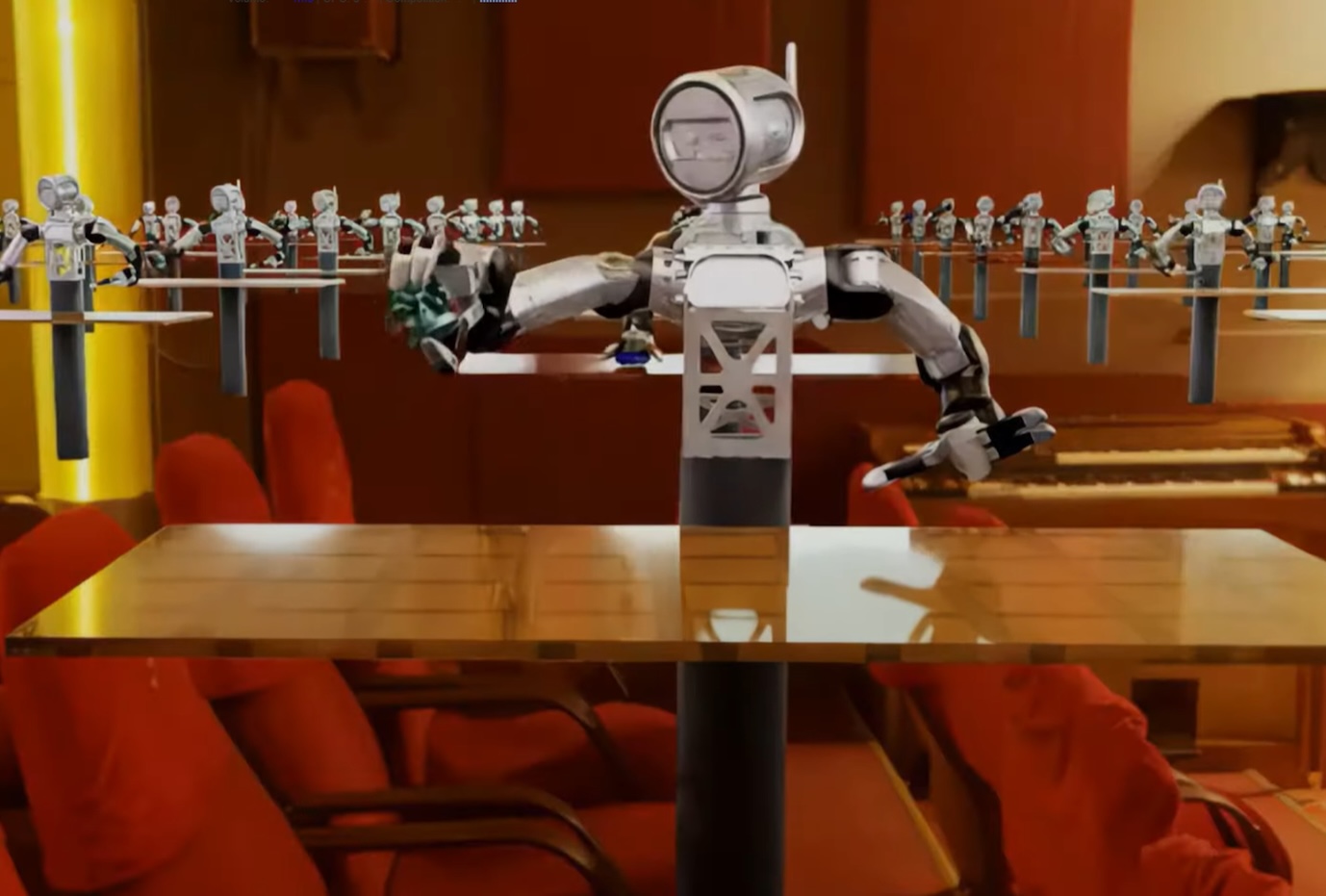
SpaceX's Starship V3 Plans for 1 Million Starmind Satellites by 2030
SpaceX's Starship V3 is set to revolutionize satellite deployment, aiming to launch 1 million Starmind satellites by 2030. The spacecraft can carry over 100 tonnes to low Earth orbit (LEO), significantly more than the Falcon 9's capacity. As of May 2026, Starship has completed 12 flights, with the next mission scheduled for late July 2026, focusing on operational payloads including AI1 prototypes in early 2027. This ambitious plan is crucial for expanding orbital compute capacity, targeting an annual addition of 100 GW through a million tonnes of satellite hardware. SpaceX's strategy hinges on achieving a launch cadence of approximately 12,000 flights, equating to about three launches per day. The company has invested over $15 billion in the Starship program, with expectations to begin payload deliveries in the second half of 2026, starting with Starlink V3 satellites. Looking ahead, the successful deployment of the Starmind constellation will depend on Starship's ability to meet its cost targets of $10–20 million per flight. If achieved, this would make launching satellites more economical than building ground data centers. The next significant milestone will be the launch of AI1 prototypes in early 2027, with full-scale deployments commencing in 2028 from the new Gigasat factory in Texas.

Launch of 'Robot Kindergarten' Five-Year Plan by HeShan Technology and Richard Sutton
HeShan Technology has announced a collaboration with renowned AI expert Richard Sutton to initiate the 'Robot Kindergarten' project, a five-year research endeavor designed to enhance embodied intelligence in robotics. This innovative initiative aims to create a training platform that enables robots to engage in active learning through real-world interactions, shifting the focus from mere imitation to self-directed learning techniques. The project underscores the growing importance of developing intelligent systems that can adapt and learn autonomously in dynamic environments.
Embodied Intelligence Robotics Research Reinforcement Learning AI Development
Coconut Tree Purchases 50 Humanoid Robots for Coconut Peeling: A Shift to 'Hardcore' Technology?
Coconut Tree, a company recognized for its unconventional marketing strategies, is taking a significant step towards automation by acquiring 50 humanoid robots designed for coconut peeling. This initiative comes in response to ongoing labor shortages and seeks to improve production efficiency within the company. By integrating advanced technology into its operations, Coconut Tree aims to streamline its processes and adapt to the evolving demands of the industry. The move marks a notable transition for the company as it embraces innovation to enhance its productivity and address workforce challenges.
Humanoid Robots Coconut Processing Automation AI Technology
This former a16z partner and solo VC has backed 6 unicorns. Now he's raised $50 million to invest in hard tech
Refactor Capital, a venture capital firm established by Zal Bilimoria, has successfully raised $50 million for its fifth fund, which will focus on investments in hard technology. This new fund aims to support innovative companies developing advanced technological solutions. The fundraising comes at a time when there is a growing demand for investments in sectors that emphasize tangible, impactful technological advancements. Bilimoria's vision for the fund is to identify and nurture startups that are poised to make significant contributions to the hard tech landscape.
Tech AI limited-synd venture-capital investing robotics
Apple under Ternus: what comes next for the tech giant’s hardware strategy
Apple has announced that John Ternus will take over as CEO, a move that underscores a potential shift in the company's strategic focus back to its hardware roots. Ternus, who has a strong background in hardware development, is expected to prioritize the innovation and enhancement of Apple's device lineup. This leadership change comes as the tech giant seeks to reinvigorate its product offerings and maintain its competitive edge in the market. The transition is set to take place in the coming months, as Apple aims to align its vision with Ternus's expertise in hardware, which could lead to new advancements in its popular devices.
Hardware AI Gadgets Robotics Apple John Ternus
Tech Odyssey Series: We Went Searching for Digital Nomads, but Filmed a Hardware Revolution
Portugal has long been celebrated as a premier destination for relaxation, surfing, and remote work, but a new documentary aims to explore the deeper narrative of the country. A team of filmmakers recently traveled across Portugal, from its industrial northern regions to the vibrant coastal capital, to capture a more comprehensive view of the nation. Their journey, which spanned several weeks, seeks to uncover the diverse experiences and stories that extend beyond the typical tourist attractions. By delving into the cultural, economic, and social aspects of life in Portugal, the filmmakers hope to challenge the prevailing perception of the country as merely a retreat and highlight its multifaceted identity. The documentary is set to provide audiences with a richer understanding of Portugal, showcasing its unique blend of tradition and modernity.
NewsRobotics needs a service framework.
RSF defines a common language for robot service capability, lifecycle operations, certification pathways, and service-provider networks.
Join the RobotToday community on LinkedIn
Daily robotics news, in-depth analysis, conference highlights, and discussions with professionals worldwide.