Industry Briefing
A single destination for timely, editor-curated robotics news from around the world.
DefendEye to Scale Production of First Autonomous AI Drone for First Responders
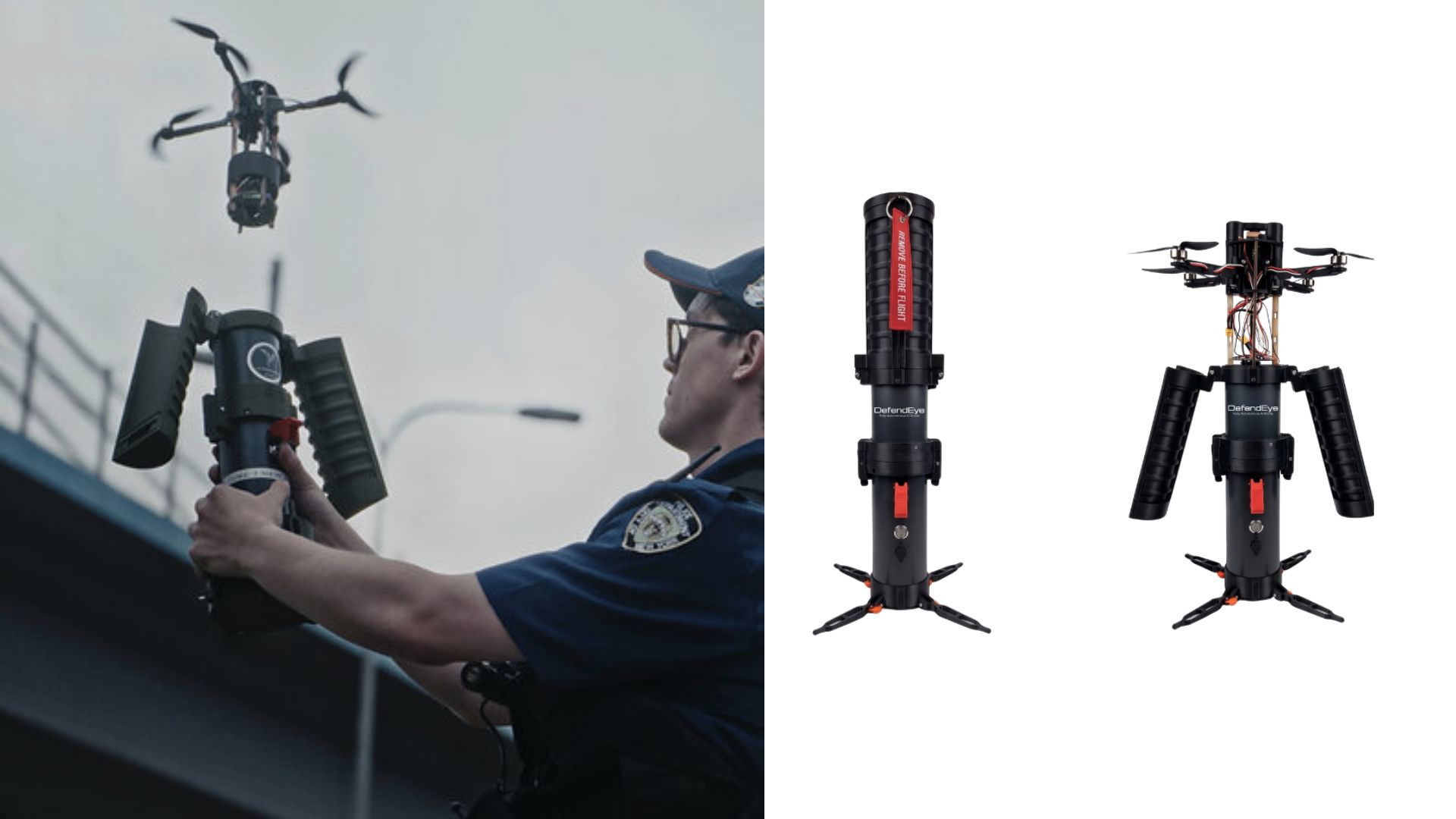
DefendEye has announced plans to scale up production of the Overwatch Drone, the world's first autonomous AI drone designed for first responders, following a significant investment round led by NovaCapital. This funding will enable the company to enhance its operations and manufacturing capabilities at its facilities in Hallandale Beach, Florida, and Krakow, Poland. The Overwatch Drone is engineered to provide emergency personnel with immediate situational awareness, deploying in seconds without the need for trained pilots. This innovative system utilizes onboard AI to detect and identify individuals from the air, making it a vital tool for police, firefighters, and search-and-rescue teams in high-stakes environments. Looking ahead, DefendEye aims to redefine crisis management through its autonomous aerial capabilities, ensuring that first responders have rapid access to live video feeds and critical information. No further timeline was disclosed at the time of publication.
AI and Robotics
First Cheng Holdings Launches New Fund for Physical AI Technologies After Yushu Technology IPO
First Cheng Holdings has initiated a new investment fund dedicated to physical AI technologies, which encompass robotics and smart manufacturing. Based in Beijing, the fund aims to raise 3.5 billion RMB and will focus on investing in early-stage and growth-stage technology companies, thereby strengthening its strategic foothold in the physical AI sector. This initiative is significant as First Cheng Holdings has previously invested over 2 billion RMB in the robotics industry through various funds. By targeting physical AI, the company is positioning itself to capitalize on the growing demand for advanced technologies in manufacturing and automation, which are critical for enhancing operational efficiency and competitiveness. Looking ahead, it will be important to monitor how the new fund progresses in attracting investments and supporting innovative companies within the physical AI landscape. No further timeline was disclosed at the time of publication.
Physical AI Robotics Smart Manufacturing Venture Capital Artificial Intelligence
China Achieves Milestone with First Pediatric Dual Artificial Heart Surgery Using Aerospace Technology
A pediatric patient at Tianjin Taida International Cardiovascular Hospital underwent the world's first surgery involving dual fully-implantable artificial hearts. These hearts were custom-engineered from Aerospace Taixin magnetically levitated pumps, marking a significant advancement in pediatric cardiac care. This achievement highlights the growing capabilities of Chinese firms in the ventricular assist device (VAD) market, with five companies now holding six approved products. The use of aerospace-derived technology in medical applications demonstrates the potential for innovation in healthcare, particularly in addressing complex pediatric conditions. Looking ahead, the success of this surgery may pave the way for further advancements in artificial heart technology and its applications in children. No further timeline was disclosed at the time of publication.
Tianshan Technology Unveils First Dynamic Haptic Perception Chip and Solutions
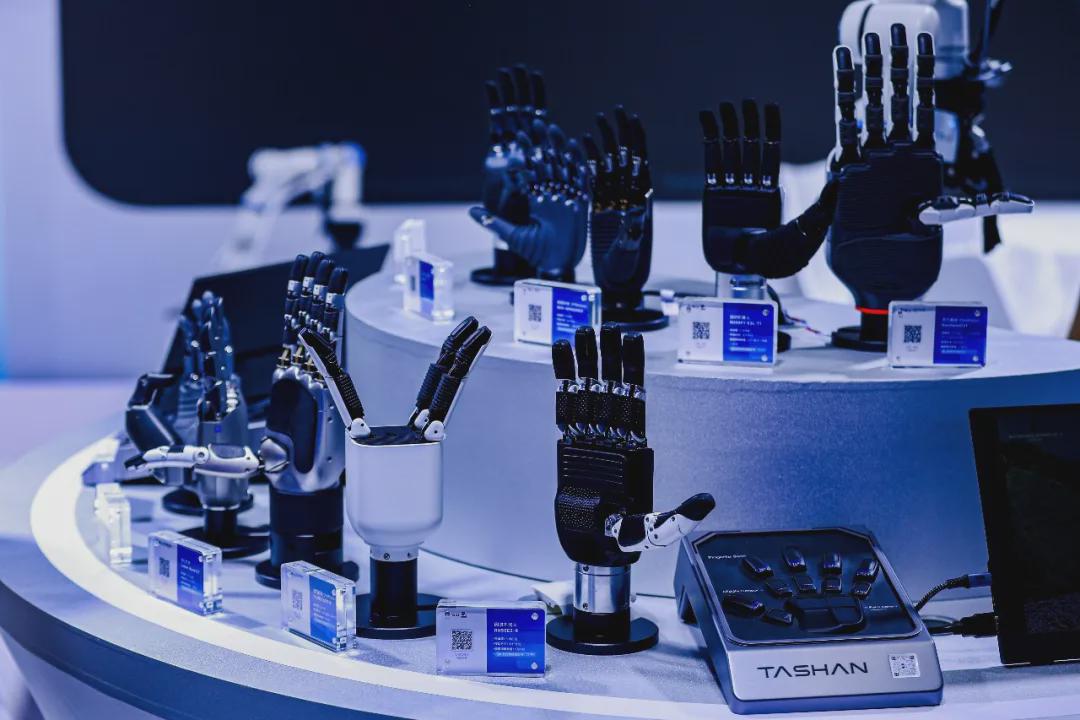
At the 2026 World Artificial Intelligence Conference, Tianshan Technology showcased its groundbreaking dynamic haptic perception chip, the Green Gem E10A, along with the TS-ECHO haptic sensing glove and the TS-V visual-tactile fusion light module testing workstation. This marks a shift in focus from robotic movement capabilities to enhancing robots' tactile precision and stability. The significance of these innovations lies in the growing necessity for robots to possess tactile perception, which is becoming a critical industrial metric. The Green Gem E10A chip offers low-latency, low-power signal processing, enabling large-scale sensor deployment. The TS-ECHO glove establishes standards for haptic data collection, while the testing workstation validates technical solutions in real-world scenarios, creating a feedback loop for continuous system improvement. Looking ahead, the integration of extensive sensor networks across humanoid robots is essential for full-body tactile coverage. The Green Gem E10A chip's innovative design reduces latency and power consumption, enhancing safety and performance. As the industry moves towards a more tactile-aware robotic future, the ability to understand physical interactions through haptic data will be crucial for advancing robotic capabilities.
Haptic Technology Robotics Sensor Solutions AI Industrial Automation
Drone as First Responder Programs Transform Police Situational Awareness and Response
Drone as First Responder (DFR) programs are revolutionizing how law enforcement agencies collect information and respond to emergencies. Former police chief Mike Moulton emphasizes that DFR represents a significant advancement in police situational awareness, akin to the introduction of the police radio. DFR allows for real-time aerial insights, enabling officers to arrive at scenes with a clearer understanding of the situation. The importance of DFR lies in its ability to enhance situational awareness and improve response outcomes. Unlike traditional methods that rely on limited information from callers, DFR provides live video feeds, allowing officers to assess situations more accurately before arriving on the scene. This capability has led to a reduction in unnecessary officer deployments, as evidenced by the Chula Vista model, which has resolved a quarter of its drone missions without dispatching officers. Looking ahead, the continued adoption of DFR programs will likely reshape police operations, particularly for agencies that previously lacked access to aerial support. However, challenges remain, such as operational limitations in terms of launch radius and weather conditions. No further timeline was disclosed at the time of publication.
Applications Drone News Drone News Feeds emergency response Featured – Safety and Security News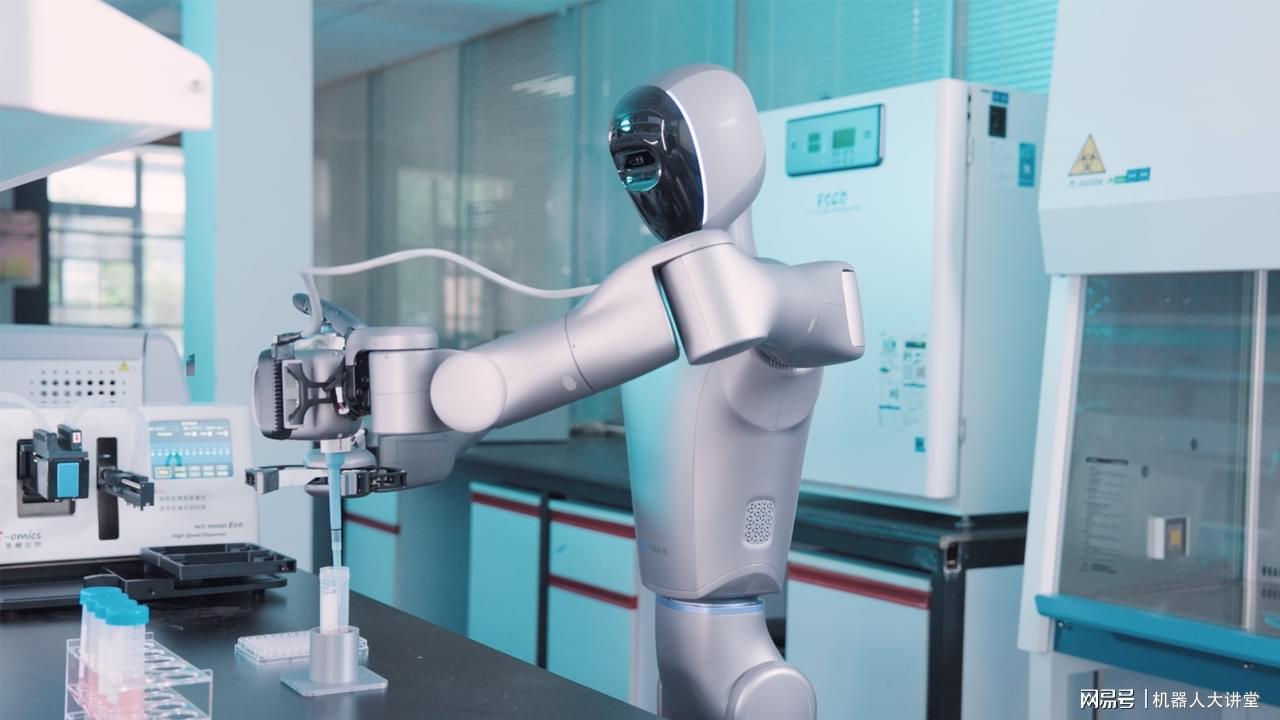
Yuanluo Technology Unveils First Autonomous Laboratory Utilizing Object-Centric Physics Model
Yuanluo Technology has successfully launched the world's first autonomous laboratory on a national research platform, marking a significant advancement in embodied intelligence. The laboratory's robotic system can autonomously perform over 40 operations, including nucleic acid extraction and cytotoxicity testing, with a precision of less than one millimeter. This achievement demonstrates the robot's capability to execute complex, multi-step tasks continuously for over three hours, addressing challenges in throughput and consistency in biochemical research. This development is crucial as it signifies a shift from demonstration to practical application of embodied intelligence in the biochemical and material science sectors. The Object-centric Physics Native Model (OPN), developed by Yuanluo, enables the robot to understand and adapt to the dynamic conditions of a real laboratory environment. By integrating visual, tactile, and force feedback, the robot can make real-time adjustments, ensuring stable execution of intricate experimental workflows across multiple devices. Looking ahead, the successful implementation of this autonomous laboratory sets the stage for further advancements in research and development processes across various industries, including public health and advanced manufacturing. The next milestones will involve expanding the capabilities of the OPN model and integrating it into more complex industrial systems. No further timeline was disclosed at the time of publication.
Autonomous Laboratories Embodied Intelligence Biochemical Research Robotics AI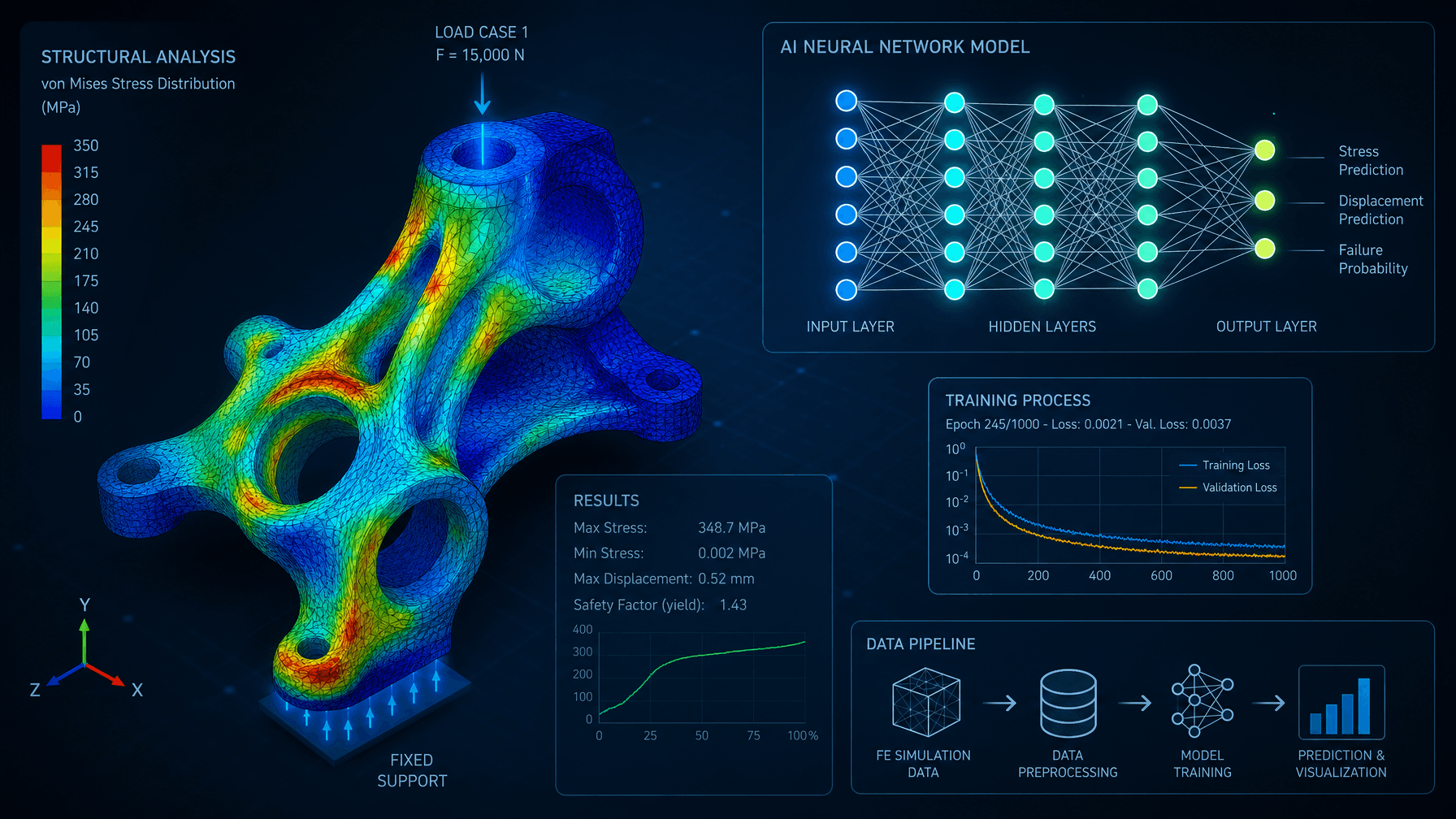
Jiying Technology Launches First Zero-Shot Generalizable Physics Model for Engineering Simulations
Jiying Technology has unveiled its Jiying 2.0 physics foundation model, which is capable of zero-shot generalization across various geometries, materials, and boundary conditions. This model represents a significant advancement in physics AI, particularly for engineering simulations, and was announced in October 2023. The introduction of the Jiying 2.0 model is crucial as it allows engineers to simulate complex physical scenarios without the need for extensive retraining on specific datasets. This capability can enhance efficiency and reduce the time required for simulations, making it a valuable tool in engineering design and analysis. Looking ahead, industry professionals will be keen to observe how the adoption of the Jiying 2.0 model influences engineering practices and simulation accuracy. No further timeline was disclosed at the time of publication regarding additional features or updates to the model.
Technology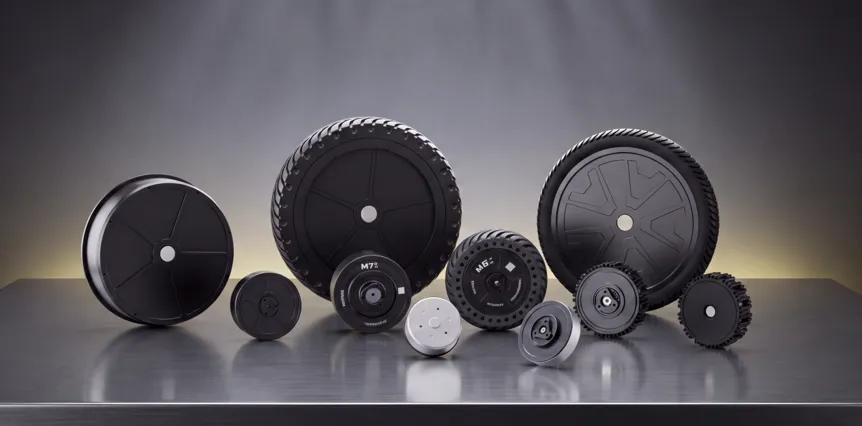
First Direct Drive Stock IPO Approaches as Young Team Transitions from Gearbox Technology
A young Chinese team, Benmo Technology, is set to revolutionize the power system paradigm with their direct drive technology, moving away from traditional gearboxes. This shift is crucial as AI demands more flexible, precise, and reliable power outputs, highlighting the limitations of gear-driven systems. The direct drive technology allows for direct coupling of motors to loads, eliminating intermediary components like gearboxes, thus reducing structural redundancy and maintenance costs. The market for direct drive modules in China is rapidly expanding, with a current penetration rate of only 3.9%, indicating significant potential for growth as the industry transitions to this new paradigm. Looking ahead, Benmo Technology has already achieved substantial sales, with over 8.5 million direct drive modules shipped by 2025, empowering more than 5 million robots globally. As the demand for precision and efficiency in robotics increases, the company is well-positioned to define the next generation of power systems, with expectations for continued growth in the direct drive market through 2030.
Direct Drive Technology Robotics Automation AI Power Systems
Haocun Technology Launches Innovative Gesture and Haptic Data Gloves for Embodied Intelligence
Haocun Technology has introduced a new generation of data gloves designed to enhance embodied intelligence by addressing the critical gap in human hand haptic data collection. This innovation aims to provide robots with the ability to perceive force, material, and deformation, which is essential for their interaction with the physical world. The significance of this development lies in its potential to overcome the limitations of existing data collection solutions in the industry. Current methods either lack tactile feedback or suffer from poor accuracy in gesture recognition, making them inadequate for training advanced embodied algorithms. Haocun's gloves utilize proprietary MEMS inertial sensors and a distributed flexible tactile sensing matrix to achieve millisecond-level synchronous data collection of joint angles and tactile feedback. Looking ahead, Haocun Technology's gloves could set a new standard in the field of embodied intelligence by providing a unified, high-precision tool for simultaneous tactile and pose data collection. This advancement may facilitate the development of more sophisticated robotic systems capable of real-world interactions. No further timeline was disclosed at the time of publication.
Haptic Technology Gesture Recognition Robotics Data Collection Embodied Intelligence
Ruiwei Technology Becomes First Visual Embodied Intelligence Company on Hong Kong Stock Exchange
On July 8, 2026, Ruiwei Technology (07656.HK) officially listed on the Hong Kong Stock Exchange, closing at HKD 21 per share, with a market capitalization of approximately HKD 6.411 billion. This marks the first company to enter the market under the Hong Kong Stock Exchange's Chapter 18C specialized technology rules, positioning itself as a leader in 'visual embodied intelligence.' Ruiwei's revenue from its smart civil aviation business reached CNY 172 million by the end of 2025, accounting for 38.9% of total revenue. The company is rapidly diversifying, with smart commercial and smart safe driving segments contributing 34.9% and 26.2% of revenue, respectively. However, the embodied intelligence robotics segment was not disclosed as a separate revenue stream in the prospectus. Looking ahead, Ruiwei aims to leverage its decade-long expertise in 3D spatial perception from airport facial recognition systems to expand into embodied intelligence robotics. The company plans to use over 50% of its IPO proceeds, approximately HKD 5.29 billion, for research and development in visual large models, embodied technology, and commercial robot hardware, targeting significant overseas revenue growth within 3 to 5 years.
Visual Intelligence Facial Recognition Robotics AI Technology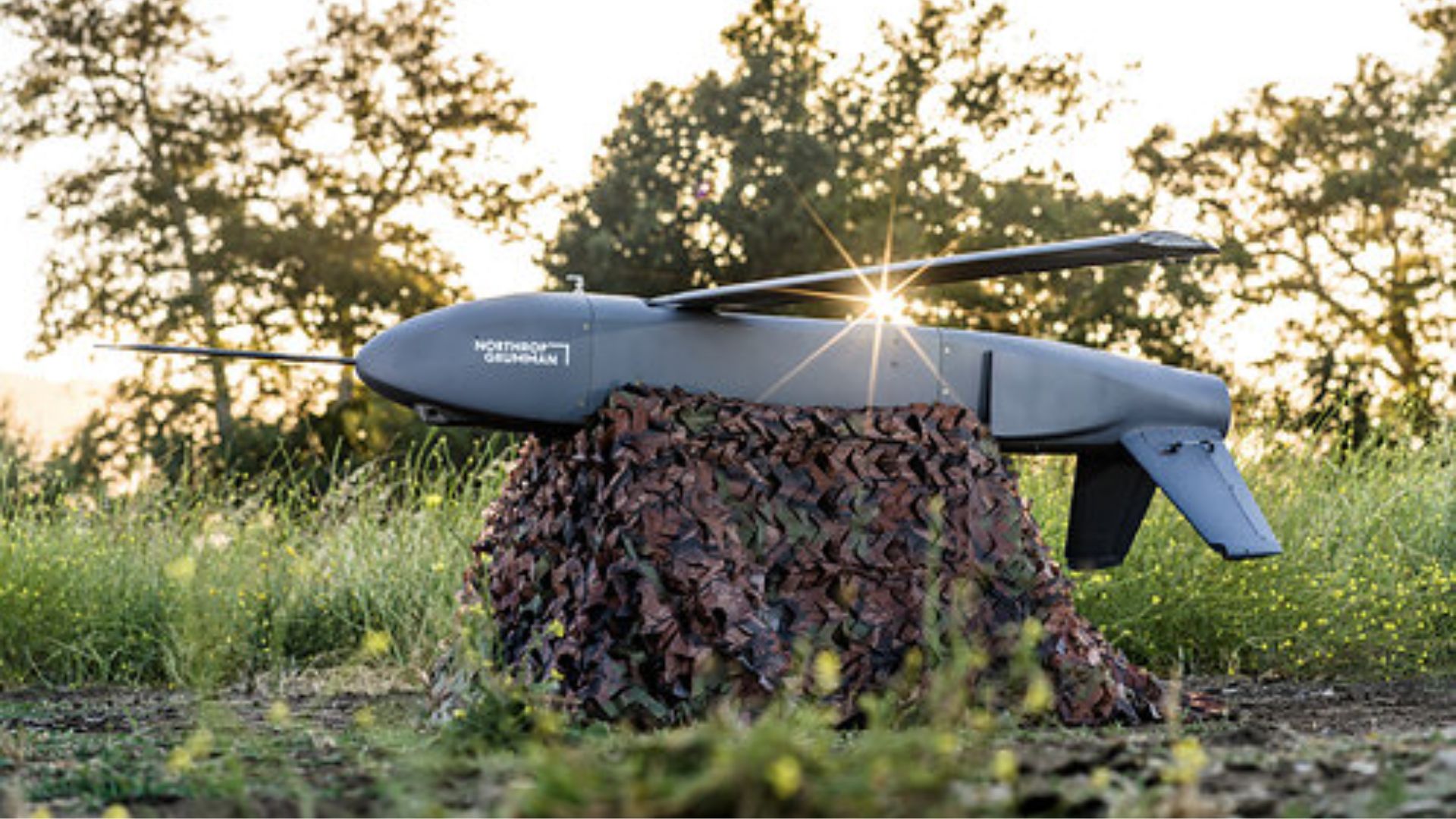
Northrop Grumman's Lumberjack Drone Successfully Tests Quantum Navigation Technology
Sandbox AQ has successfully tested its quantum sensor-based Magnetic Navigation (MagNav) on Northrop Grumman’s Lumberjack drone, marking a significant milestone in unmanned aircraft systems. This test is the first of its kind for an attritable drone, showcasing the potential of quantum navigation in GPS-denied environments, which is increasingly relevant given current military operations. The successful integration of MagNav with Lumberjack's visual navigation system is crucial as the U.S. military seeks alternatives to GPS for navigation and targeting. The ongoing conflicts in Ukraine and West Asia highlight the need for resilient navigation systems that can operate effectively even when GPS signals are jammed or spoofed. This advancement could enhance operational capabilities in contested domains. Looking ahead, the deployment of Sandbox AQ’s AQNav technology in various aircraft platforms could revolutionize military navigation. The ease of integration into existing systems, as demonstrated by the rapid installation on Lumberjack, suggests a promising future for quantum navigation solutions in defense applications. No further timeline was disclosed at the time of publication.
Military
Unitree Technology Anticipates Significant Revenue Growth Amid Rising Humanoid Robot Demand
Unitree Technology, a Chinese robotics firm, forecasts substantial revenue growth in the first half of 2026, driven by increasing demand for humanoid robots and embodied AI. The company projects first-half revenue of approximately CNY1.1 billion ($156 million), marking a year-on-year growth of 35.6 to 45.4 percent. This anticipated growth is significant as Unitree prepares for its initial public offering in Shanghai, with a projected valuation exceeding 50 billion yuan ($7.4 billion). The company aims to raise about 4.2 billion yuan to bolster its research, development, and production capabilities, further solidifying its position as a leading manufacturer of humanoid robots. Looking ahead, Unitree's international expansion may be hindered by new regulatory challenges, particularly from the US Federal Communications Commission, which has added advanced foreign-produced robotic devices to its Covered List. This could impact Unitree's access to the US market, a crucial source of overseas revenue, as noted in its IPO filing.
Humanoids News afp agibot ai artificial intelligence
China Achieves 3D Mapping of Typhoon Noul Using Drone Swarm Technology
China has successfully created a three-dimensional map of Typhoon Noul from its inception to its conclusion using a swarm of drones. This innovative approach marks a significant advancement in meteorological technology, showcasing the capabilities of drone swarms in real-time environmental monitoring. The development is crucial as it enhances the accuracy of weather predictions and disaster response strategies, potentially saving lives and resources during severe weather events. By employing drone technology, China demonstrates its commitment to leveraging advanced tools for better understanding and managing natural disasters. Looking ahead, the implications of this technology could extend beyond meteorology, influencing various sectors that rely on real-time data collection and analysis. No further timeline was disclosed at the time of publication.
AI and Robotics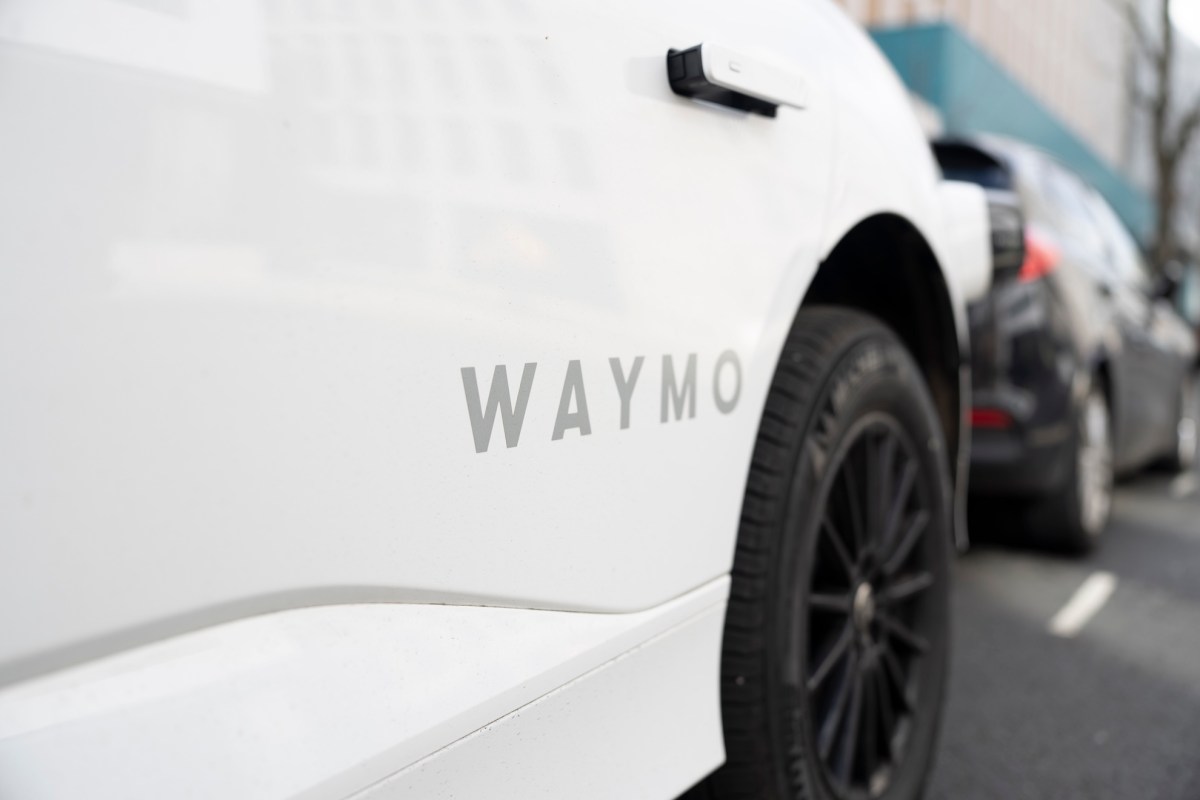
Feds demand autonomous vehicle companies stop interfering with first responders
The National Highway Traffic Safety Administration (NHTSA) has emphasized the importance of recognizing emergency scenes as critical components of road safety, rather than viewing them as rare occurrences. This statement comes as part of the agency's ongoing efforts to enhance awareness and improve safety protocols for drivers and first responders. The NHTSA's assertion aims to address the growing concerns regarding the risks associated with emergency situations on highways and roadways, particularly in light of recent incidents that have highlighted the dangers faced by emergency personnel and motorists alike. By advocating for increased vigilance and adherence to safety measures, the agency seeks to foster a safer environment for all road users.
Transportation autonomous vehicles avride nhtsa robotaxis Waymo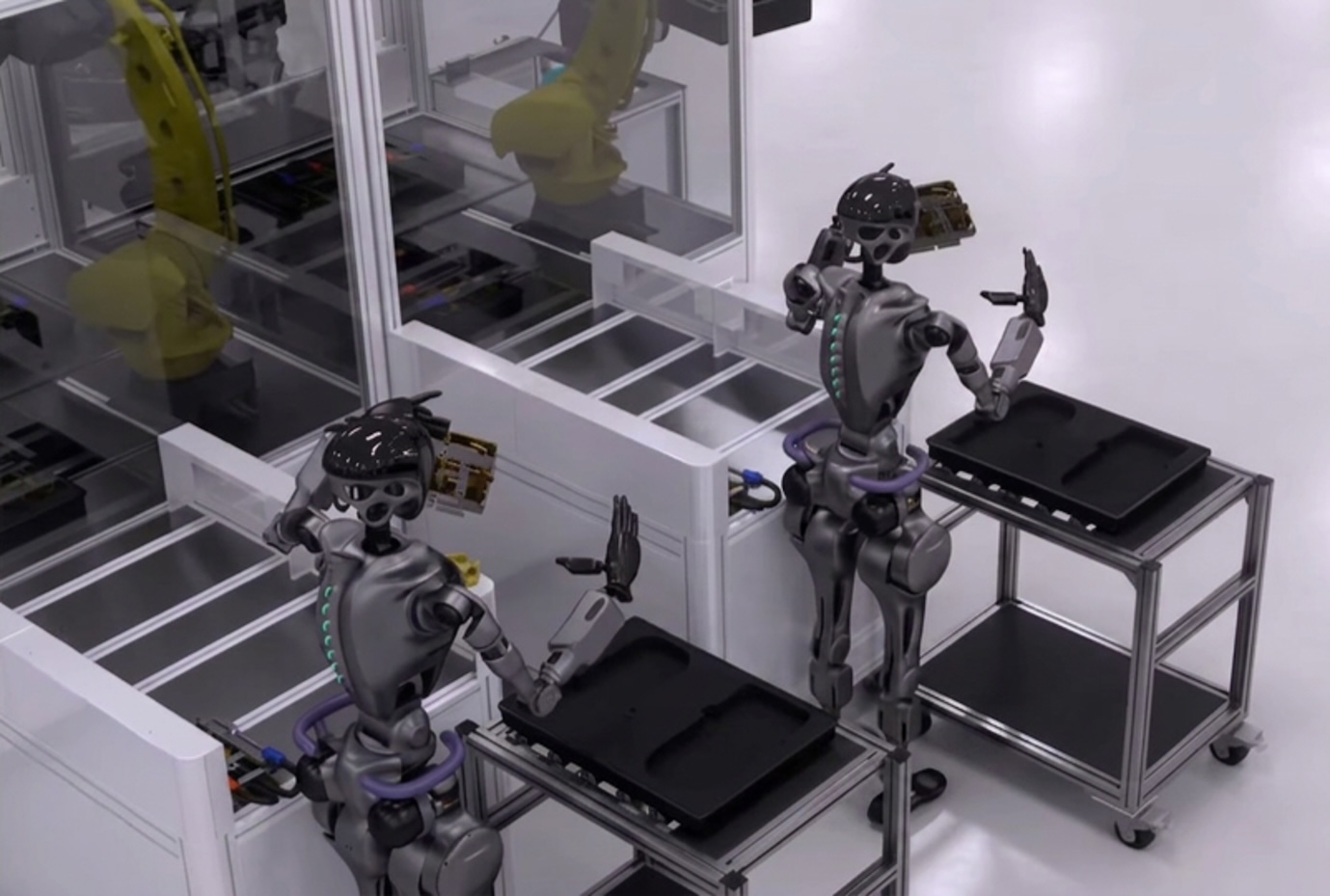
SpaceX Proposes 1 Million AI Satellites to Address Ground Data Center Constraints
On January 30, 2026, SpaceX filed with the FCC to launch up to 1 million AI compute satellites, positioning orbital data centers as a solution to the increasing demand for AI computing power. Ground data centers are facing significant challenges, with energy consumption projected to reach approximately 1,050 TWh in 2026, making them the fifth-largest electricity consumer globally. The demand for new data center capacity is outpacing the growth of power generation infrastructure, leading to a critical bottleneck in the grid system. The significance of this initiative lies in the structural constraints faced by ground data centers, including power delivery limitations, high water consumption, and local opposition to new projects. The Uptime Institute's 2026 outlook identifies power as the primary constraint on data center growth, with capacity clearing prices in the PJM grid skyrocketing to $329.17/MW, driven by data center expansion. Additionally, cooling requirements are becoming increasingly unsustainable, with facilities consuming vast amounts of water, further complicating their operational viability. Looking ahead, SpaceX's orbital AI compute initiative aims to circumvent these challenges by leveraging the advantages of space, such as continuous solar power and minimal local opposition. The first AI prototypes are expected to launch in early 2027, with operational deployments planned for 2028. No further timeline was disclosed at the time of publication.

SpaceX IPO Provides Indirect Investment Opportunity in Starmind Project
Starmind does not have a standalone stock or ticker; investors can gain exposure through SpaceX (ticker: SPCX), which began trading on Nasdaq after its IPO on June 12, 2026. Starmind is integrated within SpaceX, contributing to the company's AI and space initiatives, and its performance directly influences SPCX shares. The significance of Starmind lies in its role as a division of SpaceX, which encompasses other projects like Starlink and Starship. As of early July 2026, SPCX shares are trading between $149 and $150, significantly lower than their 52-week high of $225.64. The project’s milestones, such as AI1 prototype updates, can impact SpaceX's stock performance, making it essential for investors to monitor these developments closely. Looking ahead, the early 2027 launch of AI1 prototype satellites is a critical milestone that could provide verifiable data affecting Starmind's valuation and, consequently, SPCX stock. No further timeline was disclosed at the time of publication, but the upcoming events will be pivotal for investors tracking the relationship between Starmind and SpaceX's stock performance.
SpaceX's $1.75 Trillion Valuation Driven by Starmind's Future Potential
Starmind is a pivotal element in SpaceX's estimated $1.75 trillion IPO valuation, despite currently generating no confirmed revenue. The stock price reflects optimistic projections regarding AI infrastructure growth, which Starmind has yet to substantiate. As of early July 2026, SpaceX's stock has decreased from its 52-week high of $225.64 to around $150, indicating market skepticism about future execution. The significance of Starmind lies in its potential to transform SpaceX's revenue model beyond traditional launch services. Goldman Sachs has shifted its focus from Starlink subscriber growth to the prospects of AI revenue, including orbital computing, as a cornerstone of SpaceX's long-term valuation. This marks a substantial change in how analysts view the company's growth trajectory, necessitating rates exceeding its historical 33% growth. Looking ahead, the credibility of Starmind as a growth narrative will be crucial for maintaining investor confidence. Analysts have noted a considerable divergence in price targets, reflecting uncertainty about the value of the Starmind and xAI initiatives. No further timeline was disclosed at the time of publication regarding specific milestones for these projects.
SpaceX's Starmind Plans 1 Million AI Satellites Amid Collision Risks
SpaceX has announced its ambitious Starmind project, which aims to deploy 1 million AI satellites in orbits between 500 and 2,000 km. This initiative, confirmed by Elon Musk on June 23, 2026, follows a merger with xAI, valuing the combined entity at $1.25 trillion. The satellites will function as orbital data centers, processing AI workloads powered by solar arrays and linked by optical lasers. The significance of Starmind lies in its potential to add 100 gigawatts of AI compute capacity annually, contingent on the successful operation of the Starship launch system. However, the project raises concerns regarding space debris, as the current orbital environment is already congested, with a 20% increase in collision risk reported since 2024. The European Space Agency has highlighted that the density of debris in low Earth orbit is now comparable to that of active satellites, complicating the operational landscape for new entrants like Starmind. Looking ahead, the first operational orbital AI deployments are targeted for 2028, with test launches expected in early 2027. However, the project faces scrutiny regarding its impact on space debris, as even a 1% failure rate could significantly increase the number of uncontrollable objects in orbit, exacerbating existing risks. No further timeline was disclosed at the time of publication.
SpaceX's Starship V3 Plans for 1 Million Starmind Satellites by 2030
SpaceX's Starship V3 is set to revolutionize satellite deployment, aiming to launch 1 million Starmind satellites by 2030. The spacecraft can carry over 100 tonnes to low Earth orbit (LEO), significantly more than the Falcon 9's capacity. As of May 2026, Starship has completed 12 flights, with the next mission scheduled for late July 2026, focusing on operational payloads including AI1 prototypes in early 2027. This ambitious plan is crucial for expanding orbital compute capacity, targeting an annual addition of 100 GW through a million tonnes of satellite hardware. SpaceX's strategy hinges on achieving a launch cadence of approximately 12,000 flights, equating to about three launches per day. The company has invested over $15 billion in the Starship program, with expectations to begin payload deliveries in the second half of 2026, starting with Starlink V3 satellites. Looking ahead, the successful deployment of the Starmind constellation will depend on Starship's ability to meet its cost targets of $10–20 million per flight. If achieved, this would make launching satellites more economical than building ground data centers. The next significant milestone will be the launch of AI1 prototypes in early 2027, with full-scale deployments commencing in 2028 from the new Gigasat factory in Texas.
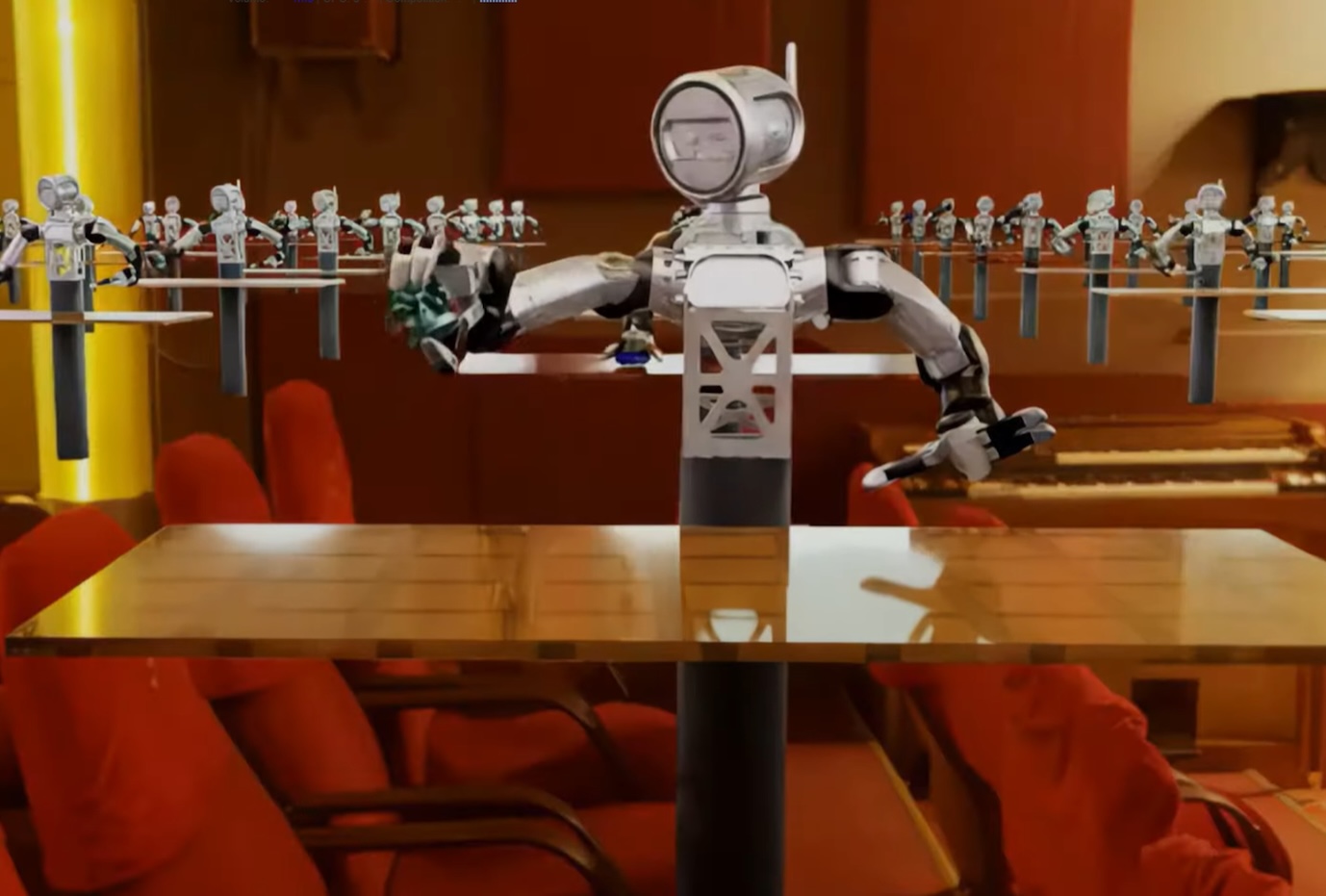
SpaceX's Starmind Faces Feasibility Challenges for 1 Million Satellite Deployment
On January 30, 2026, SpaceX submitted a request to the FCC to launch up to 1 million satellites as part of its Starmind orbital compute constellation. This ambitious plan is unprecedented, as the total number of satellites ever launched globally is in the low tens of thousands. The proposal seeks a waiver from standard deployment milestones, citing reliance on the Starship's full reusability for success. The significance of this request lies in the technical and logistical challenges it presents. Experts warn that low Earth orbit may not support the proposed number of active satellites without risking a debris cascade. SpaceX's own IPO prospectus acknowledges unresolved dependencies related to Starship's launch cadence and reusability, which are critical for the orbital AI compute strategy. Looking ahead, the timeline for achieving the necessary launch cadence and manufacturing capacity remains uncertain. SpaceX's Gigasat facility in Texas aims for volume production by late 2027, but this would require unprecedented output levels. No further timeline was disclosed at the time of publication, leaving the feasibility of the Starmind project in question.

SpaceX Unveils AI1 Satellite Specs for Starmind Constellation with Key Thermal Challenges
SpaceX has introduced the AI1 satellite, the inaugural component of its Starmind constellation, which stands 20 meters tall and has a wingspan of 70 meters. This orbital compute node is designed to deliver computing power equivalent to one NVIDIA GB300 server rack, utilizing a unique cooling system with deployable liquid radiators. The satellite's specifications were revealed during a presentation on June 8, 2026, ahead of SpaceX's IPO. The significance of the AI1 satellite lies in its role as a compute platform rather than a traditional satellite, focusing on running AI inference workloads. The satellite's cooling system, which is critical for its operation in the vacuum of space, is designed to reject heat through infrared radiation. However, independent engineers have raised concerns about the feasibility of the thermal and mass claims made by SpaceX, suggesting that the cooling requirements may exceed practical limits. Looking ahead, SpaceX plans to launch two AI1 prototypes in early 2027, with full-scale production expected to commence later that year at its Gigasat facility in Bastrop, Texas. The ongoing debate regarding the satellite's thermal management capabilities will be crucial to monitor as the project progresses, with no further timeline disclosed at the time of publication.
SpaceX Launches Starmind Project for 1 Million AI Satellites by 2028
SpaceX has officially named its orbital AI infrastructure project 'Starmind,' which aims to deploy a constellation of up to 1 million satellites. This initiative, confirmed by Elon Musk on June 22, 2026, will enable AI inference directly in space, utilizing solar energy rather than terrestrial power sources. The first satellite, designated AI1, was unveiled on June 8, 2026, and is designed to operate in sun-synchronous orbits. The significance of Starmind lies in its potential to overcome the limitations faced by ground-based data centers, such as land, power, and water constraints. By running AI computations in orbit, Starmind can provide a more efficient solution to the growing demand for AI computing power. The project leverages the existing Starlink infrastructure for data transmission, distinguishing its function from Starlink's internet relay capabilities. Looking ahead, SpaceX plans to begin hardware deployment with the AI1 satellite, while full-scale production and deployment of the satellite constellation are targeted for 2028. As of now, no Starmind satellites have been launched, and further engineering challenges remain to be addressed, particularly regarding the scalability of the satellite design.
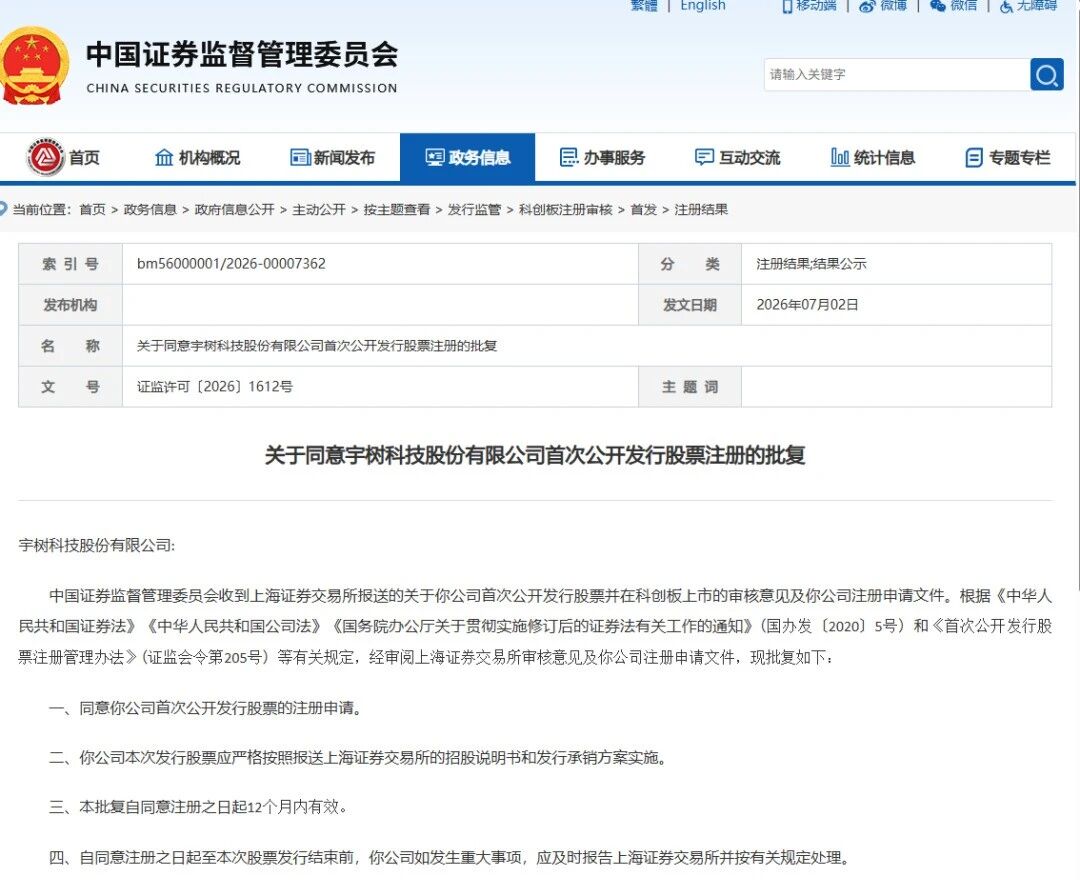
Yushu Technology's IPO Approved, Countdown Begins for 'First Humanoid Robot Stock'
Yushu Technology has secured approval for its initial public offering (IPO) on the Sci-Tech Innovation Board, with plans to raise around 4.2 billion yuan. The funding will be directed towards the development of advanced robotics, as the company specializes in high-performance humanoid and quadruped robots. With this strategic move, Yushu Technology aims to capitalize on anticipated revenue growth in the robotics sector, reinforcing its position as a leader in the industry. The IPO approval marks a significant milestone for the company, which is poised to contribute to the evolving landscape of robotics technology.
Humanoid Robots Robotics Development IPO AI Technology
WIRobotics Begins Building a Physical AI Development Ecosystem: The First Technology Release Features the ALLEX Simulation Model
ALLEX Technologies has announced plans to sequentially release additional core technologies aimed at enhancing the development of Physical AI. This initiative is set to expand the Physical AI development ecosystem, facilitating high-fidelity Sim-to-Real validation processes. The company aims to create an open environment that supports researchers and robotics developers in their quest to innovate within the field. By fostering collaboration and providing advanced tools, ALLEX Technologies seeks to drive advancements in Physical AI, making it more accessible and effective for various applications.

"Father of Reinforcement Learning Sutton Partners with Tianshan Technology for First Deep Sharing in China! Limited Rare Spots Open for a Short Time, Don't Miss Out!"
In a significant development for the field of artificial intelligence, Richard Sutton, a pioneer in reinforcement learning, has teamed up with Tianshan Technology to host a groundbreaking event in China. This collaboration marks the first deep sharing initiative in the country, aimed at advancing knowledge and application of reinforcement learning techniques. The event is set to take place soon, with limited spots available for participants eager to gain insights from one of the leading experts in the field. Attendees will have the unique opportunity to engage directly with Sutton and learn about the latest advancements and practical applications of reinforcement learning. This initiative reflects a growing interest in AI technologies in China and underscores the importance of collaboration between leading researchers and local tech companies to foster innovation and expertise. Interested individuals are encouraged to secure their spots promptly, as availability is limited.
Robotics Automation AI
Epson Robots to Showcase SafeSense Technology, High-Performance, Compact SCARA and 6-Axis Solutions and First Look at Epson Collaborative Robot at Automate 2026
Epson recently showcased its diverse range of flexible and cost-effective automation solutions through interactive demonstrations. The event, held in October 2023, aimed to highlight how these innovations can enhance operational efficiency across various industries. Attendees had the opportunity to engage with the technology firsthand, witnessing the practical applications of Epson's automation tools in real-time scenarios. The demonstrations emphasized Epson's commitment to providing businesses with accessible solutions that streamline processes and reduce costs, ultimately driving productivity. By illustrating the versatility of their offerings, Epson seeks to position itself as a leader in the automation sector, catering to the evolving needs of modern enterprises.

Epson Robots to Showcase SafeSense Technology, High-Performance, Compact SCARA and 6-Axis Solutions and First Look at Epson Collaborative Robot at Automate 2026
Epson Robots, recognized as the leading manufacturer of SCARA robots globally, is set to unveil its latest automation innovations on June 18, 2026, in Los Alamitos, California. The showcase will feature the company's advanced automation portfolio, highlighting its SafeSense™ technology alongside high-performance SCARA and 6-Axis robotic solutions. This event aims to demonstrate Epson's commitment to enhancing automation capabilities in various industries, providing attendees with a preview of the upcoming advancements in robotic technology.
SCARA Industrial Robots Robotics Automation Collaborative Robots
As Drone as First Responder Programs Scale, Data Management Becomes Mission Critical
A California fire district is facing significant challenges as it expands its public safety drone program, particularly in transforming flight data into actionable intelligence. As agencies increasingly incorporate drones into their operations, the focus has shifted from merely launching aircraft to effectively managing larger fleets and handling increased volumes of data. This evolution necessitates more sophisticated operational strategies to ensure that the drones can be utilized effectively in emergency situations. The growing complexity of these programs underscores the critical importance of data management in enhancing public safety efforts.
Applications Drone News Drone News Feeds Drones in the News Featured – Safety and Security News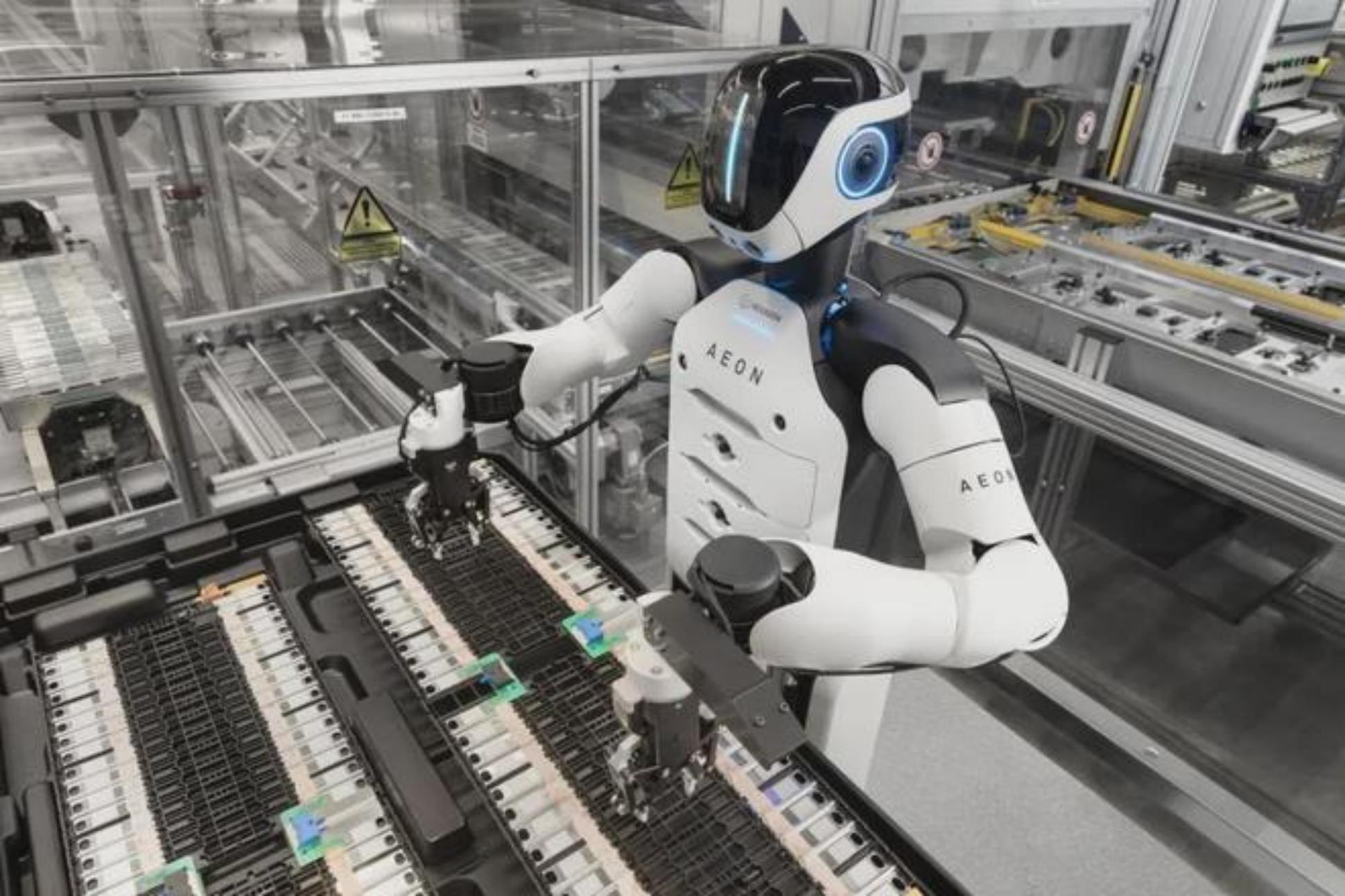
World's First! BMW Introduces Humanoid Robots on Production Line, Powered by Chinese Technology!
BMW has made a significant leap in industrial automation by integrating humanoid robots into its production line at the Leipzig plant, becoming the first German automaker to do so. The AEON robot, developed by Hexagon, will be responsible for high-pressure battery assembly and the production of precision components. This innovative move, which underscores BMW's commitment to enhancing efficiency and precision in manufacturing, was officially announced recently. The implementation of the AEON robot is expected to streamline operations and improve the overall quality of the production process, reflecting the growing trend of automation in the automotive industry.
Humanoid Robots Automotive Manufacturing Industrial Automation AI Technology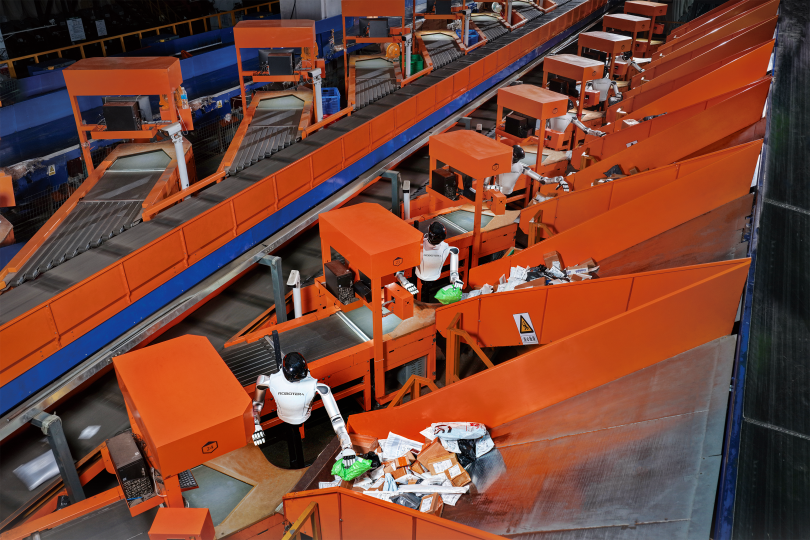
SF Express, Sequoia, and IDG Join Forces for the First Time to Bet on the Birth of a Closed Loop from Technology to Revenue in the Era of Star Motion?
In a significant collaboration, SF Express, Sequoia Capital, and IDG Capital have united to explore the creation of a closed-loop system that integrates technology and revenue generation. This partnership marks the first time these three influential entities have come together, signaling a strategic move to capitalize on emerging opportunities in the rapidly evolving market landscape. The initiative aims to harness innovative technologies to streamline operations and enhance profitability in the current era of rapid advancements. The collaboration is expected to pave the way for new business models that could redefine industry standards and drive growth. As the project unfolds, stakeholders will be closely monitoring its impact on the logistics and investment sectors, particularly in light of the increasing demand for efficient and technology-driven solutions.
Robotics Automation AI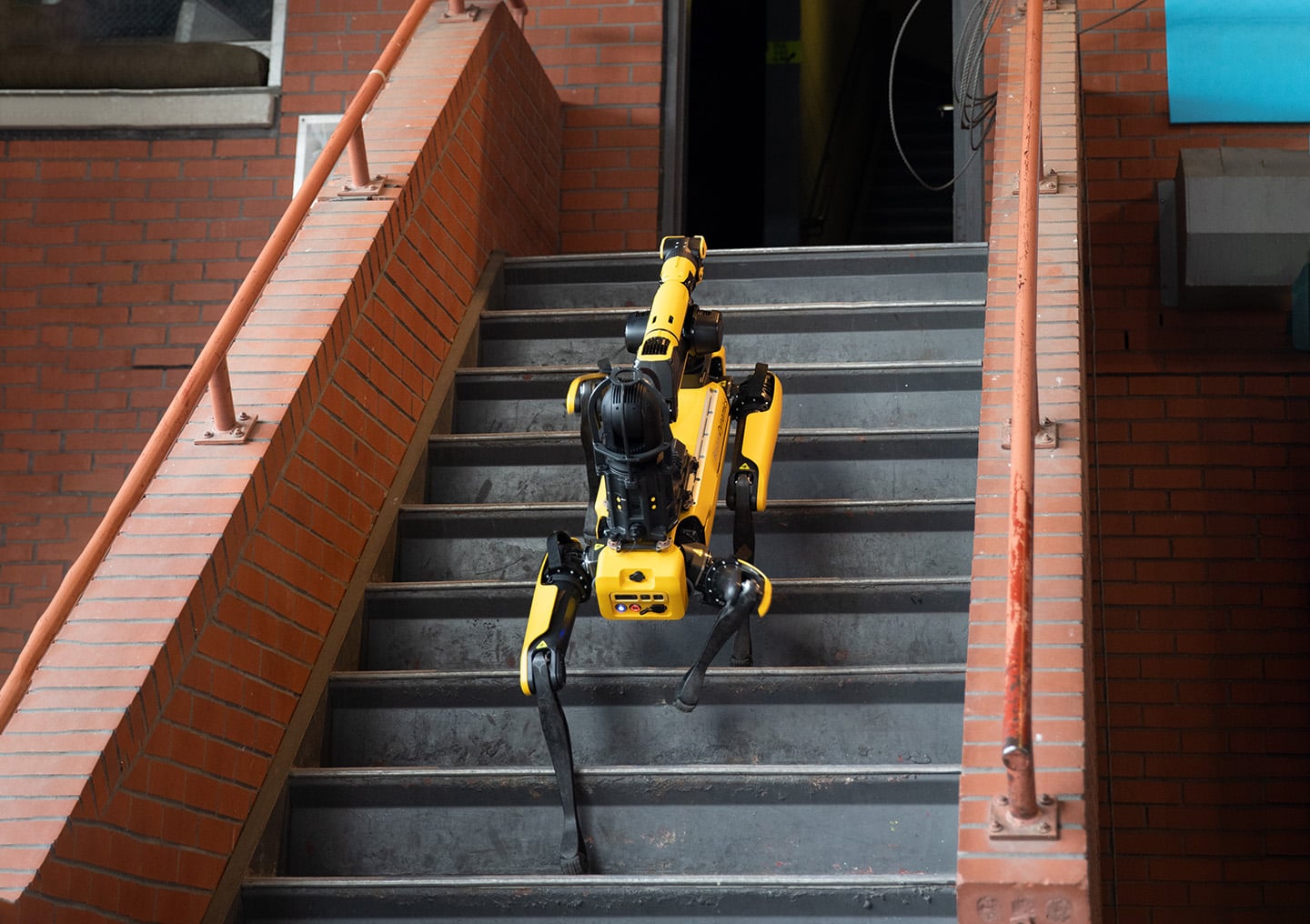
Giving First Responders an Advantage with Autowalk | Boston Dynamics
Public safety agencies are increasingly utilizing Spot, an advanced robotic technology, to enhance their emergency response strategies. By mapping out facilities prior to potential crises, these agencies aim to provide responding teams with critical information and a strategic advantage during emergencies. This proactive approach allows for better preparedness and more efficient management of incidents, ultimately improving safety outcomes. The implementation of Spot's mapping capabilities is expected to streamline operations and facilitate quicker decision-making when emergencies arise.

Shangyue Technology's Flyer O1: The World's First Home Flying Robot, Raising Millions in Seed Round
Shangyue Technology, a Shenzhen-based startup, has successfully secured a multi-million dollar seed funding round, with Chuxin Capital leading the investment. The company is set to unveil its innovative product, the Flyer O1, which is touted as the world's first home flying robot designed specifically for family environments. The official launch of the Flyer O1 is anticipated by the end of this year, marking a significant advancement in home robotics and technology. This funding will likely support the final stages of development and marketing efforts for the groundbreaking device, aimed at enhancing domestic living experiences.
Robotics
SkyfireAI Raises $11M in Seed Funding to Develop Autonomous Drone Fleet Platform for First Responders and Defense
SkyfireAI, a U.S. startup specializing in drone autonomy, has successfully secured $11 million in seed funding to advance its innovative software solutions. The funding round, primarily led by Mucker Capital, also saw contributions from notable investors including AI Fund, SaaS Ventures, and Halogen. This financial boost aims to enhance the company's capabilities in developing technology that enables organizations to efficiently manage fleets of drones without the need for a proportional increase in pilots or operational staff. The investment comes at a time when the demand for drone coordination and automation is rapidly growing, reflecting a broader trend towards increased efficiency in various sectors.
AI AI Funding & Investment Robotics autonomous drones Mucker Capital Seed Funding
Deserved Recognition! Atom Robot Wins First Prize in Tianjin Science and Technology Progress Award
The Atom Robot has received the First Prize at the Tianjin Science and Technology Progress Award for its groundbreaking project focused on key technologies and applications of high-speed parallel robots. This recognition underscores the company's dedication to innovation and advancement within the robotics sector. The award ceremony took place recently in Tianjin, celebrating significant contributions to science and technology. Atom Robot's achievement reflects its ongoing efforts to push the boundaries of robotics, aiming to enhance efficiency and capabilities in various applications.
High-Speed Parallel Robots Industrial Automation Robotics Innovation Technology Development
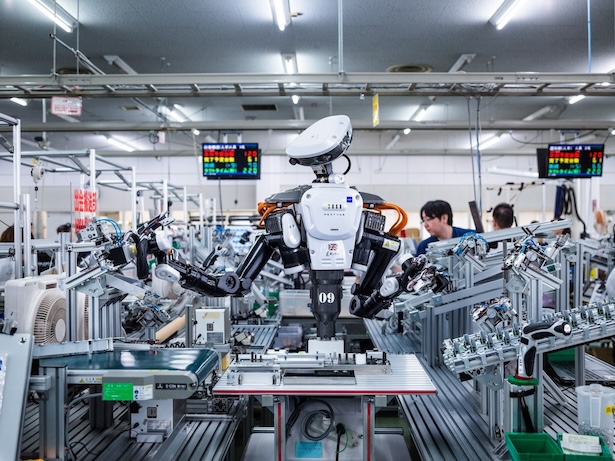
AGIBOT and Longcheer Technology Achieve World's First Embodied AI Deployment in Consumer Electronics Precision Manufacturing Mass-Production Line
A groundbreaking project has been launched, representing the world's first large-scale industrial implementation of embodied AI systems in the core production workflows of consumer electronics manufacturing. This innovative initiative aims to enhance efficiency and productivity within the industry, leveraging advanced artificial intelligence to streamline operations and improve product quality. The project is set to transform traditional manufacturing processes by integrating intelligent systems that can learn and adapt in real-time. This significant development is expected to take place in various manufacturing facilities across the globe, with initial implementations scheduled for early 2024. By adopting these cutting-edge technologies, the consumer electronics sector seeks to address increasing demands for faster production times and higher quality standards, positioning itself at the forefront of technological advancement in manufacturing.
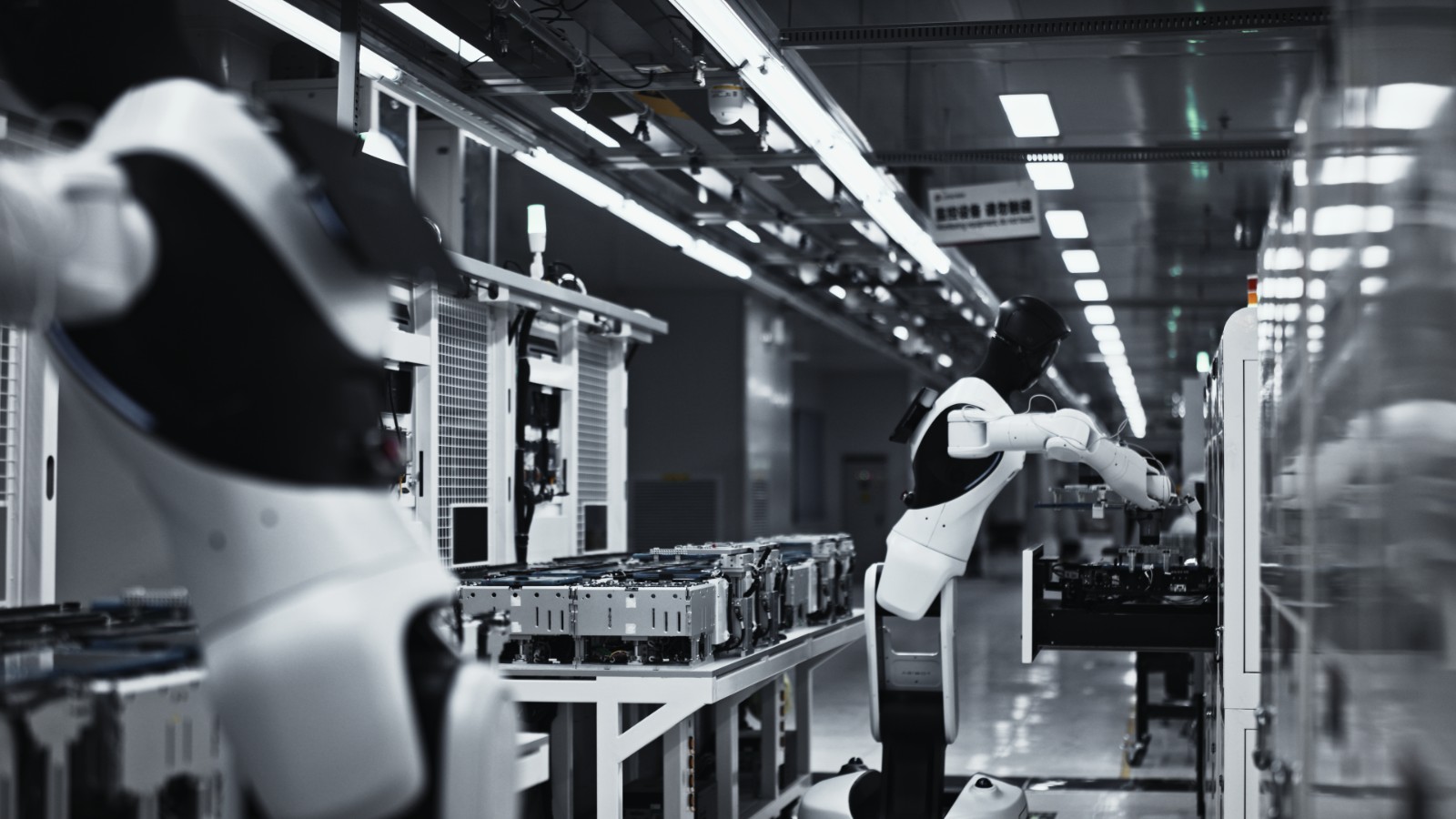
AGIBOT and Longcheer Technology Achieve World’s First Embodied AI Deployment in Consumer Electronics Precision Manufacturing Mass
AGIBOT and Longcheer Technology have successfully deployed the world’s first embodied AI system in a consumer electronics precision manufacturing setting, integrating AGIBOT G2 robots into Longcheer’s production lines. This milestone, achieved recently, signifies a transformative advancement from experimental AI to practical and scalable solutions in the manufacturing sector. The integration aims to enhance flexibility and efficiency within production workflows, showcasing the potential of AI technology to revolutionize traditional manufacturing processes.
Embodied AI Consumer Electronics Manufacturing Robotics Automation
Teledyne Marine Secures First Orders For New Compact Navigator From Ashtead Technology
Teledyne Marine has secured its first orders for the Compact Navigator, an ultra-compact and high-performance autonomous navigation system designed for subsea and surface vehicles. This milestone follows a successful launch at Ocean Business 2025, where the product garnered significant attention. Ashtead Technology has made a notable initial order, representing the first commercial adoption of this innovative navigation solution, which is touted as the world's smallest and most efficient fully integrated system. The Compact Navigator aims to enhance navigation capabilities in various marine applications, reflecting Teledyne Marine's commitment to advancing technology in the industry.
teledyne marine compact navigator ashtead technologyRobotics needs a service framework.
RSF defines a common language for robot service capability, lifecycle operations, certification pathways, and service-provider networks.
Join the RobotToday community on LinkedIn
Daily robotics news, in-depth analysis, conference highlights, and discussions with professionals worldwide.