A single destination for timely, editor-curated robotics news from around the world.
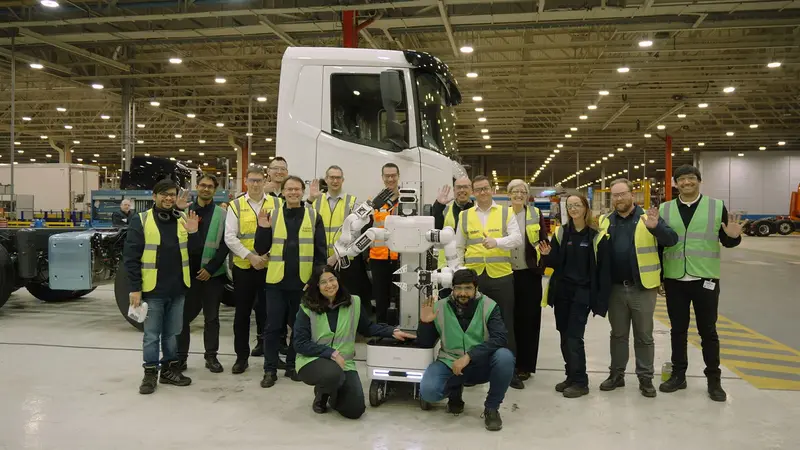
Extend Robotics and Leyland Trucks are collaborating on innovative trials involving virtual reality-controlled robots aimed at enhancing safety in electric vehicle truck manufacturing. The initial phase of testing, which commenced recently, focuses on the remote operation of robots to safely connect high-voltage components, a task that poses significant hazards to human workers. This initiative not only seeks to mitigate risks associated with dangerous tasks but also explores the potential for artificial intelligence to learn from human demonstrations, thereby improving the efficiency and effectiveness of robotic operations. The partnership underscores a commitment to advancing technology in the automotive industry while prioritizing worker safety.
HumanoidsDaily By [email protected] (Humanoids Daily Staff) Apr 22, 2025 extend-robotics
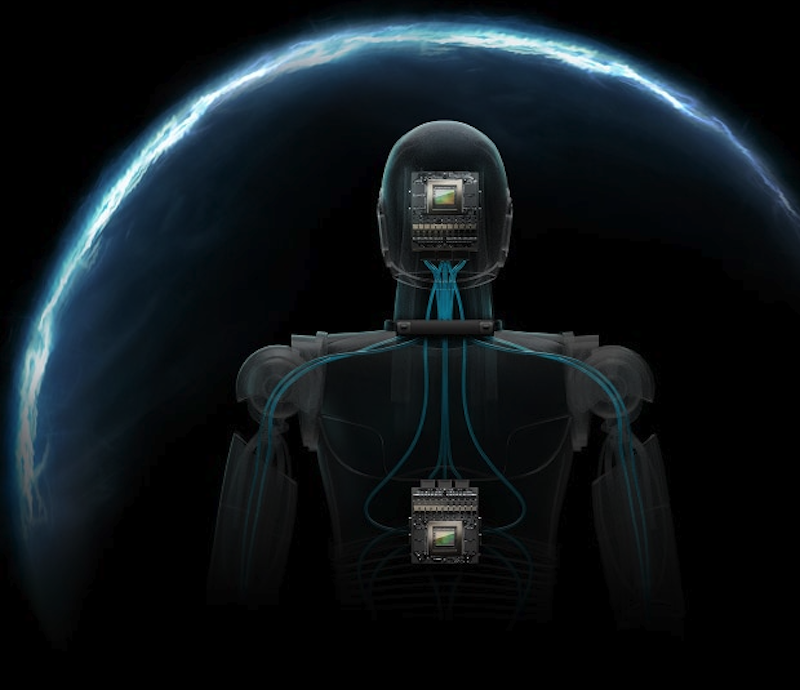
FORT Robotics has joined the Nvidia Halos for Robotics ecosystem to enhance safety for autonomous robots. The company will showcase its agentic safety application, developed using the Nvidia Halos Outside-In Safety Blueprint, at the Automate conference in Chicago. This innovative solution utilizes external infrastructure sensors and visual AI agents to provide real-time, safety-certifiable functional safety, significantly improving operational efficiency in dynamic environments. The collaboration is significant as it addresses the limitations of traditional inside-out functional safety systems, which rely solely on onboard sensors. By integrating Nvidia's IGX Thor and Holoscan Sensor Bridge, FORT's solution allows robots to operate safely alongside human workers in high-efficiency modes. This adaptability is crucial for modern warehouses and factories, where environments are constantly changing, and safety frameworks must evolve to protect workers effectively. Looking ahead, FORT's integration with Nvidia Halos is expected to provide substantial value to customers in warehousing, manufacturing, and other automated sectors. The Outside-In Safety framework aims to prevent safety incidents in mixed human-robot environments, optimizing processes like inventory replenishment and product assembly. No further timeline was disclosed at the time of publication.
RoboticsAndAutomationNews.com By Sam Francis Jul 10, 2026 Artificial Intelligence Industry ai automation Autonomous robots fort robotics
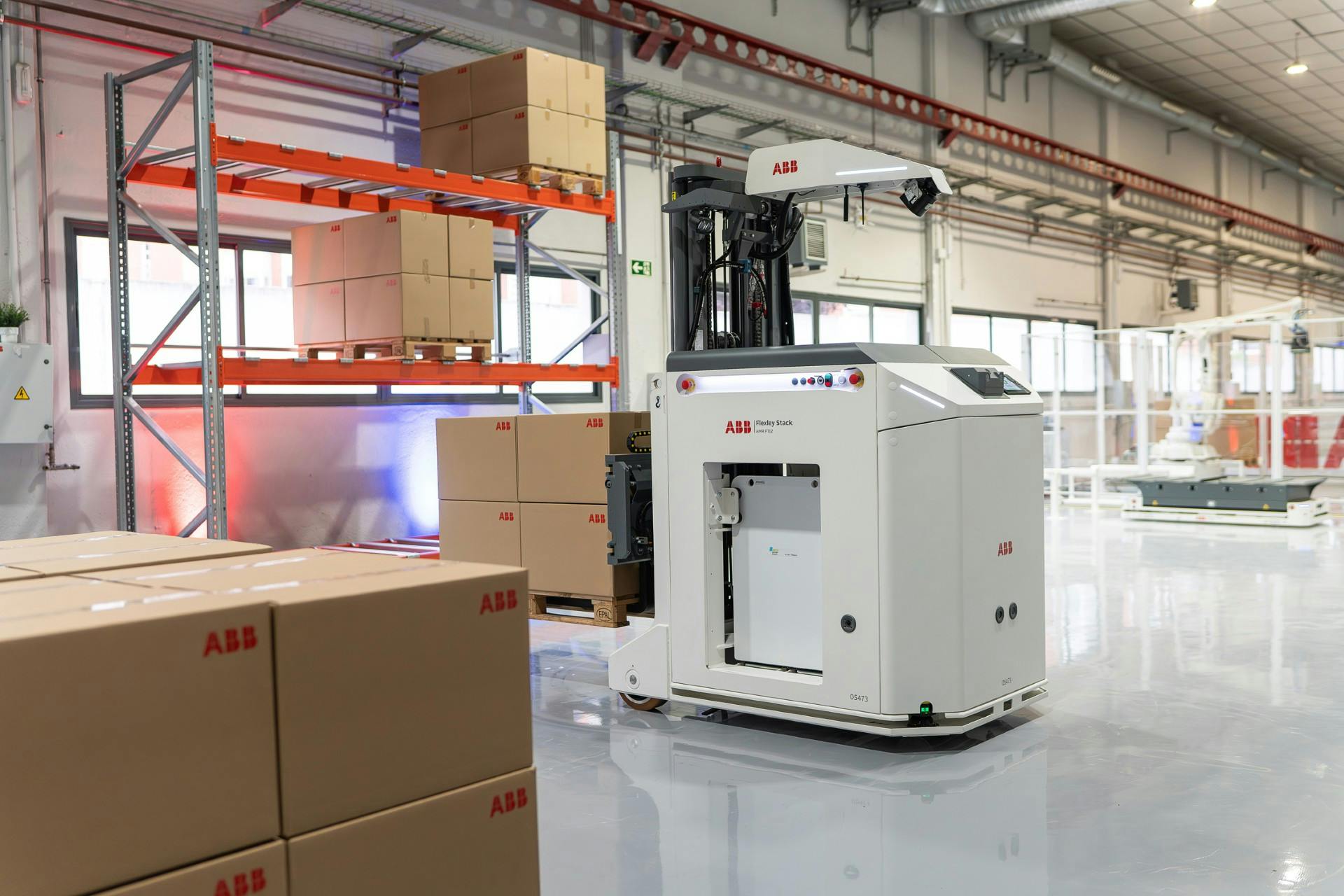
ABB Robotics has launched the Flexley Stack F712 platform, enhancing its AMR portfolio with AI-powered visual technology for autonomous forklifts. This innovation facilitates pallet transport and high-density storage, creating a cohesive ecosystem among ABB’s Visual SLAM AMR types, aimed at improving efficiency in material handling and warehouse operations across various industries, including automotive manufacturing. The introduction of the F712 is significant as it addresses the growing demand for faster and more flexible goods movement in intralogistics, particularly under constraints of limited labor availability. Marc Segura, president of ABB Robotics, emphasized the need for businesses to adapt to increased processing demands while leveraging advanced vision, mobility, and intelligence in their operations. Looking ahead, the Flexley Stack F712 can manage diverse load types and sizes, allowing customers to implement mixed fleets of Visual SLAM-powered vehicles on a unified navigation and fleet management platform. No further timeline was disclosed at the time of publication.
AutomationWorld.com By (undefined) Jul 10, 2026 Factory / Analytics
Automation is transforming the landscape of modern agriculture, with technologies such as lawn mowers, irrigation control systems, automated transporters, and robotics becoming increasingly prevalent on farms, plantations, and in greenhouses. These advanced tools are designed to operate efficiently over extended periods, requiring intelligent management and minimal maintenance in challenging outdoor conditions. In response to these demands, LiTime, a prominent manufacturer of lithium batteries, is stepping up to provide innovative energy solutions tailored for agricultural automation. Their products aim to enhance the performance and reliability of these automated systems, ensuring that farmers can maximize productivity while minimizing operational challenges.
RoboticsAndAutomationNews.com By Sam Francis Jun 25, 2026 Agriculture Automation agricultural automation agricultural machinery agricultural robots amrs
A bipartisan coalition of U.S. lawmakers has introduced the Guarding the U.S. against Adversarial Robotics Dominance (GUARD) Act, aimed at implementing national security reviews for certain foreign-made humanoid and quadruped robots. This legislation reflects a growing concern over the implications of connected autonomous systems on national security. By extending the existing Federal Communications Commission (FCC) covered list framework to include robotics, the bill seeks to ensure that these technologies do not pose risks to U.S. safety and security. The introduction of the GUARD Act marks a significant step in the U.S. government's approach to regulating advanced robotic systems, highlighting the increasing recognition of their potential impact on national defense.
Dronelife.com By Miriam McNabb Jun 04, 2026 Applications Drone News Drone News Feeds drone security Dual Use News
Rice University and NASA have introduced the iMETRO Dynamic Simulation, the first open-source platform for developing robots for spacecraft and habitats. Unveiled at the 2026 IEEE International Conference on Robotics and Automation in Vienna, this simulator creates a digital twin of NASA's iMETRO facility, enabling global researchers to test intravehicular robotic systems in a virtual setting. This platform is significant as it broadens access to advanced space robotics research, facilitating innovation for future human space missions. It focuses on robot manipulators that assist with maintenance and logistics tasks, which are crucial for reducing astronaut workloads during extended missions. The simulator features an eight-degree-of-freedom robotic manipulator model and supports ROS 2 and MuJoCo, enhancing usability and compatibility for developers. Looking ahead, the iMETRO Dynamic Simulation aims to maximize astronaut productivity by automating routine tasks, allowing crew members to focus on scientific exploration. The research team successfully demonstrated the simulator's capabilities by transferring a robotic application from simulation to the physical facility in under a day. No further timeline was disclosed at the time of publication.
InterestingEngineering.com By Jijo Malayil Jul 09, 2026 AI and Robotics
Cellula Robotics Ltd. has reaffirmed its commitment to innovation by renewing its membership at the National Oceanography Centre's Innovation Hub. This hub provides essential facilities and networking opportunities aimed at fostering collaboration among technology and research entities. In a gesture of support for the hub's initiatives, Cellula has also donated a model of its ENVOY Autonomous Underwater Vehicle (AUV), which will be showcased in the hub's newly updated communal area. This partnership underscores Cellula's dedication to advancing underwater technology and enhancing collaborative efforts within the marine research community.
ROVplanet.com By ROV Planet Aug 06, 2025 cellula robotics noc innovation hub membership donation auv model
Mantis Robotics has introduced its latest innovation, the MR-X dual-arm robot, at Automate 2026 in Chicago, showcasing advancements in physical AI for industrial and retail automation. This high-performance robot, capable of lifting up to 70 lbs and operating at speeds of 10.6 m/s, is designed to function without safety fences, allowing for flexible deployment in complex environments. The MR-X is inspired by human biomechanics, enabling it to perform demanding tasks that require both strength and dexterity. Its patented SafetyCore platform provides continuous awareness of its surroundings, allowing the robot to autonomously react to nearby humans without interrupting its operations. This feature eliminates the need for traditional safety infrastructure, enhancing efficiency while maintaining safety standards. Mantis Robotics aims to revolutionize automation with the MR-X, which builds on the success of its predecessor, the MR-1, known for its certified fenceless operation. CEO Gerry Vannuffelen emphasized that the MR-X is not just another humanoid robot, but a first-in-class dual-arm system that surpasses both collaborative robots and humanoids in speed and safety. Visitors to Booth 1261 in the South Hall at Automate 2026 can witness the MR-X's capabilities firsthand, interact with the MR-1, and explore the technology that enables rapid deployment without disruption. Mantis Robotics invites attendees to schedule personalized walkthroughs and learn about priority access for early customers.
RoboticsTomorrow.com Jun 22, 2026
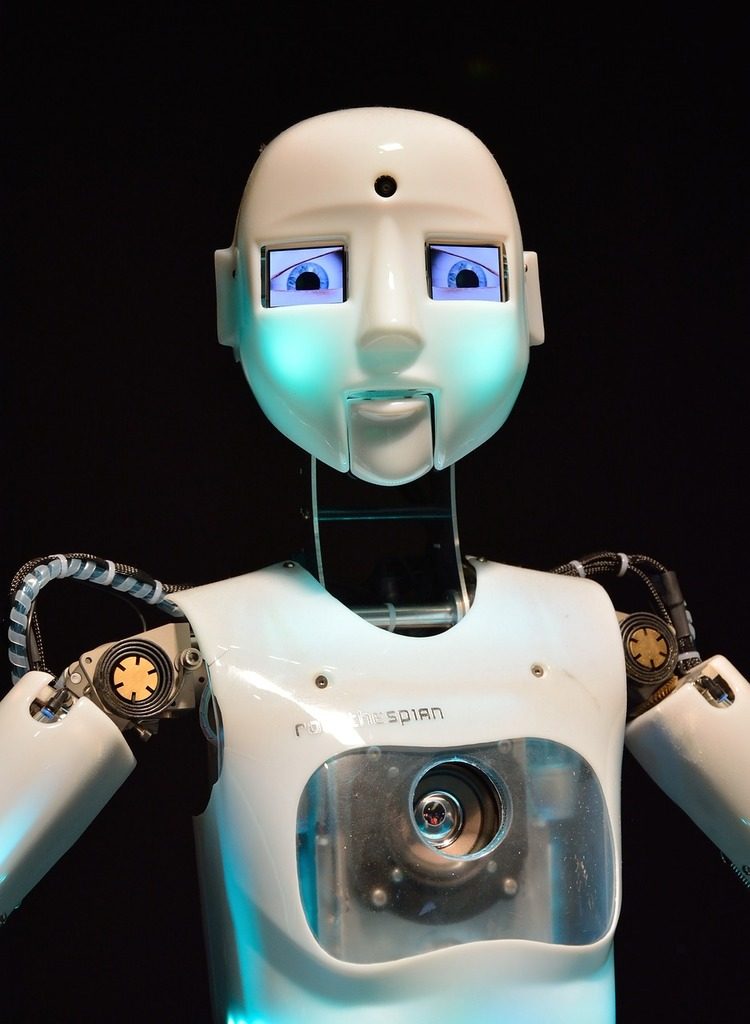
Researchers have developed a groundbreaking approach to enhance robot perception by integrating external sensors with traditional on-board systems. This innovative method allows robots to dynamically adjust their behavior, significantly improving their operational efficiency. The advancements were made public in October 2023, showcasing the potential for robots to better navigate and interact with their environments. By utilizing additional sensory data, these robots can respond more effectively to changing conditions, ultimately leading to more reliable and versatile applications in various fields. This development represents a significant step forward in robotics, promising to transform how machines operate in complex settings.
RoboticsTomorrow.com Jun 22, 2026
Doosan Robotics experienced a significant surge in its stock price on Tuesday, following remarks from Nvidia CEO Jensen Huang, who highlighted robotics as a key area for potential investment in South Korea. By midday, shares were trading at 157,900 won ($104.12), reflecting a 14.09 percent increase from the previous day. This rise followed an impressive 29.95 percent jump on Monday, when the stock reached its daily price ceiling, a limit imposed by Korean exchanges that caps single-day price movements at 30 percent. Huang's comments, made during a dinner event on Monday, have sparked investor interest and optimism about the future of robotics in the region.
KoreaHerald.com By The Korea Herald Jun 02, 2026 All News
In recent months, French industrial giant Hutchinson has entered into a strategic partnership with Lajuj Robotics, following Schaeffler's similar collaboration. This trend among leading global manufacturers highlights a shift towards embodied intelligence in manufacturing. Despite the proliferation of humanoid prototypes, few have successfully integrated into standard factory operations, making Lajuj's partnerships significant milestones. The importance of these collaborations extends beyond mere agreements; they signify a recognition of humanoid robots as integral to future manufacturing systems. As companies like Schaeffler and Hutchinson align with Lajuj, they are not just validating its technology but also indicating a broader acceptance of humanoid robots in industrial applications. This shift reflects a re-evaluation of production capabilities, moving from traditional automation to more flexible solutions. Looking ahead, the manufacturing sector faces challenges that require adaptability rather than just automation. While traditional robots excel in stable environments, they struggle with the dynamic nature of modern production lines. The ability of humanoid robots to respond to changing conditions will be crucial as manufacturers seek to enhance flexibility and efficiency in their operations. No further timeline was disclosed at the time of publication.
leaderobot.com By Leaderobot Jul 16, 2026 Humanoid Robots Manufacturing Automation Embodied Intelligence Industrial Robotics
Tesla, Inc. (NASDAQ:TSLA) has been highlighted as one of the top stocks to buy in 2026 by billionaire D.E. Shaw. The electric vehicle manufacturer has seen its shares increase by 37% over the past year, although they have decreased by 7.2% year-to-date. Barclays recently maintained an Equalweight rating with a price target of $360, noting that Tesla could deliver 418,000 vehicles in Q2, surpassing analyst expectations. The significance of Tesla's performance extends beyond vehicle deliveries, as the company is pivoting towards robotics and artificial intelligence, particularly with its Robotaxi platform. CEO Elon Musk has expressed ambitions to position Tesla as a leader in humanoid robot production. RBC Capital has also raised its price target for Tesla shares to $500, reflecting confidence in the company's future, especially in light of potential synergies with SpaceX. Looking ahead, Tesla's upcoming earnings call will be critical, especially amid speculation regarding a possible acquisition by SpaceX. Investors are advised to monitor the company's strategic shift towards AI and robotics, as well as its vehicle delivery metrics. No further timeline was disclosed at the time of publication.
YahooFinance Jul 12, 2026
ForSight Robotics has successfully completed the world's first fully robotic cataract surgery using its JASPER platform, led by Dr. Alexey Rapoport in April 2026. This groundbreaking procedure was performed at the Asian Eye Institute in the Philippines, showcasing JASPER's ability to execute the entire surgery autonomously without general anesthesia, adhering to modern cataract surgery standards. The significance of this achievement lies in JASPER's unique design, which empowers surgeons rather than replacing them. By integrating AI algorithms, advanced computer vision, and miniature mechanical technology, JASPER provides enhanced imaging and precision control, allowing surgeons to perform with the accuracy of elite professionals. This innovation also addresses ergonomic concerns, as it enables surgeons to operate seated, potentially extending their careers and improving surgical outcomes. Looking ahead, ForSight Robotics aims to secure FDA approval for JASPER in the United States, with plans to bring this technology to market in the coming years. The company has raised $195 million since its founding in 2020, with significant investments from notable figures and organizations. No further timeline was disclosed at the time of publication.
leaderobot.com By Leaderobot Jul 10, 2026 Robotic Surgery Cataract Surgery AI in Healthcare Ophthalmology Medical Robotics
ABB Robotics completes its AI-powered Visual SLAM AMR portfolio with new autonomous forklift Visit http://go.abb/robotics for further information -The new Flexley Stack F712 extends ABB Robotics’ AI-powered Visual SLAM technology to autonomous forklifts, enabling pallet transport and high-density storage. -Customers can now deploy mixed fleets of Visual SLAM-powered tugs, movers and forklifts on a common navigation, fleet management and software platform. -Powered by ABB Robotics' AMR Studio, the portfolio enables up to 20% faster commissioning while ensuring seamless interoperability and safe, reliable operation. 07/07/26, 07:10 AM | Industrial Robotics, Mobile Robots | ABB Inc. ABB Robotics is expanding its Autonomous Mobile Robotics (AMR) portfolio with the launch of the Flexley® Stack F712, creating a complete interoperable ecosystem across all major Visual SLAM AMR types. Combining autonomous forklifts, tugs and movers on one platform, ABB Robotics enables customers to automate a broader range of material-handling and intralogistics processes. Offering market-leading accuracy, the F712 is designed for demanding material handling, end-of-line storage and warehouse operations across industries including automotive manufacturing, helping increase efficiency, flexibility and scalability. More Headlines A3's Automate 2026 Breaks Records as Demand for Robotics, AI and Automation Grows NVIDIA and Hugging Face Bring New Models and Frameworks to LeRobot for the Open Robotics Community Palladyne AI Executes $4.2 Million U.S. Air Force Contract to Advance Swarming Capabilities for Integrated Cross-Domain Operations UMA Unveils Its Vision for the Next Generation of Humanoid Robots Robbyant Unveils LingBot-Depth 2.0 and LingBot-Vision to Redefine Robotic Spatial Perception Articles Unleash AI Innovation: The Power of NVIDIA RTX PRO 6000 Blackwell Workstation Edition Fueled by PNY-Supplied GPUs Automate 2026 Q&A with DESTACO Automate 2026 Q&A with Roboteon Advances in Robots to See & Interpret within Warehouse Environments Building Resilient Fulfillment Networks with Robotics and Real-Time Logistics Data "Across intralogistics operations, businesses are being asked to process greater volumes in less time, while working with increasingly limited resources," said Marc Segura, President, ABB Robotics. "They are under pressure to move goods faster and with greater flexibility, while labour availability is becoming a critical constraint. As part of our journey to more autonomous and versatile robotics (AVRTM), we have combined advanced vision, mobility and intelligence in the Flexley Stack F712 forklift AMR, completing our scalable, AI-powered AMR portfolio." F712 is versatile, capable of handling multiple load types and sizes - including open and closed pallets, containers or racks- up to 2,000 kg and reaching heights of 8.5 meters. The Flexley Stack AMR F712 joins the Flexley Tug and Flexley Mover in ABB Robotics' growing Visual SLAM AMR portfolio. Applications include intralogistics tasks such as warehouse storage and retrieval, as well as line supply, end-of-line handling, body- and press-shop and drive-in and light buffer in the automotive and industries sector. Unlike conventional AMR forklifts on the market, F712 uses Visual SLAM to map and navigate its environment, eliminating the need for pre-installed infrastructure like markers or reflectors. The AI-enabled Visual SLAM supports the autonomous decisions required to operate in complex, dynamic warehouse operations with a market-leading positional accuracy of ±10 mm. Together with AMR Studio®, this shortens commissioning times by up to 20 percent and creates a versatile and reliable system that can adapt instantly when a warehouse or production floor layout changes. Certified to the latest ISO and ANSI safety standards, Flexley Stack F712 can safely operate at class-leading speeds of up to 1.7 m/s while loaded. F712 is fully integrated with AMR Studio and is VDA5050 compatible, enabling seamless integration with ABB Robotics' Visual SLAM AMRs and existing systems within a unified project. This makes it easy to manage complex projects and integrate different types of mobile robots. The no-code, drag-and-drop software suite supports rapid setup, fleet coordination, traffic management and real-time visualization, allowing ABB Robotics' tugs, movers and forklifts to operate together in the same layout for scalable turnkey automation projects. ABB Robotics as one of the world's leading robotics companies, is the only company with a comprehensive and integrated AI-powered portfolio covering robots, cobots and Autonomous Mobile Robots (AMRs), designed and orchestrated by our value-creating software. We help companies of all sizes and sectors - from automotive to electronics and logistics - to outperform by becoming more resilient, flexible and efficient. ABB Robotics is at the forefront of developing and commercializing a new generation of Autonomous Versatile Robotics
RoboticsTomorrow.com Jul 07, 2026
At the 2026 IEEE International Conference on Robotics (ICRA) in Vienna, AGILINK showcased a captivating demonstration of robotic dexterity by creating a balloon dog, which drew significant attention from attendees. This seemingly playful task is recognized in the robotics community as a complex manipulation challenge due to the balloon's lightweight and highly deformable nature. The demonstration highlighted the intricate balance between motion and contact intelligence, essential for successful robotic manipulation. AGILINK's approach involved mapping the actions of professional balloon artists to robotic hands, allowing the robot to learn both successful manipulation sequences and recovery strategies during failures. This dual focus on motion and contact intelligence is crucial, as maintaining stable interaction with the balloon is as important as executing the correct sequence of actions. In conjunction with the balloon dog demonstration, AGILINK introduced the OmniHand 3 Ultra-M, a dexterous robotic hand designed to enhance contact intelligence through advanced sensing and faster response capabilities. The hand features 20 active degrees of freedom and a direct-drive architecture, enabling precise force regulation and tactile sensing across its surface. The significance of these advancements extends beyond balloon animals, addressing broader challenges in robotics related to unstable and deformable interactions, such as delicate assembly and household tasks. As robotics research increasingly prioritizes interaction dynamics, AGILINK's innovations may pave the way for more effective manipulation in unpredictable real-world environments.
Spectrum.ieee.orgAutomaton By Agilink Jun 09, 2026 Humanoid-robots Physical-ai Dexterous-hands Direct-drive-actuation Robotic-manipulation Reinforcement-learning
ANSCER Robotics has successfully secured $5.4 million in a Series A funding round aimed at expanding its hybrid industrial automation robots. This investment will enable the company to enhance its operations in North America and extend its reach to global markets. The funding comes at a time when the demand for advanced automation solutions is on the rise, driven by the need for increased efficiency in industrial material handling. With this financial boost, ANSCER Robotics plans to scale its technology and improve its product offerings to meet the evolving needs of the industry.
RoboticsBusinessReview.com By Mike Oitzman Jun 01, 2026 Autonomous Mobile Robots (AMRs) Investments Logistics Manufacturing News ANSCER Robotics
Researchers at Duke University have unveiled an innovative robotic system that redefines conventional design principles in robotics. This groundbreaking development, announced on October 15, 2023, aims to enhance the adaptability and functionality of robots in various environments. Located in Durham, North Carolina, the team’s work is driven by the need for more versatile robots capable of performing complex tasks in unpredictable settings. The new system employs advanced algorithms and flexible materials, allowing robots to adjust their shapes and movements in real-time based on their surroundings. This adaptability is crucial for applications ranging from search and rescue missions to automated manufacturing processes, where conditions can change rapidly and unpredictably. By integrating insights from biology and engineering, the researchers have created a platform that not only improves the robots' operational efficiency but also reduces the need for extensive reprogramming when faced with new challenges. The implications of this technology extend beyond robotics, potentially influencing fields such as artificial intelligence and materials science. This innovative approach represents a significant step forward in robotic design, promising to enhance the capabilities of machines in both industrial and everyday applications. As the research progresses, the team at Duke University aims to collaborate with industry partners to bring these advancements to practical use, ultimately transforming how robots interact with the world around them.
InterestingEngineering.com By Jijo Malayil May 27, 2026
Flex is enhancing its global manufacturing capabilities by incorporating Teradyne Robotics solutions, aimed at standardizing automation processes and boosting productivity. This initiative marks a significant expansion of their 20-year partnership, which has primarily focused on manufacturing Teradyne's semiconductor test equipment. The collaboration now extends into the realm of intelligent automation, allowing Flex to produce core robotics components that facilitate scalable production and enable rapid deployment of automation solutions worldwide. This strategic move underscores Flex's commitment to advancing its manufacturing footprint and meeting the growing demand for automated technologies.
RoboticsTomorrow.com Apr 27, 2026
Global supply chains are increasingly strained due to demand fluctuations, labor shortages, and heightened delivery accuracy requirements. Experts emphasize that enhancing supply chain resilience now extends beyond logistics optimization to include bolstering manufacturing capabilities through industrial automation and robotics. By implementing structured automation strategies, manufacturers can achieve greater control over production stability, consistency in inspections, and quicker responses to external disruptions. A reliable supply chain relies on predictable production processes, and automation significantly reduces variability associated with manual operations, particularly in inspection and quality assurance. Automated systems ensure consistent inspection outcomes, regardless of workforce changes, allowing supply chain partners to plan inventory and delivery schedules with greater confidence. Innovative solutions like the JAKA Zu3 Inspection system facilitate non-destructive testing and precise measurement of complex components, integrating seamlessly with existing production lines. This adaptability enables manufacturers to adjust inspection capacities swiftly in response to changing supply chain conditions, minimizing downtime. As labor availability remains unpredictable, replacing manual inspection with automated systems enhances efficiency and quality, allowing workers to focus on higher-value tasks. This transition supports long-term resilience, ensuring that production schedules remain reliable and delivery commitments can be met even under challenging circumstances. In summary, the integration of industrial automation and robotics is crucial for strengthening supply chain resilience, enhancing manufacturing stability, and enabling flexible deployment in response to global challenges.
jaka.com By JAKA Apr 09, 2026
JAKA, a leader in automation solutions, emphasizes the importance of evaluating the total cost of ownership (TCO) when considering investments in industrial collaborative robots (cobots). Unlike traditional robotic systems that require extensive installation and specialized programming, JAKA's cobots offer flexibility and efficiency, significantly reducing labor costs and workspace requirements. This approach allows for rapid redeployment across production lines, enhancing long-term financial and operational benefits for businesses seeking cost-effective automation. The JAKA Pro16 Polishing and Grinding solution exemplifies the adaptability of industrial cobots, ensuring consistent processing precision and reducing defect rates. Its reprogrammable system enables quick adjustments for different workpieces, thereby shortening product modification cycles and minimizing the need for additional equipment. Furthermore, by taking over hazardous tasks, these robots enhance workplace safety by reducing direct human interaction with dangerous machinery. JAKA highlights that the TCO of cobots is influenced by their low maintenance requirements and operational efficiency. Unlike traditional robotics, which often involve complex setups and ongoing technical support, JAKA’s systems are designed for intuitive operation and seamless integration. Their modular design allows for future upgrades, extending service life and providing continuous value while minimizing downtime and maintaining consistent production quality. In conclusion, JAKA advocates for a comprehensive evaluation of automation solutions that goes beyond initial costs. By focusing on TCO, businesses can better appreciate how industrial cobots enhance operational efficiency, safety, and adaptability, ultimately leading to a scalable and efficient production environment.
jaka.com By JAKA Mar 24, 2026
The landscape of automation and industrial robotics is evolving, enabling small and midsize enterprises to access advanced manufacturing tools previously deemed unattainable. JAKA, a key player in this transformation, focuses on creating industrial collaborative robots (cobots) designed for flexibility and ease of use. These modern cobots lower traditional barriers to entry by allowing existing shop floor personnel to manage automation without requiring extensive technical expertise. With intuitive programming and plug-and-play connectivity, JAKA's cobots can be quickly integrated into production processes, enhancing operational efficiency. Their compact design allows for easy redeployment across various tasks, making them ideal for businesses facing space constraints and fluctuating order demands. Moreover, the economic impact of these cobots extends beyond productivity. They improve operational consistency, reduce material waste, and enhance product quality, ultimately protecting brand reputation. By taking over repetitive and ergonomically challenging tasks, JAKA's cobots also help mitigate workplace fatigue and injuries, contributing to a safer work environment. As accessible automation reshapes the capabilities of smaller manufacturers, JAKA aims to empower these businesses with practical robotic solutions that deliver immediate benefits while fostering long-term growth and resilience.
jaka.com By JAKA Mar 03, 2026
Lin Junyang, the leader of Alibaba's Qwen large language model, announced on X that he has established a dedicated team focused on robotics and embodied AI within the Qwen initiative. This development comes as multimodal foundation models advance into foundation agents, which are designed to utilize tools and memory for extended reasoning capabilities through reinforcement learning. This strategic move reflects Alibaba's commitment to enhancing AI technology and its applications in various fields.
TechNode.com By TechNode Feed Oct 09, 2025 News Feed
Agility Robotics has unveiled major enhancements to its humanoid robot, Digit, aimed at boosting its operational efficiency and safety. The upgrades include an extended battery life of up to four hours, autonomous charging capabilities, and advanced safety features such as CAT1 stop and FSoE. A notable advancement is the integration of Digit with Autonomous Mobile Robots (AMRs) through the Agility Arc platform, enabling seamless collaboration with AMRs from industry leaders like MiR and Zebra. This development is designed to address automation challenges in warehouse environments, facilitating improved workflow and productivity. The announcement marks a significant step forward in the evolution of robotics in logistics and industrial applications.
HumanoidsDaily By [email protected] (Humanoids Daily Staff) Apr 09, 2025 Digit Agility Robotics
Agility Robotics has unveiled significant upgrades to its Digit humanoid robot, enhancing its capabilities for industrial applications. The announcement, made recently, highlights improvements in safety features, including a CAT1 stop and Functional Safety over EtherCAT (FSoE), which are designed to ensure safer interactions in workplace environments. Additionally, the robot's battery life has been extended to four hours, complemented by a new autonomous charging system. The redesign includes advanced limbs and grippers, allowing for more versatile handling of various tasks. Furthermore, Digit is now integrated with Autonomous Mobile Robots (AMRs), facilitating smoother operations in warehouse settings. These enhancements are aimed at accelerating the commercial deployment of Digit in the logistics sector, addressing the growing demand for automation in warehouses.
HumanoidsDaily By [email protected] (Humanoids Daily Staff) Mar 31, 2025 Digit Agility Robotics
UK-based Dogtooth Technologies has successfully raised over £14 million in funding to enhance its AI-driven strawberry picking robots. The financing, provided by 24 Haymarket, EMV Capital, and ACF Investors, along with a grant from Innovate UK, aims to accelerate the deployment of these robots in both the UK and international markets. The company has already established a fleet of approximately 70 robots operating on commercial farms in the UK and Australia, harvesting tens of tons of fruit each season. The significance of this funding lies in addressing the ongoing labor shortages in agriculture, which have made robotic harvesting a necessity rather than a luxury. Dogtooth's robots utilize advanced computer vision and precision mechanical arms to autonomously navigate complex growing environments, identify ripe fruit, and perform harvesting without damage. This technology allows for continuous operation, even in cooler night conditions, thereby extending the shelf life of harvested produce. Looking ahead, Dogtooth Technologies is poised to expand its market presence, having recently delivered systems to Dyson Farming, a UK indoor berry producer. As the global horticultural industry grapples with seasonal labor shortages and rising costs, the successful deployment of these agricultural robots could signal a shift towards more widespread adoption of embodied intelligence in farming. No further timeline was disclosed at the time of publication.
leaderobot.com By Leaderobot Jul 10, 2026 Agricultural Robotics AI Technology Fruit Harvesting Embodied Intelligence
The 2026 Seoul AI Security Forum has underscored the critical importance of physical security for artificial intelligence systems, particularly as hackers increasingly target humanoid robots. The event featured a live red team challenge known as "Judgment Day," which focused on testing the vulnerabilities of a U-Tree G1 robot. This demonstration highlighted the necessity for proactive security measures in response to the rapidly evolving landscape of AI technology. The forum serves as a vital platform for addressing the challenges posed by cyber threats to advanced robotics, emphasizing the need for robust defenses to protect these innovative systems.
leaderobot.com By Leaderobot Jul 06, 2026 AI Security Humanoid Robots Red Teaming Robustness Testing
Physical AI is revolutionizing the way intelligent systems interact with the real world by enabling them to sense, interpret, and act within their environments. This technology is exemplified by self-driving cars that navigate through congested streets, robotic arms that assemble machinery with remarkable accuracy, and smart grids that dynamically adjust to changing energy demands. As advancements in this field continue to evolve, the integration of Physical AI into various sectors promises to enhance efficiency and safety, transforming industries ranging from transportation to manufacturing and energy management. With data training extending up to October 2023, the potential applications and implications of Physical AI are becoming increasingly significant in shaping the future of technology and society.
roboticstomorrow-Robotics Jan 16, 2026
In the field of CNC machining, the durability of equipment has become a critical focus for manufacturers and operators. This emphasis stems from the challenging operating conditions that machines face, which are characterized by the presence of coolant fluids, metal shavings, and dust. As these elements can significantly impact the performance and longevity of machining tools, industry experts are advocating for enhanced maintenance protocols and the use of more resilient materials. By addressing these concerns, companies aim to improve operational efficiency and reduce downtime, ultimately leading to better productivity and cost-effectiveness in manufacturing processes. The ongoing discussions and developments in this area highlight the importance of adapting to the demanding environment of CNC machining to ensure sustained performance and reliability.
dobot-robots.com By Dobot Feb 17, 2025 CNC robot arm automation CNC machines and robotics CNC robot CNC machine tending robots IP68 cobots
As the robotics sector rapidly evolves, industries including manufacturing, healthcare, logistics, and agriculture are increasingly reliant on advanced motion control technologies. This surge in demand is largely driven by the need for precise and energy-efficient solutions to enhance operational efficiency. Central to many of these modern robotic systems are Brushless DC (BLDC) motors, which are celebrated for their high efficiency, reliability, and extended lifespan. However, the optimal performance of these motors is contingent upon effective control strategies and integration within robotic frameworks. As companies seek to leverage the advantages of BLDC motors, ongoing innovations in motion control technology are expected to further enhance the capabilities of robotic systems across various sectors.
RoboticsAndAutomationNews.com By Sam Francis Jul 02, 2026 Components Engineering amrs autonomous mobile robots BLDC motor controllers BLDC motors
A bipartisan initiative led by Senators Tom Cotton and Chuck Schumer, along with Representative Elise Stefanik, seeks to restrict the U.S. government's use of Chinese-made ground robots, including humanoids and drones. Introduced in March, the American Security Robotics Act aligns with recent actions by the Federal Communications Commission (FCC) to tighten regulations on foreign-made routers, marking a significant step in the ongoing decoupling of sensitive U.S. technology from China. This legislative push comes amid rising concerns over national security related to Chinese technology, as highlighted by sociologist Kyle Chan during his testimony before Congress. The proposed restrictions could benefit U.S. firms like Ghost Robotics, which are positioned to meet government demand for domestic ground robots. However, if the legislation extends to prohibit American manufacturers from sourcing Chinese components, it could hinder their ability to fulfill orders. The U.S. robotics industry currently faces challenges due to its nascent stage and reliance on foreign supply chains, particularly from countries like South Korea and Japan. The FCC's recent actions, including the addition of uncrewed aircraft systems to its import ban list, reflect a broader trend of bipartisan scrutiny of Chinese technology. While some industry experts welcome these security measures, they express concerns over the abrupt nature of policy changes, which lack comprehensive strategies and stakeholder engagement. As the U.S. navigates its techno-economic competition with China, the future of its robotics industry remains uncertain amid evolving regulatory landscapes.
Spectrum.ieee.orgAutomaton By Lucas Laursen Apr 22, 2026 Robots Robot-policy China Us-congress Trump-administration American-security-robotics-act
On July 16, Tuobang Co., Ltd. (002139.SZ) revealed its latest developments in the robotics sector, announcing partnerships with over ten domestic humanoid robot companies. The company aims to supply hollow cup motors and actuator modules to manufacturers of complete humanoid robots and dexterous hands. Tuobang has been focusing on hollow cup motors since 2007, which are essential components for dexterous hands, and anticipates mass production deliveries by 2026. The company is also extending its offerings from single motors to integrated actuator modules that include components like reducers and lead screws, providing clients with higher integration solutions. Furthermore, Tuobang is developing its own dexterous hand products, currently in the internal technology validation phase, with initial testing on its smart manufacturing production line. Looking ahead, Tuobang expects to see improved growth in its industrial automation business by 2026, driven by increased demand for high-end equipment due to AI infrastructure development. The company has identified autonomous smart products as a second growth curve, targeting significant revenue growth in core markets by 2026. No further timeline was disclosed at the time of publication.
leaderobot.com By Leaderobot 6 hours ago Humanoid Robots Robotics Components AI Infrastructure Industrial Automation
At the 2026 Embodied Intelligence Industry Integration Conference, industry leaders emphasized the need for robots that can operate reliably for extended periods without errors. Executives from companies like Beijing Galaxy General Robotics and Changan Automobile highlighted that automakers prioritize robots capable of consistent performance over flashy capabilities. The discussion revealed that many applications in automotive manufacturing, such as material handling and quality inspection, still lack effective solutions. High labor intensity and safety concerns drive the demand for robots that can maintain precision and efficiency over long operational hours, as noted by industry experts. Looking ahead, the focus will shift towards developing adaptable robots that can quickly integrate into various factory layouts without extensive reprogramming. The concept of 'Design for Robot' was introduced, aiming to reshape factory processes around robotic capabilities. No further timeline was disclosed at the time of publication.
leaderobot.com By Leaderobot Jul 15, 2026 Industrial Robotics Manufacturing Automation Automotive Technology Robotic Process Automation
Palladyne AI Executes $4.2 Million U.S. Air Force Contract to Advance Swarming Capabilities for Integrated Cross-Domain Operations Visit http://www.palladyneai.com for further information Palladyne AI’s SwarmOS™ platform to support satellite integration, marking a major expansion of its multi-domain autonomy and ISR capabilities across space, air, maritime, and land 07/07/26, 06:15 AM | Mobile Robots, Other Topics | Palladyne AI Corp. Palladyne AI Corp. (NASDAQ: PDYN and PDYNW) ("Palladyne AI"), a developer of artificial intelligence software for robotic platforms in the defense and commercial sectors, today announced that it has executed the previously announced contract awarded by the Air Force Research Laboratory (AFRL) to solve one of the most persistent challenges in modern defense operations—how to make different autonomous systems work together as one coordinated team. The "Hierarchical Adaptive Networked Game-Theoretic Integration of Multiple Echelons (HANGTIME)" contract will address this need. More Headlines A3's Automate 2026 Breaks Records as Demand for Robotics, AI and Automation Grows NVIDIA and Hugging Face Bring New Models and Frameworks to LeRobot for the Open Robotics Community ABB Robotics completes its AI-powered Visual SLAM AMR portfolio with new autonomous forklift UMA Unveils Its Vision for the Next Generation of Humanoid Robots Robbyant Unveils LingBot-Depth 2.0 and LingBot-Vision to Redefine Robotic Spatial Perception Articles Unleash AI Innovation: The Power of NVIDIA RTX PRO 6000 Blackwell Workstation Edition Fueled by PNY-Supplied GPUs Automate 2026 Q&A with DESTACO Automate 2026 Q&A with Roboteon Advances in Robots to See & Interpret within Warehouse Environments Building Resilient Fulfillment Networks with Robotics and Real-Time Logistics Data Today, drones, ships, and satellites often operate largely independently, limiting how quickly warfighters can see and respond to threats. HANGTIME will utilize Palladyne AI's patented SwarmOS™ software platform—the defense variant of the Palladyne™ Pilot embodied AI software—as the baseline technology to bridge that gap, connecting disparate systems so they can share intelligence, adapt to changing conditions, and act in sync across domains, including space, air, maritime, and land. By integrating satellites for the first time, this project also extends Palladyne AI's technology from the ground to orbit, enabling faster, more informed decision-making and coordinated mission execution, turning tactical commanders into strategic commanders by giving them more cross-domain intelligence, surveillance, and reconnaissance (ISR) capabilities than ever before. "Our collaboration with AFRL showcases what's next for autonomous operations," said Ben Wolff, President and CEO, Palladyne AI. "This isn't about replacing humans—it's about giving them sharper, faster insight. By connecting satellite, aerial, and ground systems using the patented SwarmOS embodied AI platform as a foundational technology, we're helping the warfighter make better decisions in real time and stay one step ahead on the battlefield." "The HANGTIME project is a breakthrough that unites high-altitude assets and situational unmanned systems into one coordinated sensor network—delivering a major advantage for the defense industry," said Dr. Denis Garagic, Chief Technology Officer, Palladyne AI. "For the first time, a single AI framework can coordinate assets across multiple domains, including satellites. That means these systems can now think and act together as a team, sharing what they see and learning as conditions change." "The HANGTIME effort represents a critical step in multi-domain autonomy for coordinated execution in challenging environments," said Caleb Williams, Program Manager, AFRL/RIEA. For more information on Palladyne AI and its patented collaborative autonomy software, including SwarmOS, please visit www.palladyneai.com. For more information about AFRL, please visit www.afrl.af.mil. About Palladyne AI Palladyne AI is a U.S.-based technology company developing patented embodied artificial intelligence, collaborative autonomy solutions, advanced avionics, autonomous systems, advanced UAV engineering services, and precision-manufactured components for defense and industrial markets. Palladyne AI delivers secure, American-developed and operated platforms designed to meet the stringent requirements of U.S. government and public-sector customers, including data sovereignty, security, and compliance. Palladyne AI's embodied AI is designed to operate in complex, contested, and high-risk environments, enabling distributed tasking, human-on-the-loop decision-making, degraded-communications resilience, and multi-domain coordination. Its platform-agnostic autonomy stack combines real-time sensor fusion, adaptive AI models, and edge-native orchestration—without vendor lock-in—to support autonomous and collaborative systems across air, ground, maritime, and industrial domains w
RoboticsTomorrow.com Jul 07, 2026
Kpower has secured a patent for its cutting-edge side-output robot servo system, which effectively tackles significant challenges in the robotics industry, including cantilever force defects and intricate assembly processes. This innovative technology not only extends the lifespan of servo motors by more than 60% but also minimizes vertical height, making it particularly suitable for humanoid robot joints. The company aims to offer a reliable and compact solution for the lightweight robotics sector, thereby reinforcing its competitive edge in the precision drive technology market.
leaderobot.com By Leaderobot Jul 06, 2026 Servo Motors Robotics Automation Manufacturing Technology
Doosan Group announced on Monday its intention to strengthen its partnership with US technology leader Nvidia, focusing on the development of physical AI-driven robotics and AI factories. This collaboration aims to extend beyond their existing work with collaborative robots, creating a more comprehensive AI value chain. By leveraging Doosan's manufacturing expertise in robotics, energy solutions, and advanced materials for AI semiconductors alongside Nvidia's advanced computing and Physical AI platforms, the two companies plan to explore new business opportunities. This strategic alliance is expected to yield significant synergies, enhancing both firms' capabilities in the rapidly evolving AI landscape.
KoreaHerald.com By The Korea Herald Jun 08, 2026 All News
A consortium of Chinese research institutions has unveiled RoboMemArena, marking the introduction of the first comprehensive benchmark designed to assess robotic memory in long-horizon manipulation tasks. This initiative aims to enhance the capabilities of robots in performing complex tasks that require sustained memory and learning over extended periods. The launch took place recently, with the goal of advancing research and development in robotics, particularly in areas that demand intricate memory functions. By providing a standardized framework for evaluation, RoboMemArena seeks to facilitate comparisons across different robotic systems and foster innovation in the field.
PanDaily.com By [email protected] (Pandaily) May 28, 2026 AI
A recent study published in the Journal of Field Robotics highlights advancements in robotic technology, specifically focusing on the development of autonomous systems designed for agricultural applications. Conducted by a team of researchers from various universities, the study was released in June 2026 and aims to address the increasing demand for efficient farming practices in response to global food shortages. The research team explored innovative robotic solutions that can enhance crop monitoring and management, ultimately improving yield and reducing labor costs. By integrating advanced sensors and machine learning algorithms, these autonomous robots can navigate complex agricultural environments, collect data, and perform tasks such as planting and harvesting with minimal human intervention. This initiative is driven by the need for sustainable agricultural practices, as traditional farming methods struggle to keep pace with population growth and climate change. The findings suggest that implementing such robotic systems could significantly transform the agricultural landscape, making it more efficient and resilient. The study's implications extend beyond immediate agricultural benefits, as it also addresses broader environmental concerns by promoting precision farming techniques that minimize resource waste. As the agricultural sector continues to evolve, the integration of robotics may play a crucial role in ensuring food security for future generations.
JournalofFieldRobotics By Meng Hongjun, Ren Yuke, Wei Jingtao, Zhang Shupeng, Zhang Wei May 27, 2026 RESEARCH ARTICLE
On Monday, LimX Dynamics introduced the LimX Luna humanoid robot, which is priced at RMB 298,000 (approximately $41,000). The robot, measuring 160 centimeters in height, boasts 27 degrees of freedom, allowing for a wide range of movements. It is equipped with the company’s second-generation SYS 0 motion control engine, enhancing its performance. Additionally, the LimX Luna features improved cooling systems and extended battery life, enabling it to support multimodal interactions. This launch marks a significant advancement in humanoid robotics, reflecting LimX Dynamics' commitment to innovation in the field.
TechNode.com By TechNode Feed May 26, 2026 News Feed
Researchers at the University of Arizona have made significant strides in 3D-sensing technology, which could revolutionize how autonomous vehicles navigate complex urban environments. This breakthrough was announced recently, showcasing the potential to enhance safety and efficiency in city driving. The team developed an advanced system that utilizes sophisticated algorithms and sensors to interpret real-time data from the surrounding environment, enabling vehicles to better understand and respond to dynamic conditions on busy streets. By improving the accuracy of spatial awareness, this technology aims to reduce accidents and improve traffic flow, addressing the growing challenges of urban mobility. The research highlights the university's commitment to innovation in transportation technology, with implications that could extend beyond self-driving cars to various applications in robotics and smart city infrastructure.
InterestingEngineering.com By Mrigakshi Dixit May 20, 2026
The Defense Advanced Research Projects Agency (DARPA) is set to launch its Robotic Servicing of Geosynchronous Satellites (RSGS) program this summer. This initiative aims to enhance the capabilities of satellites in geosynchronous orbit by enabling robotic servicing, which includes maintenance, upgrades, and repairs. The program is designed to address the growing need for satellite longevity and functionality in an increasingly crowded orbital environment. By employing advanced robotics technology, DARPA seeks to extend the operational life of critical satellite assets, thereby ensuring continued communication and data services. The launch of RSGS represents a significant step forward in satellite servicing, with the potential to revolutionize how space assets are managed and maintained.
InterestingEngineering.com By Aditya Jadhav May 20, 2026
In May 2026, a groundbreaking study published in Science Robotics highlights advancements in robotic technology that could revolutionize various industries. Researchers from leading universities and tech companies collaborated to develop a new generation of robots capable of performing complex tasks with enhanced precision and efficiency. This innovation aims to address labor shortages and improve productivity in sectors such as manufacturing, healthcare, and logistics. The study showcases robots equipped with advanced artificial intelligence and machine learning algorithms, enabling them to adapt to dynamic environments and learn from their experiences. The research team conducted extensive testing in real-world scenarios to demonstrate the robots' capabilities, revealing significant improvements in operational speed and accuracy compared to previous models. The motivation behind this development stems from the increasing demand for automation in response to global economic challenges and the need for more efficient workflows. By integrating these sophisticated robots into various industries, the researchers believe they can not only alleviate workforce pressures but also enhance safety and reduce operational costs. As industries continue to evolve, the findings from this study could pave the way for widespread adoption of robotic solutions, ultimately transforming how businesses operate and interact with technology. The implications of this research extend beyond mere automation, suggesting a future where humans and robots work collaboratively to achieve greater outcomes.
AAAS:ScienceRobotics By Jonas Eschmann, Dario Albani, Giuseppe Loianno May 13, 2026 Research Article
Perceptron Inc., a Bellevue-based startup founded by former Meta researchers Armen Aghajanyan and Akshat Shrivastava, has launched its flagship video analysis model, Mk1, aimed at revolutionizing how enterprises utilize AI in real-time video processing. Announced today, this innovative model is priced significantly lower than competitors, at $0.15 per million input tokens and $1.50 per million output tokens, making it accessible for large-scale industrial applications. The Mk1 model, developed over 16 months, excels in understanding complex physical interactions and temporal reasoning, outperforming established models like OpenAI's GPT-5 and Google's Gemini 3.1 Pro in various benchmarks. Its unique architecture allows it to process video streams continuously, maintaining object identity and providing precise analysis of dynamic scenes, which is particularly beneficial for sectors such as security, robotics, and marketing. Perceptron aims to position Mk1 as a leader in the "Efficiency Frontier," balancing high performance with cost-effectiveness. The model's capabilities extend to auto-clipping highlights from live sports and enhancing quality control in manufacturing. A public demo site is available for potential users to explore its functionalities. This launch signifies a significant step towards integrating advanced AI into real-world applications, as the company seeks to make "physical AI" as prevalent as its digital counterpart.
Venturebeat.com By [email protected] (Carl Franzen) May 12, 2026 Technology
In May 2026, the Journal of Field Robotics published a significant study highlighting advancements in robotic technology. Researchers from various institutions collaborated to explore innovative applications of robotics in field environments, aiming to enhance efficiency and safety in agricultural practices. The study was conducted over several months, focusing on the integration of autonomous systems in crop management and monitoring. The research team utilized a combination of machine learning algorithms and sensor technologies to develop robots capable of performing tasks such as planting, weeding, and harvesting with minimal human intervention. This initiative was driven by the need to address labor shortages in agriculture and to improve productivity in the face of increasing global food demands. Field tests were conducted in diverse agricultural settings, demonstrating the robots' ability to adapt to varying conditions and perform complex tasks autonomously. The findings suggest that the implementation of these robotic systems could revolutionize farming practices, reduce costs, and promote sustainable agriculture. The study's implications extend beyond agriculture, as the methodologies developed could be applied to other sectors requiring automation and precision in fieldwork. As the demand for innovative solutions grows, this research marks a pivotal step towards the future of robotics in various industries.
JournalofFieldRobotics By Lei Ye, Jin Li, Lei Yin, Junfeng Gao, Yunchao Tang Apr 08, 2026 RESEARCH ARTICLE
In May 2026, researchers published a significant study in the Journal of Field Robotics, focusing on advancements in robotic technology. The study, appearing in Volume 43, Issue 3, pages 1844-1860, highlights innovative methodologies for enhancing the efficiency and autonomy of field robots. Conducted by a team of experts in robotics and artificial intelligence, the research aims to address the growing demand for automation in various industries, including agriculture and disaster response. The findings reveal new algorithms that improve navigation and decision-making processes for robots operating in complex environments. This research is particularly relevant as industries increasingly seek to integrate robotic solutions to optimize operations and reduce human risk in hazardous situations. By employing advanced machine learning techniques, the team demonstrated how robots can adapt to dynamic conditions, thereby increasing their effectiveness in real-world applications. The study's implications extend beyond theoretical advancements, as it provides practical frameworks for deploying robots in challenging scenarios. As the field of robotics continues to evolve, this research contributes to the ongoing dialogue about the future of automation and its potential to revolutionize traditional practices across multiple sectors.
JournalofFieldRobotics By Mingrong Ren, Xiurui Zhang, Bin Liu, Dongbing Gu Apr 08, 2026 RESEARCH ARTICLE
In May 2026, the Journal of Field Robotics published a significant study highlighting advancements in robotic technology. This research, conducted by a team of engineers and scientists, focuses on the development of autonomous robots capable of performing complex tasks in unpredictable environments. The study emphasizes the importance of these innovations for various applications, including disaster response and environmental monitoring. The research team, based at a leading robotics institute, utilized advanced algorithms and machine learning techniques to enhance the robots' decision-making abilities. By simulating real-world scenarios, they demonstrated how these robots can adapt to changing conditions and navigate obstacles effectively. The findings are expected to contribute to the growing field of robotics, particularly in enhancing the efficiency and safety of operations in challenging situations. This work is driven by the increasing need for reliable robotic systems that can assist in emergencies, where human intervention may be risky or impossible. The study's implications extend beyond immediate applications, potentially influencing future designs and functionalities of autonomous machines. As the field continues to evolve, this research marks a critical step toward integrating sophisticated robotics into everyday use, paving the way for smarter, more responsive technologies in the years to come.
JournalofFieldRobotics By Zihao Xing, Chentao Mao, Yuhua Zheng, Chenghong Xu, Shuai Li Apr 08, 2026 RESEARCH ARTICLE
Honda's Prototype 2 (P2), a groundbreaking autonomous humanoid robot, will be honored as an IEEE Milestone during a dedication ceremony on April 28 at the Honda Collection Hall in Japan. Developed in 1996, P2 was the first robot capable of walking without falling, marking a significant advancement in robotics. The IEEE Nagoya Section highlighted that P2 demonstrated the feasibility of humanlike locomotion, setting new standards in the field. The journey to create P2 began in 1986 when Honda researchers aimed to develop a "domestic robot" that could assist with household tasks. Through extensive analysis of human movement and numerous prototypes, the team successfully engineered P2 to walk, climb stairs, and perform various tasks autonomously. This innovation shifted the focus of robotics from industrial applications to designs centered on human interaction. P2's influence extends beyond its initial release, inspiring advancements in humanoid robots and contributing to research in biomechanics and artificial intelligence. The recognition as an IEEE Milestone underscores P2's role in propelling the field of humanoid robotics forward, demonstrating the potential for robots to assist humans in meaningful ways. The plaque commemorating this achievement will be installed at the Honda Collection Hall, celebrating the technical benchmarks set by P2 in mobility, autonomy, and human-robot interaction.
Spectrum.ieee.orgAutomaton By Joanna Goodrich Mar 25, 2026 Ieee-history Ieee-milestone Honda Robotics Asimo Type-ti
JAKA, a leader in medical and pharmaceutical technology, is revolutionizing dispensing processes with its innovative miniature robotic arm, the JAKA MiniCobo. This advanced system enhances operational efficiency and safety by minimizing human interaction with hazardous materials, which is crucial in environments where precision is essential. The MiniCobo's flexible programming allows for quick adaptations to various medications and formulations, significantly reducing product modification cycles and the need for multiple equipment units. Operators can seamlessly switch tasks, from measuring liquids to sorting vials, without sacrificing accuracy or throughput. In addition to improving safety by reducing direct human exposure to dangerous chemicals, the MiniCobo ensures consistent processing quality through its precise handling of sensitive substances. By replacing manual labor in high-risk areas, JAKA aims to lower workplace incidents while maintaining the integrity of delicate operations. The integration of the MiniCobo extends beyond safety; it interfaces with laboratory information management systems and automated storage units, streamlining workflows and enhancing overall operational efficiency. Its compact design makes it suitable for deployment in space-constrained medical and pharmaceutical labs, ultimately reducing equipment costs by performing multiple tasks within a single unit. JAKA's commitment to advancing dispensing technology through miniature robotics not only enhances safety and precision but also supports complex workflows, contributing to improved outcomes in healthcare and pharmaceutical operations.
jaka.com By JAKA Mar 25, 2026
JAKA, a leader in robotics, emphasizes the importance of a comprehensive financial analysis when considering the purchase of collaborative robots (cobots). The company highlights that the total investment extends beyond the initial purchase price, requiring careful evaluation of all associated costs, including capital expenditure, operational expenses, and the often-overlooked costs of reprogramming and adaptation. The initial capital outlay for JAKA's Zu series cobot includes the robotic arm, its controller, essential peripherals like end-effectors, safety hardware, and mounting fixtures. The compact design of JAKA's flexible robot arms reduces the need for extensive foundational support, thereby lowering ancillary costs. Once installed, ongoing operational costs remain low due to the energy-efficient design and minimal maintenance requirements. JAKA's systems are built for reliability, which helps prevent unplanned downtime and reduces operational manpower costs. A key advantage of JAKA's cobots is their adaptability, which, while incurring some costs during reprogramming, is mitigated by the intuitive design that allows for quick adjustments. The user-friendly graphical programming and drag-and-drop teaching methods significantly decrease the time and expertise needed for reprogramming, thus reducing labor costs and minimizing production downtime. In summary, JAKA's flexible robot arms are designed to deliver long-term economic efficiency by focusing on reliability and ease of operation, ultimately providing a lower total cost of ownership throughout their lifecycle.
jaka.com By JAKA Mar 10, 2026
Sankaet Pathak appeared on "Mornings with Maria" to share insights on the increasing integration of humanoid robots in Ukraine, emphasizing their potential impact on the workforce. He highlighted the "inevitable" trend of automation affecting white-collar jobs, suggesting that this shift is not only a possibility but a forthcoming reality. Pathak also unveiled an ambitious master plan that envisions the application of these technologies extending to remote locations such as Antarctica and the Moon. His discussion underscored the transformative potential of robotics and automation in various sectors, reflecting on the broader implications for the future of work and exploration.
HumanoidsDaily By [email protected] (Humanoids Daily Staff) Feb 16, 2026 sankaet-pathak US phantom foundation
AGIBOT A2, a humanoid robot, has achieved a Guinness World Record by walking 106.286 kilometers from Suzhou to Shanghai. This remarkable journey, completed recently, showcased the robot's advanced capabilities, including multilingual interaction and autonomous navigation. The record-setting event highlights the significant advancements in robotics and artificial intelligence, illustrating how such technologies can perform complex tasks over extended distances. AGIBOT A2's successful trek not only marks a milestone in robotic achievements but also emphasizes the potential for future applications in various fields, including logistics and personal assistance.
agibot.com By AgiBot Jan 19, 2026 Humanoid Robots Technology Innovation Robotics Artificial IntelligenceRSF defines a common language for robot service capability, lifecycle operations, certification pathways, and service-provider networks.