

Industry Briefing
A single destination for timely, editor-curated robotics news from around the world.
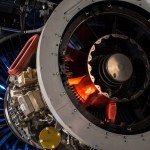
Pratt & Whitney Launches GTF Advantage Engine with Enhanced Thrust for Airbus A321XLR
Pratt & Whitney, a Connecticut-based aerospace equipment manufacturer, has delivered its first GTF Advantage turbofan engine, which offers up to 8% more takeoff thrust and double the time on wing. This engine has entered service on an Airbus A321XLR for United Airlines, enhancing the efficiency of the A320neo family. The introduction of the GTF Advantage engine is significant as it provides greater durability and longer-range capabilities, allowing the Airbus A321XLR to fly up to 5,400 miles. This advancement is expected to improve operational efficiency and reliability for airlines, particularly for United Airlines, which is the first to operate this engine. Looking ahead, Pratt & Whitney plans to transition its entire PW1100G-JM production line to the GTF Advantage specification by 2028. Additionally, existing GTF engine operators will have access to durability improvements through the GTF Hot Section Plus upgrade, available early next year. No further timeline was disclosed at the time of publication.
Transportation
Kratos and GE Aerospace Successfully Ignite GEK800 Turbofan Engine for Missiles
Kratos Defense & Security Solutions and GE Aerospace have achieved a major milestone with the first successful ignition of the GEK800 turbofan engine. This engine is designed for next-generation US cruise missiles, marking a significant advancement in missile technology. The successful ignition of the GEK800 engine is crucial as it represents progress in developing advanced propulsion systems for military applications. This milestone underscores the collaboration between Kratos and GE Aerospace in enhancing the capabilities of US defense systems. Looking ahead, the focus will be on further testing and development of the GEK800 engine to ensure its reliability and performance in operational environments. No further timeline was disclosed at the time of publication.
News
Changan Automobile Proposes Leveraging Automotive Engineering for Robotics Development
On September 18, during the 2026 Tianjin Auto Forum, Changan Automobile's Chief Expert and General Manager of Changan Tian Shu Intelligent Robotics, Tan Huan, delivered a keynote speech. He proposed that automobiles will evolve into embodied intelligent robotic systems, utilizing automotive engineering to empower the robotics industry and create a comprehensive mobility ecosystem. Tan emphasized that future smart vehicles will transform into self-learning, self-organizing, and self-evolving automotive robotic systems. Changan's approach includes a dual-driven model of knowledge and rules for data processing, which guides data collection and iteratively refines knowledge rules. This methodology aims to transfer the automotive industry's standard operating procedures and quality control concepts to robotics, addressing consistency issues from prototype to mass production. Changan's strategy includes developing humanoid robots to enhance the automotive ecosystem, promoting modular components for vehicle cabins, and extending applications to logistics, energy replenishment, inspection, and security. The ultimate goal is to integrate robotics into vehicle manufacturing and sales, with a vision for large-scale human-robot coexistence by 2046. The success of this initiative will depend on Changan's ability to merge automotive quality control methods with unique robotics technology challenges.
Robotics Automotive Engineering AI Manufacturing Smart Vehicles
GE Aerospace Achieves Ignition Milestone for GEK800 Turbofan Engine in Cruise Missile Program
GE Aerospace has successfully ignited the GEK800 turbofan engine, marking a significant milestone in the development of a propulsion system for long-range cruise missiles. This ignition event took place at Kratos’ X-58 test facility and initiates a new testing campaign aimed at demonstrating the engine's performance and durability. The GEK800, jointly developed by GE Aerospace and Kratos Defense & Security Solutions, is designed to meet the requirements for advanced cruise missile systems. The companies emphasize that the engine combines high performance with cost-effective manufacturing approaches, which is crucial for procurement programs focused on lower acquisition and lifecycle costs. Looking ahead, the ignition milestone signifies the beginning of extensive ground testing as the companies work towards production and integration with cruise missile systems. No further timeline was disclosed at the time of publication.
Military
Essential Control Engineering Skills as AI Capabilities Evolve in Automation
Recent discussions in the automation industry have focused on the evolution of software and logic processing hardware. As software-defined automation and concepts like DevOps gain traction, the role of controls engineers is shifting but remains crucial. While modern tools streamline logic production, the understanding of complex machines and processes is becoming increasingly valuable, emphasizing the importance of engineering judgment. The core skills of controls engineering are not diminishing; rather, they are becoming more essential as the industry adapts to new technologies. Engineers must leverage their experience to navigate the complexities of machinery, ensuring that automation systems operate safely and efficiently. The integration of operators' insights into automation design is vital for creating effective solutions that enhance diagnostics and human-machine interactions. Looking ahead, the challenge remains in developing automation that is reliable and trusted by operations teams. While AI may evolve to learn processes, the current need for human expertise in handling unexpected situations is paramount. The future of controls engineering will hinge on the ability to bridge the gap between software logic and the realities of physical systems, ensuring that automation meets operational demands effectively.
Factory / Analytics
Addressing AI Security as an Engineering Challenge Across the Agent Stack
AI security is increasingly recognized as an engineering challenge that necessitates defined security requirements and enforceable controls. As AI capabilities expand, the industry must enhance security engineering, improve access to defensive tools, and expedite the sharing of effective practices. The integration of AI agents introduces new functionalities that require established security principles to adapt to evolving operational conditions. The demand for AI's productivity benefits is growing, yet the governance and security practices for these systems are still in development. Security hinges on the interaction between various components such as code, data, identities, services, and infrastructure, with AI agents extending these systems. Each layer of the agent stack has specific security responsibilities, necessitating comprehensive controls to ensure data integrity and prevent unauthorized actions. For instance, if an AI agent attempts to update a customer record but encounters malicious instructions, security measures must be in place to block unauthorized data transfers. The environment where the agent operates must impose limits on its actions, ensuring that security boundaries are maintained even when decisions made by the agent are incorrect. No further timeline was disclosed at the time of publication.
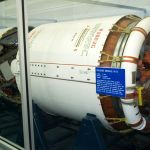
Seven Influential Missiles That Transformed Aerospace Engineering During the Cold War
The Cold War spurred significant advancements in missile technology, driven by the need for military superiority. Innovations in propulsion, navigation, and materials were crucial as both the U.S. and the Soviet Union developed missiles capable of long-range, rapid response, and precise operation under challenging conditions. Key missiles like the Soviet R-7 and America's SM-65 Atlas exemplified these advancements. The R-7, designed by Sergei Korolev, became the first intercontinental ballistic missile in 1957 and later launched satellites, marking a pivotal moment in the Space Age. The Atlas missile, with its unique pressure-stabilized tanks, pushed the boundaries of weight reduction and structural integrity, enabling significant missions including John Glenn's orbital flight. The Polaris A-1 and Minuteman missiles further revolutionized military operations. The Polaris A-1 transformed submarines into mobile launch platforms, while the Minuteman introduced automated launch control with solid-fuel stages, enhancing readiness and efficiency. No further timeline was disclosed at the time of publication.
Military
Open-source Benchmark Evaluates AI Agents' Ability to Engineer Functional Robots
An open-source benchmark has been developed to assess the capabilities of AI agents in engineering functional robots. This initiative comes in response to the increasing automation of software coding, where AI systems can autonomously write and revise programs. The significance of this benchmark lies in its potential to bridge the gap between digital coding and physical robotics. As AI continues to evolve, understanding how these agents can interact with and manipulate the physical world is crucial for advancing robotics technology. Looking ahead, the outcomes of this benchmark could influence future developments in AI and robotics integration. No further timeline was disclosed at the time of publication.
Robotics
Scalabot Introduces HERON-CRA with Enhanced Memory and Reinforcement Learning Engine
Songyan Dynamics' Scalabot brand has launched HERON-CRA, which integrates a 4D Context Expert memory and a plug-in Reinforcement Learning (RL) Engine. This innovative combination has significantly improved the sock-folding success rate from 38.5% to an impressive 97.8%. The introduction of HERON-CRA is significant as it showcases advancements in embodied control, enhancing the capabilities of robotic systems in performing complex tasks. The integration of context memory and RL technology allows for more adaptive and efficient learning processes in robotics. Looking ahead, the impact of HERON-CRA on the robotics landscape will be noteworthy, particularly in applications requiring fine motor skills and contextual understanding. No further timeline was disclosed at the time of publication.
Highlights from AFA Day 3: Rocket Engines, Helmet Displays, and Ground Robots
The third day of the AFA conference showcased a variety of innovative technologies, including rocket engines, advanced helmet displays, and ground robots. These exhibits highlighted the latest advancements in aerospace and defense technology, attracting attention from industry professionals and enthusiasts alike. The significance of these technologies lies in their potential applications within the aerospace sector, enhancing operational efficiency and safety. The presence of cutting-edge ground robots and helmet displays indicates a growing trend towards automation and augmented reality in defense operations. Looking ahead, it will be important to monitor how these technologies evolve and their integration into existing systems. The continued development of rocket engines and robotics could play a crucial role in shaping the future of aerospace and defense industries. No further timeline was disclosed at the time of publication.
Air Warfare AFA Multimedia 2026 Air Force Air Force Research Laboratory AFRL Kinedyne liquid rocket engines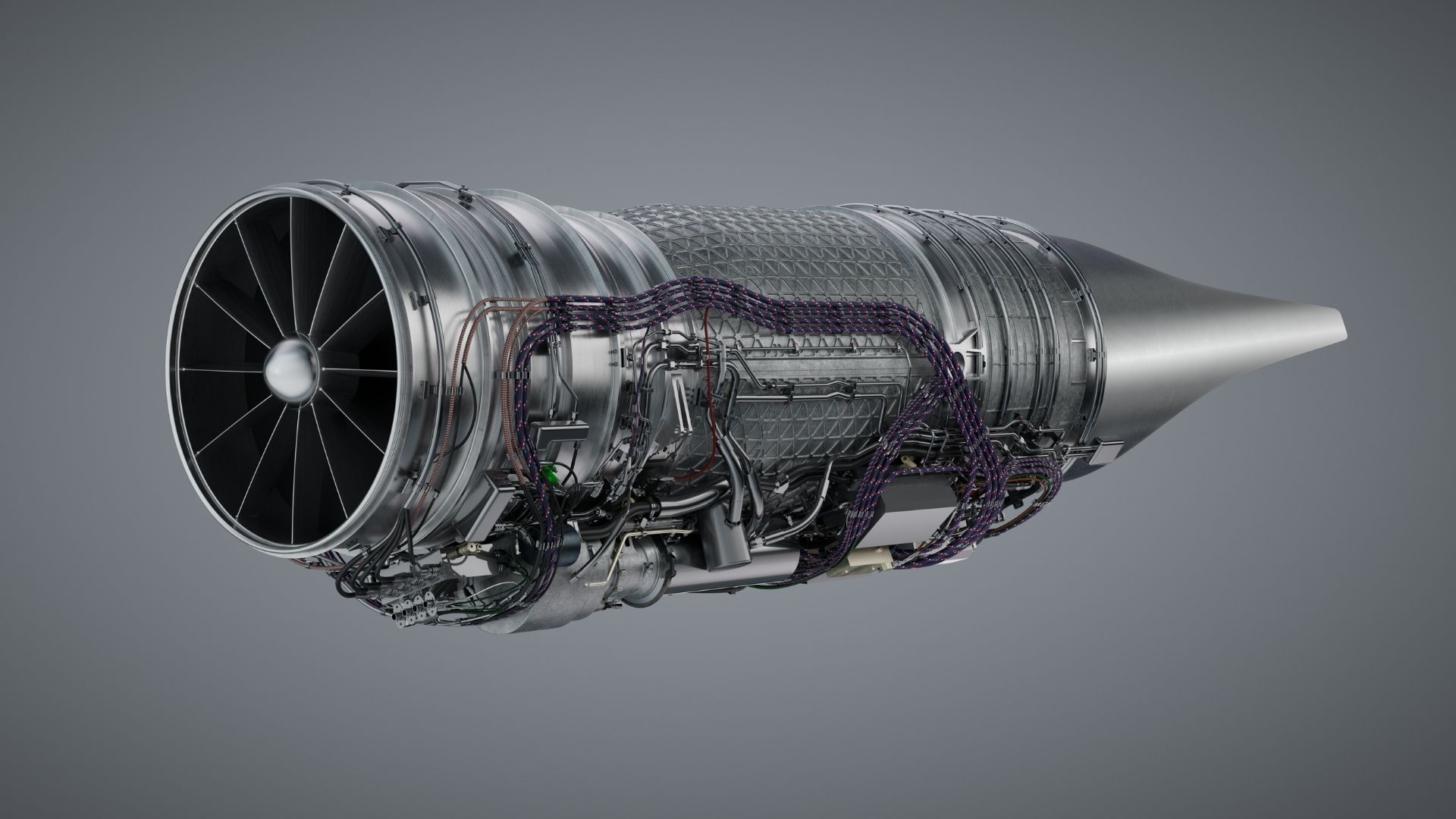
GE Aerospace Advances in XA102 Engine Development for U.S. Air Force Program
GE Aerospace is progressing towards the assembly of its XA102 adaptive cycle engine, a crucial component for the U.S. Air Force's Next Generation Adaptive Propulsion (NGAP) program. The company is currently collaborating with suppliers to procure hardware and test components in preparation for the assembly of the first XA102 test asset. This initiative builds on GE's previous XA100 engine program, introducing a digitally driven design and manufacturing approach. Notably, GE is employing model-based definition (MBD) to streamline the process, allowing for a machine-readable digital model that integrates engineering, manufacturing, and inspection, potentially reducing errors and accelerating the transition from design to hardware. While the XA102 is not yet operational, its development signifies a shift towards physical engine hardware, leveraging insights from the XA100 program. The successful implementation of this digital approach could enhance the aerospace industry's ability to adapt to future propulsion needs, particularly as military aircraft evolve to accommodate advanced technologies and systems.
Military
China Mobile Launches Open-RAIL Engineering Base for VLA and WAM Robot Models
China Mobile has announced the open-source release of Open-RAIL, an engineering base designed to integrate vision-language-action and world-action-model systems with robotic platforms. This innovative framework allows for seamless model inference, real-robot execution, data feedback, and model iteration within a unified workflow. The significance of Open-RAIL lies in its ability to support four heterogeneous robots and ten VLA or WAM models, making it a versatile tool for developers. The project claims that new models can be integrated with only 50 to 100 lines of code, while its hardware-abstraction layer ensures standardized control, state reading, and action execution across various robot platforms. Looking ahead, the adoption of Open-RAIL could streamline the development process for robotics applications, enhancing interoperability among different systems. No further timeline was disclosed at the time of publication.
News Feed
Hermeus Licensed by Pratt & Whitney to Manufacture F100-PW-229 Fighter Engines
Pratt & Whitney has granted aerospace startup Hermeus a license to produce F100-PW-229 turbofan engines, establishing a new U.S. production source for this widely utilized fighter engine. This agreement allows Hermeus to manufacture the F100 under Pratt & Whitney’s standards while employing its rapid-build manufacturing techniques, enhancing domestic engine capacity and bolstering the U.S. defense industrial base. The F100-PW-229, operational since 1992, has accumulated over 30 million flight hours and powers aircraft for 23 air forces. The agreement addresses Hermeus's need to integrate engine manufacturing closer to its Quarterhorse unmanned aircraft production, reducing reliance on external suppliers. CEO Zach Shore indicated that production levels will depend on customer demand, positioning Hermeus as a licensed manufacturer rather than a new engine developer. With the U.S. Air Force projecting peak demand for F100 engines to exceed 180 annually by fiscal year 2034, this partnership is timely. It aims to enhance manufacturing innovation and supply-chain resilience, providing Pratt & Whitney with additional capacity and reducing dependence on a single production source. No further timeline was disclosed at the time of publication.
Military
Hermeus Secures License from Pratt to Produce F100 Fighter Jet Engine
Hermeus has announced a licensing agreement with Pratt to produce engines for the F100-PW-229 powerplant. This move allows Hermeus to vertically integrate the production of its Quarterhorse drone, enhancing its manufacturing capabilities. The partnership is significant as it positions Hermeus as a second source for Pratt's F100 engines, which are critical for various military aircraft. This collaboration could lead to increased competition and innovation in the aerospace sector, particularly in engine manufacturing. Looking ahead, industry observers will be keen to see how this licensing agreement impacts Hermeus's production timelines and the overall supply chain for the F100 engine. No further timeline was disclosed at the time of publication.
Air Warfare AFA 2026 Air Force Anduril Boeing Defense Innovation Unit
GKN Aerospace Initiates $16 Million Expansion in New Hampshire to Boost Engine Component Production
GKN Aerospace has commenced a $16 million expansion of its facility in North Charlestown, New Hampshire, to enhance production capacity for aero-engine components. The expansion will add approximately 57,000 square feet, increasing the facility's total size to nearly 97,000 square feet, as reported by GKN Aerospace. This expansion is significant as it aims to meet the rising demand from engine customers, according to Joakim Andersson, president of Engines at GKN Aerospace. The larger facility will not only support business growth and workforce expansion but will also enable a broader range of manufacturing activities, including turning operations and non-destructive testing (NDT). Looking ahead, GKN plans to introduce additional manufacturing capabilities at the expanded site, which will include a dedicated production cell for high-performance compressor blades and vanes. This initiative is expected to strengthen operational ties with GKN's Muncie, Indiana, facility and create new skilled jobs, reinforcing GKN's position in the engine component supply chain.
News
Venus Aerospace Launches New Test Stand for Rotating Detonation Rocket Engine in Houston
Venus Aerospace has inaugurated a new propulsion test stand at Houston Spaceport, enhancing its testing capabilities for the rotating detonation rocket engine. This facility allows for higher-thrust firings and extended test durations, enabling engineers to analyze engine performance under flight-like conditions. A live hot-fire test was successfully conducted on September 10, showcasing the stand's capabilities and attracting local aerospace officials and industry representatives. The significance of this development lies in the unique combustion process of rotating detonation engines, which utilize rapidly moving detonation waves, differing from conventional rocket engines. The new test stand provides Venus with the necessary infrastructure to conduct longer tests and higher-thrust operations, which are crucial for identifying potential issues that may arise during shorter firings. This additional testing capacity is vital as the company refines its engine technology and supporting systems. Looking ahead, Venus Aerospace's new test stand is expected to play a critical role in the company's ongoing propulsion programs, especially following its recent $91 million Series B funding round in 2026. As the company continues to expand its leadership team and forge new strategic relationships, the enhanced testing capabilities will support its growth and innovation in propulsion technology. No further timeline was disclosed at the time of publication.
Innovation Space
3D Printed Robot Prime Lite Aims to Inspire Future Engineers in Classrooms
In the past year, job openings in the robotics sector have surged by 75.26%, with humanoid robot positions increasing by 215.8%. However, the supply-demand ratio for technical talent in the industry stands at 1:5.2, indicating a significant gap in practical skills. The newly launched Prime Lite, a 3D printed educational robot, aims to address this gap by allowing students to engage in the entire process of design, assembly, and troubleshooting. Prime Lite, developed through a collaboration between Beijing Zhongguancun Academy and the Zhongguancun Artificial Intelligence Research Institute, features a modular design that encourages hands-on learning. It is equipped with a self-developed AI model, PhysBrain, enabling students to understand the complete cycle of perception, decision-making, control, and execution. This initiative is not just about education; it is a long-term investment in cultivating engineers who can work with embodied intelligent robots in the future. As Prime Lite is integrated into educational institutions like Beijing No. 11 School, the focus will be on tracking the long-term impact of this initiative. The real measure of success will be the number of students who pursue careers in robotics and automation after their experience with Prime Lite, highlighting the importance of practical, hands-on education in shaping the future workforce.
Educational Robotics 3D Printing Embodied Intelligence STEM Education
General Robotics GRID Achieves Milestone as First Auto-Engineering Robot Intelligence Platform
General Robotics has announced a significant advancement for its GRID platform, which now auto-engineers its entire development and deployment lifecycle. This milestone allows GRID to streamline processes from robot onboarding to skill deployment, significantly reducing the time and expertise needed for production. The importance of this development lies in its potential to accelerate the transition from pilot projects to full-scale production for customers. By automating the engineering processes, GRID enhances the efficiency of skill creation, AI training, testing, and evaluation, making it easier for organizations to implement robotic solutions. Looking ahead, the industry will be watching how this innovation impacts the adoption of robotics in various sectors. General Robotics' ability to simplify the integration of robots into production environments could set a new standard for robot intelligence platforms. No further timeline was disclosed at the time of publication.

DeepSeek Expands Engineering Team by 150 as ByteDance Accelerates Video Generation
DeepSeek has announced a significant expansion of its engineering team, adding 150 new engineers to enhance its capabilities in AI and robotics. This move reflects the growing demand for advanced AI solutions in various sectors, particularly in the development of large models that go beyond traditional parameter counts. The expansion is crucial as it positions DeepSeek to better compete in the rapidly evolving AI landscape, where companies are increasingly focusing on innovative applications of technology. By bolstering its workforce, DeepSeek aims to accelerate the development of its products and services, particularly in the realm of video generation, where ByteDance is also making strides. Looking ahead, industry observers will be keen to see how this recruitment drive impacts DeepSeek's product offerings and market position. No further timeline was disclosed at the time of publication.
Robotics Automation AI
BitLyft Cybersecurity Unveils Agentic Managed Detection and Response Platform with AIR Engine
BitLyft Cybersecurity has officially launched the BitLyft Agentic Managed Detection and Response (AMDR) platform, which is powered by the company's autonomous security operations platform, BitLyft AIR®. This new offering enhances traditional security measures by not only providing quicker alert summaries but also by actively investigating, resolving, and documenting routine cases. The introduction of AMDR is significant as it allows experienced analysts to maintain control over critical decisions that require human judgment and contextual understanding. This approach aims to streamline security operations while ensuring that complex issues are handled by skilled professionals, thereby improving overall cybersecurity effectiveness. Looking ahead, the focus will be on how AMDR integrates with existing security frameworks and the impact it has on operational efficiency. No further timeline was disclosed at the time of publication.

AI Tools Transform Code Review Processes for Engineers Amidst Growing AI-Generated Code
AI coding tools are rapidly generating extensive code, prompting companies to rethink their review processes. While AI can enhance productivity, it also introduces risks such as security vulnerabilities and errors that may not surface until after deployment. A survey by Sonar revealed that 42% of code added to shared codebases comes from AI, yet 96% of developers remain skeptical about its reliability. Investors are recognizing the potential in addressing these challenges, as evidenced by CodeRabbit's recent $143 million funding round. The startup claims to conduct over 2 million code reviews weekly for major clients like Nvidia and BMW Group. This shift in code review dynamics raises questions about the future of software engineering, particularly for entry-level engineers who may have less hands-on coding experience. As AI-generated code volume increases, companies like Synthesia and Amazon are employing specialized AI agents to streamline the review process. These agents help identify issues before human review, but the reliance on AI also raises concerns about the quality and trustworthiness of the generated code. No further timeline was disclosed at the time of publication.
Coding Artificial-intelligence Vibe-coding Software-engineers
Challenges in Commercializing Embodied Intelligence: Hardware and Engineering Focus
As robots demonstrate capabilities like running and jumping, the industry consensus is clear: technical prototypes do not equate to commercial products. The competition in the embodied intelligence sector has shifted from algorithmic prowess to a comprehensive evaluation of hardware engineering, supply chain systems, and cost-benefit analysis in real-world scenarios. By 2026, advancements in technologies such as large models and dexterous hands are expected to accelerate. However, as numerous prototypes enter operational environments, issues like stability, maintenance costs, and parts supply have surfaced, revealing a significant gap between technological capabilities and industrial demands. While robots may achieve high success rates in laboratory settings, industrial applications require thousands of operational cycles, where even minor failures can halt entire processes. The industry recognizes that universal robots are not a feasible path at this stage. Instead, addressing gaps left by traditional automation is a more pragmatic approach. The logistics and warehousing sectors, characterized by structured environments, are the first to undergo large-scale validation. However, not all tasks are suitable for robots, and traditional automation still holds advantages in many areas. The maturity of the supply chain will ultimately determine the limits of industry expansion, as companies begin to build collaborative platforms to support large-scale delivery and address current mismatches in planned capacity and actual output.
Robotics Hardware Engineering Supply Chain Management Industrial Automation
Military Humanoid Robots in Engineering Validation Phase Amid Global Defense Research Trends
The global embodied intelligence industry is increasingly capturing the attention of national defense research, with humanoid robots expected to enhance their mobility, dexterity, and environmental perception by 2025-2026. Chinese manufacturers dominate the global humanoid robot shipment market, providing a substantial hardware foundation for military research. Various military research institutions are exploring potential battlefield applications, including urban warfare and infiltration, with simulations indicating that usable prototype systems may emerge within 5-10 years. However, despite advancements, there is currently no public evidence that armed humanoid robots have been officially deployed in combat units, as most projects remain in laboratory and training validation phases. The battlefield presents complex conditions that impose stringent reliability and endurance standards, far exceeding those of commercial products. Challenges such as high energy consumption and complex repair processes hinder the operational capabilities of humanoid robots in high-intensity combat scenarios. Tactically, humanoid robots are not the sole optimal solution for battlefield unmanned equipment. More mature technologies like wheeled and tracked vehicles are already fulfilling reconnaissance and logistics roles at lower costs. The dual-use technology approach emphasizes the importance of civilian advancements in robotics for military applications, while military requirements can drive improvements in civilian products. The path forward involves addressing environmental adaptability, energy consumption, and cost issues to ensure humanoid robots can reliably operate in harsh conditions and meet tactical and economic demands.
Humanoid Robots Military Robotics Dual-Use Technology Robotics Research
Harbin Engineering University Alumni Drive Significant Investment in Deep-Sea Robotics
In the summer and autumn of 2026, the deep-sea robotics sector experienced a surge in funding, with three major investments announced. Shihang Intelligent secured over 1 billion yuan in Series A funding, achieving a unicorn valuation; Deep-Sea Intelligence raised over 500 million yuan, backed by prominent investors including Guohua Venture Capital and others; and Gongzhi Ocean set a new record with nearly 100 million yuan in angel funding. These investments highlight the influence of alumni from Harbin Engineering University, with key figures such as Professor Guo Chunyu, who founded Gongzhi Ocean, and Ma Yiming, the founder of Deep-Sea Intelligence, both having strong ties to the university. Their companies are positioned to lead in various applications, including offshore oil and gas, underwater communication, and deep-sea mining, with Deep-Sea Intelligence already capturing a significant share of the domestic market. The deep-sea robotics industry is gaining momentum, with the Chinese government recognizing deep-sea technology as a strategic emerging industry. The global underwater service market is projected to reach 1.5 trillion yuan, growing at an annual rate of over 20%. As the industry transitions from research to commercialization, deep-sea robotics startups are poised for unprecedented opportunities.
Deep-Sea Robotics Marine Technology Investment Startups
Harbin Engineering University Professor Seeks to Establish 'Huawei of the Deep Sea' with Record Financing
A professor from Harbin Engineering University has set a record by securing 5 billion in financing aimed at developing deep-sea technologies. This ambitious initiative seeks to position the university as a leader in the sector, drawing parallels to Huawei's success in telecommunications. The substantial funding reflects growing interest and investment in deep-sea innovation, marking a pivotal moment for the industry. The significance of this financing lies in its potential to advance deep-sea exploration and technology, which is increasingly critical for various applications, including resource extraction and environmental monitoring. The professor's vision to create a 'Huawei of the Deep Sea' underscores the importance of innovation in this field, as it could lead to breakthroughs that enhance our understanding of oceanic environments. Looking ahead, stakeholders will be keen to observe how this funding translates into tangible advancements in deep-sea technologies. The professor's initiative could attract further investment and partnerships, shaping the future landscape of deep-sea exploration. No further timeline was disclosed at the time of publication.
Robotics Automation AI
Wing Strengthens Engineering Leadership with New Appointments Ahead of 2027 Expansion
Wing has appointed Brandon Jones as Chief Autonomous Systems and Applications Officer and Paul Gojenola as Chief Hardware Development and Manufacturing Operations Officer. These strategic appointments aim to enhance Wing's engineering capabilities as the company prepares to serve 40 million Americans and expand internationally by 2027. The significance of these leadership changes lies in Wing's commitment to scaling its residential drone delivery services. With Jones overseeing autonomy and Gojenola managing hardware development, Wing is positioned to meet the increasing demand for drone delivery solutions. Their combined expertise is expected to drive innovation and operational efficiency in the company's delivery network. Looking ahead, Wing's focus will be on executing its ambitious plans for 2027. The company aims to expand its reach and enhance its technology leadership in the drone delivery sector. No further timeline was disclosed at the time of publication.
Business and Finance Corporate News Drone News Drone News Feeds News Adam Woodworth Wing CEO
CycloKinetics Tests CycloRP Fuel in Venus Aerospace's Rotating Detonation Rocket Engine
CycloKinetics is conducting tests on its alternative rocket fuel, CycloRP, in collaboration with Venus Aerospace using a rotating detonation rocket engine (RDRE). This program aims to determine if CycloRP can effectively replace traditional RP-1 and RP-2 propellants without necessitating hardware changes. The initial testing phase concluded in July 2026, confirming that CycloRP can successfully detonate within the RDRE, which is crucial for enhancing propulsion efficiency through controlled detonation waves. The significance of this testing lies in its potential to advance propulsion technology by evaluating alternative fuels in advanced rocket systems. Supported by the U.S. Air Force Research Laboratory and the Department of War’s Office of the Under Secretary of War for Research and Engineering, the results could provide insights into the performance of CycloRP under the extreme conditions of an RDRE. Efficient fuel is essential for the propulsion advancements Venus Aerospace aims to achieve, as highlighted by CEO Sassie Duggleby. Looking ahead, the second phase of testing will focus on CycloRP's cooling performance, a critical aspect given the high heat generated by rocket engines. Engineers will assess how well CycloRP can manage thermal conditions compared to RP-1 and RP-2, which will be pivotal in determining its viability as a primary propellant in future applications. No further timeline was disclosed at the time of publication.
Energy Military
GE Aerospace to Supply LM2500+G4 Engines for South Korea's KDDX-Class Destroyers
GE Aerospace has announced that it will provide 12 LM2500+G4 marine gas turbine engines for six KDDX-class destroyers being constructed for the Republic of Korea Navy (RoKN). The integration of the LM2500+G4 with the KDDX's full electric propulsion system is expected to enhance operational flexibility, fuel efficiency, and survivability for the vessels. This development is significant as it marks a step towards advanced naval propulsion systems, with GE Aerospace's technology reinforcing its collaboration with South Korea. The RoKN has previously procured 163 GE Aerospace marine gas turbines for 95 ships, indicating a strong track record in the region. Looking ahead, Hanwha Aerospace, GE's local partner, will manufacture engine components and support assembly and testing. The KDDX program is projected to cost 7.8 trillion won ($5.75 billion), with Hanwha Ocean as the preferred bidder for the lead ship's construction. No further timeline was disclosed at the time of publication.
Global Naval Warfare Asia GE Aerospace Hanwha Indo-Pacific
GE Aerospace Secures $2.9 Billion Contract for F/A-18 Engine Parts and Production Expansion
The Pentagon has awarded GE Aerospace a contract valued at nearly $2.9 billion to supply parts for the F414 engine, which powers the Navy's F/A-18 Super Hornet and EA-18G Growler. This performance-based logistics contract is set to run until August 2031, focusing on outcome-based payments. This contract is significant as GE Aerospace navigates the production of both the larger F414 engines for the Navy's aging fleet and the older F404 engines for the Air Force's T-7 Red Hawk training jet. The company anticipates doubling its F404 production output over the next five years, reflecting a strategic shift in its manufacturing focus. Looking ahead, GE is exploring innovative production methods, including additive manufacturing, to enhance the efficiency and cost-effectiveness of its engine components. As demand for military aircraft, such as Boeing's F-15EX, increases, GE aims to overcome supply chain challenges while ramping up its manufacturing capabilities.
Air Warfare Air Force Amy Gowder Boeing Defense Innovation Unit DIU EA-18G
Dexory Implements SimScale’s Engineering AI to Enhance Autonomous Robot Design
Dexory, a robotics and warehouse data intelligence company, has implemented SimScale’s Engineering AI to improve the engineering workflows for designing and testing autonomous warehouse robots. This deployment builds on Dexory's existing use of SimScale’s AI-native cloud simulation platform, enabling engineers to quickly identify structural component failures and explore various design options through simulation. The significance of this development lies in the growing demand for faster product development cycles in warehouse robotics, projected to reach a market value of $117 billion by 2034. As engineering teams face pressure to maintain performance and reliability, the integration of AI into engineering processes is becoming increasingly vital. Dexory's use of Engineering AI aims to streamline investigations into structural failures and enhance simulation reporting, making it easier for teams to analyze and share results. Looking ahead, Dexory's program will allow engineers to conduct parameter sweeps and capture simulation knowledge, creating a searchable engineering memory. This initiative not only focuses on productivity but also aims to identify where AI can provide the most value in engineering, establishing best practices for future AI adoption. No further timeline was disclosed at the time of publication.
Automation & Robotics
Sigma Advanced Systems Wins $170 Million Aeroengine Contract with Rolls-Royce
Sigma Advanced Systems, an Indian defense and aerospace firm, has secured a long-term contract valued at approximately $170 million with Rolls-Royce. This contract marks a significant milestone for Sigma as it continues to expand its footprint in the aerospace sector. The partnership with Rolls-Royce is crucial for Sigma, as it underscores the company's growing capabilities in aerospace engineering and manufacturing. This contract not only enhances Sigma's portfolio but also strengthens its position in the competitive aerospace market. Looking ahead, industry observers will be keen to see how this contract impacts Sigma's operations and growth trajectory. No further timeline was disclosed at the time of publication.
News
Understanding Adaptability for Engineers in the Age of AI Disruption
The rise of AI has transformed engineering roles, necessitating adaptability among professionals. Samantha Brunhaver from Arizona State University emphasizes that while adaptability is crucial, educational systems often fail to adequately prepare students for this expectation. Her research highlights the need for diverse real-world experiences to foster adaptability in engineering graduates. The significance of adaptability is underscored by reports indicating that a substantial percentage of core skills in various sectors will change by 2030. This shift presents challenges, particularly in technology-related fields, where engineers must navigate rapid changes in tools and methodologies. Brunhaver advocates for a structured approach to adaptability, involving perception, evaluation, and action. As the engineering landscape evolves, core responsibilities remain stable, focusing on problem-solving and communication. Andy Hunt, a software developer, stresses the importance of systems thinking over specific tools. He suggests that employers should prioritize broader skill sets rather than strictly filtering candidates based on specific programming languages or experiences.
Typedepartments Adaptive-learning Professional-development Ai-tools Future-of-work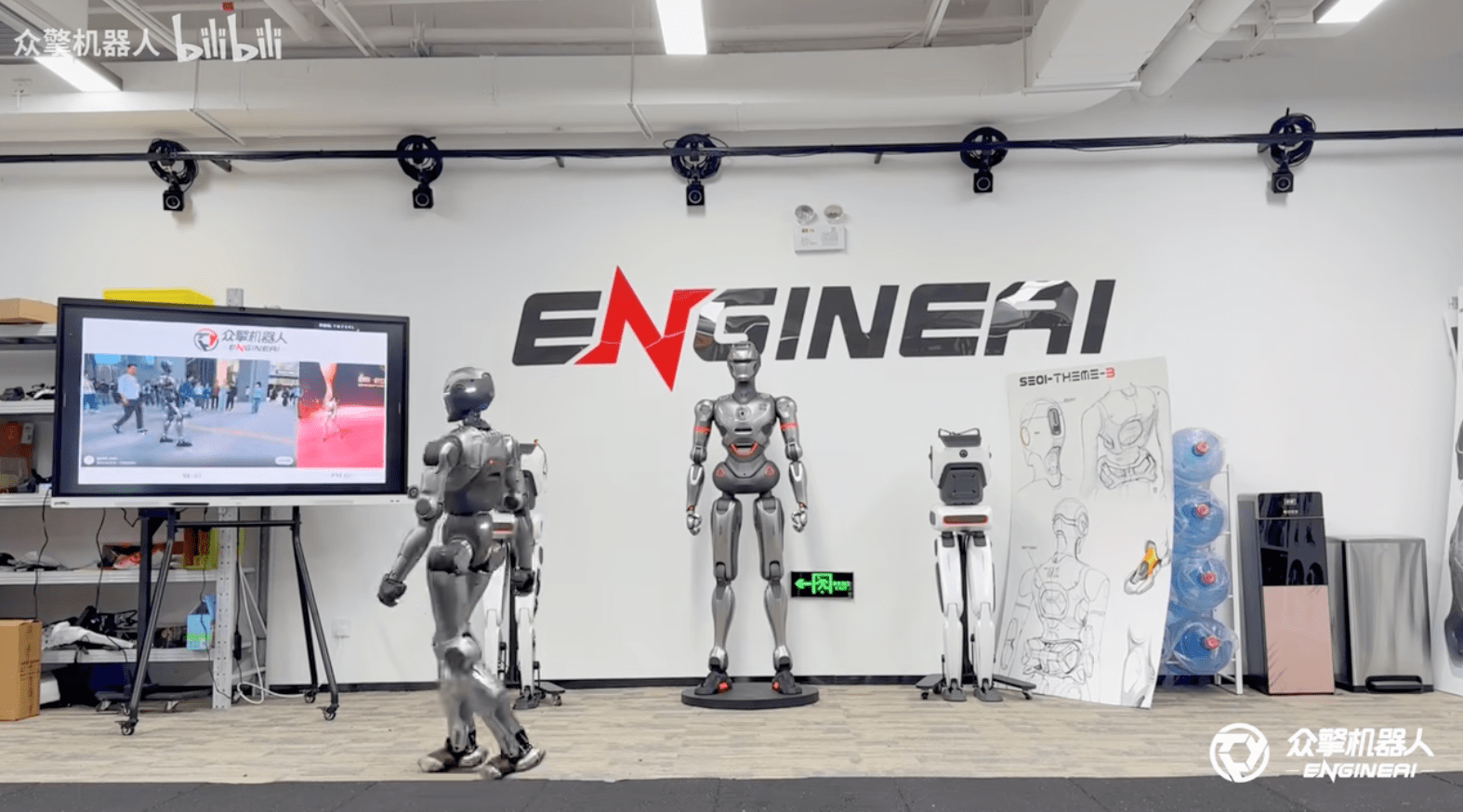
ENGINEAI Reports General-Purpose Humanoid Robot Costs Drop Below RMB100,000
ENGINEAI, a humanoid robot manufacturer based in Shenzhen, has announced that the cost of its general-purpose humanoid robots has decreased to below RMB100,000 per unit. This significant reduction marks a shift from three years ago when similar robots were priced over RMB1 million. The CEO of ENGINEAI, Zhao Tongyang, emphasized that this pricing pertains to robots intended for practical applications in factories and households, distinguishing them from lower-cost toy models. This development highlights the growing accessibility of advanced robotics technology for various sectors. Looking ahead, the industry may witness further advancements in humanoid robotics as costs continue to decline. No further timeline was disclosed at the time of publication.
News Feed
The Evolution of Engineering Intelligence: Moving Beyond Traditional CAD Systems
The limitations of traditional CAD systems as mere documentation tools for engineers are becoming increasingly apparent. Dr. Axel Zein, CEO of WSCAD, discusses how engineering intelligence can enhance productivity by scaling knowledge across numerous projects. This shift is crucial for electrical engineers, as it integrates AI into their workflows, enabling them to overcome bandwidth challenges and improve efficiency. The rise of engineering intelligence signifies a transformative change in how engineers approach design and documentation. By leveraging advanced software solutions, engineers can streamline their processes and focus on innovation rather than being bogged down by repetitive tasks. This evolution is essential for staying competitive in a rapidly changing industry. Looking ahead, the integration of AI into engineering practices will likely continue to grow, reshaping the landscape of design and development. As companies like WSCAD lead the charge in this transformation, it will be important to monitor how these advancements impact productivity and project outcomes in the engineering sector. No further timeline was disclosed at the time of publication.
Factory / Design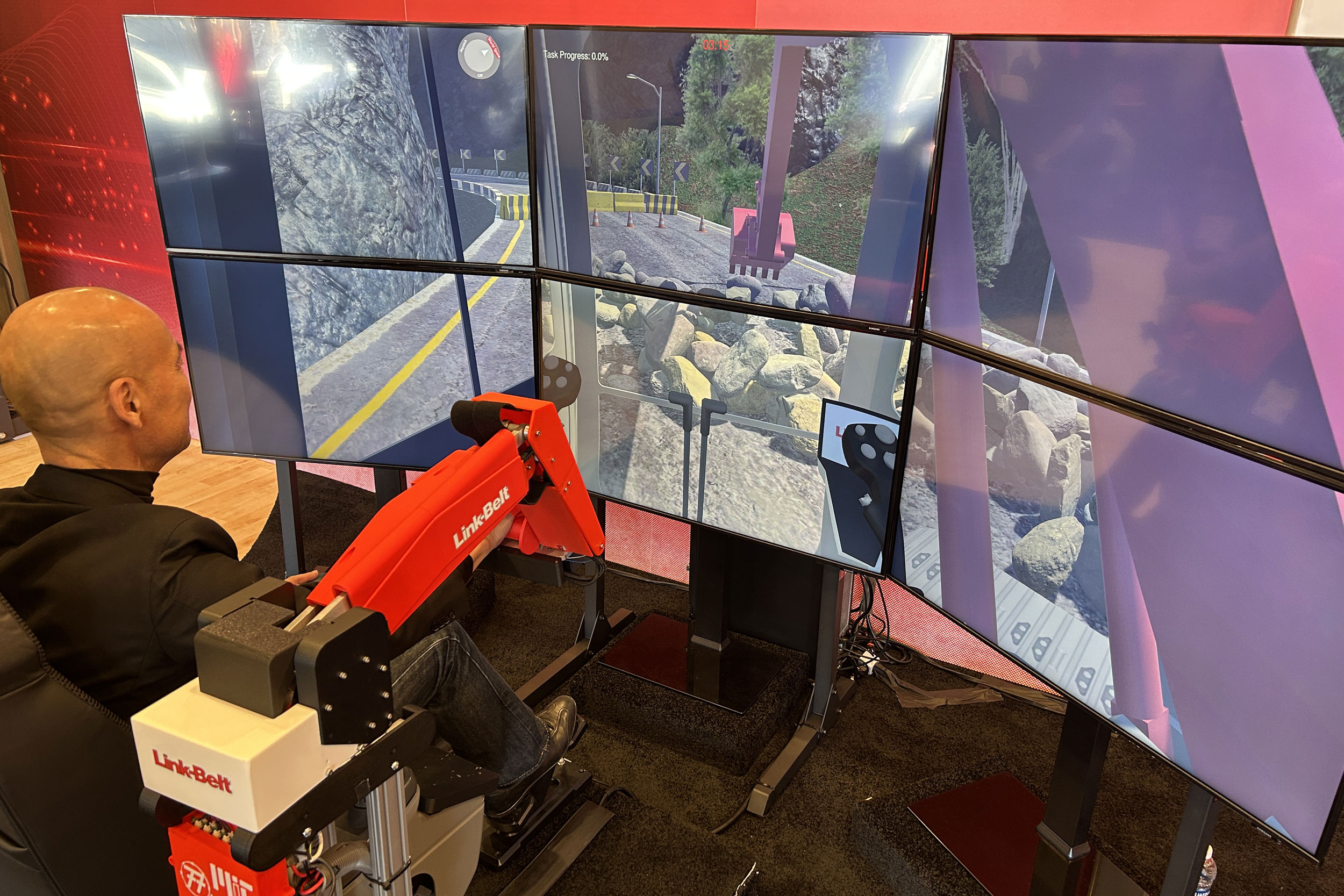
MIT Engineers Develop Intuitive Controller to Enhance Excavator Operator Training
MIT engineers have designed a new training interface for excavator operators, replacing traditional joysticks with a miniature excavator arm controller. This innovative approach aims to simplify the complex mental mapping required to operate heavy machinery, potentially reducing the training time significantly. The new controller allows trainees to use their own arm movements to control a digital excavator displayed on an immersive six-screen setup. This method not only enhances the intuitive operation of the machine but also opens possibilities for remote operation in challenging environments, according to Hermano Krebs, a principal research scientist at MIT. The research team, which includes collaborators from Sumitomo Heavy Industries, aims to address the growing need for skilled excavator operators, particularly in Japan, where the workforce is aging. The World-Space Interface represents a significant advancement in operator training and human-robot interaction, with the potential to revolutionize how excavators are operated both on-site and remotely.
Research Construction Industry Human-computer interaction Assistive technology Augmented and virtual reality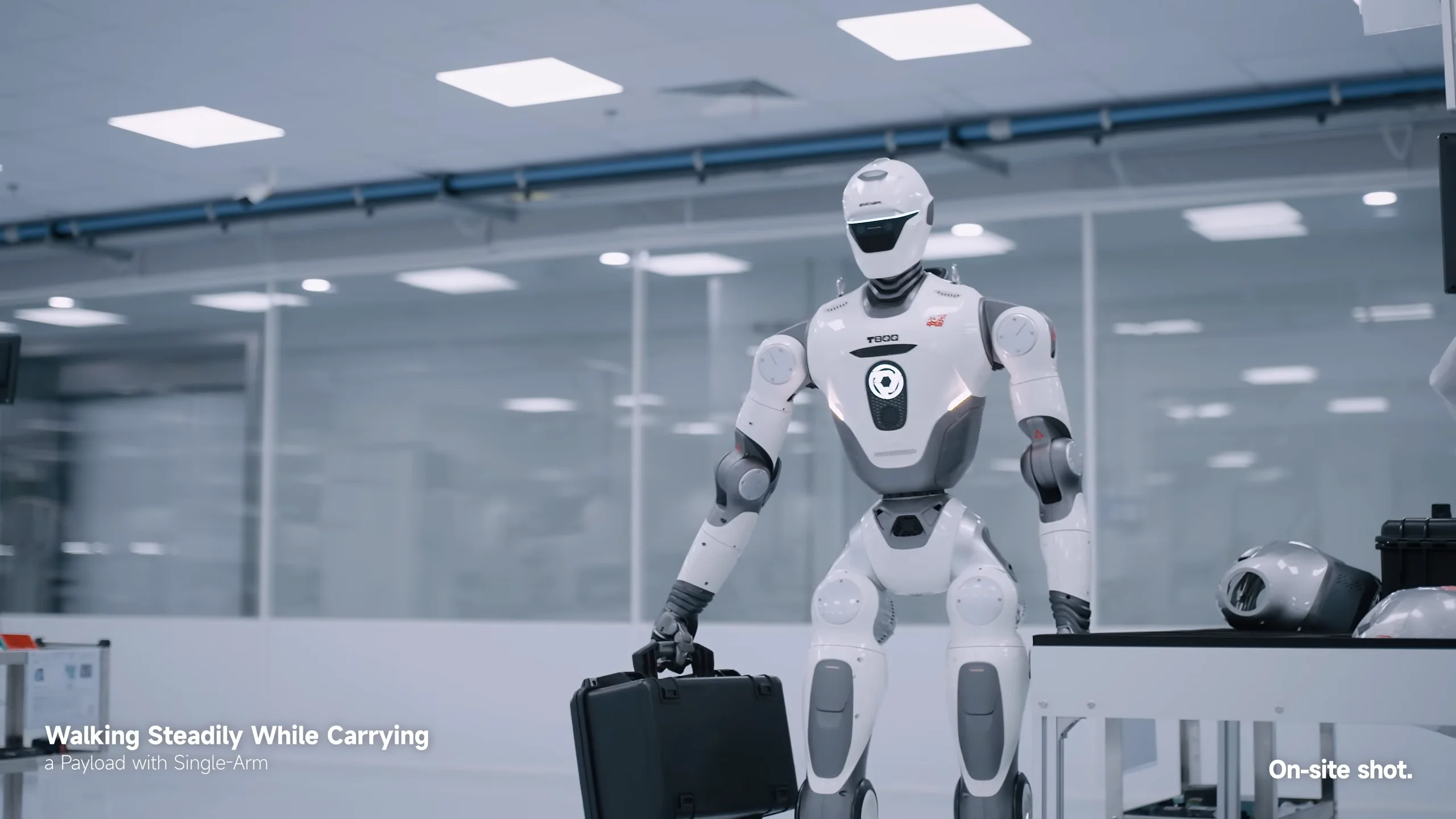
EngineAI's T800: Bridging Factory Automation and Combat Sports
EngineAI, a Shenzhen-based startup, is showcasing its T800 robot in two contrasting roles: as a factory worker and a combat participant. Recently, the company released a promotional video featuring the T800 performing industrial tasks at Luxshare-ICT, an Apple supplier, highlighting its capabilities in automated workflows and material handling. This dual presentation is significant as it reflects EngineAI's strategy to appeal to both industrial and entertainment sectors. The T800's participation in a combat event in San Francisco illustrates the company's commitment to pushing the limits of humanoid robotics, while also serving as a marketing tool to attract attention and investment. Looking ahead, EngineAI aims to scale its production capacity significantly, targeting a delivery capacity of ten thousand units. The company is leveraging its unique positioning in both factory automation and combat sports to generate interest and assure investors of the T800's versatility and potential in various applications. No further timeline was disclosed at the time of publication.
EngineAI REK T800 China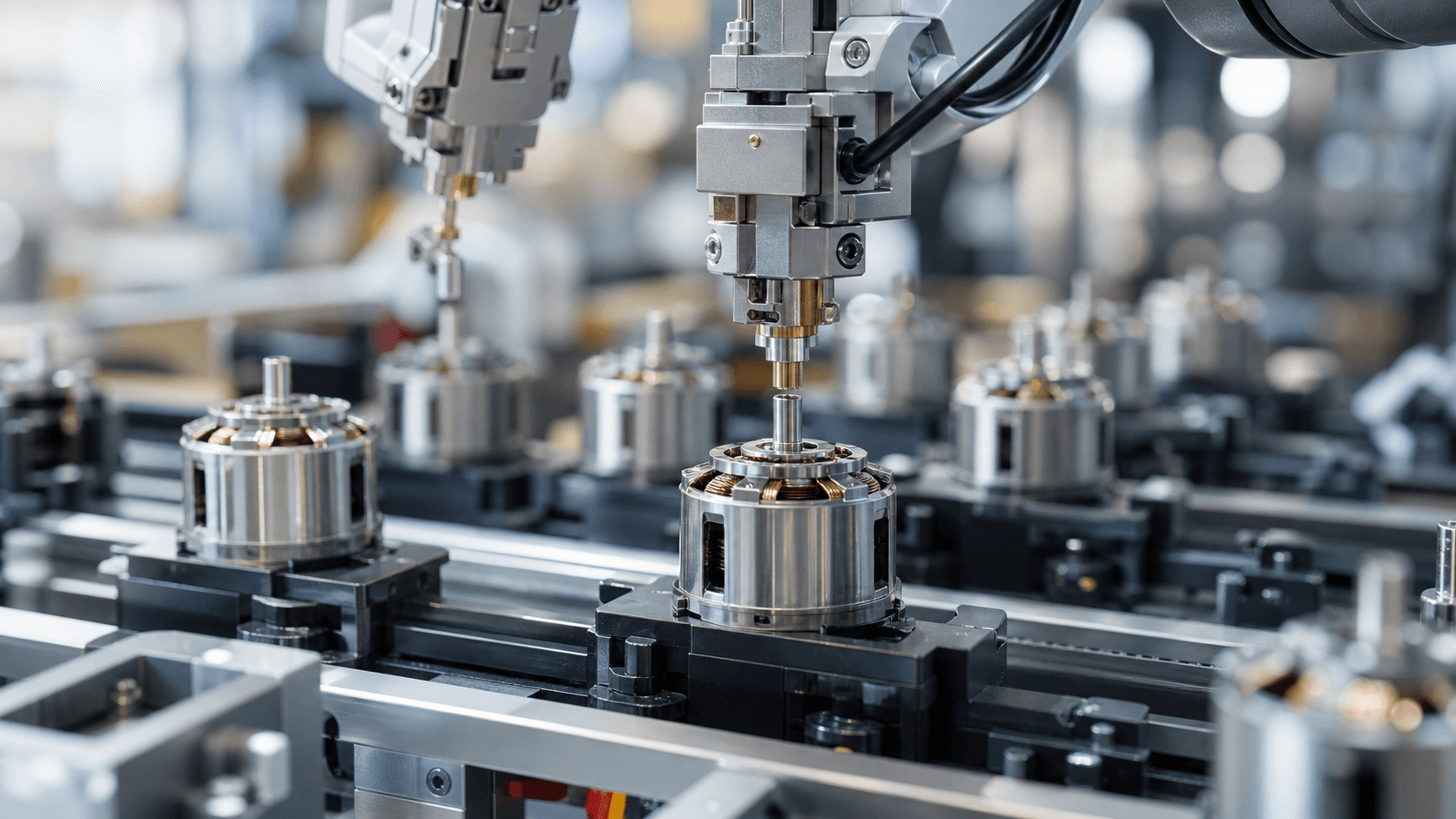
Jiangsu Leili Motor Transforms Appliance Engineering into Core Power for Humanoid Robots
Jiangsu Leili Motor, originally a workshop in Changzhou established in 1993, is projected to achieve a revenue of 4 billion yuan by 2025. The company has diversified its business, with the share of home appliances decreasing to 55%, while automotive, industrial control, and medical sectors have surpassed 40%. This shift in focus is significant as Jiangsu Leili Motor's hollow-cup motors and dexterous hands are now integral to the functionality of humanoid robots. By 2025, the company anticipates that nearly 50% of its sales will come from international markets, highlighting its growing global presence. Looking ahead, Jiangsu Leili Motor's continued innovation in motor technology and its expansion into new sectors will be crucial. No further timeline was disclosed at the time of publication.

PI Launches New Miniaturized Alignment Engine for Electro-Optical Wafer-Level Testing
PI (Physik Instrumente) has unveiled a new technology platform aimed at enhancing electro-optical wafer-level testing. This innovative platform is designed to validate both electrical and optical device functions concurrently, catering to the demands of high-volume production. The introduction of this miniaturized alignment engine is significant as it addresses the growing need for efficient testing solutions in the semiconductor industry. By enabling simultaneous validation of device functions, it promises to streamline production processes and improve overall efficiency in manufacturing. Looking ahead, industry stakeholders should monitor the adoption of this technology in production environments. The effectiveness of this platform in real-world applications will be crucial in determining its impact on the electro-optical testing landscape. No further timeline was disclosed at the time of publication.

Alloy Robotics Raises $8 Million to Enhance Robotics Engineering with AI Solutions
Alloy Robotics has successfully completed an $8 million seed funding round, achieving a valuation of $80 million. The funding was led by Square Peg, with participation from existing investors including Blackbird, Airtree, and Skip Capital, as well as leaders and engineers from companies like OpenAI and Tesla. The company aims to address the significant time engineers spend diagnosing failures in robotic fleets, which can take days or even weeks. The core issue is that when robots malfunction, relevant data such as logs, telemetry, and sensor information is often scattered, making it difficult for engineers to piece together clues. Alloy's solution integrates various data types with engineering context from platforms like Slack and Jira, using AI agents to continuously scan for anomalies and patterns. This approach allows engineers to investigate known issues in natural language while uncovering hidden faults. Alloy's technology has already been adopted across various sectors including navigation, defense, and agriculture. Companies like Advanced Navigation have reported drastic reductions in testing analysis time, while DroneForge has benefited from more accurate fault diagnosis. As competition in the robotics industry intensifies, the ability to learn quickly from data will be crucial for success.
AI Robotics Engineering Data Integration Troubleshooting Solutions Automation
Former XPeng VP Chen Yonghai Appointed COO at EngineAI to Drive Operations
Chen Yonghai, the former Vice President of Product at XPeng, has officially joined EngineAI in Shenzhen as Chief Operating Officer, reporting directly to Chairman and CEO Zhao Tongyang. His extensive background in internet and smart automotive sectors includes a significant tenure at Amap, where he oversaw platform product operations. Chen's role at EngineAI is pivotal as the company aims to enhance its product planning and operational structure, especially following a recent $200 million Series B funding round that valued the firm at over 10 billion yuan. With the company set to ramp up production of its T800 humanoid robots, Chen's expertise in mass production management is expected to facilitate a transition from technology demonstrations to scalable commercial products. Looking ahead, EngineAI is positioned to meet the growing demand for humanoid robots, especially as regulatory bodies push for deployment in key scenarios by the end of the year. Chen's appointment is seen as a critical step in achieving the company's ambitious goal of delivering thousands of units annually, amidst increasing competition in the humanoid robotics sector.
Humanoid Robots AI Product Development Automotive Technology
Silicon Valley Engineers Develop Workaround for US Ban on Chinese Robot Imports
In response to a US ban on Chinese robots, Silicon Valley engineers have devised a workaround by traveling to Shenzhen to bring back robot components in their luggage. The Federal Communications Commission (FCC) updated its regulated list on July 28, 2026, restricting advanced robot equipment from foreign production, effectively barring new Chinese models from entering the US market. However, the ban targets the assembly stage rather than the individual components, which remain freely available. This situation is significant as China holds a 63% share of the global humanoid robot supply chain, particularly excelling in critical components like motors and sensors. For instance, Tesla's Optimus relies on approximately 70% of its core parts from Chinese suppliers. Removing these components would drastically increase production costs, making it unfeasible to meet pricing targets. As traditional procurement channels are blocked, US entrepreneurs are increasingly sourcing parts directly from Chinese markets, often transporting them back personally. Looking ahead, the demand for robot components is expected to surge as humanoid robots transition from experimental to mass production. The current method of transporting parts in luggage is not sustainable for future needs, highlighting the ongoing reliance on Chinese manufacturing despite regulatory challenges. No further timeline was disclosed at the time of publication.
Robotics Supply Chain Manufacturing Components
Unique Group Completes Engineering for Vanguard, America's First Open-Ocean Human Habitat in 40 Years
Unique Group has successfully delivered the engineering and infrastructure for Vanguard, the first open-ocean subsea human habitat in the U.S. in over four decades. Developed by DEEP and installed at Tennessee Reef in the Florida Keys National Marine Sanctuary, Vanguard allows crews of up to four aquanauts to live underwater for extended missions. This project is significant as it addresses complex engineering challenges, ensuring long-term human habitation in a protected marine environment while withstanding extreme weather conditions. Unique Group's comprehensive approach included geophysical surveys, structural engineering, and life-support systems integration, all designed to meet stringent safety and environmental standards. Looking ahead, the focus will be on the operational performance of Vanguard and its ability to support scientific missions over its 20-year design life. No further timeline was disclosed at the time of publication.

Neya Systems and GS Engineering Collaborate to Enhance Robotic Construction Equipment for Defense
Neya Systems and GS Engineering have announced a strategic collaboration aimed at advancing robotic and autonomous construction equipment for defense applications. This partnership combines Neya's N-Drive™ autonomy technology with GS Engineering's Remote Expeditionary Autonomous Pioneer (REAPr) unmanned ground vehicle, focusing on creating an integrated solution that enhances operational efficiency in military engineering tasks. The collaboration is significant as it seeks to improve the safety and effectiveness of warfighters by automating the most hazardous and labor-intensive engineering tasks. By leveraging proven autonomy technology and advanced UGV capabilities, the initiative aims to streamline construction processes in defense operations, ultimately contributing to enhanced mission readiness and operational success. Looking ahead, the integration of these technologies is expected to lead to the development of field-ready autonomous solutions that can significantly reduce the risks faced by military personnel. No further timeline was disclosed at the time of publication.

Leju Unveils Dual Ecosystem Engine for Trillion-Yuan Robotics Industry at National Competition
On August 1, 2026, at the Shougang Ice Curling Center in Beijing, 213 humanoid robot teams competed for top honors at the 28th China Robotics and Artificial Intelligence Competition (CRAIC). This event is significant not only for showcasing robotics but also for establishing standards and ecosystems in the industry. Leju is transforming the competition into a platform that elevates the focus from individual robots to broader industry standards. The year 2026 is recognized as a pivotal moment for the commercialization of humanoid robots, yet the industry faces a critical talent shortage, particularly in robotics, with a gap of 4.5 million skilled workers. Leju's approach emphasizes practical training through real-world scenarios, moving beyond simulations to create authentic industrial environments for competitors. This shift allows participants to conduct pressure tests on their robots in realistic settings, preparing them for future production lines. Leju's strategy is supported by the OpenLET community, which fosters an ecosystem encompassing training, data sharing, and talent development. With over 70 member organizations and 10,000 developers, the community aims to address the fragmented nature of the humanoid and embodied intelligence industries. The CRAIC 2026 features various competitions that reflect real industrial needs, pushing technology from demonstration to reliable operation, ultimately shaping the future of the robotics sector.
Humanoid Robots AI Robotics Competitions Talent Development Industrial Automation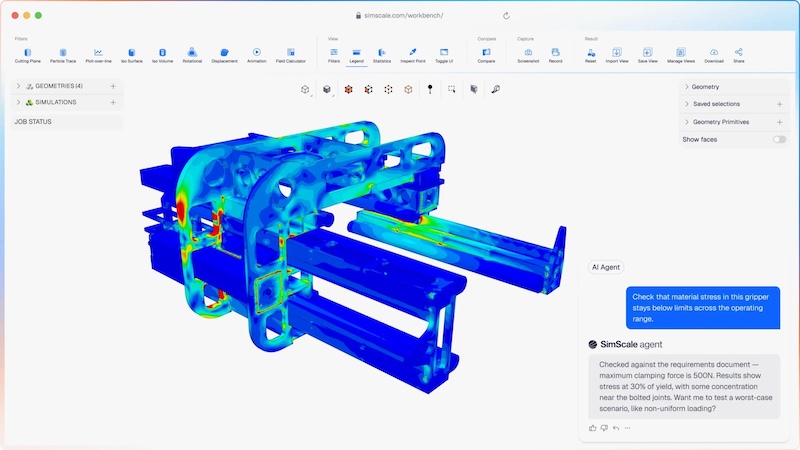
Dexory Implements SimScale’s Engineering AI to Enhance Warehouse Robotics Development
Dexory, a robotics and warehouse data intelligence company, has integrated SimScale’s Engineering AI to streamline the design and testing processes for autonomous warehouse robots. This deployment aims to expedite engineering workflows by enabling quicker identification of structural component failures and facilitating multiple design variations through simulation. The significance of this initiative lies in the growing demand for efficient product development cycles in the warehouse robotics sector, projected to reach $117 billion by 2034. As manufacturers strive to enhance performance and reliability, Dexory's use of Engineering AI reflects a broader trend of embedding AI into engineering processes, which is crucial for maintaining quality while accelerating development. Looking ahead, Dexory's Engineering AI program will automate simulation reporting and enable engineers to conduct parameter sweeps, enhancing the efficiency of design iterations. The initiative not only aims to improve productivity but also seeks to understand AI's potential impact on engineering practices. No further timeline was disclosed at the time of publication.
Engineering News Warehouse robots ai simulation autonomous warehouse robots cloud simulation
NVIDIA Launches Autonomous AI Engineer to Transform Chip Design Efficiency
On July 29, NVIDIA unveiled its Autonomous AI Engineer at the 2026 Design Automation Conference (DAC), a groundbreaking solution that covers the entire chip design and verification process. This system integrates the enhanced NVIDIA Agent Toolkit with the AI physics library PhysicsNeMo and the updated CUDA-X library, enabling AI to not only create designs but also understand physics, run simulations, and perform validations like a real chip engineer. The core of this system is a comprehensive 'AI Engineer Skill Set.' PhysicsNeMo provides AI with 'physical intuition' to train and deploy physical models, predicting real-world physical behavior in complex designs. The updated CUDA-X library injects high-speed computing capabilities, featuring sparse solvers cuISS and cuDSS for accelerating electromagnetic and fluid dynamics simulations, while the cuEST quantum chemistry library focuses on time-consuming atomic-level material simulations crucial for semiconductor development. NVIDIA has open-sourced the 550 billion parameter Nemotron 3 Ultra MoE model for register-transfer level coding, achieving a 97.1% pass rate in nine RTL coding tasks with its hardware design agent ACE-RTL. Major companies like Samsung, TSMC, and Synopsys are fully engaged, indicating that the 'AI designing AI' revolution has begun, potentially extending Moore's Law through AI advancements.
Chip Design AI Engineering Semiconductor Technology Automation NVIDIA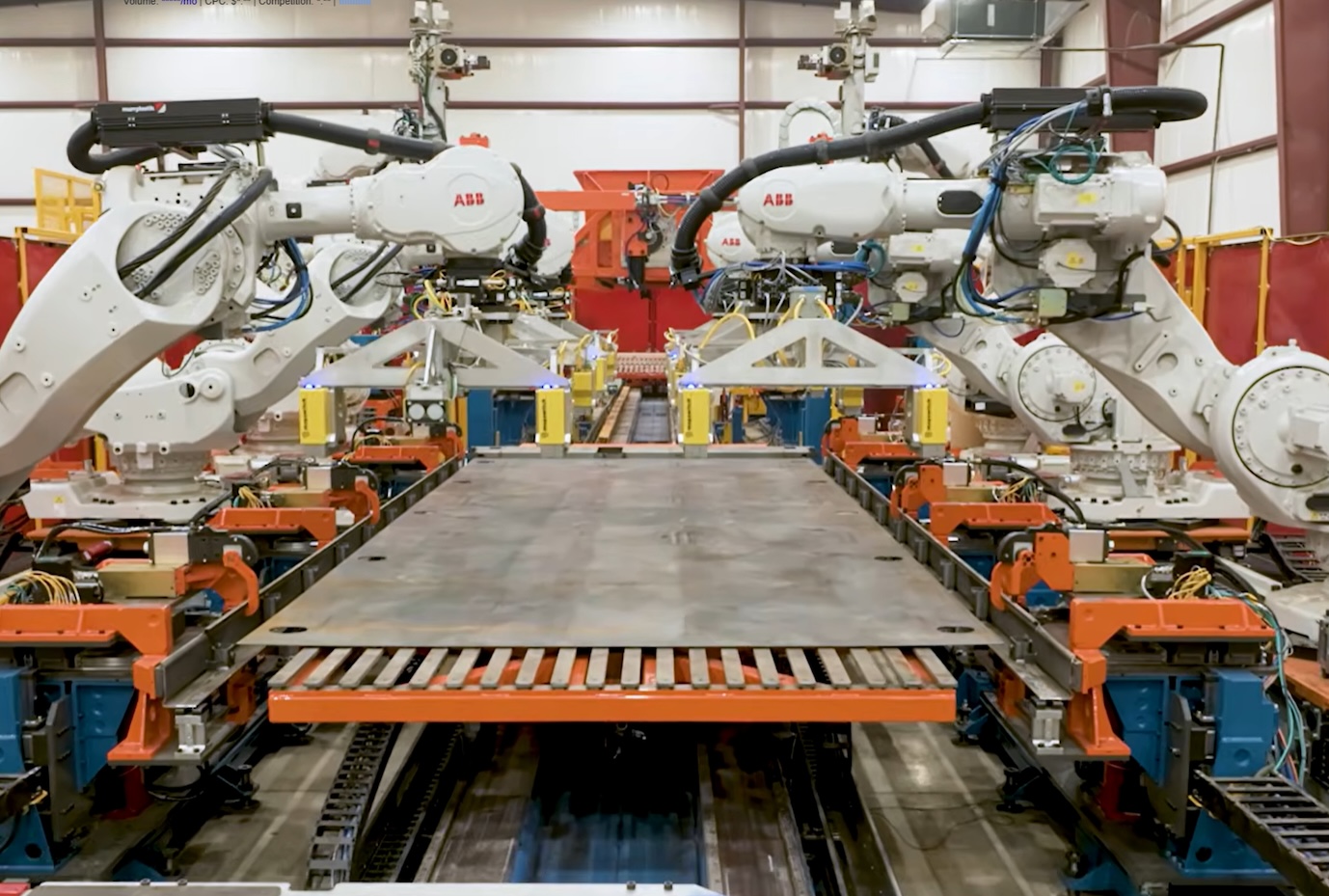
Air Force Plans Next-Generation Engine Integration Activities by 2030
The Air Force anticipates that a next-generation engine will be ready for aircraft integration by the end of the decade, following years of delays. John Sneden, chief of the Air Force’s propulsion directorate, indicated that the Next Generation Adaptive Propulsion (NGAP) program will involve building and testing prototypes from GE Aerospace and Pratt & Whitney, with integration activities expected around 2030. This development is significant as the NGAP program aims to enhance military propulsion capabilities, potentially offering a more fuel-efficient and powerful engine for various aircraft, including the F-47. The program's platform-agnostic design allows for integration into existing aircraft, which could provide the Air Force with advanced propulsion options in the future. Looking ahead, the Air Force is requesting approximately $514 million for the NGAP initiative in fiscal 2027, with funding expected to peak at nearly $906 million in FY28. No specific aircraft has been confirmed for the NGAP engine, but the technology could lead to significant advancements in military aviation capabilities over the next decade.
Air Warfare Air Force Engine Core Upgrade (ECU) F-35 F-35 Block 4 modernization F-47
International Researchers Develop Quantum Heat Engine Utilizing Anomalous Thermal Effects
A team of researchers from Qufu Normal University, the University of Hong Kong, and the University of Palermo has discovered an anomalous thermal effect that enables quantum systems to absorb heat from colder thermal reservoirs. This finding led to the development of a quantum heat engine capable of producing mechanical work and refrigeration simultaneously, challenging classical thermodynamic principles. The significance of this research lies in its potential applications across various technologies, including quantum processors and sensors. The quantum heat engine operates on the principle of Indefinite Causal Order (ICO), allowing for unusual heat flow that defies classical expectations. This breakthrough could pave the way for innovative quantum technologies that manipulate heat and energy in unprecedented ways. Looking ahead, researchers aim to explore more realistic implementations of their quantum heat engine beyond idealized thermodynamic cycles. Future studies will focus on the impact of finite-time operations on efficiency and power output, as understanding these trade-offs is crucial for practical applications. No further timeline was disclosed at the time of publication.
Science
AndroMach Achieves 21 Successful Ignitions for Reusable Hypersonic Drone Engine
French aerospace startup AndroMach has successfully completed a series of 21 rocket engine ignitions for its hypersonic drone program. The tests, conducted at the DGA Essais de Missiles center in Gironde, confirmed the engine's reusability, a significant milestone before flight testing of the Envol suborbital hypersonic drone. The importance of these tests lies in their potential to reduce costs and improve reliability in rocket engine development. By demonstrating that the engine can be reused after multiple firings, AndroMach can ensure consistent performance and lower the expenses associated with testing. The campaign focused on the critical ignition phase, which poses extreme challenges due to high heat and pressure. Looking ahead, the successful completion of these tests paves the way for future flight tests of the Envol drone. The engine's performance data will inform its operational conditions for upcoming missions, which aim to facilitate microgravity experiments. No further timeline was disclosed at the time of publication.
Transportation
Japanese Engineers Analyze China's YuShu G1 Humanoid Robot, Acknowledge Technological Advancements
On July 23, Japanese media Nikkei xTECH released a video documenting engineers disassembling China's YuShu G1 humanoid robot. The team examined various components, including the joint modules and battery system, revealing insights into China's rapid advancements in robotics. Japanese engineers noted the smoothness of the screws, highlighting the precision in manufacturing that is often overlooked. The G1 features a 9000mAh quick-release smart battery, providing high output power in a compact size, which impressed the engineers. They also analyzed the ankle joint structure, noting its ability to mimic human movement and adapt to different terrains, showcasing a high level of engineering excellence. The disassembly led to a significant conclusion: Japan's robotics industry faces challenges in closing the gap with China's advancements in humanoid robotics. Data from the International Federation of Robotics indicates that in 2024, China will account for 54% of new industrial robot installations globally. This stark contrast in manufacturing efficiency and technological capability raises questions about Japan's ability to compete in the humanoid robotics sector in the near future. No further timeline was disclosed at the time of publication.
Humanoid Robots Robotics Technology Industrial Automation Battery SystemsRobotics needs a service framework.
RSF defines a common language for robot service capability, lifecycle operations, certification pathways, and service-provider networks.
Join the RobotToday community on LinkedIn
Daily robotics news, in-depth analysis, conference highlights, and discussions with professionals worldwide.







