

Industry Briefing
A single destination for timely, editor-curated robotics news from around the world.

U.S. Army Awards $464.8 Million Contract for 30-kW LOCUST Laser Systems
The U.S. Army has awarded AeroVironment a $464.8 million contract for the production of LOCUST laser systems under the Enduring-High Energy Laser (E-HEL) program. This contract marks a significant milestone as it is the first production contract for a directed-energy weapon in U.S. history, indicating a shift from experimental systems to operational capabilities. The LOCUST X3, a 30-kilowatt laser weapon, is designed to counter Group 1–3 unmanned aircraft systems and can be integrated onto various platforms, including the Army's Joint Light Tactical Vehicle. The contract aims to provide a scalable and cost-effective air defense solution against drones, which have become increasingly prevalent on modern battlefields. Looking ahead, AeroVironment is expanding its production capacity with a $30 million investment in its Albuquerque facility to support the ramp-up of LOCUST systems. The E-HEL program is expected to enhance the Army's defenses against drone threats, marking a significant step towards the routine use of laser weapons in military operations. No further timeline was disclosed at the time of publication.
Military
U.S. Army Receives Advanced 20kW Laser Weapon Systems for Counter-Drone Operations
The U.S. Army has received two advanced high energy laser systems developed by AeroVironment, known as Laser Weapon Systems (LWS). These systems feature the 20kW-class LOCUST LWS integrated onto the General Motors Defense Infantry Squad Vehicle (ISV) platform, enhancing mobile counter-unmanned aircraft capabilities. This delivery is part of the Army Multi-Purpose High Energy Laser (AMP-HEL) prototyping effort, marking a significant advancement in directed energy capabilities. Mary Clum from AeroVironment emphasized the importance of these systems in providing reliable and operationally ready solutions for counter-unmanned aircraft operations, supporting the Army's modernization goals. Looking ahead, AeroVironment plans to deliver a second increment of the AMP-HEL program next month, which will include additional vehicles equipped with the LOCUST LWS. This ongoing development reflects the Army's commitment to rapidly fielding directed energy solutions to address evolving threats in dynamic environments.
Military
Enhancing Urban Traffic Management Efficiency with IoT-Aided Robotics and Graph Neural Networks
Recent advancements in IoT-aided robotics have shown significant potential for improving urban traffic management. By utilizing a multi-component attention graph convolutional neural network, these systems can enhance real-time traffic monitoring capabilities, leading to more efficient traffic flow and reduced congestion. This development is crucial as urban areas continue to face increasing traffic challenges. The integration of advanced robotics and IoT technologies can provide city planners and traffic management authorities with the tools needed to optimize traffic patterns and improve overall urban mobility. Looking ahead, the focus will be on the implementation of these technologies in real-world scenarios. Continued research and development in this area will be essential to fully realize the benefits of IoT-aided robotics in urban traffic systems. No further timeline was disclosed at the time of publication.
RESEARCH ARTICLE
Emerson Introduces Ovation Curation Tool for Enhanced Control Systems Management
Emerson has launched the Ovation Curation Tool, a synchronization software designed for power and water control systems. This tool aims to maintain version control and change history across multiple Ovation systems and simulators, automating the management of changes between production systems and their digital twins. The introduction of the Ovation Curation Tool is significant as it addresses the challenges of keeping digital twins synchronized with live systems, especially amid workforce shortages. By improving testing and training accuracy, the tool is expected to save engineering time and facilitate faster troubleshooting, enhancing overall operational efficiency. Looking ahead, the software's ability to automatically track changes and provide an intuitive dashboard for users will be crucial for organizations seeking to optimize their control systems. No further timeline was disclosed at the time of publication.
Factory / Digital Transformation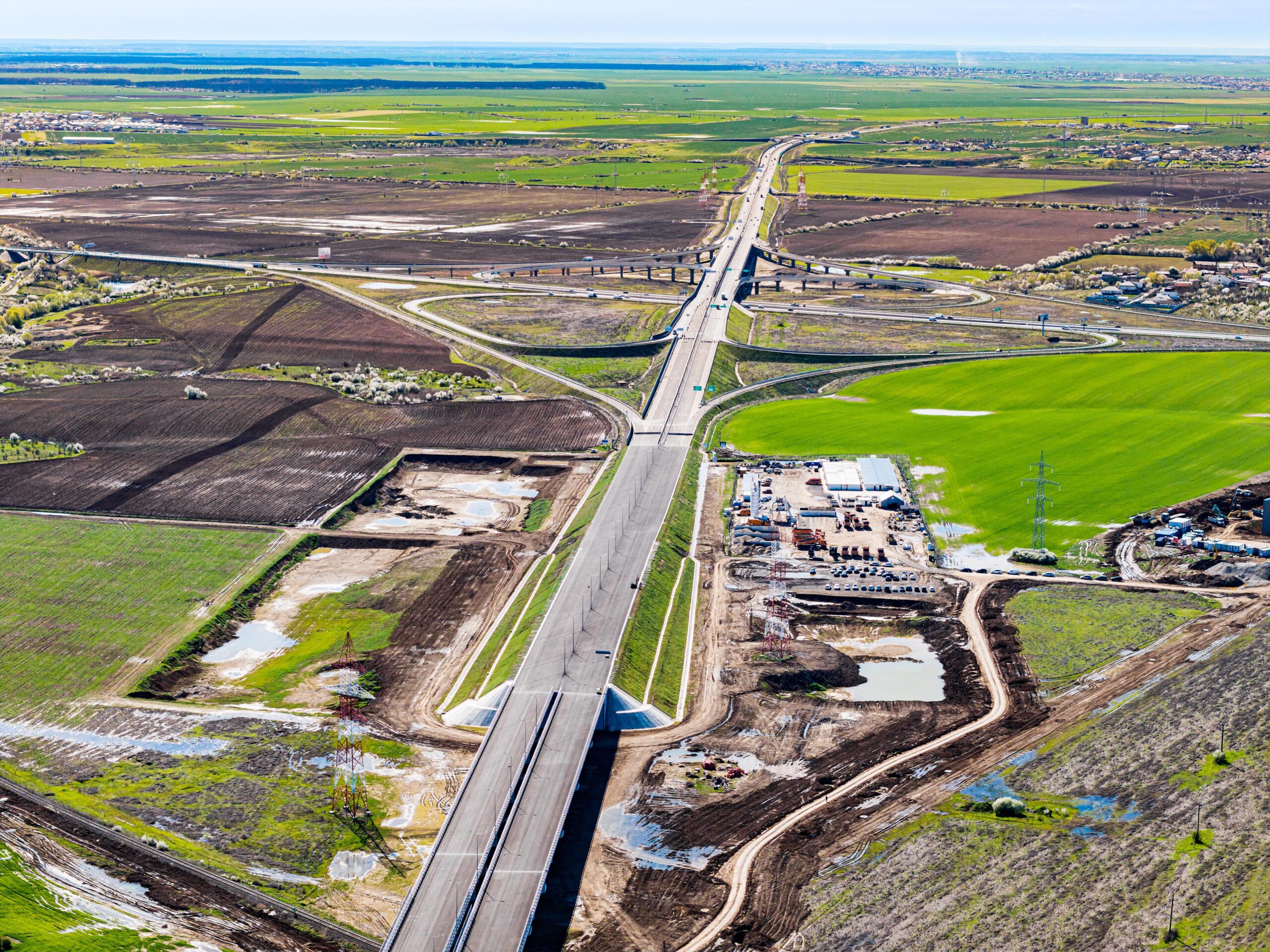
Improving Traffic Management in Automated Logistics Parks with Integrated Systems
Recurring vehicle queues at logistics facilities are increasingly seen as reflections of broader operational issues rather than just infrastructure problems. Andrei Iacobiță, managing director at IESYS, emphasizes the importance of an integrated Traffic Management System (TMS) to manage vehicle flow effectively. By analyzing operational indicators such as throughput and dwell time, facilities can better understand their capacity and respond to fluctuations in demand. The timing of operational information is crucial for logistics facilities to adapt to changing traffic conditions. Strategic decisions made during site design, including the placement of vehicle identification technologies, can significantly impact operational performance. When vehicle data is shared with the TMS, it can facilitate proactive routing and loading decisions, preventing congestion before it occurs. As logistics parks become more automated, the connection between vehicle movements and operational processes will be vital. By integrating various systems through the TMS, operators can gain a comprehensive view of how different factors influence traffic performance, enabling them to address underlying issues more effectively. No further timeline was disclosed at the time of publication.
Couriers and Express CV, Trucks, Vans and Trailers Loading Bay and Doors Road Transport and Haulage TMS and Telematics Transport and Distribution
As AI Reshapes Global Energy Systems, Melbourne Leads Through Engineering Collaboration
As artificial intelligence (AI) rapidly expands, it is driving a significant increase in global electricity demand, presenting urgent challenges for energy systems. Melbourne, Australia, is positioning itself as a leader in addressing these issues, with a focus on the infrastructure necessary to support AI's growth. By 2035, data centers in Australia are expected to consume up to 11 percent of the nation's electricity, raising concerns about generation and system reliability. The University of Melbourne is at the forefront of this initiative, with interdisciplinary research aimed at developing energy systems that can meet the demands of AI. The Melbourne Energy Institute is exploring how various energy technologies interact, while facilities like the Smart Grid Lab allow for real-time simulations of power systems. This integrated approach is essential for designing resilient and efficient energy systems that can adapt to new patterns of demand. Victoria's advanced energy ecosystem, which includes renewable generation and battery storage, is crucial for balancing digital growth with sustainability. The collaboration between researchers, industry, and policymakers is vital for creating future energy systems that are affordable and resilient. Looking ahead, Melbourne will host the IEEE PES Generation Transmission and Distribution Asia 2027 Conference, bringing together global experts to address the evolving challenges in power systems. This event underscores Melbourne's commitment to fostering international collaboration and innovation in energy solutions, reinforcing its role as a key player in the global energy transition.
Artificial-intelligence Australia Energy-systems University-of-melbourne Ai-data-centers Power-grid
UMass Amherst Researchers Developing AI Architecture That Uses a Fraction of the Energy Required by Today’s AI Systems
Researchers at the University of Massachusetts Amherst have unveiled a groundbreaking artificial intelligence architecture aimed at significantly lowering the energy consumption of advanced AI systems while maintaining their learning capabilities. This innovative approach, inspired by brain function, was developed with funding from the U.S. National Science Foundation and the Air Force Office of Scientific Research. By mimicking the efficiency of the human brain, the new architecture seeks to address the growing energy demands associated with AI technologies, which have raised concerns regarding sustainability and environmental impact. The research, which highlights the potential for more eco-friendly AI solutions, could pave the way for advancements in various fields reliant on artificial intelligence, ultimately promoting a more sustainable future for technology.
AI AI Research & Advances Robotics architecture energy consumption Research
Airspace Management Systems Help Prioritize Emergency Drones
NASA is advancing its airspace management initiatives to enhance public safety for drones, particularly in response to the increasing challenges posed by congested urban environments. As urban areas become more populated and the use of drones expands, the agency is focusing on innovative solutions to ensure safe and efficient air traffic management. This initiative aims to address the complexities of integrating drones into existing airspace systems, thereby reducing the risk of accidents and improving overall safety for both drone operators and the public. Through research and development, NASA is exploring new technologies and strategies that will facilitate the seamless operation of drones in crowded cityscapes, ultimately paving the way for a safer and more organized airspace.
Robotics needs a service framework.
RSF defines a common language for robot service capability, lifecycle operations, certification pathways, and service-provider networks.
Join the RobotToday community on LinkedIn
Daily robotics news, in-depth analysis, conference highlights, and discussions with professionals worldwide.







