

Industry Briefing
A single destination for timely, editor-curated robotics news from around the world.
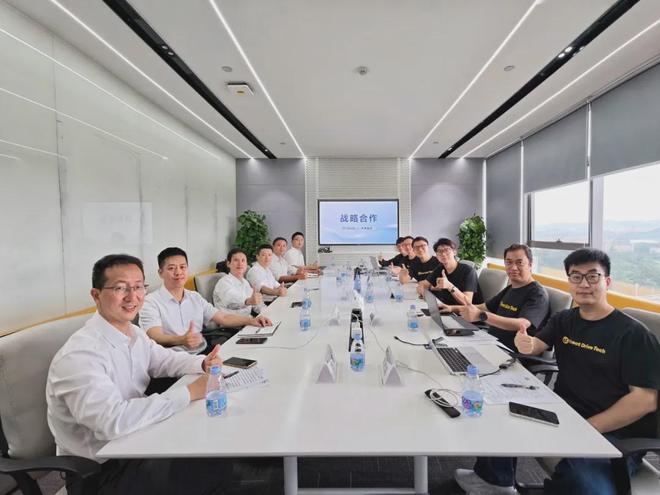
China Rare Earth Group Partners with Benmo Technology to Boost Direct Drive Power Modules in Robotics
China Rare Earth Group Innovation Technology Co., Ltd. has entered into a strategic cooperation with Benmo Technology. This partnership aims to enhance the industrialization of direct drive power modules specifically tailored for the robotics sector. The collaboration is significant as it seeks to leverage the strengths of both companies to advance technology in the robotics industry. Direct drive power modules are crucial for improving the efficiency and performance of robotic systems, making this partnership a vital step in meeting growing market demands. Looking ahead, stakeholders should monitor the developments from this partnership, as it could lead to innovations that enhance the capabilities of robotics applications. No further timeline was disclosed at the time of publication.
Robotics Automation AI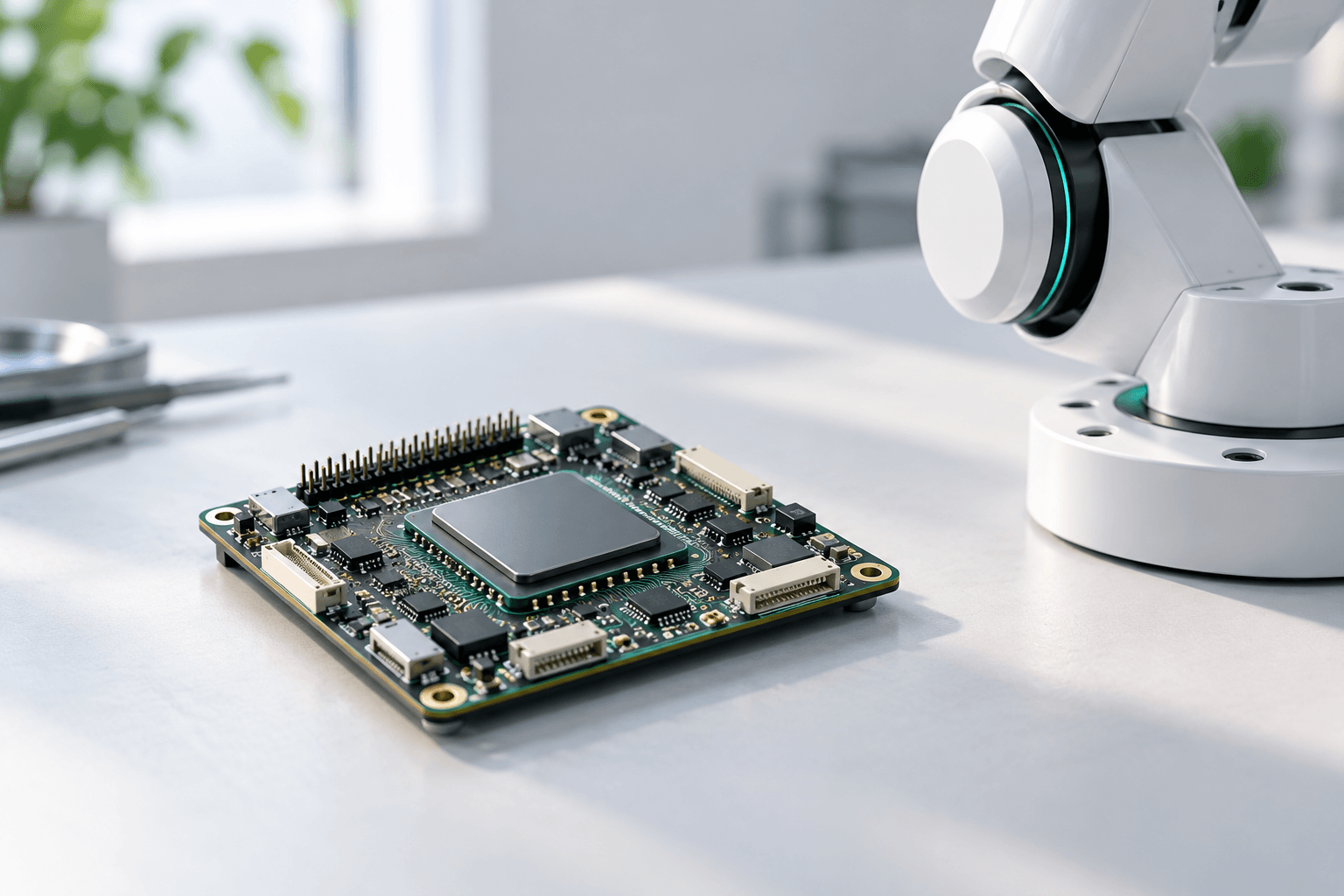
SemiDrive and Radxa Introduce RoboX D9M Robot Motion Controller Featuring D9-Max Chip
SemiDrive and Radxa have unveiled the RoboX D9M, a compact robot motion controller measuring 100 x 100 mm. This innovative controller is powered by the ASIL-B D9-Max chip, which boasts 12 CPU cores and an 8 TOPS NPU, along with support for EtherCAT and CAN-FD protocols. Additionally, the RoboX D9M comes with ROS 2 preinstalled, enhancing its usability in robotic applications. The launch of the RoboX D9M is significant as it combines advanced processing capabilities with a small form factor, making it suitable for various robotic applications. The integration of EtherCAT and CAN-FD allows for efficient communication in complex robotic systems, while the preinstalled ROS 2 framework facilitates easier development and deployment of robotic solutions. This product is expected to appeal to engineers and developers looking for high-performance motion control solutions. Looking ahead, the RoboX D9M's capabilities may lead to increased adoption in sectors requiring sophisticated robotic control. As industries continue to embrace automation, the demand for versatile and powerful motion controllers like the RoboX D9M is likely to grow. No further timeline was disclosed at the time of publication.
Surge in Humanoid Robot Sales Driven by High-Performance Models, Reports Frost & Sullivan
Sales of humanoid robots are experiencing a significant surge, primarily driven by high-performance models, according to a recent report by Frost & Sullivan. The report, released on September 28, indicates a shift in the industry from technology validation and small-scale deliveries to large-scale production and commercialization. Notably, revenue is increasingly concentrated among a few high-intelligence, high-priced models. The report forecasts that global humanoid robot sales will reach 35,000 units in 2025, generating $500 million in revenue, with sales in the first half of 2026 expected to surpass 36,000 units and $540 million in revenue. The data reveals that embodied intelligent humanoid robots will account for 8,800 units sold in 2025, representing about 25% of total sales but generating 75% of revenue, highlighting the growing demand for advanced models. Looking ahead, the report emphasizes the importance of production operations transitioning from pilot validation to paid deployment, which could significantly impact revenue generation. As the market expands, the speed of delivery from leading manufacturers like UBTECH is being outpaced by market growth, indicating a potential shift in competitive dynamics. No further timeline was disclosed at the time of publication.
Humanoid Robots Market Trends AI Robotics Industry
Zhang Di of Benmo Technology Unveils Direct Drive Power Revolution
Zhang Di, founder of Benmo Technology, announced a significant shift towards direct drive power solutions, predicting that over 10 billion robots will be integrated into various industries within the next decade. This transition marks a departure from traditional gearbox systems, emphasizing the advantages of direct drive technology, including efficiency, precision, and reduced wear. The importance of this revolution lies in its potential to redefine robotics and automation. As direct drive systems replace millions of gearbox power modules, the industry is witnessing a paradigm shift that promises enhanced performance and reliability. Despite current limitations in peak torque compared to gearbox solutions, direct drive technology is rapidly evolving, with annual performance improvements exceeding 30%. Looking ahead, the development of rare earth materials is expected to play a crucial role in advancing electromagnetic systems, which are projected to undergo rapid iterations in the next three to five years. No further timeline was disclosed at the time of publication.
Direct Drive Technology Robotics AI Rare Earth Materials Automation
Kodiak AI to Launch First Long-Haul Driverless Freight Service on Dallas–Houston Corridor
Kodiak AI has announced plans to initiate its first unsupervised long-haul driverless freight service on the Dallas–Houston Interstate 45 corridor by the end of 2026. The company has successfully completed deliveries between Lancaster, Texas, and Houston without human intervention, marking a significant milestone in its driverless launch program that began in August. This development is crucial as it builds on Kodiak's extensive experience, having logged over 3.5 million autonomous miles on this freight lane since 2019. The company aims to finalize testing and validation for its long-haul safety case, with an Autonomy Readiness Measure currently at 93%, indicating substantial progress towards achieving full operational readiness. Looking ahead, Kodiak AI expects to reach 100% readiness and officially launch its driverless highway service by the end of this year. The company has already integrated its driverless technology into 35 trucks operated by Atlas Energy Solutions, showcasing its capability in real-world applications and setting the stage for future expansions in autonomous freight transport.
AI AI Funding & Investment AI Use Cases Robotics autonomous driving Autonomous Trucking
Global Industrial Robot Fleet Reaches 5 Million Units Driven by China’s Growth
The International Federation of Robotics (IFR) reported that the global industrial robot fleet hit a record 5 million units in 2025, with over 600,000 new installations that year. China led the growth, contributing 354,000 installations, which accounted for 59% of the global total. The U.S. surpassed Japan to become the second-largest market, with nearly 38,500 installations. This milestone signifies a significant acceleration in industrial automation, with the IFR projecting a 9% increase in annual installations to 655,000 units in 2026. The growth is driven by manufacturing investments, labor shortages, and advancements in technologies such as AI and machine vision. Asia exhibited the strongest growth, while Europe experienced slower expansion, highlighting regional disparities in automation adoption. Looking ahead, the IFR anticipates that global installations will reach 806,000 by 2029. Factors such as increased manufacturing capacity, labor challenges, and enhanced supply chain resilience are expected to fuel this growth. The ongoing advancements in robotics technology will continue to expand the capabilities and applications of industrial robots in various sectors.
AI AI Funding & Investment Capital Markets Robotics Asia China
Hackuity Secures $19M Funding to Enhance AI-Driven Vulnerability Management Solutions
Hackuity, an AI-powered Vulnerability Operations Center platform based in Lyon, has raised $19 million in funding led by Forgepoint Capital International, with participation from existing investors Bright Pixel, Bpifrance, and Seventure Partners. This funding brings Hackuity's total to $38 million and aims to enhance its AI capabilities and expand its presence in Europe and Asia. The funding comes at a critical time as AI-discovered vulnerabilities surge, with Anthropic’s Claude Mythos Preview identifying over 10,000 high or critical severity flaws in just two months, most of which remain unpatched. Hackuity's platform aggregates data from over 130 security tools to prioritize remediation efforts, helping organizations manage the increasing volume of vulnerabilities and the growing backlog of Common Vulnerabilities and Exposures (CVEs). Looking ahead, Hackuity aims to further innovate its product offerings and enhance its operational platform to assist enterprises in transforming fragmented security data into actionable insights. No further timeline was disclosed at the time of publication.
AI Funding & Investment AI AI-driven platform capital markets Forgepoint Capital International funding
SkyDrive and Verty Collaborate for eVTOL Commercial Operations in South Korea by 2028
Japanese eVTOL developer SkyDrive has entered into a partnership with South Korea’s Verty to facilitate commercial Advanced Air Mobility (AAM) operations in South Korea. The collaboration includes a memorandum of understanding focused on the introduction of SkyDrive’s three-seat SD-05 aircraft, with a target for commercial deployment by 2028. This partnership is significant as it marks SkyDrive's expansion into international markets, particularly in South Korea, where Verty aims to become the first operator to secure an Air Operator Certificate for eVTOL operations. The companies will explore flight safety, infrastructure requirements, and potential routes, with initial concepts including tourism and regional transportation. Looking ahead, the feasibility study will assess how the SD-05 can enhance tourism and regional transport in South Korea’s evolving AAM market. No further timeline was disclosed at the time of publication.
Drone News Drone News Feeds Drones in the News eVTOL News VTOL
FAULHABER Drives the IX BACK VOLTON Exoskeleton for Enhanced Worker Support
The IX BACK VOLTON exoskeleton, developed by SUITX, utilizes FAULHABER drive solutions to provide significant support for manual laborers. This innovative system is designed to alleviate back strain during physically demanding tasks in logistics and production environments. The importance of the IX BACK VOLTON lies in its ability to enhance worker efficiency and reduce injury risks. By integrating advanced robotics and adaptive intelligence, the exoskeleton dynamically adjusts support based on the user's movements, ensuring comfort and effectiveness during repetitive tasks. Looking ahead, the demand for ergonomic solutions like the IX BACK VOLTON is expected to grow, particularly in fast-paced logistics settings. As industries continue to prioritize worker safety and efficiency, the successful deployment of this exoskeleton could set a new standard for wearable robotic support in the workplace.
First Direct Drive Stock IPO Approaches as Young Team Transitions from Gearbox Technology
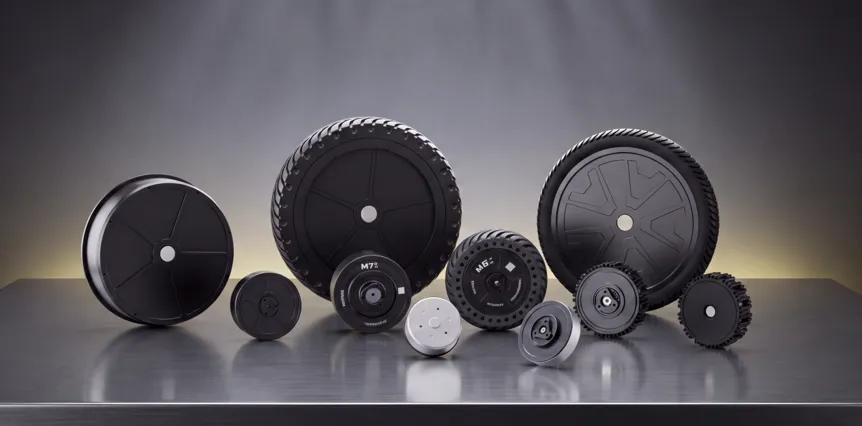
A young Chinese team, Benmo Technology, is set to revolutionize the power system paradigm with their direct drive technology, moving away from traditional gearboxes. This shift is crucial as AI demands more flexible, precise, and reliable power outputs, highlighting the limitations of gear-driven systems. The direct drive technology allows for direct coupling of motors to loads, eliminating intermediary components like gearboxes, thus reducing structural redundancy and maintenance costs. The market for direct drive modules in China is rapidly expanding, with a current penetration rate of only 3.9%, indicating significant potential for growth as the industry transitions to this new paradigm. Looking ahead, Benmo Technology has already achieved substantial sales, with over 8.5 million direct drive modules shipped by 2025, empowering more than 5 million robots globally. As the demand for precision and efficiency in robotics increases, the company is well-positioned to define the next generation of power systems, with expectations for continued growth in the direct drive market through 2030.
Direct Drive Technology Robotics Automation AI Power Systems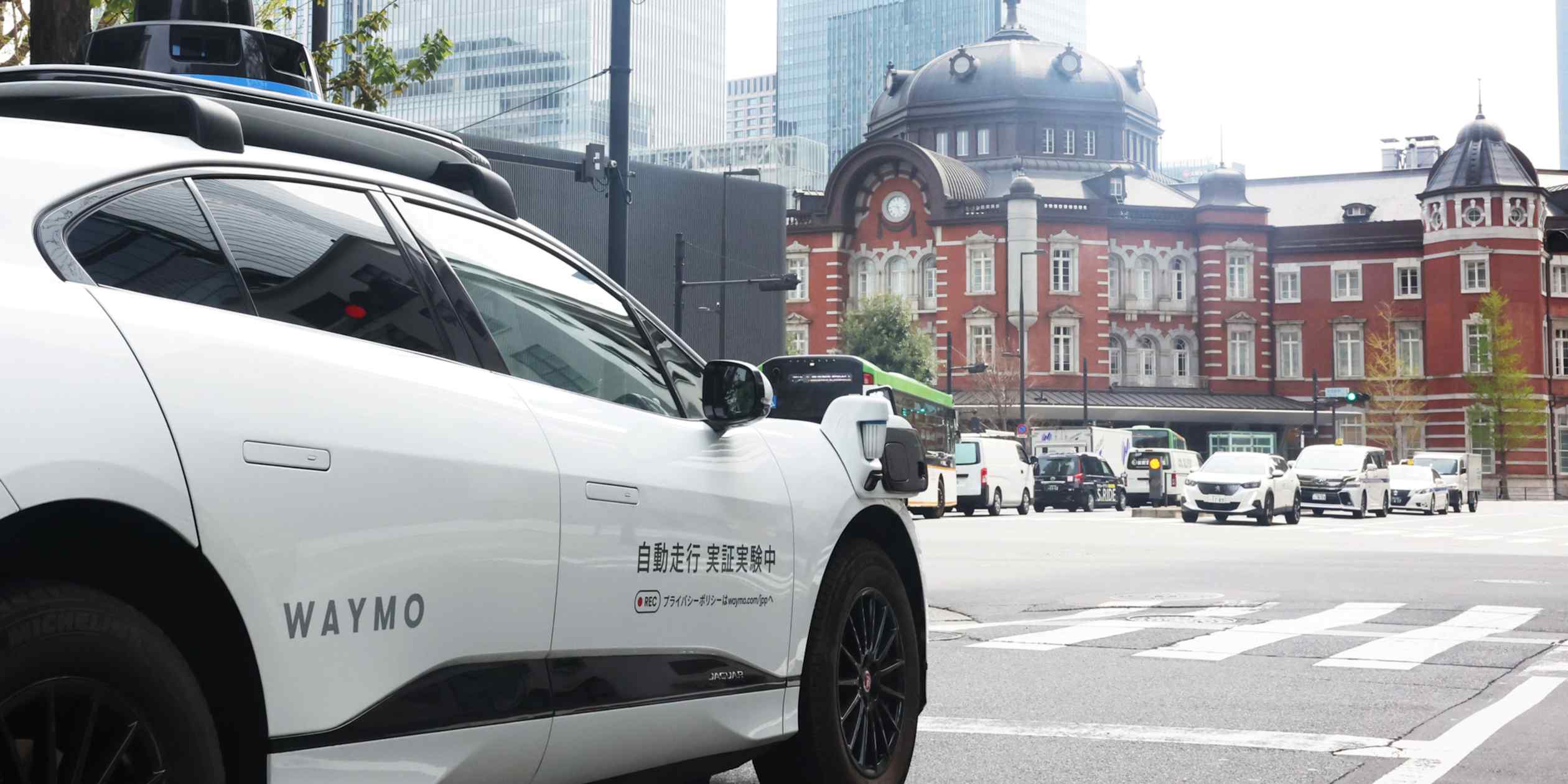
Waymo Set to Launch Driverless Robotaxi Services in Tokyo Next Year
Waymo has announced plans to initiate commercial driverless taxi services in Tokyo in 2027. This move marks a significant advancement in autonomous driving technology within Japan, a market that presents unique challenges such as regulatory hurdles and established industry practices. The introduction of Waymo's robotaxi service is crucial for the evolution of autonomous transportation in Japan, which has been collaborating with local transportation companies since late 2024. The success of this initiative could pave the way for broader adoption of self-driving vehicles in the region. As Waymo prepares for this launch, industry stakeholders will be closely monitoring the regulatory landscape and public reception. No further timeline was disclosed at the time of publication.

Pony.ai and Verne Launch Fully Driverless Robotaxi Tests in Zagreb, Croatia
Pony.ai and Verne have initiated fully driverless robotaxi tests in Zagreb, Croatia, eliminating the onboard safety operator. The tests cover a 22-kilometer route connecting Verne’s headquarters to Zagreb Airport, utilizing Pony.ai’s seventh-generation Level 4 robotaxi equipped with NVIDIA DRIVE AGX technology. This development is significant as it marks a European first for fully driverless passenger rides, following a partnership announcement with Uber for a commercial robotaxi service. Since the service's launch in April, the fleet has completed over 200,000 kilometers and received an average passenger rating of 4.7 out of 5, indicating strong customer acceptance. Looking ahead, Pony.ai plans to expand the driverless routes in Zagreb over the coming months, aiming to cover the entire operational area in the city. The company is targeting a global fleet of over 3,500 robotaxis by the end of 2026, with a deployment pipeline exceeding 4,000 vehicles, including significant plans with Uber across Europe.
AI AI Funding & Investment Robotics autonomous driving autonomous rides China
Bechtel and Cyberhawk Strengthen Partnership for AI-Driven Drone Monitoring in Construction
Bechtel Corporation and Cyberhawk have formalized an expanded collaboration focused on drone-based construction monitoring. This partnership aims to enhance the iHawk platform's capabilities for capturing, processing, and utilizing construction data across complex engineering, procurement, and construction (EPC) projects. The significance of this collaboration lies in its potential to provide near real-time site intelligence, which is crucial for scaling AI, robotics, and autonomous systems in construction environments. Since their initial partnership in 2018, the companies have worked together to integrate aerial data with the iHawk platform, facilitating data-driven project execution. Looking ahead, both companies are actively deploying and testing innovative approaches on live projects, emphasizing autonomous data capture and AI-assisted site analysis. No further timeline was disclosed at the time of publication.
Construction Drone News Drone News Feeds News AI construction artificial intelligence
Direct Drive's Modular D1 Robots Self-Recognize Configurations After Assembly
Direct Drive has introduced a modular approach with its D1 robots, allowing multiple units to physically connect. This innovative design enables the robots to automatically recognize their new configurations, adjusting their dynamics models accordingly to accommodate different loads and terrains. This advancement is significant as it enhances the adaptability and versatility of robotic systems in various environments. By enabling self-recognition of configurations, Direct Drive's D1 robots can optimize their performance based on the specific requirements of the task at hand, which is crucial for applications in dynamic settings. Looking ahead, the focus will be on how this technology can be further developed and integrated into broader robotic applications. No further timeline was disclosed at the time of publication.
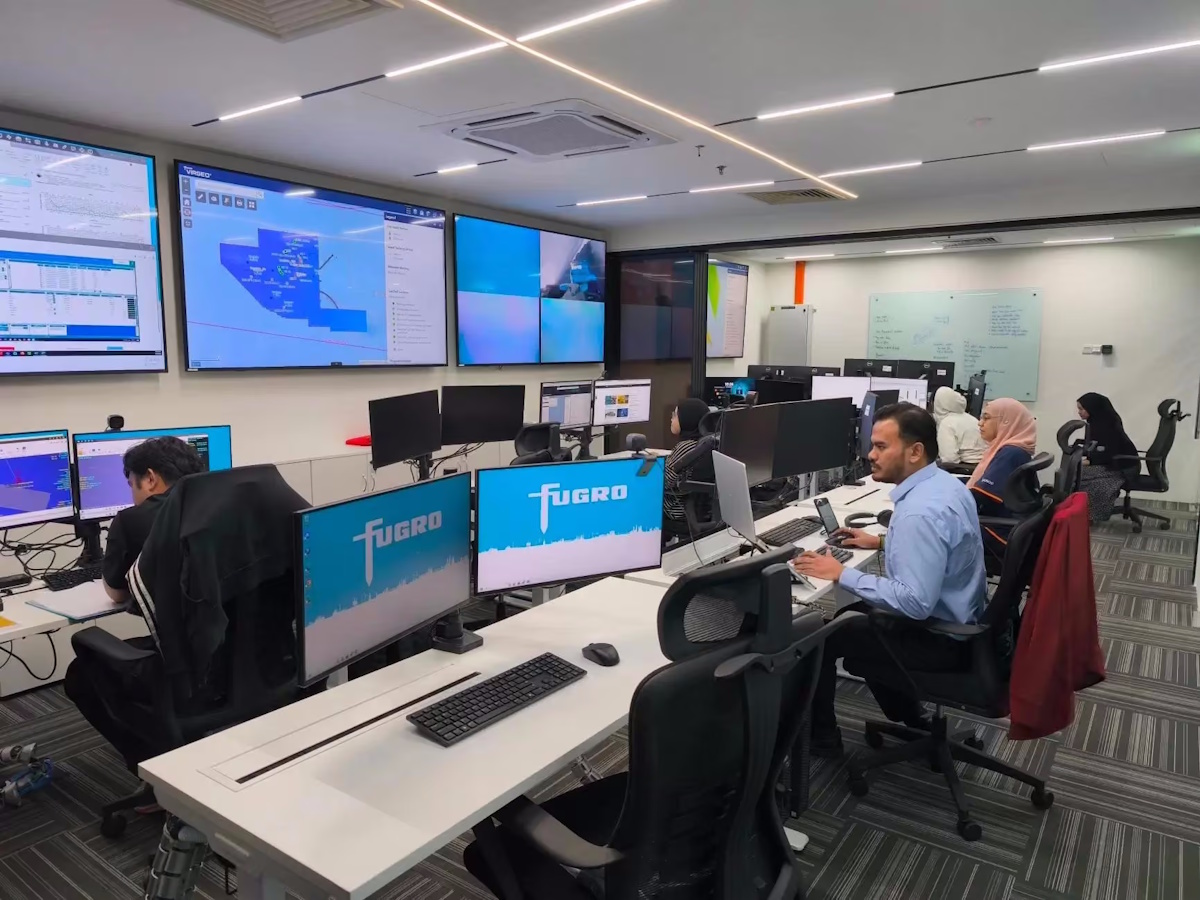
Fugro Expands Singapore Innovation Hub with AI-Driven Marine Digital Twin Development
Fugro has announced the expansion of its innovation hub in Singapore by developing an AI-driven marine digital twin capability. This initiative is a significant milestone in Fugro's global growth strategy, enhancing Singapore's position as the Asia Pacific hub for marine Geo-data innovation. The new platform aims to help clients make quicker, more informed decisions regarding offshore and coastal developments. The AI-enabled platform will integrate various data types, including geophysical survey data and geotechnical site investigation results, into a unified digital analytics environment. By automating data integration and analysis, the platform seeks to improve efficiency and provide deeper insights from complex marine Geo-data. This advancement is expected to enhance decision-making for offshore projects, ultimately benefiting clients worldwide. Fugro anticipates creating new roles in Singapore focused on AI, data science, and digital engineering as the platform scales. The expansion reflects confidence in Singapore's R&D ecosystem and aims to deepen local capabilities in applying AI to marine developments. No further timeline was disclosed at the time of publication.
fugro innovation hub ai digital twin
Direct Drive Proposes Wheel-Legged Robots to Overcome Physical Access Challenges in Embodied AI
Chinese startup Direct Drive claims that the primary challenge for embodied robots is not the intelligence of their systems but rather their ability to physically access various environments. By integrating direct-drive actuators with innovative wheel-legged designs, these robots are engineered to navigate obstacles such as curbs, slopes, and mixed indoor-outdoor spaces. This approach is significant as it addresses a critical limitation in the deployment of embodied AI technologies. The ability to traverse diverse terrains enhances the functionality and applicability of robots in real-world scenarios, potentially expanding their use in sectors such as logistics, healthcare, and home assistance. Looking ahead, the focus will be on the practical implementation of these wheel-legged robots in various environments. No further timeline was disclosed at the time of publication.
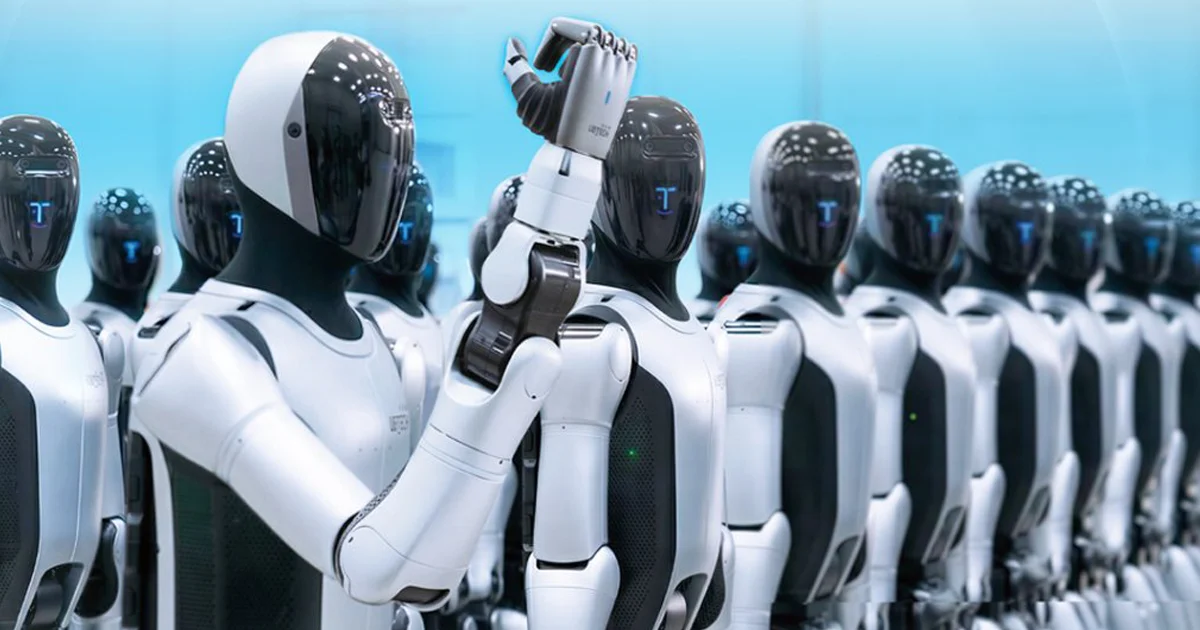
UBTECH Reports 104% Revenue Growth in H1 2026 Driven by Full-Size Humanoids
UBTECH Robotics, based in Shenzhen, reported a remarkable 104% increase in revenue for the first half of 2026, reaching RMB 1.27 billion (approximately $188.8 million). This surge is attributed to the growing enterprise adoption of its full-size humanoid platforms, particularly the Embodied Intelligence segment, which saw revenue soar by 1,445% year-over-year. The company’s financial performance reflects a significant transformation from its previous focus on educational and consumer toys to bipedal and embodied systems, which now serve as its primary revenue drivers. Full-size humanoids accounted for 46.5% of UBTECH's total revenue, with shipments increasing nearly twentyfold compared to the same period last year. Looking ahead, UBTECH's operational metrics indicate a positive trend, with gross profit rising by 160.9% and gross margins expanding. However, the company faces challenges as revenue from its legacy product lines continues to decline. No further timeline was disclosed at the time of publication.
Market China UBTECH Robotics
Nanyang Technological University Develops MMG-Driven Variable Stiffness Glove for Tremor Control
Nanyang Technological University (NTU) has unveiled a variable stiffness glove driven by mechanomyography (MMG) to suppress tremors associated with conditions like Parkinson's disease. This innovative wearable device utilizes a 3D-printed exoskeleton structure that adjusts its stiffness in response to detected muscle vibrations, providing support only when tremors occur. The significance of this development lies in its ability to enhance daily activities for individuals suffering from tremors without compromising joint flexibility. The glove's design incorporates a lightweight, high-strength nylon structure that can quickly transition from soft to rigid, ensuring optimal performance during tremor episodes. The research findings have been accepted for publication in IEEE Robotics and Automation Letters. Looking ahead, the team aims to further validate the glove's effectiveness in real-world applications. The rapid response time of the device, achieving 90% of maximum stiffness in approximately 0.63 seconds, positions it as a promising solution for tremor suppression. No further timeline was disclosed at the time of publication.
Wearable Technology Tremor Suppression Assistive Devices Healthcare Innovation
Former Lyft Drivers Transition to Fleet Operations for Waymo Robotaxis in Nashville
Former Lyft drivers in Nashville are finding new opportunities in the autonomous vehicle sector by working with Waymo's robotaxi fleet. Jonathan Baines, a former Lyft driver, now oversees operations at a facility run by Lyft's Flexdrive subsidiary, ensuring the robotaxis are ready for passengers. This shift highlights the evolving job landscape as automation increases, with roles transitioning from driving to supporting autonomous technology. The transition of former drivers to fleet operations is significant as it reflects a broader trend in the workforce adapting to advancements in AI and automation. Research from Goldman Sachs indicates that jobs with potential for AI augmentation have seen a growth of approximately 9,000 positions monthly, suggesting that while some driving jobs may decline, new opportunities in tech support are emerging. Looking ahead, the demand for roles that support autonomous vehicles is expected to grow, as these technologies require human oversight for maintenance and readiness. No further timeline was disclosed at the time of publication.
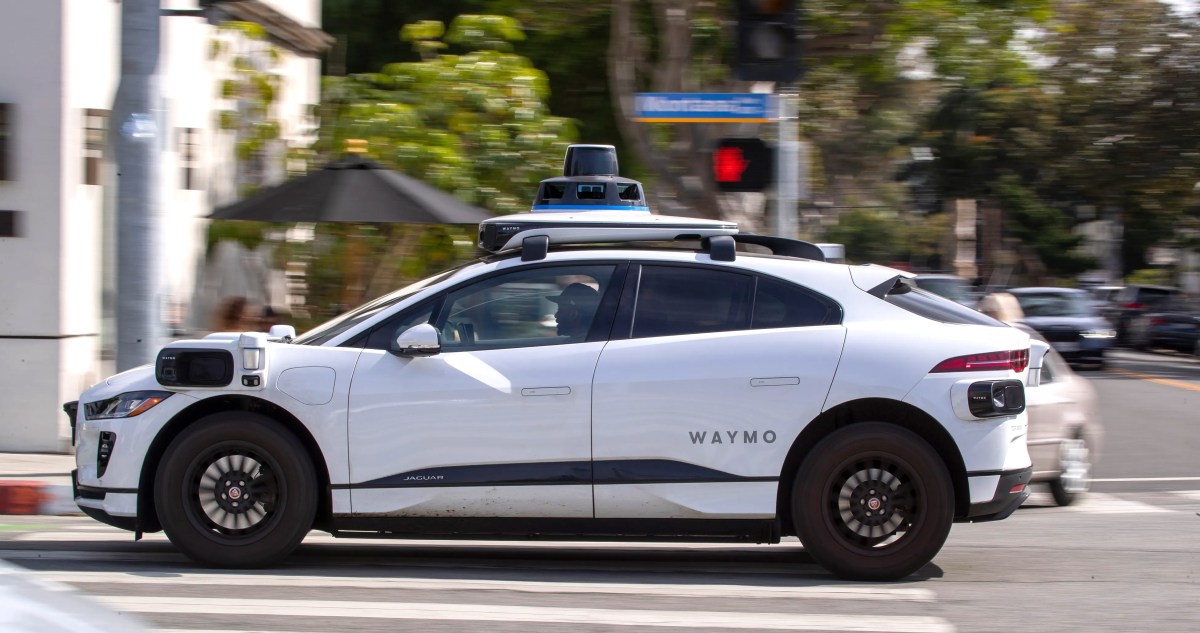
Waymo and Zoox Test Drivers Report Injuries Amid Robotaxi Expansion
The scaling of robotaxis by Waymo and Zoox has resulted in over two dozen injuries among test drivers in 2024 and 2025, primarily due to sudden braking and movements. According to data reviewed by TechCrunch, these incidents include sprains, strains, and whiplash, with some drivers sidelined for extended periods. This situation highlights the hidden human cost associated with the rapid deployment of autonomous vehicles. Transdev reported 16 injuries linked to Waymo's operations in three cities, while Zoox noted up to eight injuries from similar incidents. The Occupational Safety and Health Administration (OSHA) requires greater disclosure from companies in higher-hazard industries, which is why these injuries are documented. Looking ahead, it remains unclear if new injuries have occurred in 2026, as OSHA data is submitted annually. Sources indicate that injuries at Zoox are ongoing, with contractors reporting continued hard-braking issues. Both companies emphasize their commitment to safety but have not provided detailed responses regarding the injuries reported.
Transportation autonomous vehicles avs Exclusive robotaxis Waymo
Waymo Plans to Launch Driverless Robotaxi Services in Germany by 2027
Waymo, a subsidiary of Alphabet, announced its intention to introduce robotaxi rides in Germany by 2027, marking its third international market and first in the European Union. The company will begin phased testing in Munich in the coming weeks, aiming to adapt its technology to the city's unique driving conditions. This expansion is significant as it underscores Waymo's leadership in the robotaxi sector, having already established operations in 11 U.S. cities and planning to expand to 19 more. The move into Munich aligns with the city's reputation as a global hub for mobility and engineering, which Waymo co-CEO Tekedra Mawakana highlighted as a crucial milestone for the company's global growth strategy. Looking ahead, Waymo's testing in Munich will focus on creating high-definition street maps and training autonomous specialists. The company has already logged nearly 221 million fully autonomous miles, indicating its commitment to advancing driverless technology. No further timeline was disclosed at the time of publication.
SkyDrive Advances eVTOL Medical Logistics Route Evaluation in Mumbai and Delhi with Air India and Suzuki
SkyDrive Inc. has progressed its joint feasibility study in India to the route-evaluation phase as of August 25, 2026. This initiative, in collaboration with Air India and Suzuki Motor Corporation, focuses on medical air logistics, identifying radioisotope transport, organ transport, and airport parts logistics as key use cases. The significance of this study lies in addressing the urgent need for efficient medical logistics in India, where rapid urban growth has led to severe traffic congestion. This congestion hampers timely medical shipments and complicates aircraft maintenance, prompting the partners to explore eVTOL solutions to alleviate these transport challenges. Looking ahead, the evaluation will assess routes for emergency transport of radioactive isotopes and organ transport across the Delhi NCR, with the potential to significantly reduce delivery times. Future operations will require coordination with Indian government and regulatory authorities to ensure compliance and safety in air logistics operations.
Advanced Air Mobility Drone News Drone News Feeds India Drone Industry India Drone News Indian Drone Technology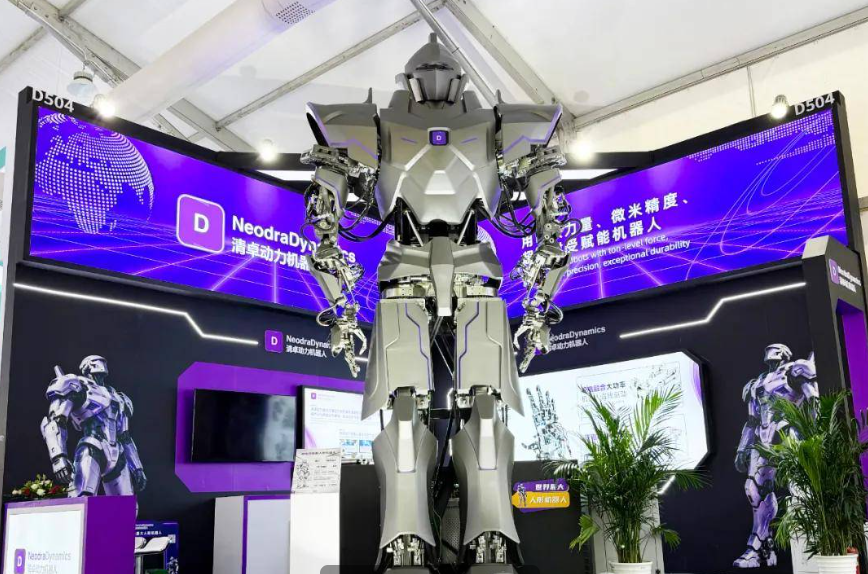
Qingzhuo Power Introduces 4-Meter Heavy-Duty Humanoid Robot with Hybrid Drive Technology
On August 19, 2026, Qingzhuo Power Robotics Technology (Beijing) Co., Ltd. unveiled its 4-meter humanoid robot at the 11th World Robot Conference in Beijing. This robot features a hybrid drive system, with 39 of its 41 active degrees of freedom powered by digital hydraulic actuators, while the remaining two joints utilize electric drives. This innovative approach aims to address the limitations of traditional hydraulic systems, such as maintenance costs and leakage issues. The significance of Qingzhuo Power's hybrid drive robot lies in its potential to meet industrial demands that electric-driven robots cannot fulfill. Applications in challenging environments, such as nuclear island maintenance and deep-sea equipment servicing, highlight the need for robots capable of handling heavy loads and high-impact tasks. By integrating digital hydraulics, Qingzhuo Power seeks to redefine the capabilities of humanoid robots in these demanding scenarios. Looking ahead, Qingzhuo Power plans to open its core components, including micro actuators and heavy-duty joint modules, to the industry. This move could lead to the emergence of a new market for heavy-load actuator suppliers, as companies may focus on module output and control protocols rather than manufacturing entire robots. No further timeline was disclosed at the time of publication.
Humanoid Robots Hybrid Drive Technology Industrial Automation Robotics Innovation
Data-Driven Quality Control Enhances Manufacturing by Preventing Costly Defects
Data-driven quality control is transforming modern manufacturing by identifying variations in processes before defects occur. This proactive approach allows teams to monitor conditions that lead to nonconforming parts, reducing scrap, rework, and delivery pressures while maintaining quality costs. The significance of this method lies in its ability to shift from reactive to proactive quality control. By focusing on process changes rather than merely sorting defective products, manufacturers can prevent issues before they escalate, ultimately protecting production capacity and minimizing hidden costs associated with defects. Looking ahead, the integration of statistical process control (SPC) will be crucial for operators and engineers. By training teams to read control charts and understand process capability, manufacturers can ensure stable processes that meet specifications, thus avoiding the costly errors of mismanaging process variations.
Computing Digital Automation Manufacturing Software continuous improvement data-driven quality control
Bennett Technology Showcases Direct Drive and Complete Machines at 2026 World Robot Conference
From August 19 to 23, the 2026 World Robot Conference took place at the Beijing Etrong International Exhibition and Convention Center, featuring over 774 exhibitors and more than 300,000 attendees. This event marked a significant collective showcase for the global robotics industry. The conference highlighted the rapid growth in the domestic humanoid robot sector, with a projected production of over 100,000 units by 2026, reflecting a 594% increase. However, the challenge remains in the commercialization of these technologies, as the industry shifts focus from production capabilities to market viability. Bennett Technology's core component division presented its direct drive modules alongside humanoid joint modules, emphasizing their integrated power solutions. The launch of the HMD-P series robotic joint modules showcased advancements in torque density and dynamic response, catering to diverse robotic applications. The company's ability to serve multiple sectors, from consumer cleaning robots to humanoid robots, positions it uniquely in the market.
Humanoid Robots Direct Drive Modules Robot Components Industrial Automation
Developing Vision-Driven Reactive Soccer Skills for Humanoid Robots
A recent study published in Science Robotics explores the development of vision-driven reactive soccer skills for humanoid robots. The research focuses on enhancing the robots' ability to perceive and respond to dynamic environments, which is crucial for effective participation in soccer games. This advancement is significant as it addresses the challenges faced by humanoid robots in real-time decision-making and adaptability during sports activities. By improving these skills, researchers aim to enhance the robots' performance in competitive scenarios, potentially paving the way for more sophisticated applications in robotics and AI. Looking ahead, the implications of this research could extend beyond soccer, influencing various fields where real-time interaction and adaptability are essential. No further timeline was disclosed at the time of publication.
Research Article
AI Enhances Software-Driven Automation by Reducing Operational Bottlenecks
Recent insights reveal that industrial automation is evolving beyond traditional definitions, which included PLCs, sensors, and robotics. Today, a significant challenge in manufacturing and engineering is not just physical bottlenecks but also delays caused by inefficient information workflows. Teams often wait for data to be manually rebuilt or reformatted, leading to operational inefficiencies. This shift in focus towards software-driven workflows highlights a critical opportunity for industrial organizations. While investments in physical automation have made machines faster and smarter, the surrounding workflows remain largely manual. The disconnect between various systems—such as engineering platforms and asset-management systems—creates unnecessary delays, as data handoffs often rely on human intervention. Going forward, organizations should prioritize connecting existing systems rather than seeking new software platforms. By addressing these software-driven bottlenecks, companies can unlock significant improvements in operational efficiency and streamline their processes. No further timeline was disclosed at the time of publication.
Factory / Sensors
Volkswagen Group China to Launch Full-Scenario Driver Assistance by Q3 2026
Volkswagen Group China announced that its full-scenario advanced driver-assistance system is set to roll out in the third quarter of 2026. This system will be featured in seven new electrified models across the group's three joint ventures in China, marking a significant step in the company's technological advancements. The importance of this rollout lies in its potential to enhance driving safety and convenience, as Volkswagen aims to introduce its first Level 3 system by the second half of 2027. Developed by CARIZON, a joint venture between Volkswagen’s CARIAD software unit and Horizon Robotics, this system leverages Horizon’s AI foundation model to create a unified driving solution tailored for the Chinese market. Looking ahead, stakeholders should monitor the progress of CARIZON and the integration of this advanced driver-assistance technology into Volkswagen's upcoming models. The successful implementation of this system could redefine driving experiences in China and influence competitive dynamics in the automotive sector. No further timeline was disclosed at the time of publication.
News Feed
SMIC Reports 93.7% Capacity Utilization Amid Rising Demand for AI-Driven Chip Production
China's Semiconductor Manufacturing International Corporation (SMIC) has reported a capacity utilization rate of 93.7% in the second quarter, up from 93.1% previously. This increase is attributed to a surge in demand for mature-node chips, particularly for AI infrastructure, as the company aims to expand its manufacturing capabilities to meet this growing need. The rising demand for AI-related supporting chips has highlighted significant gaps in manufacturing, prompting SMIC to consider installing additional equipment at its facilities. Co-CEO Zhao Haijun noted that future wafer starts are exceeding previous expectations, indicating a robust market for logic chips, power-management products, and optical module components. Looking ahead, SMIC plans to invest in research and development to enhance its production capabilities without reaching full operational limits. While some prices for consumer electronics have increased, smartphone chips and display-driver integrated circuits remain unchanged. The company anticipates further price adjustments as market volatility continues to impact supply and demand dynamics.
AI and Robotics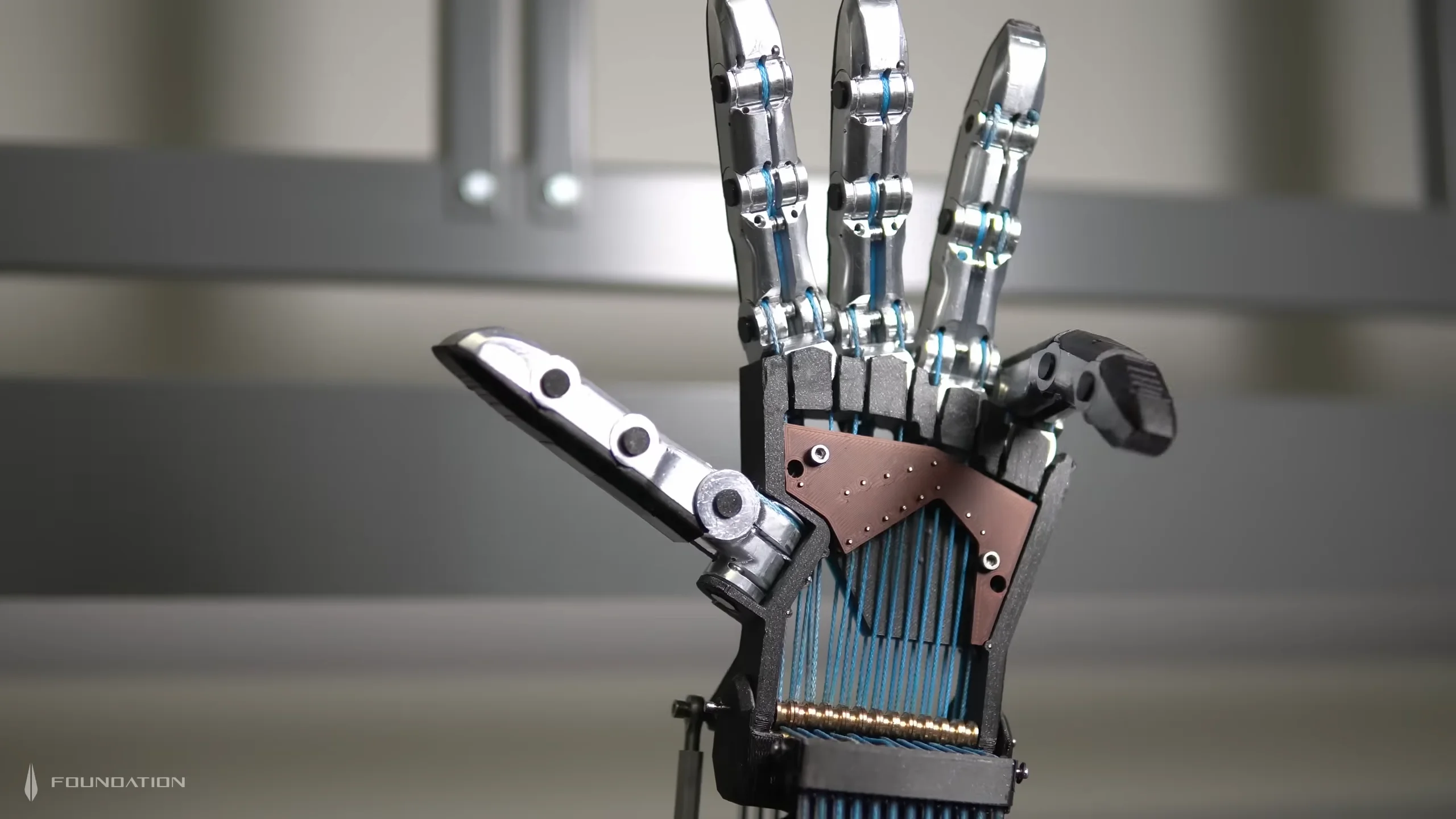
The Ongoing Debate: Tendon vs. Direct-Drive Hands in Humanoid Robotics
The race to develop a general-purpose humanoid robot has reached a critical point centered on hand design. Recently, Figure CEO Brett Adcock criticized the company's earlier tendon-based hand for its engineering flaws, stating it was a poor decision. Figure is now pursuing a 7th-generation hand that aims for human-like dexterity with enhanced finger movement capabilities. This debate is significant as it highlights the contrasting philosophies in robotics design: biological mimicry versus mechanical precision. While Figure shifts focus, Foundation's Andrea Esposito argues that the issues with tendon-driven hands stem from execution rather than the architecture itself. He emphasizes the need for optimization rather than abandonment of the tendon approach, showcasing the ongoing tension in the industry. As the competition intensifies, major players like AGILINK are adopting a dual approach by developing both direct-drive and tendon-driven hands. Their OmniHand 3 Ultra-M aims to address complex manipulation challenges, while the Ultra-T model showcases the potential of tendon systems. The industry is watching closely as these developments unfold.
Brett Adcock Figure hand hands Foundation
Data-Driven Review of Hexapod Locomotion on Various Terrains: Modeling and Control Insights
A recent review published in the Journal of Field Robotics examines hexapod locomotion across both structured and unstructured terrains. The study highlights advancements in modeling, control strategies, and validation techniques for hexapod robots, providing a comprehensive overview of current methodologies. This review is significant as it consolidates various approaches to hexapod locomotion, emphasizing the importance of adapting to different terrain types. Understanding these locomotion strategies is crucial for enhancing the performance and versatility of hexapod robots in real-world applications. Looking ahead, researchers and developers in the field should monitor ongoing advancements in hexapod locomotion technologies and their potential applications in diverse environments. No further timeline was disclosed at the time of publication.
SURVEY ARTICLE
Surge in North American Robotics Orders in Q2 Driven by Non-Automotive Sectors
In the second quarter of 2026, North American companies ordered 8,940 robots valued at $622 million, marking a 4.3% increase in order quantity and a 21.3% rise in order value compared to the same period in 2025. This shift indicates a significant structural change in the robotics market, moving away from a reliance on the automotive sector. The automotive industry, historically the backbone of the North American robotics market, saw a 25% decline in robot orders from vehicle manufacturers in the first half of 2026. In contrast, non-automotive sectors such as semiconductors, life sciences, and food are emerging as new growth drivers, with semiconductor orders increasing by 35% and life sciences by 32%. Notably, non-automotive clients accounted for 56% of all robot orders in Q2 2026. Collaborative robots played a crucial role, with 2,774 units ordered, valued at $114 million, and significant penetration in the life sciences and semiconductor sectors. No further timeline was disclosed at the time of publication.
Industrial Robotics Non-Automotive Growth Semiconductors Life Sciences Collaborative Robots
SEW-EURODRIVE Launches PxG Economy Series for Cost-Effective Servo Gear Units
SEW-EURODRIVE has unveiled the PxG economy series, enhancing its planetary servo gear unit portfolio. This new series introduces three performance classes—P1.G, P2.G, and P3.G—designed for machine builders and OEMs seeking affordable servo solutions for standard industrial automation applications. The introduction of the PxG economy series is significant as it allows customers to align gear unit performance more closely with specific application requirements. This flexibility helps avoid unnecessary specifications for precision, torque capacity, or load capability, as noted by Anecia Hoffield, servo product manager at SEW-EURODRIVE. Looking ahead, the PxG economy series is designed for applications with low to medium technical demands, including packaging equipment and assembly machinery. No further timeline was disclosed at the time of publication.
Actuators / Motors / Servos Assembly Logistics Manufacturing Motion Control News
Chinese Company Pioneers Direct-Drive Tendon Technology for Humanoid Robotics
In recent years, the global robotics research landscape has shifted focus back to the physical structure of robots, particularly in dexterous manipulation. According to IEEE Robotics and Automation Society, the number of papers on haptic perception, soft robotics, tendon-driven systems, and visuotactile learning is expected to rise significantly by 2025-2026, marking these areas as key research directions at major robotics conferences. This trend is mirrored in the industry, where a report identified that core components accounted for 21.8% of 311 robot financing events in the first half of the year, surpassing other categories. The investment landscape is increasingly gravitating towards manufacturers and component companies, particularly in the dexterous hand sector, which is seen as crucial for overcoming the final barriers to practical robot applications. Suzhou Zhixing Tendon Robotics Technology Co., Ltd. is at the forefront of this innovation, having developed a complete technological pathway from electroactive composites to modular applications. Their direct-drive tendon technology aims to redefine robotic movement by integrating materials into the power system, with products set to be showcased at the World Robot Conference on August 19.
Humanoid Robots Dexterous Manipulation Soft Robotics Tendon-driven Technology AI
Understanding When to Choose Custom Servo Drives Over Standard Solutions
This white paper explores scenarios where custom servo drives provide significant advantages over standard options. While standard servo drives are often sufficient for many motion control applications due to their proven performance and ease of integration, certain situations demand customization. These include applications with space constraints, harsh environments, and specific precision requirements that standard drives cannot meet. Customization becomes essential when the operating environment is challenging or when space is limited. For instance, ElectroCraft offers board-only versions of standard products for high-volume OEM customers, allowing for smaller, cost-effective solutions. Additionally, applications requiring motor-mounted drives or non-standard shapes necessitate custom designs to ensure compatibility and performance. Environmental factors also play a crucial role in the decision to opt for custom drives. Standard drives may not withstand extreme conditions, prompting the need for specialized designs. For example, ElectroCraft created an IP69K-rated drive for agricultural applications, ensuring durability against high-pressure washdowns. Another instance includes a custom drive for a joystick system that meets military specifications for various environmental challenges.

PIA Automation Develops BMW E-Drive Assembly Line Featuring 46 Robots and Digital Twin Technology
PIA Automation is constructing a highly automated assembly line for E-Drive units at the BMW Group facility in Steyr, Austria. This project includes 78 processing stations, 27 robotic cells, and 46 industrial robots spread over 5,600 square meters across two levels, marking one of PIA Automation's largest undertakings to date. The significance of this assembly line lies in its role in the transition to electric mobility, which necessitates advanced automation, robotics, and quality monitoring systems. Although electric drivetrains have fewer mechanical components than traditional combustion engines, their assembly is complex and requires precise coordination, making automation essential for efficiency and accuracy. Looking ahead, the commissioning of the final sections of the production line is scheduled for 2027. PIA Automation's use of digital twin technology and Virtual Commissioning aims to streamline the development process by identifying potential issues early, thereby reducing costly modifications during physical commissioning and enhancing overall project reliability.
Automation Engineering Manufacturing News austria automotive manufacturing
Air India, SkyDrive, and Suzuki Collaborate on Emergency Medical Air Logistics Study
Air India, SkyDrive Inc., and Suzuki Motor Corporation have entered into a memorandum of understanding to explore last-mile emergency medical logistics using SkyDrive’s eVTOL aircraft. Announced on July 31, 2026, this partnership aims to address severe traffic congestion in India's major cities, which often delays critical medical deliveries. The collaboration combines Air India's operational expertise, SkyDrive's eVTOL technology, and Suzuki's insights into the Indian market. The focus is on transporting high-value, time-sensitive medical supplies, where every minute can save lives. This initiative is particularly relevant given India's rapidly growing aviation market and urban congestion issues. Looking ahead, the feasibility study will evaluate the potential for scalable eVTOL operations in medical logistics. No further timeline was disclosed at the time of publication. The partnership signifies a significant step towards integrating advanced air mobility solutions into India's transport ecosystem.
Advanced Air Mobility Delivery Drone News Drone News Feeds Drones in the News Japan Drone Industry
Elon Musk Highlights Tesla's Megapods as a Key Driver for AI and Energy Security
During Tesla's latest earnings call, CEO Elon Musk emphasized the potential of the company's Megapod business to support its AI initiatives. He described Megapods as modular data center units that can be deployed near energy sources, enhancing Tesla's energy security and AI computing capabilities. Musk explained that Megapods combine standard x86 servers with Tesla's proprietary AI4 hardware, creating compact compute clusters that can be strategically placed at Supercharger stations and solar farms. This approach allows Tesla to scale its AI compute capabilities while leveraging its energy assets, such as Megapacks and solar arrays, to optimize power demand. As Tesla aims to reduce latency in fleet data processing and lessen its dependence on third-party cloud services, the competition remains fierce. Industry leaders like Nvidia, Amazon, Microsoft, and Google have established robust AI training systems, posing challenges for Tesla's Megapod strategy. No further timeline was disclosed at the time of publication.

Innovative Dual-Core GaN Drive Solution Addresses Robotics Joint Challenges
In 2026, humanoid, quadruped, and logistics robots are expected to achieve mass production, yet manufacturers face significant challenges. Heavy joints compromise battery life, while high costs of joint actuators threaten profitability, with 70% of a robot's cost attributed to these components. The industry struggles with traditional silicon-based drive control boards that are bulky and limit torque output. A new solution, the CT-Unite dual-core GaN drive system from domestic semiconductor firm ZK Wireless, aims to resolve these issues by offering lightweight, cost-effective, and high-torque outputs. Leading robotics manufacturers have already validated this solution. The CT-Unite system utilizes only four core chips to manage all motion control and power drive functions, significantly reducing the size of the control board and the overall weight of the robot. This innovation promises to lower hardware costs by at least 40%, making mass production more feasible. No further timeline was disclosed at the time of publication.
Robotics GaN Technology Drive Solutions Cost Reduction Lightweight Design
WAIC Highlights Embodied Intelligence with Data-Driven Innovations and New Players
Embodied intelligence emerged as a leading focus at this year's WAIC, attracting significant attention at the Expo Center. Numerous familiar companies showcased their production lines and scenarios, while new entrants like Guanglun Intelligent and Wuwen Zhike displayed data streams and algorithm demonstrations, drawing industry professionals eager to address data challenges. The shift in competition from 'building bodies' to 'establishing foundations' emphasizes the critical role of data in embodied intelligence. However, the industry faces a substantial bottleneck due to a lack of high-quality data. Chen Yilun, founder of Shizhi Hang, highlighted that at least 10 million hours of qualified data is needed for embodied operations, ten times that required for autonomous driving, with only about 500,000 hours available globally by early 2026. Looking ahead, the demand for data is projected to increase dramatically, with companies like Guanglun Intelligent leading the charge. The company, founded in 2023, aims to scale data collection and has already achieved a valuation exceeding 15 billion yuan. As the industry evolves, the need for effective data solutions will continue to create opportunities for innovation and growth.
Data Collection Embodied Intelligence AI Technology Robotics Data Analytics
Tombot's AI-Driven Robotic Dog Receives Over 23,000 Preorders for Senior Emotional Support
Tombot, a robotics company based in Los Angeles, has announced the completion of a $7 million Series A3 funding round led by Caduceus Capital Partners and Wavemaker 360. This brings the company's total funding to over $13 million, with more than 23,000 preorders for Jennie, an AI-driven robotic Labrador puppy, already secured before product delivery. The significance of Jennie lies in its potential to address the growing issue of loneliness among seniors, particularly those suffering from dementia and mild cognitive impairment. With over 300 million individuals globally affected by these conditions, Tombot aims to provide a medical-grade emotional support device that requires no feeding, walking, or maintenance, thus offering a viable companionship option for the elderly. Looking ahead, Tombot's focus will be on continuous updates to Jennie's behavior and voice commands through an accompanying mobile app. The response from investors and the market indicates a serious consideration of robotic companions as a solution to the pressing challenges of aging populations and caregiver shortages. No further timeline was disclosed at the time of publication.
Emotional Support Robots Elderly Care Technology AI Companions Robotics
XPeng CEO Completes First Fully Driverless Robotaxi Trip, Marking Key Milestone
XPeng, the Guangzhou-based electric vehicle manufacturer, has made significant strides in its robotaxi ambitions. CEO He Xiaopeng recently completed the first full robotaxi trip, showcasing the integration of the company's ride-hailing, dispatch, and pick-up systems. This milestone signifies the beginning of employee testing for XPeng's robotaxi platform, which was unveiled at the 2025 AI Day. The importance of this development lies in XPeng's transition from smart electric vehicles to fully robotic vehicles. He Xiaopeng emphasized that this service is crucial for advancing physical AI, which is designed for real-world applications. The robotaxi, based on the XPeng GX model, is China's first mass-produced vehicle engineered for Level 4 autonomy, capable of driving itself in most conditions without human intervention. Looking ahead, XPeng secured a road-testing permit in Guangzhou and established a dedicated robotaxi business unit. Pilot operations are set for the second half of 2026, with aspirations for fully autonomous operations without an on-site safety officer by early 2027. No further timeline was disclosed at the time of publication.
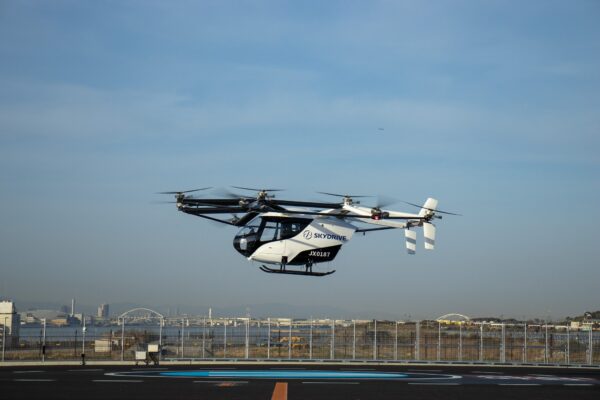
SkyDrive Conducts Successful SD-05 Flights in Yamaguchi for 2028 Tourism Initiative
SkyDrive Inc. successfully conducted two demonstration flights of its SD-05 eVTOL aircraft in Yamaguchi Prefecture on July 13, 2026. These flights were part of a test aimed at showcasing the aircraft's potential for tourism, with a commercial launch planned for 2028. The flights simulated a scenic tour over the Seto Inland Sea, highlighting the seamless transition from ground transport to air travel. The significance of these flights lies in their demonstration of SkyDrive's commitment to urban air mobility and tourism integration. Witnessed by notable figures including Yamaguchi Prefecture's governor and the president of Suzuki Motor Corporation, the flights operated autonomously, emphasizing safety and efficiency. The successful execution of these flights marks a critical step toward the company's goal of launching commercial eVTOL services by 2028. Looking ahead, SkyDrive aims to enhance its eVTOL infrastructure further, with plans to collaborate with rail partners for integrated travel solutions. While tourism is a primary focus, the company envisions broader applications of eVTOL technology, including disaster relief and emergency medical services. No further timeline was disclosed at the time of publication.
Advanced Air Mobility Drone News Drone News Feeds Japan Drone Industry Japan Drone News News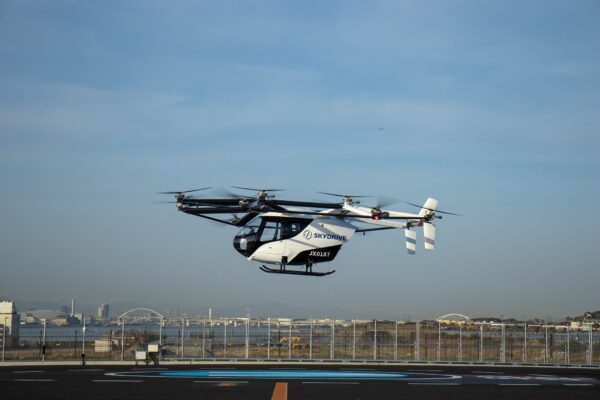
SkyDrive Partners with Japan Biz Aviation for 2028 eVTOL Launch Framework
SkyDrive Inc., a Toyota-based eVTOL manufacturer, has partnered with Japan Biz Aviation Co., Ltd. to establish a commercial framework for its eVTOL launch by 2028. This memorandum of understanding, announced on July 9, 2026, will leverage JBZ's expertise in operating HondaJet and Bell 429 helicopters to facilitate eVTOL flights in Japan. SkyDrive currently holds orders for 427 aircraft, including 354 pre-orders and 73 purchase agreements, with a notable 20-unit order from AeroGulf Services in Dubai. The collaboration is significant as it aims to bridge the operational gap for domestic buyers, many of whom lack an air operator’s certificate. SkyDrive plans to engage experienced operators to support commercial flights, enhancing the viability of eVTOL technology in Japan. The agreement follows SkyDrive's earlier partnership with a Japanese helicopter operator and underscores the importance of operational frameworks in promoting advanced air mobility. Looking ahead, SkyDrive is actively pursuing type certification with civil aviation authorities in both Japan and the United States, with a target service entry in 2028. Production of the SKYDRIVE aircraft commenced in March 2024, and the company plans to showcase its eVTOL capabilities during demonstration flights at the 2025 Osaka Expo. No further timeline was disclosed at the time of publication.
Advanced Air Mobility Air Taxi Drone News Drone News Feeds Japan Drone Industry Japan Drone News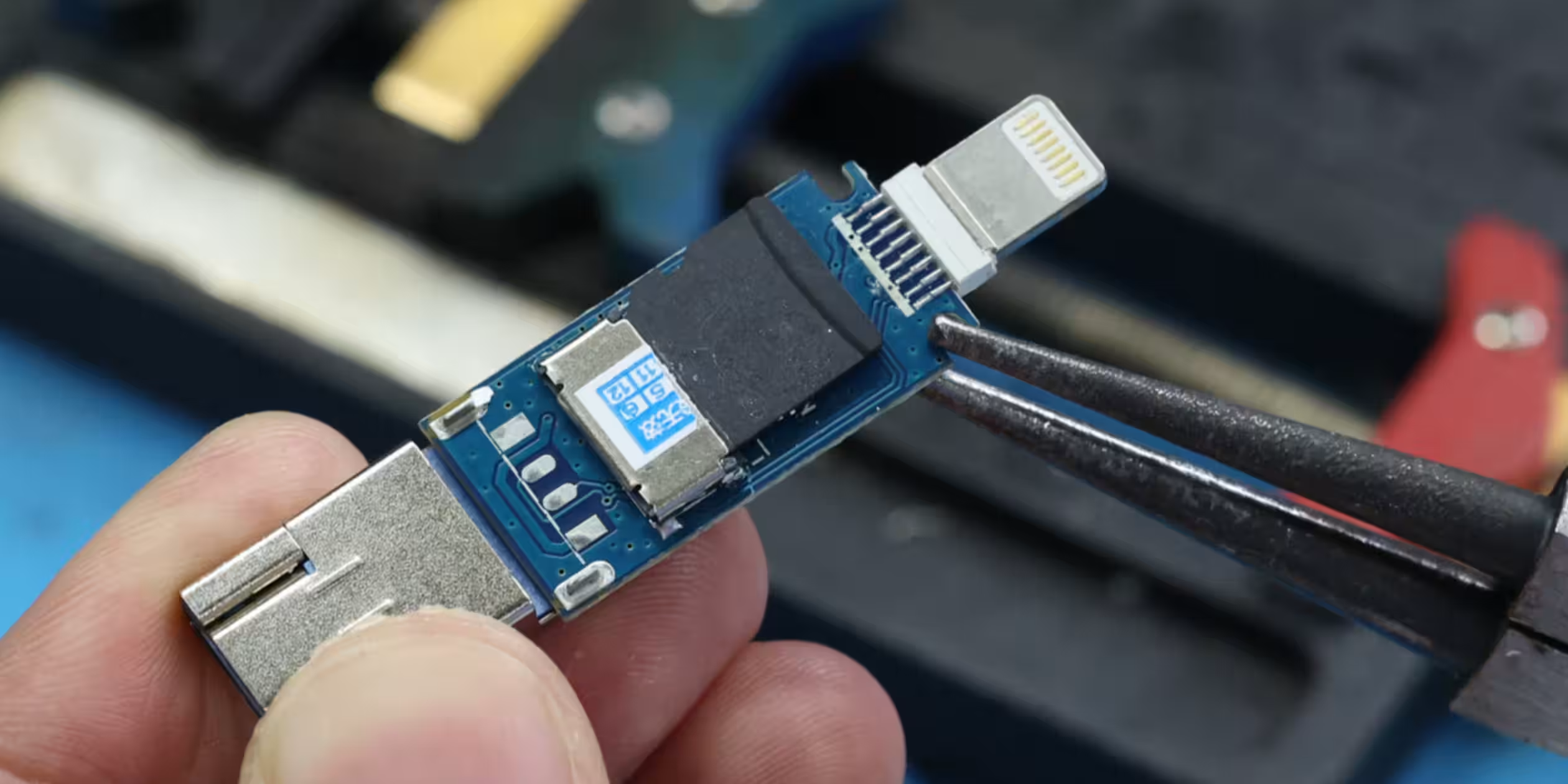
Nikkei Analysis Reveals Fake Storage in 50% of Inexpensive USB Drives from China
A recent investigation by Nikkei uncovered that 50% of low-cost USB flash drives purchased from e-commerce platforms contained less storage capacity than advertised. These devices, primarily manufactured in China, were found to utilize microSD cards instead of dedicated memory chips, raising concerns about data integrity and consumer trust in budget electronics. The examination took place in Tokyo and was published on July 10, 2026. This finding is significant as it highlights a growing issue in the electronics market, where consumers are increasingly vulnerable to misleading product claims. The prevalence of counterfeit storage capacities can lead to data loss and security risks, particularly in sensitive applications. With a reported 20% complaint rate regarding fake storage on platforms like Amazon, this trend poses a challenge for both consumers and regulatory bodies aiming to ensure product reliability. Looking ahead, stakeholders in the electronics industry should monitor the response from regulatory authorities and e-commerce platforms regarding these findings. No further timeline was disclosed at the time of publication, but potential measures could include stricter quality controls and enhanced consumer awareness campaigns to combat fraudulent products in the market.

SpaceX's $1.75 Trillion Valuation Driven by Starmind's Future Potential
Starmind is a pivotal element in SpaceX's estimated $1.75 trillion IPO valuation, despite currently generating no confirmed revenue. The stock price reflects optimistic projections regarding AI infrastructure growth, which Starmind has yet to substantiate. As of early July 2026, SpaceX's stock has decreased from its 52-week high of $225.64 to around $150, indicating market skepticism about future execution. The significance of Starmind lies in its potential to transform SpaceX's revenue model beyond traditional launch services. Goldman Sachs has shifted its focus from Starlink subscriber growth to the prospects of AI revenue, including orbital computing, as a cornerstone of SpaceX's long-term valuation. This marks a substantial change in how analysts view the company's growth trajectory, necessitating rates exceeding its historical 33% growth. Looking ahead, the credibility of Starmind as a growth narrative will be crucial for maintaining investor confidence. Analysts have noted a considerable divergence in price targets, reflecting uncertainty about the value of the Starmind and xAI initiatives. No further timeline was disclosed at the time of publication regarding specific milestones for these projects.

Teradyne Unveils Magnum E2 to Meet Demands of Next-Gen Memory Testing for AI and HPC
Teradyne, Inc. has announced the launch of Magnum E2, a high-speed memory test system designed for advanced DRAM and NAND flash interfaces, including LPDDR6, DDR6, GDDR7, and NAND flash. Built on the Near-DUT Test architecture, Magnum E2 supports both production and engineering configurations, facilitating qualification through high-volume manufacturing on a unified platform. The introduction of Magnum E2 is significant as it addresses the increasing demands for high-speed memory testing driven by AI and high-performance computing. With the transition to faster DRAM and flash devices, the system is engineered to maintain signal integrity while accommodating higher pin counts and parallelism, essential for meeting the rigorous performance standards required in AI data centers. Looking ahead, Teradyne's Magnum E2 positions memory manufacturers to adapt to the evolving landscape of memory technology. As AI continues to influence advancements in memory devices, the ability to test at higher speeds and across a broader protocol range will be crucial for manufacturers aiming to stay competitive in the market. No further timeline was disclosed at the time of publication.
Fanuc and Yaskawa Increase US Operations Amid AI Growth and Supply Chain Concerns
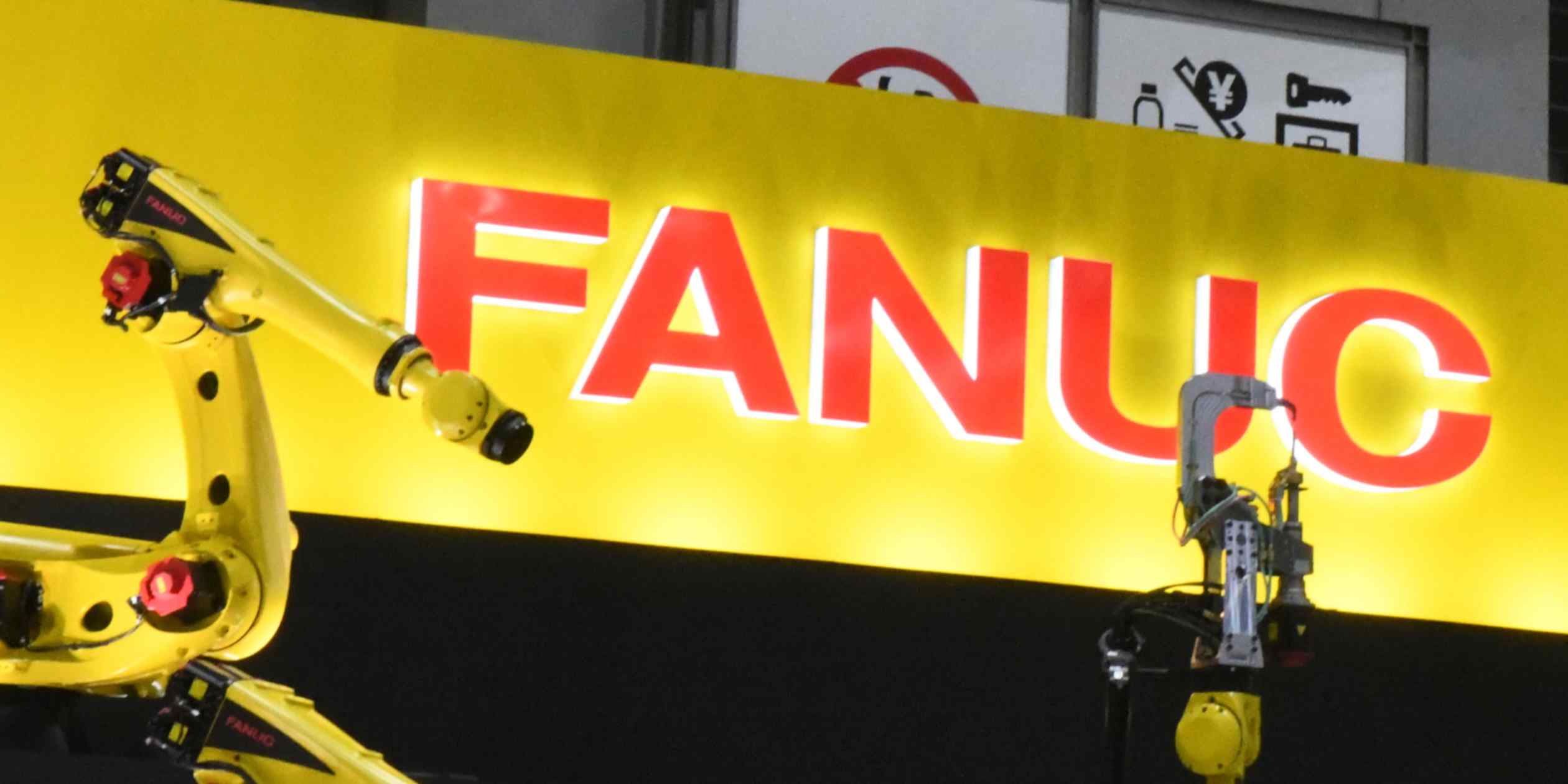
Japanese industrial robot manufacturers Fanuc and Yaskawa are enhancing their operations in the United States, driven by the rising demand for artificial intelligence in factory automation. Fanuc is set to invest $90 million in a new plant and logistics center in Michigan, reflecting a strategic shift from their traditional reliance on China. This move is significant as it highlights the growing trend among Japanese companies to localize production in response to supply chain challenges and the increasing integration of AI technologies in manufacturing processes. The shift aims to position these companies closer to the burgeoning US market, which is increasingly focused on advanced automation solutions. Looking ahead, the focus will be on how these companies adapt to the evolving landscape of AI and automation in the US. No further timeline was disclosed at the time of publication.

IndexBox Forecasts 7.7% Growth in Delta Robot Market by 2035, Driven by Food and Electronics
IndexBox has projected that the Delta robot market will experience a growth rate of 7.7% by the year 2035. This growth is primarily attributed to increasing demand in the food and beverage and electronics sectors, which are expected to drive significant investments in automation technologies. The anticipated growth in the Delta robot market is crucial as it highlights the ongoing trend towards automation in various industries. As companies seek to enhance efficiency and reduce operational costs, the adoption of Delta robots is likely to become more prevalent, particularly in sectors that require precision and speed. Looking ahead, stakeholders should monitor advancements in Delta robot technology and their applications in different industries. The focus on food and beverage and electronics sectors will be particularly important, as these areas are poised for substantial growth and innovation in automation solutions. No further timeline was disclosed at the time of publication.
Robotics Automation AI
Meta and Microsoft Drive Tech Stocks Higher Amid Rising Bond Yields
Last week, tech stocks experienced a notable increase, led by Meta and Microsoft, despite surging Treasury yields. The Nasdaq rose by 2%, while the S&P 500 and Dow Jones Industrial Average gained 1% and 0.3%, respectively. The rise in Treasury yields, reaching multidecade highs, was fueled by strong economic data and expectations for Federal Reserve rate hikes. The significance of this trend lies in the dual pressures of rising rates and inflation, which typically hinder stock performance. However, Meta's recent announcements regarding its AI agent, Muse, and Microsoft's strong Azure growth have provided a counterbalance. Meta's shares surged approximately 13% last week, reflecting investor confidence in its potential to monetize AI technology, while Microsoft saw a more than 4% increase, driven by positive analyst sentiment. Looking ahead, investors should monitor the ongoing developments in the tech sector, particularly how Meta and Microsoft leverage their AI capabilities amidst economic challenges. No further timeline was disclosed at the time of publication.
Robotics needs a service framework.
RSF defines a common language for robot service capability, lifecycle operations, certification pathways, and service-provider networks.
Join the RobotToday community on LinkedIn
Daily robotics news, in-depth analysis, conference highlights, and discussions with professionals worldwide.







