Industry Briefing
A single destination for timely, editor-curated robotics news from around the world.

Humanoid Robot Debuts With 15+ Full-Scenario Solutions: ROKAE Robotics Shines at Shandong Robot Conference
ROKAE, a prominent player in the field of intelligent robotics, showcased its advanced AI embodied intelligence technologies at the Shandong Robot Conference. The event, held recently, featured ROKAE's innovative humanoid and dual-arm robots, along with over 15 cutting-edge solutions for various applications including welding, grinding, palletizing, and force-controlled assembly. In addition to its product demonstrations, ROKAE also hosted and participated in two high-level forums, emphasizing its expertise and leadership in the intersection of robotics and artificial intelligence. The company's participation reflects its commitment to advancing the robotics industry and promoting the integration of AI technologies in practical applications.
AI Robots Achieve 3,500 Garment Sorts Per Hour in South Korean Warehouse
In a warehouse located in Icheon, South Korea, a fleet of AI-guided robots is sorting garments at a remarkable rate of 3,500 items per hour, approximately four times the output of human workers. Since their deployment, the women's clothing company has reported 'zero losses'—no picking errors and no stockouts due to logistics mistakes. Despite this advancement, the sewing automation challenge remains unsolved, often referred to as the 'last mile' of textile automation. The system, developed by Baba Fashion in collaboration with South Korean automation firm Cotek Electronics, utilizes autonomous mobile robots equipped with SLAM navigation technology, eliminating the need for ground magnetic strips or embedded wires. The logistics deployment by Baba Fashion serves as a successful commercial case, while other companies, such as the leading fashion platform MUSINSA, are also investing in automated logistics solutions. The ongoing challenge of sewing automation, likened to the complexities of autonomous driving, continues to impact the future of millions of garment workers as the industry transitions into a more automated era.
AI Robotics Warehouse Automation Sewing Automation Fashion Technology
Specialized Robots Enhance Efficiency in Solar Farm Construction and Maintenance
A rising number of robotics companies are developing specialized machines aimed at alleviating labor bottlenecks in solar farm construction and maintenance. These innovations are crucial as they address the unique challenges posed by solar farm terrains, optimizing both construction timelines and operational efficiency. The significance of these advancements lies in their potential to streamline processes and reduce reliance on manual labor, which can be both costly and time-consuming. By integrating specialized robots, companies can enhance productivity and improve safety standards on solar farms, making the sector more sustainable and economically viable. Looking ahead, the continued evolution of robotics in this field will be essential to meet the growing demand for renewable energy solutions. Stakeholders should monitor developments in robot capabilities and their impact on solar farm operations. No further timeline was disclosed at the time of publication.

Tesla's Optimus Robots to Support Starmind Satellite Production, Not Maintenance
Tesla's Optimus robots will not be used to repair Starmind satellites in orbit, as confirmed by recent statements from Elon Musk. Instead, these robots are intended to assist in the construction and operation of the Terafab chip manufacturing facility in Texas. The AI1 satellites, designed to disintegrate upon reentry, highlight the company's swap-and-replace strategy rather than traditional maintenance practices. This approach is significant as it reflects a broader trend in satellite management, where mass-produced satellites are replaced rather than repaired. The economics of servicing missions are prohibitive, with the cost of launching a replacement satellite being significantly lower than conducting a repair mission. This model aligns with SpaceX's operational history, where rapid replacement of satellites is more efficient than attempting to maintain them in orbit. Looking ahead, the focus will remain on the production capabilities of the Gigasat factory, which is expected to support the continuous replacement of satellites. No further timeline was disclosed at the time of publication, but the demand for rapid satellite turnover suggests a robust future for Optimus robots in terrestrial manufacturing rather than in-space servicing.
Robbyant Launches Upgraded LingBot-VLA 2.0 AI Model for Advanced Robotics
Robbyant, a company specializing in embodied AI under Ant Group, has unveiled the upgraded LingBot-VLA 2.0 model. This next-generation vision-language-action model enhances morphological generalization, degrees of freedom support, and deployment efficiency, addressing a critical gap in the embodied AI industry. The significance of LingBot-VLA 2.0 lies in its extensive pre-training on 60,000 hours of real-world data, which includes interactions from 20 different robot morphologies. This upgrade allows for improved whole-body control and dual-arm manipulation, achieving leading scores on benchmarks, thus demonstrating its effectiveness in industrial-scale deployment. Looking ahead, the introduction of a version optimized for efficient post-training and a threefold increase in inference efficiency positions LingBot-VLA 2.0 as a strong contender for real-time commercial applications. No further timeline was disclosed at the time of publication.
Computing Robot simulation artificial intelligence dual-arm robots embodied ai humanoid robots
Prox Industries accelerates physical AI research with dual-arm UR3e collaborative robots using VLA and reinforcement learning.
Prox Industries has announced its collaboration with Universal Robots (UR) to enhance the development of physical AI through the utilization of UR's "Physical AI Development Support Program." The initiative will focus on accelerating research and development of physical AI by employing a dual-arm robotic configuration using two UR3e collaborative robots. This partnership aims to leverage advanced robotics technology to innovate in the field of AI, reflecting Prox Industries' commitment to advancing automation solutions.

MIT Develops FloatForm Swarm of Modular Aquatic Robots for Dynamic Structures
MIT researchers have unveiled FloatForm, a swarm of small square robotic boats capable of self-assembly into larger structures on water. This innovative system allows the robots to break apart and reconfigure with minimal human intervention, showcasing a new approach to aquatic construction. The project emphasizes the potential for dynamic, adaptable structures in marine environments, with applications in environmental monitoring and infrastructure development. The significance of FloatForm lies in its ability to create modular and reconfigurable structures, which can respond to changing environmental conditions. This technology could revolutionize how we think about construction and deployment in aquatic settings, offering flexibility and efficiency in design. The robots' self-assembly capabilities could lead to advancements in marine architecture and environmental sustainability. Looking ahead, the next steps for the FloatForm project include further testing and potential applications in real-world scenarios. No further timeline was disclosed at the time of publication, but the implications of this technology could influence future developments in robotics and marine engineering.
Robotics
SpaceX's Starmind Targets AI Labs with $6.3 Billion Compute Contracts
SpaceX's Starmind is designed to provide wholesale AI compute services to businesses, particularly AI labs and cloud customers, rather than individual consumers. The service operates similarly to AWS, where users benefit from applications running on Starmind without direct subscriptions. The compute capacity of a single AI1 satellite is comparable to one NVIDIA GB300 rack, emphasizing its enterprise-grade capabilities. The significance of Starmind lies in its positioning as a potential fourth hyperscaler, joining the ranks of AWS, Microsoft Azure, and Google Cloud. The Reflection AI contract, valued at $150 million per month, exemplifies the enterprise-focused model, with total payments potentially reaching $6.3 billion through 2029. This contract highlights the growing demand for AI compute resources, particularly from AI-native startups and labs. Looking ahead, the focus will remain on securing additional enterprise contracts as Starmind expands its offerings. No consumer-facing products or subscriptions have been announced, and the current strategy is to cater to businesses with substantial AI workloads. No further timeline was disclosed at the time of publication.

SpaceX's Starmind Project: Supplier Strategy and Chip Manufacturing Plans for 2026
SpaceX's Starmind project, aimed at deploying up to 1 million AI satellites, was filed with the FCC on January 30, 2026. The initiative is designed to minimize reliance on external suppliers, with CEO Elon Musk stating that current chip production capabilities only meet 2% of the projected needs. The first satellite, AI1, is set for prototype launches in early 2027, featuring a 70-meter wingspan and a modular payload system that allows for interchangeable chips from various suppliers. The significance of Starmind lies in its ambitious supply chain strategy, which seeks to transition from external hardware suppliers to a fully integrated Musk-owned facility by 2028. The Gigasat manufacturing site in Bastrop, Texas, is expected to be operational by the end of 2027, with plans for high-volume production of the D3 chip, specifically designed for space applications. This approach aims to consolidate chip manufacturing processes under the Terafab joint venture, which has an estimated initial investment of $55 billion. Looking ahead, the next milestone for Starmind is the launch of AI1 prototypes in early 2027, while the full-scale chip production at Terafab is projected to ramp up significantly thereafter. However, analysts express skepticism regarding the feasibility of achieving Musk's ambitious compute goals, which may require substantial investment and time to establish the necessary manufacturing capabilities.
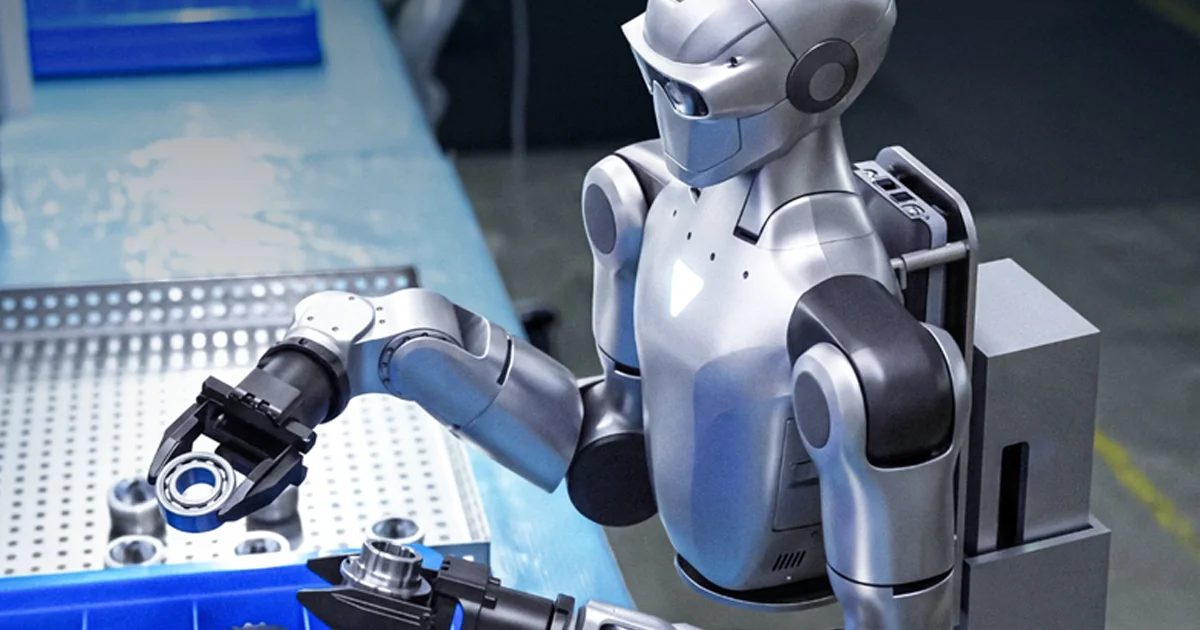
Unitree Expands R1 Lineup with Dual-Arm Modular Platform Starting at $4,290
Unitree Robotics has introduced a new series of dual-arm humanoid robots equipped with both fixed and wheeled bases, aiming to provide a cost-effective solution for the development of complex tasks. This launch, which took place recently, highlights the company's commitment to making advanced robotics more accessible to a wider audience. By offering these versatile robotic platforms, Unitree Robotics seeks to facilitate innovation in various industries, enabling users to explore automation solutions without the significant financial investment typically associated with such technology. The dual-arm design enhances the robots' ability to perform intricate operations, making them suitable for a range of applications from research to practical deployment in commercial settings.
Unitree Robotics China R1-D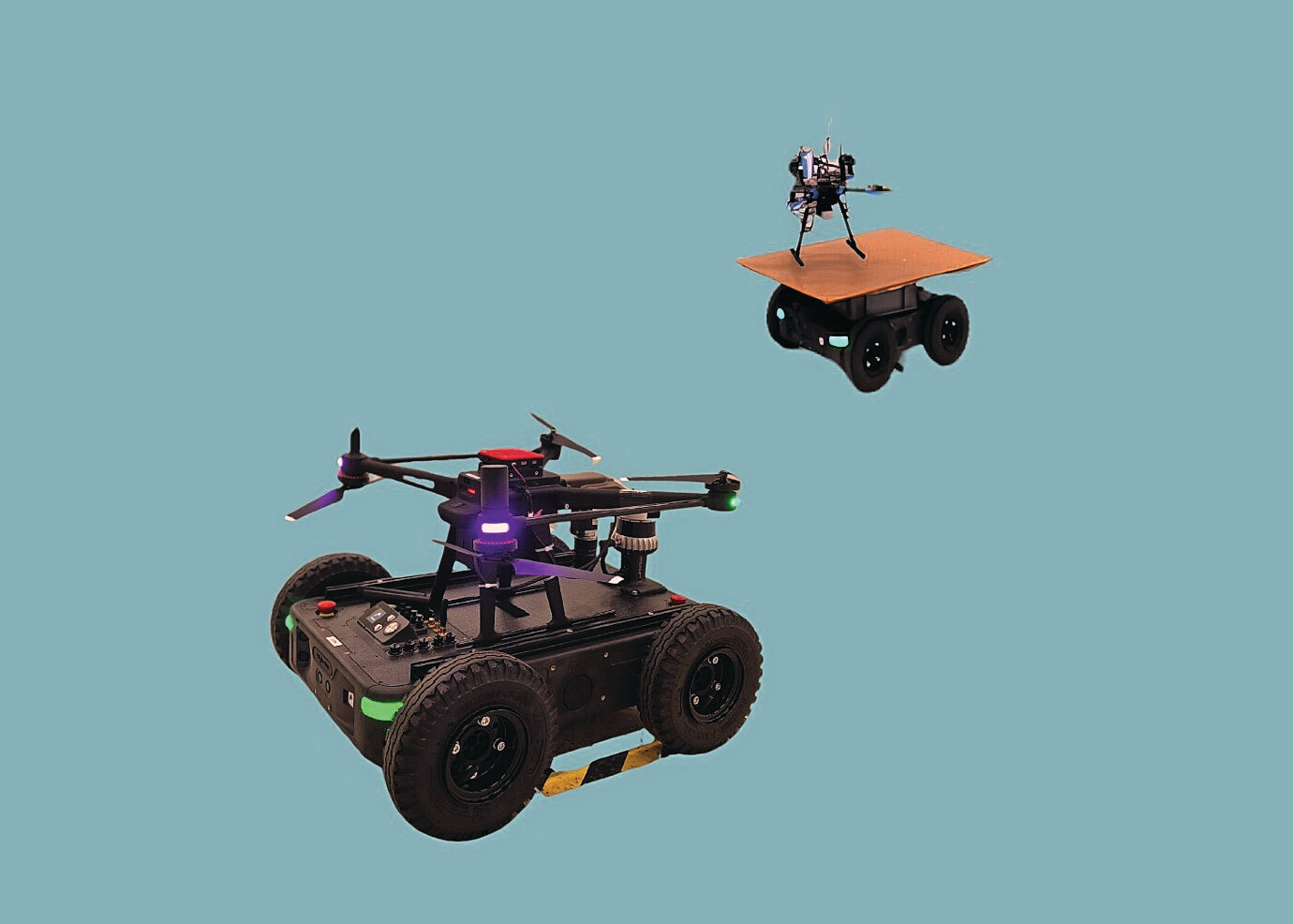
Mathematical models help farm robots work together in real time
Researchers at the University of Groningen in the Netherlands are pioneering the development of innovative mathematical control systems aimed at enabling drones and ground robots to work together autonomously in agricultural settings. This initiative, which is currently underway, seeks to enhance efficiency in farming operations without the need for extensive datasets or artificial intelligence training. The project highlights a significant advancement in agricultural technology, focusing on streamlined cooperation between aerial and terrestrial robotic systems to optimize farming practices. By leveraging mathematical algorithms, the researchers aim to create a more sustainable and effective approach to agriculture, potentially transforming how crops are monitored and managed in the future.
Smart farming agricultural robots crop monitoring drones robotics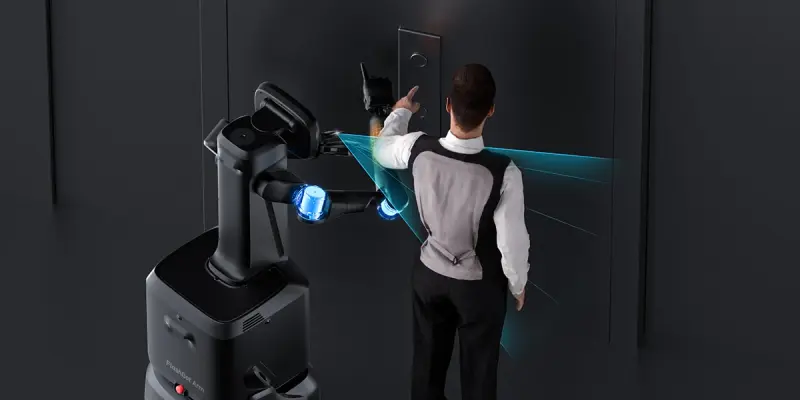
Video: Pudu Robotics Equips Delivery Bot with Dual Arms in New FlashBot Arm
Pudu Robotics has unveiled its latest innovation, the FlashBot Arm, a cutting-edge service robot that features dual seven-degree-of-freedom arms and dexterous hands mounted on a mobile delivery base. This advanced robot is engineered to perform a variety of tasks, including operating elevators and opening doors, thereby enhancing its functionality in diverse service environments. The introduction of the FlashBot Arm signifies a significant step towards integrating autonomous navigation with sophisticated manipulation capabilities, allowing for greater versatility in settings such as hotels, hospitals, and restaurants. By combining these technologies, Pudu Robotics aims to improve efficiency and service delivery in industries increasingly reliant on automation.
pudu robotics flashbot arm
Mantis Robotics Extends Potential of Physical AI with New Dual-Arm Fenceless Robot for Industrial and Retail Automation
Mantis Robotics has introduced its latest innovation, the MR-X dual-arm robot, at Automate 2026 in Chicago, showcasing advancements in physical AI for industrial and retail automation. This high-performance robot, capable of lifting up to 70 lbs and operating at speeds of 10.6 m/s, is designed to function without safety fences, allowing for flexible deployment in complex environments. The MR-X is inspired by human biomechanics, enabling it to perform demanding tasks that require both strength and dexterity. Its patented SafetyCore platform provides continuous awareness of its surroundings, allowing the robot to autonomously react to nearby humans without interrupting its operations. This feature eliminates the need for traditional safety infrastructure, enhancing efficiency while maintaining safety standards. Mantis Robotics aims to revolutionize automation with the MR-X, which builds on the success of its predecessor, the MR-1, known for its certified fenceless operation. CEO Gerry Vannuffelen emphasized that the MR-X is not just another humanoid robot, but a first-in-class dual-arm system that surpasses both collaborative robots and humanoids in speed and safety. Visitors to Booth 1261 in the South Hall at Automate 2026 can witness the MR-X's capabilities firsthand, interact with the MR-1, and explore the technology that enables rapid deployment without disruption. Mantis Robotics invites attendees to schedule personalized walkthroughs and learn about priority access for early customers.

UniX AI introduces Panther, the world's first service humanoid robot to enter real household deployment, powered by its differentiated wheeled dual-arm architecture
A groundbreaking advancement in robotics has been unveiled with the introduction of the Panther, a wheeled dual-arm humanoid robot. This innovative machine is equipped with the world's first mass-produced eight-degree-of-freedom (8-DoF) bionic arms, enhancing its dexterity and functionality. Additionally, the Panther features an adaptive intelligent gripper mounted on a high-degree-of-freedom joint platform, allowing for versatile handling of various objects. The robot's design includes an omnidirectional four-wheel steering and four-wheel drive (4WS+4WD) chassis, enabling it to navigate complex environments with ease. This development marks a significant step forward in robotic technology, aimed at improving automation and efficiency in various industries. The Panther was revealed to the public in October 2023, showcasing its capabilities at a technology expo. The motivation behind its creation stems from the growing demand for advanced robotic solutions that can perform tasks traditionally handled by humans, particularly in sectors such as manufacturing, logistics, and healthcare. By integrating cutting-edge engineering with adaptive technology, the Panther is set to redefine the role of robots in everyday operations, paving the way for a future where humans and machines work side by side more effectively.
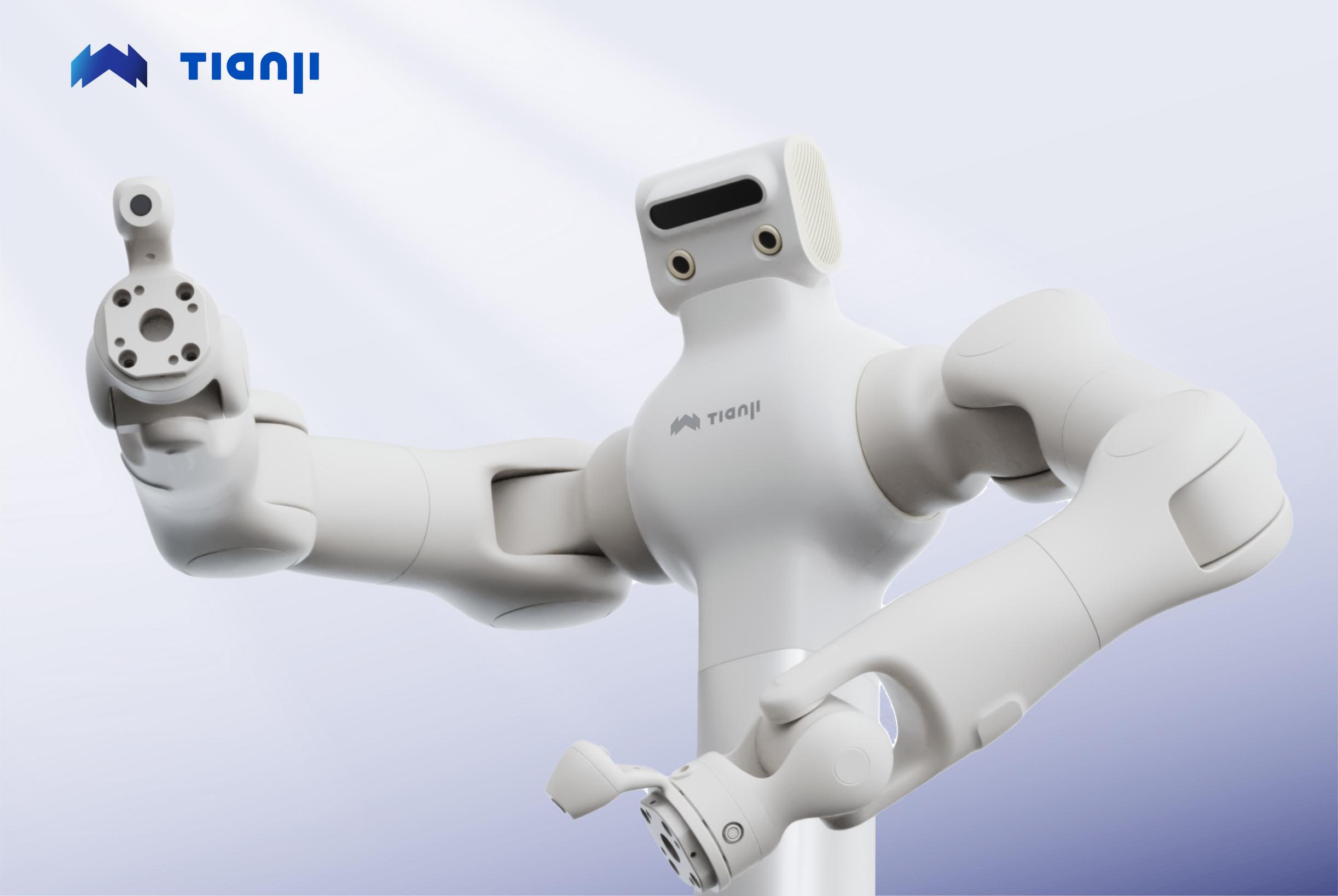
Tianji Intelligent: Defining Industry Standards for Force Control Humanoid Dual Arms and a New Generation of Embodied Intelligent Platforms
Tianji Intelligent is set to revolutionize the humanoid robotics industry with the introduction of the world's first force control humanoid arms in 2024, followed by dual arms in 2025. This groundbreaking development is driven by the company's commitment to enhancing precision and performance in robotics. Utilizing innovative MEMS force sensors and advanced dual-arm coordination technology, Tianji Intelligent aims to establish new standards in the field. The launch is anticipated to significantly impact various applications, showcasing the potential of humanoid robots in industries requiring intricate manipulation and interaction.
Force Control Robotics Humanoid Robots Industrial Automation AI Technology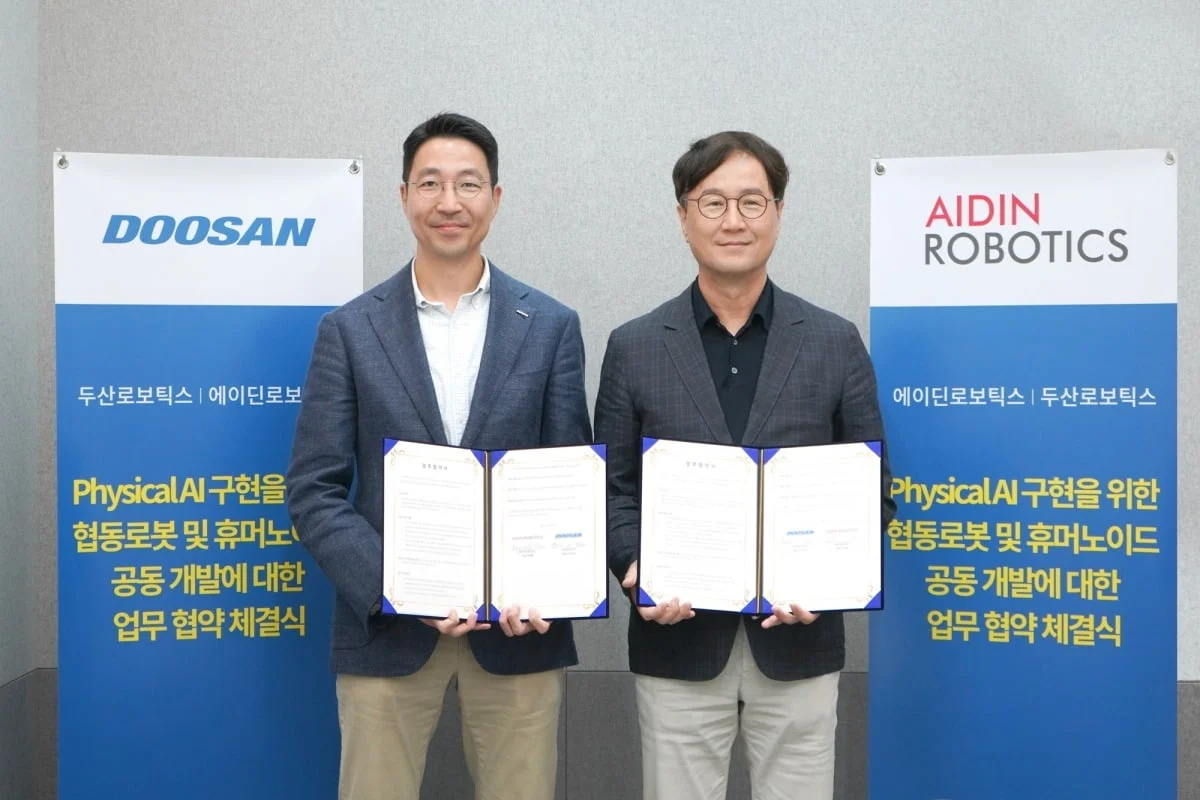
Doosan Robotics Taps Sensor Specialist Aidin Robotics for Dual-Arm Humanoid
Doosan Robotics, a leading manufacturer of collaborative robots, has announced a partnership with Aidin Robotics, a specialist in sensor technology, to develop a standardized dual-arm humanoid platform. This collaboration seeks to integrate Doosan's sophisticated control systems with Aidin's advanced force-torque sensors, aiming to create a 'physical AI' that can perform autonomous tasks at a level comparable to human capabilities. The initiative highlights the growing trend in robotics to enhance automation and improve efficiency in various applications, reflecting the increasing demand for advanced robotic solutions in industries worldwide.
Doosan Robotics
Mercedes-Benz Dealerships Launch Sales of Humanoid Robots in Strategic Partnership
Mercedes-Benz dealerships have begun selling humanoid robots, specifically the U1 model from UBTECH, through a partnership with the Bosh Group. This initiative allows customers in the Beijing, Tianjin, and Hebei regions to experience and purchase these advanced robots, which can engage with customers and enhance the car-buying experience. The collaboration aims to create a complete industrial ecosystem that includes technology research and development, channel operations, and after-sales service. The Bosh Group previously launched a robot experience store called 'Mechanical Eden,' which has reportedly increased foot traffic and customer engagement at Mercedes-Benz locations. Moving forward, the U1 humanoid robots will be gradually introduced into various Bosh Group dealerships, enhancing high-end automotive services and offering retail and rental options to affluent customers. This initiative marks a significant step towards the commercialization of humanoid robots, potentially setting a new standard in the industry.
Humanoid Robots Automotive Technology Retail Innovation AI Customer Experience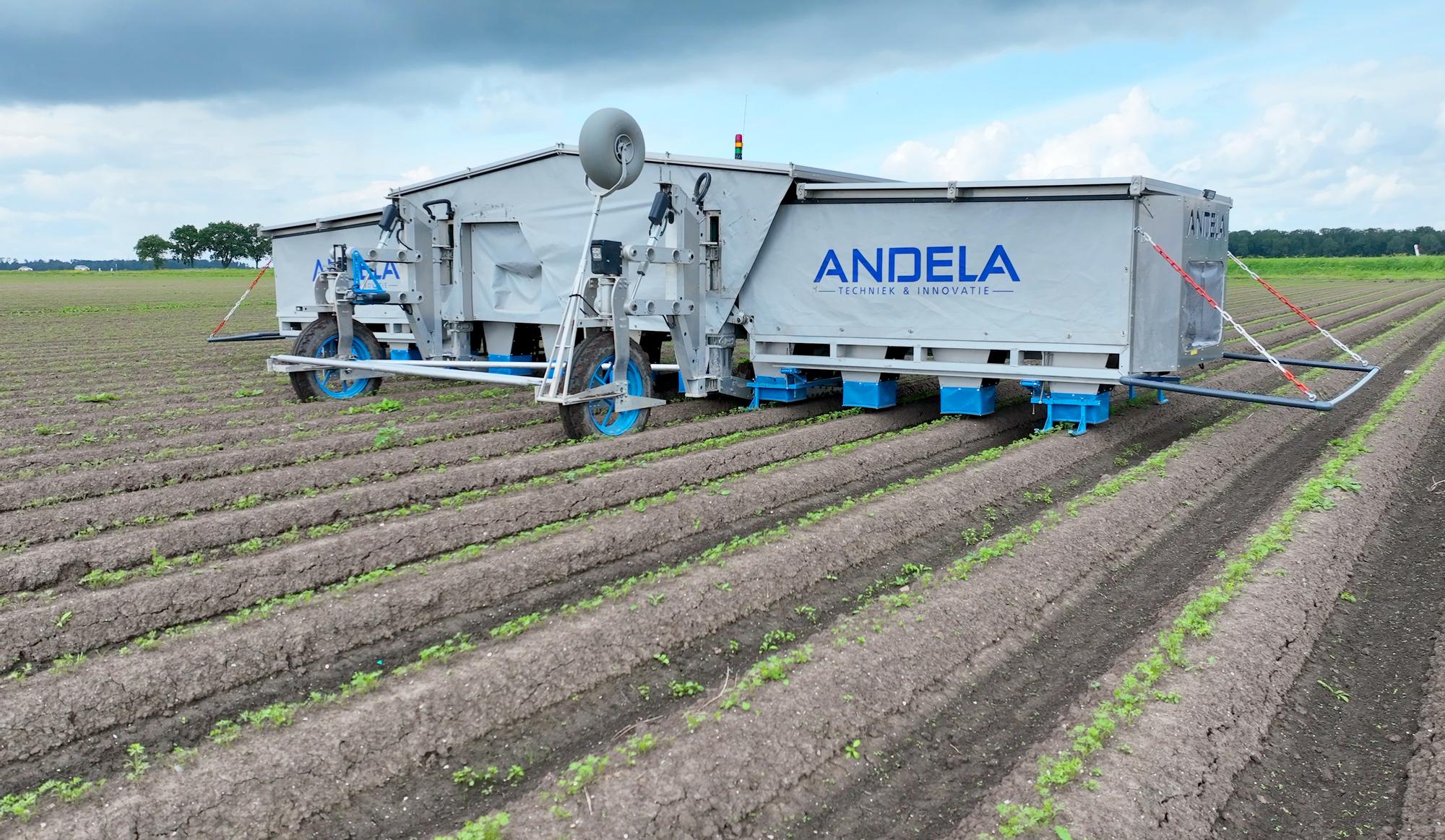
Challenges in Reducing Costs of Agricultural Robots Like the Andela Weeder
The Andela Robot Weeder is priced at approximately €800,000 (US$961,000), raising questions about the factors influencing its cost. Unlike traditional machinery, the price of agricultural robots is increasingly determined by the economic value they provide rather than manufacturing costs. This shift in perspective complicates the business case for growers, as the value derived from labor replacement and efficiency gains becomes paramount. As labor shortages and restrictions on herbicides grow, the competition landscape for agricultural robots may change significantly. Robots may not need to compete solely on price against traditional methods like chemical weed control. Instead, they could emerge as essential tools, altering the pricing dynamics in the market. While advancements in technology will likely enhance the performance of agricultural robots, this does not guarantee a decrease in their prices. The value proposition for farmers will focus more on the economic benefits rather than the cost of production, making the future of pricing in this sector uncertain. No further timeline was disclosed at the time of publication.
Crop solutions autonomous farm farm management mechanical weeder robotics weed control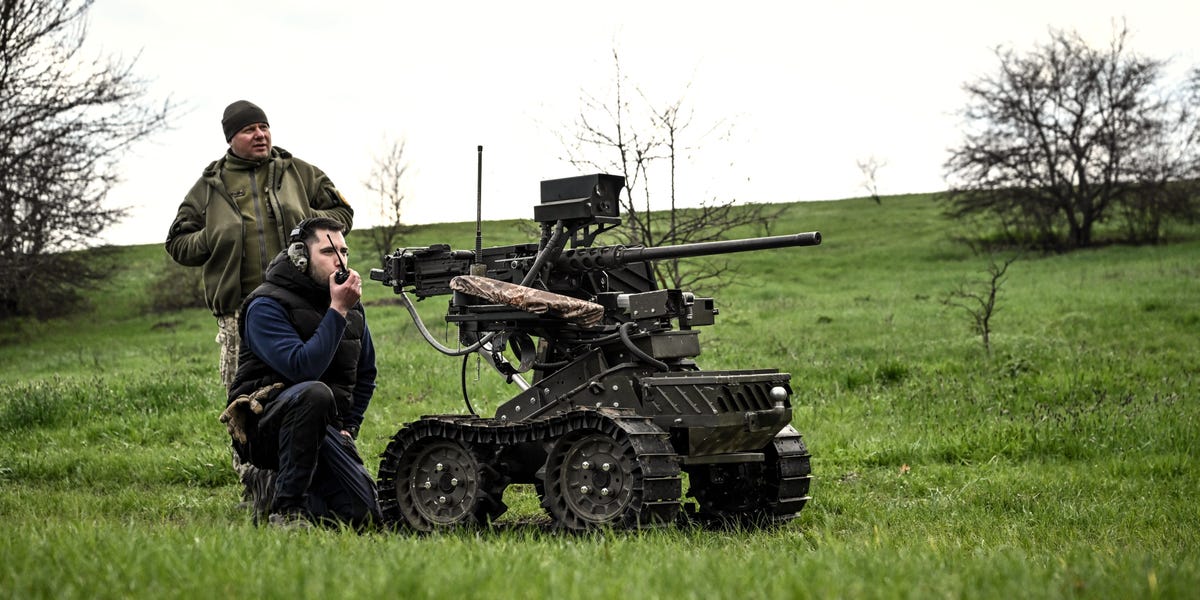
Ukraine's fight shows the West why cheap robots could matter more than armored vehicles in a long war, arms maker says
As modern warfare evolves, military experts are raising concerns about the sustainability of Western tanks and armored vehicles in high-loss scenarios. With the increasing intensity of conflicts, these traditional assets may face significant challenges in terms of replacement and operational effectiveness. In response, defense analysts suggest that deploying affordable ground robots could alleviate some of the operational strain on human soldiers and conventional vehicles. These robotic systems are being explored as a viable alternative for certain missions, potentially enhancing battlefield efficiency while minimizing human risk. The shift towards automation in military operations reflects a broader trend of integrating advanced technology to adapt to the changing landscape of warfare.
Military & Defense ground-robot ukraine armored-vehicles ugv ground-drone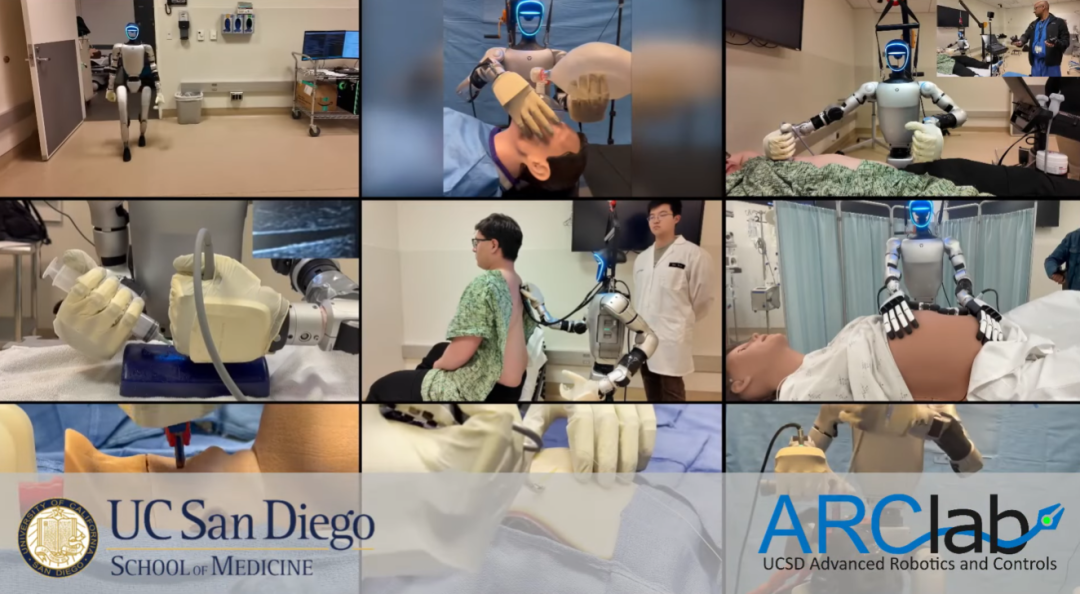
Humanoid Robots Excel in Medical Procedures Ahead of Nature Publication
A humanoid robot developed by the Advanced Robotics and Controls Lab at UC San Diego has successfully performed various medical procedures, including the first-ever live minimally invasive surgery, as reported in Nature. This robot, named Yush, demonstrated capabilities in physical examinations, emergency interventions, and fine-needle surgeries, showcasing its potential in clinical settings. The significance of this development lies in the robot's ability to replicate core human medical operations, which could revolutionize healthcare delivery. The lab's focus on humanoid robots aims to create systems that can autonomously operate in hospital environments, utilizing multi-fingered and multi-armed tools to perform a wide range of tasks without the need for specialized equipment. Looking ahead, the lab is exploring the challenges of maintaining stability while the humanoid robot is in motion, which is crucial for its effectiveness in real-world medical scenarios. The ongoing research indicates that humanoid robots could eventually handle nearly all medical tasks independently, enhancing operational efficiency in healthcare facilities. No further timeline was disclosed at the time of publication.
Humanoid Robots Surgical Robotics Medical Automation AI in Healthcare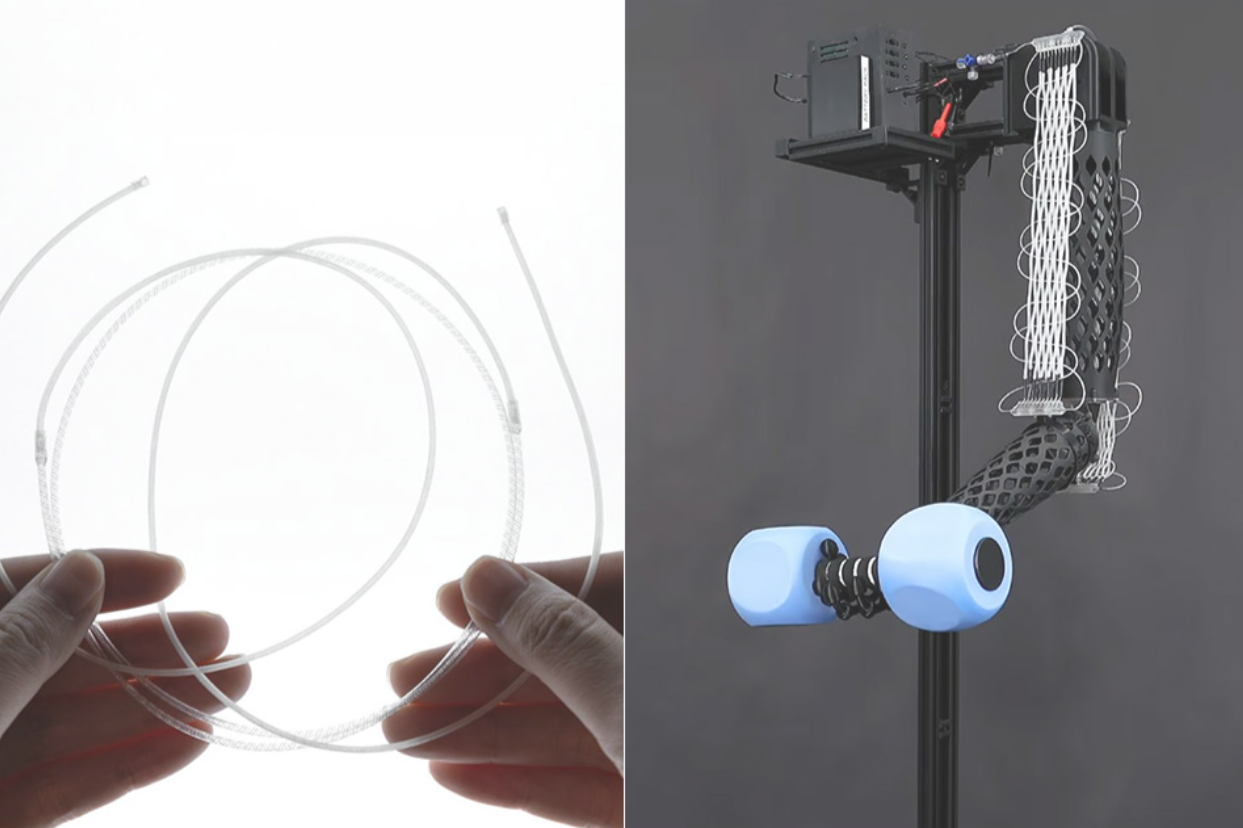
MIT Develops Innovative 'Fiber Muscles' for Robots to Imitate Natural Muscle Movement
Researchers from MIT Media Lab and Bari Polytechnic University have unveiled a groundbreaking technology in soft robotics, detailed in the journal Science Robotics. They have developed 'fiber muscles' that operate silently and efficiently, eliminating the need for external pumps and bulky components traditionally used in robotic joints. This innovation is significant as it addresses the limitations of current robotic systems, which rely on motors and gearboxes that generate noise and require heavy parts, impacting flexibility and energy efficiency. The new system integrates miniature pumps within the muscle fibers, allowing for a self-contained, lightweight, and quiet operation that mimics human muscle movement. Looking ahead, this technology could revolutionize the design of soft robots, enabling them to be embedded in robotic arms, wearable exoskeletons, or prosthetics. The potential for these fiber muscles to enhance human-robot interaction and create more adaptable robotic systems is promising, suggesting a future where the physical boundaries of human-robot coexistence may become more fluid.
Soft Robotics Robotic Actuators Bio-inspired Technology Wearable Robotics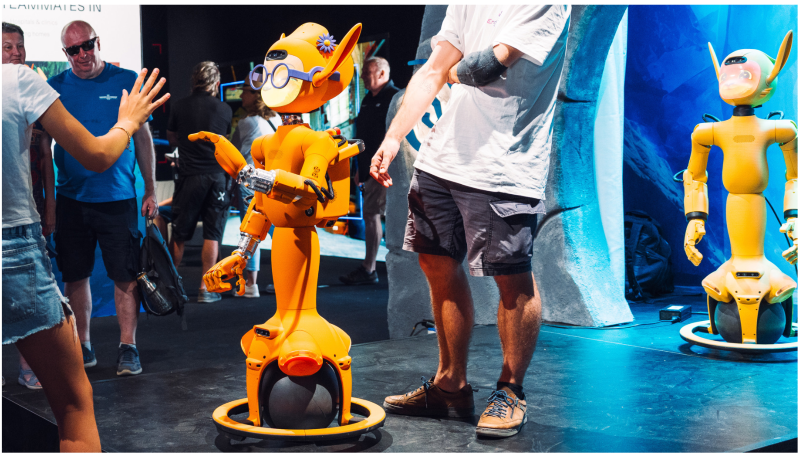
At Goodwood, Robots Explore Their Role in Enhancing Human Experience
At the Goodwood Cricket Ground, a fox-eared robot on roller skates greeted visitors without imitating humans or threatening to replace them, showcasing its unique identity. This event, part of the FOS Future Lab's Intelligent Systems Zone, featured three exhibitors presenting diverse answers to the question of what intelligent machines should do for humanity. One Sheffield startup, led by Raspberry Pi co-founder Liz Upton, demonstrated a method for programming robots using simple English. A robotic arm responded to natural language commands, with COO Eleanor Tang-Smith emphasizing the goal of making robots perform tasks that humans find tedious. Meanwhile, a large screen displayed a real-time reconstruction of Goodwood's famous Taylor Garage, merging digital and physical worlds seamlessly. The fox-eared robotic dogs, designed in Paris, avoided the 'uncanny valley' by engaging with humans through expressive features. They are already in use in hospitals and airports for tasks like transporting and assisting, allowing humans to focus on more urgent matters. The event highlighted three approaches to human-robot interaction, emphasizing the importance of language, vision, and gestures in redefining the interface between humans and machines.
Robotics AI Spatial Computing Human-Robot Interaction
MIT Develops FloatForm Swarm of Autonomous Boats for Adaptive Marine Infrastructure
MIT researchers have unveiled FloatForm, a swarm of 21-centimeter-square autonomous robotic boats capable of self-assembling into floating structures. Each boat is equipped with thrusters, sensors, and a magnetic latching mechanism, allowing them to connect and reconfigure with minimal human intervention. This modular system can adapt to various environments, supporting applications such as emergency response, temporary bridges, and floating markets in waterways across diverse geographies. The significance of FloatForm lies in its decentralized swarm robotics approach, which enables the boats to make local decisions rather than relying on a central controller. This design enhances scalability and efficiency, allowing the robots to navigate and coordinate independently while maintaining robust structural integrity. The innovative magnetic latching system, inspired by origami, allows for reliable connections between boats, facilitating the creation of larger, adaptive structures on water. Future developments will focus on expanding the capabilities of FloatForm for use in canals, rivers, and coastal areas. The researchers aim to deploy larger versions of the robots for various applications, including temporary infrastructure and environmental monitoring. No further timeline was disclosed at the time of publication, but the potential for this technology to transform marine operations is significant, as noted by experts in the field.
AI and Robotics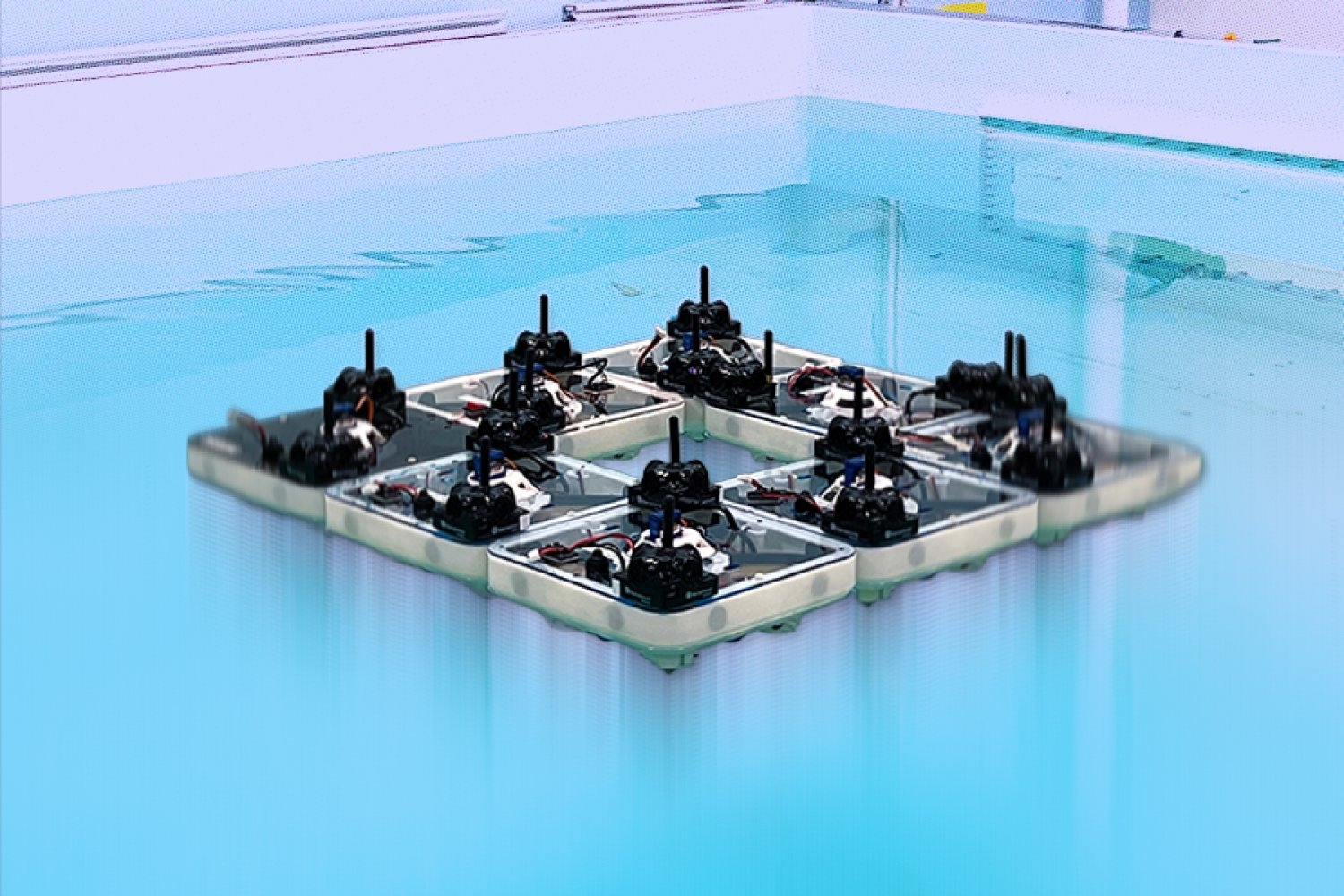
MIT's FloatForm Swarm Robots Create Adaptive Floating Structures for Urban Spaces
MIT researchers have developed FloatForm, a swarm of small robotic boats that autonomously assemble into larger floating structures. Each robot, measuring 21 centimeters square, is equipped with thrusters, sensors, and magnetic latches, allowing them to form bridges, platforms, and other structures with minimal human input. This innovative system aims to transform urban waterfronts into dynamic, programmable spaces, enhancing public infrastructure and emergency response capabilities. The significance of FloatForm lies in its potential to revolutionize how urban areas utilize water surfaces. By mimicking the self-organizing behavior of fire ants, the robots can adaptively create and reconfigure structures on demand, addressing challenges such as traffic alleviation during emergencies or creating temporary public spaces. This modular approach to floating infrastructure could lead to more livable cities by expanding usable public space onto underutilized water areas. Looking ahead, the research team plans to explore further applications of FloatForm in urban environments, with no specific timeline disclosed for future developments. The project builds on previous work with full-size autonomous vessels in Amsterdam, indicating a growing interest in leveraging water for urban mobility and public space expansion. The open-access findings were published in Nature Communications, highlighting the collaborative efforts of MIT's Computer Science and Artificial Intelligence Laboratory and the Senseable City Lab.
Research Robotics Autonomous vehicles Artificial intelligence Computer science and technology Machine learning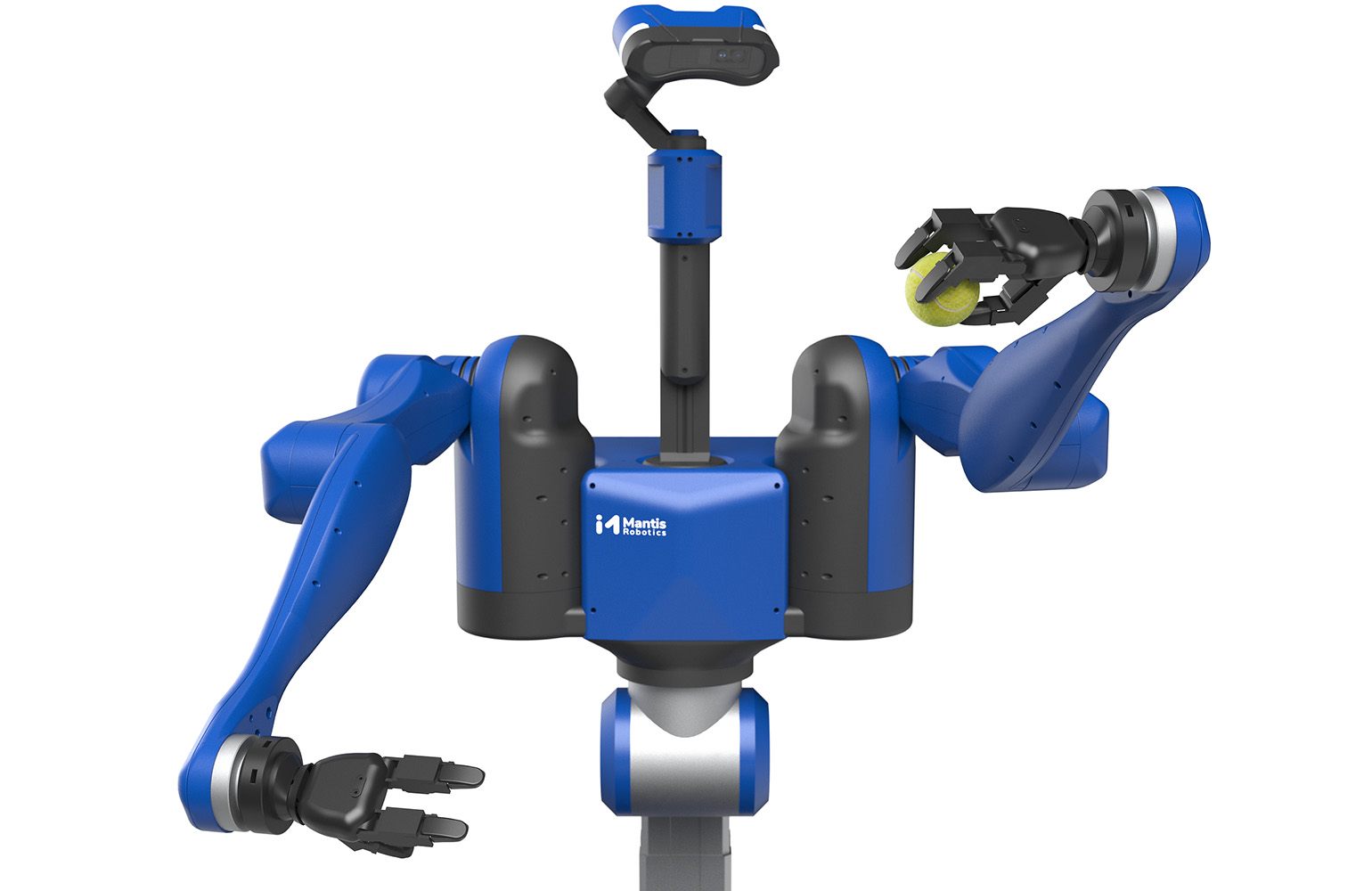
Mantis Robotics launches dual-arm, fenceless robot
Mantis Robotics has introduced a groundbreaking dual-arm, fenceless robot designed to enhance automation flexibility in intricate real-world settings. This innovative technology aims to address the challenges of configuring automation systems in environments that require adaptability and precision. The launch of this robot marks a significant advancement in robotics, as it allows for more versatile applications across various industries. Mantis Robotics emphasizes that this new solution can transform how businesses approach automation, enabling them to optimize operations without the constraints of traditional safety barriers.
Artificial Intelligence Artificial Intelligence / Cognition Cobot Arms Collaborative Robots Design / Development News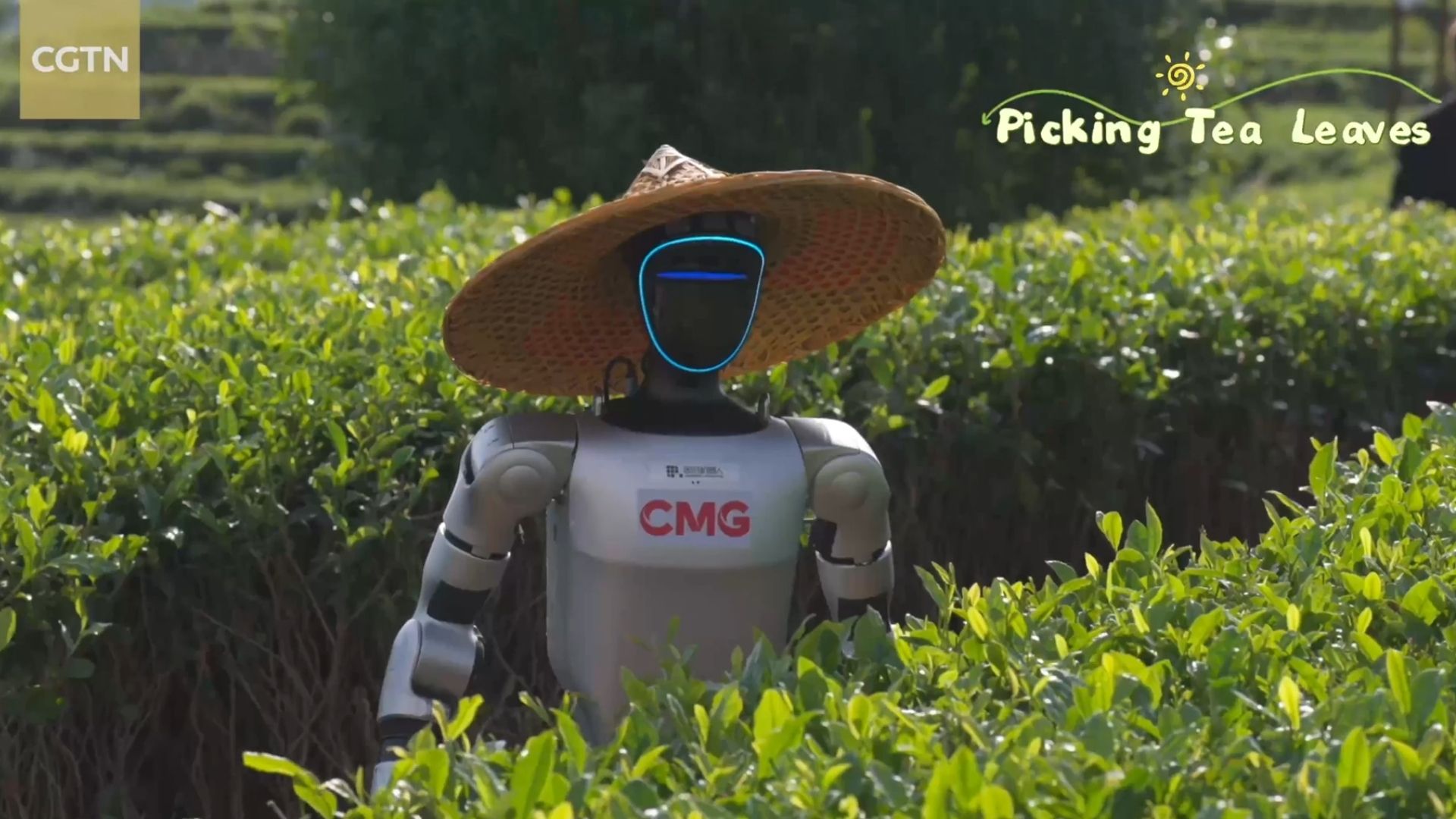
China tests humanoid robots in tea farms before the 2026 World Robot Games
Humanoid robots are making significant strides beyond laboratory demonstrations, now being deployed in tea fields. This advancement marks a notable shift in the application of robotics, showcasing their potential to assist in agricultural tasks. The development comes as part of ongoing efforts to enhance efficiency and productivity in farming, particularly in regions where labor shortages are prevalent. By integrating advanced robotics into everyday agricultural practices, researchers and engineers aim to address the challenges faced by the agricultural sector, including the need for sustainable farming solutions. The implementation of these robots in tea cultivation is expected to streamline operations, allowing for more precise and consistent harvesting methods. As this technology continues to evolve, it holds promise for transforming not only tea production but also other agricultural industries worldwide.
Sub-Millimeter Tactile Control and 100% Reproduction! HKU and Fudan University Launch TAMEn to Solve Data Collection Challenges for Dual-Handed Robots
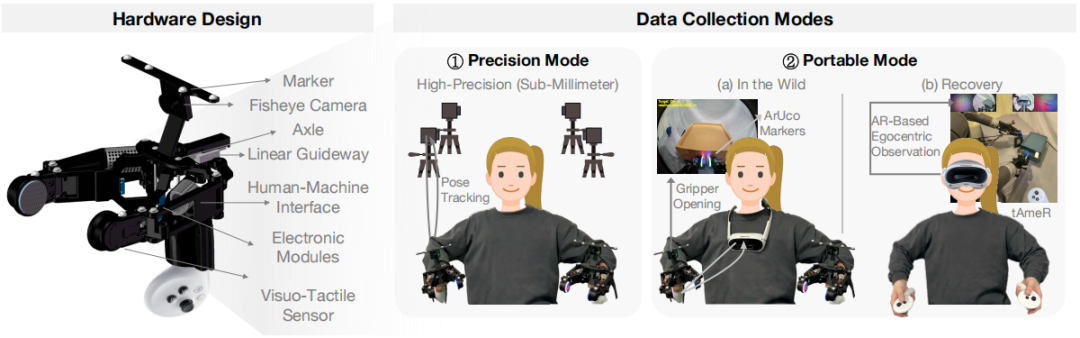
Researchers from the University of Hong Kong (HKU), in collaboration with Fudan University and other institutions, have unveiled the TAMEn tactile perception manipulation engine. This innovative technology is designed to tackle significant challenges associated with dual-handed robotic tasks. By seamlessly integrating visual and tactile data collection, the TAMEn engine enhances the precision and adaptability of robots, enabling them to perform complex manipulation tasks more effectively. The development of this engine marks a significant advancement in robotics, potentially transforming how robots interact with their environment and improving their functionality in various applications.
Tactile Robotics Dual-Handed Manipulation Data Collection Technology Robotics Research
Jeju to rent wearable robots to farmers
Jeju Island is set to launch a rental program for wearable robots aimed at assisting farmers in the region. The initiative, announced by the provincial government on Sunday, introduces a vest-type strength-assist robot specifically designed to alleviate the physical demands of agricultural work, particularly in tasks such as mandarin orange harvesting. This technology can provide up to 25 kilogram-force of support to the lower back, addressing the challenges posed by repetitive bending and heavy lifting. The introduction of these robots reflects a broader effort to enhance productivity and reduce the physical strain on farmers in one of South Korea's vital agricultural areas.
All News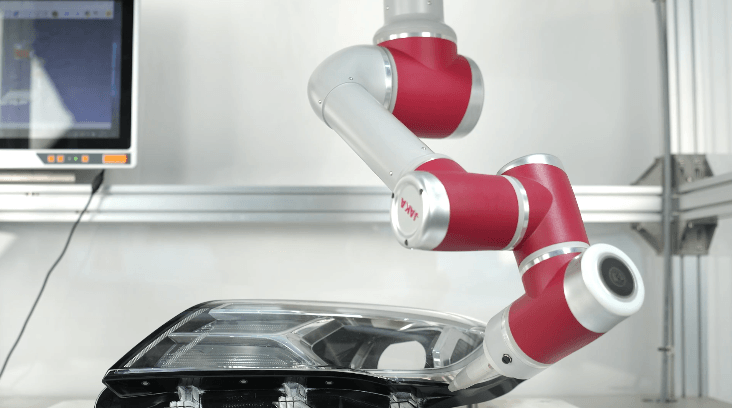
Cobot Arms vs. Traditional Arm Robots Industrial: TCO and Flexibility Comparison
Manufacturers are increasingly reassessing the role of automation in their long-term production strategies, particularly in light of the advantages offered by collaborative robots (cobots) compared to traditional industrial robots. JAKA, a leader in this field, reports a surge in demand for adaptable industrial robot arms that can be quickly deployed to meet fluctuating production requirements. This trend underscores a shift towards collaborative automation, which enhances efficiency without the need for rigid setups or complex infrastructure. The total cost of ownership (TCO) is a critical factor in this evaluation, extending beyond the initial purchase price of robotic systems. Traditional robots often incur higher indirect costs due to the need for safety measures, intricate integration, and extended commissioning times. In contrast, cobots simplify installation and allow for rapid redeployment across various tasks, ultimately lowering TCO. JAKA emphasizes that manufacturers also consider maintenance, retraining, and downtime when selecting automation solutions. Flexibility is another significant advantage of cobots, which are designed for easy reprogramming to accommodate varying product specifications. The JAKA Zu3, for instance, is frequently utilized in adhesive applications, allowing manufacturers to adapt to changing workflows efficiently. This capability is particularly beneficial in fast-paced environments with short product lifecycles. Moreover, cobots enhance safety by taking over hazardous tasks, thereby reducing the risk of accidents while ensuring consistent processing precision and product quality. While traditional robots remain effective for high-volume operations, collaborative robots offer a balanced solution that prioritizes safety, quality, and adaptability. JAKA continues to innovate in this space, helping manufacturers align their automation strategies with evolving production needs.

Too many cooks, or too many robots? Finding a Goldilocks level of randomness to keep robot swarms moving
In a recent study, researchers have explored the dynamics of robotic swarms in performing complex tasks, such as environmental clean-up and assembly operations. The investigation highlights that while deploying a larger number of robots initially enhances efficiency, there is a critical threshold where overcrowding occurs. This phenomenon leads to diminished productivity as the robots begin to interfere with one another, ultimately slowing down the overall process. The findings, which draw on data collected up to October 2023, underscore the importance of optimizing the number of robots in a swarm to maintain operational effectiveness. The research aims to inform future designs and deployments of robotic systems in various industries, ensuring that advancements in technology do not inadvertently hinder performance due to overcrowding.
Robotics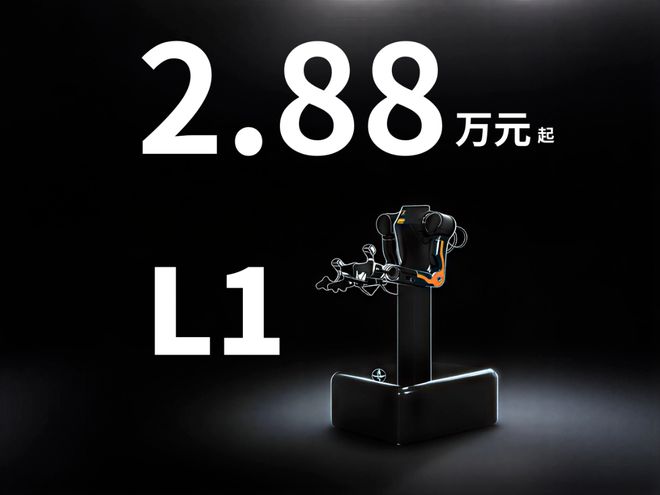
Starting at 28,800 Yuan! VLAI Robotics Launches the L1 Mobile Dual-Arm Robot, Ushering in a New Era of Embodied Intelligence
VLAI Robotics has introduced its latest innovation, the L1 mobile dual-arm robot, which aims to enhance flexibility and precision across multiple sectors. Launched with a starting price of 28,800 Yuan, the L1 is engineered to meet the demands of research, industrial automation, and service industries. This advanced robot features superior mobility and dual-arm functionality, positioning it as a versatile solution for a range of applications. The unveiling of the L1 marks a significant step forward in robotic technology, catering to the increasing need for automation and efficiency in various fields.
Mobile Robots Dual-Arm Robotics AI Automation Research and Development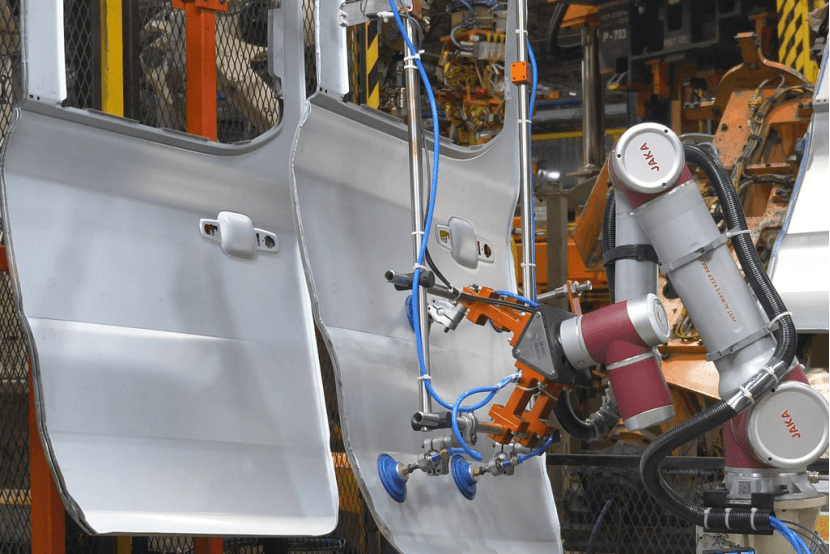
6 Axis Arms vs. 4-Axis SCARA Robots: Which Is Better for High-Mix Assembly?
Manufacturers in high-mix assembly environments face a crucial decision when selecting automation solutions, particularly between 6-axis robot arms and 4-axis SCARA robots. JAKA, a company specializing in automation, assists facilities in navigating this choice, emphasizing that the best option depends on the specific demands of assembly tasks. 6-axis articulated arms offer significant flexibility, mimicking human arm movements to approach workpieces from various angles. This versatility is essential in high-mix settings where components may be presented differently or require complex fitting sequences. The ability to manipulate parts within a single work envelope reduces changeover time and enhances adaptability, making it ideal for operations with varying product designs. Conversely, 4-axis SCARA robots are designed for speed and efficiency in defined planes. Their rigid structure allows for rapid, repeatable movements in the X, Y, and Z axes, making them suitable for high-speed pick-and-place operations and simple insertions. For assembly lines focused on quick, two-dimensional tasks, SCARA robots can achieve higher cycle rates and require less initial investment and programming complexity. The integration and programming of these robots differ significantly. SCARA robots are easier to program for planar tasks, while 6-axis arms may require advanced simulation and path planning to utilize their full capabilities. JAKA’s modern collaborative robots feature intuitive programming interfaces to simplify this process. Ultimately, the choice between a 6-axis robot arm and a 4-axis SCARA robot hinges on the specific assembly process requirements, with JAKA advocating for solutions that align the robot's strengths with production line challenges.
Foundation CEO Details Path to Armed Robots, Aims for 10,000-Unit Production in 2026
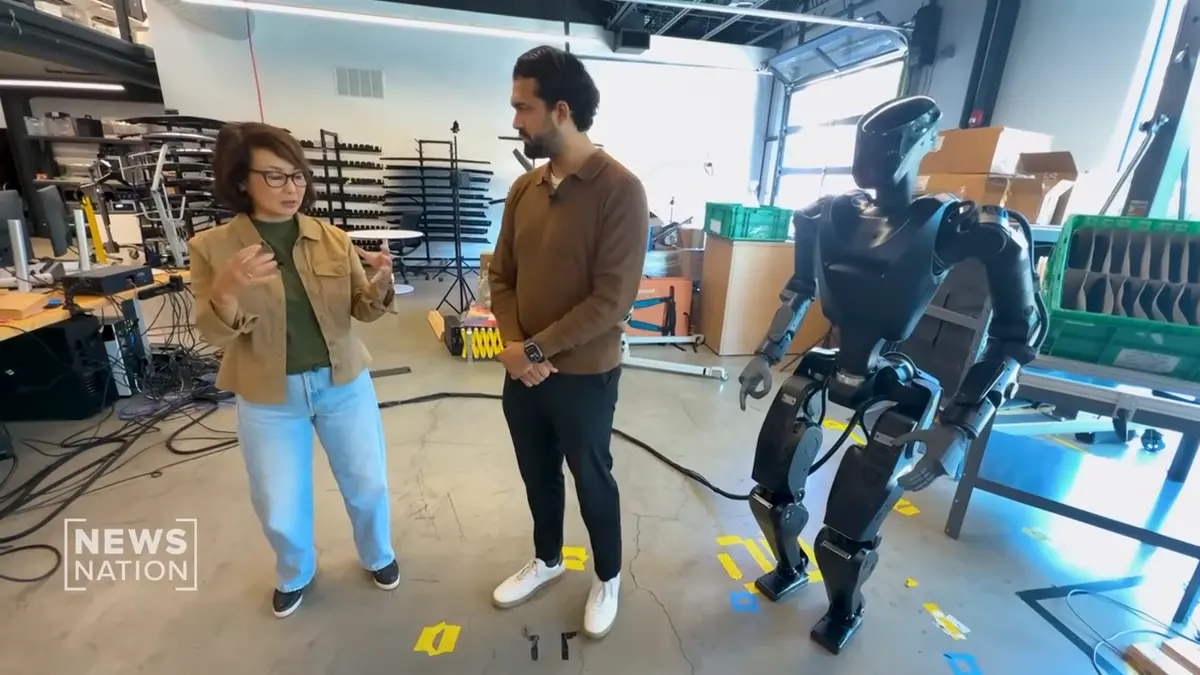
In a recent segment on NewsNation, Sankaet Pathak, CEO of Foundation, outlined the company's plans to advance its military capabilities, moving from the development of ground drones to the creation of armed robots. Pathak emphasized an ambitious target of producing 10,000 humanoid robots by the year 2026, reflecting the company's commitment to innovation in defense technology. This strategic shift aims to enhance military operations and address evolving security challenges.
sankaet-pathak phantom military-robotics foundation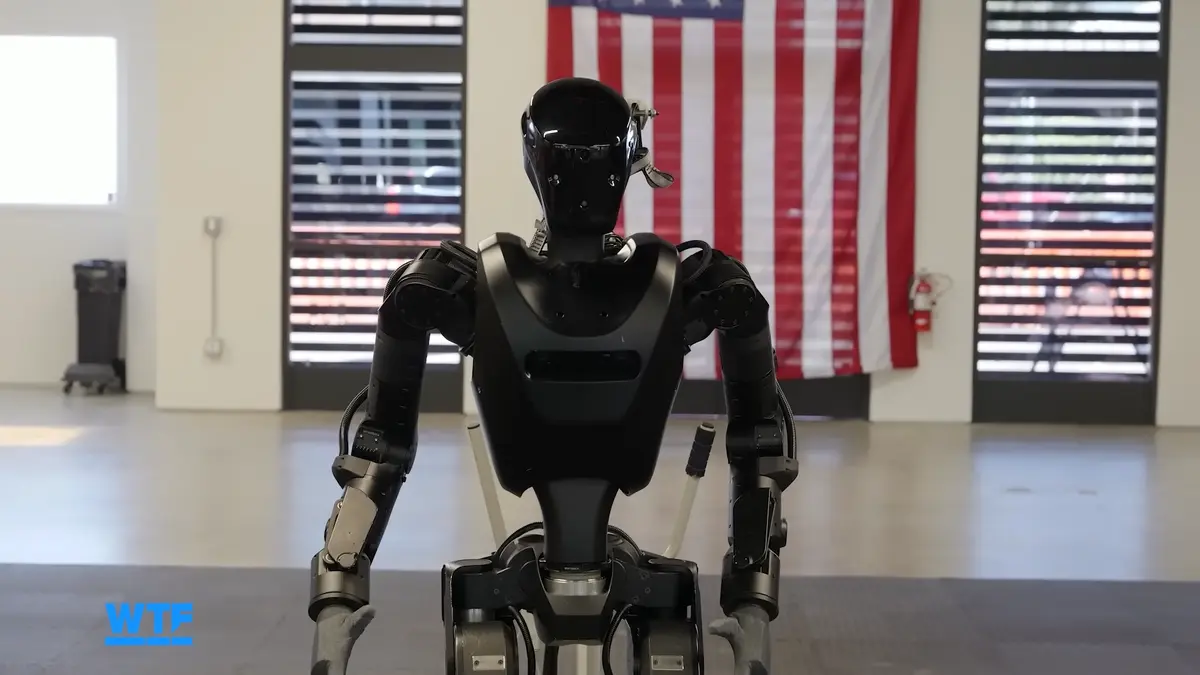
CNET Goes Hands-On With Foundation's 'Phantom' Humanoid as CEO Discusses Arming Robots
In a recent feature by CNET, Foundation Robotics showcased a hands-on demonstration of its Phantom MK1 humanoid robot, led by CEO Sankaet Pathak. During the event, Pathak elaborated on the company's aspirations within the military sector, revealing that the possibility of equipping the robots with firearms is being considered for the first time. This development highlights Foundation Robotics' strategic direction as it explores the integration of advanced robotics into defense applications.
sankaet-pathak US phantom military-robotics foundation cnet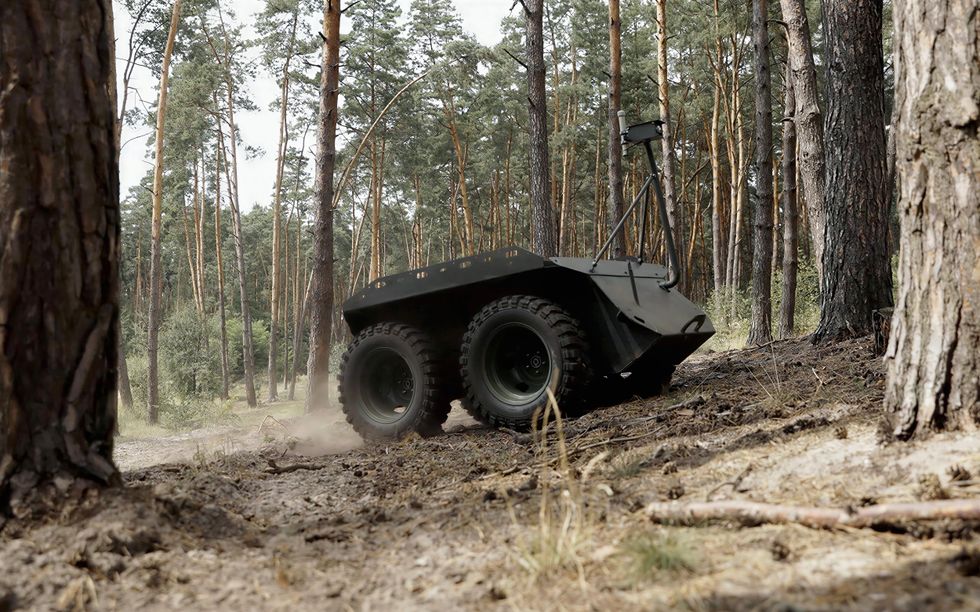
RoverTech's Zmyi Ground Robots Enhance Ukraine's Military Operations with 57 Mission Average
Ukrainian robotics firm RoverTech has developed the Zmyi, a versatile ground robot that has achieved an impressive average of 57 missions in the frontline kill zone. Weighing 800 kilograms and equipped with various configurations for tasks such as demining and combat, the Zmyi is designed to evade detection by enemy drones, making it a critical asset in Ukraine's defense strategy. The significance of the Zmyi lies in its ability to operate effectively in high-risk environments, outperforming typical uncrewed ground vehicles (UGVs) that usually complete only seven missions. This advancement reflects a broader trend in Ukraine's military technology, where UGVs are increasingly replacing traditional armored vehicles due to their lower cost and adaptability for urgent battlefield needs. Looking ahead, Ukraine's President Volodymyr Zelenskyy has ordered the procurement of 50,000 UGVs by the end of 2026, significantly increasing the military's robotic capabilities. As the conflict evolves, the integration of UGVs with aerial reconnaissance is expected to reshape frontline tactics, although no further timeline was disclosed at the time of publication.
Ground-robots Ukraine Unmanned-vehicles Ugvs Sensor-networks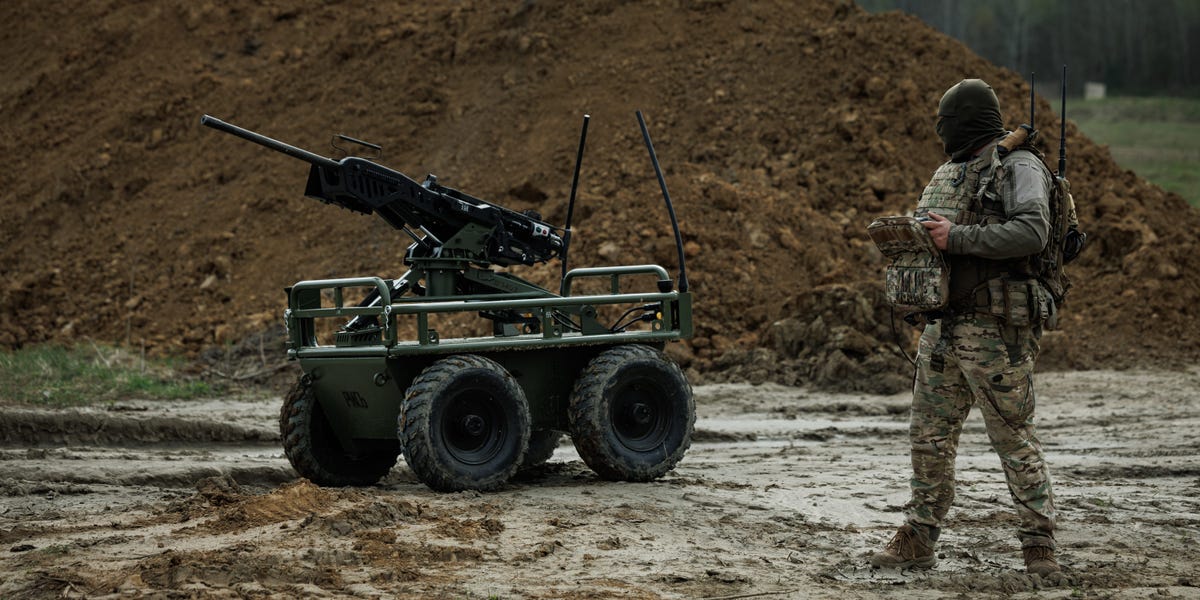
A Ukrainian arms maker was surprised to see Russian soldiers surrender to its war robots
Ukrainian soldiers are utilizing robots developed by DevDroid to safely approach Russian soldiers during surrender scenarios, enhancing their protection from potential attacks. This innovative strategy aims to minimize risks for Ukrainian forces while facilitating the surrender process. The deployment of these robots comes amid ongoing hostilities, as both sides continue to engage in conflict. By employing technology in this manner, Ukrainian troops can maintain a tactical advantage and reduce the likelihood of direct confrontations. The use of robots reflects a growing trend in modern warfare, where automation is increasingly being integrated into military operations to safeguard personnel and streamline procedures.
Military & Defense ukraine ground-robot ugv ground-robots russia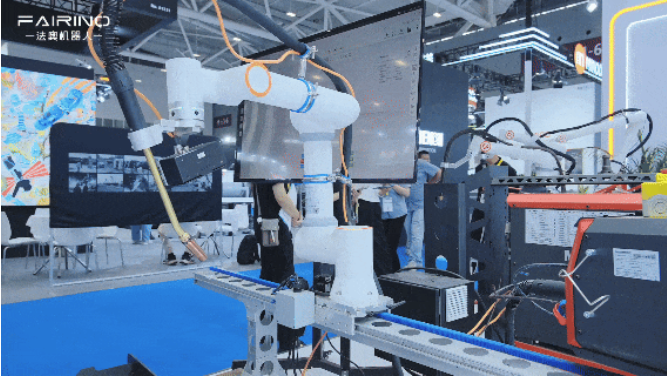
Welding Robots: Evolving Beyond Just Mechanical Arms
At the Shenzhen Essen Welding Exhibition, industry leaders addressed the ongoing challenges of integrating robotics into flexible production systems. Despite advancements in welding automation, the reliance on skilled workers remains crucial, as conventional robots often falter with complex tasks. The introduction of 'welding intelligent agents,' which utilize artificial intelligence for enhanced decision-making and adaptability, signifies a transformative development in the sector. This innovation aims to bridge the workforce gap created by the retirement of experienced welders and the increasing demand for customized production solutions.
Welding Robots AI in Manufacturing Industrial Automation Smart Manufacturing
Open-source swarm robotics: Custom ESP32 MiniBots turn chess pieces into autonomous robots
A hardware developer known as 3DprintedLife has introduced an innovative open-source swarm robotics project aimed at advancing collaborative robotics technology. The announcement was made recently, showcasing the potential for multiple robotic units to work together efficiently in various applications. This initiative is designed to encourage community involvement and innovation in robotics, allowing developers and enthusiasts to contribute to and enhance the project. By providing accessible resources and documentation, 3DprintedLife hopes to foster a collaborative environment that could lead to significant advancements in the field. The project is expected to attract interest from both amateur and professional roboticists, as it emphasizes the importance of shared knowledge and collective problem-solving in technology development.
AI and Robotics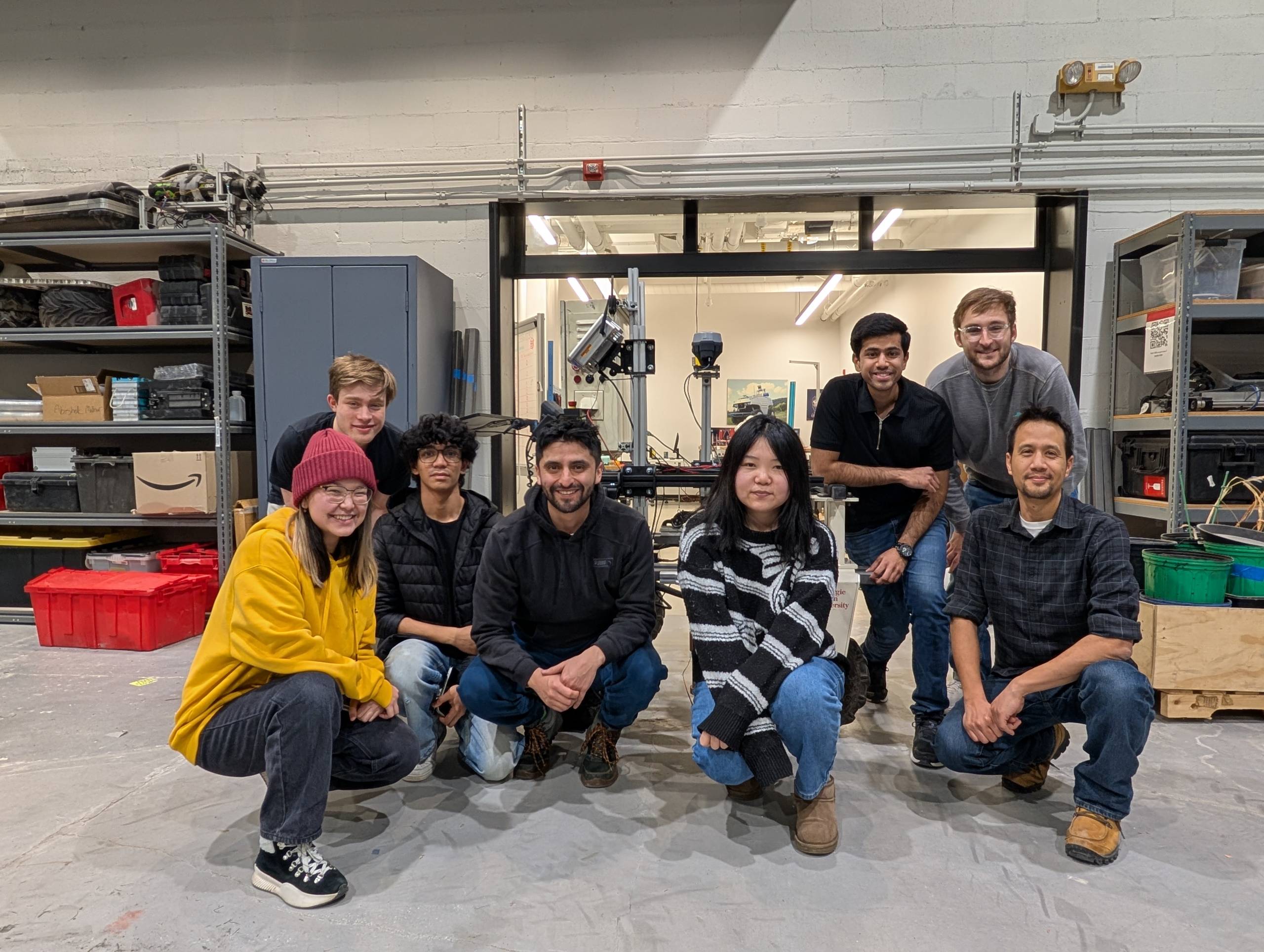
Carnegie Mellon Team Helps Farmers Fight Crop Disease With Robots
A team of students from Carnegie Mellon University's Robotics Institute has developed an innovative robotic solution to combat fire blight, a destructive disease that threatens orchards by killing branches and entire trees, leading to significant economic losses for farmers. This project, known as the Fire Blighters, aims to assist growers in detecting the disease earlier and minimizing its spread. The team's efforts have recently garnered national recognition, highlighting the potential of robotics in agricultural disease management.
Announcements Awards
Finding the best ways for humans and robots to work together requires 'swarm' thinking
As the landscape of warehouse work evolves, experts are exploring the most effective methods for human-robot collaboration. With advancements in automation and robotics, the integration of these technologies into the workforce is becoming increasingly prevalent. The discussion centers around optimizing the interaction between human workers and robots to enhance productivity and safety in warehouse environments. This exploration is particularly relevant as companies seek to adapt to changing demands and improve operational efficiency. The focus on collaboration strategies aims to ensure that both humans and robots can work together seamlessly, leveraging each other's strengths to meet the challenges of modern logistics.
Business
Photos | Robots, drones and packed fields at Dutch Arable Farming Day
The Arable Farming Day, organized in Lelystad, Flevoland, on May 28, attracted over 1,000 attendees who engaged in various demonstrations, field tours, presentations, and exhibitor displays. The event, held under sunny skies, showcased a diverse array of agricultural practices, drawing significant interest from visitors. Organizers expressed satisfaction with the turnout and the positive feedback received, highlighting the importance of such events in promoting advancements in arable farming.
Uncategorized
From Japan to Korea: China's Humanoid Robots Embark on a 'Tech Dharma' Experiment in East Asia
The emergence of 'robot monks' is gaining significant attention across East Asia, particularly with South Korea's introduction of Gabi, its first humanoid robot monk, which recently completed an ordination ceremony. Meanwhile, Japan is also embracing this trend with its Plus robot, which actively participates in Buddhist practices. This innovative intersection of technology and spirituality is prompting both nations to reconsider the role of robots within religious settings, highlighting a transformative shift in how faith and modern advancements can coexist.
Humanoid Robots Buddhism Technology AI in Religion Robot Ethics
Japan Pioneered Humanoid Robots—Can It Now Catch China?
“In the future, the relationship between humans and robots will deepen, and the distinction between them will probably disappear.” This prediction, from one of the attendees at the recent Humanoids Summit in Tokyo, might have been unremarkable had it not come directly from an android that was first introduced to the world 20 years ago. Geminoid HI-6 is the sixth-generation of a robot originally designed in 2006. The mechanical twin of Osaka University professor Hiroshi Ishiguro, Geminoid HI-6 is now equipped with a large language model trained on Ishiguro’s own writings and interviews. It has advanced conversational skills and can even have a chat with its creator, an eerie spectacle. But at the Humanoids Summit, Geminoid was one of the few humanoid robots from Japan, the country that pioneered the form factor.While the event in Tokyo only had about 40 robots on display, Chinese systems outnumbered Japanese by roughly three to one. Some Japanese robotics firms were even using Chinese robots in their own technology demonstrations, something that would have been unthinkable in the recent past—one Japanese engineer described the situation as “sad.” The conference was a stark reminder of how Japan has ceded its early lead in humanoid robot development to overseas competitors, and the challenge it now faces to secure a place in an ecosystem increasingly dominated by general-purpose robots powered by AI. Twenty-five years ago, Japan was turning out groundbreaking humanoids that were showstopping in their abilities, but they were not commercialized as practical machines in any meaningful way. Heavily influenced by science fiction and lacking practical applications, they were mostly expensive technology demonstrations that were eventually mothballed. What Japan retains, however, is robotics design and know-how, which it must leverage to be a key player in the rapidly evolving humanoid ecosystem. Learning to Walk—Then Standing StillTo anyone who has seen recent videos of Chinese humanoids doing kung-fu and synchronized acrobatics, as well as half-marathon races, China’s remarkable progress in the field is nothing new. At the Humanoids Summit, Toyota showed a video of its latest basketball-playing robot, and Honda exhibited its latest robot hand, but the full-scale humanoids on the floor were mostly Chinese–the kid-size K1 machines from Booster Robotics of Beijing were dancing to Michael Jackson tunes. The full-scale G1 humanoid from Unitree Robotics of Hangzhou was also doing demos. “You cannot sell these bipedal systems in Japan for safety and compliance reasons,” says Shuichi Nagao, a frequent visitor to China as CTO of Omakase Robotics, a division of Zeals, a Japanese humanoid robot developer. Omakase was exhibiting a G1 modified with an external PC controller, a dextrous hand, a suction-cup manipulator and a sensor “hat” with an extra speaker, mic and camera. “In China, the government is pushing humanoid development. They didn’t have an industry 20 years ago. The people pushing it are young, in their 20s and 30s. It’s a really different mentality out there,” says Nagao. “Big players in Japan are still looking for use cases for humanoids. In China, they’re already doing mass production and reducing the cost, so other countries can’t compete with them anymore.”Another Japanese company showing off G1 bots was summit sponsor GMO AI & Robotics, a subsidiary of Japanese internet company GMO. It’s using the robots in partnership with Japan Airlines to load and unload cargo containers at Tokyo’s Haneda airport. The cargo project is a trial—like many other humanoid experiments—but the fact that Chinese machines have penetrated so far into Japan’s ecosystem upends a long history. In 1973, scientists at Waseda University in Tokyo built WABOT-1, considered the first full-scale humanoid robot and capable of slow bipedal locomotion, grasping objects and simple communication. It inspired Honda’s groundbreaking Asimo humanoid, but it was never commercialized. Asimo was eventually retired in 2022, the year ChatGPT was released. Two years later, Unitree’s G1 went on sale for US $16,000. China’s High Torque Technology Co. showed off its Mini Pi biped, customized with an anime-inspired head, at Humanoids Summit in Tokyo. The regular version is priced at $3,500. Tim HornyakSupply and DemandJapan’s development of humanoids happened before practical applications or widespread demand were in place, but bad timing is only part of the story—Japan also has a history of developing technologies that might appeal to domestic consumers but not necessarily those overseas. For example, decades after they first appeared, its highly engineered, multifunction toilets have only recently found a following abroad. Japan’s humanoid prowess was partly built on the back of its legendary industrial automation, yet even that stronghold has eroded. Ani Kelkar, a partner from McKinsey & Company in Boston who produces analytical reports about the robotics industry, told the summit audience that while Japan occupied the top spot in the world in manufacturing robot density (the number of multipurpose industrial robots in operation per 10,000 employees) from at least 1994 to 2009, it then slipped to second in 2014, third in 2019 and fifth in 2024. In that year, South Korea was at the top of the leaderboard with a robot density of 1,220 compared to Japan’s 446. The International Federation of Robotics estimates China now has the most operational industrial robots in the world, with around 2 million total units, approximately 4.5 times more than Japan. “The annual installation numbers are impressive too: 54 percent of all robots installed worldwide in 2024 were deployed in China,” the IFR said in a release in April 2026. “I think the loss of Japanese leadership is more to do with the rise of China as a manufacturing powerhouse including for sectors that Japan had high export levels,” Kelkar said in an email interview. “The recovery has not yet happened as Japan ‘missed’ the rapid acceleration in AI for robotics and is now playing catchup.”How Japan Can Adapt Kelkar believes Japan has a US $100 billion opportunity in general-purpose robotics, which are machines that can perform a wide variety of tasks, and it cannot rely on the slower-growing industrial robot market, which is centered on factory machines that do one simple and predictable task like welding car parts. He points to a McKinsey white paper suggesting that while Japan has much of the hardware and technology experience needed to support general purpose robot development, it must change its strategy to capture more share in AI, software, data collection and robotics platforms.Tetsuya Ogata is a professor of engineering and director of the Institute for AI and Robotics at Waseda University, the birthplace of humanoids in Japan. He briefed the summit on how a nonprofit he chairs, the AI Robot Association (AIRoA), is working with Toyota and other members to develop foundational technologies for collaborative use. For instance, AIRoA has collected some 80,000 hours of data on remote operation of mobile manipulators, and Ogata believes it’s the largest dataset of its kind. Using the data, it built and verified Vision-Language-Action (VLA) models, and it has also started data collection for dual-arm mobile manipulation. In an interview, Ogata acknowledged Japan’s struggle to find its place in the changing landscape. “The world of AI is inherently a game of scale,” says Ogata. “Therefore, Japan’s absolute prerequisite is to secure a competitive baseline of scale—in data, computing resources, and talent. Beyond that, what I consider most critical is a mindset shift: rather than trying to hoard scale within a single nation or company, we must grow stronger by collaborating with a diverse ecosystem of domestic and international players.” Specifically, this means creating a ‘collaborative domain’ to address data—the single biggest bottleneck—through industry-wide cooperation rather than data-siloing. By collectively nurturing a pre-competitive, shared data infrastructure and foundation model, individual companies can then compete on top of it with their own applications. “By offering this open ‘data ecosystem’ to the world, we can engage global players and establish a ‘third pole’ alongside the US and China,” says Ogata. “I believe this is how Japan can reclaim its global presence.”In 1999, Japan introduced the world’s first mobile internet services platform. But being first didn’t turn Japan into a smartphone manufacturing or design center—it’s now merely a supplier of parts to other countries who are leading the smartphone industry. If Japan can avoid a repeat of that experience and successfully deregulate, diversity, and commercialize its original humanoid dreams, it stands a better chance of influencing the direction of the industry and reaping billions in value. As automobiles and electronics were pillars of Japan’s industrial strategy in the last century, Japan could make humanoid robots one of its key value generators in the 21st century, an approach that would not only deliver economic benefits but give Japan greater clout in how the industry will evolve. Just like Japanese cars, electronics, and even toilets, Japanese humanoids could stand for craftsmanship and reliability. It’s a legacy that Japan can’t afford to give up.
Japan Robotics Humanoids Humanoid-robots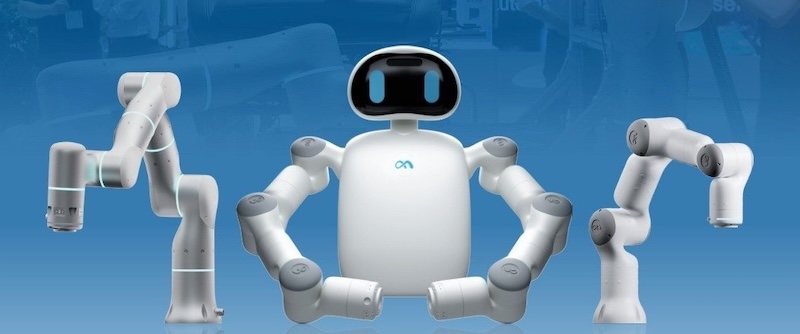
Flexiv launches new ‘adaptive robots’ for industrial automation
Flexiv has introduced two innovative adaptive robots aimed at enhancing tactile sensing and physical AI capabilities within the realm of industrial automation. The company unveiled its flagship Enlight robotic arm and the Mico dual-arm robotic platform, marking a notable advancement in force-controlled robotics and embodied intelligence. The Enlight arm features a seven-axis design, allowing for greater flexibility and precision in various applications. This launch, which took place recently, underscores Flexiv's commitment to pushing the boundaries of robotics technology to meet the evolving needs of the manufacturing sector. By integrating advanced sensing and control mechanisms, these robots are expected to improve operational efficiency and adaptability in complex industrial environments.
Industrial robots News adaptive robots cobots collaborative robots embodied ai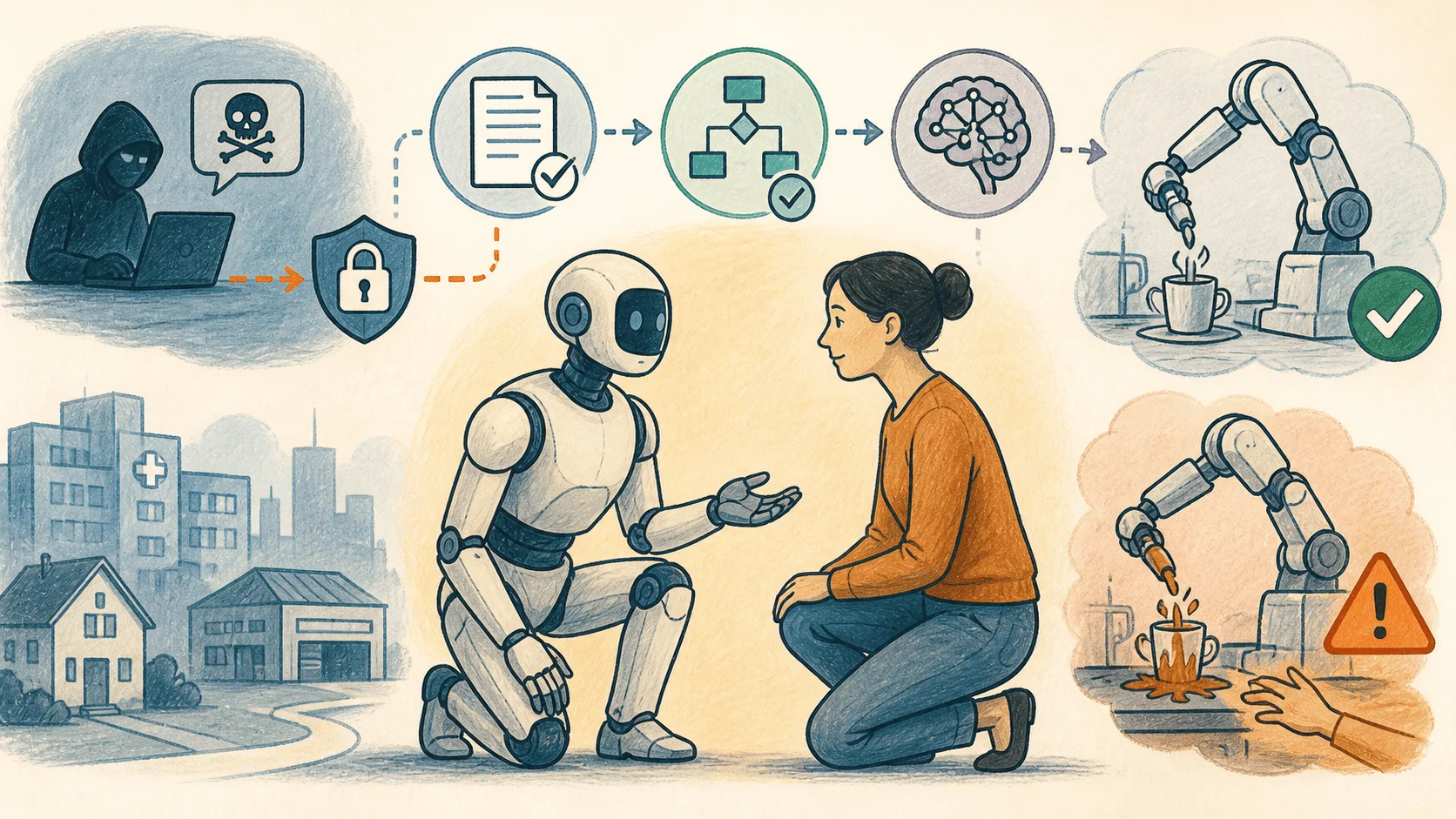
Researchers Suggests More Safety Measures Needed for Robots than AI Chatbots
A recent study conducted by researchers from the University of Pennsylvania, Carnegie Mellon University, and the University of Oxford highlights significant concerns regarding the safety of AI-powered machines operating in close proximity to humans. The findings suggest that current safety protocols may be inadequate as these robots begin to interact with people in physical environments. The researchers emphasize the necessity for more advanced, context-aware safety systems that go beyond the existing measures used for AI chatbots. This study raises alarms about the potential risks associated with deploying AI technologies in real-world settings, urging developers and policymakers to prioritize enhanced safety measures to protect individuals from unforeseen consequences.
AI AI Research & Advances Robotics Carnegie Mellon University Research robots
Ukraine's 123rd Territorial Defense Brigade Conducts Historic Amphibious Operation with Unmanned Systems
On July 13, 2026, Ukraine's 123rd Independent Territorial Defense Brigade executed a historic amphibious operation utilizing unmanned systems. This marked the first known joint combat mission involving an unmanned surface vessel (USV) and an unmanned ground vehicle (UGV) in a military context. The operation took place on the Kinburn Spit, an area long controlled by Russian forces, where the USV successfully delivered the UGV to the enemy coast without any human soldiers stepping onto hostile territory. The significance of this operation lies in its demonstration of a new combat paradigm where unmanned systems can effectively replace human soldiers in high-risk scenarios. The UGV, reportedly manufactured by Lviv's Roboneers, was equipped with a PKT 7.62mm machine gun and was able to engage targets after landing. The 123rd Brigade emphasized that this operation is not merely a technological novelty but represents a fundamental shift in warfare, highlighting the potential for machines to undertake dangerous missions. Looking ahead, the use of unmanned systems in military operations is expected to expand, as the Ukrainian military has already received over 1,000 various ground robot systems. The ongoing evolution from traditional amphibious assaults to unmanned operations could redefine the nature of warfare, reducing risks to human soldiers while increasing operational effectiveness.
Unmanned Systems Robotics Amphibious Operations Military Technology
Swarm Robots Inspired by Bees and Ants Could Transform the Future of Mining
Researchers at Adelaide University have unveiled an innovative robotic system modeled after the behaviors of bees and ants, aiming to enhance safety, efficiency, and sustainability in the mining industry. This development comes as part of ongoing efforts to address the challenges faced in mining operations, where traditional methods often pose risks to workers and the environment. By mimicking the collective intelligence and collaborative strategies of these insects, the new robotic system is designed to optimize resource extraction processes while minimizing ecological impact. The research team believes that this approach could revolutionize mining practices, making them more adaptable and less hazardous. The project highlights the potential of biomimicry in engineering solutions that align with environmental sustainability goals.

Swarm robots inspired by bees and ants could transform the future of mining
A team of researchers at Adelaide University has unveiled an innovative robotic system designed to enhance safety, efficiency, and sustainability in the mining industry. Drawing inspiration from the collaborative behaviors of bees and ants, this new technology aims to transform traditional mining practices. The development comes at a crucial time when the industry faces increasing pressure to adopt more environmentally friendly methods and improve worker safety. By mimicking the social structures and collective decision-making processes of these insects, the robotic system is expected to optimize resource extraction while minimizing environmental impact. This advancement not only highlights the potential for robotics in industrial applications but also underscores the importance of interdisciplinary research in addressing contemporary challenges in mining.
Robotics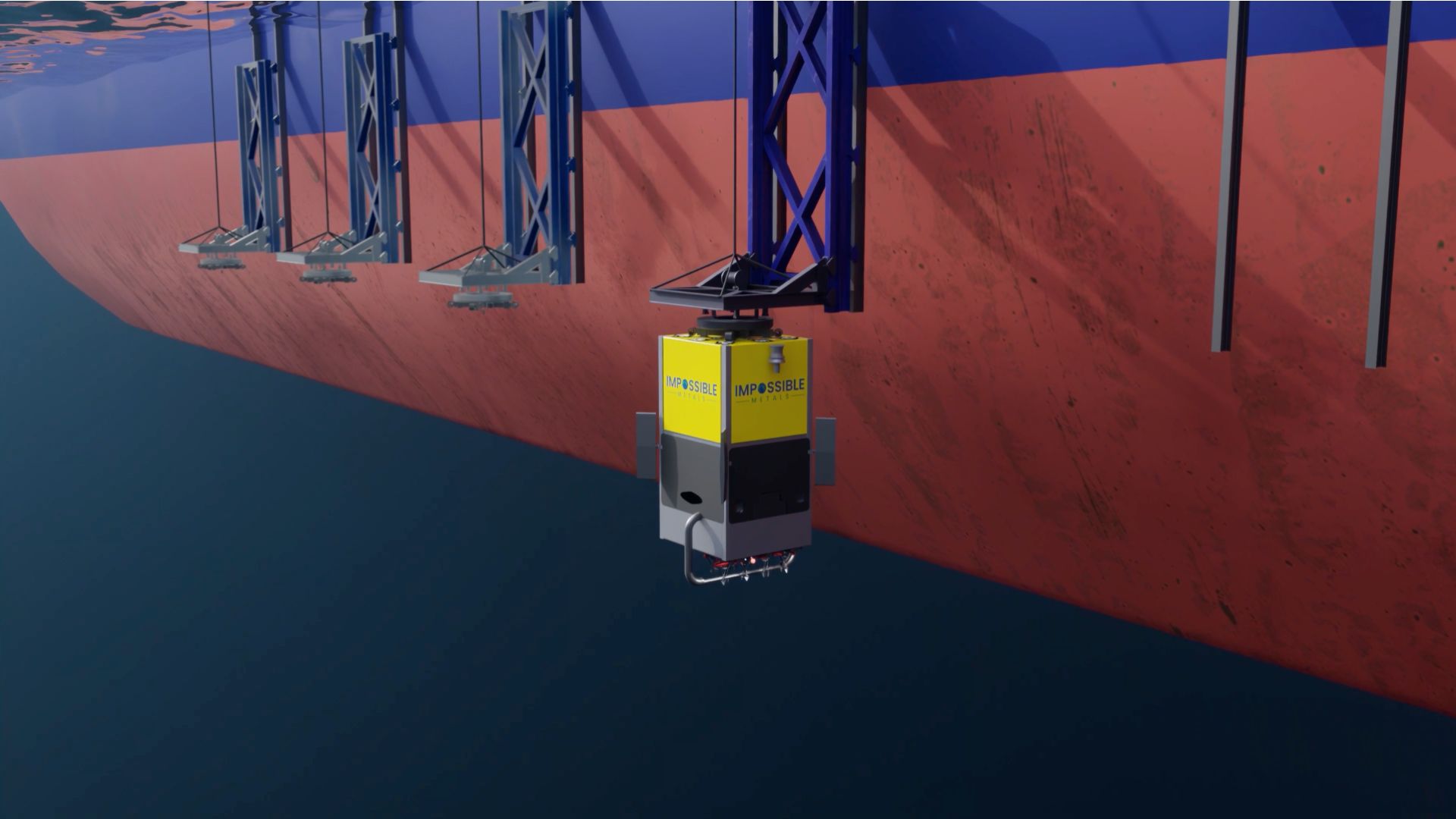
Impossible Metals to Launch Advanced Marine Robotics Hub for Deep-Sea Mineral Harvesting
Impossible Metals, a US mining technology company, has announced plans to establish an Advanced Marine Robotics Hub in Pittsburgh, Pennsylvania. This facility will focus on developing autonomous marine systems for the deep-sea collection of critical minerals, creating over a dozen high-paying engineering and science jobs. The hub aims to enhance US capabilities in marine robotics and critical mineral technologies through collaboration with local universities and researchers. The significance of this initiative lies in its potential to redefine deep-sea mining practices. According to Mike Regan, Chief Growth Officer at Impossible Metals, the hub will enable swarms of autonomous robots to harvest critical minerals like nickel, cobalt, copper, and manganese with minimal environmental impact. This approach not only promises to produce the lowest-cost critical metals on Earth but also aims to strengthen the US supply chain and reduce reliance on foreign sources of essential materials. Looking ahead, the Advanced Marine Robotics Hub will serve as the primary research center for advancing the Eureka autonomous underwater platform and Smart Launch and Recovery Systems. The company plans to continue developing dual-use technologies that cater to both commercial and naval applications. No further timeline was disclosed at the time of publication.
AI and Robotics
Video: Chinese firm shows humanoid and robot arm control by single model in new demo
A Chinese robotics startup has showcased its innovative humanoid robots collaborating with fixed dual-arm robotic systems in a recent demonstration. This event took place in October 2023, highlighting the company's advancements in robotics technology. The demonstration aimed to illustrate the potential applications of these robots in various industries, emphasizing their ability to work in tandem to enhance efficiency and productivity. By integrating humanoid capabilities with dual-arm systems, the startup seeks to address growing demands for automation in sectors such as manufacturing and logistics. The successful collaboration between these robotic systems marks a significant step forward in the field of robotics, showcasing how such technologies can be utilized to streamline operations and reduce labor costs.
AI and RoboticsRobotics needs a service framework.
RSF defines a common language for robot service capability, lifecycle operations, certification pathways, and service-provider networks.