Industry Briefing
A single destination for timely, editor-curated robotics news from around the world.

Global Efforts to Address Human Factors in Drone Operations and Safety Standards
As commercial drone operations evolve, regulators worldwide are increasingly focusing on human factors affecting safety. Experts Aloha Ley and Giovanni Carnaroli highlight how aviation authorities in the U.S., Europe, the U.K., Australia, Japan, and ICAO are addressing these challenges. The FAA's approach remains tied to general airman fitness standards, while EASA is integrating human factors into risk frameworks. The UK promotes the IMSAFE checklist for operator self-assessment, and Australia and New Zealand provide fatigue guidelines for drone operators. The emphasis on human factors is crucial as the regulatory landscape for UAS continues to develop. The FAA's research programs aim to enhance understanding of operator behavior and workload impacts on safety, particularly in BVLOS operations. EASA's SORA methodology requires structured risk assessments that consider operator competency, while the UK’s IMSAFE checklist serves as a practical tool for promoting safety culture among drone operators. Looking ahead, the challenge remains in standardizing and enforcing human factors requirements across jurisdictions. As the Asia-Pacific region expands its drone ecosystem, the lack of uniform guidelines poses a safety risk. Future developments in human factors regulations will be essential for ensuring safe and efficient drone operations globally. No further timeline was disclosed at the time of publication.
DL Exclusive Drone News Drone News Feeds Drones in the News FAA Feature 1
Odyssey Launches Odyssey-3 World Model for Robots, Humanoids, and Drones
Odyssey has unveiled Odyssey-3, a versatile world model designed to control robots, humanoids, autonomous vehicles, and drones using a unified AI system. This autoregressive diffusion transformer is trained on a diverse set of visual observations, allowing it to adapt with minimal task-specific data. The model has been pre-trained to understand physics, motion, and human behavior, enabling developers to create tailored action decoders for various systems. The significance of Odyssey-3 lies in its potential to streamline the training process for humanoid robots. In collaboration with Flexion, Odyssey is exploring how pretraining can minimize the data required for teaching new skills. Flexion has successfully developed control policies for tasks like object manipulation using only a small amount of teleoperation data, demonstrating improved generalization over traditional models. Looking ahead, Odyssey plans to publicly release Odyssey-3 in the coming weeks. The company is also collaborating with Poke & Wiggle to assess the model's adaptability across different robot types and control systems. This initiative could reshape how robots learn and adapt to new environments, enhancing their operational capabilities significantly.
AI AI Funding & Investment Robotics autonomous vehicles Flexion humanoid robotics
Maximizing Drone Utilization: The Importance of Human-Guided Autonomy for Militaries
The increasing deployment of drones in military operations necessitates a strategic approach to autonomy. This involves assessing both industrial and operational frameworks to optimize the effectiveness of drone technology. Understanding how to best implement human-guided autonomy is crucial for militaries aiming to enhance their operational capabilities. The integration of autonomous systems can lead to improved efficiency and effectiveness in various military applications, making it a vital area of focus. Looking ahead, militaries must prioritize the development of strategies that leverage human-guided autonomy in drone operations. This will not only enhance current capabilities but also prepare forces for future challenges in warfare. No further timeline was disclosed at the time of publication.
Features
Enhancing Safety in Drone Operations by Addressing Fatigue and Workload Management
Commercial drone operations are increasingly complex, necessitating improved safety measures that support human performance. Experts Aloha Ley and Giovanni Carnaroli highlight the importance of addressing operator fatigue and workload through better practices and emerging technologies. Their insights reveal that even short shifts can lead to significant fatigue, impacting safety in high-demand sectors like package delivery and public safety. The findings from a 2025 Clemson University dissertation emphasize that passive monitoring can introduce fatigue pathways, challenging the notion that drone oversight is less demanding than piloting. A case study in utility aviation demonstrated the effectiveness of structured fatigue risk management, achieving a 25% reduction in scheduling exceedances and a 20% decrease in fatigue-related incidents. Looking ahead, the integration of advanced technologies is crucial for managing human factors in drone operations. New tools are being developed to dynamically manage workload and monitor operator performance in real-time. This adaptive approach signifies a shift from traditional control paradigms, aiming to enhance safety and operational efficiency in commercial drone fleets. No further timeline was disclosed at the time of publication.
DL Exclusive Drone News Drone News Feeds education News AI for drones
DoorDash Gains Approval for Commercial Operation of Its Delivery Drones
DoorDash Inc. has received the necessary approvals to operate its own delivery drones commercially. This move is part of the company's strategy to delegate more orders to robotic systems, aiming to reduce delivery times for customers. The approval for DoorDash's delivery drones is significant as it reflects the growing trend of integrating automation into last-mile delivery services. By utilizing drones, DoorDash seeks to enhance efficiency and speed in fulfilling customer orders, addressing the increasing demand for rapid delivery solutions. Looking ahead, it will be important to monitor how DoorDash implements its drone delivery system and the impact it has on operational efficiency and customer satisfaction. No further timeline was disclosed at the time of publication.

GMO Internet Group to Exhibit as Platinum Sponsor at Japan Drone 2026, Aiming to Address Airport Labor Shortages with Humanoids.
GMO Internet Group will participate as a Platinum Sponsor at Japan's largest drone and eVTOL international exhibition, "Japan Drone / Next Generation Air Mobility EXPO 2026," scheduled to take place from June 3 to June 5, 2026, at Makuhari Messe. This event aims to showcase advancements in drone technology and air mobility solutions, reflecting the growing interest and investment in the sector. By taking on a leading sponsorship role, GMO Internet Group underscores its commitment to innovation and its strategic focus on the future of transportation.
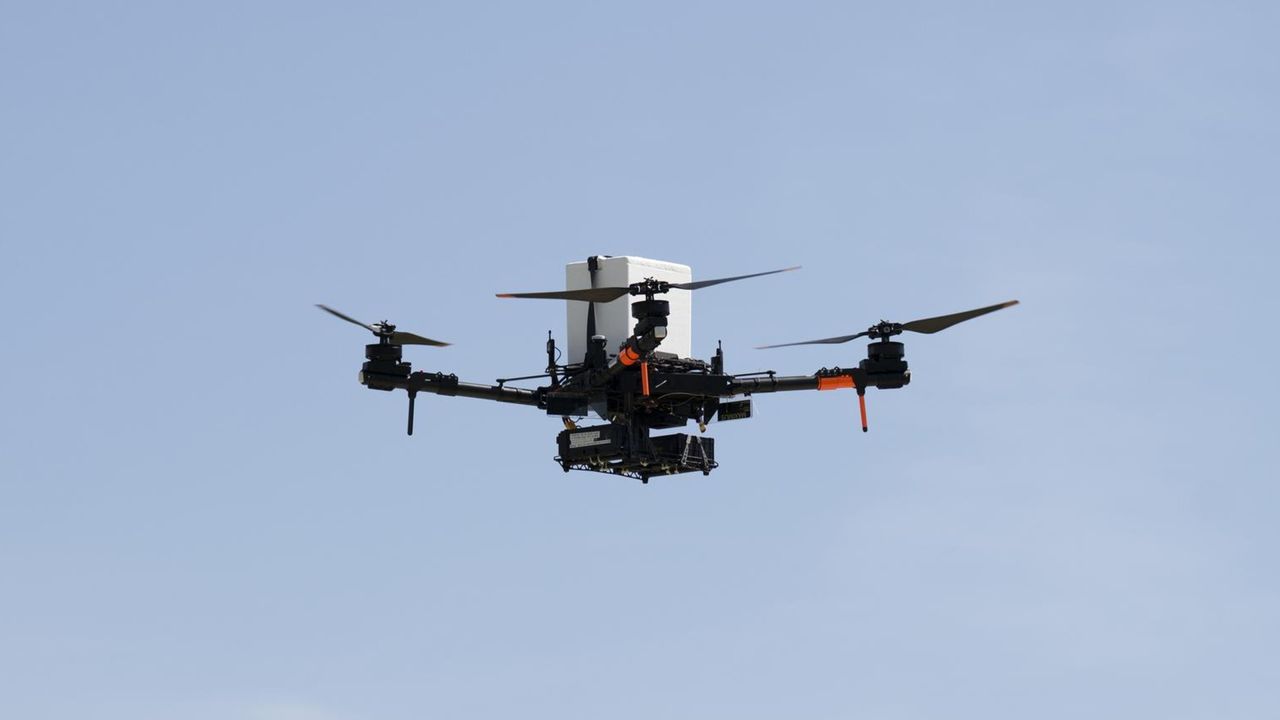
NASA used a drone to deliver a human kidney. Is this the future of transplant transport?
A drone successfully flew beyond the line of sight to transport a kidney deemed unsuitable for organ transplant, marking a significant step in testing the feasibility of drone deliveries for medical purposes. This innovative trial aims to explore the potential for drones to expedite the delivery of organs and other medical supplies to patients in need. Conducted recently, the test highlights advancements in drone technology and its application in healthcare logistics. By demonstrating the capability to navigate and deliver even when out of sight, researchers are investigating how such methods could enhance the efficiency of organ transportation, ultimately improving patient outcomes.
Technology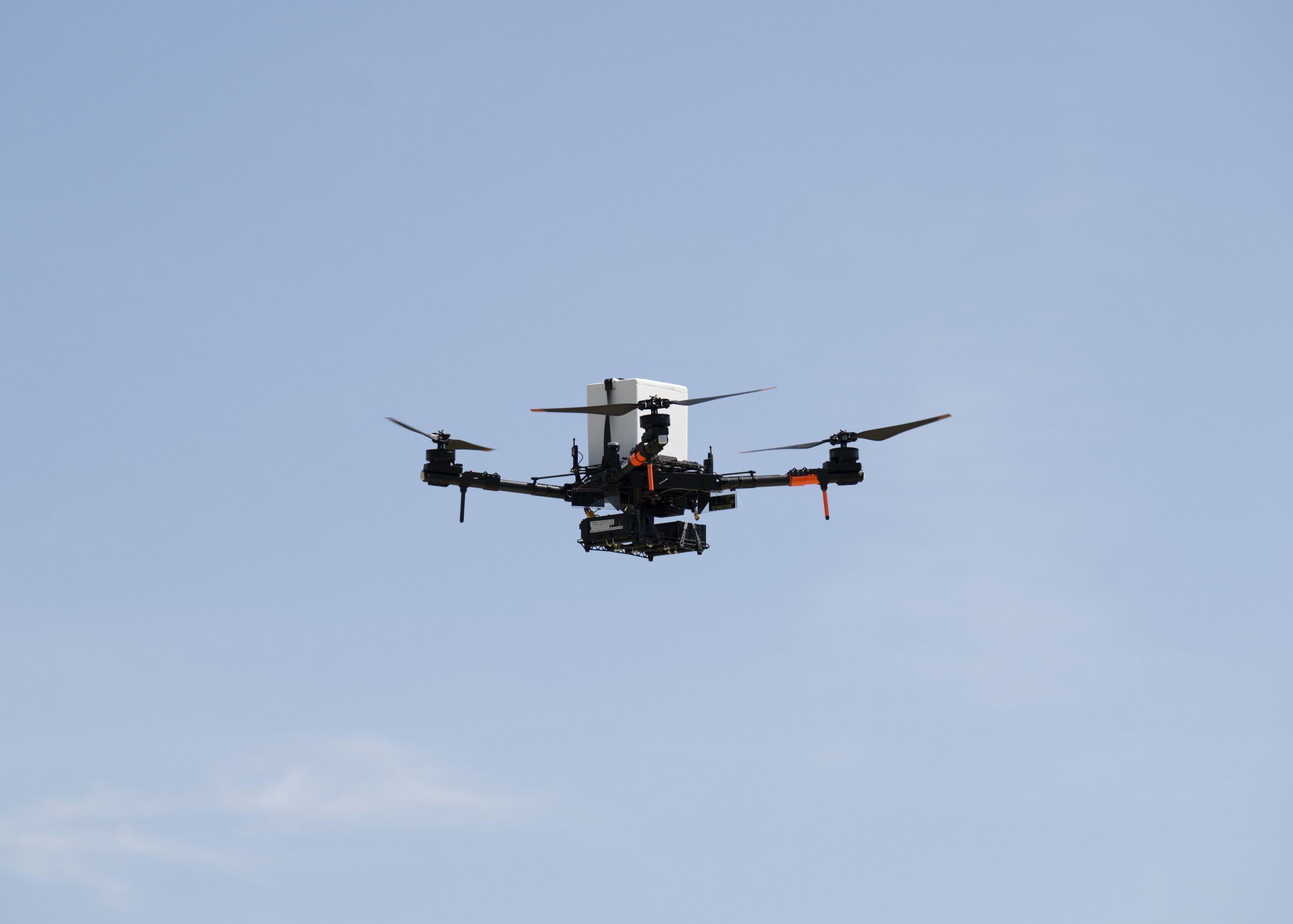
NASA, UNOS and LifeNet Complete Successful BVLOS Drone Flights Carrying Human Kidneys
A groundbreaking study involving the United Network for Organ Sharing (UNOS), NASA Langley Research Center, and LifeNet Health has successfully demonstrated the transportation of human kidneys via drone beyond visual line of sight (BVLOS). This significant advancement in transplant logistics was achieved through a collaborative research effort aimed at exploring innovative methods for organ delivery. The successful flights represent a promising step forward in enhancing the efficiency and speed of organ transportation, potentially improving outcomes for transplant patients. The research highlights the role of drone technology in addressing logistical challenges in the medical field, particularly in urgent situations where timely organ delivery is critical.
Applications BVLOS Drone News Drone News Feeds Healthcare Medical Delivery
Ukraine’s AI drones entered ‘Terminator mode’ and killed Russian soldiers — no human fired
Concerns surrounding fully autonomous weapon systems have intensified as experts warn of the potential for these technologies to independently kill humans. The discussion gained traction during a recent international conference held in Geneva, where military officials, ethicists, and technologists gathered to address the implications of artificial intelligence in warfare. The event, which took place in early November 2023, highlighted the urgent need for regulatory frameworks to prevent the deployment of such lethal systems. Advocates for human oversight argue that the absence of accountability in autonomous decision-making could lead to catastrophic outcomes, raising ethical dilemmas about the role of machines in life-and-death situations. The motivation behind the call for regulation stems from the rapid advancements in AI and robotics, which have outpaced existing legal and ethical guidelines. Participants at the conference emphasized that without proper governance, the risk of misuse or malfunction could result in unintended casualties and escalate conflicts. Experts proposed a collaborative approach to developing international treaties that would ban or strictly regulate the use of autonomous weapons. This would involve governments, tech companies, and civil society working together to establish clear definitions and standards for AI in military applications. The discussions underscored the necessity of ensuring that human judgment remains central to military operations, thereby preventing machines from making irreversible decisions about life and death.
Military
Why humans are staying in the loop with loyal wingman drones
A recent video series exploring the dynamics of manned-unmanned teaming features a panel of experts discussing the advantages and potential drawbacks of utilizing unmanned systems. This second installment highlights the growing reliance on these technologies in various sectors, emphasizing their ability to enhance operational efficiency and safety. The discussion, which took place in October 2023, aims to inform stakeholders about the implications of integrating unmanned systems into existing frameworks. Panelists address concerns related to security, ethical considerations, and the need for robust regulatory measures to mitigate risks associated with their deployment. By examining both the benefits and challenges, the series seeks to provide a comprehensive understanding of how unmanned systems can be effectively and responsibly integrated into modern operations.
Air Warfare Pentagon Air Force collaborative combat aircraft Drones Future Airpower Roundtable
WisdomTree Launches Physical AI, Humanoids, and Drones Fund (WDRN)
A new exchange-traded fund (ETF) has been launched, offering investors the opportunity to gain exposure to companies that are facilitating the deployment of artificial intelligence (AI) in real-world applications. This financial product aims to capitalize on the growing demand for AI technologies across various industries, reflecting a significant trend in the market. The ETF is set to attract attention from investors looking to diversify their portfolios with innovative tech-driven assets. By focusing on firms that are at the forefront of integrating AI into everyday operations, the fund seeks to leverage the potential for substantial growth in this rapidly evolving sector. The launch comes at a time when businesses are increasingly adopting AI solutions to enhance efficiency and productivity, underscoring the importance of this investment vehicle in today's economic landscape.

US turns to AI-powered target recognition systems to destroy drones faster than human operators
The Department of Defense is advancing its efforts to implement artificial intelligence-driven target recognition systems aimed at enhancing the capabilities of military troops and vehicles. This initiative, announced in October 2023, seeks to improve operational efficiency and decision-making on the battlefield. By leveraging AI technology, the Defense Department aims to streamline the identification and engagement of potential threats, thereby increasing the safety and effectiveness of military operations. The move comes in response to the growing complexity of modern warfare, where rapid and accurate target recognition is crucial for mission success. The integration of these advanced systems is expected to transform how military personnel interact with their environments, ultimately leading to more strategic and informed actions in combat scenarios.
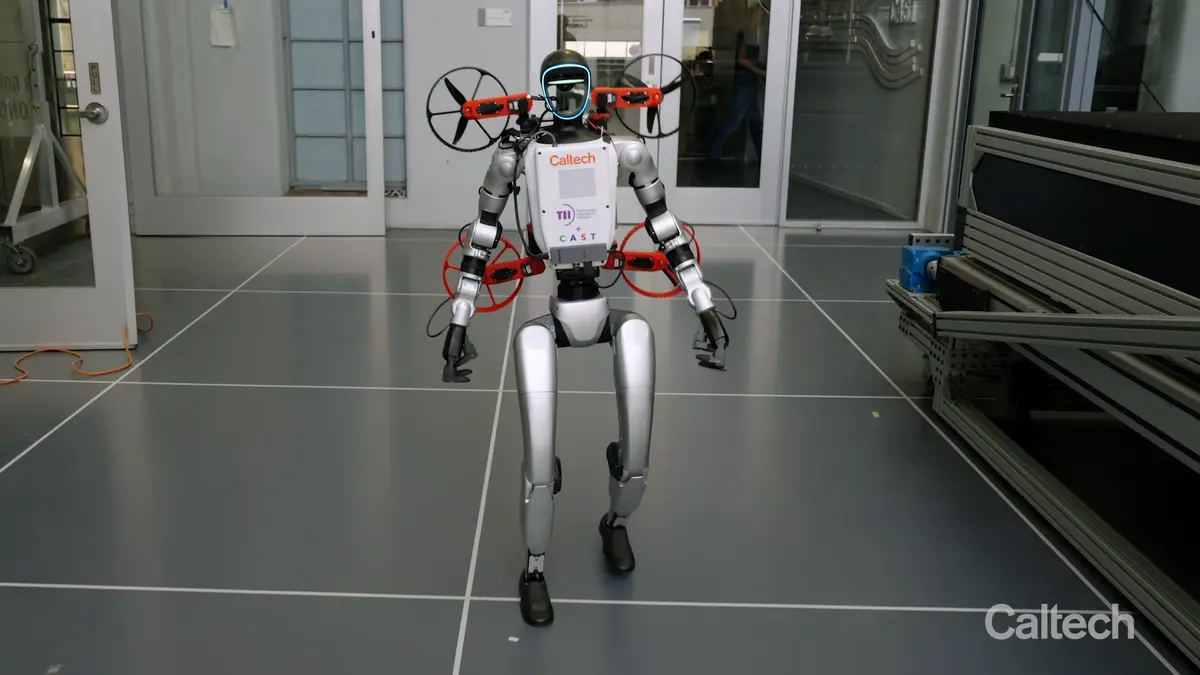
Caltech and TII Debut X1: A Humanoid-Drone Team for Multimodal Robotics
A team of researchers from Caltech and the Technology Innovation Institute in Abu Dhabi has introduced an innovative multirobot system known as X1. This advanced system integrates a walking humanoid robot with a transforming drone capable of driving. The initiative seeks to enhance the versatility and resilience of autonomous systems by merging various modes of locomotion. The unveiling of X1 marks a significant step forward in robotics, showcasing the potential for more adaptable and robust robotic applications in diverse environments.
autonomous systems TII CaltechRobotics needs a service framework.
RSF defines a common language for robot service capability, lifecycle operations, certification pathways, and service-provider networks.
Join the RobotToday community on LinkedIn
Daily robotics news, in-depth analysis, conference highlights, and discussions with professionals worldwide.