Industry Briefing
A single destination for timely, editor-curated robotics news from around the world.

SYNDÉO Introduces SmartVault Drone Base for Underground Autonomous Flight Solutions
SYNDÉO, a Verona, Wisconsin-based infrastructure company, is advocating for underground drone bases, specifically its SmartVault Drone Base, designed for critical missions like infrastructure inspection and border security. This innovative subsurface station features a load-bearing hatch for drone charging, secure storage, and advanced AI capabilities, distinguishing it from conventional above-ground systems. The significance of SYNDÉO's approach lies in its focus on mission-critical applications, providing a secure and efficient environment for drones. Founder Gary Henshue emphasizes that while other drone docks exist, the SmartVault integrates essential features such as thermal management and backup power, catering to the unique demands of autonomous flight operations. Looking ahead, SYNDÉO aims to expand its market presence after a decade in the infrastructure sector. The company previously engaged in smart city initiatives, including a notable project in Austin, Texas. As interest in smart city solutions fluctuates, the future adoption of SmartVault technology will be pivotal for enhancing urban infrastructure and drone operations. No further timeline was disclosed at the time of publication.
Drone News Dual Use News Smart Cities autonomous drones autonomous flight
HYFIX CEO Discusses U.S. Drone Technology Development on Drone Radio Show
In a recent episode of the Drone Radio Show, Mike Horton, CEO of HYFIX, discussed the challenges facing U.S. drone technology. He highlighted the U.S. government's restrictions on foreign drone technology, emphasizing the need for domestic alternatives that are not yet fully developed. Horton pointed out that fragmented drone systems pose significant security and supply chain risks, making the case for integrated, U.S.-made systems as essential for the future of autonomy. This perspective underscores the importance of developing robust domestic capabilities in the drone sector. Looking ahead, the conversation raises critical questions about the pace of innovation in U.S. drone technology and the regulatory landscape. No further timeline was disclosed at the time of publication.
Drone Manufacturing Drone News Drone News Feeds drone technology News Podcast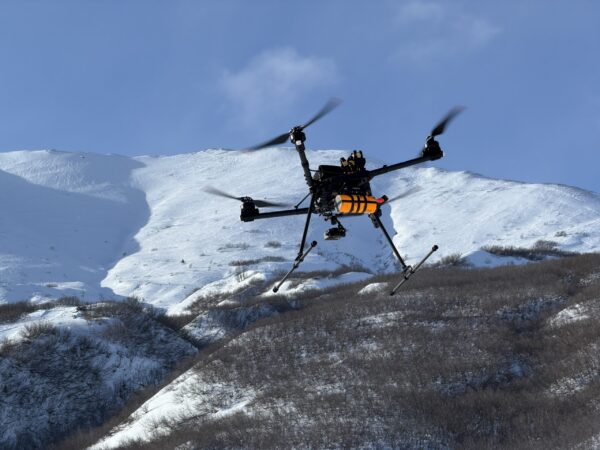
Drone Amplified Receives FAA Approval for MONTIS Avalanche Control Drone Operations
Drone Amplified, a Nebraska-based company, announced on July 8, 2026, that it has received regulatory approval from the Federal Aviation Administration (FAA) for its MONTIS drone, designed for avalanche control operations. This approval establishes a legal framework for the commercial deployment of the remote avalanche mitigation system across the United States, enhancing safety measures in avalanche-prone areas. The FAA's endorsement is significant as it allows Drone Amplified to offer its innovative technology to U.S. customers, potentially transforming avalanche management practices. The MONTIS drone is expected to improve response times and operational efficiency in avalanche control, addressing a critical need in mountainous regions where avalanches pose serious risks to safety and infrastructure. Looking ahead, the company aims to expand its market presence and operational capabilities following this regulatory milestone. No further timeline was disclosed at the time of publication, but stakeholders will be keen to see how quickly Drone Amplified can roll out its services and establish partnerships in the avalanche control sector.
Disaster Response dispatch Drone News Drone News Feeds Drones in the News Environmental Research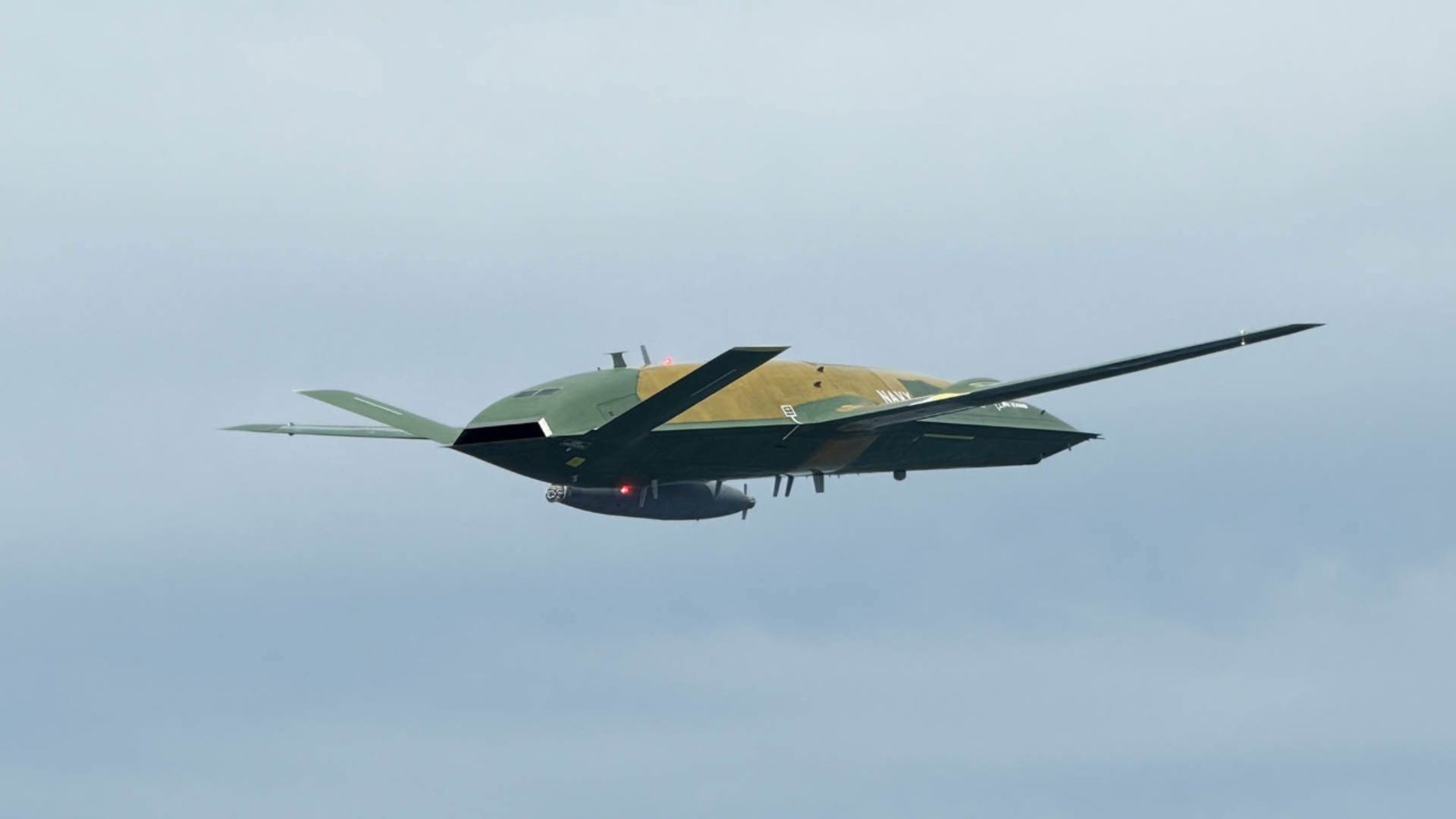
Boeing's MQ-25A Drone Achieves Milestone with Second Test Flight for U.S. Navy
Boeing announced that the U.S. Navy's MQ-25A Stingray has successfully completed its second test flight, marking significant progress in the development of the Navy's unmanned refueling aircraft. This flight confirmed the drone's flight controls and performance, moving closer to its intended carrier operations. The successful test is crucial as it demonstrates the MQ-25A's autonomous capabilities, including managing propulsion and onboard systems independently. This advancement is expected to enhance the operational range of carrier-based fighter jets and reduce the workload on current refueling teams. Looking ahead, Boeing plans to continue testing at MidAmerica St. Louis Airport, focusing on expanding the aircraft's flight envelope and capabilities. The enhancements made during this flight, including new software updates, are vital for the MQ-25A's future development stages as it aims to become the Navy's first operational carrier-based aerial refueler.
Military
L3Harris and Shield AI Achieve Milestone with First Autonomous DiSCO EW Drone Flight
L3Harris Technologies and Shield AI have successfully completed the inaugural live flight trial of their Distributed Spectrum Collaboration and Operations (DiSCO) system. This achievement marks a significant step in the development of autonomous electronic warfare capabilities. The successful flight trial is crucial as it demonstrates the potential of the DiSCO system to enhance operational effectiveness in electronic warfare. By leveraging advanced technologies, this collaboration aims to improve situational awareness and decision-making in complex environments. Looking ahead, industry stakeholders will be keen to observe further developments and potential applications of the DiSCO system in military operations. No further timeline was disclosed at the time of publication.
News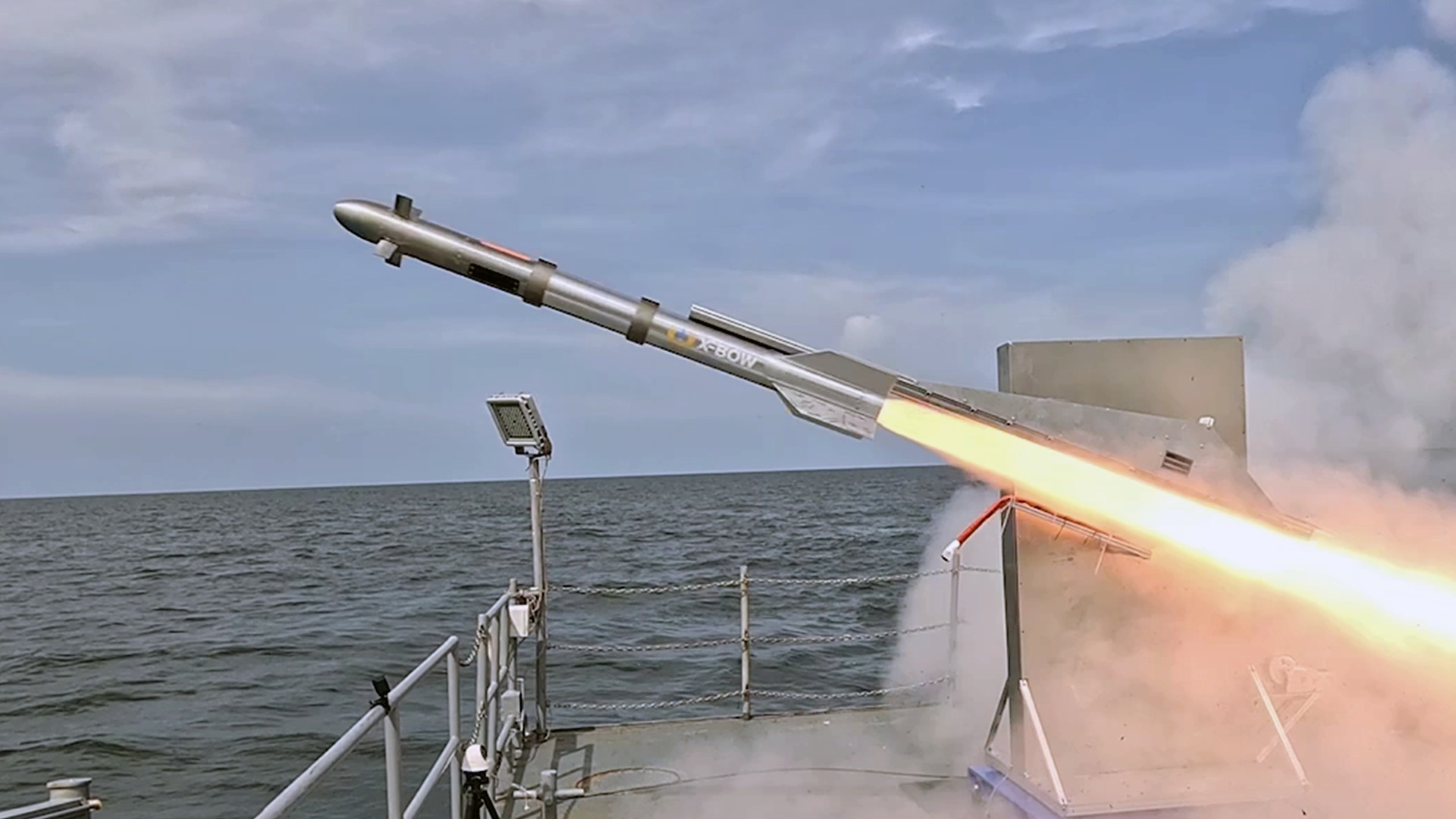
X-Bow Systems Launches Buckler, a Cost-Effective Supersonic Interceptor for Drone Defense
X-Bow Systems, a Texas-based defense company, has unveiled Buckler, a new supersonic interceptor aimed at countering Group 3 drone threats. This system addresses the increasing demand for effective defenses against mass UAV attacks and has successfully completed field testing. The Buckler interceptor is designed to engage Group 3 unmanned aerial vehicles (UAVs), which weigh between 56 and 1,320 lbs and operate below 18,000 feet. Priced under USD 100,000, Buckler combines high-speed performance with a design suitable for large-scale production, making it a cost-effective solution for militaries facing frequent drone assaults. With the successful flight tests validating its propulsion system and overall performance, X-Bow Systems is moving closer to operational deployment of Buckler. The company emphasizes its in-house manufacturing capabilities, which enhance production efficiency and quality control, addressing the industry's reliance on external suppliers for solid rocket motors.
Military
FAA Grants Approval for Drone Amplified's MONTIS Avalanche Control System
The Federal Aviation Administration (FAA) has approved Drone Amplified's MONTIS drone system for avalanche control, paving the way for its use by transportation agencies and ski resorts. This approval allows operators to deploy explosive charges remotely, enhancing safety by keeping personnel away from hazardous areas while still effectively managing avalanche risks. The significance of this approval lies in its potential to improve avalanche mitigation strategies. The MONTIS system offers an alternative to traditional methods such as helicopters and ground teams, providing flexibility in operations, especially in challenging weather conditions. This innovation aims to protect communities and maintain critical transportation routes during winter. Looking ahead, the integration of the MONTIS system into existing avalanche control programs could lead to safer operations in mountain communities and ski areas. While it will not replace traditional methods, it offers a valuable tool for agencies to enhance their response to avalanche threats. No further timeline was disclosed at the time of publication.
News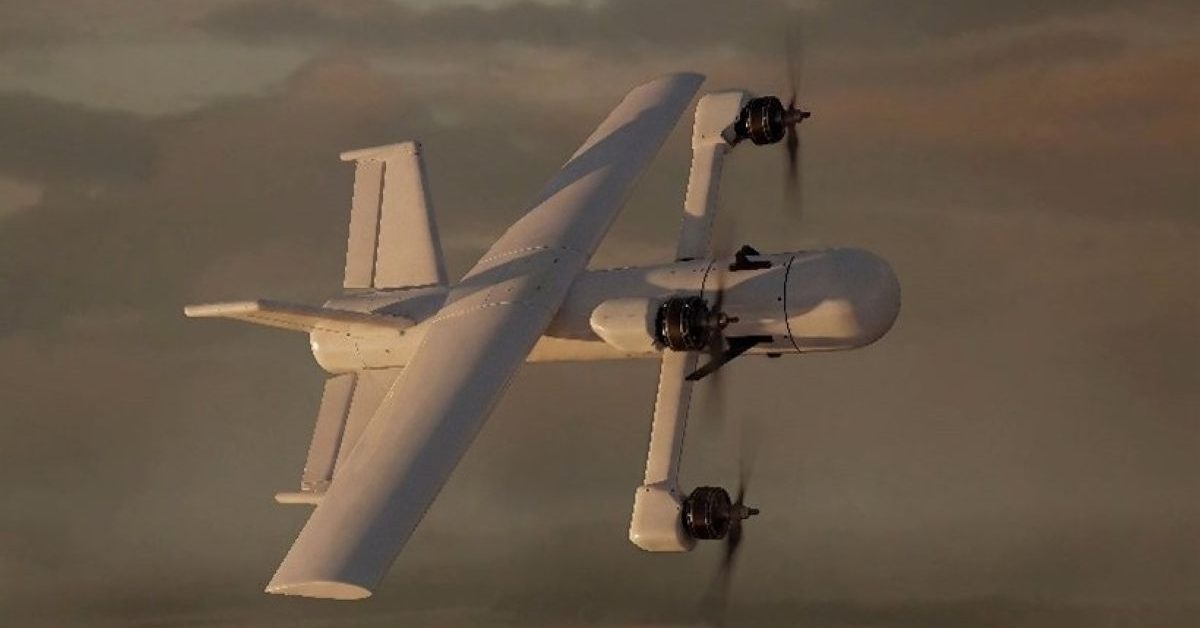
Lockheed Martin Introduces MORFIUS X-Rotor to Neutralize Over 50 Drones in Flight
Lockheed Martin has unveiled the MORFIUS X-Rotor, an airborne counter-drone system designed to neutralize over 50 hostile drones in a single flight using high-power microwave technology. This innovative approach aims to address the growing challenge of drone swarms faced by militaries worldwide, offering a cost-effective alternative to traditional missile systems. The significance of MORFIUS X-Rotor lies in its ability to disrupt the electronics of multiple drones simultaneously, making it particularly effective against coordinated drone attacks. The system is reusable and integrates seamlessly into existing defense networks, which is crucial for military operations seeking affordable solutions against inexpensive commercial drones. Looking ahead, Lockheed Martin is ramping up prototype production and preparing for additional flight tests to validate the system's capabilities. The MORFIUS X-Rotor aligns with the US Department of Defense’s Rapid Response Counter-UAS Roadmap, emphasizing the need for scalable counter-drone solutions. Future testing will determine the system's effectiveness in operational environments.
News
Northwestern University Unveils Phantom Twist, an Almost Invisible Drone
At the RSS 2026 conference in Sydney, Northwestern University showcased the Phantom Twist drone, which is significantly harder to see in flight compared to traditional quadrotors. This drone achieves its stealthy appearance by spinning rapidly at 15 to 25 Hz, leveraging the limitations of human vision to create a motion blur that renders it nearly invisible. The development of Phantom Twist is significant as it represents a leap in drone design, utilizing computational optimization to minimize visibility. The drone's unique design allows it to maintain stability and control with just a single motor, making it an innovative solution in the field of robotics. Its design was generated through an iterative process aimed at reducing the visual overlap of components during flight. Looking ahead, Phantom Twist's design could lead to advancements in drone technology, particularly in applications requiring stealth. While currently controlled via an optical tracking system, further optimizations may enhance its capabilities. No further timeline was disclosed at the time of publication.
Robotics Drones Spinning-drones Invisible-drones Ai-design-optimization Uav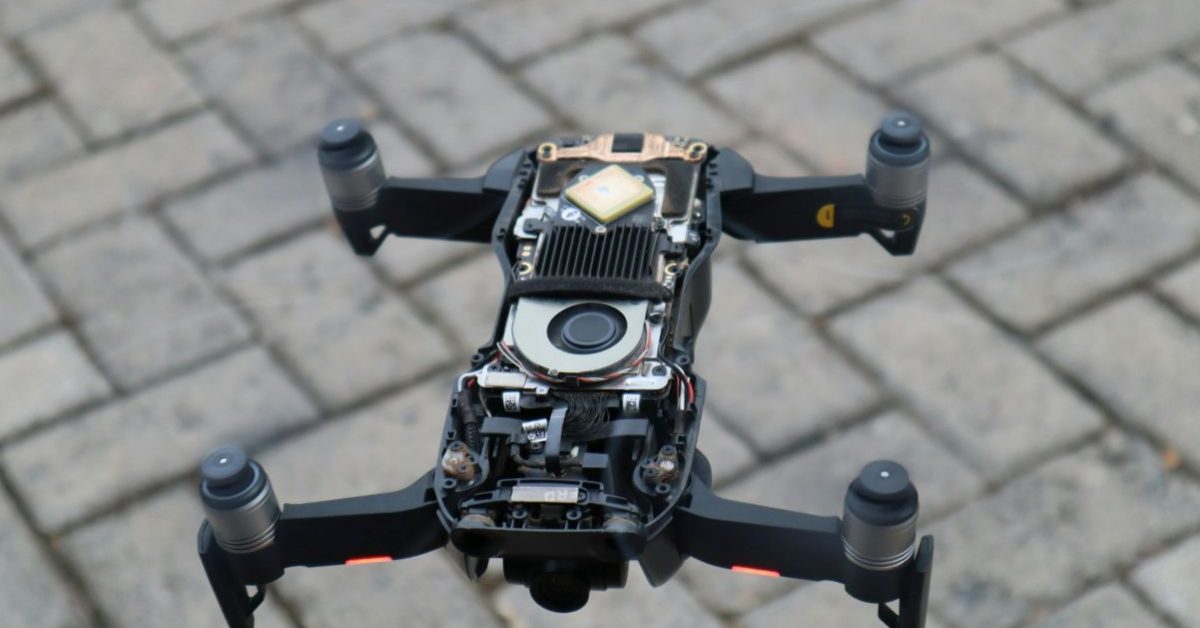
Cellebrite Enhances Drone Investigation Platform with SkySafe Partnership
Cellebrite has expanded its partnership with SkySafe to enhance its drone investigation platform by integrating real-time drone detection and airspace intelligence. This collaboration aims to streamline the process of connecting aerial incidents with digital evidence stored on drones, facilitating a more comprehensive investigation. This development is significant as unauthorized drone activity poses increasing risks around critical infrastructures such as airports and correctional facilities. By combining SkySafe's technology with Cellebrite's forensic capabilities, investigators can monitor drone activity in real-time and analyze evidence more effectively, potentially improving the speed and accuracy of investigations. Looking ahead, Cellebrite's integration of live airspace intelligence with forensic data positions it as a key player in the drone investigation market. As drone usage continues to rise, the ability to quickly correlate aerial events with digital evidence will be crucial for law enforcement agencies in addressing drone-related incidents efficiently. No further timeline was disclosed at the time of publication.
News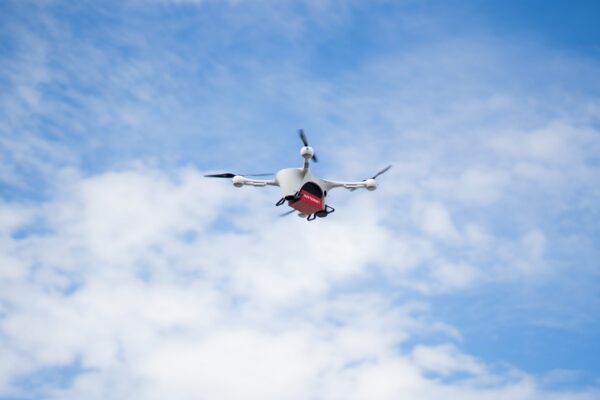
Matternet Partners with Beeline UAS to Enhance Drone Delivery Operations in California
Matternet, based in Mountain View, has announced a partnership with Beeline UAS to expand its drone delivery network under FAA Part 135 regulations. This collaboration, effective from July 15, 2026, aims to enhance beyond visual line of sight (BVLOS) operations in the San Francisco Bay Area and Los Angeles. Beeline will utilize Matternet's technology to support delivery services for sectors including food, retail, and healthcare. This partnership is significant as it allows Matternet to leverage Beeline's operational capabilities to address the challenges of traffic congestion and high labor costs in urban areas. The integration of Beeline into Matternet's network, which already includes Ameriflight and UPS Flight Forward, is expected to increase operational capacity and facilitate efficient market expansion. Matternet's focus on autonomous aerial delivery positions it as a leader in the evolving drone delivery landscape. Looking ahead, Matternet's multi-operator model is designed to ensure rapid commercial growth while adhering to safety and regulatory standards. No further timeline was disclosed at the time of publication, but the partnership is poised to enhance drone delivery services across more communities in the United States.
Delivery Drone News Drone News Feeds News Ameriflight Andreas Raptopoulos
Factorial Energy and Tulip Tech Achieve 30% Flight Range Increase with Solid-State Batteries
Factorial Energy, based in Boston, and Tulip Tech from the Netherlands have transitioned from flight testing to the commercialization of lithium-metal UAV battery packs. Announced on July 13, 2026, their strategic partnership aims to expedite the deployment of solid-state and lithium-metal batteries for advanced drones, with initial tests showing over a 30% increase in flight range without engineering optimizations. This collaboration is significant as it addresses the growing demand for high-endurance UAVs across commercial, industrial, and defense sectors, with the global UAV market projected to exceed $160 billion by 2034. Factorial emphasizes that energy storage is a critical bottleneck affecting mission radius, payload, and fleet economics, making their advancements crucial for future drone capabilities. Looking ahead, the partnership establishes a framework for joint customer engagement and a roadmap for volume production. No further timeline was disclosed at the time of publication, but the companies are moving swiftly from testing to commercialization, indicating a strong potential for future developments in UAV battery technology.
battery technology Drone News Drone News Feeds drone parts News $160 billion UAV market
Laminar-Flow Drone From Otto Aerospace Clears Flight-Test Campaign for DARPA
Otto Aerospace, a Fort Worth-based aeronautics company, has successfully completed a flight-test campaign for its unmanned laminar-flow drone, validating its low-drag airframe. This significant milestone was announced on May 6, 2026, from the White Sands Missile Range, following tests conducted at Spaceport America in New Mexico. The campaign is part of the Defense Advanced Research Projects Agency's (DARPA) Energy Web Aircraft program, aimed at enhancing the efficiency and performance of aerial vehicles. The successful validation of the drone's design marks a crucial step in advancing innovative aeronautics technology.
Defense defense Drone News Drone News Feeds News safety and security
AirData and BRINC Integration Brings Automated Flight Records to Public Safety Drone Programs
AirData has launched a new integration with BRINC to enhance the management of drone flight data for public safety agencies. This collaboration enables automatic capture and organization of flight records from BRINC’s Lemur 2 and Responder drones within the AirData platform. By streamlining this process, the integration aims to reduce the reliance on manual data entry, thereby supporting scalable and auditable drone operations. This development is expected to significantly improve the efficiency of drone programs used in public safety, allowing agencies to focus more on their core missions.
Drone News Drone News Feeds Drones in the News Featured – Safety and Security News AirData
Beijing’s Drone Ban Goes Into Effect Today: A New Model for Urban UAV Control
Beijing has unveiled a comprehensive set of regulations aimed at controlling drone operations, which will take effect on May 1, 2026. This initiative marks one of the most extensive drone control frameworks implemented in a major city, addressing various aspects such as sales, storage, transport, and operational guidelines. The new rules raise significant questions about global drone policy, as they go beyond merely prohibiting flights to encompass a broader regulatory approach. The move reflects China's efforts to enhance urban airspace management and ensure safety amid the growing popularity of unmanned aerial vehicles.
Advanced Air Mobility DJI Drone News Drone News Feeds Drones in the News News
Civil Liberties Groups Urge FAA to Amend Drone Rule to Protect Journalism
A coalition of civil liberties organizations, including the ACLU and EFF, is advocating for amendments to a proposed FAA rule that could limit drone flights over critical infrastructure. They argue that overly broad restrictions could hinder independent journalism and the use of drones for news-gathering. The FAA has extended the comment period for the proposed rule, which has garnered significant public feedback, highlighting the need for a balance between security and journalistic freedom. The proposed Section 2209 of the FAA Extension, Safety and Security Act of 2016 aims to allow facilities like prisons and nuclear plants to impose flight restrictions. However, the ACLU and other groups warn that such measures could create a confusing landscape of regulations that stifles First Amendment-protected activities. They emphasize the importance of considering journalistic uses of drones in the rule-making process. As the FAA continues to receive comments on the proposed rule, the implications for drone journalism remain a critical concern. Advocacy groups have pointed to past instances where drone footage has exposed wrongdoing, underscoring the need for protections that allow journalists to operate freely while addressing legitimate security concerns. No further timeline was disclosed at the time of publication.
Drone News Drone News Feeds FAA Feature 1 News Selected - FAA and Regulations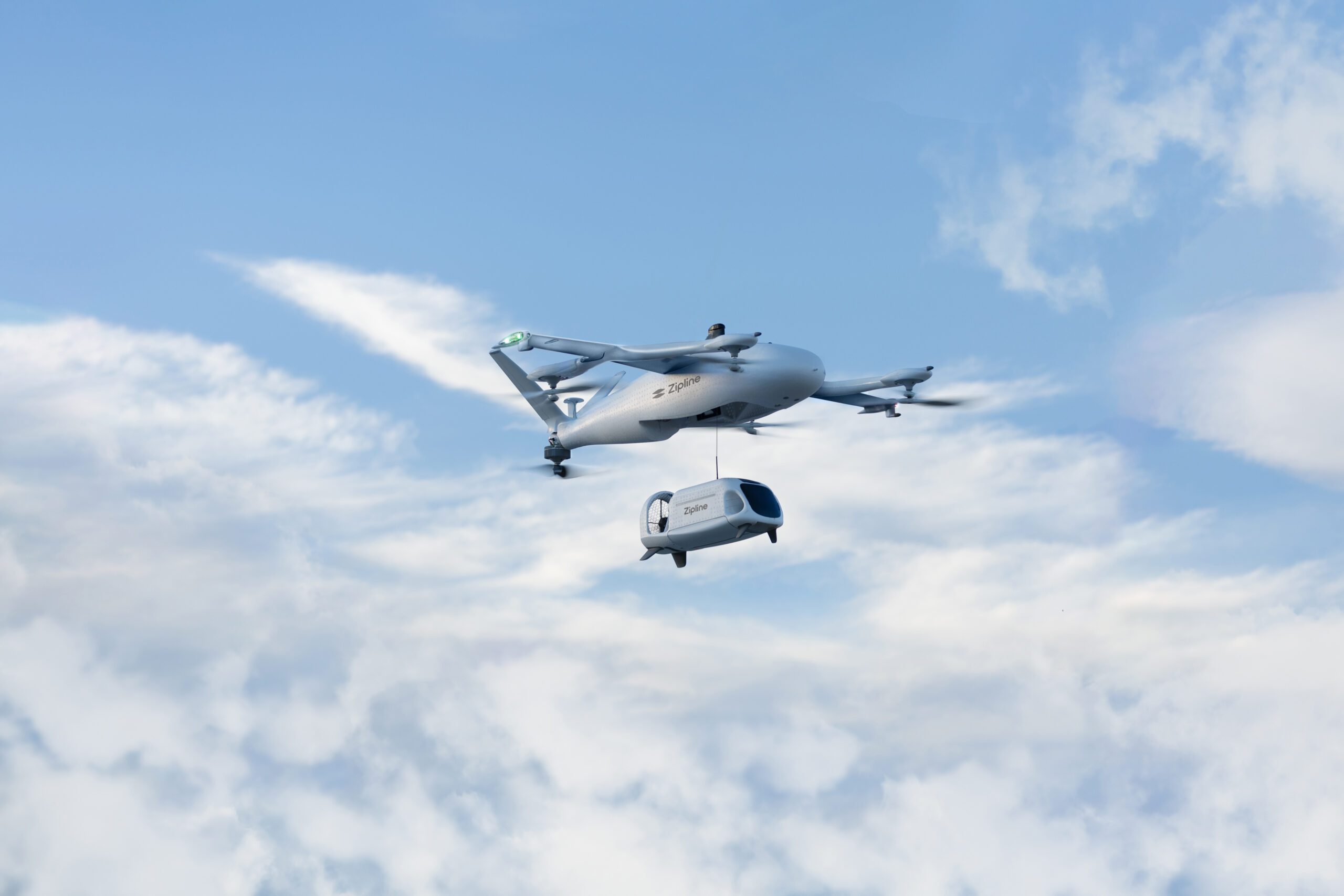
BayCare Partners with Zipline for Drone Delivery Network in Tampa Bay by 2027
BayCare, the largest not-for-profit academic health-care system in West-Central Florida, has announced a partnership with Zipline to establish a drone delivery network. This system is expected to be operational by late 2027, initially focusing on high-volume hospital and laboratory locations in the St. Petersburg/Clearwater area. The network will facilitate the delivery of medical supplies and equipment between BayCare facilities, with plans to expand to patient homes in the future. The collaboration aims to enhance the speed and efficiency of transporting critical health-care items, addressing the needs of BayCare's extensive network of 16 hospitals and numerous other facilities. Zipline's drones are designed to operate autonomously, making precise deliveries even in adverse weather conditions. This initiative is expected to reduce delivery-related emissions and traffic congestion while providing a reliable service for time-sensitive items. Looking ahead, the project will begin with select BayCare facilities in Pinellas County, where the concentration of patient activity is highest. Future expansions across the entire Tampa Bay area are planned, although no further timeline was disclosed at the time of publication. The partnership leverages Zipline's FAA Part 135 air carrier certification, enabling BVLOS flights for commercial deliveries.
Applications Delivery Drone News Drone News Feeds News autonomous delivery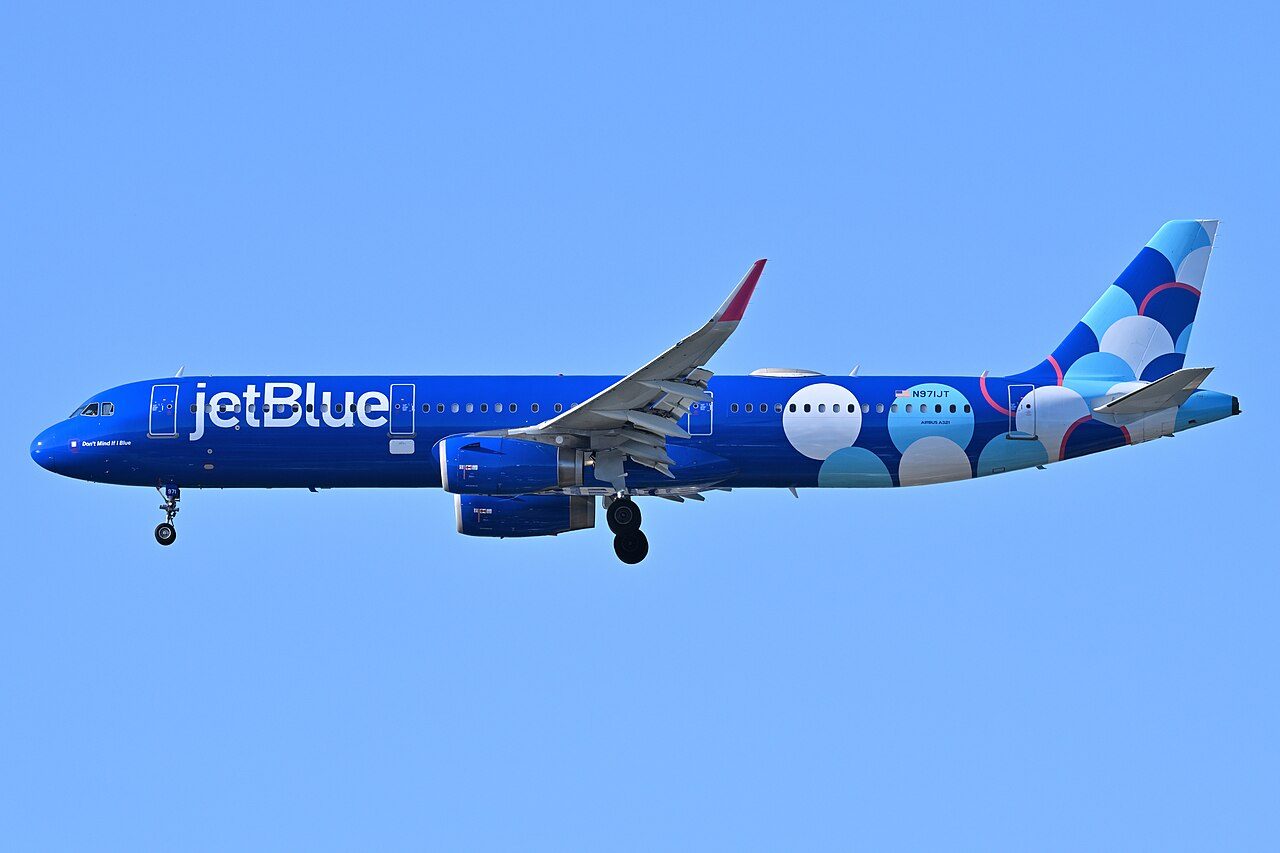
FAA Investigating Reported Drone Encounter on JetBlue Flight Approaching JFK
The Federal Aviation Administration (FAA) is conducting an investigation following a report from the crew of a JetBlue flight that they may have collided with a drone while approaching John F. Kennedy International Airport in New York. The incident occurred on June 29, when the pilot of JetBlue Flight 948, an Airbus A321 arriving from Las Vegas, alerted authorities about the potential drone encounter. The FAA is looking into the circumstances surrounding the incident to ensure safety and address any regulatory concerns.
Drone News Drone News Feeds News airport drone incident airport operations airspace awareness
FAA Clarifies World Cup Drone Restrictions, Creates Path for Authorized Flights
The Federal Aviation Administration (FAA) has announced updates regarding drone operations during the FIFA World Cup 2026, clarifying that both Part 107 and Part 135 operators can now seek approval for flights within restricted airspace. This decision comes as part of the FAA's efforts to streamline Temporary Flight Restriction NOTAMs for the event. The authorization process will involve coordination with the Department of Homeland Security, allowing for certain drone activities to take place despite the typical restrictions associated with major events. This initiative aims to enhance safety and operational flexibility for drone operators while ensuring compliance with security protocols during the high-profile tournament.
Drone News Drone News Feeds Drones in the News News Regulation Selected - FAA and Regulations
Amusement Parks Push FAA for Drone Flight Restrictions Before Summer
As summer approaches, amusement park operators are advocating for the Federal Aviation Administration (FAA) to implement restrictions on drone flights to safeguard crowds from unauthorized unmanned aerial vehicle (UAV) overflights. With the influx of visitors expected during the vacation season, these attractions are concerned about the potential risks posed by drones in the airspace above. The push for regulatory measures aims to ensure a safe and enjoyable experience for guests at amusement parks and similar venues.
Drone News Drone News Feeds FAA News amusement park drone safety amusement park guest safety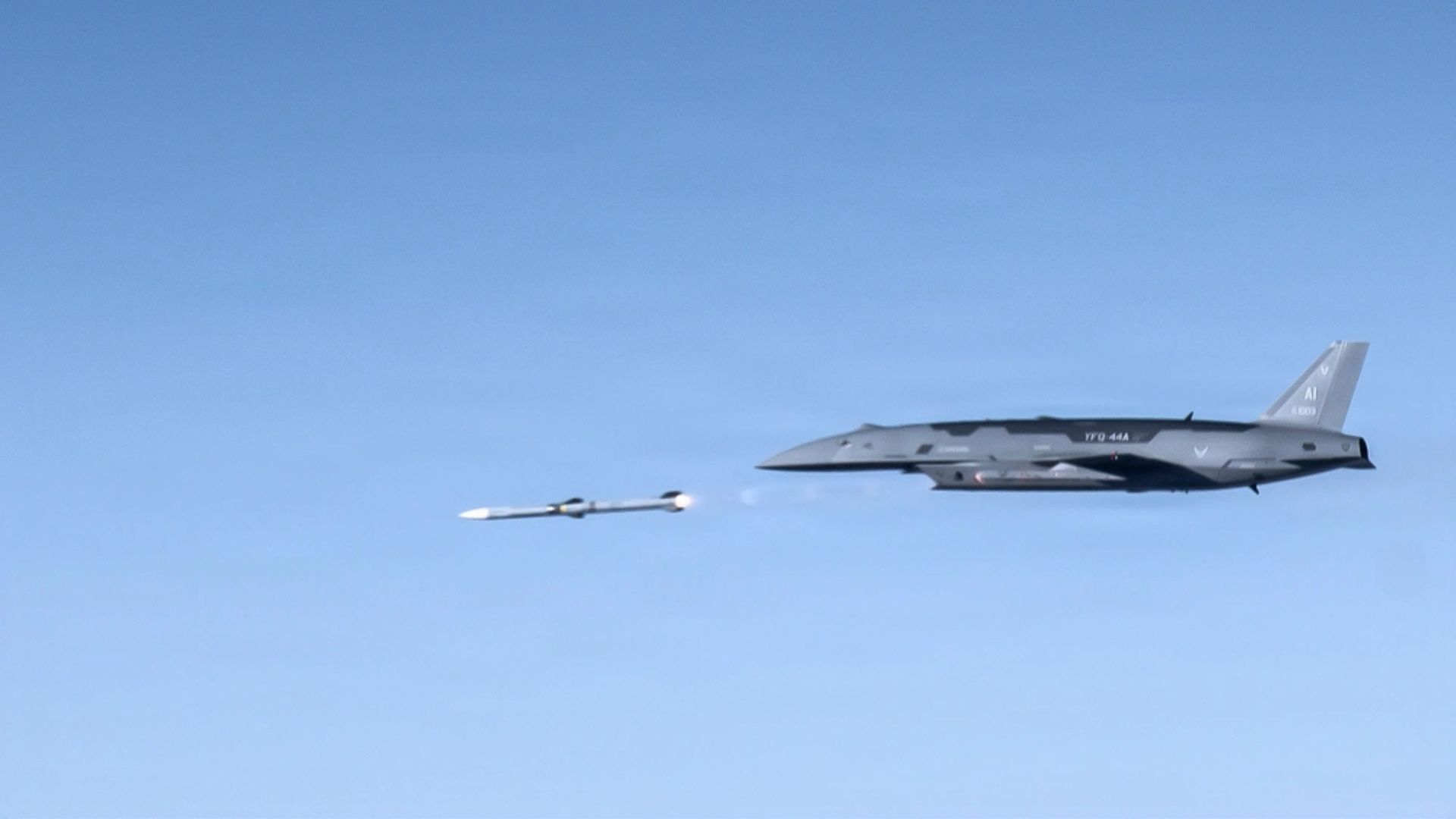
U.S. Air Force Conducts First Missile Launch from Anduril's YFQ-44A Drone
The U.S. Air Force successfully executed its inaugural missile launch from a Collaborative Combat Aircraft (CCA) on June 15, 2026. The Anduril-developed YFQ-44A drone fired an AIM-120 medium-range air-to-air missile at a digital target in California’s Mojave Desert, marking a significant advancement in the development of semi-autonomous drones capable of operating alongside piloted fighter jets. This milestone is crucial as it demonstrates the Air Force's commitment to enhancing its combat capabilities through the use of Collaborative Combat Aircraft. The YFQ-44A autonomously managed most mission steps, with a human operator providing the final launch approval, adhering to U.S. policy on lethal weapon control. This test signifies a shift from previous trials, where operators controlled the drone's flight, showcasing the aircraft's ability to execute complex tasks independently. Looking ahead, the Air Force aims to further develop and test these semi-autonomous aircraft, ultimately enhancing U.S. airpower. The CCA program seeks to deliver combat-ready drones that can operate effectively in challenging environments, with the potential for real mission deployment on the horizon. No further timeline was disclosed at the time of publication.
Military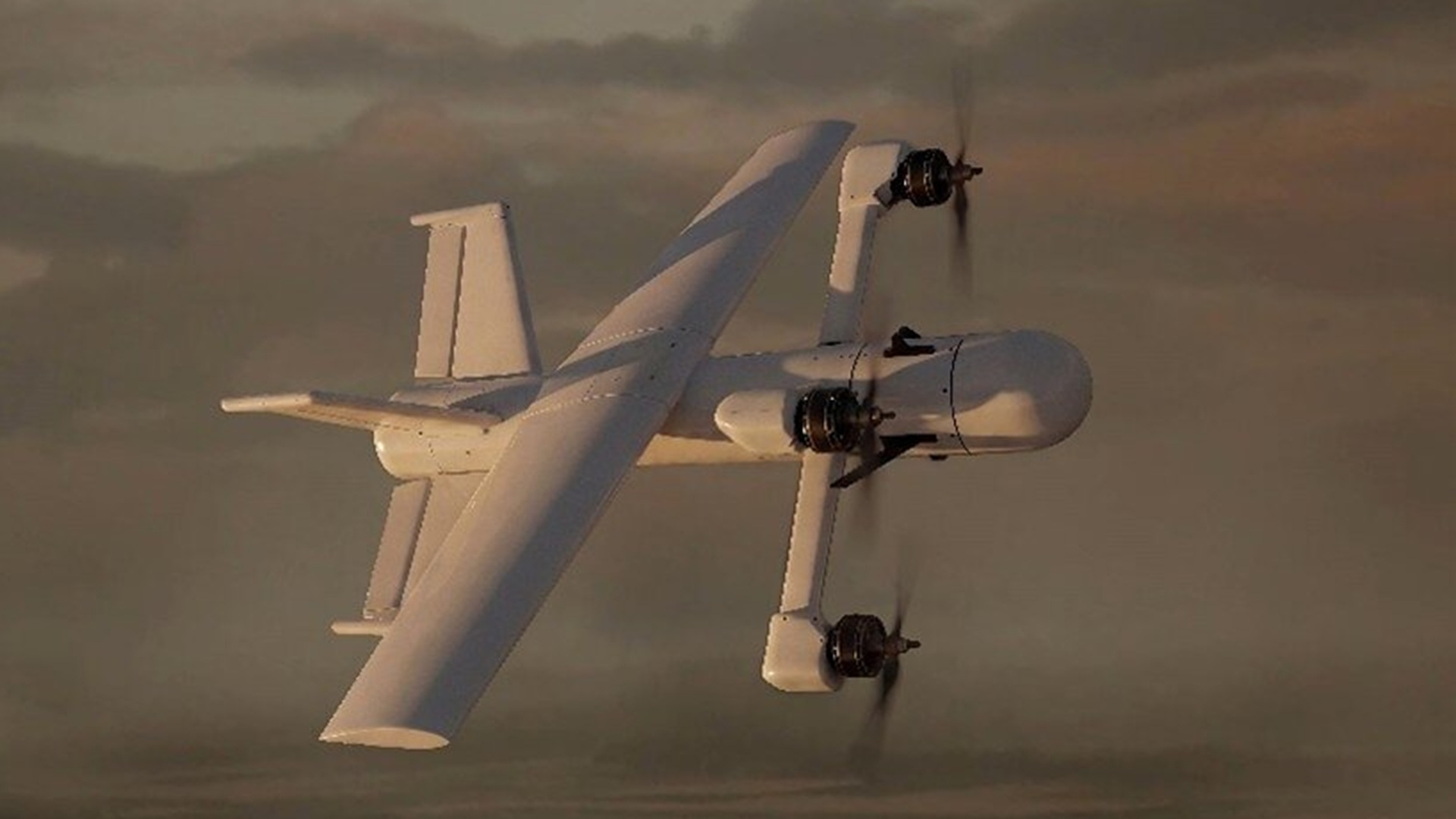
Lockheed Martin Launches Morfius X-rotor, a Reusable Microwave Drone Countermeasure
Lockheed Martin has introduced the Morfius X-rotor, a reusable airborne counter-drone system capable of neutralizing over 50 UAVs in a single mission. Utilizing high-power microwave technology, this system targets and disrupts the electronics of multiple drones simultaneously, making it effective against swarm attacks. The significance of the Morfius X-rotor lies in its ability to maintain low operational costs while delivering high kill rates. As drone swarms increasingly threaten modern military operations, this system offers a cost-effective solution that can be integrated with existing battlefield infrastructure, enhancing its deployment across various military units. Looking ahead, Lockheed Martin is expediting the production of the Morfius platform and its microwave payload, with plans for further flight demonstrations following successful tests in Arizona, California, and Oklahoma. The company aims to enhance the system's capabilities and readiness for deployment in diverse operational environments.
Military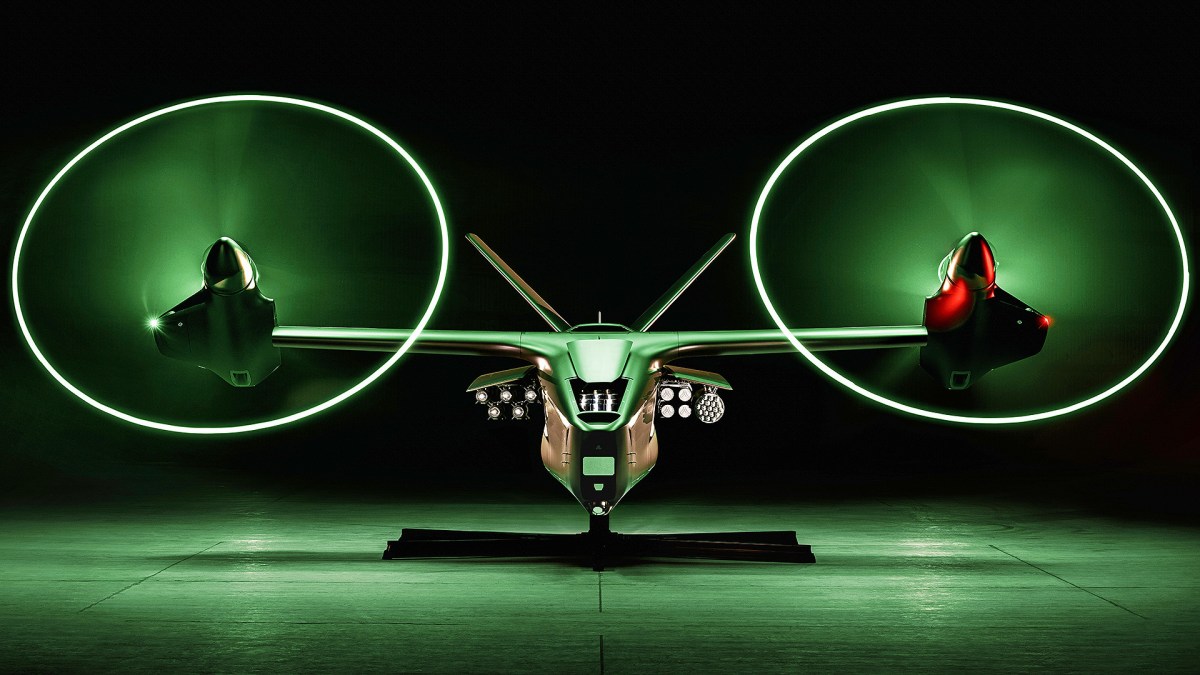
Anduril Unveils Thunder, an Autonomous Tiltrotor Attack Drone Concept
Anduril has introduced Thunder, a hybrid-electric tiltrotor combat drone developed in collaboration with Archer Aviation. Designed as a highly autonomous pilotless wingman, Thunder aims to operate alongside crewed helicopters like the AH-64 Apache, enhancing target acquisition and defense capabilities against air-to-air drone threats. This development is significant as it addresses critical operational gaps in modern warfare, allowing human pilots to engage from a safer distance while Thunder performs close-in defense. The drone's capabilities are expected to improve mission effectiveness in future conflicts, with a first flight planned for next year and potential full-scale production by the end of the decade. Looking ahead, the commercial version of Thunder is also in development, with Archer Aviation set to provide further details soon. As the drone is designed to operate at low altitudes, it is positioned to complement existing military aircraft, enhancing the U.S. Army's aerial capabilities in complex operational environments.
News & Features Air Drones Loyal Wingman Unmanned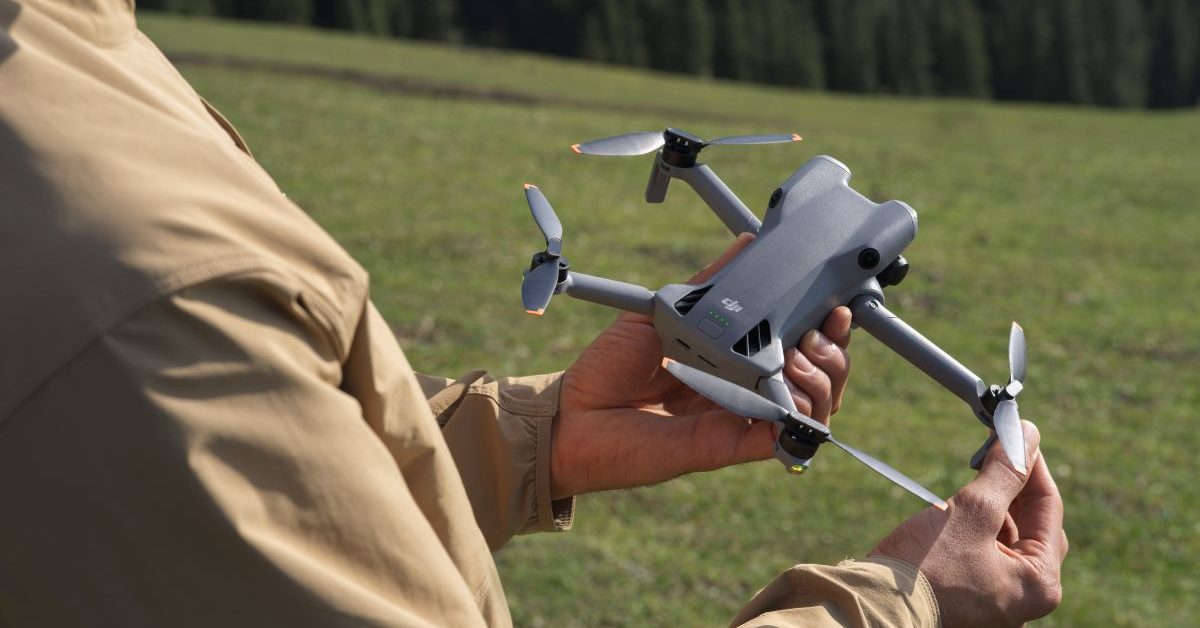
DJI Mini 5 Pro Drone Discounts Offer Up to $110 Savings Today
The DJI Mini 5 Pro drone is now available at a discounted price, with major bundles seeing a 10% reduction. This sale marks the first significant price cut in months, making it an opportune time for potential buyers. The Mini 5 Pro, known for its impressive features despite its lightweight design, includes a 1-inch, 50MP camera sensor that enhances dynamic range and low-light performance. This discount is particularly timely as summer is peak flying season in the US, and DJI's premium drones rarely see such price reductions. The Mini 5 Pro remains a popular choice among consumers due to its advanced capabilities, including a battery life of up to 36 minutes and features like omnidirectional obstacle sensing and improved ActiveTrack. Buyers are encouraged to consider the Fly More Combo with DJI RC 2, which offers additional batteries and accessories for extended flight time. However, the longevity of these discounts is uncertain, as DJI often runs limited promotions on its premium products. Interested customers should act quickly to take advantage of this opportunity.
News
SkySafe Partners with Cellebrite to Enhance Drone Forensics for Law Enforcement
Since the World Cup began last month, over 600 drones have been seized by federal law enforcement for flying too close to tournament venues. These seizures mark the start of investigations into whether drone operators violated airspace regulations or posed a threat. To aid these investigations, SkySafe has partnered with Cellebrite to combine drone detection and digital forensics. This partnership is significant as it addresses the growing role of drones in criminal activities. SkySafe's drone detection technology will work alongside Cellebrite's forensic capabilities to provide law enforcement with crucial evidence. SkySafe CEO Grant Jordan emphasized the importance of integrating historical data about drone activities with forensic evidence to strengthen investigations. Looking ahead, the collaboration aims to streamline the investigative process for law enforcement agencies. By merging real-time data from seized drones with SkySafe's extensive database, investigators can access vital information regarding drone ownership and flight history. No further timeline was disclosed at the time of publication.
Anti-drone technology C-UAS Drone News Drone News Feeds drone security Featured – Safety and Security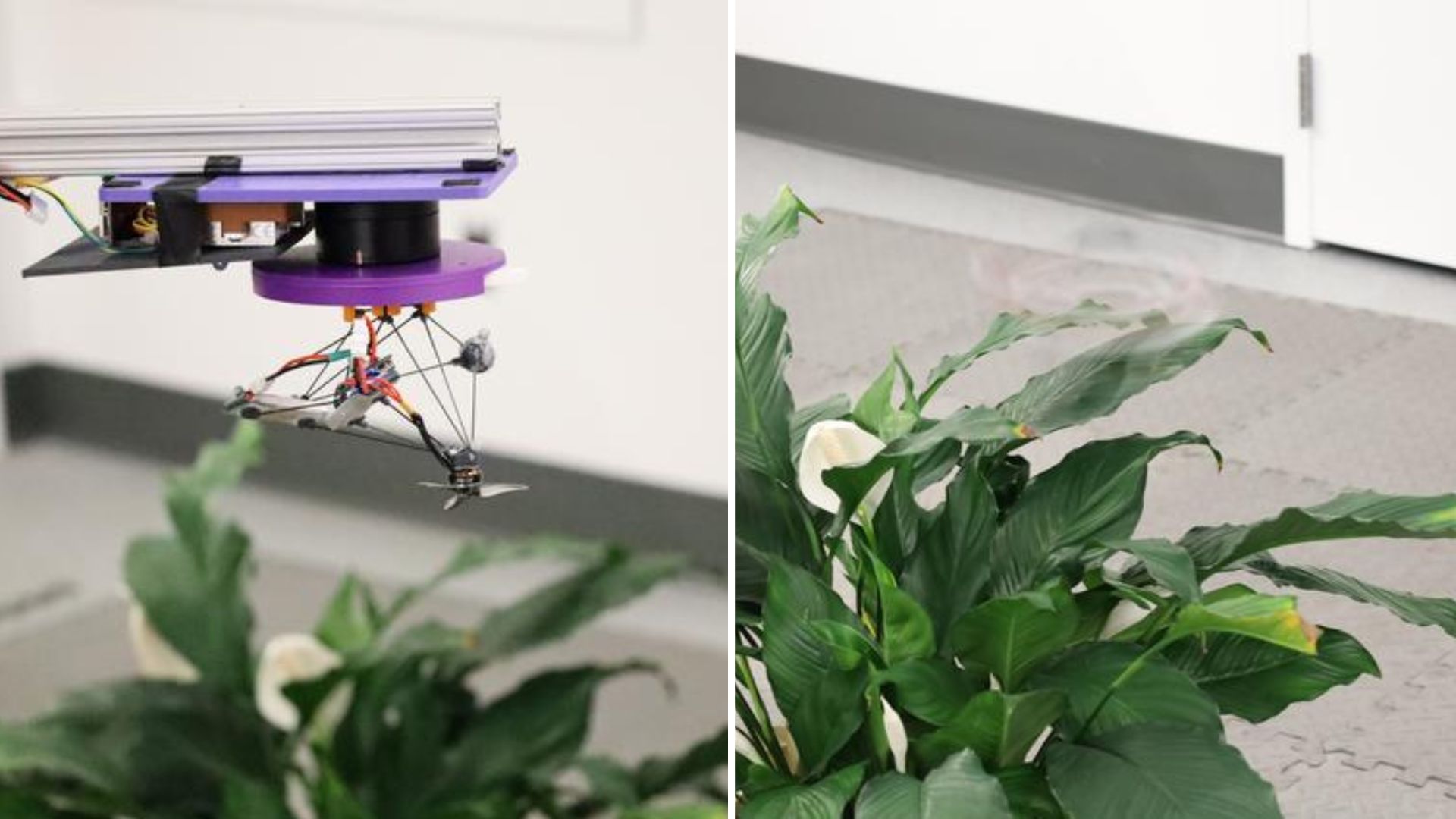
Northwestern University Develops 'Phantom Twist' Drone for Enhanced Low Visibility
Northwestern University has unveiled the 'Phantom Twist,' a drone designed to achieve low visibility by spinning at speeds of up to 25 times per second. This innovative approach creates a motion blur that allows the drone to blend into its surroundings, rather than achieving complete invisibility. Michael Rubenstein, who led the project, emphasized the unique design strategy focused on human perception of motion. The significance of the 'Phantom Twist' lies in its potential to minimize disruption caused by conventional drones, which are often highly visible and can disturb wildlife and human activities. Traditional methods to conceal drones have included advanced optics and camouflage, but this new design shifts the focus to altering the drone's physical characteristics to change its perceived visibility. The drone's spinning mechanism allows it to appear as a semi-transparent disc, effectively reducing its visual footprint. Looking ahead, the development team faced challenges in ensuring the drone's stability during flight, which they addressed by integrating artificial intelligence into the design process. No further timeline was disclosed at the time of publication.
Innovation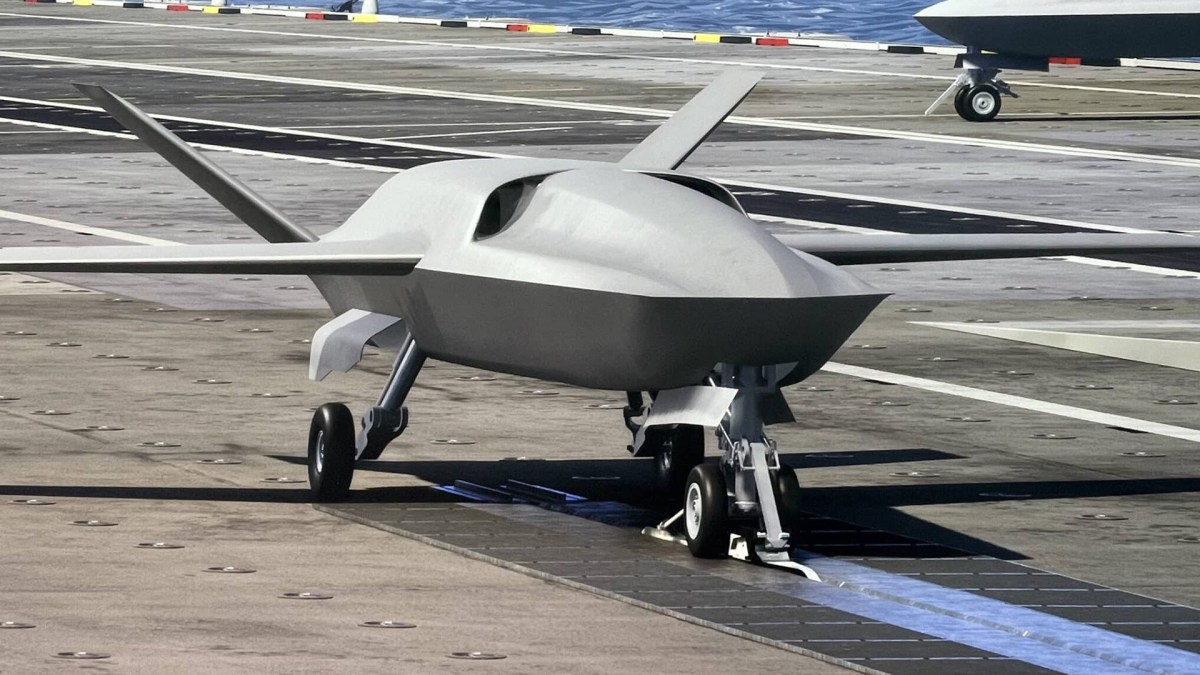
U.S. Navy Seeks 1,000 Nautical Mile Range for Future Carrier-Based Drones
The U.S. Navy is planning to develop carrier-based uncrewed aircraft capable of striking enemy targets at least 1,000 nautical miles away without mid-air refueling. This initiative is part of a broader request for information (RFI) issued by Naval Air Systems Command (NAVAIR) regarding the Air Wing of the Future (AWOTF) family of systems. This capability is crucial as adversary anti-access/area denial strategies evolve, necessitating that carrier air wings operate from greater distances. The Navy's focus on uncrewed systems aims to enhance combat effectiveness over existing platforms while ensuring compatibility with Nimitz and Ford class carriers. Future developments will likely include vertical takeoff and landing drones for use on destroyers, as well as integration with existing U.S. Navy Unmanned Carrier Aviation control systems. No further timeline was disclosed at the time of publication.
Air Carriers Collaborative Combat Aircraft Drones Navies News & Features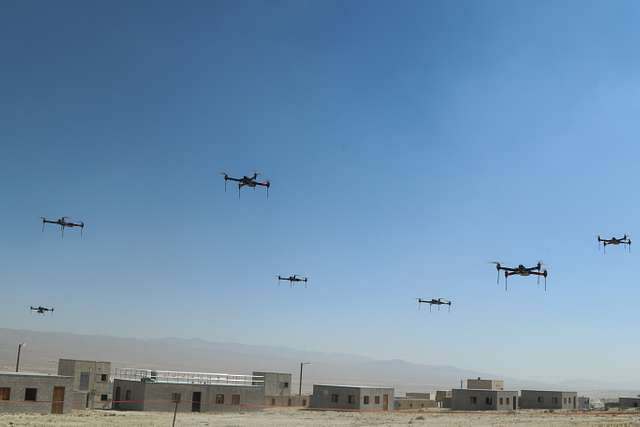
Auriga Space and U.S. Army Explore Electromagnetic Launchers for Countering Drone Swarms
Auriga Space has entered a three-year Cooperative Research and Development Agreement (CRADA) with the U.S. Army Combat Capabilities Development Command Armaments Center (DEVCOM AC) to investigate the potential of electromagnetic launch technology in countering drone swarms. This initiative aims to find a cost-effective alternative to traditional missile interceptors, which have proven expensive in engagements against low-cost drones. The significance of this research lies in the increasing need for modern militaries to address the economic challenges posed by drone warfare. Current missile interceptors can cost hundreds of thousands to millions of dollars, creating a cost imbalance when defending against inexpensive drones. The CRADA represents a broader commitment by the Department of War to explore innovative counter-drone technologies that can maintain high engagement rates while reducing operational costs. Looking ahead, Auriga plans to conduct the first outdoor flight test of its transportable electromagnetic launch platform, Hermes, later this summer. This platform is designed for rapid reloads and repeated engagements against multiple targets, potentially offering a new solution to the growing threat of drone swarms. No further timeline was disclosed at the time of publication.
Anti-drone technology Applications C-UAS Defense Drone News Drone News Feeds
Tesseract Ventures Selected for Pentagon's Autonomous Drone Delivery System Prototype Program
Tesseract Ventures, a Kansas City-based robotics and drone company, has been chosen by the Defense Innovation Unit (DIU) to participate in a prototype program aimed at enhancing the U.S. military's use of autonomous drones. This initiative, known as the Containerized Autonomous Drone Delivery System (CADDS), focuses on deploying unmanned aerial systems in challenging environments with limited infrastructure. The CADDS project represents a significant advancement for Tesseract Ventures, as it seeks to transition from single-operator drone control to a system where one individual can manage multiple drones simultaneously. This approach aims to improve operational efficiency and reduce the personnel required for drone missions, aligning with the Pentagon's goal of utilizing unmanned systems more extensively in military operations. Looking ahead, Tesseract Ventures will demonstrate its NOMAD modular autonomous platform as part of the prototype project. This platform is designed to facilitate the deployment, launch, recovery, and management of multiple drones from transportable containers. No further timeline was disclosed at the time of publication.
Military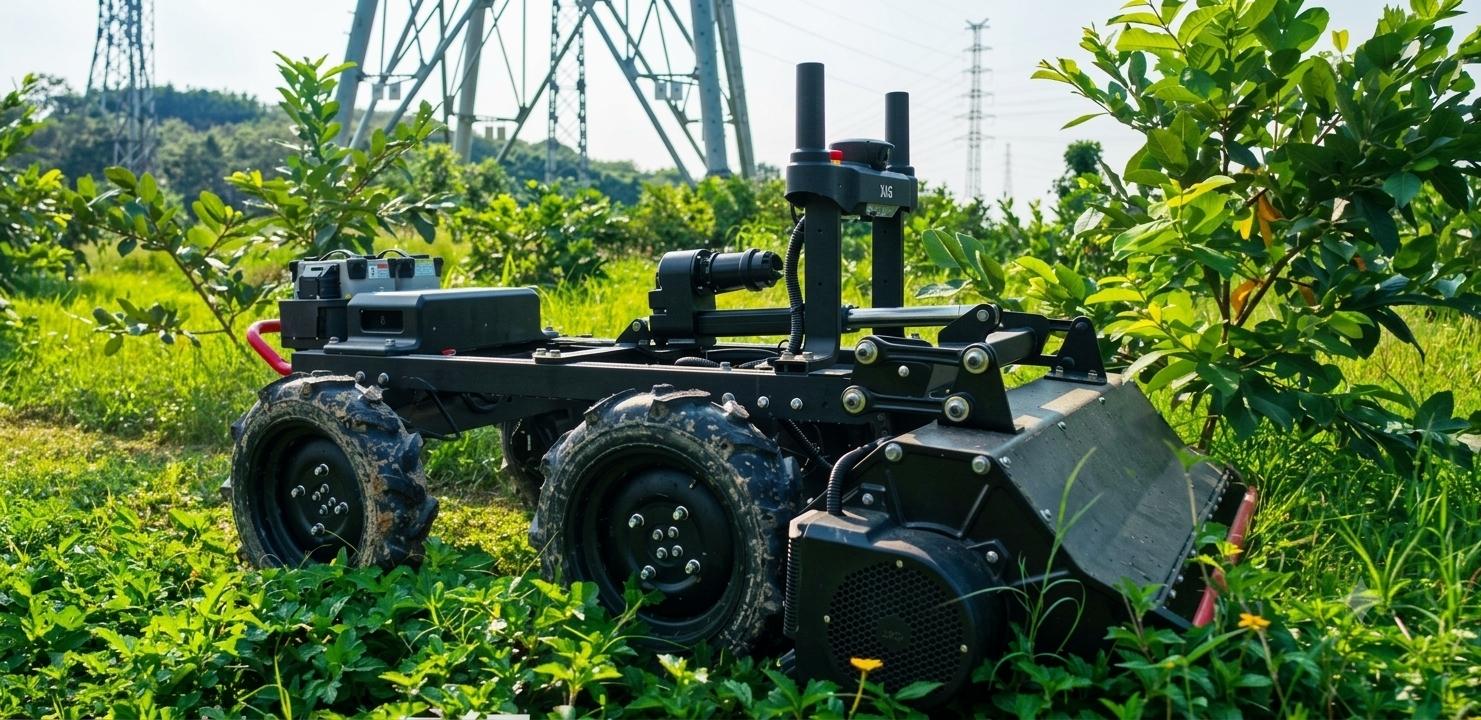
XAG Introduces RM80 Electric Mower and X Series Drone System for Autonomous Farming
XAG has launched the RM80, a 143 kg all-electric unmanned mower, at the Agricultural Robot Conference in Guangzhou, China. Designed for orchard management and land reclamation, the RM80 operates for up to 40 minutes per charge and can autonomously cover 0.33 to 0.53 hectares per hour. It features advanced navigation through the SuperX 5 Ultra control system and can also perform stubble removal for effective weed control. The introduction of the RM80 coincides with the unveiling of XAG's new X Series drone system, aimed at creating a fully autonomous farming workflow. This system includes the X Series drone, XA1 docking station, and LM1 chemical mixing unit, enhancing automation in tasks like charging and chemical refilling. The drone boasts improved computing power and perception capabilities, allowing it to survey up to 300 hectares in a single mission, while the docking station ensures precise automatic charging and refilling. XAG has not disclosed pricing details for the RM80 or the X Series system, with market packages expected to vary based on local dealer offerings. The company's strategy emphasizes integrating various robotic functions into a coordinated workflow, positioning its equipment as essential components of modern smart farming rather than standalone tools. No further timeline was disclosed at the time of publication.
Smart farming agricultural robots autonomous technology drone technology electric tractors robotic harvesting
DJI Introduces EV50 VTOL Cargo Drone with Everest Altitude Record Achievement
DJI has launched the EV50, its inaugural vertical takeoff and landing (VTOL) fixed-wing cargo drone, designed for long-range transport. The drone achieved a remarkable operating altitude of 8,861 meters during a scientific expedition on Mount Everest, surpassing the mountain's peak by 12 meters. Over a 12-day period, the EV50 completed 32 flights, including 12 missions focused on atmospheric monitoring, taking off from Everest Base Camp at 5,200 meters. The significance of the EV50 lies in its ability to facilitate continuous atmospheric observation above 8,000 meters, a feat previously hindered by the limitations of manned expeditions and other aircraft. The drone's all-electric propulsion system allows researchers to gather crucial data on glacier winds and atmospheric conditions, contributing to climate change studies. With a maximum payload of 50 kilograms and a range of 150 kilometers, the EV50 is equipped with advanced features such as dual thermal management systems and an emergency parachute. Looking ahead, the EV50 is expected to be utilized in various applications, including emergency response and logistics in remote areas. No further timeline was disclosed at the time of publication regarding its commercial deployment. This launch marks a significant expansion of DJI's industrial drone offerings, particularly for challenging environments like high-altitude regions.
On the Cusp Content and entertainment E-commerce and New Retail Highlight News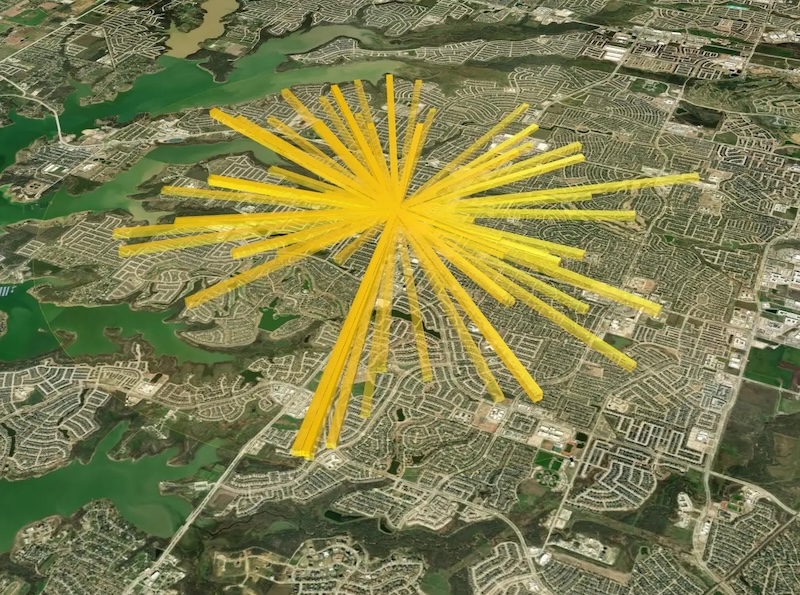
Flytrex scales shared drone traffic system with thousands of coordinated flights
Flytrex says it has reached a new milestone in commercial drone delivery after scaling shared airspace operations to thousands of coordinated flights per month without any reported airspace conflicts. The company said the achievement comes less than a year after it became one of the first commercial drone operators in the United States to use […]
Drones News air traffic management ASTM F3548-21 autonomous aviation autonomous drones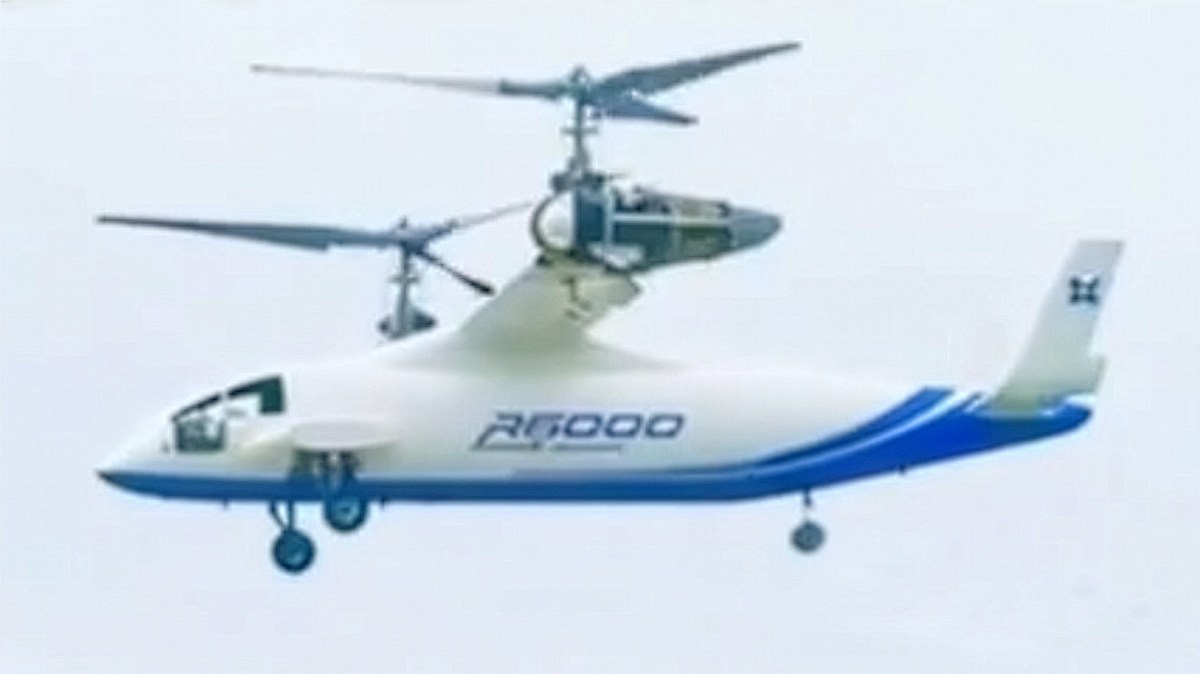
China’s Big R6000 Tiltrotor Drone Has Entered Full Flight Testing
Recent footage has revealed that China's R6000 uncrewed tiltrotor drone has progressed beyond its initial tethered hover trials and has now entered the phase of full flight testing. This advancement marks a significant step in the development of the R6000, showcasing its capabilities in more dynamic flight conditions. The shift to full flight testing indicates that the drone is being evaluated for its operational performance and reliability, which are crucial for potential future applications in various sectors, including military and civilian operations. The testing is taking place in China, although specific locations have not been disclosed. This development reflects China's ongoing efforts to enhance its drone technology and expand its presence in the unmanned aerial vehicle market.
Air Air Forces Around The Globe China Indo-Pacific News & Features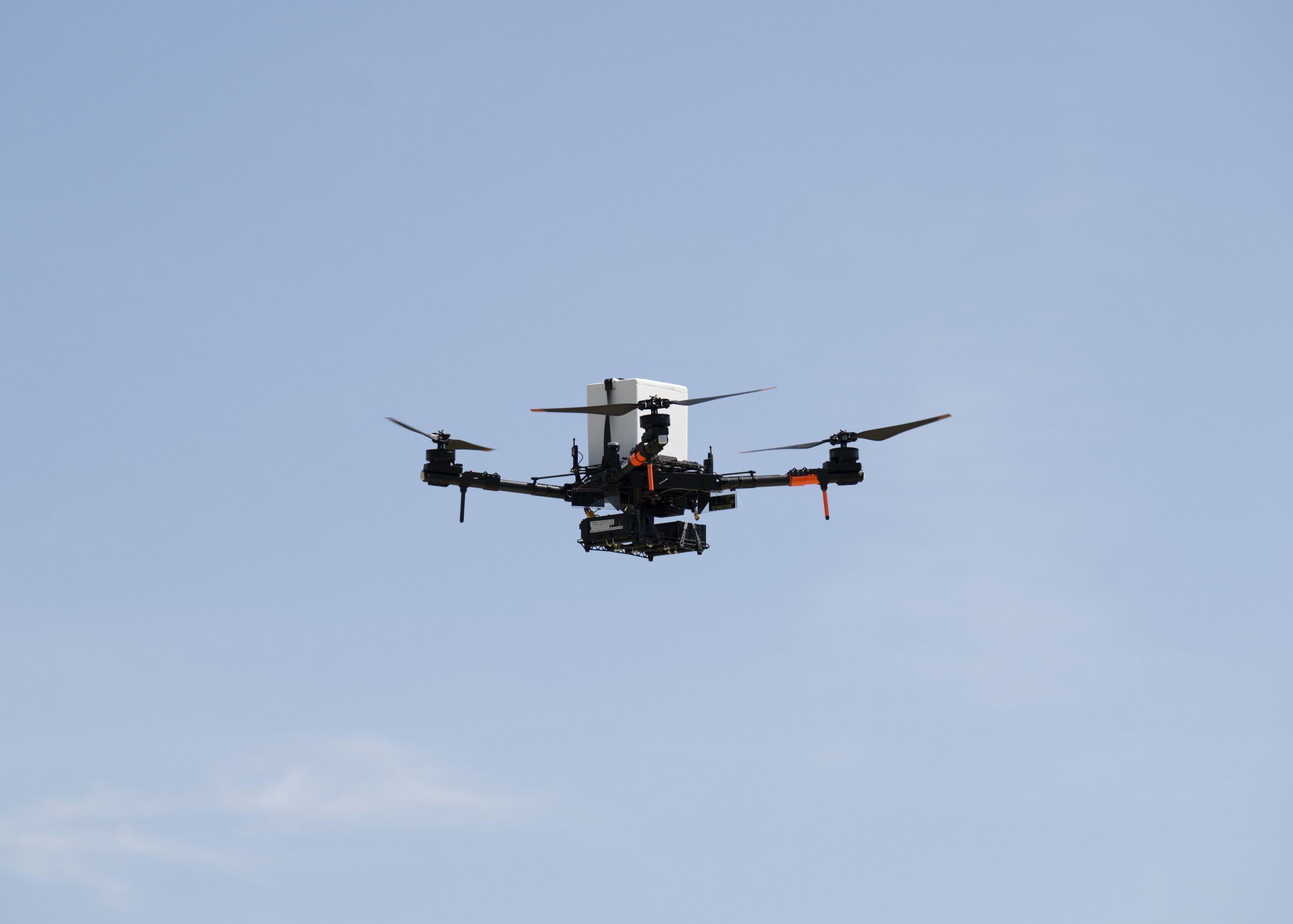
NASA, UNOS and LifeNet Complete Successful BVLOS Drone Flights Carrying Human Kidneys
A groundbreaking study involving the United Network for Organ Sharing (UNOS), NASA Langley Research Center, and LifeNet Health has successfully demonstrated the transportation of human kidneys via drone beyond visual line of sight (BVLOS). This significant advancement in transplant logistics was achieved through a collaborative research effort aimed at exploring innovative methods for organ delivery. The successful flights represent a promising step forward in enhancing the efficiency and speed of organ transportation, potentially improving outcomes for transplant patients. The research highlights the role of drone technology in addressing logistical challenges in the medical field, particularly in urgent situations where timely organ delivery is critical.
Applications BVLOS Drone News Drone News Feeds Healthcare Medical Delivery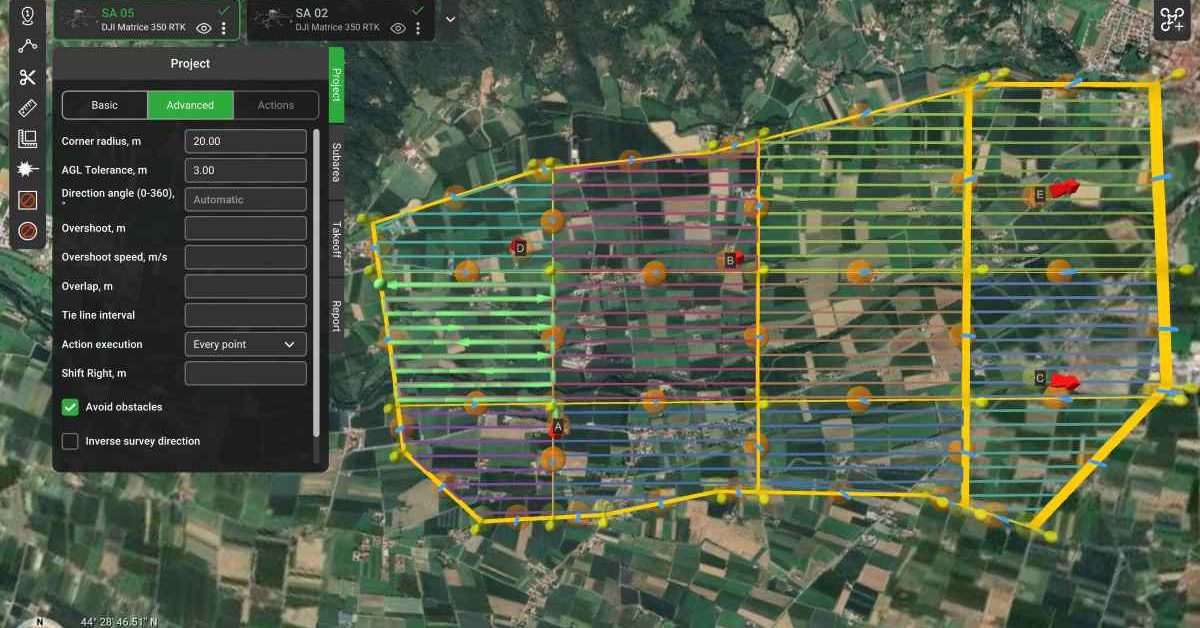
New UgCS 6.0 flight planning software solves a major headache for drone surveyors
SPH Engineering has announced the launch of UgCS 6.0, a significant update to its enterprise drone flight planning platform, aimed at addressing a longstanding challenge faced by drone survey teams operating in extensive mining, oil pipeline, and remote geological sites. The update provides a solution for efficiently dividing large survey areas into manageable flight sections, thereby preventing alignment issues that can compromise data quality. This innovation is expected to enhance the operational efficiency and accuracy of drone surveys, which are crucial for various industries reliant on precise geographical data. The introduction of UgCS 6.0 marks a notable advancement in drone technology, responding to the needs of professionals in the field.
News
New wearable ground station shrinks FPV drone control system by over 50%
A defense technology company based in Los Angeles has introduced an innovative wearable ground control station designed for first-person-view (FPV) drone operations. This cutting-edge device was unveiled during a recent technology expo, showcasing its potential to enhance the capabilities of drone operators in various fields, including military and emergency response. The wearable station aims to provide users with a more immersive and intuitive control experience, allowing for improved situational awareness and operational efficiency. By integrating advanced technology into a portable format, the company seeks to address the growing demand for effective drone management solutions in dynamic environments. The launch reflects the company's commitment to advancing defense technology and meeting the evolving needs of its clients.
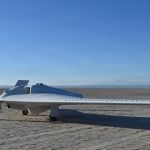
Hybrid-electric US military drone tested for 18,000-foot flight with ultra-low engine noise
In April 2026, a new military drone featuring hybrid-electric propulsion successfully completed its inaugural flight in the United States. This advanced drone represents a significant technological advancement in military aviation, aiming to enhance operational efficiency and reduce environmental impact. The development of this drone is part of the U.S. military's ongoing efforts to modernize its fleet and incorporate sustainable technologies into its operations. The successful flight marks a critical milestone in the testing phase, paving the way for further evaluations and potential deployment in various military applications.
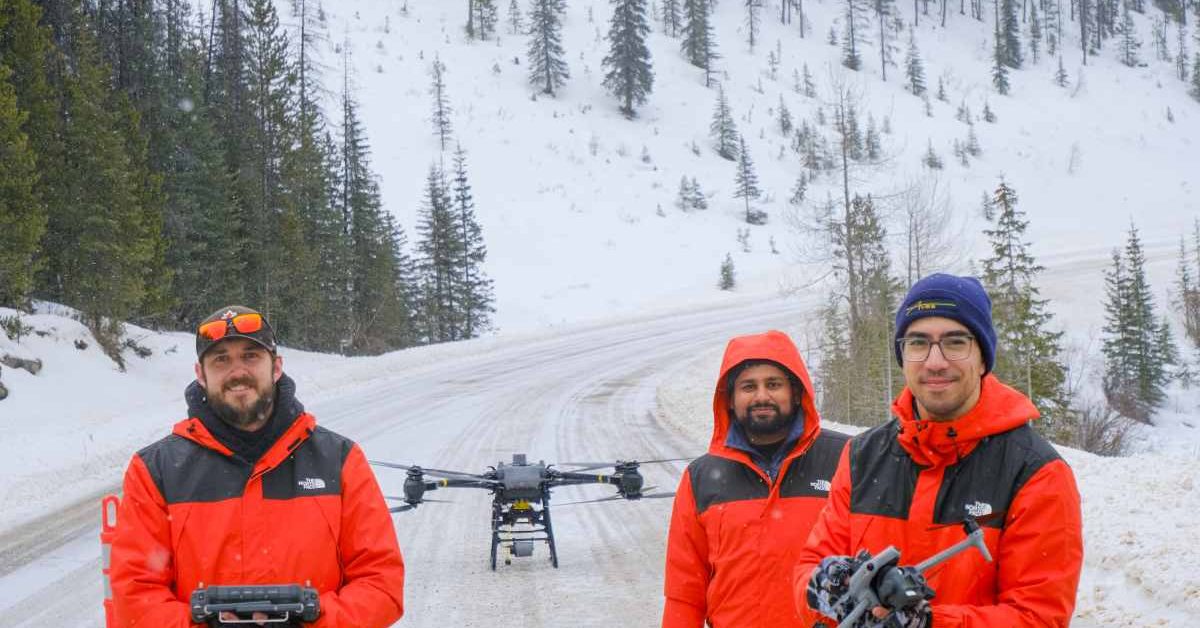
Canada tests drones dropping explosives for avalanche control
Aerial Vehicle Safety Solutions (AVSS), a Canadian drone safety company, has recently completed real-world testing of an innovative system that utilizes drones to remotely trigger avalanches. This groundbreaking approach involves the precise deployment of explosives in controlled conditions, marking a significant advancement in drone utility within avalanche management. The testing aims to enhance safety measures in avalanche-prone areas, providing a more efficient and effective method for avalanche control. By leveraging drone technology, AVSS is exploring new frontiers in both safety and environmental management, potentially transforming how avalanche risks are mitigated in the future.
News
Autonomous Drone Security Takes Flight at 150 MW Ta’anakh Solar Project
High Lander, a global leader in drone fleet management and Unmanned Traffic Management (UTM) software, has partnered with Israel’s Ministry of Energy to implement autonomous aerial patrols at the 150 MW Ta’anakh solar project. This initiative, which involves collaboration with G1 Group and operator Cando Drones, aims to enhance security measures at the solar site. The agreement marks a significant step in integrating advanced drone technology for monitoring and safeguarding critical energy infrastructure. The deployment is expected to improve operational efficiency and safety at the facility, reflecting a growing trend in utilizing drones for security purposes in renewable energy sectors.
Drone News Drone News Feeds drone security News Security Alon Abelson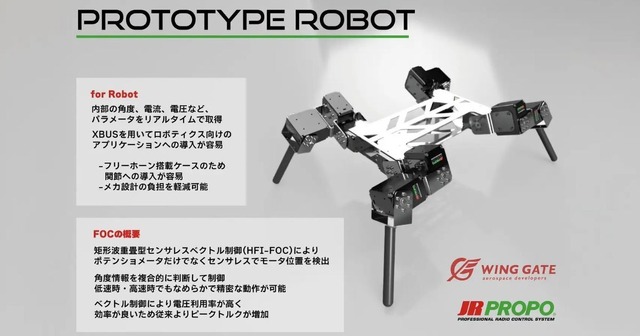
WINGGATE and Konishi Model launch joint project for domestic drone control development.
WINGGATE Co., Ltd. and Konishi Model Co., Ltd. have entered into a joint development agreement to create control systems for unmanned aerial vehicles (UAVs) and robots. The collaboration marks the beginning of a new development project aimed at advancing technology in the UAV and robotics sectors. This partnership is expected to leverage the expertise of both companies to enhance the capabilities and efficiency of their respective products, responding to the growing demand for innovative solutions in these fields.
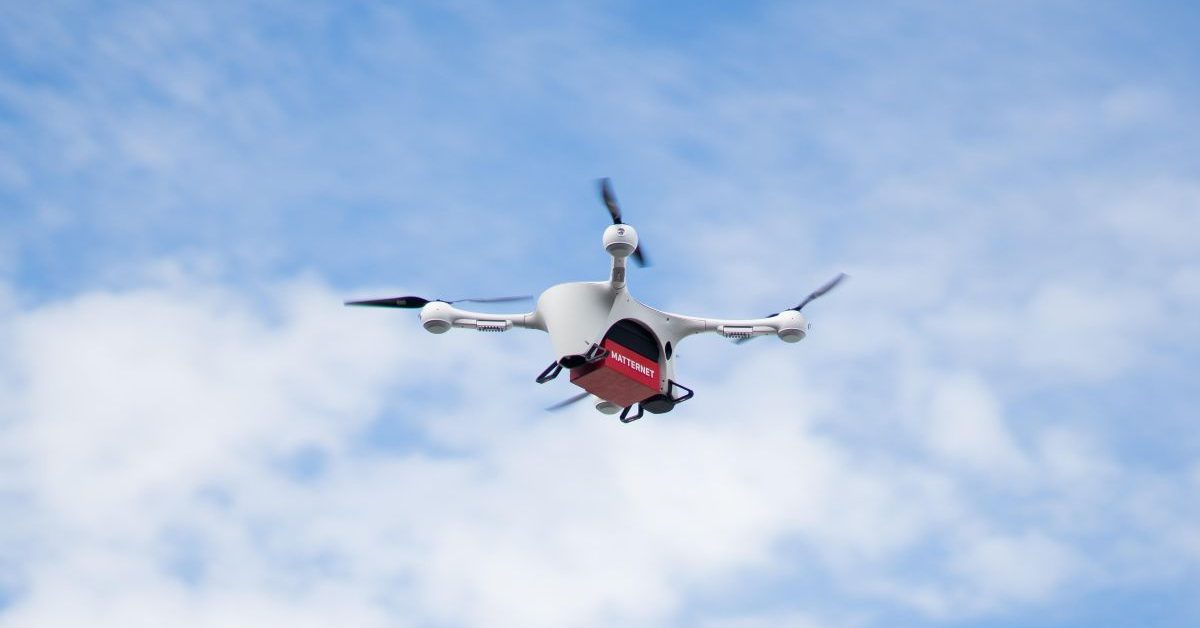
Matternet Partners with Beeline to Enhance US Drone Delivery Network Expansion
Matternet has announced a partnership with Beeline UAS to enhance its drone delivery operations across the United States. This collaboration adds another FAA Part 135 operator to Matternet's network, which already includes UPS Flight Forward and Ameriflight. The focus will be on expanding beyond visual line of sight (BVLOS) operations in California's San Francisco Bay Area and Los Angeles metropolitan area, known for their high delivery costs and traffic congestion. The partnership is significant as it aims to address the growing demand for drone delivery services in sectors like food, retail, and healthcare. Matternet's CEO, Andreas Raptopoulos, emphasizes the importance of a network of certified operators to scale operations efficiently. Beeline's expertise in regulatory compliance and flight operations will enable Matternet to expand its services without the need to develop its own extensive operational workforce. Looking ahead, this partnership represents Matternet's strategy to diversify its delivery network through multiple certified operators, enhancing flexibility and compliance. As Matternet has already conducted over 60,000 commercial drone flights, the collaboration with Beeline is expected to further solidify its position in the drone delivery market. No further timeline was disclosed at the time of publication.
News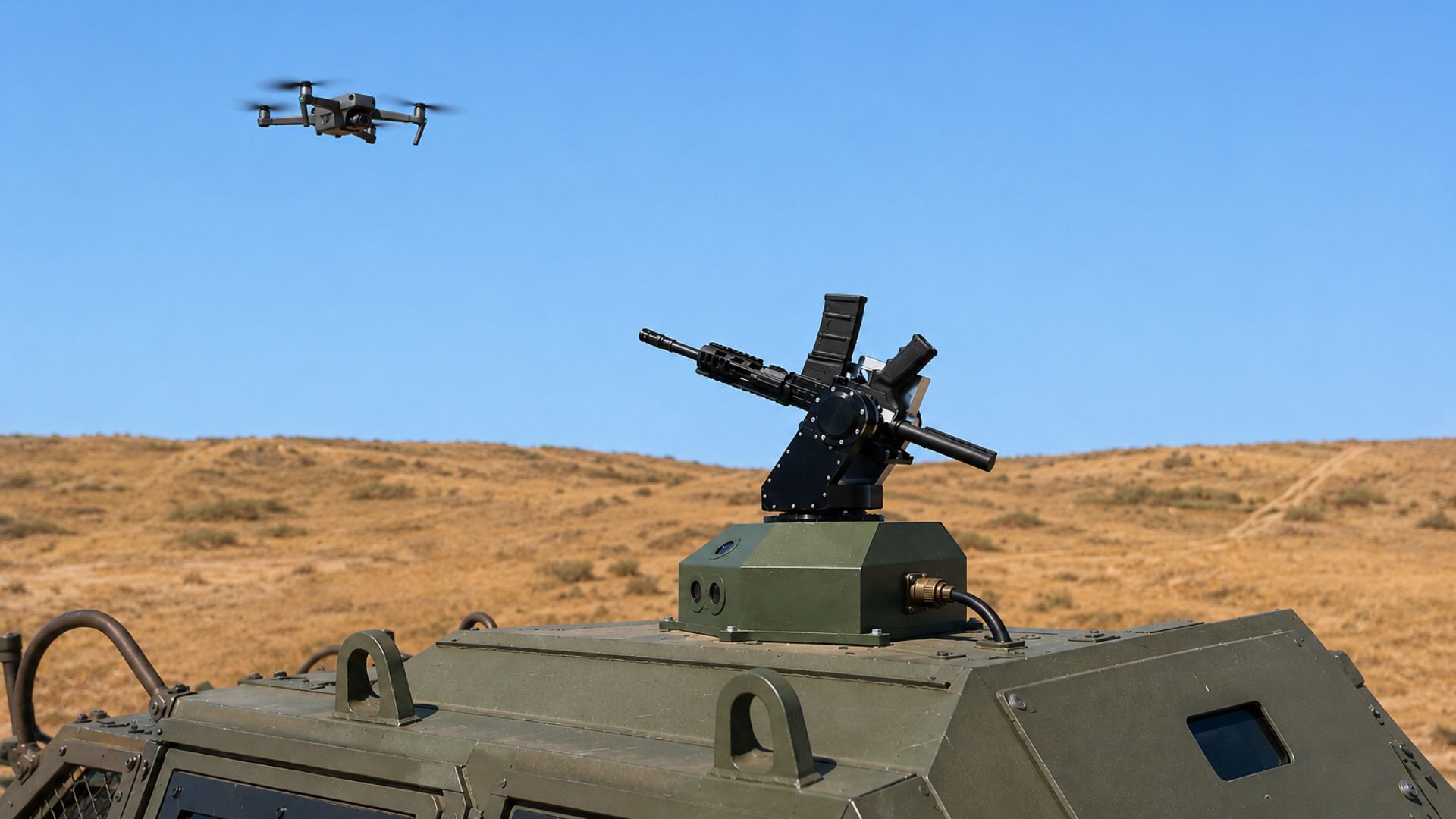
Axon Vision Launches ForceField Counter-Drone System to Combat FPV Drone Threats
Israeli defense technology firm Axon Vision has unveiled ForceField, a counter-drone system designed to neutralize first-person view (FPV) drones, including those controlled via fiber optics. The system's development followed successful live-fire evaluations, demonstrating its capability to detect and engage FPV drone threats in real time, thereby enhancing protection for military forces against evolving battlefield risks. The significance of ForceField lies in its ability to address the growing challenge posed by FPV drones, which are increasingly utilized for precision strikes at low costs. Traditional electronic warfare measures often fail against fiber-optic-controlled drones, making ForceField's passive sensor technology crucial. By employing Edge AI software, the system allows operators to assess threats without relying on external networks, streamlining the engagement process and reducing the need for extensive modifications to existing military platforms. Looking ahead, Axon Vision is actively engaging with military customers and partners to evaluate ForceField's capabilities. The system's modular design offers flexibility for integration with current weapon systems, potentially simplifying deployment across various military fleets. No further timeline was disclosed at the time of publication.
Military
Zipline Expands Drone Delivery Services with New Leadership in Austin and Cleveland
Zipline is intensifying its drone delivery efforts in the U.S. by launching services in Austin and Cleveland, supported by new executives from Tesla, Waymo, and Uber. This strategic move comes as demand for Zipline's delivery platform surges, with a 13-fold increase in businesses utilizing the app in the first half of 2026. The significance of this expansion lies in Zipline's milestone of over 2.5 million commercial deliveries globally, with 70% of flights occurring in the U.S. The upcoming launch of a home prescription delivery service in partnership with Cleveland Clinic marks a pivotal moment for healthcare logistics, with plans to broaden the service to include lab samples and medical supplies. Looking ahead, Zipline's entry into Austin will allow customers to order food and retail products with rapid delivery times. The company is experiencing swift growth, with notable partnerships from national chains like Chipotle and Little Caesars. No further timeline was disclosed at the time of publication.
News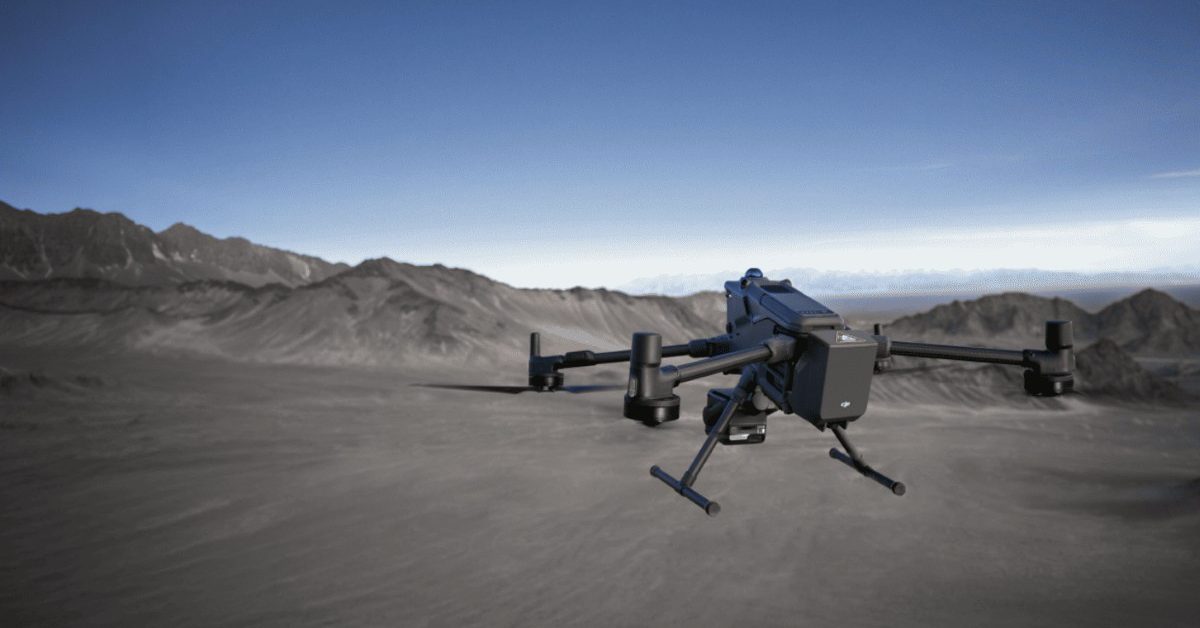
DJI Launches AP100 Parachute for Enhanced Safety of Matrice 400 Drone
DJI has unveiled the AP100 Parachute, a new safety accessory for its Matrice 400 enterprise drone, aimed at protecting the aircraft during emergencies. This parachute system, weighing approximately 935 grams, helps mitigate the impact of in-flight failures by safely lowering the drone to the ground, thus safeguarding valuable payloads and minimizing risks to people and property below. The introduction of the AP100 is significant as it allows the Matrice 400 to comply with safety regulations set by the European Union Aviation Safety Agency and the UK Civil Aviation Authority. This feature is particularly beneficial for organizations operating internationally, as it enhances operational safety and meets specific classification requirements for various missions, including beyond visual line of sight operations. Looking ahead, operators interested in C6 or UK6 certification for STS-02 missions will need to acquire the DJI Matrice 400 (C6) Worry-Free Plus Combo, which includes the AP100. No further timeline was disclosed at the time of publication.
News
China’s new 800-cycle lithium-sulfur battery could nearly double drone flight time
Chinese researchers have unveiled a groundbreaking lithium-sulfur battery design that has the potential to dramatically enhance drone flight durations. This innovative development, announced in October 2023, aims to address the limitations of current battery technologies, which often restrict the operational time of drones. By utilizing lithium-sulfur chemistry, the researchers believe they can achieve higher energy densities compared to traditional lithium-ion batteries, making it possible for drones to fly longer distances without the need for frequent recharging. The research was conducted at a leading university in China, where scientists focused on optimizing the battery's performance and stability. This advancement not only promises to improve commercial drone applications but could also have significant implications for various industries, including logistics, agriculture, and surveillance, where extended flight times are crucial. The researchers are now looking to further refine the technology and explore its practical applications in real-world scenarios.
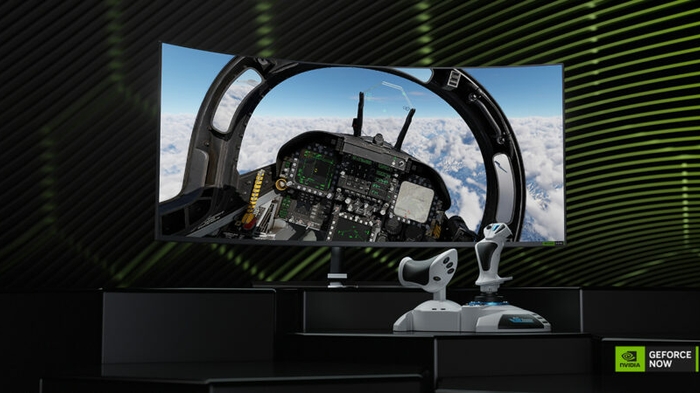
Flight Controls Are Cleared for Takeoff on GeForce NOW
Pilots can now rejoice as GeForce NOW has officially launched its highly anticipated flight control support feature today. This addition, which was announced earlier this month at CES, allows virtual pilots to utilize dedicated flight gear for a more immersive gaming experience. The introduction of this feature comes in response to community requests, highlighting the platform's commitment to enhancing user experience and catering to the needs of its gaming audience. With this update, users can expect improved functionality and realism in flight simulation games, further solidifying GeForce NOW's position in the competitive cloud gaming market.
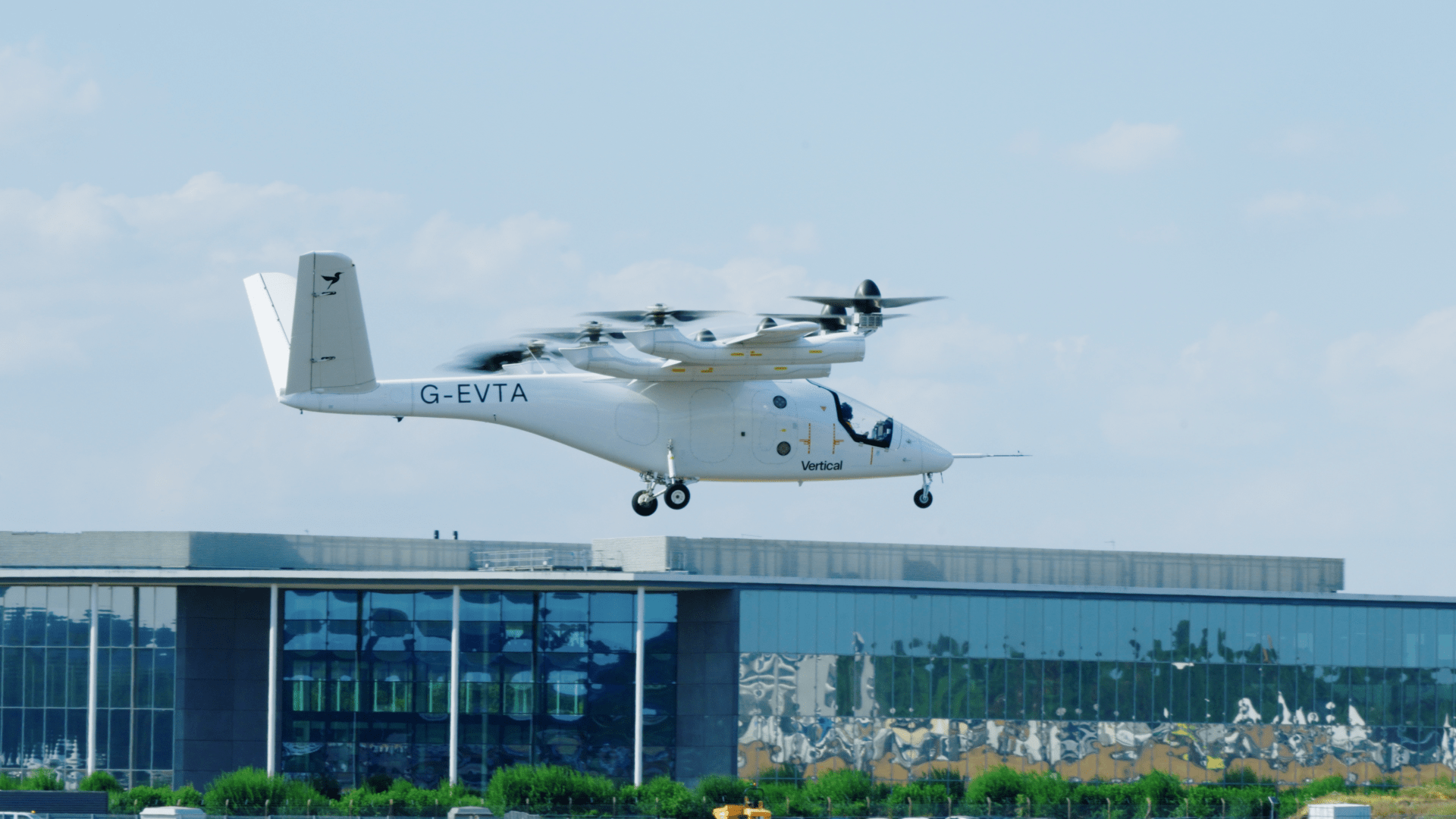
Vertical Aerospace to Showcase First Public eVTOL Flight Demonstrations at Farnborough Airshow
British aerospace company Vertical Aerospace is preparing to conduct its inaugural public electric vertical take-off and landing (eVTOL) flight demonstrations at the Farnborough International Airshow. This event marks a significant milestone in the company's journey toward certification and the launch of commercial electric aircraft services. The demonstrations are crucial as Vertical Aerospace has recently unveiled its Valo aircraft and completed successful piloted transition flights. The company has also strengthened its financial position and expanded its global technology partnerships, all while advancing its certification program. CEO Stuart Simpson emphasized that these milestones are vital for reducing risk and enhancing the company's competitive stance in the electric aerospace sector. Looking ahead, Vertical Aerospace aims to complete its Critical Design Review by the end of 2026, which will establish the certifiable design baseline for its aircraft. The company plans to bring its early production aircraft assembly facility online in Q3 2026 and begin hybrid-electric flight testing in the first half of 2027. No further timeline was disclosed at the time of publication.
Transportation
Drones learn to squeeze through narrow gaps using onboard AI control
Drones, or unmanned aerial vehicles (UAVs), have become integral tools across diverse sectors, including filmmaking, aerial photography, industrial inspections, precision agriculture, and emergency response. Despite their growing popularity and capabilities, many drones face challenges when navigating cluttered environments. They often struggle to maneuver through tight spaces or access hard-to-reach areas, limiting their effectiveness in certain situations. As the demand for more versatile and agile drones increases, advancements in technology are necessary to enhance their navigation and operational capabilities in complex surroundings.
Robotics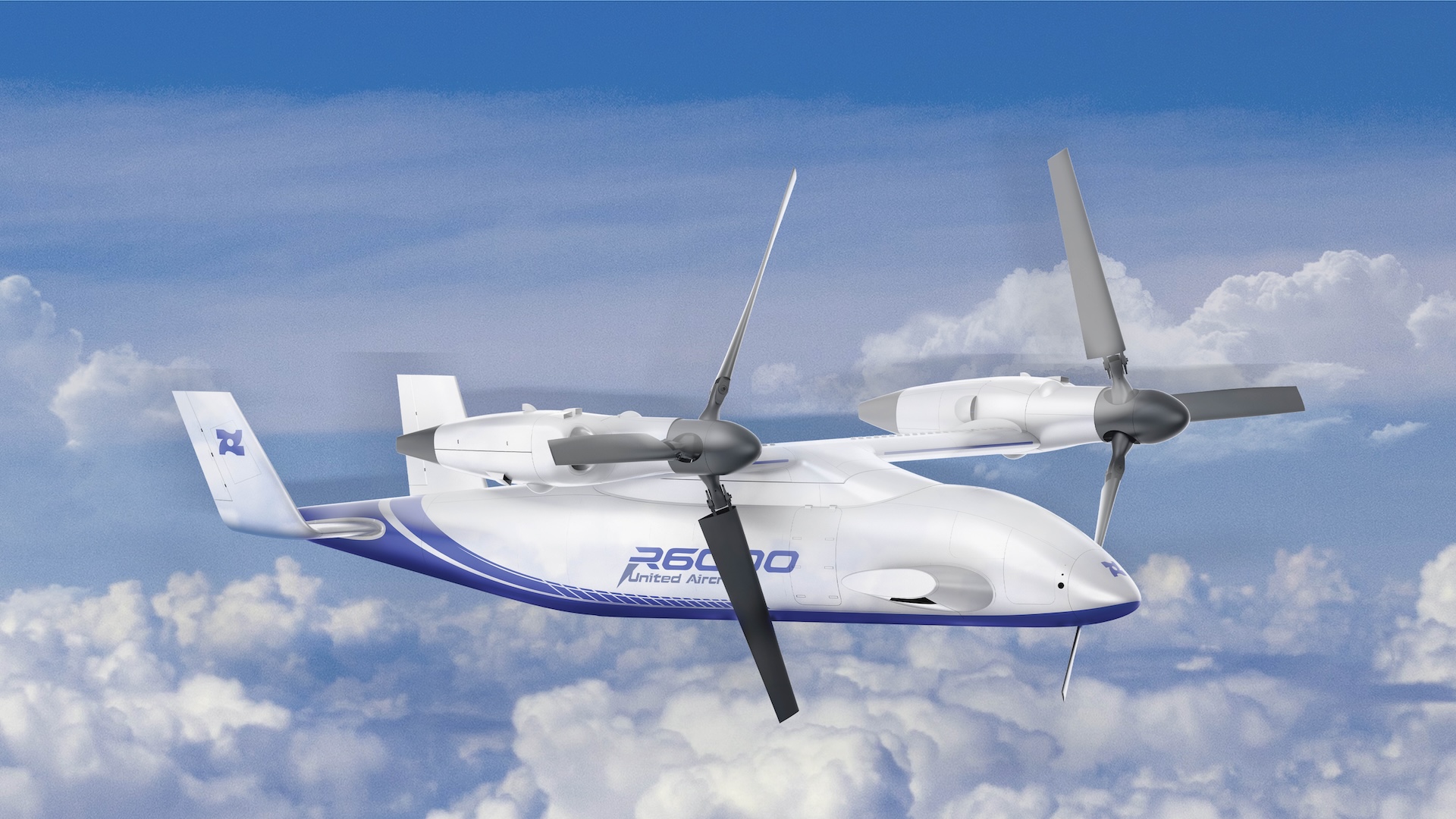
China’s giant 6-ton autonomous tiltrotor drone enters full free-flight testing
China’s R6000, recognized as one of the largest uncrewed tiltrotor aircraft globally, has commenced full free-flight testing. This significant development took place recently, marking a crucial step in advancing the country's aerospace capabilities. The testing is being conducted in various locations, showcasing the aircraft's versatility and potential applications in both military and civilian sectors. The motivation behind this initiative is to enhance China's technological prowess in aviation and to explore new operational possibilities for unmanned aerial vehicles. The R6000's design allows it to take off and land vertically while also achieving high-speed horizontal flight, which could revolutionize transport and logistics in challenging environments. As the testing progresses, engineers and researchers are closely monitoring the aircraft's performance to ensure safety and efficiency, paving the way for future innovations in unmanned flight technology.
Military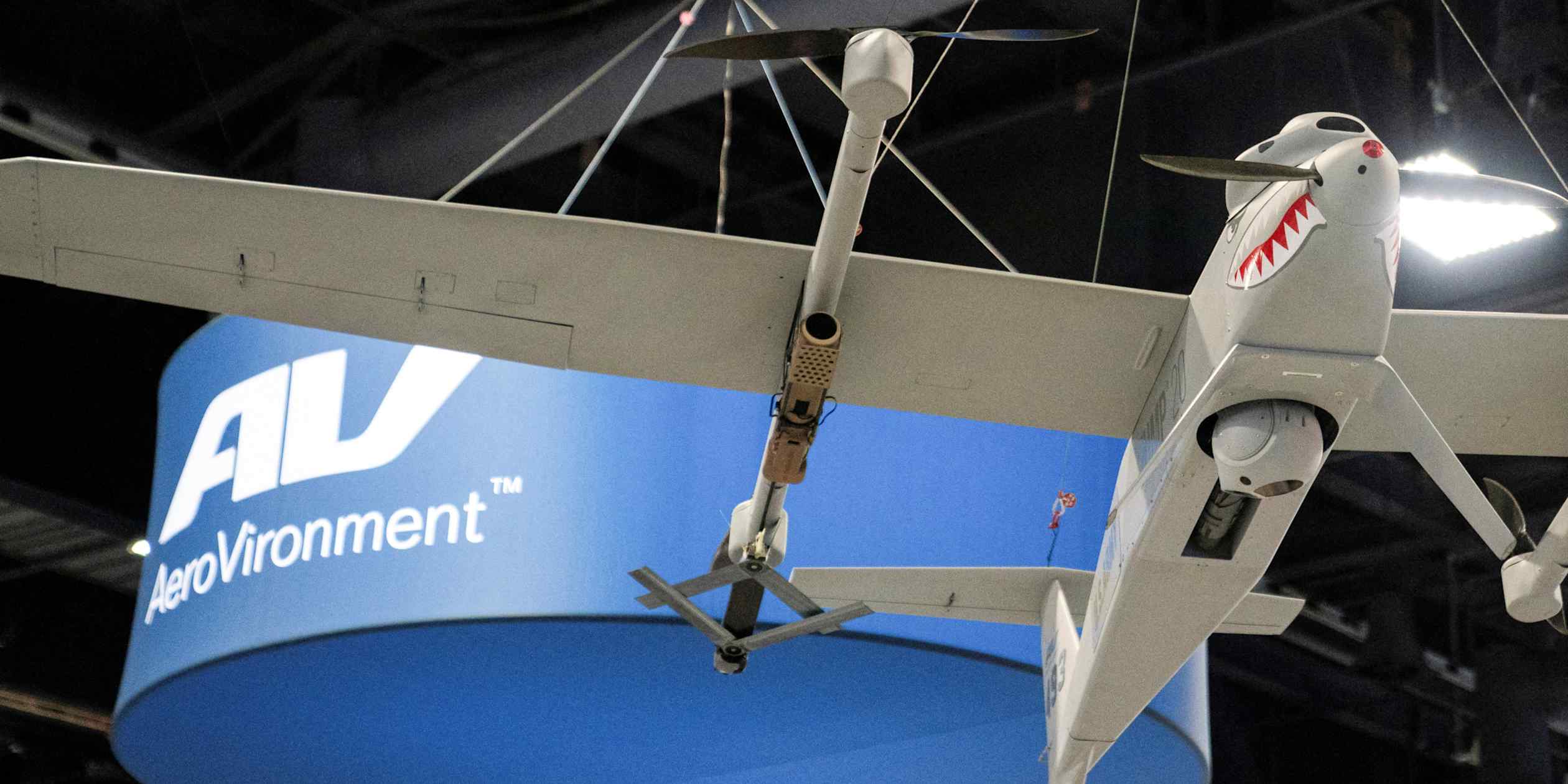
US attack drone maker taps into Taiwan controller demand
AeroVironment, a U.S. defense technology company known for its drones utilized in Ukraine, has announced a partnership with Taipei-based Ubiqconn to support Taiwan's development of an aerial defense system called T-Dome. This collaboration aims to enhance Taiwan's drone capabilities amid rising tensions in the region. The announcement was made on June 15, 2026, during AeroVironment's efforts to establish a foothold in the Taiwanese market, capitalizing on the growing demand for drone technology in the area. The partnership signifies AeroVironment's commitment to bolstering Taiwan's defense initiatives and addressing the evolving security landscape in East Asia.
Robotics needs a service framework.
RSF defines a common language for robot service capability, lifecycle operations, certification pathways, and service-provider networks.