

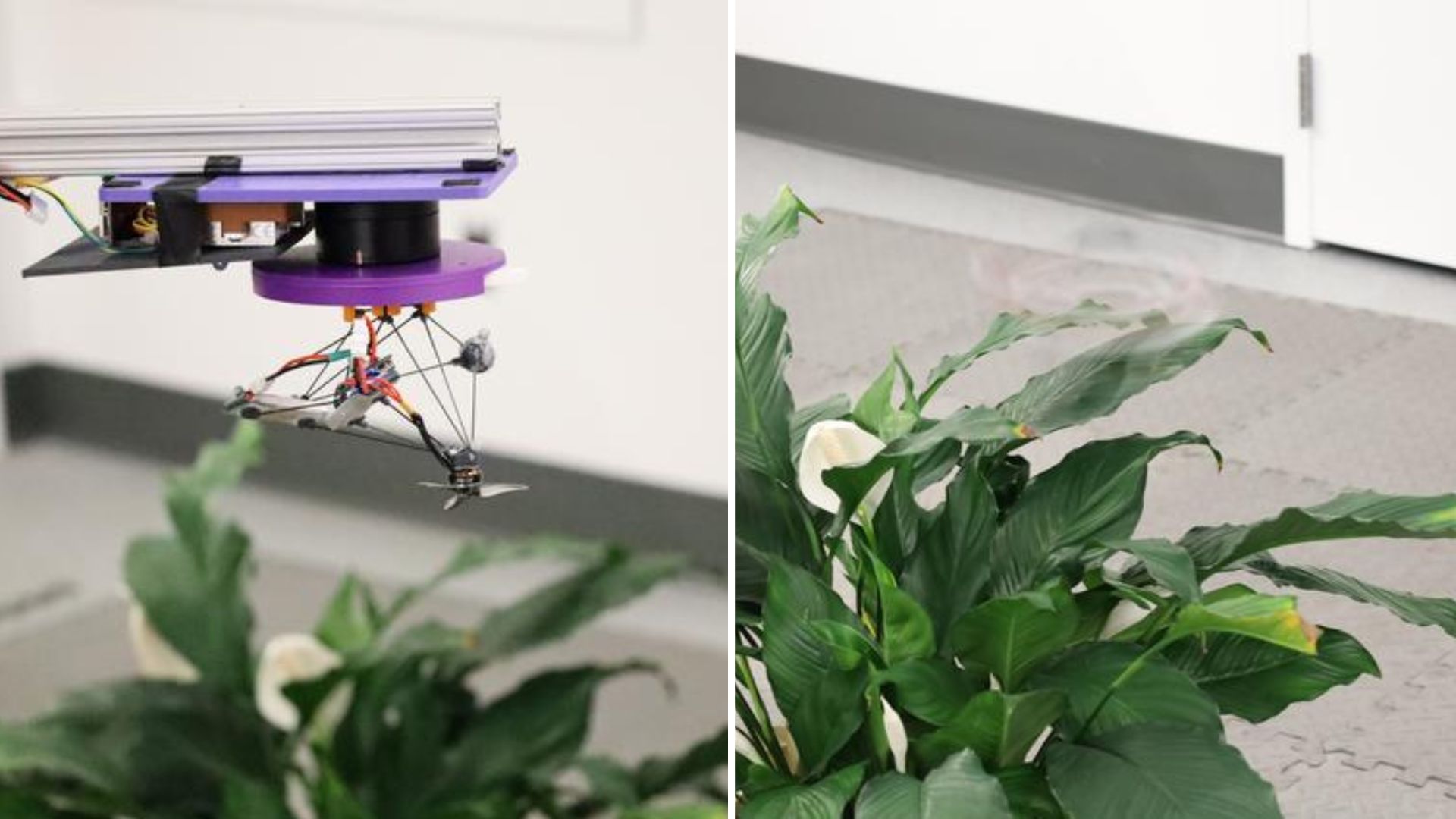
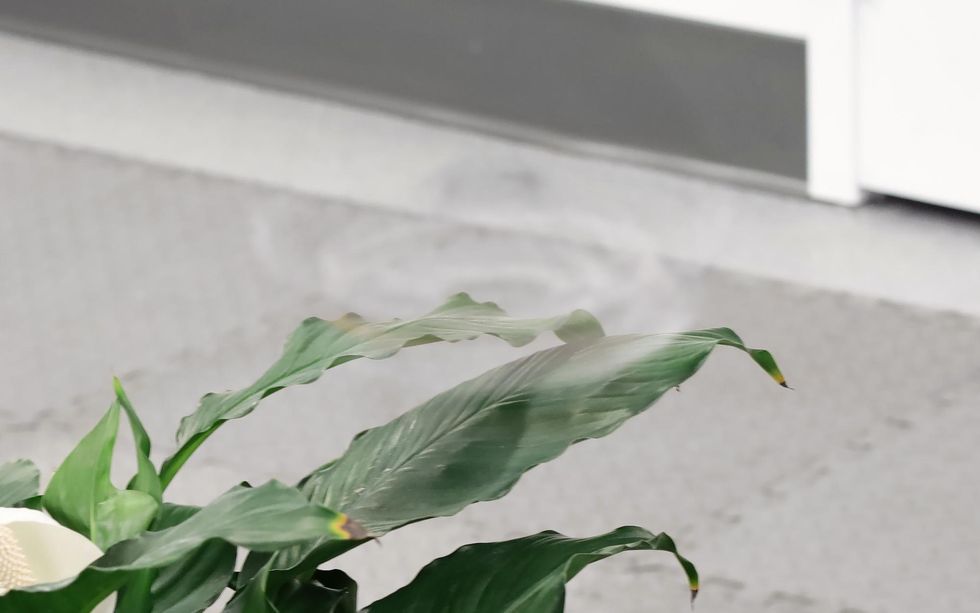
Northwestern University has unveiled the 'Phantom Twist,' a drone designed to achieve low visibility by spinning at speeds of up to 25 times per second. This innovative approach creates a motion blur that allows the drone to blend into its surroundings, rather than achieving complete invisibility. Michael Rubenstein, who led the project, emphasized the unique design strategy focused on human perception of motion.
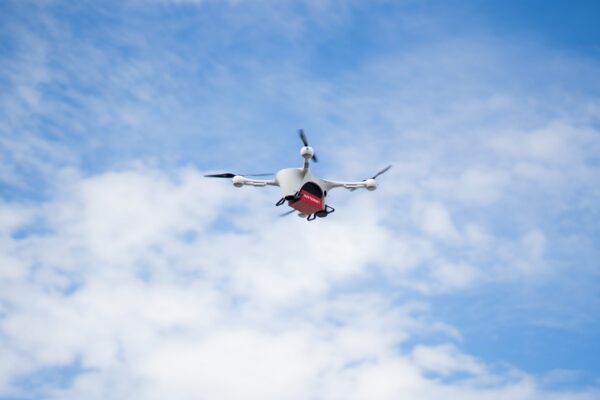
The significance of the 'Phantom Twist' lies in its potential to minimize disruption caused by conventional drones, which are often highly visible and can disturb wildlife and human activities. Traditional methods to conceal drones have included advanced optics and camouflage, but this new design shifts the focus to altering the drone's physical characteristics to change its perceived visibility. The drone's spinning mechanism allows it to appear as a semi-transparent disc, effectively reducing its visual footprint.
Looking ahead, the development team faced challenges in ensuring the drone's stability during flight, which they addressed by integrating artificial intelligence into the design process. No further timeline was disclosed at the time of publication.
Editor's Note
The development of the 'Phantom Twist' drone represents a significant advancement in drone technology, particularly in the context of reducing visibility and minimizing disturbances in sensitive environments. This innovation could have implications for various applications, including wildlife monitoring and surveillance, where stealth is crucial. The integration of AI for stability control also highlights the growing role of intelligent systems in enhancing drone performance.



























Leave a comment