

Industry Briefing
A single destination for timely, editor-curated robotics news from around the world.

Index Launches as the Largest and Most Diverse Robot Training Dataset Ever Created
Today, Figure has unveiled Index, a groundbreaking robot training dataset designed to address the data scarcity for general-purpose robots. Over the past four months, the company has developed a unique pipeline to collect real-world physical data, achieving over 264,000 app downloads across 108 countries and 44,000 weekly active users contributing to the dataset. The significance of Index lies in its ability to provide diverse and high-quality data essential for training AI systems like Helix. With over 16 million videos uploaded and 30 minutes of video processed every second, the dataset captures a wide range of tasks, objects, and environments. Figure has committed to investing over $1 billion in data and compute resources over the next year to further enhance this initiative. Looking ahead, Figure aims to scale its data collection efforts significantly, with plans to increase the dataset's capabilities and diversity. The company is already witnessing promising generalization results from its AI stack, Helix, and will share more insights on its findings in the near future. No further timeline was disclosed at the time of publication.
robotics AI data collection machine learning technology
Essential Helldivers Collectible Figures for Every Gamer's Display
Helldivers 2 showcases a distinct visual style, featuring elements like sealed helmets and insectoid armor. For collectors, the ideal figures should highlight these details while maintaining an organized display. The selection of ten recommended figures balances faction representation and character recognition, ensuring a visually appealing collection. The importance of display quality cannot be overstated, as collectors should prioritize factors such as scale, pose clarity, and material finish over sheer quantity. A well-curated collection often appears more striking than a cluttered one. The core Helldiver figure serves as a central piece, providing a reference point for surrounding figures and enhancing the overall aesthetic. Among the standout figures, the B-22 Model Citizen and Hulk Scorcher exemplify the series' design language, while the Bile Titan offers a dominant presence. The Charger Plush adds a playful contrast to the collection. Collectors are encouraged to consider these elements to create a balanced and engaging display that reflects their appreciation for the Helldivers universe.
Culture Internet Software action figures collectible figures gaming collectibles
AI Robots Enhance Underwater Safety by Monitoring Divers' Breathing Through Bubble Analysis
A research team from the University of Minnesota Twin Cities has developed an innovative AI model that enables underwater companion robots to monitor divers' breathing rates in real-time by analyzing the bubbles they exhale. This groundbreaking study, published in the International Journal of Robotics Research, marks the first application of computer vision for underwater human respiration tracking, providing a new technological pathway for diving safety. The underwater environment poses significant physiological challenges, such as fatigue, hyperventilation, and pressure fluctuations, which are amplified in deep-sea conditions. Traditional biosensors are ineffective underwater due to the heavy diving suits that obstruct skin contact, and wireless data transmission through water is often unstable. The research team's solution allows robots to 'see' breathing by training autonomous underwater vehicles (AUVs) equipped with cameras to analyze the volume and frequency of exhaled bubbles, categorizing the diver's breathing patterns as 'below normal,' 'normal,' or 'above normal.' This technology has implications beyond academia, benefiting commercial diving, scientific exploration, and military operations. A robot partner capable of interpreting the physiological state of a team in real-time can mitigate potential safety hazards early on. As robots evolve from mere task executors to proactive assessors of partner conditions, the dangers of deep-sea environments are being redefined, all starting from the interpretation of a series of bubbles.
Underwater Robotics AI Technology Diving Safety Computer Vision Marine Research
German Scientists Develop 3D-Printed Gas Turbine Injector for Diverse Fuels
Researchers at the University of Stuttgart have developed a new 3D-printed gas turbine injector capable of burning hydrogen, kerosene, and various e-fuels. This innovative injection system, created by Fabian Hampp and his team, aims to reduce emissions while maintaining manufacturing efficiency. The significance of this development lies in its potential to enhance the versatility of gas turbines, which are crucial for stabilizing energy grids, especially when renewable sources fluctuate. The injector's design addresses the challenge of achieving optimal fuel-air mixing for clean combustion, accommodating fuels with varying physical properties. Looking ahead, the team plans to prototype the injector for real-world testing, which could lead to retrofitting existing gas turbines for cleaner energy sources. No further timeline was disclosed at the time of publication.
Energy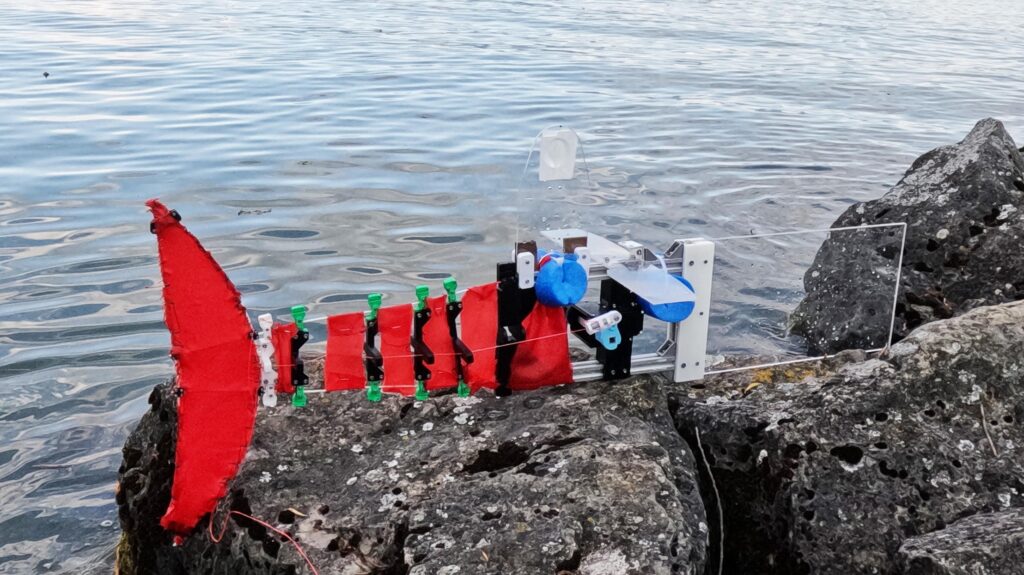
EPFL and NYU Develop Scalable Robotic Fish for Diverse Aquatic Environments
A team from EPFL and NYU has introduced ScaFi, a scalable robotic fish designed to adapt to various aquatic environments. Unlike traditional propeller-driven vehicles, ScaFi mimics the swimming motion of fish, allowing it to navigate shallow waters and dense vegetation without disturbing wildlife. The significance of ScaFi lies in its ability to maintain swimming efficiency across different sizes, which could reduce the engineering effort required for aquatic robots. The research highlights the importance of adaptable tools for environmental monitoring, as ecosystems vary greatly in size and complexity. Future developments will focus on understanding the energy efficiency of ScaFi as it scales, as initial tests revealed challenges with larger models. The team aims to explore whether the energy performance can be improved alongside the swimming capabilities of the robotic fish.
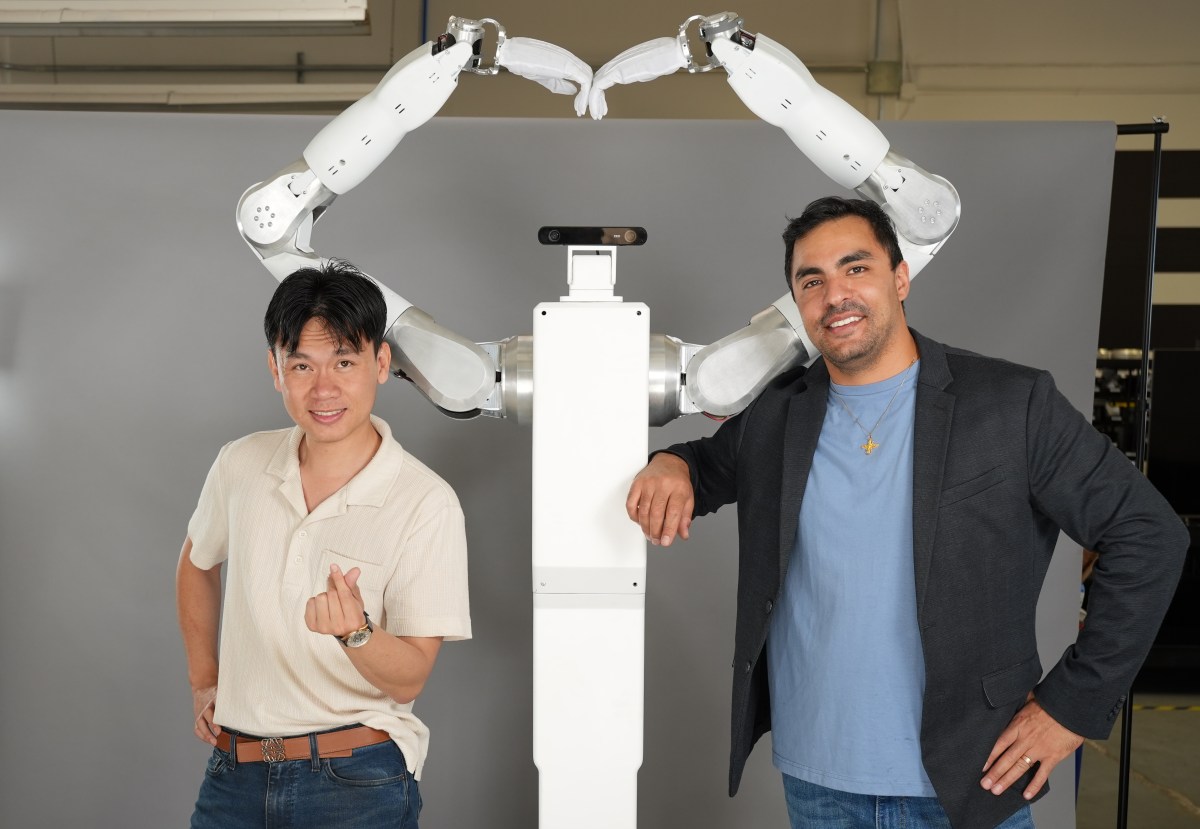
Feather Robotics Develops Modular Humanoid Robots for Diverse Applications
Feather Robotics, a startup founded in 2025, is creating a modular humanoid robot designed for developers to address real-world tasks. Unlike competitors like Tesla, Feather focuses on providing a hardware and software toolkit that is deployable now, allowing customization for various applications, including cooking and cleaning. The startup has gained traction, surpassing $1 million in revenue and securing a $7.6 million pre-seed round from Gradient Ventures. Feather's approach is unique in the U.S. market, as it offers a homegrown alternative to foreign models, with a price point of $30,000, significantly lower than competitors. Looking ahead, Feather is preparing for a major product launch after resolving issues from field testing. The company aims to capitalize on the growing demand for robotic solutions in various sectors, positioning itself as a cost-effective labor alternative in the robotics landscape.
Robotics Startups Gradient Ventures humanoid humanoid robots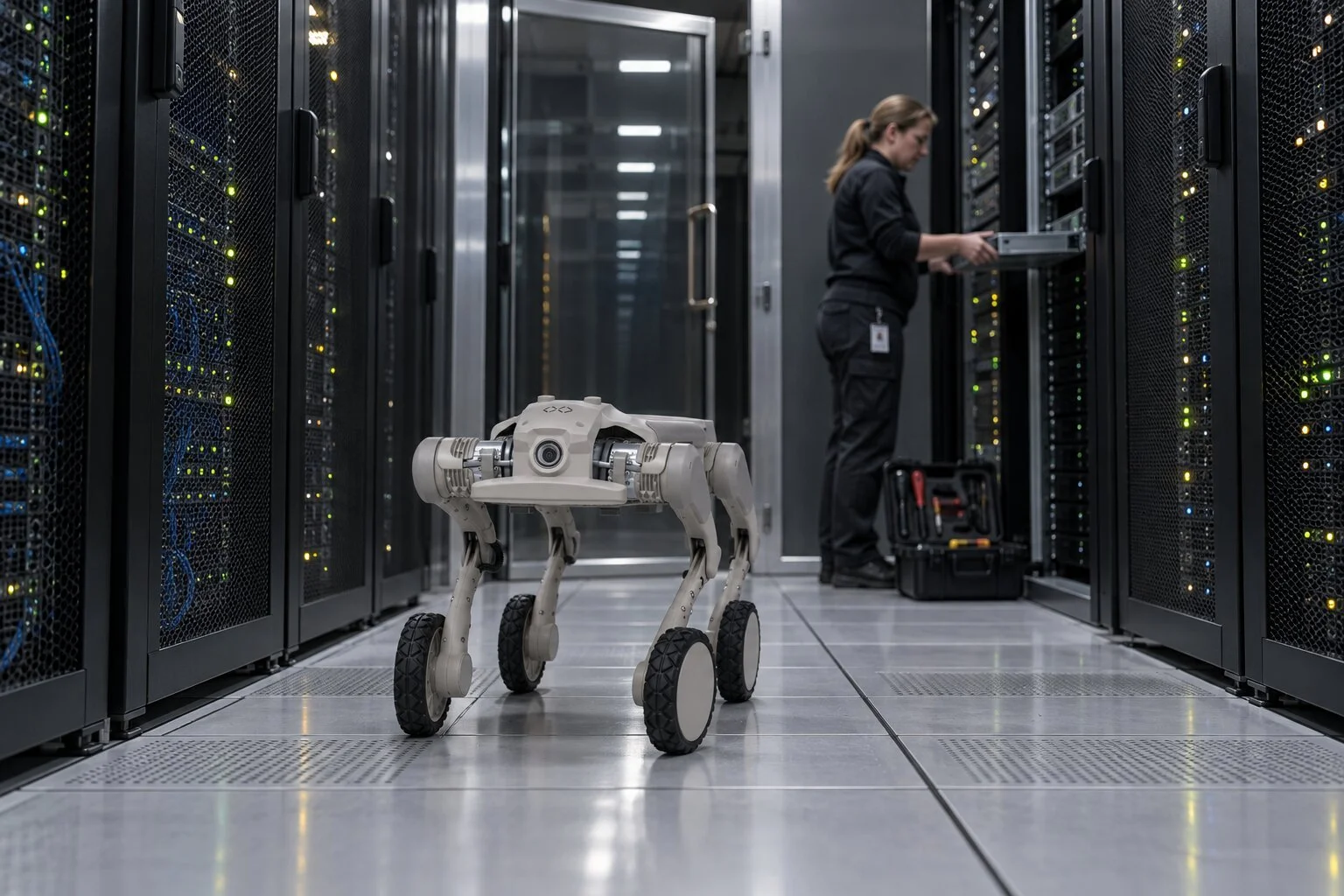
Faraday Future Launches Nine New Robots for Diverse Applications in AI and Robotics
Faraday Future has introduced nine new robot configurations across five models, enhancing its humanoid and quadruped offerings for various applications including research, education, security, inspection, and industrial use. The lineup features the All-New Futurist humanoid starting at $89,900, Master Mini humanoids beginning at $9,990, and Aegis quadruped robots priced between $12,990 and $137,900. This expansion is significant as it aligns with Faraday Future's vision of an integrated AI ecosystem, which combines robotics with advanced data processing capabilities. The company emphasizes the coexistence of multiple robot forms to tackle a wider range of tasks and generate valuable real-world data, thereby enhancing the training and evolution of its AI systems. Looking ahead, Faraday Future's robotics solutions are set to impact K-12 education, research, and industrial inspection sectors. The company has not disclosed any further timeline for upcoming developments, but the availability of these products through various platforms indicates a strategic move to penetrate multiple markets effectively.
AI AI Funding & Investment AI Use Cases Robotics embodied AI Faraday Future
First Graduates from Hangzhou Robot School Launch Careers in Diverse Roles
On September 17, during the 9th China Robot Summit, the Hangzhou Robot School held its first graduation ceremony for four students trained in various robotic applications. The graduates showcased their skills with performances from a piano robot, two guide robots, and an inspection robot, each demonstrating capabilities acquired during their training. This graduation marks a significant milestone as it reflects the school's commitment to developing robots for real-world applications. The guide robots will serve at the China Painting Collection Museum and the school, while the inspection robot is set to work at a Nestlé production facility in Tianjin, and the piano robot will perform in South Korea. Looking ahead, the performance of these robots in their respective roles will be crucial in evaluating the effectiveness of the Hangzhou Robot School's training program. The transition from classroom to industry will test their capabilities in practical environments, highlighting the importance of this educational initiative in the robotics sector.
Robotics Education Industrial Automation Service Robots Cultural Robotics
JD Logistics Implements Diverse Robots to Transform Warehouse Automation
JD Logistics has deployed 11 different types of robots across over 20 provinces in China, including a dexterous arm that has surpassed the single-machine economic model threshold. This approach contrasts with the industry's focus on humanoid robots, emphasizing that the shape of robots should be determined by their operational requirements. The significance of JD's strategy lies in addressing the automation gap in logistics, where over 70% of warehouses still rely heavily on manual labor. JD's dexterous arm, known as 'Yilong,' can adapt its grip for various packaging types, resulting in over a 20% reduction in operational costs compared to traditional manual sorting. Looking ahead, JD aims to replicate its successful model across multiple projects, with a projected payback period of around two years for its first airport project. As JD continues to refine its robotic systems, the industry will need to consider the viability of humanoid robots in comparison to JD's efficient, specialized solutions.
Warehouse Automation Logistics Robotics AI Robotic Arms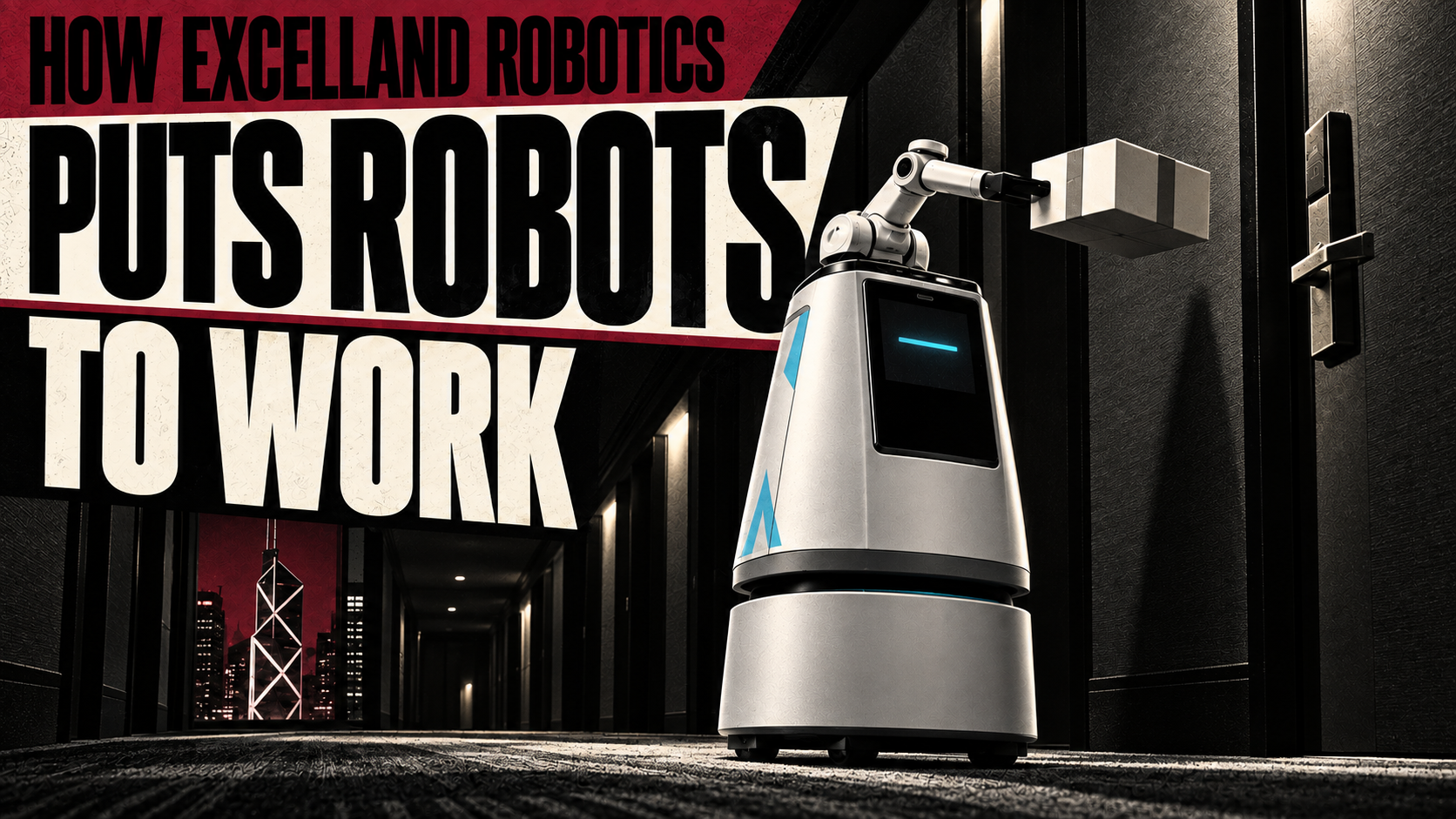
Excelland Robotics Develops Reliable Robots for Diverse Commercial Applications
Excelland Robotics, founded in Shenzhen in 2013, has been enhancing the role of robots in commercial settings for over a decade. The company has sold more than 114,600 robots to over 5,100 customers worldwide as of March 2026, focusing on specific tasks that allow for gradual technology expansion in various environments. The significance of Excelland's approach lies in its ability to address the needs of businesses facing rising labor costs and high staff turnover. By introducing robots like Yomie and Yodee, the company has enabled hotels and entertainment venues to automate repetitive tasks, allowing human staff to concentrate on more complex responsibilities. Looking ahead, Excelland Robotics is preparing for a public listing in Hong Kong as Excelland Robotics (Wuxi) Co. Ltd. No further timeline was disclosed at the time of publication. The company's ongoing commitment to developing task-specific robots will be crucial as it continues to adapt to the evolving demands of the commercial robotics market.
Heavy Hitters
Atomica Launches Physical AI Sensor Platform for Diverse Intelligent Systems Applications
Atomica, a microfabrication foundry based in the U.S., has introduced its Physical AI Sensor Platform. This platform is designed to assist customers in creating sensors tailored for various applications, including robotics, autonomy, industrial automation, medical systems, defense, smart infrastructure, and edge intelligence. The launch of the Physical AI Sensor Platform is significant as it addresses the growing demand for advanced sensor technologies across multiple sectors. By providing a streamlined solution for sensor fabrication, Atomica aims to enhance the development of intelligent systems that rely on accurate and efficient sensor data. Looking ahead, industry stakeholders should monitor how Atomica's platform influences sensor development in key sectors. The effectiveness of this platform in facilitating the creation of sophisticated sensors will be crucial for advancements in robotics and other intelligent systems. No further timeline was disclosed at the time of publication.

Pudu Robotics Unveils PUDU GT Series Commercial Lawn Mowers for Diverse Applications
Pudu Robotics, headquartered in Shenzhen, China, has announced the launch of its new commercial lawn mower series, the PUDU GT series, designed for professional ground maintenance and lawn management. The lineup includes three models: PUDU GT3, PUDU GT5, and PUDU GT7, each tailored to meet different site needs. These mowers feature a compact 36-inch cutting width and are intended for mixed-use areas such as business parks, campuses, and hospitals, capable of performing lawn mowing, grass collection, leaf removal, and cleaning paved areas. The PUDU GT series offers a rotary mower with a 60-inch cutting width, targeting large commercial lawns managed by landscaping and facility management companies. Designed to cover approximately 2 acres per hour, it can handle up to 16 acres on a single charge, depending on operational conditions. Additionally, a 62-inch reel mower is developed for golf courses and professional sports facilities, ensuring uniformity and precision. It incorporates autonomous driving features using RTK, LiDAR, and camera vision, achieving positioning accuracy of up to ±2.5 cm. All three models share a foundation of AI recognition and autonomous driving capabilities for commercial outdoor environments. They are equipped with fan vacuums for collection during operation and can support autonomous discharge and task resumption based on configuration. The PUDU GT series is set to be showcased at the GaLaBau 2026 exhibition in Nuremberg, Germany, from September 15 to 18, 2026.

Galileo Unveils Galileo X: A Unified Ground Mobility Platform for Diverse Environments
Chinese robotics company Galileo has introduced Galileo X, a groundbreaking ground mobility platform that integrates wheeled, off-road, and legged robot capabilities. Unveiled at the 2026 World Robot Conference in Beijing, this innovative system aims to provide a versatile solution for various operational environments by bridging the gaps between different robotic architectures. The significance of Galileo X lies in its ability to combine the precise transport capabilities of wheeled automated guided vehicles (AGVs) with the long-range mobility of off-road vehicles and the adaptability of legged robots. This unified approach allows for a single platform to handle diverse tasks, reducing the complexity and need for multiple specialized machines in challenging terrains. Looking ahead, the potential applications of Galileo X are vast, ranging from heavy-duty off-road handling to warehouse logistics and mobile inspection tasks. No further timeline was disclosed at the time of publication, but the platform's development reflects Galileo's commitment to embodied intelligence and in-house technological advancements in robotics.
AI and Robotics
The Rapid Evolution of Robotic Dogs Outpaces Traditional Pet Breeds by 2026
By 2026, the number of robotic dogs showcased at technology exhibitions is expected to surpass that of traditional dog breeds like Golden Retrievers and Corgis. This rapid diversification of quadrupedal robots is outpacing the evolution of most dog breeds, with various forms emerging from a common technological base, including wheels, saddles, and even drone landing pads. At this year's World Robot Conference (WRC), a small AI-controlled robotic dog named Kaimisi became an unexpected hit, despite not having a dedicated exhibition space. This palm-sized robot, priced between 200 to 280 yuan, can run, flip, and interact with people, reportedly selling over a thousand units daily, a remarkable achievement among exhibitors. Its affordability compared to other robots priced in the tens of thousands makes it an attractive option for consumers. The success of Kaimisi highlights a critical shift in quadrupedal robots from demonstration models to consumer products. With a compact design, low price, and engaging features, these robots appeal to a broader audience. Meanwhile, established companies like Yushun and Yundongchu are also making strides in the market, offering products ranging from inexpensive toys to high-end industrial platforms, showcasing the versatility of quadrupedal designs in various market segments.
Robotic Dogs AI Technology Consumer Robotics Automation
Hyundai Expands Robotics Portfolio with Acquisition of Boston Dynamics Shares
Hyundai has announced plans to enhance its robotics capabilities by acquiring the remaining shares of Boston Dynamics from Softbank for approximately $325 million. This acquisition follows Hyundai's previous purchase of an 80% stake in Boston Dynamics in 2021 for $1.1 billion. The automaker aims to integrate robotics into its manufacturing processes, particularly at its Metaplant America facility in Savannah, Georgia, where it produces all-electric vehicles. This strategic move is significant as Hyundai's automotive business, which constitutes nearly 80% of its revenue, will provide the necessary funding to support the growth of its autonomous vehicles and robotics segments. Hyundai's commitment to transitioning into a technology-focused company is evident, with plans to deploy Atlas robots for parts sequencing in 2028 and expand their use to component assembly by 2030. The company is also investing in a U.S. robotics manufacturing facility to scale production. Looking ahead, Hyundai is actively seeking opportunities to enhance its robotics capabilities and increase production capacity. The company has already secured orders for 25,000 units from customers, indicating strong demand for its robotics solutions. No further timeline was disclosed at the time of publication.
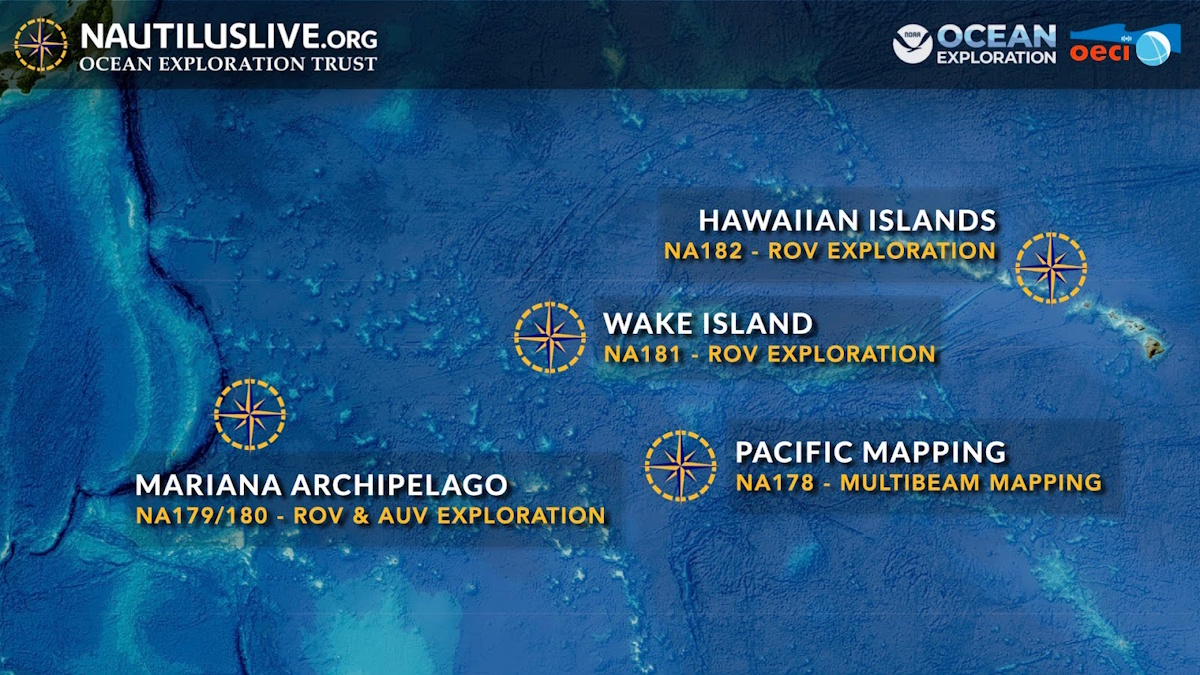
Ocean Exploration Trust Initiates 31-Day Expedition to Survey Remote Pacific Waters
The Ocean Exploration Trust (OET) has launched a 31-day expedition aboard the Exploration Vessel (E/V) Nautilus to explore the remote Pacific waters surrounding Wake Island. Funded by NOAA Ocean Exploration, this mission aims to gather critical baseline data on biodiversity, geology, and maritime heritage sites, particularly those linked to the World War II Battle of Wake. This expedition is significant as it targets one of the most poorly surveyed areas under US jurisdiction, covering approximately 407,241 square kilometers of seafloor. Co-lead scientist Steve Auscavitch emphasizes the diverse mission objectives and the importance of collecting rigorous scientific data to characterize the seafloor environment and its biological and geological resources. The team will utilize remotely operated vehicles (ROVs) to explore deep-sea habitats up to 6,000 meters deep, capturing high-resolution imagery and environmental data. This data will be publicly archived, ensuring long-term access for future research and resource management efforts. No further timeline was disclosed at the time of publication.
ocean exploration trust (oet) exploration vessel (e/v) nautilus noaa ocean exploration na181 expedition world war ii battle of wake
Wutong Introduces THD1000R Gloves for Advanced Tactile Data Collection in Various Settings
Wutong has launched the THD1000R, a groundbreaking solution for tactile data collection in home, industrial, and laboratory environments. This innovative glove utilizes wireless capacitive sensing technology to capture intricate tactile signals in complex operational settings, marking a significant advancement in the field of haptic perception. The introduction of the THD1000R is crucial as the industry transitions towards real-world data applications, moving beyond mere hardware demonstrations. With advancements in language and vision models, the need for enhanced tactile data collection capabilities becomes evident, especially as the sector currently faces challenges in engineering viable products. Looking ahead, the THD1000R's ability to provide high-precision data collection will be vital for applications requiring nuanced physical interactions. No further timeline was disclosed at the time of publication, but the glove's performance in capturing subtle tactile signals will be essential for effective real-world applications and the development of advanced robotic systems.
Tactile Sensors Data Collection Wearable Technology Robotics Embodied Intelligence
Waymo Develops Custom Chip to Enhance Robotaxi Performance and Supply Diversity
Alphabet Inc.'s Waymo has announced the development of a custom chip aimed at enhancing the performance of its robotaxis. This initiative marks a significant step for Waymo as it seeks to reduce reliance on third-party chip suppliers, notably Nvidia Corp. The introduction of this custom chip is crucial for Waymo's strategy to optimize its autonomous vehicle technology. By diversifying its chip supply, Waymo aims to ensure better control over its hardware, which is essential for the efficient operation of its robotaxi fleet. Looking ahead, industry observers will be keen to see how this new chip impacts the performance of Waymo's robotaxis and whether it leads to further advancements in autonomous driving technology. No further timeline was disclosed at the time of publication.
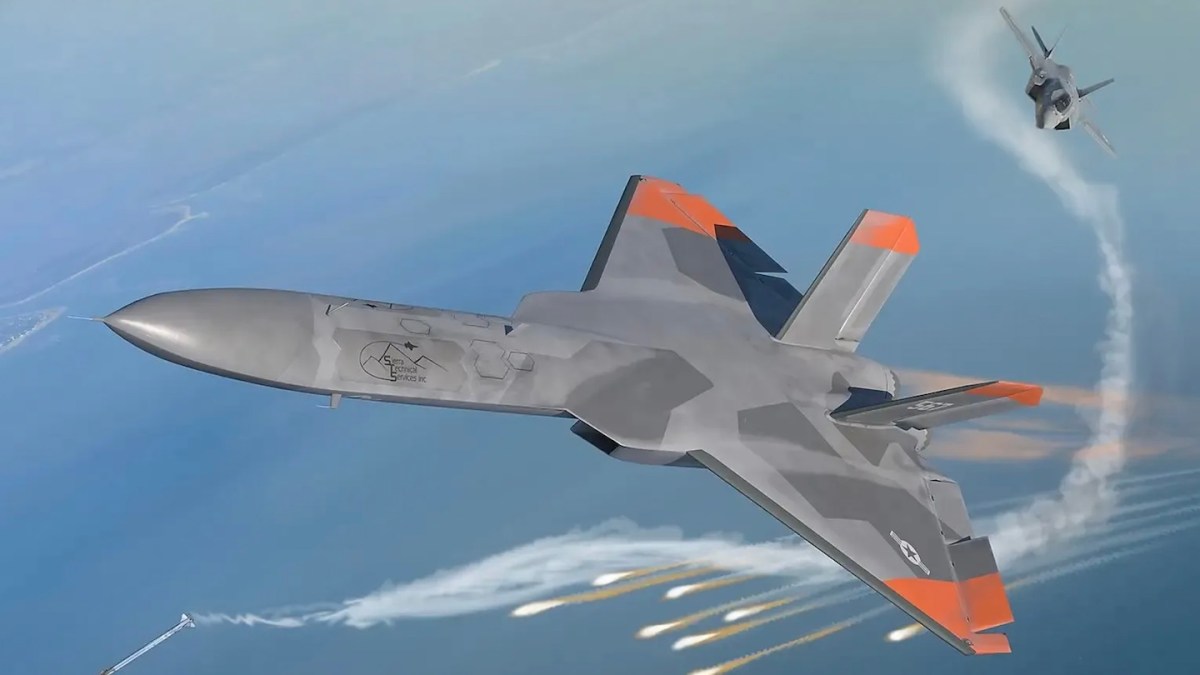
U.S. Air Force Seeks New Family of Expendable Target Drones for Diverse Threat Simulation
The U.S. Air Force is pursuing a new family of aerial targets designed to replicate a wide range of airborne threats, including stealth fighters and UAV swarms. This initiative aims to create realistic yet cost-effective targets that can be routinely used and destroyed during testing, as outlined in a recent Request for Information (RFI). The Air Force's requirements emphasize the need for these targets to be inexpensive and simple to manufacture, allowing them to be treated as expendable. This marks a shift from existing aerial targets like the QF-16, which is based on a converted fighter aircraft. The new targets are expected to leverage commercial technologies and manufacturing methods to enhance scalability and reduce costs. The proposed systems will cater to various threat categories, with specific requirements for advanced fighter aircraft, including supersonic capabilities and advanced radar cross-section profiles. Responses to the RFI are due by September 28, and the Air Force is particularly interested in non-traditional solutions that can offer advantages over legacy systems.
Air Air Forces Drones News & Features U.S. Air Force
RoboScience Unveils REX G1: A Multifunctional Wheeled Humanoid Robot for Diverse Applications
On August 17, RoboScience officially launched the REX G1, a versatile wheeled humanoid robot designed for various operational scenarios. This robot, equipped with RoboScience's proprietary VLOA architecture and Visics model, aims to enhance productivity in logistics, factories, retail, and home environments by executing complete tasks in dynamic, unstructured settings. The significance of REX G1 lies in its ability to integrate mobility and operational capabilities, addressing the limitations of traditional robots that often operate in isolation. With 22 degrees of freedom, REX G1 can perform tasks with high precision, including object handling and positioning, while adapting to existing spatial layouts without requiring modifications. Looking ahead, REX G1's advanced perception and control systems allow it to function effectively in complex environments, reducing reliance on external infrastructure. No further timeline was disclosed at the time of publication.
Humanoid Robots Logistics Automation AI Robotics Warehouse Automation
Feagine Robotics Unveils Fi0: A Learning Model for Diverse Robot Bodies
Feagine Robotics has launched Fi0, a cross-embodiment foundation model that retains task knowledge across various robot structures. This innovation addresses the challenge of adapting AI systems to different physical forms, enhancing their ability to generalize across unfamiliar machines. The introduction of three tendon-driven soft manipulators—A01, A02, and A03—supports this concept by providing varying lengths and degrees of freedom. This approach is crucial as robotics evolves beyond standardized industrial arms, allowing for improved adaptability and efficiency in diverse operational environments. Looking ahead, Feagine aims for Fi0 to minimize retraining when robots face new tasks, enabling them to learn from single human demonstrations. This could revolutionize how robots interact with their environments, suggesting a future where multiple robot embodiments can share intelligence seamlessly, catering to specific applications without being limited by their physical designs. No further timeline was disclosed at the time of publication.
AI and Robotics
North American Robot Orders Reach $622 Million in Q2 2026 Amid Diverse Automation Demand
According to new data from the Association for Advancing Automation (A3), North American companies ordered 8,940 robots worth $622 million in the second quarter of 2026. This marks a 4.3 percent increase in units ordered and a 21.3 percent rise in revenue compared to the same period in 2025. The first half of 2026 saw total orders of 17,995 units valued at $1.166 billion, reflecting a 2 percent growth in units and a 6.6 percent increase in order value over the first half of 2025. The growth in robot orders indicates a broadening demand for automation across various sectors, despite a 25 percent decline in Automotive OEM orders compared to the first half of 2025. Notably, several industries, including Automotive Component and general sectors, experienced double-digit year-over-year gains in robot orders during Q2. Collaborative robots played a significant role, with 2,774 units ordered in the first half, valued at $114 million, representing 15.4 percent of all units ordered. Looking ahead, the strong adoption of collaborative robots in sectors like Life Sciences and Semi & Electronics suggests a continued evolution in the robotics market. As companies adapt to changing demands, it will be crucial to monitor how these trends develop in the latter half of 2026. No further timeline was disclosed at the time of publication.
Business Industry News Robotics Robotics and Automation Robotics News
University of Basel Researchers Unveil Advanced Modular Nanorobot for Diverse Applications
Researchers from the University of Basel have developed a modular nanorobot that is 150 times smaller than a human hair, showcasing significant functional flexibility. Unlike traditional nanorobots designed for specific tasks, this innovative system can adapt to various applications in medicine, industry, and environmental technology. The modular nanorobot features a magnetic propulsion module and a payload capsule that transports therapeutic agents or enzymes. In laboratory tests, the nanorobots successfully targeted human cancer cells, producing an anticancer drug that reduced cell viability to 16 percent within 72 hours. This capability highlights the potential for localized drug delivery in cancer treatment. Future developments may focus on enhancing the nanorobot's adaptability for non-medical applications, such as catalysis. The researchers have demonstrated that the propulsion module can be reused, and the payload capsules can be refilled and recombined, marking a significant advancement in multifunctional nanotechnology. No further timeline was disclosed at the time of publication.

Unitree R1 Humanoid Price Drops Below 30K Yuan, Forecasts Rise Amid Supply Chain Changes
Unitree has reduced the price of its R1 humanoid robot to below 30,000 yuan, prompting significant shifts in the robotics supply chain. Morgan Stanley has updated its forecast for 2026, predicting sales of 50,000 units, reflecting increased market demand and competition. This price reduction is crucial as it pressures suppliers like Harmonic Drive to adapt to a more competitive landscape. The entry of companies like Leaderdrive and Shuanghuan Drivetrain into overlapping markets indicates a diversification strategy among competitors, which could reshape their operational focus and product offerings. Looking ahead, the industry will likely see continued evolution as companies adjust to the new pricing dynamics and consumer expectations. No further timeline was disclosed at the time of publication.
Industry
University of Texas Develops 3D-Printable Bio-Material for Diverse Applications
Engineers at The University of Texas at Austin have created a 3D-printable bio-material called JIBEs (Jammed Interconnected Bilayer Emulsions) that mimics the selective filtering capabilities of biological tissue. This innovative material can be produced rapidly and at scale, overcoming previous limitations in manufacturing tissue-like structures. The significance of this development lies in its wide-ranging applications across various fields, including medicine, robotics, computing, and environmental science. The bio-material's ability to replicate the organization of human cells allows for precise tissue growth, which could revolutionize organ grafting and enhance the functionality of soft robotics in complex environments. Looking ahead, the adaptability of this bio-material suggests potential breakthroughs in multiple industries. Its biocompatibility and structural flexibility position it as a promising platform for future innovations in healthcare and robotics. No further timeline was disclosed at the time of publication.
Innovation
Generalist's GEN-1 Model Expands Support for Diverse Robot End Effectors
Generalist has announced that its GEN-1 foundation model now supports a wide array of robot end effectors, ranging from five-fingered hands to specialized tools. This advancement showcases the model's ability to learn sensorimotor policies that can adapt across various physical interactions, demonstrating the versatility of a single AI model in robotics. The significance of this development lies in GEN-1's extensive pretraining on a diverse dataset, which includes over half a million hours of real interaction data with approximately 9,000 variations of end effectors. This training enables the model to understand complex physical interactions, such as geometry, contact, and dynamics, allowing it to apply learned knowledge across different tools and tasks effectively. Looking ahead, Generalist is actively studying how each new end effector influences the pretrained model and is expanding its dataset to include more variations. The company is also exploring the implications of switching end effectors mid-task, which could enhance the model's adaptability and reasoning capabilities in real-world applications. No further timeline was disclosed at the time of publication.
Artificial Intelligence Artificial Intelligence / Cognition Design / Development End Effectors / Grippers News Technologies
Amazon and Microsoft Adjust Cloud Gaming Strategies to Engage Diverse Audiences
Amazon and Microsoft are reshaping their cloud gaming strategies to attract different player demographics. Microsoft announced it will test an advertising-supported model for streaming games, while Amazon plans to integrate its Luna service into Prime Video subscriptions, enhancing visibility and accessibility for users. These strategic pivots are significant as both companies have faced challenges in gaining traction in the cloud gaming market, primarily due to issues like network latency. Microsoft's Xbox division aims to provide more affordable gaming options, while Amazon's focus on casual gamers through recognizable titles like 'Harry Potter' and 'Tomb Raider' reflects a shift in targeting less hardcore audiences. Looking ahead, Microsoft is exploring advertising within its gaming ecosystem, despite past consumer backlash, while Amazon aims to expand Luna's user base significantly. No further timeline was disclosed at the time of publication.
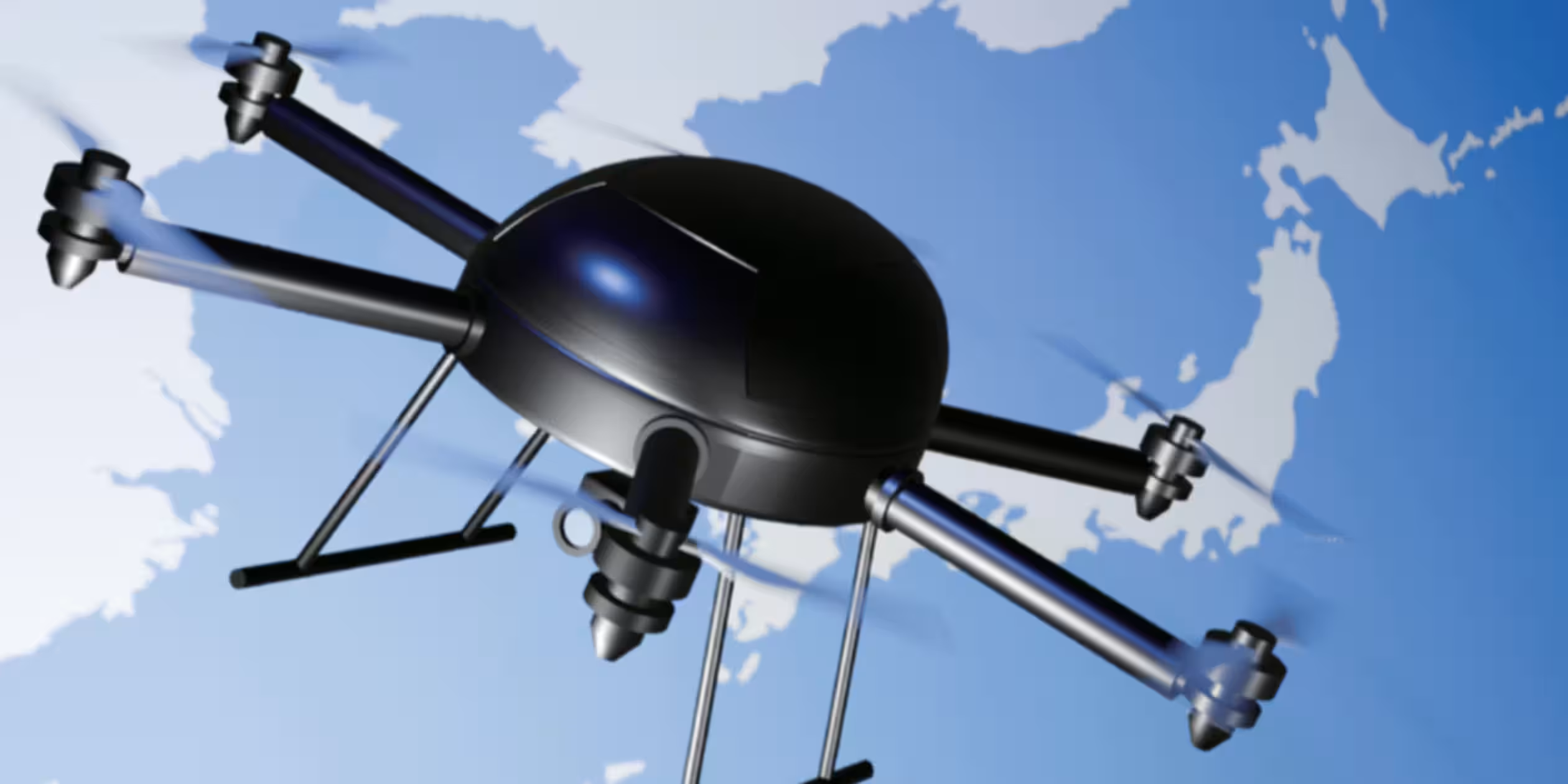
Japanese Drone Stocks Experience Surge as Investors Diversify from AI and Defense
Japanese drone companies are witnessing a significant influx of investment as military demand for unmanned systems rises. Investors are increasingly looking for alternatives to artificial intelligence stocks and traditional defense stocks that had previously gained popularity. This shift indicates a growing interest in the drone sector, which is becoming a focal point for investment in Japan. The surge in investment is crucial as it highlights the potential of the drone industry amidst geopolitical tensions and the evolving landscape of defense technology. Companies like Terra Drone are emerging as key players in the Tokyo market, attracting attention from investors eager to capitalize on the expanding military applications of drones. This trend reflects a broader movement towards diversification in investment portfolios. Looking ahead, the drone industry is expected to continue its upward trajectory as demand for unmanned systems grows. Investors should monitor developments in regulatory frameworks and technological advancements that could further influence the market. No further timeline was disclosed at the time of publication.
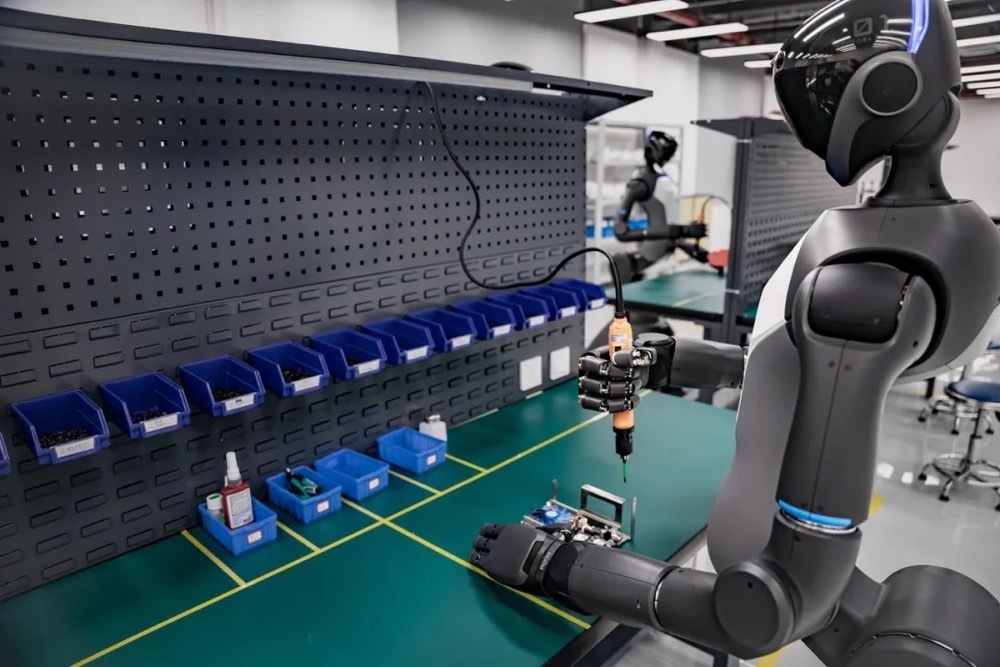
Automated Lawn Maintenance: An Agronomic and Operational Review of Turf Health, Biodiversity, and Field Performance
A recent study published in the Journal of Field Robotics highlights advancements in autonomous robotic systems designed for agricultural applications. Researchers from a leading university conducted the study to explore how these robots can enhance efficiency in farming practices. The research was carried out over the summer of 2023 at various agricultural sites across the Midwest. The motivation behind this initiative stems from the increasing demand for sustainable farming solutions that can address labor shortages and improve crop yields. By integrating advanced sensors and machine learning algorithms, the robots are capable of performing tasks such as planting, monitoring crop health, and harvesting with minimal human intervention. The study involved extensive field tests, where the robots demonstrated their ability to navigate complex terrains and adapt to changing environmental conditions. Results showed a significant increase in productivity compared to traditional farming methods, suggesting that the implementation of these technologies could revolutionize the agricultural sector. As the agricultural industry faces challenges related to climate change and population growth, this research underscores the potential of robotics to provide innovative solutions that promote sustainability and efficiency in food production. The findings are expected to pave the way for further developments in agricultural robotics, ultimately benefiting farmers and consumers alike.
SURVEY ARTICLE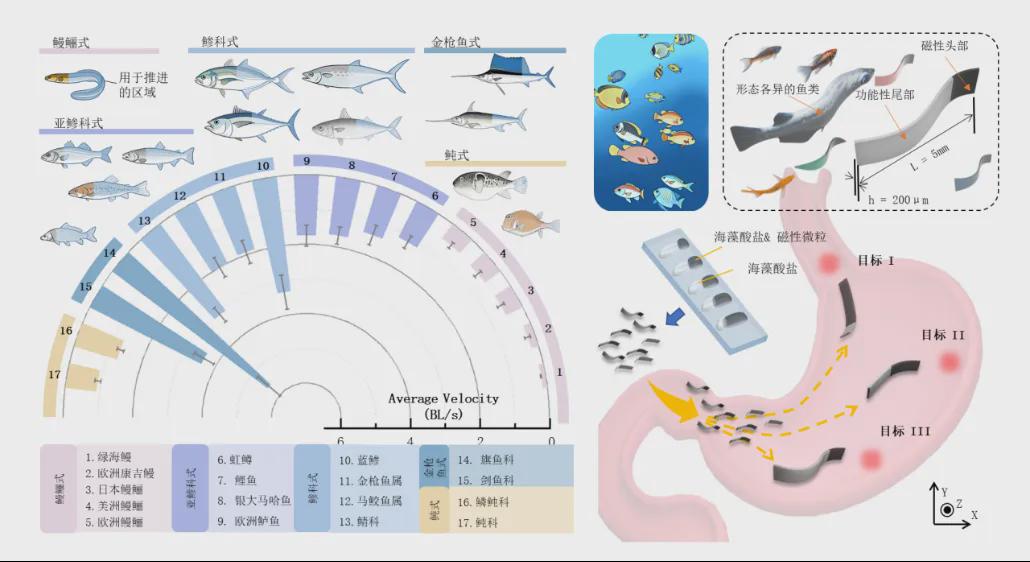
Inspired by Fish Diversity: Beijing Institute of Technology Team Develops Morphology-Encoded Soft Microrobots
A research team at the Beijing Institute of Technology has unveiled a groundbreaking system of soft microrobots that mimic the various swimming styles of fish. This innovative development allows for the selective control of the robots by adjusting their body proportions within a uniform magnetic field. The advancements in this technology hold significant promise for future applications in the biomedical field, potentially enhancing medical procedures and therapies.
Soft Robotics Biomedical Engineering Microrobots Control Systems
Autonomous seeking and mapping coral reef biodiversity hotspots with a multimodal AUV
In a groundbreaking study published in the May 2026 issue of Science Robotics, researchers have unveiled a new robotic system designed to assist in complex surgical procedures. This innovative technology, developed by a team of engineers and medical professionals, aims to enhance precision and reduce recovery times for patients undergoing surgery. The research was conducted at a leading medical institution, where the team tested the robotic system in a series of simulated surgeries. The results demonstrated significant improvements in accuracy compared to traditional surgical methods, showcasing the potential for robots to play a crucial role in the operating room. The motivation behind this development stems from the increasing demand for minimally invasive surgical techniques that can lead to quicker patient recovery and lower risk of complications. By integrating advanced robotics with surgical practices, the team hopes to address these challenges and improve overall patient outcomes. The robotic system operates through a combination of artificial intelligence and real-time data analysis, allowing it to adapt to the unique requirements of each surgical procedure. This adaptability is expected to empower surgeons, providing them with enhanced tools to perform intricate tasks with greater confidence. As the medical community continues to explore the integration of robotics in healthcare, this study represents a significant step forward in the evolution of surgical practices, potentially transforming the landscape of modern medicine.
Research Article
Ensuring reliable navigation for divers during tactical missions with Blueprint Subsea and Nortek
Blueprint Subsea and Nortek have partnered to enhance underwater navigation for divers, particularly in scenarios where Global Navigation Satellite System (GNSS) signals are unavailable. This collaboration focuses on improving the reliability of navigation systems that depend on precise sensor data. Blueprint's Artemis diver navigation systems will utilize Nortek's Doppler Velocity Logs (DVLs) to provide accurate velocity information, ensuring divers can maintain their course even in challenging conditions. The initiative aims to bolster safety and efficiency in underwater operations, reflecting a growing need for advanced navigation solutions in the maritime industry.
navigation divers tactical missions blueprint subsea nortek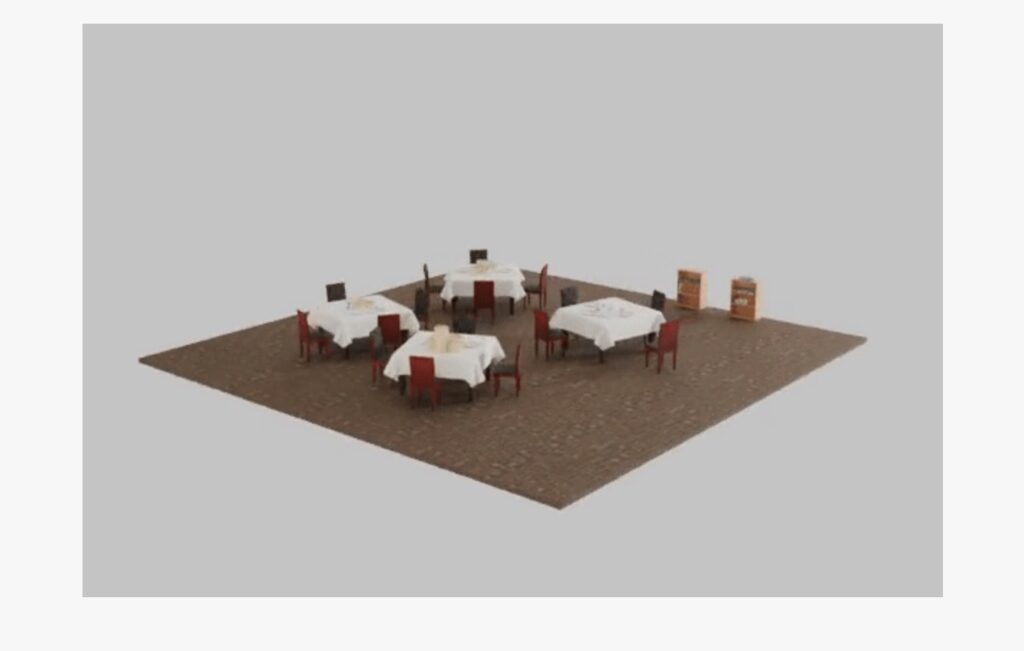
Using generative AI to diversify virtual training grounds for robots
Researchers have developed a new system called "steerable scene generation," designed to create digital environments such as kitchens, living rooms, and restaurants. This innovative technology allows engineers to simulate various real-world interactions and scenarios involving robots. The system aims to enhance the training and performance of robotic systems by providing realistic settings for testing and development. The advancements in generative AI play a crucial role in this process, enabling the creation of dynamic and adaptable scenes that can be tailored to specific needs. This breakthrough could significantly improve how robots are trained to navigate and interact within diverse environments, ultimately leading to more effective and versatile robotic applications.

Fugro Trials First Automated eDNA Sampler to Transform Biodiversity Studies
Fugro has announced the successful testing of the DOT-NM Autosampler, a cutting-edge device created in collaboration with Dartmouth Ocean Technologies Inc. and NatureMetrics. The trial was conducted at the marina adjacent to Fugro's office in Portchester, UK. This innovative technology is designed to autonomously collect environmental DNA (eDNA) samples, enabling rapid biodiversity assessments. By streamlining the sampling process, the DOT-NM Autosampler aims to significantly reduce both project duration and costs, enhancing efficiency in environmental monitoring efforts.
fugro automated edna sampler biodiversity studies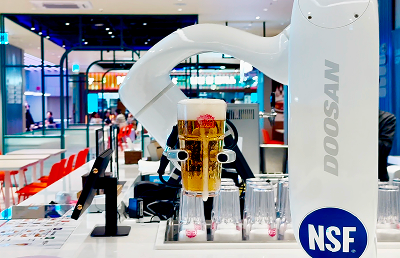
Doosan Robotics diversifies collaborative robot F&B solutions to speed up customer acquisition
Doosan Robotics is advancing its business by developing innovative food and beverage solutions utilizing collaborative robots for tasks such as beer dispensing and cocktail making. On October 23, the company announced the deployment of its collaborative robot beer dispensing solution at the Airbot Bar in Culinary Square, located in Terminal 2 of Incheon International Airport. This initiative follows a memorandum of understanding signed with Incheon International Airport Corporation in May 2022, aimed at fostering digital transformation and creating unique attractions for both domestic and international tourists. The beer dispensing solution employs the E-series robot, certified by the U.S. National Sanitation Foundation for food safety, which efficiently handles the entire process—from dispensing beer to washing cups. It can store up to eight kegs and pour a 14-ounce beer in approximately 43 seconds, ensuring an optimal beer-to-foam ratio. Additionally, on October 15, Doosan Robotics introduced an AI-driven cocktail-making robot at Lotte Duty Free in Gimpo International Airport. This system uses advanced technology to analyze customers' facial expressions and emotions, allowing it to recommend and prepare cocktails tailored to their mood. The robot can create 19 different cocktails based on recipes learned from professional bartenders. Doosan Robotics aims to expand its customer base by diversifying its F&B solutions, which also include a barista solution currently piloted in six Mega MGC Coffee stores and a noodle-making solution for VIPS restaurants. These innovations not only enhance efficiency but also improve safety and reduce the physical strain on workers in the food service industry.
Robotics needs a service framework.
RSF defines a common language for robot service capability, lifecycle operations, certification pathways, and service-provider networks.
Join the RobotToday community on LinkedIn
Daily robotics news, in-depth analysis, conference highlights, and discussions with professionals worldwide.







