

Industry Briefing
A single destination for timely, editor-curated robotics news from around the world.

Why Automating the Diagnostics Lab Won’t Rescue a Weak Validation Process
Lab automation is increasingly being recognized for its significant business advantages, particularly in the context of rising test volumes that have put pressure on laboratory staff. The integration of robotic sample handling, automated liquid handlers, and comprehensive specimen tracking systems has proven to enhance throughput, reduce manual errors, and alleviate the strain on a workforce facing growing demands. As of October 2023, the technology has matured, and its benefits have become evident, leading to a rapid acceleration in adoption across various laboratories. This transition marks a pivotal move beyond experimental applications, positioning lab automation as a crucial component in modern laboratory operations.
Business Health Science AI in diagnostics analytical validation assay development
Architecting Reliability: How GMSL Diagnostics Enable Robust Vision
Autonomous and robotic systems are increasingly dependent on high-bandwidth, low-latency sensor data for effective perception and navigation. A recent discussion highlighted the importance of GMSL (Gigabit Multimedia Serial Link) diagnostics in enhancing the reliability of these systems. By ensuring robust vision capabilities, GMSL diagnostics play a crucial role in the performance of autonomous technologies. This focus on reliability is essential as the demand for advanced robotic applications continues to grow across various industries. The insights shared in this context emphasize the need for continuous innovation in sensor technology to support the evolving landscape of robotics and automation.
Analog Devices: Architecting Trusted Mobility Analog Devices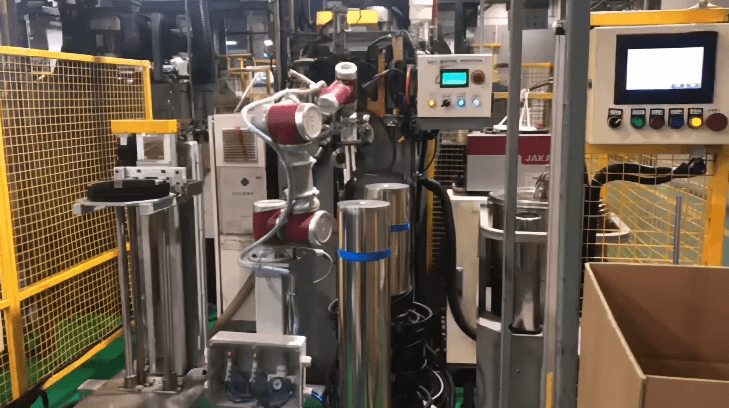
How to Achieve Remote Monitoring and Diagnostics for Controllable Robot Systems
In the evolving landscape of smart manufacturing, the significance of collaborative robots is shifting from mere physical performance to the ability to be managed remotely. As production environments become increasingly decentralized, companies are prioritizing remote monitoring and diagnostics to oversee robot health, predict maintenance needs, and troubleshoot issues without on-site presence. To achieve effective remote management, a combination of advanced hardware sensors and cloud-based software is essential. Utilizing the Industrial Internet of Things (IIoT), data from robots—including motor temperature and power consumption—is streamed to centralized dashboards. Secure data transmission protocols like OPC UA and MQTT facilitate communication with Manufacturing Execution Systems, enabling the use of "Digital Twin" technology. This allows real-time mirroring of a robot's movements, triggering automated alerts for predictive maintenance to prevent costly downtimes. JAKA is at the forefront of this innovation, moving beyond traditional operations to create a connected ecosystem. Their "Smart, Simple, Small" philosophy ensures that managing JAKA systems is as user-friendly as mobile applications. With advanced wireless teaching and cloud management tools, users can monitor their fleet of robots globally from a single interface. JAKA's software suite enables remote diagnostics, providing real-time feedback on robot status, which is crucial for maintaining continuous production across various locations. The integration of AI-driven vision and sensing further enhances remote monitoring capabilities. By investing in JAKA, companies are securing a future-proof solution that ensures control and productivity, regardless of geographical constraints.
Tesla Optimus Diagnostics: How It Works (2026)
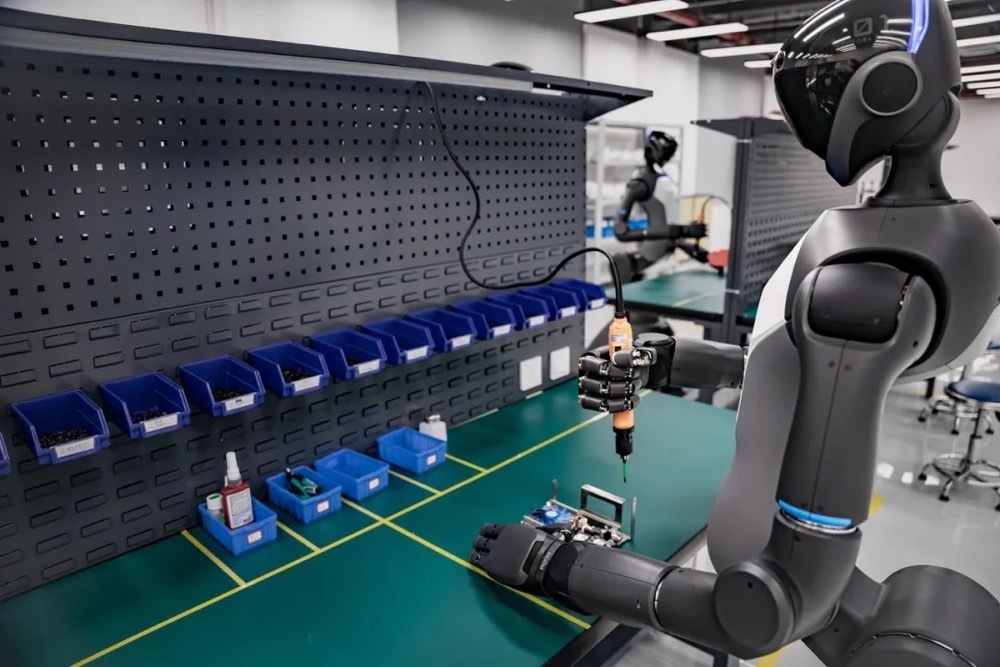
A comprehensive diagnostic system has been developed, featuring over 100 sensor channels and advanced AI anomaly detection capabilities. This innovative technology enables over-the-air (OTA) self-repair, enhancing fleet telemetry and predictive maintenance. The system aims to improve operational efficiency and reduce downtime for various industries reliant on fleet management. By utilizing data collected up to October 2023, the solution provides real-time insights and proactive maintenance alerts, ensuring vehicles and equipment remain in optimal condition. This advancement reflects a growing trend towards integrating AI and IoT technologies in fleet management, ultimately leading to cost savings and increased reliability for businesses.
Robotics needs a service framework.
RSF defines a common language for robot service capability, lifecycle operations, certification pathways, and service-provider networks.
Join the RobotToday community on LinkedIn
Daily robotics news, in-depth analysis, conference highlights, and discussions with professionals worldwide.







