A single destination for timely, editor-curated robotics news from around the world.
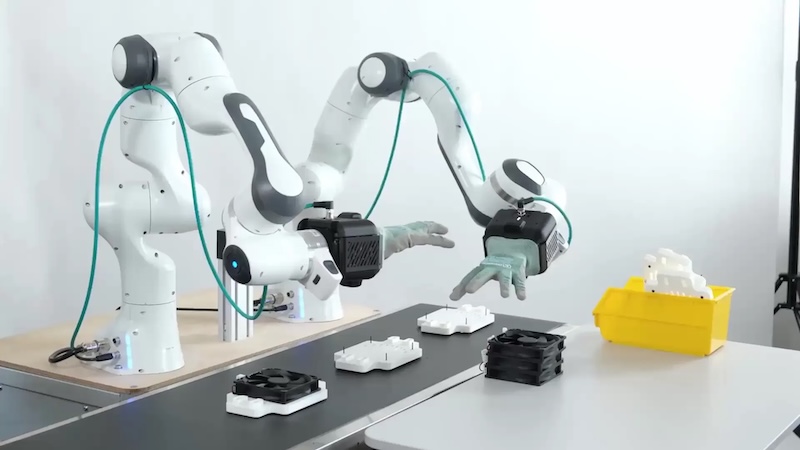
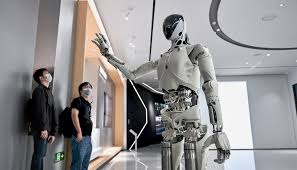
The robotics industry is currently experiencing a significant influx of investment and media coverage, driven by ambitious projections regarding the future of humanoid machines. Numerous companies have unveiled plans to produce thousands of robots, leveraging recent advancements in artificial intelligence that have heightened expectations for the integration of general-purpose robots into various environments, including factories, warehouses, workplaces, and homes. This surge in interest reflects a growing belief that robots could soon become a standard presence in everyday life. However, amidst the enthusiasm, there are underlying challenges and considerations that the industry must address to realize these ambitious goals.
RoboticsAndAutomationNews.com By Sam Francis 6 hours ago Artificial Intelligence Features Robotics ai robotics artificial intelligence automation news
At the International Conference on Robotics and Automation (ICRA) 2026, GENISOM AI showcased its innovative deployable robotics platforms, marking its presence as a significant player in the robotics industry. Although the company may have been unfamiliar to many attendees, it is not a fledgling startup but rather an established entity with advanced technology ready for practical application. The event, held in May 2026, provided a platform for GENISOM AI to demonstrate its cutting-edge solutions, aimed at enhancing operational efficiency in various sectors. By unveiling these robotics platforms, the company seeks to address the growing demand for automation and intelligent systems in an increasingly competitive market. Through live demonstrations and presentations, GENISOM AI illustrated how its technology can be integrated into existing workflows, showcasing its potential to revolutionize industries reliant on robotics.
RoboticsBusinessReview.com By Sponsored Content 6 hours ago Actuators / Motors / Servos Artificial Intelligence Controllers Development Tools / SDKs / Libraries Mobility / Navigation News
Claire recently engaged in a conversation with Maria Koskinopoulou, an Assistant Professor in Robotics and Computer Vision at Heriot-Watt University, regarding the advancements in autonomous robotic manipulators. The discussion highlighted the applications of these technologies in various fields, including surgery and industry. Koskinopoulou, who co-leads the ARM²Lab—focused on Autonomous Robotic Manipulation and Multi-Agent Systems—alongside Ignacio Carlucho, shared insights into her research interests and the potential impact of robotics on future innovations. The dialogue underscores the growing significance of robotics in enhancing efficiency and precision across multiple sectors.
Robohub.org By Robot Talk 12 hours ago
Generalist AI, a startup focused on creating foundation models for robotics, has successfully secured $400 million in a recent funding round. This investment aims to expedite the development of what the company refers to as “physical AGI,” or artificial general intelligence that can function in the physical world through robotic systems. Following this funding, Generalist AI's valuation has reached approximately $2 billion. The influx of capital will enable the company to enhance its research and development efforts, positioning it at the forefront of advancements in robotics and AI technology.
RoboticsAndAutomationNews.com By Sam Francis 12 hours ago Computing News Software 8VC ai funding AI models
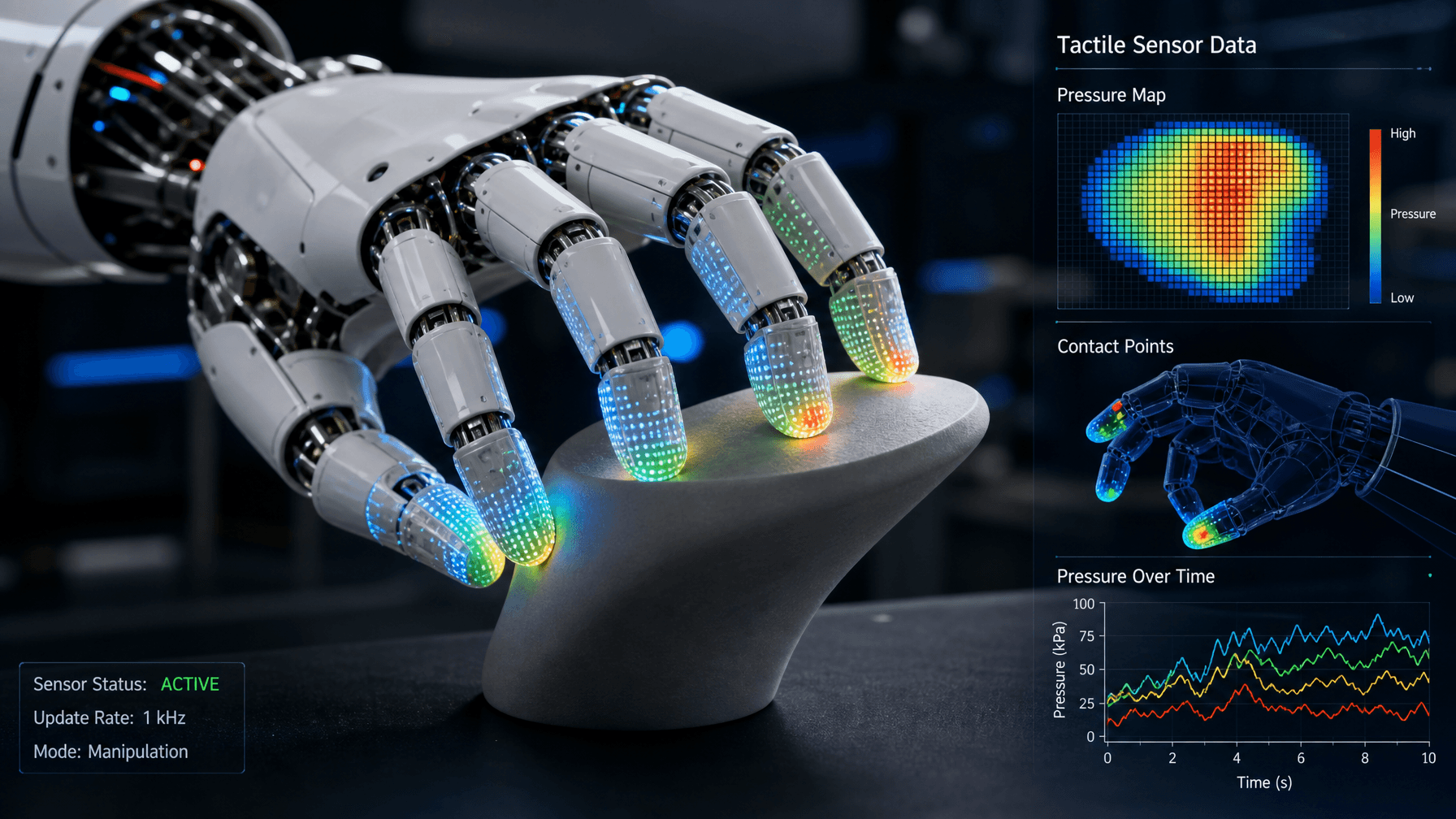
Kirisense, a UK robotics startup, has received funding from the Henry Royce Institute to advance its development of tactile sensing technology aimed at enhancing robots' sense of touch to more closely resemble that of humans. This initiative, part of the Henry Royce Institute’s Industrial Collaboration Programme, is being executed in collaboration with the University of Sheffield. The project will concentrate on creating robotic fingertips that can provide a more nuanced and sensitive interaction with their environment, potentially revolutionizing the field of robotics by improving the dexterity and functionality of robotic systems.
RoboticsAndAutomationNews.com By Sam Francis 12 hours ago News Sensors advanced automation advanced materials artificial intelligence automation news
Recent advancements in robotics are shifting focus from enhancing processors and mechanical designs to improving data quality, particularly through realistic training environments. This emerging field, known as Physical AI, emphasizes the creation of 3D assets and simulation environments that incorporate genuine physical properties. By accurately mimicking real-world behaviors, these simulations aim to enhance the training of robotic systems, enabling them to perform more effectively in various applications. As researchers and developers prioritize realistic data over traditional methods, the potential for breakthroughs in robotic capabilities is becoming increasingly evident. This evolution in robotics is expected to redefine how machines interact with their environments, paving the way for more sophisticated and adaptable technologies.
RoboticsAndAutomationNews.com By Sam Francis Jun 04, 2026 Artificial Intelligence Robotics ai robotics automation news Autonomous robots digital twins
Apparel manufacturing continues to be one of the most labor-intensive sectors globally, despite advancements in automation in other industries such as automotive and electronics. The difficulty in automating textile production arises from the unique properties of fabric, which can stretch, wrinkle, and shift unpredictably. This complexity has hindered the development of effective robotic solutions for handling soft materials, leaving the apparel industry largely reliant on human labor. As manufacturers seek to improve efficiency and reduce costs, the challenge of integrating automation into textile production remains a significant hurdle.
RoboticsAndAutomationNews.com By Sam Francis Jun 04, 2026 Engineering Features Manufacturing adhesive bonding apparel automation apparel industry
A Vietnamese technology company has introduced its newest humanoid robot, the VR-H3, during the IEEE International Conference on Robotics and Automation held in Paris. The unveiling took place on May 23, 2023, showcasing the company's commitment to advancing robotics and artificial intelligence. The VR-H3 is designed to assist in various tasks, including healthcare support and customer service, reflecting the growing demand for automation in diverse sectors. This innovation aims to enhance efficiency and improve service delivery, addressing labor shortages and increasing productivity. The development of the VR-H3 involved extensive research and collaboration with experts in robotics, highlighting the company's dedication to integrating cutting-edge technology into practical applications.
InterestingEngineering.com By Jijo Malayil Jun 04, 2026
Researchers in the field of robotics are making significant strides in teaching robots to manipulate objects with humanlike dexterity, a challenge that has persisted for years. This endeavor involves enabling robots to perform complex tasks such as rotating objects in-hand and coordinating multiple arms to handle bulky items. These tasks demand constant adjustments in grip, contact, and motion, which have proven difficult to program effectively and to demonstrate through human teleoperation. The advancements in this area are crucial for improving the functionality and versatility of robotic systems, potentially transforming industries that rely on precise manipulation, such as manufacturing and healthcare. As of October 2023, ongoing research continues to explore innovative methods to enhance robotic dexterity, paving the way for more sophisticated applications in the future.
TechXplore:Robotics Jun 03, 2026 Robotics
Festo has introduced a new compact cobot gripper designed to enhance automation capabilities in various industries. This innovative gripper is notable for its lightweight pneumatic design, making it suitable for collaborative robots (cobots). In conjunction with the gripper, Festo has also unveiled GripperAI, a robot-agnostic technology that allows for the grasping of objects without the need for prior training. This advancement aims to streamline the integration of robotic systems in manufacturing and logistics, addressing the growing demand for flexible automation solutions. The launch of these products reflects Festo's commitment to advancing robotics technology and improving operational efficiency across sectors.
RoboticsBusinessReview.com By The Robot Report Staff Jun 03, 2026 Artificial Intelligence Artificial Intelligence / Cognition Cobot Arms Collaborative Robots Controllers End Effectors / Grippers
Researchers are exploring advancements in robotics, focusing on the versatility of robot grippers and the safety of autonomous vehicle systems. The study highlights that the true utility of a robot gripper lies not only in its ability to grasp a single object but also in its capacity to adapt and handle various unfamiliar items consecutively. Similarly, the effectiveness of autonomous vehicles is assessed not just on their reasoning capabilities but on their overall safety in diverse driving conditions. This research, conducted by a team of engineers and computer scientists, aims to enhance the functionality of robotic systems and improve public trust in autonomous technology. The findings, which are expected to influence future designs and applications, were presented at a technology conference in early October 2023. By integrating advanced algorithms and machine learning techniques, the team is developing systems that can learn from experience, thereby increasing their efficiency and reliability in real-world scenarios.
NvidiaNews By NVIDIA Jun 03, 2026
Liebherr Group has taken a significant step in automation by fully automating the production of complex component assemblies at its facility in Telfs, Austria. This milestone marks the first time the construction machinery manufacturer has implemented such advanced automation in its production processes. The autonomous manufacturing cell, developed and built by Yaskawa, utilizes three Motoman industrial robots to handle all manipulation and assembly tasks, culminating in the efficient output of finished components. This innovation reflects Liebherr's ongoing commitment to pushing the boundaries of automation in their manufacturing operations.
ROBOTICSandPRODUCTION By xmlrpc Jun 02, 2026 Allgemein Anwendungen & Lösungen Lösungen
Researchers have successfully developed advanced robotic fingertips equipped with sensitive nails, enabling precise grasping of extremely thin objects. This innovative technology, which was unveiled recently, features a universal manipulation interface that enhances the robot's ability to interact with various items. Additionally, the system includes improved magnetic interference compensation, allowing for more reliable handling of fragile objects. The advancements aim to address challenges in robotic dexterity and manipulation, making these robotic fingertips suitable for a range of applications, from delicate assembly tasks to intricate surgical procedures. This breakthrough represents a significant step forward in robotics, potentially transforming industries that require high precision and care in handling lightweight and fragile materials.
RoboticsTomorrow.com Jun 02, 2026
SoftGripping has developed an innovative gripping solution designed for integration into bakery operations. This new technology aims to enhance efficiency and precision in the handling of baked goods, addressing the specific needs of the baking industry. The solution is expected to streamline processes and improve productivity within bakeries, making it a valuable addition to modern food production techniques. The announcement comes as the industry increasingly seeks automation solutions to meet growing consumer demands and maintain competitive advantages.
ROBOTICSandPRODUCTION By xmlrpc Jun 01, 2026 Allgemein Greifer & Werkzeuge Lebensmittel & Verpackung Robotik
Unitree Robotics has unveiled the H2 Plus, a groundbreaking humanoid robot designed for academic research, which integrates advanced technologies from NVIDIA. Announced on June 1, 2026, the H2 Plus combines the Unitree H2 chassis with Sharpa five-fingered hands and is powered by the NVIDIA Jetson Thor, utilizing the NVIDIA Isaac GR00T development platform. This innovative reference design aims to streamline humanoid robotics research by providing a comprehensive hardware and software solution that eliminates the need for proprietary systems. The H2 Plus stands nearly six feet tall and weighs 150 pounds, featuring 31 degrees of freedom in its body and 22 in its hands, allowing for sophisticated manipulation and interaction. Equipped with multi-view sensing capabilities, including a stereo camera and wrist cameras, the robot is designed for real-world applications, enhancing its utility in various industries. Unitree's CEO, Xingxing Wang, emphasized that the H2 Plus offers developers a validated starting point for creating robotic skills, while NVIDIA's CEO, Jensen Huang, highlighted the potential economic opportunities that humanoid robots could unlock. By unifying the development process, the H2 Plus aims to accelerate advancements in physical AI, enabling researchers to transition from initial setup to skill development and practical validation more efficiently.
RoboticsTomorrow.com Jun 01, 2026
A new compact unit has been developed, featuring a highly sensitive tactile array that boasts a spatial resolution of 2.34 taxels per square centimeter. This advanced technology is capable of detecting forces ranging from 0 to 160 Newtons, with an impressive sensing precision of 0.1 Newtons. The innovation aims to enhance applications in robotics and automation, providing more accurate and responsive interaction with various surfaces and objects. With training data available up to October 2023, this breakthrough represents a significant step forward in tactile sensing technology, potentially transforming how machines perceive and interact with their environments.
RoboticsTomorrow.com Jun 01, 2026
Japanese researchers have unveiled an innovative method for controlling cyborg insects, aiming to enhance the understanding of their behavior and capabilities. This groundbreaking development was announced during a recent conference held in Tokyo, where scientists discussed advancements in bioengineering and robotics. The motivation behind this research stems from the potential applications in environmental monitoring and disaster response, where these engineered insects could play a crucial role in collecting data from hard-to-reach areas. The researchers have integrated electronic components into the insects, allowing for remote control and manipulation of their movements. This process involves sophisticated techniques that blend biology with technology, enabling the insects to be guided through various environments. The team believes that by mastering this control, they can create a new class of biohybrid systems that could revolutionize how we interact with the natural world. As the project progresses, the researchers are optimistic about the implications of their work, which could lead to significant advancements in both ecological research and practical applications in urban planning and emergency management. The findings from this study are expected to be published in a leading scientific journal, further contributing to the growing field of cyborg biology.
InterestingEngineering.com By Bojan Stojkovski May 30, 2026
In a significant move within the global humanoid robotics sector, venture capitalists and major industrial players in China are intensifying their investments in the development of advanced robotic hands, which are considered a critical challenge in the industry. On Friday, Xynova, a start-up based in Hangzhou, announced the successful completion of its Series A funding round. This round attracted notable investments from the venture arms of prominent companies, including smartphone manufacturer Xiaomi and electric vehicle producer Li Auto. The influx of capital is expected to substantially increase the valuations of start-ups in this burgeoning field, reflecting a growing confidence in the potential of dexterous robotic technology to revolutionize various applications.
SCMPTech By Coco Feng May 30, 2026
IEEE Spectrum robotics has released its latest edition of "Video Friday," showcasing a variety of innovative robotics videos that highlight the growing integration of robots into daily life. The weekly roundup includes a calendar of upcoming robotics events, such as the International Conference on Robotics and Automation (ICRA) scheduled for June 1-5, 2026, in Vienna, and the Robotics Summer School on Multi-Robot Systems from July 29 to August 4, 2026, in Prague. Among the featured videos, one introduces the Eco-Score for Robots, a new framework aimed at assessing the environmental impact of robotic systems, akin to eco-labels in other industries. Another video demonstrates advancements in robotic manipulation, showcasing AthenaZero's ability to juggle using multi-fingered hands, while a collaboration between the University of Texas and Sony Group Corporation presents the ARISTO hand, designed for delicate object manipulation. Additionally, the segment includes insights from Kacper Nowicki, CEO of Nomagic, who discussed the ongoing debate between humanoid and purpose-built robots at the Web Summit in Vancouver. As robots continue to evolve, these developments raise important questions about their performance, cost, and sustainability in various applications.
IEEESpectrumRobotics By Evan Ackerman May 29, 2026 Video-friday Robot-videos Humanoid-robots Omnidirectional Quadruped-robots
Xynova, a Chinese company specializing in full-stack dexterous manipulation technology, has successfully raised hundreds of millions of RMB in its Series A funding round. This significant investment, which closed recently, aims to bolster the company’s research and development efforts, enhancing its innovative capabilities in robotics and automation. The funding will enable Xynova to accelerate the deployment of its advanced technology solutions across various industries, addressing the growing demand for sophisticated automation tools. Investors are optimistic about Xynova's potential to lead in the rapidly evolving field of dexterous manipulation, driven by increasing automation needs in manufacturing and logistics sectors.
PanDaily.com By [email protected] (Pandaily) May 29, 2026 Robotics
A consortium of Chinese research institutions has unveiled RoboMemArena, marking the introduction of the first comprehensive benchmark designed to assess robotic memory in long-horizon manipulation tasks. This initiative aims to enhance the capabilities of robots in performing complex tasks that require sustained memory and learning over extended periods. The launch took place recently, with the goal of advancing research and development in robotics, particularly in areas that demand intricate memory functions. By providing a standardized framework for evaluation, RoboMemArena seeks to facilitate comparisons across different robotic systems and foster innovation in the field.
PanDaily.com By [email protected] (Pandaily) May 28, 2026 AI
Flexiv, a leading provider of general-purpose robotics, is set to showcase its next-generation robotics portfolio at the International Conference on Robotics and Automation (ICRA) from June 1 to June 5 in Vienna, Austria. Attendees will have the opportunity to visit Hall B, Booth 130, for an exclusive preview of two innovative robotic platforms that promise to advance the field of robotics. This event aims to highlight Flexiv's commitment to pushing the boundaries of robotic technology and engaging with industry professionals ahead of the platforms' international launch.
RoboticsAndAutomationNews.com By Sam Francis May 28, 2026 Industrial robots News 7-DOF robotic arm advanced robotics ai robotics automation news
Matrix Robotics, a leader in China's humanoid robot industry, showcased its flagship model, the MATRIX-3, highlighting significant advancements in embodied AI, motion control, precision manipulation, and industrial mass production. This demonstration, which took place recently, underscores the company's commitment to innovation and positions it as a competitive force within the global humanoid robotics market. The MATRIX-3 represents a culmination of technological progress aimed at enhancing the capabilities and applications of humanoid robots, reflecting the growing sophistication of China's robotics sector.
RoboticsTomorrow.com May 28, 2026
Researchers at Cornell University have developed an innovative soft robot gripper equipped with stretchable fiber-optic sensors capable of determining the ripeness of strawberries through tactile feedback. This advancement, led by Anand Mishra and his team, highlights the importance of touch in assessing fruit ripeness, complementing traditional methods that rely on sight and smell. The project aims to enhance agricultural practices by providing a more reliable means of evaluating fruit quality, potentially benefiting farmers and consumers alike. By integrating advanced sensor technology into a flexible robotic design, the researchers have created a tool that could revolutionize the way fruits are harvested and assessed in the future.
Robohub.org By Cornell University May 27, 2026
XELA Robotics is set to showcase its advancements in tactile sensing technology at the upcoming Robotics Summit & Expo in 2026. The company will present its enhanced magnetic interference compensation system and the innovative uSkin integrated within the Universal Manipulation Interface. This demonstration aims to highlight the potential of these technologies in improving robotic interactions and functionality. The Robotics Summit & Expo serves as a key platform for industry leaders to share breakthroughs and foster collaboration in the field of robotics.
RoboticsBusinessReview.com By The Robot Report Staff May 26, 2026 End Effectors / Grippers Events Grippers Human Robot Interaction / Haptics News Sensors / Sensing Systems
JAKA Robotics is revolutionizing industrial automation with its advanced articulated robots, particularly the JAKA S5 model, which offers exceptional versatility and dexterity. These collaborative robots feature multiple degrees of freedom, allowing them to perform intricate tasks with high precision, making them essential in industries such as assembly, welding, and packaging. The JAKA S5 is equipped with a built-in force sensor that enables multi-dimensional force perception, crucial for delicate operations like flexible grasping and gluing. Its articulated design allows access to confined spaces, enhancing its utility for tasks that traditional robots struggle with, such as welding in tight corners. These robots are designed for seamless integration into existing workflows, requiring no installation or configuration, which minimizes downtime and accelerates startup times. Additionally, features like singularity protection enhance reliability and safety, reducing the risk of operational errors. As industries evolve, the demand for adaptable automation solutions grows. JAKA's articulated robots empower companies to streamline processes, improve safety, and maintain high production quality while reducing labor costs. By embracing this innovative technology, businesses can enhance their operational efficiency and redefine their manufacturing capabilities, positioning themselves at the forefront of industrial automation.
jaka.com By JAKA May 26, 2026
ROKAE Robotics has unveiled its latest additions to the AR humanoid force-controlled arm series, introducing the AR3 and AR10 models. This launch, which builds upon the established AR5 platform, aims to meet the increasing demand for accurate, human-like manipulation in industrial applications of embodied intelligence. By expanding its product lineup, ROKAE Robotics seeks to enhance its offerings and provide comprehensive solutions for industries requiring advanced robotic capabilities.
rokae.com By Rokae May 25, 2026
Claire recently engaged in a discussion with Josie Hughes, an Assistant Professor at École Polytechnique Fédérale de Lausanne (EPFL), regarding the innovative application of artificial intelligence in the design of robotic manipulators. Hughes, who founded the CREATE Lab at EPFL in 2021, shared insights from her extensive academic background, including her PhD work at the University of Cambridge, where she focused on bio-inspired robotics. The conversation highlighted the potential of AI to revolutionize the field by enhancing the functionality and efficiency of robotic systems, reflecting a growing trend in integrating advanced technologies into robotics research.
Robohub.org By Robot Talk May 22, 2026
Humanoid has announced a collaboration with Bosch to manufacture and distribute its HMND robot across Europe. This partnership follows previous alliances with Siemens and Schaeffler, aimed at scaling up production of the innovative robotic technology. The initiative reflects Humanoid's commitment to expanding its market presence and enhancing the capabilities of its robotic offerings in response to growing demand in the region. The collaboration with Bosch is expected to leverage the latter's expertise in engineering and manufacturing, facilitating a more efficient production process for the HMND robot.
RoboticsBusinessReview.com By Eugene Demaitre May 21, 2026 Actuators / Motors / Servos Arms / Manipulators Assembly Autonomous Mobile Robots (AMRs) Humanoids Logistics
In the rapidly evolving field of robotics, the JAKA Pro16 cobot stands out for its advanced kinematic design, which emulates the human arm's functionality. This industrial robot, equipped with six degrees of freedom (DoF), offers unparalleled agility and precision, allowing it to navigate complex environments and perform intricate tasks. With a reach of 1713mm and a payload capacity of 16kg, the JAKA Pro16 is particularly suited for heavy-duty applications, such as palletizing and CNC part handling. The robot's kinematic structure is divided into two functional groups: positioning axes that mimic the shoulder and elbow for spatial movement, and orientation axes that enable precise tool manipulation. This design helps the cobot overcome potential movement restrictions, known as singularities, ensuring continuous production flow in crowded factory settings. JAKA has optimized the Pro16 for high-precision environments, incorporating IP68-rated joints to protect internal components from dust, water, and oil. The robot maintains sub-millimeter repeatability and operates effectively in extreme temperatures, making it reliable for various industrial applications. Controlled wirelessly through the JAKA App, the Pro16 simplifies complex kinematic operations, enhancing productivity and efficiency in manufacturing processes. By integrating this cutting-edge technology, businesses can significantly improve their operational capabilities and maintain a competitive edge in the market.
jaka.com By JAKA May 21, 2026
Chinese robotics company Xynova has introduced its second-generation dexterous hand, designed to enhance the capabilities of humanoid robots. The unveiling took place recently, showcasing advancements in robotic technology that aim to improve the dexterity and functionality of robots in various applications. This innovation is part of Xynova's ongoing commitment to push the boundaries of robotics, addressing the growing demand for more sophisticated and versatile robots in industries such as manufacturing, healthcare, and service. The new hand features improved grip strength and precision, enabling robots to perform complex tasks with greater ease. By advancing robotic dexterity, Xynova seeks to facilitate the integration of humanoid robots into everyday environments, ultimately enhancing human-robot collaboration.
InterestingEngineering.com By Jijo Malayil May 20, 2026
In the high-end electronics and automotive manufacturing sectors, the introduction of collaborative robots, or cobots, is revolutionizing the surface finishing process. Traditionally reliant on manual labor, which often resulted in inconsistencies and human error, these industries are now leveraging advanced technology to enhance quality and efficiency. The challenge of polishing complex geometries—such as intricate smartphone frames and engine components—has been addressed through the implementation of force-controlled cobots. Unlike conventional robots, these cobots can adjust their pressure in real-time, ensuring uniform contact with varying surface shapes. This capability is crucial for maintaining the integrity of delicate materials and achieving high-quality finishes. The benefits of adopting cobot polishing are significant. They provide consistent pressure across multiple parts, reducing batch variance and ensuring compliance with strict OEM standards. Additionally, the precision of these robots minimizes scrap rates, translating to substantial cost savings in industries where material expenses are critical. Furthermore, by automating the polishing process, human workers can avoid exposure to hazardous dust, allowing them to focus on higher-level tasks. JAKA has developed the S series of collaborative robots, specifically designed for force-sensitive applications. The JAKA S5 model, with its advanced force sensors and agile design, is particularly suited for the electronics and automotive industries. It offers features such as constant force tracking and wireless management through the JAKA App, enhancing the precision and adaptability of the polishing process. By integrating these intelligent robots into their operations, manufacturers are moving towards achieving near-zero defect rates, setting a new standard for quality in surface finishing.
jaka.com By JAKA May 20, 2026
In the evolving landscape of Industry 4.0, manufacturers are increasingly turning to 6-axis robot arms to address complex production challenges. As of now, these advanced collaborative robots are essential for managing diverse product lines, limited workspace, and a shortage of specialized labor. Unlike traditional automation, which often relies on fixed machinery, the 6-axis design allows for greater agility and flexibility in navigating three-dimensional spaces, making it ideal for intricate tasks that require specific angles and movements. The introduction of these robots has transformed assembly processes by eliminating the need for expensive rotating fixtures, as they can approach parts from various angles. This adaptability also enables manufacturers to integrate automation without overhauling entire production lines, allowing for quick responses to localized bottlenecks, such as increased palletizing demands. Moreover, the rise of high-mix, low-volume production has necessitated a shift in automation strategies. The 6-axis robot arms, equipped with advanced features like quick-change grippers and vision systems, can swiftly adapt to different products, reducing changeover times from hours to mere seconds. JAKA, a leader in this field, has developed the JAKA Zu30, a robust 6-axis robot capable of handling heavy-duty tasks with a 30kg payload capacity. This model not only excels in palletizing and machine tending but also ensures safety with high-sensitivity sensors. Controlled via a user-friendly app, the JAKA Zu30 exemplifies the modern manufacturing solutions needed to navigate the complexities of today's production environments.
jaka.com By JAKA May 20, 2026
Xynova has unveiled its second-generation hybrid-driven dexterous hand, aimed at enhancing the manipulation capabilities of humanoid robots to perform real-world tasks with human-like intelligence. This innovative technology represents a significant advancement in robotics, allowing for more precise and adaptable interactions with various objects and environments. The release, which took place in October 2023, underscores Xynova's commitment to pushing the boundaries of robotic dexterity and intelligence. By integrating advanced engineering and artificial intelligence, the company seeks to address the growing demand for robots that can seamlessly integrate into everyday life and work alongside humans.
PanDaily.com By [email protected] (Pandaily) May 20, 2026 HumanoidRobotics
Nexera Robotics has announced that its adaptive NeuraGrasp technology will enhance the picking capabilities of the Locus Array mobile manipulator, allowing it to handle a significantly larger variety of e-commerce stock-keeping units (SKUs). This development aims to improve efficiency in warehouse operations, addressing the growing demand for automation in the e-commerce sector. The integration of NeuraGrasp with the Locus Array is set to streamline the picking process, ultimately supporting businesses in meeting customer needs more effectively.
RoboticsBusinessReview.com By Eugene Demaitre May 19, 2026 Autonomous Mobile Robots (AMRs) End Effectors / Grippers Grippers Logistics Mergers & Acquisitions News
In a significant advancement towards "Zero-Defect Manufacturing," the boundaries between production and quality control are being redefined. Modern manufacturing facilities are now incorporating real-time inspection directly into the material handling process, rather than waiting until products reach the end of the assembly line. This shift is facilitated by the use of a 6-axis robotic arm, which functions as both a pick-and-place device and an inspection station, enabling manufacturers to detect defects immediately and minimize waste. During the automated quality inspection, the robotic arm evaluates components as it lifts them, utilizing a vision tunnel or high-resolution sensors to check for dimensional accuracy, surface integrity, and assembly verification. Parts that meet quality standards proceed to the "Good" bin, while those that fail are diverted to rework or scrap stations, ensuring that only flawless components advance in the production process. To achieve effective robotic inspection, three key technologies are essential: adaptive grippers for versatile handling, advanced vision sensors for precise measurements, and Edge AI processing to enable real-time data analysis. The JAKA Zu series of robots exemplifies this integration, particularly the JAKA Zu7 model, which is designed for high-precision inspection tasks. With a payload capacity of 7kg and a work radius of 819mm, it offers the agility and strength needed for rapid inspection cycles, while its compatibility with various communication protocols allows seamless integration with manufacturing systems. This innovative approach transforms each handling operation into an opportunity for quality assurance, enhancing overall production efficiency.
jaka.com By JAKA May 19, 2026
Lingjiandian, a spin-off from AgiBot, has rapidly emerged as China's fastest unicorn in the humanoid robot components sector, achieving this remarkable status just four months after its establishment. The company successfully raised hundreds of millions of yuan in funding, reflecting a growing investor confidence in the burgeoning field of robotics. This swift ascent highlights the increasing demand for advanced robotic technologies in China, driven by the nation's push towards innovation and automation. Lingjiandian's ability to attract substantial investment in such a short timeframe underscores its potential to play a significant role in the future of humanoid robotics.
PanDaily.com By [email protected] (Pandaily) May 19, 2026 HumanoidRobotics
Locus Robotics has announced its acquisition of Vancouver-based Nexera Robotics, a move aimed at enhancing its capabilities in mobile manipulation. The acquisition, revealed on May 19, 2026, will integrate Nexera's patented NeuraGrasp™ technology into Locus's existing AI platform, significantly expanding the range of SKUs that the Locus Array can autonomously handle. This advancement is expected to open new categories and improve efficiency in warehouse operations, addressing challenges that have historically limited robotic picking capabilities. Rick Faulk, CEO of Locus Robotics, emphasized the importance of AI-driven mobile manipulation for the future of warehouse robotics, stating that the ability to efficiently grasp a wide variety of inventory is crucial for creating value in the coming decade. The NeuraGrasp™ technology combines AI intelligence, sensory inputs, and computer vision, allowing a single gripper to adapt to various item characteristics, thereby enhancing reliability in real-world warehouse conditions. The acquisition follows the successful launch of Locus Array at MODEX 2026, where it garnered significant market interest and recognition as a top innovation. With Nexera now wholly owned by Locus Robotics, the integration of NeuraGrasp™ is expected to accelerate the company's growth and broaden its market reach, positioning it at the forefront of the autonomous fulfillment industry.
RoboticsTomorrow.com May 19, 2026
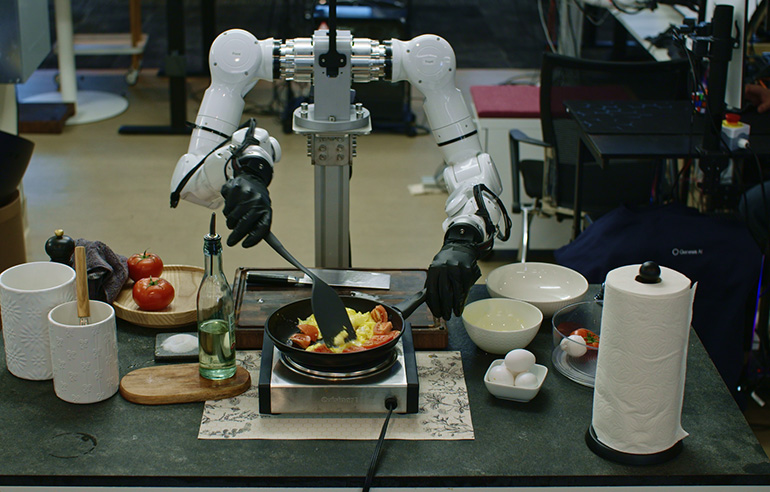
Chef Robotics has announced the development of a bi-manual physical AI system aimed at enhancing food assembly tasks on prep tables, such as burger and burrito preparation. This innovative system, which is set to launch on May 19, 2026, will cater to various sectors including ghost kitchens, fast-casual restaurants, and catering services, focusing on lower-volume yet more complex meal assembly compared to traditional food manufacturing processes. The new AI system utilizes two robotic arms for coordinated and dexterous manipulation, mimicking human-like capabilities to handle a variety of food items and utensils. It is powered by Chef's Food Foundation Model (FFM), which employs imitation learning to adapt quickly to diverse tasks and environments, overcoming the limitations of existing robotic systems that struggle with the variability of food materials. Chef Robotics aims to automate manual prep table assembly, a critical area in the food industry that has remained largely reliant on human labor. By leveraging the FFM, the system is designed to learn from demonstrations, allowing it to generalize across different tasks and robotic platforms. This advancement is expected to improve operational efficiency, yield, and consistency in food preparation, ultimately transforming how food assembly is approached in various culinary settings.
RoboticsTomorrow.com May 19, 2026
Boston Dynamics has unveiled the training process behind its Atlas humanoid robot, showcasing its ability to lift and carry heavy objects. This development was announced in a recent demonstration, highlighting the robot's advanced capabilities in handling various tasks. The event took place in October 2023, where engineers detailed the methods used to enhance Atlas's physical skills. The motivation behind this innovation stems from the growing demand for robots that can assist in labor-intensive environments, such as warehouses and construction sites. By equipping Atlas with the ability to perform complex lifting and carrying tasks, Boston Dynamics aims to address labor shortages and improve efficiency in these sectors. The training involved a combination of machine learning techniques and physical simulations, allowing the robot to understand and adapt to different weights and shapes of objects. This iterative process enabled Atlas to refine its movements and improve its stability while handling heavy loads. As a result, the robot is now capable of executing tasks that require both strength and precision, marking a significant advancement in robotics technology.
InterestingEngineering.com By Neetika Walter May 18, 2026
Genesis AI has introduced GENE-26.5, an advanced robotic brain aimed at enabling robots to achieve human-level physical capabilities. The announcement was made during a technology conference held in San Francisco on October 15, 2023. This innovative development is part of Genesis AI's ongoing efforts to enhance robotic functionality and adaptability in various environments. By integrating sophisticated algorithms and machine learning techniques, GENE-26.5 is designed to improve robots' dexterity and decision-making processes, potentially transforming industries such as manufacturing, healthcare, and logistics. The launch of GENE-26.5 reflects the company's commitment to pushing the boundaries of artificial intelligence and robotics, paving the way for more intuitive and efficient machines that can work alongside humans.
InterestingEngineering.com By Jijo Malayil May 18, 2026
IEEE Spectrum robotics has released its latest edition of "Video Friday," showcasing a variety of innovative robotics videos and announcing upcoming robotics events. Notable conferences include ICRA 2026 in Vienna from June 1-5, and the Summer School on Multi-Robot Systems in Prague from July 29 to August 4, 2026. Among the featured content is a groundbreaking autonomous material-handling solution developed by ETH Zurich, capable of operating a 40-ton material handler, traditionally a labor-intensive task. Other highlights include the introduction of the world's first production-ready manned mecha by Unitree, and the launch of NIX, an embodied AI exploring dance and movement, which will be made available for free to select partners. NTNU has unveiled the Unified Autonomy Stack, a robust system designed for aerial and ground robots, enhancing their autonomy through advanced perception and navigation capabilities. This system has been validated in challenging environments, showcasing its effectiveness in exploration and object discovery. Robotics expert Rodney Brooks, cofounder of Robust AI, shared insights on the challenges of innovation in robotics and the implications of the current AI surge during a Q&A session ahead of his panel at the Forbes America Innovates event in San Francisco. As the field continues to evolve, the integration of data collection methods remains a significant challenge, with the Koala platform exemplifying innovative approaches to enhance robotic manipulation tasks.
Spectrum.ieee.orgAutomaton By Evan Ackerman May 15, 2026 Home-robots Humanoid-robots Video-friday Material-handling-technology Robot-videos Robot-grippers
Researchers emphasize that the development of effective humanoid robots hinges on a comprehensive set of skills. These robots must be capable of manipulating a wide variety of objects, ranging from hard to soft and heavy to delicate. They should also possess the ability to coordinate their movements to adapt to their surroundings, navigate obstacles, and maintain balance in unpredictable situations. This multifaceted approach is essential for creating AI generalists that can perform a diverse array of tasks, ultimately advancing the field of robotics. The ongoing research aims to address these challenges and enhance the functionality of humanoid robots, paving the way for their practical applications in everyday life.
BostonDynamicsBlog May 13, 2026
Hello Robot has announced the launch of Stretch 4, a new version of its mobile robot designed for practical household tasks. This announcement comes as the company aims to transition from research-focused robotics to a deployable solution for home use, particularly for individuals with severe mobility impairments. The unveiling took place today, with the robot's design emphasizing mobility and manipulation over humanoid features. Stretch 4 features an advanced omnidirectional base allowing it to move in any direction, enhancing user control. The robot is equipped with a sophisticated sensor suite for improved navigation and autonomy, including cameras and lidar technology. Co-founders Aaron Edsinger and Charlie Kemp highlighted the challenges faced during the design process, aiming to avoid overcomplicating the robot while ensuring it meets real-world needs. The robot is intended for pilot deployments in homes, with the goal of gathering data to refine its capabilities for everyday use. Unlike humanoid robots, which may not effectively serve individuals with disabilities, Stretch 4's wheeled design is seen as more practical and safer for home environments. Priced at $29,950, Stretch 4 is positioned as an affordable option in the mobile manipulation market, with plans for further development leading to a commercially viable assistive robot in the near future.
Spectrum.ieee.orgAutomaton By Evan Ackerman May 12, 2026 Hello-robot Home-robots Humanoid-robots Mobile-manipulator Mobility-impaired
Hello Robot has unveiled its latest model, the Stretch 4, which boasts enhanced capabilities compared to its predecessors. This new assistive robot is designed to be bigger, faster, and stronger, while still prioritizing flexibility and safety in its operations. The announcement highlights the company's commitment to advancing robotic technology to better serve various applications. The Stretch 4 aims to improve efficiency and effectiveness in tasks that require assistance, marking a significant step forward in the field of robotics.
RoboticsBusinessReview.com By Brianna Wessling May 12, 2026 Artificial Intelligence Artificial Intelligence / Cognition Cameras / Imaging / Vision Design / Development Development Tools / SDKs / Libraries Grippers
RLWRLD has unveiled its latest innovation, the RLDX-1, a foundation model designed specifically for robotic hands. This new model aims to enhance dexterity by incorporating features such as context memorization and force sensing, which are often absent in current robotic models. The release of RLDX-1 marks a significant advancement in the field of robotics, addressing critical limitations that have hindered the performance of robotic hands.
RoboticsBusinessReview.com By The Robot Report Staff May 11, 2026 Artificial Intelligence Artificial Intelligence / Cognition Design / Development Development Tools / SDKs / Libraries Grippers Human Robot Interaction / Haptics
Chef Robotics has announced an expansion into component assembly for consumer packaged goods (CPG) manufacturing, enabling automation of secondary packaging and kitting processes. This development, revealed on May 11, 2026, allows Chef robots to efficiently handle a variety of items, including sauce sachets, seasoning packets, and even non-food inserts like cutlery kits and instruction cards. Historically, CPG assembly lines have relied heavily on manual labor due to the challenges posed by lightweight and deformable items. Chef Robotics aims to address this issue by utilizing AI-powered computer vision, which enables robots to assess and manipulate items in real time, ensuring precise placement without damage. The technology adapts to the variability of items in unstructured bins, eliminating the need for pre-sorting. The new assembly application features three key capabilities: detecting and reorienting items mid-pick for accurate placement, picking and placing multiple components simultaneously, and ensuring correct item allocation in multi-compartment products. This innovation promises higher throughput, reduced labor dependency, and consistent item placement across production shifts. Chef's CPG assembly application is available in the US, Canada, the UK, and Germany, and operates on existing robotic hardware and software, allowing for seamless integration into current manufacturing setups. The service is offered under Chef's robotics-as-a-service (RaaS) pricing model, further solidifying the company's position as a leader in AI-driven food robotics solutions.
RoboticsTomorrow.com May 11, 2026
SynapX has unveiled SYNData, an innovative multimodal data collection system designed to enhance dexterous manipulation capabilities in robotics. This cutting-edge system integrates ego vision, electromyography (EMG) signals, and data from exoskeleton gloves, facilitating the scalable collection of human manipulation data essential for advancing robot learning. The launch of SYNData aims to bridge the gap between human dexterity and robotic functionality, providing researchers and developers with comprehensive tools to improve robotic performance. This development is particularly significant as it addresses the growing demand for more sophisticated and adaptable robotic systems in various applications.
PanDaily.com By [email protected] (Pandaily) May 09, 2026 Robotics
Figure AI has unveiled a video showcasing two humanoid robots collaborating to make a bed, a task that challenges their coordination, vision, and dexterity. This demonstration highlights the advancements in robotics technology, particularly in the realm of complex, everyday activities. The video was released recently, emphasizing the capabilities of these robots in performing tasks that require a high level of precision and teamwork. As the field of artificial intelligence continues to evolve, such innovations aim to enhance the functionality of robots in domestic settings, potentially transforming how household chores are approached in the future.
BusinessInsider By [email protected] (Rya Jetha) May 09, 2026 AI Tech Startups robotics figure humanoid-robots
SynapX has introduced SYNData, an innovative multimodal data collection system designed to enhance dexterous manipulation capabilities. Launched recently, this system integrates ego vision, electromyography (EMG) signals, and data from exoskeleton gloves, facilitating the scalable collection of human manipulation data essential for advancing robot learning. The development aims to improve the interaction between humans and robots, ultimately contributing to more sophisticated robotic applications in various fields. By harnessing diverse data sources, SYNData promises to provide valuable insights that can drive the evolution of robotic dexterity and functionality.
PanDaily.com By [email protected] (Pandaily) May 09, 2026 RoboticsExcepteur sint occaecat cupidatat non proident