

Industry Briefing
A single destination for timely, editor-curated robotics news from around the world.

HII and MetalCraft Marine's Autonomous ROMULUS USV Passes Critical DoW Test for U.S. Navy
HII announced that its autonomous Watcher small Unmanned Surface Vessel (sUSV), based on the ROMULUS-25, has successfully passed a critical test recognized by the U.S. Defense Innovation Unit (DIU). This achievement marks the completion of the Production-Ready, Inexpensive, Maritime Expeditionary (PRIME) prototype project, which aims to develop smaller autonomous vessels for the U.S. Marine Corps. The successful testing of the Watcher sUSV is significant as it meets the operational needs of the Department of the Navy for interceptors capable of autonomous operations in contested waters. HII's Odyssey Autonomous Control System (ACS) enhances the vessel's capabilities, allowing for intelligent navigation and mission planning, which are crucial for modern naval operations. Looking ahead, HII is positioned for a potential transition to production under Other Transaction Authority (OTA) agreements. The company aims to continue delivering innovative autonomous solutions that enhance naval readiness and operational flexibility, as stated by HII's leadership and MetalCraft Marine's General Manager.
hii metalcraft romulus usv autonomy critical dow test
OpenAI Classifies Astra as Critical Cybersecurity Risk Following Advanced Capability Tests
OpenAI has designated its upcoming AI model, Astra, under the highest cybersecurity risk category after internal assessments indicated it may possess advanced offensive cyber capabilities. This classification follows evaluations that suggest Astra could meet the 'Critical' threshold outlined in OpenAI's Preparedness Framework, prompting the company to enhance security measures prior to any wider deployment. The significance of this development lies in the potential risks associated with AI models that can autonomously discover and execute sophisticated cyberattacks. OpenAI's decision to tighten internal security around Astra reflects a proactive approach to managing emerging risks in advanced AI systems, as the company collaborates with government agencies and independent safety organizations to validate Astra's capabilities and reinforce safeguards. Looking ahead, OpenAI plans to implement stricter monitoring and testing protocols for Astra before its release. The company has paused certain internal work that does not meet the new security standards and will involve external evaluators in the testing process. No further timeline was disclosed at the time of publication.
AI and Robotics
American Alligators Create Critical Water Depressions in Florida's Everglades During Dry Season
During the dry season in Florida's Everglades, American alligators excavate water-filled depressions in the limestone bed. These depressions serve as vital habitats, concentrating fish, turtles, and wading birds, which are essential for the ecosystem's health. The role of these alligator-created depressions is increasingly recognized by ecologists as a crucial component of the southern marsh's functionality. By maintaining these water-filled holes, alligators contribute significantly to the biodiversity and ecological balance of the region. Looking ahead, the ongoing study of these animal-built infrastructures will provide further insights into their ecological importance. No further timeline was disclosed at the time of publication.
Earth
World Robot Conference Mascot Unveiled with Online Naming Contest Launch
The World Robot Conference has introduced its mascot and launched an online naming contest, inviting public participation. This initiative aims to engage the community and enhance awareness of the event, which is set to showcase advancements in robotics and artificial intelligence. The significance of this mascot and naming contest lies in its potential to foster a sense of connection among attendees and participants. By involving the public in the naming process, the conference organizers hope to create a more inclusive atmosphere that reflects the innovative spirit of the robotics industry. As the event approaches, attention will be focused on how the mascot will be integrated into the conference activities and its role in promoting the latest developments in robotics. No further timeline was disclosed at the time of publication.
Robotics Automation AI
New Zero-Day Vulnerability 'LegacyHive' Reported in Windows Despite Latest Updates
On July 14, 2026, a new zero-day vulnerability named 'LegacyHive' was disclosed by Nightmare-Eclipse on GitHub. This vulnerability affects Windows systems even when the latest security updates have been applied, as it allows the mounting of a different user's registry hive during user profile read/write operations. The significance of the LegacyHive vulnerability lies in its potential to compromise user authentication credentials, leading to severe security risks, including complete system takeover. Currently, no CVE code has been assigned, and Microsoft has not provided any information regarding this issue. As the situation develops, it is crucial to monitor any updates from Microsoft regarding patches or mitigations for the LegacyHive vulnerability. No further timeline was disclosed at the time of publication.

Critical Semiconductor Testing for AI and Data Center Power Demands
As artificial intelligence (AI) drives significant power requirements in data centers, the importance of thorough semiconductor testing has escalated. This trend highlights the growing challenges faced by data centers in managing energy consumption while ensuring optimal performance. The new video series aims to provide insights into these critical testing processes and their implications for the industry. The increasing reliance on AI technologies necessitates a robust approach to semiconductor testing, which is essential for maintaining efficiency and reliability in data centers. As power demands rise, organizations must adapt their testing methodologies to address these challenges effectively. This shift underscores the vital role that semiconductor testing plays in supporting the evolving landscape of AI and data center operations. Looking ahead, industry stakeholders should monitor advancements in semiconductor testing techniques and their impact on energy management in data centers. The ongoing development of testing protocols will be crucial in ensuring that data centers can meet the growing power demands associated with AI applications. No further timeline was disclosed at the time of publication.

Windows 11 response improvements are gradually taking effect with the latest update and a shift in Microsoft's AI strategy.
Microsoft has launched a new update for Windows 11, aimed at enhancing performance, particularly in the responsiveness of the Start menu and application launches. This update comes at a pivotal moment for the company, as it faces significant changes within its AI division. Yusuf Mehdi, who has been instrumental in leading Microsoft's AI and operating systems efforts, has announced his departure. Additionally, the company is revising its internal rules regarding the use of AI development tools. These developments indicate a potential shift in Microsoft's AI strategy as it navigates these transitions.
Robot Field Service Becomes Essential for Scalable Automation Success
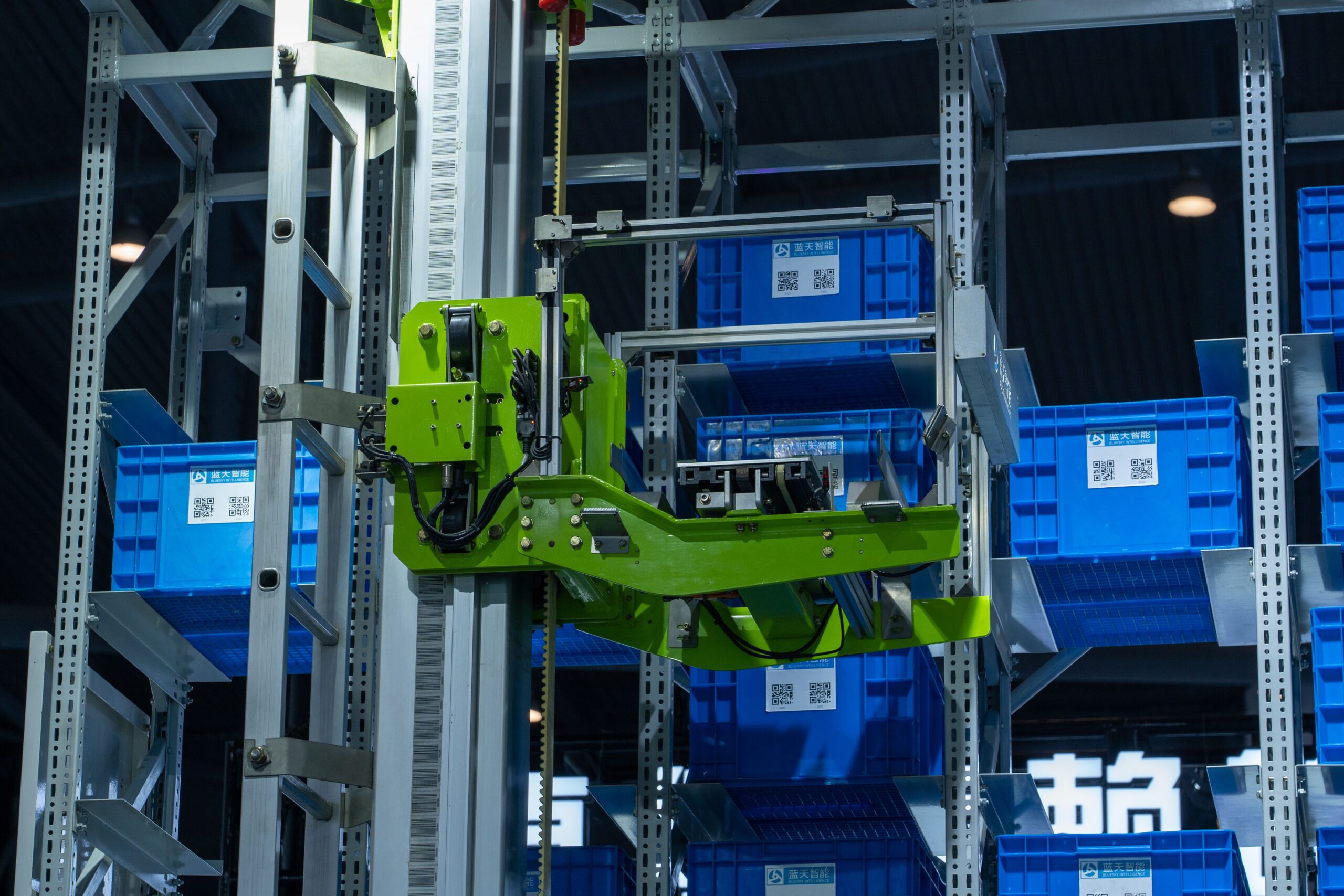
The robotics industry is increasingly focusing on the post-installation phase as robot field service emerges as a critical challenge for automation scalability. Operational issues can arise when robots experience failures in remote locations, necessitating immediate technician intervention rather than simple software updates. This is particularly crucial in sectors like commercial kitchens, where downtime can severely impact service delivery. For logistics operators, the realization is that the journey of a robot begins with purchase and installation, but ongoing maintenance, spare parts availability, and technician training are vital for operational success. This could lead to changes in how contracts for warehouse robotics are structured, emphasizing service-level agreements that define response times and responsibilities for various types of faults. As the deployment of robots expands, the ability to maintain them effectively in the field will become increasingly important. A robust field-service model could minimize unplanned downtime and enhance confidence in deploying automation across multiple facilities, potentially driving demand for third-party service networks that support diverse robotic systems.
Latest News automation Field Service maintenance robotics warehouse automation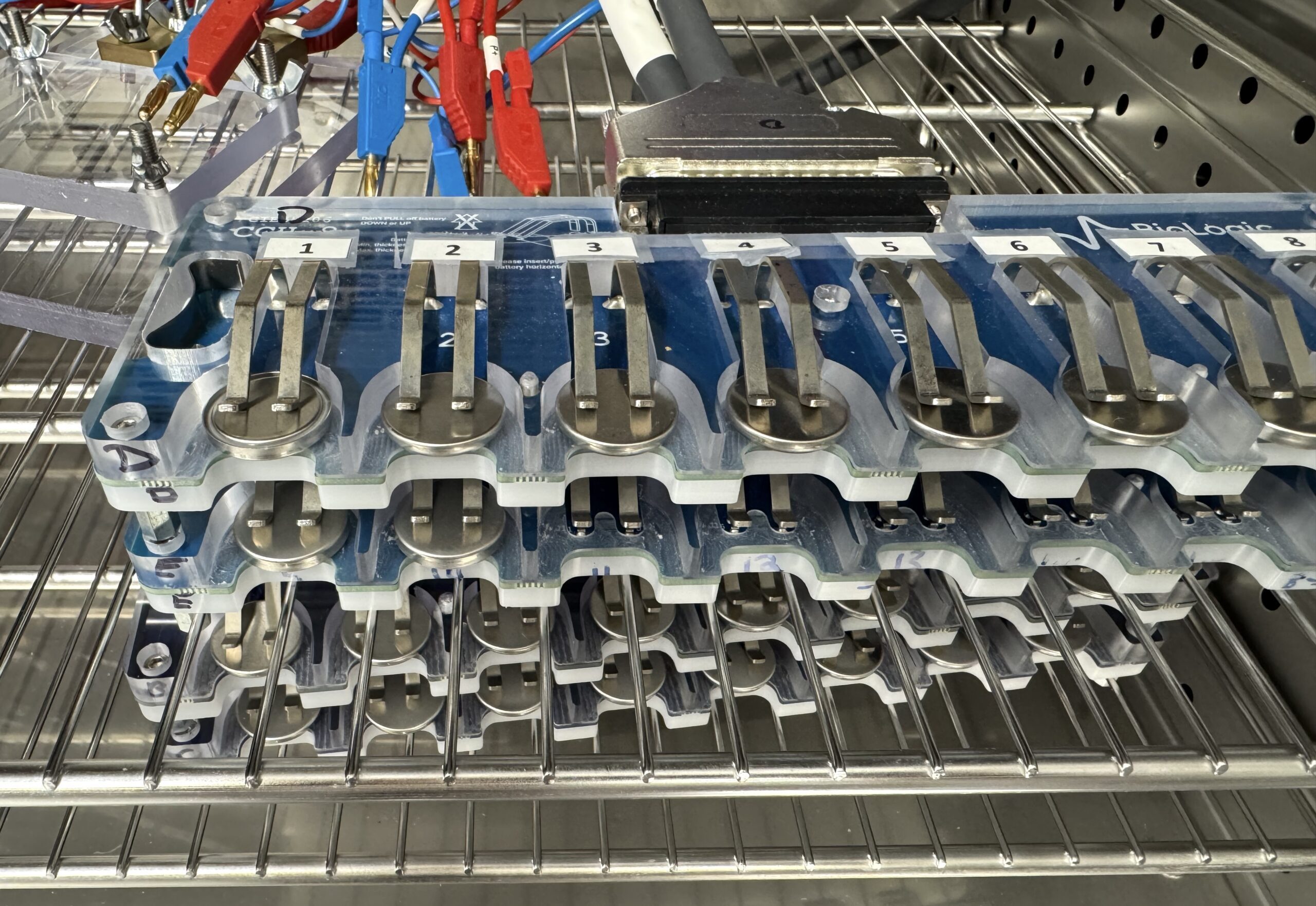
Cornish Lithium Achieves Milestone with UK-Mined Lithium for Battery Production
Cornish Lithium has successfully demonstrated the viability of lithium mined and refined in the UK for lithium-ion battery cell production. This achievement aligns with efforts by the UK, US, and other nations to enhance domestic supply chains for critical technologies. The company produced battery-grade lithium hydroxide monohydrate from ore at its Trelavour Lithium Project in Cornwall, utilizing its proprietary LiStract technology. Approximately two kilograms of this material were provided to the Centre for Process Innovation, which manufactured and tested lithium-ion coin cell batteries, showing performance comparable to commercially available lithium hydroxide. This development is significant as it contributes to broader initiatives aimed at securing supply chains for advanced technology, particularly in light of China's dominance in battery materials processing. The UK aims for 10% of its critical mineral demand to be met through domestic production by 2035, with a focus on reducing reliance on single countries for these essential resources.
Drone News Drone News Feeds Europe Drone Industry News UK Drone Industry UK Drone Space
FAA Faces Leadership Changes as Deputy Administrator Chris Rocheleau Steps Down Amid Reforms
The Federal Aviation Administration (FAA) is experiencing another leadership shift with the resignation of Deputy Administrator Chris Rocheleau. Rocheleau played a significant role in the agency's response to the January 2025 midair collision near Ronald Reagan Washington National Airport and was instrumental in implementing safety reforms. His departure occurs during a critical period for the FAA, which is managing a wide-ranging agenda that includes air traffic modernization, controller staffing, Advanced Air Mobility (AAM), and the development of the Beyond Visual Line of Sight (BVLOS) rulemaking for drones. The ongoing leadership transitions raise concerns about the continuity of regulatory initiatives, particularly as the agency navigates significant reforms in aviation safety and technology integration. As stakeholders in the commercial drone industry await the final BVLOS rule, the implications of frequent leadership changes at the FAA become increasingly relevant. The agency's ability to maintain momentum on major initiatives despite these transitions will be closely monitored, as the final BVLOS rule is anticipated to be a pivotal regulatory milestone for the sector.
BVLOS Drone News Drone News Feeds FAA News Selected - FAA and Regulations
SpaceX's Starmind Plans 1 Million AI Satellites Amid Collision Risks
SpaceX has announced its ambitious Starmind project, which aims to deploy 1 million AI satellites in orbits between 500 and 2,000 km. This initiative, confirmed by Elon Musk on June 23, 2026, follows a merger with xAI, valuing the combined entity at $1.25 trillion. The satellites will function as orbital data centers, processing AI workloads powered by solar arrays and linked by optical lasers. The significance of Starmind lies in its potential to add 100 gigawatts of AI compute capacity annually, contingent on the successful operation of the Starship launch system. However, the project raises concerns regarding space debris, as the current orbital environment is already congested, with a 20% increase in collision risk reported since 2024. The European Space Agency has highlighted that the density of debris in low Earth orbit is now comparable to that of active satellites, complicating the operational landscape for new entrants like Starmind. Looking ahead, the first operational orbital AI deployments are targeted for 2028, with test launches expected in early 2027. However, the project faces scrutiny regarding its impact on space debris, as even a 1% failure rate could significantly increase the number of uncontrollable objects in orbit, exacerbating existing risks. No further timeline was disclosed at the time of publication.

Trump Accounts, the Dow's latest record, Microsoft layoffs and more in Morning Squawk
Here are five key things investors need to know to start the trading day.

Brownfield Is the Real Test of Automation: How ForwardX Scaled 484 AMRs in a Live Auto OEM Factory Without Production Downtime
Over a year since its implementation, ForwardX's autonomous mobile robot (AMR) system is successfully expanding within Chery Automobile's manufacturing facility in Dalian, China, while maintaining uninterrupted production. This project has emerged as one of the largest brownfield AMR deployments in the automotive sector, showcasing the effectiveness of integrating advanced robotics into existing manufacturing processes. The deployment aims to enhance operational efficiency and streamline logistics within the facility, reflecting the growing trend of automation in the automotive industry.
Pentagon tests Locust laser that downs drones without harming nearby civilian aircraft
AeroVironment's LOCUST laser weapon successfully completed a significant counter-drone test in collaboration with the Pentagon, showcasing its advanced capabilities in neutralizing aerial threats. This testing took place recently, highlighting the growing emphasis on innovative defense technologies amid rising concerns over drone warfare. The LOCUST system is designed to provide military forces with an effective means to counteract the increasing prevalence of unmanned aerial vehicles (UAVs) on the battlefield. By utilizing cutting-edge laser technology, the weapon aims to enhance the operational effectiveness of U.S. military operations. The successful demonstration of the LOCUST laser weapon underscores the Pentagon's commitment to integrating advanced systems into its defense strategy, ensuring that military forces are equipped to address evolving threats in modern warfare.
Electric air taxis move closer to reality as VX4 completes critical transition test
Vertical Aerospace has successfully completed the first piloted flight of its VX4 electric vertical take-off and landing (eVTOL) aircraft. This significant milestone occurred recently, marking a crucial step in the development of sustainable urban air mobility solutions. The flight took place at the company’s testing facility, showcasing the aircraft’s capabilities and potential for revolutionizing transportation in urban environments. The successful test is part of Vertical Aerospace's broader mission to provide eco-friendly air travel options, aiming to reduce carbon emissions and alleviate congestion in cities. The company plans to continue testing and refining the VX4, with the goal of bringing it to market in the near future.

How AI is Changing Computing—And Why Testing Is Critical
Artificial intelligence (AI) is increasingly reshaping various industries and enhancing everyday life by improving efficiency and decision-making processes. However, the rapid advancements in AI technology are leading to a significant rise in the demand for computational processing power. This surge is driven by the need for more sophisticated algorithms and larger datasets, which are essential for training AI models effectively. As organizations across sectors seek to leverage AI for competitive advantage, the challenge of meeting this growing computational demand becomes critical. Industry experts emphasize the importance of developing more efficient computing solutions to support the ongoing evolution of AI, ensuring that its benefits can be fully realized while addressing the environmental and economic implications of increased energy consumption.
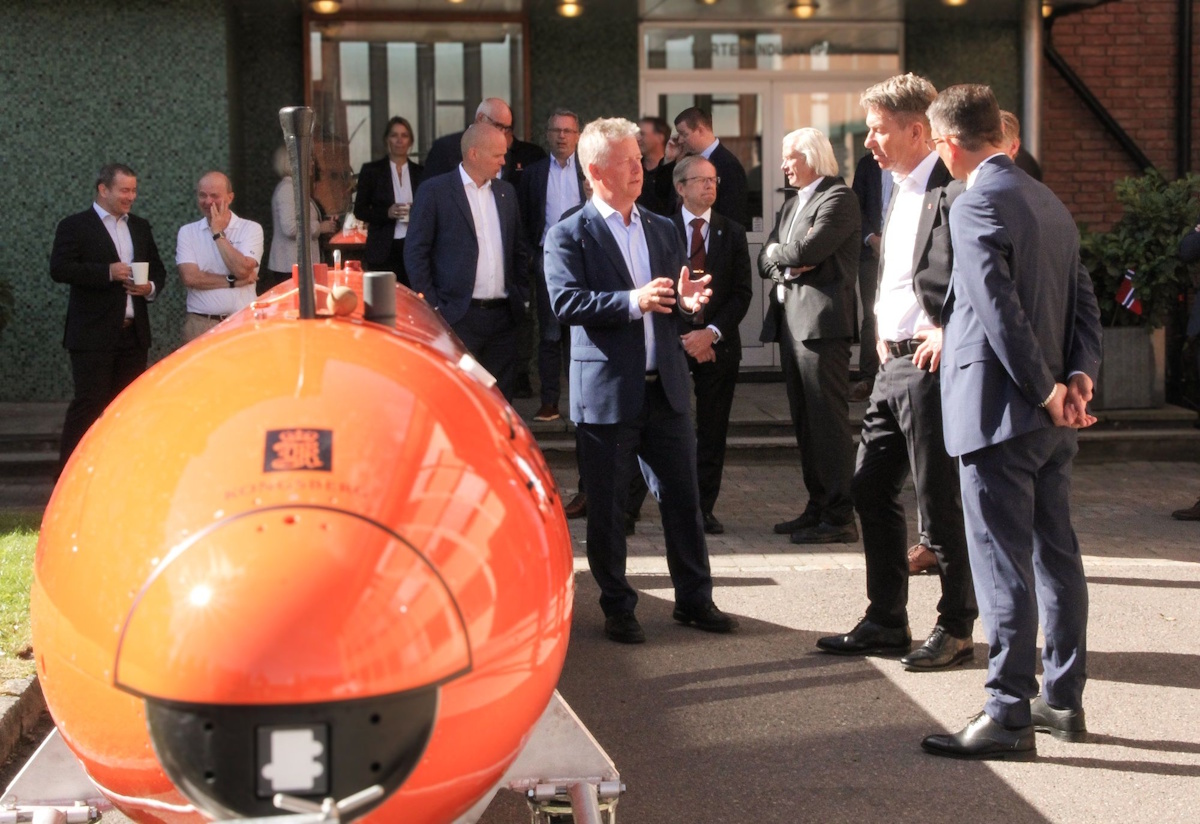
Kongsberg Opens Maritime Test Bed for Protecting Critical Infrastructure
KONGSBERG has announced the launch of the Oslofjord Critical Maritime Infrastructure Protection Test Bed in Horten, Norway, in response to increasing demand for enhanced security measures for vital maritime infrastructure. This initiative aims to address the growing concerns surrounding the protection of maritime assets and operations. By establishing this unique test facility, KONGSBERG seeks to develop and validate innovative solutions that will bolster the resilience and safety of maritime environments. The test bed is designed to facilitate collaboration among industry stakeholders, researchers, and government entities, ensuring a comprehensive approach to maritime security challenges. The initiative underscores KONGSBERG's commitment to advancing technologies that safeguard critical infrastructure in the face of evolving threats.
kongsberg maritime test bed critical infrastructure protectionRobotics needs a service framework.
RSF defines a common language for robot service capability, lifecycle operations, certification pathways, and service-provider networks.
Join the RobotToday community on LinkedIn
Daily robotics news, in-depth analysis, conference highlights, and discussions with professionals worldwide.







