Industry Briefing
A single destination for timely, editor-curated robotics news from around the world.

From “Predictable Surprise” to Policy Priority: The Push for Faster Counter-Drone Deployment
A recent incident involving a thwarted drone attack aimed at a UFC event on the White House grounds has underscored the growing challenges posed by evolving drone threats in the United States. This disruption has reignited discussions among state, local, and tribal security officials regarding the urgency of enhancing counter-drone capabilities. As the frequency and sophistication of drone-related threats increase, there is a pressing need for more effective and rapid response strategies to ensure national security. The incident highlights the critical gap between the pace of technological advancements in drone capabilities and the current response measures in place, prompting calls for policy changes to prioritize faster deployment of counter-drone systems.
C-UAS DL Exclusive Drone News Drone News Feeds Drones in the News Feature 1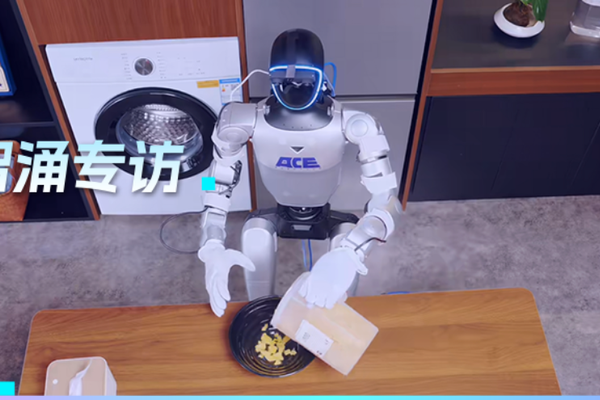
Founder of "Daxiao Robotics," which raised hundreds of millions, reveals divisions in the embodied AI industry.
In a recent interview, Wang Xiaogang, chairman of ACE Robotics and co-founder of SenseTime, discussed the rapid advancements of his company since its establishment in July 2025. Within just a year, ACE Robotics has emerged as a significant player in the field of embodied intelligence, recently launching its Kairos 3.0 model, which achieved state-of-the-art results in four global benchmarks. The company has also developed an innovative data collection strategy that expands its training dataset to over one million hours, significantly enhancing its capabilities compared to traditional methods. On June 15, 2026, ACE Robotics announced the successful completion of its angel+ funding round, raising substantial capital from various investors, including Da Chen Capital and Shanghai Science and Technology Innovation Fund. This brings the total funding raised in 2026 to several hundred million dollars, positioning ACE Robotics as one of the fastest unicorns in the industry. Wang emphasized the importance of collaboration within the long and complex supply chain of embodied intelligence, noting that many companies are hesitant to enter practical applications due to technical maturity and resource constraints. He outlined ACE's strategy of focusing on scalable business-to-business (B2B) scenarios, such as road inspections and logistics, before expanding into more complex consumer-facing applications. Despite the competitive landscape, Wang believes that ACE Robotics can leverage its unique approach to data collection and model training to establish a strong foothold in the market, ultimately aiming to enhance the efficiency and effectiveness of embodied intelligence solutions across various sectors.

Europe rearms: Battle management, counter-UAS, and real AI at the edge
In a recent initiative aimed at enhancing military capabilities, European defense experts are focusing on the integration of advanced technologies, including drones and artificial intelligence, into modern warfare. This modernization effort is particularly evident in Eastern Europe, where the deployment of drone walls has become a strategic priority. The initiative underscores the growing recognition of the need for innovative solutions to address contemporary security challenges. Taking place throughout 2023, this movement is centered in various Eastern European nations, which are increasingly investing in cutting-edge military technologies to bolster their defense systems. The motivation behind this modernization is driven by the evolving geopolitical landscape and the necessity to respond effectively to potential threats. Experts are collaborating on developing systems that incorporate AI into military vehicles, such as tanks, enhancing their operational efficiency and decision-making capabilities. This integration of technology aims to create a more agile and responsive military force, capable of adapting to rapidly changing combat environments. As Europe navigates these advancements, the emphasis on modernization reflects a broader commitment to maintaining security and stability in the region, ensuring that military forces are equipped to meet future challenges. The ongoing efforts highlight the importance of innovation in defense strategies, positioning European nations at the forefront of military technology development.
Networks & Digital Warfare Sponsored Post artificial intelligence AI Counter UAS cUAS CUAS cyber security
Fastest, Largest, Strongest: NVIDIA Blackwell Sweeps MLPerf Training 6.0
In the rapidly evolving field of artificial intelligence, the initial phase of developing any advanced AI model begins with a crucial training run. The efficiency and effectiveness of this training process are heavily influenced by the underlying infrastructure that supports it. This infrastructure determines the speed at which teams can refine their models, the scale of the models they are capable of constructing, and the reliability of job completions. As AI technology continues to advance, the importance of robust and efficient training environments becomes increasingly clear, impacting the overall progress and capabilities of AI development.
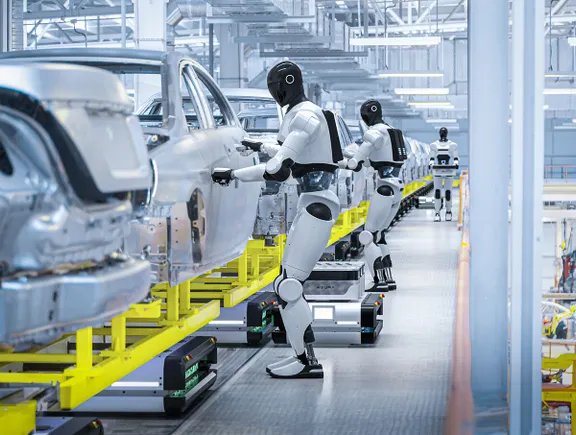
Robotics startup backed by Nvidia, Amazon and others raises $1.4B
Neura has announced plans to utilize new capital to enhance its robot production and deployment across various industries. The initiative aims to expand the company's training and intelligence infrastructure, allowing for more advanced and efficient robotic solutions. This strategic move comes as Neura seeks to strengthen its position in the rapidly evolving robotics market, responding to growing demand for automation and intelligent systems. By increasing production capabilities and improving training resources, Neura intends to meet the needs of diverse sectors and drive innovation in robotic technology.

Interview with Wang Zhongyuan: VLA will survive, but world models are the future.
In recent months, the concept of "World Model" has gained significant traction within the AI and robotics sectors, driven by underlying industry anxieties. As AI technology has rapidly evolved over the past two years, limitations in embodied intelligence have become apparent, revealing that while robots can recognize objects, they struggle to understand physical interactions and causal relationships. The World Model aims to bridge this gap by enabling robots to learn the laws of the physical world. At the forefront of this exploration is Wang Zhongyuan, the director of the Beijing Academy of Artificial Intelligence, who identifies four distinct paths in the development of World Models. These include language-centered models, pixel-centered models, 3D structure-centered models, and visual representation-centered models. The Beijing Academy is pioneering a fifth approach that integrates language and visual data into a unified latent space representation, allowing for more complex interactions and predictions. Wang emphasizes that the World Model's potential lies in its ability to enhance embodied intelligence, enabling robots to understand and predict physical interactions over time. He envisions a future where World Models serve as the foundational brain for robots, capable of complex reasoning and decision-making in real-world scenarios. However, he cautions that achieving this goal will require significant advancements in data collection and model training, with a timeline of three to five years anticipated for substantial progress. As the field continues to evolve, the competition will focus on the ability to create models that accurately reflect the complexities of the physical world.

NVIDIA Corporation (NVDA) Partners with Nebius to Support AI Robotics Startup in Europe
NVIDIA Corporation has announced a strategic partnership with Nebius to bolster the development of robotics startups across Europe. On June 9, the two companies reaffirmed their collaboration aimed at creating a cloud platform specifically for robotics and physical artificial intelligence. As part of this initiative, Nebius has launched the Physical AI Living Lab, which will provide UK and European robotics startups with access to NVIDIA's advanced development tools and Nebius AI's cloud infrastructure. This six-month program is designed to help early-stage robotics firms overcome challenges related to large-scale simulation, synthetic data, and accelerated computing resources. Startups participating in the program will utilize NVIDIA technologies, including OSMO for workload orchestration and Cosmos World Foundation models. The goal of the Physical AI Living Lab is to connect UK robotics innovation with market-ready physical AI solutions by offering affordable cloud-scale training. NVIDIA, a leading provider of specialized computer chips and a key player in the global AI revolution, continues to expand its influence beyond gaming graphics into comprehensive infrastructure for artificial intelligence.

SpaceX sets IPO price to raise $75 billion; OpenAI CEO delays South Korea visit; new AI complaint center launched.
OpenAI CEO Sam Altman has postponed his planned visit to South Korea, originally scheduled for June 14-15, due to personal reasons. During the visit, he was expected to meet with leaders from major companies including Samsung Electronics, Kakao, and NAVER. In a separate announcement, Waymo, the autonomous driving subsidiary of Alphabet, revealed a new $30 monthly membership plan called Waymo Premier, aimed at invited users. This plan will offer benefits such as priority rides, a 10% cashback on trips, and the ability to cancel rides up to five times a month at no cost. Initial invitations will be sent to eligible passengers in San Francisco, Los Angeles, and Phoenix, with plans to expand to other cities. Meanwhile, SK Hynix is exploring the integration of AI technologies, including ChatGPT, into its operations. CEO Lee Seok-hee indicated that the company is balancing the protection of industrial technology with the adoption of external AI services, considering tools like Microsoft 365 and CoPilot. In financial news, major Wall Street banks have begun restricting hedge funds' leverage on Asian chip stocks, including SK Hynix and Samsung, due to concerns over potential market corrections. This move involves raising financing costs for hedge fund bets and limiting new transactions. Additionally, Google announced a $50 million investment to train U.S. tech workers, addressing the growing demand for AI infrastructure. This investment is part of a broader initiative that has already seen over $1 billion allocated to training programs since 2022. Lastly, SK Hynix reported that a fire at its Cheongju plant on June 12 has been brought under control, with production equipment operating normally.
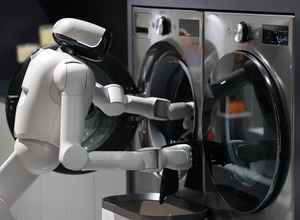
LG to build Korea's first humanoid 'data factory' to train robots
LG Electronics is transforming its research and development campus in the Yangjae district of southern Seoul into South Korea's first "data factory" dedicated to humanoid robots, according to industry sources. This initiative, announced on Friday, aims to utilize hundreds of CLOiD machines that will perform everyday tasks to generate essential real-world data. As the development of humanoid robots increasingly hinges on data rather than hardware, this facility seeks to address the growing challenge of acquiring the necessary information for effective robot training. By creating a controlled environment where robots can learn from repetitive tasks, LG Electronics is positioning itself at the forefront of the competitive humanoid robotics sector.
All News
Seattle Stadium “No-Drone Zone” During FIFA Matches
Federal officials have issued a warning to drone operators to refrain from flying their devices near Lumen Field, which will temporarily be referred to as Seattle Stadium, as it prepares to host six matches for the FIFA World Cup 2026 over the coming weeks. The advisory aims to ensure the safety and security of the event, emphasizing the importance of maintaining a clear airspace during this high-profile international tournament. Authorities are particularly concerned about recreational drone use, which could pose risks to both players and spectators. The no-drone zone is part of broader efforts to manage air traffic and protect the integrity of the matches.
Drone News Drone News Feeds News Public Safety safety and security World Cup
‘The threat is there’: Germany to pair P-8s with MQ-9 drones to keep an eye on Russian subs
The German Naval Aviation Command is set to introduce the MQ-9B, marking the first unmanned system in its operational fleet. Capt. Broder Nielsen, the command's head, emphasized the importance of a gradual integration process, stating that personnel will work closely with the aircraft as they adapt to its capabilities. This initiative reflects Germany's commitment to enhancing its naval aviation capabilities with advanced technology. The timeline for the full operational rollout remains under development, but the focus on a step-by-step approach aims to ensure effective training and operational readiness for the crew.
Global Naval Warfare Boeing Europe General Atomics Aeronautical Systems Germany
The Missing Layer in Robotics Adoption: Why Emerging Markets Need Commercialization Labs
Robotics manufacturers are increasingly focusing on emerging markets to drive growth, emphasizing the importance of local integration and support systems. As these companies seek to expand their reach, they recognize that success hinges not only on advanced hardware capabilities but also on the establishment of robust training programs, financing options, and service infrastructures. This strategic approach is essential for validating return on investment (ROI) and ensuring that local businesses can effectively adopt and utilize robotic technologies. By prioritizing these factors, manufacturers aim to create a sustainable ecosystem that fosters innovation and enhances productivity in regions that are ripe for technological advancement.

Equal AI raises $30M to screen calls so Indians don’t have to
Equal AI has announced that its AI-powered call assistant has surpassed one million monthly active users. This milestone reflects the growing adoption of AI technology in communication tools, highlighting the increasing reliance on automated solutions for enhancing efficiency in customer interactions. The announcement comes as the company continues to innovate and improve its offerings, aiming to meet the demands of a rapidly evolving digital landscape. With data training completed up to October 2023, Equal AI is poised to further expand its user base and enhance the capabilities of its call assistant, catering to businesses seeking to streamline their communication processes.
Apps Fundraising AI assistant call screen India Prosus Ventures
Stepful Announces $55M Series C to Scale Its AI-Powered Training Platform Across the Healthcare Workforce
Stepful, a training platform aimed at transforming workforce development in major U.S. health systems, has secured $55 million in Series C funding. This funding round, which was led by Oak HC/FT, also saw participation from new investors including Foresite Capital, Hearst Ventures, and the Citi Impact Fund, as well as contributions from existing investors such as SemperVirens. The investment will enable Stepful to enhance its training programs and support the growing demand for skilled healthcare professionals. This financial boost comes at a critical time as the healthcare sector faces significant challenges in workforce retention and training, underscoring the importance of innovative solutions in addressing these issues.
Uncategorized
Decart’s Oasis 3 world model streams realism into robotic training environments
Decart, a leading frontier AI research lab, has unveiled its latest world model, Oasis 3, in a bid to integrate synthetic simulation with physical AI. The announcement, made recently, highlights the model's capability to enhance the training processes for operating system models used in robots and autonomous vehicles. By focusing on this innovative approach, Decart aims to advance the development of intelligent systems that can operate seamlessly in real-world environments. The launch of Oasis 3 represents a significant step forward in the quest to improve AI's practical applications, addressing the growing demand for more sophisticated and capable autonomous technologies.
Artificial Intelligence Computing Culture Design automation news autonomous vehicles
Inside XRZero-G0, a new 2,000-hour open dataset for robotics research
X Square Robot has announced the open-sourcing of XRZero-G0, a groundbreaking framework designed to significantly decrease the amount of real-robot training data needed by as much as 20 times. This initiative aims to enhance robotics research by providing a comprehensive dataset that spans 2,000 hours of robotic training scenarios. The release of XRZero-G0 is expected to facilitate advancements in the field, enabling researchers and developers to optimize their algorithms and improve robotic performance without the extensive data collection traditionally required. This innovative approach is part of X Square Robot's commitment to fostering collaboration and progress within the robotics community.
Academia / Research Artificial Intelligence Artificial Intelligence / Cognition Development Tools / SDKs / Libraries News Research
First-ever drone boat rescue: US Navy vessel pulls out two downed pilots from sea
A U.S. Navy unmanned surface vessel successfully conducted a rescue operation for two Army pilots whose AH-64 Apache helicopter had crashed. The incident occurred on a training mission off the coast of California on Tuesday. The unmanned vessel, equipped with advanced technology, was able to locate the pilots quickly and facilitate their safe retrieval from the water. This operation highlights the increasing role of unmanned systems in military rescue missions, showcasing their effectiveness in enhancing operational capabilities and ensuring the safety of personnel in distress. The successful rescue underscores the collaborative efforts between the Navy and Army in conducting joint operations and responding to emergencies in challenging environments.
Military
Researchers Develop Method To Train Ag AI Robots with Virtual Tomatos
Researchers at Osaka Metropolitan University have introduced a groundbreaking method for creating synthetic training data aimed at enhancing agricultural AI systems. This innovative approach utilizes realistic virtual tomato farms, addressing a significant challenge in the development of autonomous harvesting robots. The findings of this study, published in the journal Smart Agricultural Technology, highlight the potential of virtual environments to effectively train AI models. By simulating diverse farming scenarios, the researchers aim to improve the efficiency and accuracy of AI systems in agricultural applications, ultimately paving the way for more advanced robotic solutions in the field.
AI AI Research & Advances Robotics agriculture AI autonomous harvesting robots Osaka Metropolitan University
Tsinghua-Harvard Team's Acorn Robot Develops 'Zero-Data' Robot That Learns Through Instinct, Not Training Data
A team of researchers educated at Tsinghua University and Harvard has developed an innovative robot capable of learning physical manipulation without any prior training data. This groundbreaking technology relies solely on tactile sensors and an instinct-driven trial and error approach to tackle complex tasks, such as picking up a flat credit card. The project highlights a significant advancement in robotics, showcasing the potential for machines to adapt and learn in real-time, which could revolutionize various applications in automation and artificial intelligence.
Robotics
X Square Robot Open-Sources XRZero-G0 to Scale Robot Learning with Interfaces, Data Quality and Ratios
A new framework named XRZero-G0 has been introduced to enhance the quality of data collection and training for embodied artificial intelligence, eliminating the need for robotic assistance. This innovative approach aims to streamline the process of gathering high-quality data, which is crucial for developing advanced AI systems. The framework was unveiled in October 2023, reflecting ongoing advancements in AI technology and data collection methodologies. By focusing on robot-free data collection, XRZero-G0 seeks to address challenges related to the dependency on physical robots, thereby making the training of AI more efficient and accessible. The initiative is expected to significantly impact the field of AI research and development, potentially leading to more robust and versatile AI applications across various industries.
ROKAE Robotics Partners with China Welding Association on Smart Welding Training
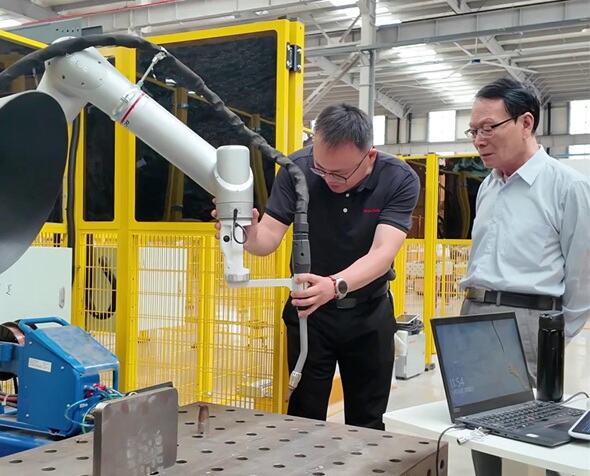
ROKAE Robotics has announced a partnership with the China Welding Association (CWA) to collaboratively develop and implement professional training programs focused on intelligent welding technology. The agreement was formalized during a visit from Wu Jiupeng, Deputy Secretary-General of the CWA, to ROKAE's facilities. This initiative aims to bridge the existing skills gap between theoretical knowledge of welding and practical operation of robotic systems, which both organizations have identified as a critical challenge in the industry. The collaboration is expected to enhance the skill set of welding professionals, ensuring they are better equipped to meet the demands of modern welding technology.
Sharpa brings dexterous robot hands to Nvidia and Unitree humanoid reference design
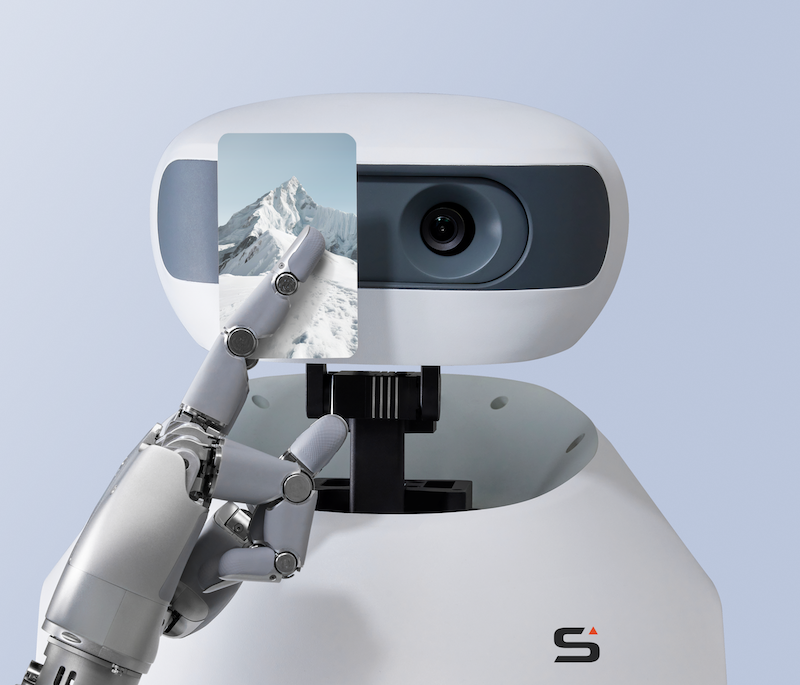
Sharpa has unveiled the integration of its Wave tactile robot hands into the Unitree H2 Plus humanoid robot reference design, marking a significant advancement in robotics technology. This collaboration makes the Unitree H2 Plus the first dexterous humanoid platform to utilize Sharpa's tactile manipulation technology within Nvidia’s Isaac GR00T development framework. The companies aim to enhance the capabilities of robotics developers and researchers by providing a sophisticated platform that combines advanced tactile feedback with humanoid robotics. This integration is expected to facilitate innovative developments in the field, enabling more nuanced and effective interactions between robots and their environments.
Humanoids News automation news dexterous manipulation humanoid robots nvidia
MIT researchers channel AI to turn hand gestures into robot training data
Researchers have developed an innovative method to enhance the capabilities of humanoid robots, particularly in tasks such as grasping objects. This advancement involves the use of a specialized ultrasound wristband worn by a human instructor, which captures the intricate movements of muscles, tendons, and ligaments beneath the skin. By analyzing this data, the robots can learn to replicate these movements more effectively. The initiative, which began in late 2023, aims to improve the dexterity and functionality of robots in various applications, from manufacturing to personal assistance. The ultrasound technology provides real-time feedback, allowing the robots to adjust their movements based on the instructor's actions. This approach not only enhances the robots' ability to perform complex tasks but also opens new avenues for human-robot interaction. The research is being conducted at a leading robotics lab, where experts are focused on bridging the gap between human-like movement and robotic precision. By mimicking the natural motion of human hands, the robots are expected to achieve greater efficiency and adaptability in their operations. This breakthrough could significantly impact industries that rely on automation, making robots more versatile and capable of handling delicate tasks that require a human touch.
Robotics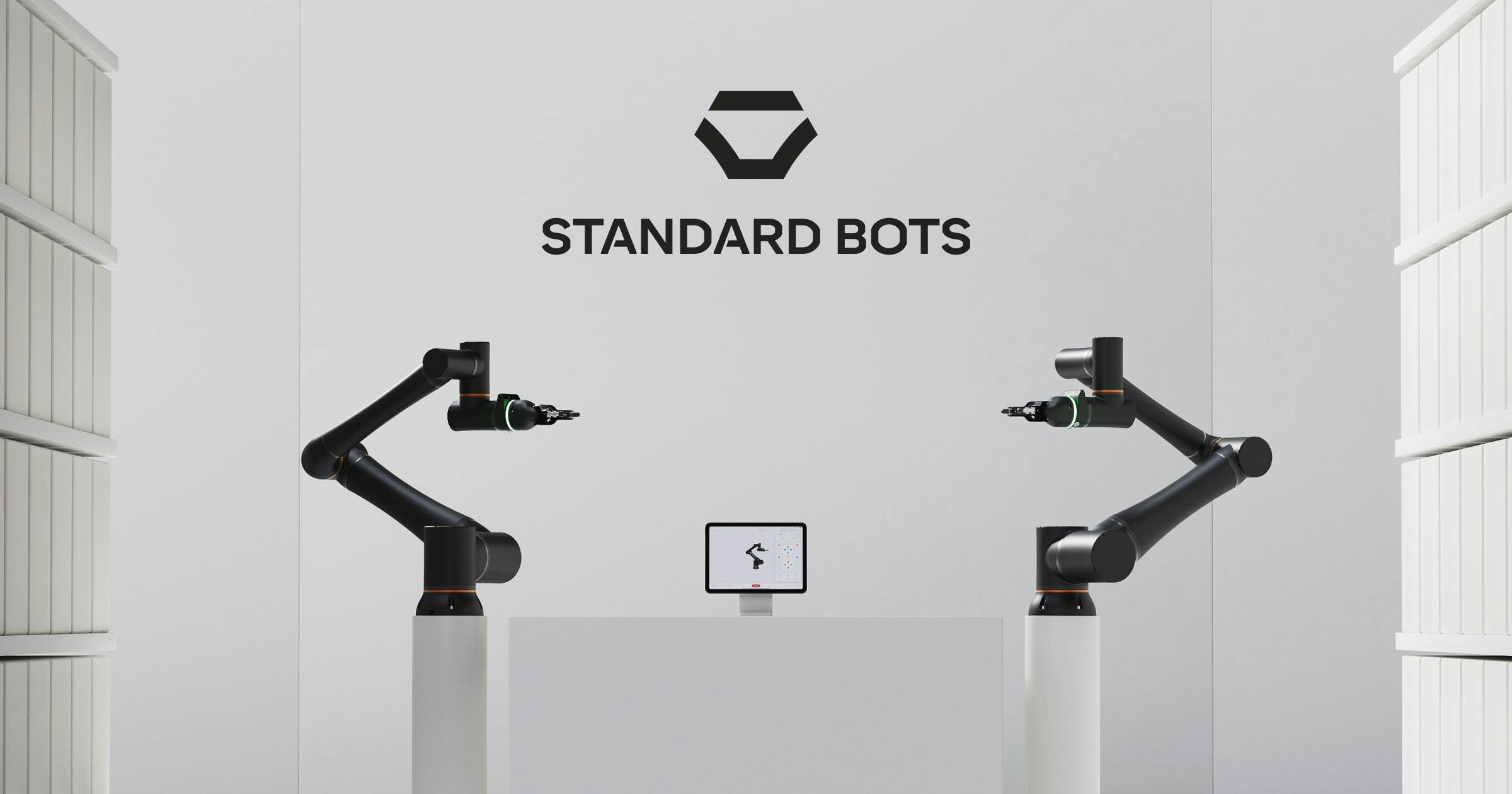
Standard Bots Announces $200 Million in Funding as it Expands Manufacturing
A leading manufacturing company has announced plans to expand its production capabilities with the goal of supplying 10% of new industrial robot deployments in the United States by next year. This strategic move, aimed at capitalizing on the growing demand for automation in various industries, reflects the company's commitment to innovation and market leadership. The expansion is set to take place in the company's existing facilities, where enhancements in technology and workforce training will facilitate increased output and efficiency. By positioning itself as a key player in the U.S. industrial robotics market, the company seeks to not only boost its revenue but also contribute to the advancement of automation solutions across the nation.
Business Intelligence
Simulation tools in the ROS ecosystem: Testing and validating robots virtually
In a significant advancement for robotics, researchers are increasingly relying on virtual environments to develop and refine robots before they are deployed in the real world. This trend allows robots, such as those used in warehouses, autonomous vehicles, and humanoid designs, to undergo extensive training and testing in simulated settings. By utilizing these virtual platforms, developers can enhance the robots' navigation and operational skills without the risks and costs associated with real-world trials. This approach not only accelerates the development process but also improves the overall safety and efficiency of robotic systems. As the technology evolves, the reliance on virtual training is expected to grow, paving the way for more sophisticated and capable robots in various industries.
Computing Features Robot simulation Software automation news Autonomous robots
"BioGeometry" secures hundreds of millions in strategic funding to create a "microscopic world model" in life sciences.
AI-native biotechnology company BaiAo Geometry has successfully secured several hundred million yuan in strategic financing, with investments led by the Shanghai Biomedical Innovation Transformation Fund, Guoke Investment, Dacheng Wisdom, and Xinglian Capital, alongside follow-on investments from GaoRong Capital and the Index AI Industry Innovation Fund. The funds will primarily support the ongoing development of their life sciences micro-world model, GeoFlow, and the advancement of their proprietary drug pipeline. Artificial intelligence is rapidly evolving along two main trajectories: digital AI, represented by large language and multimodal models, and physical AI, exemplified by autonomous vehicles and humanoid robots. Life AI is emerging as a promising frontier, a sentiment echoed by leading global investors and scientists. BaiAo Geometry's GeoFlow model, launched in 2024, aims to understand and design molecular interactions at an atomic level, enabling the creation of novel molecules that have never existed in nature. The company has iterated GeoFlow multiple times, achieving significant advancements in protein structure prediction and de novo design capabilities. By applying Test-Time Scaling technology, BaiAo Geometry enhances the success rate of protein designs without the need for extensive retraining. This innovation allows for the rapid generation and optimization of high-affinity binding molecules, significantly reducing the time and cost associated with traditional drug discovery processes. BaiAo Geometry has established over 20 business development collaborations with domestic and international pharmaceutical companies, focusing on high-specificity antibody design and vaccine development. The company is currently working on the next iteration of GeoFlow, which aims to expand modeling from individual molecules to entire molecular systems, further revolutionizing drug development in the biotechnology sector.
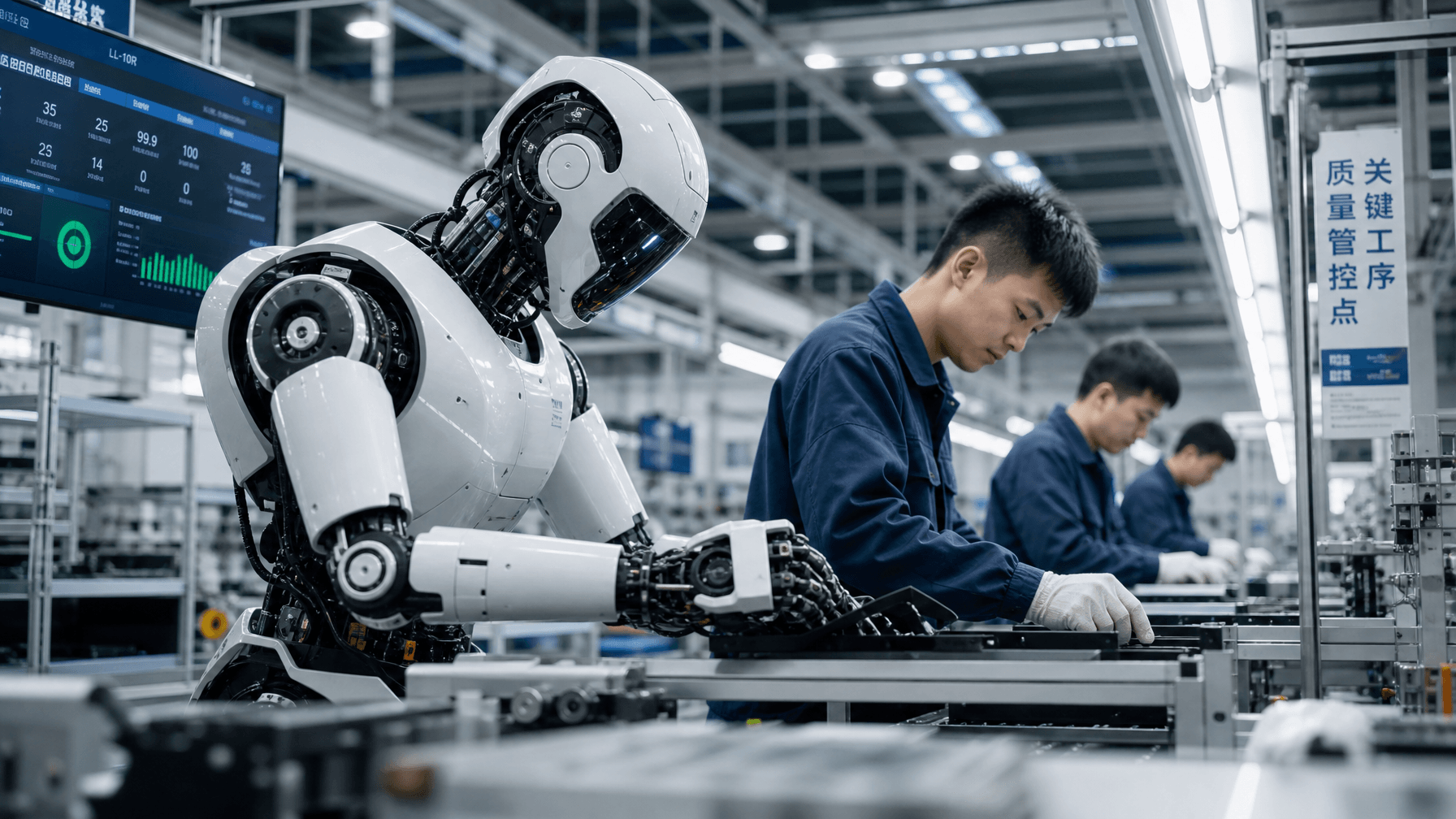
MIIT and SASAC Launch 2026 Humanoid Robot Real-Scene Training Initiative
China's Ministry of Industry and Information Technology (MIIT) and the State-owned Assets Supervision and Administration Commission (SASAC) have announced a comprehensive action plan aimed at deploying humanoid robots across various sectors by 2026. This initiative seeks to implement thousands of humanoid robots in real-world industrial, service, and specialized applications, with a focus on over 100 high-value scenarios. The plan underscores China's commitment to advancing its robotics industry and enhancing automation in key areas, reflecting a strategic move to boost productivity and innovation in the face of evolving market demands. The deployment strategy will involve collaboration between government bodies and private enterprises to ensure effective integration of these technologies into existing workflows.
HumanoidRobotics
RLWRLD and Nvidia launch DexBench to standardize humanoid robot dexterity
RLWRLD, a company specializing in physical AI, has partnered with Nvidia to establish new industry standards for humanoid robot artificial intelligence. This initiative, announced recently, aims to enhance the capabilities of humanoid robots through three key components. The first is DexBench, a universal benchmark designed to assess dexterity performance in robotic systems. The second component focuses on creating a standardized data framework for training robots in dexterous manipulation. Lastly, the collaboration will ensure deep integration with Nvidia's open-source platforms, Isaac Lab and Isaac Lab-Arena, facilitating advanced development and testing of robotic technologies. This initiative is set to advance the field of robotics by providing essential tools and standards for evaluating and improving robot dexterity and functionality.
Computing Software automation news DexBench dexterous manipulation embodied ai
YY Group Launches Training Lab, Deploys Pilot Robotics in Singapore
YY Group Holding Limited, an AI-native workforce management and integrated facility management provider, has announced the launch of its Humanoid Robotics Training Lab as part of its ongoing AI training data strategy. This initiative, which was first introduced on April 22, 2026, aims to enhance the company's capabilities in developing advanced AI solutions. The lab will focus on training humanoid robots to improve efficiency in various operational tasks. The announcement marks a significant step for YY Group as it seeks to solidify its position in the rapidly evolving AI sector across Asia and beyond.
AI AI Use Cases Robotics humanoid robots Singapore training data
Robotic Assistance in Natural Disasters and Human-Caused Crises
The Synergise research and development consortium is conducting its first integrated system field test to evaluate new technological solutions, including robots, drones, sensors, localization systems, wearables, and communication platforms. This test is taking place at a training ground in Botkyrka, Sweden, where the consortium aims to assess the effectiveness of these technologies in realistic operational environments. The initiative is driven by the need to enhance response capabilities for natural disasters and human-made crises, showcasing how advanced technology can aid in emergency situations.
Allgemein Newsarchiv Servicerobotik
FBI, DHS Take On the Challenge of Building Counter-UAS System
Federal security officials, including the FBI and DHS, are actively working to establish new counter-drone protocols aimed at safeguarding high-profile sporting events and critical infrastructure from potential threats posed by drones. This initiative follows a year of comprehensive legislative, legal, and physical preparations to address the risks associated with careless or hostile drone operations. The efforts reflect a growing recognition of the need for enhanced security measures in an era where drone technology is increasingly accessible and potentially dangerous.
defense Drone News Drone News Feeds drone security News Security
Nvidia Announces Partnerships with Doosan, LG Focused on Physical AI, Robotics
Nvidia is enhancing its presence in South Korea by forming strategic partnerships with Doosan Group and LG Group. This initiative aims to advance the development of industrial robots, autonomous equipment, robotics training data, and AI-powered manufacturing systems. The collaborations, announced recently, seek to transcend conventional factory automation by emphasizing the creation of software, simulation, and other innovative technologies. These efforts reflect Nvidia's commitment to driving AI integration in manufacturing processes, positioning the company as a key player in the rapidly evolving industrial landscape of South Korea.
AI AI Funding & Investment Robotics Doosan Group LG Group Partnership
The art(s) of laser weeding demystified: laser expert Matthias Lautenschläger explains
Farmers, growers, and contractors worldwide are increasingly turning their attention to laser weeding, a cutting-edge agricultural technique gaining traction in the industry. This innovative method utilizes high-intensity lasers to target and eliminate weeds without harming crops, offering a sustainable alternative to traditional herbicides. As the agricultural sector grapples with rising temperatures and the challenges posed by climate change, the urgency for effective and environmentally friendly solutions has never been greater. Laser weeding not only reduces the reliance on chemical treatments but also minimizes soil disturbance, promoting healthier ecosystems. The growing interest in this technology is evident as more agricultural professionals seek training and information on its implementation. Demonstrations and workshops are being organized globally, showcasing the efficiency and precision of laser weeding systems. As farmers look for ways to enhance productivity while adhering to sustainable practices, laser weeding stands out as a promising solution that addresses both economic and environmental concerns. With the agricultural landscape evolving rapidly, this method could redefine weed management strategies in the years to come.
Smart farming laser weeding machinery precision agriculture weed control
Milestone: Ascend 910C Completes Full-Parameter Post-Training of 1.6 Trillion Parameter Model, Domestic AI Computing Crosses Key Threshold
Shenzhen Hetao College, in partnership with Harbin Institute of Technology (Shenzhen), the Shenzhen Big Data Research Institute, and Huawei, has announced a significant advancement in domestic artificial intelligence computing. The collaborative effort culminated in the successful completion of a full-stack AI computing platform, marking a pivotal moment for the region's technological landscape. This achievement, revealed on October 15, 2023, in Shenzhen, aims to enhance the capabilities of AI applications across various industries. The initiative is driven by the growing demand for advanced computing solutions and the need to bolster China's position in the global AI arena. By integrating expertise from academia and industry, the consortium has developed a robust system designed to support complex AI tasks, thereby fostering innovation and economic growth in the region.
AI
Interview with Columbia professor and co-founder of SceniX Yunzhu Li: ‘Simulation is central’
The robotics industry is currently experiencing a significant influx of investment and media coverage, driven by ambitious projections regarding the future of humanoid machines. Numerous companies have unveiled plans to produce thousands of robots, leveraging recent advancements in artificial intelligence that have heightened expectations for the integration of general-purpose robots into various environments, including factories, warehouses, workplaces, and homes. This surge in interest reflects a growing belief that robots could soon become a standard presence in everyday life. However, amidst the enthusiasm, there are underlying challenges and considerations that the industry must address to realize these ambitious goals.
Artificial Intelligence Features Robotics ai robotics artificial intelligence automation news
Chinese researchers claim breakthrough in training household robots with AI-generated homes
A team of researchers from Ace Robotics, a start-up supported by a Hong Kong-listed artificial intelligence firm, has announced a significant advancement in the training of robots for real-world home environments. This development addresses a persistent data bottleneck in robotics, potentially speeding up the integration of robots into everyday household settings. The researchers introduced Kairos-HomeWorld, the first unified framework designed to create coherent, accurate, and simulation-ready home environments using simple text prompts. This innovation marks a pivotal step forward in making robotic assistance more accessible and practical for consumers.

1X Launches World Model Lab to Advance Humanoid Robot Autonomy
1X, a Norwegian-American company specializing in humanoid robotics, has unveiled its new facility, the 1X World Model Lab, aimed at advancing artificial intelligence. This initiative is designed to develop large-scale foundation models that will enable robots to better understand, predict, and interact with their environments. The lab's focus is on pretraining these models using essential data from the outset, enhancing the robots' capabilities in various applications. The launch reflects 1X's commitment to pushing the boundaries of robotics and AI technology.
AI AI Funding & Investment AI Research & Advances Robotics Uncategorized 1X
Why Factory Automation Now Depends on Software-Savvy Workers
As automation increasingly integrates into production environments, the demand for workers skilled in managing technology is rising. Traditionally, factory automation was characterized by robotic arms performing repetitive tasks behind safety barriers. However, the evolving landscape now requires employees to navigate complex dashboards, respond to alerts, and make data-driven decisions. This shift reflects a broader trend in which the role of human workers is transforming from manual labor to technological oversight, necessitating a new set of skills to effectively collaborate with advanced machinery. The growing reliance on automation is reshaping the workforce, prompting a need for training and adaptation to ensure that employees can thrive in a more automated future.
Automation Factories Robotics automation news automation workforce cobots
Why robotics can’t advance without physical AI
Recent advancements in robotics are shifting focus from enhancing processors and mechanical designs to improving data quality, particularly through realistic training environments. This emerging field, known as Physical AI, emphasizes the creation of 3D assets and simulation environments that incorporate genuine physical properties. By accurately mimicking real-world behaviors, these simulations aim to enhance the training of robotic systems, enabling them to perform more effectively in various applications. As researchers and developers prioritize realistic data over traditional methods, the potential for breakthroughs in robotic capabilities is becoming increasingly evident. This evolution in robotics is expected to redefine how machines interact with their environments, paving the way for more sophisticated and adaptable technologies.
Artificial Intelligence Robotics ai robotics automation news Autonomous robots digital twins
36Kr Exclusive: Four Key Propositions for ByteDance's AI by 2026
ByteDance is setting ambitious goals for its AI initiatives in 2026, focusing on four key areas. The company aims to enhance world model training, targeting performance levels comparable to Google's leading model, Genie 3, by the end of the year. Additionally, ByteDance plans to maintain its leadership in video models while exploring new avenues like dynamic generation. The company is also committed to strengthening its coding capabilities, emphasizing the importance of data feedback and evaluation to improve agent performance, particularly in office applications. Despite recent advancements, including the launch of Seed 2.0 and Seedance 2.0, ByteDance faces challenges in the world model arena, having entered the field later than competitors. The company established a research group in 2025 to explore visual-language-action models and has since set a clear goal for world model development. However, internal assessments indicate that performance still lags behind global standards by approximately 10%. In parallel, ByteDance is accelerating the commercialization of its Doubao platform, which has seen a surge in daily active users, reaching 200 million. The company plans to introduce paid features and enhance its offerings for professional users, particularly in sectors like finance and law. Doubao's strategy includes differentiating itself in the crowded AI tools market and expanding its presence internationally, with a focus on small language markets. As ByteDance navigates these challenges, it aims to leverage its engineering expertise and data resources to emerge as a leader in the evolving AI landscape.

New app lets anyone operate a robot from their phone
Researchers at Georgia Tech have developed groundbreaking technology that enables individuals without any computing experience to remotely control robots using a smartphone from virtually anywhere in the world. This innovation is poised to transform the landscape of robotic operation and accessibility. Additionally, it will significantly enhance the scale of policy training data collection, which is crucial for advancing robotic capabilities in response to increasing production demands. The development is expected to facilitate broader engagement with robotics, making it more user-friendly and efficient for various applications.
Consumer & Gadgets
Scientists show predictable training can outperform complex robot learning data
Researchers are making significant strides in developing robots capable of manipulating objects with human-like dexterity, a challenge that has long posed difficulties in the field of robotics. This advancement is crucial as it could enhance the ability of robots to perform complex tasks in various settings, including homes, hospitals, and manufacturing plants. The ongoing work, which has gained momentum in recent months, is taking place in laboratories across the globe, where teams are experimenting with advanced algorithms and machine learning techniques. The motivation behind this research stems from the increasing demand for robots that can assist in everyday tasks, improve efficiency in industrial processes, and provide support in healthcare environments. By mimicking the intricate movements of the human hand, researchers aim to create robots that can handle delicate objects and perform tasks that require precision and adaptability. To achieve this, scientists are employing a combination of innovative hardware designs and sophisticated software programming. They are utilizing sensors and artificial intelligence to enable robots to learn from their interactions with various objects, refining their skills over time. This iterative learning process is essential for developing robots that can operate effectively in unpredictable environments. As the field progresses, the implications of these advancements could revolutionize how robots are integrated into daily life, making them more versatile and capable of performing a wider range of functions. The ongoing research highlights the potential for robots to not only assist but also enhance human capabilities in numerous domains.

The biggest industry, training hurdles for making drone wingman a reality
In a recent video, experts examined the evolving dynamics of manned-unmanned teaming in military operations, highlighting anticipated shifts for defense manufacturers as the United States increasingly integrates drones into combat scenarios. This analysis comes at a pivotal moment when the U.S. military is actively seeking to enhance its operational capabilities through advanced drone technology. The discussion focuses on how these partnerships between manned aircraft and unmanned systems could reshape defense strategies and manufacturing processes. As the demand for sophisticated drone capabilities grows, manufacturers will need to adapt to new technological requirements and operational frameworks to remain competitive in the defense sector. The insights shared in the video underscore the importance of innovation and collaboration in modern warfare, reflecting a broader trend towards automation and enhanced aerial support in military engagements.
Air Warfare Naval Warfare Pentagon Air Force collaborative combat aircraft Drones
Cubic wins Italian Army SIM 2.0 live training modernisation contract
Cubic Defense has been awarded a contract by the Italian Army to enhance its live training capabilities and implement data-driven methodologies throughout its operations. This initiative aims to modernize the army's training processes, ensuring that personnel are equipped with advanced skills and knowledge. The contract reflects a growing trend among military forces to leverage technology and data analytics to improve training effectiveness and operational readiness. The collaboration is expected to take place over the coming months, with Cubic Defense providing innovative solutions tailored to the specific needs of the Italian Army.
News
Locus Robotics expands European headquarters with new automation demo and customer hub
Locus Robotics, a leader in warehouse automation technologies, is advancing its European expansion by relocating its headquarters to Logistics Campus Aalsmeer. This strategic move, announced recently, aims to accommodate the company's growing operations in Europe by providing a larger space for its teams. The new facility will enhance capabilities for warehouse operations, customer demonstrations, solution training, and partner engagement, as well as support the regional lifecycle of its robotic systems. This relocation underscores Locus Robotics' commitment to strengthening its presence in the European market and meeting the increasing demand for automation solutions in logistics.
News Warehouse robots amrs automation news autonomous mobile robots distribution centers
World’s first two-seat Gripen F jet can coordinate drone swarms for added lethality
Saab, the Swedish aerospace and defense company, has unveiled the world's first Gripen F fighter jet during a ceremony held at its facility in Linköping. This significant event took place recently, marking a milestone in the development of advanced military aircraft. The Gripen F, a twin-seat variant of the Gripen E, is designed to enhance operational capabilities and provide advanced training for pilots. Saab's decision to develop this model stems from the increasing demand for versatile and efficient fighter jets in modern air forces. The rollout of the Gripen F is expected to strengthen Sweden's defense capabilities and contribute to international military partnerships. The aircraft features cutting-edge technology and improved performance, positioning it as a competitive option in the global defense market.

FBI, Atlanta PD Stress Need for ‘No-Drone Zone’ Compliance
Federal, state, and local officials, including the FBI and the Atlanta Police Department, are emphasizing the importance of adhering to 'No-Drone Zone' regulations to safeguard high-profile sporting events and critical infrastructure from potential threats posed by drones. This initiative comes as part of ongoing efforts to establish new counter-unmanned aerial systems (UAS) protocols across the United States. The push for compliance is particularly relevant as the nation prepares for major events where the risk of drone interference could compromise safety and security. Authorities are actively working to educate the public on these regulations and the potential dangers of unauthorized drone flights, highlighting the need for vigilance and cooperation to ensure the protection of both attendees and facilities.
Drone News Drone News Feeds News Policy Public Safety safety and security
Festo launches lightweight pneumatic gripper and tests GripperAI
Festo has introduced a new compact cobot gripper designed to enhance automation capabilities in various industries. This innovative gripper is notable for its lightweight pneumatic design, making it suitable for collaborative robots (cobots). In conjunction with the gripper, Festo has also unveiled GripperAI, a robot-agnostic technology that allows for the grasping of objects without the need for prior training. This advancement aims to streamline the integration of robotic systems in manufacturing and logistics, addressing the growing demand for flexible automation solutions. The launch of these products reflects Festo's commitment to advancing robotics technology and improving operational efficiency across sectors.
Artificial Intelligence Artificial Intelligence / Cognition Cobot Arms Collaborative Robots Controllers End Effectors / Grippers
Microsoft unveils AI-focused mini PC "Surface RTX Spark Dev Box" featuring NVIDIA SoC.
At the recent Build 2026 conference, Microsoft unveiled its new AI-focused desktop PC, the Surface RTX Spark Dev Box. This powerful machine is equipped with NVIDIA's RTX Spark technology, delivering an impressive computational performance of up to 1 petaflop and featuring 128GB of memory. These specifications enable local inference and training of models with over 120 billion parameters. Additionally, the device comes pre-installed with a variety of development tools, catering to the needs of developers working in artificial intelligence and machine learning.

NVIDIA Research Unlocks Advanced Grasping, Smarter Autonomous Driving and Agent Training at Scale
Researchers are exploring advancements in robotics, focusing on the versatility of robot grippers and the safety of autonomous vehicle systems. The study highlights that the true utility of a robot gripper lies not only in its ability to grasp a single object but also in its capacity to adapt and handle various unfamiliar items consecutively. Similarly, the effectiveness of autonomous vehicles is assessed not just on their reasoning capabilities but on their overall safety in diverse driving conditions. This research, conducted by a team of engineers and computer scientists, aims to enhance the functionality of robotic systems and improve public trust in autonomous technology. The findings, which are expected to influence future designs and applications, were presented at a technology conference in early October 2023. By integrating advanced algorithms and machine learning techniques, the team is developing systems that can learn from experience, thereby increasing their efficiency and reliability in real-world scenarios.
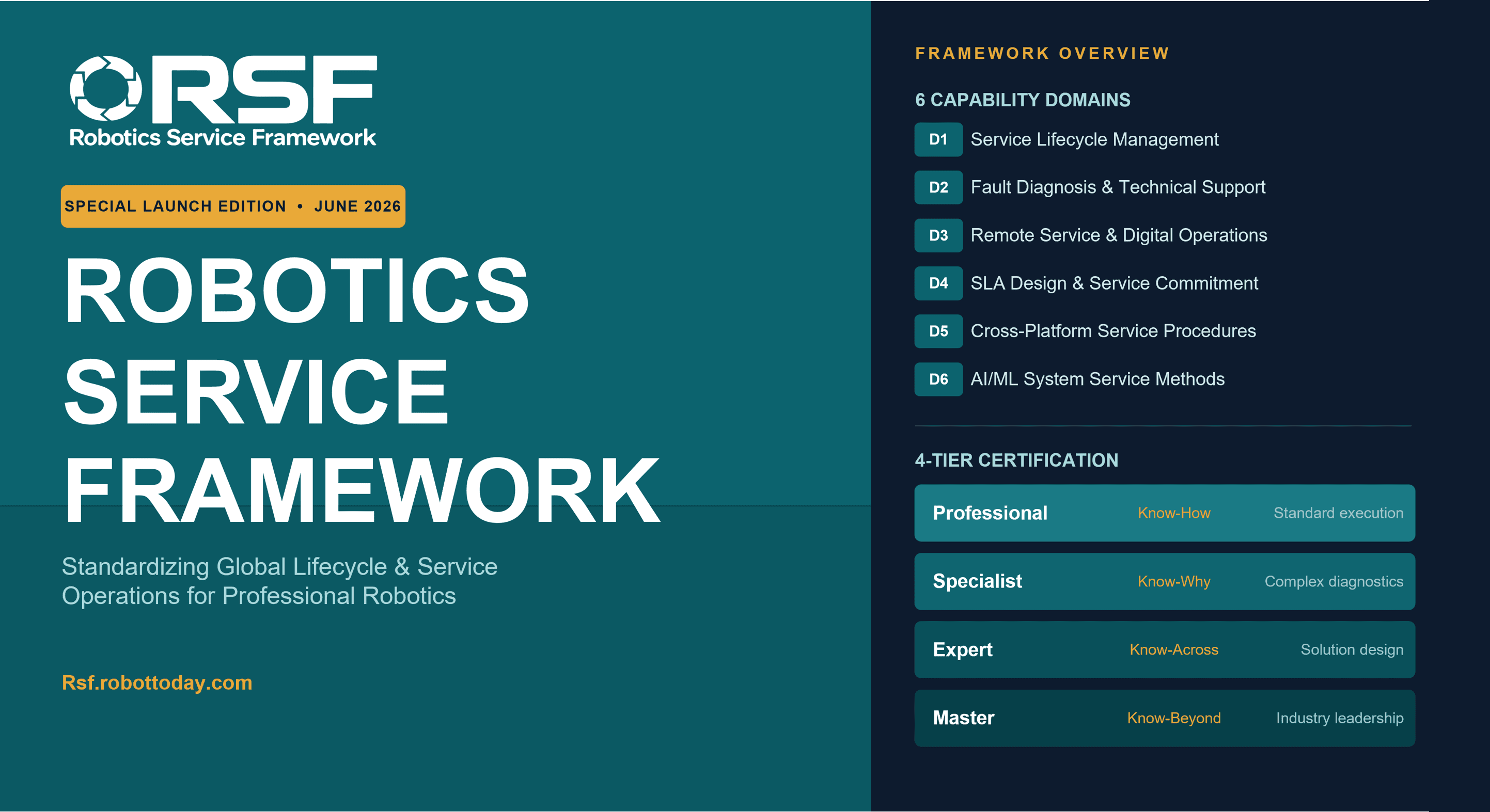
Robotics needs a service framework.
RSF defines a common language for robot service capability, lifecycle operations, certification pathways, and service-provider networks.