

Industry Briefing
A single destination for timely, editor-curated robotics news from around the world.

Leidos Secures $127 Million Contract Extension for US Army's ARTEMIS ISR Operations
Leidos has received a contract extension from the US Army to maintain operations of the Airborne Reconnaissance and Targeting Exploitation Multi-Mission Intelligence System (ARTEMIS) throughout Europe. This contract extension is significant as it underscores the ongoing commitment of the US Army to enhance its intelligence, surveillance, and reconnaissance capabilities in Europe through advanced systems like ARTEMIS. Looking ahead, it will be important to monitor how this extension impacts the operational effectiveness of the US Army's ISR missions and any potential future developments related to the ARTEMIS system. No further timeline was disclosed at the time of publication.
News
Simbe Achieves Milestone with Over 3,000 Retail Robots Under Contract
Simbe Robotics has announced that it has surpassed 3,000 autonomous robots under contract, expanding its technology beyond shelf-scanning capabilities. The company’s system integrates autonomous robots, computer vision, RFID, handheld devices, and fixed sensors to monitor various aspects of retail operations, including inventory and pricing. This achievement is significant as it positions Simbe as a leader in the commercial deployment of shelf-intelligence technology, utilized by over 75 retail banners across nearly a dozen countries. More than 90% of store managers using the Tally robot report improvements in their job performance, highlighting the effectiveness of the technology in enhancing retail operations. Looking ahead, Simbe plans to further develop its platform to support more automated store operations, leveraging the data collected from its existing deployments. No further timeline was disclosed at the time of publication.
AI AI Funding & Investment AI Use Cases Robotics autonomous computer vision
Overland AI Secures $20 Million Contract with US Army for Autonomous Breaching Systems Development
Overland AI has been awarded a $20 million contract by the U.S. Army to develop autonomous ground systems aimed at breaching battlefield obstacles. This initiative, part of the Engineer Autonomous Breaching Capability (EABC), will integrate Overland AI's OverDrive autonomy software with various ground vehicles and mission payloads, enabling a single operator to manage multiple robotic platforms during breaching missions. The significance of this contract lies in its potential to enhance operational safety by reducing the number of combat engineers exposed to hazardous environments during breaching operations. Overland AI's approach, which builds on over 25 government demonstrations with agencies like DARPA and the U.S. Army, aims to modernize battlefield operations through the use of autonomous systems. Looking ahead, the development of the breaching technology will involve collaboration with partners and subcontractors, as well as continued testing with combat engineer units. No further timeline was disclosed at the time of publication.
AI AI Funding & Investment Robotics Autonomous Ground Systems autonomous ground vehicles contract
Research Team Develops MOFU Robot with Whole-Body Expansion and Contraction Features
A research team led by Associate Professor Yoshihiro Nakata and Taisei Mogi from The University of Electro-Communications, along with Mari Saito from Sony Corporation, has created MOFU, a mobile robot that can expand and contract its entire body. This innovative design aims to enhance the perceived animacy of the robot, making it appear more lifelike. The significance of this development lies in its potential to improve human-robot interaction by increasing the robot's lifelike qualities. The study explored how the whole-body movement of expansion and contraction influences the perception of animacy, which is crucial for applications in robotics where social interaction is essential. Looking ahead, the research team's findings, published in PLOS ONE, may pave the way for further advancements in robot design and functionality. No further timeline was disclosed at the time of publication.
Robotics
Teledyne Webb Research Secures U.S. Navy Contract for APEX Profiling Floats
Teledyne Webb Research has been awarded a contract by the U.S. Navy for the provision of APEX profiling floats. This contract highlights the Navy's commitment to enhancing oceanographic research capabilities through advanced technology. The APEX profiling floats are designed to collect critical ocean data, which is essential for various applications, including climate monitoring and naval operations. This contract signifies a strategic partnership aimed at improving the Navy's operational effectiveness and scientific understanding of ocean dynamics. Looking ahead, the deployment of these profiling floats is expected to play a crucial role in ongoing oceanographic studies. No further timeline was disclosed at the time of publication.
teledyne webb research contract award u.s. navy apex profiling floats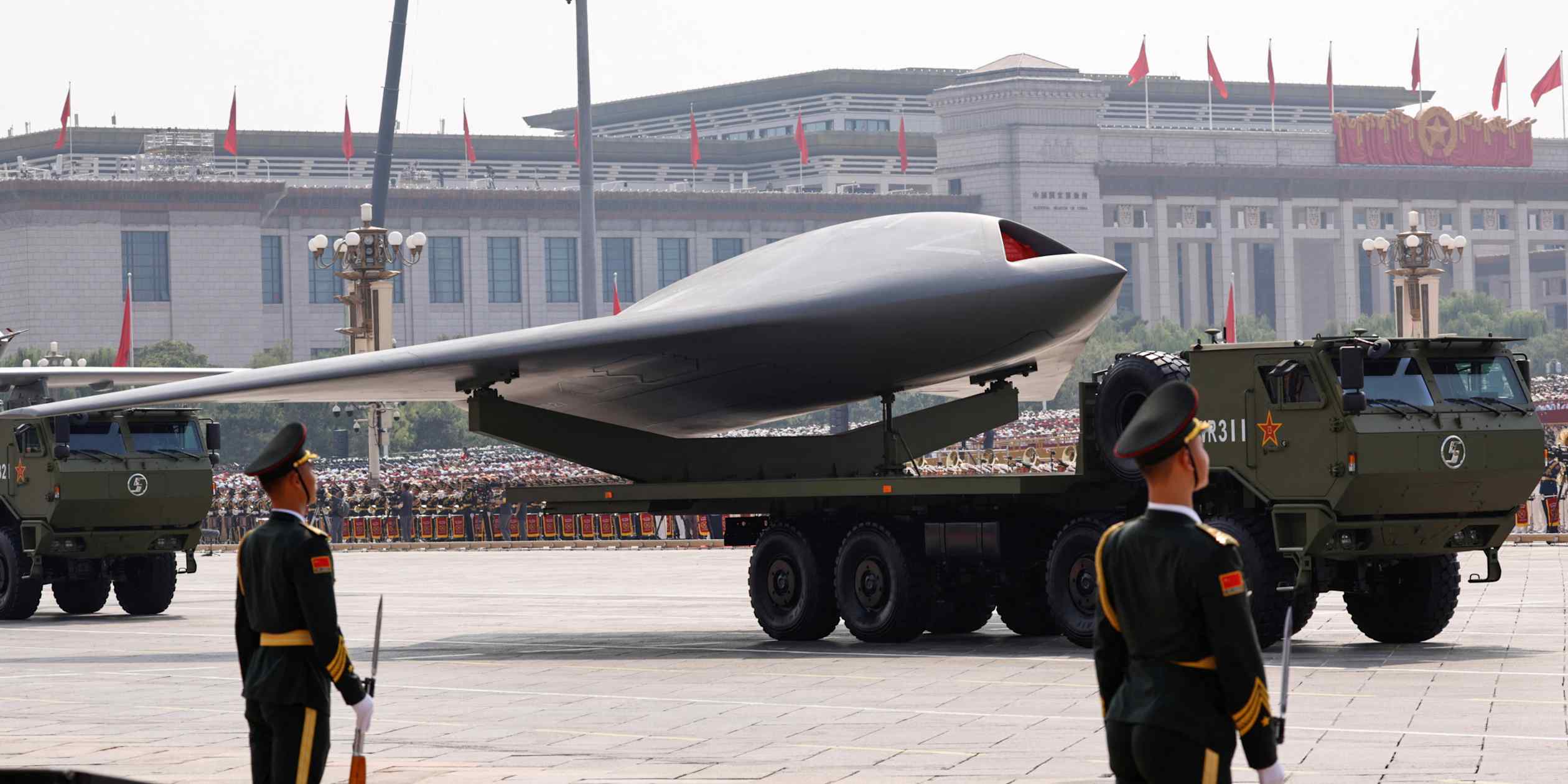
Taiwan's Aerospace Contractor Develops Countermeasures Against China's Drone Advancements
Taiwan's leading aerospace contractor is shifting focus from traditional aircraft manufacturing to developing counter-drone systems. This strategic move comes in response to the increasing capabilities of China's unmanned aircraft systems (UAS), as emphasized by an executive from the company, who highlighted the urgent need for a counter-UAS system. The significance of this development lies in Taiwan's heightened concerns regarding China's aggressive drone development. The shift towards counter-drone technology reflects Taiwan's proactive approach to enhancing its defense capabilities amid rising tensions in the region. The need for a dedicated, low-cost shield against potential threats underscores the urgency of this initiative. Looking ahead, it will be crucial to monitor Taiwan's advancements in counter-drone systems and how these developments may influence regional security dynamics. No further timeline was disclosed at the time of publication.

Army Grants $465M Contract to AeroVironment for First High-Energy Laser Production
The Army has awarded AeroVironment (AV) a $464.8 million contract for the Enduring-High Energy Laser (E-HEL) program, marking the first production contract for a high-energy laser weapon. This program aims to enhance the Army's capabilities to counter unmanned systems effectively, as stated by Gen. Christopher LaNeve, the acting chief of staff. The contract will enable the delivery of AV's LOCUST X3 laser counter-drone systems, which are designed to operate in various combat environments. This contract is significant as it introduces production-directed energy systems for the first time in U.S. history, according to AV's vice president of directed-energy systems, John Garrity. The E-HEL system, powered by electric energy, is capable of defeating drones at a lower cost compared to traditional kinetic weapons. AV is expected to deliver initial capabilities within the year and scale production significantly in the coming months. Looking ahead, the Army plans to deploy dozens of LOCUST X3 systems across combatant commands globally. The system is designed to counter drone threats, including those from Group 3 drones weighing up to 1,320 pounds. No further timeline was disclosed at the time of publication.
Land Warfare Aerovironment Army Counter UAS cUAS directed energy Drones
Boeing, U.S. Steel, and Deere Engage in Labor Union Contract Negotiations
Boeing, U.S. Steel, Cleveland-Cliffs, and Deere are currently involved in labor union negotiations to address workers' demands and avert potential strikes. Boeing's Society of Professional Engineering Employees in Aerospace plans to resume discussions on September 8 after workers rejected a four-year contract offer and authorized a strike across five states. The negotiations are critical as they involve over 17,000 Boeing aerospace engineers and technical workers, who are advocating for significant wage increases, annual cost-of-living adjustments, and enhanced 401(k) contributions. The rejection of Boeing's previous offers underscores the urgency for both parties to rebuild trust and address employee priorities before the contracts expire on October 6. Additionally, the United Steelworkers union has extended labor contracts with Cleveland-Cliffs and U.S. Steel by 30 days, allowing ongoing negotiations for wages and job security. This extension is vital for tens of thousands of steel workers, emphasizing the union's commitment to securing strong agreements that support family-sustaining jobs in the steel industry.
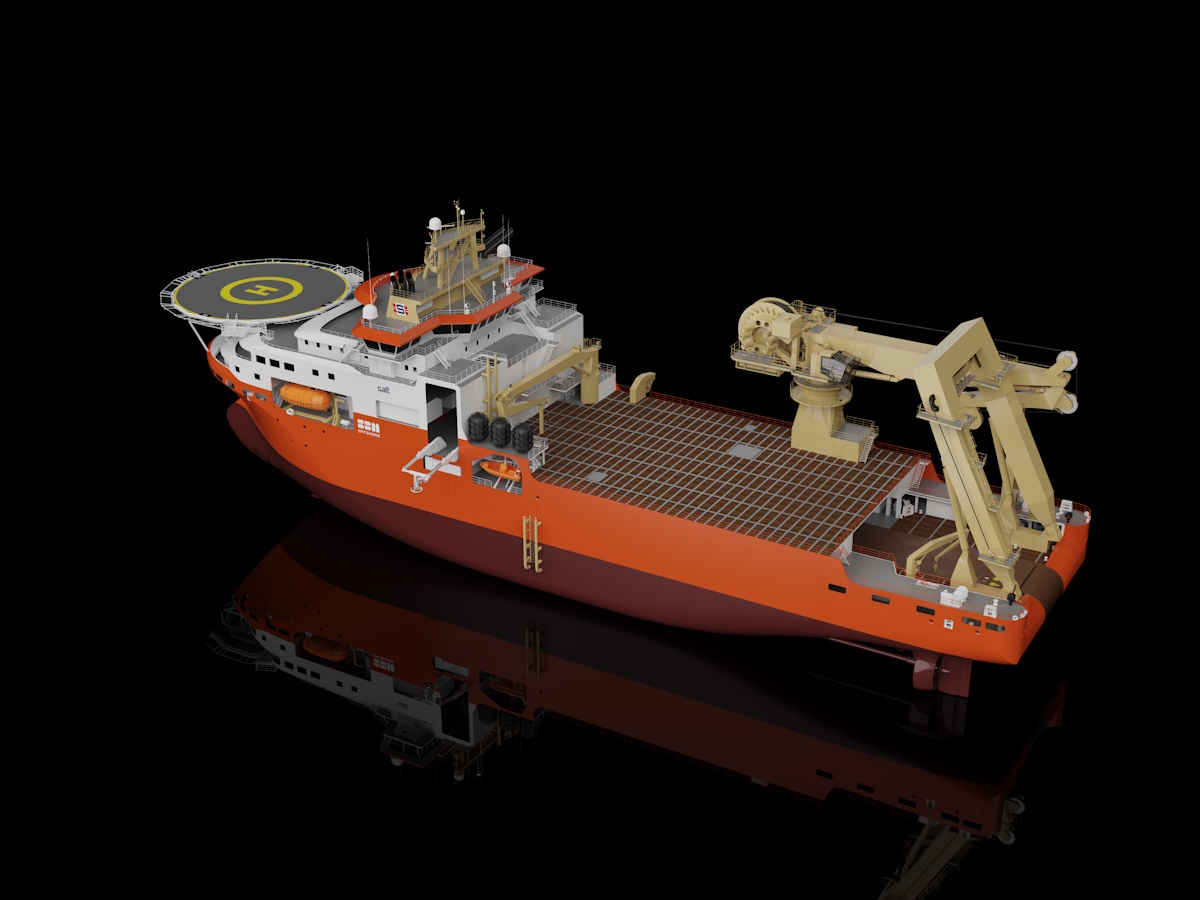
Kongsberg Maritime Wins Contract for Advanced Systems on New Vessel from Solstad/SBM Offshore
Kongsberg Maritime has secured a contract to provide advanced systems for a new vessel being developed by Solstad and SBM Offshore. This collaboration highlights Kongsberg's commitment to enhancing maritime technology and operational efficiency. The contract is significant as it underscores the growing demand for advanced maritime systems that improve safety and performance in offshore operations. Kongsberg's expertise in this area positions it as a key player in the maritime industry, particularly in the context of increasing competition and technological advancements. Looking ahead, industry stakeholders should monitor the implementation of these advanced systems and their impact on operational capabilities. No further timeline was disclosed at the time of publication.
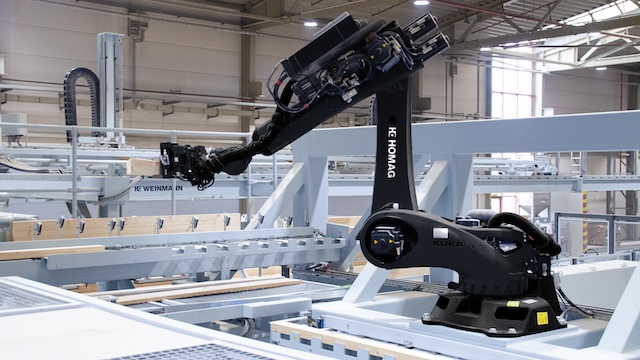
Sigma Advanced Systems Wins $170 Million Aeroengine Contract with Rolls-Royce
Sigma Advanced Systems, an Indian defense and aerospace firm, has secured a long-term contract valued at approximately $170 million with Rolls-Royce. This contract marks a significant milestone for Sigma as it continues to expand its footprint in the aerospace sector. The partnership with Rolls-Royce is crucial for Sigma, as it underscores the company's growing capabilities in aerospace engineering and manufacturing. This contract not only enhances Sigma's portfolio but also strengthens its position in the competitive aerospace market. Looking ahead, industry observers will be keen to see how this contract impacts Sigma's operations and growth trajectory. No further timeline was disclosed at the time of publication.
News
AEVEX Aerospace Secures $41 Million Contract for One-Way Attack Drones
AEVEX Aerospace has secured a significant $41 million contract to provide one-way attack uncrewed systems to US government clients. This contract highlights AEVEX's role in advancing military drone technology and its commitment to supporting defense operations. The importance of this contract lies in the growing demand for innovative unmanned systems in military applications. One-way attack drones are becoming increasingly vital for modern warfare, offering strategic advantages in various combat scenarios. AEVEX's expertise in this field positions it as a key player in the defense sector. Looking ahead, industry observers will be keen to monitor AEVEX's progress in fulfilling this contract and any potential future contracts that may arise from the increasing focus on unmanned aerial systems. No further timeline was disclosed at the time of publication.
News
Why Contractors in Saskatchewan Favor Steel Structures for Commercial Projects
Contractors in Saskatchewan are increasingly opting for steel structures in their commercial projects due to the challenges posed by harsh weather conditions. These metal buildings offer the durability and flexibility needed to maintain project schedules and meet client expectations, especially during severe seasonal climate changes. The preference for steel buildings is significant as they provide reliable strength, which is crucial for contractors facing heavy snowfall and strong prairie winds. This reliability not only enhances contractor confidence but also fosters positive reputations among property owners, who appreciate the protection these structures offer for their assets. Looking ahead, the trend towards steel structures is expected to continue as contractors seek to streamline construction phases and improve project organization. The use of prefabricated components is likely to remain a key factor in reducing site confusion and enhancing workflow efficiency, ultimately benefiting both contractors and clients alike. No further timeline was disclosed at the time of publication.
Construction Design Engineering Materials agricultural buildings building materials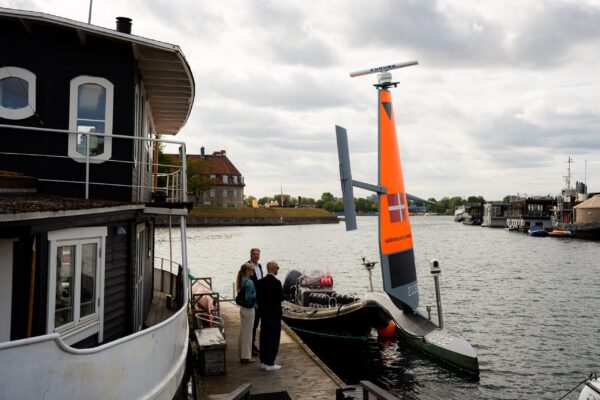
Saildrone Expands European Operations with New Copenhagen HQ and Three Build Contracts
Saildrone has announced a significant expansion in Europe, establishing its new headquarters in Copenhagen and securing three build contracts across Northern Europe. This expansion, revealed on August 18, 2026, includes partnerships with Van Der Valk Shipyard in the Netherlands for the construction of the first European-produced 52-meter Saildrone Spectre, Umoe Mandal in Norway for the next-generation Surveyor, and Southern Spars in Poland for the production of wings. This move is crucial for Saildrone as it aims to enhance its presence in the European market, targeting unmanned surface vehicles (USVs) for local customers. The new headquarters, located at the historic Quintus Bastion, will support business development, maintenance, and piloting activities across Europe. Richard Jenkins, Saildrone's founder and CEO, emphasized the importance of these projects in reinforcing the company's commitment to European operations. Looking ahead, Saildrone's participation in DALO Industry Days on August 19-20, 2026, will be an opportunity to showcase its capabilities and foster partnerships within the region. No further timeline was disclosed at the time of publication.
Drone News Drone News Feeds News ocean Oceans seadrones
Parsons Secures $70 Million Contract for US Air Force Base Support in Europe and Africa
Parsons has been awarded a task order valued at $70 million to support air base defense systems for the US Air Forces in Europe and the Air Forces Africa region. This contract underscores Parsons' commitment to enhancing military infrastructure and security in critical regions. The significance of this contract lies in its potential to bolster defense capabilities across European and African bases, ensuring that the US Air Force can maintain operational readiness in these strategic areas. By providing advanced support for air base defense systems, Parsons plays a crucial role in safeguarding military assets and personnel. Looking ahead, it will be important to monitor how Parsons implements this contract and the impact it has on air base security in Europe and Africa. No further timeline was disclosed at the time of publication.
News
Collins Aerospace Secures Up to $472 Million Contract for Chinook Avionics Services
Collins Aerospace has been awarded a contract by the US Army, potentially worth up to $472 million, to provide engineering services for the CH-47 Chinook fleet. This contract highlights the ongoing commitment to enhance the capabilities of the Chinook helicopters. The significance of this contract lies in its potential to improve the avionics systems of the Chinook fleet, ensuring that these helicopters remain effective and reliable for military operations. Upgrading the avionics is crucial for maintaining operational readiness and adapting to modern technological advancements. Looking ahead, industry stakeholders will be monitoring the progress of the avionics upgrades and their impact on the performance of the Chinook helicopters. No further timeline was disclosed at the time of publication.
News
Army Grants Prototype Contracts to Six Companies for Last Tactical Mile Program
The U.S. Army has awarded prototype contracts to six companies as part of its Last Tactical Mile program. The companies selected include Maren-Go, Overland AI, Forterra, Hendrick’s Motorsports, American Rheinmetall, and HDT, as reported in a service release. This initiative is significant as it aims to enhance the Army's capabilities in delivering supplies and equipment to troops in the final stages of their missions. The involvement of diverse companies indicates a strategic approach to leverage innovative solutions in military logistics. Looking ahead, it will be important to monitor the progress of these prototypes and their potential impact on military operations. No further timeline was disclosed at the time of publication.
Land Warfare American Rheinmetall Vehicles Army autonomy Drones Forterra
Epirus Wins $11 Million Contract for HAVOC C-UAS with Marine Corps
The Marine Corps has awarded an $11 million contract to Epirus for its High-power Microwave Autonomous Vehicle Operational Capability (HAVOC) system, designed to counter unmanned aircraft. This system will be installed on ground vehicles and includes training, service, and sustainment support. This contract underscores the Marine Corps' focus on deploying integrated, software-defined systems to address the evolving drone threat. Epirus CEO Andy Lowery emphasized the importance of the HAVOC system in enhancing the Marines' capabilities for low-collateral protection of critical assets. Looking ahead, the HAVOC system represents an upgraded version of the previously delivered ExDECS system, aimed at improving Low Altitude Air Defense formations. No further timeline was disclosed at the time of publication.
Land Warfare Naval Warfare Army Drones electronic warfare Epirus
Fugro Secures Three-Year Deepwater ROV Contract for Offshore Energy in India
Fugro Survey India Pvt. Ltd. has been awarded a three-year contract by Vantage International Management Company to provide ROV-based deepwater drill support services for ONGC’s offshore drilling operations in India. This contract involves supporting drilling activities at depths of up to 3,000 meters using the Platinum Explorer drill ship. The significance of this contract lies in its contribution to ONGC’s deepwater exploration program, which aims to enhance India’s energy security and boost domestic oil and gas production. Fugro will deliver comprehensive subsea ROV support, including installation, intervention, and monitoring services, ensuring safe and efficient drilling operations throughout the project. Looking ahead, the deployment of Fugro’s FCV3000 ROV system is expected to provide reliable support in challenging deepwater environments. No further timeline was disclosed at the time of publication.
fugro contract award deepwater rov contract offshore energy
HEBI Robotics Secures NASA Contract to Create Compact Actuators for Small Satellites
HEBI Robotics has received a Phase I contract from NASA’s Small Business Innovation Research program to develop compact robotic actuators for small satellites. This initiative aims to design miniature actuators capable of generating significant force while fitting within the constraints of spacecraft, particularly CubeSats, where space and weight are critical factors. The significance of this project lies in its potential to address the limitations of existing robotic hardware, which is often too large or lacks the necessary flexibility for advanced operations. As the commercial space industry grows, there is an increasing demand for affordable and reliable robotic systems that can perform effectively in harsh environments, as highlighted by HEBI Robotics’ director of hardware, Andrew Willig. Looking ahead, the contract, funded through NASA’s SBIR Ignite program, will extend through December 2026. HEBI Robotics plans to explore various motor and gearbox designs to create a compact actuator suitable for space missions, while also considering applications in industrial and field robotics, leveraging technology that can withstand extreme conditions.
Components News Space actuators aerospace commercial space
ChapsVision Secures Contract with French Spy Agency, Aims for European Leadership
ChapsVision has successfully secured a contract with a French intelligence agency, positioning itself as a competitor to Palantir. This move is part of ChapsVision's strategy to establish itself as a leading player in the European market for intelligence solutions. The significance of this contract lies in ChapsVision's ambition to become a 'European champion' in the field of data analytics and intelligence. By winning this contract, the company not only enhances its credibility but also strengthens its foothold in a market dominated by established players like Palantir. Looking ahead, industry observers will be keen to see how ChapsVision leverages this contract to expand its influence in Europe. No further timeline was disclosed at the time of publication.
Qarbon Aerospace Secures Contract for F-22 Composite Structures Sustainment
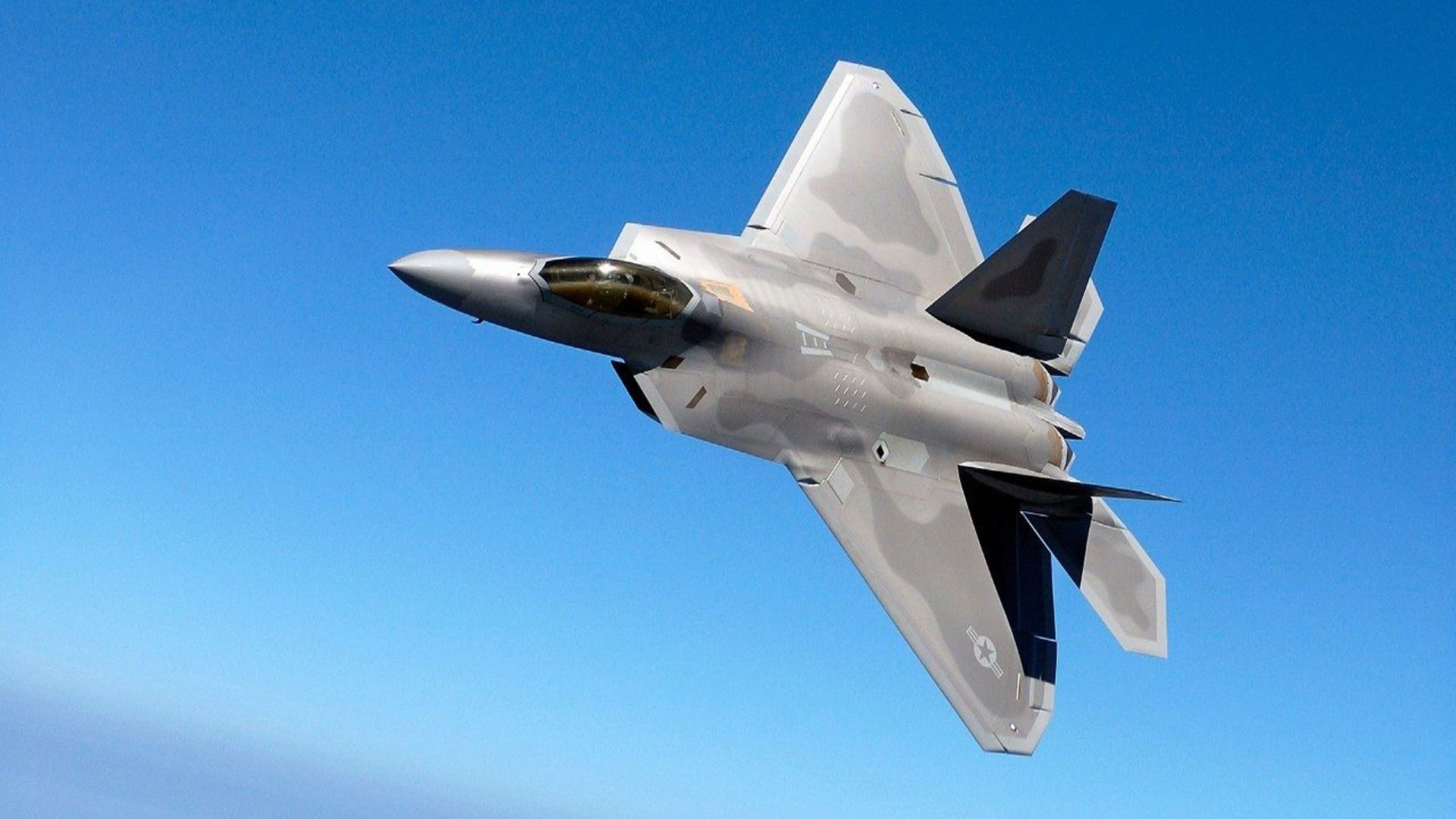
Qarbon Aerospace, based in Texas, has been awarded a contract to produce composite structures for the sustainment of the F-22 fleet, which currently consists of approximately 183 airframes. This contract builds on Qarbon's previous contributions to the F-22 program, including the production of horizontal stabilizers during its development in the early 2000s. The significance of this contract lies in the F-22's reliance on carbon-fiber-reinforced polymer structures, which constitute 25 percent of the aircraft's airframe by weight. Maintaining production capabilities for these composite parts is crucial for the U.S. Air Force, especially given the complexities involved in sustaining composite structures on a mature military platform like the F-22, which has over 350 composite parts. Looking ahead, the contract enhances Qarbon's defense aerostructures portfolio and underscores the importance of reliable suppliers for the F-22 program. No further timeline was disclosed at the time of publication, but the ongoing need for composite parts will be critical for the aircraft's operational readiness and performance in the future.
Military
Palladyne AI Secures Additional $2.9 Million from U.S. Air Force for STRATFI Contract
Palladyne AI has announced that the U.S. Air Force has exercised an option on its STRATFI contract, adding $2.9 million in funding. This brings the total contract value to over $10.6 million, indicating the Air Force's satisfaction with Palladyne IQ™ embodied AI architecture for autonomous robotic systems. The additional funding underscores the U.S. Air Force's confidence in Palladyne AI's capabilities in delivering advanced autonomous solutions. Palladyne AI specializes in embodied AI-powered collaborative autonomy, advanced avionics, and UAVs, making it a key player in defense and industrial technology sectors. Looking ahead, the continued investment in Palladyne AI's technologies suggests a growing demand for autonomous robotic systems within military applications. No further timeline was disclosed at the time of publication.
Fugro Secures Contract for Offshore Survey of Greater Sunrise and Bayu Undan in Timor-Leste
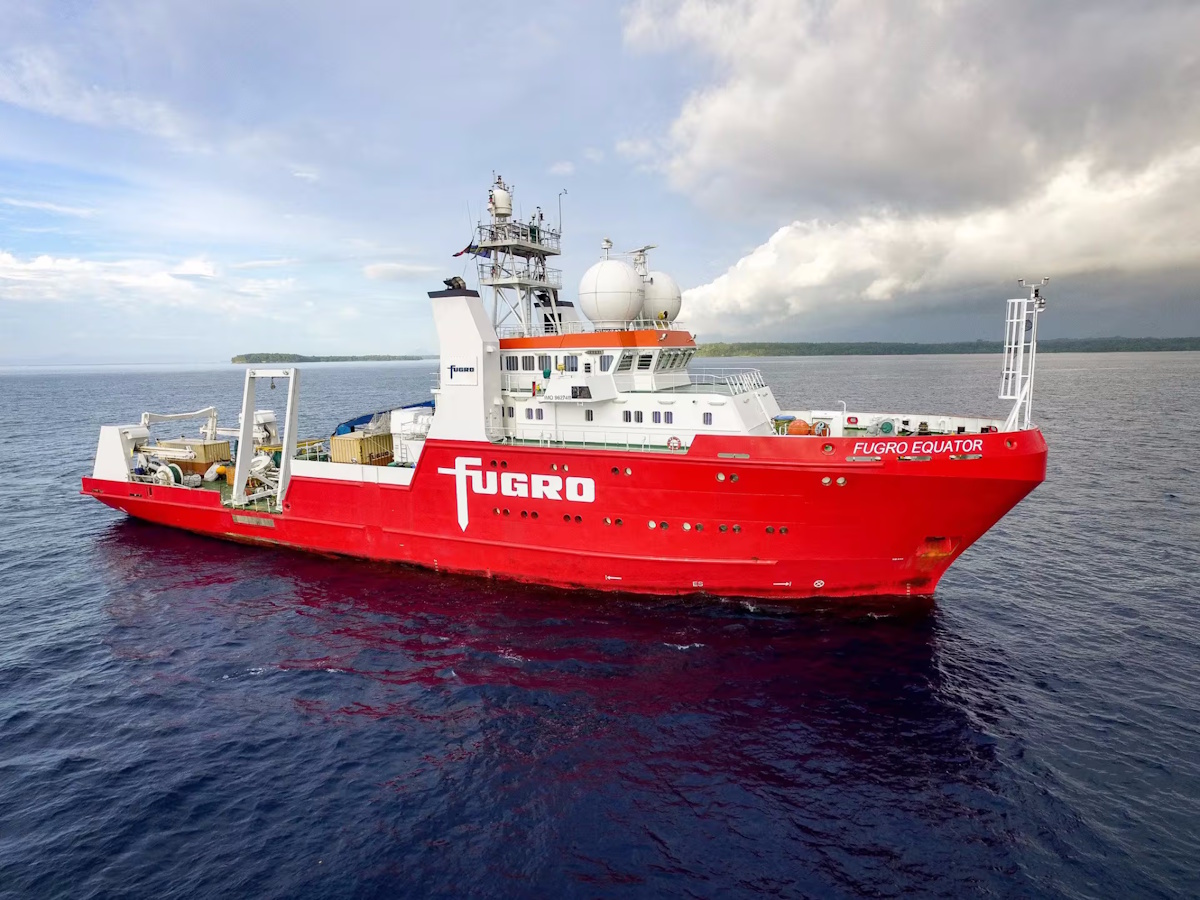
Fugro has signed a contract to conduct a comprehensive offshore survey programme for the Greater Sunrise and Bayu Undan projects in Timor-Leste. This initiative aims to support the planning and development of essential offshore energy infrastructure, which is crucial for the country's energy ambitions. The survey will involve extensive geophysical, seismic, and autonomous underwater vehicle (AUV) surveys in deepwater areas exceeding 3,000 meters. The data collected will provide vital seabed intelligence and geotechnical insights necessary for pipeline routing, engineering design, and geohazard assessment, ensuring safe offshore operations. Mobilization and planning are set to begin in the third quarter of 2026, with offshore operations expected to start in the fourth quarter and last approximately three months. This project reinforces Fugro's leadership in marine site characterization and offshore survey services in the Asia Pacific region, as noted by Safri Drahman, APAC Regional Business Line Director at Fugro.
fugro contract greater sunrise bayu undan pipeline survey programme
UK Ministry of Defence Awards £3.16m Contracts for Low-Cost Drone Interceptors
The UK Ministry of Defence has allocated £3.16 million in contracts to three British SMEs for the development and testing of new low-cost drone interceptors. This initiative aims to enhance the UK's capabilities in countering drone threats effectively and affordably. The significance of this funding lies in its potential to bolster national security by enabling rapid development of innovative solutions to address emerging aerial threats. By engaging SMEs, the MoD is fostering a competitive environment that encourages technological advancements in drone interception. Looking ahead, the success of these trials could lead to further investments in drone defense technologies. No further timeline was disclosed at the time of publication.
News
Uplift360 Secures Multi-Year Contract with Luxembourg for High-Performance Materials Supply
Uplift360 has signed a multi-year framework agreement with the Directorate of Defence (DOD) in Luxembourg. This contract aims to enhance the supply of high-performance materials specifically for defence and aerospace applications across Europe. The agreement marks a significant step in bolstering the region's capabilities in advanced materials procurement. The importance of this contract lies in its potential to strengthen Europe's supply chain for critical materials used in defence and aerospace sectors. By partnering with Uplift360, Luxembourg aims to ensure a reliable source of high-performance materials, which are essential for the development and manufacturing of advanced technologies in these industries. This move reflects a growing emphasis on securing local supply chains amid global uncertainties. Looking ahead, stakeholders will be monitoring the implementation of this agreement and its impact on the supply chain dynamics within Europe. No further timeline was disclosed at the time of publication, but the contract is expected to play a pivotal role in enhancing material availability for defence and aerospace projects in the region.
News
Asylon secures Phase Three contract for MARIA aircraft inspection system development
Asylon has been awarded a Phase Three contract by the Warner Robins Air Logistics Complex (WR-ALC) to advance its Multi-modal Autonomous Robotics for Inspection of Aircraft (MARIA) system. This contract focuses on further development, integration, and demonstration of the MARIA technology at the WR-ALC facility, enhancing aircraft inspection processes. The significance of this contract lies in the increasing demand for automation in aircraft maintenance and inspection. Asylon's MARIA system aims to improve efficiency and accuracy in inspections, which is crucial for maintaining operational readiness in military and commercial aviation sectors. The integration of autonomous robotics is expected to streamline workflows and reduce human error. Looking ahead, stakeholders will be monitoring the progress of the MARIA system's development and its subsequent demonstration at WR-ALC. No further timeline was disclosed at the time of publication, but successful implementation could set a precedent for similar technologies in the aerospace industry.
News
SpaceX's Starmind Targets AI Labs with $6.3 Billion Compute Contracts
SpaceX's Starmind is designed to provide wholesale AI compute services to businesses, particularly AI labs and cloud customers, rather than individual consumers. The service operates similarly to AWS, where users benefit from applications running on Starmind without direct subscriptions. The compute capacity of a single AI1 satellite is comparable to one NVIDIA GB300 rack, emphasizing its enterprise-grade capabilities. The significance of Starmind lies in its positioning as a potential fourth hyperscaler, joining the ranks of AWS, Microsoft Azure, and Google Cloud. The Reflection AI contract, valued at $150 million per month, exemplifies the enterprise-focused model, with total payments potentially reaching $6.3 billion through 2029. This contract highlights the growing demand for AI compute resources, particularly from AI-native startups and labs. Looking ahead, the focus will remain on securing additional enterprise contracts as Starmind expands its offerings. No consumer-facing products or subscriptions have been announced, and the current strategy is to cater to businesses with substantial AI workloads. No further timeline was disclosed at the time of publication.
HII Secures Option Year Contract for 200 U.S. Navy Lionfish Undersea Vehicles
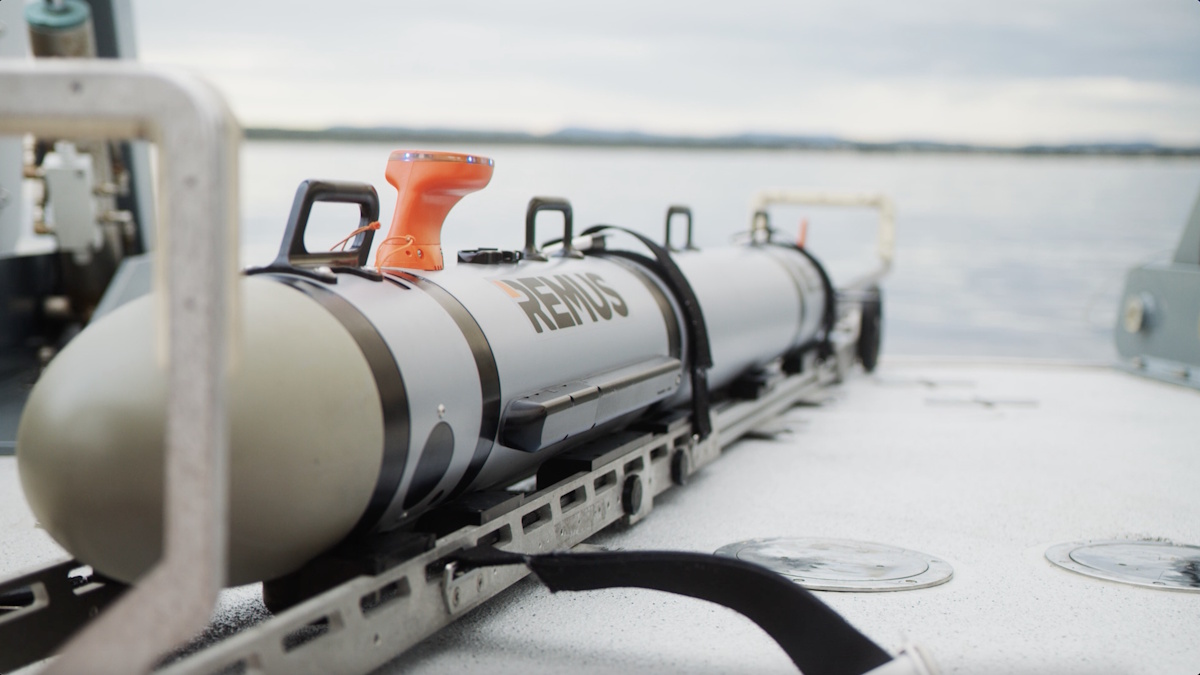
HII has been awarded an option year production contract for the U.S. Navy's Lionfish small unmanned undersea vehicle (SUUV), which is based on the REMUS 300 platform. This contract, announced on June 7, 2026, continues the momentum of the Lionfish program, which achieved a significant milestone with the completion of its 42nd vehicle at HII’s Pocasset facility by the end of 2025. The five-year program could scale to a total of 200 vehicles, with a contract value exceeding $347 million. The Lionfish SUUV is designed for various undersea warfare missions, including mine countermeasures, intelligence, surveillance and reconnaissance (ISR), anti-submarine warfare, and electronic warfare operations. The U.S. Navy's decision to exercise this option year contract reflects confidence in the platform's operational performance and adaptability, as stated by Duane Fotheringham, president of HII’s Unmanned Systems group. Looking ahead, HII aims to enhance the capabilities of the Lionfish program to meet evolving mission requirements for sailors and marines. No further timeline was disclosed at the time of publication, but the continued investment in this program indicates a strong commitment to advancing autonomous systems in naval operations.
hii contract award u.s. navy lionfish unmanned undersea vehicle uuv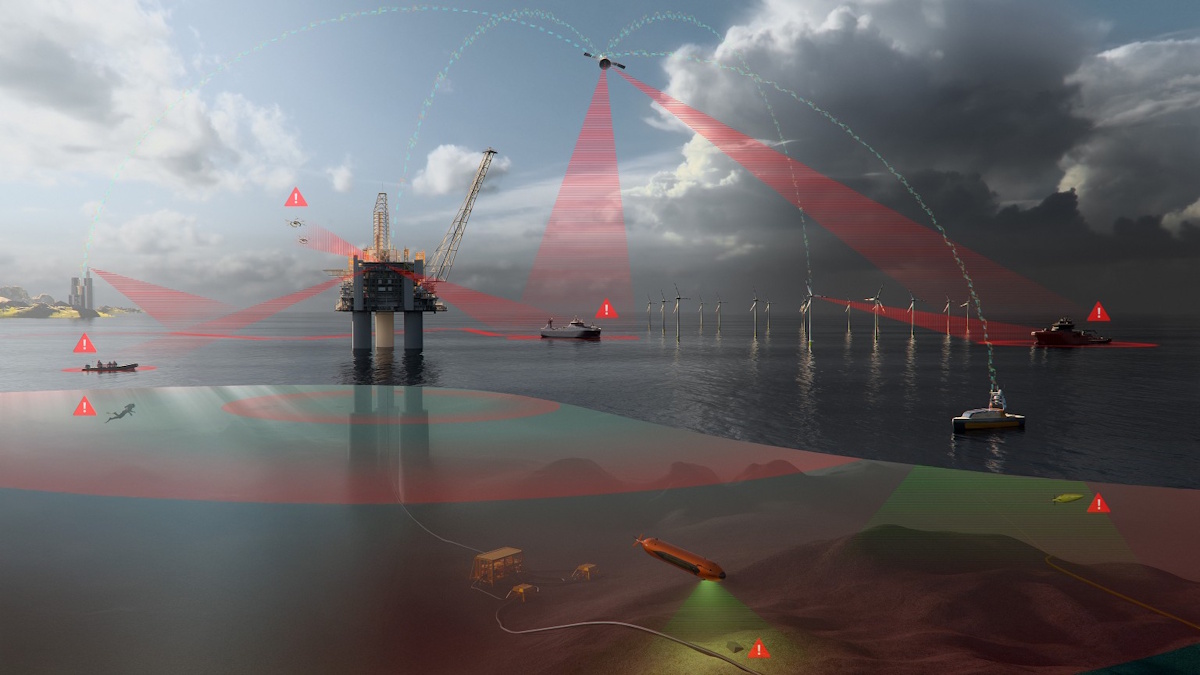
KONGSBERG Wins Contract for Underwater Surveillance of Critical Infrastructure
KONGSBERG has secured a contract to deliver advanced technologies aimed at protecting critical infrastructure, including oil and gas installations and energy grids. The project, which focuses on underwater surveillance, is for an undisclosed international customer and highlights the increasing demand for robust security solutions in a volatile geopolitical environment. The significance of this contract lies in its emphasis on early threat detection and prevention, essential for safeguarding high-value assets. KONGSBERG's technology supports a range of applications, including situational awareness and monitoring, which are crucial for maintaining operational resilience against various threats such as cyber-attacks and natural disasters. Looking ahead, KONGSBERG's ongoing commitment to infrastructure protection will be critical as the market evolves from recognizing needs to implementing effective solutions. No further timeline was disclosed at the time of publication, but the contract underscores the company's capability to address the growing demand for security in critical sectors.
kongsberg contract critical infrastructure protection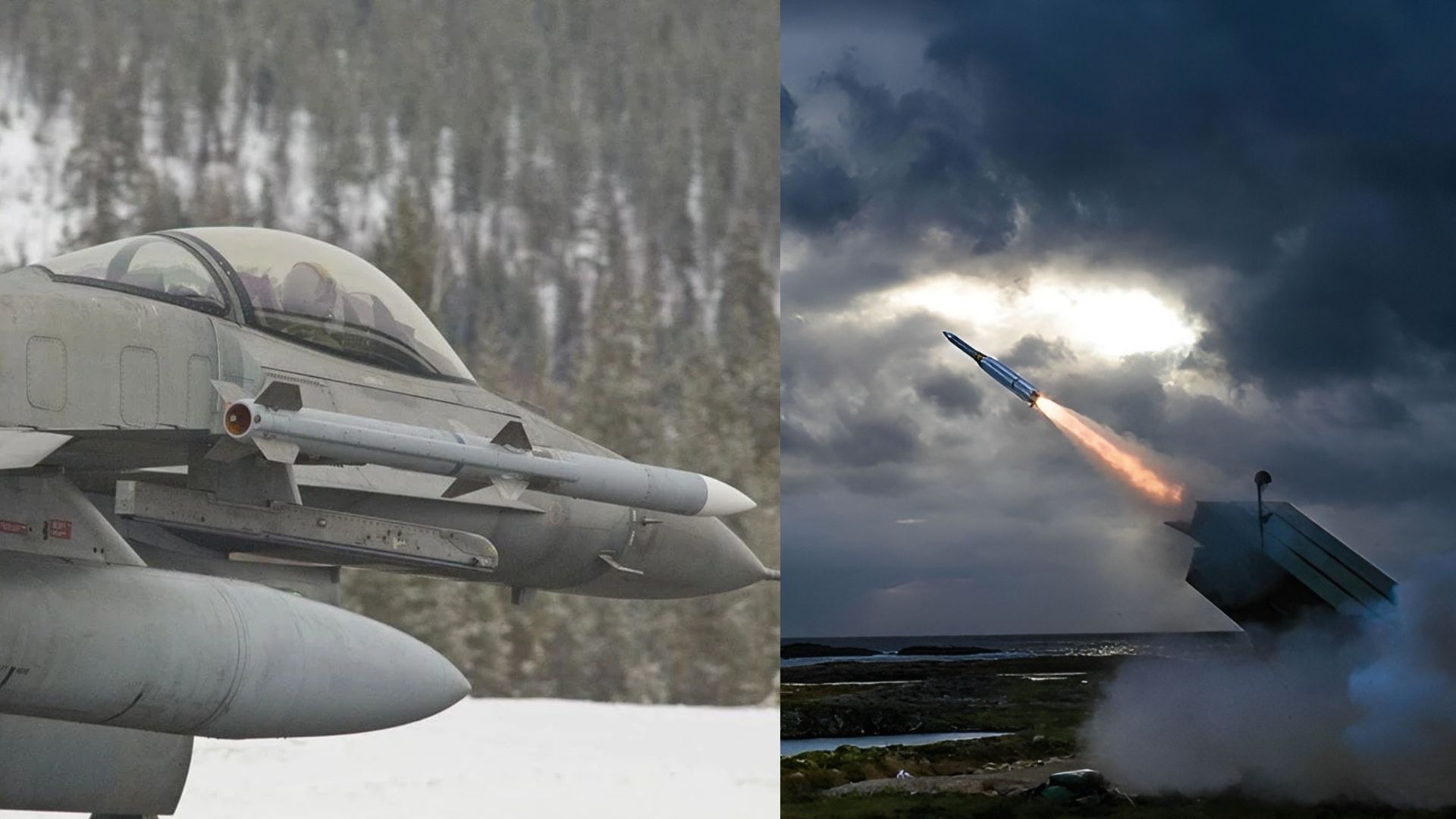
Raytheon Secures $20.7B Pentagon Contract to Boost AMRAAM Missile Production to 1,900 Annually
Raytheon has secured a multiyear U.S. defense contract valued at up to $20.7 billion, aimed at ramping up AMRAAM missile production to a record 1,900 units per year. This five-year agreement, awarded on September 25, is part of the U.S. Department of War's Arsenal of Freedom initiative, which seeks to enhance American weapons manufacturing capabilities. The significance of this contract lies in its potential to meet the increasing demand for missile inventories from the U.S. military and its allies. Raytheon has already seen a near doubling of AMRAAM output in 2025 compared to 2024, highlighting the missile's critical role in beyond-visual-range air combat and its integration into the NASAMS air-defense system. Looking ahead, Raytheon is focused on expanding its manufacturing capacity and ensuring a steady supply chain to support the ambitious production goals. The company is also considering international co-production opportunities as it navigates the complexities of increasing missile output while maintaining quality and efficiency in its operations. No further timeline was disclosed at the time of publication.
Military
UBTECH Secures Major Contracts and Launches Large-Scale Humanoid Robot Factory
UBTECH has recently made significant strides in the humanoid robot sector, securing a 150.8 million yuan government contract in Leshan and announcing over 50 million yuan in overseas orders from Europe and Japan. These developments indicate a shift from conceptual discussions to tangible market presence, as UBTECH establishes itself as a key player in the industry. The importance of these contracts lies in their validation of the demand for humanoid robots in practical applications, such as industrial inspections and commercial reception. The Leshan contract, awarded through a public tender, highlights a growing market need for operational humanoid robots, suggesting a strategic focus on regional market penetration. Additionally, the launch of UBTECH's large-scale humanoid robot factory in Liuzhou, developed in collaboration with Siemens, marks a significant achievement in supply chain management and production capacity. With a reported revenue of 1.27 billion yuan and a 1445% increase in sales of full-sized humanoid robots, UBTECH is poised for further growth in the second half of the year, with multiple product lines set for delivery and international orders beginning to materialize.
Humanoid Robots Industrial Automation Robotics Manufacturing AI Commercial Applications
Podcast Discusses the Impact of Contract Negotiations on Consumers in Global Trade
A recent podcast episode explores the dynamics of contract negotiations in global trade, emphasizing the significant risks consumers face. As companies engage in what is termed 'Contract Chicken,' the potential for adverse effects on pricing and availability of goods becomes apparent. This discussion highlights the importance of understanding these negotiations and their implications for consumers. The podcast underscores that consumers are often the most vulnerable in these negotiations, as companies may prioritize their interests over those of the end-users. The implications of these contract disputes can lead to increased prices and reduced access to essential products, raising concerns about market stability and consumer protection. Listeners are encouraged to pay attention to ongoing negotiations and their outcomes, as these will directly impact consumer experiences in the marketplace. No further timeline was disclosed at the time of publication.
AEVEX Corp. Secures $92M Contract for Hypersonic Flight Test Support with Drones
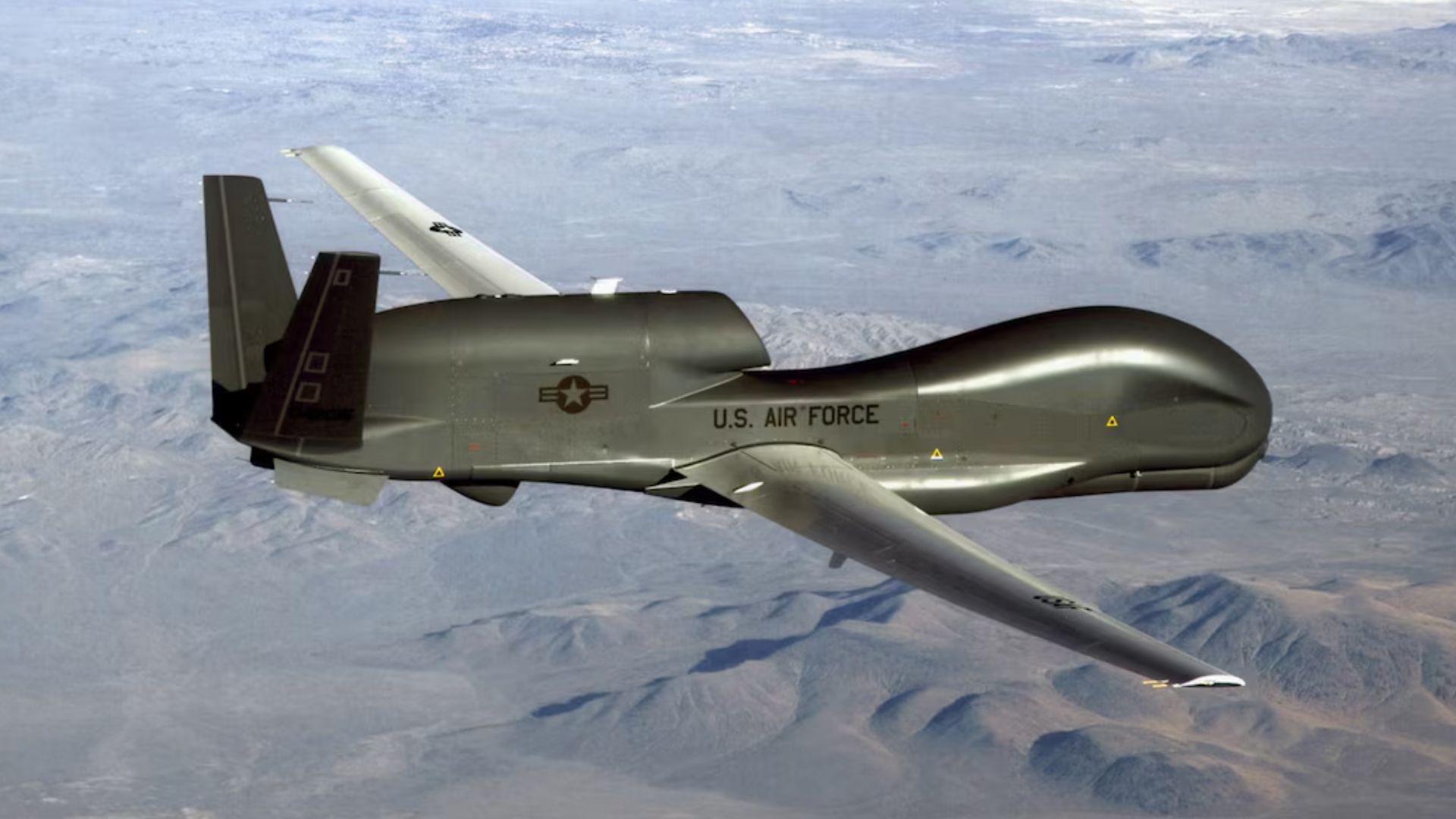
AEVEX Corp. has secured a potential contract worth $92.2 million to support the U.S. military's SkyRange hypersonic test program over three years. This contract will enable AEVEX to conduct flight operations across designated corridors in the Western U.S. and the Pacific, focusing on airborne telemetry, communications, and payload integration. The significance of this contract lies in its innovative approach to hypersonic testing. By utilizing unmanned aircraft, such as converted RQ-4 Global Hawks, as airborne test platforms, the SkyRange program enhances data collection capabilities during flight tests. This flexibility is crucial, as hypersonic vehicles can traverse vast distances rapidly, making traditional fixed tracking stations less effective. Looking ahead, AEVEX's role will encompass the integration of airborne range equipment with the SkyRange architecture and support for resilient communications systems. No further timeline was disclosed at the time of publication.
Military
Anduril Warns Production of FQ-44 Fury Drones Delayed Without FY27 Budget Approval
Anduril officials have stated that production of the FQ-44 Fury drones cannot begin until the fiscal year 2027 budget is approved by Congress. The Air Force awarded production contracts to Anduril and General Atomics in June for Collaborative Combat Aircraft, but funding is crucial for Anduril to start work. The urgency of the situation is underscored by the recent passing of a continuing resolution that maintains government spending at FY26 levels, restricting new program work. Erin Simpson, Anduril’s vice president for strategy execution, emphasized that while the company has invested in a new production facility and is preparing for production, they cannot proceed without the necessary procurement dollars. Looking ahead, Air Force Secretary Troy Meink announced expectations for 500 CCA drones by 2032, although details on the initial production numbers remain undisclosed. Anduril is currently developing Fury prototypes at its Arsenal-1 facility, which has the capacity to produce 150 aircraft annually, but current orders do not meet that threshold. No further timeline was disclosed at the time of publication.
Air Warfare Congress 2027 defense appropriations AFA 2026 Air Force Anduril
Teledyne Secures $15.4 Million Contract to Boost European Drone Production
Teledyne Energetics UK, a division of Teledyne Technologies, has secured a $15.4 million contract with a European defense technology manufacturer. This agreement aims to supply specialist energetics for advanced unmanned systems, facilitating the transition of next-generation drone programs from development to large-scale production. The contract is significant as it aligns with Europe's efforts to enhance its own drone capabilities and reduce reliance on external supply chains. Teledyne's role involves providing critical components that ensure the reliability and safety of unmanned systems, which are increasingly vital in modern warfare. Looking ahead, Teledyne anticipates that the initial contract could evolve into a relationship exceeding $50 million as production needs grow. Deliveries are commencing immediately, and the company is poised to expand its regional manufacturing capacity to support European drone makers in scaling production effectively.
News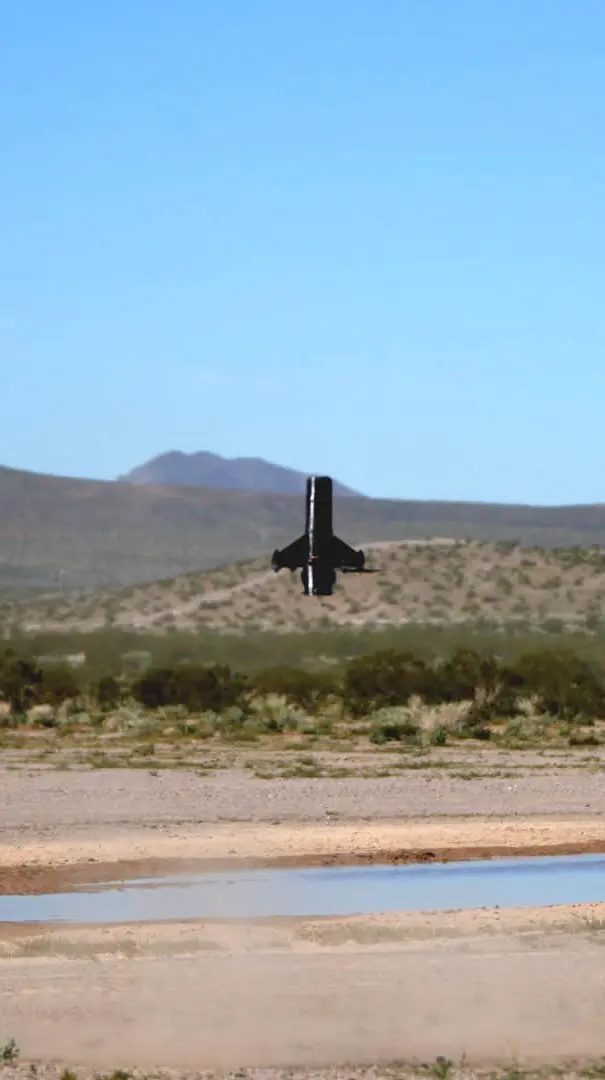
Powerus Secures $22.3 Million Counter-UAS Contract with Private Middle East Oil Company
Powerus, a U.S.-based autonomous systems firm, has signed a $22.3 million contract to provide counter-UAS technology to a private oil company in the Middle East. This deal marks a significant shift in the defense sector, as it is one of the first instances where a private entity has opted to procure military-grade counter-drone systems for its own infrastructure protection. The contract involves the delivery of networked systems designed for detection, tracking, classification, and early-warning capabilities to safeguard critical oil and gas infrastructure. Powerus CEO Brett Velicovich emphasized that this transaction could redefine how UAS defense contractors approach the market, as private companies increasingly seek to protect themselves from aerial threats without relying solely on government intervention. Looking ahead, the initial deployment will focus on threat detection and identification, with plans for future integration of Powerus' Guardian interceptor technology. Velicovich noted that the rise in drone usage in conflicts worldwide has prompted private infrastructure owners to consider developing their own counter-drone capabilities, as traditional security measures may no longer suffice against aerial threats.
Anti-drone technology C-UAS defense DL Exclusive Drone News Drone News Feeds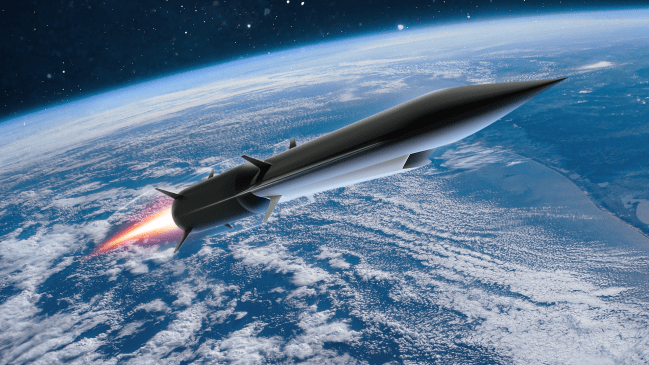
GE Aerospace Secures Contract to Develop Next-Gen Hypersonic Test Platform for US Military
GE Aerospace has been awarded a contract by the Defense Innovation Unit (DIU) to enhance the development of a liquid-fueled hypersonic test platform under the HyCAT program. This initiative aims to expedite hypersonic flight testing, addressing critical bottlenecks in systems designed for speeds exceeding Mach 5. The new test platform will serve as a test bed for flight demonstrations and data generation for future hypersonic systems. This contract builds on initial funding received in 2023, with GE Aerospace set to design a combined booster and cruiser configuration, facilitating more efficient testing without the need for dedicated flight-test vehicles. Looking ahead, the project is on track for significant milestones, including preliminary design reviews and subsystem testing scheduled for 2025 and 2026. This aligns with the US military's goal to enhance hypersonic flight-test infrastructure, enabling faster identification of issues and quicker iterations in technology development.
Military
U.S. Army Awards $464.8 Million Contract for 30-kW LOCUST Laser Systems
The U.S. Army has awarded AeroVironment a $464.8 million contract for the production of LOCUST laser systems under the Enduring-High Energy Laser (E-HEL) program. This contract marks a significant milestone as it is the first production contract for a directed-energy weapon in U.S. history, indicating a shift from experimental systems to operational capabilities. The LOCUST X3, a 30-kilowatt laser weapon, is designed to counter Group 1–3 unmanned aircraft systems and can be integrated onto various platforms, including the Army's Joint Light Tactical Vehicle. The contract aims to provide a scalable and cost-effective air defense solution against drones, which have become increasingly prevalent on modern battlefields. Looking ahead, AeroVironment is expanding its production capacity with a $30 million investment in its Albuquerque facility to support the ramp-up of LOCUST systems. The E-HEL program is expected to enhance the Army's defenses against drone threats, marking a significant step towards the routine use of laser weapons in military operations. No further timeline was disclosed at the time of publication.
Military
GE Aerospace Secures $2.9 Billion Contract for F/A-18 Engine Parts and Production Expansion
The Pentagon has awarded GE Aerospace a contract valued at nearly $2.9 billion to supply parts for the F414 engine, which powers the Navy's F/A-18 Super Hornet and EA-18G Growler. This performance-based logistics contract is set to run until August 2031, focusing on outcome-based payments. This contract is significant as GE Aerospace navigates the production of both the larger F414 engines for the Navy's aging fleet and the older F404 engines for the Air Force's T-7 Red Hawk training jet. The company anticipates doubling its F404 production output over the next five years, reflecting a strategic shift in its manufacturing focus. Looking ahead, GE is exploring innovative production methods, including additive manufacturing, to enhance the efficiency and cost-effectiveness of its engine components. As demand for military aircraft, such as Boeing's F-15EX, increases, GE aims to overcome supply chain challenges while ramping up its manufacturing capabilities.
Air Warfare Air Force Amy Gowder Boeing Defense Innovation Unit DIU EA-18G
Continuous Composites Secures Navy Contract for Innovative UAV Component Manufacturing
Continuous Composites has been awarded a Phase II SBIR contract by the U.S. Navy to develop composite aircraft components that integrate electrical power conductors within their structures. This innovative approach aims to reduce the reliance on traditional wiring and connectors in unmanned aerial vehicles (UAVs), transforming structural components into active elements of the aircraft's electrical system. The significance of this project lies in its potential to streamline UAV design and manufacturing. By embedding electrical functions directly into composite materials, Continuous Composites can enhance the efficiency of UAVs while minimizing the complexity associated with conventional wiring systems. The Phase II work will build on successful demonstrations from Phase I, where engineers validated the concept of multifunctional composite parts with minimal impact on structural performance. Looking ahead, the focus will be on developing higher-capacity electrical pathways that can withstand operational loads. Engineers will conduct tests to ensure that electrical conductors are properly isolated within the composite without compromising structural integrity. No further timeline was disclosed at the time of publication.
Military
Powerus Secures $22.3 Million Contract for Counter-Drone Network in Middle East Oil Fields
Powerus, a U.S.-based company, has been officially commissioned to establish a counter-drone detection network for oil and gas fields in the Middle East. The contract, valued at $22.3 million, encompasses hardware, software, installation, and 24-hour maintenance to protect critical infrastructure from drone threats. The significance of this initiative lies in the vulnerability of oil and gas facilities, which are attractive targets due to their large, fixed nature and the presence of flammable materials. Drone attacks can disrupt operations and impact market prices, making effective detection systems crucial for safeguarding these economically vital assets. Looking ahead, the system will initially focus on detection and warning capabilities, with potential future integration of Powerus's Guardian-1 interceptor for active defense. However, details regarding the specific facilities covered, the types of sensors to be deployed, and the timeline for implementation remain undisclosed at this time.
Energy Innovation
US Army Contracts Stratom to Develop TALUS for Autonomous Logistics in High-Risk Areas
The US Army has awarded a contract to a consortium led by Stratom to develop the Tactical Autonomous Logistics Utility System (TALUS), an autonomous logistics platform aimed at resupplying troops in dispersed and high-risk environments. This modular system is designed to enhance military operations where traditional supply chains may falter, ensuring that critical supplies and operational energy reach distributed forces. Stratom's president and CEO, Mark Gordon, emphasized that TALUS is a response to the Army's Project Sustainment requirements, integrating various technologies into a cohesive logistics solution. As military operations evolve to increasingly contested battlefields, TALUS aims to reduce soldier exposure during supply missions while improving the resilience of military sustainment networks. The TALUS team includes several defense tech companies, each contributing unique capabilities in autonomy, vehicle platforms, and systems engineering. The system is expected to autonomously transport supplies and support various mission payloads, providing the Army with a robust logistics capability that adapts to complex operational environments. No further timeline was disclosed at the time of publication.
Military
U.S. Army Awards Stratom Inc. Contract for TALUS Autonomous Distribution System
The U.S. Army has awarded a Project Sustainment contract to Stratom Inc. for the development of the Tactical Autonomous Logistics Utility System (TALUS). This modular autonomous distribution system aims to resupply dispersed forces in contested environments, enhancing operational efficiency and safety for troops. TALUS is designed to address the Army's need for autonomous logistics capabilities, particularly in degraded conditions. By minimizing soldier exposure to threats and ensuring a steady supply flow, TALUS is expected to strengthen sustainment resilience and extend operational reach in challenging environments. The 18-month prototype effort will integrate various technologies and undergo operational evaluations, including a planned Combat Training Center rotation. Stratom's collaboration with nontraditional defense contractors aims to deliver a comprehensive logistics solution that adapts to evolving Army requirements.
Autonomous Mobile Robots (AMRs) Defense / Security Logistics Mobility / Navigation News Self-Driving Vehicles
US Marine Corps Awards $11 Million Contract for Epirus' HAVOC Microwave Weapon System
The US Marine Corps has awarded Epirus an $11 million contract for the HAVOC system, a vehicle-mounted high-power microwave weapon designed to disable drone swarms. This system is derived from Epirus' Leonidas weapon and will be integrated into both manned and unmanned Marine Corps vehicles, enhancing their counter-drone capabilities. The HAVOC system represents a significant advancement in the Marine Corps' efforts to combat drone threats, providing three times the power and improved range compared to its predecessor, the Expeditionary Directed Energy Counter-Swarm system (ExDECS). This capability allows for simultaneous electronic effects against multiple drones, ensuring effective protection for high-value assets and personnel. Looking ahead, the HAVOC system's software-driven architecture will enable continuous updates to counter evolving drone technologies. The universal sled mount design will facilitate its deployment across various Marine Corps vehicles, enhancing operational flexibility. No further timeline was disclosed at the time of publication.
Military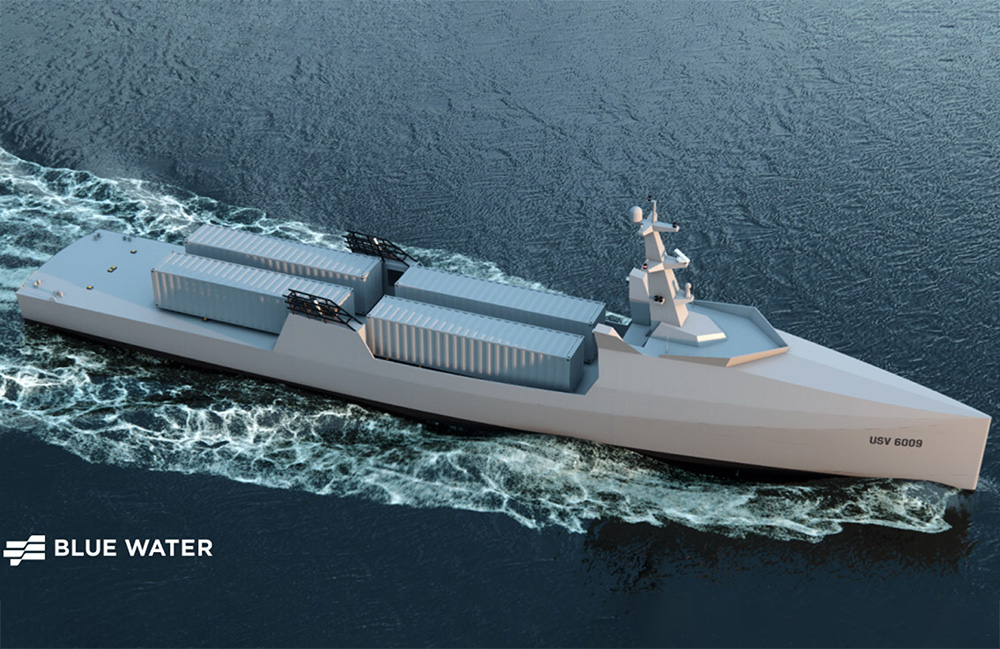
U.S. Navy Selects Blue Water Autonomy for Autonomous Ocean Surveying Contract
Blue Water Autonomy has been awarded a multiple-award contract by the Naval Oceanographic Office (NAVOCEANO) to conduct high-resolution ocean floor mapping using its autonomous vessels. This contract, which has a ceiling of $40 million, allows Blue Water Autonomy to leverage its technology for deep ocean surveys across the Indian and Pacific oceans. The significance of this contract lies in the Navy's increasing reliance on uncrewed systems to perform demanding ocean surveys, which traditionally require costly crewed ships. By utilizing autonomous vessels, the Navy aims to reduce operational costs and risks to personnel while enhancing its surveying capabilities over vast ocean areas. Looking ahead, Blue Water Autonomy plans to complete its first Liberty Class vessel for the U.S. Navy this year. This 190-foot autonomous ship is designed for long-duration missions and can operate over 10,000 nautical miles, showcasing the company's commitment to advancing autonomous maritime technology.
Artificial Intelligence Artificial Intelligence / Cognition Design / Development Maritime Markets / Industries News
American Rheinmetall Secures Contract for Autonomous Ground Vehicles for US Army
American Rheinmetall has been awarded a contract to provide advanced autonomous ground vehicle technologies to the US Army as part of Project Sustainment. This development is significant as it underscores the growing emphasis on integrating autonomous systems into military operations, enhancing operational efficiency and effectiveness for the US Army. Looking ahead, it will be important to monitor the implementation of these technologies and their impact on military logistics and operations. No further timeline was disclosed at the time of publication.
News
CACI Secures $500 Million Contract for SkyValor Counter-Drone System with JIATF-401
CACI International has been awarded a three-year contract worth $500 million to supply its non-kinetic SkyValor counter-drone system to the Joint Interagency Taskforce (JIATF) 401. This contract includes full-rate production of counter unmanned aerial systems (cUAS) and aims to enhance the Pentagon's Domestic Shield program, which protects military installations from drone threats. The significance of this contract lies in its potential to provide warfighters with advanced capabilities against increasingly sophisticated drone threats. CACI's SkyValor system offers long-range detection and precision defeat, utilizing radio frequency sensing and AI-enabled electronic warfare to neutralize drone threats effectively. This aligns with the Pentagon's recent focus on streamlining counter-drone efforts for both domestic security and international operations. Looking ahead, the integration of SkyValor systems into critical mission locations will be closely monitored, although specific deployment timelines remain undisclosed. Additionally, CACI's previous contract to deliver four SkyValor units for mobile counter-UAS solutions indicates a growing emphasis on adaptable defense strategies against drone threats in various operational contexts.
Land Warfare Aerovironment Army border security CACI Counter UAS cUAS
L3Harris Secures Contracts with DOD and Lockheed Martin to Enhance Missile Component Production
L3Harris has secured new contracts with the Department of Defense (DOD) and Lockheed Martin to expand its production capabilities for missile components. This includes the solid rocket boost motors for the THAAD interceptor, manufactured at facilities in Huntsville, Alabama, and Camden, Arkansas, as well as the Liquid Divert and Attitude Control Systems produced in Los Angeles. These contracts are significant as they build on previous agreements awarded to major defense contractors like Lockheed Martin, Boeing, and Honeywell Aerospace. The PAC-3 missile system, crucial for the U.S. Army, is also part of this expansion, with Lockheed Martin receiving a $4.7 billion contract to increase production, which includes the Attitude Control Motors and Lethality Enhancer solid rocket motors. Looking ahead, L3Harris is investing billions to enhance its manufacturing capabilities, including the establishment of a new advanced propulsion campus in Virginia and the expansion of its PAC-3 campus in Camden. The company is also working on integrating advanced manufacturing technologies, such as AI-driven automated inspection systems, to meet the growing demand from the Pentagon.
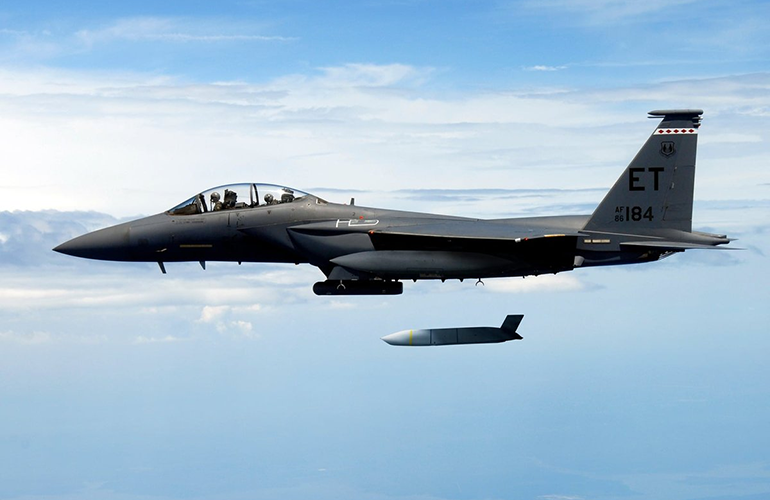
Machina Secures Contract with Lockheed Martin for JASSM Missile Parts Production
Machina Labs has received a qualification contract from Lockheed Martin to support the Joint Air-to-Surface Standoff Missile (JASSM) program. This contract marks a significant milestone as it is the first instance of a component produced using Machina's robotic 'RoboForming' technology qualifying for a U.S. defense missile system. The importance of this contract lies in addressing the production constraints faced by missile programs, as highlighted by Machina's CEO Edward Mehr. The company's advanced manufacturing capabilities allow for the rapid formation and assembly of complex metal structures, which is crucial for meeting the demands of defense readiness and enhancing production speed. Looking ahead, Machina is set to open its new facility, Factory 3, dedicated to producing defense systems. This 200,000-square-foot facility will house up to 50 RoboCraftsman cells, enabling high-rate production of mission-critical components for the JASSM program and potentially other defense initiatives. No further timeline was disclosed at the time of publication.
6-Axis Aerospace Defense / Security Manufacturing News Lockheed Martin
Exail Secures Contract to Provide Light MCM Systems for European Navy Operations
Exail has been awarded a contract to supply three light Mine Countermeasures (MCM) systems to a European navy. These systems are designed for rapid deployment from Rigid-Hulled Inflatable Boats (RHIBs) and integrate Exail's UMIS technology, enabling efficient identification and neutralization of underwater mines. The significance of this contract lies in its provision of a modular and adaptable solution tailored to the operational needs of modern naval forces. With a compact design, the systems can operate in very shallow waters and infrastructure-limited environments, allowing for quick deployment by mine clearance and Explosive Ordnance Disposal (EOD) teams. Looking ahead, the RHIB-based systems can accommodate various payloads, including Exail's A9-M autonomous underwater vehicles and R7 remotely operated vehicles, enhancing their operational flexibility. No further timeline was disclosed at the time of publication.
exail european navy mcm systemRobotics needs a service framework.
RSF defines a common language for robot service capability, lifecycle operations, certification pathways, and service-provider networks.
Join the RobotToday community on LinkedIn
Daily robotics news, in-depth analysis, conference highlights, and discussions with professionals worldwide.







