Industry Briefing
A single destination for timely, editor-curated robotics news from around the world.
First Computer Vision-Guided Surgery Successfully Removes Brain Tumor While Preserving Vision
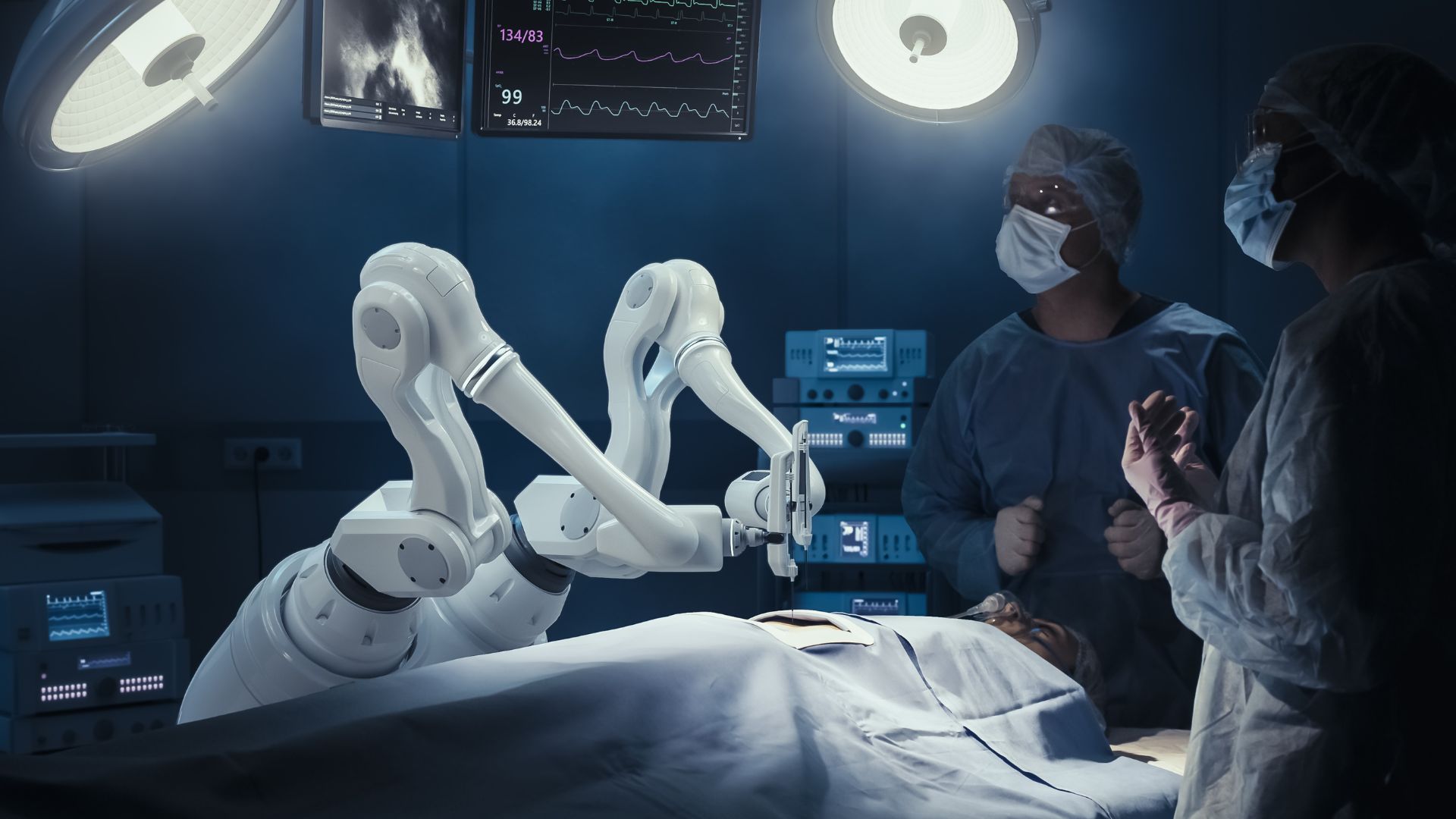
A neurosurgeon at the National Hospital for Neurology and Neurosurgery in London successfully performed the world's first computer vision-guided brain surgery, aided by a real-time machine intelligence system. This innovative technology helped remove a pituitary tumor from 48-year-old Rhys Hibbert without compromising his eyesight, a significant achievement in neurosurgery. The procedure highlights the importance of integrating advanced technologies in delicate surgical environments, particularly in pituitary surgeries where proximity to critical structures like optic nerves poses high risks. The software, developed at University College London, processed live video feeds to identify critical anatomy, providing surgeons with real-time visual references during the operation. Looking ahead, the technology, which runs on NVIDIA’s Clara IGX platform, aims to evolve beyond anatomy recognition to potentially track surgical instruments and their interactions with tissue. This advancement could enhance surgical precision and safety in future procedures. No further timeline was disclosed at the time of publication.
AI and Robotics Health
Top Computer Vision Development Company Options for 2026
Selecting the appropriate computer vision development company is crucial for ensuring compatibility with the specific environment in which the model will operate. This could range from camera system-on-chips (SoCs) and cloud-based software as a service (SaaS) products to medical devices and live video systems. Among the available options, SQUAD stands out as a robust choice for edge hardware and smart camera products. Meanwhile, Intellias and Softeq are recognized as strong contenders for embedded AI solutions. As the industry evolves, companies must carefully assess their needs to align with the right technology partner.
Components Computing Technology AI development artificial intelligence automation news
Microsoft Introduces Provisional Code of Conduct for Future AI Models Amid Industry Concerns
Microsoft has unveiled a provisional code of conduct that establishes restrictions for its future artificial intelligence models. This decision follows a growing consensus among AI leaders, including those from Anthropic and OpenAI, advocating for a deceleration in AI development due to rising safety concerns. Mustafa Suleyman, CEO of Microsoft AI, emphasized the importance of AI serving humanity and promoting human autonomy. The initiative is significant as it reflects a broader industry shift towards responsible AI development, addressing public apprehensions about the rapid advancement of AI technologies. Recent events, including a resignation from an Anthropic researcher who criticized the race towards self-improving superintelligence, have intensified calls for more stringent AI safeguards. Microsoft aims to position itself as a responsible player in the AI landscape, particularly as it integrates models from leading AI labs into its products. Looking ahead, Microsoft plans to refine its guidelines further, with an update expected to influence AI model development starting in 2027. The company has engaged with experts across various fields to shape its code of conduct, indicating a commitment to ethical AI practices. No further timeline was disclosed at the time of publication.

Tesla's Financial Struggles Amid AI Aspirations and Robotaxi Developments
Tesla's stock trades at 369 times earnings, with a 1.4% operating margin and negative $1.1 billion free cash flow, prompting analysts to label it a Sell. Despite a 25% revenue increase to $28 billion in Q2 and a 56% rise in FSD subscriptions, GAAP EPS fell short of estimates by 39%. The company is pivoting towards AI and Robotaxi initiatives, but faces skepticism regarding its financial health. The significance of Tesla's situation lies in its attempt to rebrand as an AI company while grappling with deteriorating financial metrics. Management has projected capital expenditures exceeding $25 billion for 2026, supported by a new $30 billion borrowing facility. However, the odds of successfully launching the Optimus robot remain low at just 3%, raising concerns about the viability of its ambitious AI plans. Looking ahead, Tesla's ability to scale its AI and Robotaxi projects will be crucial for its stock valuation. With $43.5 billion in cash to support its AI initiatives, the company may still have potential if it can meet its targets. However, the current financial trajectory raises questions about the sustainability of its growth narrative, especially as the market remains skeptical of its AI ambitions.

AI and Computer Vision Propel the Third Wave of Warehouse Automation
The movement and tracking of goods in warehouses have seen significant automation, yet the accuracy of inventory data remains a challenge. This gap is being addressed through advancements in AI and computer vision, marking the third wave of warehouse automation. The importance of this development lies in its potential to enhance operational efficiency and accuracy in inventory management. By leveraging AI and computer vision, warehouses can achieve a more truthful representation of their inventory, which is crucial for effective supply chain management. Looking ahead, the focus will be on how these technologies can further transform warehouse operations. The integration of AI and computer vision into inventory processes promises to redefine standards in accuracy and efficiency. No further timeline was disclosed at the time of publication.

Demark Secures 420 Million Yuan Series C Funding for Humanoid Robot Skeleton Development
In August 2026, Demark (Zhejiang) Precision Technology Co., Ltd. announced the completion of 420 million yuan in Series C funding. This round was led by Fuyong Investment, with participation from Changxing Industrial Group, Nanhu Equity Fund, and others. The funds will primarily be used for research and development of key hardware for robots, capacity expansion, and market development. This funding is significant as it highlights the often-overlooked segment of structural component manufacturing within the robotics industry. Demark is not a typical robotics company; its past performance has been rooted in precision metal component processing for the semiconductor, photovoltaic, and wind power sectors. The company aims to leverage its proven precision manufacturing capabilities in these fields to address the challenges of producing high-precision, lightweight, and consistent structural components for humanoid robots. Looking ahead, Demark has established partnerships with leading robotics firms such as Yushu Technology and UBTECH, with expectations of doubling related shipments in the first half of 2026. The funding structure indicates a focus on enhancing physical production capacity, contrasting with the trend of investing in algorithms and cutting-edge technologies in the robotics sector.
Humanoid Robots Precision Manufacturing Semiconductor Industry Robotics Structural Components
Xpeng Transforms into 'Physical AI Company' at Munich Event with New Innovations
On July 16, Xpeng Motors held its 'XPENG LIVE: PHYSICAL AI FOR ALL' brand day in Munich, showcasing its evolution from an automotive manufacturer to a 'physical AI company.' The highlight was the global debut of the MONA series L03, designed by former Ferrari chief designer JuanMa Lopez, featuring a low drag coefficient of 0.228Cd and offering both pure electric and super extended range options across nine configurations, priced between 123,800 to 156,800 RMB. The L03 is equipped with Xpeng's self-developed Turing AI chip, providing up to 750 TOPS for the Max version and 1500 TOPS for the Ultra SE version, alongside the second-generation VLA large model. The pure electric version boasts a CLTC range of 525km or 625km and supports 3C fast charging, achieving 10%-80% charge in just 19.1 minutes, while the extended range version offers a maximum comprehensive range of 1330km. Additionally, Xpeng introduced its split-type flying car, the 'land aircraft carrier,' which has completed its first flight in Dubai and has over 7,000 global orders. The humanoid robot IRON is set to launch globally in 2027, with a production target of over 1,000 units per month by late 2026. Chairman He Xiaopeng emphasized the company's mission to leverage technology to transform mobility and lifestyle, marking a significant shift in Xpeng's identity and vision for the future of movement.
Electric Vehicles Flying Cars Humanoid Robots AI Technology
Ace Robotics Secures Hundreds of Millions in Financing for Embodied AI Development
Chinese robotics company Ace has announced the debut of its embodied AI technology. This development marks a significant step forward in the integration of artificial intelligence within robotics, showcasing Ace's commitment to innovation in this field. The introduction of embodied AI is crucial as it enhances the capabilities of robots, allowing them to interact more effectively with their environments. This advancement could lead to broader applications across various sectors, positioning Ace as a key player in the robotics industry. Looking ahead, Ace has secured several hundred million US dollars in financing in the first half of 2026, which will likely support further research and development in embodied AI. No further timeline was disclosed at the time of publication.
Artificial Intelligence News Robotics Ace Robotics China embodied AI
Tesla's Optimus Robots to Support Starmind Satellite Production, Not Maintenance
Tesla's Optimus robots will not be used to repair Starmind satellites in orbit, as confirmed by recent statements from Elon Musk. Instead, these robots are intended to assist in the construction and operation of the Terafab chip manufacturing facility in Texas. The AI1 satellites, designed to disintegrate upon reentry, highlight the company's swap-and-replace strategy rather than traditional maintenance practices. This approach is significant as it reflects a broader trend in satellite management, where mass-produced satellites are replaced rather than repaired. The economics of servicing missions are prohibitive, with the cost of launching a replacement satellite being significantly lower than conducting a repair mission. This model aligns with SpaceX's operational history, where rapid replacement of satellites is more efficient than attempting to maintain them in orbit. Looking ahead, the focus will remain on the production capabilities of the Gigasat factory, which is expected to support the continuous replacement of satellites. No further timeline was disclosed at the time of publication, but the demand for rapid satellite turnover suggests a robust future for Optimus robots in terrestrial manufacturing rather than in-space servicing.
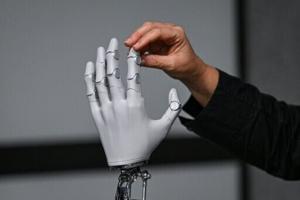
Survey on AI‐Enabled Computer Vision Technologies and Applications for Space Robotic Missions
In June 2026, the Journal of Field Robotics published a comprehensive study exploring advancements in robotic technologies and their applications in various fields. The research, conducted by a team of experts in robotics and engineering, highlights innovative methodologies that enhance the efficiency and effectiveness of robotic systems. The study focuses on the integration of artificial intelligence and machine learning algorithms, which significantly improve the decision-making capabilities of robots in real-world environments. This advancement is particularly relevant in sectors such as agriculture, manufacturing, and disaster response, where precision and adaptability are crucial. The findings were presented during a conference held in a prominent robotics research hub, attracting attention from industry leaders and academic scholars alike. The motivation behind this research stems from the growing demand for automation and smart technologies in response to global challenges, including labor shortages and the need for increased productivity. By employing rigorous testing and validation processes, the researchers demonstrated the practical applications of their robotic systems, showcasing successful case studies that underline the potential for widespread adoption. The publication aims to inform and inspire further innovations in the field, ultimately contributing to the evolution of robotics as a transformative force in society.
SURVEY ARTICLE
Development and Adaptation of Robotic Vision in the Real World: The Challenge of Door Detection
In May 2026, researchers published a significant study in the Journal of Field Robotics, focusing on advancements in robotic technology. The study highlights innovative methodologies for enhancing the autonomy and efficiency of field robots, which are increasingly utilized in agricultural and industrial applications. Conducted by a team of experts in robotics and artificial intelligence, the research aims to address the growing demand for automation in various sectors, driven by the need for increased productivity and reduced labor costs. The team employed a series of experiments to test new algorithms that improve navigation and obstacle avoidance in complex environments. Their findings demonstrate a marked improvement in the robots' ability to operate independently, even in unpredictable conditions. This breakthrough is expected to have a profound impact on industries reliant on robotic systems, potentially transforming operational practices and leading to significant economic benefits. The study underscores the importance of ongoing research in robotics, particularly as industries seek to adapt to technological advancements and changing market demands. By providing insights into effective robotic systems, the researchers aim to contribute to the development of smarter, more capable machines that can meet the challenges of the future.
RESEARCH ARTICLE
Development and Preliminary Evaluation of a Machine Vision‐Guided Smart Sprayer Prototype Toward Precision Vegetable Weeding
In May 2026, researchers published a significant study in the Journal of Field Robotics, focusing on advancements in robotic technology. The study, appearing in Volume 43, Issue 3, pages 1973-1987, highlights innovative methodologies for enhancing the autonomy and efficiency of field robots. Conducted by a team of experts in robotics and artificial intelligence, the research aims to address the growing demand for automated solutions in various industries, including agriculture, construction, and disaster response. The motivation behind this research stems from the need to improve operational capabilities in challenging environments, where human intervention may be limited or hazardous. By employing advanced algorithms and machine learning techniques, the researchers demonstrated how robots can better navigate complex terrains and perform tasks with minimal human oversight. The findings are expected to have a profound impact on the future of robotics, paving the way for more reliable and versatile machines capable of operating in diverse settings. This study not only contributes to the academic field but also offers practical applications that could revolutionize industries reliant on automation. As the demand for efficient robotic systems continues to rise, this research represents a crucial step towards achieving greater autonomy in robotic operations.
RESEARCH ARTICLE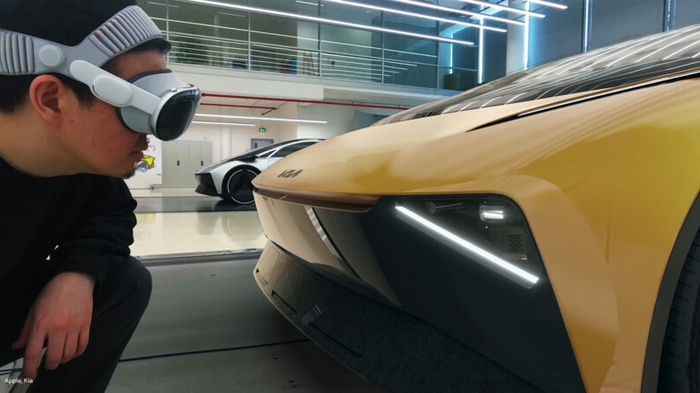
More Than Meets the Eye: NVIDIA RTX-Accelerated Computers Now Connect Directly to Apple Vision Pro
NVIDIA and Apple have announced a collaboration that integrates NVIDIA CloudXR 6.0 natively into visionOS, enhancing the capabilities of augmented and virtual reality applications. This partnership aims to securely deliver high-performance simulations and professional 3D graphics applications, including Immersive for Autodesk VRED, through Innoactive’s XR streaming service. The integration is set to provide users with advanced graphics powered by NVIDIA's RTX technology, significantly improving the experience for developers and users in the XR space. This development comes as both companies seek to leverage their strengths in graphics processing and software innovation to meet the growing demand for immersive experiences in various industries.

ImportAI 449: LLMs training other LLMs; 72B distributed training run; computer vision is harder than generative text
As artificial intelligence continues to evolve, experts are raising concerns about its potential to disrupt political systems globally. A recent discussion among political analysts and technologists highlighted the possibility of an unprecedented political interregnum driven by AI advancements. This conversation gained momentum in October 2023, as various stakeholders, including policymakers and industry leaders, began to assess the implications of AI on governance and societal structures. The rapid integration of AI technologies into everyday life is prompting fears that traditional political frameworks may struggle to adapt, leading to instability and uncertainty. Analysts argue that the increasing reliance on AI for decision-making processes could undermine democratic institutions, as algorithms may not reflect the complexities of human values and ethics. In response to these concerns, experts are advocating for proactive measures to ensure that AI development aligns with democratic principles. They emphasize the need for transparent regulations and ethical guidelines to mitigate potential risks associated with AI's influence on political landscapes. The discourse around AI's role in shaping future governance is expected to intensify as the technology continues to advance, prompting a reevaluation of how societies govern themselves in an increasingly automated world. As the debate unfolds, the urgency for a collaborative approach among technologists, policymakers, and civil society becomes clear, aiming to harness the benefits of AI while safeguarding democratic integrity and social cohesion.
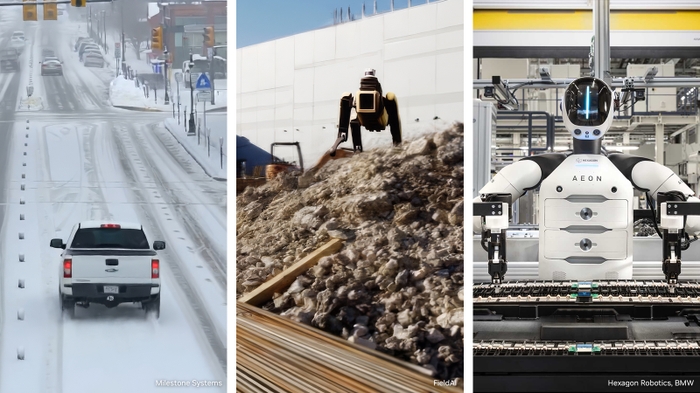
NVIDIA Announces Open Physical AI Data Factory Blueprint to Accelerate Robotics, Vision AI Agents and Autonomous Vehicle Development
NVIDIA has unveiled the NVIDIA Physical AI Data Factory Blueprint, an innovative open reference architecture designed to streamline the generation, augmentation, and evaluation of training data for physical AI applications. Announced today, this blueprint aims to significantly cut costs, time, and complexity associated with training AI models. By providing a unified and automated approach, NVIDIA seeks to enhance the efficiency of AI development processes, making it easier for organizations to implement and scale their AI initiatives. This initiative reflects NVIDIA's commitment to advancing AI technology and supporting developers in overcoming the challenges of data management in AI training.
Robotics needs a service framework.
RSF defines a common language for robot service capability, lifecycle operations, certification pathways, and service-provider networks.
Join the RobotToday community on LinkedIn
Daily robotics news, in-depth analysis, conference highlights, and discussions with professionals worldwide.