Industry Briefing
A single destination for timely, editor-curated robotics news from around the world.
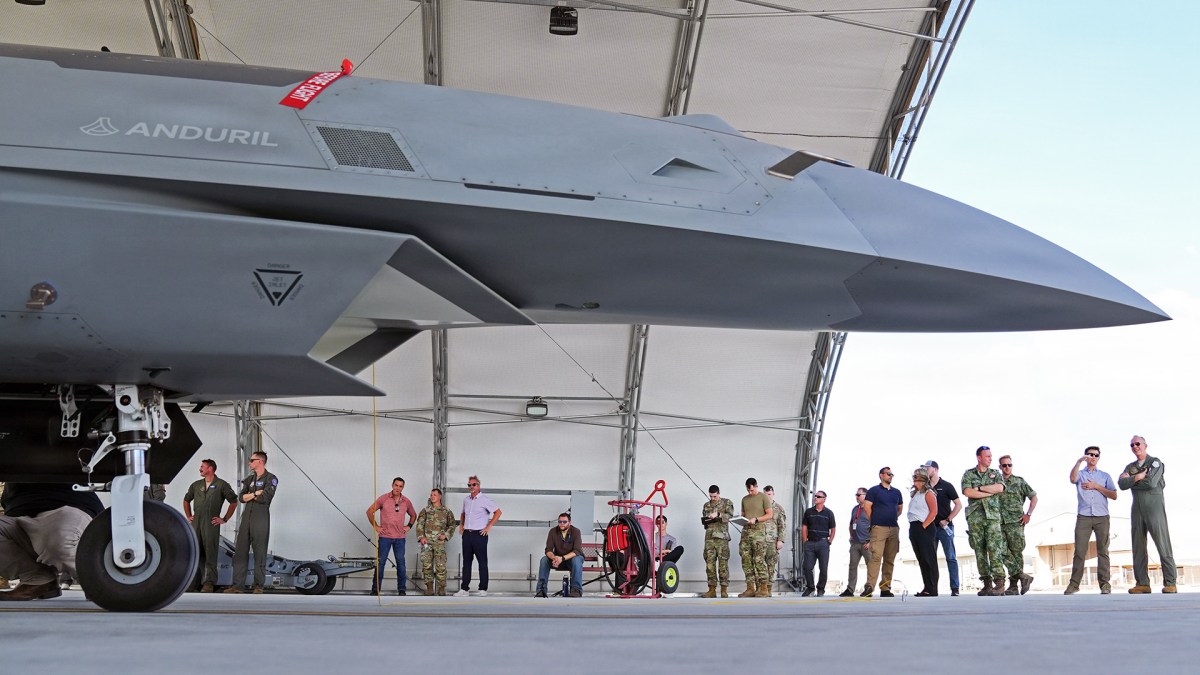
US Air Force Plans to Deploy 500 Collaborative Combat Aircraft by 2032
The U.S. Air Force has set a target to have at least 500 Collaborative Combat Aircraft (CCA) operational by 2032. This ambitious plan includes an equal number of Massed Modular Aircraft (MMA) drones to replace the MQ-9 Reapers. Secretary of the Air Force Troy Meink announced these updates during a keynote speech at the Air & Space Forces Association’s 2026 conference. This initiative is significant as it marks a substantial increase from previous plans, which aimed for over 150 CCAs by the end of the decade. The Air Force is also focusing on reducing costs, with plans to field 100 MMAs by 2029 at a lower price point than current manned aircraft. The FQ-42 and FQ-44 drones, now officially named Vengeance and Fury, are already in production and will perform missions similar to those of manned fighters. Looking ahead, the Air Force is still determining how these CCAs will be integrated into operations. The establishment of a dedicated Experimental Operations Unit (EOU) aims to facilitate the development and testing of these aircraft. No further timeline was disclosed at the time of publication.
News & Features Air Collaborative Combat Aircraft Drones Q-9 Unmanned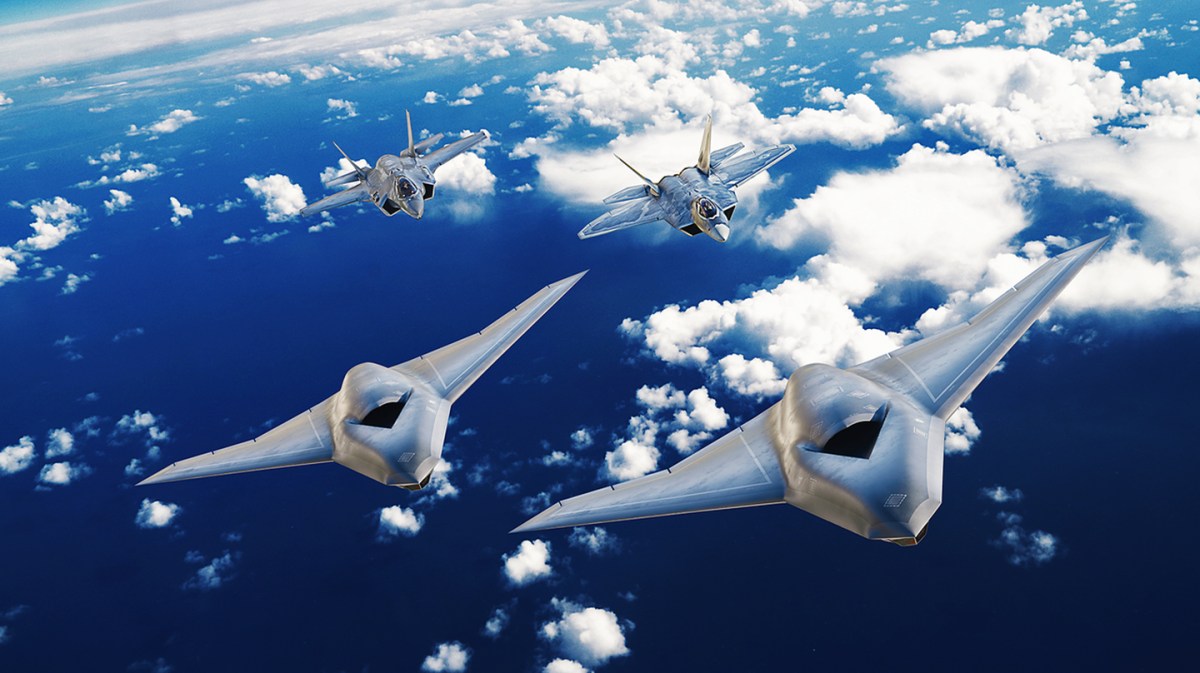
Lockheed Martin Reveals New Details on Vectis Collaborative Combat Aircraft Design
Lockheed Martin's Skunk Works has unveiled new information about its Vectis Collaborative Combat Aircraft (CCA), emphasizing its advanced stealth features. The aircraft boasts a unique submerged air inlet design that enhances survivability, setting it apart from other CCA models. With a length of approximately 34 feet and a wingspan of around 38 feet, Vectis is designed to meet diverse mission requirements, with prototype construction already underway and plans for additional units. The significance of the Vectis lies in its innovative design and operational capabilities, particularly its focus on stealth and flexibility. The submerged air inlet configuration is intended to reduce drag and improve performance, which is crucial for missions in challenging environments. Lockheed Martin's commitment to developing a tailless drone reflects a strategic move towards enhancing the survivability of future combat operations. Looking ahead, the first prototype of Vectis is expected to take flight by the end of next year, with four more prototypes planned. As the Air Force continues to emphasize Agile Combat Employment, the Vectis may play a vital role in future military operations, adapting to various mission needs while maintaining low observability.
News & Features Air Collaborative Combat Aircraft Drones Loyal Wingman Unmanned
Developing Effective Unmanned Collaborative Combat Aircraft: Key Concerns and Considerations
The development of unmanned collaborative combat aircraft is increasingly focused on enhancing capabilities, managing costs, and improving autonomy. These factors are critical in ensuring that these aircraft can effectively serve their intended roles in modern combat scenarios. Addressing these concerns is vital as military forces seek to integrate advanced unmanned systems into their operations. The effectiveness of these aircraft hinges on their ability to operate autonomously while maintaining cost-effectiveness, which is essential for large-scale deployment. Looking ahead, stakeholders in the defense sector should monitor advancements in technology that enhance the capabilities and autonomy of unmanned combat aircraft. Continuous innovation will be necessary to meet the evolving demands of military operations and to ensure these systems remain relevant in future combat environments.
Air Warfare Sponsored Post Air Force autonomous CCA collaborative combat aircraft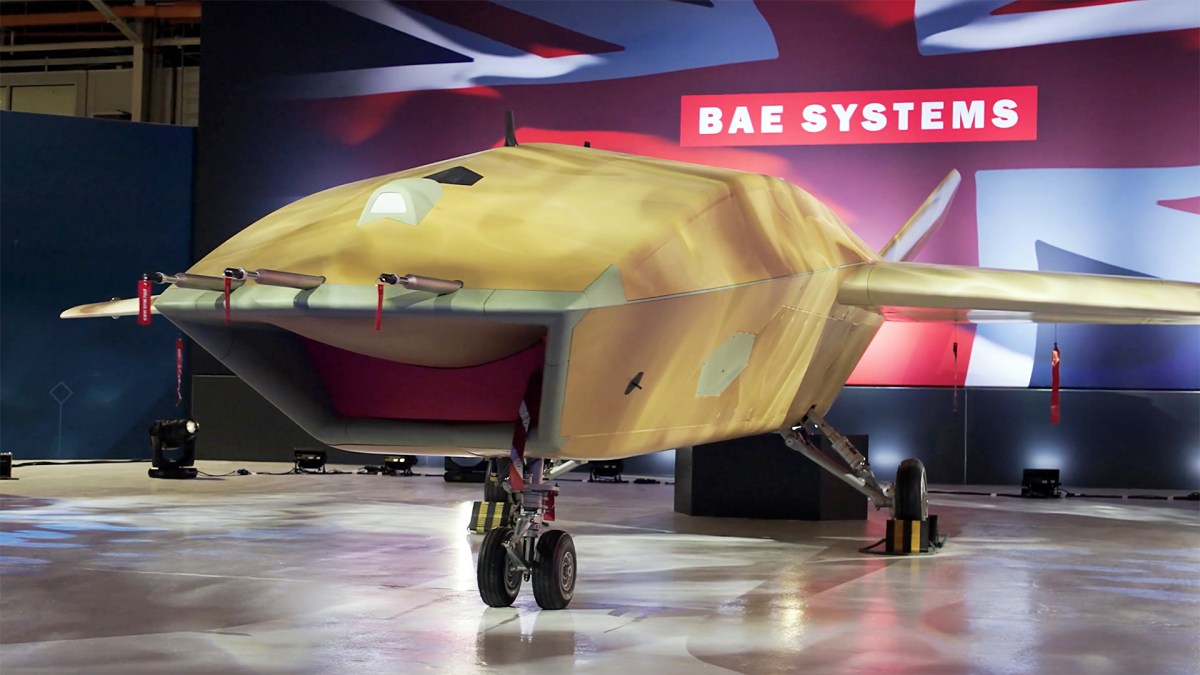
BAE Systems Unveils Brontanax Fighter Drone for UK Royal Air Force's Collaborative Combat Program
BAE Systems has introduced the Brontanax, a new collaborative combat aircraft (CCA) drone designed for the U.K. Royal Air Force. This unveiling coincides with the launch of the Storm Fighter program, aimed at establishing Europe’s first sixth-generation air force. The Brontanax prototype was showcased at the Farnborough International Airshow, attended by the U.K. Defense Secretary Wes Streeting. The significance of the Brontanax lies in its role as an operational prototype, built in secret at BAE Systems’ Warton facility. It is set for ground testing before flight trials in U.K. airspace, with potential participation in a NATO exercise as early as next year. This development reflects the U.K.'s commitment to advancing its military capabilities and integrating new technologies into its air force. Looking ahead, the Brontanax is expected to inform the design of future drones accompanying the U.K. F-35 and Tempest combat jets. While specific performance details remain undisclosed, the drone features a stealthy design with advanced aerodynamics, suggesting a focus on operational versatility and mission capability in various combat scenarios. No further timeline was disclosed at the time of publication.
Air Air Forces Around The Globe Collaborative Combat Aircraft Europe News & Features
U.S. Navy Revisits Advanced Drone Requirements for Collaborative Combat Aircraft Program
The U.S. Navy has updated its requirements for the Collaborative Combat Aircraft (CCA) program, indicating a shift towards advanced uncrewed combat air vehicles (UCAVs). This change suggests the Navy is seeking capabilities similar to those explored in the X-47B and UCLASS programs, which were previously shelved in favor of the MQ-25 Stingray. The updated requirements highlight the Navy's desire for a CCA capable of operating from aircraft carriers, carrying significant weapon loads, and conducting strike missions in contested environments. Notably, the Navy mandates the ability to carry four weapons of up to 2,500 pounds each, totaling a potential load of 10,000 pounds, which exceeds the payload capabilities of current Air Force drones. Looking ahead, the Navy's focus on autonomy and survivability in complex environments will be crucial for the CCA's development. The prototype is expected to demonstrate advanced mission capabilities, including independent operations and integration with crewed aircraft. No further timeline was disclosed at the time of publication.
Sea Carriers Drones Navies News & Features U.S. Navy
US Air Force to Shortlist Six Companies for Collaborative Combat Aircraft Program
The US Air Force (USAF) is advancing its Collaborative Combat Aircraft (CCA) program, aiming to select up to six companies from a pool of nine competing for the next generation of AI-enabled combat drones. These drones, designed to operate alongside crewed fighter aircraft, will enhance capabilities without replacing human pilots. This initiative is significant as it reflects a global trend towards integrating autonomous systems into military operations, thereby increasing firepower while minimizing risks to pilots. The CCA program focuses on developing drones that act as 'loyal wingmen' to aircraft like the F-35 and future Next Generation Air Dominance (NGAD) fighter, with the competition currently in the concept refinement stage. Looking ahead, the USAF will evaluate various aircraft concepts over the next 10 months, with the potential for unsuccessful bidders to re-enter the competition in later phases. Additionally, the USAF is investing in new aircraft engines to support future drone designs, ensuring multiple propulsion options are available for the next generation of autonomous combat aircraft. No further timeline was disclosed at the time of publication.
Military
U.S. Air Force Advances Collaborative Combat Aircraft Program with Nevada Exercise
The U.S. Air Force conducted a multi-day Agile Combat Employment exercise at Creech Air Force Base, Nevada, advancing its Collaborative Combat Aircraft (CCA) program into real-world conditions. Led by the Collaborative Combat Aircraft Experimental Operations Unit, the exercise tested semi-autonomous uncrewed aircraft alongside manned platforms to develop tactics for future combat missions. This exercise is significant as it marks a transition from controlled testing to operational use, allowing crews to operate the aircraft and gather vital data for integrating uncrewed systems into frontline operations. Air Force Chief of Staff Gen. Ken Wilsbach emphasized the importance of CCA in achieving air superiority in contested environments, highlighting the need for rapid fielding of affordable mass. Looking ahead, the Air Force aims to refine tactics and procedures for CCA integration based on insights gained from the exercise. No further timeline was disclosed at the time of publication, but the focus on operational testing and the involvement of warfighters suggest a commitment to accelerating the CCA program's development and deployment in combat scenarios.
Military
US Air Force's Collaborative Combat Aircraft Program Needs New Focus on HVAA Protection
The U.S. Air Force's next-generation Collaborative Combat Aircraft (CCA) program must prioritize the protection of high-value airborne assets (HVAA) to ensure air superiority in potential conflicts with China. Current air combat strategies emphasize firepower but overlook the vulnerabilities of AEW and refueling aircraft, which are critical for modern warfare. As the People's Liberation Army Air Force (PLAAF) enhances its capabilities, the U.S. risks falling behind if it does not adapt its approach. The Air Force's traditional focus on fighter superiority may leave HVAA exposed, undermining long-range air-to-air kill chains and ceding advantages to the PLAAF. A shift towards integrating CCAs that can defend HVAA could mitigate these risks and enhance overall combat effectiveness. Looking ahead, the Air Force's strategy must evolve to address the firepower-versus-protection dilemma. By developing CCAs that prioritize endurance and missile payloads for HVAA defense, the U.S. can better position itself against the growing threat from the PLAAF. No further timeline was disclosed at the time of publication.
Air Warfare Opinion Air Force Asia CCA China
BAE Systems Introduces Brontanax, a UK-Designed Collaborative Combat Aircraft Drone
BAE Systems has unveiled the Brontanax, a new collaborative combat aircraft (CCA) drone designed for the UK, during the Farnborough Airshow. The drone, comparable in size to a BAE Hawk trainer jet, aims to enhance electronic warfare and precision strike capabilities against various targets. Defence Secretary Wes Streeting emphasized the significance of Brontanax, calling it a groundbreaking moment for British defense and innovation. The introduction of Brontanax aligns with the UK’s recent announcement of the Storm Fighter CCA program, which aims to develop advanced combat aircraft. Streeting stated that Brontanax will serve as the operational concept demonstrator, with plans to have it airborne by 2027. This initiative is part of a broader strategy to position the Royal Air Force as Europe’s first sixth-generation air force, integrating uncrewed systems with crewed platforms to enhance operational effectiveness. Looking ahead, BAE Systems has indicated that Brontanax may participate in NATO’s Steadfast Defender exercise later this year. The drone's internal weapons bay is compatible with existing RAF armaments, and BAE has self-funded its development with several hundred million pounds to ensure readiness for future operational needs. No further timeline was disclosed at the time of publication.
Air Warfare Air Force BAE Systems Brontanax CCA collaborative combat aircraft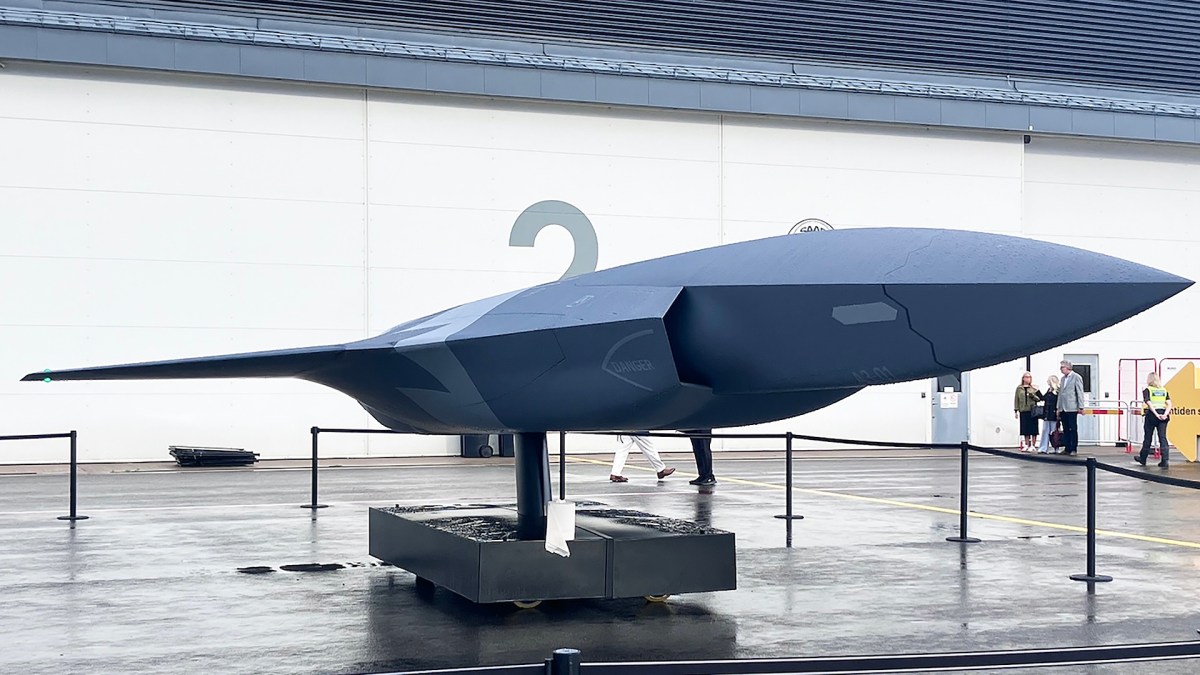
Saab Reveals Advanced Supersonic Fighter Drone Concept for Future Combat Aircraft
Saab has introduced its Autonomous Collaborative Platform (ACP) program, featuring a stealthy, supersonic fighter drone that may serve the Swedish Air Force in the 2030s. The company is developing two uncrewed technology demonstrators, A1 and A2, and showcased a full-scale mock-up of the operational drone, referred to as aircraft A3. This initiative is significant as it positions Saab's ACP as a high-end alternative to the U.S. Air Force's Collaborative Combat Aircraft, boasting superior performance and capabilities. The ACP is part of Sweden's KFS project, aimed at future combat aircraft development, highlighting Saab's commitment to advancing military technology. Looking ahead, Saab aims to achieve the first flight of aircraft A1 within the next 15 months, as mandated by the Swedish Ministry of Defense. The timeline is ambitious, with a goal to transition from concept to flight within 36 months. The development of A2 will further test advanced technologies, ensuring Saab remains competitive in the defense sector.
Air Around The Globe Drones Europe NATO News & Features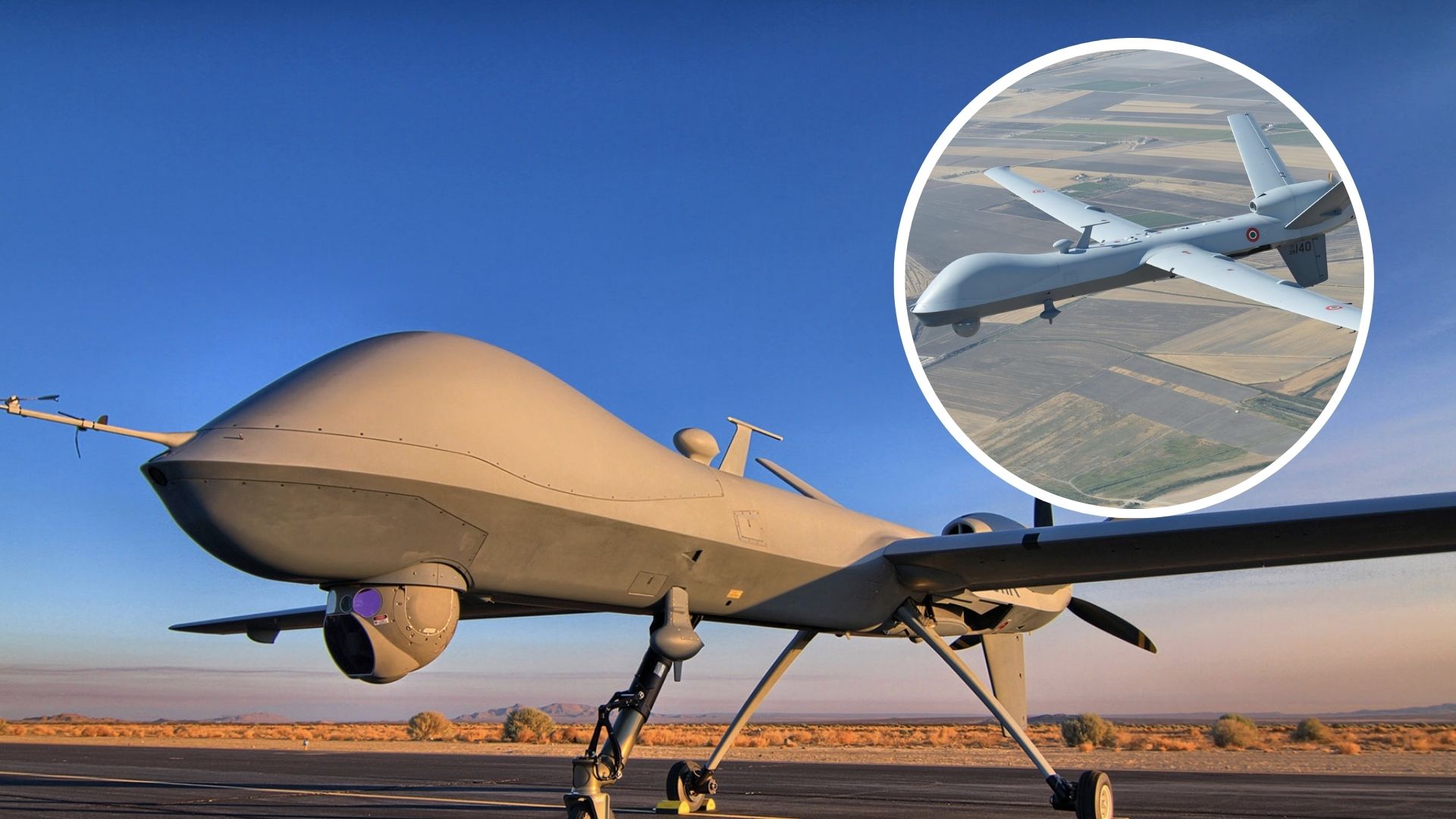
U.S. Department of Defense Launches Massed Modular Aircraft Initiative for Cost-Effective Drones
The U.S. Department of Defense is initiating the Massed Modular Aircraft (MMA) program to develop low-cost combat drones capable of performing missions similar to the MQ-9A Reaper. This initiative reflects a strategic shift towards utilizing affordable, expendable drones in modern warfare, particularly in light of recent conflicts that have exposed the vulnerabilities of high-value aircraft in contested airspace. The Pentagon aims to create a fleet of modular, long-range unmanned aircraft that can be rapidly reconfigured for various missions, significantly reducing operational costs while maintaining effectiveness against advanced enemy defenses. This shift is driven by the need for a more sustainable military approach, as the loss of MQ-9 Reapers during operations against Iran has highlighted the financial burden of relying on expensive platforms. With each MQ-9 costing approximately $30 million, military planners recognize that a strategy focused solely on high-value aircraft is increasingly untenable. The MMA initiative seeks to provide a flexible, risk-tolerant option that can deploy large numbers of drones to overwhelm enemy defenses, thereby ensuring operational capability despite potential losses. Looking ahead, the Pentagon's focus on massed modular aircraft indicates a significant evolution in military tactics. The ability to deploy swarms of low-cost drones could complicate enemy air defenses and enhance reconnaissance and strike capabilities. No further timeline was disclosed at the time of publication, but the emphasis on affordability and modularity suggests a proactive response to the changing dynamics of modern warfare and the need for cost-effective solutions in defense operations.
MilitaryRobotics needs a service framework.
RSF defines a common language for robot service capability, lifecycle operations, certification pathways, and service-provider networks.
Join the RobotToday community on LinkedIn
Daily robotics news, in-depth analysis, conference highlights, and discussions with professionals worldwide.