

Industry Briefing
A single destination for timely, editor-curated robotics news from around the world.
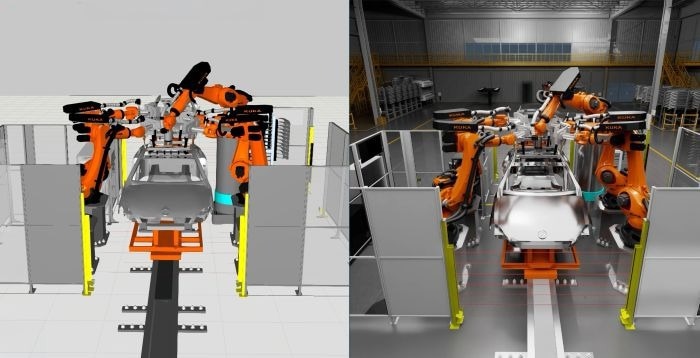
Visual Components Introduces FactoryLens, Enhancing Collaboration with NVIDIA for Digital Twins
Visual Components has launched FactoryLens, a new viewport integrated into its simulation platform, utilizing NVIDIA Omniverse libraries. This innovation aims to enhance the capabilities of 3D manufacturing simulation and robot offline programming. The introduction of FactoryLens is significant as it represents a step forward in the collaboration between Visual Components and NVIDIA, leveraging advanced technologies to improve industrial digital twin applications. This development is expected to streamline processes and enhance productivity in manufacturing environments. Looking ahead, industry professionals should monitor how FactoryLens will impact the adoption of digital twins in manufacturing. No further timeline was disclosed at the time of publication.

HandEdit Dataset Released: Collaboration with Universities to Advance Robotic Manipulation
Recently, InTime Robotics, in collaboration with Fudan University and Shanghai Jiao Tong University, has officially open-sourced the HandEdit dataset and evaluation benchmark. This initiative focuses on first-person human-to-robot dexterous hand image editing, providing scalable data resources and standardized evaluation criteria for dexterous manipulation learning. The significance of this development lies in addressing the gap between rapid hardware advancements and the insufficient accumulation of robotic operation data. Traditional data collection methods are often costly and time-consuming, limited by the physical structure of different robotic hands. HandEdit aims to convert abundant human operation videos into learnable data for robotic hands, tackling the challenge of structural and functional differences between human and robotic hands. Currently, HandEdit has built over 200 million image editing samples covering 26 URDF configurations, including 13 independent dexterous hands and 13 integrated arm structures. This extensive dataset, along with a unified evaluation system, provides a robust foundation for robotic operation learning and offers a new technical pathway for transforming human operation data into robotic operation data. No further timeline was disclosed at the time of publication.
Robotic Manipulation Data Science Machine Learning AI Robotics
Chengdu's Brain-Machine Interface Strategy Focuses on Collaboration Rather Than Subsidies
As of May this year, the number of subjects for implanted brain-machine interfaces globally stands at only 107 to 110. Meanwhile, domestic financing for brain-machine interfaces exceeded 60 instances in the first half of the year, totaling over 7 billion yuan. This ratio highlights that funding does not equate to immediate clinical progress but rather future entry qualifications. Shanghai BoRuiKang received the world's first registration certificate for invasive brain-machine interfaces in March, with 36 implants and a cumulative safety record of over 14,000 days. In April, Beijing's 'BeiNai No. 1' semi-invasive system completed its first live surgery, achieving a motion intention decoding latency of less than 100 milliseconds. Chengdu's Ximang Medical has established its headquarters, and Gestalt Technology's ultrasound brain-machine interface factory began operations in June, although these companies have yet to present clinical data. Chengdu's strategy differs from Shanghai and Beijing by emphasizing daily interactions between doctors and engineers rather than merely obtaining certifications. The Western Brain Valley, a specialized building for brain-machine interfaces, has achieved a 100% occupancy rate within six months. However, no companies in Chengdu have yet received registration certificates or reported any implant surgeries, indicating that while the infrastructure is in place, clinical data remains absent.
Brain-Machine Interfaces Medical Technology Clinical Research Healthcare Innovation
Challenges in Training Robots for Effective Human Collaboration
Humans present a unique challenge for robot training due to their quick and complex thinking processes, making exact actions unpredictable. This unpredictability raises questions about the methods and techniques required to effectively train robots for collaboration with humans. Understanding how to train robots to work alongside humans is crucial as industries increasingly adopt automation. The ability to predict and respond to human actions can enhance productivity and safety in various sectors, emphasizing the importance of developing advanced training methodologies for robots. Looking ahead, the focus will be on exploring innovative training approaches that can bridge the gap between human unpredictability and robotic capabilities. No further timeline was disclosed at the time of publication.
Robotics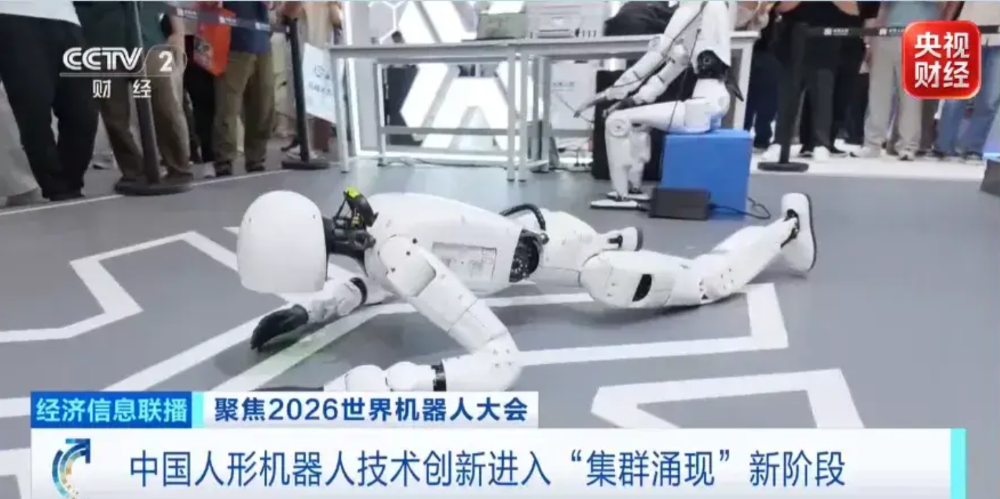
Humanoid Robot Industry Shifts from Solo Operations to Fleet Collaboration
On August 20, the 2026 World Robot Conference revealed that China's humanoid robot shipments exceeded 40,000 units in the first half of the year, capturing 97% of the global market share. The industry is transitioning from small-scale trials to regular deployment and large-scale applications. The conference showcased over 300 companies and more than 3,000 exhibits, with 300 new products launched. A significant trend noted was the shift from 'solo operations' to 'fleet collaboration.' Feiba Technology introduced a mobile logistics base capable of supporting various robotic platforms, including humanoid robots and drones, set to enter mass production by the end of this year. Additionally, the OneHub multi-robot collaboration system from Siasun aims to unify different robotic types under a single operational framework. The advancements in technology and collaboration strategies indicate a pivotal shift in the humanoid robot industry, moving towards collective efficiency rather than individual capabilities. No further timeline was disclosed at the time of publication.
Humanoid Robots Robot Collaboration Robotics Technology Logistics Robotics
Multi-Robot Collaboration Demonstrated by Daheng Technology at 2026 World Robot Conference
At the 2026 World Robot Conference, Daheng Technology showcased a multi-robot collaboration platform, where a quadruped robot autonomously inspected an area and alerted a cleaning robot to respond to an unidentified object. This demonstration highlighted Daheng's transition from single capabilities to a systematic approach in robotic solutions over the past year. The significance of this advancement lies in the industry's shift from merely activating robots to integrating them into diverse sectors for scalable applications. Daheng's multi-robot collaboration not only identifies issues but also facilitates coordinated responses, emphasizing the need for robots to possess enhanced sensory capabilities to navigate complex environments. Daheng Technology introduced its BlackEye Vision intelligent fusion terminal, which supports multi-modal perception and integrates various sensors for real-time data processing. This innovation allows robots to detect anomalies such as temperature fluctuations and gas leaks, providing critical information for AI-driven decision-making. No further timeline was disclosed at the time of publication.
Multi-Robot Collaboration AI Integration Industrial Robotics Automation Technology
Yusen Logistics Collaborates with Destro to Implement AI-Driven Human-Robot Collaboration in Transload Operations
Yusen Logistics (Americas) Inc. has formed a strategic partnership with Destro AI to deploy an AI-powered human-robot collaboration platform aimed at enhancing transload operations. This initiative is part of Yusen's commitment to investing in intelligent warehouse technologies that boost operational efficiency and execution consistency. The collaboration with Destro is significant as it represents a step forward in integrating advanced AI solutions within logistics operations. By leveraging Destro's Physical AI platform, Yusen aims to streamline processes and provide increased value to its customers, reflecting a broader trend in the logistics industry towards automation and technological innovation. Looking ahead, the focus will be on the effectiveness of this deployment and its impact on Yusen's operational metrics. No further timeline was disclosed at the time of publication.
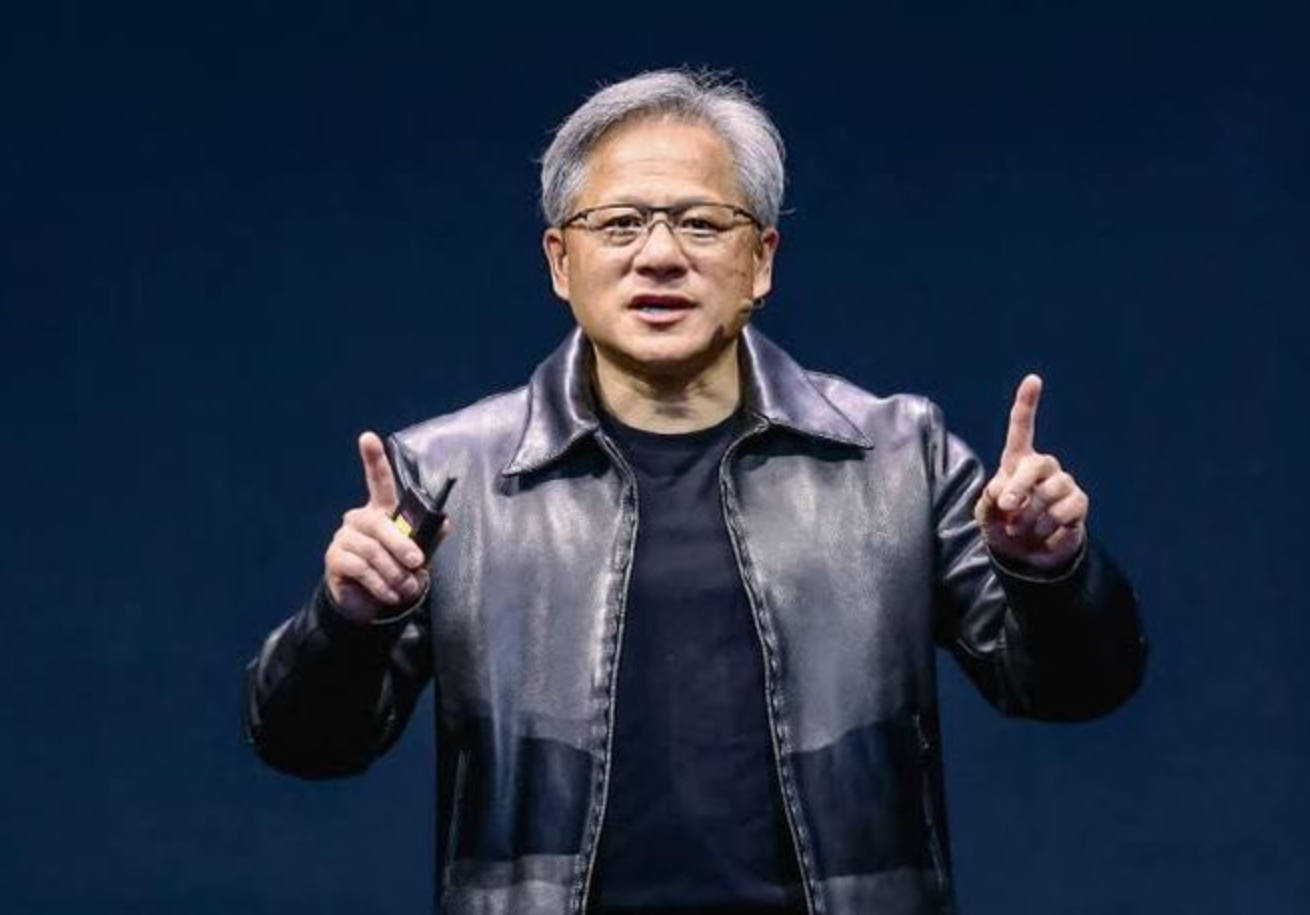
NVIDIA's CEO Jensen Huang Announces Expansion of Physical AI Collaboration in Japan
On July 16, NVIDIA CEO Jensen Huang announced an expansion of collaboration with Japanese companies in the field of 'physical AI' during an event in Tokyo. This initiative marks a strategic move to integrate NVIDIA's technology into Japan's manufacturing sector, particularly through a partnership with Toyota to develop AI models for the Woven City traffic control system. The collaboration with Toyota is central to NVIDIA's strategy, as the company will provide GPUs and development tools to Toyota's subsidiary, Woven by Toyota. This partnership aims to embed NVIDIA's technology into the city's digital twin platform, Omniverse, enhancing factory production and driving manufacturing robots with the Isaac platform. Additionally, Huang revealed plans to deepen cooperation with major Japanese industrial automation firms, including Fujitsu, Fanuc, Yaskawa Electric, and Kawasaki Heavy Industries, as part of the Cosmos Coalition. This initiative aims to strengthen Japan's position in the global AI robotics market, with a government goal of achieving a 30% market share by 2040. No further timeline was disclosed at the time of publication.
Physical AI Robotics Industrial Automation AI Technology
SoftBank Robotics Launches Next-Generation Serving Robot 'Servi Q' in Collaboration with Bear Robotics
SoftBank Robotics Corp. has commenced sales of the next-generation serving robot 'Servi Q,' developed in collaboration with Bear Robotics, Inc., starting September 28, 2026, in Japan. The 'Servi Q' will be exclusively sold by SoftBank Robotics globally, leveraging its network for gradual international rollout, while Bear Robotics continues sales in the U.S. and South Korea. The introduction of 'Servi Q' addresses several operational challenges faced by serving robots, such as navigating narrow aisles and carrying drinks stably. With a slim design of 35 cm in width and a minimum passage width of 45 cm, it can maneuver through crowded spaces and reverse in tight spots, enhancing its adaptability to various restaurant environments. Looking ahead, 'Servi Q' is designed to support natural collaboration between humans and robots in environments where traditional robot deployment has been challenging, such as restaurants, hotels, and care facilities. No further timeline was disclosed at the time of publication.

Suteng Juchuang and NVIDIA Expand Collaboration with E2 and EM4 Joining HSB Ecosystem
Suteng Juchuang has announced an expansion of its cooperation with NVIDIA, marking a significant step in integrating their E2 and EM4 products into the HSB ecosystem. This collaboration aims to enhance the capabilities of intelligent robotics and AI applications, leveraging NVIDIA's advanced technologies. The partnership is crucial as it highlights the growing importance of integrating AI and robotics in various sectors, particularly in enhancing operational efficiency and innovation. By connecting E2 and EM4 to the HSB ecosystem, Suteng Juchuang is positioning itself at the forefront of technological advancements in robotics. Looking ahead, industry observers will be keen to see how this collaboration evolves and impacts the robotics landscape. No further timeline was disclosed at the time of publication.
Robotics Automation AI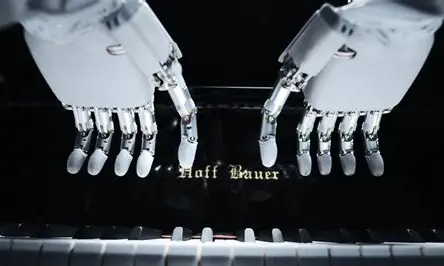
Jingzhi Technology Unveils Agile Hand VIVA in Collaboration with Pianists for Four-Hand Performances
Jingzhi Technology has launched its new Agile Hand VIVA, designed specifically for collaborative four-hand piano performances. This innovative robotic hand aims to enhance musical expression and performance capabilities by working alongside human pianists. The introduction of the Agile Hand VIVA is significant as it represents a step forward in the integration of robotics in the arts, particularly in music. By collaborating with pianists, Jingzhi Technology is not only showcasing the potential of robotics in creative fields but also addressing the growing interest in human-robot interaction in performance settings. Looking ahead, industry observers will be keen to see how the Agile Hand VIVA is received in the music community and whether it can lead to further advancements in robotic applications within the performing arts. No further timeline was disclosed at the time of publication.
Robotics Automation AI
Ando Launches Team Messaging App for Seamless Human-Agent Collaboration
Ando, a startup founded by Sara Du, has launched a team messaging platform designed to integrate AI agents into workplace communication. The app aims to eliminate the need for humans to act as intermediaries between AI agents and teams, allowing agents to participate directly in conversations and decision-making processes. With features like channels, direct messaging, and live calls, Ando positions itself as a competitor to established platforms like Slack and Microsoft Teams. This development is significant as it addresses the evolving needs of workplaces increasingly reliant on AI technologies. Du identified that existing communication tools were not designed to accommodate AI agents as active participants, leading to inefficiencies. By providing agents with their own identities and the ability to engage in discussions, Ando seeks to enhance collaboration and streamline workflows in organizations. Looking ahead, Ando has secured $20 million in pre-seed and seed funding to further develop its platform. While major players like Slack and Microsoft have begun integrating AI capabilities, the market still presents opportunities for innovative solutions. Du acknowledges the challenges ahead, noting initial skepticism from potential users regarding the platform's functionality compared to traditional messaging apps. No further timeline was disclosed at the time of publication.
AI Fundraising Startups AI agents ando Microsoft Teams
NVIDIA AI Day Singapore Highlights AI Innovations and Collaborations in Southeast Asia
NVIDIA AI Day Singapore, held on September 22-23 at the Raffles City Convention Centre, showcased significant AI advancements across Southeast Asia. Attendees engaged in hands-on training and expert-led sessions aimed at accelerating AI and high-performance computing initiatives. The event emphasized the importance of AI as a national strategy, with governments transitioning from pilot projects to large-scale production. NVIDIA aims to empower nations to become AI nations by providing essential technology, infrastructure, and expertise necessary for this transformation. Key collaborations were highlighted, including Singapore's HTX utilizing NVIDIA's Nemotron models for public safety, while Malaysia's YTL AI Labs and Viettel AI focus on local applications. The ThaiLLM Collaboration is adapting Nemotron for legal applications, and Brunei's Antrique is enhancing productivity in the food sector with an AI innovation platform. No further timeline was disclosed at the time of publication.
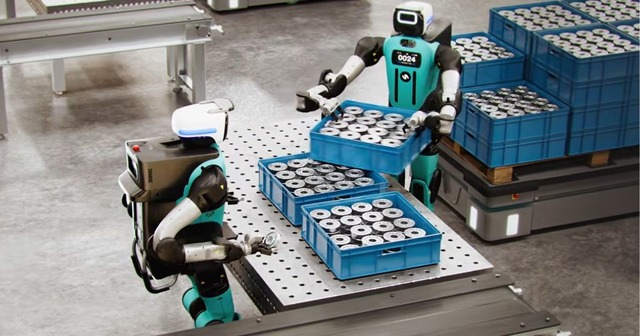
Agility Robotics Unveils New Humanoid Robot 'Digit 5' for Close Human Collaboration
On September 15, Agility Robotics announced the launch of its new humanoid robot model, 'Digit 5'. This model is designed to operate closely with humans without the need for safety barriers, aiming to expand its use in manufacturing and logistics environments. The significance of Digit 5 lies in its advanced safety features, which include multiple sensors and AI algorithms that continuously detect nearby individuals. The robot can autonomously avoid or stop when a person approaches, and it can switch to safe modes, such as sitting down. It also features visual and auditory signals to communicate its intentions and employs a dedicated safety controller to trigger immediate safety actions when unsafe distances are detected. Looking ahead, Agility Robotics has secured multi-year contracts exceeding $300 million for Digit 5, with increasing interest from the manufacturing and logistics sectors. The company plans to expand its deployment beyond North America to the European Union and the UK, with initial implementations expected in early 2027 and general availability by the end of 2027.

Digua Robotics and Giga Vision Collaborate to Integrate World Models into Edge AI Chips
On September 14, Digua Robotics and Giga Vision announced a strategic collaboration focused on integrating their respective technologies. Giga Vision will provide world models, embodied foundational models, and real-world application experience, while Digua Robotics will contribute an edge AI computing platform, algorithm toolchain, and robotics ecosystem. The initial integrated model chosen is GigaBrain-0.7, utilizing the Xuri S600 hardware base and GigaWorld's capabilities. This partnership aims to create an affordable, integrated solution for embodied intelligence at the edge. GigaWorld will handle scene generation, action consequence prediction, strategy evaluation, and retraining of failure samples, providing a virtual training environment for robots. GigaBrain will serve as the edge intelligence core, managing natural language tasks, spatial perception, task decomposition, skill routing, and decision-making, while the Xuri S600 will support multimodal reasoning and task scheduling. Looking ahead, both companies plan to accelerate the practical application of GigaBrain-0.7 across various robotic platforms, including industrial manufacturing and home services. The success of this collaboration will depend on the performance of GigaBrain-0.7 in real-world robotic applications, particularly in terms of task success rates and system stability.
Robotics AI Edge Computing Embodied Intelligence
Canada and Ukraine Sign Long-Term Pact to Boost Drone Production and Security Collaboration
Canada has launched a new national Defence Drone Initiative Marketplace (DDIM) to enhance its security partnership with Ukraine. This initiative aims to increase drone production, reflecting a commitment to strengthen defense capabilities between the two nations. The establishment of the DDIM is significant as it underscores Canada's dedication to supporting Ukraine amid ongoing security challenges. By fostering collaboration in drone technology, both countries aim to bolster their defense strategies and enhance operational effectiveness in addressing threats. Looking ahead, the focus will be on the outcomes of this initiative and how it influences defense production capabilities. No further timeline was disclosed at the time of publication.
News
Hai Robotics and Ferag Solutions Enhance Partnership for Warehouse Automation in EMEA
Hai Robotics and Ferag Solutions are expanding their collaboration across Europe, the Middle East, and Africa after five years of successful warehouse automation projects. This partnership aims to leverage Hai Robotics' Automated Case-handling Mobile Robot systems and Ferag Solutions' integration expertise to meet the growing demand for flexible warehouse automation. The collaboration is significant as it combines Hai Robotics' innovative automation technology with Ferag Solutions' regional knowledge and systems integration capabilities. This synergy is expected to provide businesses with immediate operational improvements while allowing them to adapt to changing demands in the logistics sector. Looking ahead, both companies plan to host regional webinars to share insights on warehouse automation challenges and opportunities. Several projects have already been signed, indicating a strong foundation for future growth and collaboration in developing scalable warehouse operations across the EMEA region.
Warehouse Automation Intralogistics Automated Mobile Robots Systems Integration
Hai Robotics and Ferag Solutions Enhance Partnership for Warehouse Automation in EMEA
Hai Robotics and Ferag Solutions are expanding their collaboration across Europe, the Middle East, and Africa after five years of successful partnership. This expansion follows several warehouse automation projects in the UK, where both companies combined their strengths to deliver innovative solutions. Hai Robotics will provide its Automated Case-handling Mobile Robot (ACR) systems, while Ferag Solutions will contribute its systems integration expertise. The significance of this partnership lies in its ability to meet the increasing demand for integrated warehouse automation solutions that enhance operational efficiency. The collaboration aims to offer businesses the flexibility to adapt to changing volumes and requirements, ensuring they remain competitive in a rapidly evolving market. Nicholas Hughes, Managing Director of Ferag Solutions, emphasized the trust and commitment that have developed between the two organizations, which are crucial for recommending solutions to customers. Looking ahead, Hai Robotics and Ferag Solutions plan to host regional webinars to share insights on warehouse automation challenges and opportunities. With several projects already signed, the companies are well-positioned to support more businesses in developing scalable and future-ready warehouse operations. No further timeline was disclosed at the time of publication.
Warehouse Automation Intralogistics Automated Robotics Supply Chain Solutions
Bechtel and Cyberhawk Strengthen Partnership for AI-Driven Drone Monitoring in Construction
Bechtel Corporation and Cyberhawk have formalized an expanded collaboration focused on drone-based construction monitoring. This partnership aims to enhance the iHawk platform's capabilities for capturing, processing, and utilizing construction data across complex engineering, procurement, and construction (EPC) projects. The significance of this collaboration lies in its potential to provide near real-time site intelligence, which is crucial for scaling AI, robotics, and autonomous systems in construction environments. Since their initial partnership in 2018, the companies have worked together to integrate aerial data with the iHawk platform, facilitating data-driven project execution. Looking ahead, both companies are actively deploying and testing innovative approaches on live projects, emphasizing autonomous data capture and AI-assisted site analysis. No further timeline was disclosed at the time of publication.
Construction Drone News Drone News Feeds News AI construction artificial intelligence
Palladyne AI and FANUC America Form Strategic Partnership to Enhance Robotic Automation
Palladyne AI and FANUC America have announced a strategic collaboration aimed at advancing intelligent robotic automation. This partnership will integrate FANUC America's extensive industrial robot portfolio with Palladyne AI's innovative physical AI software platform. The collaboration is significant as it seeks to simplify the deployment of robotic systems, enhance their adaptability, and broaden the scope of automation across various sectors, including manufacturing, warehousing, and logistics. By leveraging both companies' strengths, the partnership aims to address the growing demand for efficient automation solutions. Looking ahead, industry stakeholders should monitor the developments from this collaboration, particularly how the integration of AI with robotics will impact operational efficiencies in the targeted sectors. No further timeline was disclosed at the time of publication.

FAA and EASA Collaborate to Address BVLOS Drone Operations Challenges
The FAA and EASA are navigating different regulatory paths for advanced drone operations, particularly for beyond visual line of sight (BVLOS) flights. While Europe has implemented the U-space framework to facilitate complex drone operations, the U.S. has focused on initiatives like the Integration Pilot Program and the BEYOND program to test BVLOS capabilities. Both regions face similar challenges in scaling these operations despite their differing regulatory approaches. The significance of this collaboration lies in the shared goal of enhancing safety and operational efficiency in drone traffic management. The FAA's move towards Part 108 aims to create a more standardized regulatory environment for BVLOS operations, while EASA's Specific Operations Risk Assessment (SORA) methodology emphasizes risk evaluation tailored to specific flight scenarios. This alignment in safety objectives highlights the potential for harmonization between U.S. and European drone regulations. Looking ahead, the ongoing discussions between U.S. and European regulators, such as those at the Commercial UAV Expo, will be crucial in shaping the future of BVLOS operations. As both regions work towards routine BVLOS flights, stakeholders should monitor developments in regulatory frameworks and risk assessment methodologies that could impact the drone industry on a global scale.
BVLOS Drone News Drone News Feeds Europe Drone Industry European Union FAA
Renesas Launches Robotics Lab in Beijing for AI Development and Collaboration
Renesas has inaugurated a new robotics lab in Beijing aimed at enabling customers to demonstrate and validate next-generation robotic systems. This facility is part of Renesas' broader initiative to enhance its physical AI capabilities. The establishment of this lab is significant as it allows for collaborative development between Renesas and its clients, fostering innovation in robotic technologies. By providing a space for hands-on experimentation, Renesas aims to accelerate the deployment of advanced robotics solutions in various applications. Looking ahead, stakeholders should monitor how this lab influences the development of robotic systems and the potential partnerships that may arise. No further timeline was disclosed at the time of publication.
Artificial Intelligence News Robotics China Physical AI Renesas Electronics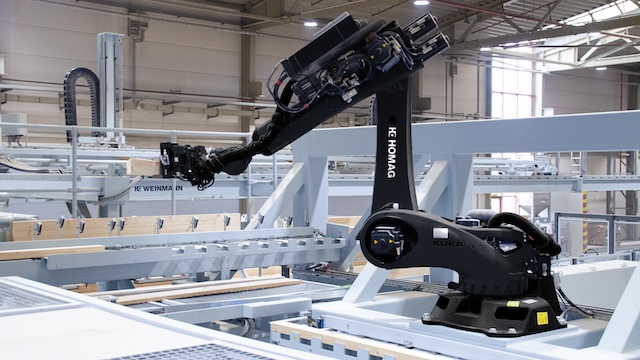
Anthropic Introduces Software Standard for Claude to Enhance Collaboration with Robots and Lab Tools
Anthropic PBC has unveiled a new software standard designed to improve the interaction between AI assistants, such as Claude, and various robotic and scientific lab tools. This development aims to streamline operations in both manufacturing and scientific environments, enhancing the efficiency of AI in these sectors. The introduction of this software standard is significant as it represents a step forward in integrating AI technologies with physical systems. By enabling Claude to better collaborate with robots and lab equipment, Anthropic is addressing a critical need for improved automation and precision in scientific and manufacturing processes. Looking ahead, industry stakeholders will be keen to observe how this new standard impacts the deployment of AI in robotics and lab settings. No further timeline was disclosed at the time of publication.
Hyundai Emphasizes Human-Robot Collaboration Amid Strike Resolution and Future Robotics Plans
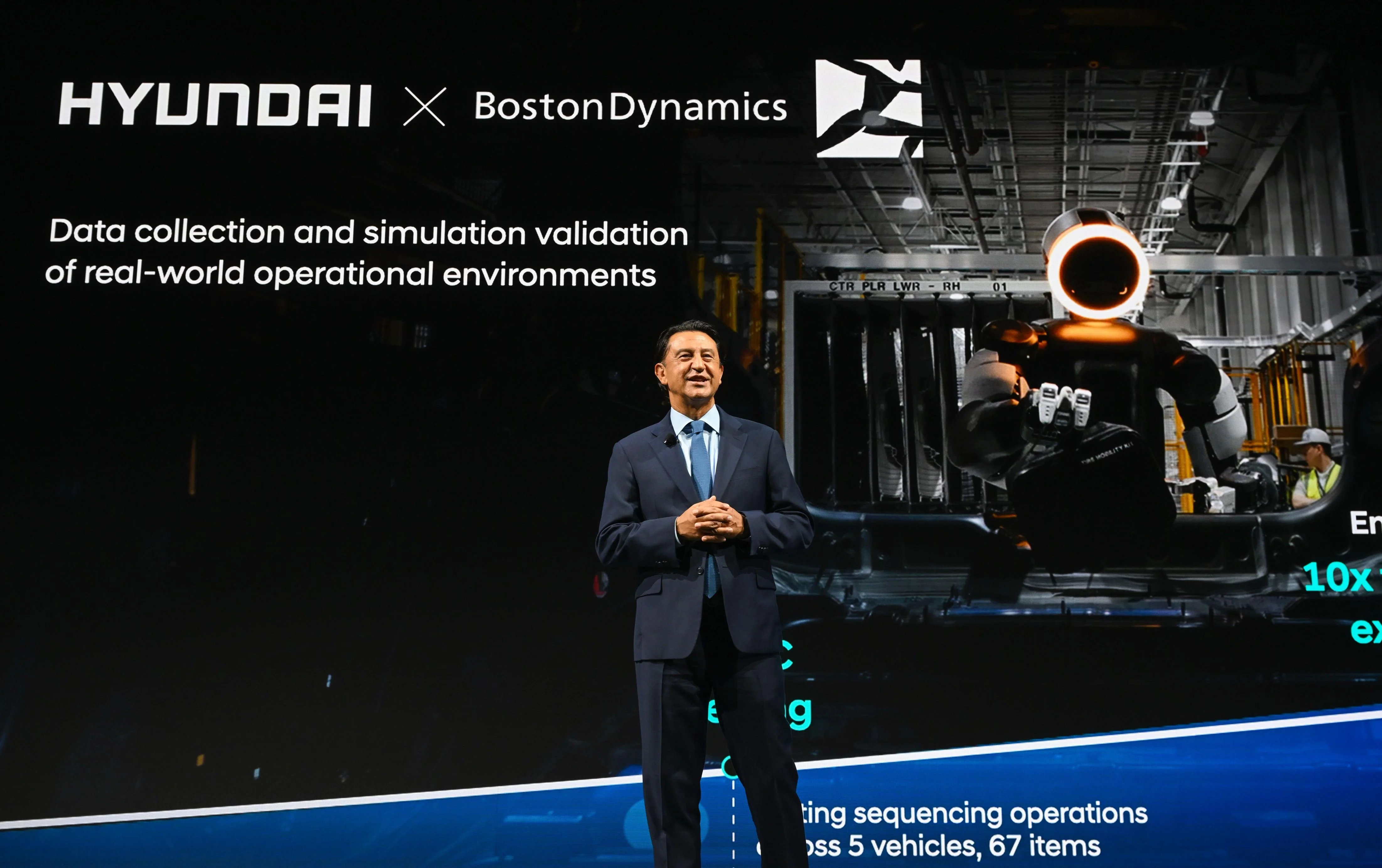
During Hyundai Motor Company's 2026 CEO Investor Day, President and CEO José Muñoz clarified that robots are intended to assist humans rather than replace them. This statement came just a day after the company settled a strike with its South Korean union, which had raised concerns about automation's impact on jobs. Muñoz's remarks highlight Hyundai's commitment to creating new job categories, such as robot maintenance, while maximizing human potential. The company plans to establish a robotics manufacturing facility in the United States, set to begin production in 2028 with an annual capacity of 30,000 units, primarily for its own use. Looking ahead, Hyundai's Atlas humanoid robot is expected to be deployed at the Hyundai Motor Group Metaplant America in Georgia by 2028, with a broader rollout planned for 2030. The Robot Metaplant Application Center, which opened in June, will play a crucial role in validating robots for real factory conditions, supporting Hyundai's vision for robotics commercialization.
hyundai US Hyundai Motor Group South Korea Atlas Boston Dynamics
AWS and NVIDIA Expand Collaboration with 2 Million Additional GPUs for AI Infrastructure
Amazon Web Services (AWS) and NVIDIA have announced a significant expansion of their partnership to address the increasing global demand for AI infrastructure. The companies plan to deploy an additional 2 million NVIDIA GPUs across AWS’s global infrastructure, enhancing their collaboration in AI factories, CPUs, networking, and robotics. This move aims to support the growing need for AI workloads, enabling customers to scale their operations in areas such as agentic AI and enterprise automation. This expansion is crucial as organizations transition from pilot projects to full-scale production, necessitating broader model choices and faster data processing capabilities. AWS and NVIDIA's joint efforts will provide customers with the confidence that their infrastructure can support innovative AI applications while maintaining security and reliability. The collaboration builds on 16 years of innovation, reflecting the increasing demand from various sectors, including frontier labs and governments. Looking ahead, AWS and NVIDIA's partnership is set to redefine AI compute capacity, with plans to introduce NVIDIA Blackwell Ultra GPUs and enhance networking performance for large-scale AI training. No further timeline was disclosed at the time of publication.
Highlights from the 2026 World Robot Conference on Embodied Intelligence Collaboration
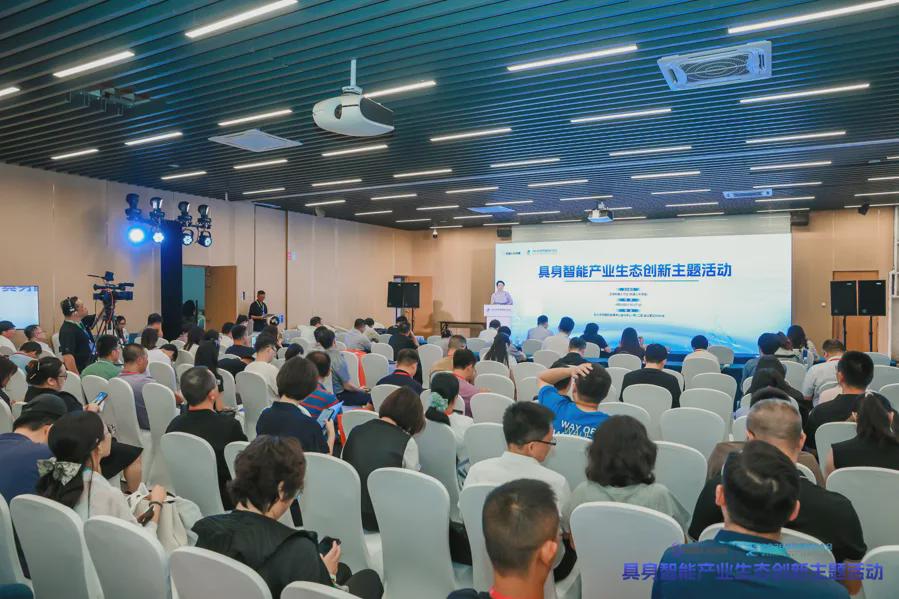
The 2026 World Robot Conference (WRC) held a thematic event on embodied intelligence on August 20 at the Beijing Yichuang International Conference Center. Organized by the Lide Robot Platform, the event brought together experts, entrepreneurs, and investors to discuss various topics including model evaluation, humanoid robot paradigms, and safety boundaries in the industry. This conference is significant as it addresses the urgent need for a unified evaluation standard in embodied intelligence, highlighted by the introduction of the ET Benchmark, a systematic evaluation standard developed by leading Chinese universities. The event also showcased the successful international expansion of Shanghai Sotai Wujie Technology Co., which signed a contract with a major European supermarket chain, demonstrating the practical application of embodied intelligence in real-world scenarios. Looking ahead, the focus will be on overcoming data bottlenecks and enhancing the safety of embodied robots. Companies like Suzhou Tangyuan Technology and Lingdi Technology are working on innovative solutions to improve data collection and simulation capabilities. No further timeline was disclosed at the time of publication.
Embodied Intelligence Humanoid Robots Data Solutions Cloud Computing Industry Collaboration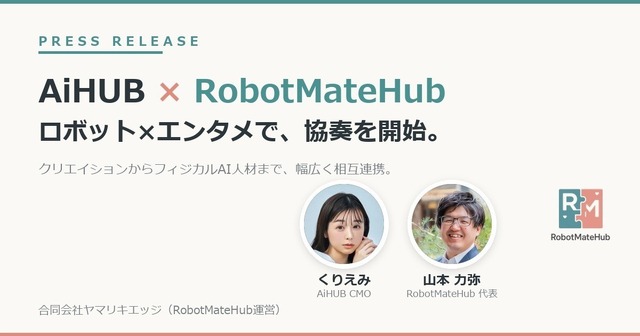
AiHUB and RobotMateHub Begin Collaboration in Entertainment Robotics and AI Talent Development
AiHUB, focused on advancing robotics and AI in entertainment, has announced a partnership with RobotMateHub, a platform for workforce development in the robotics industry, effective August 17, 2026. This collaboration aims to enhance the intersection of entertainment and robotics, fostering talent in physical AI and expanding public engagement through various initiatives. The partnership is significant as it seeks to bridge the gap between creators and the robotics workforce, promoting a broader understanding and application of robotics in entertainment. Both organizations recognize the necessity of developing a skilled workforce capable of creating, operating, and utilizing robots effectively, which is essential for the industry's growth. Looking ahead, the collaboration will not be limited to specific events but will encompass multiple areas, including participation in AiHUB's events like the Robot Carnival and joint efforts in skill certification and community engagement. No further timeline was disclosed at the time of publication.
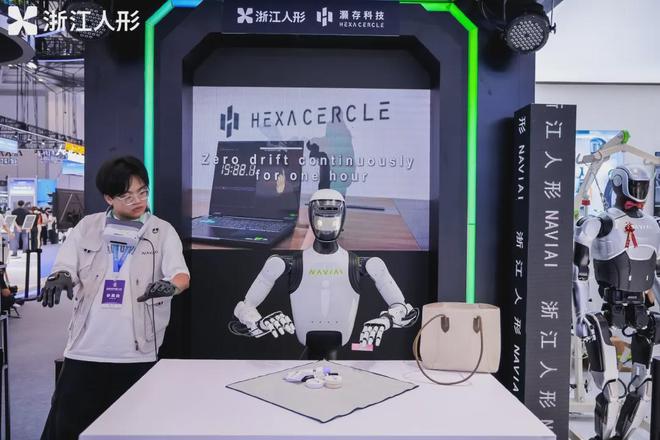
Haocun Technology and Zhejiang Humanoid Robotics Collaborate to Enhance Practical Applications
From August 19 to 23, the World Robot Conference (WRC) was held at the Beiren Yichuang International Exhibition Center, showcasing cutting-edge technologies in humanoid robotics and industrial intelligence. During the event, Zhejiang Humanoid Robotics Innovation Center's humanoid robot NAVIAI demonstrated its capabilities by synchronizing its arm movements with an operator wearing motion data gloves, achieving precise gestures without pre-programmed instructions. This collaboration between Haocun Technology and Zhejiang Humanoid Robotics marks a significant step in addressing the challenges faced by the humanoid robotics industry, which is transitioning from prototype development to practical applications. The partnership aims to overcome bottlenecks in skill transfer, training time, and operational reliability, which have hindered the deployment of humanoid robots in real-world scenarios. Looking ahead, the integration of Haocun Technology's motion perception and data collection capabilities with Zhejiang Humanoid's hardware platform is expected to accelerate the adoption of embodied intelligence technologies. No further timeline was disclosed at the time of publication.
Humanoid Robots Motion Capture Technology Industrial Automation Robotics Collaboration
LG Electronics Enhances Robotics Partnership with NVIDIA at New Data Factory
LG Electronics has announced an acceleration of its robotics collaboration with NVIDIA. This announcement was made during a visit by senior NVIDIA officials to LG's Data Factory, which is currently under construction at the Yangjae R&D Campus in Seoul. The collaboration is significant as it combines LG's extensive manufacturing expertise with NVIDIA's advanced robotics technology. This partnership aims to explore new synergies that could enhance both companies' capabilities in the robotics sector. Looking ahead, the focus will be on how the collaboration can evolve and what new developments may arise from this partnership. No further timeline was disclosed at the time of publication.

Nvidia's Madison Huang to Discuss Robotics Collaboration at LG's Seoul Factory
Madison Huang, daughter of Nvidia CEO Jensen Huang, will visit LG Electronics' humanoid robot data factory in Seoul for discussions on robotics cooperation. The meeting is set to take place at LG's research and development campus, where the company is training humanoid robots in environments that mimic real-world settings. This visit is significant as it follows a recent meeting between Jensen Huang and LG Group Chairman Koo Kwang-mo, where they signed a memorandum of understanding to enhance strategic business cooperation. The collaboration aims to advance physical artificial intelligence and robotics, with LG developing a bipedal humanoid robot utilizing Nvidia's robotics platform, expected to be unveiled in the first quarter of 2027. As the partnership progresses, industry observers will be keen to see how the discussions unfold, particularly regarding the integration of Nvidia's Jetson Thor computing module and Isaac GR00T model into LG's robotics initiatives. No further timeline was disclosed at the time of publication.
All News
Human Pose Estimation Approach for Multi-Modal Perception in Dynamic Occlusion Scenarios
A recent study published in the Journal of Field Robotics explores a human pose estimation approach aimed at enhancing multi-modal perception in dynamic occlusion scenarios. This research is particularly relevant for improving human-robot collaboration, as it addresses the challenges posed by occlusions in real-time environments. The significance of this study lies in its potential to advance the capabilities of robots in collaborative settings, enabling them to better understand and interact with human counterparts. By focusing on dynamic occlusion scenarios, the research highlights the importance of robust perception systems that can adapt to changing environments, which is crucial for effective human-robot teamwork. Looking ahead, the implications of this research could lead to more sophisticated robotic systems capable of navigating complex environments while maintaining high levels of interaction with humans. No further timeline was disclosed at the time of publication.
RESEARCH ARTICLE
LG Group and Nvidia CEOs to Meet for AI Infrastructure and Robotics Collaboration
LG Group Chairman Koo Kwang-mo is set to meet Nvidia CEO Jensen Huang in Silicon Valley next week to enhance their collaboration in artificial intelligence infrastructure and robotics. This meeting follows their previous discussion in Seoul in early June, where they outlined plans for partnerships in humanoid robots and next-generation data centers. The significance of this meeting lies in the potential for substantial investments and advancements in technology development between the two companies. During their June meeting, Huang emphasized the importance of this partnership, which aims to leverage Nvidia's expertise in AI and LG's capabilities in robotics to create innovative solutions for the market. As both companies prepare for this crucial discussion, stakeholders will be watching closely for updates on investment sizes and timelines for technology development. No further timeline was disclosed at the time of publication.
All News
Boeing and Northrop Grumman Enhance P-8A Poseidon and MQ-4C Triton Drone Collaboration
Boeing and Northrop Grumman have successfully conducted a pioneering test that allows P-8A Poseidon crews to command MQ-4C Triton drones. This advancement in command and control architecture enables the P-8A to issue autonomous mission orders to the Triton, enhancing operational flexibility in dynamic battle scenarios. The integration of the P-8A and MQ-4C is significant as it streamlines mission management and reduces operator workload through the Universal Command & Control Interface (UCI). This collaboration is expected to accelerate decision-making processes and improve the efficiency of maritime surveillance operations, particularly in response to sudden changes in the battlespace. Looking ahead, the U.S. Navy's ongoing efforts to integrate these platforms suggest a future where the P-8A and MQ-4C work seamlessly together. No further timeline was disclosed at the time of publication.
Air Drones Maritime Patrol MQ-4C News & Features P-8
FedEx Enhances Collaboration with Dexterity for Expanded Physical AI in Trailer Loading
FedEx and Dexterity have announced an expanded partnership to implement Dexterity's Foresight world model and Mech trailer loading systems at the FedEx Hagerstown Hub in Maryland. This deployment builds on years of joint development and testing, allowing for a larger operational scale while focusing on safety, consistency, and performance in trailer loading operations. The significance of this collaboration lies in addressing one of the most physically demanding workflows in parcel logistics. With tens of thousands of trailers loaded daily, automating this process has been challenging. The integration of Dexterity's physical AI technology aims to enhance operational efficiency and support FedEx's workforce in a critical area of their logistics operations. Looking ahead, FedEx is committed to evaluating and deploying physical AI to improve the speed, reliability, and flexibility of its network. No further timeline was disclosed at the time of publication.
Logistics Material handling News autonomous trailer loading dexterity fedex
Google DeepMind Launches Gemini Robotics 2, Enhancing Whole-Body Intelligence and Multi-Robot Collaboration
Google DeepMind has introduced Gemini Robotics 2, a significant update that enhances its robotics capabilities. This new version expands beyond previous iterations by incorporating full-body movement control for humanoids, advanced manipulation for multi-fingered hands, and improved collaboration among multiple robots. The importance of Gemini Robotics 2 lies in its ability to unify locomotion and manipulation, addressing a common limitation in robotics. As Carolina Parada, Head of Robotics at Google DeepMind, stated, the new model enables robots to think, act, and interact intelligently, which is crucial for tackling complex tasks in diverse environments. Looking ahead, Gemini Robotics 2 is now available through Google AI Studio and in private preview on the Gemini Enterprise Agent Platform. The rollout of the core VLA and On-Device 2 models to early-access hardware partners is also underway. No further timeline was disclosed at the time of publication.
DeepMind US Apollo SharpaWave Sharpa Robotics Google
Tencent WorkBuddy V5.3.5 Introduces AI Collaboration in Office Documents
Tencent has launched WorkBuddy V5.3.5, integrating Tencent Docs to enhance AI collaboration in Office documents. This version supports local Office files and cloud documents, allowing users to box-select and edit with contextual multi-modal intelligence. The introduction of this feature is significant as it streamlines the editing process across various formats, including Word, Excel, PPT, and Markdown. By enabling real-time collaborative editing, Tencent aims to improve productivity and facilitate seamless teamwork in document creation and management. Looking ahead, it will be important to monitor how users adapt to these new collaborative features and whether they enhance overall efficiency in document workflows. No further timeline was disclosed at the time of publication.
Technology
Generative Bionics Launches GENE.01: A Sensorized Humanoid for Industrial Collaboration
Generative Bionics has officially introduced GENE.01, a fully functional humanoid platform designed for safe collaboration with human workers. This launch follows the company's $81 million seed funding and aims to transform academic robotics research into practical industrial applications. GENE.01 features a unique full-body tactile skin that enables it to detect touch, force, temperature, and proximity, addressing challenges in robotic learning related to force control. The significance of GENE.01 lies in its ability to enhance human-robot interaction through its multimodal sensor array, which allows for teaching complex tasks via force demonstration. This approach is supported by peer-reviewed research published in Nature Machine Intelligence, which outlines a framework for optimizing robotic morphology and motion control to minimize physical strain on human collaborators. The platform represents a shift from traditional vision-only systems to a more integrated sensory experience. Looking ahead, Generative Bionics plans to further develop GENE.01's capabilities, particularly in predictive interaction through human motion forecasting. The company is also promoting third-party software development by integrating GENE.01’s digital twin into mainstream software package managers, facilitating easier testing and simulation for developers. No further timeline was disclosed at the time of publication.
Generative Bionics Europe GENE01
Tencent Miora Creative Agent Generates Comprehensive Brand Visual Assets from Single Brief
Tencent's Miora creative agent was tested with a brand brief for the Puff AI companion robot. The agent successfully produced a complete set of visual assets, including a logo, brand guidelines, visual identity assets, app user interface, poster, video, and sticker pack, all generated from a single 1000-integral run. This development is significant as it showcases the capabilities of Tencent's Miora in streamlining the creative process through multi-agent collaboration. The ability to generate a wide array of brand materials from a single input can enhance efficiency for businesses looking to establish or refresh their brand identity. Looking ahead, it will be important to monitor how Tencent addresses the integration limits of the Miora creative agent. As the technology evolves, further enhancements may improve its functionality and broaden its applications in various branding and marketing scenarios. No further timeline was disclosed at the time of publication.
Technology
BETA Technologies Unveils Militarized MV250 Aircraft with GE and Sikorsky Collaboration
BETA Technologies has introduced a militarized, unmanned version of its A250 aircraft, now designated as the MV250, featuring a hybrid-electric powertrain. This new variant, developed in collaboration with GE Aerospace and Sikorsky, aims to fulfill the rigorous demands of defense missions. BETA anticipates the MV250 will be ready for military exercises by next year and could enter production by 2028. The MV250 is designed for various military applications, including logistics, reconnaissance, and strike missions, boasting a range of 1,300 nautical miles and a payload capacity of up to 2,000 pounds. BETA's CEO, Kyle Clark, emphasized the aircraft's efficiency and performance, which are critical for military operations. The hybrid-electric powertrain, based on GE's CT7 turbine engine, is expected to provide significant range improvements over all-electric models. As BETA targets the Pentagon and international buyers, the MV250's development reflects a broader trend in the advanced air mobility sector, where companies are increasingly focusing on military applications. No further timeline was disclosed at the time of publication.
Air Warfare Networks & Digital Warfare Air Force Anduril Beta Technologies cyber security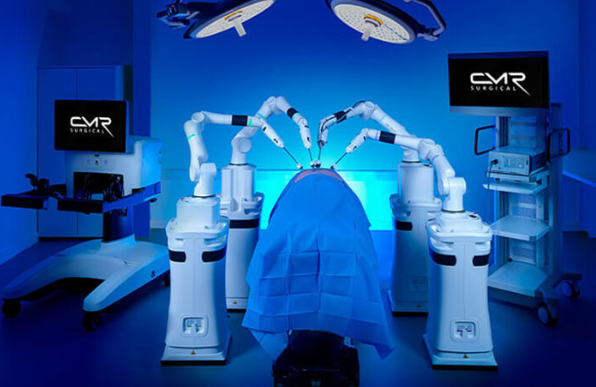
CMR and NVIDIA Enhance Surgical Robots with Predictive Capabilities
CMR Surgical and NVIDIA have unveiled a new capability of the Versius Plus surgical robot at the 2026 SRS conference, allowing it to predict post-action scenarios in surgical environments. This advancement marks a shift from mere execution to predictive intelligence in surgical procedures. The ability to foresee changes in the surgical area enhances decision-making for surgeons, potentially transforming the role of surgical robots from simple tools to intelligent assistants. CMR's CTO, Chris Fryer, emphasized the importance of leveraging global surgical data to provide deeper insights and support informed decisions. No further timeline was disclosed at the time of publication. The collaboration utilizes NVIDIA's Cosmos-H-Dreams platform, which refines the Open-H Embodiment dataset, enabling the prediction of anatomical changes based on current scenarios and proposed actions. This innovation represents a significant step towards the realization of AI-assisted surgery.
Surgical Robots AI in Healthcare Medical Technology Robotic Surgery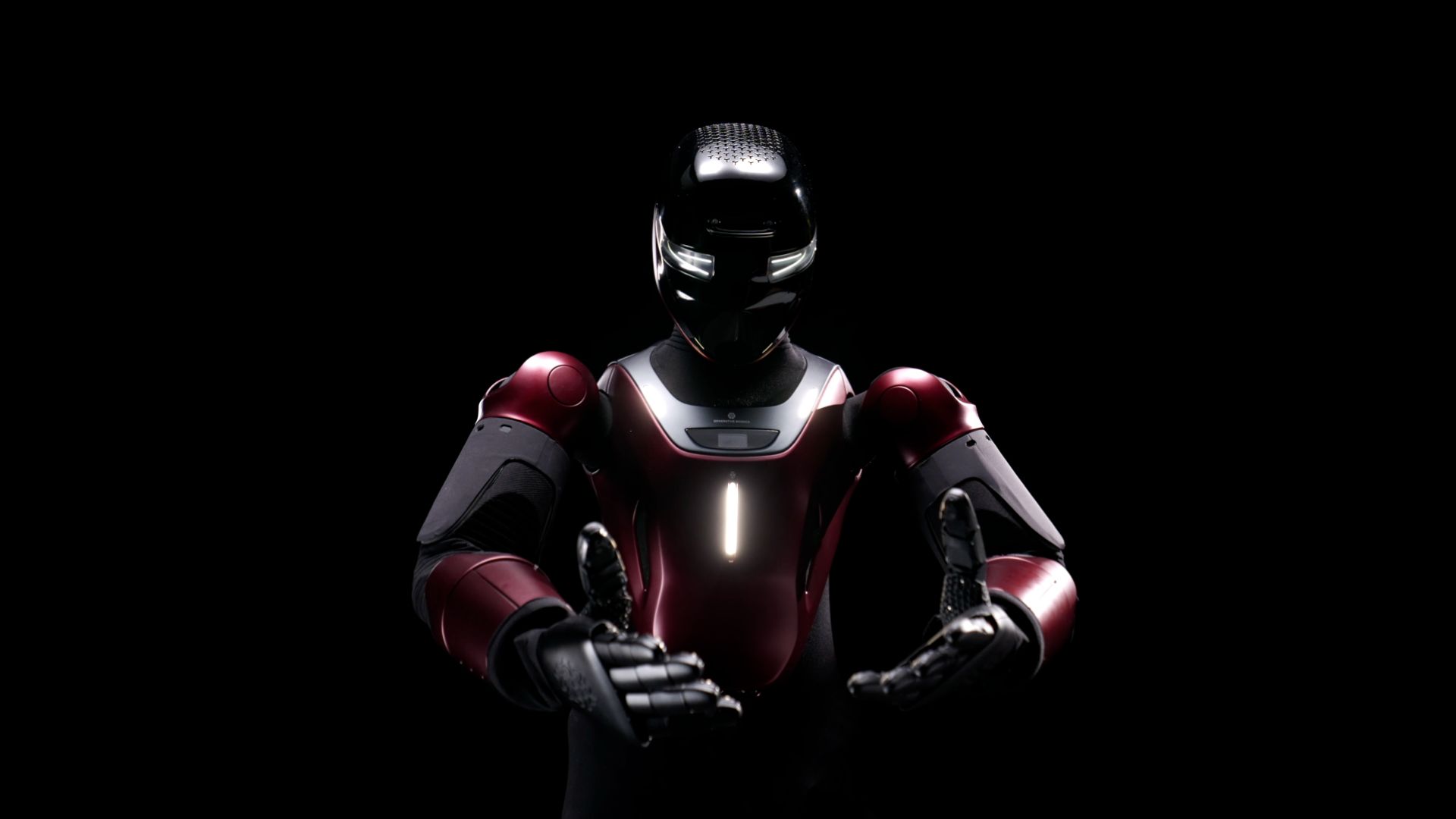
Generative Bionics Launches Gene.01 Humanoid with Advanced Smart Skin for Industrial Use
Generative Bionics has introduced significant enhancements to its Gene.01 humanoid robot, aimed at industrial applications. Developed in six months, this robot features full-body tactile sensing and a physics-native AI system, allowing it to better perceive and respond to its environment. Unlike traditional humanoids, Gene.01 is a customizable platform designed for specific industrial needs, emphasizing safer human-robot collaboration. The importance of Gene.01 lies in its innovative design that integrates tactile sensing with AI, enhancing interaction safety in shared workspaces. Its smart skin detects touch, proximity, force, and temperature, enabling the robot to sense human presence before contact. This capability allows workers to physically guide the robot, addressing the limitations of vision-only systems in complex manipulation tasks. Looking ahead, Generative Bionics plans to release Gene.01's digital twin as open source, facilitating easier integration into existing robotics and AI environments. This initiative aims to provide a common foundation for developers, enhancing simulation and application development for Physical AI. No further timeline was disclosed at the time of publication.
AI and Robotics
NVIDIA Announces Industrial AI Collaboration with Japan's Leading Manufacturers
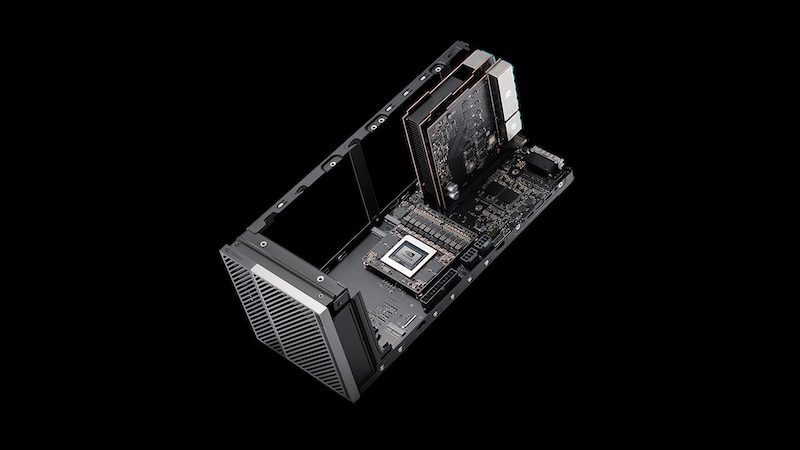
On July 16, NVIDIA CEO Jensen Huang announced a significant partnership in Tokyo with major Japanese manufacturers such as Fanuc, Yaskawa Electric, and Kawasaki Heavy Industries. This collaboration aims to advance the deployment of physical AI in Japan, marking a pivotal moment in the industrial AI landscape. The launch of the Cosmos 3 Edge model, designed for edge devices, is a key component of this initiative, with over 20 Japanese industrial giants planning to join the Cosmos alliance. The Cosmos 3 Edge model, based on NVIDIA's Nemotron with 4 billion parameters, is tailored for the NVIDIA Jetson edge computing platform. Developers can adapt the model to specific robots, vehicles, or sensors in about a day, enabling real-time environmental perception and decision-making without cloud connectivity. Additionally, the NVIDIA Metropolis library enhances the speed of building video intelligence systems by at least six times, further facilitating the integration of AI in various industrial applications. As Japan transitions from a manufacturing powerhouse to a leader in physical AI, NVIDIA is positioning itself as the foundational computing infrastructure for this industrial revolution. The involvement of companies like Fanuc, Kawasaki, and Yaskawa signifies a shift from technology demonstrations to practical applications on factory assembly lines, showcasing the tangible impact of physical AI in the industry.
Industrial AI Robotics Edge Computing Automation Manufacturing Technology
Generative Bionics Unveils Gene.01, a Smart-Skin Humanoid Robot for Safe Human Interaction
Generative Bionics has launched Gene.01, a fully functional humanoid robot platform designed for safe human collaboration. Built in just six months, Gene.01 is equipped with advanced sensors that detect touch, proximity, force, and temperature, enhancing its interaction capabilities with humans. The introduction of Gene.01 is significant as it provides a foundation for Physical AI developers to create industrial applications. Its open-sourced robot model allows for collaborative development, potentially accelerating innovation in the field of humanoid robotics. Looking ahead, the focus will be on how Gene.01 can be integrated into various industrial environments and the applications it can support. No further timeline was disclosed at the time of publication.
Toyota and Nvidia Enhance Collaboration to Advance AI in Vehicles, Manufacturing, and Urban Infrastructure
Toyota and Nvidia have broadened their partnership to develop physical AI technologies that encompass next-generation vehicles, manufacturing, robotics, and urban infrastructure. This collaboration builds on a previous agreement, focusing on advanced driver-assistance systems using Nvidia's DRIVE AGX platform and DriveOS operating system. The significance of this partnership lies in its potential to revolutionize mobility and manufacturing. Rishi Dhall, Nvidia's vice president of automotive, emphasized that physical AI will enhance the intelligence of various machines, making vehicles more autonomous and urban environments safer and more responsive. Toyota aims to implement Level 2++ functionality in its future vehicles while leveraging Nvidia AI models for efficient software engineering. Additionally, Toyota is integrating AI into its manufacturing processes through factory simulations using Nvidia's Omniverse and Isaac Sim frameworks. The partnership also extends to urban mobility technologies via Woven by Toyota, which is developing models to analyze traffic conditions. No further timeline was disclosed at the time of publication.
Computing News advanced driver assistance systems ai automotive AI digital twins
Key Elements for Effective Collaboration in Global Teams Across Cultures
Seven critical elements influence the effectiveness of global teams working across various time zones, languages, and cultural norms. These elements include communication strategies, cultural awareness, and the use of technology to bridge gaps between team members. Understanding these factors is essential for organizations aiming to enhance collaboration among diverse teams. By focusing on these elements, companies can improve team dynamics, increase productivity, and foster a more inclusive work environment. Looking ahead, organizations should prioritize the development of these key elements to ensure successful collaboration in an increasingly globalized workforce. No further timeline was disclosed at the time of publication.
391433 391435 391436 391440 391441 391501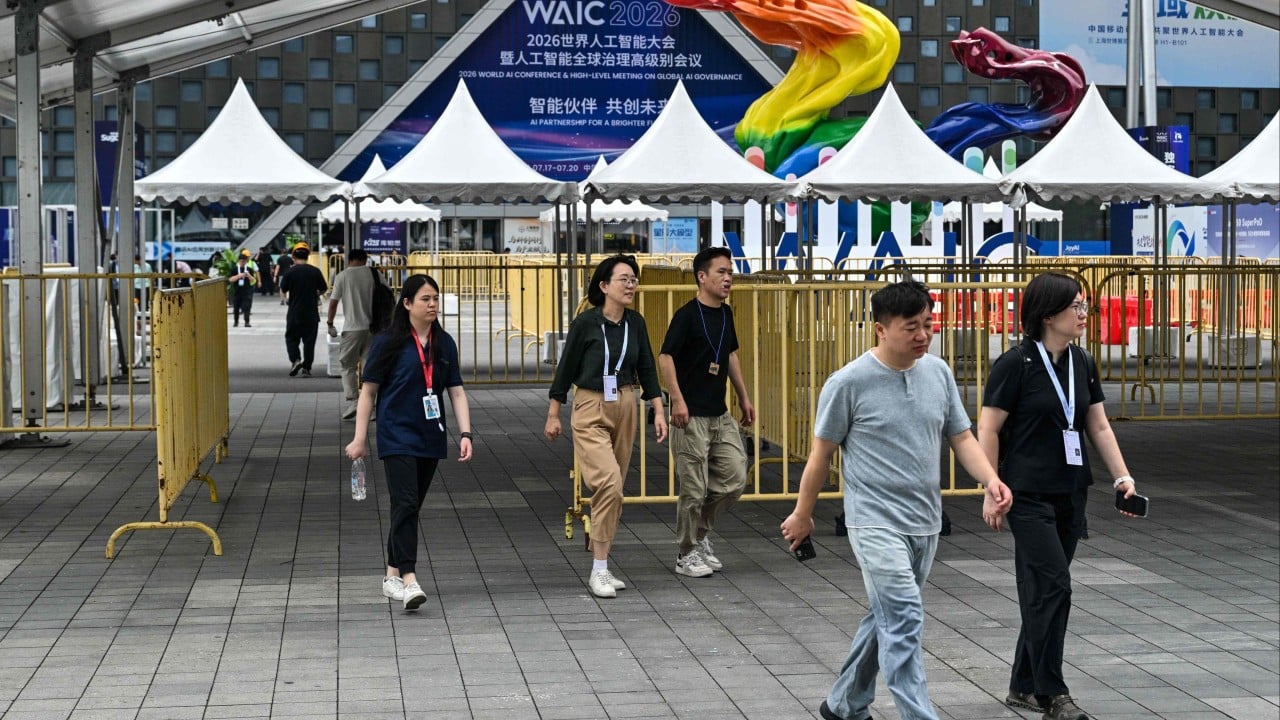
China's WAIC Highlights AI Advancements Amid US Rivalry and Global Collaboration Efforts
The World AI Conference (WAIC) in Shanghai is set to showcase China's ambition to compete in the AI sector, particularly in models, chips, and robotics. This event occurs against the backdrop of increasing technological rivalry with the US, which has imposed restrictions limiting China's access to advanced computing chips. China's government has prioritized technological self-reliance, accelerating the development of domestic alternatives in both hardware and software. Foreign ministry spokesman Lin Jian emphasized that China opposes ideological divisions and technological blockades, aiming to use WAIC to foster exchanges and consensus while promoting AI benefits to developing countries. This year's WAIC will serve as a critical indicator of China's progress in transforming AI model advancements into a comprehensive industrial ecosystem. Observers should pay attention to how China plans to influence global AI governance, safety standards, and international collaboration as AI technology increasingly integrates into the physical world.
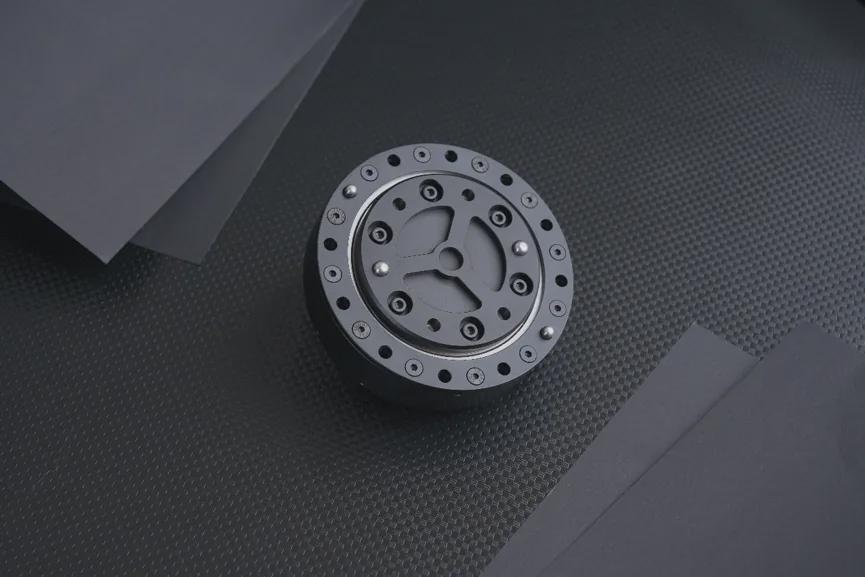
Introduction of the First Robot Joint Selection Platform by Engfu Robotics
Engfu Robotics has launched a comprehensive robot joint selection platform that allows users to customize parameters such as torque, speed, and weight. This platform aims to simplify the selection process for various stakeholders, including engineers and procurement professionals, by providing tailored recommendations based on extensive experience and an intelligent scoring system. The significance of this platform lies in its ability to connect customer needs with component solutions, leveraging Engfu's rich customization experience. The platform's supply chain database supports hundreds of components, enabling thousands of combinations, which enhances collaboration across the robotics industry. Looking ahead, Engfu Robotics continues to innovate in various areas, including gear reducers and motors. The company emphasizes that the development of embodied intelligence and robot joints requires collaboration among different companies, each contributing their strengths to meet customer demands effectively. No further timeline was disclosed at the time of publication.
Robot Joints Customization Supply Chain Robotics Technology
Tech Professionals Leverage Connectivity Tools for Global Collaboration
Tech professionals are increasingly distributed across various countries and time zones, with companies employing cybersecurity experts in one location and software developers in another. This trend is facilitated by the internet, which 74% of the global population utilizes, enabling borderless work and collaboration. The rise of remote work and digital collaboration tools has transformed the tech industry, allowing professionals to work from anywhere. Reliable mobile connectivity is essential for these workers, with solutions like the Holafly eSIM providing seamless coverage before arrival in a new country. The eSIM's Always On feature ensures uninterrupted connectivity, crucial for remote presentations and system check-ins. As the demand for specialized talent grows, companies are increasingly hiring based on skills rather than location. This shift has led to a rise in global mobile engineering roles, presenting new opportunities and unique cybersecurity challenges for tech workers operating across borders. No further timeline was disclosed at the time of publication.
Internet Technology cloud computing cloud infrastructure cybersecurity digital nomads
Xuri S600 Achieves Mass Production Validation with Over 20 Clients at WAIC
On July 15, during the World Artificial Intelligence Conference (WAIC) in Shanghai, Digua Robotics announced significant progress regarding the Xuri S600. The company has secured partnerships with over 20 leading clients, collaborating with more than 100 industry partners to complete adaptive integration across various sectors, including humanoid robots and industrial applications. Several collaborative models have entered real-world testing and mass production validation phases, accelerating the platform's industrial deployment. The importance of this development lies in the Xuri S600's recognition for its core capabilities in embodied intelligence mass production. The platform's single-chip full-stack design offers high reliability and a comprehensive engineering toolchain, which has garnered industry-wide acknowledgment since its launch in November 2025. Notably, multiple benchmark projects have made clear progress, with the A3 robot from Itstone Technology set to deploy the Xuri S600 for large-scale industrial applications. Looking ahead, the Xuri S600 is transitioning from technical validation to real hardware and mass production verification. Key clients have shared their experiences, emphasizing the platform's ability to facilitate stable and predictable robot deployment. No further timeline was disclosed at the time of publication.
Embodied Intelligence Humanoid Robotics Industrial Automation AI Technology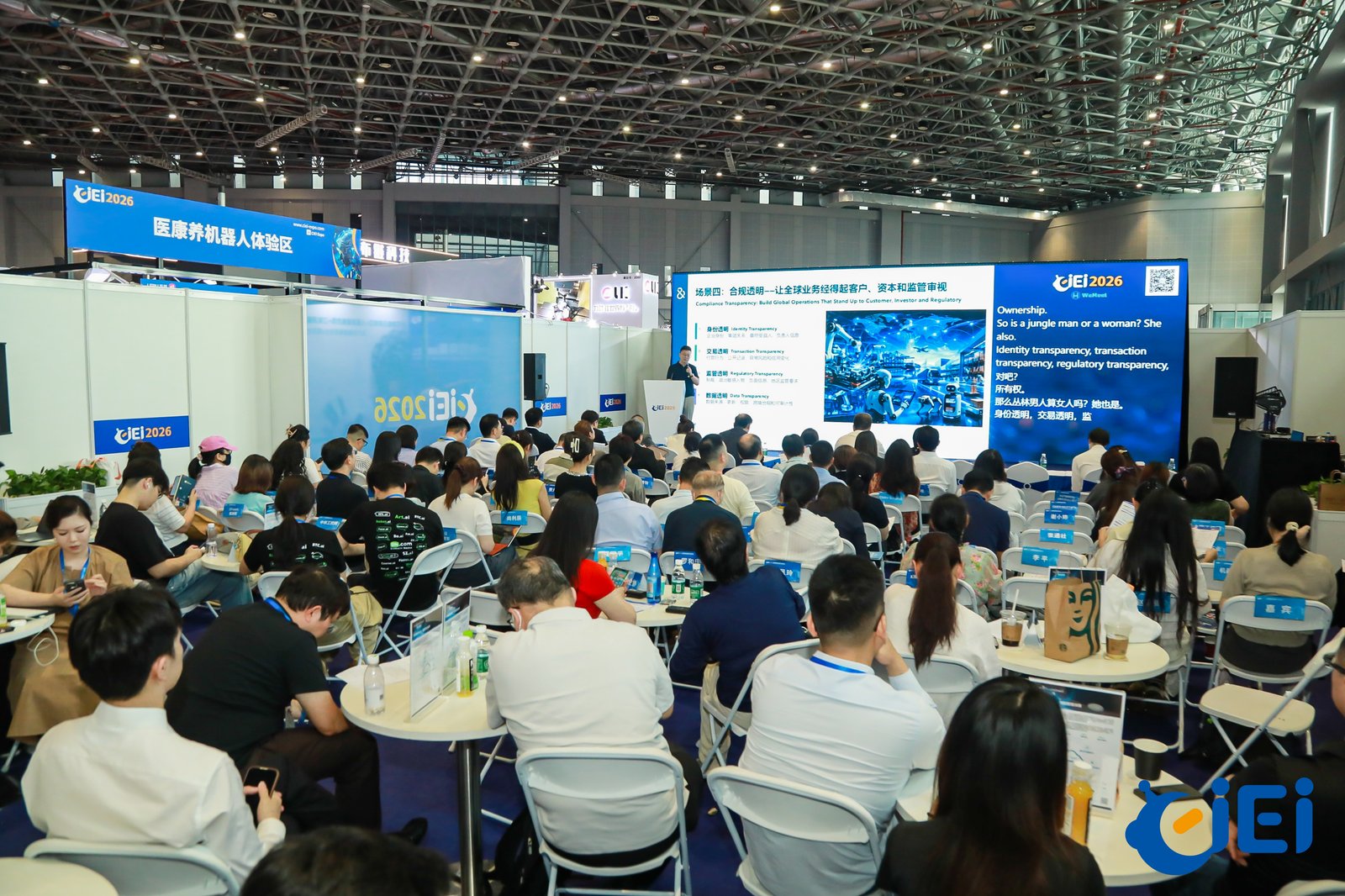
Successful Global Embodied Intelligence Industry Collaboration Conference Held in Shanghai
On July 3, 2026, nearly 200 representatives from around the world convened in Shanghai for the Global Embodied Intelligence Industry Collaboration Conference. The event aimed to strengthen international cooperation and align global demand with China's supply in the rapidly evolving embodied intelligence sector. Attendees explored various policies, financial support mechanisms, and trade opportunities designed to promote high-quality export growth. The conference highlighted the importance of collaboration in addressing the growing needs of the industry and fostering innovation on a global scale.
Embodied Intelligence International Trade Industry Collaboration Global Supply Chain Technology InnovationRobotics needs a service framework.
RSF defines a common language for robot service capability, lifecycle operations, certification pathways, and service-provider networks.
Join the RobotToday community on LinkedIn
Daily robotics news, in-depth analysis, conference highlights, and discussions with professionals worldwide.







