

Industry Briefing
A single destination for timely, editor-curated robotics news from around the world.
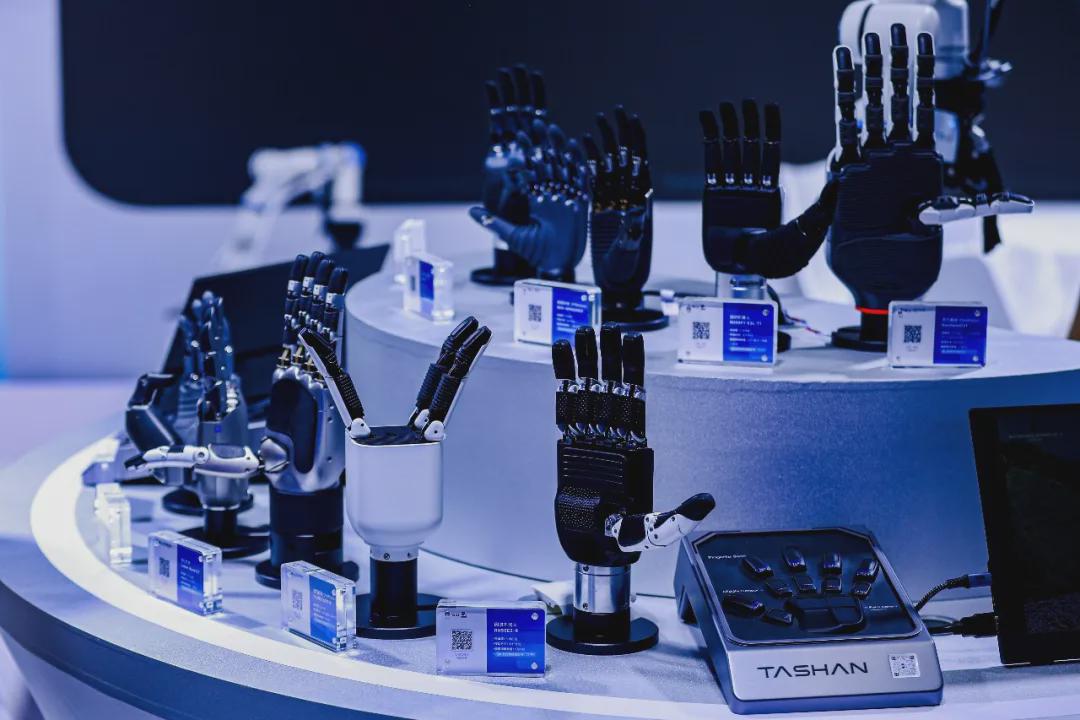
Tianshan Technology Unveils First Dynamic Haptic Perception Chip and Solutions
At the 2026 World Artificial Intelligence Conference, Tianshan Technology showcased its groundbreaking dynamic haptic perception chip, the Green Gem E10A, along with the TS-ECHO haptic sensing glove and the TS-V visual-tactile fusion light module testing workstation. This marks a shift in focus from robotic movement capabilities to enhancing robots' tactile precision and stability. The significance of these innovations lies in the growing necessity for robots to possess tactile perception, which is becoming a critical industrial metric. The Green Gem E10A chip offers low-latency, low-power signal processing, enabling large-scale sensor deployment. The TS-ECHO glove establishes standards for haptic data collection, while the testing workstation validates technical solutions in real-world scenarios, creating a feedback loop for continuous system improvement. Looking ahead, the integration of extensive sensor networks across humanoid robots is essential for full-body tactile coverage. The Green Gem E10A chip's innovative design reduces latency and power consumption, enhancing safety and performance. As the industry moves towards a more tactile-aware robotic future, the ability to understand physical interactions through haptic data will be crucial for advancing robotic capabilities.
Haptic Technology Robotics Sensor Solutions AI Industrial Automation
Hygon Information Technology Expands AI Chip Focus from Data Centers to Robotics Applications
Hygon Information Technology is preparing to launch a new chip aimed at physical-world applications, including robotics. This marks a significant shift from the company's current focus on data centers, as reported by Chinese media. The new chip, an iteration of the CPU1000 series, is designed to fulfill low-power, embedded, and edge computing needs. It targets various physical AI applications, particularly in robotics, machine vision, and intelligent manufacturing, highlighting the growing demand for AI solutions in these sectors. The launch event is scheduled to take place in Shenzhen, where Hygon will promote its vision of integrating computing power into the physical world. No further timeline was disclosed at the time of publication.
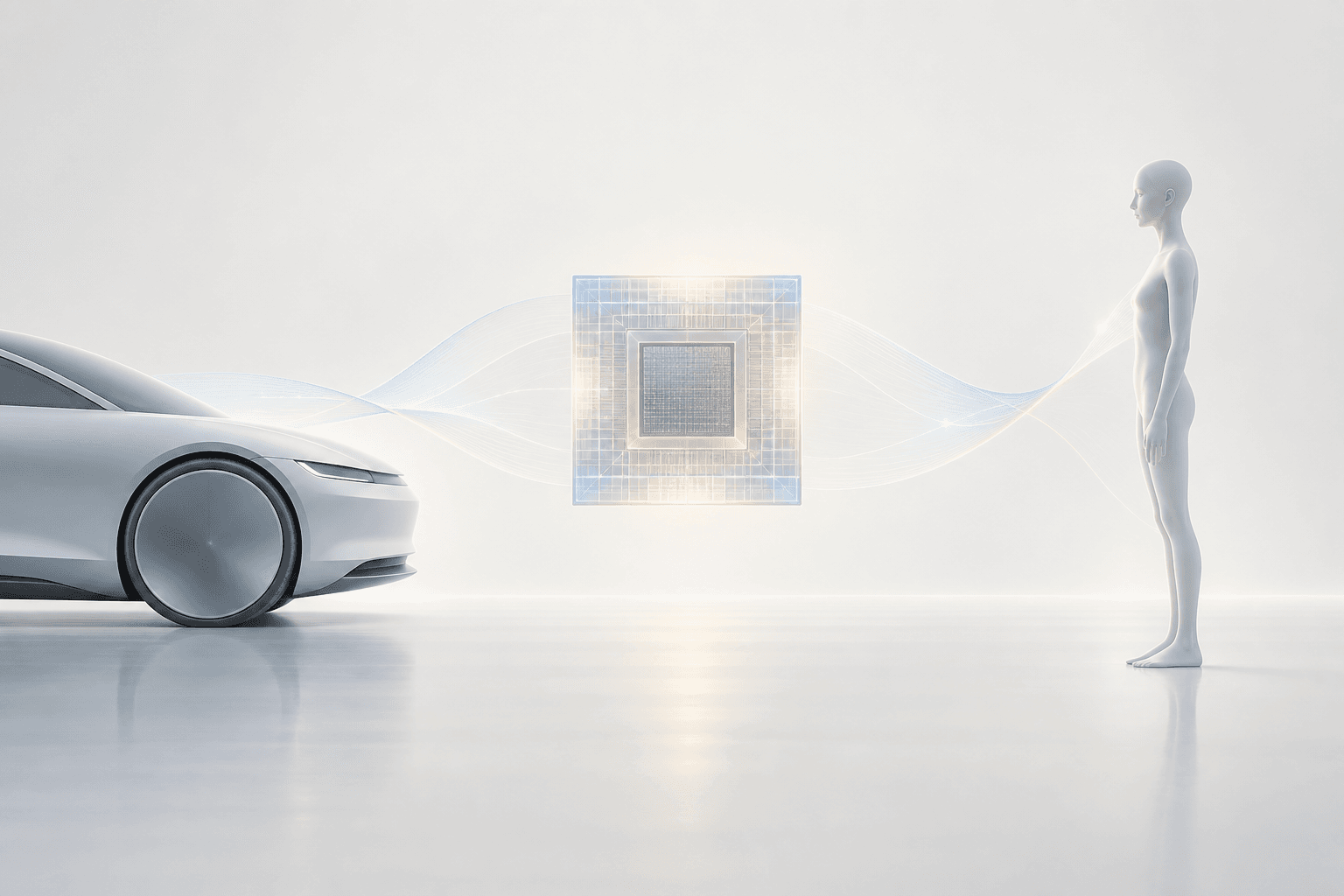
XPeng Expands Turing AI Chip Technology from Electric Vehicles to Humanoid Robots
XPeng is advancing its self-developed Turing AI silicon by integrating it into humanoid robots, moving beyond its initial application in intelligent electric vehicles. This initiative is part of a broader Physical AI stack, showcasing XPeng's commitment to diversifying its technology applications. The significance of this development lies in the potential for enhanced AI capabilities in humanoid robots, leveraging the power of the Turing chips. With configurations cited at approximately three on-device Turing chips, the total processing power reaches around 2,250 TOPS, indicating a robust foundation for complex AI tasks. Looking ahead, industry observers should monitor XPeng's progress in the humanoid robotics sector and the performance of its Turing AI chips in real-world applications. No further timeline was disclosed at the time of publication.

Bengbu Develops Comprehensive Domestic Sensor Stack from MEMS Chips to BCI Technology
Bengbu, an industrial city in Anhui province, has developed a robust domestic sensor stack that includes 8-inch MEMS wafer production, flexible brain-computer interface (BCI) electrodes, and clinical applications for stroke rehabilitation and Alzheimer's screening. This development is significant as it positions Bengbu as a key player in China's sensor technology landscape, showcasing the city's ability to integrate various technologies into a cohesive system. The advancements in MEMS and BCI technologies could enhance healthcare solutions and improve patient outcomes in critical areas such as rehabilitation and early diagnosis. Looking ahead, it will be important to monitor how Bengbu's sensor stack evolves and whether it can attract further investment or partnerships to expand its capabilities. No further timeline was disclosed at the time of publication.
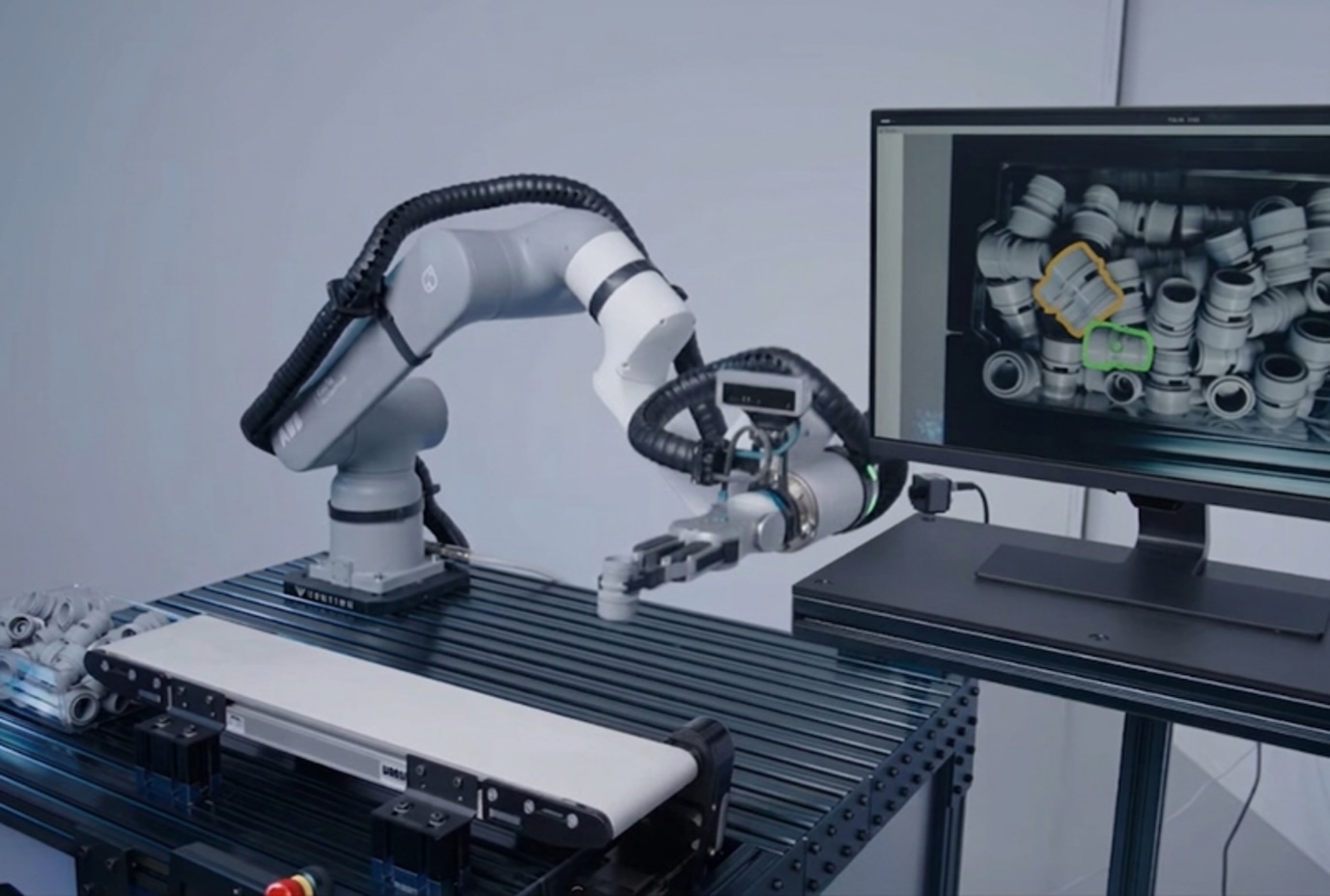
Terafab to Produce Edge-Inference and Radiation-Hardened Chips Using ASML Technology
Terafab is set to manufacture two distinct chip families: edge-inference silicon for Tesla vehicles and Optimus robots, and radiation-hardened processors for SpaceX's orbital data centers. Both chip families will utilize Intel's 14A process technology and rely exclusively on ASML's lithography tools, which are crucial for their production. This initiative is significant as Terafab is not competing for customers with TSMC but rather for ASML's lithography machines, which are essential for advanced chip manufacturing. Elon Musk emphasized the importance of producing one chip design per line to maximize yield, aiming for an output of one hundred to two hundred gigawatts of terrestrial chips and approximately one terawatt of chips for space applications. Looking ahead, Terafab's facilities are designed to streamline the entire chip production process, from design to testing, without the need for wafer shipping between sites. The ambitious terawatt target raises questions about the feasibility of such production, especially considering the substantial number of lithography systems required for logic fabrication.

SpaceX's Starmind Project: Supplier Strategy and Chip Manufacturing Plans for 2026
SpaceX's Starmind project, aimed at deploying up to 1 million AI satellites, was filed with the FCC on January 30, 2026. The initiative is designed to minimize reliance on external suppliers, with CEO Elon Musk stating that current chip production capabilities only meet 2% of the projected needs. The first satellite, AI1, is set for prototype launches in early 2027, featuring a 70-meter wingspan and a modular payload system that allows for interchangeable chips from various suppliers. The significance of Starmind lies in its ambitious supply chain strategy, which seeks to transition from external hardware suppliers to a fully integrated Musk-owned facility by 2028. The Gigasat manufacturing site in Bastrop, Texas, is expected to be operational by the end of 2027, with plans for high-volume production of the D3 chip, specifically designed for space applications. This approach aims to consolidate chip manufacturing processes under the Terafab joint venture, which has an estimated initial investment of $55 billion. Looking ahead, the next milestone for Starmind is the launch of AI1 prototypes in early 2027, while the full-scale chip production at Terafab is projected to ramp up significantly thereafter. However, analysts express skepticism regarding the feasibility of achieving Musk's ambitious compute goals, which may require substantial investment and time to establish the necessary manufacturing capabilities.
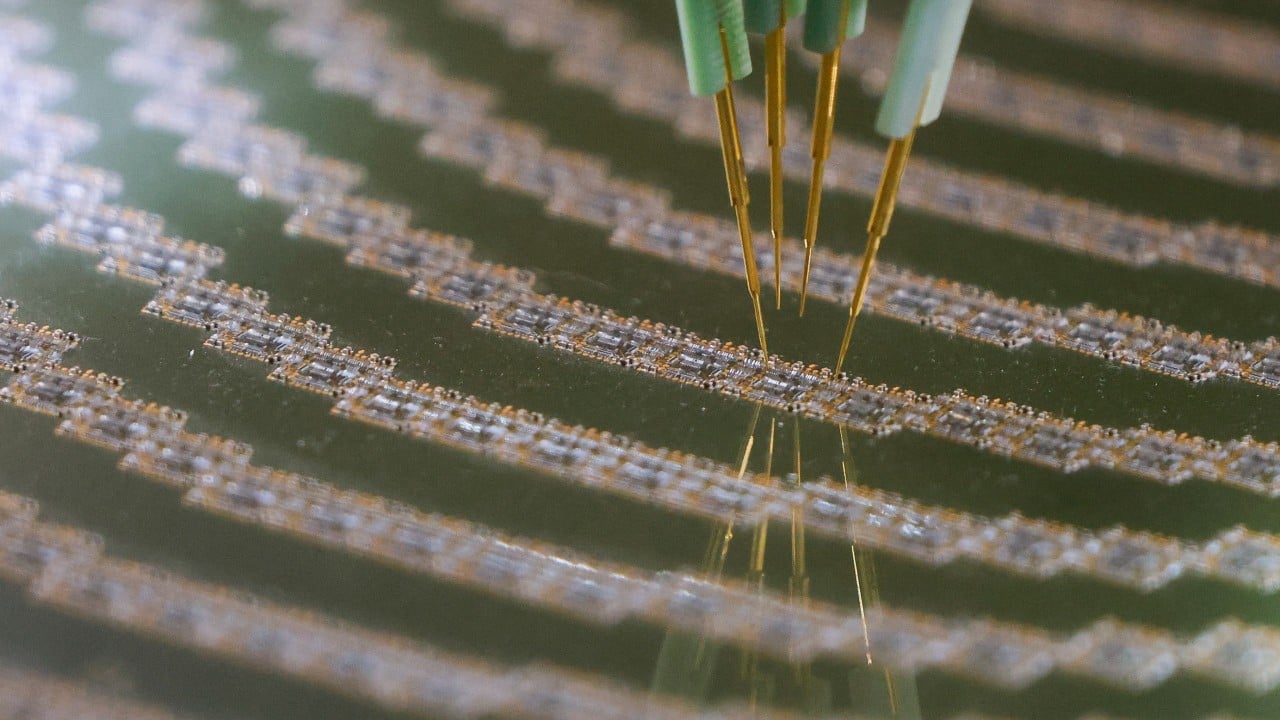
Zhuhai Amicro Technology Advances Towards Over $100 Million IPO in Hong Kong
Zhuhai Amicro Technology, a chipmaker backed by Xiaomi, is set to start premarketing for an initial public offering (IPO) in Hong Kong, aiming to raise over $100 million. The company successfully passed its listing hearing with Hong Kong Exchanges and Clearing (HKEX), which is a significant regulatory milestone for the share sale. This IPO is crucial for Zhuhai Amicro Technology as it seeks to expand its operations and enhance its market presence in the competitive robotics chip sector. The backing from Xiaomi adds credibility and potential investor interest, which could facilitate a successful capital raise. Investors and industry watchers should keep an eye on the upcoming premarketing activities, as they will provide insights into investor sentiment and demand for the shares. No further timeline was disclosed at the time of publication.

SpaceX Unveils AI1 Satellite Specs for Starmind Constellation with Key Thermal Challenges
SpaceX has introduced the AI1 satellite, the inaugural component of its Starmind constellation, which stands 20 meters tall and has a wingspan of 70 meters. This orbital compute node is designed to deliver computing power equivalent to one NVIDIA GB300 server rack, utilizing a unique cooling system with deployable liquid radiators. The satellite's specifications were revealed during a presentation on June 8, 2026, ahead of SpaceX's IPO. The significance of the AI1 satellite lies in its role as a compute platform rather than a traditional satellite, focusing on running AI inference workloads. The satellite's cooling system, which is critical for its operation in the vacuum of space, is designed to reject heat through infrared radiation. However, independent engineers have raised concerns about the feasibility of the thermal and mass claims made by SpaceX, suggesting that the cooling requirements may exceed practical limits. Looking ahead, SpaceX plans to launch two AI1 prototypes in early 2027, with full-scale production expected to commence later that year at its Gigasat facility in Bastrop, Texas. The ongoing debate regarding the satellite's thermal management capabilities will be crucial to monitor as the project progresses, with no further timeline disclosed at the time of publication.

Tesla's Optimus Robots to Support Starmind Satellite Production, Not Maintenance
Tesla's Optimus robots will not be used to repair Starmind satellites in orbit, as confirmed by recent statements from Elon Musk. Instead, these robots are intended to assist in the construction and operation of the Terafab chip manufacturing facility in Texas. The AI1 satellites, designed to disintegrate upon reentry, highlight the company's swap-and-replace strategy rather than traditional maintenance practices. This approach is significant as it reflects a broader trend in satellite management, where mass-produced satellites are replaced rather than repaired. The economics of servicing missions are prohibitive, with the cost of launching a replacement satellite being significantly lower than conducting a repair mission. This model aligns with SpaceX's operational history, where rapid replacement of satellites is more efficient than attempting to maintain them in orbit. Looking ahead, the focus will remain on the production capabilities of the Gigasat factory, which is expected to support the continuous replacement of satellites. No further timeline was disclosed at the time of publication, but the demand for rapid satellite turnover suggests a robust future for Optimus robots in terrestrial manufacturing rather than in-space servicing.

AI-powered spectrometer chip shrinks lab technology to the size of a grain of sand
Researchers at UC Davis have developed an innovative AI-powered chip capable of analyzing light and chemicals with remarkable precision. This compact device, small enough to fit into various environments, integrates advanced silicon sensors with machine learning technology, enabling it to perform lab-quality spectral analysis without the need for traditional, bulky equipment. The breakthrough aims to enhance accessibility and efficiency in chemical analysis, potentially transforming fields such as environmental monitoring, healthcare, and food safety. By streamlining the analytical process, this new chip could facilitate quicker and more accurate assessments in diverse applications.
Robotics needs a service framework.
RSF defines a common language for robot service capability, lifecycle operations, certification pathways, and service-provider networks.
Join the RobotToday community on LinkedIn
Daily robotics news, in-depth analysis, conference highlights, and discussions with professionals worldwide.







