Industry Briefing
A single destination for timely, editor-curated robotics news from around the world.
CAE Anticipates Business Growth from Canada's New GCAP Status in Fighter Program
CAE has expressed optimism regarding the potential business opportunities arising from Canada's recent designation as a participant in the Global Combat Air Programme (GCAP). This status may open doors for CAE to engage more actively in the sixth-generation fighter initiative, although official statements from Ottawa have been cautious about its involvement. The significance of Canada's GCAP status lies in its implications for the defense industry, particularly for companies like CAE that specialize in simulation and training solutions. As the sixth-generation fighter program evolves, CAE could leverage this opportunity to expand its market presence and contribute to the development of advanced military capabilities. Looking ahead, stakeholders will be monitoring any shifts in Ottawa's stance regarding its role in the sixth-gen fighter program. The potential for increased collaboration and investment in defense technologies could reshape the landscape for companies involved in this sector. No further timeline was disclosed at the time of publication.
Air Warfare Global Aerospace Air Force Business & Industry CAE
Purolator's Survey Reveals How North American Businesses Navigate Trade Uncertainty
In 2026, Purolator commissioned a survey by HelloInfo involving 348 shipping and logistics decision-makers from Canada and the United States. This survey aimed to explore how businesses in various sectors, including industrial, retail, healthcare, and technology, are responding to the challenges posed by an unpredictable trade environment. The findings are significant as they shed light on the strategies that Canadian and American companies are employing to mitigate the impacts of tariffs and trade volatility. Understanding these responses is crucial for stakeholders aiming to adapt to the evolving landscape of international trade. Looking ahead, it will be important to monitor how these businesses continue to adjust their strategies in response to ongoing trade uncertainties. No further timeline was disclosed at the time of publication.
OLogic to Present on Egocentric Robot Learning at RoboBusiness 2026
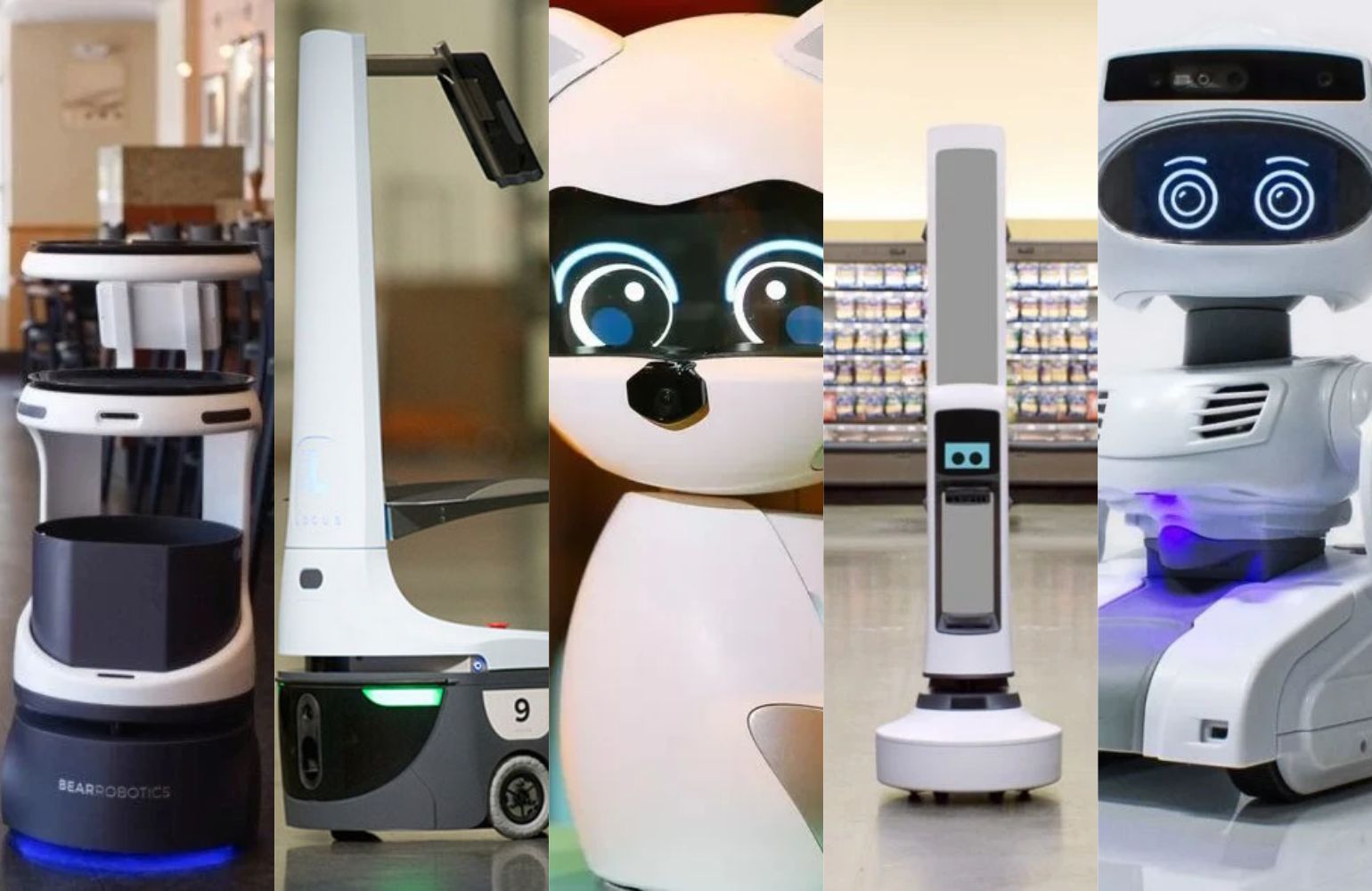
OLogic will showcase the potential of egocentric robot learning at RoboBusiness 2026, highlighting how robots can learn from human demonstrations. This innovative approach allows robots to acquire complex skills by observing human behavior, addressing challenges such as labor shortages and operational complexity across various industries. The significance of this technology lies in its ability to reduce the time, cost, and expertise needed for deploying robotic systems. By leveraging egocentric learning, organizations can enhance automation in sectors like manufacturing, logistics, and healthcare, ultimately bridging the gap between research and practical applications. At the event, Ted Larson, CEO of OLogic, will lead a session on the foundations and challenges of egocentric robot learning. Attendees can expect insights into how advancements in embodied AI and large-scale robot learning are transforming the landscape of commercial robotics. No further timeline was disclosed at the time of publication.
Artificial Intelligence / Cognition Design / Development Events Healthcare Robotics Logistics Manufacturing
Raspberry Pi Solutions for Efficient Management of Multiple Display Screens in Businesses
Managing multiple display screens can be challenging for businesses, especially when it comes to maintaining consistent information across all devices. A Raspberry Pi digital signage solution simplifies this process by connecting existing screens to a centralized content platform, allowing for simultaneous updates and reducing manual effort. The importance of consistent communication cannot be overstated, as outdated information on one screen can lead to confusion among customers. By utilizing a centralized system, businesses can ensure that all connected displays reflect the most current content, enhancing operational efficiency in various environments such as retail stores, restaurants, and healthcare facilities. Looking ahead, the flexibility of Raspberry Pi digital signage allows businesses to tailor content for different locations, ensuring that each display serves its intended purpose. This adaptability, combined with the ability to monitor display performance, will be crucial for organizations aiming to optimize their digital signage networks. No further timeline was disclosed at the time of publication.
Computing Technology business displays business technology centralized management commercial displays
Starmind's Orbital Compute vs. Terrestrial Data Centers: Analyzing Resource Advantages
Starmind's orbital compute technology presents a significant advantage over traditional ground-based data centers by eliminating constraints related to land, water, and grid permitting. While terrestrial data centers are currently cheaper and faster to construct, with U.S. data center spending reaching $85.3 billion in 2026, Starmind's approach focuses on addressing the growing resource limitations faced by hyperscale facilities. The significance of Starmind's technology lies in its ability to sidestep the increasing challenges of land and water usage. For instance, a 100 MW data center can consume approximately 530,000 gallons of water daily for cooling, while Starmind's AI1 utilizes deployable liquid radiators that require no water. This structural advantage could resonate with investors as the demand for AI computing continues to escalate, potentially leading to annual water withdrawals of up to 1.7 trillion gallons by 2027. Looking ahead, Starmind's next milestones include the launch of AI1 prototypes scheduled for early 2027. However, the technology's claims regarding cooling efficiency and operational reliability remain unverified until real flight data is available. As the industry evolves, the competition between orbital and terrestrial solutions will become increasingly relevant, particularly in the context of resource management and sustainability.

How Businesses Are Building Specialized AI They Can Trust
As businesses increasingly seek to integrate artificial intelligence into their operations, many are focusing on developing specialized AI solutions tailored to their specific workflows. This shift comes in the wake of the initial phase of enterprise AI, which primarily centered on gaining access to new technologies and experimenting with various models. Companies have been conducting pilot programs to explore the potential applications of AI, aiming to enhance efficiency and productivity. The current emphasis on customization reflects a growing recognition that AI must align closely with existing processes to deliver meaningful results. As organizations navigate this evolving landscape, the quest for effective AI integration continues to shape their strategic initiatives.
Verlume Appoints Canadian Business Development Agent
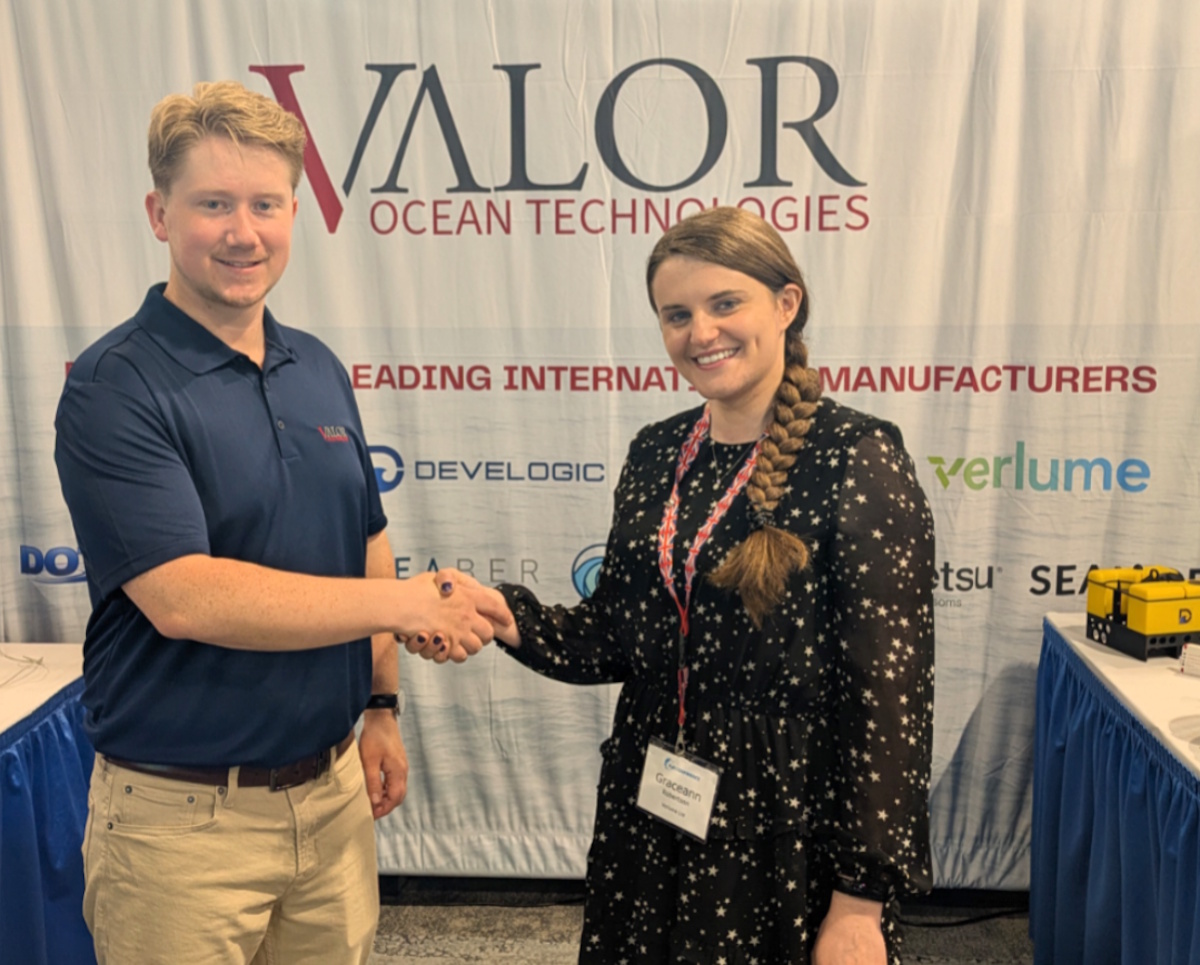
Verlume, a leading company in subsea batteries and power management systems, has announced the appointment of Valor Ocean Technologies as its inaugural business development agent in Canada. This partnership comes on the heels of the successful deployment of three Verlume Charge systems in Canadian waters, highlighting the company's commitment to expanding its presence in the region. The collaboration aims to address the increasing demand for innovative subsea energy solutions, positioning Verlume to better serve the Canadian market.
verlume canadian business development agentRobotics needs a service framework.
RSF defines a common language for robot service capability, lifecycle operations, certification pathways, and service-provider networks.
Join the RobotToday community on LinkedIn
Daily robotics news, in-depth analysis, conference highlights, and discussions with professionals worldwide.