

Industry Briefing
A single destination for timely, editor-curated robotics news from around the world.

Leopard Imaging to Present Cutting-Edge Embedded Vision Technologies with Future Electronics at World of Technology & Science 2026
Leopard Imaging will exhibit its advanced embedded vision technologies alongside Future Electronics at Booth 9A043 during the World of Technology & Science 2026. The showcased technologies will include stereo vision, thermal imaging, high-performance camera systems, and ultra-compact imaging solutions. This event is significant as it highlights Leopard Imaging's commitment to innovation in embedded vision, catering to various sectors such as robotics, autonomous systems, industrial automation, AIoT, and edge AI applications. The collaboration with Future Electronics underscores the importance of partnerships in advancing technology solutions. Attendees should look for demonstrations of Leopard Imaging's latest offerings, which are designed to enhance performance in critical applications. No further timeline was disclosed at the time of publication.

Enfu (China) Showcases Innovative Sealing Technology for Robot Longevity at WRC 2026
The 2026 World Robot Conference (WRC) commenced on August 19, 2026, in Beijing, showcasing over 300 exhibitors and more than 2,000 products. Enfu (China) presented its innovative sealing solutions for humanoid and industrial robots, emphasizing the importance of key component technology for precise movement and reliable operation. This event marks a significant shift in the robotics industry, moving from experimental demonstrations to large-scale applications. Enfu's advancements in sealing technology are crucial for enhancing the longevity and performance of robots, particularly in complex humanoid designs that require specialized sealing solutions. Looking ahead, Enfu's commitment to local R&D and its recent establishment of a technology center will enable faster responses to market demands and foster innovation. No further timeline was disclosed at the time of publication.
Sealing Technology Humanoid Robots Industrial Robots Local R&D Robotics Innovation
Tashan Technology Unveils Tactile Perception Loop for Enhanced Robotic Interaction Learning at WRC 2026
At the World Robotics Conference (WRC) 2026, tactile perception emerged as a focal point, highlighting its importance in robotic interaction. Tashan Technology showcased its tactile perception loop, addressing the limitations of visual imitation learning in complex industrial environments. The company aims to enhance robots' physical interaction capabilities by developing scalable tactile sensors that enable autonomous learning through real-time feedback. The significance of this development lies in its potential to overcome the challenges faced by robots in understanding physical interactions. Current reliance on visual data fails to capture the nuances of tactile feedback, leading to high failure rates in tasks involving unknown objects. Tashan Technology's approach seeks to fill this gap by providing robots with a tactile sensory system that allows them to independently comprehend and adapt to their physical surroundings. Looking ahead, Tashan Technology's advancements in tactile perception could revolutionize the robotics industry by enabling robots to perform tasks with greater accuracy and reliability. The company’s TS-F series sensors, capable of detecting various materials and providing high-resolution force feedback, represent a significant step towards achieving human-like tactile perception in robots. No further timeline was disclosed at the time of publication.
Tactile Perception Robotic Interaction Sensor Technology AI Robotics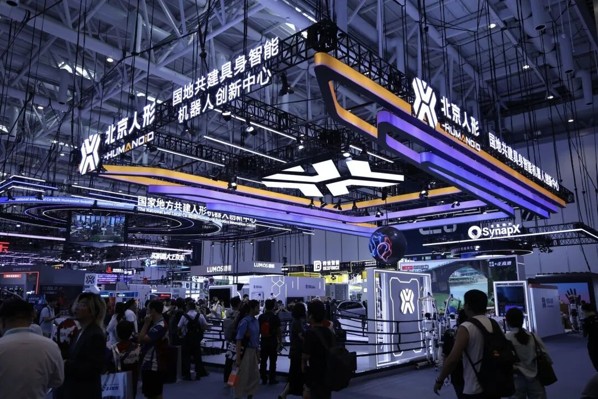
Beijing Humanoid Robots Unveil Full-Stack Technology at 2026 World Robot Conference
On August 19, the 2026 World Robot Conference commenced in Beijing, showcasing the Beijing Humanoid Robot Innovation Center's full-stack technology. The center presented its Tian Gong family of robots in a 336-square-meter exhibition area, emphasizing its commitment to autonomous and user-friendly industrial solutions. The significance of this event lies in the introduction of two benchmark products: the Pelican-Unify and the Tian Gong Omni. These innovations enhance embodied intelligence by integrating advanced capabilities such as visual understanding and action control, marking a significant step towards achieving general artificial intelligence (AGI). Looking ahead, the Pelican VL-2.0 will be commercially launched, representing a major milestone in the industry. The Tian Gong 3.0 robot demonstrated its ability to navigate complex environments autonomously, indicating its potential applications in various sectors, including luxury automotive and public service. No further timeline was disclosed at the time of publication.
Humanoid Robots Embodied Intelligence Robotics Innovation AI Automation Solutions
Tesla's Evolving Supply Chain Strategy for 2026: Insights on Vendors and Battery Sourcing
Tesla has transitioned from a single supply chain to four distinct ones, focusing on vehicles, energy storage, semiconductors, and a nascent humanoid robot chain. In its Q2 2026 update, Tesla identified battery pack capacity expansion as the primary bottleneck affecting vehicle production, emphasizing the importance of cell and pack sourcing. This shift highlights Tesla's strategy of managing suppliers through a 'ratchet' system, where components are gradually brought in-house. The company is prioritizing investments in cell throughput technologies, indicating where future procurement opportunities lie for vendors. Notably, Tesla's arrangement with Sunwoda focuses on cell procurement while retaining assembly capabilities, showcasing a trend towards commoditizing suppliers. Looking ahead, vendors must assess their positions within Tesla's supply chain hierarchy. The most stable supplier roles will be in areas where Tesla cannot easily replicate processes, particularly in equipment and materials chemistry. The ongoing reliance on China for rare-earth materials presents a significant vulnerability that vendors should monitor closely.
Lingdi Technology Demonstrates Advanced Clothing Simulation at WAIC 2026
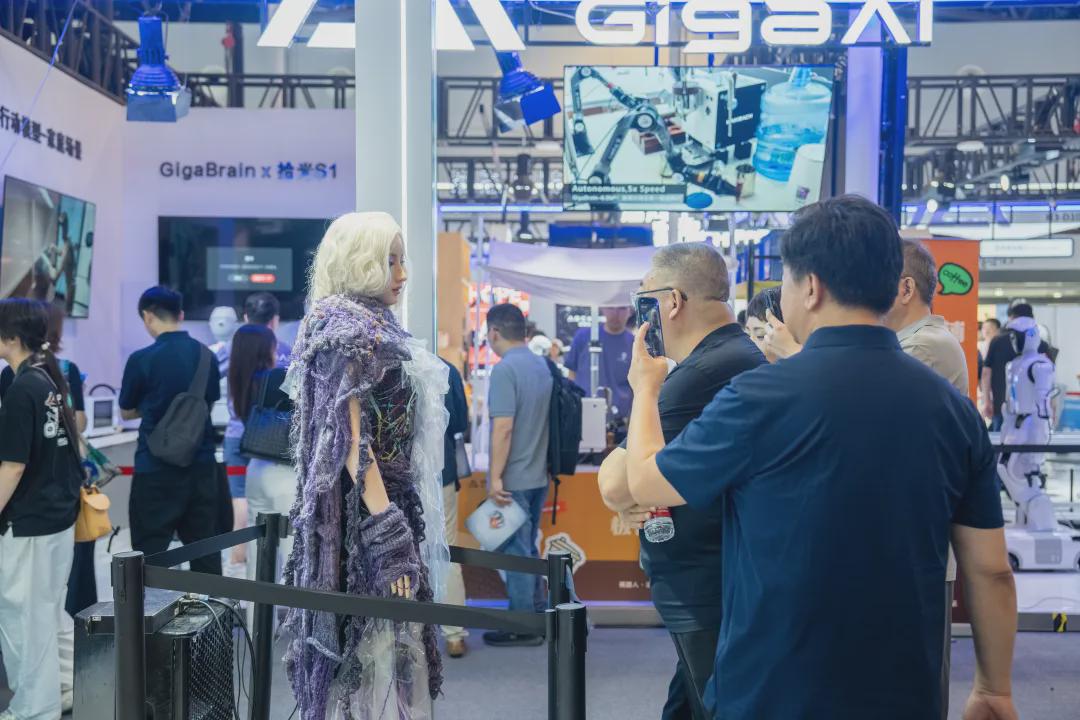
At the WAIC 2026, Lingdi Technology showcased a compelling demonstration of robotic arms folding clothes, highlighting the complexities of handling flexible materials. The demonstration illustrated not just the end result of clothing manipulation but emphasized the intricate process of transforming garments into computable digital objects. This involves understanding various fabric properties and how they interact with robotic grippers, which is crucial for real-world applications in households and light industries. The significance of this demonstration lies in addressing the challenges robots face when dealing with flexible, deformable objects. Unlike rigid items, clothing can change shape and state when manipulated, requiring advanced algorithms to adapt to these variations. Lingdi Technology's SynReal World aims to bridge the gap between robotic systems and embodied models by providing a comprehensive data infrastructure for 3D asset generation, simulation training, and automated evaluation, ensuring that models undergo extensive physical interactions in a digital environment before real-world deployment. Looking ahead, the focus on flexible object simulation is critical as robots increasingly enter domestic and industrial settings. The ability to accurately simulate the handling of clothing and other soft materials will be essential for improving efficiency and reducing operational costs. No further timeline was disclosed at the time of publication.
Robotics Fabric Simulation AI Training Automation Soft Robotics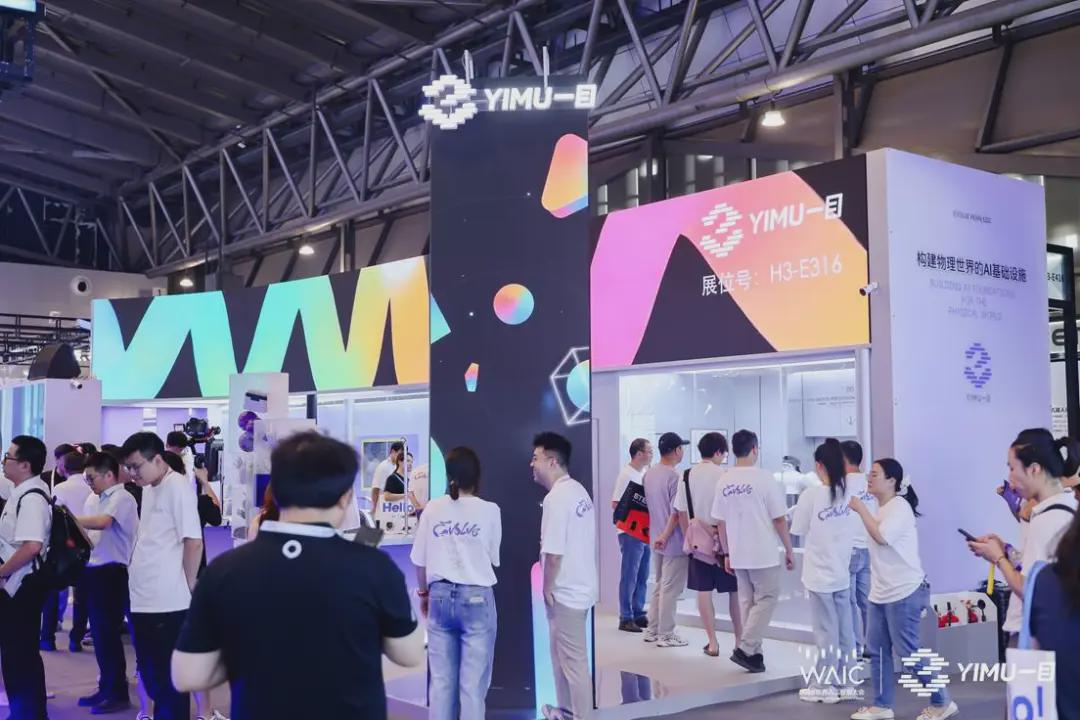
Yimu Technology Showcases Physical AI's Capabilities at WAIC 2026
At WAIC 2026, Yimu Technology attracted significant attention with its demonstration involving two identical peanuts. The exhibit illustrated the concept that while visual cues may be indistinguishable, tactile feedback reveals critical differences in texture and resilience. This highlights the importance of physical interaction in understanding the physical world. The significance of this demonstration lies in its implications for Physical AI. Traditional robots have struggled to interpret tactile information, often failing in tasks requiring sensitivity, such as handling fragile items. Yimu Technology emphasizes that the key to advancing robotics is not merely increasing model size but ensuring robots receive accurate physical feedback from their environment. Looking ahead, the focus will be on how effectively robots can integrate this tactile feedback into their operations. Yimu Technology's approach, which utilizes optical systems to measure minute deformations, could revolutionize how robots interact with their surroundings. No further timeline was disclosed at the time of publication.
Physical AI Tactile Sensors Robotics Machine Learning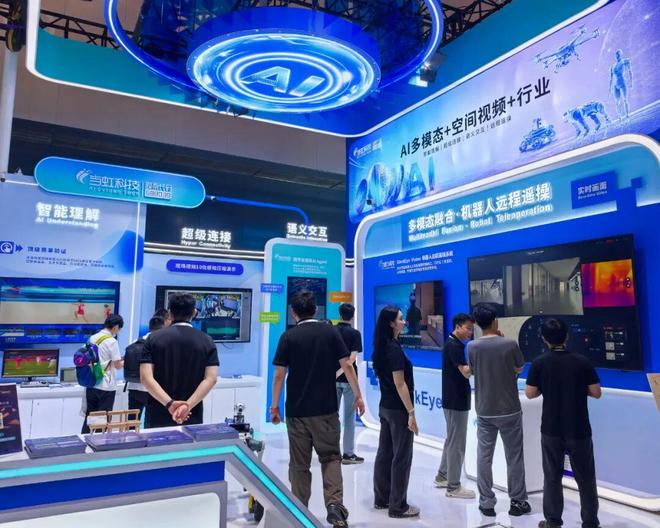
Dahuang Technology Showcases Advanced AI Multimodal Capabilities at WAIC 2026
On July 17, 2026, the World Artificial Intelligence Conference (WAIC) commenced in Shanghai, focusing on the theme 'Intelligent Partners, Co-Creating the Future.' Dahuang Technology presented its AI multimodal capabilities, showcasing a comprehensive system that includes understanding, connecting, interacting, and controlling complex data. The demonstration highlighted the company's transition from video-centric solutions to a broader AI multimodal framework. Dahuang Technology's Sports AI system, based on the BlackEye multimodal spatial model, was a key feature, providing real-time analysis of sports events. This system can automatically label players, track movements, and generate slow-motion replays, demonstrating the AI's ability to comprehend complex video scenarios. The technology has already been validated in high-profile events like the 2026 World Cup and the Paris Olympics. The company also introduced its AI multimodal perception compression technology, achieving over tenfold compression efficiency while maintaining video quality. This capability is crucial for applications in drone inspections, remote communications, and robotic operations, addressing the growing demands for bandwidth and data transmission efficiency in various sectors. No further timeline was disclosed at the time of publication.
AI Multimodal Technology Video AI Data Compression Sports AI Human-AI Interaction
Aoyi Technology Showcases Innovative Products at WAIC 2026 Addressing Real-World Needs
On July 17, 2026, the World Artificial Intelligence Conference (WAIC) opened in Shanghai, attended by President Xi Jinping, who emphasized the importance of global AI cooperation. Aoyi Technology presented its full range of self-developed hardware, including the CeRelax EEG headset, gForce Ultra EMG wristband, and lower limb rehabilitation exoskeleton, focusing on practical applications in real environments. The showcased products aim to address specific pain points in various scenarios, such as the lower limb exoskeleton, which assists users in walking without the need for muscle signal collection. The gForce Ultra wristband captures minute muscle contractions to aid rehabilitation and optimize robotic operations, while the CeRelax headset bridges the gap between high-end research and consumer needs in brain health. Looking ahead, Aoyi Technology's Vice President Zhang Qi highlighted the industry's shift towards functional product development. The company plans to extend its capabilities into the education sector with a new matrix of embodied intelligence educational products designed for vocational schools, aiming to cultivate practical engineering talent. No further timeline was disclosed at the time of publication.
Brain-Machine Interfaces Wearable Technology Rehabilitation Robotics Educational Technology
Phoxter to showcase AI inspection, AMR, and warehouse control systems at Robot Technology Japan 2026.
Phoxter Co., Ltd. will showcase its innovations at the upcoming "Robot Technology Japan 2026" exhibition, scheduled to take place from June 11 to June 13, 2026, at the Aichi Sky Expo. This event aims to highlight advancements in robotics technology and foster collaboration within the industry. By participating, Phoxter seeks to demonstrate its commitment to driving innovation and engaging with potential partners and customers in the rapidly evolving robotics sector.

Denso Wave to Showcase Factory Robots and 3D Vision AI at ROBOT TECHNOLOGY JAPAN 2026
Denso Wave will participate in the upcoming "ROBOT TECHNOLOGY JAPAN 2026," scheduled to take place from June 11 to June 13, 2026, at the Aichi Sky Expo in Aichi Prefecture. This event aims to showcase advancements in robotics technology, reflecting the growing interest and innovation in the field. Denso Wave's involvement highlights its commitment to contributing to the development and promotion of robotics solutions.

JTEKT to showcase automation and digital integration solutions for manufacturing at "ROBOT TECHNOLOGY JAPAN 2026."
JTEKT Corporation will participate in the upcoming "ROBOT TECHNOLOGY JAPAN 2026," scheduled to take place from June 11 to June 13, 2026, at the Aichi Sky Expo. The event is organized by News Digest Co., Ltd. This exhibition aims to showcase advancements in robotics technology and foster collaboration within the industry. JTEKT's involvement highlights its commitment to innovation and leadership in the robotics sector.

Intrinsic Open Sources Core Robotics Technology for Developers at ROSCon 2026
Intrinsic, Google's industrial robotics and physical AI software company, has announced the open sourcing of foundational components of its robotics platform at ROSCon 2026 in Toronto. This initiative provides developers with access to essential technologies for robot control, motion planning, vision, simulation, and hardware integration, significantly reducing the software and integration workload for robotics teams. The release, known as Intrinsic Core, is designed to enhance the development of industrial robotics and physical AI applications by offering a set of ROS-compatible capabilities. By leveraging the technology used in manufacturing deployments, Intrinsic aims to streamline the development process, allowing developers to utilize components individually or in combination to create new systems or improve existing applications. Key features of the open-source release include a hardware-agnostic real-time control framework, motion planning technology, and pose estimation capabilities. Developers can expect to see advancements in robot behavior adaptability and dynamic part manipulation, making it easier to integrate various hardware configurations without extensive rewrites. No further timeline was disclosed at the time of publication.
Computing News Robot simulation Software cnc automation fanuc
Anhui Reveals Key Technology Directions for Smart Connected Vehicles by 2026
On September 20, the Anhui Province announced key technology directions for smart connected new energy vehicles during the 2026 World Manufacturing Conference in Hefei. Liu Xinglong, Deputy Director of the Anhui Automotive Innovation Center, emphasized that AI-driven smart vehicles will dominate the industry, with global new energy vehicle sales expected to reach a penetration rate of nearly 50% by 2030, and 70% in China. Anhui aims to establish itself as an influential center for smart vehicle technology and innovation, focusing on a 1+3 technology system. This includes leveraging AI for deep empowerment and advancing three main areas: smart connectivity technology, new energy and energy-saving technology, and common supporting technologies. The province plans to tackle core AI technologies, including automotive-grade AI chips and integrated operating systems, while promoting AI applications throughout the automotive supply chain. The development of embodied intelligent vehicles, featuring autonomous systems and components, will be a key focus. Each component, such as driving decision-making and energy management, will operate independently yet cohesively. With a strong automotive foundation, Anhui leads the nation in several automotive production metrics, and aims to overcome critical technology challenges in AI chips and operating systems to support this complex integration.
Smart Vehicles AI Technology New Energy Vehicles Autonomous Driving
XL Batteries and ENEOS Holdings Collaborate on Organic Flow Battery Technology for Energy Storage
XL Batteries and ENEOS Holdings have entered into a memorandum of understanding to develop organic flow battery technology aimed at large-scale, long-duration energy storage. This collaboration will initiate with a joint feasibility study, potentially leading to commercial deployments of the innovative battery system. The significance of this partnership lies in addressing the increasing demand for energy storage solutions as electrification and industrial electricity needs rise. Long-duration storage is essential for balancing supply and demand, especially when renewable energy sources like solar and wind are not generating power. Looking ahead, the feasibility study will assess the commercial viability of XL Batteries' technology, which utilizes abundant and non-toxic organic electrolytes. No further timeline was disclosed at the time of publication.
Energy
Tesla Energy Division Achieves $12.8 Billion Revenue with Record Battery Deployments in 2025
Tesla, Inc. reported that its energy division generated $12.8 billion in revenue in 2025, with a record deployment of 46.7 GWh of battery storage. This segment, which includes products like Megapack and Powerwall, is not a standalone stock but part of Tesla's overall operations. The significance of this growth is highlighted by the energy segment's contribution to Tesla's total revenue, increasing from 10% in 2024 to 13% in 2025. Despite a 10% decline in automotive revenue due to competition, the energy division's gross profit reached approximately $3.8 billion, showcasing a robust margin of 29.8%. Looking ahead, Tesla anticipates recognizing $4.96 billion in deferred revenues from energy projects in 2026, indicating strong forward visibility. The energy segment's performance is crucial as it was the only division to achieve both revenue growth and margin expansion in 2025, contributing nearly a quarter of Tesla's total gross profit for the year.
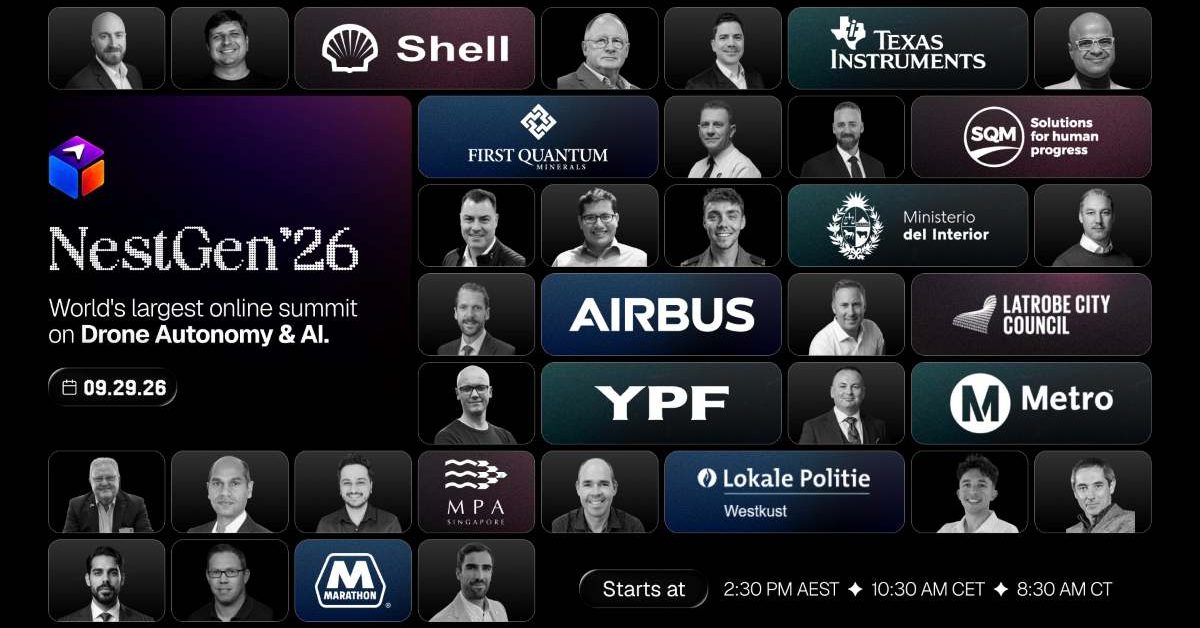
NestGen 2026: Shell and LA Metro Showcase Scaling of Drone AI Technology
NestGen ’26, the largest online summit for drone autonomy, will take place on September 29, featuring over 50 speakers from more than 70 countries. The event will highlight the deployment of autonomous drone systems across various industries, including oil and gas, public safety, and transportation. This year's focus is on practical applications rather than future concepts, with Shell presenting its autonomous drone program for offshore facility inspections. LA Metro will discuss using drones for rail corridor monitoring, while SQM will share insights on increasing iodine production in Chile through drone technology. As industries face challenges like securing BVLOS approvals and ROI, experts like FlytBase's Nitin Gupta emphasize the importance of real-world operational knowledge. No further timeline was disclosed at the time of publication.
News
Teradyne CEO Greg Smith to Speak at 2026 Goldman Sachs Conference
Teradyne, Inc. has announced that CEO Greg Smith will participate in a fireside chat at the Goldman Sachs Communacopia + Technology Conference on September 9, 2026, at 4:45 PM ET. The event will be accessible via a webcast on the company's Investor Relations page, with an archive available for 180 days post-event. This participation highlights Teradyne's commitment to engaging with investors and stakeholders in the technology sector. As a leader in automated test equipment and advanced robotics systems, Teradyne plays a crucial role in the AI device supply chain, ensuring quality and reliability in semiconductor and electronics testing. Looking ahead, industry professionals should monitor Teradyne's advancements in intelligent automation across various sectors, including manufacturing and logistics. No further timeline was disclosed at the time of publication.
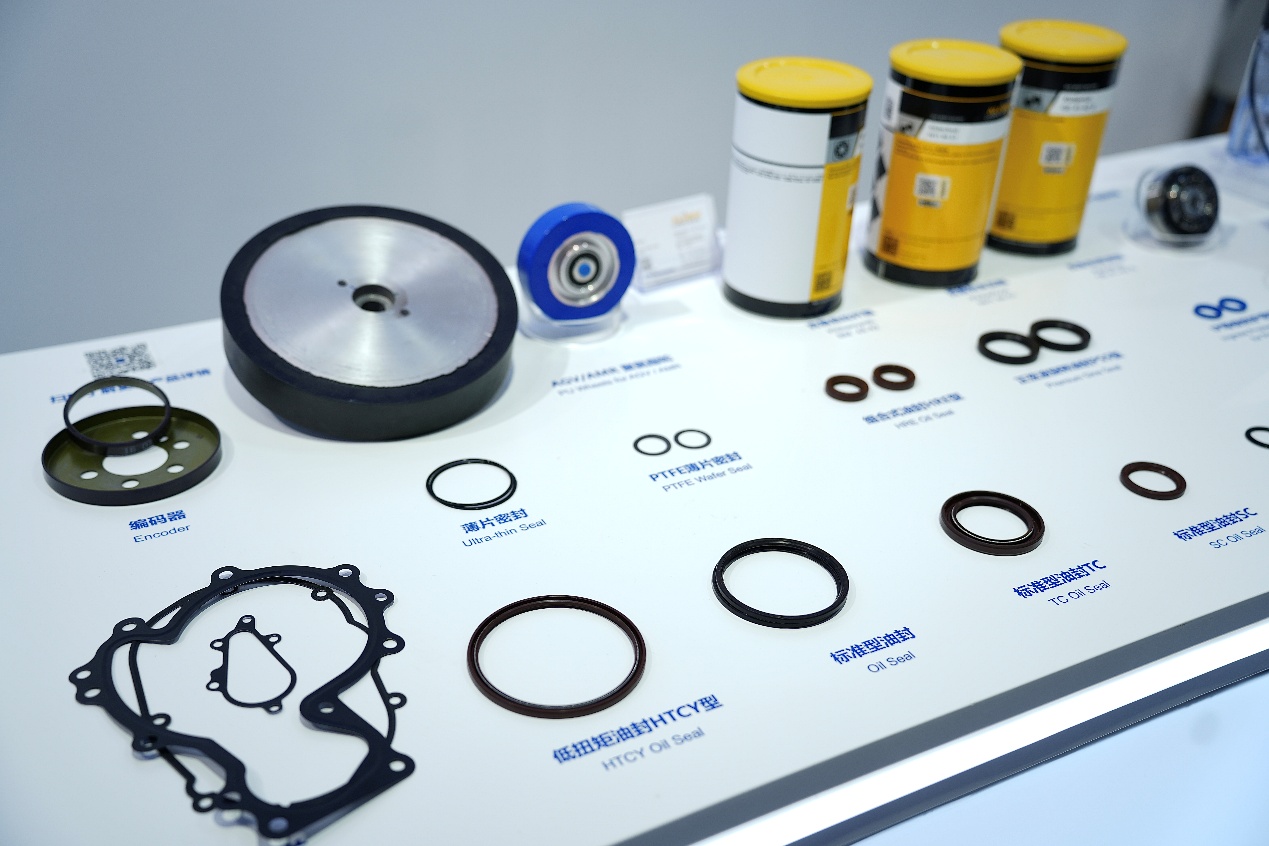
Enfu (China) Unveils Innovative Robot Sealing Solutions at WRC 2026
From August 19 to 23, 2026, the World Robot Conference (WRC 2026) was held in Beijing, showcasing Enfu (China)'s humanoid and industrial robot sealing solutions. The company highlighted innovative products designed for robot joints, reducers, and critical connection points, addressing challenges such as lightweight design, high precision, and operation in complex environments. The significance of Enfu's offerings lies in their ability to enhance the reliability, durability, and protective performance of core robot components. As humanoid robots evolve towards lightweight designs and diverse applications, the demand for compact structures and long-term operational reliability increases. Enfu presented various sealing products, including ultra-thin seals and specialized waterproof seals, to meet these technical challenges. Looking ahead, Enfu aims to deepen its technological investments in sealing materials and structural design, responding to the growing market demands for key component reliability and localized service capabilities. No further timeline was disclosed at the time of publication.
Robot Sealing Technology Humanoid Robots Industrial Robots R&D Innovation Automation Solutions
Hanwei Technology Showcases Advanced Perception Solutions During 2026 World Robot Conference
During the 2026 World Robot Conference, Hanwei Technology Group Co., Ltd. showcased five types of embodied perception products, including tactile and olfactory sensors. The company also launched the HAU925, a nine-axis inertial sensor chip aimed at embodied intelligence, and demonstrated various advanced sensing technologies. Chairman Ren Hongjun discussed production rhythms and industry strategies, highlighting the growing importance of perception in robotics. The significance of these developments lies in Hanwei's focus on perception as a foundation for intelligent robotics. The company’s electronic skin technology, which has already reached over 30 clients, is poised to enter mass production, marking a critical point in its commercialization. Meanwhile, other sensory products are expected to scale up within two to three years, although significant profits may take longer to materialize. Looking ahead, Hanwei anticipates a shift in the robotics industry towards greater emphasis on embodied perception. However, challenges remain in integrating perception technologies into practical applications. The company aims to address these gaps by providing essential data collection infrastructure, including motion capture suits and data gloves, to support the industry's evolving needs.
Embodied Intelligence Sensor Technology Robotics AI Wearable Technology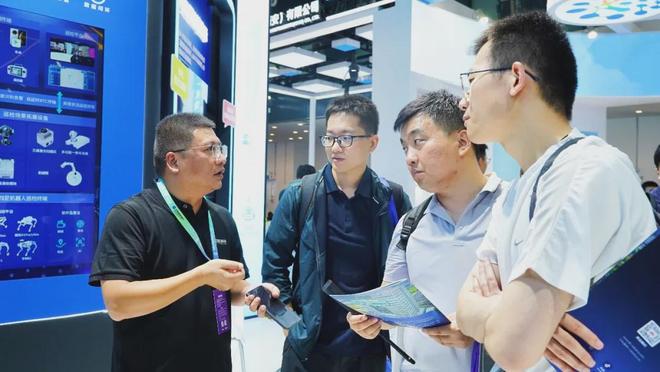
Multi-Robot Collaboration Demonstrated by Daheng Technology at 2026 World Robot Conference
At the 2026 World Robot Conference, Daheng Technology showcased a multi-robot collaboration platform, where a quadruped robot autonomously inspected an area and alerted a cleaning robot to respond to an unidentified object. This demonstration highlighted Daheng's transition from single capabilities to a systematic approach in robotic solutions over the past year. The significance of this advancement lies in the industry's shift from merely activating robots to integrating them into diverse sectors for scalable applications. Daheng's multi-robot collaboration not only identifies issues but also facilitates coordinated responses, emphasizing the need for robots to possess enhanced sensory capabilities to navigate complex environments. Daheng Technology introduced its BlackEye Vision intelligent fusion terminal, which supports multi-modal perception and integrates various sensors for real-time data processing. This innovation allows robots to detect anomalies such as temperature fluctuations and gas leaks, providing critical information for AI-driven decision-making. No further timeline was disclosed at the time of publication.
Multi-Robot Collaboration AI Integration Industrial Robotics Automation Technology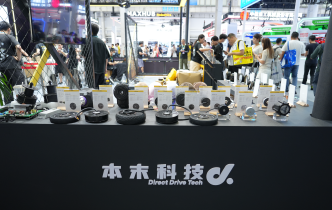
Bennett Technology Showcases Direct Drive and Complete Machines at 2026 World Robot Conference
From August 19 to 23, the 2026 World Robot Conference took place at the Beijing Etrong International Exhibition and Convention Center, featuring over 774 exhibitors and more than 300,000 attendees. This event marked a significant collective showcase for the global robotics industry. The conference highlighted the rapid growth in the domestic humanoid robot sector, with a projected production of over 100,000 units by 2026, reflecting a 594% increase. However, the challenge remains in the commercialization of these technologies, as the industry shifts focus from production capabilities to market viability. Bennett Technology's core component division presented its direct drive modules alongside humanoid joint modules, emphasizing their integrated power solutions. The launch of the HMD-P series robotic joint modules showcased advancements in torque density and dynamic response, catering to diverse robotic applications. The company's ability to serve multiple sectors, from consumer cleaning robots to humanoid robots, positions it uniquely in the market.
Humanoid Robots Direct Drive Modules Robot Components Industrial Automation
Marine Technology Society Launches 2026 ROV Photo Challenge to Celebrate Innovation
The Marine Technology Society (MTS) ROV Committee has initiated the 2026 MTS ROV Photo Challenge, inviting participants from the ROV community to showcase their work. This initiative aims to highlight the advancements and teamwork in the field of Remotely Operated Vehicles (ROVs), emphasizing their applications in various sectors such as commercial, academic, and military operations. The challenge is significant as it provides a platform for recognition within the ROV community, with the top 10 photos to be displayed at Underwater Intervention 2026. Additionally, the top three entries will gain global visibility through MTS publications and social media, enhancing the exposure of contributors and their projects. Key dates for the challenge include the opening of entries on August 17, 2026, with a submission deadline of October 30, 2026. Winners will be announced at Underwater Intervention 2026 on December 2, 2026. Winning photos will also be integrated into the MTS visual library, ensuring lasting recognition for participants beyond the event.
2026 mts rov photo challenge mts rov committee
Blum-Novotest to Showcase Innovative Measuring Technology for Automation at IMTS 2026
Blum-Novotest, a prominent supplier of advanced measuring and testing technology, will present key innovations at IMTS 2026 in Chicago, IL. The company aims to demonstrate how its products can enhance automation in machining processes, contributing to the concept of lights-out manufacturing. The significance of Blum-Novotest's participation lies in its commitment to advancing automation in the manufacturing sector. By showcasing its innovative solutions, the company emphasizes the importance of precision and efficiency in machining, which are critical for achieving fully automated production environments. As IMTS 2026 approaches, industry professionals should watch for Blum-Novotest's product demonstrations and insights into how their technology can facilitate seamless automation. No further timeline was disclosed at the time of publication.

Pudu Robotics Showcases 'One Brain, Multiple Embodiments' Technology and PUDU D7 at WAIC 2026
Pudu Robotics presented its advancements in the 'One Brain, Multiple Embodiments' technology architecture at WAIC 2026. The event featured an in-depth exploration of its Physical Agent architecture, highlighting the innovative capabilities of this system. The company also unveiled the PUDU D7, an industrial-grade semi-humanoid robot, during its first offline public showcase. This demonstration marks a significant step in Pudu Robotics' efforts to enhance automation solutions across various sectors. Looking ahead, industry observers will be keen to see how Pudu Robotics continues to develop its technology and the potential applications of the PUDU D7 in real-world scenarios. No further timeline was disclosed at the time of publication.

MASS 2026 Conference Showcases Atlantic Canada's Defence and Technology Strengths
The 13th annual Maritime & Arctic Security & Safety Conference (MASS) is taking place in St. John's, Newfoundland and Labrador, hosted by the Atlantic Canada Aerospace & Defence Association (ACADA) and sponsored by Saab Canada, Inc. This year's conference, featuring 600 participants, is the largest to date and focuses on leveraging Atlantic Canada's capabilities in environmental management and workforce development. Newfoundland and Labrador Premier Tony Wakeham highlighted the province's strategic geopolitical position as a gateway to the Arctic and Atlantic, emphasizing its qualified workforce and unique military and civil capabilities. He stated that the region's diverse strengths create a robust defence and security ecosystem that Canada and its allies can depend on for Arctic and North Atlantic security. The conference has underscored the significance of partnerships, particularly with Indigenous communities, to foster economic participation and workforce development. Discussions included the need for advanced technology in Arctic-capable warship designs and the role of AI and machine learning in maritime surveillance, indicating a strong focus on innovation in harsh conditions.
maritime and arctic security and safety conference (mass) atlantic canada capabilities defence technology
33rd China International Power Equipment and Technology Exhibition to Take Place in December 2026
The 33rd China International Power Equipment and Technology Exhibition (EP Exhibition) will be held from December 3 to 5, 2026, at the Shanghai New International Expo Center. This year's exhibition will feature a historic expansion, introducing a new 'Smart Electricity' pavilion focused on virtual power plants, industrial microgrids, and zero-carbon parks. This significant event is expected to attract over 2,200 top domestic and international power equipment and technology suppliers, including well-known companies such as ABB and Shanghai Electric Group. The exhibition aims to enhance international participation, providing a platform for global energy transition and showcasing China's advancements in the power industry. As the EP Exhibition marks its 40th anniversary in 2026, it will continue to promote collaboration across various sectors, including energy storage, hydrogen energy, and AI-powered solutions. The event is poised to be a high-profile gathering that highlights the integration of digital technologies and clean energy in the power sector. No further timeline was disclosed at the time of publication.
Power Equipment Energy Transition Smart Electricity Exhibitions Renewable Energy
Efort to Showcase Universal Base Technology at WAIC 2026 for Robotics Advancement
Efort's QiZhi will present its Universal Base technology at the WAIC 2026, aiming to enhance the capabilities of robots. The technology focuses on providing a foundational infrastructure that allows robots to learn and perform tasks across various scenarios, addressing the industry's need for a generalized capability rather than just hardware improvements. This initiative is crucial as the robotics sector has seen a significant influx of capital, with funding in the domestic embodied intelligence sector surpassing 93.5 billion yuan in the first half of 2026. However, the industry consensus highlights a gap in data availability and the need for a robust framework to enable effective learning and task execution by robots. Looking ahead, Efort's approach could redefine the landscape of robotics by shifting the focus from hardware specifications to a comprehensive technological foundation. As the industry transitions from demonstration to practical applications, the success of this Universal Base technology will be pivotal in overcoming existing challenges and enhancing the deployment of robots in real-world scenarios. No further timeline was disclosed at the time of publication.
Robotics AI Industrial Automation Machine Learning
Starmind's Satellite Technology Achieves 880 Billion Liters in Annual Water Savings
Starmind has announced that its satellite technology can save approximately 880 billion liters of cooling water annually at full scale. This figure is equivalent to the annual household water use of around 6.5 million Americans. The technology operates by utilizing a closed-loop liquid cooling system that eliminates the need for water during its operational life, contrasting sharply with traditional ground data centers that consume vast amounts of water for cooling. The significance of this achievement lies in the growing water consumption crisis faced by data centers, particularly as AI expansion drives demand. In 2025, U.S. data centers consumed nearly one trillion liters of water, highlighting the urgent need for sustainable solutions. Starmind's approach not only addresses direct water usage but also avoids indirect water consumption associated with electricity generation, marking a substantial shift in how computing can be conducted in a resource-efficient manner. Looking ahead, Starmind's deployment strategy includes a projected buildout of 100 GW of orbital compute per year, which could displace an additional 735 billion liters of ground water demand annually. The first tranche of 10,000 satellites is already operational, offsetting approximately 8.8 billion liters of water per year. No further timeline was disclosed at the time of publication.

SpaceX's Starmind Project: Supplier Strategy and Chip Manufacturing Plans for 2026
SpaceX's Starmind project, aimed at deploying up to 1 million AI satellites, was filed with the FCC on January 30, 2026. The initiative is designed to minimize reliance on external suppliers, with CEO Elon Musk stating that current chip production capabilities only meet 2% of the projected needs. The first satellite, AI1, is set for prototype launches in early 2027, featuring a 70-meter wingspan and a modular payload system that allows for interchangeable chips from various suppliers. The significance of Starmind lies in its ambitious supply chain strategy, which seeks to transition from external hardware suppliers to a fully integrated Musk-owned facility by 2028. The Gigasat manufacturing site in Bastrop, Texas, is expected to be operational by the end of 2027, with plans for high-volume production of the D3 chip, specifically designed for space applications. This approach aims to consolidate chip manufacturing processes under the Terafab joint venture, which has an estimated initial investment of $55 billion. Looking ahead, the next milestone for Starmind is the launch of AI1 prototypes in early 2027, while the full-scale chip production at Terafab is projected to ramp up significantly thereafter. However, analysts express skepticism regarding the feasibility of achieving Musk's ambitious compute goals, which may require substantial investment and time to establish the necessary manufacturing capabilities.
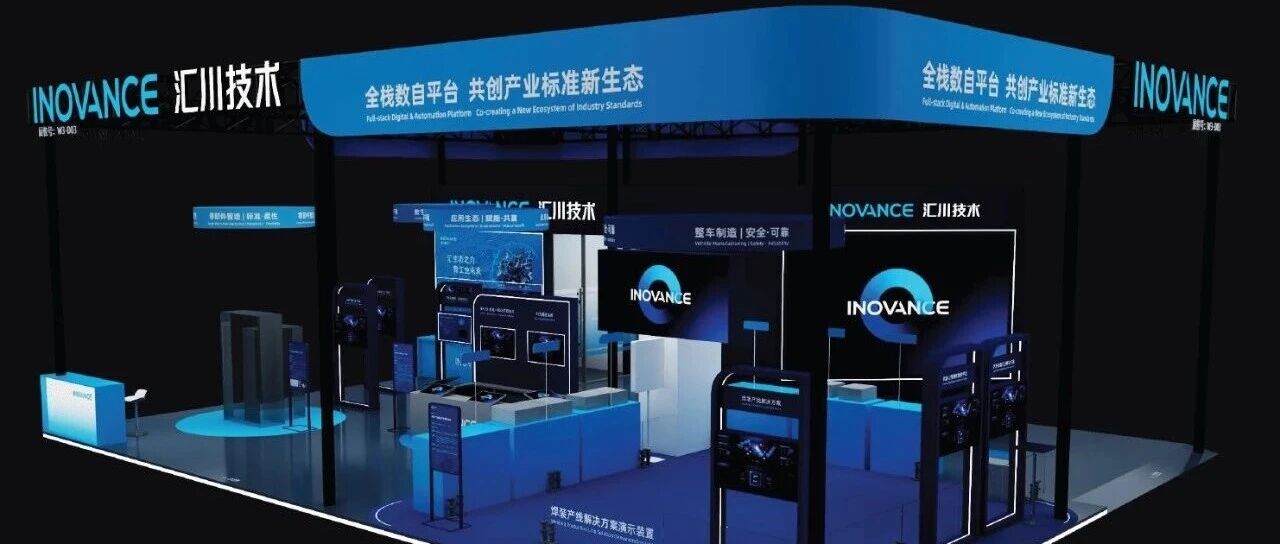
Inovance Technology Wins Five Awards at AMTS 2026, Shaping Automotive Manufacturing Standards
At the 2026 Industrial Control Industry Development Conference, Inovance Technology received five annual awards, highlighting its transition from product replacement to standard co-creation in automotive manufacturing. This shift signifies a move beyond hardware competition to a focus on establishing industry standards, crucial for long-term growth in China's automotive sector. The automotive manufacturing industry faces challenges as traditional standards struggle to meet the demands of new energy vehicles and global production scenarios. Inovance's strategy emphasizes collaboration and the development of new standards that reflect real production conditions, addressing the inadequacies of outdated frameworks. Looking ahead, Inovance aims to leverage its full-stack automation and digital technology to create globally applicable manufacturing standards. The upcoming AMTS 2026 will showcase these innovations, inviting industry stakeholders to witness the establishment of a new standard ecosystem that enhances efficiency and reduces costs for automotive manufacturers worldwide. No further timeline was disclosed at the time of publication.
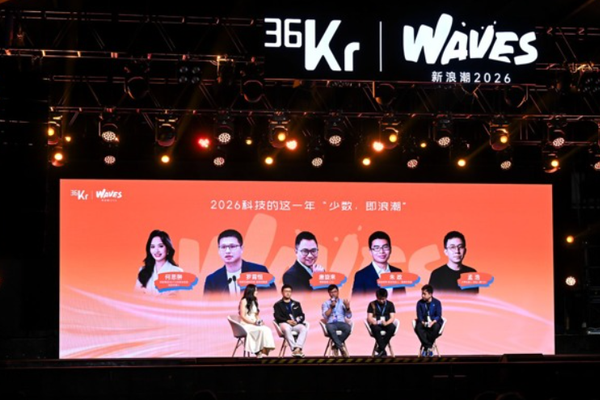
Roundtable Forum: 2026 - A Year of Technology "Minority, Yet a Wave" | 36Kr WAVES 2026 New Wave
In 2026, the Chinese venture capital landscape is witnessing a significant shift as artificial intelligence (AI) transitions from a conceptual technology to a mainstream industry force. The WAVES 2026 conference, organized by 36Kr and AnYun, took place in Guangzhou's Panyu District, bringing together top investors, industry leaders, and emerging entrepreneurs to explore the evolving landscape of AI, hard technology, and other key sectors. Over two days, the event featured 14 in-depth roundtable discussions and numerous independent speeches, focusing on the underlying logic of these core areas and highlighting how the persistence of a few innovators is shaping industry transformation. During a roundtable hosted by He Sichong from Ant Group's NEXTA Innovation Lab, four prominent entrepreneurs shared insights on the rapid advancements in their respective fields. They discussed the increasing acceptance of previously niche technologies, such as embodied intelligence and tactile perception, which are now beginning to redefine industrial processes and human-machine interactions. Despite the enthusiasm, the panelists acknowledged the challenges of integrating these technologies into real-world applications, emphasizing the need for continued innovation and adaptation to meet evolving market demands. As the conference concluded, participants expressed optimism about the future of embodied intelligence and its potential to revolutionize various sectors, while also recognizing the importance of addressing the complexities of deploying these technologies in dynamic environments.

Japanese AMR "Neibo" to debut at Robot Technology Japan 2026 showcasing Exedy's latest technology.
Exedy Corporation will make its debut at the Robot Technology Japan 2026 exhibition, scheduled to take place from June 11 to June 13, 2026, at the Aichi Sky Expo in Aichi Prefecture. This event marks a significant opportunity for the company to showcase its advancements in robotics technology to a broader audience.
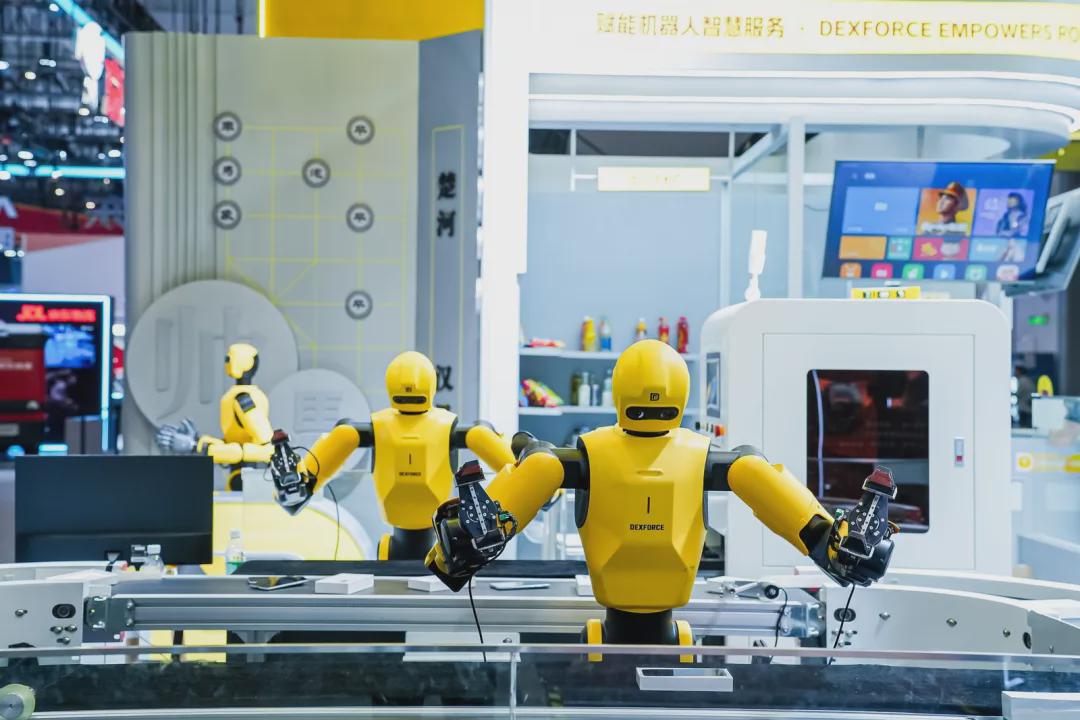
Physical AI: Addressing Economic Viability at the 2026 WRC in Beijing
At the 2026 World Robot Conference (WRC) in Beijing, the narrative in the robotics industry shifted from biomimetic forms to questions of economic viability. On August 19, Kuawei Intelligence hosted the 'Physical AI Leaders Forum,' where founder and CEO Jia Kui introduced the concept of 'Physical Token Economics' to explore how embodied intelligence can achieve true economies of scale. This shift in focus reflects a growing concern among industry leaders regarding the sustainability and calculability of intelligent production capabilities. While hardware metrics like mobility and stability have been popular, the emphasis is now on economic parameters such as scene adaptability and deployment costs. Many companies are prioritizing factory integration and commercial services, yet challenges remain, particularly with demonstrations that still rely heavily on remote control or specific scenarios, leading to significant drops in success rates with minor environmental changes. Looking ahead, the introduction of Physical Token Economics aims to provide a theoretical framework for measuring and quantifying physical intelligence. As the industry grapples with how to define and measure the costs associated with producing reliable physical intelligence, this concept could bridge the gap between technological advancements and economic feasibility. No further timeline was disclosed at the time of publication.
Physical AI Token Economics Robotics Industry 4.0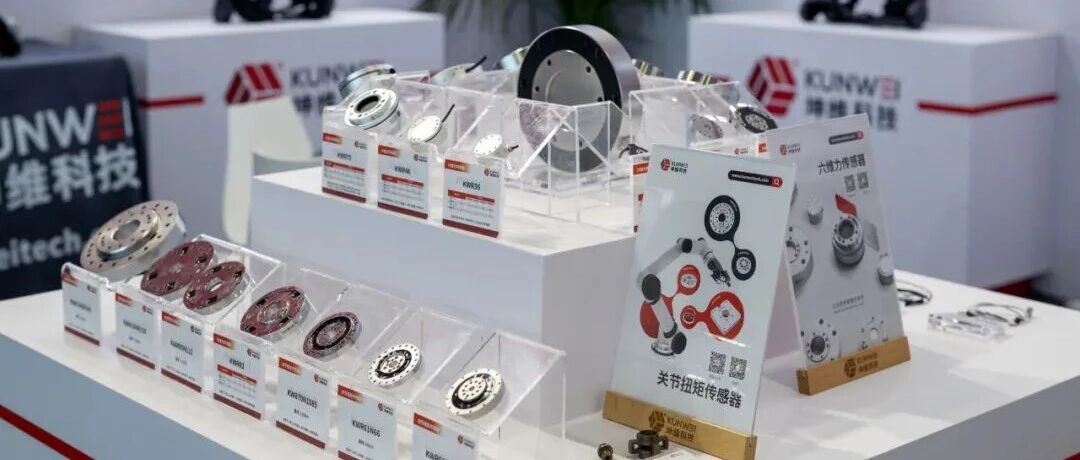
Kuwai Technology Showcases Six-Dimensional Force Sensors at 2026 World Robot Conference
Kuwai Technology made a significant appearance at the 2026 World Robot Conference (WRC) held in Beijing, showcasing its advancements in six-dimensional force sensors, joint torque sensors, and outdoor exoskeleton technology. This event, featuring over 300 global robotics companies, highlighted the importance of force control technology in humanoid robots, which is crucial for achieving stable interactions and precise operations. The rapid growth of the humanoid robot market has positioned China as a key player in the global six-dimensional force sensor market, with Kuwai Technology projected to capture over 40% of the overall market share by 2025. Their proprietary technology, developed over nearly two decades, allows for high precision and responsiveness, essential for the evolving demands of robotics in complex environments. Looking ahead, Kuwai Technology aims to extend its core technologies into joint torque sensors and explore applications in human-machine collaboration through its HiiBex outdoor exoskeleton. This strategic move signifies a shift from solely focusing on robotic components to providing comprehensive force control solutions across various sectors, enhancing the company's growth trajectory in both industrial and consumer markets.

YaoLe Technology Secures Pre-A+ Funding to Enhance Flexible Tactile Sensing Solutions
YaoLe Technology has recently completed a Pre-A+ funding round led by Dinghe Gaoda, with participation from Changshu Automotive Trim and Zulong Entertainment. The funds will be utilized for the development of flexible fabric sensing technology, product upgrades, and scaling production of data gloves, which are essential for capturing real physical interaction data for embodied intelligence applications. This funding is significant as it addresses the critical shortage of high-quality tactile data necessary for training general embodied models. According to the 'China Embodied Intelligence Industry Development Report', there is a projected gap of over 90% in the required data volume by 2026, highlighting the urgent need for innovative solutions like YaoLe's data gloves that integrate sensing capabilities directly into fabric structures. Looking ahead, YaoLe Technology anticipates that its data glove business will account for more than half of its overall revenue by 2026, with expectations of a tenfold increase in annual revenue. The company's approach to modular design and data processing services positions it well in a rapidly evolving market focused on tactile data acquisition and analysis.
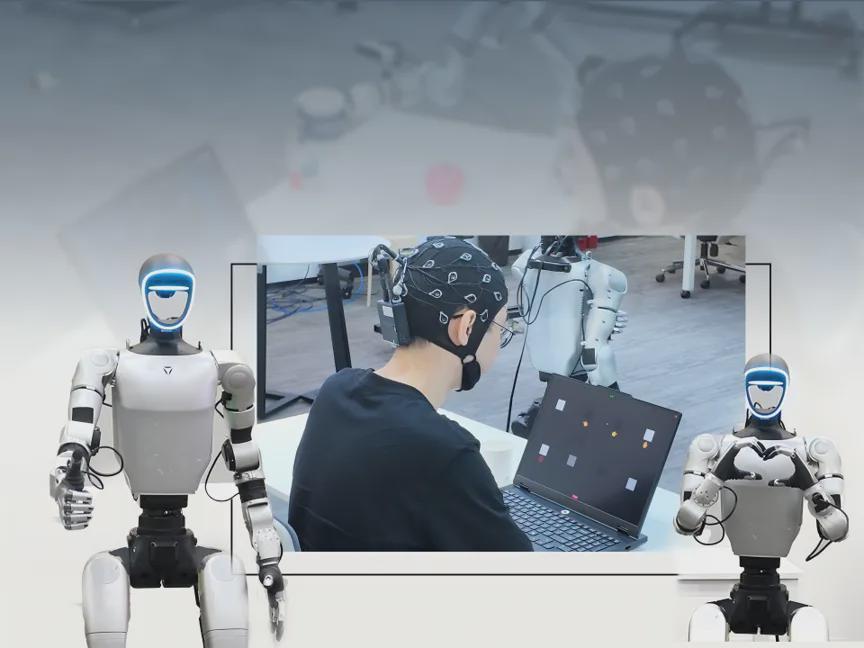
BrainCo Unveils Brain-Controlled Robot Training Platform at WAIC 2026
At the 2026 World Artificial Intelligence Conference (WAIC), BrainCo showcased a brain-controlled robot training platform. This innovative platform allows users to control robotic arms through brainwave signals, enabling actions like pouring water and picking apples without traditional interfaces. The significance of this technology lies in its ability to bridge the gap between human intention and robotic action. By decoding brain signals, the platform facilitates a direct communication pathway, allowing robots to understand and execute tasks based on users' thoughts. This advancement simplifies the integration of brain-machine interfaces with robotics, making it accessible to researchers without specialized backgrounds. Looking ahead, BrainCo's platform supports various robotic types, including humanoid robots and robotic arms, and is adaptable for ongoing developments. Researchers can select robots based on their study focus, whether for grasping tasks or complex human-robot interactions. No further timeline was disclosed at the time of publication.
Brain-Controlled Robots AI Research Neuro-Embodied AI Human-Robot Interaction
Advanced Battery Technology Enhances Performance for Autonomous Vehicles and Robotics
Recent advancements in battery technology are enabling intelligent machines to operate continuously, enhancing performance and efficiency. This technology is specifically designed for applications in autonomous vehicles, robotics, satellites, and drones, allowing for longer life and improved operational capabilities under high-demand conditions. The significance of these developments lies in their potential to transform various industries by supporting the growing demand for reliable and efficient power sources. As intelligent machines become more prevalent, the ability to sustain high-performance operations is crucial for sectors such as transportation, logistics, and aerospace. Looking ahead, stakeholders should monitor the integration of these advanced battery systems into existing platforms and the emergence of new applications. No further timeline was disclosed at the time of publication.
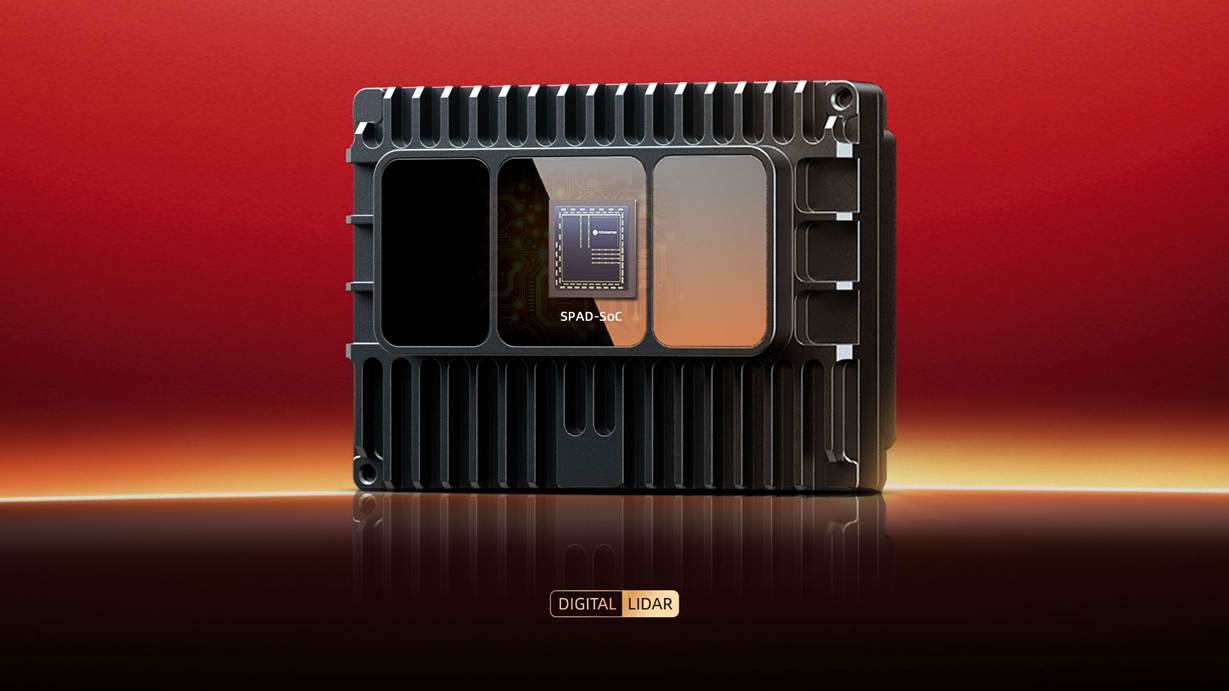
Robot Sales Surge 510% in H1 2026, Speeding Up AI Perception Technology Development
In the first half of 2026, Speeding Up Technology experienced a staggering 510% surge in robot sales, reaching a total of 282,600 units sold. The company's lidar product sales also saw substantial growth, with 719,200 units sold during the same period. This remarkable increase is attributed to advancements in digital chip technology and Speeding Up's strong foothold in both the robotics and automotive industries. The company is strategically positioning itself to become a leading perception technology platform in the evolving landscape of physical AI.
Robotics Lidar Technology AI Perception Digital Chips Automotive Technology
Tesla's Optimus Robots to Support Starmind Satellite Production, Not Maintenance
Tesla's Optimus robots will not be used to repair Starmind satellites in orbit, as confirmed by recent statements from Elon Musk. Instead, these robots are intended to assist in the construction and operation of the Terafab chip manufacturing facility in Texas. The AI1 satellites, designed to disintegrate upon reentry, highlight the company's swap-and-replace strategy rather than traditional maintenance practices. This approach is significant as it reflects a broader trend in satellite management, where mass-produced satellites are replaced rather than repaired. The economics of servicing missions are prohibitive, with the cost of launching a replacement satellite being significantly lower than conducting a repair mission. This model aligns with SpaceX's operational history, where rapid replacement of satellites is more efficient than attempting to maintain them in orbit. Looking ahead, the focus will remain on the production capabilities of the Gigasat factory, which is expected to support the continuous replacement of satellites. No further timeline was disclosed at the time of publication, but the demand for rapid satellite turnover suggests a robust future for Optimus robots in terrestrial manufacturing rather than in-space servicing.

SpaceX IPO Provides Indirect Investment Opportunity in Starmind Project
Starmind does not have a standalone stock or ticker; investors can gain exposure through SpaceX (ticker: SPCX), which began trading on Nasdaq after its IPO on June 12, 2026. Starmind is integrated within SpaceX, contributing to the company's AI and space initiatives, and its performance directly influences SPCX shares. The significance of Starmind lies in its role as a division of SpaceX, which encompasses other projects like Starlink and Starship. As of early July 2026, SPCX shares are trading between $149 and $150, significantly lower than their 52-week high of $225.64. The project’s milestones, such as AI1 prototype updates, can impact SpaceX's stock performance, making it essential for investors to monitor these developments closely. Looking ahead, the early 2027 launch of AI1 prototype satellites is a critical milestone that could provide verifiable data affecting Starmind's valuation and, consequently, SPCX stock. No further timeline was disclosed at the time of publication, but the upcoming events will be pivotal for investors tracking the relationship between Starmind and SpaceX's stock performance.

SpaceX's $1.75 Trillion Valuation Driven by Starmind's Future Potential
Starmind is a pivotal element in SpaceX's estimated $1.75 trillion IPO valuation, despite currently generating no confirmed revenue. The stock price reflects optimistic projections regarding AI infrastructure growth, which Starmind has yet to substantiate. As of early July 2026, SpaceX's stock has decreased from its 52-week high of $225.64 to around $150, indicating market skepticism about future execution. The significance of Starmind lies in its potential to transform SpaceX's revenue model beyond traditional launch services. Goldman Sachs has shifted its focus from Starlink subscriber growth to the prospects of AI revenue, including orbital computing, as a cornerstone of SpaceX's long-term valuation. This marks a substantial change in how analysts view the company's growth trajectory, necessitating rates exceeding its historical 33% growth. Looking ahead, the credibility of Starmind as a growth narrative will be crucial for maintaining investor confidence. Analysts have noted a considerable divergence in price targets, reflecting uncertainty about the value of the Starmind and xAI initiatives. No further timeline was disclosed at the time of publication regarding specific milestones for these projects.
SpaceX's Starmind Targets AI Labs with $6.3 Billion Compute Contracts
SpaceX's Starmind is designed to provide wholesale AI compute services to businesses, particularly AI labs and cloud customers, rather than individual consumers. The service operates similarly to AWS, where users benefit from applications running on Starmind without direct subscriptions. The compute capacity of a single AI1 satellite is comparable to one NVIDIA GB300 rack, emphasizing its enterprise-grade capabilities. The significance of Starmind lies in its positioning as a potential fourth hyperscaler, joining the ranks of AWS, Microsoft Azure, and Google Cloud. The Reflection AI contract, valued at $150 million per month, exemplifies the enterprise-focused model, with total payments potentially reaching $6.3 billion through 2029. This contract highlights the growing demand for AI compute resources, particularly from AI-native startups and labs. Looking ahead, the focus will remain on securing additional enterprise contracts as Starmind expands its offerings. No consumer-facing products or subscriptions have been announced, and the current strategy is to cater to businesses with substantial AI workloads. No further timeline was disclosed at the time of publication.
SpaceX's Starmind Plans 1 Million AI Satellites Amid Collision Risks
SpaceX has announced its ambitious Starmind project, which aims to deploy 1 million AI satellites in orbits between 500 and 2,000 km. This initiative, confirmed by Elon Musk on June 23, 2026, follows a merger with xAI, valuing the combined entity at $1.25 trillion. The satellites will function as orbital data centers, processing AI workloads powered by solar arrays and linked by optical lasers. The significance of Starmind lies in its potential to add 100 gigawatts of AI compute capacity annually, contingent on the successful operation of the Starship launch system. However, the project raises concerns regarding space debris, as the current orbital environment is already congested, with a 20% increase in collision risk reported since 2024. The European Space Agency has highlighted that the density of debris in low Earth orbit is now comparable to that of active satellites, complicating the operational landscape for new entrants like Starmind. Looking ahead, the first operational orbital AI deployments are targeted for 2028, with test launches expected in early 2027. However, the project faces scrutiny regarding its impact on space debris, as even a 1% failure rate could significantly increase the number of uncontrollable objects in orbit, exacerbating existing risks. No further timeline was disclosed at the time of publication.
SpaceX's Starship V3 Plans for 1 Million Starmind Satellites by 2030
SpaceX's Starship V3 is set to revolutionize satellite deployment, aiming to launch 1 million Starmind satellites by 2030. The spacecraft can carry over 100 tonnes to low Earth orbit (LEO), significantly more than the Falcon 9's capacity. As of May 2026, Starship has completed 12 flights, with the next mission scheduled for late July 2026, focusing on operational payloads including AI1 prototypes in early 2027. This ambitious plan is crucial for expanding orbital compute capacity, targeting an annual addition of 100 GW through a million tonnes of satellite hardware. SpaceX's strategy hinges on achieving a launch cadence of approximately 12,000 flights, equating to about three launches per day. The company has invested over $15 billion in the Starship program, with expectations to begin payload deliveries in the second half of 2026, starting with Starlink V3 satellites. Looking ahead, the successful deployment of the Starmind constellation will depend on Starship's ability to meet its cost targets of $10–20 million per flight. If achieved, this would make launching satellites more economical than building ground data centers. The next significant milestone will be the launch of AI1 prototypes in early 2027, with full-scale deployments commencing in 2028 from the new Gigasat factory in Texas.
SpaceX Proposes 1 Million AI Satellites to Address Ground Data Center Constraints
On January 30, 2026, SpaceX filed with the FCC to launch up to 1 million AI compute satellites, positioning orbital data centers as a solution to the increasing demand for AI computing power. Ground data centers are facing significant challenges, with energy consumption projected to reach approximately 1,050 TWh in 2026, making them the fifth-largest electricity consumer globally. The demand for new data center capacity is outpacing the growth of power generation infrastructure, leading to a critical bottleneck in the grid system. The significance of this initiative lies in the structural constraints faced by ground data centers, including power delivery limitations, high water consumption, and local opposition to new projects. The Uptime Institute's 2026 outlook identifies power as the primary constraint on data center growth, with capacity clearing prices in the PJM grid skyrocketing to $329.17/MW, driven by data center expansion. Additionally, cooling requirements are becoming increasingly unsustainable, with facilities consuming vast amounts of water, further complicating their operational viability. Looking ahead, SpaceX's orbital AI compute initiative aims to circumvent these challenges by leveraging the advantages of space, such as continuous solar power and minimal local opposition. The first AI prototypes are expected to launch in early 2027, with operational deployments planned for 2028. No further timeline was disclosed at the time of publication.
Starmind's Orbital Compute vs. Terrestrial Data Centers: Analyzing Resource Advantages
Starmind's orbital compute technology presents a significant advantage over traditional ground-based data centers by eliminating constraints related to land, water, and grid permitting. While terrestrial data centers are currently cheaper and faster to construct, with U.S. data center spending reaching $85.3 billion in 2026, Starmind's approach focuses on addressing the growing resource limitations faced by hyperscale facilities. The significance of Starmind's technology lies in its ability to sidestep the increasing challenges of land and water usage. For instance, a 100 MW data center can consume approximately 530,000 gallons of water daily for cooling, while Starmind's AI1 utilizes deployable liquid radiators that require no water. This structural advantage could resonate with investors as the demand for AI computing continues to escalate, potentially leading to annual water withdrawals of up to 1.7 trillion gallons by 2027. Looking ahead, Starmind's next milestones include the launch of AI1 prototypes scheduled for early 2027. However, the technology's claims regarding cooling efficiency and operational reliability remain unverified until real flight data is available. As the industry evolves, the competition between orbital and terrestrial solutions will become increasingly relevant, particularly in the context of resource management and sustainability.
SpaceX's Starmind Faces Feasibility Challenges for 1 Million Satellite Deployment
On January 30, 2026, SpaceX submitted a request to the FCC to launch up to 1 million satellites as part of its Starmind orbital compute constellation. This ambitious plan is unprecedented, as the total number of satellites ever launched globally is in the low tens of thousands. The proposal seeks a waiver from standard deployment milestones, citing reliance on the Starship's full reusability for success. The significance of this request lies in the technical and logistical challenges it presents. Experts warn that low Earth orbit may not support the proposed number of active satellites without risking a debris cascade. SpaceX's own IPO prospectus acknowledges unresolved dependencies related to Starship's launch cadence and reusability, which are critical for the orbital AI compute strategy. Looking ahead, the timeline for achieving the necessary launch cadence and manufacturing capacity remains uncertain. SpaceX's Gigasat facility in Texas aims for volume production by late 2027, but this would require unprecedented output levels. No further timeline was disclosed at the time of publication, leaving the feasibility of the Starmind project in question.

SpaceX Unveils AI1 Satellite Specs for Starmind Constellation with Key Thermal Challenges
SpaceX has introduced the AI1 satellite, the inaugural component of its Starmind constellation, which stands 20 meters tall and has a wingspan of 70 meters. This orbital compute node is designed to deliver computing power equivalent to one NVIDIA GB300 server rack, utilizing a unique cooling system with deployable liquid radiators. The satellite's specifications were revealed during a presentation on June 8, 2026, ahead of SpaceX's IPO. The significance of the AI1 satellite lies in its role as a compute platform rather than a traditional satellite, focusing on running AI inference workloads. The satellite's cooling system, which is critical for its operation in the vacuum of space, is designed to reject heat through infrared radiation. However, independent engineers have raised concerns about the feasibility of the thermal and mass claims made by SpaceX, suggesting that the cooling requirements may exceed practical limits. Looking ahead, SpaceX plans to launch two AI1 prototypes in early 2027, with full-scale production expected to commence later that year at its Gigasat facility in Bastrop, Texas. The ongoing debate regarding the satellite's thermal management capabilities will be crucial to monitor as the project progresses, with no further timeline disclosed at the time of publication.
SpaceX Launches Starmind Project for 1 Million AI Satellites by 2028
SpaceX has officially named its orbital AI infrastructure project 'Starmind,' which aims to deploy a constellation of up to 1 million satellites. This initiative, confirmed by Elon Musk on June 22, 2026, will enable AI inference directly in space, utilizing solar energy rather than terrestrial power sources. The first satellite, designated AI1, was unveiled on June 8, 2026, and is designed to operate in sun-synchronous orbits. The significance of Starmind lies in its potential to overcome the limitations faced by ground-based data centers, such as land, power, and water constraints. By running AI computations in orbit, Starmind can provide a more efficient solution to the growing demand for AI computing power. The project leverages the existing Starlink infrastructure for data transmission, distinguishing its function from Starlink's internet relay capabilities. Looking ahead, SpaceX plans to begin hardware deployment with the AI1 satellite, while full-scale production and deployment of the satellite constellation are targeted for 2028. As of now, no Starmind satellites have been launched, and further engineering challenges remain to be addressed, particularly regarding the scalability of the satellite design.
Robotics needs a service framework.
RSF defines a common language for robot service capability, lifecycle operations, certification pathways, and service-provider networks.
Join the RobotToday community on LinkedIn
Daily robotics news, in-depth analysis, conference highlights, and discussions with professionals worldwide.







