Industry Briefing
A single destination for timely, editor-curated robotics news from around the world.
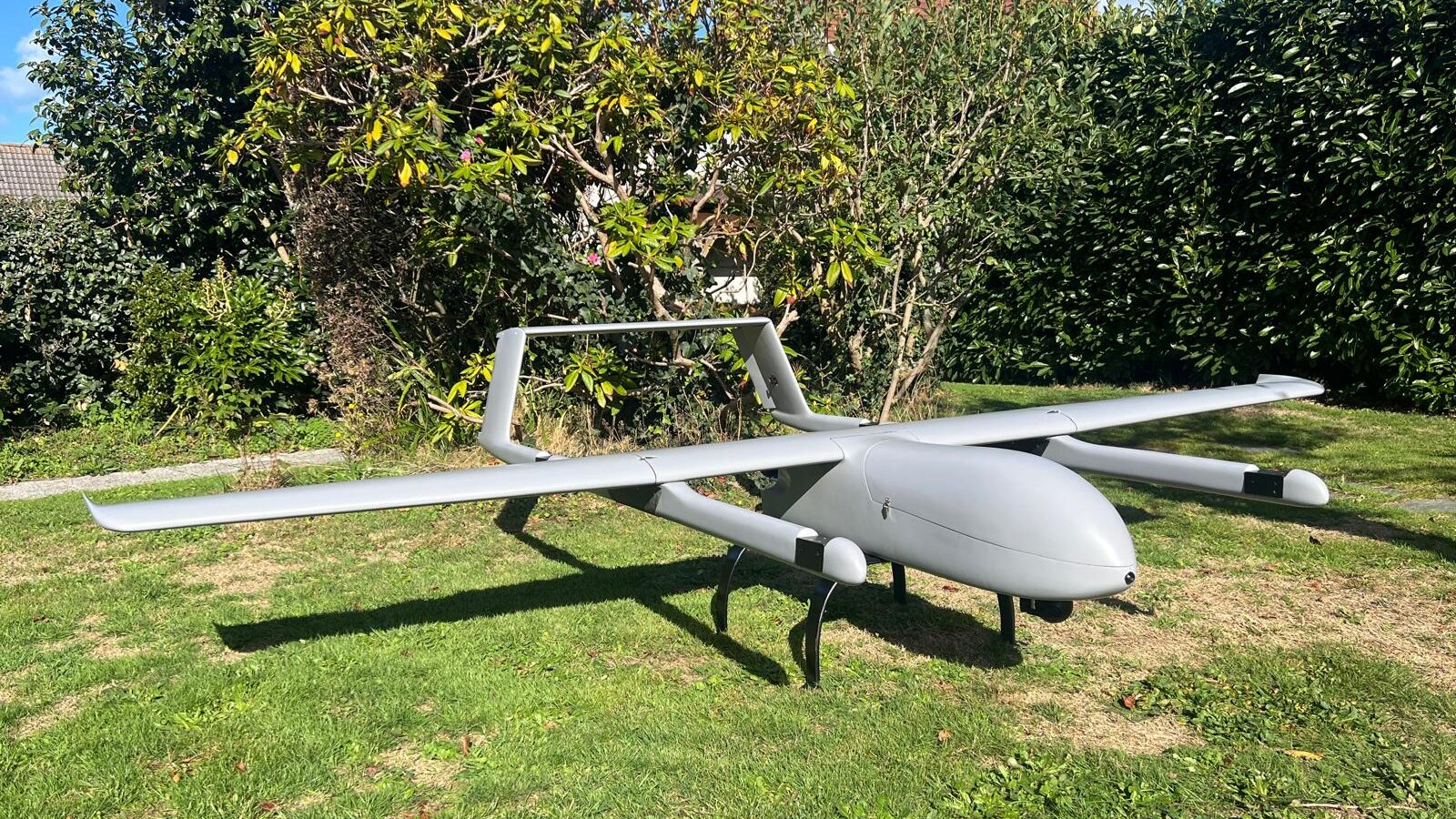
Ballistic Defense System Develops GPS-Free UAV Prototype Matador for Precision Operations
Moroccan startup Ballistic Defense System has unveiled its prototype unmanned aerial vehicle (UAV), named Matador, which operates without GPS. Instead, it utilizes cameras and advanced algorithms for navigation, enhancing its effectiveness in regions where GPS signals may be compromised. Co-founder Fahd Laamoumi emphasized the importance of the software layer, which includes visual inertial odometry and map matching agents, all coordinated by a Kalman filter for decision-making. The development of Matador, which began in December 2023, was completed in 18 months with an investment of $1.15 million from its founders. This UAV is designed as a one-way attack drone, offering advantages in sovereignty and precision, particularly in conflict zones where GPS jamming is prevalent. The prototype features a four-meter wingspan and a range of 250 km, with plans for a larger airframe to extend its range to 2,000 km. Ballistic Defense System is currently testing the Matador and is in discussions with the Moroccan army for potential procurement. The company has also received interest from two Gulf nations for demonstrations, which may include technology transfer and production collaboration. No further timeline was disclosed at the time of publication.
Air Warfare Global Land Warfare Agentic AI Air Force algorithms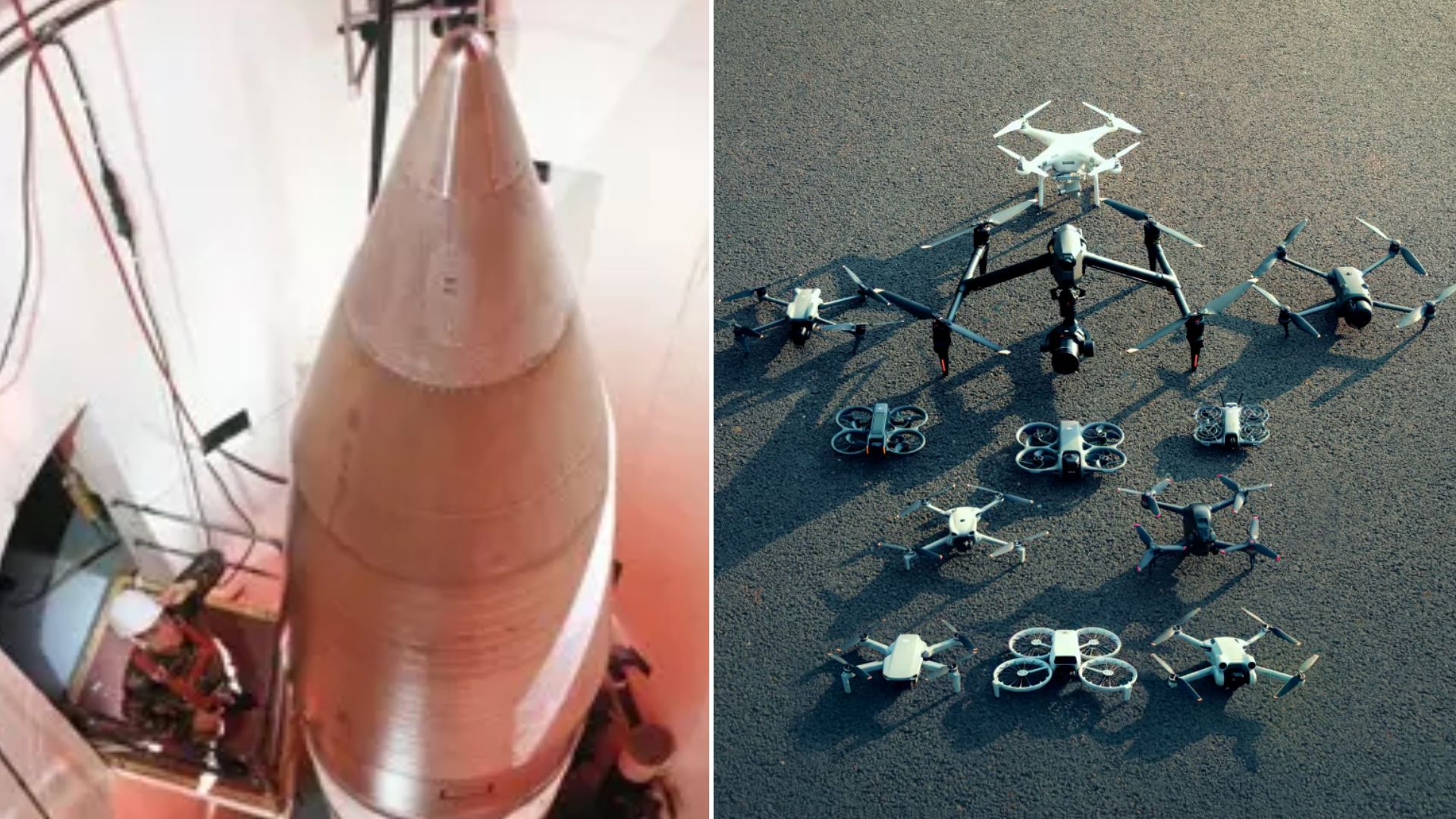
U.S. Air Force Plans to Acquire DJI Drones for Counter-Drone Training at Missile Base
The U.S. Air Force intends to purchase DJI drones for counter-drone training at F.E. Warren Air Force Base, which is part of the Minuteman III missile system. This initiative, led by the 90th Missile Security Operations Squadron, aims to enhance personnel's ability to detect and neutralize drone threats in the vicinity of the base. This procurement is significant as DJI drones dominate the commercial market, accounting for 80% to 85% of global sales, making them ideal for realistic training scenarios. The Air Force's decision to use these drones, despite existing restrictions on Chinese technology, highlights the need for effective training against prevalent drone threats, especially given the 350 reported incursions over U.S. military installations in 2024. Looking ahead, the Air Force plans to modify the acquired drones with RIZER software to ensure data security while allowing personnel to train against the unique characteristics of DJI systems. No further timeline was disclosed at the time of publication.
Military
Russian Navy Implements Netting for Submarine Protection Against Drone Threats
Recent satellite imagery reveals that the Russian Navy has begun using nets to shield submarines from drone attacks at its strategic base in Kamchatka. This development highlights Russia's growing concerns about drone threats, extending to critical facilities beyond the Ukraine conflict. Additionally, similar protective measures are being observed at a Black Sea base, indicating a broader trend in enhancing naval defenses against uncrewed aerial systems. The use of nets at the Rybachiy base, home to most of Russia's Borei and Borei-A class nuclear ballistic missile submarines, signifies a tactical shift in response to perceived threats. The imagery shows various submarines covered by nets, consistent with countermeasures previously employed in Ukraine against drone attacks. The introduction of floating booms further enhances protection against surface threats, reflecting a comprehensive approach to naval security. Looking ahead, the Russian Navy's adaptations to counter uncrewed aerial systems and surface vessels will likely continue to evolve. The recent imagery from both Kamchatka and Novorossiysk raises questions about the operational readiness of these submarines and the effectiveness of the new defensive measures. No further timeline was disclosed at the time of publication.
News & Features Air Around The Globe Drones Europe Russia
Eurosatory 2026: Ukraine’s Fire Point pursues ballistic missile sovereignty
In a recent interview with Army Technology, the CEO of Fire Point outlined her ambitious plans to develop a self-sufficient ballistic missile and interceptor industry in Ukraine. This initiative comes in response to the ongoing security challenges faced by the country, particularly amid heightened tensions in the region. The CEO emphasized the importance of establishing a domestic defense capability to enhance Ukraine's sovereignty and security. The project aims to leverage local expertise and resources, fostering innovation and creating jobs within the defense sector. By investing in this critical area, Fire Point seeks to contribute to Ukraine's long-term defense strategy and resilience against external threats.
News
Iran Launches Ballistic Missile Attacks On Israel (Updated)
Tensions between Iran and Israel escalated following a series of ballistic missile attacks launched by Tehran in retaliation for an Israeli Defense Forces (IDF) bombing in Beirut on Sunday. This military action marks a significant increase in hostilities between the two nations, raising concerns about the potential for open conflict. The strikes from Iran come amid ongoing regional tensions and highlight the fragile security situation in the Middle East. As both countries remain on high alert, analysts warn that further escalations could lead to a broader confrontation in the region.
News & Features Around The Globe Iran Middle EastRobotics needs a service framework.
RSF defines a common language for robot service capability, lifecycle operations, certification pathways, and service-provider networks.
Join the RobotToday community on LinkedIn
Daily robotics news, in-depth analysis, conference highlights, and discussions with professionals worldwide.