

Industry Briefing
A single destination for timely, editor-curated robotics news from around the world.

Underwater Robotics Sees Surge in Investment After Years of Quiet Growth
The underwater robotics sector, which has seen minimal activity over the past decade, is experiencing a significant increase in investment. In the first nine months of 2026 alone, 123 financing events were recorded in the marine economy, nearing the total of 125 for all of 2025. This surge is marked by notable funding rounds, including over 1 billion yuan for Seawing Intelligent and 500 million yuan for Deep Sea Intelligence. This growth is crucial as it indicates a shift in the market dynamics for underwater robotics, with investments now flowing rapidly into the sector. The Chinese government has recognized deep-sea technology as a strategic direction, aligning it with other emerging industries. The increasing interest from venture capitalists and state-owned enterprises highlights the potential for innovation and commercialization in this field. Looking ahead, the underwater robotics market is expected to continue evolving, with various companies establishing themselves as key players. The recent funding rounds and government support signal a promising future for the industry. No further timeline was disclosed at the time of publication.
Underwater Robotics Investment Trends Marine Technology AI Deep-Sea Exploration
XTEND AI Robotics, Inc. Receives U.S. Patent for NEST Autonomous Base Station Supporting Robotic Operations
XTEND AI Robotics, Inc. has been granted U.S. Design Patent No. D1,147,179 for its NEST autonomous base station. This patent, issued on September 8, 2026, recognizes the innovative design that allows robotic systems to autonomously deploy, recover, and recharge, thereby enhancing operational efficiency. The significance of this patent lies in its potential to support persistent robotic operations with minimal human intervention. By automating the deployment and recharging processes, XTEND's NEST aims to improve the reliability and effectiveness of robotic systems across various applications, reducing the need for constant human oversight. Looking ahead, industry stakeholders should monitor how XTEND leverages this patent to advance its technology and expand its market presence. The successful implementation of the NEST system could set new standards for autonomous operations in robotics, influencing future developments in the field. No further timeline was disclosed at the time of publication.

SoftBank Allocates $225M to Autonomous Solutions for Construction Robotics Venture
SoftBank Group has invested $225 million in Autonomous Solutions Inc. (ASI) to establish a joint venture aimed at developing autonomous construction equipment for large infrastructure projects. This collaboration will leverage ASI's Mobius fleet-management platform to enhance civil construction and material handling capabilities, supporting a variety of autonomous vehicles from different manufacturers. The significance of this investment lies in ASI's extensive experience in technology development over 25 years, which will facilitate the expansion of autonomous construction systems. ASI CEO Mel Torrie emphasized that the joint venture positions the company at the forefront of innovation in autonomous construction, enabling the deployment of mixed fleets of heavy equipment for complex tasks. Looking ahead, the joint venture is expected to focus on large-scale infrastructure projects, including roads, airports, and waste management. No further timeline was disclosed at the time of publication.
AI AI Funding & Investment Robotics autonomous construction Autonomous Solutions Inc. industrial automation
Caterpillar Collaborates with FieldAI to Enhance Physical AI and Autonomous Robotics
Caterpillar has announced a partnership with FieldAI to advance physical AI and robotics aimed at improving safety and efficiency in jobsites and factories. This collaboration seeks to address labor shortages and productivity demands by transforming real-time observations into actionable insights, enhancing decision-making and maximizing the effectiveness of workers and machines. The significance of this partnership lies in its potential to reshape industries by integrating human expertise with AI-powered machines. Caterpillar's Chief Technology Officer, Jaime Mineart, emphasized the importance of applying AI to improve safety and productivity, thereby delivering greater value to operations. This initiative aligns with Caterpillar's vision for a future where intelligent machines and digital insights create safer and more productive work environments. Looking ahead, Caterpillar's collaboration with FieldAI is expected to accelerate the development of practical solutions that enhance operational efficiency across complex jobsites and manufacturing environments. No further timeline was disclosed at the time of publication.
Navy Establishes Robotics and Autonomous Systems Warfighting Development Center in Virginia
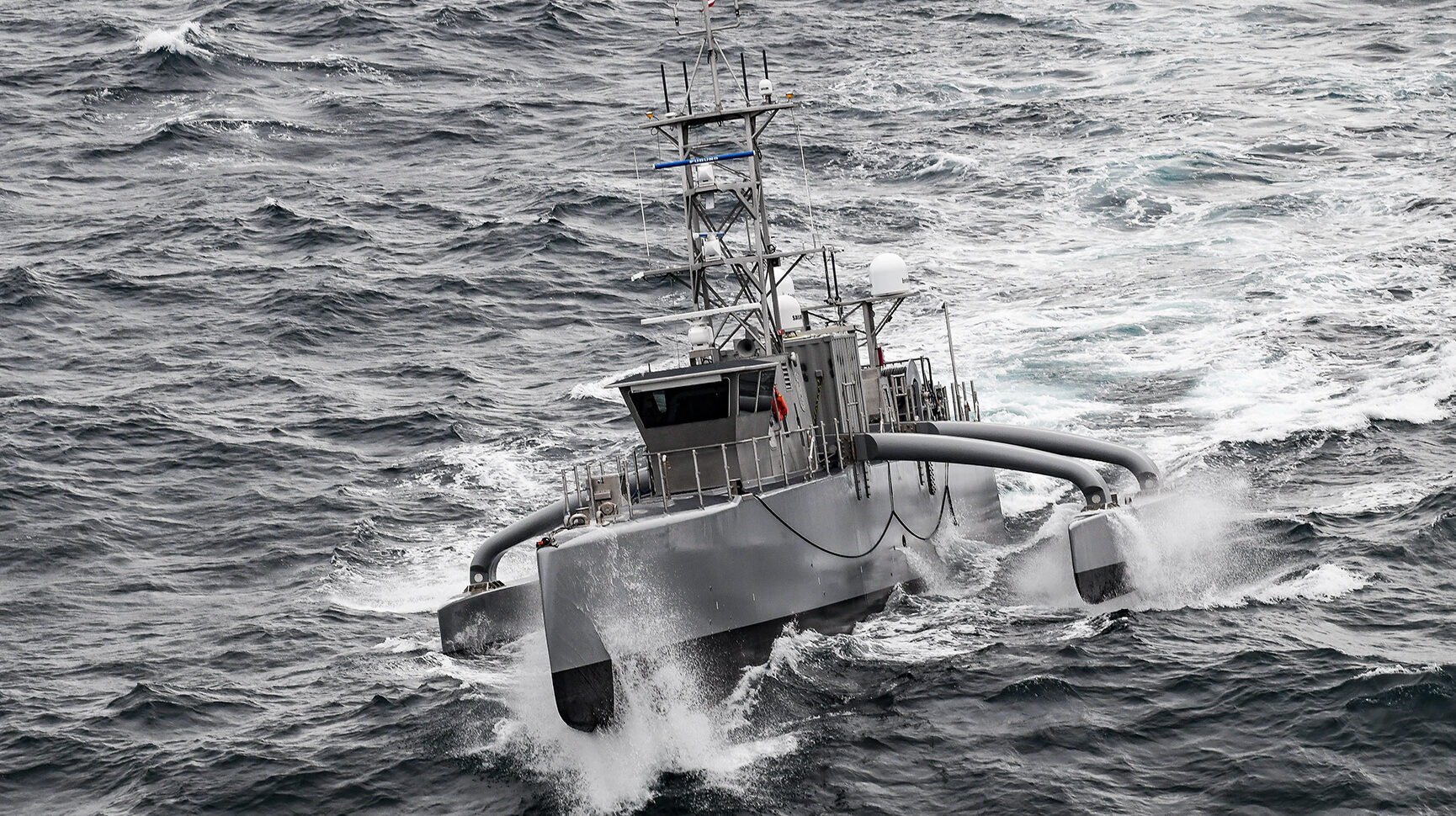
The Navy has launched the Robotics and Autonomous Systems Warfighting Development Center (RASWDC) to develop tactics and procedures for unmanned systems. Headquartered at Joint Expeditionary Base Little Creek-Fort Story in Virginia, RASWDC aims to unify efforts across the Navy to enhance operational coherence in unmanned capabilities. This initiative is significant as it aligns with the Navy's broader strategy to integrate robotic and autonomous systems into its operations, as emphasized by Chief of Naval Operations Adm. Daryl Caudle. The RASWDC will work closely with the Direct Reporting Portfolio Manager for Robotic and Autonomous Systems to facilitate the acquisition and deployment of these technologies. Looking ahead, the RASWDC is expected to play a crucial role in ensuring that sailors are equipped with the necessary training and doctrine to effectively utilize unmanned systems. No further timeline was disclosed at the time of publication.
Naval Warfare Adm. Daryl Caudle Drones Navy robotics Unmanned
TLD Robotics Established Following Alvest's Acquisition of EasyMile to Enhance Autonomous Operations
TLD Robotics has officially launched as a subsidiary of Alvest, integrating EasyMile, TractEasy, and TLD’s driverless operations. This move follows Alvest's acquisition of EasyMile, a leader in autonomous technology, and signifies a strategic consolidation in the autonomous vehicle sector. The formation of TLD Robotics is significant as it combines autonomous software capabilities with industrial vehicle expertise, aiming to streamline deployment and enhance customer support. This integrated approach is expected to strengthen Alvest's position in the growing market for autonomous ground operations. Looking ahead, TLD Robotics is poised to leverage its combined resources to advance its offerings in autonomous vehicle technology. No further timeline was disclosed at the time of publication.
Infrastructure News Transportation airport automation alvest autonomous ground vehicles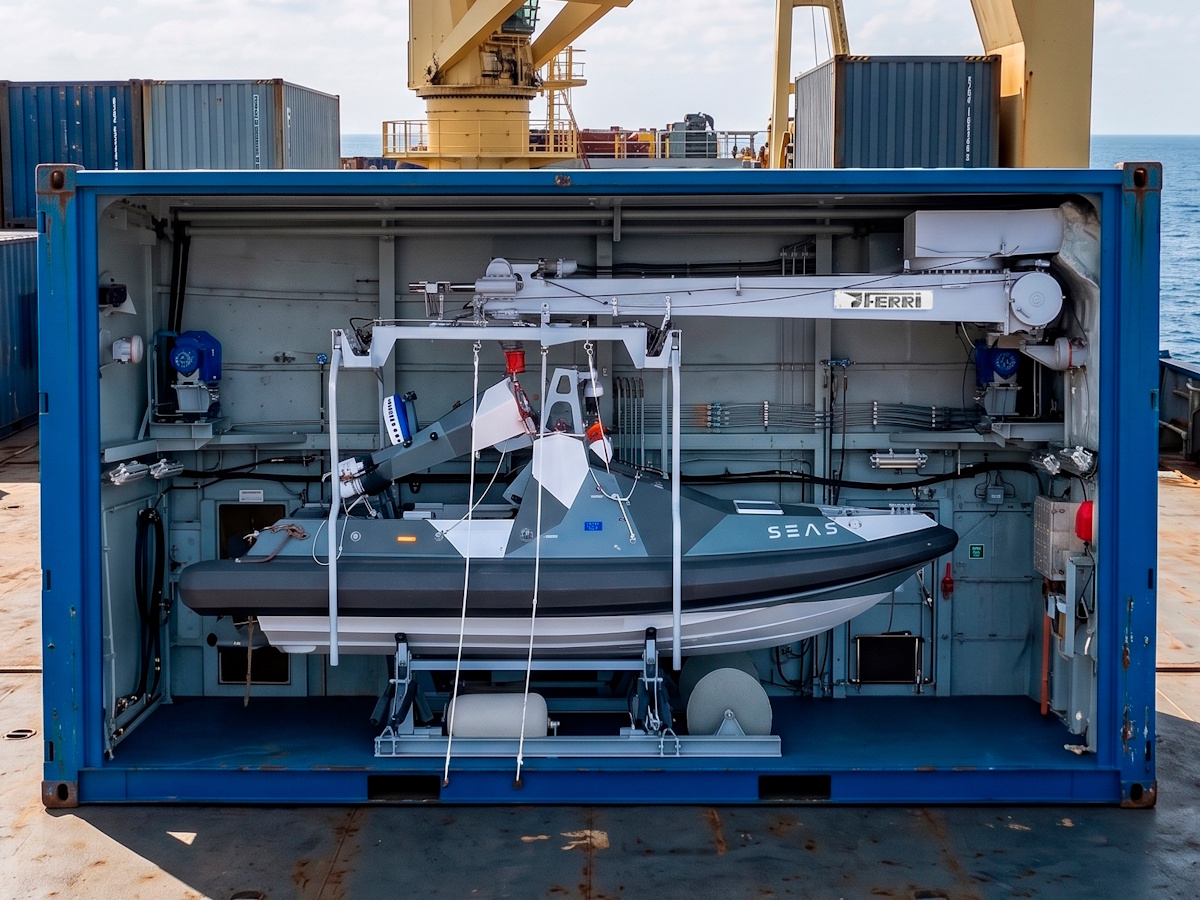
Cellula Robotics and FERRI Establish Nautical Reach Systems for Autonomous Marine Handling
Cellula Robotics Ltd. and Industrias FERRI S.A. have launched Nautical Reach Systems Ltd., a joint venture based in East Coast Canada. This new entity will focus on designing and manufacturing marine motion, lift, and handling systems tailored for autonomous maritime operations, including smart launch and recovery solutions for uncrewed vehicles. The collaboration aims to enhance the safety and reliability of autonomous platforms operating in challenging maritime environments, such as remote and Arctic conditions. Neil Manning, CEO of Cellula Robotics, emphasized the importance of integrating vehicle design with handling equipment to optimize performance at sea, highlighting the joint venture's potential to revolutionize marine operations. Looking ahead, Nautical Reach Systems plans to leverage the combined expertise of both companies to create innovative solutions for naval and coast guard operators. FERRI's significant investment in the venture will foster job creation and intellectual property development in Canada, while Cellula contributes its autonomous handling technology. No further timeline was disclosed at the time of publication.
cellula robotics ferri nautical reach systems autonomous marine handling
WaiV Robotics Achieves First Autonomous Nighttime Landing on Moving Vessel
WaiV Robotics has successfully conducted a series of open-sea demonstrations showcasing its autonomous drone launch and recovery system. Notably, the company achieved the first-ever autonomous maritime takeoff and landing at night, marking a significant milestone in maritime technology. This achievement is crucial as it demonstrates the capabilities of WaiV's patented catch-lock-release mechanism and AI-powered predictive algorithms. These technologies enable drones to land on moving vessels, enhancing operational efficiency and safety in maritime operations. Looking ahead, the advancements made by WaiV Robotics could pave the way for further innovations in autonomous maritime systems. No further timeline was disclosed at the time of publication.
Drones News autonomous drones autonomous landing autonomous systems drone landing
Underwater Robotics Secures Nearly $10 Million in Angel Funding Amid Market Potential Focus
Gongzhi Ocean has announced the completion of nearly 100 million yuan in angel funding, attracting investors such as Zhongxin Zhidi and Lihua Financial. This funding reflects a growing interest in the underwater robotics market, particularly in integrated detection and operational capabilities. The investment landscape for underwater robotics has seen significant activity, with companies like Shihang Intelligent and Deep Sea Zhiren also securing substantial funding in recent months. This trend indicates a proactive search for investment opportunities within the sector, highlighting the industry's potential for growth and innovation. Looking ahead, the focus will shift from merely achieving depth capabilities to enhancing operational efficiency and reducing costs in underwater tasks. Companies must demonstrate their ability to translate technical specifications into practical, scalable solutions in real-world marine environments, as the competition intensifies in this evolving market.
Underwater Robotics Marine Engineering Investment Automation Technology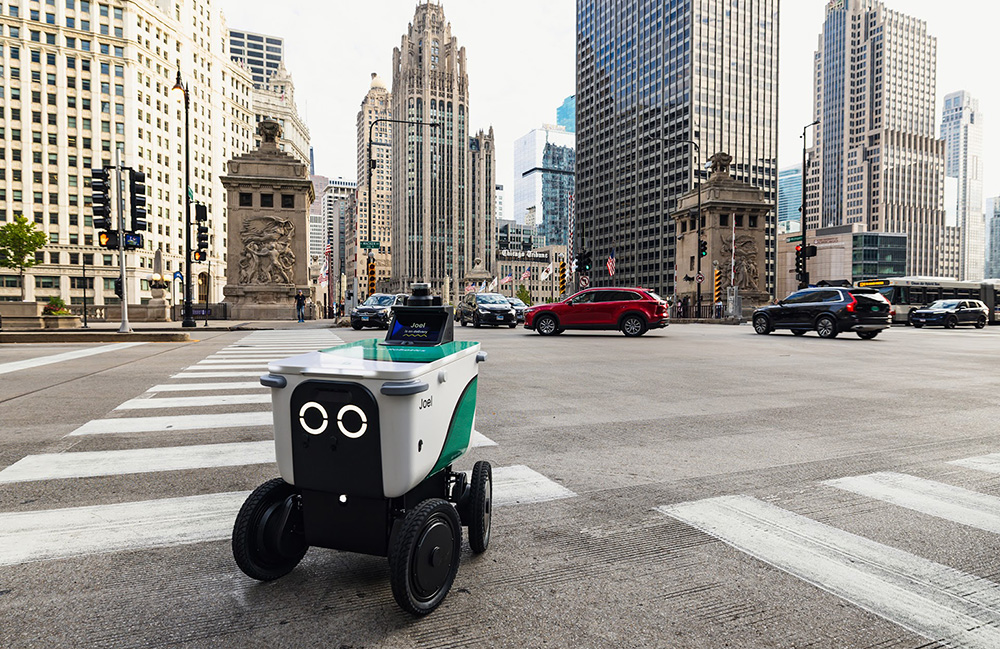
Serve Robotics Partners with Grubhub for Autonomous Delivery in Major Cities
Serve Robotics Inc. has announced a partnership with Grubhub to provide autonomous delivery services in Chicago, Los Angeles, and Alexandria, Virginia. This collaboration will enable Serve to offer robotic deliveries from over 100 Grubhub merchants in Chicago and nearly 200 in Los Angeles, with plans for more restaurants to join the program. This partnership is significant as it marks Serve's expansion into new markets, including Washington, D.C., and San Jose, California, where they have partnered with DoorDash. The introduction of microdepots in Miami will further enhance their operational efficiency, allowing for quicker deployment in high-demand neighborhoods with minimal infrastructure. Looking ahead, Serve Robotics is also launching Beacon, a countertop product designed to streamline the connection between restaurants and delivery robots. Additionally, they have introduced a new advertising product called “Characters,” which allows brands to create interactive experiences with their robots. No further timeline was disclosed at the time of publication.
Autonomous Mobile Robots (AMRs) Food / Beverage Markets / Industries News Robots / Platforms autonomous delivery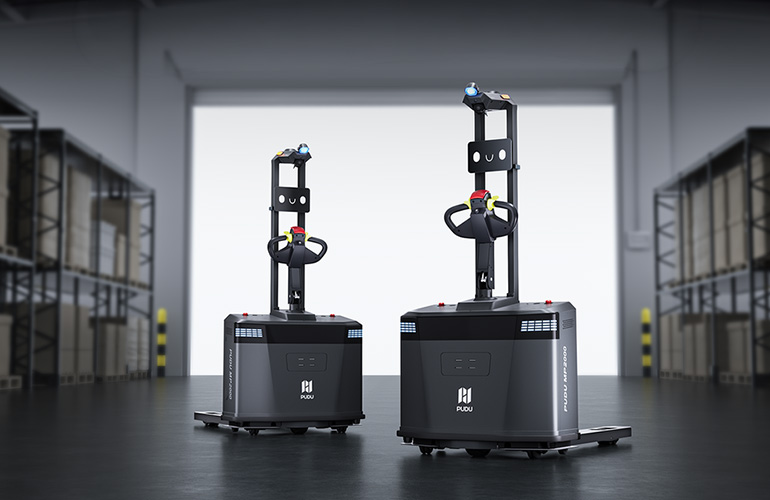
Pudu Robotics Introduces MP2000 Autonomous Forklift for Efficient Material Transport
Pudu Robotics has launched the MP2000, an AI-powered autonomous forklift designed for efficient floor-to-floor material transport in warehouses and factories. This new model features pallet pickup cycles as quick as 20 seconds, enhancing the company's portfolio of autonomous mobile robots (AMRs) for high-frequency, heavy-payload transport in busy logistics environments. The MP2000 is equipped with advanced 3D lidar and depth cameras, allowing it to identify pallet locations and adjust its approach in real time. This capability ensures safe navigation through facilities, avoiding obstacles while validating pallet sizes and configurations. The MP2000 supports various pallet formats and adapts to non-standard load carriers, making it versatile for different operational needs. As part of a distributed fleet, the MP2000 can coordinate with other Pudu Robotics AMRs, enhancing overall efficiency. It also features a manual operator override for use as a powered manual forklift. The vehicle's ability to communicate with peripheral equipment like doors and elevators further streamlines access to controlled areas within facilities. No further timeline was disclosed at the time of publication.
Automated Warehouse Autonomous Mobile Robots (AMRs) Logistics Manufacturing News Pudu Robotics
Gravis Robotics Secures $200 Million from SoftBank for Autonomous Construction Innovation
Gravis Robotics has announced a significant investment of $200 million from SoftBank in its Series A funding round, marking a historic milestone in construction robotics. This funding aims to enhance the company's autonomous construction capabilities, addressing the industry's slow automation pace amid rising demands for infrastructure repairs and AI data center developments. The investment is crucial as Gravis Robotics seeks to revolutionize the construction sector, which has traditionally relied on mechanical hardware. With its Gravis Rack autonomous control kit, the Zurich-based company retrofits existing construction equipment, enabling it to operate in unpredictable jobsite conditions, thereby overcoming the challenges of traditional automation. Looking ahead, Gravis Robotics plans to leverage this funding to expand its workforce and deploy its technology across major job sites. The company emphasizes the importance of bridging the sim-to-real gap in construction, aiming to bring factory-floor precision to civil engineering tasks. No further timeline was disclosed at the time of publication.
Artificial Intelligence / Cognition Autonomous Mobile Robots (AMRs) Construction Controllers Investments News
Study on Cooperative Navigation Methods for Autonomous Underwater Vehicles in Terrain Mapping
A recent study published in the Journal of Field Robotics explores cooperative navigation methods for autonomous underwater vehicles (AUVs) in terrain mapping. The research focuses on enhancing the accuracy and efficiency of AUVs when mapping underwater environments through collaborative navigation techniques. This research is significant as it addresses the challenges faced by AUVs in accurately mapping complex underwater terrains. By improving navigation methods, the study aims to facilitate better data collection for various applications, including environmental monitoring, underwater exploration, and resource management. Looking ahead, the implications of this research could lead to advancements in AUV technology and its applications in marine research. No further timeline was disclosed at the time of publication.
RESEARCH ARTICLE
Coco Robotics Expands Autonomous Delivery Operations in Washington, D.C.
Coco Robotics has announced the expansion of its autonomous delivery services in Washington, D.C., with customer deliveries set to commence this summer. This move marks a significant step in scaling its fleet across major U.S. cities, enhancing service for local restaurants and retailers. The expansion into Washington, D.C. is crucial as it allows Coco Robotics to tap into a vibrant urban market, providing efficient and reliable delivery solutions. This initiative aims to assist neighborhood businesses in reaching more customers while simultaneously addressing issues like traffic congestion and emissions. Looking ahead, the launch of deliveries in Washington, D.C. will be closely monitored as it could set a precedent for further expansions in other urban areas. No further timeline was disclosed at the time of publication.
Current Disturbances Impacting Online Localization for Autonomous Underwater Vehicles
The Journal of Field Robotics has published an early view article discussing the challenges of online localization for autonomous underwater vehicles (AUVs) in the presence of current disturbances. This research highlights the difficulties faced by AUVs when global references are not available, which is crucial for their navigation and operational efficiency. Understanding how current disturbances affect AUV localization is significant as it directly impacts the effectiveness of underwater missions. Accurate localization is essential for various applications, including environmental monitoring, underwater exploration, and military operations. The findings from this study could lead to improved algorithms and technologies that enhance the reliability of AUVs in challenging underwater environments. Future research should focus on developing advanced localization techniques that can mitigate the effects of current disturbances on AUVs. As underwater exploration continues to grow, the demand for reliable AUV navigation systems will increase. No further timeline was disclosed at the time of publication.
RESEARCH ARTICLE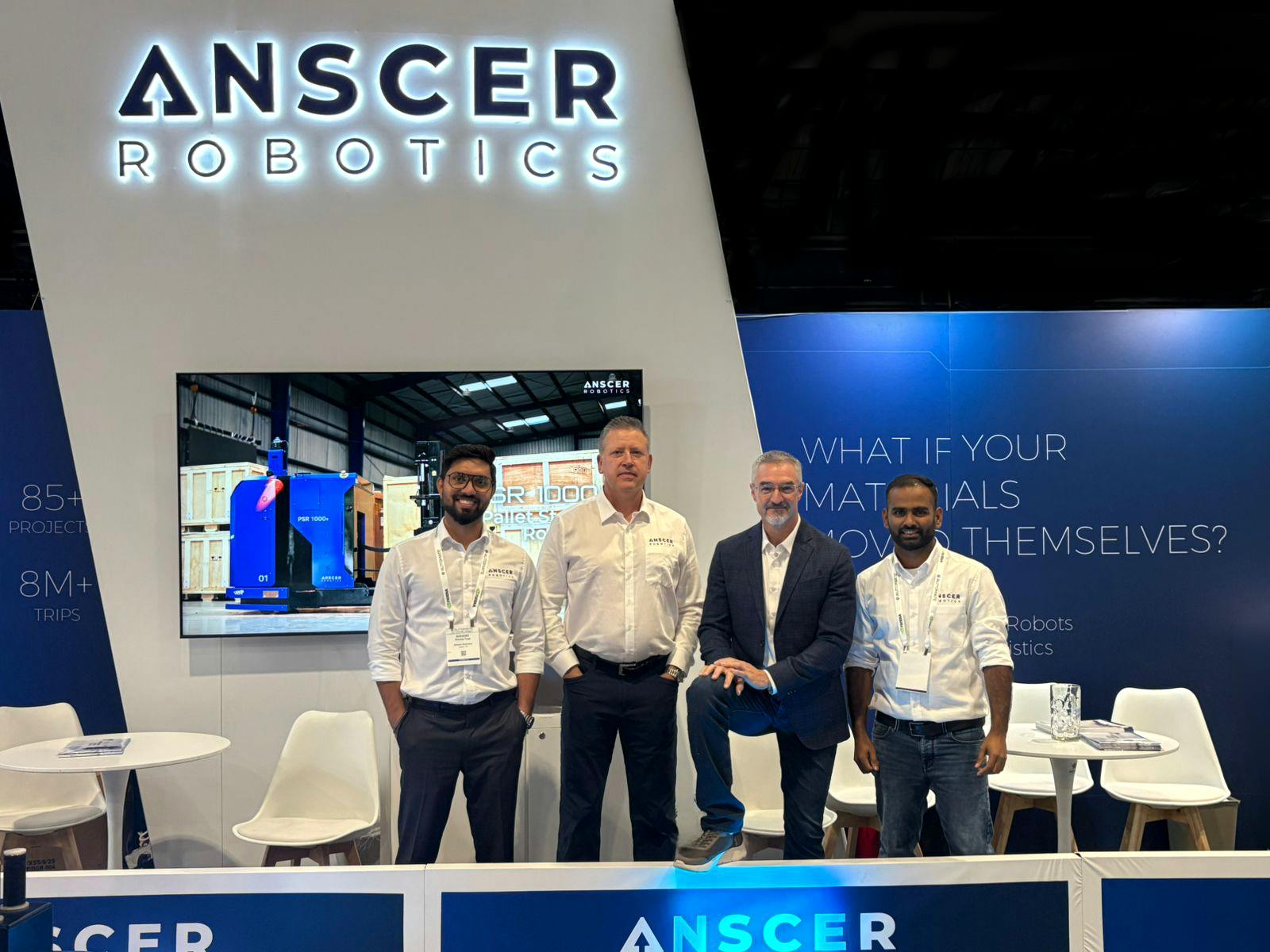
ANSCER Robotics Achieves Conditional U.S. Approval for Autonomous Mobile Robot Platforms
ANSCER Robotics has announced that it has received conditional approval for its autonomous mobile robot platforms in the U.S. This approval is significant as it allows U.S. customers, manufacturers, and warehouses to evaluate these platforms for industrial material-handling projects without facing restrictions from the Federal Communications Commission (FCC). The conditional approval addresses a national-security eligibility requirement for FCC equipment authorization, which is crucial for the deployment of advanced robotic devices. ANSCER's modular AR platform is designed to support various applications, including lifting, tunneling, and tugging, across manufacturing and warehousing operations. Looking ahead, ANSCER Robotics aims to assist customers in identifying suitable material-movement applications and navigating the regulatory landscape. No further timeline was disclosed at the time of publication.
Factory / Robotics
ANSCER Robotics Receives FCC Conditional Approval for AR250, AR650, and AR1250 Robots
ANSCER Robotics Inc. has announced that its AR250, AR650, and AR1250 autonomous mobile robots have received Conditional Approval from the U.S. Federal Communications Commission (FCC) as of September 18, 2026. This approval is part of the FCC's Robotic Devices Conditional Approvals under the Covered List program. This significant milestone allows ANSCER Robotics to continue the import and deployment of its robotic platforms in the U.S. market. The FCC's approval is crucial for manufacturers in the robotics sector, as it ensures compliance with regulatory standards and facilitates market entry. Looking ahead, the approval positions ANSCER Robotics favorably within the competitive landscape of autonomous mobile robots. Stakeholders should monitor the company's next steps in deployment and market expansion following this regulatory achievement. No further timeline was disclosed at the time of publication.
GDLS-UK and ARX Robotics Collaborate on Autonomous Wingman Technology for British Army
General Dynamics Land Systems-UK (GDLS-UK) has partnered with ARX Robotics to enhance the integration of autonomous systems into crewed vehicles for the British Army. This collaboration aims to develop advanced 'wingman' technology that can support military operations. The significance of this partnership lies in its potential to improve operational efficiency and safety for soldiers in the field. By integrating autonomous systems, the British Army can leverage advanced technologies to enhance situational awareness and reduce risks during missions. Looking ahead, it will be important to monitor the progress of this collaboration and any subsequent developments in autonomous military technologies. No further timeline was disclosed at the time of publication.
News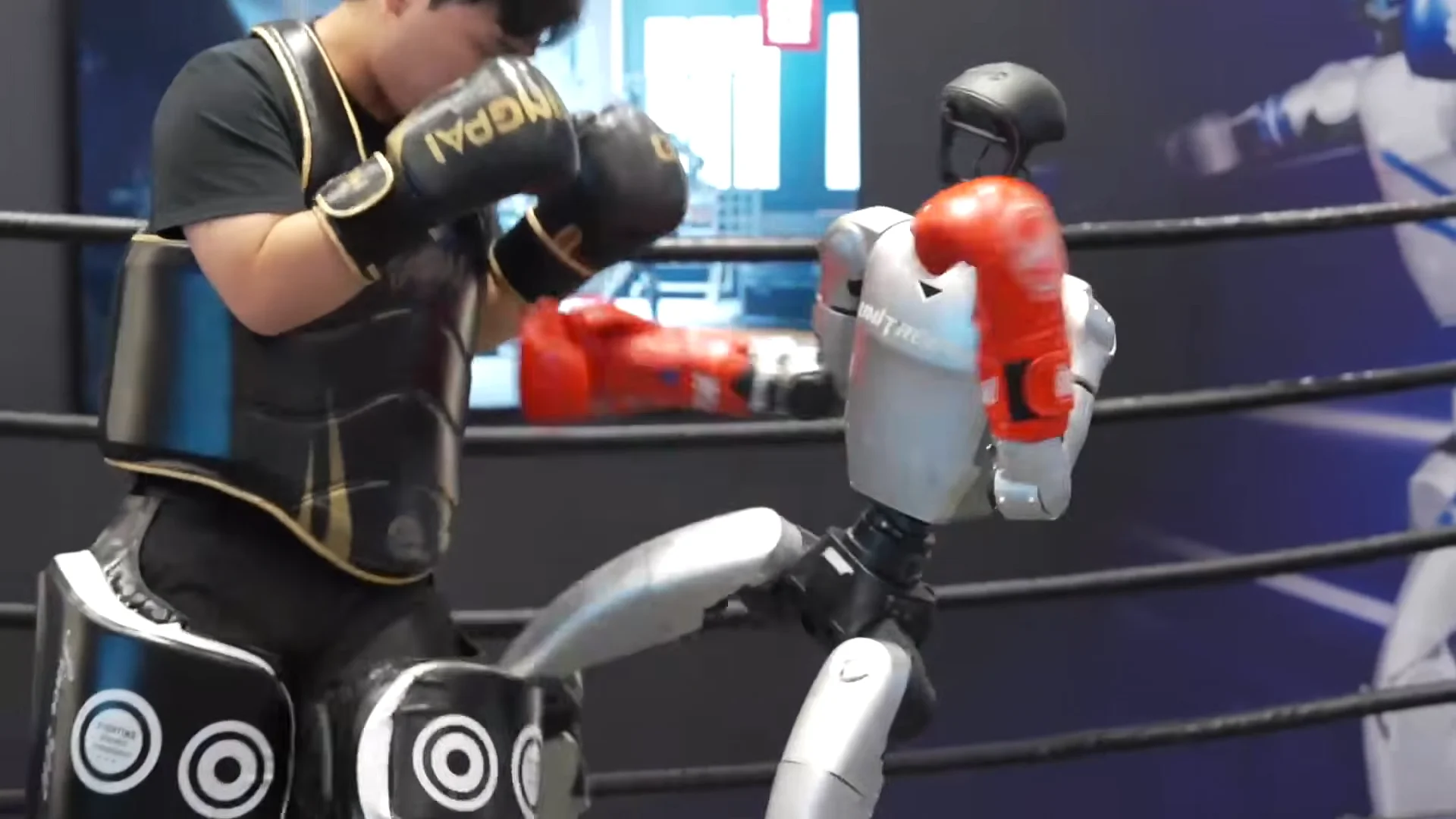
Unitree Robotics Introduces UnifoLM-X2: A Fully Autonomous Combat Robot
Unitree Robotics has launched the UnifoLM-X2-1.0, a groundbreaking AI architecture that enables its G1 humanoid robot to engage in fully autonomous combat. This innovation marks a significant shift from previous humanoid combat, which relied on human operators for control. The demonstration showcases the G1's ability to spar in real-time against a human partner, utilizing predictive modeling to anticipate and react to movements. The introduction of UnifoLM-X2-1.0 is crucial as it addresses latency issues that have historically hindered robotic performance in dynamic environments. By employing a predictive perception-to-action loop, the G1 can execute complex maneuvers such as slipping strikes and recalibrating footwork without human intervention. This advancement positions Unitree at the forefront of the robotics sector, particularly in the rapidly growing field of humanoid combat. Looking ahead, the evolution of Unitree's AI capabilities will be pivotal in shaping the future of robotic interactions in competitive settings. The success of the UnifoLM-X2-1.0 could lead to further innovations in autonomous robotics, enhancing their application in various sectors beyond combat. No further timeline was disclosed at the time of publication.
Unitree Robotics China Autonomy
Iwa Robotics Launches Autonomous Drone Fleet for Wildfire Management Solutions
Iwa Robotics has unveiled three autonomous drone platforms aimed at assisting fire departments in detecting, assessing, and suppressing wildfires in both urban and wildland-interface areas. The drones, named Hawk, Canary, and Pelican, are part of Iwa's Discovery and Resolution Fleet, designed to operate collaboratively for enhanced firefighting capabilities. The introduction of these drones is significant as it enhances crew safety and operational efficiency in wildfire management. The Hawk drone specializes in long-endurance reconnaissance, while the Canary drone focuses on sensing and fire diagnostics. The Pelican drone is equipped for aerial suppression, addressing hot spots and establishing fire lines, thereby providing critical support to firefighting teams. Iwa Robotics plans to offer these drones through a fleet-as-a-service model, which includes aircraft, autonomy training, data services, maintenance, and insurance. This approach allows fire agencies to integrate advanced aerial detection and suppression capabilities without the need for upfront equipment purchases. No further timeline was disclosed at the time of publication.
AI AI Funding & Investment AI Use Cases Robotics autonomous drones Iwa Robotics
TRIC Robotics Expands Operations to 1,500 Acres of Strawberries with 15 Autonomous Robots
TRIC Robotics, an agricultural robotics startup, has scaled its operations from half-acre trials in 2021 to managing over 1,500 acres of commercial strawberries in California this year. The company utilizes a fleet of 15 autonomous robots equipped with UV-C light and bug vacuums, operating nightly to combat pests and diseases without the use of chemical pesticides. This significant expansion is crucial as it demonstrates the potential of robotics in agriculture, particularly in addressing the challenges of pest control and disease management. TRIC Robotics employs a robots-as-a-service model, which eliminates upfront costs for farmers, thereby lowering barriers to adoption and providing a consistent revenue stream for the company. Looking ahead, TRIC Robotics aims to further develop its robotics platform beyond strawberries, leveraging its current success to attract more farmers. The company’s innovative approach, which includes operating at night to minimize disruption, is expected to enhance the acceptance of autonomous technologies in agriculture. No further timeline was disclosed at the time of publication.
Agtech Deeptech Precision agriculture Startups & funding US & Canada Video
Impossible Metals' Eureka II Autonomous Robot Successfully Recovers from Ocean Without Human Help
Impossible Metals has demonstrated its Eureka II autonomous underwater vehicle's ability to autonomously locate and recover itself from the ocean. This significant achievement occurred during an offshore test in Halifax, Nova Scotia, showcasing the robot's advanced capabilities without human intervention. The importance of this technology lies in its potential to simplify underwater operations for commercial use. According to Jason Gilham, Impossible Metals' chief technology officer, reliable autonomous recovery is crucial for scaling subsea platforms in real ocean conditions, as traditional recovery methods can be challenging and labor-intensive. Looking ahead, the Eureka II's successful demonstration highlights the growing interest in autonomous underwater vehicles amid rising demand for critical minerals and ocean data. No further timeline was disclosed at the time of publication.
AI and Robotics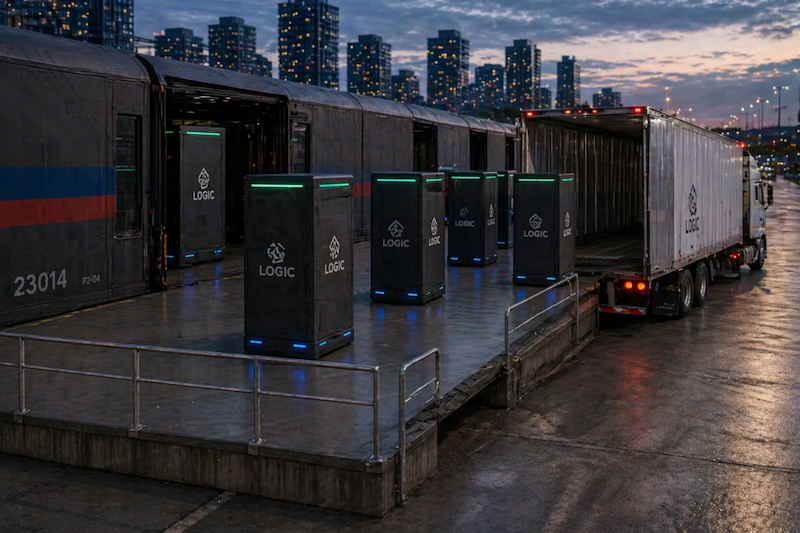
Logic Robotics Introduces Intelligent Transloading Solution for Rail-to-Road Logistics
Logic Robotics has launched an innovative autonomous transloading solution designed for rail-to-road operations. This system integrates the Logic Pallet's autonomous mobility with real-time digital twin visualization, significantly reducing inefficiencies associated with manual handling and forklift processes. The introduction of this technology is crucial as it redefines transloading by autonomously transferring goods between railcars and trucks. This advancement leads to faster throughput, enhanced safety, and minimized operational downtime at intermodal terminals, marking a significant step in logistics automation. Looking ahead, the intelligent transloading solution positions Logic Robotics at the forefront of creating a fully autonomous logistics network. No further timeline was disclosed at the time of publication.
Logistics News Transportation 3pl autonomous logistics autonomous pallet
Gravis Robotics Secures $200 Million from SoftBank for Autonomous Construction Technology
Gravis Robotics has received a significant $200 million investment from SoftBank, aimed at enhancing its construction technology. The startup focuses on retrofitting existing excavators and heavy machinery to incorporate autonomous and semi-autonomous capabilities, which are essential for modern infrastructure projects. This investment underscores SoftBank's confidence in the potential of physical AI, particularly in the automation of earth-moving equipment. Such advancements are crucial for improving efficiency in infrastructure development, including roads, quarries, and mines, where heavy machinery plays a vital role. Looking ahead, the industry will be watching how Gravis Robotics leverages this funding to further innovate in the construction sector. No further timeline was disclosed at the time of publication.
Bedrock Robotics Introduces Autonomous Driving Technology for Construction Equipment
Bedrock Robotics is implementing autonomous driving technology in construction by retrofitting excavators and heavy machinery with advanced sensors and software. The company’s CEO, Boris Sofman, highlighted the significance of these innovations during a discussion on Bloomberg Tech, emphasizing the potential to mitigate the skilled labor shortage in the industry. This development is crucial as the construction sector faces increasing demand for data centers and infrastructure projects, which creates a pressing need for efficient and effective solutions. By integrating AI-driven autonomous equipment, Bedrock Robotics aims to enhance productivity and speed up construction processes across the United States. Looking ahead, the company has initiated its first paid commercial deployments, marking a significant milestone in its journey. No further timeline was disclosed at the time of publication.
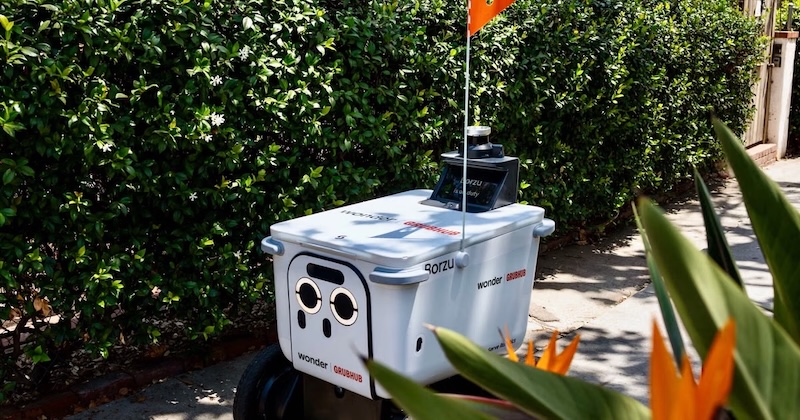
Serve Robotics Partners with Grubhub to Expand Autonomous Delivery Network
Serve Robotics is enhancing its autonomous delivery network by partnering with Grubhub, adding a third major platform to its service alongside Uber Eats and DoorDash. This collaboration will initially launch in Chicago, Los Angeles, and Alexandria, Virginia, with over 100 Grubhub merchants in Chicago and nearly 200 in Los Angeles participating. The significance of this partnership lies in its potential to increase the number of restaurants and orders available to Serve's autonomous sidewalk delivery fleet. According to Ali Kashani, co-founder and CEO of Serve Robotics, this expansion demonstrates the company's growth trajectory and the increasing intelligence of its fleet with each new delivery. Looking ahead, Serve Robotics is also expanding its geographical reach with new launches in Washington, DC, and San Jose, California, in collaboration with DoorDash. These expansions mark Serve's seventh and eighth major US markets, indicating a robust growth strategy in the autonomous delivery sector. No further timeline was disclosed at the time of publication.
Logistics News autonomous delivery delivery robots diligent robotics doordash
Gravis Robotics Secures $200 Million to Expand Autonomous Heavy Machinery in Construction
Gravis Robotics has successfully raised $200 million in a Series A funding round led by SoftBank to enhance its autonomous heavy machinery technology for construction sites worldwide. This investment comes at a crucial time as the construction industry faces increasing demands for energy networks, housing, and climate-resilient infrastructure, compounded by labor shortages and low automation levels in heavy construction. Looking ahead, Gravis Robotics aims to leverage its AI-driven technology to address the unique challenges of heavy machinery operation in dynamic environments. No further timeline was disclosed at the time of publication.
Construction News artificial intelligence autonomous construction autonomous excavators construction automation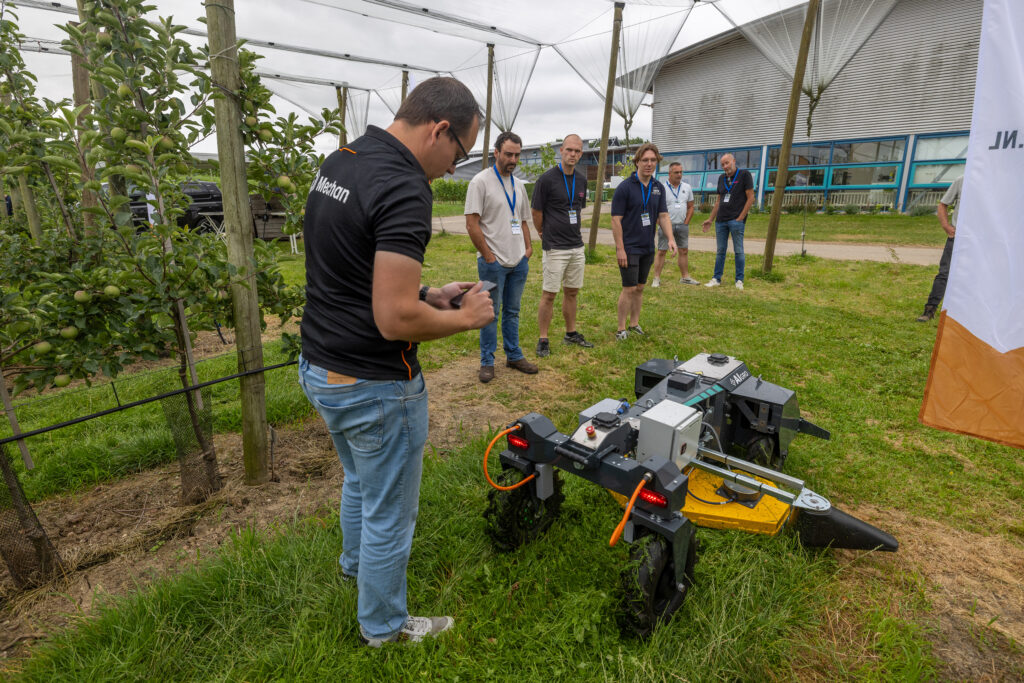
Autonomous Fruit Implements Showcase Advances in Agricultural Robotics
Recent developments in autonomous fruit implements were showcased at the Fruit Research Centre in Randwijk, Netherlands. The event highlighted how robotics is transforming agricultural practices, making them more efficient and sustainable. Manufacturers demonstrated nearly mature technologies that address various operational challenges in fruit growing. The significance of these advancements lies in their potential to future-proof agricultural businesses. As the industry increasingly adopts automation, these innovations can lead to improved productivity and sustainability in fruit cultivation. The Experience Day served as a practical platform for stakeholders to engage with these technologies and discuss their implications. Looking ahead, the continued evolution of autonomous systems in agriculture will be crucial. Stakeholders should monitor the integration of these technologies into everyday farming practices, as they promise to enhance operational efficiency. No further timeline was disclosed at the time of publication.
Autonomous/semi-autosteering systems
Raytheon and CET Showcase HADALUS Underwater Launch Capability After 18 Months of Development
Raytheon and Composite Energy Technologies (CET) have successfully demonstrated the underwater launch capability of the HADALUS unmanned undersea vehicle (UUV) during a recent U.S. Navy exercise. This marks a significant milestone as it is the first time the Navy has observed this integrated capability in action beneath the ocean surface. The successful demonstration is crucial as it could enhance the U.S. Navy's operational flexibility with long-endurance autonomous underwater vehicles. The HADALUS can now conduct missions that integrate sensing, target reacquisition, and engagement, all while submerged, which presents unique engineering challenges compared to surface-launched systems. Looking ahead, the HADALUS's design allows for extended underwater operations without the need for a surface ship, aligning with the U.S. defense strategy towards distributed unmanned systems. No further timeline was disclosed at the time of publication.
Military
ARX Robotics Demonstrates GEREON Uncrewed Ground Vehicles in US Army Trials
ARX Robotics UK has successfully showcased the capabilities of its GEREON uncrewed ground vehicles (UGVs) during Project Convergence-Capstone 6 (PC-C6). This event marks the largest experiment in the US Army's initiative to enhance land warfare capabilities. The successful demonstration is significant as it highlights the operational potential of GEREON UGVs in modern military applications. This aligns with the US Army's ongoing efforts to integrate advanced technologies into their land warfare strategies. Looking ahead, further developments in the integration of autonomous systems into military operations are expected. No further timeline was disclosed at the time of publication.
News
Figure 03 Humanoid Robot Achieves Autonomous Ladder Climbing in New Milestone
Figure, a US-based robotics company, has released a video demonstrating that its Figure 03 humanoid robot can climb a ladder autonomously. The footage, shared by founder Brett Adcock on X, shows the robot ascending without human assistance, marking a significant achievement in robotic mobility and balance. This development is crucial as climbing ladders is a complex task for humanoid robots, requiring precise coordination and real-time decision-making. Figure claims that the successful demonstration highlights advancements in the robot's locomotion and whole-body control, which are essential for navigating unpredictable environments. Looking ahead, Figure has ramped up production of the Figure 03 from one unit per day to one per hour, delivering over 350 robots. The company has also upgraded its Helix AI model, enhancing the robot's ability to combine visual perception with motion control. No further timeline was disclosed at the time of publication.
AI and Robotics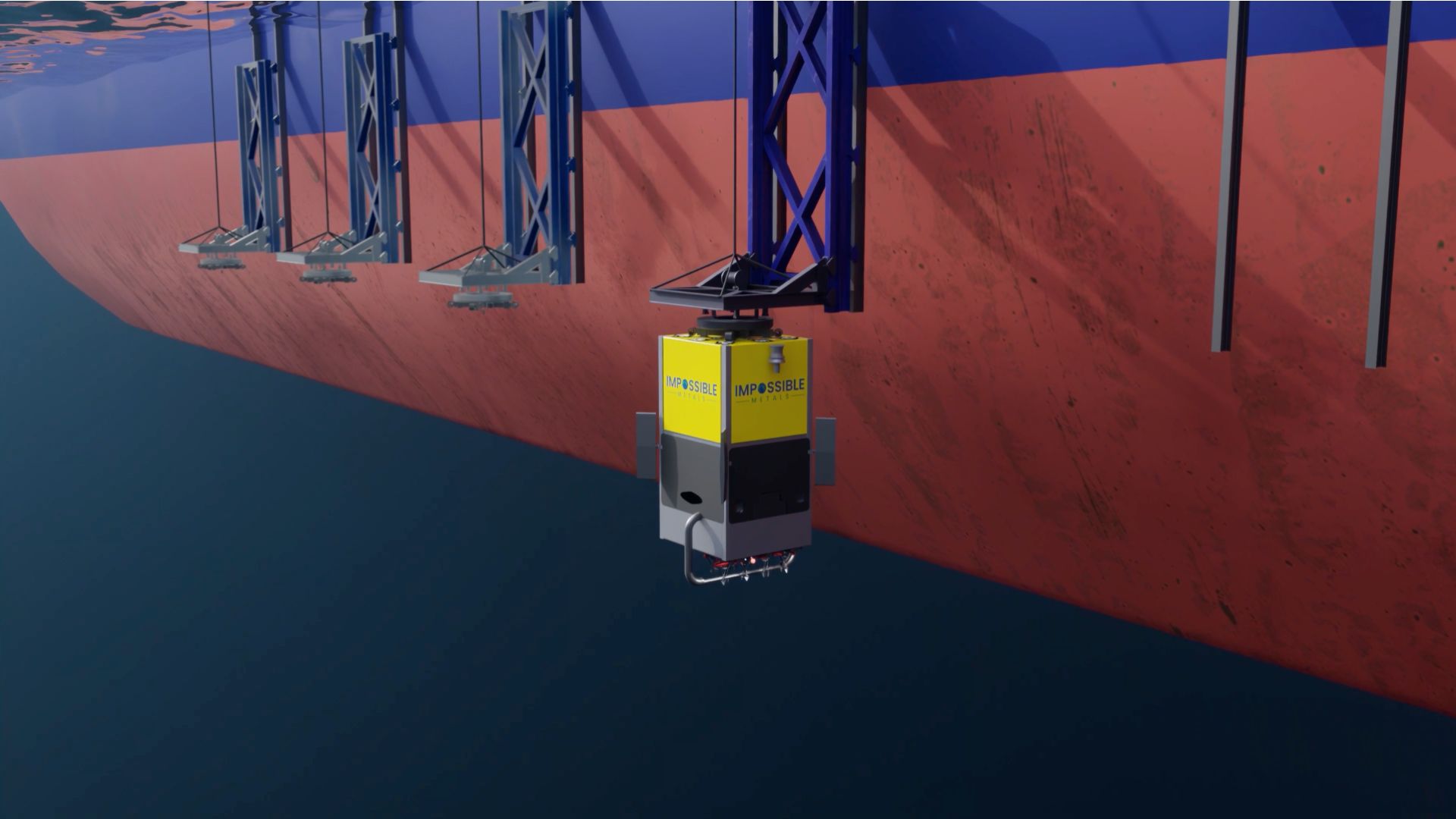
Impossible Metals to Launch Advanced Marine Robotics Hub for Deep-Sea Mineral Harvesting
Impossible Metals, a US mining technology company, has announced plans to establish an Advanced Marine Robotics Hub in Pittsburgh, Pennsylvania. This facility will focus on developing autonomous marine systems for the deep-sea collection of critical minerals, creating over a dozen high-paying engineering and science jobs. The hub aims to enhance US capabilities in marine robotics and critical mineral technologies through collaboration with local universities and researchers. The significance of this initiative lies in its potential to redefine deep-sea mining practices. According to Mike Regan, Chief Growth Officer at Impossible Metals, the hub will enable swarms of autonomous robots to harvest critical minerals like nickel, cobalt, copper, and manganese with minimal environmental impact. This approach not only promises to produce the lowest-cost critical metals on Earth but also aims to strengthen the US supply chain and reduce reliance on foreign sources of essential materials. Looking ahead, the Advanced Marine Robotics Hub will serve as the primary research center for advancing the Eureka autonomous underwater platform and Smart Launch and Recovery Systems. The company plans to continue developing dual-use technologies that cater to both commercial and naval applications. No further timeline was disclosed at the time of publication.
AI and Robotics
Logic Robotics Unveils Logic Pallet: A Breakthrough in Autonomous Mobile Logistics
Logic Robotics has introduced the Logic Pallet, the first mobile robot designed for multifacility logistics automation. This innovative solution aims to enhance the efficiency of logistics and material handling across various industries. The Logic Pallet is engineered to automate the movement of goods both between and within facilities, providing a comprehensive end-to-end automation solution. This advancement supports a fully autonomous, data-driven, and sustainable global supply chain, marking a significant step forward in logistics technology. As the logistics industry continues to evolve, the introduction of the Logic Pallet sets a new standard for automation. Stakeholders should monitor its deployment and impact on supply chain efficiency, as well as its potential to reshape logistics operations in the future. No further timeline was disclosed at the time of publication.
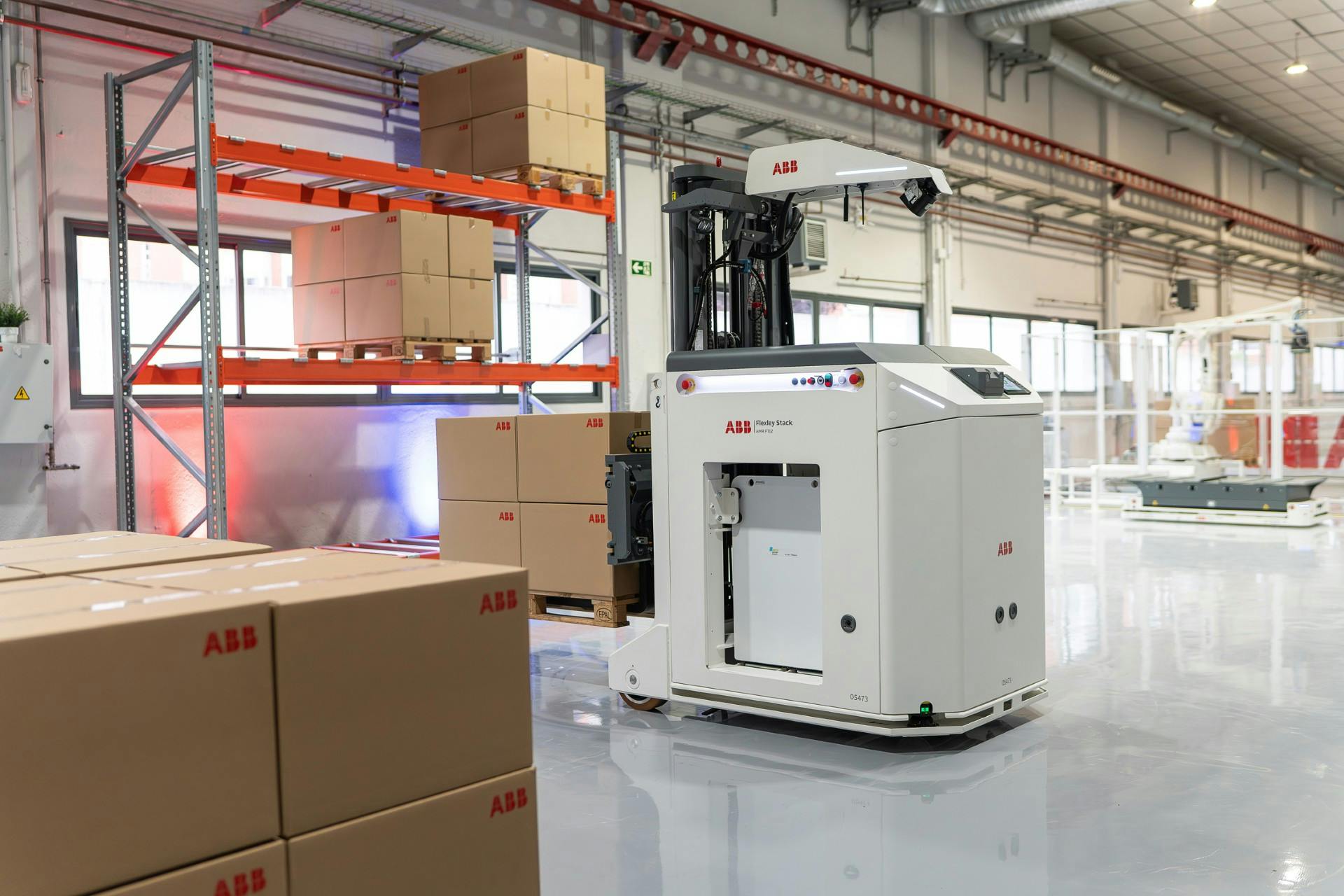
ABB Robotics Introduces Flexley Stack F712 Platform for AI-Driven Autonomous Forklifts
ABB Robotics has launched the Flexley Stack F712 platform, enhancing its AMR portfolio with AI-powered visual technology for autonomous forklifts. This innovation facilitates pallet transport and high-density storage, creating a cohesive ecosystem among ABB’s Visual SLAM AMR types, aimed at improving efficiency in material handling and warehouse operations across various industries, including automotive manufacturing. The introduction of the F712 is significant as it addresses the growing demand for faster and more flexible goods movement in intralogistics, particularly under constraints of limited labor availability. Marc Segura, president of ABB Robotics, emphasized the need for businesses to adapt to increased processing demands while leveraging advanced vision, mobility, and intelligence in their operations. Looking ahead, the Flexley Stack F712 can manage diverse load types and sizes, allowing customers to implement mixed fleets of Visual SLAM-powered vehicles on a unified navigation and fleet management platform. No further timeline was disclosed at the time of publication.
Factory / Analytics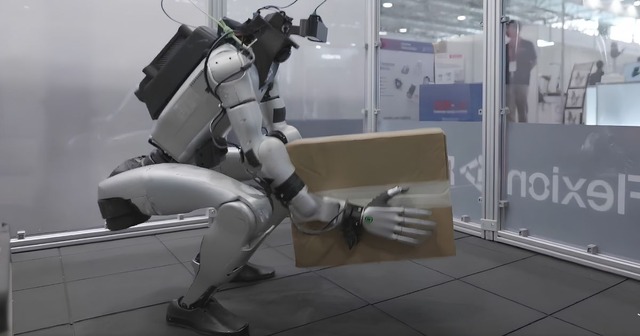
Flexion Robotics demonstrates fully autonomous humanoid with over 95% success rate in 300 trials at ICRA 2026.
Flexion Robotics announced on its official X account that it conducted a fully autonomous demonstration using humanoid robots at the International Conference on Robotics and Automation (ICRA 2026) from June 9 to June 11, 2026. The three-day event showcased the company's advancements in robotics technology, highlighting their commitment to innovation in the field. The demonstration aimed to illustrate the capabilities of humanoid robots in performing complex tasks autonomously, reflecting the growing interest and investment in robotics solutions across various industries.

Pudu Robotics unveils next-gen semi-humanoid "PUDU D7," featuring embodied AI for autonomous evolution through tasks.
Pudu Robotics, a leading Chinese robotics company, has announced the launch of its next-generation semi-humanoid robot, the PUDU D7, designed specifically for manufacturing and industrial environments. This innovative robot aims to enhance operational efficiency and productivity within various sectors by automating tasks that traditionally require human intervention. The announcement was made recently, highlighting the company's commitment to advancing robotic technology in industrial applications. The PUDU D7 is expected to streamline workflows, reduce labor costs, and improve safety in workplaces, reflecting the growing trend of automation in the industry.
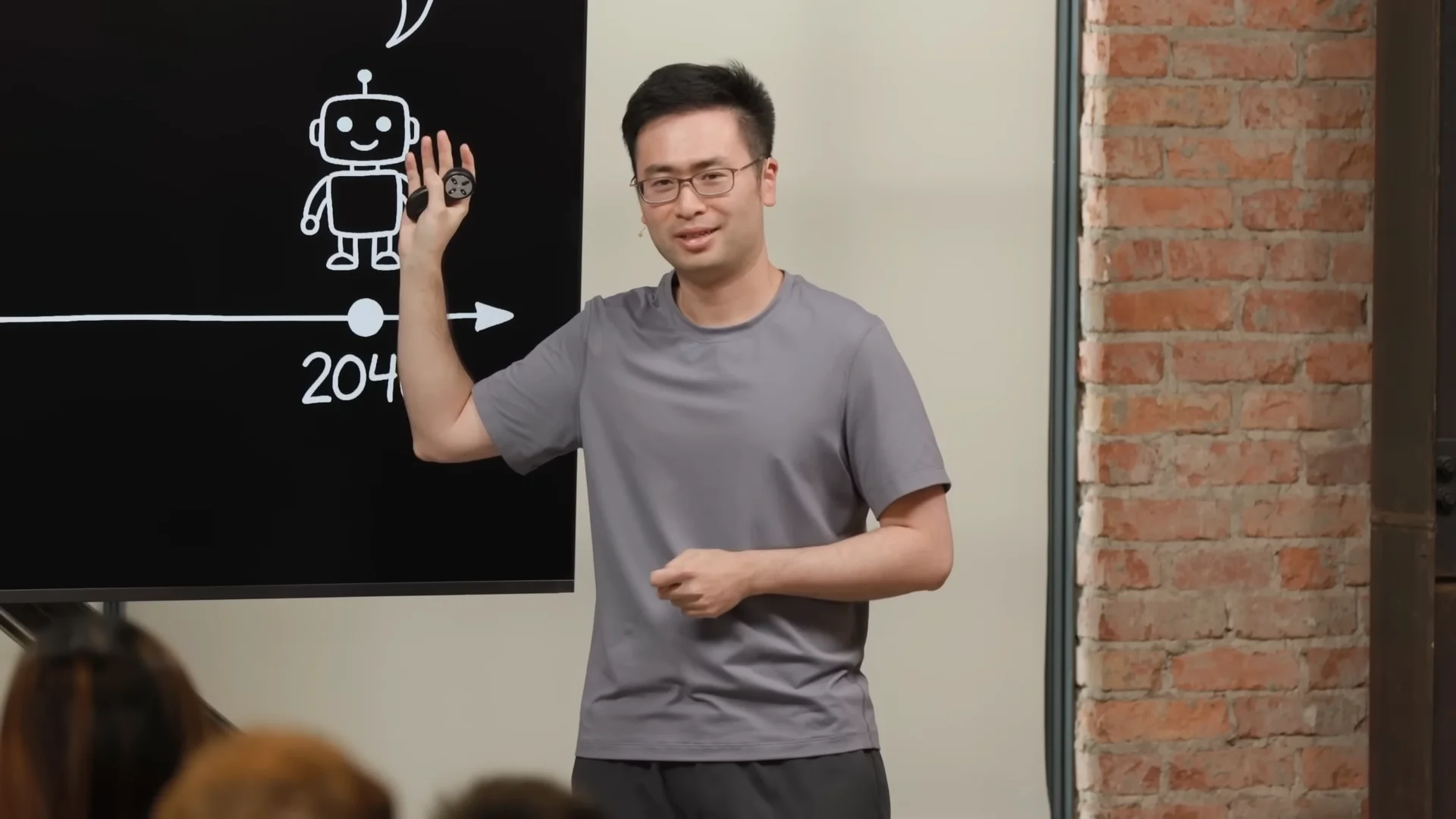
NVIDIA's Jim Fan Discusses Robotics Strategy and the Future of Autonomous Research
At Sequoia Capital’s AI Ascent 2026, Jim Fan, head of NVIDIA's Embodied Autonomous Research group, outlined a clear technical roadmap for robotics, marking the 'end game' as a near reality. He emphasized the ongoing 'Great Parallel' in robotics, mirroring the rapid evolution of Large Language Models (LLMs) and aligning robotic development with the four-stage GPT framework: pre-training, alignment, reasoning, and autonomous research. Fan highlighted the limitations of current Vision-Language-Action (VLA) models, such as GR00T N1.5, which excel at recognizing objects but struggle with physical interactions. He introduced the World Action Model (WAM), represented by NVIDIA’s DreamZero, which predicts physical states rather than just language outputs. This new approach aims to overcome the challenges of traditional teleoperation, which cannot scale effectively for generalist intelligence. Looking ahead, Fan discussed NVIDIA's shift towards sensorized human data and generative simulation, exemplified by EgoScale's pre-training on 20,854 hours of human video. He predicted that machines would pass the Physical Turing Test within 2–3 years and that by 2040, robots would autonomously design their successors, marking a significant evolution in robotics technology.
Dr Jim Fan NVIDIA
Cellula Robotics USA Inc. Selected to Deliver Autonomous Underwater Vehicle Prototype Under the CAMP Defense Innovation Unit Project
Cellula Robotics USA Inc. has announced its involvement in the development of a long-endurance Autonomous Underwater Vehicle (AUV) following a contract awarded by the Defence Innovation Unit (DIU). This initiative is part of the Combat Autonomous Maritime Platform (CAMP) program, aimed at enhancing national defense capabilities. The collaboration underscores Cellula's dedication to providing reliable solutions for defense while emphasizing the importance of strategic partnerships that integrate commercial innovation with military requirements.
cellula robotics usa autonomous underwater vehicle prototype camp defense innovation unit (diu)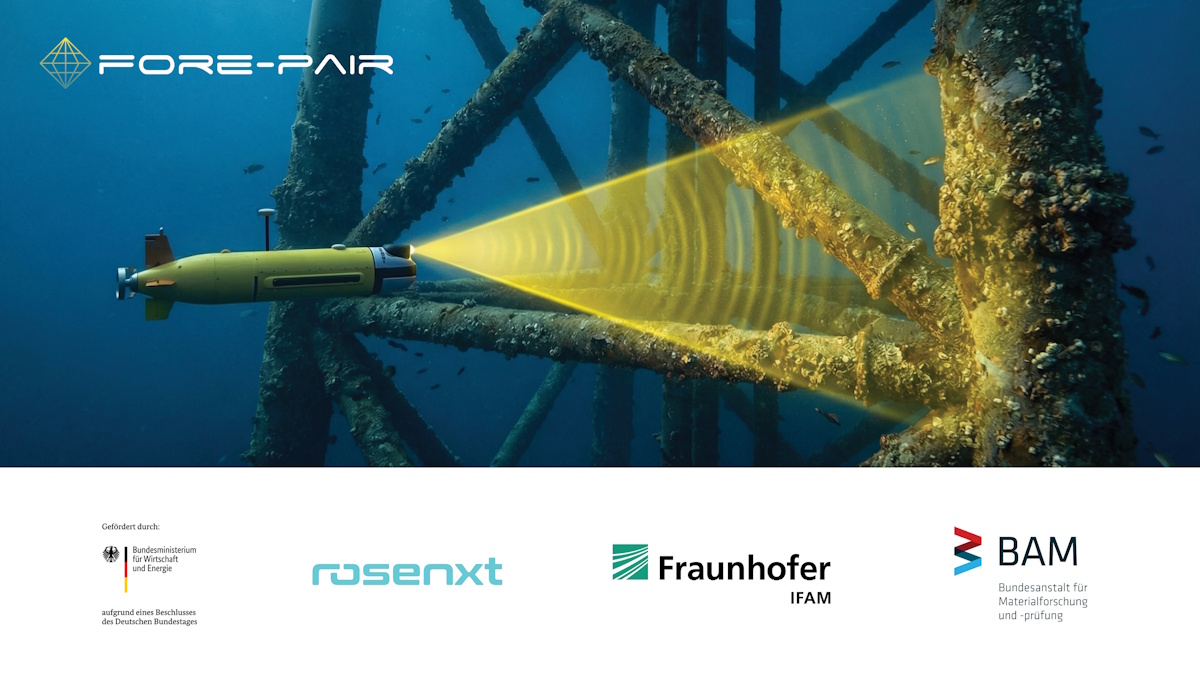
Federal Funding for Autonomous Underwater Robotics Project to Inspect Floating Offshore Energy Platforms
The FORE-PAIR consortium has officially launched a project aimed at developing autonomous robotic technologies for the inspection, maintenance, and cleaning of floating offshore energy platforms, including floating wind and solar systems. This initiative is backed by approximately 10 million euros in federal funding. The project is set to enhance the efficiency and sustainability of offshore energy production, addressing the growing demand for renewable energy sources. By leveraging advanced robotics, the consortium aims to streamline operations and reduce the environmental impact associated with traditional maintenance methods. The project is expected to contribute significantly to the future of offshore energy infrastructure, promoting innovation in the sector.
funding autonomous underwater robotics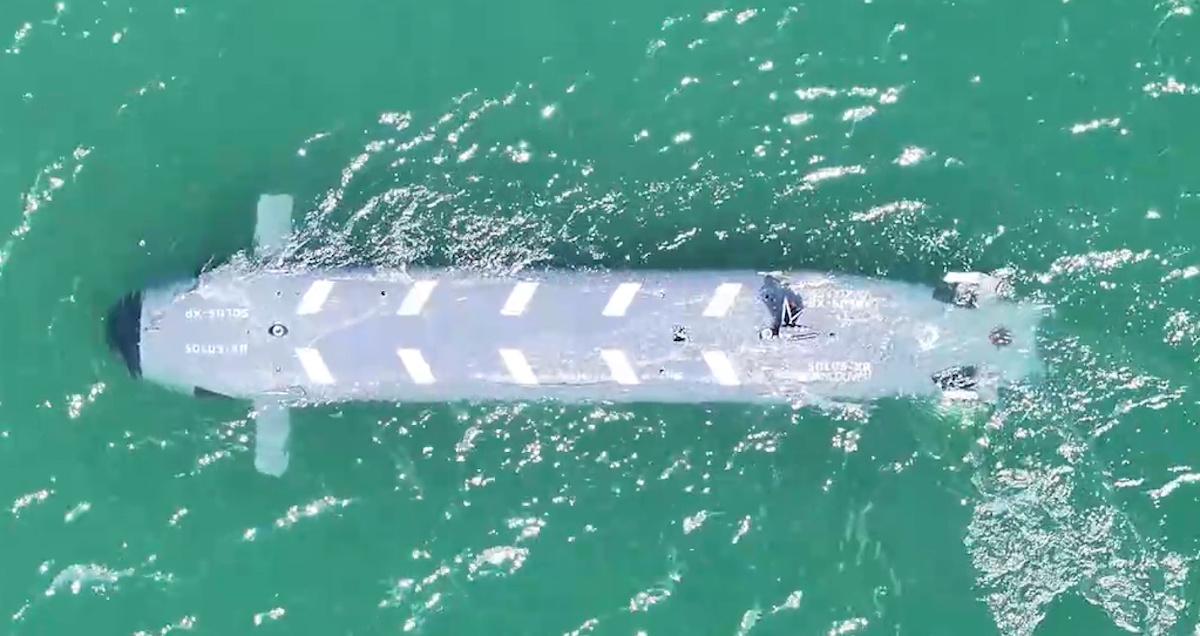
Cellula Robotics Announces Guardian Autonomous Underwater Vehicle Sale
Cellula Robotics Ltd. has announced the successful sale of a GUARDIAN Autonomous Underwater Vehicle (AUV) to a confidential defense customer. This transaction underscores the growing demand for advanced underwater technology in defense applications. The deal reflects Cellula Robotics' commitment to providing innovative solutions tailored to the needs of its clients in the defense sector. The specifics of the transaction, including the value and delivery timeline, remain undisclosed due to the customer's confidentiality requirements. This sale marks a significant milestone for Cellula Robotics as it continues to expand its presence in the defense market, leveraging its expertise in underwater robotics to meet the evolving challenges faced by defense organizations.
cellula robotics guardian autonomous underwater vehicle (auv) sale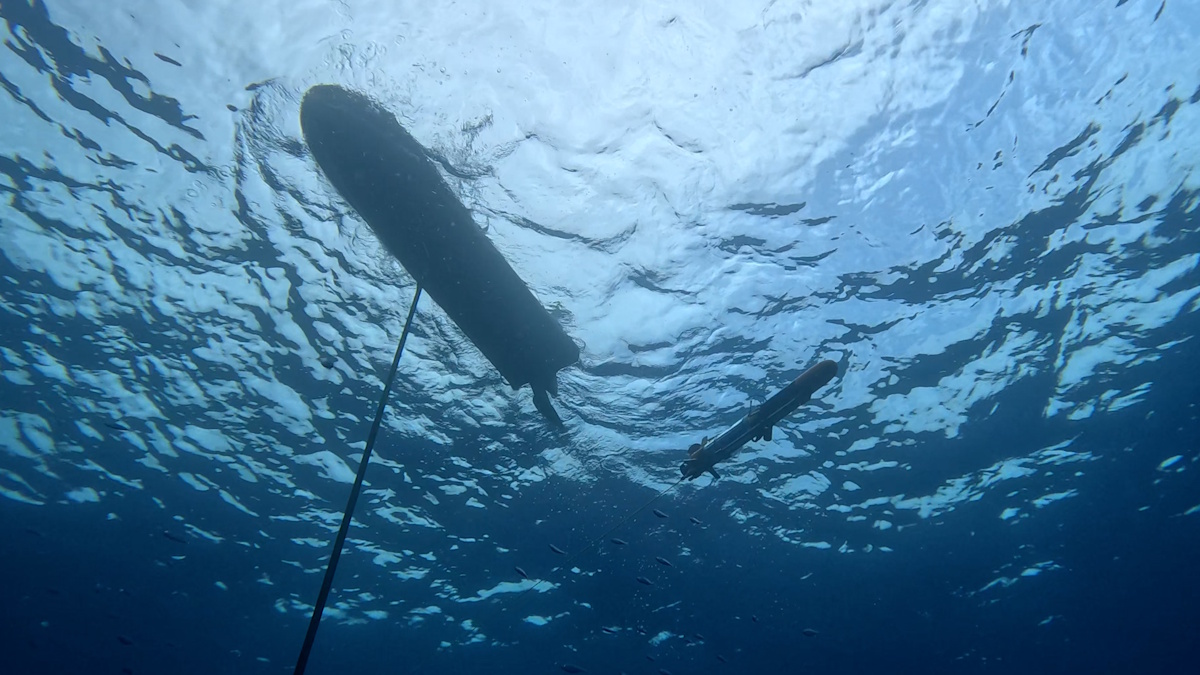
Liquid Robotics and Hydronet Sign MOU to Advance Undersea Mesh Networking for Maritime and Underwater Autonomous Vehicles
Liquid Robotics, a subsidiary of Boeing, has partnered with Massachusetts-based deep tech start-up Hydronet to enhance and commercialize underwater mesh networking technologies. This collaboration aims to improve connectivity for maritime and underwater autonomous vehicles. The two companies have formalized their commitment through a Memorandum of Understanding (MOU), signaling a strategic move to leverage their respective expertise in advancing this innovative technology. The partnership is expected to facilitate more efficient communication and data sharing among autonomous systems operating in underwater environments, ultimately enhancing operational capabilities in various maritime applications.
liquid robotics hydronet mou undersea mesh networking underwater autonomous vehicles auv
Spot 5.2 Enhances AI Integration with Autonomous Robotics for Enterprises
Boston Dynamics has released Spot 5.2, a significant update that connects enterprise systems with autonomous robots. This integration aims to provide facility-wide insights and enable dynamic actions in real-world environments, ultimately unlocking greater value from AI investments. The importance of this update lies in its potential to enhance operational efficiency and decision-making processes within enterprises. By bridging the gap between AI capabilities and robotic applications, Spot 5.2 empowers organizations to leverage their AI investments more effectively, leading to improved productivity and resource management. Looking ahead, organizations should monitor how the implementation of Spot 5.2 influences operational workflows and the overall impact on AI-driven strategies. No further timeline was disclosed at the time of publication.
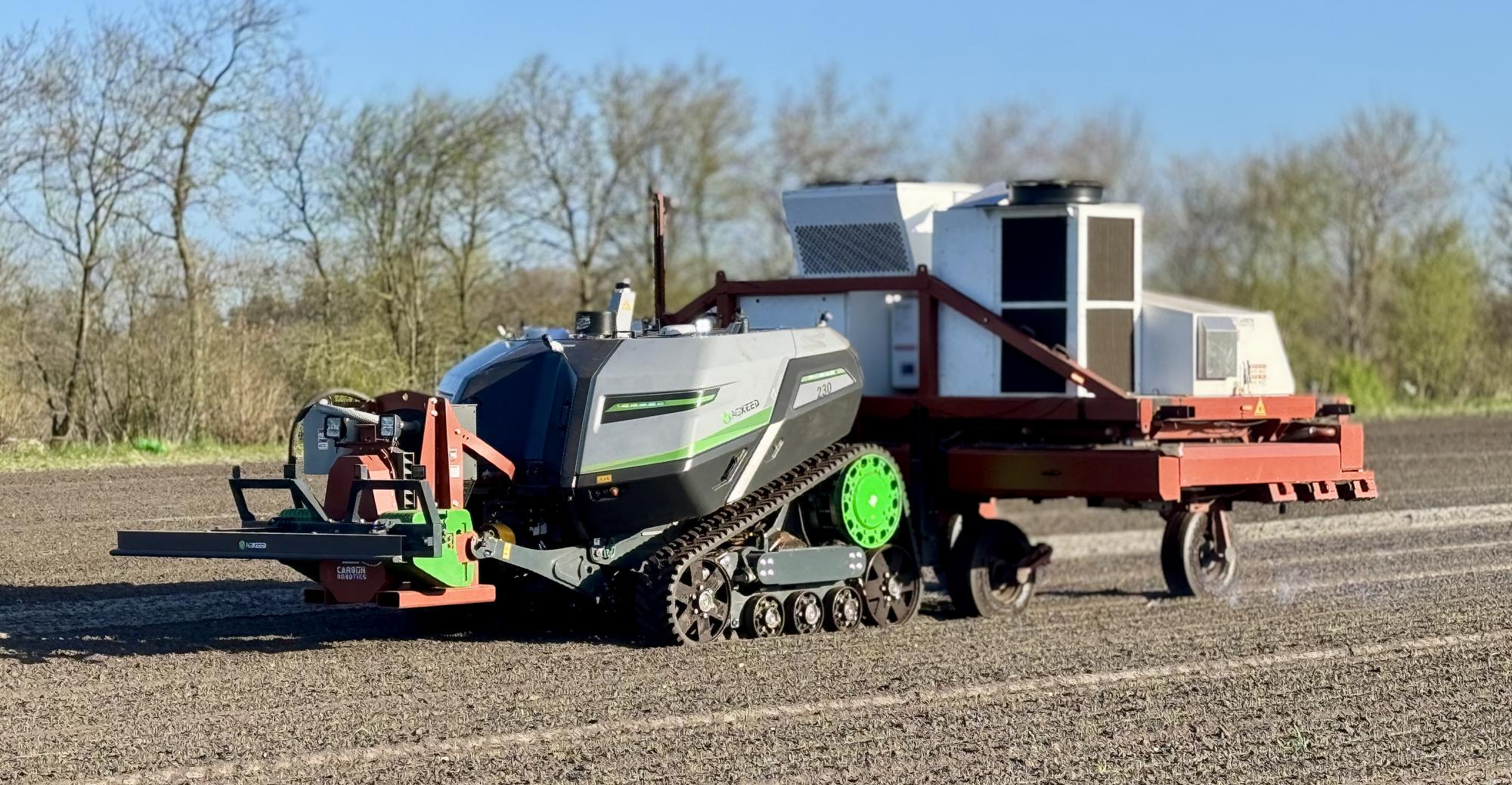
AgXeed T2 7-SERIES and Carbon Robotics LaserWeeder Showcase Effective Autonomy
Danish farmer Axel Månsson has been utilizing the AgXeed T2 7-SERIES alongside a Carbon Robotics LaserWeeder since April. After several months of practical use, he evaluated the autonomous tractor on nine criteria, including setup, reliability, capacity, costs, and integration into his farm operations. Månsson awarded the system an impressive 4.5-star rating on most aspects, highlighting its potential to reduce labor costs. This collaboration between the AgXeed T2 7-SERIES and the LaserWeeder is significant as it demonstrates the effectiveness of autonomous technology in organic farming. Månsson operates one of Scandinavia's largest organic vegetable farms in Jutland, Denmark, where the integration of these technologies can lead to improved efficiency and sustainability in agricultural practices. Looking ahead, the continued performance of the AgXeed T2 7-SERIES and LaserWeeder will be closely monitored, particularly in terms of labor savings and operational efficiency. No further timeline was disclosed at the time of publication.
Field robots autonomous tractors Laser weeder organic farming Smart Farming
PHYMI Secures Nearly $100 Million Seed Funding to Develop Physical Agents for Robotics
Recently, PHYMI, an embodied intelligence startup, announced the completion of nearly $100 million in seed funding, led by IDG Capital. Founded in March 2026 by CEO Liu Nianqiu, who has extensive experience in autonomous driving and robotics, the company aims to create Physical Agents capable of understanding human goals and autonomously navigating various environments. This funding is significant as it highlights the growing interest and investment in robotics, particularly in creating robots that can perform complex tasks in dynamic real-world settings. Liu Nianqiu's vision for PHYMI includes leveraging advancements in robotics technology, which have matured since he first identified the potential in the field. Looking ahead, PHYMI plans to utilize the funding for core technology development, building a dynamic data system, and expanding its team. The company’s focus on creating a complete technological ecosystem for Physical Agents positions it well for future growth in the robotics sector. No further timeline was disclosed at the time of publication.
Embodied Intelligence Robotics Autonomous Navigation AI Technology
China Explores Autonomous Defense Systems for Contested Islands in South China Sea
A recent report indicates that China is investigating a maritime defense model utilizing autonomous drones to protect contested islands in the South China Sea. Researchers from the China Coast Guard Academy and Dalian Maritime University propose a network of aerial, surface, and underwater drones, which would create a multi-layered defense system, enhancing surveillance and response capabilities. This shift from traditional defense methods to a system reliant on uncrewed platforms reflects the evolving nature of naval warfare. The economic advantages of deploying inexpensive drones to monitor maritime environments are significant, as they can challenge larger military assets. The interconnected architecture aims to maintain operational capability even if some drones are compromised, emphasizing redundancy in defense strategies. As the South China Sea remains a focal point of territorial disputes among several nations, China's initiative to integrate autonomous systems into its defense strategy could further complicate regional security dynamics. However, it is crucial to note that this concept is still a research proposal and does not confirm the operational deployment of such systems at this time.
Military
Chinese Robotics Industry Advances with Autonomous Flying Machines
The phrase 'Chinese people can fly' has become a cultural phenomenon this summer, symbolizing a broader trend in China's robotics sector. While the internet buzzes with this slogan, Chinese robots are indeed taking to the skies, transitioning from traditional drones to advanced flying robots capable of autonomous operations. This shift is significant as it reflects China's industrial strength and technological advancements. According to Gao Fei, founder of Micro Differential Intelligence, traditional drones rely on human control, whereas flying robots utilize autonomous navigation and intelligent systems to operate independently in challenging environments. This evolution from tools to intelligent entities is crucial for enhancing operational efficiency in various sectors. Looking ahead, the demand for intelligent flying devices is surging across industries such as agriculture, inspection, rescue, and logistics. The global market for aerial robots is projected to grow significantly, with China's market expected to reach $2.72 billion by 2032. As policies support the development of low-altitude economies and embodied intelligence, the intersection of these two fields is set to accelerate the deployment of flying robots in urban environments.
Flying Robots Embodied Intelligence Aerial Technology Smart Automation
Estonian Startup Rollo Robotics Launches 1ROLLO, the First Autonomous Monowheel Security Robot
Rollo Robotics, an Estonian startup, has introduced the 1ROLLO, the world's first stable autonomous monowheel security robot designed for real-world patrols. This innovative robot autonomously monitors large facilities, navigating preset routes while balancing on a single 60-centimeter wheel and continuously scanning its environment. The introduction of 1ROLLO is significant as it addresses the long-standing challenge of stability in monowheel robots, enhancing cost-efficiency and versatility in security patrols. With a compact design, the robot can travel at speeds of up to 30 km/h and operates for up to eight hours on a single charge, making it suitable for continuous surveillance across expansive sites. Looking ahead, Rollo Robotics plans to offer 1ROLLO through a subscription-based service, allowing customers to access the technology without a large upfront investment. Commercial availability is expected in 2027, and the robot's ability to navigate tight spaces could revolutionize security operations in various critical infrastructure settings.
AI and Robotics
Advanced Battery Technology Enhances Performance for Autonomous Vehicles and Robotics
Recent advancements in battery technology are enabling intelligent machines to operate continuously, enhancing performance and efficiency. This technology is specifically designed for applications in autonomous vehicles, robotics, satellites, and drones, allowing for longer life and improved operational capabilities under high-demand conditions. The significance of these developments lies in their potential to transform various industries by supporting the growing demand for reliable and efficient power sources. As intelligent machines become more prevalent, the ability to sustain high-performance operations is crucial for sectors such as transportation, logistics, and aerospace. Looking ahead, stakeholders should monitor the integration of these advanced battery systems into existing platforms and the emergence of new applications. No further timeline was disclosed at the time of publication.

Open‐Set Fault Diagnosis for Autonomous Underwater Vehicles Via Prototype Learning and Adaptive Mahalanobis Gating
The Journal of Field Robotics has recently published an early view article highlighting advancements in robotic technology. Researchers from various institutions collaborated to explore innovative applications of robotics in field environments. This study, released in October 2023, emphasizes the growing importance of robotics in enhancing efficiency and safety in agricultural and industrial settings. The motivation behind this research stems from the increasing demand for automation to address labor shortages and improve productivity. The team employed a combination of field tests and simulations to demonstrate the effectiveness of their robotic solutions, showcasing how these technologies can adapt to diverse tasks and terrains. The findings aim to inform future developments in robotic systems, ultimately contributing to more sustainable practices in various sectors.
RESEARCH ARTICLE
A Vision‐Guided Docking Method for Autonomous Underwater Vehicle From Ice Hole
A recent study published in the Journal of Field Robotics highlights advancements in autonomous robotic systems designed for agricultural applications. Researchers from a leading university conducted experiments to evaluate the efficiency of these robots in crop monitoring and management. The study, released in early October 2023, took place in various agricultural settings across the Midwest. The motivation behind this research stems from the increasing need for sustainable farming practices amid rising global food demands. By integrating advanced robotics and artificial intelligence, the team aimed to enhance productivity while minimizing environmental impact. The robots utilized cutting-edge sensors and machine learning algorithms to collect and analyze data on crop health, soil conditions, and pest activity. Through a series of field trials, the researchers demonstrated that these autonomous systems could significantly reduce labor costs and improve yield predictions. The findings suggest that the implementation of such technology could revolutionize traditional farming methods, making them more efficient and environmentally friendly. This study not only underscores the potential of robotics in agriculture but also paves the way for further innovations that could address the challenges faced by the agricultural sector in the coming years.
RESEARCH ARTICLERobotics needs a service framework.
RSF defines a common language for robot service capability, lifecycle operations, certification pathways, and service-provider networks.
Join the RobotToday community on LinkedIn
Daily robotics news, in-depth analysis, conference highlights, and discussions with professionals worldwide.







