

Industry Briefing
A single destination for timely, editor-curated robotics news from around the world.

Greensea IQ Launches Bayonet Sweep, an Autonomous Robot for Hull Inspections
Greensea IQ has unveiled Bayonet Sweep, an autonomous underwater robot designed for inspecting ship hulls and underwater structures. This innovative solution aims to enhance maritime force protection by allowing navies, security teams, and port authorities to conduct inspections without the need for divers, thereby improving safety and efficiency. The significance of Bayonet Sweep lies in its ability to transform traditional hull inspection methods, which often focus on maintenance, into a proactive security measure. Built on Greensea IQ Core software, the robot not only autonomously inspects hulls but also provides comprehensive data for threat assessment and mitigation, ensuring that operators receive detailed intelligence on potential anomalies. Looking ahead, the Bayonet Sweep is part of Greensea IQ's broader Bayonet mission suite, which includes various autonomous systems for marine operations. As the technology continues to evolve, it will be crucial to monitor its deployment and effectiveness in enhancing port and harbor security. No further timeline was disclosed at the time of publication.
greensea iq bayonet sweep augv autonomous hull inspection robot maritime force protection
Hyundai Demonstrates World's First Autonomous Robot Operating on a Moving Ship
Hyundai Motor Group has successfully tested the MobED, the world's first autonomous self-driving robot, aboard the moving vessel HYUNDAI DUBAI in South Korea. This milestone demonstrates the robot's ability to navigate despite challenges such as vessel motion and uneven surfaces, paving the way for safer maritime inspections. The significance of this development lies in the potential for the MobED to inspect hazardous areas like enclosed cargo holds, which are often too dangerous for human seafarers. The trials included various autonomous navigation tasks, showcasing the robot's capabilities in maintaining stability and performing inspections in challenging environments. Looking ahead, the successful demonstration indicates that autonomous robots can effectively operate in large cargo areas without needing modifications to existing ship infrastructure. No further timeline was disclosed at the time of publication.
AI and Robotics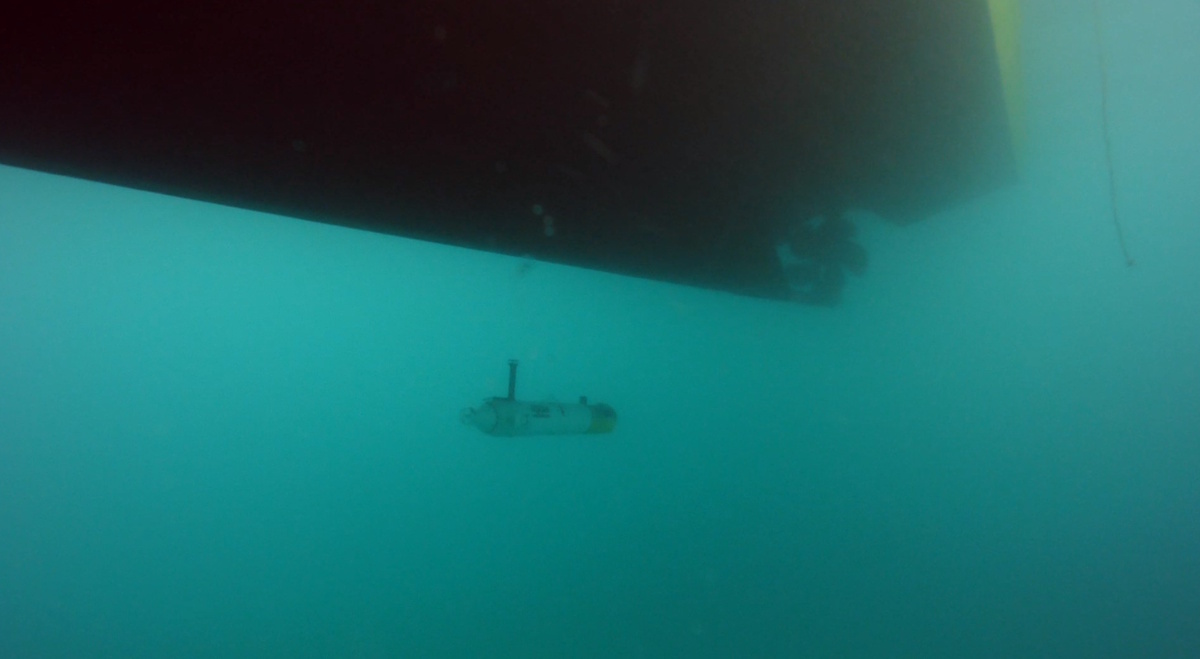
IQUA Robotics Validates the Use of AUVs for Autonomous Ship Hull Inspection
The ESCABVENTS project, a collaboration between IQUA Robotics and Zamakona Yards shipyard, has successfully completed proof of concept tests for the use of Autonomous Underwater Vehicles (AUVs) in naval inspection tasks. This initiative, part of the broader Sail2future project, aims to enhance efficiency and safety in the preventive maintenance of vessels. Funded by the European Union's NextGenerationEU program, the project received support through the PERTENAVAL aid managed by the Spanish Ministry of Industry, Trade and Tourism, as part of the Recovery, Transformation and Resilience Plan. The successful tests mark a significant step forward in modernizing naval inspection processes, potentially leading to safer and more efficient maritime operations.
iqua robotics auv autonomous ship hull inspection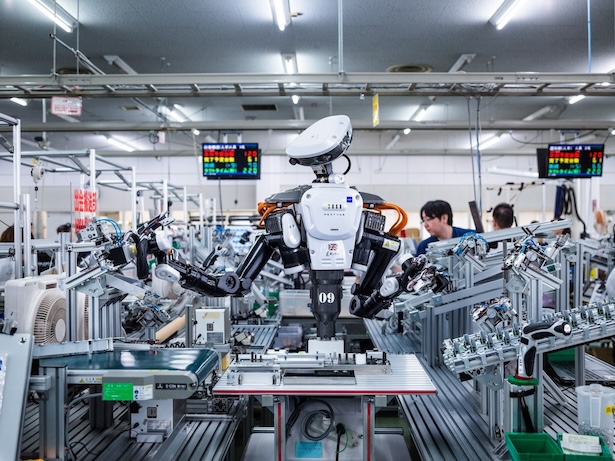
Robot.com and Sodexo Extend Partnership with Seven-Year Deal for Autonomous Delivery Robots
Robot.com has entered into a seven-year commercial agreement with Sodexo to enhance the deployment of autonomous delivery robots across North American college campuses. This partnership, which began in 2021, aims to expand the use of these robots and includes new initiatives such as robot advertising. The significance of this agreement lies in Sodexo's commitment to leveraging digital and AI-enabled solutions to improve consumer experiences and operational efficiency. By integrating autonomous delivery systems, Sodexo is responding to the evolving needs of campus environments while providing flexible service models for operators. Looking ahead, this contract marks Robot.com's largest single enterprise deployment, indicating a substantial growth opportunity in the autonomous delivery sector. No further timeline was disclosed at the time of publication.

Gix Internet Makes $500K Investment in Ottonomy for Autonomous Delivery Robots
Gix Internet has announced a strategic investment of $500,000 in Ottonomy, a U.S. company specializing in autonomous delivery robots. This investment, made through a SAFE agreement, is expected to close during the week of September 16, 2026. Gix aims to integrate Ottonomy's Level 4 autonomous navigation technology with its Deliverz.ai software, enhancing the management of robots and autonomous systems. This investment is significant as it follows a nonbinding agreement from August that could lead to Gix acquiring a majority stake in Ottonomy. The collaboration is poised to leverage Ottonomy's experience in deploying its Ottobot delivery robots across various sectors, including healthcare and last-mile delivery, thereby expanding Gix's capabilities in the autonomous robotics market. Looking ahead, Gix's potential majority ownership of Ottonomy could reshape the landscape of autonomous delivery solutions. However, the proposed majority investment remains contingent on due diligence and regulatory approvals. No further timeline was disclosed at the time of publication.
AI AI Funding & Investment Robotics autonomous delivery investment Israel
Impossible Metals' Eureka II Autonomous Robot Successfully Recovers from Ocean Without Human Help
Impossible Metals has demonstrated its Eureka II autonomous underwater vehicle's ability to autonomously locate and recover itself from the ocean. This significant achievement occurred during an offshore test in Halifax, Nova Scotia, showcasing the robot's advanced capabilities without human intervention. The importance of this technology lies in its potential to simplify underwater operations for commercial use. According to Jason Gilham, Impossible Metals' chief technology officer, reliable autonomous recovery is crucial for scaling subsea platforms in real ocean conditions, as traditional recovery methods can be challenging and labor-intensive. Looking ahead, the Eureka II's successful demonstration highlights the growing interest in autonomous underwater vehicles amid rising demand for critical minerals and ocean data. No further timeline was disclosed at the time of publication.
AI and Robotics
Avnet and Weston Robot Collaborate to Launch AI-Powered Autonomous Inspection Platform
Avnet and Weston Robot have partnered to develop an AI-powered autonomous inspection platform designed for complex industrial environments. This platform utilizes quadruped robots equipped with advanced computing architecture to perform real-time inspections, enhancing operational efficiency and safety. The significance of this collaboration lies in its potential to revolutionize inspection processes in industrial settings. By integrating edge AI with robotics, the platform allows for low-latency AI inference and real-time data processing, which can lead to earlier detection of operational issues and reduced inspection costs. Looking ahead, the partnership aims to expand the capabilities of the inspection platform by integrating it with Weston’s fleet management software. This will enable the robot to autonomously patrol and inspect designated areas, further enhancing operational resilience and safety in industrial operations. No further timeline was disclosed at the time of publication.
Artificial Intelligence Artificial Intelligence / Cognition Autonomous Mobile Robots (AMRs) Design / Development News Robots / Platforms
WeRide Partners with GreenMobility to Launch Autonomous Shared-Mobility in Denmark
WeRide, a Chinese autonomous-driving company, has formed a partnership with GreenMobility, a Danish shared-mobility platform, to initiate Denmark's first commercial autonomous shared-mobility project. This collaboration signifies WeRide's inaugural entry into the Nordic market. The significance of this partnership lies in its potential to revolutionize urban mobility in Denmark, leveraging WeRide's advanced L4 Robotaxi GXR vehicles that comply with EU regulations. The service is expected to be launched to the public in the first half of 2027, pending regulatory approval. As the project progresses, stakeholders will be keen to observe the regulatory landscape and the technological advancements that will facilitate the deployment of autonomous shared-mobility services in Denmark. No further timeline was disclosed at the time of publication.
News Feed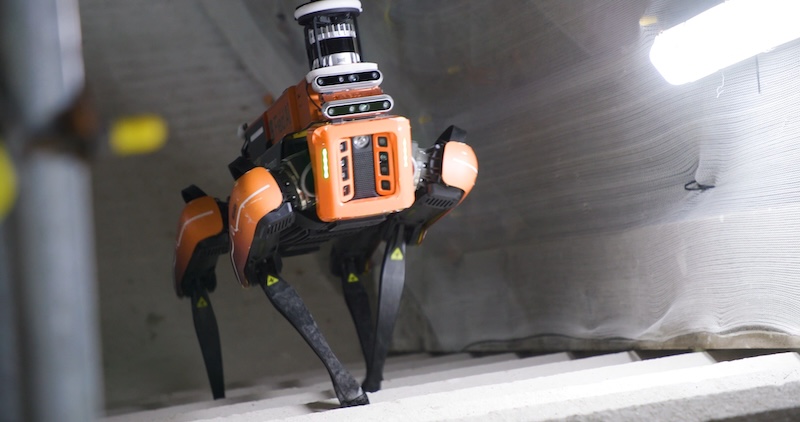
McLaren Construction Partners with FieldAI to Deploy Autonomous Robots Across UK Sites
McLaren Construction has formed a partnership with FieldAI to implement autonomous quadruped robots at its construction sites in the UK. These robots will initially be used for capturing 360° site imagery, generating point cloud data, and assisting with progress verification, safety compliance, and quality assurance. The capabilities of these robots will expand over time, enhancing their utility on-site. This partnership is significant as it marks FieldAI's entry into the UK market and builds upon its existing deployments across Europe, Asia, and North America. The use of AI-enabled deviation analysis will facilitate quicker identification of quality issues, ensuring better installation practices and reducing rework. McLaren aims to enhance project monitoring and compliance through this innovative technology. Looking ahead, McLaren Construction anticipates that the collaboration will yield valuable insights for broader robotic applications within the company. The deployment of FieldAI's Field Foundation Models will enable robots to adapt to complex environments without relying on pre-existing maps, thus enhancing operational efficiency. No further timeline was disclosed at the time of publication.
Construction News artificial intelligence Autonomous robots autonomous systems construction automation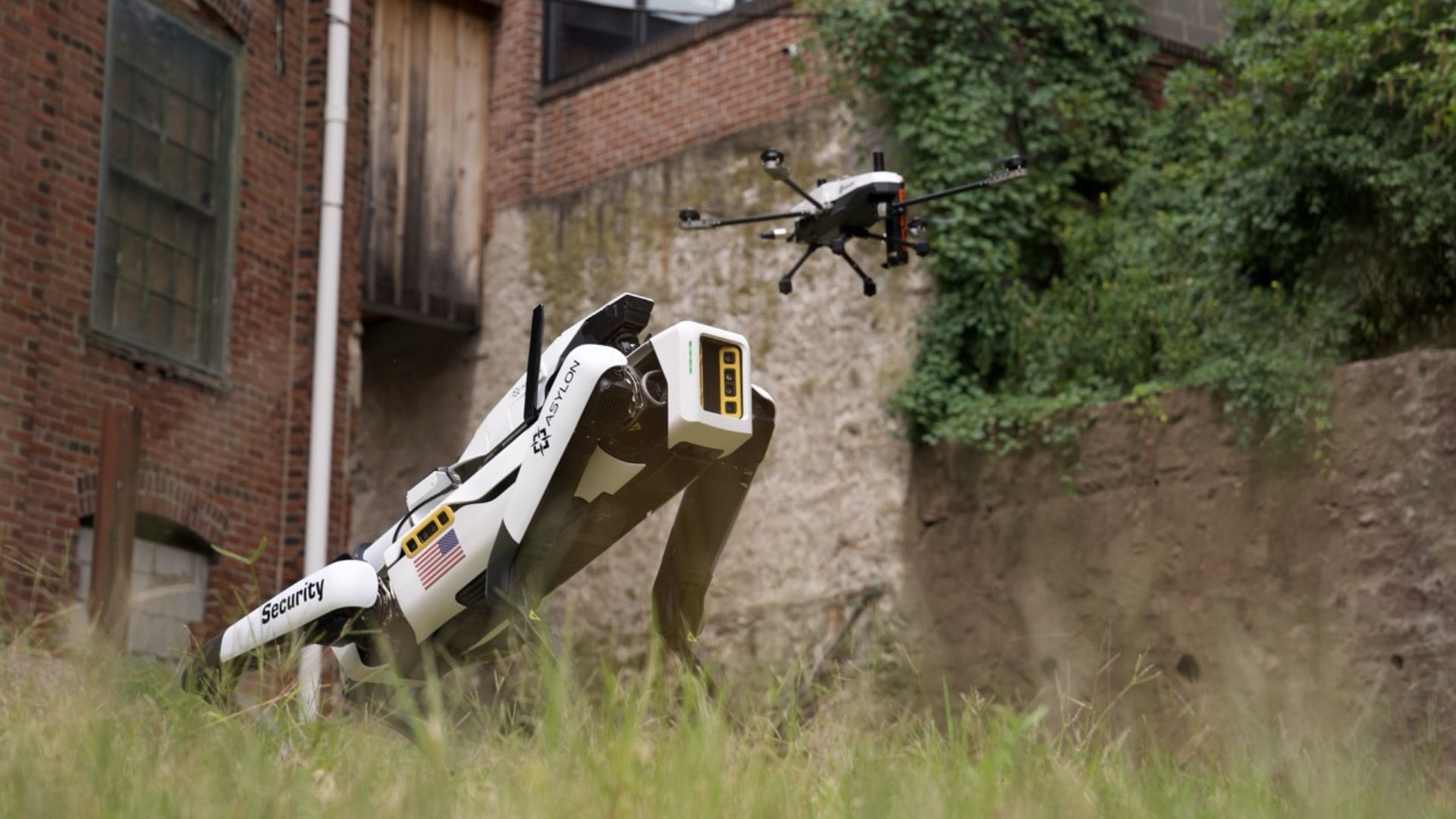
Asylon's MARIA System Enhances Aircraft Inspections for U.S. Air Force
Asylon has secured a Phase Three contract with the U.S. Air Force's Warner Robins Air Logistics Complex to deploy its Multi-modal Autonomous Robotics for Inspection of Aircraft (MARIA) system. This initiative aims to streamline aircraft inspections by integrating air and ground robotic platforms, significantly reducing the time for general visual inspections while enhancing consistency in maintenance tasks. The MARIA system combines Asylon's Guardian unmanned aircraft with the DroneDog Q-UGV, utilizing the Range autonomy software and DroneIQ command-and-control system for efficient inspection management. The significance of this deployment lies in its potential to transform aircraft maintenance operations. By automating inspections, the MARIA system not only improves inspection quality but also mitigates the risks associated with labor-intensive tasks. The integration of imagery, LiDAR data, and telemetry into a single platform allows maintenance personnel to make informed decisions quickly, thereby enhancing aircraft readiness without increasing manpower demands. This project marks a pivotal shift in how the Air Force approaches maintenance, leveraging autonomous technologies to optimize operational efficiency. Looking ahead, the success of the MARIA deployment at Warner Robins could lead to broader adoption of these technologies across military maintenance organizations. No further timeline was disclosed at the time of publication, but the ongoing collaboration between Asylon and the Air Force may pave the way for future advancements in defense sustainment operations, particularly in the realm of autonomous inspections and maintenance support.
Military
First Marine Solutions and Bedrock Form Strategic Partnership to Enhance Subsea Surveying in Europe
First Marine Solutions has entered into a multi-year strategic partnership with Bedrock Ocean Exploration to enhance autonomous subsea survey capabilities across the UK and Europe. This collaboration will establish a UK and European operational hub for Bedrock’s autonomous ocean intelligence technology at FMS’ Aberdeen headquarters, integrating Bedrock’s technology with FMS’ offshore expertise. The partnership is significant as it allows for the deployment of Bedrock’s autonomous underwater vehicles at FMS’ facility, enabling local operations and maintenance without the need for equipment transport to the United States. This arrangement aims to provide clients in offshore energy and subsea infrastructure with a comprehensive solution that combines data acquisition, operational support, and industry-leading survey capabilities. Looking ahead, both companies plan to work together to promote their new capabilities and their impact on maritime industries. No further timeline was disclosed at the time of publication.
first marine solutions bedrock ocean exploration autonomous subsea survey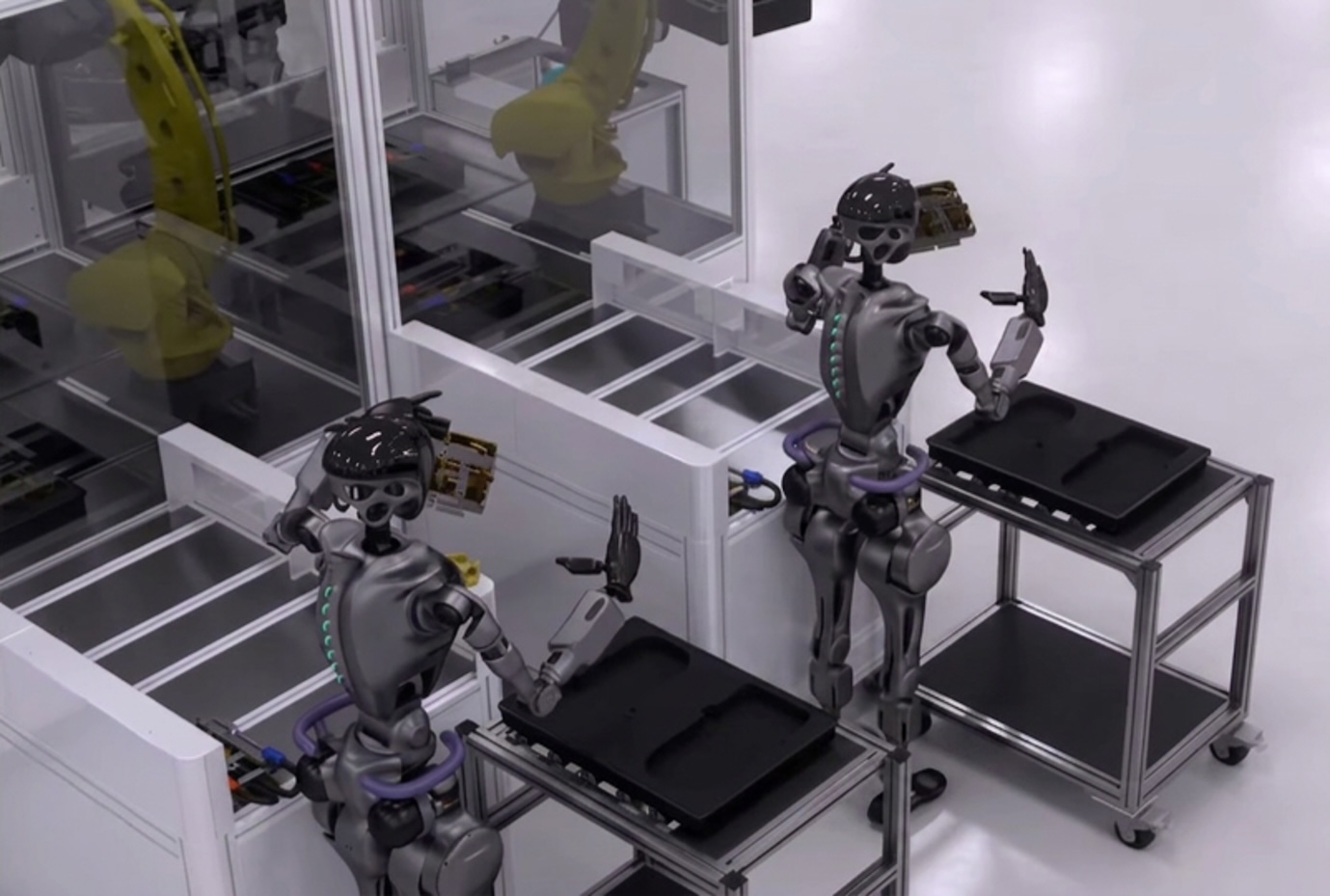
SpaceX Proposes 1 Million AI Satellites to Address Ground Data Center Constraints
On January 30, 2026, SpaceX filed with the FCC to launch up to 1 million AI compute satellites, positioning orbital data centers as a solution to the increasing demand for AI computing power. Ground data centers are facing significant challenges, with energy consumption projected to reach approximately 1,050 TWh in 2026, making them the fifth-largest electricity consumer globally. The demand for new data center capacity is outpacing the growth of power generation infrastructure, leading to a critical bottleneck in the grid system. The significance of this initiative lies in the structural constraints faced by ground data centers, including power delivery limitations, high water consumption, and local opposition to new projects. The Uptime Institute's 2026 outlook identifies power as the primary constraint on data center growth, with capacity clearing prices in the PJM grid skyrocketing to $329.17/MW, driven by data center expansion. Additionally, cooling requirements are becoming increasingly unsustainable, with facilities consuming vast amounts of water, further complicating their operational viability. Looking ahead, SpaceX's orbital AI compute initiative aims to circumvent these challenges by leveraging the advantages of space, such as continuous solar power and minimal local opposition. The first AI prototypes are expected to launch in early 2027, with operational deployments planned for 2028. No further timeline was disclosed at the time of publication.

Why the Autonomous Delivery Robot "Kachakapro" is Selling Well: Design Philosophy and Development Strategy Behind Its Market Leadership
In a recent online seminar hosted by Robosta, Takashi Isobe, CEO of Preferred Robotics, discussed the company's success in capturing the top market share in Japan with their product "Kachakapro." The seminar focused on the development of practical robots that serve real societal needs, highlighting the design philosophy behind creating usable products and the realities of mass production and distribution. Isobe's insights aim to shed light on how robotics can effectively integrate into everyday life, emphasizing the importance of functionality and accessibility in robotic design.
Clear Robotics Raises $1.75M in Pre-Series A Funding to Expand Development of Zero-Emission Autonomous Ships
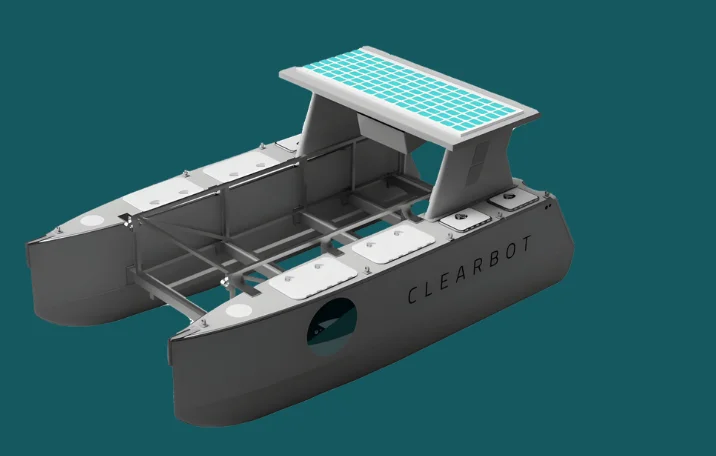
Clear Robotics has successfully secured $1.75 million in a pre-Series A funding round aimed at enhancing the deployment of its autonomous vessels throughout Asia and the Middle East. The funding round, led by Shipsfocus Ventures, also saw participation from notable investors including Katapult Ocean, SGInnovate, M7 Holdings, and MGS Ventures, among others. This financial boost will enable Clear Robotics to accelerate its expansion efforts in the rapidly evolving maritime technology sector, addressing the growing demand for innovative shipping solutions in these regions.
AI AI Funding & Investment Robotics autonomous ships autonomous surface vessel Clear Robotics
AI agents enhance autonomous inspections, revamping manual approval processes for drones and ground robots by DataRobot, Chevron, and NVIDIA.
DataRobot has announced a collaboration with Chevron U.S.A. Inc., a subsidiary of Chevron Corporation, to implement agent-based AI in edge environments. This partnership aims to enhance autonomous patrol and inspection operations at Chevron facilities. By leveraging advanced AI technology, the initiative seeks to improve operational efficiency and safety in the company's infrastructure.

Torc Robotics Announces First-Ever Autonomous-Trucking Partnership at Mila to Advance Physical AI
Torc Robotics has announced a groundbreaking partnership with the Quebec Artificial Intelligence Institute, known as Mila, aimed at enhancing physical AI research. This collaboration, revealed on May 27, 2026, marks Torc as the first autonomous trucking company to join Mila's ecosystem in Montreal. The partnership will provide Torc access to top academic talent, including students and researchers, and includes dedicated research space on-site. By embedding itself within Mila's renowned environment, Torc intends to advance its capabilities in areas such as generative world models, multi-agent behavior modeling, and reinforcement learning. This initiative is part of Torc's mission to develop safe and scalable autonomous trucks, with a focus on bridging the gap between research and real-world applications. Mila, recognized globally for its contributions to machine learning, has a strong network of researchers and ties to leading Canadian universities, making it an ideal partner for Torc. The collaboration builds on a relationship that began in 2020 and reflects Torc's commitment to investing in AI talent and research partnerships. Both organizations aim to unlock safer and more efficient autonomous transportation solutions, contributing to the commercialization of autonomous trucking technology.

Seegrid Surpasses 20 Million Autonomous Miles, Cementing Its Leadership in Reliable AMR Solutions
Seegrid, a leader in autonomous mobile robot (AMR) solutions, has achieved a significant milestone by surpassing 20 million autonomous miles driven in real-world production environments. This accomplishment, announced on May 11, 2026, highlights Seegrid's strong position in the North American manufacturing, warehousing, and logistics sectors, equating to over 800 circumferences of the Earth. The milestone reflects the deep integration of Seegrid's technology into daily operations of major global manufacturers and logistics companies. CEO Chris Baker emphasized that this achievement validates the reliability of their technology, which has operated without any recordable safety incidents, showcasing the effectiveness of their proprietary vision and LiDAR/SLAM technology. The extensive miles logged in active production settings demonstrate Seegrid's commitment to delivering tangible returns on investment for its customers, which include automotive and e-commerce leaders. As companies face challenges like labor shortages and rising wages, Seegrid's AMRs are positioned as essential components of modern automated workflows, all designed and supported in the U.S. This milestone not only underscores Seegrid's operational excellence but also serves as a foundation for advancing Physical AI, enabling their robots to navigate complex industrial environments with human-like precision. The company expresses gratitude to its customers for their partnership in pushing the boundaries of autonomous material handling.
Hyundai Motor, Kia and NVIDIA Expand Strategic Partnership for Next-Generation Autonomous Driving Technology
NVIDIA has announced an expanded collaboration with Hyundai Motor Company and Kia Corporation to enhance the development of next-generation autonomous driving technologies. This partnership will leverage the NVIDIA DRIVE Hyperion™ platform, which is designed to support the creation of advanced autonomous vehicles. The announcement was made today, signaling a significant step forward in the automotive industry’s push towards fully autonomous driving solutions. This collaboration aims to combine NVIDIA's cutting-edge technology with Hyundai and Kia's automotive expertise to accelerate innovation in self-driving capabilities.
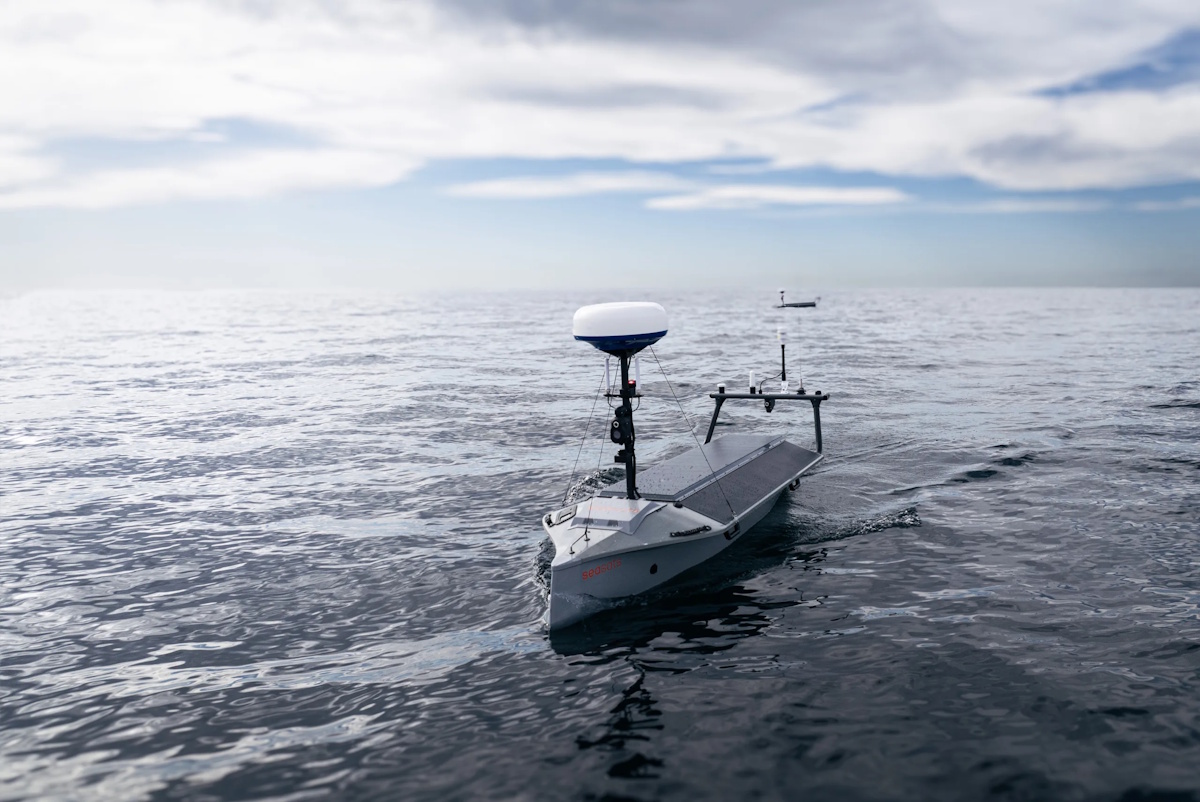
RS Aqua Announces Strategic Partnership with US -based Seasats to Bring Autonomous Surface Vehicles to UK and Ireland Defence Market
RS Aqua has formed a strategic partnership with Seasats, a developer of unmanned surface vehicles (USVs) based in San Diego, to launch a new range of security platforms tailored for the defense market in the United Kingdom and Ireland. This collaboration aims to enhance maritime security capabilities in these regions, responding to an increasing demand for advanced surveillance and operational solutions. The partnership is expected to leverage Seasats' innovative technology and RS Aqua's established presence in the UK and Ireland to effectively address the evolving security challenges faced by defense sectors.
rs aqua
HII Successfully Demonstrates Sea Launcher, Ship-Based Automated Launch and Recovery of REMUS Autonomous Underwater Vehicle
HII, a leading manufacturer of autonomous underwater unmanned vehicles, announced the successful shipboard deployment and recovery of a REMUS autonomous underwater vehicle. This achievement was made possible through the use of the company’s automated launch and recovery system, known as Sea Launcher. The event highlights HII's advancements in underwater technology and its commitment to enhancing operational capabilities in marine environments.
hii sea launcher ship-based automated launch and recovery remus autonomous underwater vehicle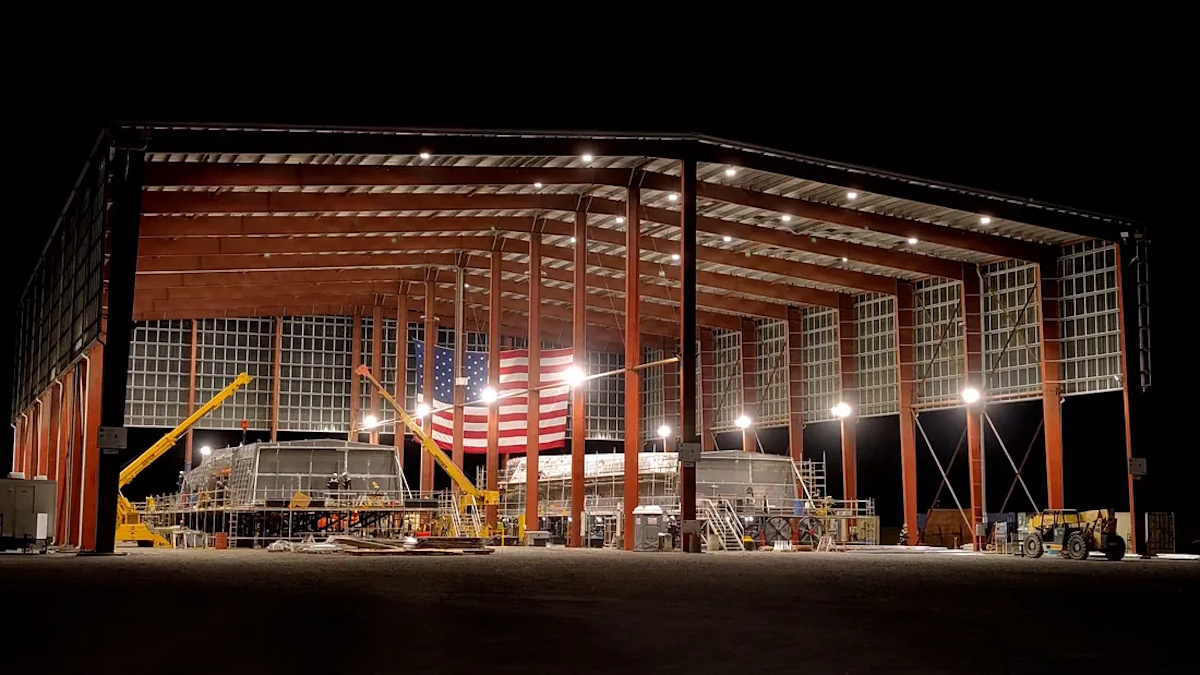
Saronic Expands its Louisiana Shipyard with $300 Million Investment to Accelerate Autonomous Ship Production
Saronic has unveiled plans for a $300 million investment aimed at expanding its shipyard in Franklin, Louisiana, marking a significant step in the company's growth as a leader in autonomous shipbuilding. This expansion is set to enhance production capacity for Saronic's fleet of Autonomous Surface Vessels (ASVs) and is expected to create 1,500 skilled jobs in the region. The investment underscores the Gulf Coast's pivotal role in advancing American maritime innovation and reflects Saronic's commitment to leading the industry into the future.
saronic expansion louisiana shipyard investment autonomous ship production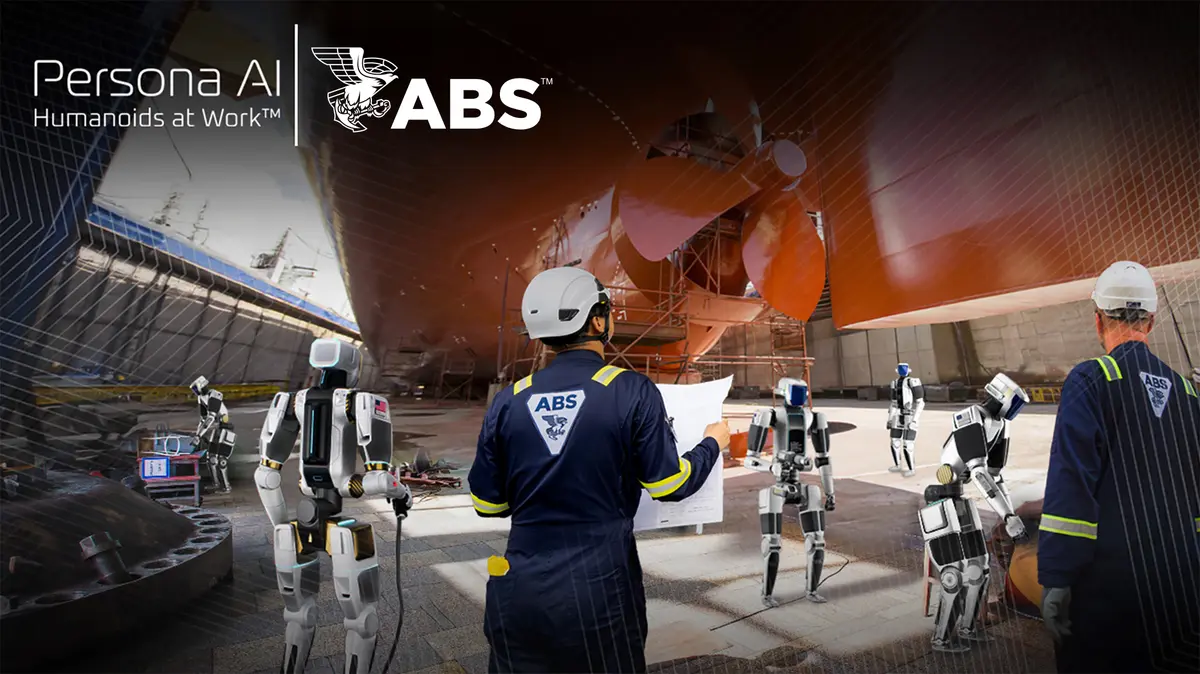
Persona AI Partners with Maritime Certifier ABS to Standardize Humanoid Robot Inspections in Shipyards
Persona AI, a company specializing in humanoid robotics, has entered into a memorandum of understanding with the American Bureau of Shipping (ABS) to advance the development and standardization of inspection tasks for robots in shipyards. This collaboration, announced recently, seeks to establish a comprehensive framework for data collection and certification, which is essential for the official integration of humanoid robots into maritime construction and survey operations. By streamlining these processes, the partnership aims to enhance efficiency and safety in the shipbuilding industry, potentially transforming how inspections are conducted in the future.
shipbuilding ABS maritime Persona AI
Greensea IQ and Ocean Power Technologies Announce Strategic Collaboration to Advance Autonomous Hull Maintenance
Greensea IQ and Ocean Power Technologies (OPT) have announced a strategic partnership to combine Greensea IQ’s EverClean robotic hull grooming system with OPT’s WAM-V® Unmanned Surface Vehicle (USV) platform. This collaboration, unveiled recently, aims to create a fully autonomous launch and recovery system designed to enhance the efficiency and environmental sustainability of hull maintenance operations. By integrating these advanced technologies, the companies seek to revolutionize the maritime maintenance sector, addressing the growing need for eco-friendly solutions in marine operations.
greensea iq ocean power technologies strategic collaboration autonomous hull maintenance
Robosys Automation Launches New Software Autopilot VOYAGER AI SMARTPILOT™ at Autonomous Ship Expo
Robosys Automation, a leader in vessel control systems and advanced maritime autonomy, introduced its latest innovation, the VOYAGER AI SMARTPILOT™ software autopilot, at the Autonomous Ship Expo held in Amsterdam, Netherlands. This unveiling took place during the expo, which showcases cutting-edge technologies in the maritime industry. The development of the VOYAGER AI SMARTPILOT™ aims to enhance the safety and efficiency of maritime navigation, addressing the growing demand for autonomous solutions in shipping. By leveraging advanced artificial intelligence, the software is designed to improve decision-making processes for vessel operations, ultimately contributing to the future of autonomous shipping.
robosys automation new software autopilot voyager ai smartpilot™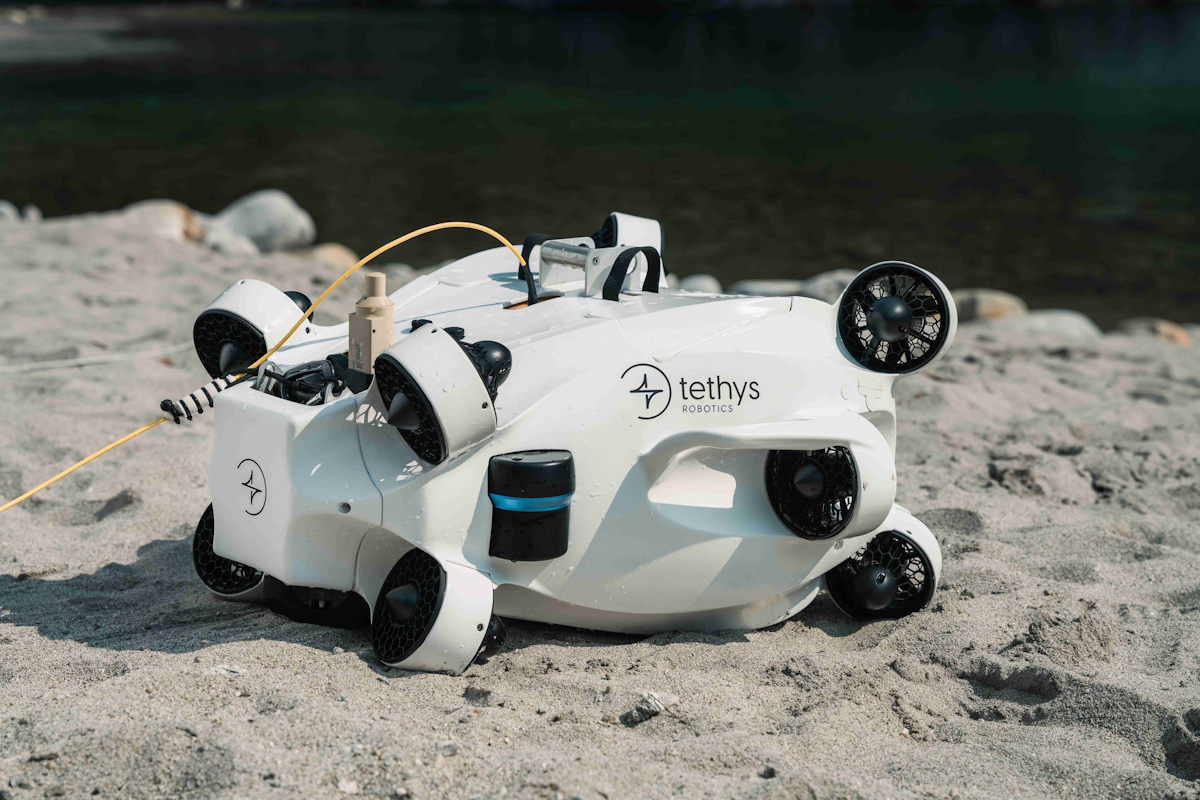
SeaRenergy and Tethys Robotics Announce Strategic Partnership to Enhance Offshore Subsea Inspection Services
Tethys Robotics AG has entered into a strategic partnership with SeaRenergy Offshore Holding GmbH, a prominent offshore service provider recognized for its expertise in complex subsea operations across Europe. This collaboration, announced recently, aims to enhance subsea inspection services by leveraging SeaRenergy's extensive experience in offshore wind and marine projects alongside Tethys Robotics’ advanced inspection technology. The partnership is expected to elevate performance standards in the industry, combining operational insights with cutting-edge technological capabilities.
searenergy tethys robotics strategic partnership offshore subsea inspection services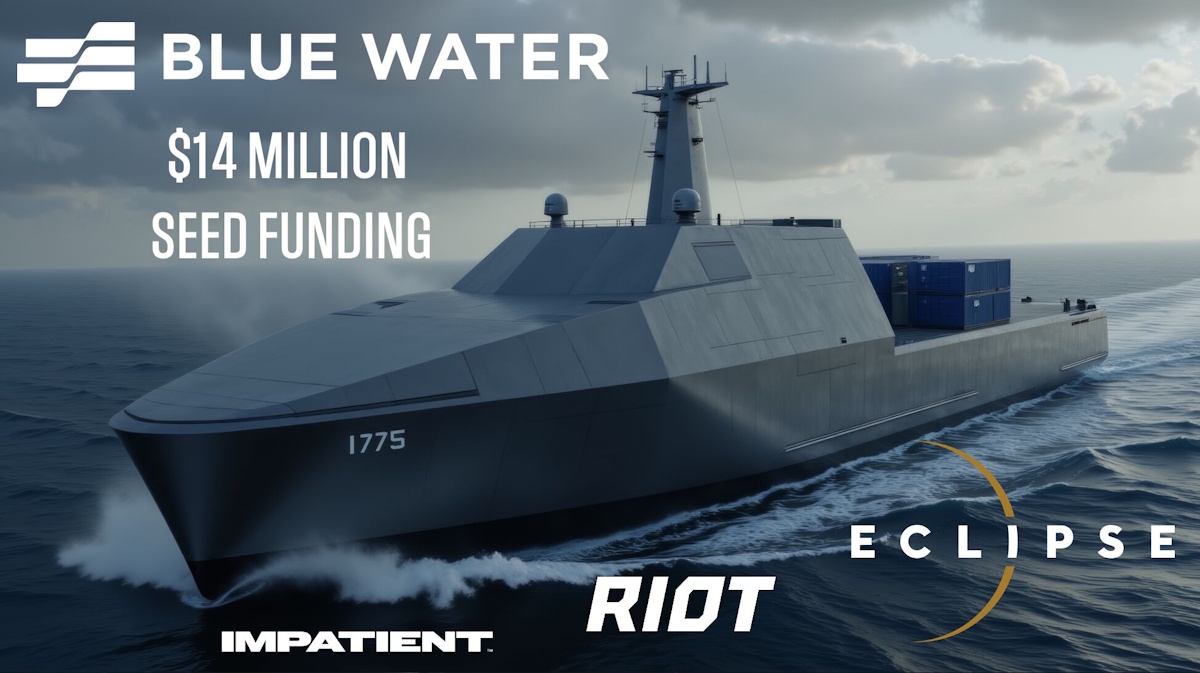
Blue Water Autonomy Emerges From Stealth to Usher in New Era of Autonomous Ships and Modernize the Maritime Economy
Blue Water Autonomy, Inc., a technology firm focused on developing autonomous vessels for the U.S. Navy, has officially revealed its operations after a period of secrecy. The company announced it has secured $14 million in seed funding from investors including Eclipse, Riot, and Impatient Ventures. This funding will support the creation of a fully unmanned and easily producible ship designed to undertake a variety of missions on the open ocean. The announcement marks a significant step in the advancement of maritime technology, aiming to enhance naval capabilities while reducing the need for human crew members in potentially hazardous environments.
blue water autonomy autonomous ships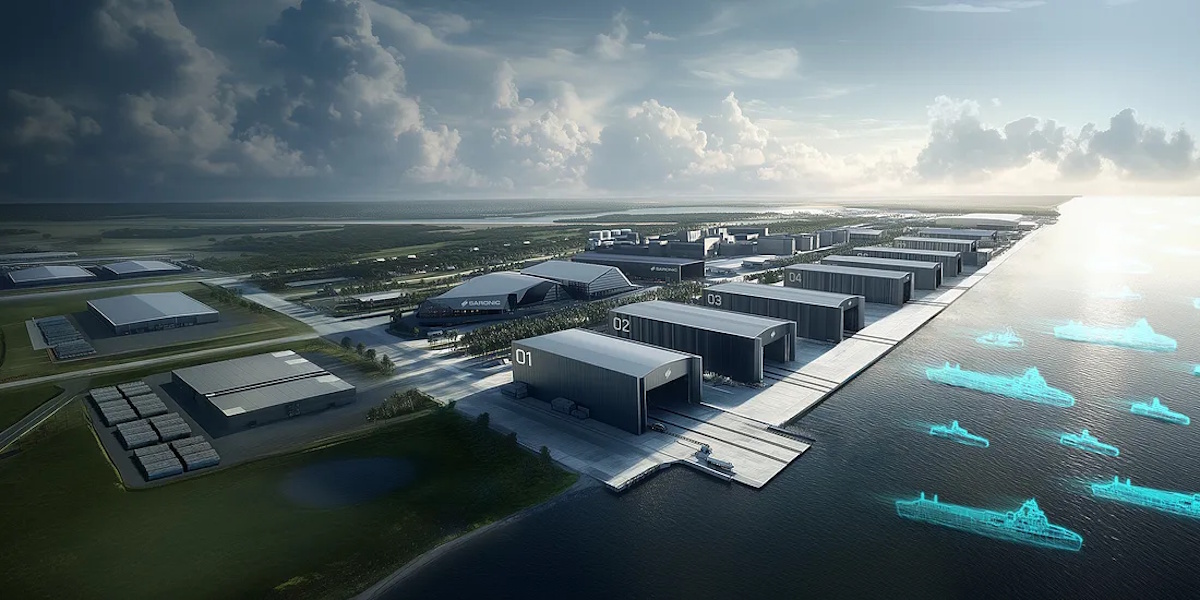
Saronic Raises $600M Series C to Take on Autonomous Shipbuilding
Saronic is set to inaugurate Port Alpha, a state-of-the-art shipyard dedicated to the construction of autonomous vessels for its hybrid fleet. The event will take place on [insert date], marking a significant advancement in maritime technology. Located in [insert location], Port Alpha aims to position Saronic at the forefront of the evolving shipping industry, responding to the growing demand for innovative and sustainable shipping solutions. The shipyard will utilize cutting-edge technology and engineering practices to enhance efficiency and reduce environmental impact, reflecting a commitment to modernizing maritime operations. This initiative underscores Saronic's strategic vision to lead in the development of autonomous shipping, aligning with global trends towards automation and sustainability in the maritime sector.
saronic capital raise series c autonomous shipbuildingRobotics needs a service framework.
RSF defines a common language for robot service capability, lifecycle operations, certification pathways, and service-provider networks.
Join the RobotToday community on LinkedIn
Daily robotics news, in-depth analysis, conference highlights, and discussions with professionals worldwide.







