Industry Briefing
A single destination for timely, editor-curated robotics news from around the world.
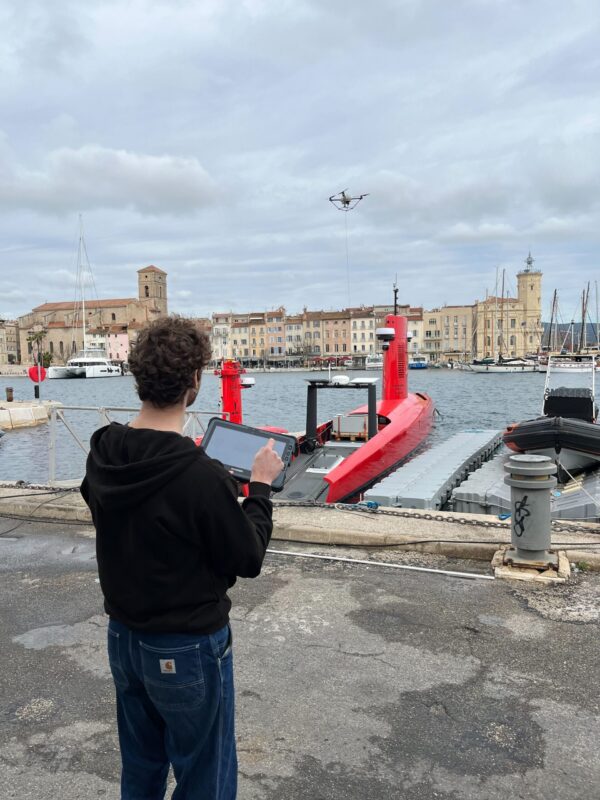
Elistair and Exail Collaborate on Tethered Drone Maritime Surveillance for Autonomous Vessels
Elistair has partnered with Exail to integrate its Khronos DroneBox with Exail's DriX unmanned surface vessel, enabling tethered drone maritime surveillance. This collaboration allows operators to maintain a persistent aerial view from shore, enhancing capabilities for naval, coast guard, and port security operations. The integration of the Khronos DroneBox with the DriX vessel marks a significant advancement in maritime surveillance technology. The tethered drone can operate for up to 24 hours at a height of 60 meters, providing real-time, encrypted video feeds even in challenging environments. This capability extends surveillance beyond traditional surface radar limits, making it ideal for various applications including coastal surveillance and search and rescue missions. Looking ahead, the partnership between Elistair and Exail is expected to evolve as they explore further applications of the Khronos system in maritime contexts. No further timeline was disclosed at the time of publication.
Drone News Drone News Feeds News safety and security seadrones Security
Greensea IQ Launches Bayonet Sweep, an Autonomous Robot for Hull Inspections
Greensea IQ has unveiled Bayonet Sweep, an autonomous underwater robot designed for inspecting ship hulls and underwater structures. This innovative solution aims to enhance maritime force protection by allowing navies, security teams, and port authorities to conduct inspections without the need for divers, thereby improving safety and efficiency. The significance of Bayonet Sweep lies in its ability to transform traditional hull inspection methods, which often focus on maintenance, into a proactive security measure. Built on Greensea IQ Core software, the robot not only autonomously inspects hulls but also provides comprehensive data for threat assessment and mitigation, ensuring that operators receive detailed intelligence on potential anomalies. Looking ahead, the Bayonet Sweep is part of Greensea IQ's broader Bayonet mission suite, which includes various autonomous systems for marine operations. As the technology continues to evolve, it will be crucial to monitor its deployment and effectiveness in enhancing port and harbor security. No further timeline was disclosed at the time of publication.
greensea iq bayonet sweep augv autonomous hull inspection robot maritime force protection
Royal Navy Tests Robotic Boat for Autonomous Drone Launching in Maritime Surveillance
The Royal Navy is conducting trials of a robotic boat designed to autonomously launch and recover drones at sea, enhancing uncrewed maritime surveillance capabilities. This initiative, in collaboration with ACUA Ocean and Teledyne FLIR Defense, aims to improve persistent aerial reconnaissance while minimizing risks to personnel. The system integrates an uncrewed surface vessel (USV) with a tethered uncrewed aerial system (T-UAS), allowing for extended surveillance operations. This development is significant as it represents a new approach to maritime surveillance, combining aerial and surface capabilities into a single autonomous system. The SkyCarrier and SkyRanger R70 drones, utilized during the trials, are equipped with advanced AI and imaging technologies, enabling them to perform demanding surveillance missions. The ability to maintain a stable tether connection allows for longer operational durations and continuous power supply, which is crucial for effective surveillance in challenging sea conditions. Looking ahead, the Royal Navy's exploration of this technology could lead to enhanced capabilities in anti-submarine warfare, mine countermeasures, and the protection of critical maritime infrastructure. No further timeline was disclosed at the time of publication.
AI and Robotics
Kraken Technology Secures $175 Million in Series B Funding for Autonomous Maritime Platforms
Kraken Technology Group Ltd. has successfully raised $175 million in Series B funding, achieving a valuation of $1 billion. The investment, led by Digital Transformation Capital Partners GmbH, will enhance Kraken's global rollout of autonomous maritime platforms designed for defense applications, including support for NATO and its partners. This funding is significant as it comes after Kraken secured multiple contracts with the U.K. Ministry of Defence and NATO European partners, indicating strong demand for its modular uncrewed surface vessels (USVs) and uncrewed subsurface vessels (USSVs). These platforms are capable of various operations, including data collection and anti-submarine warfare, addressing the urgent needs of modern maritime defense. Looking ahead, Kraken Technology plans to announce new manufacturing partnerships in the Middle East and Indo-Pacific regions, further expanding its production capabilities. The company aims to leverage this funding to enhance its USVs and payload capabilities, responding to the increasing demand for mission-ready maritime solutions.
Defense / Security Investments Maritime Mobility / Navigation News Unmanned Maritime Systems
Bedrock Appoints Former Satellogic Exec as CEO to Drive Growth in Autonomous Maritime Intelligence
Bedrock Ocean Exploration has appointed Matthew Tirman as its new Chief Executive Officer, a move aimed at strengthening the company’s leadership amid increasing demand in global offshore markets. The announcement was made today, reflecting the company's commitment to expanding its operations and enhancing its capabilities in autonomous subsea data and intelligence. Tirman's leadership is expected to guide Bedrock through its major deployments and capitalize on the growing opportunities within the industry.

Solid-State Batteries May First Be Used in Humanoid Robots, Not EVs
Recent discussions suggest that the first large-scale commercial application of solid-state batteries may not be in electric vehicles but rather in humanoid robots. This shift highlights the evolving landscape of robotics and energy storage technologies. Companies are exploring innovative ways to integrate these batteries into robotic systems, potentially enhancing their performance and capabilities. The significance of this development lies in the potential for humanoid robots to leverage advanced battery technology, which could lead to improved operational efficiency and longer usage times. As the robotics industry continues to grow, the demand for effective energy solutions becomes increasingly critical. The application of solid-state batteries in robots could mark a pivotal moment in the intersection of robotics and energy technology. Looking ahead, industry stakeholders should monitor advancements in battery technology and its integration into robotic systems. The collaboration between technology firms and robotics companies will be essential in realizing this vision. No further timeline was disclosed at the time of publication.
Robotics Automation AI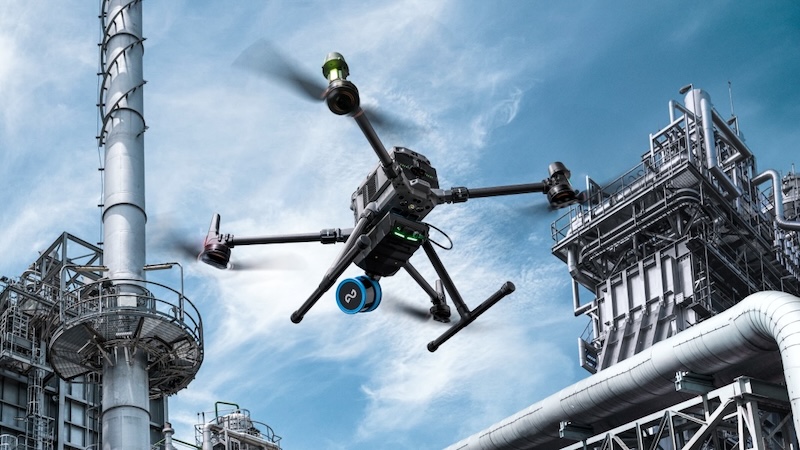
Emesent Raises $17 Million to Enhance Cortex AI and Aura Cloud Software Development
Emesent, an autonomous mapping and robotics company, has secured $17 million in funding to advance its Cortex AI autonomy platform and expand its Aura cloud software. This funding includes a $7 million venture debt facility from the National Reconstruction Fund Corporation and a $10 million equity round supported by various investors. The investment is significant as it will enable Emesent to scale its manufacturing operations in Wacol, Queensland, Australia, and enhance its capabilities in sectors such as mining, defense, and architecture, engineering, and construction. CEO Charles Miller emphasized the importance of this funding in meeting the demands of clients operating in challenging environments. Looking ahead, Emesent plans to leverage this capital to deepen its presence in critical sectors and further develop its AI and autonomy technologies. No further timeline was disclosed at the time of publication.
Financials & Investments News AEC artificial intelligence aura Australian robotics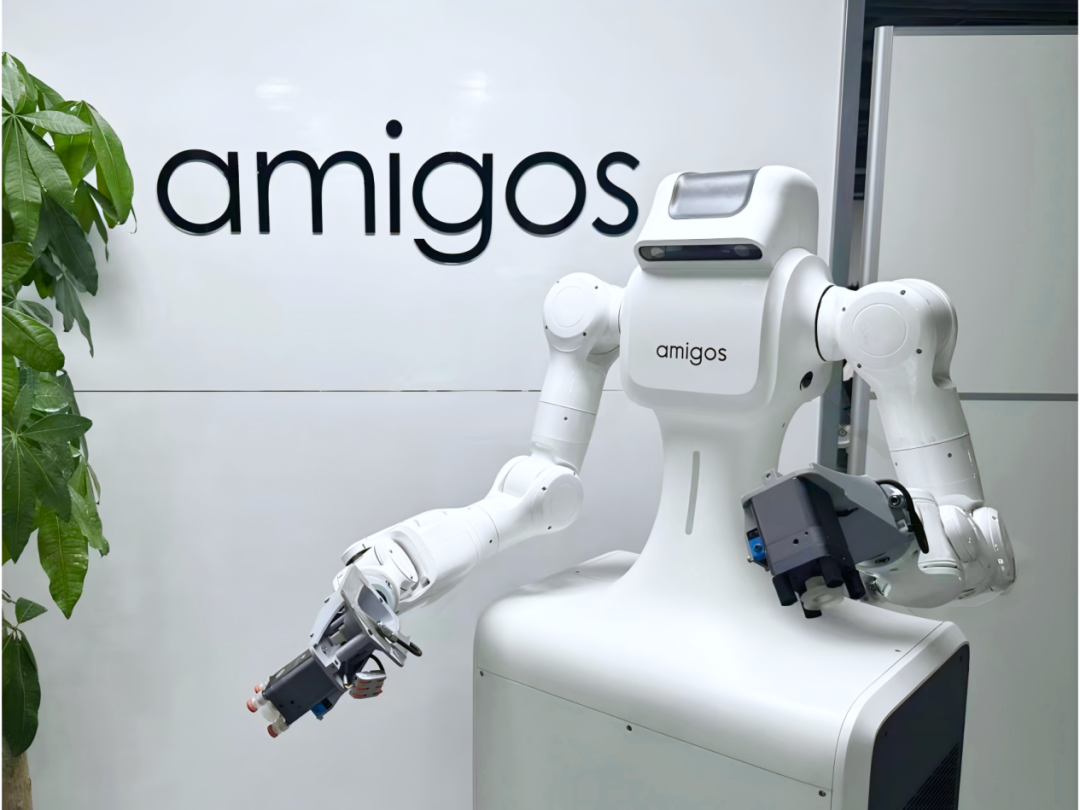
Amiro Robotics' Liu Fang: Embodied Intelligence is Not Just Large Models or Autonomous Driving
Liu Fang, the founder of Amiro Robotics, has presented a new perspective on embodied intelligence, distinguishing it from large models and autonomous driving. During a recent discussion, he emphasized that the true essence of embodied intelligence lies in enhancing labor capabilities within industrial environments. Liu argued that robots should be designed to provide consistent and reliable outputs, which is crucial for their integration into real-world applications. To further this discussion, he introduced a novel metric called Hours Per Intervention (HPI), aimed at evaluating robotic performance in production settings. This metric underscores the significance of building trust in robotic labor, as reliable performance is essential for widespread adoption in various industries. Liu’s insights reflect a growing recognition of the need for practical and dependable robotic solutions in the workforce, marking a shift towards more effective and measurable applications of robotics in industrial operations.
Embodied Intelligence Industrial Robotics Automation HPI Metric
Agreenculture acquires Chouette to add agronomic intelligence to autonomous machines
French autonomous-machinery specialist Agreenculture has announced its acquisition of Chouette, a company known for its AI-driven agronomic analysis tailored for viticulture. This strategic move, revealed recently, aims to integrate Agreenculture’s advanced autonomy technology with Chouette’s sophisticated crop-monitoring algorithms. The collaboration is set to enhance the development of machines capable of operating independently while also interpreting field observations. This initiative reflects a growing trend in the agricultural sector to leverage artificial intelligence for improved efficiency and precision in farming practices.
Autonomous/semi-autosteering systems agricultural robots agronomists autonomous technology crop monitoring vineyard robots
SiMa.ai and Mistral Solutions, a subsidiary of AXISCADES, Partner to Accelerate Autonomous Drone Intelligence
Mistral and SiMa.ai have collaborated to create a joint reference design that integrates Mistral's expertise in embedded systems with SiMa.ai's Physical AI platform. This innovative partnership aims to streamline the deployment of autonomous drones, significantly enhancing their operational efficiency. The announcement comes as industries increasingly seek advanced technologies to improve automation and data processing capabilities. By leveraging their combined strengths, the two companies are positioned to offer a rapid and effective solution for businesses looking to adopt autonomous drone technology. This initiative reflects a growing trend in the tech sector, where collaboration is key to accelerating advancements in artificial intelligence and robotics.
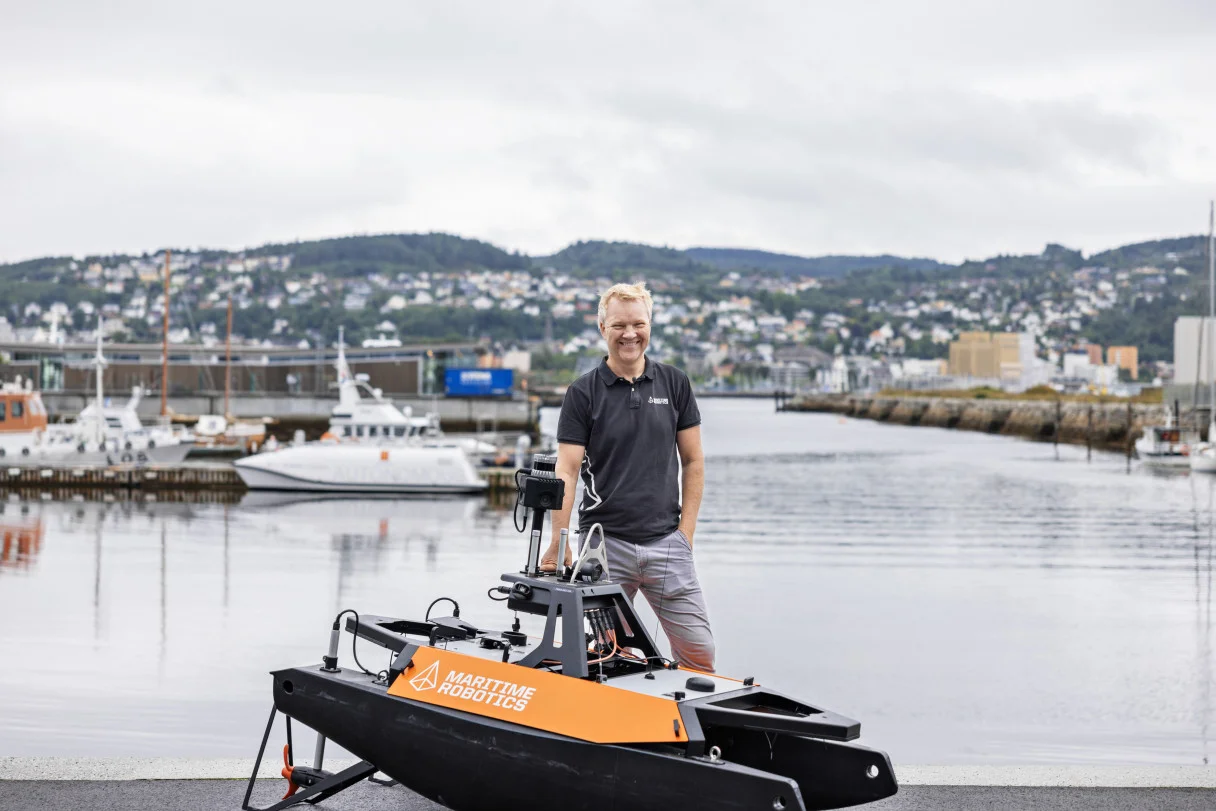
Maritime Robotics Raises €28M in Funding to Expand its Autonomous Sea Drone Systems
Norwegian company Maritime Robotics has secured €28 million in growth funding to enhance its autonomous maritime systems. The funding round, which was led by Mustard Seed + Partners, also saw contributions from existing investors including EnvisionTech, Nysnø Climate Investment, and Umoe, along with participation from the company's founders, employees, and early backers. This financial boost aims to support the company's expansion efforts in the rapidly evolving maritime technology sector.
AI AI Funding & Investment Robotics autonomous maritime systems funding maritime robotics
NautiGEN Launches Hydrogen Power Solutions for Maritime Operations, Autonomous Systems and Subsea Applications
On World Oceans Day, NautiGEN, Inc. officially launched as a new player in the maritime hydrogen power sector. The company, a collaboration between Cellula Robotics and Infinity Fuel Cell and Hydrogen, Inc., aims to revolutionize maritime operations, autonomous systems, and subsea applications by providing high-density fuel cell power solutions. This initiative is driven by the need for sustainable energy alternatives in the maritime industry, addressing both environmental concerns and the demand for efficient power sources. NautiGEN's innovative approach is expected to enhance the performance and sustainability of various maritime technologies, marking a significant step forward in the transition to cleaner energy solutions at sea.
cellula robotics nautigen hydrogen power maritime operations autonomous systems subsea applications
Autonomous AI at Scale: Adobe Agents Unlock Breakthrough Creative Intelligence With NVIDIA and WPP
NVIDIA is at the forefront of a significant shift in the workplace, as AI agents increasingly revolutionize operations across various industries. The company has announced expanded strategic collaborations with Adobe and WPP, aiming to integrate agentic AI into enterprise solutions. This initiative is designed to enhance efficiency in tasks ranging from content creation to decision-making processes. By leveraging advanced AI technologies, NVIDIA seeks to streamline workflows and improve productivity for businesses. These developments come amid a growing demand for innovative tools that can adapt to the evolving landscape of work, highlighting the critical role of AI in shaping the future of industry practices.
A Review on Path Planning for Autonomous Underwater Vehicles: From Models, Classical Methods, and Learning‐Based Intelligence Perspectives
In a recent study published in the Journal of Field Robotics, researchers explored advancements in robotic technologies aimed at enhancing agricultural efficiency. The findings, released in May 2026, highlight innovative methods for deploying autonomous robots in farming environments to improve crop management and yield. Conducted by a team of experts in robotics and agriculture, the research took place in various agricultural settings, focusing on the integration of artificial intelligence and machine learning to optimize planting, monitoring, and harvesting processes. The motivation behind this initiative stems from the growing need for sustainable farming practices and the increasing global demand for food production. By utilizing advanced robotics, the study aims to address labor shortages and reduce environmental impacts associated with traditional farming methods. The researchers conducted extensive field trials to assess the effectiveness of these robotic systems, demonstrating significant improvements in efficiency and productivity. This work not only contributes to the field of robotics but also offers practical solutions for the agricultural sector facing modern challenges.
SURVEY ARTICLE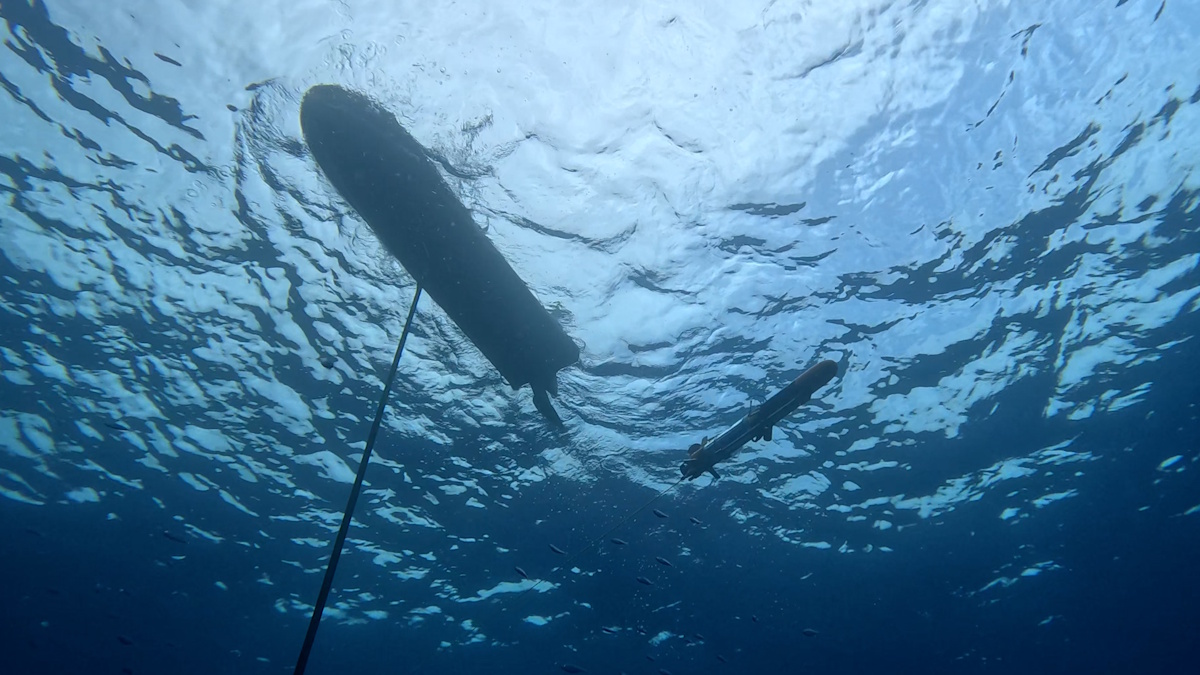
Liquid Robotics and Hydronet Sign MOU to Advance Undersea Mesh Networking for Maritime and Underwater Autonomous Vehicles
Liquid Robotics, a subsidiary of Boeing, has partnered with Massachusetts-based deep tech start-up Hydronet to enhance and commercialize underwater mesh networking technologies. This collaboration aims to improve connectivity for maritime and underwater autonomous vehicles. The two companies have formalized their commitment through a Memorandum of Understanding (MOU), signaling a strategic move to leverage their respective expertise in advancing this innovative technology. The partnership is expected to facilitate more efficient communication and data sharing among autonomous systems operating in underwater environments, ultimately enhancing operational capabilities in various maritime applications.
liquid robotics hydronet mou undersea mesh networking underwater autonomous vehicles auv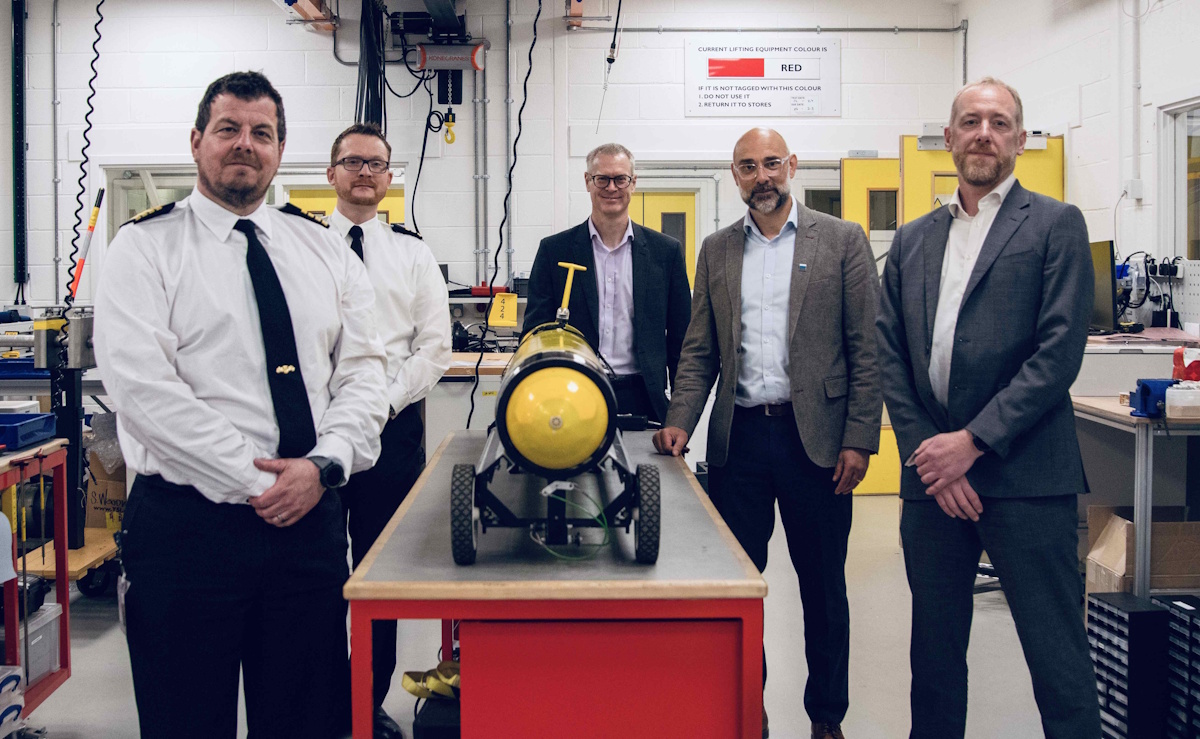
NOC and Royal Navy Renew MOU on Autonomous Maritime Capabilities
The National Oceanography Centre (NOC) in the UK has reaffirmed its commitment to marine science and technology by renewing a memorandum of understanding with the Royal Navy. This renewed agreement, which underscores a collaborative relationship that has spanned several years, aims to enhance research and innovation in oceanographic studies. The partnership is expected to facilitate the sharing of expertise and resources, ultimately contributing to advancements in understanding marine environments. The renewal of the MOU was announced recently, highlighting the ongoing dedication of both organizations to address challenges related to the oceans and maritime operations.
national oceanography centre (noc) royal navy mou autonomous maritime capabilities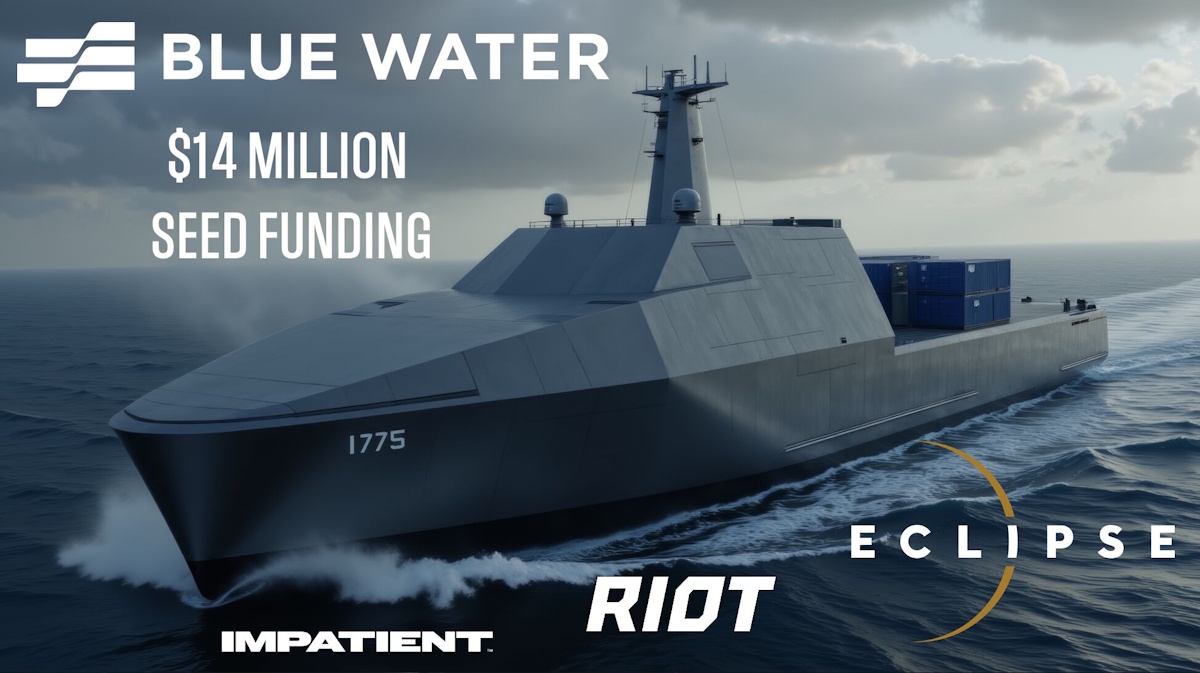
Blue Water Autonomy Emerges From Stealth to Usher in New Era of Autonomous Ships and Modernize the Maritime Economy
Blue Water Autonomy, Inc., a technology firm focused on developing autonomous vessels for the U.S. Navy, has officially revealed its operations after a period of secrecy. The company announced it has secured $14 million in seed funding from investors including Eclipse, Riot, and Impatient Ventures. This funding will support the creation of a fully unmanned and easily producible ship designed to undertake a variety of missions on the open ocean. The announcement marks a significant step in the advancement of maritime technology, aiming to enhance naval capabilities while reducing the need for human crew members in potentially hazardous environments.
blue water autonomy autonomous ships
Saildrone and Palantir Announce Strategic Partnership to Advance AI-Powered Maritime Intelligence
As over 70% of the Earth's surface is covered by ocean, illegal activities often go undetected due to a lack of surveillance by U.S. or allied forces. Multi-mission naval assets are currently stretched thin, balancing high-stakes operations with the need for extensive open-water patrols. This situation has prompted the U.S. and its allies to seek advanced technology solutions to enhance their surveillance capabilities. The urgency for these innovations is driven by the need to optimize limited resources, sharpen strategic focus, and stay ahead of adversaries in maritime security efforts.
saildrone palantir strategic partnership ai maritime intelligence
Seasats Secures Funding to Accelerate Growth of Autonomous Maritime Solutions
Seasats, a San Diego-based company specializing in autonomous surface vehicles (ASVs), has secured $10 million in a strategic funding round led by Shield Capital, a Silicon Valley venture capital firm focused on dual-use technologies that enhance national security. The funding round also attracted investments from Aero X Ventures, Techstars, and other contributors. This financial boost will support Seasats' efforts to expand its maritime autonomy solutions globally, positioning the company for significant growth in the evolving market of autonomous maritime technology.
Robotics needs a service framework.
RSF defines a common language for robot service capability, lifecycle operations, certification pathways, and service-provider networks.
Join the RobotToday community on LinkedIn
Daily robotics news, in-depth analysis, conference highlights, and discussions with professionals worldwide.